
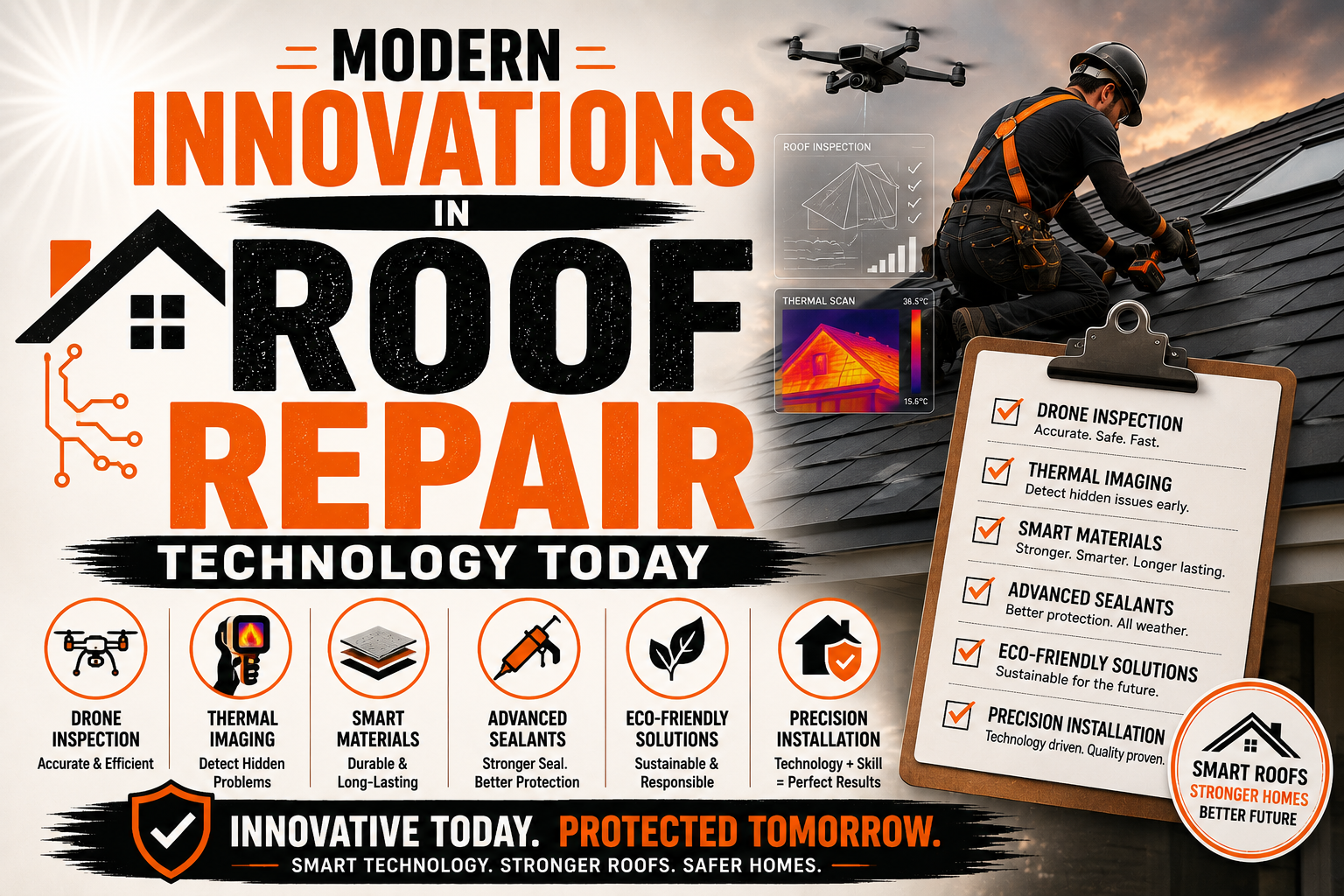
Modern Innovations in Roof Repair Technology Today
Introduction
Roof repair has advanced significantly over the past few decades, transforming from a labor intensive process into a technology driven industry focused on precision, efficiency, and long term performance. Modern innovations allow roofing professionals to detect hidden damage, complete repairs more accurately, and reduce unnecessary costs for homeowners. These advancements have improved both the quality of repairs and the overall lifespan of roofing systems.
Traditional roof repair often relied on visual inspections and manual measurements, leaving room for missed damage or inaccurate assessments. Today’s roofing professionals have access to advanced tools such as drones, artificial intelligence, digital mapping systems, and smart diagnostic equipment that provide detailed information before any repair work begins. These technologies help identify problems earlier and support better decision making.
Innovation has also introduced stronger roofing materials, advanced sealants, and improved installation techniques that perform better under changing weather conditions. Many modern repair products are designed to last longer while offering greater resistance to moisture, wind, ultraviolet radiation, and temperature fluctuations. As a result, homeowners benefit from repairs that require less maintenance over time.
This guide explores the latest innovations in roof repair technology, explains how they improve repair quality, and examines the future of technology driven roofing solutions. Whether you are planning a minor repair or maintaining an aging roof, understanding these developments can help you make informed decisions and maximize the value of your roofing investment.
How Roof Repair Technology Has Changed Over the Years
Roof repair has evolved considerably from traditional methods that depended almost entirely on manual labor and visual observation. In the past, contractors climbed onto roofs to inspect every section individually, often relying on experience alone to identify hidden problems. While skilled professionals were able to detect many issues, some forms of damage remained difficult to locate until leaks became obvious.
Modern technology has dramatically improved the inspection process. Digital imaging, electronic measuring systems, and computer assisted analysis now provide highly accurate information before repair work begins. Contractors can identify weak areas, calculate material requirements, and develop repair plans with much greater precision than before.
Communication has improved as well. Digital photographs, aerial imagery, and inspection reports allow homeowners to see the exact condition of their roofs rather than relying solely on verbal explanations. This transparency helps build confidence and makes it easier to understand recommended repairs.
Material technology has advanced alongside inspection methods. Today’s roofing products offer stronger weather resistance, improved flexibility, enhanced waterproofing, and greater durability than many traditional materials. Combined with better installation practices, these innovations have significantly increased repair reliability.
The roofing industry continues adopting new technologies that improve safety, reduce waste, and deliver better long term results. As digital tools become more accessible, technology driven roof repair is becoming the standard rather than the exception.
Why Innovation Is Transforming the Roofing Industry
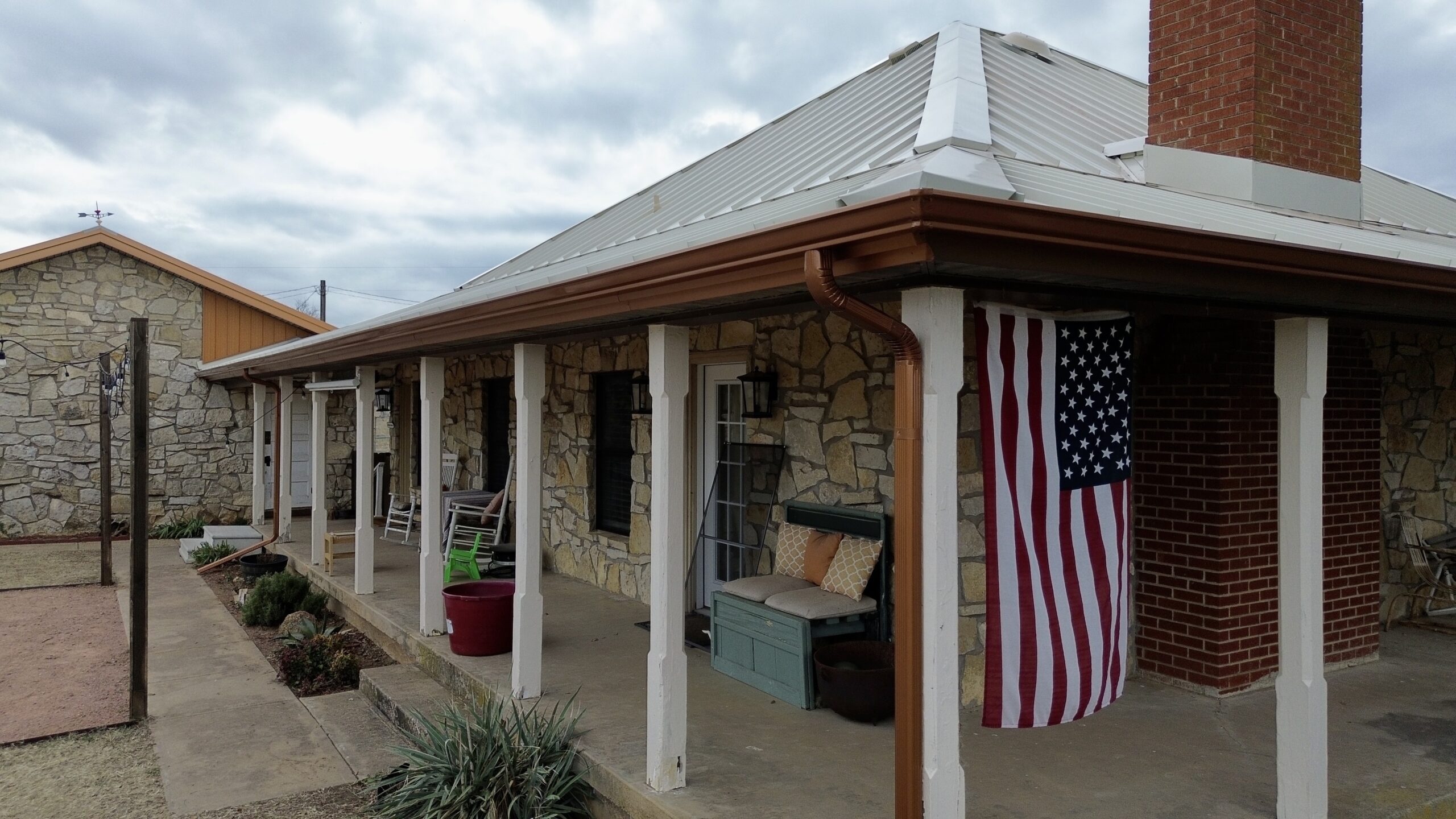
Innovation has changed the roofing industry by improving accuracy, efficiency, and overall repair quality. Contractors can now diagnose roofing problems more quickly while reducing unnecessary labor and minimizing disruption for homeowners. These improvements benefit both residential and commercial roofing projects.
One major advantage of modern innovation is early problem detection. Advanced diagnostic equipment identifies moisture, insulation damage, and structural concerns before they become visible inside the home. Early intervention reduces repair costs and helps preserve the roof’s overall condition.
Technology also supports better project planning. Accurate measurements reduce material waste while improving scheduling and budgeting. Contractors can prepare detailed repair plans before arriving on site, allowing projects to progress more smoothly and efficiently.
Safety has improved significantly as well. Modern inspection technologies reduce the need for unnecessary rooftop access, lowering the risk of accidents while allowing difficult areas to be examined safely. Contractors can gather detailed information without exposing workers to unnecessary hazards.
Innovation also contributes to sustainability. More efficient repair methods reduce material waste, while advanced roofing products improve energy performance and extend roof lifespan. These improvements help homeowners reduce maintenance expenses while supporting environmentally responsible construction practices.
Smart Roofing Materials and Advanced Repair Solutions
Modern roofing materials have become far more advanced than traditional products used only a few decades ago. Manufacturers now design roofing systems that provide greater durability, improved energy efficiency, and stronger resistance to harsh environmental conditions. These materials play an important role in extending roof performance after repairs.
Self sealing shingles are one example of improved roofing technology. They create stronger bonds after installation, helping resist wind uplift and reducing the likelihood of water entering beneath the roofing surface. This enhanced performance improves repair reliability in regions affected by severe weather.
Advanced synthetic underlayments have also replaced many traditional felt products. These materials offer greater tear resistance, improved moisture protection, and better durability during installation. They provide an additional protective barrier beneath the visible roofing material, improving the overall effectiveness of repairs.
Modern sealants and adhesives are engineered to remain flexible despite changing temperatures. Unlike older products that could become brittle over time, today’s formulations maintain strong waterproof seals while accommodating natural roof movement caused by expansion and contraction.
Reflective roofing coatings represent another important innovation. These coatings reduce heat absorption by reflecting more sunlight away from the roof surface. Lower roof temperatures improve energy efficiency while reducing thermal stress on repaired roofing materials.
Some manufacturers have also introduced impact resistant roofing products designed to withstand hail and debris more effectively. These materials reduce future repair needs while providing greater protection during severe storms.
Drone Technology for Roof Inspection and Damage Assessment
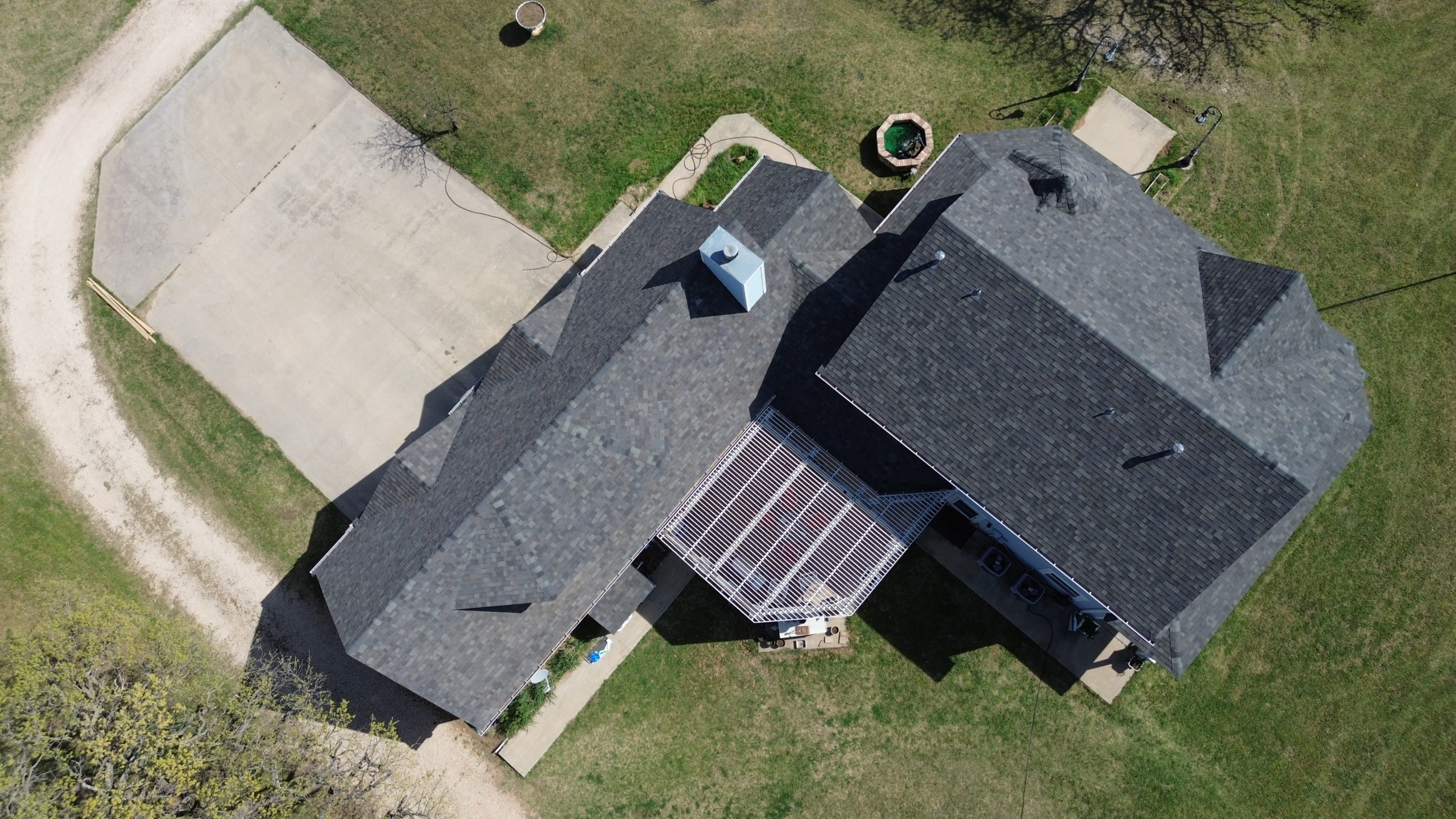
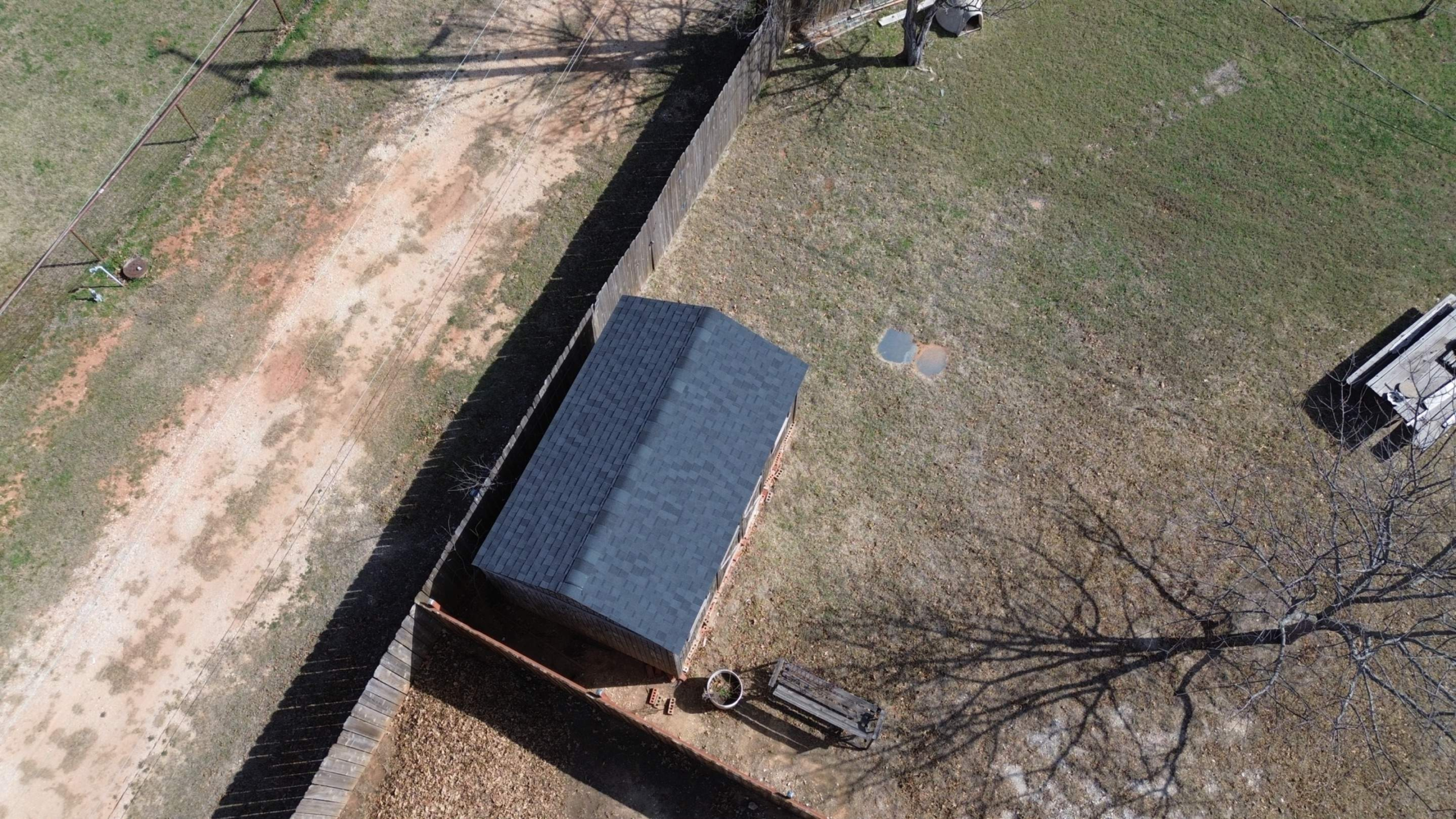
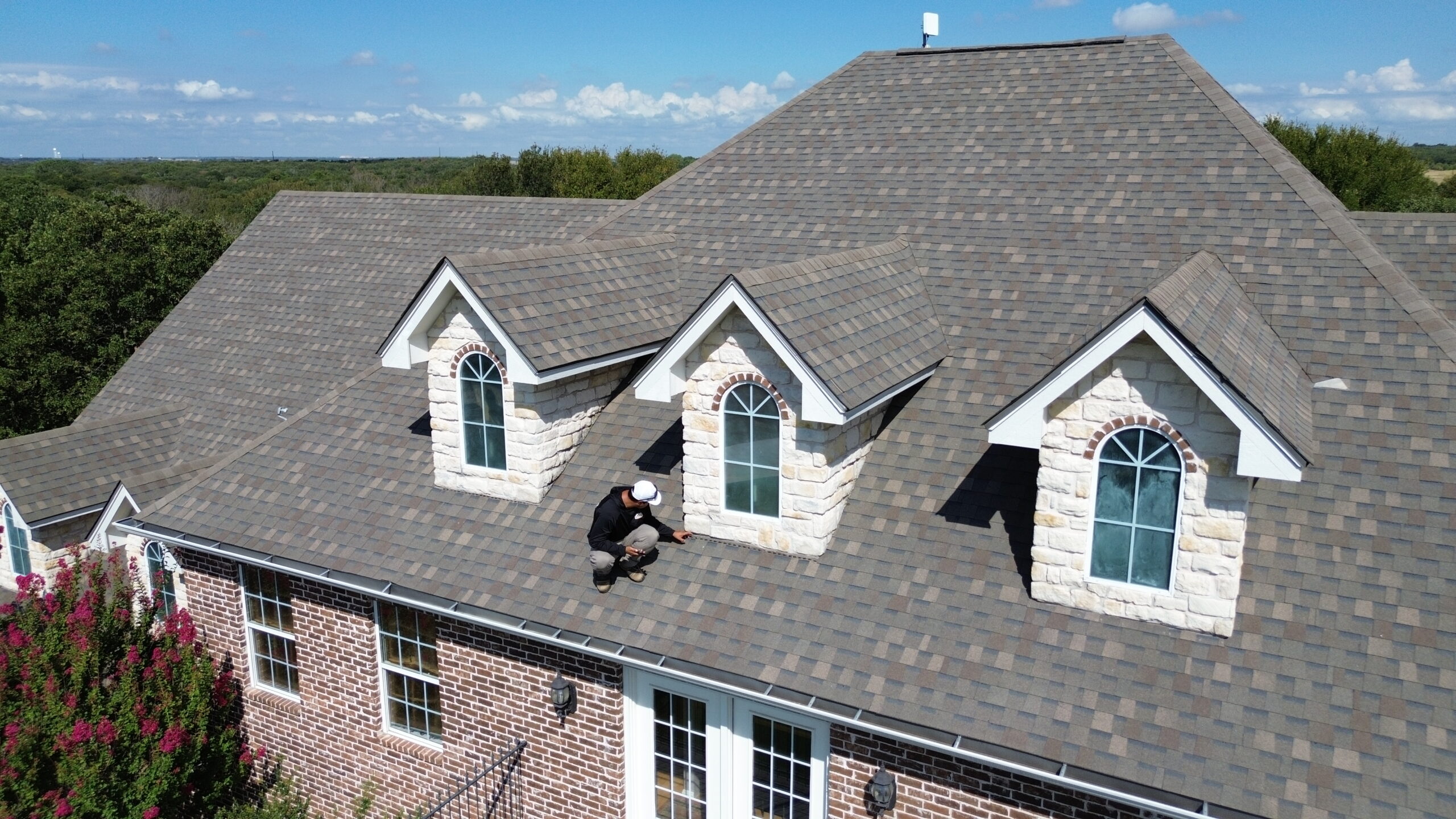
Drone technology has become one of the most significant innovations in modern roof repair. Equipped with high resolution cameras, drones allow contractors to inspect roofs quickly, safely, and accurately without requiring extensive rooftop access. This technology is especially valuable for large buildings, steep roofs, and areas that are difficult to reach.
Aerial inspections provide detailed photographs from multiple angles, allowing contractors to evaluate roofing conditions with exceptional clarity. Missing shingles, damaged flashing, clogged drainage systems, cracked tiles, and storm damage can all be documented before repairs begin.
Drones also improve safety by reducing the need for inspectors to walk across fragile or steep roofing surfaces. This lowers the risk of falls while preventing accidental damage caused by foot traffic on delicate roofing materials.
Inspection reports generated from drone imagery help homeowners understand repair recommendations more clearly. High quality images allow property owners to see damaged areas themselves, making it easier to discuss repair options and prioritize maintenance.
Another advantage of drones is efficiency. Large commercial roofs that once required several hours of manual inspection can now be surveyed in a fraction of the time. Faster inspections reduce project delays while allowing contractors to respond more quickly after storms or natural disasters.
Artificial Intelligence in Roof Damage Detection
Artificial intelligence is becoming an increasingly valuable tool within the roofing industry. AI powered software analyzes photographs, drone imagery, and inspection data to identify roofing problems with remarkable speed and consistency. Rather than replacing experienced contractors, artificial intelligence supports them by highlighting areas that deserve closer examination.
Machine learning systems are trained using thousands of roofing images representing different forms of damage. These systems learn to recognize missing shingles, cracked tiles, damaged flashing, hail impacts, moisture patterns, and structural irregularities that may otherwise require lengthy manual review.
Artificial intelligence also helps standardize inspections. Different inspectors may occasionally interpret damage differently, but AI based analysis applies consistent evaluation criteria across every inspection. This supports more reliable repair recommendations while reducing subjective interpretation.
Insurance assessments also benefit from AI assisted analysis. Digital documentation combined with automated damage recognition helps streamline claim processing while providing detailed evidence supporting repair requirements.
As artificial intelligence continues evolving, its ability to predict future roofing problems is expected to improve further. Combining historical inspection data with weather information may eventually allow contractors to identify roofs at higher risk before visible damage develops.
Digital Measurement and Roof Mapping Technologies
Accurate measurements are essential for successful roof repairs. Modern digital measurement systems eliminate many of the challenges associated with manual calculations while improving planning accuracy and reducing material waste.
Satellite imagery and aerial mapping software allow contractors to calculate roof dimensions before arriving on site. These systems measure roof slopes, valleys, ridges, and surface areas with remarkable precision, supporting more accurate material estimates and project planning.
Laser measuring devices further improve field accuracy during inspections. Contractors can quickly verify dimensions while minimizing measurement errors that could affect repair quality or material ordering.
Digital roof mapping creates detailed diagrams showing roof features, repair locations, drainage systems, penetrations, and structural components. These maps become valuable references throughout the repair process and support future maintenance planning.
Cloud based project management systems often integrate digital roof maps with inspection reports, photographs, repair histories, and maintenance records. This centralized information allows contractors and property owners to monitor roof performance over many years.
Accurate measurements also improve budgeting by reducing unnecessary material purchases. Ordering the correct amount of roofing material minimizes waste while helping projects remain within budget.
Benefits of Modern Roof Repair Innovations
Technology has improved nearly every stage of the roof repair process, from inspection and planning to installation and long term maintenance. Homeowners and contractors alike benefit from greater efficiency, improved accuracy, and stronger repair performance.
Some of the most significant advantages include:
- Faster and more accurate roof inspections.
- Improved safety by reducing unnecessary rooftop access.
- Better detection of hidden leaks and structural problems.
- More precise material estimation with less waste.
- Stronger and longer lasting repair materials.
- Improved communication through digital reports and imagery.
These innovations also help homeowners make more informed decisions because they receive detailed information supported by photographs, measurements, and diagnostic data rather than relying solely on visual observations.
As roofing technology continues advancing, repair quality is expected to improve even further while reducing maintenance costs and extending roof lifespan. The combination of digital inspection tools, smarter materials, and advanced planning methods is reshaping how roofing professionals approach repair projects.
Infrared Thermal Imaging for Hidden Leak Detection
One of the most valuable technologies used in modern roof repair is infrared thermal imaging. Unlike traditional inspections that focus only on visible damage, thermal imaging detects temperature differences across the roof surface. These variations often reveal hidden moisture, insulation problems, and developing leaks long before they become noticeable inside the building.
When water enters a roofing system, it changes the way materials absorb and release heat. Infrared cameras capture these temperature differences, allowing roofing professionals to identify moisture trapped beneath shingles, membranes, or insulation. This makes it possible to repair the actual source of the problem rather than simply treating visible symptoms.
Thermal inspections are completely non destructive because they do not require removing roofing materials to locate hidden damage. Contractors can scan large roof areas quickly while minimizing disruption to the property. This reduces labor costs and prevents unnecessary removal of healthy roofing materials.
Another advantage is improved repair accuracy. Since hidden moisture can spread well beyond the visible leak location, thermal imaging helps define the true extent of damage. Repairs become more targeted, efficient, and cost effective while preserving undamaged sections of the roof.
Moisture Detection Technology and Digital Roof Diagnostics
Modern moisture detection equipment has significantly improved the way roofing professionals diagnose roof problems. Traditional inspection methods often depended on visible stains or obvious leaks, but digital diagnostic tools now identify moisture before serious structural damage develops.
Electronic moisture meters measure moisture levels within roofing materials without causing unnecessary damage. These devices help determine whether insulation, decking, or other structural components have been affected by water intrusion. Accurate moisture readings allow contractors to replace only damaged materials instead of removing larger roof sections.
Capacitance based scanners provide another advanced diagnostic option. These systems detect moisture beneath roofing membranes by measuring changes in electrical properties within the roofing system. Large commercial roofs can be evaluated quickly without extensive manual testing.
Digital diagnostic reports combine moisture readings, photographs, inspection notes, and repair recommendations into comprehensive documents. Homeowners receive clear evidence explaining why repairs are necessary and which areas require immediate attention.
Accurate diagnostics also improve long term roof performance because hidden moisture is removed before mold, wood rot, or insulation deterioration become widespread. Early intervention protects both the roofing system and the building beneath it.
Robotic and Automated Roofing Equipment
Automation is gradually becoming part of the roofing industry as manufacturers develop equipment that improves efficiency while reducing physical strain on workers. Although robots do not replace skilled roofing professionals, they assist with repetitive tasks that require precision and consistency.
Automated material handling equipment helps transport heavy roofing materials safely across construction sites. Reducing manual lifting improves workplace safety while allowing crews to complete projects more efficiently. Workers can focus on skilled installation tasks instead of spending excessive time moving materials.
Some robotic systems assist with fastening roofing materials at consistent spacing and depth. Uniform fastener placement improves installation quality while reducing the likelihood of future repair issues caused by uneven attachment. Consistency also contributes to stronger wind resistance and better overall roof performance.
Automated cutting systems provide precise material preparation with minimal waste. Roofing membranes, insulation boards, and other components can be cut accurately according to digital project plans, reducing installation errors while improving material utilization.
Although fully automated roof repairs remain uncommon, advances in robotics continue expanding opportunities for improved safety, efficiency, and installation accuracy across the roofing industry.
Advanced Sealants, Adhesives, and Repair Materials
Modern repair materials have evolved far beyond traditional roofing products. Today’s sealants, adhesives, and repair compounds are engineered to provide stronger waterproofing, greater flexibility, and improved durability under changing environmental conditions.
Advanced polyurethane and silicone sealants remain flexible despite repeated temperature changes. This flexibility allows repaired joints and flashing to expand and contract naturally without cracking or losing adhesion. Long lasting seals help prevent moisture from entering vulnerable roof areas.
Hybrid adhesive technologies combine the strengths of multiple chemical formulations to improve bonding performance across different roofing materials. These products create durable connections between metal, concrete, asphalt, wood, and synthetic membranes while maintaining resistance to ultraviolet radiation and moisture.
Liquid applied roofing systems have also become increasingly popular for certain repair applications. These coatings form seamless waterproof barriers that cover irregular surfaces without creating additional joints where leaks might develop. Once cured, they provide durable protection while extending the life of existing roofing systems.
Manufacturers continue improving repair materials by increasing resistance to weather, chemicals, impact, and aging. These advancements reduce maintenance requirements while improving confidence in long term repair performance.
High Performance Roofing Membranes
Roofing membranes have experienced significant technological improvements in recent years. Modern membrane systems provide enhanced waterproofing, greater durability, and better resistance to environmental stress than many earlier products.
Thermoplastic membranes offer excellent flexibility while maintaining strong resistance to ultraviolet exposure and chemical deterioration. Heat welded seams create durable waterproof connections that often outperform traditional adhesive based joints. These systems are widely used on commercial buildings where long term reliability is essential.
Synthetic rubber membranes continue improving through advanced manufacturing techniques that increase flexibility and weather resistance. Their ability to accommodate structural movement helps reduce cracking while maintaining waterproof protection throughout changing seasons.
Modified bitumen systems have also evolved with stronger reinforcement materials and improved surface coatings. These innovations increase puncture resistance while extending service life under demanding weather conditions.
Some high performance membranes now include reflective surfaces that reduce heat absorption. Cooler roof temperatures improve energy efficiency while reducing thermal expansion that contributes to material fatigue over time.
These membrane innovations allow contractors to perform repairs that integrate effectively with existing roofing systems while delivering dependable long term protection.
Sustainable and Eco Friendly Roof Repair Technologies
Environmental responsibility has become an important consideration in modern roof repair. Sustainable technologies allow roofing professionals to reduce waste, improve energy efficiency, and extend roof lifespan without compromising repair quality.
Recycling programs now recover asphalt shingles, metal roofing, and other construction materials that previously entered landfills. Recycled roofing materials can often be incorporated into road construction or new roofing products, reducing environmental impact while conserving natural resources.
Energy efficient roofing coatings help lower indoor cooling costs by reflecting more solar radiation away from the building. Reduced heat absorption decreases energy consumption while limiting thermal stress on repaired roofing materials.
Manufacturers are also developing environmentally friendly sealants and adhesives with lower emissions and improved sustainability. These products reduce environmental impact during installation while maintaining excellent long term performance.
Green roofing technologies continue expanding as well. Vegetative roofing systems, improved drainage materials, and sustainable insulation products contribute to better stormwater management while improving building efficiency and reducing urban heat buildup.
Choosing environmentally responsible repair solutions allows homeowners to improve roof performance while supporting broader sustainability goals.
3D Modeling and Roof Repair Planning
Three dimensional modeling has transformed project planning by allowing contractors to visualize roofing systems before repairs begin. Accurate digital models improve communication, reduce planning errors, and support more efficient material management.
Specialized software creates detailed three dimensional representations using drone imagery, satellite data, laser measurements, and on site inspections. These models accurately display roof slopes, valleys, ridges, penetrations, drainage systems, and damaged areas.
Project planning becomes more efficient because contractors can examine repair strategies digitally before work starts. Potential challenges are identified early, allowing adjustments to be made before crews arrive on site. This reduces delays while improving overall project coordination.
Material estimation also becomes more accurate through digital modeling. Contractors calculate exact quantities of roofing materials, insulation, flashing, and accessories, reducing unnecessary waste while improving budget accuracy.
Three dimensional visualization also benefits homeowners by helping them understand proposed repairs. Rather than interpreting technical drawings alone, property owners can see realistic representations of the planned work and better understand how repairs will restore the roofing system.
Comparison Table of Modern Roof Repair Technologies
| Technology | Primary Purpose | Major Benefit | Typical Application |
|---|---|---|---|
| Drone Inspection | Roof assessment | Safe and rapid inspections | Residential and commercial roofs |
| Infrared Thermal Imaging | Hidden leak detection | Locates concealed moisture | Leak investigation |
| Digital Moisture Detection | Water intrusion analysis | Accurate moisture diagnosis | Preventive maintenance |
| Artificial Intelligence | Damage recognition | Faster inspection analysis | Insurance and repair planning |
| 3D Roof Modeling | Project planning | Improved accuracy and visualization | Complex repair projects |
| Advanced Roofing Membranes | Waterproof protection | Greater durability and flexibility | Flat and low slope roofs |
| Reflective Roof Coatings | Energy efficiency | Reduced heat absorption | Residential and commercial buildings |
Each technology serves a unique purpose within the repair process. Combining several innovations often provides the most accurate diagnosis, strongest repair quality, and greatest long term value.
Challenges of Adopting New Roofing Technologies
Despite their many advantages, modern roofing technologies also present certain challenges. Understanding these limitations helps homeowners make balanced decisions when considering technology driven repair solutions.
The initial investment for advanced equipment can be significant. Drones, thermal imaging cameras, digital diagnostic systems, and specialized software require substantial financial commitment from roofing companies. Smaller contractors may adopt these technologies gradually rather than all at once.
Training is another important consideration. Modern equipment is only effective when operated by knowledgeable professionals who understand both the technology and roofing systems. Continuous education helps contractors use advanced tools accurately while interpreting inspection results correctly.
Compatibility with older roofing systems may occasionally create challenges as well. Some advanced repair materials or digital assessment methods require adjustments when working on historic buildings or uncommon roofing materials. Experienced contractors evaluate these situations carefully before selecting repair methods.
Technology also complements rather than replaces professional expertise. Digital tools provide valuable information, but experienced judgment remains essential for interpreting results, selecting repair strategies, and ensuring quality workmanship.
As technology continues advancing, these challenges are gradually becoming easier to manage. Improved affordability, wider availability, and ongoing professional training are helping modern roofing innovations become accessible to more contractors and homeowners.
Smart Sensors for Continuous Roof Monitoring
One of the most exciting developments in modern roofing is the use of smart sensors that continuously monitor roof conditions. Instead of waiting for visible signs of damage, these sensors collect data around the clock and alert property owners when unusual conditions are detected. This proactive approach allows repairs to begin before minor issues become expensive structural problems.
Many smart sensors monitor moisture levels beneath roofing materials. If water enters the roofing system, the sensor detects increased moisture and sends an alert to the property owner or maintenance team. Early notification helps prevent mold growth, insulation damage, and wood rot.
Temperature sensors are also becoming more common in commercial roofing systems. They monitor heat buildup, identify abnormal temperature patterns, and help evaluate roof performance throughout changing seasons. This information supports better maintenance planning and improves overall roof efficiency.
Some monitoring systems combine multiple sensors into a single network that tracks moisture, temperature, movement, and weather exposure simultaneously. These integrated systems provide a comprehensive picture of roof health while supporting long term maintenance decisions.
Internet of Things Applications in Roofing
The Internet of Things has introduced a new level of connectivity to building maintenance, including roofing systems. Internet connected devices communicate with one another through secure networks, allowing real time monitoring of roof conditions from almost anywhere.
Roof sensors connected through the Internet of Things automatically send performance data to cloud based software platforms. Property owners and contractors can review moisture levels, temperature readings, drainage performance, and maintenance history using computers or mobile devices. This constant access improves decision making while reducing inspection delays.
Facility managers responsible for multiple buildings benefit especially from connected roofing systems. Rather than inspecting every property manually, they can monitor roof performance remotely and schedule maintenance only when necessary. This improves efficiency while reducing operating costs.
Internet connected roofing systems also simplify record keeping. Inspection reports, repair histories, warranty information, and sensor data remain stored digitally, making future maintenance planning more organized and accessible.
As connected technologies continue improving, roofing systems are expected to become increasingly intelligent, allowing buildings to communicate maintenance needs automatically before serious damage develops.
Predictive Maintenance Using Data Analytics
Predictive maintenance represents one of the most significant advances in roof management. Instead of reacting after damage occurs, contractors use historical data, weather information, inspection records, and sensor readings to estimate when future maintenance may be required.
Data analytics software examines long term performance patterns across thousands of roofing systems. By comparing similar materials, climates, and repair histories, these systems identify trends that indicate when specific roofing components are likely to deteriorate. Contractors can then recommend maintenance before failures occur.
Weather forecasting also contributes to predictive maintenance. Regions experiencing frequent storms, heavy rainfall, or extreme temperatures may require inspections at different intervals than areas with milder climates. Combining environmental data with roof history creates more accurate maintenance schedules.
Predictive maintenance reduces emergency repairs because developing problems are addressed before becoming severe. Homeowners and building managers benefit from improved budgeting, fewer unexpected expenses, and longer roof service life.
As artificial intelligence and data analytics continue advancing, predictive maintenance will become increasingly accurate, helping property owners protect roofing investments with greater confidence.
Augmented Reality and Virtual Reality in Roofing
Augmented reality and virtual reality are beginning to influence roof repair by improving training, project planning, and customer communication. Although these technologies are still developing, they already offer valuable advantages for both contractors and homeowners.
Augmented reality overlays digital information onto real world roof images using tablets, smartphones, or specialized glasses. Contractors can view repair locations, measurements, and project plans while standing on site, improving installation accuracy and reducing mistakes.
Virtual reality provides immersive training environments where roofing professionals practice installation techniques without working on active construction sites. Trainees develop practical skills while learning proper safety procedures before performing real repairs.
These technologies also improve communication with homeowners. Contractors can present three dimensional visualizations that demonstrate how repairs will be completed, helping property owners better understand recommended solutions before work begins.
As augmented and virtual reality hardware becomes more affordable, these technologies are expected to play a larger role in roofing education, project planning, and customer service.
Best Practices for Using Modern Roof Repair Technology
Technology delivers the greatest value when combined with skilled workmanship and responsible maintenance practices. Homeowners should understand that advanced tools support better repairs but do not eliminate the need for experienced roofing professionals.
To maximize the benefits of modern roofing technology, consider the following recommendations:
- Schedule regular inspections using modern diagnostic equipment.
- Request digital photographs and inspection reports whenever possible.
- Address identified problems before they become major repairs.
- Choose contractors who receive ongoing training in new technologies.
- Maintain accurate records of inspections, repairs, and warranties.
- Continue performing routine maintenance even after advanced repairs.
- Combine technology with preventive maintenance rather than relying on emergency repairs.
Following these practices allows homeowners to benefit from both technological innovation and traditional roofing expertise. A balanced approach produces the strongest long term repair results.
When Homeowners Should Choose Technology Driven Repairs
Not every roofing situation requires advanced technology, but certain circumstances make modern diagnostic tools especially valuable. Choosing technology driven repairs often improves accuracy while reducing unnecessary repair costs.
Homes with recurring leaks benefit greatly from advanced diagnostic equipment because hidden moisture can be difficult to locate through visual inspection alone. Thermal imaging and moisture detection systems identify concealed damage more efficiently, allowing contractors to repair the actual source of the problem.
Large or complex roofing systems also benefit from digital mapping and drone inspections. Multiple roof sections, steep slopes, skylights, and numerous roof penetrations create inspection challenges that advanced technologies handle more effectively than manual methods.
Storm damaged roofs represent another situation where technology proves valuable. Drone imagery, artificial intelligence analysis, and digital measurement tools document damage quickly while supporting insurance claims and repair planning.
Technology driven repairs are also useful for preventive maintenance. Even roofs without obvious problems can benefit from advanced inspections that identify hidden weaknesses before they require major restoration.
Future Trends Shaping the Roofing Industry
The roofing industry continues evolving as new technologies become available. Future innovations are expected to improve inspection accuracy, repair efficiency, sustainability, and overall roof performance.
Artificial intelligence will likely become even more sophisticated, analyzing larger amounts of roofing data while predicting maintenance needs with greater precision. Machine learning systems will continue improving their ability to identify developing damage before it becomes visible.
Drone technology is also expected to advance through higher resolution imaging, longer flight times, and improved autonomous navigation. Faster inspections will provide even more detailed assessments while reducing labor requirements.
Robotic assistance will gradually expand beyond material handling into more specialized roofing tasks. Although skilled workers will remain essential, automation may improve consistency during repetitive installation activities.
Sustainable roofing innovations will continue growing as manufacturers develop recyclable materials, energy efficient products, environmentally friendly coatings, and longer lasting repair systems. These advancements will reduce environmental impact while improving long term roof performance.
Digital project management platforms will become increasingly integrated, combining inspections, maintenance schedules, warranty tracking, repair histories, and sensor data within centralized systems. This connected approach will simplify roof management throughout the entire lifespan of the building.
Frequently Asked Questions About Modern Roof Repair Technology
| Question | Answer |
|---|---|
| Are modern roof repair technologies suitable for older homes? | Yes. Many advanced inspection and diagnostic tools work effectively on both modern and older roofing systems. |
| Do drones replace traditional roof inspections? | No. Drones improve inspections by providing detailed aerial views, but experienced contractors still evaluate repair requirements. |
| Is infrared thermal imaging accurate for finding roof leaks? | Yes. Thermal imaging is highly effective at locating hidden moisture when used under appropriate inspection conditions. |
| Does artificial intelligence perform roof repairs automatically? | No. Artificial intelligence assists with damage detection and analysis, while skilled professionals complete the actual repairs. |
| Are technology driven roof repairs more expensive? | Initial inspection costs may be slightly higher, but improved accuracy often reduces unnecessary repairs and lowers long term maintenance expenses. |
Conclusion
Modern innovations have transformed roof repair from a process based primarily on visual inspections into one supported by advanced technology, digital analysis, and intelligent materials. Drones, artificial intelligence, thermal imaging, moisture detection systems, smart sensors, and digital mapping tools allow roofing professionals to diagnose problems with greater precision while improving repair quality and reducing unnecessary costs.
These technological advancements also improve safety, efficiency, and communication throughout the repair process. Homeowners receive detailed inspection reports, accurate measurements, and clear explanations that support informed maintenance decisions. At the same time, advanced repair materials and sustainable roofing solutions contribute to longer lasting performance and improved energy efficiency.
Although technology continues reshaping the roofing industry, experienced craftsmanship remains essential. The most successful roof repairs combine innovative tools with professional knowledge, quality materials, and careful installation techniques. Together, these elements create durable repairs that withstand changing weather conditions while extending the lifespan of roofing systems.
As innovation continues accelerating, the future of roof repair will become increasingly proactive rather than reactive. Smart monitoring, predictive maintenance, connected roofing systems, and advanced diagnostic technologies will help homeowners identify problems earlier, reduce repair costs, and protect their properties more effectively than ever before. Embracing these modern innovations ensures stronger roofs, more reliable repairs, and greater confidence in the long term performance of every roofing system.