
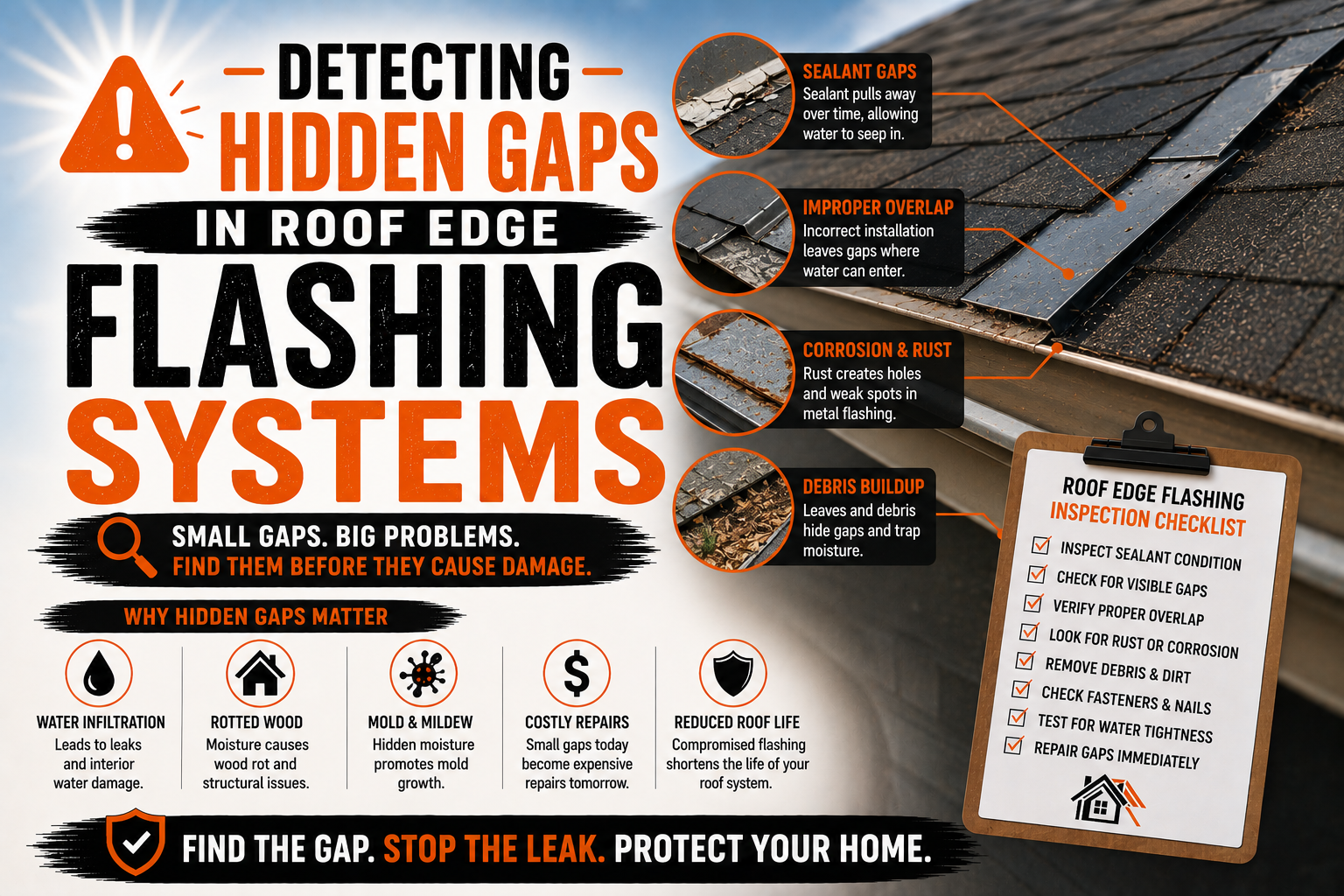
Detecting Hidden Gaps in Roof Edge Flashing Systems
Introduction
The edges of a roof may appear simple compared to areas like valleys, chimneys, or skylights, but they play a critical role in protecting a home from water damage. Every time it rains, water flows toward the roof edge before entering the gutters and moving safely away from the building. Roof edge flashing ensures this transition happens without allowing moisture to penetrate beneath the roofing materials or into the structural components below.
Roof edge flashing is designed to create a protective barrier along the perimeter of the roof. Working together with shingles, underlayment, fascia boards, and gutters, it directs water away from vulnerable areas where the roof meets the exterior walls. When installed correctly, this flashing helps prevent water intrusion, protects wooden roof components, and improves the overall durability of the roofing system.
Over time, however, hidden gaps can develop within the roof edge flashing system. These openings are often too small to notice during a casual inspection, yet they can allow moisture to enter beneath the roofing materials during heavy rain or wind driven storms. Because these gaps usually remain concealed, water damage may continue for months before homeowners notice visible warning signs inside or outside the home.
Many roof edge flashing problems develop gradually through natural aging, repeated weather exposure, seasonal expansion and contraction, or improper installation. Even small defects such as loose fasteners, bent flashing, or slight separation between flashing sections can eventually create pathways for moisture. Once water reaches the roof deck or fascia boards, structural deterioration may begin long before leaks become obvious.
Understanding how hidden gaps form, where they commonly develop, and how they affect roof performance allows homeowners to recognize problems early and take preventive action. This guide explains the purpose of roof edge flashing, the components that make up the system, the causes of hidden gaps, and the early warning signs that indicate repairs may be needed.
What Is Roof Edge Flashing?
Roof edge flashing is a metal component installed along the perimeter of a roof to direct water safely away from the roof deck and toward the gutters. It creates a protective transition between the roofing materials and the exterior edges of the building, helping prevent water from reaching vulnerable structural components.
Unlike shingles, which primarily cover the main roof surface, edge flashing protects the exposed roof perimeter where water naturally leaves the roofing system. These locations experience continuous water flow during rainfall and remain vulnerable to wind driven moisture if flashing is not installed correctly.
Roof edge flashing also helps protect fascia boards, roof decking, soffits, and exterior walls from prolonged moisture exposure. By guiding runoff into the gutter system, it reduces the likelihood of wood rot, peeling paint, and water infiltration around the roof edges.
Most roof edge flashing is installed beneath the first course of shingles while extending beyond the roof deck to create a smooth drainage path. The flashing overlaps with underlayment and roofing materials to form multiple layers of protection against rain and melting snow.
Although flashing is often hidden beneath shingles, its performance remains essential for maintaining a durable and weather resistant roofing system.
Components of a Roof Edge Flashing System
A complete roof edge flashing system consists of several components that work together to protect the perimeter of the roof. Each element contributes to directing water safely away from the structure while supporting the overall performance of the roofing system.
Drip edge flashing is one of the most important components. Installed along the eaves and rake edges, it extends beyond the roof deck to encourage water to drip directly into the gutters rather than flowing beneath the roofing materials.
Fascia flashing provides additional protection where the roof meets the fascia board. It helps shield exposed wood from repeated moisture exposure while supporting proper drainage along the roof edge.
Starter shingles create the first layer of roofing material at the roof perimeter. These specially designed shingles help secure the first course of regular shingles while improving wind resistance near the roof edges.
Underlayment extends beneath both the shingles and flashing, creating another waterproof barrier that protects the roof deck if water bypasses the outer roofing materials during severe weather.
Fasteners secure flashing firmly to the roof structure while roofing sealants provide additional protection at selected joints where manufacturers recommend their use. Together, these components create a durable system capable of handling years of weather exposure.
Each part depends on the others for proper performance. Damage affecting one component often reduces the effectiveness of the entire roof edge flashing system.
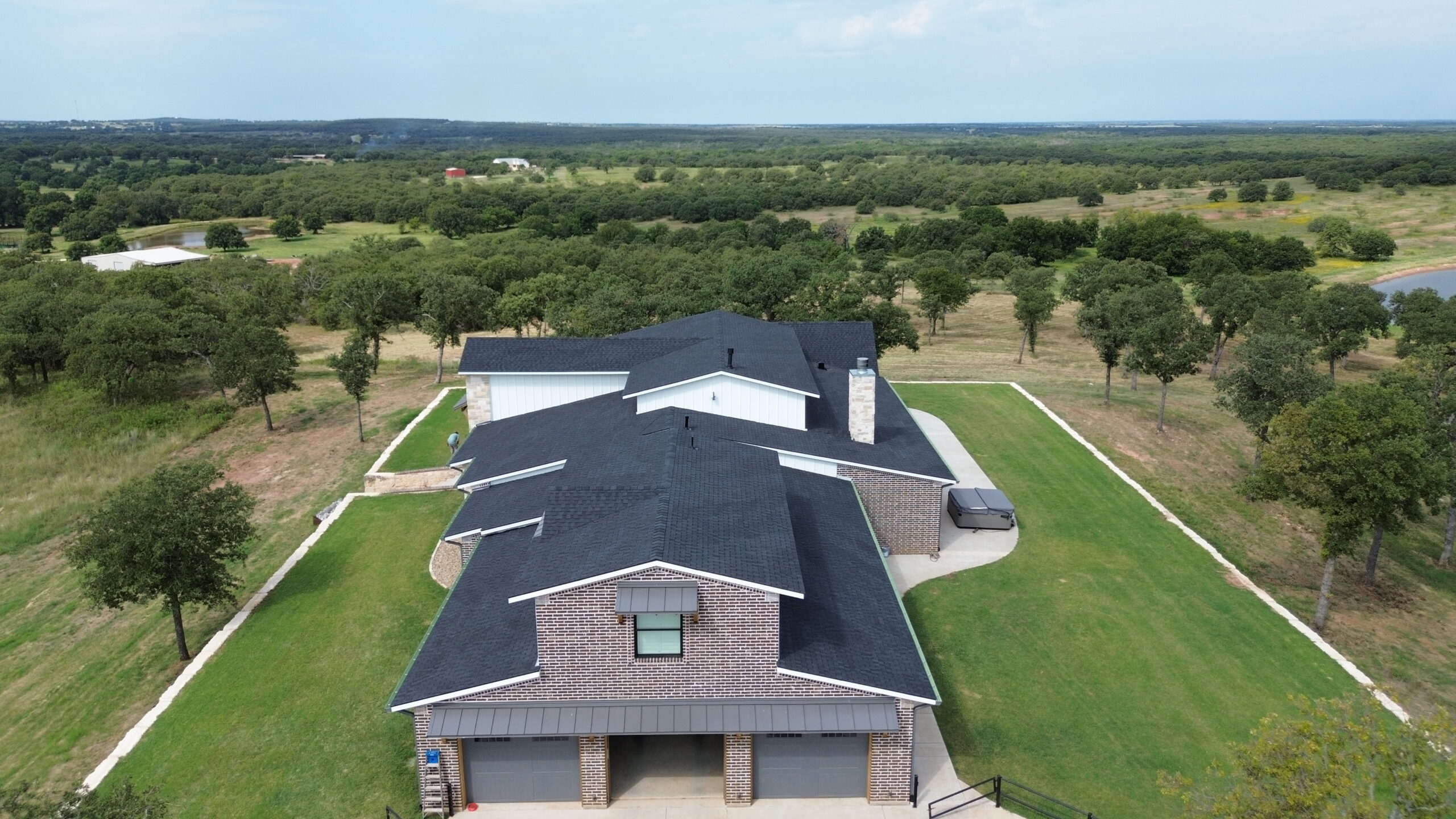
Why Roof Edge Flashing Develops Hidden Gaps
Roof edge flashing is constantly exposed to changing weather conditions, making it susceptible to gradual movement and wear over time. Hidden gaps often develop slowly through normal aging rather than sudden failure.
Thermal expansion and contraction are among the most common causes. Metal flashing expands during hot weather and contracts when temperatures fall. Although these movements are small, they occur repeatedly throughout the year, gradually affecting fasteners, joints, and overlapping flashing sections.
Strong winds also contribute to gap formation. Repeated wind uplift places pressure on the roof edges, occasionally causing flashing to lift slightly or loosen around fasteners. Even minimal movement may eventually create openings where water can enter.
Building movement presents another contributing factor. Homes naturally settle over time, and slight structural movement may alter the alignment of flashing, shingles, and roof decking. These subtle shifts sometimes produce narrow gaps that remain hidden beneath roofing materials.
Improper installation significantly increases the likelihood of hidden gaps developing. Incorrect overlap, insufficient fastening, or poor integration with underlayment often allows flashing sections to separate as the roof experiences normal seasonal movement.
Natural aging also affects supporting materials such as sealants and fasteners. As these components deteriorate, flashing may gradually lose the tight fit necessary for reliable waterproof performance.
Common Causes of Hidden Roof Edge Flashing Gaps
Several different conditions contribute to hidden gaps along roof edges. Although these problems develop differently, they all reduce the flashing’s ability to keep water outside the roofing system.
Poor flashing overlap remains one of the leading causes. Properly installed flashing relies on overlapping sections that allow gravity to carry water safely downward. If these overlaps are too short or incorrectly positioned, small openings may form over time.
Corrosion gradually weakens metal flashing, especially where protective coatings have worn away. Rust, oxidation, or pitting may eventually create small openings that permit moisture intrusion during heavy rainfall.
Damaged drip edge flashing also increases vulnerability. Bends caused by ladders, falling branches, or storm debris may disrupt normal water flow while creating narrow spaces beneath the flashing.
Missing or loose fasteners allow flashing to shift during periods of high wind. Although the movement may be slight, repeated storms gradually enlarge these openings until water begins entering beneath the roofing materials.
Improper shingle placement sometimes contributes to hidden flashing gaps as well. Shingles installed without proper alignment or overhang may expose portions of the flashing to excessive weather while reducing drainage efficiency.
Storm damage remains another common cause. High winds, hail, and airborne debris often affect roof edges first because they receive direct exposure to changing weather conditions.
Early Warning Signs of Roof Edge Flashing Problems
Hidden flashing gaps frequently produce warning signs before major roof leaks develop. Recognizing these symptoms early allows repairs to be completed before moisture causes extensive structural damage.
Water stains appearing near the upper portions of exterior walls may indicate that moisture is bypassing the roof edge flashing. These stains often become more noticeable after periods of prolonged rainfall.
Rotting fascia boards are another common indicator. Since fascia sits directly beneath roof edge flashing, prolonged moisture exposure frequently affects these wooden components before interior leaks become obvious.
Peeling paint around roof edges may also signal moisture problems. Continuous dampness weakens exterior finishes while suggesting that water is reaching areas intended to remain dry.
Loose or lifted flashing deserves prompt attention as well. Flashing that no longer sits tightly against the roof may allow wind driven rain to enter beneath the roofing materials during storms.
Some homeowners also notice unusual wind noise near roof edges. Whistling or rattling sounds sometimes indicate flashing movement caused by loose fasteners or developing gaps.
Inside the attic, damp insulation or stained roof decking near the eaves often suggests that hidden flashing gaps have already allowed moisture into the roofing system.
Prompt inspection after observing these warning signs helps prevent more extensive roof repairs later.
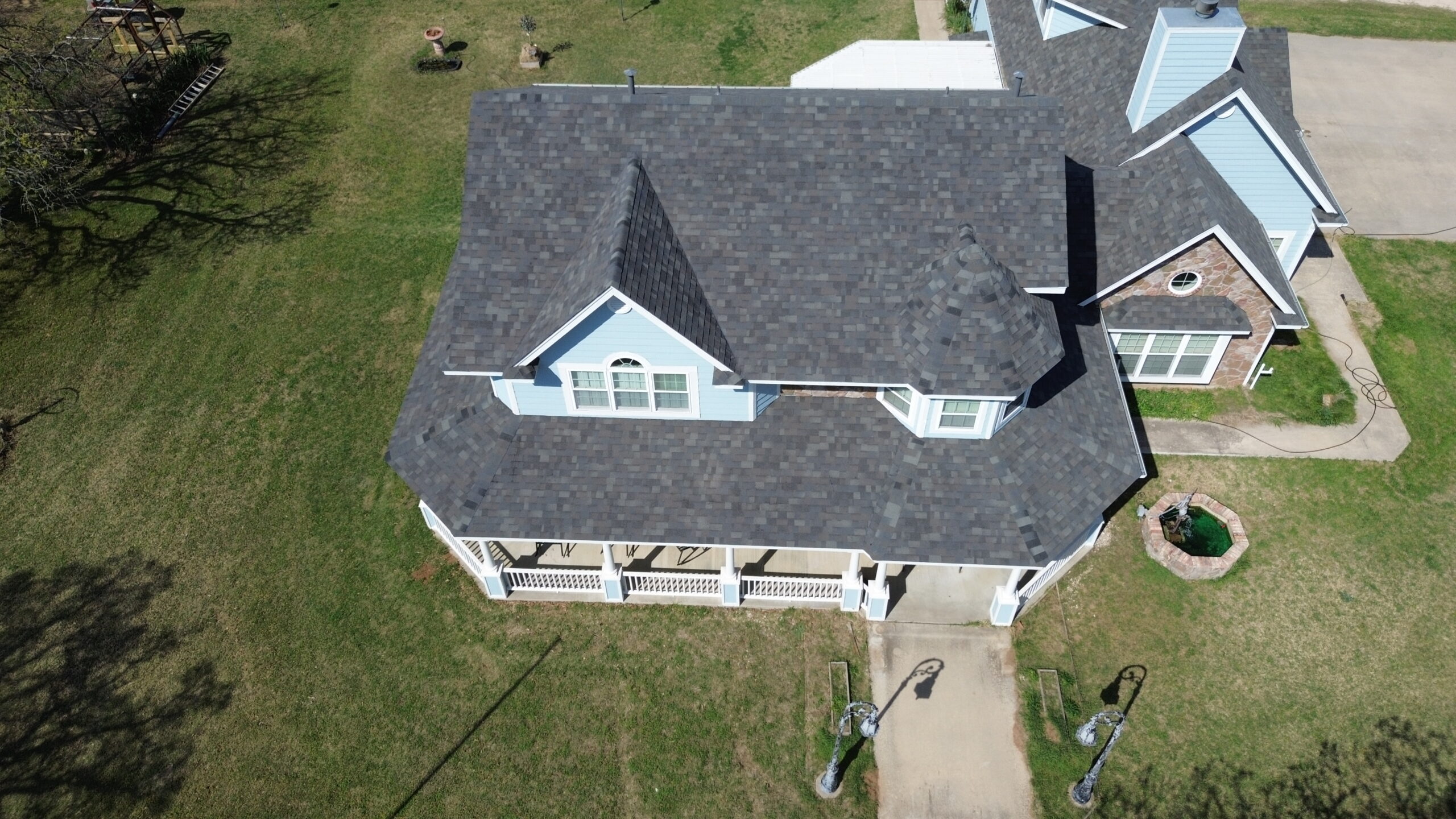
How Weather Gradually Enlarges Small Flashing Gaps
Many roof edge flashing problems begin as extremely small openings that cause no immediate concern. However, continuous weather exposure gradually enlarges these gaps until they become significant sources of water intrusion.
Rain repeatedly enters tiny openings around flashing joints. Although only small amounts of moisture may pass through initially, the repeated wetting and drying cycle slowly weakens nearby roofing materials while expanding the affected area.
Strong winds also contribute to progressive deterioration. Wind pressure lifts flashing slightly during storms, placing repeated stress on fasteners and overlapping metal sections. Over time, these movements gradually increase the size of existing gaps.
Temperature fluctuations create additional stress throughout the year. Expansion during warm weather followed by contraction during cooler periods causes flashing to move slightly every day. These repeated cycles slowly affect joints that were already weakened by aging or improper installation.
Snow and ice produce further challenges in colder climates. Meltwater entering small openings may freeze overnight, expanding as it turns to ice. This natural expansion places pressure on flashing joints and may widen existing gaps.
Because weather continuously acts on roof edges throughout the year, even minor flashing defects should be addressed promptly before they become much larger problems.
Why Early Detection Protects the Entire Roofing System
Detecting hidden flashing gaps early provides benefits that extend well beyond the roof edge itself. Since flashing helps protect the roof deck and supporting structure, timely repairs often prevent damage throughout the entire roofing system.
Moisture entering through small flashing gaps frequently travels beneath shingles before becoming visible inside the home. During this hidden movement, water may affect underlayment, roof decking, insulation, and wooden framing without producing immediate interior symptoms.
Wet insulation loses much of its ability to regulate indoor temperatures, increasing heating and cooling costs while creating favorable conditions for mold growth. Damp roof decking also weakens gradually when exposed to repeated moisture over long periods.
Repair costs increase significantly once structural materials become involved. Replacing a section of flashing is generally far less expensive than repairing damaged roof decking, insulation, fascia boards, drywall, and interior finishes.
Routine inspections allow homeowners to identify flashing movement, loose fasteners, early corrosion, or small gaps before moisture spreads throughout the roofing system. Preventive maintenance therefore protects not only the flashing itself but also the home’s structural integrity and long term value.
Understanding these benefits encourages homeowners to view roof edge flashing as a critical part of overall roof maintenance rather than simply another piece of metal along the roof perimeter.
Inspecting Roof Edge Flashing Safely
A careful inspection is the first step in identifying hidden gaps within a roof edge flashing system. Since these openings are often small and concealed beneath shingles or along flashing joints, a systematic approach provides a much better chance of detecting problems before they develop into roof leaks.
The inspection should begin inside the home. Water stains near exterior walls, damp insulation in the attic, peeling paint, or mold growth around the roof perimeter may indicate moisture entering through the roof edge rather than another section of the roof.
Exterior inspections should only be performed when conditions are safe. Dry weather, stable ladders, and proper safety equipment reduce the risk of accidents while allowing a more thorough examination of the roof edge.
Inspectors should examine the entire roof perimeter rather than focusing only on the area where moisture becomes visible. Water often travels beneath roofing materials before appearing inside the home, making the actual flashing gap difficult to locate without a complete inspection.
Photographs taken during the inspection help document current conditions and provide useful comparisons during future maintenance. Monitoring gradual changes over time often reveals developing problems before they become severe.
A careful inspection establishes the foundation for accurate repairs while helping ensure that no hidden flashing defects remain unnoticed.
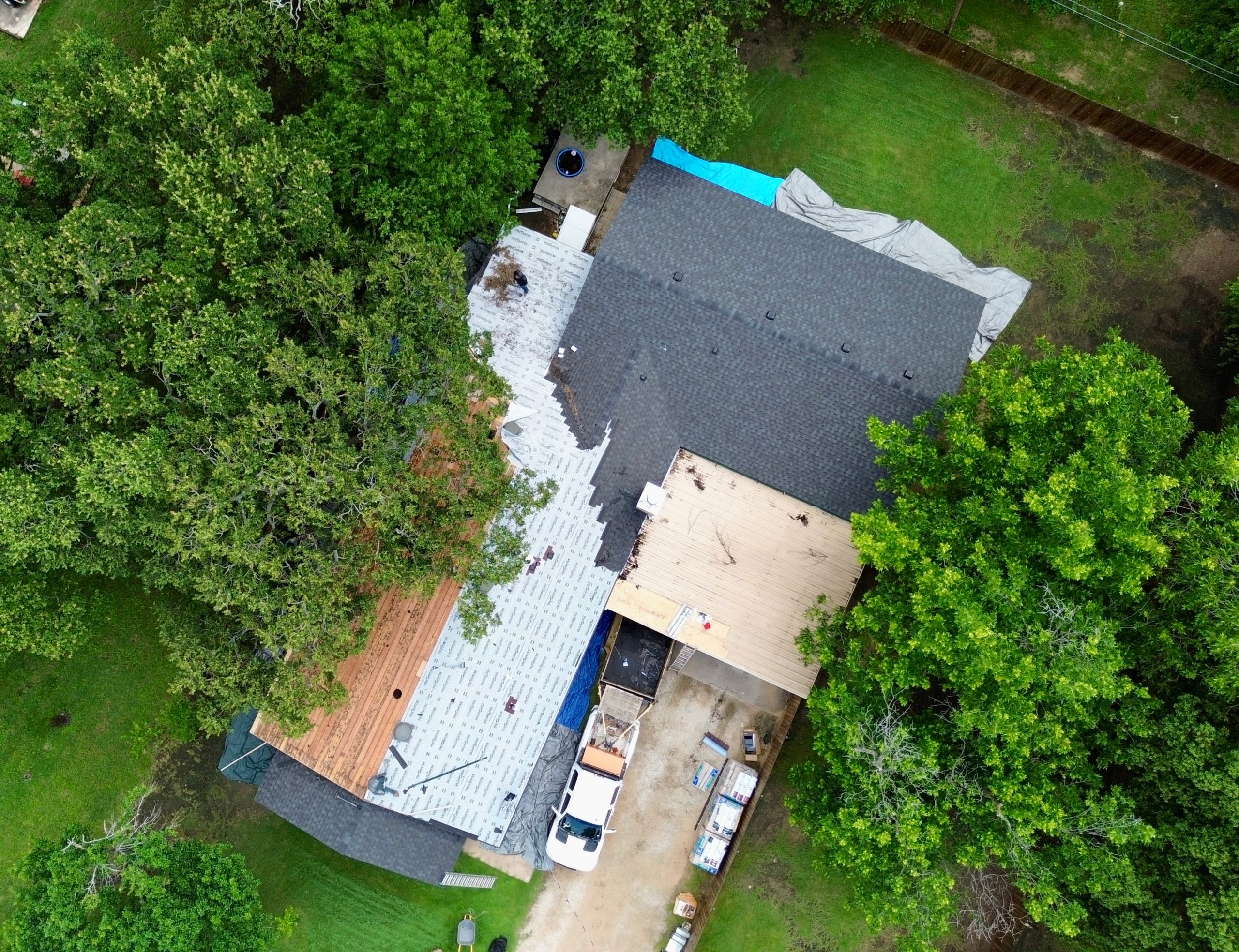
Where Hidden Gaps Commonly Develop
Hidden flashing gaps rarely appear at random locations. Certain sections of the roof edge experience greater movement, weather exposure, and water flow, making them more likely to develop separation over time.
Flashing joints are among the most common locations. Every point where two flashing sections overlap depends on correct installation to maintain continuous water protection. If overlap becomes inadequate because of movement or poor workmanship, small gaps may gradually form.
Fastener locations also deserve careful attention. Nails and screws secure the flashing to the roof structure, but repeated expansion, contraction, and wind pressure may gradually loosen them. As fasteners shift, the surrounding flashing can lift slightly, creating narrow openings beneath the metal.
Roof corners experience additional stress because flashing changes direction at these locations. Wind pressure and thermal movement often place greater strain on these transitions than on straight flashing sections.
Areas near gutters frequently develop hidden gaps as well. Overflowing gutters, standing water, or accumulated debris increase moisture exposure while accelerating deterioration around the roof edge.
The connection between flashing and starter shingles should also be inspected carefully. Improper alignment or aging roofing materials sometimes allow flashing separation that remains hidden beneath the first course of shingles.
Understanding where these gaps typically develop helps make roof inspections more thorough and effective.
How Water Enters Through Small Flashing Gaps
Many homeowners assume that roof leaks require large openings in the roofing system. In reality, extremely small flashing gaps can allow significant amounts of water to enter when weather conditions become severe.
During ordinary rainfall, water follows gravity toward the roof edge where flashing directs it into the gutters. If a small opening exists beneath the flashing, some of this runoff may enter beneath the roofing materials instead of remaining on the roof surface.
Wind driven rain increases the likelihood of water intrusion. Strong winds push rain sideways and sometimes upward beneath shingles, exposing flashing gaps that might remain dry during lighter weather.
Capillary action creates another challenge. Water naturally moves through narrow spaces, allowing moisture to travel into surprisingly small openings around flashing joints and fasteners. Even gaps that appear insignificant can transport enough water to affect underlying roofing materials over time.
Repeated storms gradually worsen the situation. Every rainfall introduces additional moisture beneath the flashing while weakening nearby wood, underlayment, and insulation. As surrounding materials deteriorate, existing gaps often become larger.
These processes explain why small flashing defects should never be ignored, even when visible leaks appear minor or occur only during heavy rain.
Evaluating the Condition of Roof Edge Flashing
After identifying a potential flashing gap, the overall condition of the roof edge system should be evaluated before determining the most appropriate repair method. Focusing only on the visible opening may overlook additional problems affecting nearby roofing components.
The flashing should first be examined for corrosion. Surface discoloration may indicate early weathering, while deeper rust, pitting, or thinning metal often suggests that replacement will provide better long term protection than localized repairs.
Flashing alignment is equally important. Sections that appear bent, lifted, or separated from the roof deck may no longer direct water properly even if obvious holes are not visible.
Fasteners should also be inspected carefully. Loose, missing, or corroded nails and screws reduce flashing stability while increasing the likelihood of movement during future storms.
The surrounding shingles should remain securely attached and properly aligned with the flashing. Curling, cracked, or missing shingles often contribute to flashing problems by exposing vulnerable joints to greater weather exposure.
The condition of fascia boards and roof decking also deserves attention. Soft wood, staining, or visible deterioration may indicate that hidden moisture has already affected structural components beneath the flashing.
A complete evaluation helps determine whether repairs can be limited to the flashing or should include additional roofing components.
Repairing Minor Flashing Gaps
Small flashing gaps discovered early can often be repaired without replacing the entire roof edge flashing system. Correcting these issues promptly helps restore waterproof performance while preventing additional moisture from entering the roof.
Loose flashing sections should first be secured according to accepted roofing practices. Restoring proper attachment helps eliminate movement while maintaining correct alignment with surrounding roofing materials.
Minor flashing deformation may sometimes be corrected if the metal remains structurally sound. Carefully restoring the original shape improves drainage while reducing opportunities for water to collect beneath the flashing.
If sealants are used as part of the flashing system, deteriorated material should be removed before applying compatible replacement products. Fresh sealant bonds more effectively to properly prepared surfaces than to cracked or loose existing material.
Damaged fasteners should also be replaced when necessary. Properly securing the flashing reduces future movement caused by wind or thermal expansion while supporting the overall stability of the roof edge.
Any damaged starter shingles or adjacent roofing materials should be repaired at the same time. Flashing and shingles function together, so correcting only one component may leave the roof vulnerable to future leaks.
Minor repairs are generally most successful when performed before corrosion or structural damage spreads beyond the immediate flashing area.
Comparing Common Roof Edge Flashing Problems
Different flashing issues affect roof performance in different ways. Understanding these common conditions helps homeowners recognize why prompt maintenance is important.
| Flashing Issue | Primary Cause | Visible Symptoms | Potential Consequences |
|---|---|---|---|
| Loose Flashing | Wind uplift or aging fasteners | Lifted flashing and movement | Water intrusion beneath shingles |
| Corroded Flashing | Long term moisture exposure | Rust, pitting, or discoloration | Weakened flashing and leaks |
| Missing Fasteners | Storm damage or material aging | Flashing separation | Reduced stability and water entry |
| Improper Overlap | Incorrect installation | Gaps between flashing sections | Rainwater bypassing the flashing |
| Bent Drip Edge | Falling debris or physical impact | Distorted flashing profile | Poor drainage and fascia damage |
Although these conditions develop differently, each one reduces the flashing system’s ability to protect the roof edge from water intrusion.
Common Repair Mistakes to Avoid
Roof edge flashing repairs require careful attention because incorrect repair methods often create additional problems instead of resolving the original issue. Understanding these common mistakes helps explain why proper repair techniques are so important.
One frequent mistake is relying entirely on roofing sealant to close flashing gaps. Sealants support flashing but should never replace proper overlap, secure fastening, or correctly installed metal flashing.
Installing new flashing over severely corroded existing flashing is another common error. Covering deteriorated metal without removing the damaged material traps moisture while allowing corrosion to continue beneath the repair.
Incorrect fastener placement also reduces repair quality. Nails driven through areas where water naturally flows create unnecessary openings that increase leak potential during future storms.
Some repairs overlook surrounding roofing materials. Damaged starter shingles, deteriorated underlayment, or weakened fascia boards may continue allowing moisture into the roofing system even after visible flashing gaps have been corrected.
Using incompatible flashing materials presents another concern. Different metals may react with one another over time, accelerating corrosion and reducing the lifespan of the repair.
Avoiding these mistakes helps ensure flashing repairs provide dependable long term protection rather than temporary improvements.
When Hidden Damage Extends Beyond the Flashing
In some situations, the visible flashing gap represents only a small part of the overall problem. Moisture entering through the roof edge often travels beneath roofing materials before becoming noticeable, affecting several components of the roofing system.
Roof decking is frequently the first structural element exposed to hidden moisture. Repeated wetting gradually weakens wood while creating favorable conditions for mold growth and decay.
Fascia boards also experience significant damage when water bypasses roof edge flashing. Continuous moisture exposure softens the wood, causes paint failure, and may eventually require complete replacement if repairs are delayed.
Underlayment serves as an important secondary moisture barrier, but prolonged exposure eventually reduces its effectiveness as well. Once underlayment deteriorates, the roof becomes increasingly vulnerable to future leaks.
Moisture may also affect attic insulation, reducing its thermal performance while increasing indoor humidity. Over time, this hidden damage contributes to higher energy costs and less comfortable indoor conditions.
Recognizing the possibility of concealed damage emphasizes the importance of thorough inspections whenever flashing gaps are discovered. Correcting only the visible opening without evaluating surrounding materials may leave significant moisture damage unresolved.
Why Professional Inspections Improve Detection Accuracy
Although homeowners can identify many obvious flashing problems, hidden gaps often require a more detailed evaluation than a routine visual inspection provides. Professional roofing contractors understand where concealed defects commonly develop and how water travels through roofing systems.
Experienced inspectors evaluate flashing alignment, overlap, fastener condition, roof decking, underlayment, fascia boards, and surrounding shingles together rather than examining individual components separately. This comprehensive approach helps identify underlying causes instead of only treating visible symptoms.
Professionals also recognize subtle warning signs such as minor flashing movement, early corrosion, small drainage changes, and slight roof edge deformation that homeowners may overlook during routine maintenance.
Inspection after severe weather is especially valuable because high winds and heavy rainfall frequently enlarge existing flashing gaps without creating immediate interior leaks. Identifying these changes early prevents additional deterioration during future storms.
A professional evaluation also supports long term maintenance planning by identifying components approaching the end of their service life. Addressing these concerns proactively helps reduce emergency repairs while preserving the overall performance of the roofing system.
Comprehensive inspections provide homeowners with greater confidence that hidden flashing problems have been accurately identified before repair work begins.
When Repairs Are Enough Versus Full Flashing Replacement
Not every hidden gap in a roof edge flashing system requires replacing the entire flashing assembly. In many cases, localized repairs provide an effective solution when the flashing remains structurally sound and the damage is limited to a small section. Determining the proper repair strategy depends on the extent of deterioration, the age of the roof, and the condition of the surrounding roofing materials.
Minor gaps caused by slightly loose flashing, isolated fastener movement, or small sections of deteriorated sealant can often be corrected without removing the complete flashing system. Prompt repairs restore proper water drainage while preventing moisture from spreading beneath the roofing materials.
More significant deterioration usually requires replacement. Flashing affected by widespread corrosion, multiple bent sections, repeated leaks, or improper installation throughout the roof edge often performs more reliably when completely replaced rather than repaired in isolated areas.
The condition of the roof deck and fascia boards should also be considered. If prolonged moisture exposure has weakened the wood beneath the flashing, those structural components should be repaired before new flashing is installed to ensure the roofing system performs as intended.
Roof age is another important factor. If shingles are nearing the end of their service life, replacing the roof edge flashing during a complete roof replacement often provides better long term value than performing temporary repairs on aging roofing materials.
A professional roof inspection helps determine whether localized repairs will provide dependable protection or whether replacing the flashing system offers the most practical long term solution.
Roof Edge Maintenance Checklist
Routine maintenance significantly reduces the likelihood of hidden flashing gaps developing into major roofing problems. Consistent inspections allow homeowners to identify small changes before expensive repairs become necessary.
- Inspect roof edges at least twice each year.
- Check flashing after heavy rain, hail, or strong wind events.
- Replace loose or corroded fasteners promptly.
- Keep gutters, roof edges, and drip edges free from debris.
- Schedule regular professional roof inspections.
- Repair small flashing gaps before moisture reaches the roof deck.
Following this maintenance routine helps preserve flashing performance while extending the lifespan of the entire roofing system.
Choosing the Best Roof Edge Flashing Materials
Selecting durable flashing materials plays a major role in preventing hidden gaps and maintaining long term roof performance. Since roof edges remain continuously exposed to sunlight, rainfall, wind, and seasonal temperature changes, the flashing should be capable of withstanding years of environmental stress.
Galvanized steel remains one of the most commonly used flashing materials because it provides excellent strength while remaining cost effective for many residential roofing systems. Its protective zinc coating helps resist corrosion when properly maintained.
Aluminum flashing offers another popular choice because it is lightweight and naturally resistant to rust. It performs well in many climates while providing reliable protection when installed with compatible roofing materials.
Copper flashing is known for exceptional longevity. Instead of developing traditional rust, copper forms a protective patina that shields the underlying metal from additional corrosion. Although it generally requires a higher initial investment, copper often provides decades of dependable service.
Stainless steel flashing offers outstanding resistance to corrosion and structural wear. It performs particularly well in areas experiencing heavy rainfall, coastal conditions, or severe weather where roof edges receive frequent moisture exposure.
Selecting flashing materials appropriate for the local environment helps reduce maintenance requirements while improving the overall durability of the roof edge.
Professional Installation Best Practices
Long lasting roof edge flashing begins with careful installation. Even premium flashing materials cannot perform effectively if they are installed incorrectly or fail to integrate properly with the surrounding roofing system.
Professional roofers first inspect the roof deck to ensure it remains structurally sound before installing new flashing. Damaged decking or deteriorated fascia boards should be repaired before new materials are attached.
Flashing sections are then installed with proper overlap so rainwater naturally flows from one section to the next without reaching exposed joints. Correct overlap allows gravity to provide the primary waterproofing rather than relying on sealants.
Fasteners are positioned carefully to secure the flashing while avoiding locations where water normally travels across the roof edge. Proper fastening keeps flashing stable during strong winds while allowing normal expansion and contraction caused by changing temperatures.
Roofing professionals also integrate flashing correctly with underlayment, starter shingles, and drip edges. Every roofing component works together to create multiple layers of protection against water intrusion.
Before completing the installation, contractors inspect the finished work thoroughly. Confirming flashing alignment, drainage paths, fastener placement, and overall roof edge condition helps ensure reliable long term performance.
Long Term Roof Edge Maintenance Strategies
Preventive maintenance is one of the most effective ways to reduce the likelihood of hidden flashing gaps developing over time. Small maintenance tasks performed consistently often prevent major roof repairs while extending the lifespan of flashing and surrounding roofing materials.
Regular gutter cleaning supports proper drainage by preventing water from backing up beneath the roof edge. Overflowing gutters increase moisture exposure around flashing while accelerating deterioration of nearby fascia boards and roof decking.
Roof edges should also be kept free from leaves, twigs, and accumulated debris. Organic material traps moisture against flashing and encourages corrosion while slowing normal drainage after rainfall.
Seasonal roof inspections remain equally important. Evaluating flashing condition after major storms allows homeowners to identify loose fasteners, bent flashing, lifted shingles, or developing gaps before repeated weather exposure enlarges the damage.
Nearby tree branches should be trimmed regularly to reduce physical impact on roof edges during windy conditions. Limiting falling branches and debris also helps preserve protective coatings on flashing materials.
Maintaining surrounding roofing components such as shingles, underlayment, fascia boards, and soffits further supports flashing performance. A complete roofing system in good condition places less stress on the roof edge while improving overall water management.
Why Professional Roof Inspections Prevent Costly Damage
Although routine homeowner inspections are valuable, professional evaluations provide a more detailed assessment of hidden roof edge flashing problems. Experienced roofing contractors recognize subtle warning signs that may not be obvious during casual visual inspections.
Professionals inspect flashing overlap, fastener security, corrosion, drainage patterns, underlayment condition, fascia boards, and surrounding roofing materials together rather than focusing on a single visible issue. This comprehensive approach improves the accuracy of problem diagnosis.
Hidden moisture damage is another important consideration. Water entering through small flashing gaps often affects roof decking long before interior leaks become visible. Professional inspections help identify these concealed problems before structural deterioration becomes extensive.
Post storm inspections are especially valuable because roof edges receive direct exposure to high winds, heavy rainfall, and flying debris. Identifying storm related flashing movement early prevents repeated weather exposure from enlarging existing gaps.
Professional inspections also help homeowners plan future maintenance. Contractors can estimate flashing lifespan, recommend preventive repairs, and identify aging roofing components before emergency replacement becomes necessary.
Investing in routine professional evaluations often reduces long term repair costs while preserving the overall integrity of the roofing system.
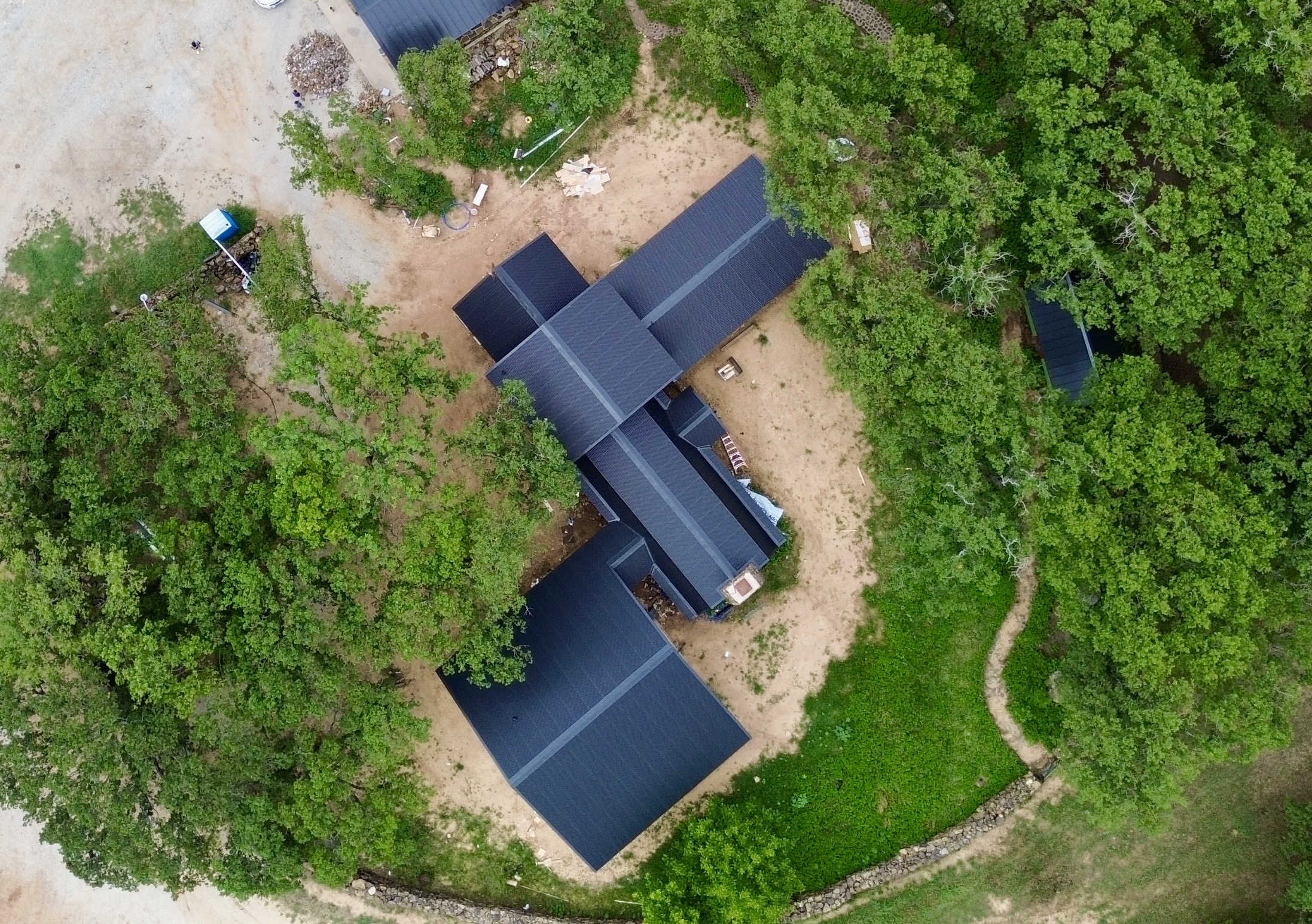
Coordinating Roof Edge Flashing Maintenance With Overall Roof Care
Roof edge flashing performs most effectively when maintained as part of a comprehensive roof maintenance program. Since every roofing component contributes to water management, caring for the entire system improves flashing performance while reducing unnecessary stress on roof edges.
Seasonal maintenance should include inspecting gutters, valleys, roof penetrations, chimneys, skylights, shingles, and flashing throughout the roof. Problems affecting one area often influence drainage patterns elsewhere, including along the roof edge.
Homeowners should also maintain records of inspections, repairs, storm damage, and flashing replacements. This documentation provides valuable information when evaluating gradual roof aging or planning future maintenance projects.
When replacing an aging roof, installing new roof edge flashing alongside new shingles and underlayment provides the most reliable long term protection. Coordinating these improvements ensures every waterproofing component functions together according to current installation standards.
A comprehensive maintenance strategy strengthens the entire roofing system while reducing the likelihood of unexpected leaks caused by hidden flashing gaps.
Conclusion
Roof edge flashing serves as one of the most important protective components of any roofing system by directing water safely away from the roof perimeter and preventing moisture from reaching the roof deck, fascia boards, and exterior walls. Although often hidden beneath shingles, this flashing plays a critical role in preserving the structural integrity of the home.
Hidden gaps frequently develop gradually through natural aging, thermal expansion and contraction, wind exposure, corrosion, improper installation, or loose fasteners. While these openings may initially appear insignificant, they can eventually allow water to bypass the flashing and enter the roofing system, leading to wood rot, damaged insulation, mold growth, peeling paint, and costly structural repairs.
Recognizing early warning signs such as water stains, deteriorating fascia boards, lifted flashing, unusual wind noise, and attic moisture allows homeowners to address problems before widespread damage occurs. Routine inspections, prompt repairs, proper gutter maintenance, and regular removal of roof debris all help preserve flashing performance while extending the lifespan of the roofing system.
Selecting durable flashing materials and ensuring professional installation further improve long term reliability. Correct overlap, secure fastening, proper integration with underlayment and shingles, and careful attention to drainage create a roof edge capable of withstanding years of changing weather conditions.
By understanding how hidden gaps develop and adopting a proactive maintenance strategy, homeowners can detect problems early, reduce long term repair costs, protect their roofing investment, and maintain a durable, weather resistant roof that continues performing effectively through every season.