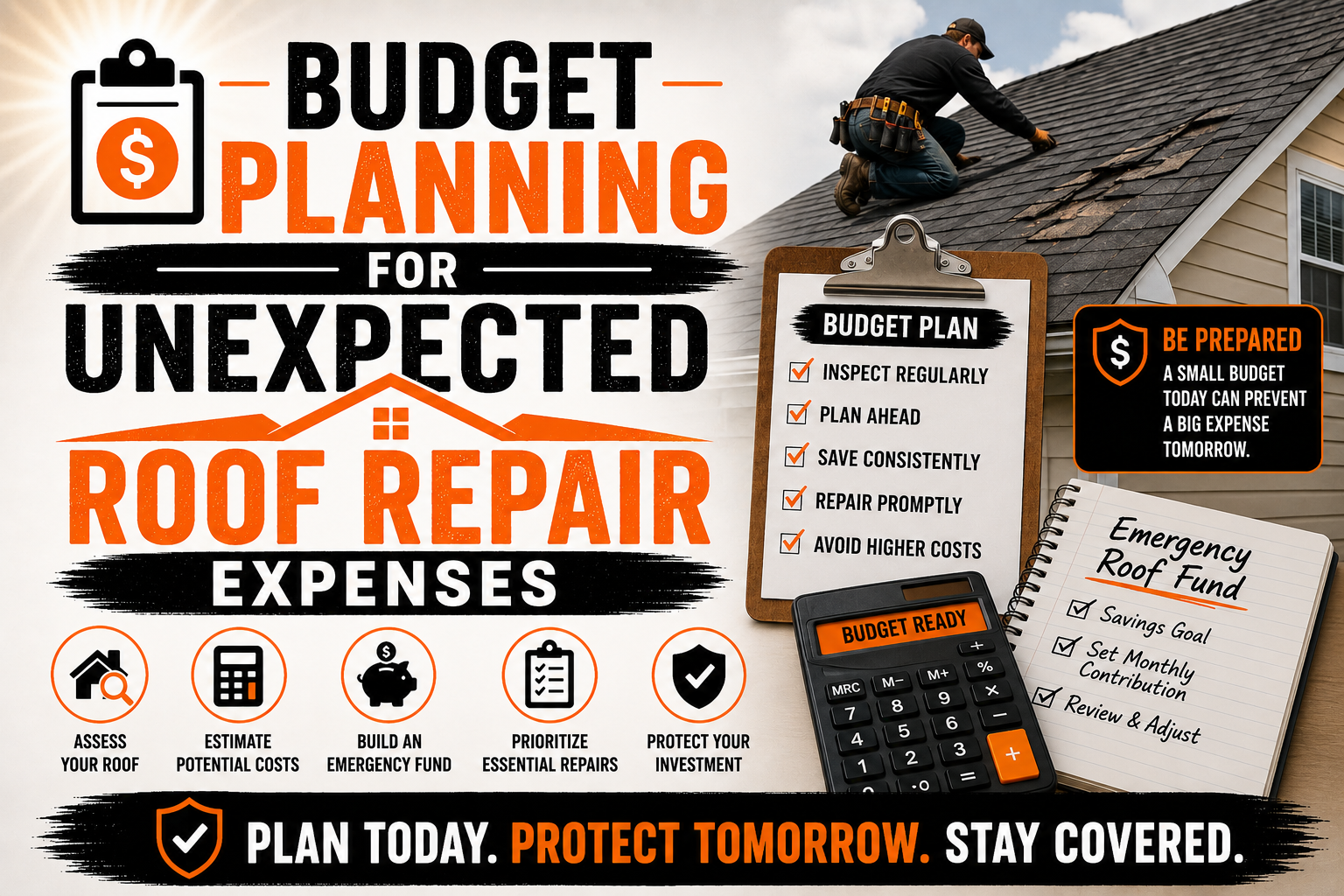
Budget Planning for Unexpected Roof Repair Expenses
Introduction
A roof is one of the most important parts of any home, yet it is often overlooked until something goes wrong. Many homeowners focus on routine household expenses such as utility bills, mortgage payments, and interior maintenance while assuming the roof will continue performing without problems. Unfortunately, roofs are constantly exposed to changing weather conditions, aging materials, falling debris, and unexpected damage that can quickly turn into expensive repairs.
Unlike planned home improvement projects, emergency roof repairs rarely happen at a convenient time. A leak may appear during heavy rain, shingles may blow away after a windstorm, or flashing may fail without warning. These situations often demand immediate attention because delaying repairs can lead to much larger structural problems and significantly higher costs.
Budget planning for unexpected roof repair expenses helps homeowners prepare for these situations before they become financial emergencies. Instead of scrambling to find funds or relying entirely on credit, homeowners who plan ahead can respond quickly, protect their property, and avoid unnecessary stress. A well-prepared budget also makes it easier to choose quality repairs rather than settling for temporary fixes that may fail again in the future.
This guide explains how unexpected roof repair costs arise, what factors influence those expenses, and how homeowners can estimate future repair needs. It also explores practical budgeting strategies that reduce financial pressure while helping maintain the long-term value and safety of a home.
Why Unexpected Roof Repairs Create Financial Stress
Most household budgets are designed around predictable monthly expenses. Mortgage payments, groceries, transportation, insurance, and utility bills are generally planned in advance, leaving little room for sudden repair costs. When a roof develops a serious problem without warning, homeowners may find themselves struggling to cover expenses that were never included in their financial plans.
Roof repairs often become urgent because the damage affects more than the roofing material itself. Water entering through a damaged roof can quickly reach insulation, ceilings, drywall, flooring, electrical systems, and even personal belongings. What begins as a relatively minor repair can become a much larger restoration project if immediate action is not taken.
Financial stress also increases because emergency repairs frequently happen during severe weather events. Contractors experience higher demand after storms, which can affect scheduling and sometimes increase labor costs. Homeowners may have limited time to compare estimates before authorizing work to prevent additional damage.
Many families also underestimate the indirect costs associated with roof damage. Besides repair bills, there may be temporary accommodation expenses, damaged furniture, mold remediation, interior painting, or replacement of insulation. These additional costs make emergency roof repairs much more expensive than many homeowners initially expect.
Planning for these possibilities helps reduce uncertainty. Even setting aside a modest emergency repair fund each month can significantly improve financial flexibility when unexpected roofing issues arise.
Common Reasons Roof Repairs Become Emergency Expenses
Unexpected roof repairs rarely occur without an underlying cause. While some emergencies result from severe weather, many develop gradually until they suddenly become impossible to ignore. Understanding these common causes allows homeowners to prepare financially while reducing the likelihood of costly surprises.
Weather remains one of the leading reasons for emergency roof repairs. High winds can remove shingles, hail can crack protective surfaces, and heavy rainfall may expose weaknesses that previously went unnoticed. Snow accumulation and ice dams can also place excessive weight on roofing systems while allowing water to seep beneath shingles.
Aging roofing materials are another major contributor to unexpected repair expenses. Every roofing system has a limited service life, and materials naturally deteriorate over time due to sunlight, moisture, temperature fluctuations, and environmental exposure. As roofs age, they become more vulnerable to leaks, cracks, and structural failures.
Improper installation is another factor that often creates hidden problems. Poor flashing installation, incorrect shingle placement, inadequate ventilation, or low-quality workmanship may not become visible immediately. However, these installation defects often lead to costly repairs several years later when the roof experiences severe weather or normal aging.
Tree branches and falling debris can also damage roofing systems without warning. Large branches may puncture shingles or decking during storms, while smaller debris can gradually wear protective surfaces. Even leaves that accumulate in roof valleys or gutters may contribute to moisture buildup if not removed regularly.
Wildlife activity is another overlooked source of roof damage. Birds, squirrels, raccoons, and rodents sometimes create openings while searching for shelter. These openings allow moisture to enter the roofing system and often require immediate repairs once discovered.
Because many of these issues develop slowly, homeowners who schedule regular roof inspections often identify problems before they become full-scale emergencies. Preventive maintenance costs significantly less than repairing extensive water damage caused by delayed action.
The Hidden Costs Homeowners Often Overlook
Many homeowners estimate roof repair expenses by focusing only on replacing damaged shingles or patching visible leaks. While these direct repair costs are important, they represent only one portion of the overall financial impact. Several hidden expenses often increase the total cost beyond initial expectations.
Water damage is one of the most expensive secondary consequences. Moisture entering through a damaged roof can spread throughout the attic and interior walls before becoming visible. By the time homeowners notice stains on ceilings, water may have already damaged insulation, framing, drywall, and electrical components.
Mold growth presents another significant concern. Damp conditions inside walls and attics create an ideal environment for mold development, particularly when leaks remain undetected for extended periods. Mold removal often requires specialized remediation services that substantially increase overall repair costs.
Interior restoration should also be considered. After repairing the roof itself, homeowners may still need ceiling repairs, repainting, flooring replacement, trim restoration, or furniture replacement. These expenses are sometimes greater than the actual roofing work.
Energy efficiency losses create additional financial consequences. Damaged roofs frequently allow conditioned air to escape while permitting outside air to enter the home. Heating and cooling systems must work harder to maintain comfortable indoor temperatures, resulting in increased monthly utility bills until repairs are completed.
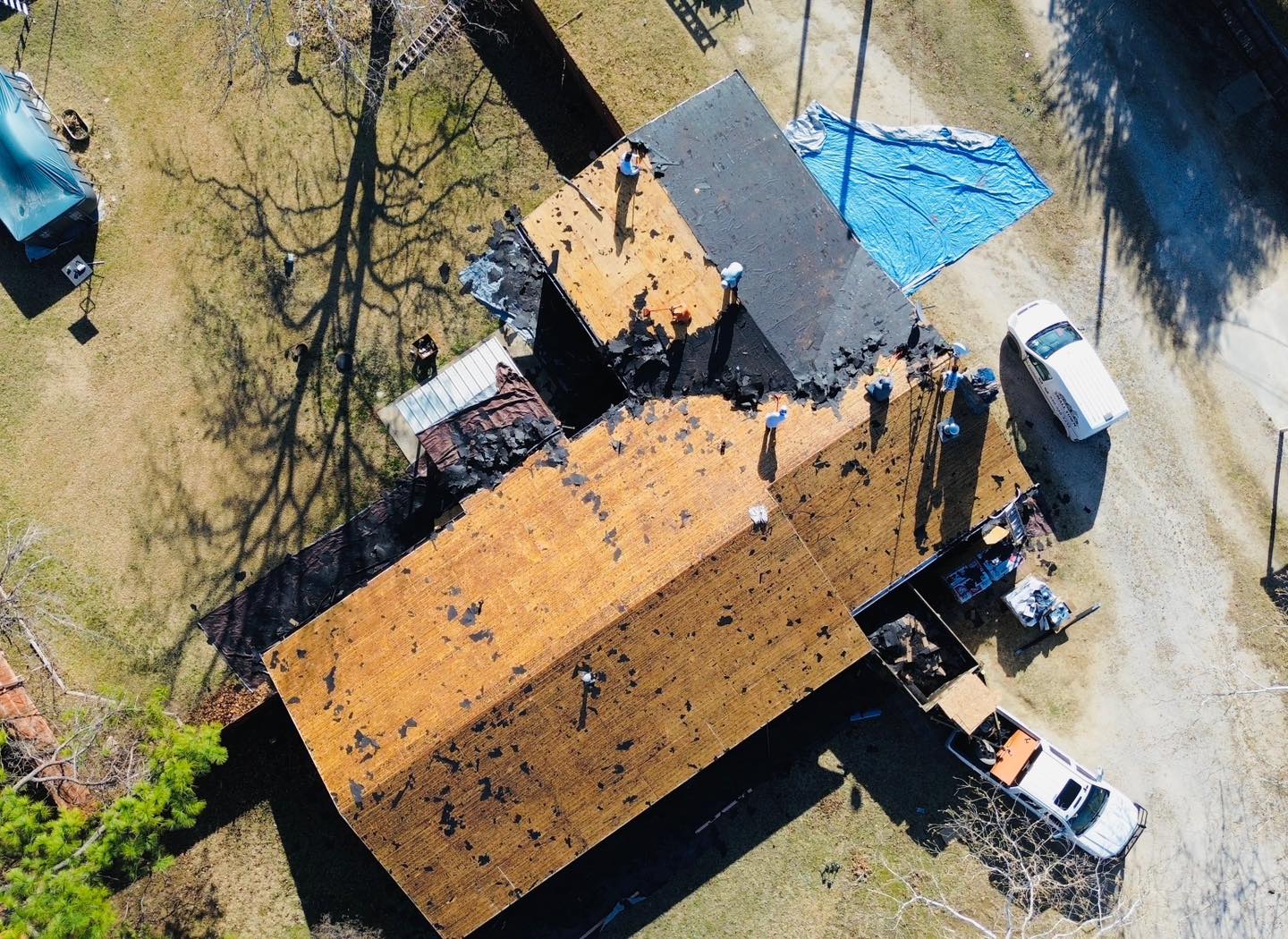
Another overlooked expense involves temporary protective measures. Emergency tarping, water extraction, temporary structural support, or protective coverings may be necessary before permanent repairs can begin. These services provide important protection but also increase the total repair budget.
Unexpected roof damage may also affect homeowners’ insurance deductibles or future insurance premiums depending on the nature of the claim. While insurance can reduce out-of-pocket expenses for qualifying events, homeowners should understand that coverage limitations and deductibles still require financial preparation.
Considering these hidden costs allows homeowners to create more realistic emergency repair budgets rather than planning only for the most obvious repair expenses.
Understanding the Difference Between Planned Maintenance and Emergency Repairs
Many homeowners mistakenly believe that roof maintenance and roof repairs are essentially the same expense. Although both involve caring for the roofing system, they differ significantly in timing, cost, and financial impact. Recognizing these differences helps homeowners build a more effective budgeting strategy.
Planned maintenance consists of scheduled activities performed to preserve the roof’s condition and extend its lifespan. These tasks include roof inspections, gutter cleaning, replacing damaged sealants, removing debris, checking flashing, and addressing minor wear before it develops into major damage. Maintenance is generally predictable and can be included in annual household budgets.
Emergency repairs, by contrast, occur unexpectedly and require immediate attention. These repairs are necessary because delaying them would increase property damage or compromise the home’s safety. Common examples include repairing storm damage, fixing major leaks, replacing missing shingles after high winds, or reinforcing damaged structural components.
The financial difference between maintenance and emergency repairs can be substantial. Small maintenance projects typically involve manageable expenses that homeowners can schedule according to their budgets. Emergency repairs often require immediate payment and may involve additional labor costs due to urgent scheduling or severe weather conditions.
Preventive maintenance also provides valuable opportunities to identify developing problems early. Contractors can detect loose flashing, deteriorating sealants, minor leaks, or damaged shingles before they cause extensive interior damage. Addressing these issues promptly often prevents much larger repair bills in the future.
Homeowners should view maintenance as an investment rather than an optional expense. Spending modest amounts on routine care frequently reduces the likelihood of facing major emergency repairs that disrupt both finances and daily life.
Assessing Your Roof’s Current Condition Before Creating a Budget
Creating an effective roof repair budget begins with understanding the current condition of the roof. Without a realistic assessment, homeowners may underestimate future repair needs or set aside insufficient funds for potential emergencies. A thorough evaluation provides valuable information that supports better financial planning.
The age of the roof is an excellent starting point. Different roofing materials have different expected lifespans, and knowing when the roof was installed helps estimate how much longer it may continue performing reliably. Older roofs generally require larger maintenance budgets because components naturally deteriorate with time.
Visible signs of wear should also be evaluated carefully. Missing shingles, cracked flashing, loose gutters, curling roofing materials, dark stains, moss growth, and sagging sections often indicate developing issues that deserve professional attention. Even seemingly minor defects can become major repair projects if ignored.
Attic inspections provide another useful perspective. Homeowners should occasionally examine attic spaces for water stains, damp insulation, mold, daylight entering through roof openings, or signs of moisture accumulation. These observations often reveal hidden problems before interior ceilings become visibly damaged.
Professional roof inspections offer the most comprehensive assessment. Experienced contractors can identify structural concerns, ventilation problems, deteriorating materials, and areas vulnerable to future leaks. Their findings help homeowners prioritize maintenance while developing more accurate financial plans for future repairs.
Photographing the roof during inspections can also be beneficial. Maintaining visual records allows homeowners to compare changes over time and provides useful documentation for insurance claims if storm damage occurs later.
A realistic understanding of the roof’s current condition makes budgeting more accurate and helps homeowners avoid unpleasant financial surprises.
Factors That Influence Unexpected Roof Repair Costs
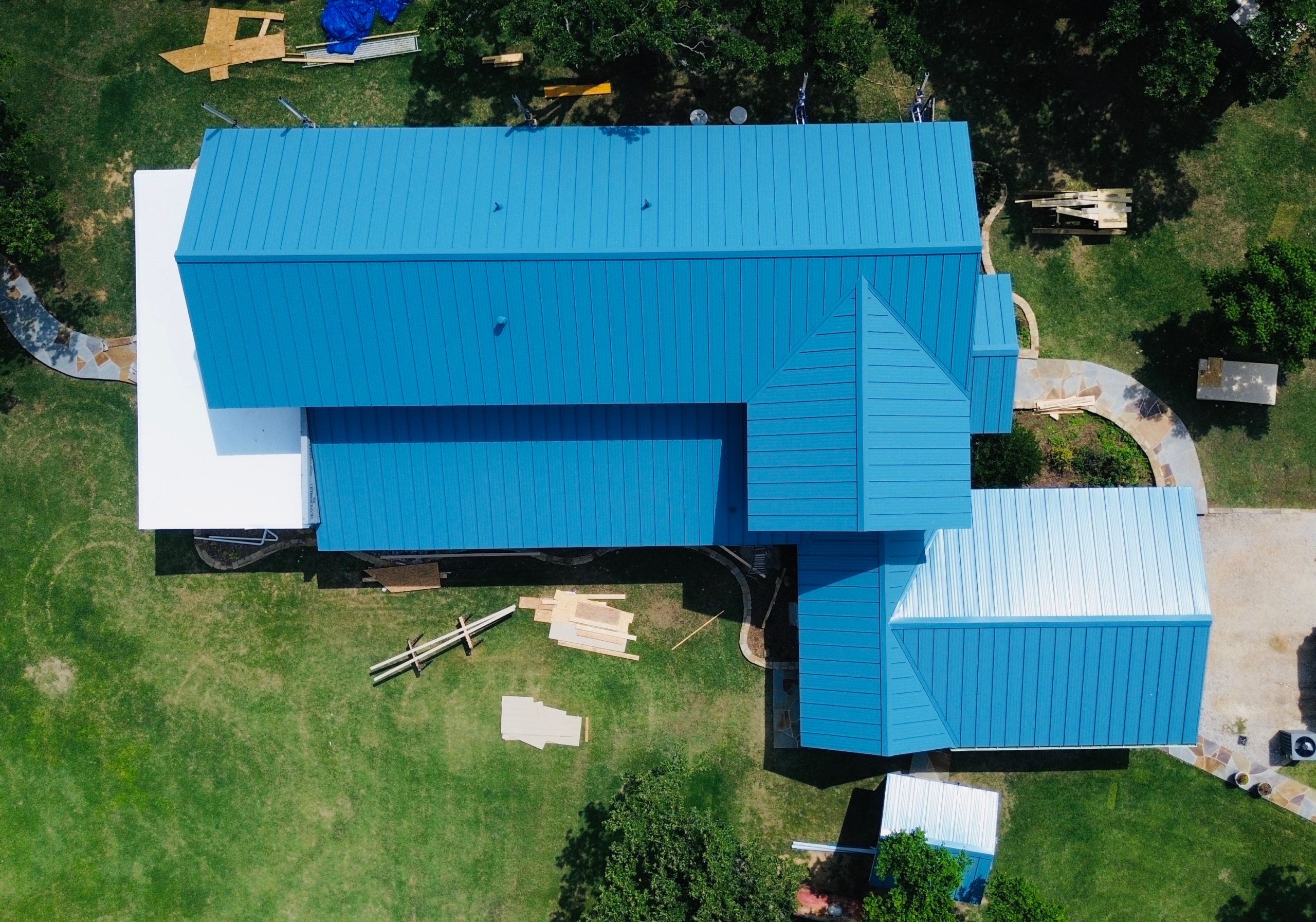
Roof repair costs vary significantly from one home to another because every roofing system presents unique challenges. Understanding these cost factors allows homeowners to estimate potential expenses more accurately and build emergency funds that better reflect their individual circumstances.
Roof size plays a major role because larger roofs require more materials and labor to complete repairs. Even when damage affects only a small section, contractors often spend additional time accessing larger roofing systems safely.
Roof pitch also influences pricing. Steeper roofs require specialized safety equipment, additional labor, and more time to complete repairs. Contractors may charge higher labor rates because of the increased complexity and safety risks involved.
The type of roofing material greatly affects repair costs. Asphalt shingles are generally less expensive to repair than slate, tile, wood shake, or metal roofing systems. Specialty materials often require trained installers and matching products that increase overall expenses.
Accessibility is another important consideration. Multi-story homes, limited yard access, landscaping obstacles, or nearby power lines can make repairs more difficult and time consuming. Increased labor requirements naturally affect the final project cost.
The extent of underlying damage also determines repair expenses. A simple shingle replacement costs far less than repairing damaged roof decking, replacing insulation, or restoring structural framing affected by prolonged water intrusion.
Geographic location contributes as well. Labor rates, material availability, transportation costs, and local building codes vary by region. Weather conditions specific to certain climates may also influence both repair frequency and pricing.
Seasonal demand further affects repair costs. Following severe storms, contractor schedules often become fully booked, increasing wait times and occasionally affecting labor pricing due to high demand.
Considering these variables allows homeowners to develop flexible budgets that account for a range of possible repair scenarios instead of assuming every repair will cost roughly the same amount.
Estimating Potential Repair Expenses Based on Roof Type
Not all roofing materials require the same level of maintenance or repair investment. Understanding the characteristics of different roofing systems helps homeowners estimate future expenses more realistically while planning long-term maintenance budgets.
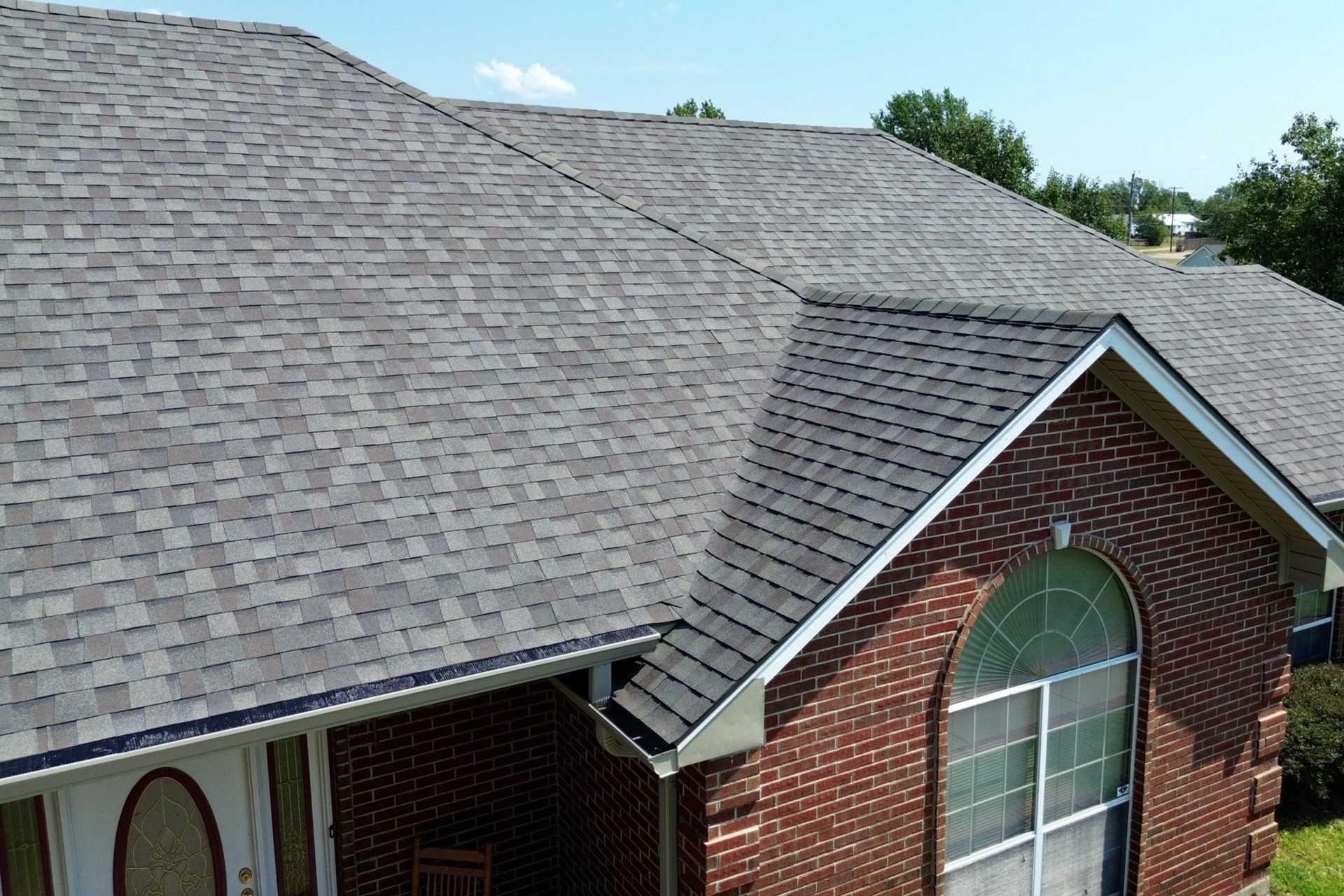
Asphalt shingles remain the most common residential roofing material because they provide an affordable balance between performance and cost. Repairs are generally straightforward, replacement materials are widely available, and contractors are familiar with installation techniques. However, severe weather and aging can still create repair needs throughout the roof’s lifespan.
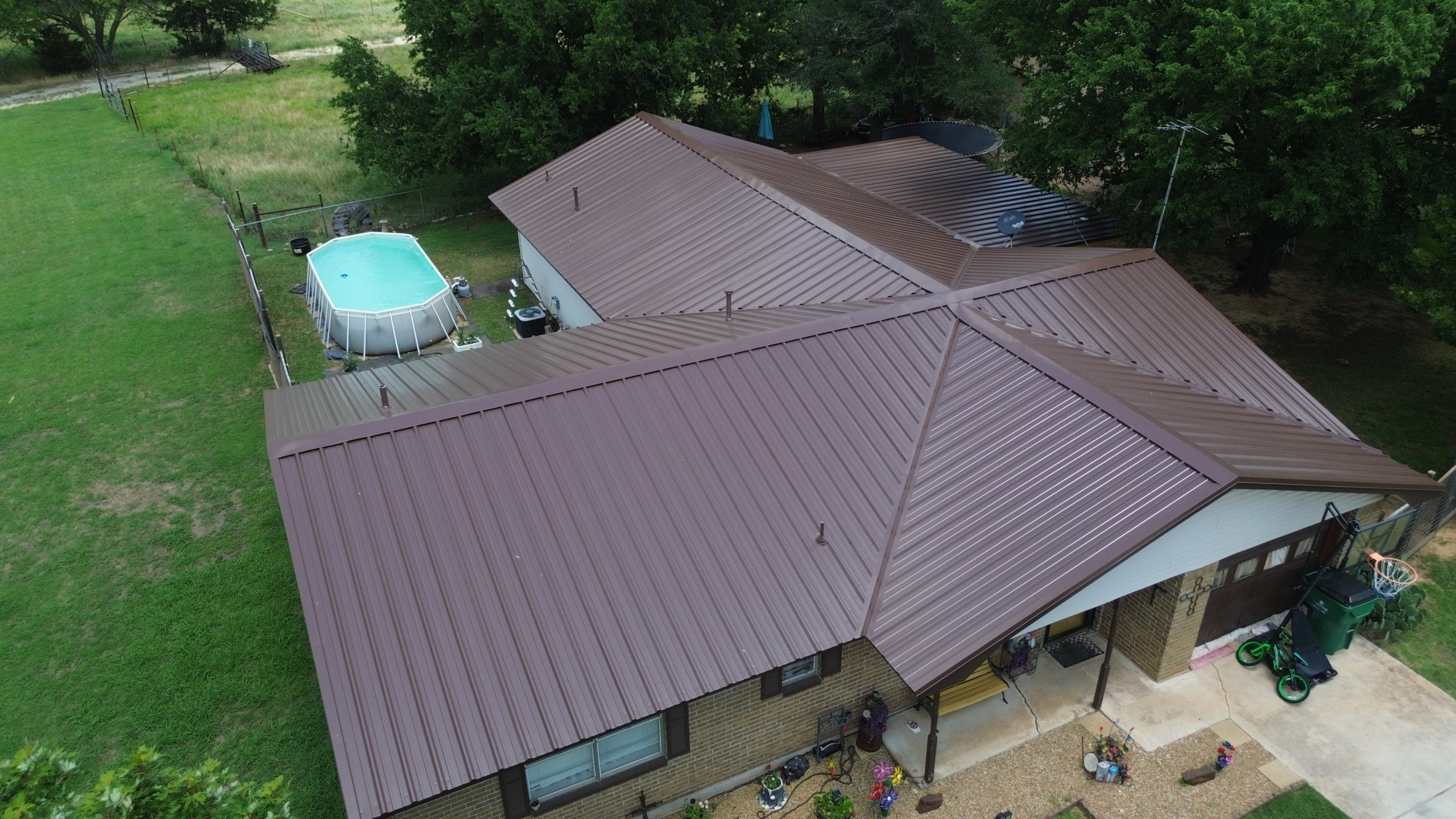
Metal roofing systems offer exceptional durability and often require fewer repairs over time. Although individual repairs may cost more because of specialized materials and installation methods, the overall maintenance frequency is often lower than with traditional asphalt roofing.
Clay and concrete tile roofs provide excellent longevity but require careful handling during repairs. Individual tiles can crack due to impacts or foot traffic, and matching replacement tiles may be more expensive than replacing standard shingles. Professional expertise is especially important to avoid damaging surrounding tiles during repairs.
Wood shake roofs offer natural beauty but demand regular maintenance to prevent moisture damage, insect activity, and weather-related deterioration. Repairs may involve replacing damaged shakes while ensuring proper ventilation and moisture protection.
Slate roofing systems are among the most durable available, yet they also represent one of the most expensive materials to repair. Specialized craftsmanship is required to preserve both structural performance and appearance, making financial planning particularly important for homeowners with slate roofs.
Regardless of roofing material, setting aside funds before repairs become necessary allows homeowners to make informed decisions without financial pressure. Understanding the unique maintenance characteristics of each roof type also helps establish realistic expectations for future repair expenses and supports long-term homeownership planning.
Building a Dedicated Roof Repair Emergency Fund
One of the most effective ways to prepare for unexpected roof repairs is to establish a dedicated emergency fund specifically for home maintenance. Many homeowners maintain general emergency savings, but separating roof repair funds from other household reserves provides greater financial clarity. It also reduces the temptation to use the money for unrelated expenses before it is truly needed.
A roof repair fund does not need to reach its target amount immediately. Consistent monthly contributions gradually build a reserve that becomes increasingly valuable over time. Even relatively small deposits can accumulate into a meaningful safety net when combined with disciplined saving habits and long-term planning.
The amount each homeowner should save depends on several factors. Roof size, roofing material, climate conditions, property age, and the roof’s remaining lifespan all influence the level of financial preparation required. A newer roof may require smaller monthly contributions, while an aging roof approaching the end of its expected service life may justify larger savings.
Some homeowners choose to automate their savings by scheduling monthly transfers into a separate bank account. This approach removes the need for manual deposits and encourages consistent progress without requiring frequent financial decisions. Automatic savings also reduce the likelihood of postponing contributions during busy months.
A dedicated emergency fund offers benefits beyond financial security. When repairs become necessary, homeowners can focus on selecting qualified contractors and quality materials rather than searching for immediate financing. This flexibility often leads to better repair decisions and improved long-term results.
Smart Budgeting Strategies for Homeowners
Effective roof budgeting extends beyond simply saving money. It involves understanding household finances, anticipating future maintenance needs, and making informed decisions that balance short-term affordability with long-term property protection.
A practical budgeting strategy begins by reviewing annual household expenses. Homeowners should identify recurring costs, seasonal spending, and discretionary purchases to determine how much can reasonably be allocated toward future home maintenance. Even modest adjustments to entertainment, dining, or subscription expenses may free up additional funds for roof repairs.
Planning should also account for the age of the property. Older homes often require more frequent maintenance across multiple systems, including roofing, plumbing, electrical components, and exterior finishes. Recognizing these patterns allows homeowners to avoid concentrating all savings on one type of repair while neglecting others.
Inflation is another important consideration. Construction materials, labor rates, transportation costs, and building supplies generally become more expensive over time. A repair that costs a certain amount today may cost considerably more several years later, making periodic adjustments to savings goals an important part of responsible budgeting.
Budget reviews should occur regularly rather than only after damage appears. Annual evaluations provide opportunities to reassess savings targets based on changing household income, roof condition, or market conditions. Adjusting the plan before problems arise keeps financial preparation aligned with actual repair risks.
Homeowners should also distinguish between routine maintenance expenses and emergency repair funds. While both are necessary, separating them helps ensure that money reserved for major emergencies is not gradually depleted by routine upkeep throughout the year.
Comparing Repair Costs Across Common Roofing Materials
Roofing materials differ not only in appearance and lifespan but also in repair frequency, maintenance requirements, and overall ownership costs. Understanding these differences helps homeowners estimate future expenses more accurately and prepare realistic repair budgets.
Asphalt shingles generally offer the lowest repair costs because replacement materials are readily available and installation methods are widely understood. Minor repairs are usually completed quickly, making asphalt roofing attractive for homeowners seeking affordable maintenance.
Metal roofing often requires less frequent repairs due to its durability and resistance to weather damage. However, when repairs become necessary, specialized tools and experienced installers may increase labor costs. Despite this, many homeowners consider the reduced maintenance frequency worthwhile over the roof’s lifespan.
Wood shake roofs require regular inspections because natural materials are more susceptible to moisture, insects, and weathering. Preventive maintenance plays an especially important role in preserving their appearance and structural performance. Delaying small repairs can significantly increase restoration costs later.
Clay and concrete tile roofs are valued for their longevity but demand careful handling during maintenance. Individual tiles may crack from impact or improper foot traffic, and matching replacement pieces may not always be immediately available. Professional installation helps preserve both aesthetics and structural integrity.
Slate roofing is known for exceptional durability and can last for generations when properly maintained. Nevertheless, repairs require specialized expertise, and replacement materials are often expensive. Homeowners with slate roofs should generally maintain larger emergency funds because repair costs can be substantially higher than those associated with other roofing systems.
Rather than focusing only on installation costs, homeowners should consider the total cost of ownership. Long-term maintenance, repair frequency, expected lifespan, and replacement expenses all contribute to the overall financial commitment associated with different roofing materials.
Table: Average Roof Repair Cost Factors and Budget Considerations
The exact cost of roof repairs varies by location, contractor, material availability, and the severity of damage. Instead of relying on fixed estimates, homeowners should understand which factors have the greatest influence on repair budgets.
| Cost Factor | Budget Impact | Planning Consideration |
|---|---|---|
| Roof age | Older roofs typically require more repairs | Increase savings as the roof approaches the end of its lifespan |
| Roofing material | Premium materials generally cost more to repair | Research maintenance requirements before budgeting |
| Roof size | Larger roofs require more labor and materials | Estimate savings based on total roof area |
| Roof pitch | Steeper roofs increase labor complexity | Expect higher labor costs for difficult access |
| Weather exposure | Severe climates increase repair frequency | Build larger emergency reserves in storm-prone regions |
| Maintenance history | Well-maintained roofs often require fewer major repairs | Schedule routine inspections to reduce future costs |
| Contractor availability | High demand can affect pricing and scheduling | Avoid delaying repairs during busy seasons whenever possible |
| Extent of damage | Structural damage significantly increases expenses | Address small problems before they expand |
This table illustrates why two homeowners with similarly sized houses may experience very different repair costs. Budget planning should therefore reflect the specific characteristics of each property rather than relying solely on average estimates.
Reducing Repair Expenses Through Preventive Maintenance
The most affordable roof repair is often the one that never becomes necessary. Preventive maintenance cannot eliminate every emergency, but it substantially reduces the likelihood of extensive damage and helps homeowners control long-term repair expenses.
Routine roof inspections are among the most valuable preventive measures. Professional inspections identify loose shingles, deteriorating flashing, clogged drainage systems, and early signs of water intrusion before these issues become major structural concerns. Detecting problems early allows repairs to remain relatively small and affordable.
Keeping gutters and downspouts clean also contributes to roof longevity. Blocked drainage systems allow water to accumulate near roofing materials, increasing the risk of leaks, wood rot, and foundation problems. Regular cleaning encourages efficient water flow during heavy rainfall.
Tree maintenance is another important component of prevention. Overhanging branches can scrape roofing materials, deposit excessive debris, or break during storms. Trimming branches before they contact the roof reduces both mechanical damage and moisture retention.
Proper attic ventilation supports the entire roofing system by regulating temperature and moisture levels. Excessive heat can shorten the lifespan of roofing materials, while trapped moisture encourages mold growth and wood deterioration. Balanced ventilation improves energy efficiency while protecting structural components.
Homeowners should also inspect ceilings and attic spaces after major storms. Small water stains, unusual odors, or damp insulation often indicate roof damage before leaks become severe. Addressing these warning signs promptly prevents relatively minor repairs from developing into costly restoration projects.
Preventive maintenance should be viewed as a recurring investment rather than an optional expense. Consistent care preserves roof performance, reduces emergency repair frequency, and makes long-term budgeting more predictable.
Working With Contractors Without Exceeding Your Budget
Selecting the right contractor plays an important role in managing repair expenses. While homeowners naturally seek competitive pricing, the lowest estimate does not always provide the best long-term value. Careful evaluation helps balance affordability with workmanship and reliability.
Obtaining multiple written estimates allows homeowners to compare proposed repairs, materials, warranties, and project timelines. Comparing detailed estimates often reveals differences in repair approaches that may not be obvious from total price alone. Understanding these differences helps homeowners make informed financial decisions rather than selecting solely on cost.
Communication is equally important during the planning process. Homeowners should clearly explain their budget limitations while asking contractors to identify repairs that are immediately necessary versus those that could reasonably be scheduled later. This collaborative approach helps prioritize spending without compromising roof safety.
Written contracts provide additional financial protection. A detailed agreement should outline project scope, materials, estimated completion dates, payment schedules, and warranty information. Clear documentation reduces misunderstandings that might otherwise lead to unexpected costs during construction.
Homeowners should also verify contractor credentials, insurance coverage, and local licensing requirements where applicable. Hiring qualified professionals reduces the risk of poor workmanship that could result in repeated repairs and additional expenses in the future.
Maintaining realistic expectations is equally valuable. Quality repairs require skilled labor and durable materials, both of which involve reasonable costs. Investing in dependable workmanship often proves more economical than repeatedly paying for temporary or inadequate repairs.
Financing Options When Emergency Repairs Cannot Wait
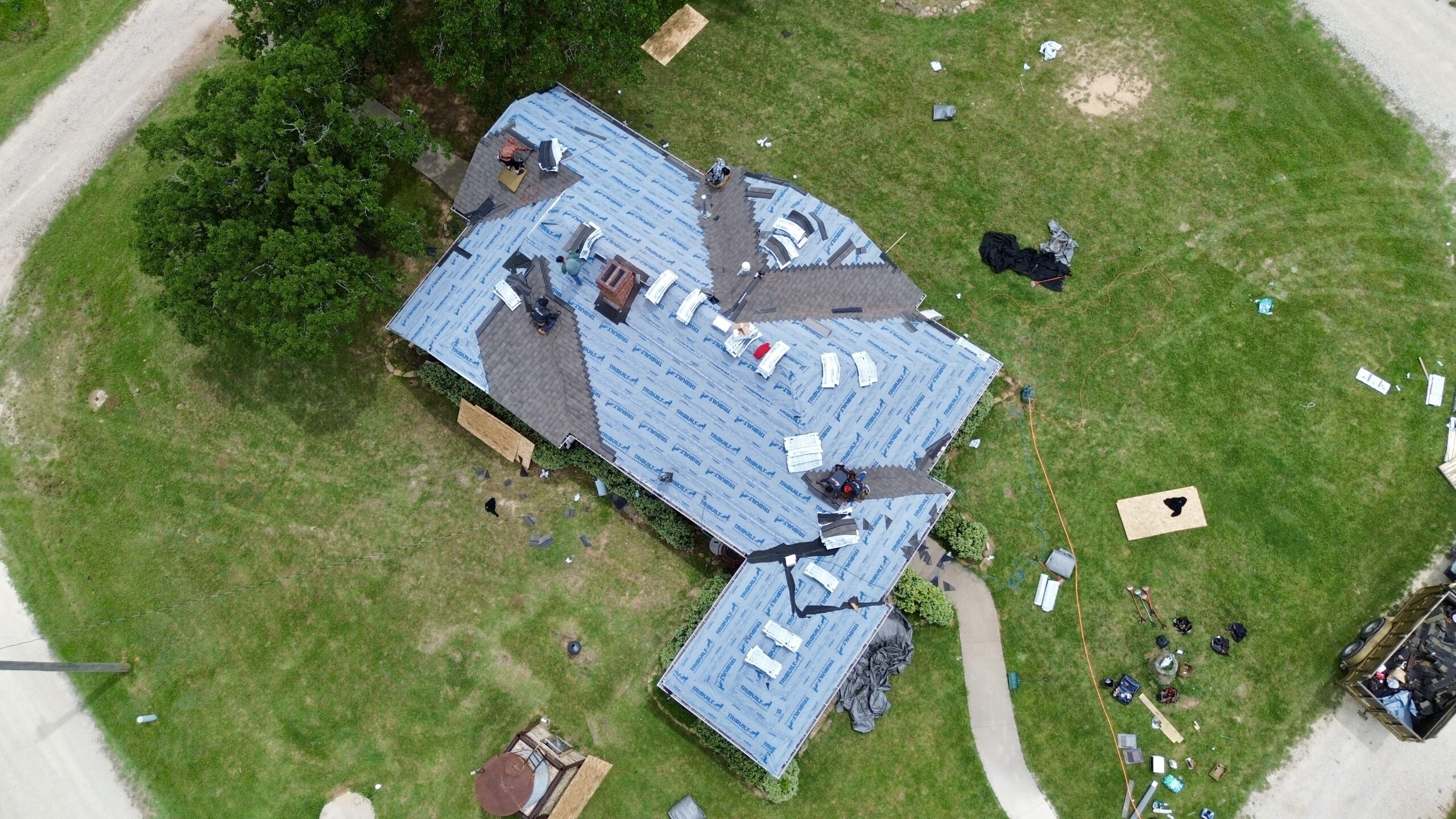
Even with careful budgeting, some roof emergencies occur before homeowners have accumulated sufficient savings. In these situations, understanding available financing options helps prevent rushed financial decisions made under pressure.
Personal savings remain the preferred funding source whenever available because they avoid interest charges and ongoing repayment obligations. Homeowners with established emergency funds generally recover more quickly after major repairs because they do not face additional monthly debt.
Home equity financing is another option for homeowners who have built sufficient equity in their property. Because these loans are secured by the home, interest rates may be lower than many unsecured borrowing alternatives. However, homeowners should carefully evaluate repayment responsibilities before committing to additional debt.
Personal loans may provide faster access to repair funds for homeowners who need immediate financing. Approval processes are often straightforward, allowing urgent repairs to begin quickly. Interest rates, repayment terms, and eligibility requirements vary, making comparison shopping important before accepting an offer.
Credit cards may also provide temporary financial flexibility for smaller emergency repairs. However, high interest rates can substantially increase the total cost if balances remain unpaid for extended periods. They are generally more suitable for short-term financing than long-term repayment.
Some roofing contractors offer financing programs through lending partners. These arrangements may include promotional repayment periods or structured payment plans that spread costs over several months or years. Homeowners should review contract terms carefully to understand interest rates, fees, and repayment schedules before signing any agreement.
Insurance proceeds may help offset repair expenses when qualifying damage results from covered events such as storms, hail, or falling trees. Even when insurance contributes toward repairs, homeowners should still maintain emergency savings because deductibles, uncovered damage, and claim limitations may require significant out-of-pocket spending.
Regardless of the financing method selected, homeowners should develop a repayment strategy immediately after repairs are completed. Restoring emergency savings and reducing outstanding debt strengthens financial resilience before the next unexpected maintenance issue occurs.
Insurance and Roof Repair Budget Planning
Homeowners insurance can play an important role in reducing the financial burden of unexpected roof repairs, but it should never replace a well-planned emergency budget. Insurance policies are designed to cover specific types of damage, and not every roofing issue qualifies for reimbursement. Understanding what is typically covered helps homeowners prepare more realistic financial plans.
Most insurance policies cover sudden and accidental damage caused by events such as windstorms, hail, fire, or falling trees. If a severe storm tears away shingles or a large branch damages the roof, insurance may help pay for repairs after the deductible has been met. However, the amount paid depends on the policy terms, coverage limits, and the condition of the roof before the incident occurred.
Damage resulting from normal aging, poor maintenance, or gradual deterioration is generally not covered by standard homeowners insurance. For example, a roof that develops leaks because shingles have exceeded their expected lifespan may require the homeowner to pay the full repair cost. This distinction highlights why routine maintenance and dedicated savings remain essential even for insured properties.
Policy deductibles also affect financial planning. A homeowner may have insurance coverage but still need to pay a significant deductible before benefits apply. If the deductible is substantial, having emergency savings available prevents delays in scheduling repairs and minimizes financial stress during the claims process.
Maintaining detailed maintenance records can also support insurance claims. Documentation such as inspection reports, photographs, receipts for previous repairs, and maintenance invoices demonstrates that the roof has been properly maintained. This information may help simplify the claims process and reduce disputes regarding the roof’s condition before the damage occurred.
Homeowners should review their insurance policy periodically, especially after replacing a roof or making major home improvements. Updating coverage ensures that policy limits remain appropriate for current replacement costs and changing construction prices.
Avoiding Financial Mistakes During Emergency Roof Repairs
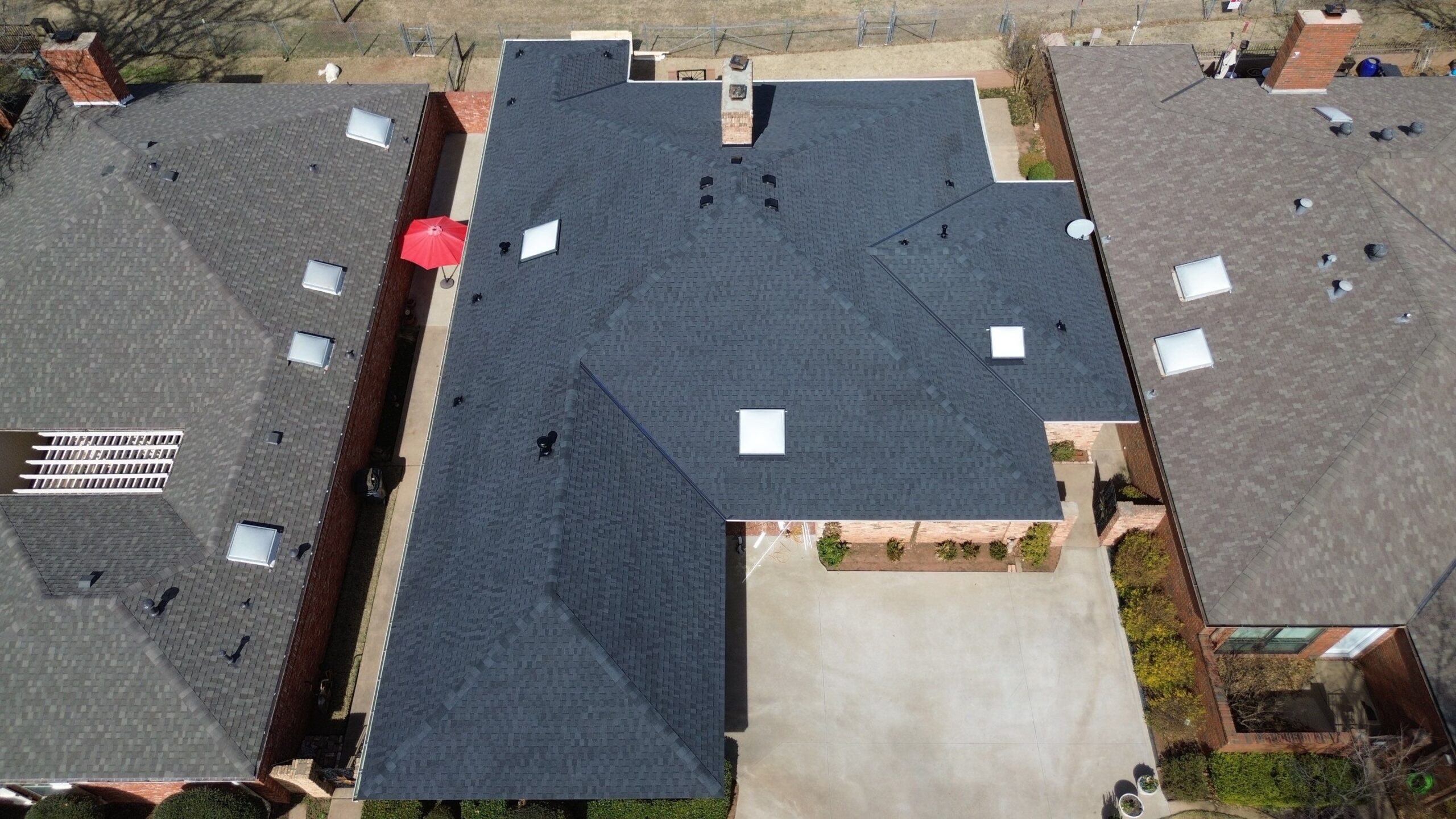
Unexpected roof damage often creates a sense of urgency, making it easier for homeowners to make costly financial mistakes. While immediate action is sometimes necessary to prevent further damage, rushing important decisions can increase expenses and reduce the quality of repairs.
One common mistake is delaying repairs in an attempt to save money. A small leak may appear manageable at first, but continued water intrusion can damage insulation, structural framing, drywall, flooring, and electrical systems. Repairing these secondary problems often costs far more than addressing the original roofing issue promptly.
Another frequent mistake is selecting a contractor based solely on the lowest estimate. While affordability is important, unusually low bids may indicate lower-quality materials, limited warranties, or incomplete repair work. Comparing estimates carefully helps homeowners understand what is included and identify the option that offers the best overall value rather than simply the lowest price.
Failing to maintain an emergency reserve is another financial challenge. Many homeowners assume that roof problems are unlikely to occur, leading them to postpone savings until damage actually happens. Unfortunately, emergency repairs rarely provide enough time to build savings after the fact.
Ignoring preventive maintenance also contributes to higher long-term expenses. Small repairs completed during routine inspections often prevent extensive structural damage that would require much larger investments later. Maintenance should therefore be viewed as a cost-saving strategy rather than an unnecessary expense.
Some homeowners also overlook the importance of obtaining written documentation before work begins. Detailed contracts reduce misunderstandings regarding pricing, materials, timelines, and warranties while providing greater financial transparency throughout the repair process.
Careful planning, informed decision making, and timely action allow homeowners to avoid many of the financial setbacks commonly associated with emergency roofing projects.
Long Term Strategies for Keeping Future Repair Costs Manageable
Budget planning should not end once emergency repairs have been completed. Long-term financial stability depends on developing habits that reduce future repair frequency while making inevitable maintenance expenses easier to manage.
Scheduling regular professional inspections is one of the most valuable long-term strategies. Annual inspections identify developing issues before they become emergencies and provide homeowners with an updated understanding of the roof’s condition. This information supports more accurate budgeting and allows maintenance to be scheduled gradually rather than unexpectedly.
Routine cleaning also contributes significantly to roof longevity. Gutters, valleys, flashing, and drainage systems should remain free of leaves, branches, and debris that retain moisture or restrict water flow. Proper drainage reduces the likelihood of leaks, wood rot, and foundation-related moisture problems.
Maintaining nearby trees is equally important. Regular pruning minimizes the risk of branches damaging roofing materials during storms while reducing debris accumulation throughout the year. Healthy tree maintenance protects both the roof and the surrounding property.
Improving attic ventilation and insulation provides another long-term benefit. Balanced airflow reduces excessive heat buildup during summer while minimizing moisture accumulation during colder months. These improvements help preserve roofing materials and improve overall household energy efficiency.
Homeowners should also review their maintenance budget annually. Construction costs, labor rates, and roofing materials change over time, making periodic adjustments necessary to ensure that emergency savings remain adequate. Revising savings goals each year keeps financial preparation aligned with current market conditions.
Establishing a relationship with a trusted roofing contractor can also simplify future maintenance. Contractors who are already familiar with the property can often identify recurring concerns more efficiently and provide consistent guidance regarding maintenance priorities.
Long-term planning transforms roof maintenance from a series of unexpected emergencies into a manageable component of responsible homeownership.
Practical Budget Planning Checklist for Every Homeowner
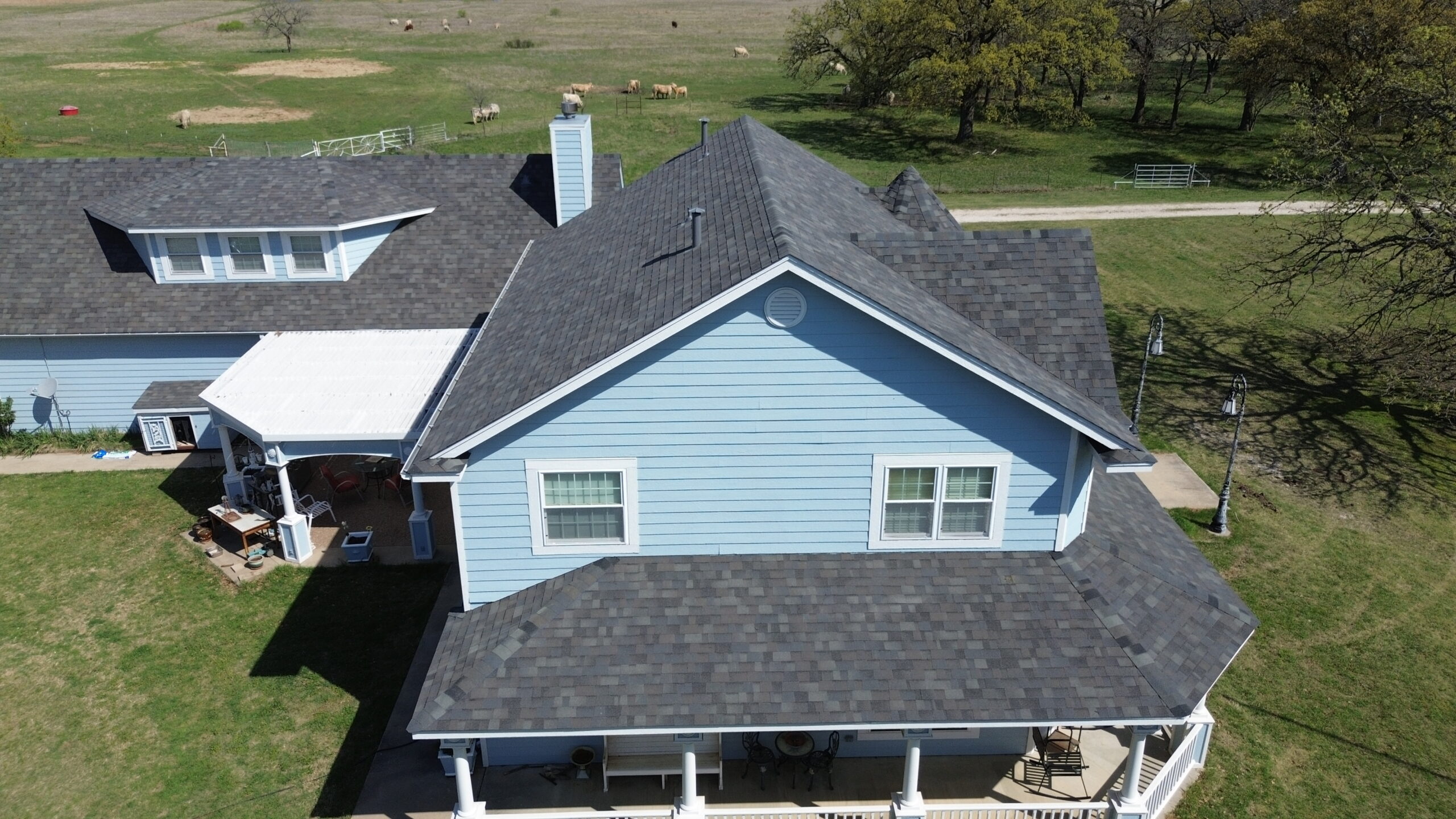
Creating a reliable roof repair budget becomes much easier when homeowners follow a consistent planning process. Instead of reacting only after problems arise, a structured checklist encourages regular financial preparation throughout the year.
The checklist should begin with evaluating the roof’s current condition and estimating its remaining service life. This information provides the foundation for determining appropriate savings goals and maintenance priorities. A newer roof may require modest annual contributions, while an aging roof may justify larger monthly savings.
Financial planning should also include reviewing insurance coverage, emergency savings, and household cash flow. Homeowners who understand these financial resources are better prepared to respond quickly when repairs become necessary. Periodic reviews ensure that the budget continues reflecting both property conditions and changing financial circumstances.
Seasonal maintenance activities should be incorporated into the annual budget as well. Cleaning gutters, inspecting flashing, removing debris, and scheduling professional inspections all contribute to reducing unexpected repair costs. These routine expenses are generally far more affordable than emergency restoration work caused by neglected maintenance.
Finally, homeowners should maintain organized records of inspections, repairs, warranties, contractor information, and insurance documents. Good documentation simplifies future maintenance planning while providing valuable evidence if insurance claims become necessary.
Key Budget Priorities for Unexpected Roof Repairs
While every home is different, several financial priorities consistently help homeowners prepare for unexpected roofing expenses.
- Build a dedicated emergency fund specifically for roof repairs rather than relying entirely on general savings.
- Schedule regular roof inspections to identify developing problems before they become expensive emergencies.
- Include routine maintenance costs within the annual household budget instead of treating them as optional expenses.
- Review homeowners insurance coverage periodically to understand deductibles, exclusions, and policy limits.
- Maintain detailed records of inspections, repairs, warranties, and contractor invoices for future reference.
- Increase emergency savings gradually as the roof approaches the end of its expected service life.
- Work with experienced, reputable contractors who provide detailed written estimates and transparent pricing.
- Replenish emergency savings after completing major repairs to prepare for future maintenance needs.
These priorities create a balanced approach that combines preventive maintenance with responsible financial planning. Instead of reacting to emergencies with limited options, homeowners can make thoughtful decisions supported by adequate financial preparation.
Steps to Build a Reliable Roof Repair Budget
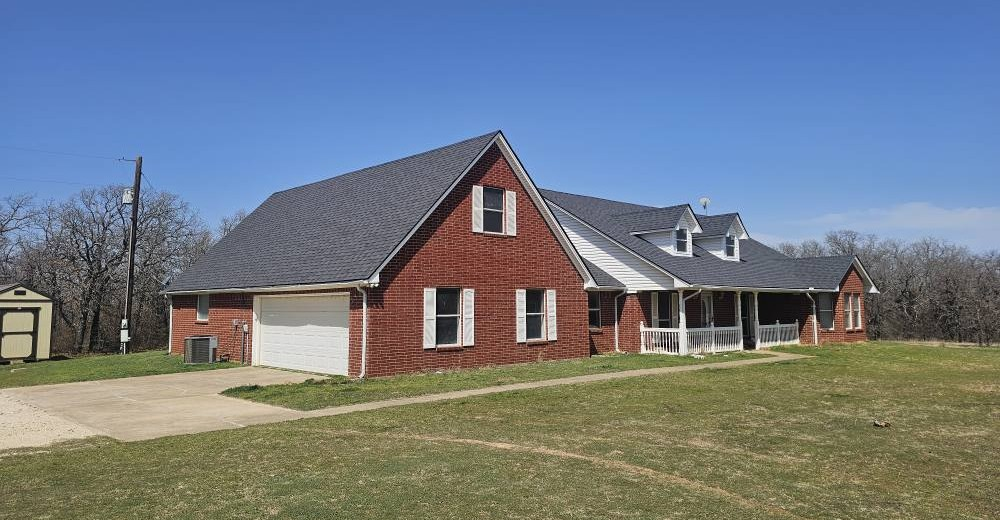
Following a structured budgeting process helps homeowners prepare for future repairs while reducing financial uncertainty.
- Evaluate the current age and overall condition of the roof through professional inspections and visual assessments.
- Estimate potential repair costs based on roofing material, local labor rates, and the home’s environmental conditions.
- Establish a dedicated monthly savings goal that supports long-term maintenance and emergency repairs.
- Separate roof repair savings from general household spending to protect the funds from unrelated expenses.
- Schedule routine maintenance throughout the year to minimize the likelihood of major emergency repairs.
- Review insurance coverage annually to confirm that policy limits remain appropriate for current replacement costs.
- Reassess the repair budget each year based on inflation, roof condition, and changing construction costs.
- Continue rebuilding the emergency fund after every repair so future roofing issues remain financially manageable.
Consistently following these steps allows homeowners to approach roof maintenance with confidence rather than uncertainty. Financial preparation becomes part of regular homeownership instead of a response to unexpected crises.
Conclusion
Unexpected roof repairs are among the most challenging expenses homeowners can face because they often occur without warning and require immediate attention. Without proper financial preparation, even relatively minor roofing problems can place significant pressure on household budgets and lead to difficult decisions regarding repairs, financing, or delayed maintenance. Developing a dedicated roof repair budget helps reduce this uncertainty while providing greater confidence when emergencies arise.
Effective budgeting begins with understanding the condition of the roof, recognizing the factors that influence repair costs, and setting aside savings before problems develop. Routine inspections, preventive maintenance, and timely repairs all contribute to extending the roof’s lifespan while minimizing the likelihood of expensive structural damage. These proactive measures often cost far less than addressing widespread water intrusion or replacing major sections of the roofing system after prolonged neglect.
Insurance provides valuable financial protection for many types of sudden roof damage, but it should be viewed as one component of a broader financial strategy rather than the only solution. Deductibles, policy exclusions, and maintenance-related limitations mean that homeowners still need accessible emergency savings to cover out-of-pocket expenses. Understanding insurance coverage alongside realistic repair costs creates a stronger and more dependable financial plan.
Long-term success depends on consistency rather than large one-time contributions. Regular savings, annual budget reviews, documented maintenance, and partnerships with qualified roofing professionals gradually strengthen both the roof and the homeowner’s financial readiness. These habits transform emergency roof repairs from overwhelming financial events into manageable maintenance responsibilities.
Ultimately, budget planning for unexpected roof repair expenses is an investment in both property protection and financial stability. Homeowners who prepare in advance are better equipped to respond quickly, preserve the structural integrity of their homes, avoid unnecessary debt, and make informed repair decisions that deliver lasting value. A thoughtful financial plan not only safeguards the roof overhead but also provides lasting peace of mind for the years ahead.