

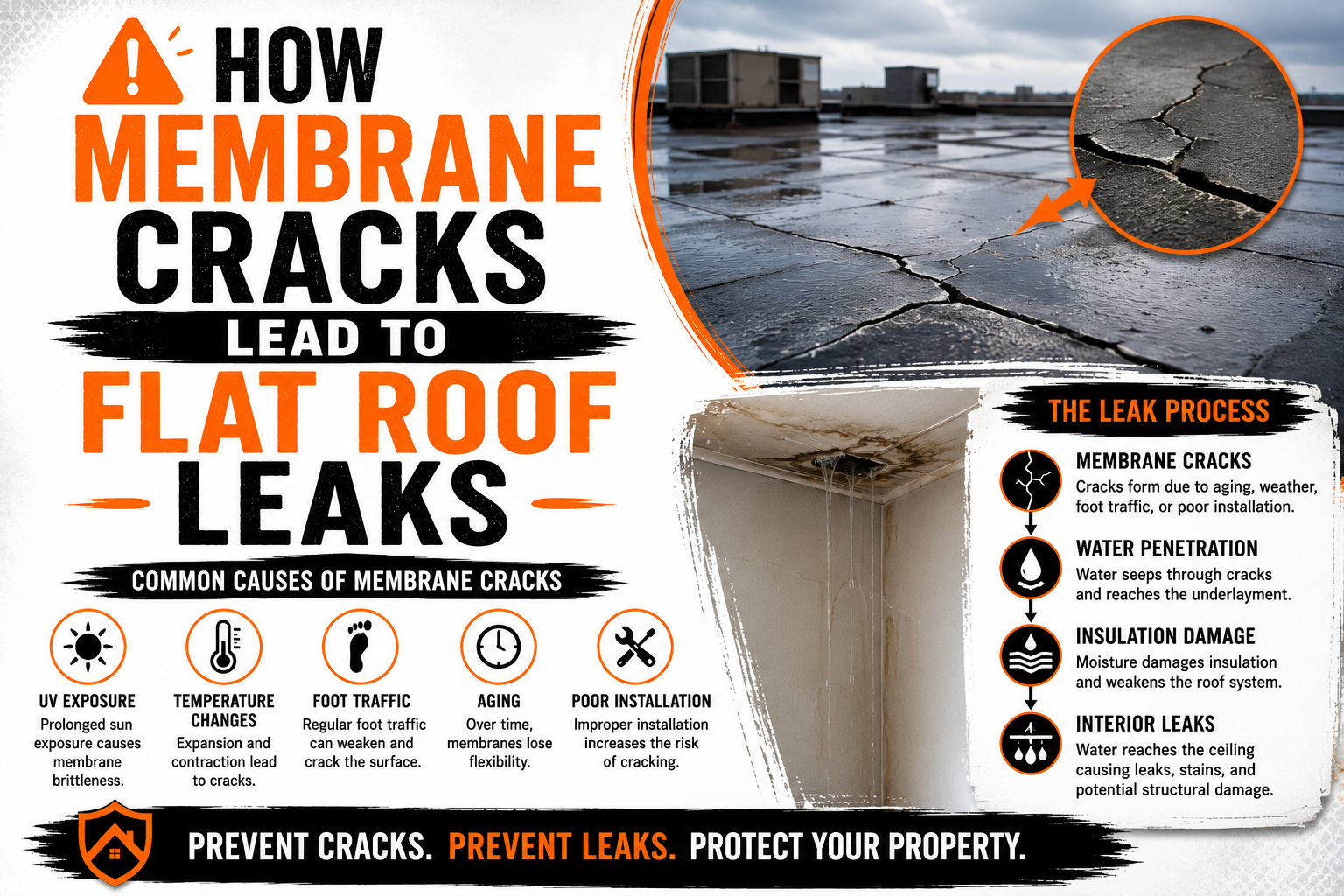
How Membrane Cracks Lead to Flat Roof Leaks
Introduction
Flat roofs have become a popular choice for commercial buildings, apartment complexes, warehouses, educational facilities, and even modern residential homes. Their clean appearance, efficient use of space, and relatively straightforward construction make them an attractive roofing solution. However, like every roofing system, flat roofs require regular care because even minor damage can create significant problems over time.
One of the most common causes of flat roof failure is cracking within the waterproof membrane. Many property owners assume a small crack is merely a cosmetic concern, but it often becomes the starting point for serious water intrusion. Once moisture penetrates the membrane, it can spread beneath the roofing system long before visible leaks appear inside the building.
Unlike sloped roofs that quickly direct water toward gutters, flat roofs often hold moisture for longer periods. This prolonged exposure places constant stress on the roofing membrane and increases the likelihood that even tiny defects will allow water to enter. The combination of standing water, changing temperatures, and aging materials creates ideal conditions for membrane deterioration.
Understanding how membrane cracks develop and why they eventually lead to leaks is essential for protecting any flat roof investment. Early recognition allows building owners to schedule repairs before water damages insulation, decking, structural components, and interior finishes. Preventive maintenance almost always costs less than repairing widespread water damage after a leak has been ignored.
This guide explains the complete relationship between membrane cracking and flat roof leaks. It begins by exploring how flat roof membranes function, why cracks develop, and the warning signs that indicate deterioration is beginning. Later sections will examine how these cracks allow water to spread beneath the roof and what property owners can do to prevent expensive repairs.
Understanding Flat Roof Membrane Systems
A flat roof membrane serves as the primary waterproof barrier protecting a building from rain, snow, and environmental moisture. While the roof includes insulation, decking, flashing, and drainage components, the membrane is the layer responsible for preventing water from entering the structure. Its condition largely determines how effectively the roof performs throughout its service life.
Unlike shingles on pitched roofs, flat roof membranes form a nearly continuous waterproof surface. Depending on the roofing system, this surface may consist of large sheets joined together, multiple layers of modified materials, or liquid applied coatings that cure into a seamless barrier. Regardless of the material, every membrane must remain flexible while resisting moisture, sunlight, temperature changes, and physical stress.
Modern roofing membranes are engineered to withstand years of exposure to harsh weather. Even high quality materials gradually experience aging as ultraviolet radiation, thermal movement, and seasonal weather cycles affect their flexibility. Small imperfections may develop slowly before eventually becoming visible cracks.
The membrane also works together with other roofing components to create a complete system. Proper insulation reduces temperature fluctuations, drainage removes excess water, flashing seals transitions, and expansion joints accommodate building movement. When one component fails, additional stress often transfers to the membrane, increasing the chance of cracking.
Many property owners only notice the membrane when visible damage appears. In reality, the membrane performs continuously throughout every season, expanding under summer heat and contracting during colder weather. These repeated movements may seem minor each day, but after thousands of cycles they gradually weaken even durable roofing materials.
Because the membrane forms the first line of defense against moisture, maintaining its integrity should always be a priority. A small defect that seems insignificant can eventually compromise large sections of the roofing system if water gains access beneath the protective surface.
What Membrane Cracks Are and Why They Matter
Membrane cracks are breaks, splits, fractures, or openings that interrupt the continuous waterproof layer of a flat roof. They vary greatly in size, from hairline fractures that are barely visible to larger separations capable of admitting significant amounts of water during heavy rainfall.
Not every crack immediately causes an interior leak. Some remain dormant for months while others begin allowing moisture into the roofing system almost immediately. The danger lies in the fact that water often travels beneath the membrane before appearing inside the building, making the true extent of damage difficult to recognize.
Cracks frequently develop in areas where the membrane experiences repeated stress. Corners, seams, roof penetrations, flashing transitions, and locations surrounding HVAC equipment often experience greater movement than open roof surfaces. These areas deserve careful inspection because they commonly become the first points of failure.
Even tiny cracks deserve attention because roofing systems rely on continuous waterproof protection rather than isolated barriers. Once continuity is broken, water can migrate horizontally beneath the membrane, soaking insulation and weakening adhesives. The visible crack may appear small while the hidden damage spreads across a much larger area.
Property owners sometimes postpone repairs because they do not observe active dripping inside the building. Unfortunately, moisture infiltration often begins long before interior symptoms become visible. Wet insulation may remain concealed beneath the membrane while gradually losing its thermal performance and contributing to further deterioration.
Membrane cracks also increase maintenance costs over time. Early repairs usually involve localized restoration, while delayed intervention may require replacing insulation, repairing structural components, restoring interior finishes, and installing an entirely new roofing system.
The Most Common Types of Flat Roof Membranes
Several membrane materials dominate the commercial and residential flat roofing industry. Each offers different advantages, installation methods, and expected service lives. Understanding these materials helps explain why certain types of cracking occur under different conditions.
EPDM roofing membranes are made from synthetic rubber that provides excellent flexibility and weather resistance. Their ability to accommodate movement makes them popular in regions with fluctuating temperatures. Although durable, EPDM membranes can eventually develop cracks as they age or experience prolonged ultraviolet exposure.
TPO membranes are manufactured using thermoplastic materials that provide strong resistance against heat, ultraviolet radiation, and chemical exposure. Heat welded seams create reliable waterproof joints, but improper installation or long term weathering can still contribute to membrane damage.
PVC membranes share many characteristics with TPO while offering additional chemical resistance. These systems perform particularly well in commercial environments where grease or industrial contaminants might damage other membrane materials. As with any roofing product, aging and repeated stress can eventually reduce flexibility.
Modified bitumen roofing systems combine asphalt with polymer modifiers to improve durability and flexibility. Multiple reinforced layers help resist punctures, but repeated thermal movement may eventually produce surface cracking if maintenance is neglected.
Built up roofing systems use alternating layers of reinforcing materials and bitumen to create a thick waterproof assembly. Although known for durability, these roofs may develop surface fractures after years of weather exposure if protective coatings deteriorate.
Each roofing material responds differently to changing temperatures, sunlight, and physical movement. Regardless of membrane type, regular inspections remain essential because every system eventually experiences some degree of aging throughout its service life.
Why Membrane Cracks Develop Over Time
Roof membranes rarely fail without warning. Most cracks develop gradually through the combined effects of aging, weather exposure, structural movement, and daily environmental stress. Understanding these contributing factors helps property owners recognize why preventive maintenance is so valuable.
Every roofing material naturally ages as protective compounds slowly break down. Flexible membranes become less elastic over time, reducing their ability to stretch without damage. As flexibility decreases, normal building movement places increasing stress on the membrane surface.
Daily temperature changes create constant expansion and contraction. During warm afternoons the membrane expands as temperatures rise, while cooler evenings cause contraction. These repeated cycles occur thousands of times throughout the roof’s lifespan, gradually weakening the material.
Ultraviolet radiation from sunlight accelerates the aging process. Continuous exposure slowly alters the chemical structure of roofing materials, reducing flexibility and making surfaces more vulnerable to cracking. Roofs with inadequate protective coatings often experience faster deterioration under intense sunlight.
Wind also contributes to membrane stress. Strong gusts create uplift pressure that repeatedly lifts and relaxes sections of the roofing system. Even when this movement remains within design limits, years of repeated stress gradually affect membrane performance.
Moisture itself can contribute to deterioration. Water that remains on the roof for extended periods increases stress on the membrane while allowing contaminants to accumulate. Standing water also magnifies temperature effects by heating during the day and cooling rapidly overnight.
Building movement plays an equally important role. Foundations settle, structural members expand, and construction materials respond differently to changing temperatures. These movements may be small individually, but together they continuously challenge the flexibility of the roofing membrane.
Maintenance practices strongly influence how quickly cracks appear. Roofs receiving regular inspections often have minor defects repaired before they expand. Neglected roofs frequently experience accelerated deterioration because small issues remain untreated until they develop into major failures.
Environmental Factors That Accelerate Membrane Damage
Environmental conditions influence every stage of a flat roof’s lifespan. While roofing materials are designed to withstand challenging weather, years of continuous exposure eventually leave visible signs of deterioration.
Extreme temperature swings are among the most damaging environmental factors. Regions experiencing hot summers and cold winters subject membranes to repeated expansion and contraction that gradually weakens their structure. The greater the temperature variation, the more stress develops within the roofing material.
Ultraviolet radiation remains another leading cause of membrane aging. Constant sunlight slowly removes essential flexibility from many roofing materials, increasing brittleness and making cracks more likely during seasonal movement. Roofs without adequate protective coatings often deteriorate more quickly.
Heavy rainfall increases the amount of moisture that the membrane must resist. When drainage systems become partially blocked, water remains on the roof longer than intended. This prolonged exposure increases the likelihood that existing cracks will admit moisture beneath the surface.
Snow and ice introduce additional challenges in colder climates. Melting snow may repeatedly freeze and thaw within small membrane defects, gradually widening existing cracks. Ice accumulation also places additional weight on the roofing system during winter months.
Airborne pollutants contribute to long term deterioration in urban and industrial environments. Dust, chemicals, oils, and environmental contaminants accumulate on roofing surfaces, sometimes accelerating material degradation when combined with standing water and sunlight.
Trees surrounding a building may also influence membrane health. Falling branches can puncture roofing materials, while leaves clog drainage systems and increase water retention. Organic debris also traps moisture against the membrane, creating conditions that encourage faster aging.
Although environmental factors cannot be eliminated, understanding their impact helps property owners establish maintenance schedules that match local climate conditions. Roofs exposed to severe weather generally benefit from more frequent inspections than those located in milder environments.
Installation Issues That Lead to Early Cracking
Even premium roofing materials can develop premature cracks if installation quality falls below professional standards. Proper workmanship is just as important as material selection because every component of the roofing system must function together.
Incorrect membrane installation may leave sections under excessive tension from the beginning. As temperatures change and the building moves naturally, these stressed areas become more susceptible to splitting than properly installed sections.
Poor seam preparation also contributes to future failures. If seams are not cleaned, aligned, or bonded according to manufacturer specifications, they may separate over time. Once seams weaken, surrounding membrane areas often experience increased stress.
Improper flashing installation creates another common source of cracking. Roof penetrations, parapet walls, skylights, and mechanical equipment require carefully detailed waterproof transitions. Weak flashing forces the membrane to absorb movement it was never intended to handle.
Using incompatible materials during repairs or installation can shorten membrane life. Adhesives, primers, coatings, and patch materials should always match manufacturer recommendations. Chemical incompatibility sometimes weakens the membrane and contributes to premature deterioration.
Insufficient surface preparation before installation may also create long term problems. Uneven decking, trapped debris, or moisture beneath the membrane prevents proper bonding and introduces stress points that eventually develop into visible cracks.
Roof traffic immediately after installation presents additional risks. Construction workers, maintenance crews, or equipment installers may unintentionally damage newly installed membranes before they have fully stabilized. Small surface damage may not become obvious until months later.
Choosing experienced roofing professionals significantly reduces these risks. Proper installation establishes the foundation for decades of reliable performance, while shortcuts often lead to expensive repairs much sooner than expected.
The First Signs That a Membrane Is Beginning to Fail
Most roofing systems provide warning signs before major leaks occur. Recognizing these early indicators allows property owners to schedule repairs while problems remain relatively small and affordable.
Surface discoloration often appears before cracking becomes severe. Changes in color may indicate weathering, ultraviolet damage, moisture retention, or deterioration of protective coatings. While discoloration alone does not always indicate failure, it deserves closer inspection.
Small surface fractures may initially resemble harmless cosmetic imperfections. Careful examination often reveals that these tiny openings are beginning to interrupt the waterproof barrier. Addressing them early prevents gradual enlargement under continued weather exposure.
Blisters or raised sections within the membrane frequently indicate trapped moisture or air beneath the surface. These areas experience uneven stress during temperature changes and may eventually split if left untreated.
Loose flashing around roof penetrations often signals developing problems. As flashing deteriorates or separates from adjoining materials, surrounding membrane sections absorb greater movement and become more vulnerable to cracking.
Persistent ponding water deserves attention even if leaks have not appeared. Standing water places additional stress on roofing materials while increasing the likelihood that existing defects will admit moisture beneath the membrane.
Interior warning signs should never be ignored. Water stains, peeling paint, damp insulation, mold growth, musty odors, or unexplained increases in indoor humidity may all indicate moisture infiltration through a damaged roof membrane.
Early detection remains the most effective strategy for preventing expensive roofing failures. In the next part, we will examine how seemingly small membrane cracks become pathways for water intrusion, how moisture spreads beneath the roofing system, and why hidden leaks often cause far more damage than property owners initially expect.
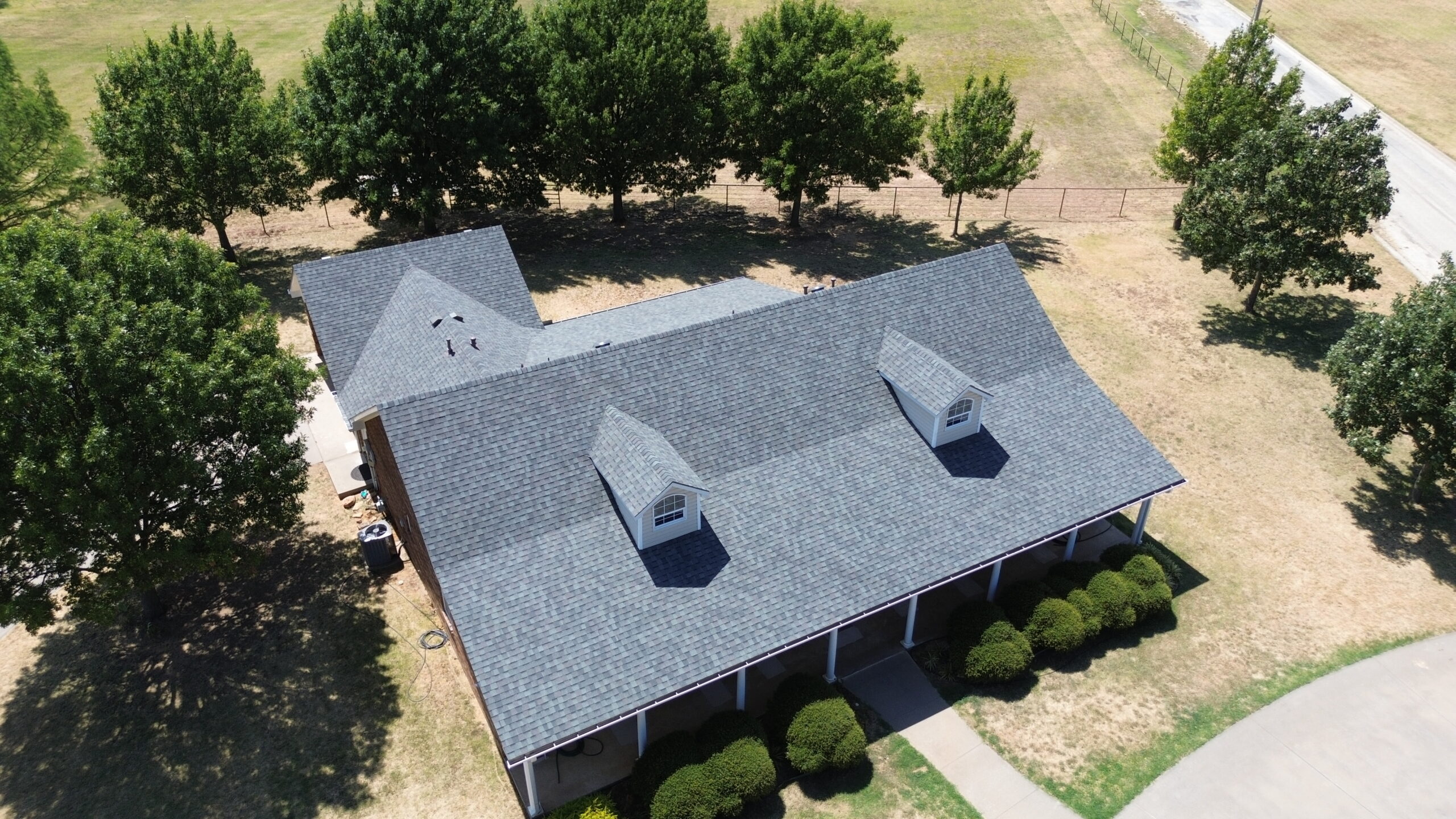
How Membrane Cracks Turn Into Roof Leaks
A membrane crack does not always create an immediate leak inside a building. Instead, water usually follows a gradual path that begins at the damaged surface and extends beneath the roofing system. This hidden movement often continues for weeks or even months before visible evidence appears indoors.
Rainwater naturally seeks the path of least resistance. Once it reaches a crack, it slips beneath the waterproof membrane and begins spreading across the roof assembly. Gravity, surface contours, insulation gaps, and structural slopes all influence where the water eventually travels.
One of the most challenging aspects of flat roof leaks is that the entry point and the visible interior leak rarely align. Water can travel several feet beneath the membrane before finding an opening through insulation, fastener penetrations, or structural joints. As a result, locating the original crack requires careful inspection rather than simply looking above the ceiling stain.
The membrane itself may only have a narrow opening, but water continually entering through that defect creates increasingly widespread damage. Every rainfall introduces additional moisture that accumulates beneath the roofing layers, making the affected area larger over time.
Hidden moisture also creates ideal conditions for secondary problems. Damp insulation loses its effectiveness, adhesives weaken, metal components begin corroding, and organic materials become vulnerable to mold growth. By the time the leak becomes obvious inside the building, repairs often extend well beyond patching the original crack.
This delayed progression explains why roofing professionals encourage prompt repairs even when damage appears minor. Addressing a small membrane crack is usually far less expensive than restoring an entire roof section after months of concealed water infiltration.
The Hidden Journey of Water Beneath the Membrane
Water rarely moves straight downward after entering a cracked membrane. Instead, it spreads horizontally beneath the roofing surface, following the easiest available pathways. This behavior makes flat roof leaks particularly difficult to diagnose without professional inspection.
Once beneath the membrane, moisture encounters insulation, adhesive layers, vapor barriers, and roof decking. Each material influences how quickly water spreads and where it eventually collects. Highly absorbent insulation may retain moisture for extended periods, while rigid insulation allows water to move along joints between panels.
The roof’s slight slope also affects moisture movement. Although flat roofs appear level, they are intentionally designed with subtle drainage slopes. Water trapped beneath the membrane often follows these same slopes until it reaches a low point or structural penetration.
Mechanical fasteners create another route for moisture migration. Water surrounding fasteners may gradually penetrate deeper into the roofing assembly, eventually reaching the structural deck. Over time, repeated wetting accelerates corrosion and weakens attachment points.
Expansion joints, flashing transitions, and equipment curbs frequently become collection points for hidden moisture. These locations already experience greater movement than surrounding roof surfaces, so water infiltration further increases the likelihood of membrane deterioration.
Interior leaks usually develop only after moisture reaches an opening beneath the roofing system. Ceiling stains often appear far from the original membrane crack because water has traveled across multiple roofing layers before finally entering occupied spaces.
Understanding this hidden journey highlights why professional leak detection often involves moisture mapping, infrared scanning, or controlled water testing. Simply repairing the visible stain indoors does nothing to stop ongoing water intrusion occurring above the ceiling.
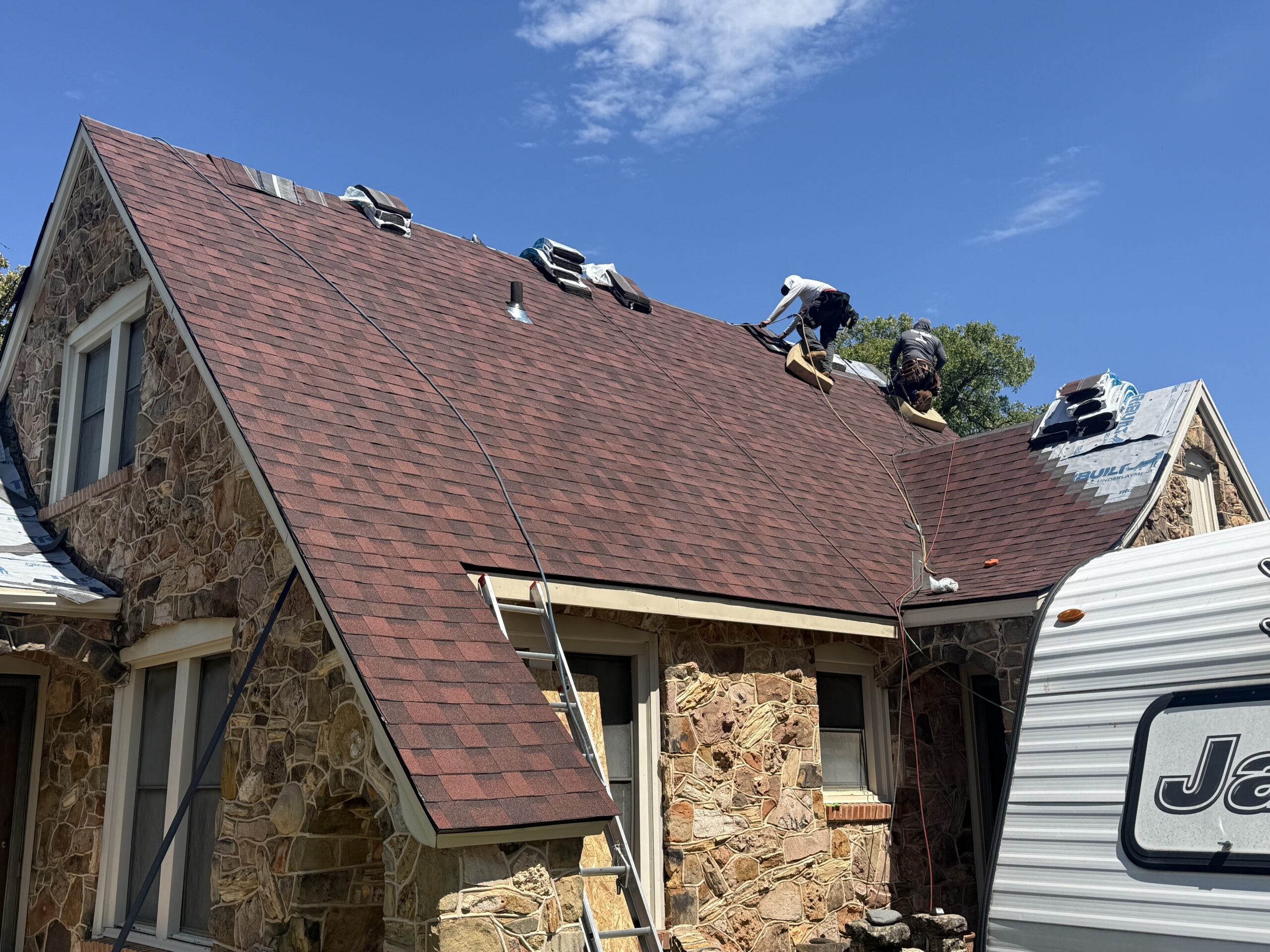
Common Areas Where Cracks Usually Form
While cracks can appear anywhere on a flat roof, certain locations experience greater stress than others. These high stress areas deserve closer attention during routine inspections because they frequently become the first points of failure.
Roof penetrations represent one of the most vulnerable locations. Pipes, vents, skylights, electrical conduits, and HVAC equipment interrupt the continuous membrane surface. Every penetration requires flashing and careful waterproof detailing, making these transitions more susceptible to movement related cracking.
Parapet walls also experience frequent membrane damage. The connection between horizontal roofing surfaces and vertical walls undergoes continuous expansion and contraction as temperatures change. If flashing deteriorates or movement exceeds design limits, cracks often develop at these transitions.
Roof drains deserve equal attention because they constantly handle flowing water. Minor membrane separation around drains may initially appear harmless, yet these openings allow significant water infiltration during heavy rainfall.
Seams between membrane sheets naturally receive repeated stress throughout the roof’s lifespan. Even professionally installed seams gradually age, particularly if weather conditions, ultraviolet exposure, or structural movement place additional strain on bonded areas.
Corners create concentrated stress because multiple membrane directions meet within a relatively small space. Changes in building movement often become more noticeable here than across large open roof sections.
Areas surrounding rooftop equipment frequently experience accidental damage from maintenance activities. Technicians servicing air conditioning systems, communication equipment, or solar installations may unintentionally place concentrated weight on the membrane or drop tools that create surface defects.
High traffic walkways also deteriorate more rapidly than less frequently accessed roof areas. Repeated foot traffic gradually wears protective surfaces, making the membrane increasingly vulnerable to cracking over time.
Regular inspections should prioritize these locations because they consistently experience greater mechanical and environmental stress than the remainder of the roofing system.
Structural and Interior Damage Caused by Membrane Leaks
Water entering through membrane cracks rarely remains confined to the roof itself. Once inside the roofing assembly, moisture gradually affects multiple building components, increasing repair costs with every passing season.
Insulation often becomes the first material to suffer damage. Wet insulation loses much of its thermal resistance, making heating and cooling systems work harder to maintain indoor comfort. Higher energy consumption becomes an indirect consequence of what originally appeared to be a minor roof crack.
Roof decking experiences progressive deterioration when moisture remains trapped above structural components. Wooden decking may warp, soften, or decay, while steel decking becomes susceptible to corrosion. Both situations reduce the roof’s long term structural reliability.
Moisture also affects interior finishes. Ceiling tiles become stained, drywall softens, paint begins peeling, and decorative finishes require replacement. Businesses operating beneath leaking roofs may also experience disruptions that extend beyond simple repair costs.
Electrical systems introduce additional concerns. Water reaching lighting fixtures, wiring, or electrical panels increases the risk of equipment damage and potential safety hazards. Prompt leak repairs help reduce these risks before moisture reaches sensitive electrical components.
Indoor air quality often declines when moisture remains trapped inside roofing assemblies. Damp conditions encourage mold growth, particularly within insulation and concealed ceiling spaces. Although not every roof leak results in mold, prolonged moisture significantly increases the possibility.
Furniture, inventory, office equipment, and stored materials may also suffer damage from recurring leaks. Commercial properties often experience indirect financial losses through interrupted operations, damaged products, or temporary relocation of occupants during repairs.
The true cost of membrane cracking therefore extends beyond roofing materials alone. A relatively inexpensive repair performed early may prevent thousands of dollars in structural restoration, interior renovation, and business interruption expenses later.
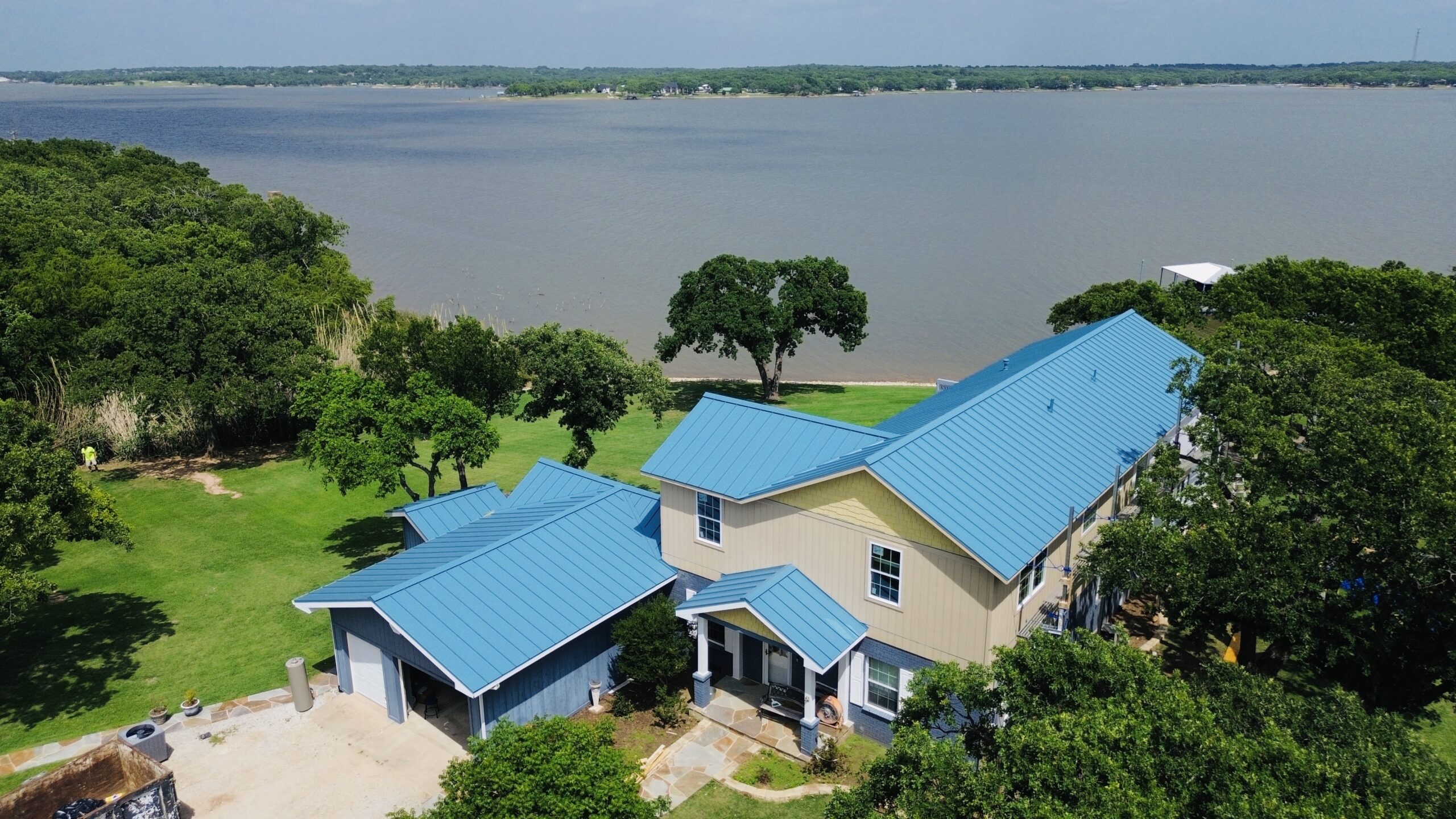
Comparing Different Membrane Materials and Their Crack Resistance
Although every roofing membrane eventually ages, different materials respond differently to environmental conditions, building movement, and long term exposure. Understanding these characteristics helps property owners select systems appropriate for their climate and maintenance expectations.
| Membrane Type | Flexibility | UV Resistance | Crack Resistance | Typical Maintenance Needs |
|---|---|---|---|---|
| EPDM | Excellent | Very Good | High when properly maintained | Periodic seam and flashing inspections |
| TPO | Very Good | Excellent | High with quality installation | Routine seam inspections and cleaning |
| PVC | Very Good | Excellent | High under normal conditions | Regular inspections around penetrations |
| Modified Bitumen | Good | Good | Moderate to High | Surface coating maintenance and crack monitoring |
| Built Up Roofing | Moderate | Moderate | Moderate | Regular inspections for surface aging and drainage issues |
No membrane material is completely immune to cracking. Climate, installation quality, drainage performance, maintenance frequency, and roof traffic all influence how well a roofing system performs throughout its expected lifespan.
Selecting premium materials remains important, but consistent maintenance usually has an equally significant impact on long term durability. Even the most advanced membrane can develop premature damage if inspections are neglected or minor defects remain unrepaired.
Inspection Methods Professionals Use to Detect Membrane Cracks
Professional roof inspections involve much more than searching for obvious holes or visible leaks. Experienced roofing contractors use systematic evaluation techniques to identify developing membrane damage before it progresses into widespread water intrusion.
Visual inspection remains the foundation of every assessment. Contractors examine membrane surfaces for discoloration, shrinkage, blistering, seam separation, punctures, flashing deterioration, and early surface cracking. Careful documentation allows property owners to compare roof condition over multiple inspection cycles.
Close examination of roof penetrations follows because these areas experience frequent movement. Flashing integrity, sealant condition, fastener security, and membrane attachment all receive detailed attention during professional inspections.
Moisture detection equipment provides another valuable diagnostic tool. Infrared technology identifies temperature differences that often indicate trapped moisture beneath the membrane. Since wet insulation cools and heats differently than dry insulation, hidden damage becomes easier to locate without removing roofing materials.
Electronic leak detection methods can identify breaches in waterproof membranes with remarkable precision. These techniques help contractors locate even small defects that might remain invisible during ordinary visual inspections.
Controlled water testing is sometimes performed when leak locations remain uncertain. Water is carefully introduced to specific roof sections while technicians monitor the building interior for signs of infiltration. This method requires patience but often confirms complex leak pathways.
Inspection reports typically include photographs, condition assessments, recommended repairs, and maintenance priorities. Comprehensive documentation helps property owners make informed budgeting decisions before problems become emergencies.
Regular inspections also establish a valuable maintenance history. Contractors can compare previous observations with current conditions, making it easier to identify areas experiencing accelerated deterioration or recurring stress.
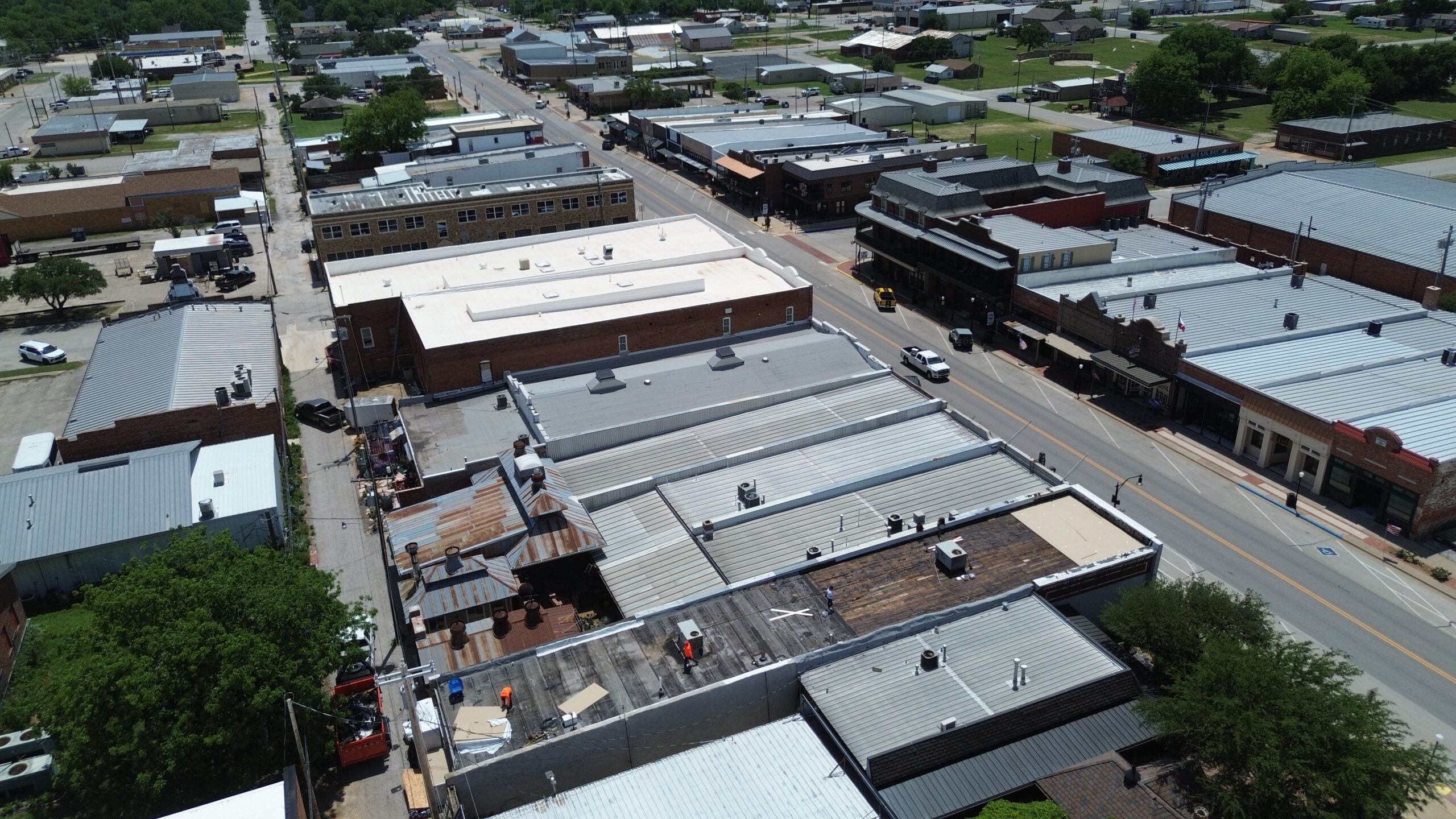
Preventive Maintenance That Extends Membrane Life
Preventive maintenance remains the most effective strategy for reducing membrane cracking and avoiding expensive roof leaks. Rather than waiting for visible water damage, property owners benefit from addressing small concerns before they become major repairs.
An effective maintenance program focuses on preserving the membrane’s flexibility, protecting drainage systems, and identifying developing defects early. These routine activities require relatively modest investment compared with large scale roof restoration projects.
Key preventive maintenance practices include:
- Scheduling professional roof inspections at least twice each year.
- Removing leaves, dirt, and debris that restrict drainage.
- Cleaning roof drains and gutters before heavy rain seasons.
- Repairing small membrane defects as soon as they are discovered.
- Limiting unnecessary roof traffic and using designated walk pads where appropriate.
- Inspecting flashing around penetrations after severe weather events.
- Monitoring areas with previous repairs for signs of recurring movement.
Property owners should also keep detailed maintenance records that document inspections, repairs, weather related damage, and contractor recommendations. These records provide valuable insight into long term roof performance while supporting warranty requirements for many roofing systems.
Preventive maintenance is not simply about extending membrane lifespan. It also helps preserve insulation performance, protects structural components, reduces emergency repair costs, and minimizes disruptions caused by unexpected leaks.
As the membrane continues to age, however, there eventually comes a point where maintenance alone may no longer be sufficient. In the final part of this guide, we will examine repair options for cracked membranes, explain when complete roof replacement becomes the better investment, explore long term prevention strategies, and conclude with practical recommendations for keeping flat roofs leak free for years to come.
Repair Options for Cracked Flat Roof Membranes
Once membrane cracks have been identified, choosing the appropriate repair method becomes the next priority. The right solution depends on several factors, including the size of the crack, the age of the roofing system, the amount of moisture beneath the membrane, and the overall condition of the roof. Addressing problems early often allows repairs to remain localized instead of requiring extensive restoration.
Small surface cracks can often be repaired using compatible patching materials designed for the specific membrane type. Roofing professionals first clean the damaged area thoroughly before applying primers, adhesives, or heat welded patches according to manufacturer guidelines. Proper surface preparation is essential because contaminants or trapped moisture can prevent the repair from forming a durable waterproof bond.
Liquid applied membrane coatings provide another repair option for certain roofing systems. These coatings create a continuous waterproof layer over repaired sections while improving protection against ultraviolet radiation and weather exposure. They are particularly useful when numerous minor cracks are present across a limited area rather than one isolated defect.
Larger cracks or damaged seams may require partial membrane replacement. Contractors remove compromised material, inspect the underlying insulation, replace any moisture damaged components, and install new membrane sections that integrate seamlessly with the existing roofing system. This approach restores waterproof performance while preventing hidden moisture from remaining trapped beneath the roof.
Repairs become more complex when water has already spread beneath the membrane. Simply covering the visible crack without addressing saturated insulation or deteriorated decking may only delay future problems. Professional contractors evaluate the entire affected area to ensure hidden damage is corrected before the membrane is restored.
Emergency repairs may temporarily reduce water intrusion during severe weather, but they should not replace permanent solutions. Temporary sealants and protective coverings provide valuable short term protection until favorable weather allows comprehensive repairs to be completed.
The quality of repair materials is equally important. Using products specifically approved for the existing membrane ensures proper adhesion, flexibility, and long term durability. Mixing incompatible materials may create additional stress points that eventually develop into new cracks.
Professional repairs also include careful inspection of surrounding roof sections. If one area has developed cracks because of aging or movement, nearby sections may be approaching similar levels of deterioration. Addressing these concerns during the same maintenance visit often reduces future repair costs.
When Repairs Are Enough and When Replacement Is the Better Choice
Not every cracked membrane requires complete roof replacement. In many situations, timely repairs restore waterproof performance and extend the roof’s service life for many additional years. The challenge lies in determining when localized repairs remain practical and when replacement offers greater long term value.
A relatively new roof with isolated cracks is often an excellent candidate for repair. If the insulation remains dry, the decking is structurally sound, and the membrane continues performing well elsewhere, localized restoration usually provides an economical solution. Routine inspections afterward help ensure repaired sections continue performing as expected.
Older roofing systems require more careful evaluation. As membranes approach the end of their expected lifespan, multiple cracks often appear simultaneously across different roof areas. Repeated patching may become increasingly expensive while providing progressively shorter periods of reliable performance.
Moisture saturation beneath large roof sections is another factor supporting replacement. Wet insulation cannot simply dry beneath an intact membrane, and prolonged moisture may reduce structural integrity while encouraging mold development. Replacing affected materials eliminates hidden damage that repairs alone cannot address.
Recurring leaks also suggest deeper issues. If the same roof experiences repeated failures despite multiple repairs, the membrane may have reached a stage where widespread aging makes additional patching inefficient. Investing in replacement often reduces long term maintenance expenses and provides greater peace of mind.
Property owners should also consider operational impacts. Commercial facilities, healthcare buildings, schools, and manufacturing plants often depend on uninterrupted operations. Repeated emergency repairs can disrupt daily activities far more than a planned roof replacement completed under controlled conditions.
Energy efficiency becomes another consideration. Modern roofing systems frequently include improved insulation, reflective membranes, and enhanced waterproof technology. Replacing an aging roof may reduce heating and cooling costs while improving overall building performance for decades.
Professional roof assessments provide valuable guidance when making this decision. Experienced contractors evaluate membrane condition, moisture levels, structural integrity, repair history, and projected remaining service life before recommending repair or replacement.
Best Practices for Preventing Future Membrane Cracks
Preventing membrane cracks is considerably more cost effective than repairing water damage after leaks develop. A proactive maintenance strategy helps preserve roofing materials while reducing unexpected repair expenses throughout the roof’s lifespan.
The following practices form the foundation of effective flat roof protection:
- Schedule professional roof inspections every spring and autumn to identify developing issues before they become major problems.
- Keep roof drains, gutters, and scuppers free from debris so water flows away quickly after rainfall.
- Remove leaves, branches, and accumulated dirt that trap moisture against the membrane.
- Repair minor cracks, loose flashing, and seam defects immediately rather than postponing maintenance.
- Limit unnecessary roof traffic and provide designated walk pads for maintenance personnel.
- Inspect the roof after severe storms, hail, heavy snowfall, or unusually strong winds.
- Ensure rooftop equipment installations do not damage the membrane during servicing or upgrades.
- Maintain accurate records of inspections, repairs, and contractor recommendations to monitor roof performance over time.
These preventive measures reduce cumulative stress on the roofing system while allowing property owners to identify deterioration during its earliest stages. Small maintenance investments consistently deliver significant savings by preventing extensive structural repairs later.
Preventive care also improves budgeting. Planned maintenance allows repairs to be scheduled under favorable weather conditions instead of responding to emergencies during storms when repair options may be limited.
Choosing the Right Roofing Contractor
Even the highest quality roofing materials depend on skilled installation and maintenance. Selecting an experienced roofing contractor plays a major role in preventing membrane cracks and ensuring repairs provide lasting protection.
A reputable contractor begins every project with a thorough inspection rather than immediately recommending extensive work. Careful evaluation helps distinguish isolated damage from widespread deterioration, allowing recommendations to match the roof’s actual condition instead of relying on assumptions.
Experience with the specific membrane type is equally important. EPDM, TPO, PVC, modified bitumen, and built up roofing systems each require different repair techniques, adhesives, welding methods, and inspection procedures. Contractors familiar with the installed membrane are better equipped to deliver reliable results.
Clear communication should remain part of every roofing project. Property owners benefit from detailed explanations of observed damage, proposed repairs, expected outcomes, and future maintenance recommendations. Written documentation also provides valuable reference information for future inspections.
Quality contractors use compatible repair materials that meet manufacturer specifications. They also follow proper preparation procedures rather than applying quick surface patches that may fail prematurely under changing weather conditions.
Safety standards deserve careful consideration as well. Roofing work involves elevated surfaces, electrical equipment, and changing weather conditions. Contractors following established safety practices help protect workers while reducing the likelihood of accidental roof damage during maintenance.
Warranty coverage often reflects contractor confidence in completed work. Understanding what is covered, how long protection remains in effect, and what maintenance responsibilities belong to the property owner helps avoid misunderstandings after repairs are complete.
Long term relationships with trusted roofing professionals often provide additional value. Contractors familiar with a building’s maintenance history can identify recurring patterns, monitor aging trends, and recommend preventive measures based on previous inspections.
Long Term Maintenance Tips for Leak Free Flat Roofs
Long term roof performance depends less on occasional emergency repairs and more on consistent routine care. Membranes naturally age over time, but regular maintenance slows deterioration and helps roofs achieve or even exceed their expected service life.
Property owners should treat the roof as an important building asset rather than an overlooked structural component. Scheduled inspections, timely repairs, and proper documentation create a maintenance program that reduces both financial risk and operational disruption.
Seasonal inspections remain especially valuable because weather conditions change throughout the year. Spring inspections identify damage caused by winter weather, while autumn inspections prepare the roof for upcoming rain, snow, and freezing temperatures. Addressing issues before seasonal extremes prevents small defects from expanding under harsher conditions.
Drainage maintenance deserves continuous attention because standing water contributes significantly to membrane deterioration. Even well designed drainage systems become less effective when leaves, dirt, or construction debris block water flow. Routine cleaning helps maintain proper drainage while reducing prolonged moisture exposure.
Roof access should also be carefully managed. Maintenance personnel, contractors, and equipment installers should understand where designated walkways exist and avoid unnecessary foot traffic across vulnerable membrane areas. Simple protective measures often prevent accidental punctures and surface abrasion.
Nearby trees should be monitored regularly. Overhanging branches may scrape the membrane during strong winds, while falling debris clogs drainage systems and increases moisture retention. Strategic tree maintenance reduces these risks without affecting the surrounding landscape.
Building owners should also remain attentive to changes inside the property. Water stains, musty odors, peeling paint, or unexplained increases in humidity may indicate roofing problems before visible exterior damage becomes obvious. Prompt investigation prevents minor leaks from developing into widespread structural issues.
Investing in preventive maintenance ultimately protects far more than the roof itself. It preserves insulation performance, safeguards structural components, extends equipment lifespan, protects interior finishes, and helps maintain comfortable indoor conditions for occupants.
Conclusion
Membrane cracks may begin as small imperfections, but they represent one of the most common pathways through which flat roofs develop serious leaks. What initially appears to be a minor surface defect can gradually allow water to enter the roofing system, spread beneath the membrane, damage insulation, weaken structural components, and eventually affect the building interior. Because moisture often travels far from its original entry point, the visible leak rarely tells the full story.
Throughout this guide, we explored how flat roof membranes function, why cracks develop, the environmental and installation factors that contribute to deterioration, and the hidden ways water migrates beneath roofing materials. We also examined common failure locations, the consequences of delayed repairs, inspection techniques, preventive maintenance strategies, and the circumstances that determine whether repair or replacement provides the better solution.
The most effective approach to flat roof protection combines routine inspections, prompt repairs, proper drainage maintenance, and experienced professional support. Addressing small membrane cracks before they expand into widespread leaks helps preserve roofing materials, extend service life, improve energy efficiency, and reduce long term ownership costs.
A flat roof is designed to provide years of dependable performance, but its reliability depends on maintaining the integrity of its waterproof membrane. By recognizing early warning signs and responding before moisture causes hidden damage, property owners can avoid costly repairs and keep their buildings protected through every season.