
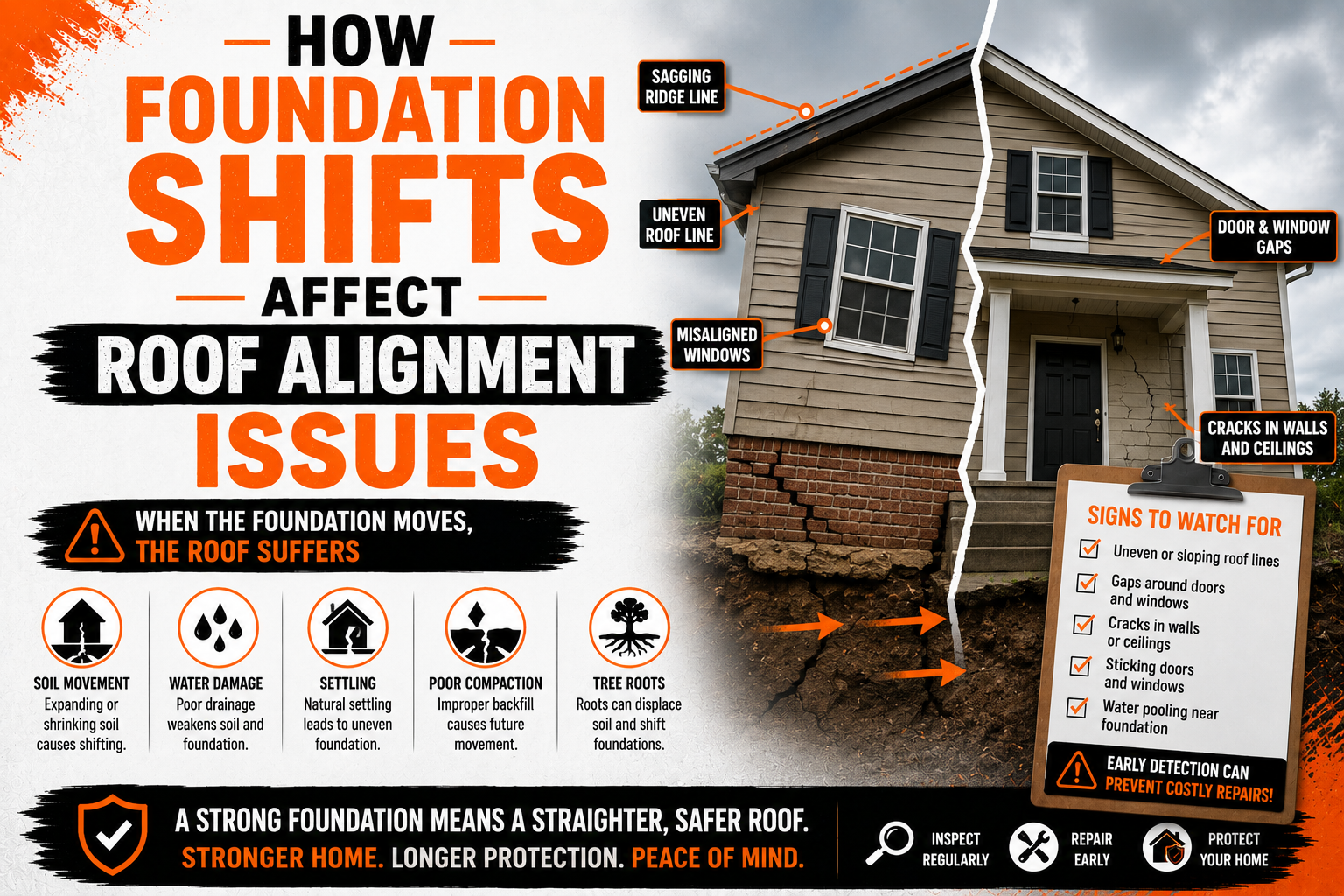
How Foundation Shifts Affect Roof Alignment Issues
Introduction
The roof and foundation are located at opposite ends of a house, yet they are closely connected through the building’s structural framework. While the foundation provides the base that supports the entire structure, the roof depends on that stable support to remain properly aligned. When the foundation begins to move, even slightly, the effects can gradually travel through walls, floors, and framing before eventually reaching the roof.
Many homeowners notice roof problems such as sagging ridges, uneven rooflines, or recurring leaks without realizing that the underlying cause may actually begin beneath the home. Foundation movement changes how structural loads are distributed throughout the building. As walls shift and framing adjusts to the new stresses, the roof structure may lose its original alignment.
Foundation related roof alignment issues usually develop gradually rather than suddenly. Small structural changes often appear over several months or years, making them easy to overlook during routine maintenance. By the time roof damage becomes obvious, multiple structural components may already be affected.
Ignoring foundation movement can lead to expensive repairs because the structural problems continue progressing over time. Roof framing, ceiling finishes, doors, windows, and even plumbing systems may all experience stress as the building settles unevenly. Addressing the underlying cause early helps prevent widespread structural deterioration and reduces long term repair costs.
Understanding the relationship between the foundation and the roof allows homeowners to recognize warning signs before serious structural damage occurs. This guide explains how foundation shifts influence roof alignment, identifies the common causes of structural movement, and highlights the symptoms that should never be ignored.
How the Foundation Supports the Entire Home
The foundation serves as the structural base of the entire house. Its primary purpose is to transfer the weight of the building safely into the ground while maintaining stability under changing environmental conditions. Every wall, floor, ceiling, and roof component ultimately depends on the foundation remaining level and structurally sound.
Structural loads begin at the roof, where the weight of roofing materials, framing, insulation, and weather related loads are carried downward through the building. Roof framing transfers these forces into the exterior and interior load bearing walls, which then direct the loads toward the foundation.
The foundation distributes these accumulated forces across the supporting soil beneath the home. When soil conditions remain stable, the building stays properly aligned and structural loads remain evenly balanced. This stable support allows the roof framing to maintain its intended shape throughout many years of normal use.
Different types of foundations perform this role in slightly different ways. Concrete slab foundations support the structure directly across a continuous surface, while crawl space and basement foundations rely on perimeter walls and interior supports. Regardless of the design, the objective remains the same by providing a stable platform capable of supporting the building without excessive movement.
The connection between the foundation and roof is continuous. Framing members, support beams, load bearing walls, and floor systems all work together to transfer structural forces from the roof to the ground. If one part of this system shifts unexpectedly, the effects often extend throughout the entire building.
Because every structural component depends on proper alignment, even relatively small foundation movements may eventually influence the roof. Understanding this structural relationship helps explain why roof problems sometimes originate far below the attic.
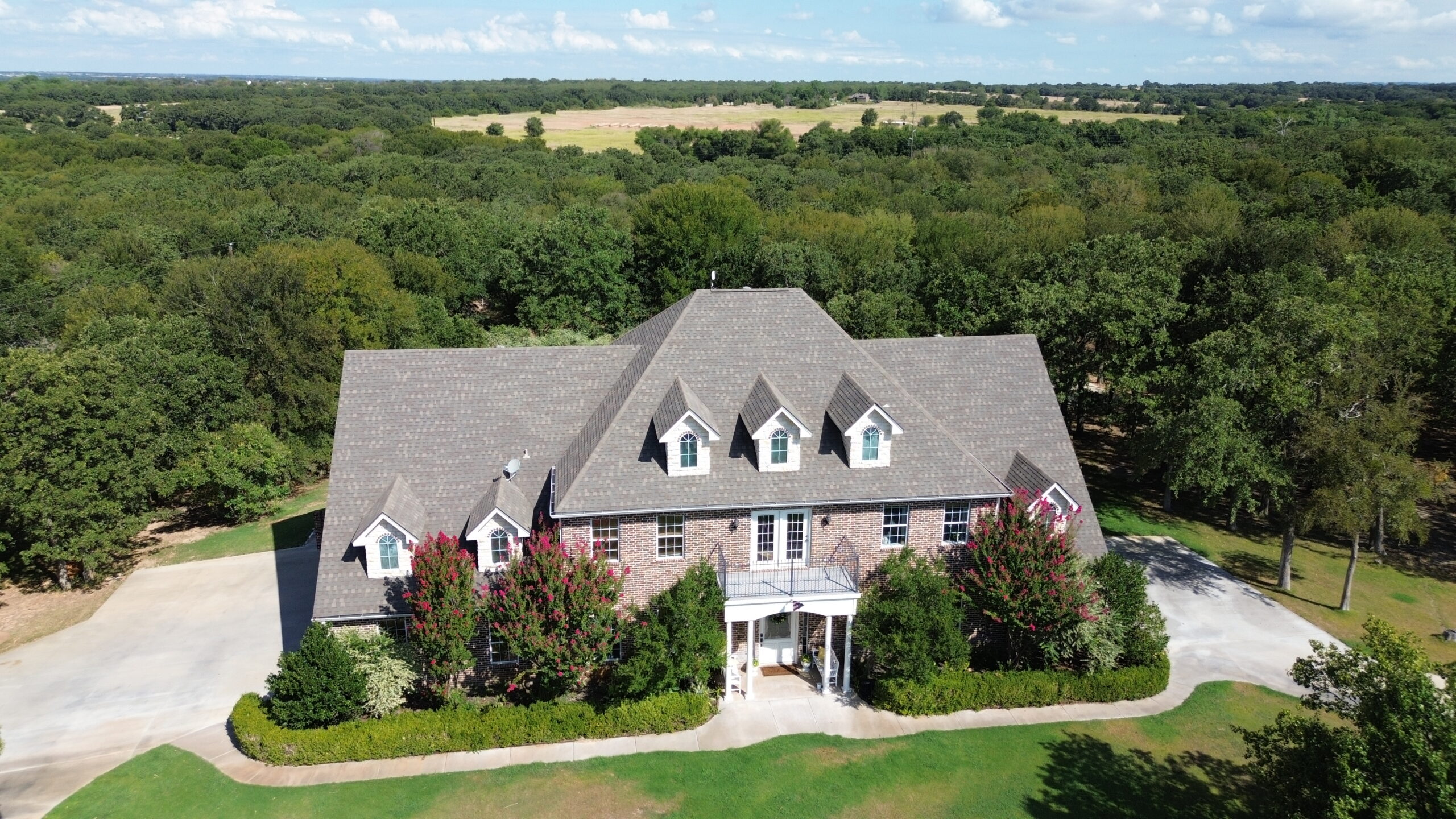
Why Foundation Shifts Affect Roof Alignment
A house functions as one connected structural system rather than a collection of independent components. When the foundation moves, the rest of the structure naturally responds by adjusting to the new distribution of forces. Roof alignment changes are often one of the final visible results of this gradual structural adjustment.
Foundation movement may occur evenly across the entire building or only in isolated areas. Uniform settlement usually causes fewer structural concerns because the house remains relatively level. Differential settlement, where one portion of the foundation moves more than another, creates uneven stresses that affect walls, floors, and roof framing.
As foundation sections shift, load bearing walls begin transferring structural loads differently than originally intended. Some walls experience greater compression while others receive less support. These changes influence the roof framing attached to those walls, causing gradual movement throughout the roofing system.
Roof ridges often become visibly uneven when foundation movement continues over time. Rafters and trusses may begin carrying loads differently, leading to slight sagging, twisting, or changes in roof geometry. Although these changes usually develop slowly, they become increasingly noticeable as structural stress accumulates.
Openings within the home also respond to foundation movement. Doors and windows may become difficult to operate because wall framing shifts slightly out of square. Ceiling cracks often appear as drywall responds to structural movement occurring beneath the surface.
The roof itself may remain structurally sound while appearing misaligned because the supporting walls beneath it have moved. Correcting roof alignment therefore often requires addressing foundation issues before roof repairs can provide lasting results.
Understanding this sequence helps homeowners avoid treating only the visible symptoms. Repairing the roof without stabilizing the foundation frequently allows structural movement to continue, eventually affecting the roof once again.
Common Causes of Foundation Movement
Foundation movement occurs for many different reasons, although most cases involve gradual changes in soil conditions or structural loading. Identifying the underlying cause is essential because successful repairs must address the source of the movement rather than only the resulting damage.
Changes in soil moisture are among the most common causes of foundation settlement. Some soils expand significantly when wet and shrink during dry conditions. Repeated cycles of expansion and contraction gradually influence how the foundation is supported beneath different areas of the home.
Poor drainage allows water to collect around the foundation for extended periods. Saturated soil loses some of its ability to support structural loads consistently, increasing the likelihood of uneven settlement. Homes with clogged gutters, inadequate grading, or poor drainage systems often experience these conditions.
Extended drought can create similar problems. As certain clay soils dry, they shrink and leave small voids beneath portions of the foundation. Without adequate support, those sections may settle unevenly under the weight of the building.
Tree roots located near the home may also influence soil moisture levels. Large trees absorb substantial amounts of water from surrounding soil, sometimes contributing to localized drying beneath sections of the foundation. The resulting movement may affect structural alignment over time.
Construction quality plays an important role as well. Foundations built on improperly compacted soil or without adequate site preparation are generally more vulnerable to settlement than those constructed under favorable conditions. Even well built foundations, however, can experience movement when environmental conditions change significantly.
Natural aging contributes to gradual structural changes in many older homes. Decades of seasonal weather patterns, changing groundwater levels, and repeated soil movement slowly influence foundation performance. While some settlement is considered normal, excessive movement requires professional evaluation.
Unexpected events such as flooding, nearby excavation, earthquakes, or underground plumbing leaks may also contribute to foundation movement. These situations often accelerate structural changes that would otherwise have developed much more slowly.
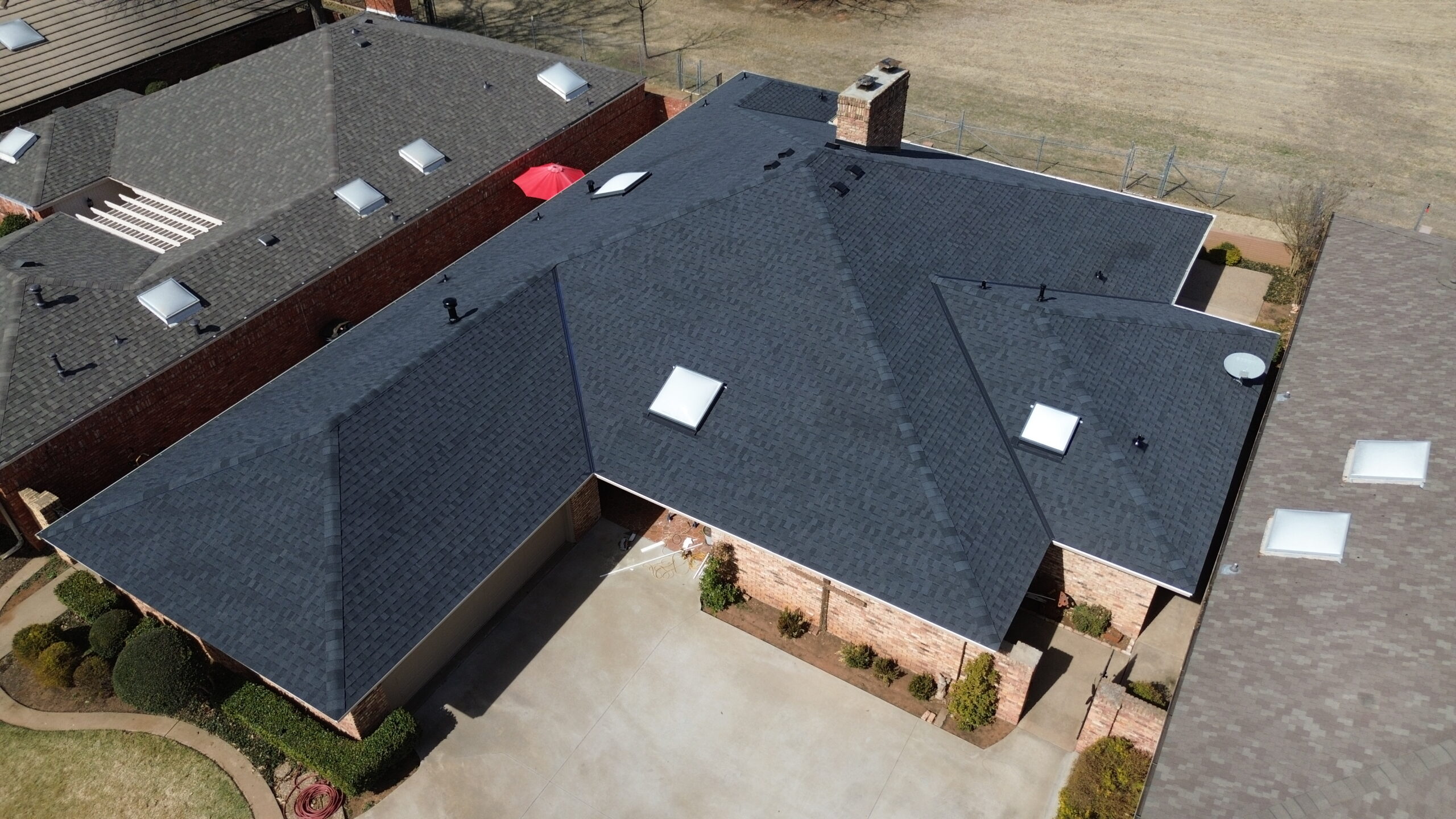
How Structural Stress Travels From the Foundation to the Roof
When foundation movement begins, the resulting structural stress does not remain confined to the lowest part of the house. Instead, forces travel upward through the interconnected framing system, affecting multiple building components before reaching the roof.
The process typically begins when one portion of the foundation settles, lifts, or shifts differently than the surrounding structure. Supporting walls attached to that section experience changes in alignment as the building attempts to redistribute structural loads.
Floor framing responds next. Joists, beams, and subfloor systems adjust to the changing support conditions, sometimes creating uneven floors or slight movement throughout the living space. These changes may seem unrelated to roof problems, but they are part of the same structural chain.
Wall framing then transfers the altered loads upward toward the roof. Compression increases in some structural members while tension develops in others. Over time, these forces influence how rafters, trusses, and roof beams carry the weight of the roofing system.
Roof framing gradually adjusts to the new loading conditions. Areas receiving additional stress may begin sagging slightly, while other sections remain relatively unchanged. This uneven distribution often produces roof alignment issues that become visible from outside the home.
Ceiling finishes frequently reveal the structural movement through cracks, nail pops, or separation at corners. Although these cosmetic issues appear inside the home, they often reflect structural forces traveling through the framing toward the roof.
Understanding how structural stress moves throughout the building helps explain why repairs must consider the entire structural system. Treating only one affected component rarely eliminates the underlying cause of the movement.
Early Warning Signs of Foundation Related Roof Alignment Problems
Foundation movement usually provides multiple warning signs before major structural damage develops. Recognizing these indicators early allows homeowners to arrange professional evaluations before repairs become significantly more complicated.
A sagging or uneven roofline is one of the clearest exterior indicators. Roof ridges should appear straight when viewed from a distance. Noticeable dips or changes in roof slope may suggest that structural movement has affected the supporting framework.
Cracks appearing near doors, windows, or ceiling corners often indicate structural movement. Hairline cracks may occur naturally as homes age, but widening cracks or those that repeatedly return deserve closer attention.
Doors and windows that suddenly become difficult to open or close frequently signal changes in wall alignment. As the foundation shifts, framing around these openings may move slightly out of square, affecting normal operation.
Uneven floors are another common symptom. Areas that feel sloped or appear lower than surrounding rooms may indicate foundation settlement affecting the overall structure. These changes often occur before roof alignment problems become obvious.
Gaps developing between walls and ceilings may also reflect structural movement. As framing shifts under changing loads, finish materials sometimes separate at joints where movement is concentrated.
Exterior brick or masonry cracks deserve careful evaluation because they often indicate foundation movement. Stair step cracks, separation around windows, or widening joints may all suggest that structural loads are changing beneath the building.
Roof leaks that continue returning after repeated repairs may indicate movement within the roof structure rather than isolated roofing defects. Shifting framing can gradually affect flashing, roofing materials, and structural connections.
Persistent creaking or popping sounds from the structure should not be ignored, particularly when accompanied by other warning signs. Increasing structural movement often produces noticeable noises as framing adjusts to changing loads.
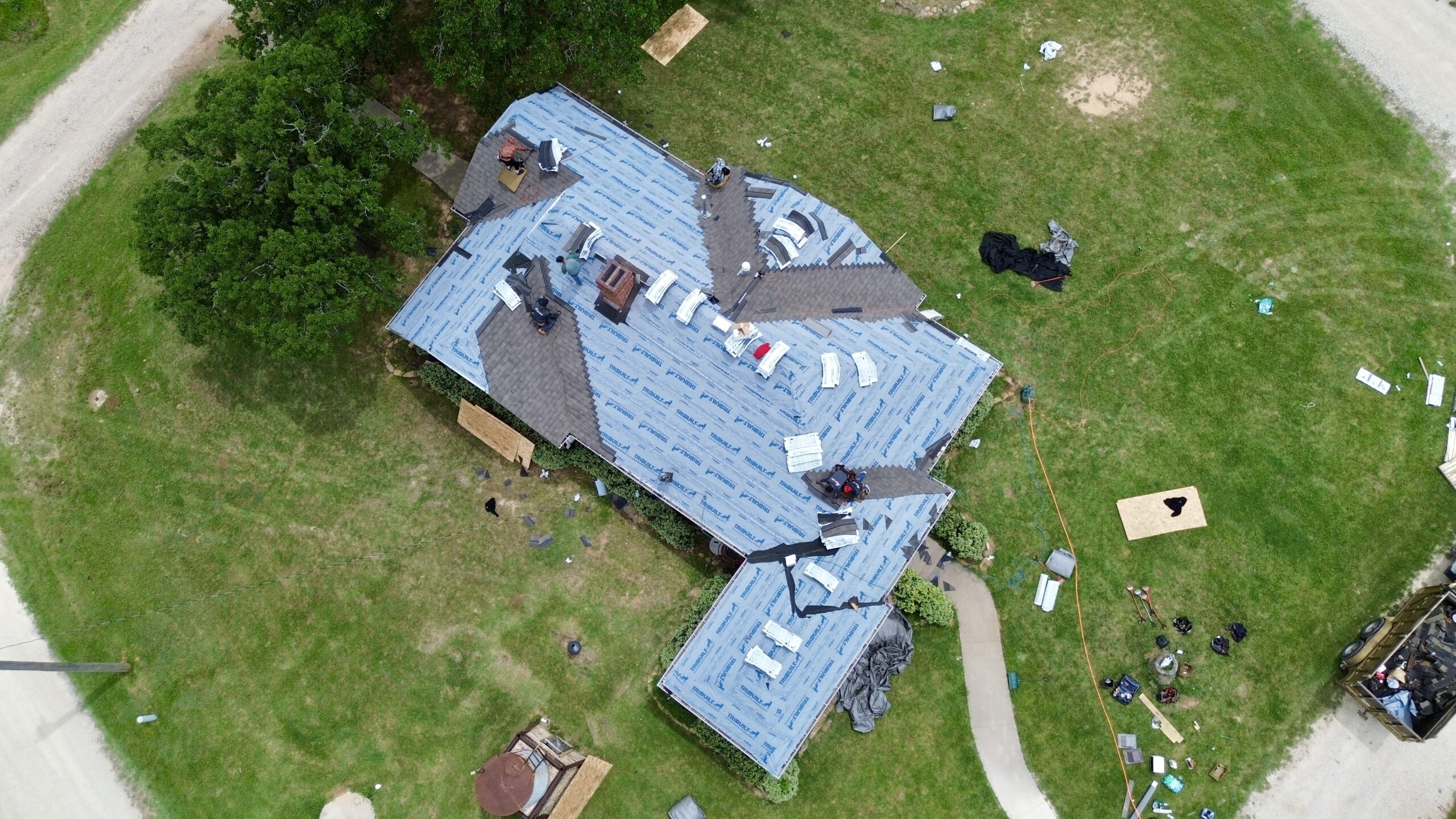
Home Inspection Checklist for Identifying Structural Movement
Routine inspections help identify foundation related structural changes before they create significant roof alignment problems. A systematic evaluation considers both the visible symptoms and the structural components connecting the foundation to the roof.
During a comprehensive inspection, attention is typically focused on the following areas:
- Foundation walls for cracks or signs of settlement.
- Roofline for sagging or uneven sections.
- Interior ceilings for new cracks or separation.
- Doors and windows for sticking or misalignment.
- Floors for uneven or sloping surfaces.
- Exterior masonry for widening structural cracks.
- Attic framing for shifting, twisting, or movement.
- Roof decking for uneven areas or structural deflection.
- Gutters and drainage systems around the foundation.
- Soil conditions surrounding the home’s perimeter.
A complete inspection evaluates how these individual observations relate to one another. Structural movement affecting several building systems simultaneously often provides stronger evidence of foundation related problems than any single symptom alone.
Why Early Detection Prevents Costly Structural Repairs
Foundation related roof alignment problems almost always begin with relatively small structural changes. Minor settlement, a small wall crack, or slight roof movement may appear insignificant at first. However, these conditions usually continue developing if the underlying cause remains uncorrected.
As foundation movement progresses, structural loads become increasingly uneven throughout the building. Walls, beams, floors, and roof framing gradually compensate for these changes by carrying additional stress. This redistribution allows the house to remain stable temporarily, but it also increases the likelihood of widespread structural damage over time.
Early detection allows foundation stabilization before significant roof repairs become necessary. Correcting the source of the movement protects the entire structural system while reducing repair costs and minimizing disruption to the home.
Routine inspections also provide valuable information for long term maintenance planning. Monitoring foundation performance and roof alignment over time helps homeowners identify gradual structural changes before they become emergency situations.
Next, we will examine how professionals diagnose foundation related roof alignment problems, evaluate structural movement throughout the building, compare common repair methods, and develop effective repair plans that restore both foundation stability and roof alignment.
Evaluating the Extent of Structural Movement
Once foundation related roof alignment problems are suspected, the next step is determining how much of the structure has been affected. Every home settles to some degree over time, but excessive or uneven movement can create structural stresses that require professional attention. A detailed evaluation helps distinguish normal aging from movement that threatens the stability of the building.
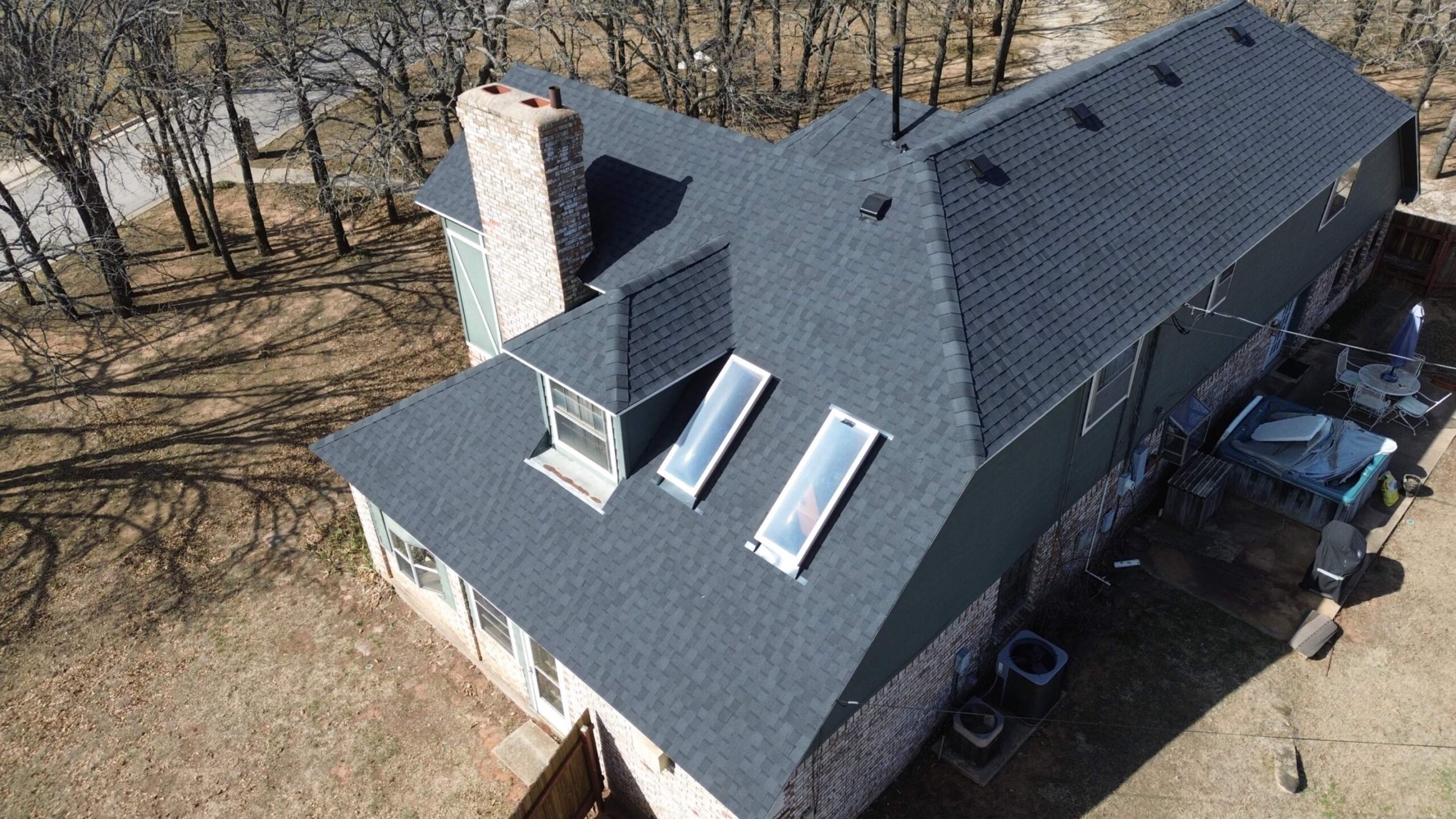
The assessment usually begins with a complete exterior inspection. Professionals examine the foundation for visible cracks, uneven settlement, bulging walls, displaced concrete, and drainage issues that may have contributed to structural movement. They also inspect the roofline from multiple angles to identify sagging ridges, uneven slopes, or changes in roof geometry.
Inside the home, inspectors evaluate ceilings, walls, floors, and door openings for evidence of movement. Cracks in drywall, sloping floors, separated trim, and windows that no longer close properly often provide valuable clues about how structural forces are affecting the building. These symptoms are documented together because they frequently point toward the same underlying issue.
Measurements are taken throughout the house to determine whether floors and structural components remain level. Laser levels and other precision tools allow inspectors to identify subtle changes that may not be obvious during a visual inspection. Even relatively small differences in elevation can reveal long term foundation movement.
The attic is another important part of the evaluation. Roof framing is examined for twisting, cracked rafters, separated truss joints, or uneven structural loading. Since roof alignment problems often originate beneath the roofing materials, attic inspections provide critical information about the condition of the structural framework.
Inspectors also consider the history of the property. Previous foundation repairs, recurring roof leaks, drainage problems, nearby construction, and changes in landscaping may all contribute to structural movement. Understanding these factors helps identify the root cause rather than focusing only on the visible damage.
Assessing the Foundation, Walls, and Roof Structure
A home functions as one connected structural system, so evaluating foundation related roof alignment problems requires examining every major load bearing component. The objective is to understand how movement at the foundation has influenced the rest of the building.
The foundation receives the first level of inspection. Professionals look for horizontal, vertical, or stair step cracks, areas of settlement, shifting support piers, and signs that soil movement has affected the structural base. The severity and pattern of these conditions help determine whether the movement is active or has stabilized.
Load bearing walls are evaluated next because they transfer structural loads from the roof to the foundation. Cracks near doors, windows, and ceiling corners often indicate that these walls have experienced additional stress. Inspectors also examine wall alignment to determine whether structural movement has caused noticeable leaning or displacement.
Floor framing is carefully inspected where access is available. Beams, joists, and support posts may reveal sagging, twisting, or shifting that reflects changes occurring beneath the home. Uneven floor framing frequently contributes to the roof alignment issues observed above.
Roof framing requires equally detailed evaluation. Rafters, trusses, ridge beams, collar ties, and structural connectors are examined for signs of excessive stress or movement. Structural members that have adjusted to uneven foundation support may display cracking, bowing, or separation at important joints.
Roof decking is also assessed because structural movement sometimes causes panels to shift or develop uneven surfaces. Although decking damage may appear minor, it often reflects deeper structural changes occurring within the framing system.
Drainage conditions surrounding the property are reviewed as well. Improper grading, standing water, clogged gutters, or leaking downspouts frequently contribute to foundation movement. Correcting these conditions is essential if repairs are expected to provide lasting results.
Repairing Roof Alignment Problems Caused by Foundation Shifts
Correcting roof alignment problems begins with stabilizing the foundation. Attempting to straighten the roof before addressing the underlying movement usually results in recurring structural issues because the building continues shifting over time. Successful repairs therefore focus on restoring stability from the ground upward.
Foundation stabilization methods depend on the specific cause of the movement. Settlement may require support piers, soil stabilization, or other structural improvements that restore proper support beneath the affected areas. The objective is to prevent further movement before repairing the structural components above.
Once the foundation has been stabilized, attention shifts to the framing system. Walls, beams, and floor structures that have experienced excessive stress may require reinforcement to restore proper load distribution. Correcting these components helps reduce the forces affecting the roof.
Roof framing repairs vary according to the extent of the structural movement. Slightly displaced rafters or trusses may be reinforced using engineered repair techniques, while severely damaged framing members may require partial replacement. The chosen repair method depends on preserving structural strength while restoring alignment.
Roof decking damaged by prolonged movement is repaired wherever necessary. Replacing weakened or uneven sections provides a stable surface for roofing materials while improving the rigidity of the entire roofing system.
Flashing, shingles, and other roofing materials are inspected after structural repairs have been completed. Movement within the roof often creates gaps that allow water intrusion, so restoring weather protection is an important part of the repair process.
Throughout the project, professionals verify that structural loads are being distributed correctly. This careful approach helps ensure that repairs address both the visible roof alignment issues and the hidden structural conditions responsible for them.
Comparing Common Foundation Problems and Their Effects on Roof Alignment
The following table summarizes several common foundation issues, their structural effects, and repair approaches frequently used to restore roof alignment.
| Foundation Problem | Effect on Roof Alignment | Common Repair Approach | Priority Level |
|---|---|---|---|
| Uneven foundation settlement | Sagging roofline and structural movement | Stabilize foundation and reinforce framing | High |
| Expansive soil movement | Roof shifting and wall cracking | Improve drainage and stabilize foundation | High |
| Poor drainage around foundation | Ongoing structural movement | Correct drainage and repair foundation | High |
| Foundation wall cracking | Uneven load distribution | Repair foundation walls and monitor movement | Medium |
| Soil erosion beneath foundation | Localized roof misalignment | Restore soil support and stabilize structure | High |
| Plumbing leak beneath foundation | Settlement from saturated soil | Repair leak and stabilize affected area | High |
| Tree root related soil shrinkage | Differential settlement and roof stress | Manage vegetation and reinforce foundation | Medium |
| Long term natural settlement | Minor roof alignment changes | Monitor condition and reinforce if necessary | Medium |
Every property presents unique structural conditions, so repair strategies should always be based on a detailed professional evaluation rather than relying solely on visible symptoms.
The Structural Repair Process Step by Step
Although repair methods vary depending on the home and the severity of the movement, foundation related roof alignment repairs generally follow a structured sequence.
- Perform a comprehensive structural inspection of the foundation, walls, floors, and roof.
- Identify the cause of the foundation movement and develop an appropriate stabilization plan.
- Stabilize the foundation using suitable engineering methods before repairing upper structural components.
- Reinforce or repair affected walls, beams, and floor framing as needed.
- Restore roof framing alignment by reinforcing or replacing damaged structural members.
- Replace damaged roof decking and repair roofing materials affected by structural movement.
- Improve drainage, grading, and moisture management around the foundation.
- Complete a final structural inspection to verify alignment and long term stability.
Following a logical repair sequence helps ensure that each stage supports the next. Addressing the foundation first prevents future movement from affecting newly repaired roof components.
Materials and Methods Used for Structural Reinforcement
Modern structural reinforcement methods allow many homes to regain stability without requiring complete reconstruction. Selecting the appropriate materials depends on the age of the building, the extent of the movement, and the condition of the existing structural framework.
Engineered wood products are frequently used to reinforce roof framing that has experienced additional stress. Laminated veneer lumber and similar materials provide consistent strength while integrating well with existing wooden structures. These products help restore structural capacity without introducing unnecessary weight.
Steel reinforcement components are commonly installed where additional structural support is needed. Steel brackets, plates, and reinforcement members strengthen critical connections while improving the ability of the structure to resist future movement.
Modern structural fasteners also improve overall performance. Heavy duty screws, bolts, framing connectors, and hurricane ties create stronger structural joints than many older fastening methods. Upgrading these connections helps distribute loads more effectively throughout the roof system.
Foundation stabilization methods vary according to site conditions. Structural piers, helical anchors, slab lifting techniques, and soil improvement methods may all be appropriate depending on the type of movement affecting the property. The selected method should address the underlying cause rather than only correcting the visible settlement.
Moisture resistant roofing materials and improved flashing systems often accompany structural repairs. While these products do not prevent foundation movement, they help protect the repaired roof from water intrusion caused by previous structural shifts.
Drainage improvements are another important part of long term reinforcement. Proper grading, functional gutters, and efficient downspout systems reduce soil moisture fluctuations that commonly contribute to foundation movement.
Factors That Influence Repair Costs and Timelines
The cost of repairing foundation related roof alignment problems depends on several factors, making each project unique. Understanding these variables helps homeowners prepare realistic budgets and expectations before work begins.
The extent of foundation movement has the greatest influence on repair costs. Stabilizing a small section of the foundation generally requires fewer materials and less labor than correcting widespread settlement affecting multiple areas of the home.
The condition of the roof structure also affects the overall scope of work. If foundation movement has caused extensive framing damage, roof repairs may involve reinforcing rafters, replacing decking, or restoring structural connections. Greater structural involvement usually increases both costs and project duration.
Accessibility plays an important role as well. Homes with limited crawl space access, finished basements, steep roof designs, or restricted work areas often require additional time and specialized equipment. These conditions can extend project schedules and increase labor expenses.
Local soil conditions influence repair methods and costs. Expansive clay, loose fill, or erosion prone soils may require more extensive stabilization techniques than stable ground conditions. Proper soil evaluation helps ensure that repairs provide long term performance.
Permit requirements and engineering reviews also affect project timelines. Structural repairs involving foundations and load bearing systems frequently require approvals and inspections before construction begins. Planning for these requirements helps prevent unnecessary delays.
Weather conditions may temporarily interrupt exterior work, particularly when excavation or roofing activities are involved. Scheduling repairs during favorable weather often improves efficiency while reducing the risk of additional moisture related problems.
Protecting the Home During Structural Repairs
Structural repair projects require careful planning to protect the home while work is underway. Stabilizing the building and minimizing additional movement remain priorities throughout every phase of construction.
Temporary supports are often installed before foundation or roof framing repairs begin. These supports help maintain structural stability while damaged components are reinforced or replaced. Proper support systems reduce stress on the remaining structure during construction.
Excavation around the foundation is completed carefully to avoid disturbing unaffected sections of the building. Contractors typically work in stages, allowing stabilized areas to support the structure before additional excavation begins elsewhere.
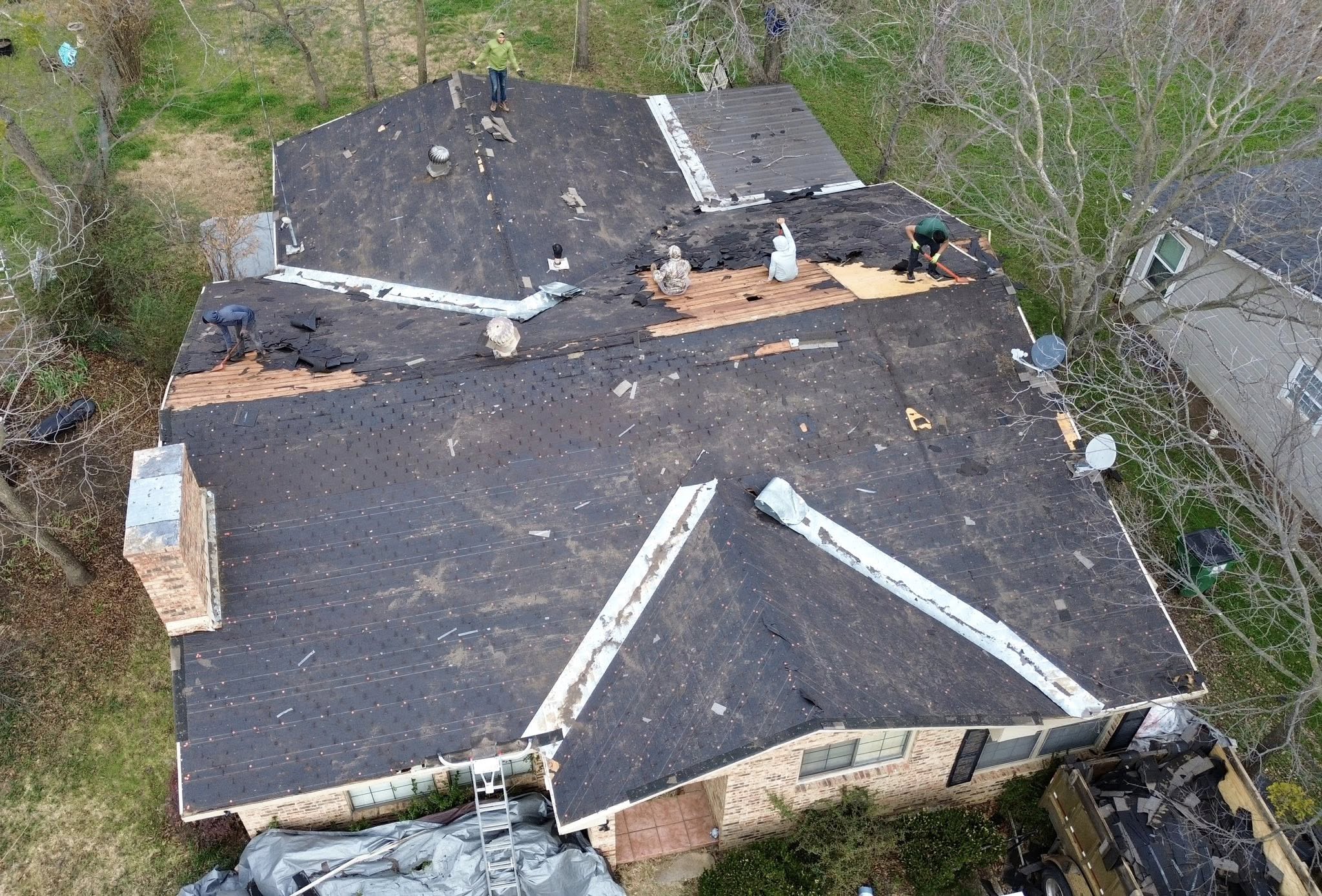
Roof repairs are coordinated to minimize exposure to weather. Only the roofing sections required for structural access are removed, and temporary waterproof coverings are used whenever changing weather conditions create a risk of moisture intrusion.
Construction debris is removed regularly to maintain a safe work environment and prevent damage to completed repairs. Keeping the work area organized also allows contractors to identify additional structural concerns as the project progresses.
Communication between homeowners, contractors, and structural professionals plays an important role throughout the repair process. Regular updates help ensure that decisions are based on current structural conditions while keeping the project moving efficiently.
Now, we will explore practical strategies for preventing future foundation movement, discuss maintenance practices that help preserve roof alignment, examine common homeowner mistakes, answer frequently asked questions, and conclude with long term recommendations for protecting the structural stability of the home.
Long Term Strategies for Stabilizing the Foundation
Once foundation repairs and roof alignment corrections have been completed, the focus should shift toward preventing future structural movement. A stable foundation provides the support the entire house depends on, making long term maintenance just as important as the initial repair work. Proactive care helps preserve both the foundation and the roof while reducing the likelihood of recurring structural issues.
One of the most effective long term strategies is maintaining consistent soil conditions around the home. Sudden changes in soil moisture cause expansion and contraction that place stress on the foundation. Keeping moisture levels relatively stable throughout the year helps minimize this movement and protects the structural framework above.
Proper grading around the property also plays a significant role. The ground should slope away from the foundation so rainwater drains efficiently instead of collecting near the base of the home. Good grading reduces soil saturation while helping preserve the stability of the supporting ground.
Homes located in areas with expansive clay soils may benefit from additional stabilization measures. Soil improvement techniques, moisture management systems, or engineered foundation supports can reduce the effects of seasonal soil movement. These solutions are especially valuable where repeated settlement has occurred in the past.
Tree placement should also be considered when protecting the foundation. Large trees planted too close to the home may remove significant amounts of moisture from the soil through their root systems. Maintaining appropriate planting distances helps reduce uneven drying that can contribute to differential settlement.
Periodic structural evaluations provide another layer of protection. Monitoring the condition of the foundation over time allows small changes to be identified before they begin affecting walls, floors, or roof alignment.
Maintenance Practices That Reduce Structural Movement
Routine maintenance is one of the simplest ways to reduce the risk of foundation movement and the roof alignment problems that often follow. Many structural issues begin with relatively minor maintenance concerns that gradually worsen over several years.
Regular inspections of the home’s exterior help identify early signs of settlement. Foundation cracks, changes in drainage patterns, separated masonry joints, or uneven walkways may indicate that structural movement is beginning. Detecting these changes early allows repairs before the roof structure becomes affected.
Cleaning gutters and downspouts is another essential maintenance task. Functional drainage systems direct rainwater away from the foundation and reduce soil saturation around the building. Overflowing gutters allow water to collect near the home’s perimeter, increasing the likelihood of foundation movement.
Roof maintenance also contributes to foundation protection. Promptly repairing damaged shingles, flashing, or roof penetrations prevents water from reaching the walls and foundation through uncontrolled drainage paths. Keeping the roof in good condition supports the structural stability of the entire building.
Plumbing systems should be inspected periodically for hidden leaks. Underground water leaks beneath or near the foundation may gradually soften supporting soil and contribute to settlement without producing obvious warning signs inside the home.
Homeowners should also pay attention to recurring structural symptoms. Doors that begin sticking again, widening wall cracks, or changes in roof alignment after previous repairs may indicate that foundation movement has resumed and deserves professional evaluation.
Maintaining detailed inspection records is helpful as well. Comparing photographs and measurements over time makes it easier to identify gradual structural changes that might otherwise go unnoticed.
Managing Moisture Around the Foundation
Moisture management is one of the most important factors in preserving foundation stability. Excess water and prolonged drought can both influence soil behavior, making balanced moisture control essential for long term structural performance.
Downspouts should discharge water well away from the foundation. Extensions or underground drainage systems help prevent rainwater from pooling around the home’s perimeter. Moving water farther from the structure reduces the risk of soil saturation and uneven settlement.
Landscape irrigation should also be monitored carefully. Overwatering flower beds or lawns adjacent to the foundation may create consistently damp soil conditions that weaken structural support. Watering should remain even and controlled rather than concentrated near one area of the house.
During extended dry periods, some soil types shrink significantly as moisture evaporates. In regions with expansive clay, maintaining moderate soil moisture may help reduce excessive shrinkage and the foundation movement that often follows. Local recommendations should always be considered because soil conditions vary by location.
Drainage systems should be inspected after heavy storms. Standing water near the foundation, clogged drains, or erosion around the property indicate that improvements may be needed to protect the structure from future movement.
Basement and crawl space moisture also deserves attention. Damp conditions beneath the home may affect structural framing while contributing to mold growth and wood deterioration. Proper ventilation and moisture control support the health of the entire structural system.
Regularly inspecting retaining walls, drainage channels, and grading around the property further improves moisture management. Keeping these systems functioning properly helps protect both the foundation and the roof from unnecessary structural stress.
Common Mistakes Homeowners Should Avoid
Many recurring structural problems develop because important maintenance practices are overlooked after repairs have been completed. Avoiding common mistakes helps preserve foundation stability while protecting roof alignment over the long term.
One of the most common mistakes is repairing roof alignment problems without correcting the underlying foundation movement. Straightening the roof alone may improve appearance temporarily, but structural stress usually returns if the foundation continues shifting.
Ignoring small foundation cracks is another frequent error. While not every crack indicates serious structural damage, widening cracks or changes in existing cracks deserve professional evaluation. Early repairs are generally less expensive than waiting until movement affects additional parts of the home.
Poor drainage maintenance also contributes to recurring settlement. Allowing gutters to overflow or permitting water to collect around the foundation creates soil conditions that encourage further movement. Routine drainage maintenance significantly reduces this risk.
Some homeowners plant large trees too close to the house without considering future root growth. As mature trees draw moisture from the surrounding soil, localized drying may increase differential settlement beneath sections of the foundation.
Postponing professional inspections after noticing structural warning signs often allows problems to spread. Roof sagging, sticking doors, sloping floors, or recurring ceiling cracks should be investigated promptly rather than monitored indefinitely.
Attempting major structural repairs without professional guidance is another mistake that can worsen existing conditions. Foundation stabilization and roof alignment corrections require specialized knowledge to ensure structural loads remain properly distributed.
Finally, neglecting regular maintenance after repairs have been completed increases the likelihood of future problems. Ongoing inspections and preventative care help protect the investment already made in structural repairs.
When Major Structural Restoration Becomes Necessary
Although many foundation related roof alignment issues can be corrected through stabilization and targeted repairs, some situations require more extensive structural restoration. Understanding when larger projects become necessary helps homeowners make informed decisions about protecting their property.
Widespread foundation settlement affecting multiple sides of the home often requires comprehensive stabilization rather than isolated repairs. Large scale movement changes structural loads throughout the building, making coordinated restoration the safest long term solution.
Extensive roof framing damage may also justify major structural work. If rafters, trusses, beams, and roof decking have all experienced significant movement, repairing only individual components may not restore the original structural integrity of the roofing system.
Repeated structural repairs that fail to resolve recurring problems frequently indicate that the underlying issues remain uncorrected. Comprehensive restoration allows contractors to address the root causes while strengthening multiple structural systems at the same time.
Major renovation projects present another opportunity to complete structural improvements. Home additions, second story construction, or extensive remodeling often require foundation upgrades and roof framing modifications that integrate more efficiently when performed together.
Properties with long histories of drainage problems, severe soil movement, or repeated settlement may also benefit from comprehensive structural restoration. Addressing every contributing factor provides greater confidence that repairs will remain effective over the long term.
Professional engineering evaluations remain essential before beginning large structural projects. Every building responds differently to foundation movement, and restoration plans should always be based on detailed structural analysis rather than assumptions.
Frequently Asked Questions About Foundation Shifts and Roof Alignment
Can foundation movement really cause roof problems?
Yes. The foundation supports the entire structure, including the walls that carry roof loads. When the foundation shifts, those loads are redistributed, which may eventually cause roof sagging, misalignment, framing stress, and recurring leaks.
How can I tell if my roof alignment problem is caused by the foundation?
Roof alignment issues accompanied by wall cracks, sticking doors, uneven floors, or foundation cracks often indicate structural movement originating at the foundation. A professional structural inspection can determine the exact cause.
Is every foundation crack a sign of serious structural damage?
No. Some small cracks develop naturally as concrete cures or buildings age. However, widening cracks, stair step cracks in masonry, or cracks associated with other structural symptoms should always be evaluated by a qualified professional.
Can roof alignment improve after foundation repairs?
In many cases, stabilizing the foundation prevents further movement and allows structural repairs to restore proper roof alignment. The extent of improvement depends on how much damage occurred before the repairs were completed.
How often should foundations be inspected?
Most homeowners benefit from a professional foundation inspection every few years, with additional evaluations after major storms, flooding, prolonged drought, or whenever new structural warning signs appear.
Does improving drainage help protect the roof?
Yes. Effective drainage helps maintain stable soil conditions around the foundation, reducing the likelihood of settlement. A stable foundation supports proper roof alignment and reduces structural stress throughout the building.
Conclusion
Foundation shifts and roof alignment issues are closely connected because every structural component within a home works together as a single system. Movement that begins beneath the foundation gradually travels upward through walls, floors, beams, and roof framing, eventually affecting the alignment and performance of the roof. Understanding this relationship helps homeowners recognize that visible roof problems may actually originate much lower in the structure.
Early detection remains the most effective way to prevent expensive structural repairs. Routine inspections, proper drainage, consistent moisture management, and prompt attention to foundation warning signs help preserve the stability of the entire home. Addressing foundation movement before it significantly affects roof framing often reduces repair costs while protecting property value.
Successful repairs require more than correcting the visible symptoms. Stabilizing the foundation, reinforcing structural components where necessary, restoring roof alignment, and eliminating the causes of future movement all contribute to a lasting solution. When these elements work together, the home regains the structural balance it was originally designed to maintain.
A stable foundation provides the support every roof depends on. By investing in preventative maintenance, monitoring structural changes over time, and responding quickly to warning signs, homeowners can protect both their foundation and roof while ensuring the safety, durability, and long term performance of their property for many years to come.