
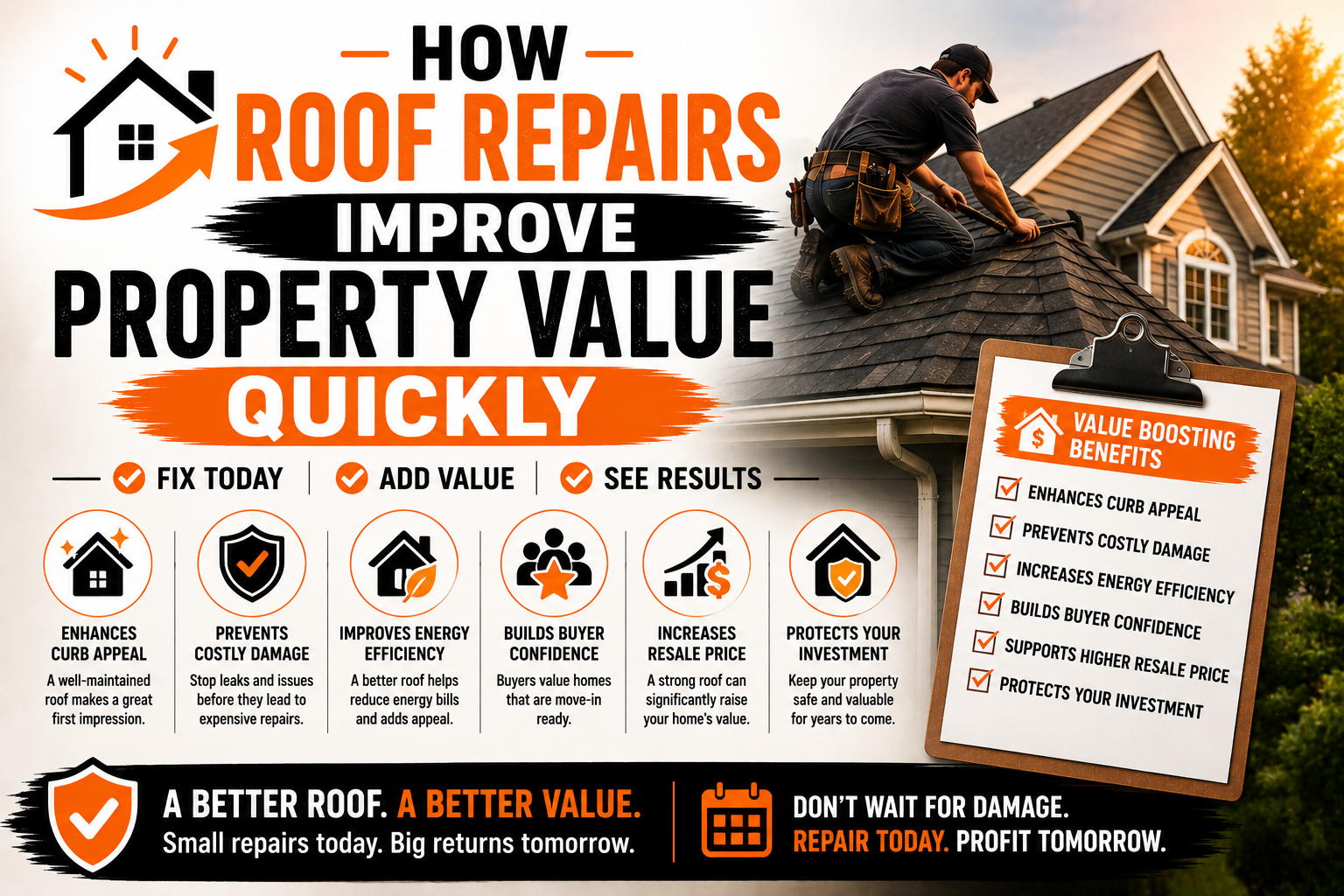
How Roof Repairs Improve Property Value Quickly
Introduction
Your roof is one of the most important investments in your home, yet it is often one of the last areas homeowners think about until a problem becomes impossible to ignore. A small leak, a few missing shingles, or damaged flashing may not seem urgent at first, but these seemingly minor issues can gradually affect every part of a property. Beyond protecting the structure from rain, wind, heat, and snow, the roof plays a significant role in determining how valuable a home appears to buyers, appraisers, lenders, and insurance providers.
Many homeowners believe that increasing property value requires expensive renovations such as remodeling kitchens, upgrading bathrooms, or building outdoor living spaces. While these improvements certainly add value, roof repairs often provide one of the quickest and most cost effective returns on investment. A roof in excellent condition immediately improves curb appeal, reassures potential buyers, and reduces concerns about costly repairs after purchase.
The condition of the roof also affects the overall health of the home. It protects insulation, ceilings, walls, electrical systems, flooring, and structural framing from moisture damage. When roofing problems are repaired promptly, homeowners avoid expensive restoration projects while preserving the home’s appearance and functionality. This proactive approach strengthens both the property’s physical condition and its financial worth.
Real estate professionals frequently emphasize the importance of first impressions because buyers often make emotional decisions within minutes of seeing a property. Before they examine the kitchen, bedrooms, or backyard, they notice the roof. A clean, well maintained roof creates confidence, while visible damage often causes buyers to question the condition of the entire house.
Even homeowners who are not planning to sell benefit from timely roof repairs. Maintaining a healthy roofing system reduces future maintenance costs, extends the lifespan of roofing materials, improves indoor comfort, and supports better energy efficiency. These long term benefits continue adding value year after year while protecting one of the largest financial investments most people will ever make.
Another reason roof repairs deserve attention is their influence on property appraisals. Appraisers carefully evaluate the condition of major structural components, and the roof is always among the most important. A damaged roof can lower an appraisal because it represents future expenses for the buyer, while a repaired roof contributes to a stronger overall valuation.
Insurance companies and mortgage lenders also pay close attention to roof condition. A well maintained roof presents less financial risk because it is less likely to suffer severe weather related damage or allow water to enter the home. As a result, proper maintenance benefits homeowners throughout the ownership cycle, from financing and insurance to resale.
Understanding the relationship between roof repairs and property value allows homeowners to make informed maintenance decisions. Rather than waiting until damage becomes severe, they can prioritize repairs that protect their investment while improving market appeal. Throughout this guide, we will examine the many ways roof repairs contribute to faster property appreciation, stronger buyer confidence, and greater long term financial returns.
Why Property Value Depends on Roof Condition
Every part of a home contributes to its overall value, but the roof occupies a unique position because it protects every other structural component beneath it. Without a properly functioning roof, even the highest quality interior finishes eventually become vulnerable to water damage, mold, and structural deterioration. This is why roof condition carries significant weight during property evaluations.
Potential buyers rarely view a damaged roof as an isolated issue. Instead, they often assume that visible roofing problems indicate a lack of maintenance throughout the property. Missing shingles, sagging rooflines, cracked flashing, or water stains suggest that other systems may also require repairs, even when those assumptions are incorrect.
This perception affects purchasing decisions in powerful ways. Buyers naturally prefer homes that appear well maintained because they reduce uncertainty after closing. A repaired roof creates confidence that the homeowner has invested in regular maintenance rather than postponing necessary repairs.
Property value also depends on expected future expenses. Buyers calculate not only the purchase price but also the cost of maintaining the home after moving in. If they believe roof replacement or extensive repairs will soon be necessary, they often reduce their offers to compensate for those anticipated costs.
The roof also influences neighborhood comparisons. Buyers frequently compare several similar homes before making a decision, and roof condition often becomes an important factor when properties are otherwise comparable. A home with a recently repaired roof may appear far more attractive than a similar property showing visible signs of deterioration.
Appraisers recognize the same relationship between roof condition and long term value. During inspections, they assess visible wear, structural integrity, drainage performance, and remaining roof lifespan. Their observations directly influence the final property valuation, making roof maintenance an important financial consideration.
Climate also increases the importance of roof condition. Homes exposed to heavy rainfall, snow, strong winds, or prolonged sunlight experience greater roofing stress throughout the year. Regular repairs ensure the roof continues protecting the structure despite these environmental challenges, preserving property value under changing weather conditions.
The First Impression Buyers Notice
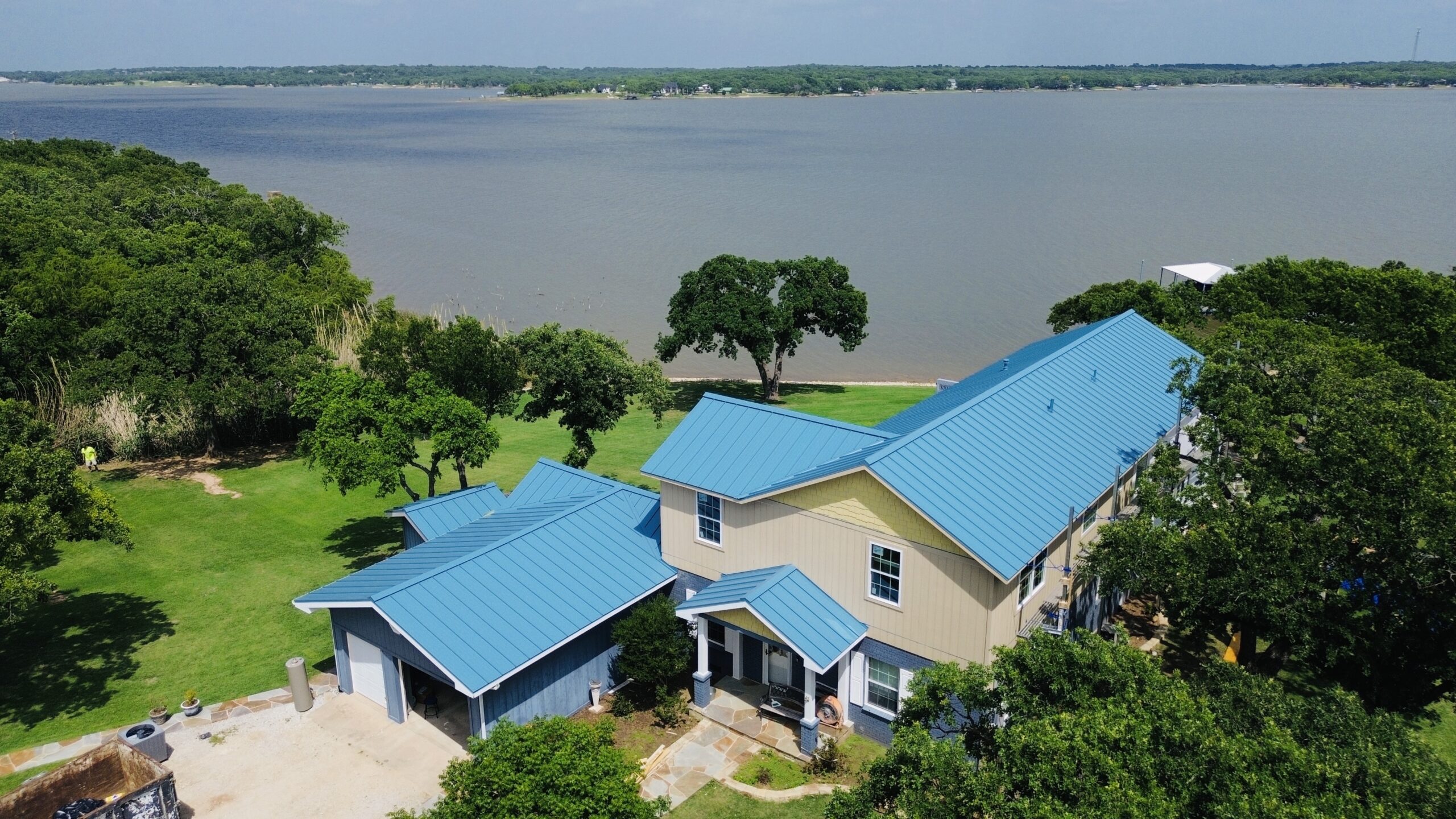
Selling a home begins long before buyers walk through the front door. In today’s real estate market, many purchasing decisions begin with online listings where exterior photographs create the first opportunity to attract attention. The roof occupies a large portion of those images, making its appearance one of the first details buyers evaluate.
A roof covered with damaged shingles, moss growth, uneven sections, or visible repairs immediately raises questions. Buyers begin wondering whether hidden leaks, insulation problems, or structural issues exist beneath the surface. Even if the interior is beautifully renovated, these concerns can discourage buyers from scheduling a viewing.
A repaired roof creates the opposite effect. Straight rooflines, consistent roofing materials, and clean architectural details give the impression of responsible homeownership. Buyers feel more comfortable investing time in viewing the property because the exterior suggests that maintenance has been taken seriously.
Curb appeal extends beyond simple appearance. It reflects the overall care invested in a property over many years. Buyers often associate an attractive roof with proper maintenance of plumbing, electrical systems, heating equipment, windows, and landscaping. Although these assumptions are not always accurate, they strongly influence purchasing behavior.
Real estate agents frequently recommend completing visible roof repairs before listing a property because these improvements increase buyer interest almost immediately. Fresh exterior photographs featuring a well maintained roof often generate more online views, more scheduled showings, and greater overall market activity.
The emotional side of buying a home should never be underestimated. Purchasing property is one of the largest financial decisions most people make, and emotions often influence practical judgments. When buyers see a home that appears safe, clean, and well maintained, they begin imagining themselves living there rather than calculating future repair costs.
Families purchasing their first home are especially sensitive to maintenance concerns because they may have limited budgets for unexpected repairs. A repaired roof reduces anxiety by demonstrating that one of the home’s largest maintenance responsibilities has already been addressed.
How Roof Repairs Increase Home Appraisal Value
Property appraisals provide an independent estimate of market value based on location, condition, size, comparable sales, and overall quality. Because the roof protects the entire building, appraisers pay close attention to its condition during every inspection.
Visible roofing defects often lower appraised value because they represent future liabilities. Missing shingles, damaged flashing, sagging roof sections, deteriorated gutters, and signs of water intrusion indicate deferred maintenance. Appraisers recognize that buyers will likely incur additional expenses after purchasing the property.
Repairing these issues before scheduling an appraisal allows the property to present itself in the best possible condition. Instead of documenting active defects, the appraiser evaluates a roof that performs its intended function effectively. This contributes to a stronger overall property assessment.
Roof lifespan also plays an important role in appraisals. Even when a roof is not brand new, professional repairs that extend its expected service life improve the property’s condition rating. Buyers gain confidence knowing they are unlikely to face immediate replacement costs.
Professional documentation further strengthens appraisal results. Repair invoices, inspection reports, maintenance records, and warranty information demonstrate that repairs were completed responsibly. These records support the appraiser’s observations while providing valuable information for future buyers.
Appraisers also consider how roofing condition affects other parts of the property. A properly repaired roof protects ceilings, insulation, walls, flooring, attic ventilation, and structural framing from water damage. By preserving these systems, roof repairs indirectly strengthen the condition of the entire home.
Financial institutions frequently rely on appraisal reports before approving mortgages. When roof repairs eliminate significant maintenance concerns, lenders may view the property as a lower risk investment. Although financing decisions involve many factors, roof condition contributes to the overall assessment of property quality.
Preventing Small Problems from Becoming Expensive Damage
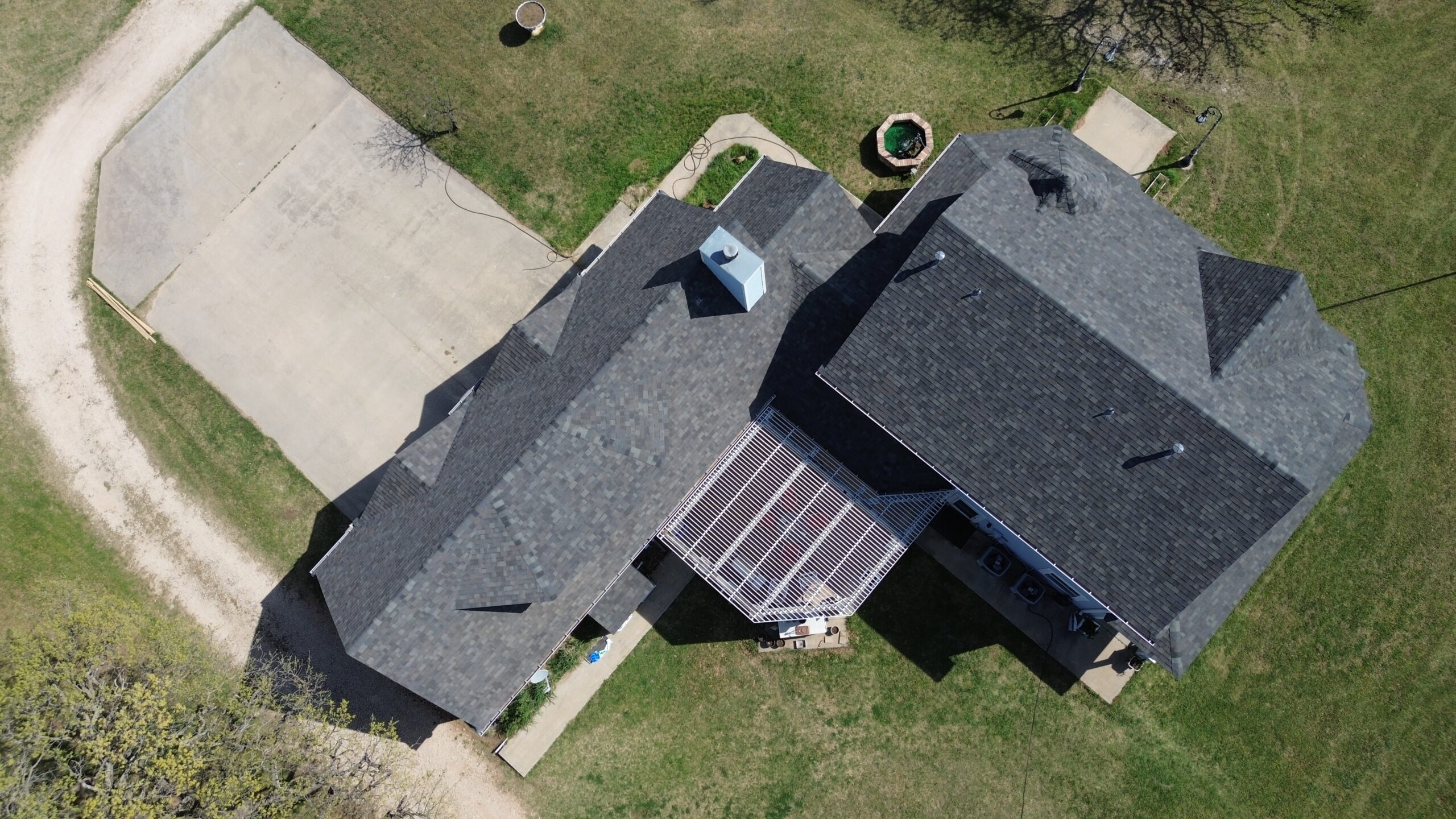
Many of the most expensive roofing repairs begin with problems that initially appeared minor. A single cracked shingle, loose flashing, or clogged gutter may seem insignificant, but weather exposure allows these small defects to develop into widespread structural damage over time.
Water is particularly destructive because it rarely remains confined to one location. Once moisture enters the roofing system, it can spread through insulation, wooden framing, drywall, ceilings, and electrical components. Damage often continues long before visible stains appear inside the home.
Prompt roof repairs interrupt this process before it becomes costly. Fixing a small leak today may prevent thousands of dollars in restoration expenses months or years later. Instead of replacing damaged ceilings and structural components, homeowners preserve existing materials through early intervention.
Preventive maintenance also protects indoor air quality. Moisture trapped inside roofing systems creates ideal conditions for mold and mildew growth, which can spread into living areas if left untreated. Repairing leaks quickly reduces this risk while supporting a healthier indoor environment.
Structural integrity depends heavily on keeping moisture away from wooden framing. Prolonged water exposure weakens beams, roof decking, and support structures that carry the weight of the roofing system. Maintaining a watertight roof preserves the building’s strength while extending its useful lifespan.
Preventive repairs provide financial predictability as well. Planned maintenance allows homeowners to budget for repairs gradually rather than facing unexpected emergency expenses after severe storms or prolonged neglect. This approach supports better long term property management while protecting overall home value.
Small repairs also help preserve roofing warranties. Many manufacturers require homeowners to maintain roofing systems properly throughout their service life. Addressing minor problems promptly helps maintain warranty coverage, providing additional protection against qualifying material defects.
As roofing materials continue aging, regular inspections become increasingly valuable. Identifying loose shingles, deteriorating sealants, or blocked drainage systems before major weather events significantly reduces the likelihood of widespread damage. This proactive approach preserves both structural integrity and market value while preparing the home for years of reliable performance.
Roof Components That Have the Greatest Impact on Property Value
Every roof is made up of multiple components that work together as a complete system. While homeowners often focus on shingles because they are the most visible part of the roof, several other elements play equally important roles in protecting the property. When these components are properly maintained and repaired, they contribute directly to higher property value by improving safety, durability, and overall appearance.
Understanding which roofing components have the greatest influence on property value helps homeowners prioritize repairs wisely. Instead of addressing only cosmetic concerns, they can invest in repairs that provide both immediate and long term financial benefits.
Roofing Materials
Roofing materials form the first line of defense against weather conditions. Whether a home has asphalt shingles, metal roofing, clay tiles, slate, or another material, visible damage immediately affects curb appeal. Buyers often notice cracked, curled, missing, or faded roofing materials before they observe any other exterior feature.
Repairing damaged roofing materials restores the home’s appearance while improving weather protection. Uniform roofing surfaces create a clean and well maintained look that increases buyer confidence. Even small repairs can make the roof appear significantly newer, helping the property compete more effectively in the real estate market.
The condition of roofing materials also influences maintenance expectations. Buyers understand that damaged surfaces often indicate future repair costs, while properly repaired materials suggest the roof has been cared for consistently. This perception alone can strengthen negotiating positions during property sales.
Roof Flashing
Flashing is one of the most important yet frequently overlooked roofing components. Installed around chimneys, skylights, roof vents, valleys, and wall intersections, flashing directs water away from vulnerable areas where leaks commonly develop.
Damaged flashing often causes water intrusion long before homeowners notice interior leaks. Because flashing protects multiple connection points across the roof, repairing it promptly prevents moisture from reaching structural components beneath the roofing materials.
Professional flashing repairs also improve buyer confidence during home inspections. Inspectors carefully examine these areas because deteriorated flashing frequently leads to expensive hidden damage. Well maintained flashing demonstrates that preventive maintenance has been performed correctly.
Gutters and Drainage Systems
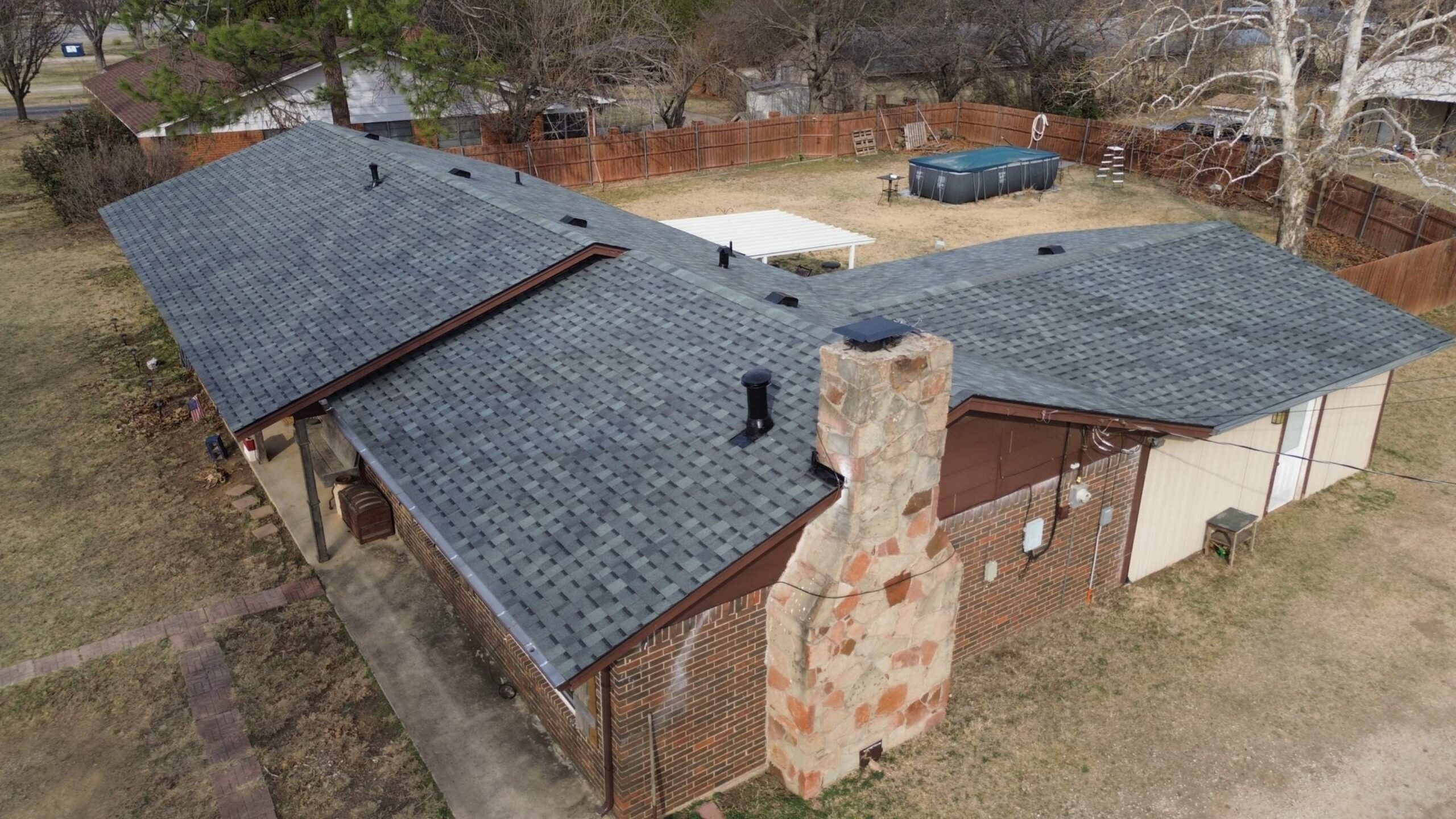
Although gutters are technically separate from the roof surface, they are essential to overall roof performance. Their primary purpose is to direct rainwater safely away from the roof, walls, and foundation.
Blocked or damaged gutters allow water to overflow along roof edges. Over time, standing water may damage fascia boards, soffits, roofing materials, siding, and even the home’s foundation. Repairing gutters therefore protects much more than the roof itself.
Clean, functional drainage systems also improve exterior appearance. Sagging gutters, rust stains, or overflowing debris create an impression of neglect that reduces curb appeal. Simple gutter repairs often produce noticeable improvements in the property’s overall presentation.
Roof Decking
Roof decking forms the structural foundation beneath visible roofing materials. It supports shingles or other roofing products while distributing weight evenly across the roof structure.
Water intrusion is the greatest threat to roof decking. Once moisture reaches the wooden panels beneath the roofing surface, rot and structural weakening may begin. Because this damage often remains hidden, regular inspections are essential for identifying problems early.
Replacing damaged decking during roof repairs strengthens the entire roofing system. Buyers appreciate knowing that repairs addressed both visible and hidden issues rather than simply covering existing damage.
Roof Ventilation
Proper attic ventilation influences far more than indoor comfort. Balanced airflow helps regulate temperature and moisture levels throughout the roofing system, reducing premature deterioration of both roofing materials and structural components.
Poor ventilation creates excessive attic heat during summer while trapping moisture during colder seasons. These conditions shorten roof lifespan, reduce insulation efficiency, and increase the risk of mold growth.
Repairing damaged vents or improving attic airflow helps preserve roofing materials while lowering heating and cooling costs. Buyers increasingly recognize energy efficient features, making proper ventilation another valuable selling point.
Fascia and Soffits
Fascia boards support gutter systems while creating a finished appearance along roof edges. Soffits cover the underside of roof overhangs and often contain ventilation openings that improve attic airflow.
Moisture damage, insect activity, or aging can weaken these components over time. Repairing fascia and soffits not only improves appearance but also protects roof edges from additional deterioration.
Well maintained roof edges create a polished exterior that complements the entire property. Buyers often notice these details during inspections, even if they do not recognize their technical purpose.
Chimneys, Skylights, and Roof Penetrations
Every opening in the roof represents a potential source of leaks if not maintained properly. Chimneys, skylights, plumbing vents, and HVAC penetrations require specialized flashing and sealants to remain watertight.
Small gaps around these openings frequently allow moisture to enter unnoticed. Repairing sealants and flashing around roof penetrations protects interior ceilings, insulation, and structural framing from water damage.
Proper maintenance of these areas also improves inspection reports. Because inspectors pay close attention to roof penetrations, professional repairs reduce concerns during property transactions.
Every Component Works Together
No roofing component functions independently. Shingles rely on sound decking for support, flashing depends on properly installed roofing materials, gutters require solid fascia boards, and ventilation protects every layer of the roofing system.
Ignoring one component often reduces the effectiveness of the others. For example, replacing damaged shingles while leaving deteriorated flashing unrepaired may still allow leaks to develop. Likewise, installing new gutters without correcting roof drainage issues limits the benefits of both improvements.
Viewing the roof as a complete system allows homeowners to make smarter repair decisions. Rather than focusing only on the most visible problems, comprehensive maintenance protects every part of the structure while maximizing property value.
Financial Benefits of Timely Roof Repairs
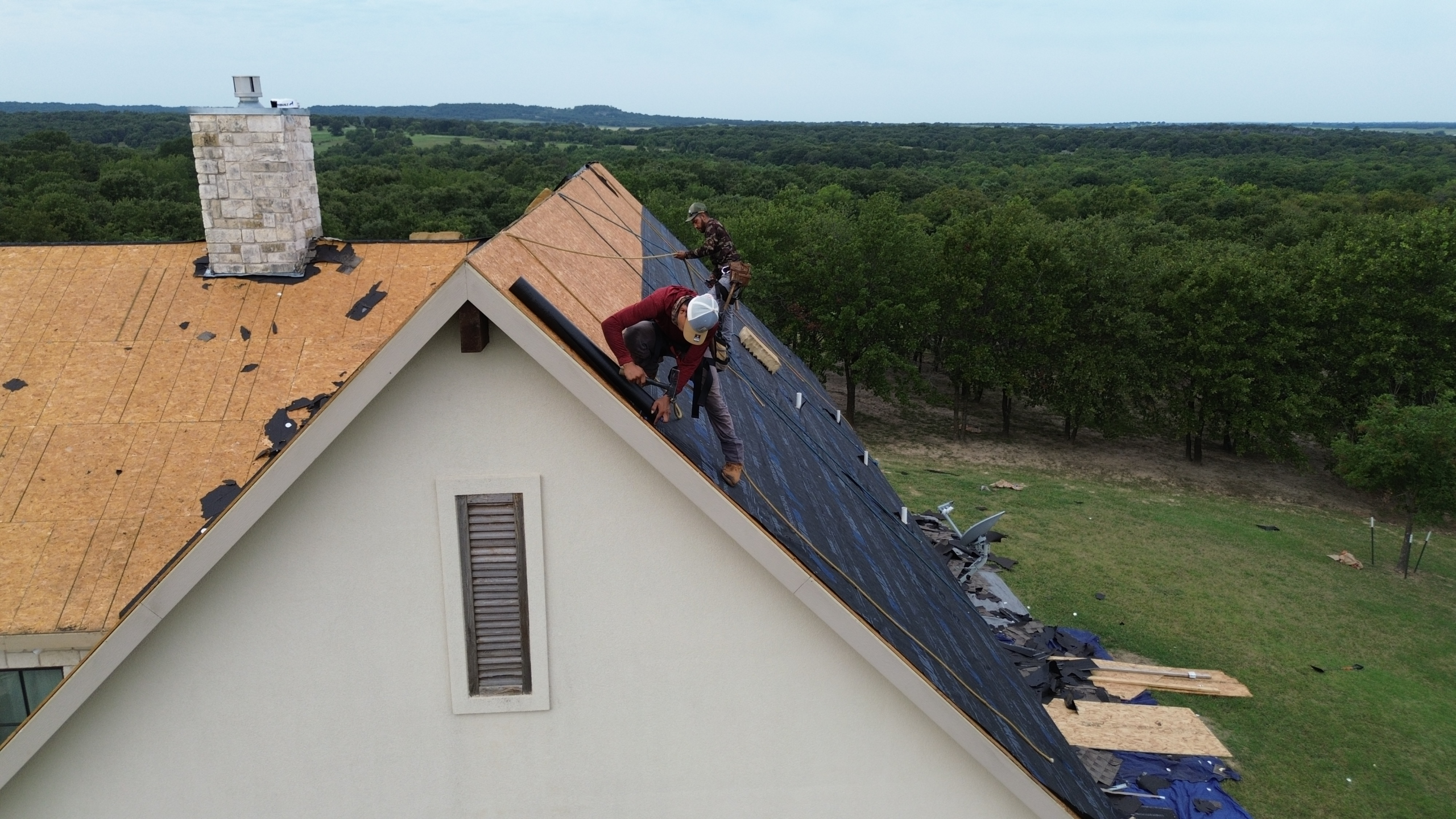
Many homeowners think of roof repairs only as maintenance expenses, but financially they often function as investments. Money spent repairing a roof today frequently prevents much larger expenses tomorrow while increasing the property’s overall market value.
One of the greatest financial advantages comes from preventing emergency repairs. Small issues usually require relatively inexpensive solutions, but neglected damage becomes increasingly expensive as moisture spreads through insulation, ceilings, drywall, flooring, and structural framing.
Roof repairs also reduce ownership costs over time. A properly functioning roof protects heating and cooling systems by improving insulation performance, lowering monthly utility bills throughout the year.
Selling a home becomes easier when roof repairs have already been completed. Buyers are generally willing to pay more for homes requiring fewer immediate repairs because they can move in without facing major maintenance expenses.
Sellers also benefit from stronger negotiating positions. Instead of reducing asking prices to compensate for roofing problems, they can justify higher values by presenting documentation showing that professional repairs have already been completed.
Long term maintenance costs decrease as well. Extending the lifespan of existing roofing materials delays the need for complete roof replacement, allowing homeowners to maximize the return on their original investment.
Roof repairs may also improve insurance outcomes depending on the policy and local conditions. Well maintained roofs generally present lower risk than neglected ones, making regular maintenance financially beneficial beyond simple repair savings.
The financial advantages become even greater when homeowners consistently perform preventive maintenance rather than waiting for visible damage to appear. This proactive strategy protects property value while reducing unexpected repair costs throughout the life of the home.
In the next part, we will explore how roof repairs improve energy efficiency, influence home inspections, deliver stronger returns on investment, and ultimately help homeowners maximize property value for years to come.
How Roof Repairs Improve Energy Efficiency
Energy efficiency has become one of the most desirable features in today’s housing market. Buyers are no longer interested only in the size or appearance of a home. They also want a property that is comfortable throughout the year and affordable to operate. A properly repaired roof plays an important role in achieving these goals because it directly affects how efficiently the entire home performs.
A damaged roof allows conditioned air to escape while permitting outside air to enter the building. Small gaps around flashing, missing shingles, deteriorated sealants, or damaged underlayment reduce the effectiveness of insulation. As a result, heating and cooling systems must work harder to maintain comfortable indoor temperatures.
Professional roof repairs restore the protective barrier that separates the interior from outdoor weather conditions. Once leaks and openings are sealed, insulation performs more efficiently because it remains dry and fully functional. This reduces unnecessary energy loss while helping maintain stable indoor temperatures.
Attic ventilation is another major factor influencing energy efficiency. During summer months, poor ventilation allows heat to accumulate inside the attic, increasing the temperature throughout the house. Air conditioning systems must then operate for longer periods, consuming more electricity and increasing monthly utility costs.
Winter conditions create different challenges. Warm indoor air naturally rises toward the attic, where trapped moisture may condense if ventilation is inadequate. Over time, this moisture damages insulation, encourages mold growth, and reduces the roof’s overall performance.
Repairing roof vents and maintaining balanced attic airflow improves efficiency during every season. Better ventilation extends the life of roofing materials while creating a healthier indoor environment. These improvements become valuable selling points because buyers increasingly recognize the long term savings associated with energy efficient homes.
Lower utility bills also contribute indirectly to higher property value. When prospective buyers compare multiple homes with similar layouts and locations, operating costs often become an important deciding factor. A home with lower expected energy expenses becomes more attractive because it reduces monthly ownership costs.
Energy efficient homes also project an image of responsible maintenance. Buyers often assume that homeowners who invest in roof repairs, insulation, and ventilation have also maintained other major systems throughout the property. This positive perception strengthens buyer confidence and supports stronger purchase offers.
The Role of Roof Repairs in Passing Home Inspections
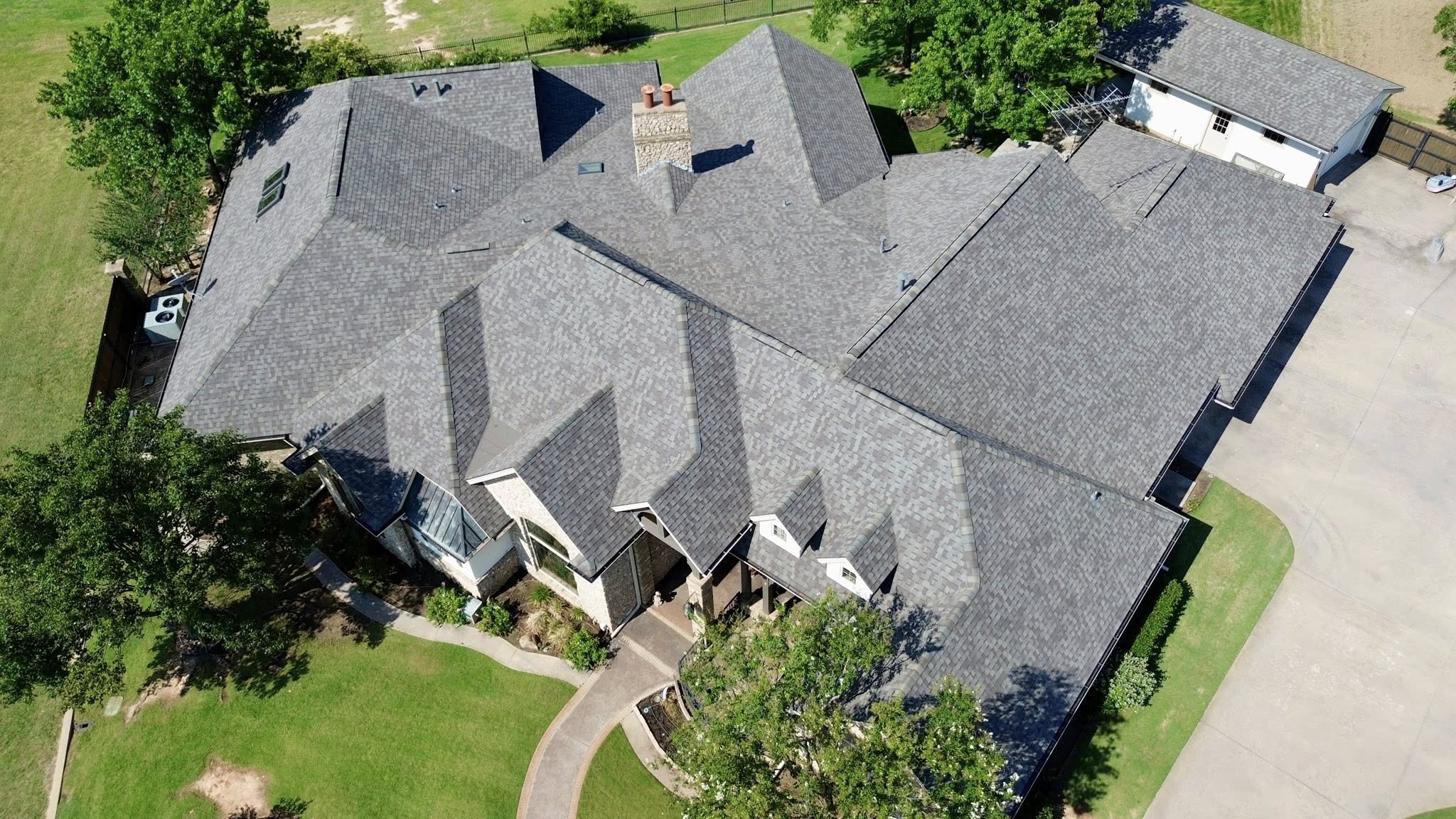
Home inspections are one of the final and most important steps in the property selling process. Even after buyers have agreed to purchase a home, inspection findings may influence negotiations, financing approval, or even the final decision to proceed with the sale.
Roof inspections receive special attention because roofing problems often affect many other structural systems. Professional inspectors evaluate shingles, flashing, gutters, roof penetrations, attic ventilation, drainage systems, structural framing, and signs of previous water intrusion. Their findings become part of the inspection report that buyers carefully review.
Visible roofing defects frequently become negotiation points. Missing shingles, damaged flashing, active leaks, sagging roof sections, deteriorated gutters, or water stains may encourage buyers to request repair credits or reductions in the agreed purchase price.
Completing roof repairs before listing a property helps eliminate many of these concerns. Instead of presenting unresolved maintenance issues, sellers demonstrate that the home has received regular professional care. Inspection reports become more favorable, allowing buyers to focus on the property’s strengths rather than anticipated repair costs.
Attic inspections also provide valuable information about roof performance. Inspectors often identify hidden moisture damage, mold, inadequate ventilation, or insulation problems that homeowners may not have noticed. Repairing roofing issues before these secondary problems develop protects both the structure and the home’s market value.
Professional repair documentation further strengthens inspection outcomes. Invoices, warranties, photographs, and maintenance records demonstrate that repairs were completed correctly rather than temporarily patched. Buyers generally feel more comfortable purchasing homes supported by detailed maintenance histories.
Smooth inspections often lead to smoother transactions. Fewer repair requests reduce delays, minimize contract renegotiations, and help maintain the original sale price. Sellers benefit from a faster closing process, while buyers gain confidence in the property’s condition.
Comparing Repaired Roofs and Neglected Roofs
The difference between a repaired roof and a neglected roof extends far beyond appearance. Every aspect of homeownership, from maintenance costs to resale value, is influenced by the roof’s condition.
| Feature | Professionally Repaired Roof | Neglected Roof |
|---|---|---|
| Curb Appeal | Clean, attractive, and well maintained appearance | Visible wear creates a poor first impression |
| Property Value | Supports stronger market value | Often lowers appraised value |
| Buyer Confidence | Buyers feel reassured about maintenance | Buyers expect future repair expenses |
| Energy Efficiency | Better insulation performance and lower utility costs | Increased energy loss and higher bills |
| Home Inspection | Fewer repair recommendations | More defects noted during inspection |
| Future Expenses | Lower long term maintenance costs | Greater risk of expensive structural repairs |
| Selling Process | Faster and smoother transactions | Increased negotiations and delayed sales |
The comparison clearly demonstrates why roof repairs should be viewed as investments rather than expenses. While repairs require an initial financial commitment, neglect almost always leads to greater costs over time.
Buyers often compare several homes before making a purchase decision. When two similar properties are available, the one with a well maintained roof frequently receives stronger interest because buyers perceive lower financial risk.
Neglected roofs also create uncertainty. Even when damage appears minor, buyers may assume hidden structural problems exist beneath the surface. This uncertainty often results in lower offers or requests for substantial repair allowances.
Roof Repair Priorities That Deliver the Best Return on Investment
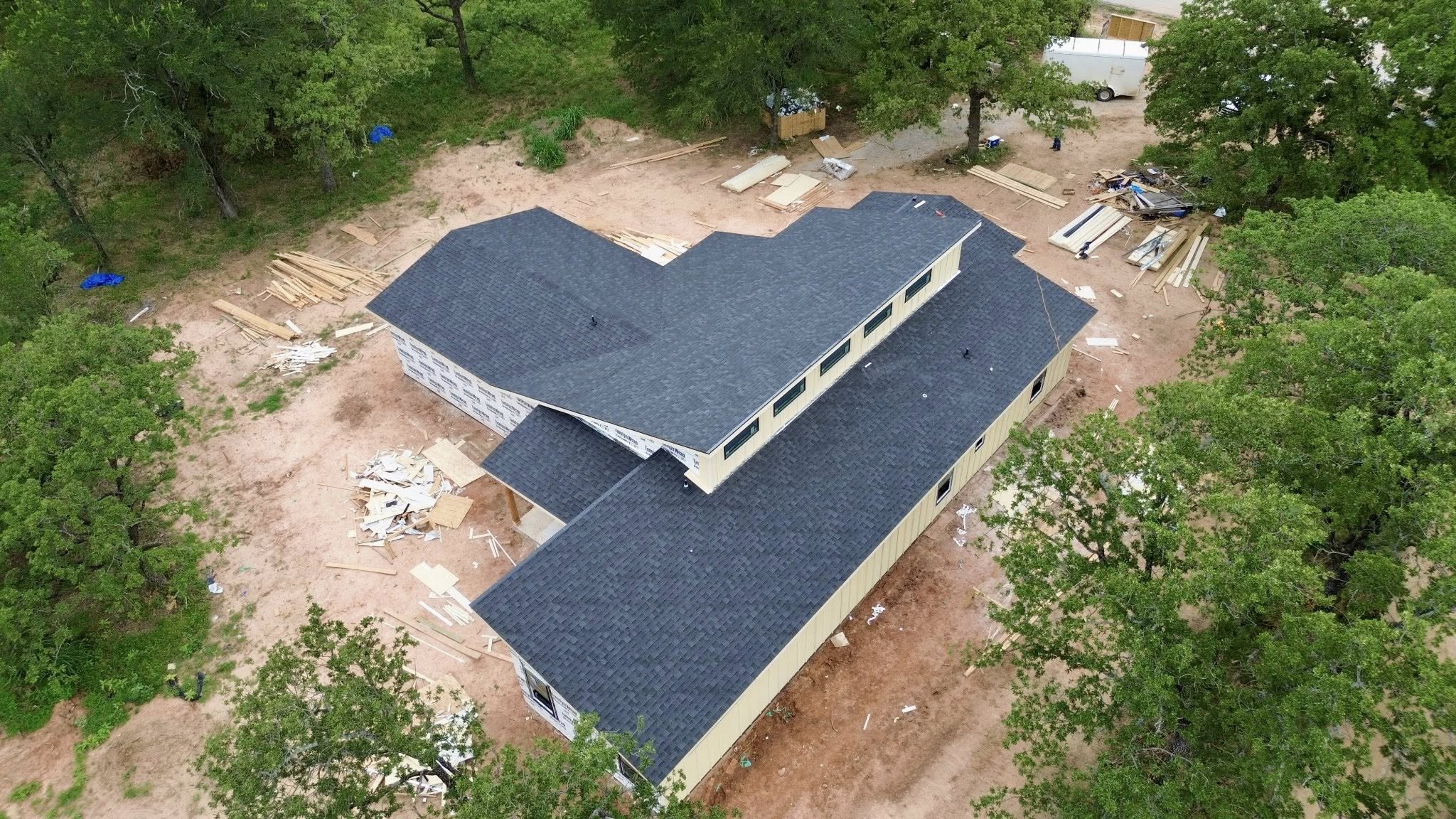
Not every repair contributes equally to property value. Some improvements provide greater financial returns because they address the most important aspects of roof performance and buyer confidence.
The following repairs generally provide the highest return on investment:
- Repair active roof leaks before moisture spreads through the structure.
- Replace cracked, curled, or missing shingles to restore weather protection.
- Repair damaged flashing around chimneys, vents, skylights, and valleys.
- Clean and repair gutters to improve drainage.
- Correct attic ventilation problems to improve roof lifespan and energy efficiency.
- Replace damaged roof decking where structural weakness exists.
- Repair fascia and soffits to protect roof edges and improve appearance.
Prioritizing these repairs helps homeowners use maintenance budgets effectively. Addressing structural concerns before cosmetic improvements protects the property while maximizing long term financial benefits.
Professional inspections are valuable because they identify which repairs require immediate attention and which can be scheduled later. This strategic approach reduces unnecessary spending while ensuring the roof remains in excellent condition.
Choosing Professional Roof Repairs for Maximum Value
The quality of repairs directly affects how much value they add to a property. Poor workmanship may solve a problem temporarily but often creates additional issues later. Professional roofing contractors provide experience, proper materials, and proven installation methods that improve long term performance.
Experienced roofers begin with thorough inspections rather than repairing only visible damage. This allows them to identify underlying problems affecting roof decking, flashing, ventilation, or structural supports before they become larger concerns.
Professional repairs also improve consistency across the roofing system. Matching materials, proper installation techniques, and manufacturer approved methods create a roof that performs efficiently while maintaining an attractive appearance.
Safety is another advantage of hiring qualified professionals. Roofing work involves significant risks, specialized equipment, and technical knowledge. Proper installation protects both homeowners and the long term performance of the roof.
Detailed repair records also benefit future property sales. Buyers appreciate invoices, warranties, and maintenance reports because they provide evidence that repairs were completed responsibly and professionally.
Maintaining Your Roof After Repairs
Roof repairs provide the greatest value when followed by consistent maintenance. Regular inspections help identify developing problems before they require expensive restoration work.
Homeowners should inspect their roofs after major storms, heavy rainfall, or strong winds. Looking for loose shingles, damaged flashing, clogged gutters, or fallen branches helps detect issues early.
Cleaning gutters regularly also protects the roofing system. Proper drainage prevents standing water from damaging roofing materials, fascia boards, and foundations.
Tree branches should be trimmed away from the roof whenever possible. This reduces physical damage during storms while preventing leaves from accumulating in gutters and roof valleys.
Scheduling professional roof inspections every few years provides additional protection. Experienced contractors often identify small concerns that homeowners may overlook, allowing repairs to be completed before major damage develops.
Maintaining organized records of inspections and repairs also adds value. Buyers often view documented maintenance as evidence that the property has been responsibly cared for throughout its life.
Signs It Is Time to Schedule Roof Repairs
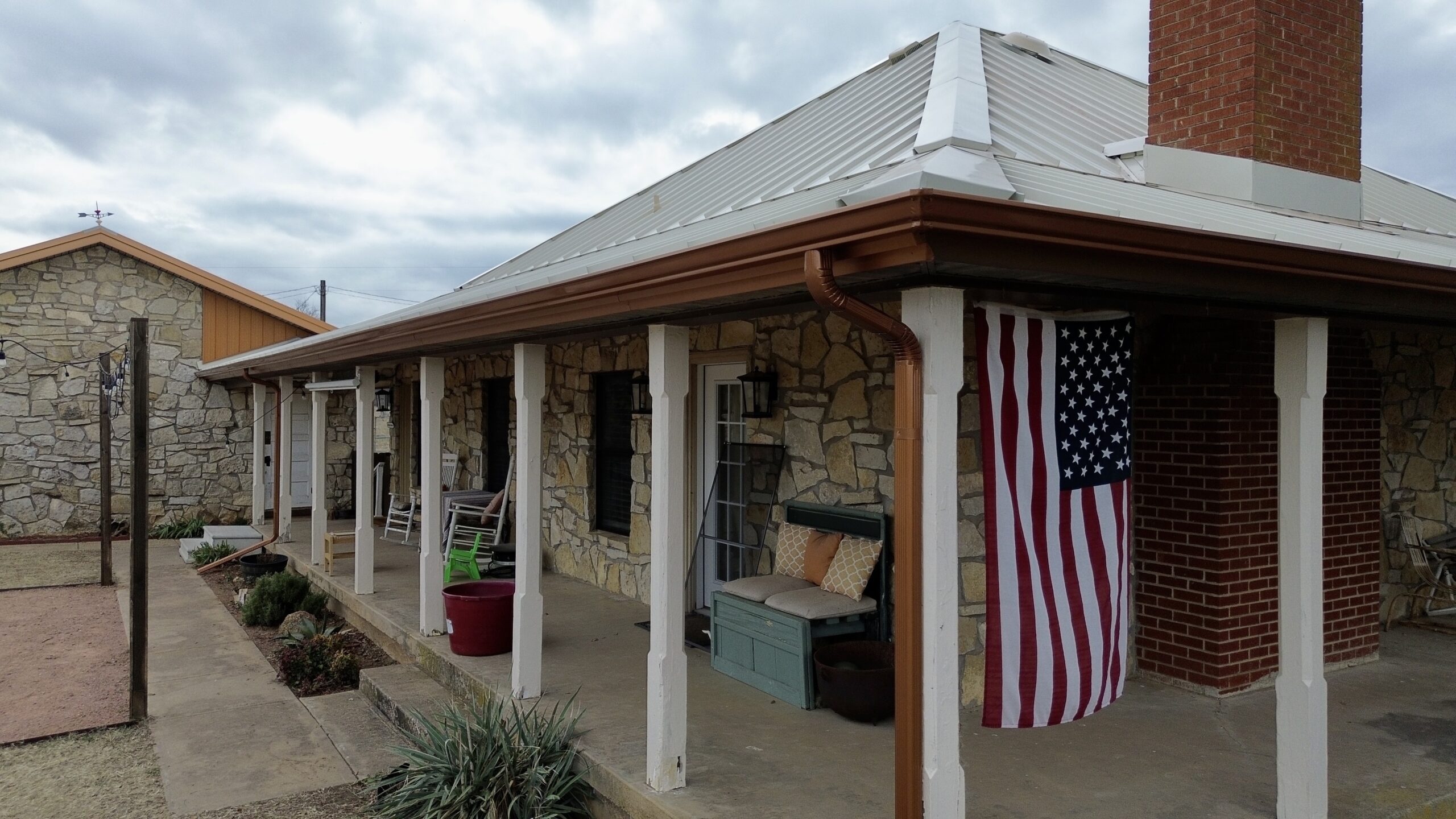
Many roofing problems begin gradually, making them difficult to recognize until noticeable damage appears. Identifying warning signs early allows homeowners to arrange repairs before expensive structural problems develop.
Watch for these common indicators:
- Missing, cracked, curled, or loose shingles.
- Water stains on ceilings or interior walls.
- Damaged flashing around chimneys or roof vents.
- Excessive roofing granules collecting inside gutters.
- Moss, algae, or heavy debris accumulating on the roof.
- Sagging or uneven roof sections.
- Rising heating or cooling costs without another obvious explanation.
- Daylight visible inside the attic through the roof structure.
Responding quickly to these warning signs protects both the roof and the rest of the property. Early repairs are almost always more affordable than waiting until widespread structural damage occurs.
Regular inspections after severe weather are equally important. Wind, hail, heavy rain, and falling branches may damage roofing materials even when problems are not immediately visible from the ground.
Conclusion
Roof repairs are among the most valuable investments a homeowner can make because they improve both the condition and marketability of a property. A well maintained roof enhances curb appeal, strengthens structural integrity, increases energy efficiency, and creates confidence among buyers, lenders, appraisers, and insurance providers. These combined benefits contribute directly to higher property value while reducing long term maintenance costs.
Prompt repairs also prevent small roofing problems from developing into expensive structural damage. Fixing leaks, replacing damaged shingles, repairing flashing, improving ventilation, and maintaining drainage systems protect every part of the home beneath the roof. Instead of paying for major restoration projects later, homeowners preserve existing materials while extending the roof’s overall lifespan.
Professional workmanship further increases the value of every repair. Quality materials, thorough inspections, proper installation methods, and documented maintenance records reassure future buyers that the roof has been cared for responsibly. This confidence often leads to smoother inspections, stronger purchase offers, and faster property sales.
Regular maintenance is equally important after repairs have been completed. Seasonal inspections, clean gutters, trimmed trees, and timely attention to developing issues help preserve the roofing system for many years. Preventive care minimizes unexpected expenses while maintaining the home’s appearance and structural reliability.
Whether you plan to sell your home in the near future or simply want to protect your investment, roof repairs should never be viewed as optional maintenance. They strengthen one of the most important structural components of the property while improving comfort, efficiency, and long term financial value. By treating roof care as an ongoing investment rather than a temporary expense, homeowners can enjoy greater peace of mind and maximize the return on one of their most valuable assets.