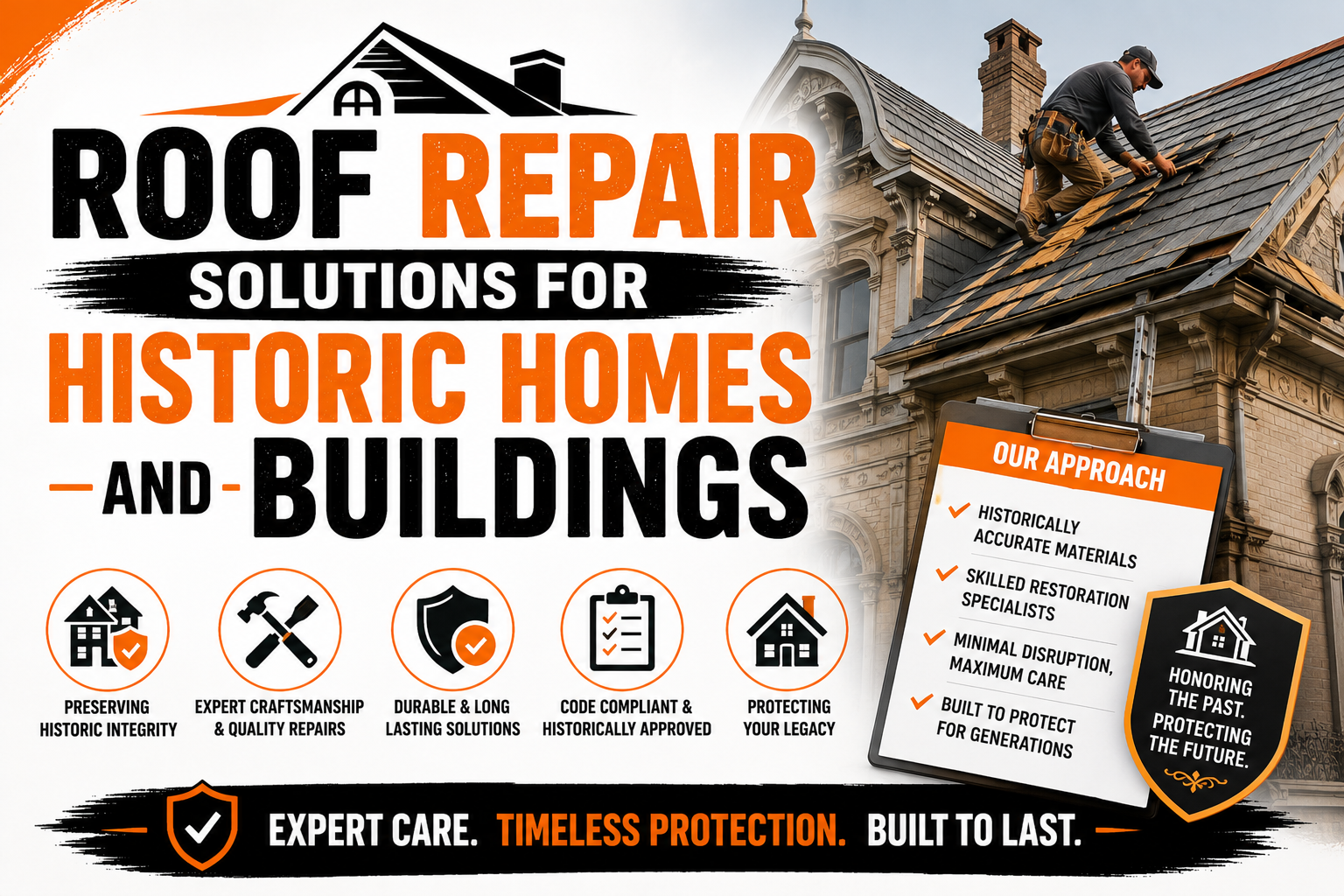
Roof Repair Solutions for Historic Homes and Buildings
Introduction
Historic homes and buildings are more than just structures. They represent craftsmanship, architectural traditions, and cultural heritage that have often survived for decades or even centuries. From elegant Victorian homes and Colonial residences to historic churches, schools, and government buildings, these properties tell stories that deserve to be preserved for future generations.
One of the most important components of any historic building is its roof. The roof protects the entire structure from rain, snow, wind, sunlight, and changing temperatures while contributing significantly to the building’s original appearance. When roof damage occurs, repairs require much more care than those performed on modern buildings because every decision can affect both structural integrity and historical authenticity.
Repairing a historic roof is rarely a straightforward project. Older roofing materials may no longer be widely manufactured, structural framing can differ from modern construction methods, and preservation guidelines often require repairs that maintain the building’s original character. Contractors must balance durability, safety, historical accuracy, and long term performance throughout the restoration process.
Many homeowners assume that replacing damaged sections with modern roofing materials is the simplest solution. While this may seem practical, inappropriate repairs can reduce the historical value of the property, create compatibility issues between old and new materials, and even violate local preservation regulations in certain areas.
Historic roofs also present unique maintenance challenges. Years of weather exposure, natural aging, moisture infiltration, and previous repairs may weaken roofing systems in ways that are not immediately visible. Careful inspections are necessary to identify hidden structural issues before repair work begins.
Understanding the unique requirements of historic roof repair helps property owners make informed decisions that protect both the building and its architectural heritage. The goal is not simply to stop leaks but to preserve the original character while ensuring the roof continues to perform effectively for many years.
This guide explains the most effective roof repair solutions for historic homes and buildings. It explores traditional roofing materials, common repair challenges, preservation techniques, and practical strategies for maintaining historic roofs without compromising their historical significance.
Why Historic Roofs Require Specialized Repair Solutions
Historic roofs differ significantly from those installed on modern homes. Many were built using construction methods, materials, and craftsmanship that are no longer common today. Because of these differences, repairs require specialized knowledge rather than standard roofing practices.
Older buildings often contain handcrafted components that cannot simply be replaced with modern alternatives. Slate shingles may have been individually shaped, wooden shakes may have been cut using traditional techniques, and metal roofing panels may have been custom fabricated to fit the building’s original design. Preserving these elements whenever possible helps maintain the property’s architectural authenticity.
Historic roofs also interact differently with the rest of the structure. Older framing systems may have settled over many decades, creating roof lines that differ slightly from modern construction standards. Contractors must understand these natural changes before making structural repairs.
Moisture management is another important consideration. Historic buildings were often designed to breathe naturally through traditional construction methods. Installing incompatible modern materials may trap moisture inside the roofing system, leading to wood rot, mold growth, or accelerated deterioration.
Preservation requirements can also influence repair decisions. Buildings located within historic districts or protected under preservation programs may need repairs that closely match the original materials and appearance. These requirements help protect the historical character of the community while maintaining the building’s cultural value.
Skilled craftsmanship remains essential throughout the repair process. Contractors experienced in historic restoration understand how traditional roofing systems function and know how to preserve original materials whenever practical instead of replacing them unnecessarily.
Repairing a historic roof successfully requires balancing preservation with long term performance. The objective is to restore the roof’s protective function while respecting the building’s historical identity.
Common Roofing Materials Found on Historic Homes and Buildings
Historic homes feature a wide variety of roofing materials depending on the building’s age, architectural style, regional climate, and available resources. Understanding these materials helps homeowners appreciate why repair methods vary from one property to another.
Slate is one of the most recognizable historic roofing materials. Natural slate offers exceptional durability and can last well over a century when properly maintained. Its distinctive appearance makes it a common feature on churches, government buildings, schools, and high end residences built during the nineteenth and early twentieth centuries.
Clay tile roofing has also been used for centuries. Spanish, Mediterranean, and Mission style architecture often incorporates clay tiles because they provide excellent weather resistance while creating a distinctive appearance. Individual tiles may crack over time, but properly maintained clay roofs often remain functional for many decades.
Wood shakes and wood shingles appear frequently on Colonial, Cape Cod, Craftsman, and rural historic homes. These natural materials create a warm appearance while allowing the roof to expand and contract with seasonal weather changes. Regular maintenance is necessary to protect wood roofing from moisture and insect damage.
Metal roofing became increasingly popular as manufacturing techniques improved. Copper, zinc, lead coated materials, and galvanized steel were commonly used on historic commercial buildings and many residential structures. These roofs often develop attractive protective patinas while offering long service lives.
Some historic buildings also feature specialty roofing materials that are difficult to replace today. Hand formed tiles, decorative metal panels, and unique architectural details require careful restoration rather than standard replacement methods.
Knowing the original roofing material is essential before beginning repairs. Using incompatible products can affect both the appearance and long term performance of the roof while reducing the building’s historical authenticity.
Challenges of Repairing Historic Roof Structures
Repairing historic roofs involves challenges that are rarely encountered on newer buildings. Many of these issues result from decades of weather exposure, previous repairs, and the natural aging of construction materials.
One common challenge is locating matching materials. Roofing products used a century ago may no longer be manufactured, making exact replacements difficult to obtain. Restoration specialists often search for reclaimed materials or work with specialty manufacturers that produce historically accurate replacements.
Structural framing presents another concern. Older roof systems may contain hand cut timber, traditional joinery, or framing techniques that differ from modern building methods. Repairs must respect these original structural elements while ensuring the roof remains safe and stable.
Previous repairs sometimes complicate restoration efforts. Over many decades, owners may have installed modern materials that are incompatible with the original roofing system. These mixed materials can trap moisture, create uneven expansion, or accelerate deterioration in surrounding areas.
Accessing historic roofs safely can also be more difficult. Steep roof pitches, fragile materials, decorative architectural features, and aging structural components require careful planning before workers begin repairs.
Weather damage may affect more than the visible roofing surface. Water infiltration often damages decking, rafters, insulation, masonry, and decorative interior finishes. Identifying these hidden problems requires thorough inspections before restoration begins.
Budget considerations also influence repair planning. Historic roof restoration generally requires more specialized labor and materials than standard roofing projects. Although costs may be higher initially, quality restoration often extends the roof’s lifespan while preserving the building’s historical value.
These challenges highlight why historic roof repairs should be approached with patience, careful planning, and experienced professionals rather than quick replacement solutions.
How Aging Affects Historic Roofing Systems
Every roofing material changes over time, and historic roofs are no exception. Even when they receive regular maintenance, decades of exposure to weather gradually affect both the roofing materials and the supporting structure beneath them.
Temperature changes cause roofing materials to expand and contract repeatedly. Over many years, this movement may loosen fasteners, create small gaps, and weaken joints between roofing components. Historic materials often respond differently than modern products, making careful evaluation especially important.
Moisture is another major factor. Small leaks may remain unnoticed for years, allowing water to slowly damage wooden framing, roof decking, and insulation. By the time visible ceiling stains appear inside the building, hidden structural deterioration may already be extensive.
Natural weathering also affects the appearance and strength of roofing materials. Slate may develop surface fractures, clay tiles can crack, wood shakes gradually lose protective oils, and metal roofs may corrode where protective coatings have worn away.
Biological growth becomes increasingly common as roofs age. Moss, algae, and lichen retain moisture against roofing materials, accelerating deterioration while making routine inspections more difficult. Removing this growth carefully helps extend the roof’s service life without damaging historic materials.
Older repair methods may also contribute to current problems. Temporary patches installed decades earlier can eventually fail, allowing water to enter vulnerable areas. During restoration projects, contractors often evaluate previous repairs alongside newer damage to determine the best long term solution.
Understanding how aging affects historic roofing systems helps property owners recognize that deterioration is often gradual rather than sudden. Regular inspections allow these changes to be addressed before major structural repairs become necessary.
The Importance of Preserving Historical Character
The appearance of a historic roof contributes significantly to the identity of the entire building. Roofing materials, colors, textures, decorative details, and construction techniques all reflect the architectural traditions of the period in which the structure was built.
Replacing original materials with modern alternatives may improve short term convenience, but it can permanently alter the building’s historic character. Even small differences in texture, size, or color may become noticeable when compared with the original design.
Historic preservation focuses on retaining as much original material as possible. Rather than replacing an entire roof, restoration specialists often repair individual components that remain structurally sound. This approach protects historical authenticity while reducing unnecessary material loss.
Architectural details deserve special attention during repairs. Decorative ridges, copper finials, ornamental flashing, chimneys, and handcrafted trim often contribute as much to the building’s character as the roofing material itself. Preserving these features maintains the visual integrity of the structure.
Many historic neighborhoods establish preservation guidelines that encourage historically appropriate repairs. These standards help ensure that renovations respect the architectural character of the surrounding community while protecting valuable cultural resources.
Preservation also provides long term economic benefits. Well maintained historic properties often retain their architectural significance, attract buyers interested in heritage homes, and contribute positively to neighborhood identity.
Respecting historical character does not mean avoiding modern improvements entirely. Instead, it involves selecting repair methods that improve durability while preserving the building’s original appearance whenever practical.
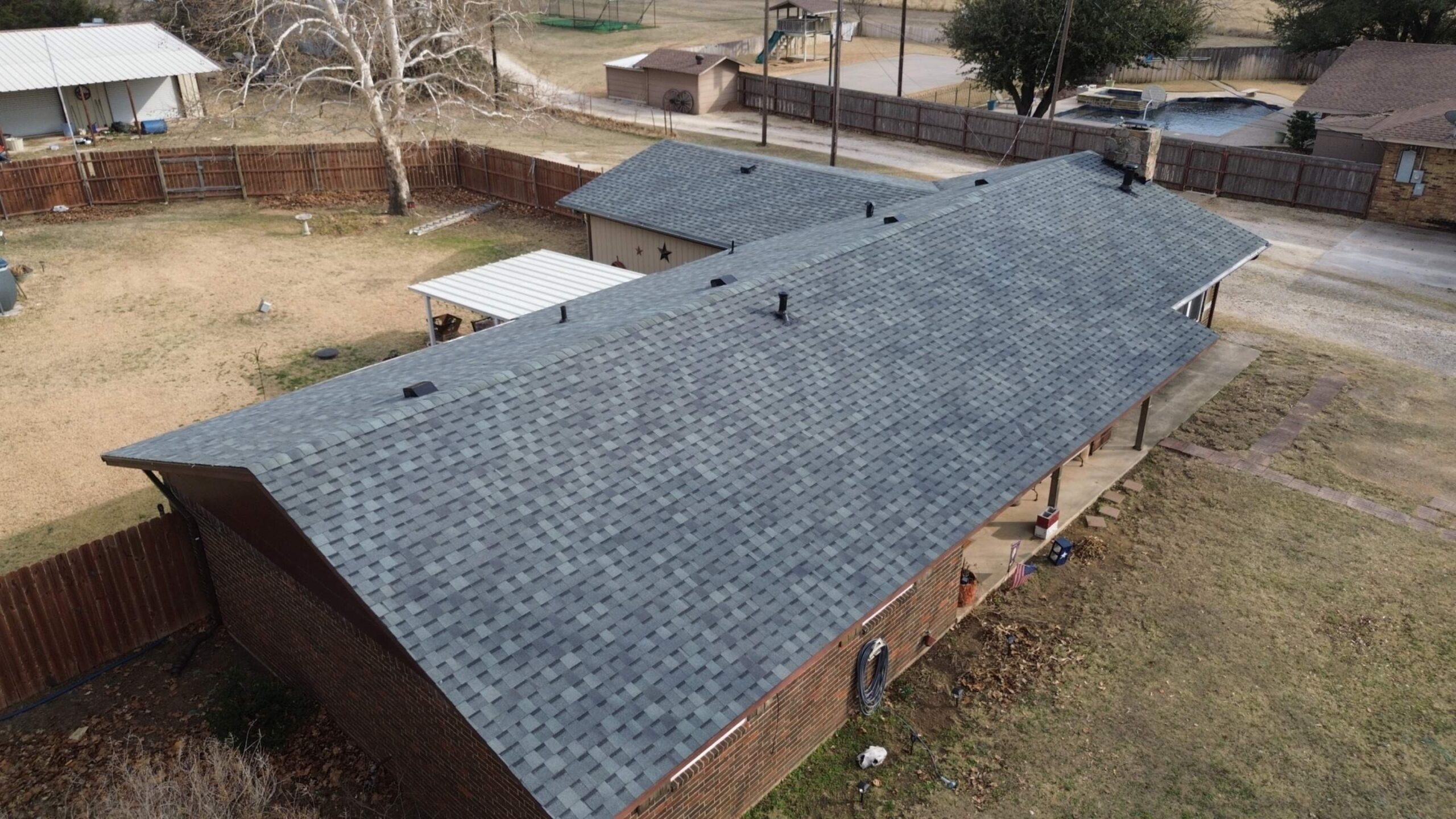
Signs That a Historic Roof Needs Professional Repair
Historic roofs often develop problems gradually, making regular inspections especially important. Identifying early warning signs allows repairs to be completed before extensive structural damage occurs.
Visible roofing damage is one of the most obvious indicators. Missing slate pieces, cracked clay tiles, split wood shakes, loose metal panels, or damaged flashing all suggest that professional attention may be necessary.
Water intrusion inside the building is another important warning sign. Ceiling stains, peeling paint, damp attic insulation, musty odors, or mold growth often indicate that moisture has entered through the roofing system.
Structural changes should never be ignored. Sagging roof lines, uneven ridges, or noticeable movement in roof framing may indicate weakening structural components that require immediate evaluation by experienced professionals.
Changes in drainage patterns can also signal developing problems. Overflowing gutters, standing water, or repeated ice buildup may indicate that the roof is no longer directing water away from the building effectively.
Property owners should also pay attention to signs that appear after severe weather. Even if damage seems minor, storms can loosen roofing materials or create small openings that allow moisture to enter over time. Prompt inspections help identify these hidden issues before they become larger restoration projects.
Some common warning signs include:
- Missing or broken roofing materials.
- Water stains on ceilings or walls.
- Loose flashing around chimneys or vents.
- Sagging roof sections.
- Moss or vegetation covering large roof areas.
- Persistent leaks after rainfall.
Recognizing these warning signs early allows homeowners to preserve original roofing materials whenever possible and avoid more expensive restoration work later. Careful inspections and timely repairs are essential for protecting both the structural stability and the historic character of these remarkable buildings.
At this point, it becomes clear that successful historic roof repair depends on understanding traditional materials, recognizing age related deterioration, and respecting the building’s architectural significance. The next stage focuses on the repair techniques used for different historic roofing materials, how specialists match original designs, and the methods that preserve historical authenticity while improving long term performance.
Inspecting Historic Roof Damage Safely
Before any repair work begins, a thorough inspection is essential. Historic roofs often contain fragile materials and aging structural components that require a careful approach. Unlike modern roofs, walking directly across older roofing materials can sometimes cause additional damage, making proper inspection techniques especially important.
The inspection usually starts from the ground. Contractors examine the roof using binoculars or cameras with zoom capabilities to identify obvious problems such as missing slate, cracked tiles, damaged flashing, sagging roof sections, or displaced metal panels. This initial assessment helps determine where a closer inspection is needed.
When roof access is necessary, safety becomes the highest priority. Experienced restoration contractors use ladders, scaffolding, roof brackets, and fall protection systems that minimize pressure on fragile roofing materials. These precautions reduce the risk of accidental breakage while protecting workers throughout the inspection.
Attic inspections provide valuable information that cannot always be seen from the exterior. Contractors look for water stains, damp insulation, rotting wood, mold growth, daylight entering through the roof deck, and signs of structural movement. These observations help locate hidden leaks and evaluate the condition of supporting roof framing.
Historic buildings often require additional structural assessments before repairs begin. Roof framing may contain hand cut timber, traditional joinery, or aging support beams that need evaluation alongside the roofing materials. Understanding the condition of these components allows contractors to develop repair plans that protect both the roof and the overall structure.
Documentation is another important part of the inspection process. Contractors typically photograph damaged areas, record measurements, and note previous repair work. These records help prioritize repairs and provide a useful reference throughout the restoration project.
A detailed inspection ensures that visible damage is addressed while uncovering hidden problems that could threaten the long term stability of the historic roof.
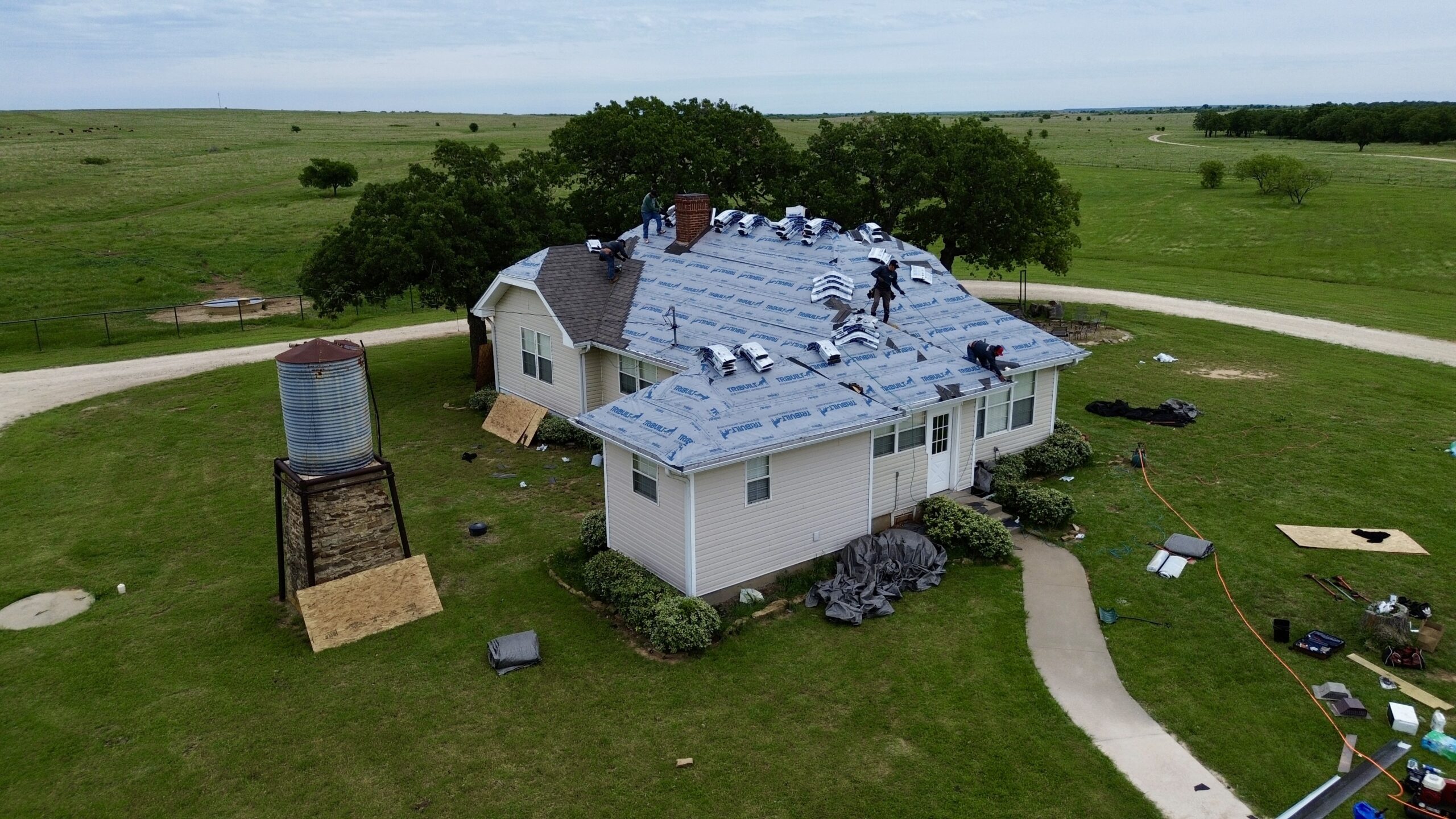
Repairing Slate Roofs on Historic Properties
Slate roofs are among the most durable roofing systems found on historic buildings. Many natural slate roofs have remained in service for well over one hundred years, but individual pieces can eventually crack, slip, or break because of weather, impact damage, or aging fasteners. Repairing slate requires precision because unnecessary replacement can reduce the roof’s historic authenticity.
Whenever possible, restoration specialists preserve existing slate rather than replacing it. Individual damaged slates are carefully removed without disturbing surrounding pieces. Matching replacement slate is then installed using techniques that closely replicate the original construction.
Finding matching slate can sometimes be challenging. The color, thickness, texture, and composition of natural slate vary depending on the quarry where it originated. Restoration projects often use reclaimed slate from salvage suppliers or specialty manufacturers that produce historically compatible materials.
Fasteners deserve careful attention during slate repairs. Older iron nails may corrode over time, causing otherwise undamaged slate pieces to slip from the roof. Replacing deteriorated fasteners with corrosion resistant alternatives helps secure the roofing system while maintaining its original appearance.
Flashing around chimneys, valleys, dormers, and roof penetrations is another common repair area. Even when slate remains in good condition, deteriorated flashing can allow water to enter the roof system. Replacing flashing with historically appropriate materials helps extend the life of the roof without altering its architectural character.
Contractors also inspect the roof decking beneath damaged slate. Water infiltration may weaken wooden decking over many years, making structural repairs necessary before new slate is installed. Addressing these hidden problems ensures the restored roof remains stable for decades to come.
Proper slate repair combines craftsmanship, careful material selection, and respect for the building’s history. When completed correctly, repairs often blend seamlessly with the surrounding roof while preserving its original beauty.
Repairing Clay Tile, Wood Shake, and Metal Historic Roofs
Historic roofs feature a variety of materials beyond slate, each requiring specialized repair techniques. Clay tile, wood shake, and metal roofing all respond differently to weather, aging, and structural movement, making material specific restoration methods essential.
Clay tile roofs are valued for their durability and distinctive appearance. Individual tiles may crack because of falling branches, hail, or accidental foot traffic, but widespread replacement is not always necessary. Restoration specialists carefully remove damaged tiles and replace them with matching pieces while preserving the surrounding roof.
The supporting structure beneath clay tiles also requires inspection. Because clay tiles are relatively heavy, aging roof framing must remain strong enough to support the roofing system safely. Repairs often include reinforcing weakened framing before damaged tiles are replaced.
Wood shake roofs require a different approach. Natural wood expands and contracts as moisture levels change, making proper ventilation and drainage important throughout the roof’s lifespan. Damaged shakes are replaced individually whenever possible, allowing the majority of the original roof to remain intact.
Historic wood roofs also require protection from moisture, insects, and fungal growth. Contractors inspect for decay beneath the visible roofing surface and repair damaged decking before installing replacement shakes that closely match the original size and appearance.
Metal roofs present another unique restoration challenge. Copper, galvanized steel, zinc, and other historic metals often develop protective surface patinas that contribute to both durability and appearance. Preserving these naturally aged finishes whenever possible helps maintain the building’s historic character.
Metal roof repairs may involve replacing damaged panels, resealing joints, repairing soldered seams, or installing new flashing around roof penetrations. Careful workmanship ensures repairs remain weather resistant while blending with the existing roofing system.
Each roofing material requires techniques that respect its original construction. Understanding these differences allows restoration specialists to preserve historic authenticity while improving long term performance.
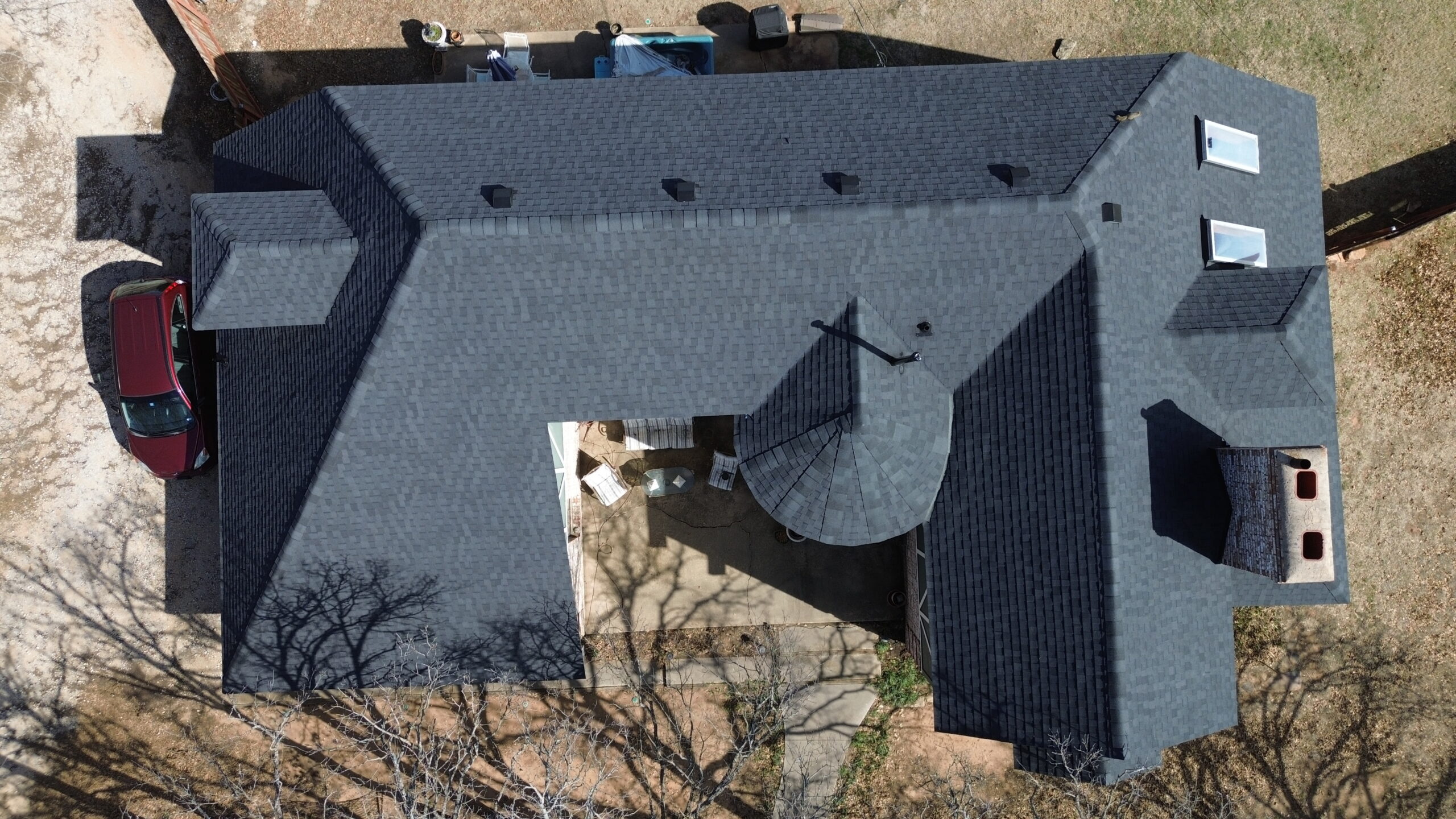
Choosing Materials That Match the Original Design
Material selection is one of the most important decisions during a historic roof restoration project. Choosing replacement materials that closely resemble the originals helps preserve the building’s architectural integrity while maintaining its historical significance.
Color is often the first consideration. Roofing materials naturally weather over time, developing unique shades that contribute to the building’s appearance. Replacement materials should complement these existing colors rather than creating noticeable contrasts.
Texture is equally important. Handcrafted slate, wood shakes, and clay tiles often display subtle variations that distinguish them from modern factory produced products. Matching these characteristics creates a more authentic finished appearance.
Material dimensions also influence the final result. Historic roofing products may differ slightly from modern standard sizes, making careful measurement essential before ordering replacement materials. Even small differences in width or thickness can become noticeable across a large roof surface.
Whenever practical, restoration specialists prioritize repairing original materials instead of replacing them. Preserving historic components maintains authenticity while reducing unnecessary waste. Replacement becomes the preferred option only when existing materials can no longer perform safely.
Some projects require custom fabricated materials because commercially available products do not match the original design. Although custom production may increase project costs, it often provides the best long term solution for architecturally significant buildings.
Property owners should also consider material compatibility. Combining modern roofing products with traditional construction methods can sometimes create moisture problems, uneven expansion, or accelerated deterioration. Selecting materials that perform well together protects both the roof and the underlying structure.
Thoughtful material selection ensures repairs remain visually consistent while supporting the long term preservation of the historic property.
Modern Repair Techniques That Preserve Historic Integrity
Historic roof restoration does not require rejecting modern technology. Many contemporary repair methods improve safety, durability, and efficiency while respecting the building’s original appearance. The goal is to strengthen the roof without altering its historical character.
Advanced moisture detection equipment allows contractors to locate hidden leaks without removing large sections of roofing. Identifying moisture beneath roofing materials helps target repairs more accurately while preserving original components whenever possible.
Digital documentation has also improved restoration planning. High resolution photography, drones, and three dimensional imaging help contractors evaluate difficult to access roof areas while minimizing unnecessary foot traffic on fragile materials.
Improved flashing materials provide another example of modern innovation supporting historic preservation. Carefully selected flashing products offer better corrosion resistance while maintaining an appearance consistent with traditional construction.
Modern fastening systems can also improve roof stability. Corrosion resistant fasteners reduce the likelihood of future failures while remaining largely invisible after installation. These improvements increase durability without changing the roof’s historic appearance.
Protective coatings designed specifically for historic materials may extend service life in certain situations. When selected carefully, these products help reduce weather related deterioration while preserving the natural appearance of slate, metal, or wood roofing.
Structural reinforcement techniques have also evolved significantly. Engineers can strengthen aging roof framing using carefully concealed methods that preserve original architectural details while improving overall safety.
The most successful restoration projects combine traditional craftsmanship with appropriate modern technology. This balanced approach allows historic roofs to meet today’s performance expectations without sacrificing the qualities that make them historically significant.
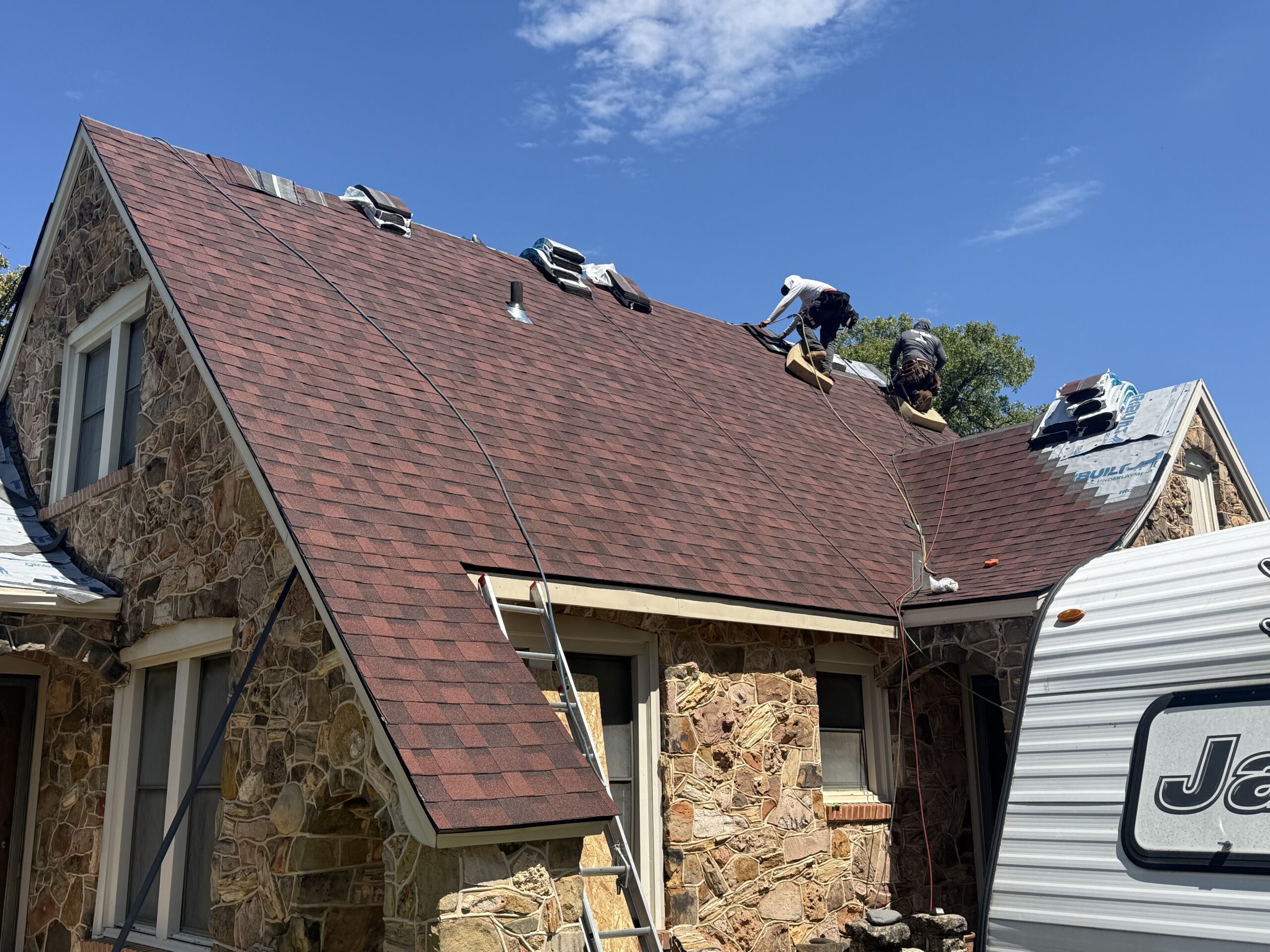
Comparing Historic Roofing Materials and Repair Considerations
Each historic roofing material offers unique advantages and restoration challenges. Understanding these differences helps property owners select repair methods that protect both the roof and the building’s architectural character.
| Historic Roofing Material | Typical Lifespan | Common Repair Needs | Restoration Considerations |
|---|---|---|---|
| Slate | 100 years or more | Broken or slipped slates, flashing repairs | Match original slate color, thickness, and texture |
| Clay Tile | 75 to 100 years | Cracked tiles, damaged underlayment | Preserve original tile layout and appearance |
| Wood Shake | 30 to 50 years with proper maintenance | Split shakes, decay, insect damage | Match wood species, size, and installation pattern |
| Copper or Historic Metal | 60 years or more | Seam repairs, flashing replacement, corrosion control | Preserve natural patina whenever possible |
| Decorative Metal Roofing | Varies by material | Panel repairs, fastening issues | Maintain original architectural detailing |
Although every historic building is unique, selecting repair techniques based on the roofing material helps preserve historical authenticity while extending the roof’s lifespan.
Common Mistakes to Avoid When Repairing Historic Roofs
Historic roof restoration requires careful planning, and certain mistakes can significantly reduce both the performance and historical value of the building. Avoiding these common errors helps ensure repairs remain effective for many years.
One frequent mistake is replacing more material than necessary. Historic preservation generally emphasizes repairing existing components whenever practical rather than removing large sections of original roofing. Preserving original materials maintains authenticity while reducing unnecessary costs.
Using incompatible replacement materials is another common problem. Modern roofing products may differ in weight, moisture behavior, or thermal expansion, creating long term performance issues when combined with traditional construction methods.
Ignoring hidden structural damage can also lead to future problems. Replacing roofing materials without repairing weakened decking or framing may temporarily improve appearance while allowing underlying deterioration to continue.
Poor flashing installation is another frequent cause of recurring leaks. Flashing protects vulnerable roof intersections, and incorrect installation often results in water intrusion even when the roofing material itself remains in excellent condition.
Attempting complex repairs without appropriate experience can also increase costs over time. Historic roofing systems require specialized knowledge, and mistakes made during restoration may be difficult or expensive to correct later.
Property owners should also avoid delaying necessary repairs. Small leaks, loose slate, cracked tiles, or damaged flashing often worsen gradually, leading to larger structural problems if left unaddressed. Addressing these issues early helps preserve original materials while reducing overall restoration costs.
By avoiding these common mistakes and using repair methods appropriate for historic construction, property owners can protect both the structural integrity and architectural significance of their buildings. The final stage of the restoration process focuses on maintaining these repaired roofs, working with preservation specialists, planning for the future, and ensuring that historic buildings continue serving future generations while retaining their unique character.
Balancing Historic Preservation with Modern Performance
One of the biggest challenges in historic roof restoration is finding the right balance between preserving the building’s original character and ensuring it performs reliably under modern conditions. Property owners want a roof that protects the structure from today’s weather while maintaining the architectural features that make the building historically significant.
Historic preservation does not mean freezing a building in time. Instead, it focuses on retaining important architectural elements while making thoughtful improvements that increase safety, durability, and longevity. The most successful restoration projects achieve both goals without compromising the building’s identity.
Modern building standards also influence repair decisions. Historic roofs may require structural reinforcement or updated flashing systems to meet current safety expectations. When these improvements are carefully integrated, they strengthen the roof without changing its visible appearance.
Energy efficiency is another consideration. Historic buildings often lose heat through aging roofing systems, but upgrades should be introduced carefully. Improving insulation, ventilation, or moisture control can enhance performance while leaving the building’s exterior appearance unchanged.
Ventilation deserves special attention because historic roofs were often designed differently from modern roofing systems. Proper airflow reduces moisture buildup, limits condensation, and extends the life of roofing materials. Restoration specialists design ventilation improvements that work with the building’s original construction rather than against it.
Every repair should support the long term health of the building. Preserving original craftsmanship while incorporating carefully selected modern improvements allows historic roofs to continue protecting valuable structures for decades to come.
Working with Preservation Specialists and Roofing Contractors
Choosing the right professionals is one of the most important decisions in any historic roof restoration project. Unlike standard roofing work, historic restoration requires knowledge of traditional materials, historical construction techniques, and preservation principles.
Experienced preservation specialists begin by understanding the building’s history. They study original roofing materials, architectural details, previous repairs, and structural changes before recommending restoration methods. This research helps ensure repairs remain historically appropriate.
Roofing contractors with restoration experience understand that every historic building is unique. They know how to repair delicate roofing materials, preserve decorative features, and work with aging structural components without causing unnecessary damage.
Good communication between property owners and contractors is equally important. Before work begins, both parties should discuss project goals, material choices, repair methods, expected timelines, and budget considerations. Clear expectations help reduce misunderstandings throughout the restoration process.
Documentation should continue during construction. Contractors often photograph each stage of the project, record repairs that were completed, and note any unexpected discoveries. These records become valuable references for future maintenance and additional restoration work.
Homeowners should also ask about warranties and long term maintenance recommendations after the repairs are complete. Understanding how to care for the restored roof helps protect the investment while extending the life of the completed work.
Working with experienced professionals gives property owners confidence that repairs will respect the building’s architectural heritage while meeting modern performance expectations.
Roof Maintenance Tips for Historic Homes and Buildings
Even the highest quality roof restoration requires ongoing maintenance. Regular inspections and preventive care help identify small issues before they develop into costly structural repairs. Historic roofs often last much longer when maintenance becomes part of the property’s routine care.
Seasonal inspections are highly recommended. Examining the roof after major storms and at least twice each year helps identify loose roofing materials, damaged flashing, blocked drainage systems, or early signs of moisture intrusion.
Keeping gutters and downspouts clean is another essential maintenance task. Leaves, branches, and debris can prevent proper drainage, allowing water to collect along roof edges. Standing water increases the risk of leaks and accelerates the deterioration of roofing materials.
Tree maintenance also plays an important role. Overhanging branches may scrape roofing materials during high winds or drop heavy limbs onto the roof during storms. Trimming trees reduces these risks while improving sunlight and airflow around the roofing system.
Property owners should also monitor interior spaces. New ceiling stains, damp attic insulation, musty odors, or peeling paint often indicate developing roof problems that require prompt attention. Addressing leaks early prevents more extensive structural damage.
Historic roofing materials should be cleaned carefully. Aggressive pressure washing or harsh chemical treatments may damage delicate surfaces, remove protective finishes, or weaken older materials. Cleaning methods should always match the roofing material being maintained.
The following maintenance practices help extend the life of historic roofs:
- Schedule professional roof inspections every year.
- Inspect the roof after severe storms.
- Clean gutters and drainage systems regularly.
- Remove moss and vegetation using appropriate methods.
- Repair minor damage before it spreads.
- Keep detailed records of all inspections and repairs.
Consistent maintenance reduces restoration costs over time while preserving more of the building’s original materials. Preventive care remains one of the most effective ways to protect historic properties for future generations.
Frequently Asked Questions About Historic Roof Repairs
Can a historic roof be repaired instead of completely replaced?
In many cases, yes. Preservation specialists usually recommend repairing original materials whenever they remain structurally sound. Replacing only damaged sections helps maintain the building’s historical authenticity while reducing unnecessary material removal.
Are original roofing materials always available?
Not always. Some historic materials are no longer manufactured, but reclaimed materials and specialty manufacturers often provide historically compatible replacements that closely match the originals.
Is repairing a historic roof more expensive than repairing a modern roof?
Historic roof restoration often costs more because it requires specialized craftsmanship, careful inspections, and materials that may be more difficult to obtain. However, quality restoration usually provides long term value by preserving the building’s architectural significance.
How often should a historic roof be inspected?
Most preservation professionals recommend a complete inspection at least once each year and after major storms. Regular inspections allow small problems to be corrected before they become major restoration projects.
Can modern materials be used during restoration?
Yes, when they are compatible with the original construction and do not alter the building’s historic appearance. Many modern products improve durability while remaining visually consistent with traditional roofing systems.
What is the biggest threat to historic roofs?
Water infiltration is one of the most serious threats. Even small leaks can gradually damage roof framing, decking, insulation, masonry, and decorative interior finishes if they are not repaired promptly.
Do historic roofs require special maintenance?
Yes. Historic roofing materials often need maintenance methods specifically suited to their age and construction. Using inappropriate cleaning techniques or repair materials can unintentionally damage the roof and reduce its historical value.
Future Trends in Historic Roof Restoration
Historic roof restoration continues to evolve as new technologies become available. These innovations help contractors preserve traditional craftsmanship while improving the efficiency and accuracy of restoration work.
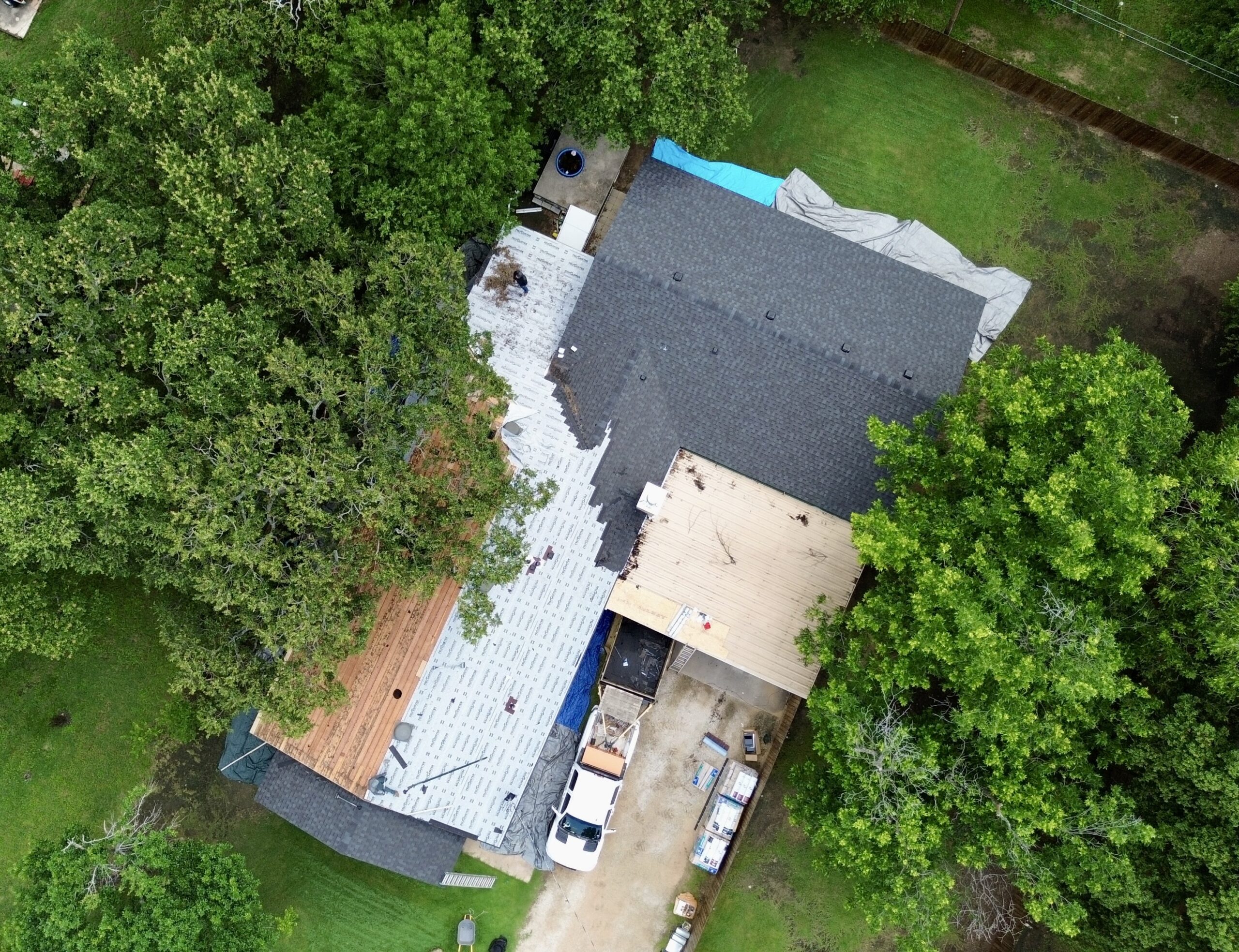
Drone technology has become increasingly useful for roof inspections. High resolution aerial photography allows contractors to evaluate difficult to reach roof areas while reducing foot traffic on fragile roofing materials. This approach improves safety and minimizes the risk of accidental damage during inspections.
Three dimensional digital modeling is also changing restoration planning. Detailed digital models help contractors analyze roof geometry, measure material requirements, and document existing conditions before repairs begin. These records support more accurate restoration plans and simplify future maintenance.
Material science continues to improve preservation options. Researchers are developing repair products that better match traditional materials while offering greater resistance to moisture, temperature changes, and environmental exposure. These advancements help extend roof life without changing historic appearance.
Sustainability has also become an important focus. Preservation professionals increasingly emphasize repairing original materials rather than replacing them whenever possible. This approach reduces construction waste while protecting the architectural heritage of historic buildings.
Digital record keeping is another growing trend. Property owners and contractors now maintain detailed electronic records of inspections, repairs, photographs, and maintenance activities. These archives simplify future restoration projects by providing accurate historical information about the roof.
Collaboration between architects, engineers, preservation specialists, and roofing contractors is expected to become even more common. Working together allows complex restoration projects to balance structural safety, historical authenticity, and long term durability more effectively.
These developments demonstrate that historic preservation continues to benefit from thoughtful innovation. Rather than replacing traditional craftsmanship, modern technology supports restoration efforts by providing better information, improved planning, and longer lasting repair solutions.
Conclusion
Historic homes and buildings represent an important connection to the past, and their roofs play a vital role in preserving that legacy. More than simply protecting a structure from the weather, a historic roof reflects the craftsmanship, architectural style, and construction methods of the period in which the building was created. Maintaining these roofing systems requires careful planning, specialized knowledge, and a deep respect for historical authenticity.
Successful roof repair begins with a thorough understanding of the building itself. Identifying the original roofing materials, evaluating structural conditions, and recognizing age related deterioration allow restoration specialists to develop repair strategies that preserve as much original material as possible. This careful approach protects both the roof’s performance and the building’s historical character.
Material selection is equally important throughout the restoration process. Matching original slate, clay tile, wood shake, or historic metal roofing helps maintain the visual integrity of the structure while ensuring compatibility with traditional construction methods. When original materials cannot be preserved, historically appropriate replacements provide the best balance between authenticity and durability.
Regular maintenance remains the foundation of long term preservation. Routine inspections, prompt repairs, proper drainage, and careful cleaning all reduce the likelihood of major structural damage while extending the service life of historic roofing materials. Preventive care often costs far less than large scale restoration and helps preserve valuable original craftsmanship.
Modern technology continues to improve historic roof restoration without replacing traditional methods. Advanced inspection tools, moisture detection equipment, digital documentation, and improved repair materials allow specialists to make better informed decisions while respecting the building’s original design. When used thoughtfully, these innovations strengthen historic roofs without compromising their architectural significance.
Ultimately, preserving a historic roof is an investment in both the building and the community it serves. Careful restoration protects irreplaceable architectural features, supports property value, and ensures that future generations can continue to appreciate these remarkable structures. By combining skilled craftsmanship, ongoing maintenance, historically appropriate materials, and modern preservation techniques, property owners can safeguard their historic homes and buildings while honoring the legacy they represent.