
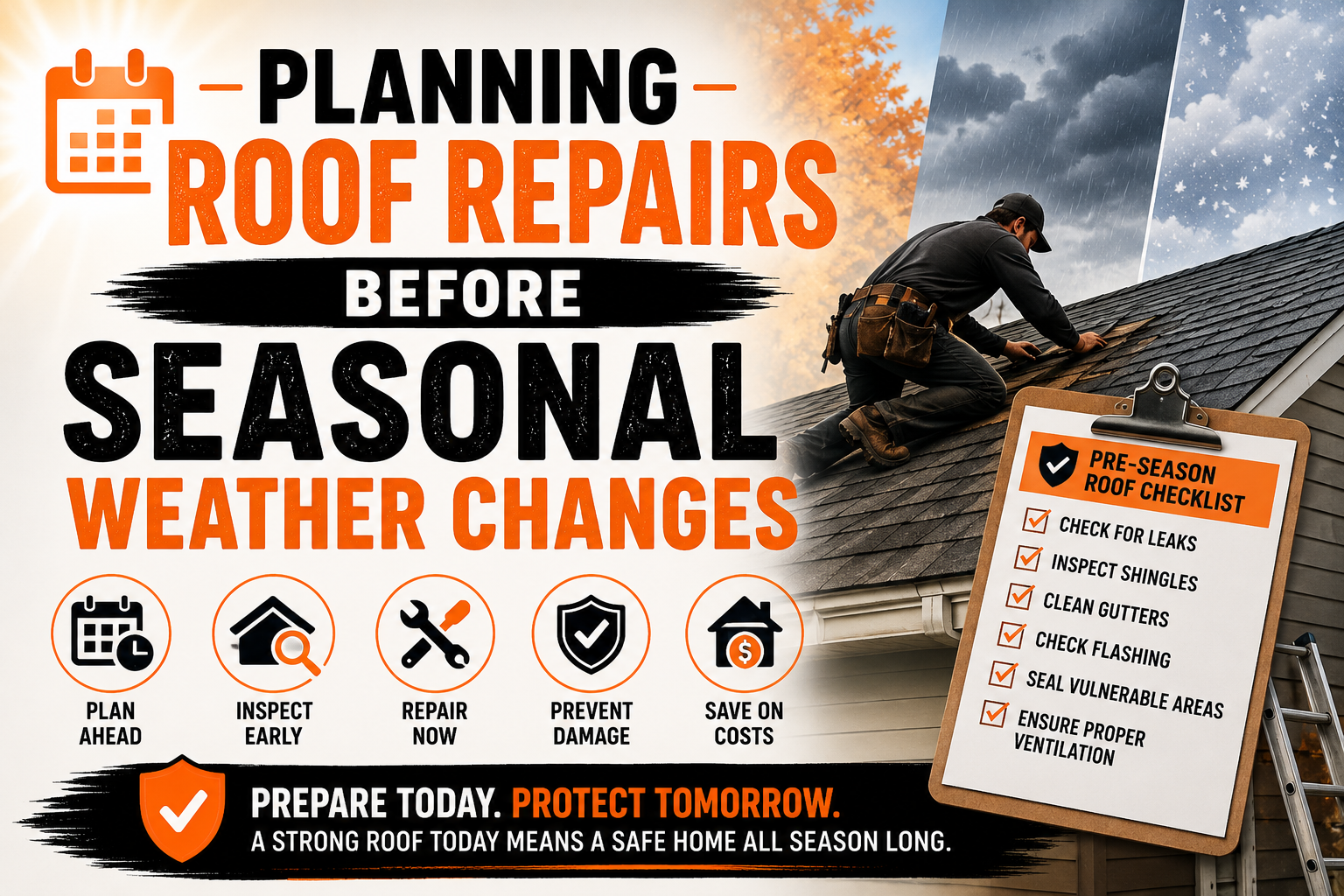
Planning Roof Repairs Before Seasonal Weather Changes
Introduction
A roof is exposed to changing weather conditions throughout the year, making seasonal maintenance one of the most important aspects of protecting a home. Every season presents different challenges that gradually affect roofing materials, flashing, drainage systems, and structural components. Planning roof repairs before these seasonal weather changes occur helps homeowners prevent unnecessary damage, reduce repair costs, and extend the lifespan of the roofing system.
Many homeowners wait until they notice an active leak or visible roof damage before arranging repairs. Unfortunately, by the time problems become obvious, weather may have already caused hidden deterioration beneath the roofing materials. Moisture can spread through insulation, roof decking, and structural framing long before interior water stains appear. Scheduling repairs before seasonal weather arrives allows contractors to address developing issues while they are still relatively minor and affordable.
Each season places different demands on a roof. Spring often brings heavy rain and strong winds that expose weaknesses created during winter. Summer subjects roofing materials to intense heat and prolonged ultraviolet radiation. Autumn introduces falling leaves that can block drainage systems, while winter presents freezing temperatures, snow accumulation, and repeated freeze-thaw cycles that place additional stress on roofing components.
Planning repairs in advance also provides greater flexibility when selecting contractors. Roofing companies frequently experience increased demand immediately after severe weather events, making scheduling more difficult during emergency situations. Homeowners who arrange inspections and repairs before peak weather seasons often have more time to compare estimates, evaluate repair options, and schedule work at convenient times.
Seasonal planning also improves financial preparation. Rather than facing unexpected emergency expenses after storms or harsh weather, homeowners can budget for preventive maintenance and necessary repairs throughout the year. This proactive approach reduces long-term ownership costs while helping preserve property value.
This guide explores how seasonal weather influences roofing systems, why timing matters when planning repairs, and the steps homeowners can take to prepare their roofs before changing weather conditions create more expensive maintenance problems.
Why Seasonal Planning Is Essential for Roof Repairs
Roof repairs are most effective when completed before severe weather places additional stress on the roofing system. Seasonal planning allows homeowners to identify and correct developing problems while they remain relatively small, reducing the likelihood of costly emergency repairs during periods of extreme weather.
Every season introduces different environmental conditions that affect roofing materials in unique ways. Heavy rainfall tests waterproof barriers, strong winds challenge fastening systems, prolonged sunlight accelerates material aging, and freezing temperatures place repeated stress on roofing components. A roof already weakened by minor damage becomes far more vulnerable when exposed to these changing conditions.
Planning repairs before seasonal weather also helps preserve the structural integrity of the home. A damaged roof allows moisture to penetrate beneath roofing materials where it may affect insulation, decking, framing, ceilings, and walls. Completing repairs before periods of heavy rainfall or snowfall significantly reduces the risk of widespread water damage.
Scheduling repairs in advance provides additional practical advantages. Roofing contractors often experience increased workloads following storms or other severe weather events. Homeowners who arrange maintenance before these busy periods generally benefit from greater scheduling flexibility and more opportunities to compare qualified contractors.
Material availability may also improve with advance planning. Emergency repair situations occasionally coincide with increased demand for roofing materials, extending project timelines or affecting replacement options. Planning ahead helps ensure that suitable materials remain available before shortages develop.
Another important benefit involves budgeting. Predictable maintenance expenses are generally easier to manage than sudden emergency repairs requiring immediate financial decisions. Seasonal planning allows homeowners to spread maintenance costs throughout the year while reducing financial pressure during unexpected weather events.
Viewing roof repairs as part of a regular seasonal maintenance routine rather than simply responding to emergencies creates a more reliable and cost-effective approach to long-term roof care.
How Different Seasons Affect Roof Condition
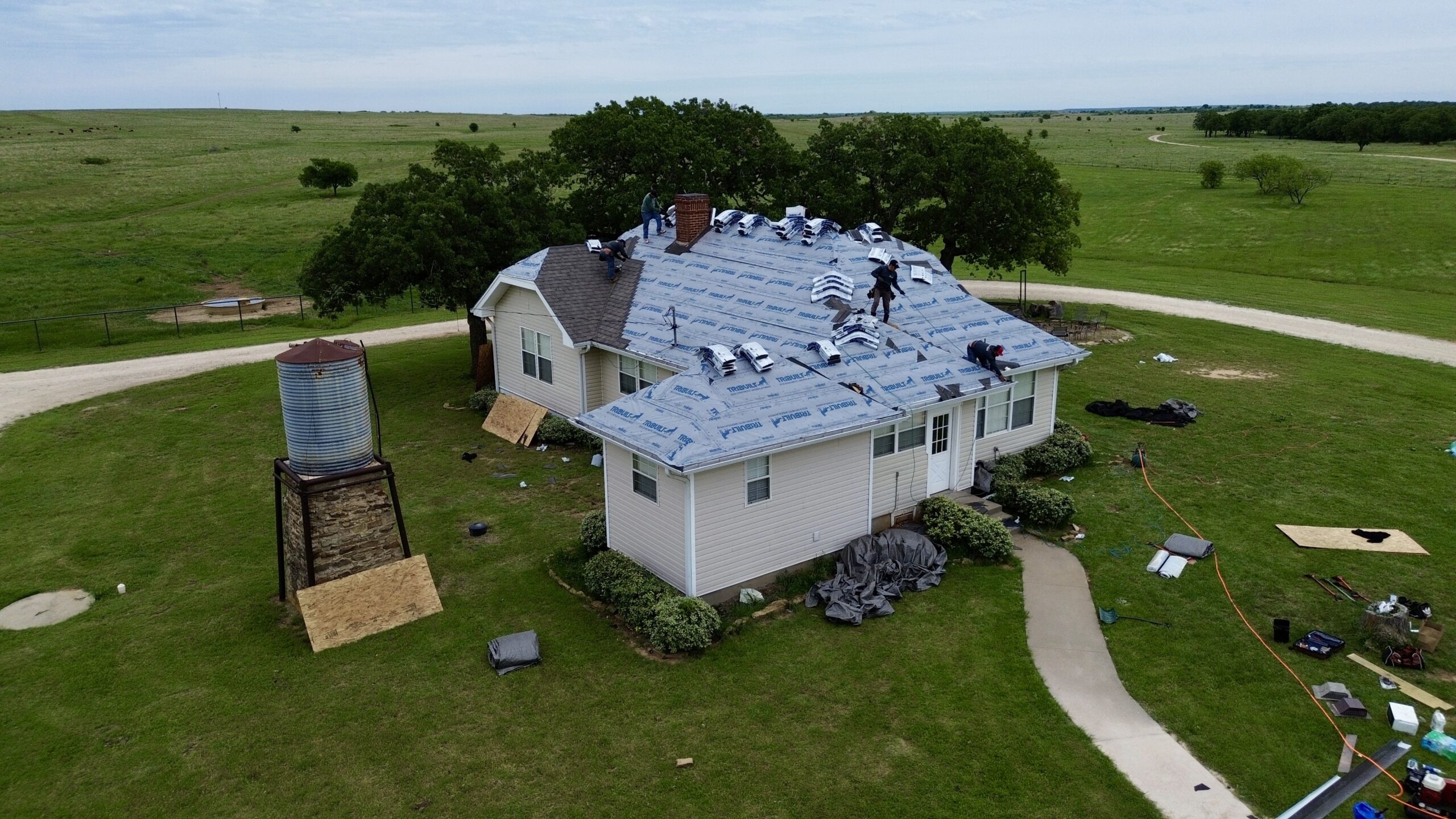
Changing weather conditions influence roofing materials throughout the year, gradually affecting their durability, appearance, and ability to protect the home. Understanding these seasonal effects helps homeowners determine when inspections and repairs should be scheduled.
Spring often reveals damage that developed during winter. Heavy rainfall, strong winds, and fluctuating temperatures expose loose shingles, deteriorated flashing, blocked gutters, and weakened waterproof barriers. Spring inspections provide an opportunity to identify these issues before they worsen during later seasons.
Summer introduces prolonged heat and intense ultraviolet radiation. Roofing materials expand as temperatures rise and contract again during cooler evenings. Repeated expansion and contraction gradually stress shingles, sealants, flashing, and fasteners. Continuous sunlight also accelerates the aging of many roofing products, reducing flexibility and weather resistance over time.
Autumn creates different maintenance challenges. Falling leaves, pine needles, and other debris accumulate in gutters and roof valleys, restricting water flow and increasing the likelihood of moisture retention. Tree branches may also become more vulnerable to storm damage during periods of changing weather.
Winter places some of the greatest physical demands on roofing systems. Snow accumulation increases roof loading, while repeated freezing and thawing cause roofing materials to expand and contract. Ice formation near roof edges and blocked drainage systems may further increase the likelihood of water infiltration.
Seasonal weather patterns vary according to geographic location, but every climate presents conditions that gradually influence roof performance. Regular inspections before each major seasonal transition allow homeowners to prepare for changing weather while reducing long-term maintenance costs.
Understanding how seasonal conditions affect roofing materials supports better planning and helps homeowners schedule repairs before environmental stress causes additional deterioration.
Understanding the Risks of Delaying Repairs Until Extreme Weather
Waiting until severe weather arrives before repairing the roof often results in significantly higher repair costs and greater structural damage. Small roofing defects that appear manageable during mild weather frequently become major problems once heavy rain, strong winds, snow, or intense heat place additional pressure on the roofing system.
Water intrusion is one of the greatest risks associated with delayed repairs. Damaged shingles, cracked flashing, deteriorated sealants, or blocked drainage systems allow moisture to enter beneath the roof during heavy rainfall. Once inside, water spreads through insulation, roof decking, structural framing, ceilings, and interior walls, creating restoration costs far beyond the original roof repair.
Wind damage also becomes more severe when repairs are postponed. Loose shingles or weakened flashing may survive mild weather but become detached during strong storms, exposing larger sections of the roof to rain and debris. The damaged area often expands rapidly, increasing both labor and material requirements.
Extreme temperatures further accelerate roofing deterioration. During summer, prolonged heat weakens aging materials while repeated thermal expansion stresses joints and fasteners. Winter freeze-thaw cycles enlarge existing cracks and openings, allowing moisture to penetrate deeper into the roofing system.
Emergency repairs performed during severe weather also present practical challenges. Contractors may have limited availability following widespread storms, and weather conditions can delay repair work until safe working conditions return. Homeowners may therefore experience prolonged exposure to leaks while awaiting repairs.
Insurance claims can become more complicated as well if additional damage develops because known roofing issues were not addressed promptly. Maintaining the roof before severe weather demonstrates responsible property care while helping limit preventable structural deterioration.
Repairing the roof before seasonal weather changes occur therefore remains one of the most effective ways to reduce financial risk while protecting the entire home.
Common Roof Problems That Develop Before Seasonal Changes
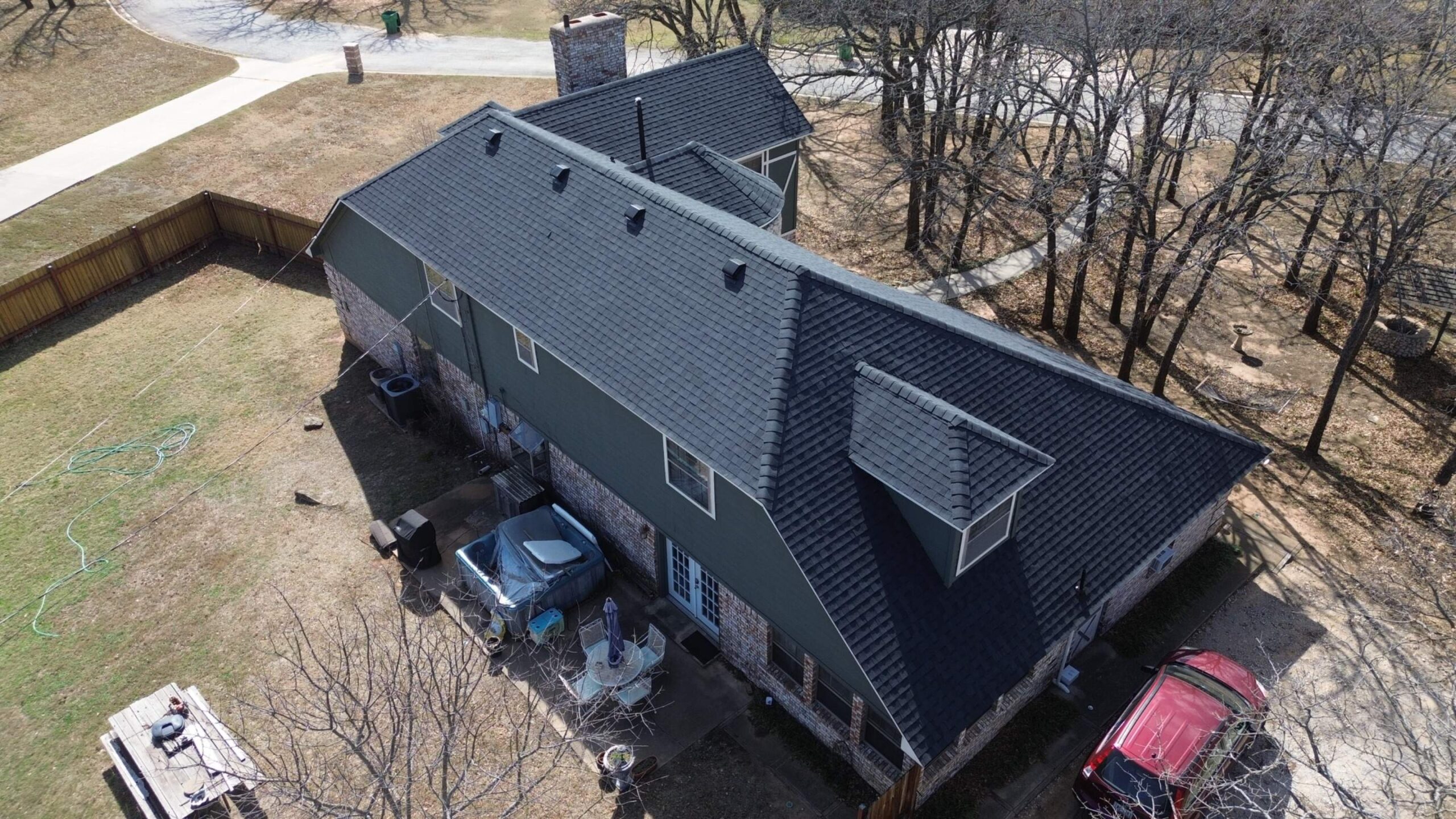
Many roofing problems begin gradually and become increasingly noticeable as seasonal weather approaches. Recognizing these common issues allows homeowners to schedule repairs before changing environmental conditions increase their severity.
Loose or missing shingles are among the most common concerns. Wind, aging, and repeated temperature changes gradually weaken fasteners and adhesives, allowing shingles to shift or detach. Replacing damaged shingles before heavy rainfall or storms helps preserve waterproof protection.
Flashing deterioration also deserves careful attention. Flashing installed around chimneys, skylights, vents, and roof valleys directs water away from vulnerable roof intersections. Cracked sealants, loose flashing, or corrosion may create leak pathways that become especially problematic during rainy seasons.
Blocked gutters and downspouts frequently develop before autumn and winter as leaves, twigs, and other debris accumulate. Restricted drainage prevents water from flowing away efficiently, increasing the likelihood of moisture infiltration near roof edges and beneath shingles.
Damaged sealants often appear around roof penetrations after prolonged exposure to sunlight and changing temperatures. Small gaps may seem harmless initially but expand as weather conditions change, eventually allowing moisture to enter the roofing system.
Roof valleys also require regular inspection because they collect large volumes of rainwater during storms. Debris accumulation or damaged roofing materials within these areas increases the risk of leaks during periods of heavy precipitation.
Attic moisture provides another important warning sign. Damp insulation, condensation, musty odors, or water stains often indicate developing roofing issues that should be investigated before seasonal weather places additional stress on the roof.
Identifying these common problems early helps homeowners complete affordable repairs before changing weather conditions transform them into more extensive structural concerns.
Factors That Influence the Best Time for Roof Repairs
Determining the ideal time for roof repairs involves considering several important factors beyond the visible condition of the roof. Weather patterns, roofing materials, contractor availability, and project complexity all influence when repairs should be scheduled for the best results.
Climate is one of the most significant considerations. Regions experiencing predictable rainy seasons, heavy snowfall, hurricanes, or prolonged summer heat benefit from inspections and repairs completed before these challenging weather conditions begin. Preparing early reduces the likelihood of emergency repairs during peak weather events.
Roofing material also affects scheduling decisions. Asphalt shingles, metal roofing, clay tiles, slate, and wood shakes each respond differently to temperature changes and moisture. Contractors often recommend completing repairs during moderate weather when installation conditions support optimal material performance.
The severity of existing damage naturally influences repair timing as well. Active leaks, missing roofing materials, or structural concerns require immediate attention regardless of season. Minor maintenance, however, may be scheduled strategically before weather conditions become more demanding.
Contractor availability represents another practical factor. Roofing companies often experience increased demand after storms or during popular renovation periods. Scheduling inspections and repairs in advance provides homeowners with greater flexibility while reducing waiting times.
Budget planning also influences repair timing. Homeowners who allocate maintenance funds throughout the year are generally better prepared to complete repairs proactively rather than postponing work because of unexpected financial pressure.
Considering these factors together allows homeowners to develop repair schedules that balance weather conditions, financial planning, and long-term roof performance.
Inspecting Your Roof Before Weather Conditions Change
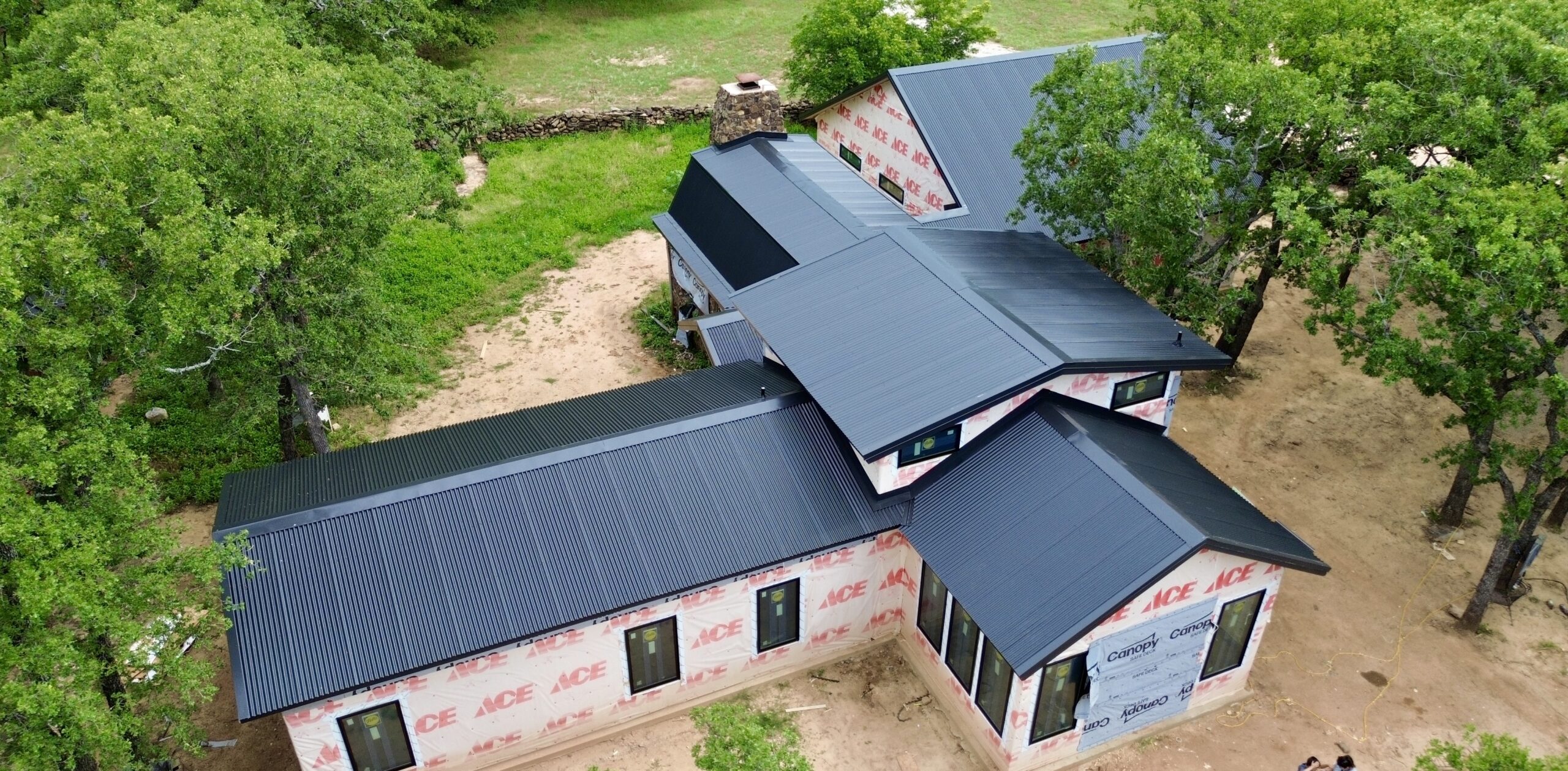
Seasonal roof inspections provide valuable opportunities to identify developing problems before severe weather causes additional damage. Conducting inspections before major seasonal transitions helps homeowners address maintenance needs while repairs remain relatively simple and affordable.
Exterior inspections begin with visual observations from the ground whenever possible. Homeowners should look for missing shingles, damaged flashing, sagging roof sections, blocked gutters, debris accumulation, and signs of storm damage. Any visible concerns should be evaluated further by qualified roofing professionals.
Attic inspections are equally important because they often reveal hidden moisture problems before leaks become visible inside the home. Water stains, damp insulation, mold growth, daylight entering through the roof, or musty odors indicate roofing issues requiring prompt attention.
Gutters and downspouts should also be inspected carefully. Proper drainage protects the roof by directing water safely away from vulnerable areas. Cleaning debris before rainy or snowy seasons helps prevent water accumulation that may damage roofing materials.
Tree branches extending over the roof deserve attention as well. Trimming overhanging limbs reduces the likelihood of storm damage while limiting debris accumulation during autumn and winter.
Professional roof inspections provide the most comprehensive evaluation because experienced contractors identify issues that may not be obvious during routine homeowner observations. Detailed inspections also establish maintenance priorities before seasonal weather increases repair urgency.
Regular inspections therefore serve as the foundation of effective seasonal roof maintenance while supporting better financial planning and long-term property protection.
Creating a Seasonal Roof Maintenance Plan
A structured seasonal maintenance plan helps homeowners manage roof care consistently throughout the year rather than responding only after damage becomes severe. Regular planning reduces emergency repairs while extending the overall lifespan of the roofing system.
The maintenance plan should begin with scheduled professional inspections. Annual inspections combined with additional evaluations before major seasonal weather changes provide valuable information about roof condition, maintenance priorities, and future repair needs.
Routine homeowner observations should complement professional inspections. Checking gutters, monitoring attic conditions, observing roof appearance after storms, and watching for interior ceiling stains allow developing problems to be identified between scheduled maintenance visits.
Seasonal cleaning also plays an important role. Removing debris, maintaining drainage systems, trimming nearby trees, and inspecting flashing before each major weather transition help preserve roof performance while reducing moisture-related damage.
Financial planning should be incorporated into the maintenance strategy as well. Setting aside dedicated savings for inspections, preventive maintenance, and future repairs allows homeowners to address issues promptly without relying entirely on emergency funding.
Maintaining organized records strengthens long-term planning. Inspection reports, repair invoices, warranties, contractor recommendations, and photographs create a valuable maintenance history that supports future repairs, insurance claims, and property value.
A well-developed seasonal maintenance plan transforms roof care into an ongoing preventive strategy rather than a series of emergency responses. This proactive approach provides better protection, lower lifetime maintenance costs, and greater confidence that the roof will perform reliably throughout every season.
Preparing Your Roof for Spring Weather
Spring is one of the most important seasons for roof inspections because it often reveals damage that developed during winter. Snow, freezing temperatures, strong winds, and repeated freeze-thaw cycles place considerable stress on roofing materials. By the time warmer weather arrives, homeowners have an ideal opportunity to identify and repair any problems before heavy spring rainfall creates additional damage.
A thorough inspection should begin with the roof’s exterior. Missing shingles, cracked flashing, damaged ridge caps, and loose sealants are common issues that become visible after winter weather. Addressing these defects promptly restores the roof’s waterproof barrier and reduces the likelihood of leaks during seasonal storms.
Gutters and downspouts also require careful attention. Leaves, twigs, ice remnants, and other debris accumulated during winter often restrict water flow. Cleaning the drainage system before spring rains helps prevent water from backing up beneath roofing materials or overflowing near the home’s foundation.
Attic inspections provide another valuable opportunity to identify hidden moisture damage. Damp insulation, water stains, mold growth, or musty odors may indicate roof leaks that developed during winter but remained unnoticed. Repairing these issues early prevents moisture from causing more extensive structural deterioration.
Spring also offers favorable weather conditions for many repair projects. Moderate temperatures allow roofing materials to perform well during installation while giving contractors greater flexibility in scheduling repairs. Homeowners who complete maintenance during spring often reduce the need for emergency repairs later in the year.
Preparing the roof before spring weather becomes more intense protects both the roofing system and the home while helping maintain lower long-term maintenance costs.
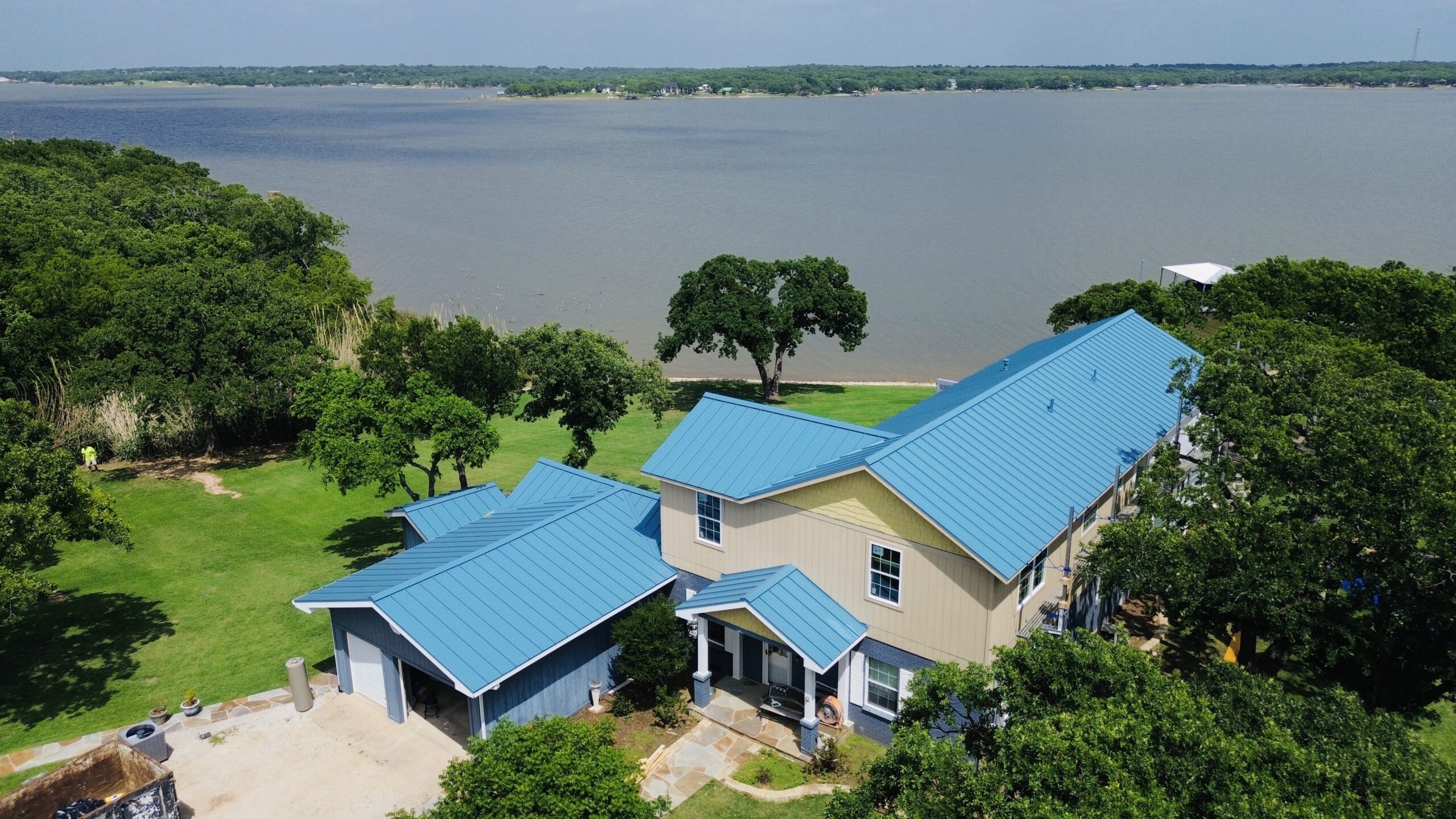
Planning Roof Repairs Before Summer Heat
Summer brings extended periods of intense sunlight, high temperatures, and strong ultraviolet exposure that gradually affect roofing materials. Planning repairs before the hottest part of the season helps preserve roof performance while reducing the likelihood of heat-related deterioration.
High temperatures cause roofing materials to expand during the day and contract as temperatures cool overnight. These repeated expansion and contraction cycles gradually stress shingles, flashing, sealants, and fasteners. Existing weaknesses become more noticeable during prolonged heat, making early repairs particularly valuable.
Asphalt shingles deserve special attention before summer arrives. Aging shingles may become brittle after years of ultraviolet exposure, reducing their ability to withstand temperature fluctuations. Replacing damaged shingles before extreme heat develops helps preserve the surrounding roofing system.
Sealants around chimneys, vents, skylights, and roof penetrations should also be inspected carefully. Continuous exposure to sunlight gradually dries and cracks many sealing materials. Replacing deteriorated sealants before summer temperatures peak helps maintain waterproof protection throughout the season.
Attic ventilation becomes especially important during warmer months. Proper airflow allows excessive heat to escape rather than accumulating beneath the roof. Improved ventilation reduces thermal stress on roofing materials while helping lower household cooling costs by maintaining more stable indoor temperatures.
Summer storms in some regions also bring heavy rainfall, hail, and strong winds. Completing repairs before these seasonal weather events occur reduces the risk of additional storm damage while improving the roof’s overall resistance to severe weather.
Preparing the roof before prolonged summer heat therefore contributes to improved durability, greater energy efficiency, and reduced maintenance expenses throughout the remainder of the year.
Getting Your Roof Ready for Autumn and Falling Debris
Autumn introduces unique maintenance challenges as trees begin shedding leaves, branches, seeds, and other debris. Although cooler temperatures often create favorable conditions for roofing work, neglected maintenance during this season can create drainage problems that become much more serious during winter.
Cleaning gutters and downspouts is one of the most important autumn maintenance tasks. Leaves and debris accumulate quickly, restricting water flow and increasing the likelihood of moisture backing up beneath roofing materials. Efficient drainage helps protect roof edges while reducing the risk of leaks and ice formation later in the year.
Roof valleys also require careful inspection because they naturally collect large amounts of debris. Blocked valleys prevent rainwater from flowing away properly, increasing moisture retention and accelerating deterioration of roofing materials. Clearing these areas before winter helps maintain proper drainage throughout the colder months.
Tree maintenance provides another valuable opportunity to reduce seasonal risks. Trimming branches that extend over the roof minimizes the chance of falling limbs during autumn storms while reducing debris accumulation. Healthy tree maintenance also limits abrasion caused by branches rubbing against roofing materials during windy conditions.
Autumn is also an excellent time to inspect flashing around chimneys, skylights, vents, and roof penetrations. Small defects repaired before winter prevent moisture intrusion during periods of freezing temperatures and snow accumulation.
Because roofing contractors often experience steady demand during autumn, homeowners benefit from scheduling inspections and repairs early in the season rather than waiting until winter weather approaches.
Preparing the roof thoroughly during autumn helps ensure it enters winter in the strongest possible condition while reducing the likelihood of emergency repairs during colder months.
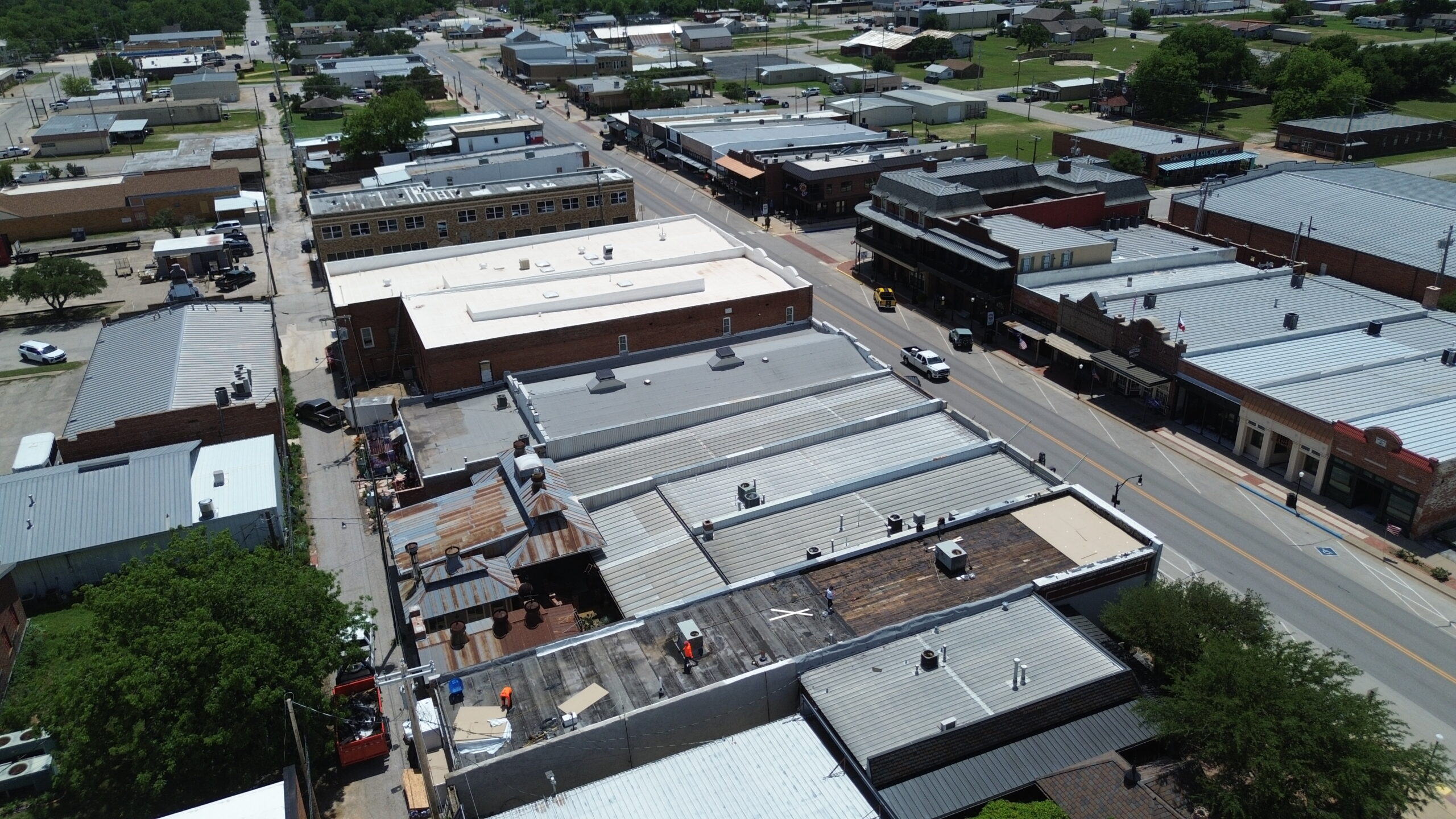
Table: Seasonal Roof Challenges and Recommended Repair Priorities
Each season creates different roofing challenges that require specific maintenance priorities. Understanding these seasonal patterns helps homeowners schedule repairs more effectively.
| Season | Common Roofing Challenges | Recommended Repair Priorities |
|---|---|---|
| Spring | Winter damage, heavy rain, wind exposure | Replace damaged shingles, repair flashing, inspect for leaks, clean gutters |
| Summer | Extreme heat, ultraviolet exposure, thermal expansion | Repair cracked sealants, improve attic ventilation, replace weathered materials |
| Autumn | Falling leaves, blocked drainage, seasonal storms | Clean gutters and roof valleys, trim trees, inspect flashing and roof penetrations |
| Winter | Snow accumulation, ice formation, freeze-thaw cycles | Complete repairs before snowfall, improve drainage, verify waterproof protection |
Following seasonal maintenance priorities helps homeowners reduce repair frequency while protecting the roof from predictable weather-related damage.
Why Winter Preparation Reduces Emergency Repair Costs
Winter places some of the greatest physical demands on residential roofing systems. Freezing temperatures, snow accumulation, ice formation, and repeated freeze-thaw cycles all increase the likelihood of roofing problems becoming more severe. Preparing the roof before winter arrives significantly reduces emergency repair costs while improving overall structural protection.
One of the greatest winter concerns is moisture infiltration. Small openings that appear harmless during dry weather allow melting snow and ice to penetrate beneath roofing materials. Water entering these openings often freezes overnight, expanding existing cracks and creating larger pathways for additional moisture.
Roof drainage systems should therefore be functioning properly before winter begins. Clean gutters and downspouts allow melting snow to flow away efficiently, reducing the risk of water backing up beneath shingles or accumulating along roof edges.
Flashing inspections are equally important before freezing temperatures arrive. Flashing protects vulnerable roof intersections where leaks frequently develop. Repairing loose or deteriorated flashing before winter helps prevent moisture intrusion during periods of snow and ice accumulation.
Roof inspections should also identify any damaged shingles or exposed roofing materials. Replacing compromised sections before snowfall improves the roof’s ability to withstand winter weather while reducing the likelihood of emergency leaks.
Winter repairs are often more challenging than repairs completed during milder seasons. Snow, ice, freezing temperatures, and hazardous working conditions may delay contractor availability while increasing project complexity. Completing repairs before winter therefore provides both financial and practical advantages.
Preparing early allows homeowners to avoid many emergency situations while ensuring the roofing system remains ready for the most demanding weather conditions of the year.
Choosing the Right Repair Schedule Based on Local Climate
Although seasonal maintenance principles remain similar across many regions, the ideal repair schedule depends heavily on local climate conditions. Weather patterns determine when roofing systems experience the greatest stress and therefore influence the most effective timing for inspections and repairs.
Regions with heavy rainfall benefit from inspections before the rainy season begins. Repairing damaged shingles, flashing, and drainage systems before prolonged wet weather reduces the likelihood of moisture intrusion and structural damage.
Areas experiencing intense summer heat should prioritize repairs during cooler months whenever possible. Moderate temperatures provide favorable installation conditions while reducing thermal stress on newly repaired roofing materials.
Homes located in snowy climates benefit from completing repairs before winter snowfall. Addressing leaks, flashing problems, and drainage concerns early reduces the risk of ice-related damage and emergency repairs during freezing weather.
Coastal regions present additional considerations because high humidity, salt exposure, and frequent storms accelerate roofing material deterioration. More frequent inspections may be appropriate to identify corrosion, moisture intrusion, or wind-related damage before problems become widespread.
Locations prone to hurricanes, severe thunderstorms, or high winds should emphasize preventive maintenance before storm seasons begin. Reinforcing vulnerable roofing components improves weather resistance while reducing the likelihood of extensive storm damage.
Homeowners should therefore adapt maintenance schedules to local environmental conditions rather than relying solely on calendar seasons. Working with experienced local roofing professionals provides valuable insight into regional weather patterns and appropriate maintenance timing.
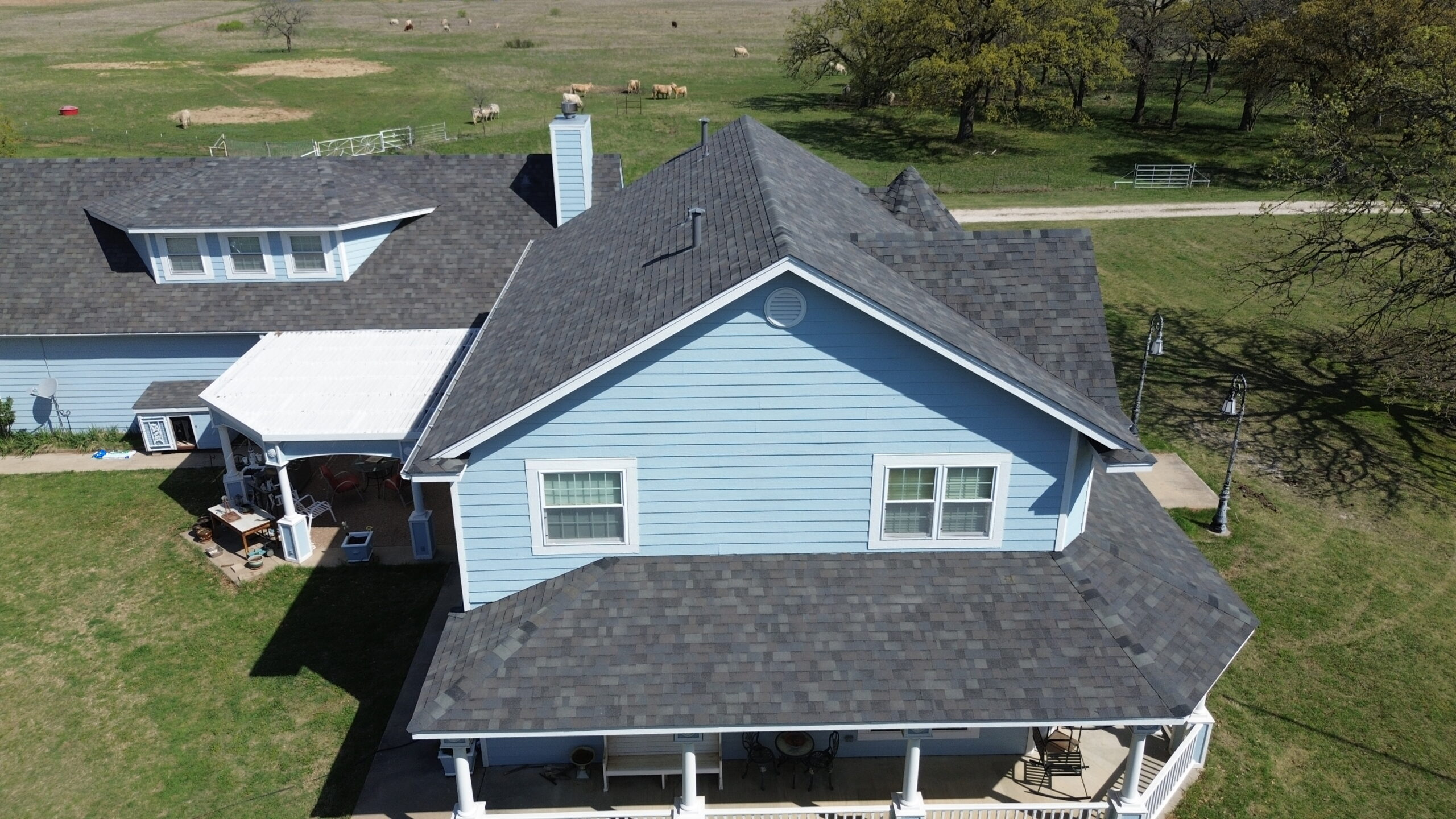
Working With Roofing Contractors During Peak Seasons
Choosing the right time to schedule roofing work also involves understanding how contractor availability changes throughout the year. Roofing companies often experience periods of extremely high demand following major storms or during favorable construction seasons, making advance planning especially valuable.
Scheduling inspections before peak repair seasons allows homeowners greater flexibility when selecting contractors. Instead of accepting the first available appointment during an emergency, homeowners have time to compare estimates, review qualifications, and discuss repair options carefully.
Early scheduling also improves project planning. Contractors can order materials in advance, coordinate work efficiently, and allocate sufficient time for comprehensive repairs rather than performing rushed emergency fixes. Better planning often results in higher-quality workmanship and more predictable project timelines.
Material availability may also improve outside emergency periods. Following widespread storms, replacement roofing materials occasionally become more difficult to obtain because of increased regional demand. Planning repairs before these situations arise helps avoid delays caused by supply shortages.
Communication with contractors becomes more productive when repairs are not being scheduled during active emergencies. Homeowners have greater opportunity to ask questions, review inspection findings, understand repair recommendations, and consider long-term maintenance strategies.
Establishing an ongoing relationship with a trusted roofing contractor also benefits future maintenance planning. Contractors familiar with the home’s roofing system can monitor previous repairs, recommend preventive maintenance, and identify developing issues before seasonal weather creates additional damage.
Planning roof repairs before peak seasons therefore benefits both homeowners and contractors by improving scheduling flexibility, reducing emergency pressure, and supporting higher-quality long-term roof maintenance.
Budgeting for Seasonal Roof Repairs
Planning roof repairs before seasonal weather changes is not only a maintenance strategy but also an effective financial practice. Homeowners who prepare for seasonal maintenance are generally able to spread repair costs throughout the year instead of facing large emergency expenses after severe weather causes significant damage. Budgeting in advance creates greater financial stability while ensuring repairs are completed when they are most beneficial.
A practical budget should include both routine maintenance and unexpected repairs. Annual roof inspections, gutter cleaning, minor flashing repairs, and replacing small areas of damaged roofing materials are predictable expenses that can be planned ahead. Setting aside funds for these activities helps prevent small problems from developing into larger structural issues.
Emergency repair funds are equally important because severe weather can occur unexpectedly despite careful maintenance. High winds, hail, falling branches, or unusually heavy rainfall may create damage that requires immediate attention. Maintaining a separate reserve for emergency repairs reduces financial stress and allows homeowners to act quickly when necessary.
The age of the roof should also influence budgeting decisions. Older roofing systems naturally require more frequent inspections and occasional repairs than newer installations. Increasing maintenance savings as the roof ages helps ensure adequate resources remain available when repairs become necessary.
Professional inspections contribute to more accurate budgeting by identifying developing problems before they require emergency restoration. Contractors can estimate upcoming maintenance needs, allowing homeowners to prepare financially rather than reacting unexpectedly after seasonal weather has already caused additional damage.
By incorporating seasonal roof maintenance into the household budget, homeowners gain greater control over repair costs while preserving both the condition and value of their property.
Insurance Considerations Before Seasonal Storms
Insurance plays an important role in protecting homeowners from unexpected roof damage, but preparing before seasonal storms greatly improves the overall claims process and helps reduce financial risk. A well-maintained roof supported by proper documentation demonstrates responsible ownership while simplifying future insurance claims if covered damage occurs.
Before storm seasons begin, homeowners should review their insurance policy to understand what types of roof damage are covered. Wind, hail, falling trees, and other weather-related events are commonly included under many homeowners insurance policies, while damage caused by gradual neglect or lack of maintenance is generally not covered. Understanding these distinctions allows homeowners to make informed maintenance decisions.
Professional roof inspections provide valuable documentation before severe weather arrives. Inspection reports, photographs, and repair records establish the roof’s condition before storms occur. If damage later develops, these records help insurance adjusters distinguish between new storm damage and pre-existing maintenance issues.
Homeowners should also retain copies of previous repair invoices and warranty documents. Organized records provide a complete maintenance history that supports insurance claims while demonstrating that routine maintenance has been performed consistently over time.
Prompt inspections after major storms are equally important. Even if obvious damage is not immediately visible, professional evaluations may identify loose shingles, flashing damage, hail impacts, or moisture intrusion before these issues become more serious. Early documentation supports both timely repairs and accurate insurance reporting.
Combining preventive maintenance with appropriate insurance coverage creates a stronger financial strategy than relying on insurance alone after seasonal weather has already affected the roof.

Common Seasonal Roof Maintenance Mistakes
Many costly roof repairs result not from unusually severe weather but from avoidable maintenance mistakes made before seasonal conditions change. Recognizing these common errors helps homeowners reduce long-term expenses while improving the overall performance of the roofing system.
One of the most common mistakes is waiting until severe weather begins before arranging inspections. Roofing contractors often experience their highest demand immediately after storms, making scheduling more difficult and sometimes delaying repairs. Planning inspections in advance allows homeowners to address developing issues before emergency conditions arise.
Ignoring clogged gutters is another frequent mistake. Blocked drainage systems prevent rainwater and melting snow from flowing away properly, increasing the risk of leaks, roof edge deterioration, and foundation moisture problems. Regular cleaning before rainy seasons and autumn leaf fall helps preserve effective drainage.
Some homeowners also overlook attic inspections. Moisture, mold growth, damp insulation, or water stains inside the attic often indicate developing roof problems before leaks become visible indoors. Ignoring these warning signs allows damage to spread unnoticed.
Postponing small repairs until multiple problems appear may seem financially convenient, but this approach usually increases overall repair costs. Minor flashing defects, damaged shingles, or deteriorated sealants are generally inexpensive to repair individually, yet they can contribute to extensive structural damage if left unresolved.
Another mistake involves trimming tree branches only after storm damage has already occurred. Maintaining healthy clearance between trees and the roof reduces the likelihood of falling limbs, excessive debris accumulation, and abrasion caused by branches rubbing against roofing materials.
Avoiding these seasonal maintenance mistakes helps homeowners maintain stronger roofing systems while reducing the frequency and cost of future repairs.
Long Term Benefits of Seasonal Roof Repair Planning
Seasonal planning produces financial and practical benefits that extend far beyond a single maintenance visit. Homeowners who consistently prepare their roofs before changing weather conditions often experience lower lifetime maintenance costs, improved roof performance, and greater confidence in the long-term condition of their property.
One of the most significant advantages is extending the roof’s service life. Regular inspections and timely repairs prevent small defects from spreading into structural damage that shortens the lifespan of roofing materials. Delaying major replacement projects by several years creates substantial financial savings over time.
Seasonal maintenance also improves household energy efficiency. Properly repaired roofing materials, effective attic ventilation, and dry insulation help maintain more stable indoor temperatures throughout the year. Reduced heating and cooling demands contribute to lower monthly utility expenses.
Emergency repair frequency also decreases. Roofs that receive routine maintenance are better prepared to withstand heavy rainfall, high winds, snow, and seasonal temperature changes. Fewer emergency repairs mean fewer unexpected financial burdens and less disruption to daily life.
Property value benefits as well. Buyers often view documented roof maintenance as evidence of responsible homeownership. A well-maintained roof enhances curb appeal while reducing concerns about future repair expenses during property sales.
Consistent seasonal planning also supports better budgeting because maintenance becomes predictable rather than reactive. Homeowners can schedule repairs at convenient times, compare contractor estimates carefully, and allocate funds throughout the year instead of responding to costly emergencies.
Viewed over the full lifespan of the roof, seasonal repair planning represents one of the most cost-effective investments homeowners can make.
Practical Tips for Preparing Your Roof Before Every Season
Following a consistent maintenance routine before each seasonal transition helps protect the roof from changing weather conditions.
- Schedule a professional roof inspection at least once each year and after major storms.
- Clean gutters, downspouts, and roof valleys before rainy seasons and after heavy leaf fall.
- Replace damaged shingles, flashing, and deteriorated sealants as soon as they are discovered.
- Trim tree branches that extend over the roof to reduce storm damage and debris buildup.
- Inspect the attic regularly for moisture, mold, water stains, or insulation damage.
- Keep detailed records of inspections, repairs, warranties, and contractor recommendations.
- Set aside a dedicated maintenance fund for seasonal inspections and future repairs.
- Address minor roofing concerns promptly instead of waiting for seasonal weather to worsen the damage.
These simple maintenance habits significantly improve roof reliability while reducing long-term ownership costs.
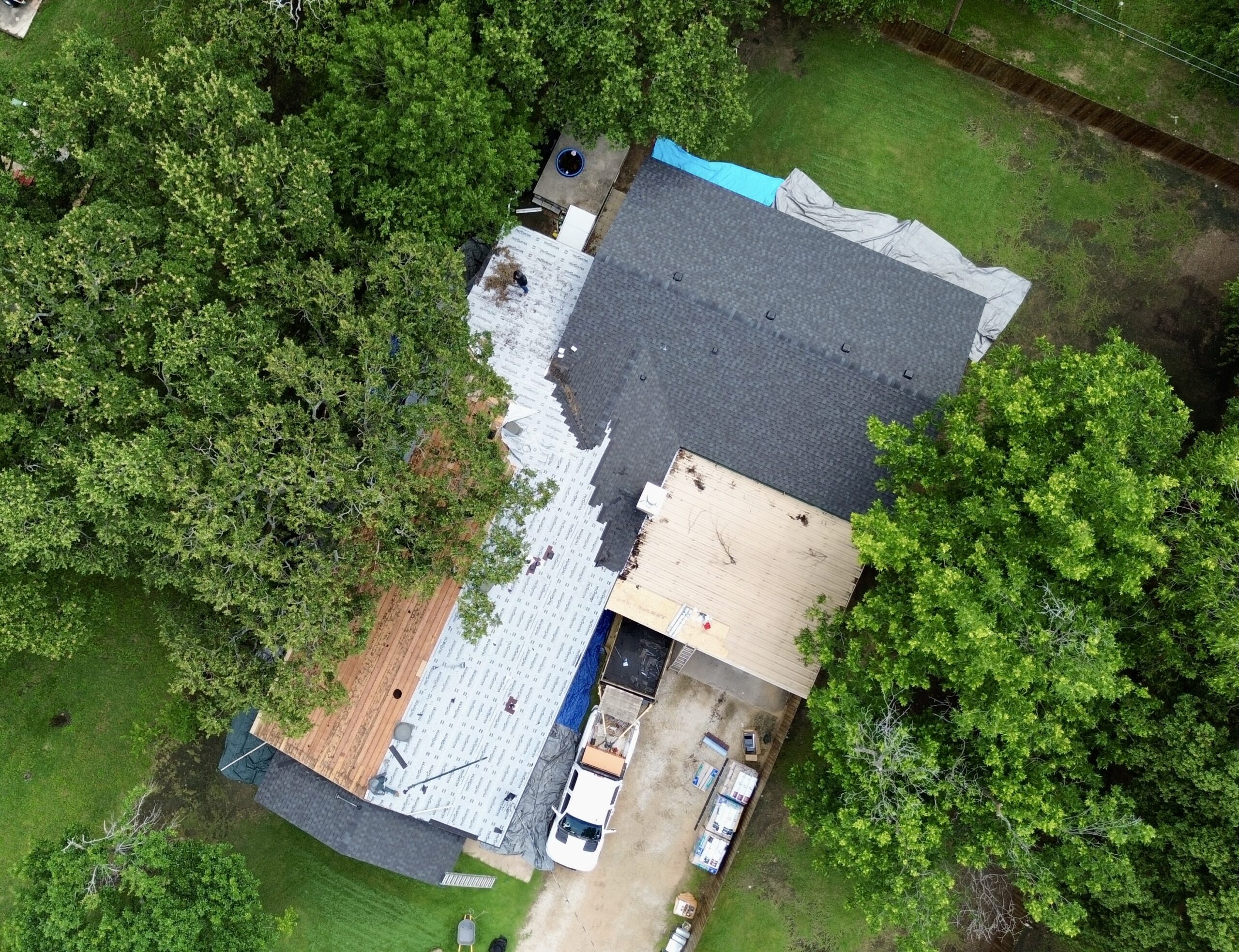
Steps to Plan Roof Repairs Throughout the Year
A structured maintenance schedule helps homeowners stay ahead of seasonal weather challenges.
- Schedule a comprehensive professional roof inspection at the beginning of each maintenance year.
- Review the roof’s condition and identify repairs that should be completed before the next major weather season.
- Clean gutters, roof valleys, and drainage systems before periods of heavy rainfall or snowfall.
- Repair damaged shingles, flashing, roof penetrations, and sealants before extreme weather develops.
- Trim overhanging trees and remove roof debris that may create seasonal hazards.
- Monitor attic conditions regularly for signs of moisture, ventilation issues, or developing leaks.
- Update maintenance records after every inspection and repair to support future planning and insurance documentation.
- Review the maintenance plan annually and adjust inspection schedules based on roof age, local climate, and previous repair history.
Following these steps helps homeowners maintain a proactive approach to roof care while minimizing emergency repairs and long-term expenses.
Conclusion
Planning roof repairs before seasonal weather changes is one of the most effective ways to protect both a home’s roofing system and the homeowner’s financial investment. Every season presents unique challenges, from heavy spring rain and intense summer heat to autumn debris and harsh winter conditions. Preparing the roof before these weather patterns arrive allows small maintenance issues to be corrected before they develop into expensive structural problems.
Seasonal planning offers benefits that extend well beyond preventing leaks. Timely inspections, prompt repairs, clean drainage systems, and well-maintained flashing improve roof durability, increase energy efficiency, reduce emergency repair frequency, and help preserve property value. Homeowners who follow a structured maintenance schedule also gain greater flexibility when selecting contractors, budgeting for repairs, and coordinating work before peak demand periods.
Insurance protection becomes more effective when combined with proactive maintenance. Regular inspections, organized documentation, and responsible roof care support smoother claims processes after covered weather events while demonstrating that the roofing system has been properly maintained. This combination of preventive maintenance and financial preparedness reduces long-term ownership risks.
Financial planning is equally important. Establishing a dedicated maintenance budget, preparing for seasonal inspections, and maintaining emergency repair savings allow homeowners to respond quickly when repairs become necessary. Rather than facing unexpected expenses after severe weather, they can manage roof care as a predictable part of annual home maintenance.
Ultimately, seasonal roof repair planning is an investment in the long-term performance, safety, and value of the home. By understanding how weather affects roofing systems, scheduling inspections before seasonal changes, and completing repairs promptly, homeowners can minimize repair costs, extend the lifespan of their roof, and enjoy greater peace of mind throughout every season of the year.