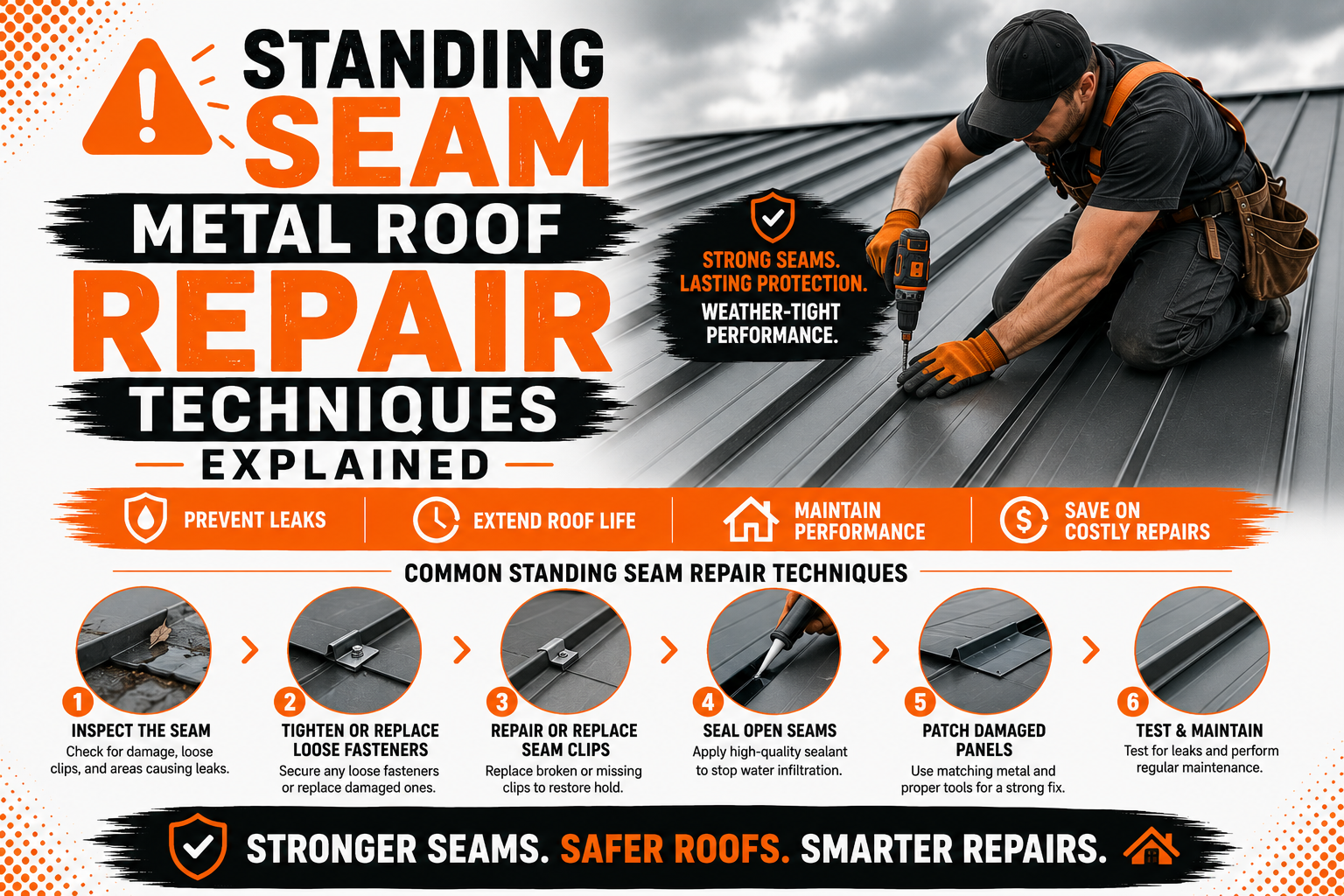
Standing Seam Metal Roof Repair Techniques Explained
Introduction
Standing seam metal roofs are widely recognized for their exceptional durability, modern appearance, and long service life. Unlike traditional exposed fastener metal roofs, standing seam systems feature concealed fasteners and raised vertical seams that help improve weather resistance while creating a sleek architectural finish. These characteristics make them a popular choice for residential, commercial, and industrial buildings alike.
Although standing seam metal roofs are built to withstand harsh weather conditions, they are not completely maintenance free. Years of exposure to sunlight, heavy rainfall, snow, wind, and changing temperatures gradually affect roofing components. Even a well-installed roof may eventually require repairs to maintain its performance and protect the building beneath.
Roof damage rarely develops overnight. Small issues such as loose seams, deteriorating sealants, damaged flashing, or minor panel dents can slowly progress into larger problems if left unattended. Addressing these concerns early helps prevent leaks, structural deterioration, and unnecessary repair expenses.
Repairing a standing seam metal roof requires a different approach than repairing other roofing systems. Because the fasteners are concealed and the panels are designed to expand and contract with temperature changes, repairs must preserve the roof’s original engineering while restoring its weather resistance. Improper repair methods may actually shorten the roof’s lifespan instead of extending it.
Understanding the most effective repair techniques allows property owners to make informed maintenance decisions. Whether managing a residential home or a large commercial facility, recognizing common problems and responding appropriately helps maximize the value of the roofing investment.
This guide explains how standing seam metal roofs develop problems over time, how to recognize early warning signs, and the repair principles that protect long-term performance. It also explores the importance of timely maintenance and the safety considerations that should always come before any repair work begins.
Understanding Standing Seam Metal Roof Systems
Standing seam metal roofing differs significantly from many traditional roofing systems. Instead of using exposed screws across the surface, these roofs secure panels with concealed clips and fasteners beneath raised seams. This design reduces direct water exposure around fastening points while allowing the roof to maintain a clean, uninterrupted appearance.
The raised seams are one of the defining characteristics of this roofing system. They extend vertically from the roof surface and connect adjacent panels using specialized locking mechanisms. Depending on the roofing design, seams may be mechanically seamed or snapped together during installation.
Concealed fasteners provide several important advantages. Since the screws remain protected beneath the panels, they are less exposed to rain, sunlight, and temperature fluctuations than exposed fastener systems. This greatly reduces the likelihood of leaks developing around fastener locations.
Another key feature is thermal movement. Metal expands when temperatures rise and contracts when temperatures fall. Standing seam roofs are specifically engineered to accommodate this natural movement without placing excessive stress on the panels or attachment system.
These roofing systems commonly use materials such as galvanized steel, Galvalume steel, aluminum, zinc, and copper. Each material offers different levels of corrosion resistance, strength, and expected service life. The choice often depends on climate, budget, building type, and architectural preferences.
Modern standing seam roofs also incorporate multiple protective layers. Factory-applied primers, specialized paint systems, and metallic coatings help shield the metal from corrosion, ultraviolet radiation, and environmental contaminants. These protective finishes contribute significantly to the roof’s longevity.
Because every component works together as a complete system, repairs should always preserve the roof’s original design. Replacing a damaged component without considering how it interacts with surrounding panels can reduce weather resistance and affect long-term performance.
Why Standing Seam Roofs Need Repairs
Standing seam roofs are designed for decades of reliable service, but continuous environmental exposure eventually affects every roofing system. Even premium materials experience gradual wear as they protect a building through changing seasons and severe weather events.
Weather remains one of the biggest contributors to roof deterioration. Strong winds, hailstorms, heavy rainfall, and snow repeatedly stress roofing panels, flashing, sealants, and attachment systems. While the roof may withstand individual events successfully, years of repeated exposure gradually increase the likelihood of repairs becoming necessary.
Thermal expansion also plays an important role. Every day, roofing panels heat up under direct sunlight before cooling again at night. This continuous expansion and contraction cycle places stress on seams, clips, flashing, and sealants that eventually contributes to normal aging.
Ultraviolet radiation slowly affects protective coatings as well. Although factory finishes are engineered for long-term durability, prolonged sunlight gradually reduces their effectiveness. Fading, chalking, and coating deterioration may eventually expose vulnerable areas that require maintenance.
Water infiltration sometimes results from aging sealants rather than damaged panels. Sealants naturally lose flexibility over time, especially around roof penetrations and flashing. Once small gaps appear, moisture can enter areas that were previously well protected.
Improper installation occasionally contributes to future repair needs. Misaligned panels, incorrectly installed clips, inadequate flashing, or insufficient allowance for thermal movement may not cause immediate problems. However, these issues often become more noticeable after years of weather exposure.
Routine maintenance also influences repair frequency. Roofs that receive regular inspections and prompt minor repairs generally experience fewer major problems than those left unattended for long periods. Preventive maintenance allows small defects to be corrected before they expand into costly restoration projects.
It is important to remember that needing repairs does not necessarily indicate poor roofing quality. In many cases, repairs simply reflect the natural aging process of materials that have protected a building successfully for many years.
Common Causes of Damage
Understanding what causes roof damage helps property owners identify potential problems before they become serious. Standing seam roofs are highly durable, but several factors can affect their condition throughout their service life.
Severe weather is among the most common causes of damage. High winds may lift flashing, loosen trim components, or carry debris across the roof surface. Hail can create dents that affect both appearance and, in severe cases, protective coatings.
Falling tree branches present another significant risk. Even relatively small branches may scratch factory finishes or dent metal panels during storms. Larger impacts can damage seams, flashing, or structural components that require professional evaluation.
Improper foot traffic frequently contributes to unnecessary roof damage. Walking directly on unsupported panel areas may create dents or place excessive stress on seams and concealed attachment systems. Maintenance personnel should always follow recommended walking paths designed for standing seam roofs.
Water accumulation creates additional concerns. Although these roofs are designed for efficient drainage, blocked gutters or debris-filled valleys may allow water to remain on the roof longer than intended. Prolonged moisture exposure increases the likelihood of corrosion and coating deterioration.
Temperature changes also influence long-term performance. Continuous expansion and contraction gradually affect flashing connections, sealants, and mechanical joints. Components that initially performed well may eventually require adjustment or replacement as they age.
Poor maintenance accelerates many of these issues. Dirt, leaves, branches, and organic debris retain moisture while hiding developing problems from view. Regular cleaning improves drainage and makes routine inspections much more effective.
Nearby construction activities occasionally damage metal roofing as well. Tools, construction materials, or airborne debris may scratch protective coatings or dent exposed panels. Protecting the roof during renovation projects reduces unnecessary repair costs.
Environmental pollution can gradually affect roofing materials over time. Industrial emissions, salt carried by coastal air, fertilizers, and airborne chemicals slowly interact with protective finishes. Although this process usually occurs gradually, regular maintenance helps minimize long-term effects.
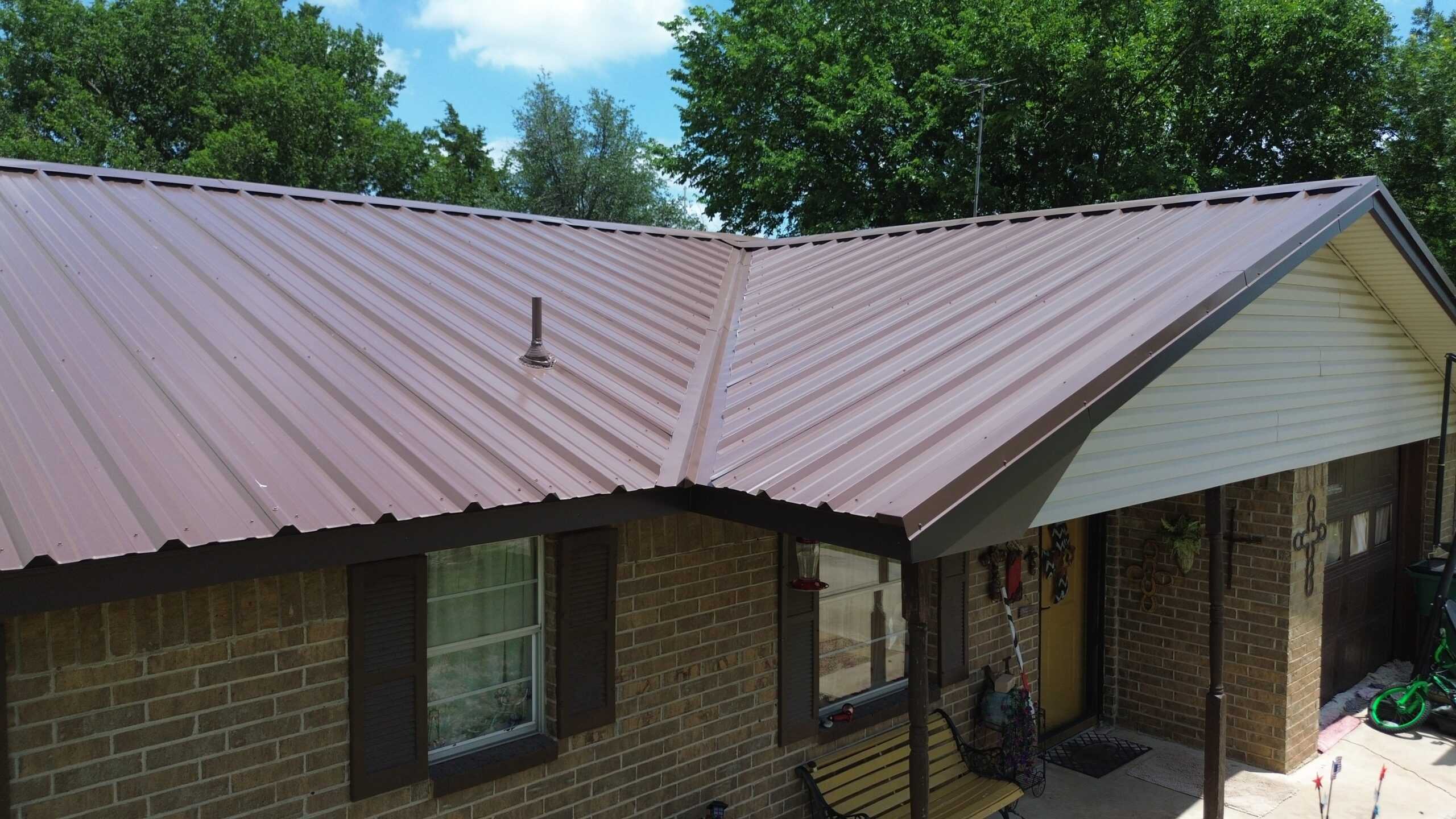
Signs Your Standing Seam Metal Roof Needs Repair
Early identification of roofing problems greatly increases the likelihood of simple, affordable repairs. Most standing seam roofs provide visible warning signs before major failures develop. Learning to recognize these indicators allows property owners to respond before damage spreads.
Interior water stains often represent one of the earliest signs that repairs are needed. Discoloration on ceilings or walls may indicate moisture entering through flashing, roof penetrations, or damaged seams. Even small stains deserve prompt investigation because water frequently travels before becoming visible indoors.
Visible panel damage should never be overlooked. Dents, scratches, or areas where protective coatings have worn away may expose the metal beneath to environmental conditions. While some cosmetic dents do not affect performance, coating damage requires closer attention.
Loose or separated seams also indicate potential problems. Standing seam systems rely on properly connected panels to maintain weather resistance. If seams begin separating or appear uneven, water infiltration may become more likely during heavy rainfall.
Flashing deserves careful inspection as well. Components installed around chimneys, skylights, vents, and roof edges experience constant exposure to weather while accommodating roof movement. Loose flashing or deteriorating sealant often creates pathways for moisture.
Corrosion may develop where protective finishes become damaged. Although modern standing seam roofs resist rust effectively, scratches or worn coatings eventually expose vulnerable areas. Addressing early corrosion prevents more extensive deterioration later.
Unusual noises during windy conditions sometimes indicate loose roofing components. Rattling trim, vibrating flashing, or movement around roof edges may suggest that certain components require adjustment or replacement. These issues should be investigated before severe weather causes additional damage.
Property owners should also monitor drainage performance. Water that remains on the roof after rainfall or repeatedly overflows gutters may signal blocked drainage systems or localized drainage problems. Efficient water movement is essential for preserving long-term roof performance.
The following warning signs commonly indicate that a standing seam roof should be inspected:
- Interior water stains or active leaks.
- Loose or separated standing seams.
- Damaged flashing around roof penetrations.
- Scratches exposing bare metal.
- Rust or corrosion beginning to develop.
- Dented or visibly damaged panels.
- Loose trim or unusual movement during strong winds.
- Standing water after rainfall.
Recognizing these warning signs early allows repairs to remain focused on small areas instead of requiring widespread restoration. Regular inspections after severe weather provide valuable opportunities to identify developing problems before they affect the entire roofing system.
Importance of Early Repairs
Small roofing problems rarely remain small forever. Delaying repairs allows moisture, temperature changes, and everyday weather exposure to gradually increase the extent of damage. Addressing issues promptly protects both the roof and the building beneath it.
One of the greatest benefits of early repair is preventing water intrusion. Minor gaps around flashing or seams may initially allow only small amounts of moisture inside the roof assembly. Over time, repeated exposure damages insulation, roof decking, framing, and interior finishes that are far more expensive to repair.
Early intervention also preserves protective coatings. Small scratches or worn finishes can usually be restored before corrosion spreads beneath surrounding paint. Waiting until rust becomes widespread often requires more extensive restoration work.
Repair costs generally increase as damage progresses. Replacing a few sealants or fasteners is considerably less expensive than replacing multiple roofing panels or repairing structural components affected by long-term leaks. Preventive maintenance therefore offers significant financial advantages.
Timely repairs also help maintain energy efficiency. Leaks, damaged insulation, and moisture infiltration reduce the building’s thermal performance, making heating and cooling systems work harder throughout the year. Correcting roofing issues supports more consistent indoor temperatures.
Another important benefit involves maintaining manufacturer warranties. Many roofing warranties require routine maintenance and prompt correction of developing defects. Ignoring known problems may reduce warranty coverage for future repairs.
Early repairs also improve overall building safety. Loose flashing, damaged panels, or weakened components may become hazardous during storms if left unattended. Correcting these issues before severe weather arrives reduces the risk of additional damage.
Property owners who prioritize early repairs often experience fewer emergency situations. Planned maintenance allows repairs to be scheduled under favorable weather conditions instead of responding urgently after leaks or storm damage have already occurred.
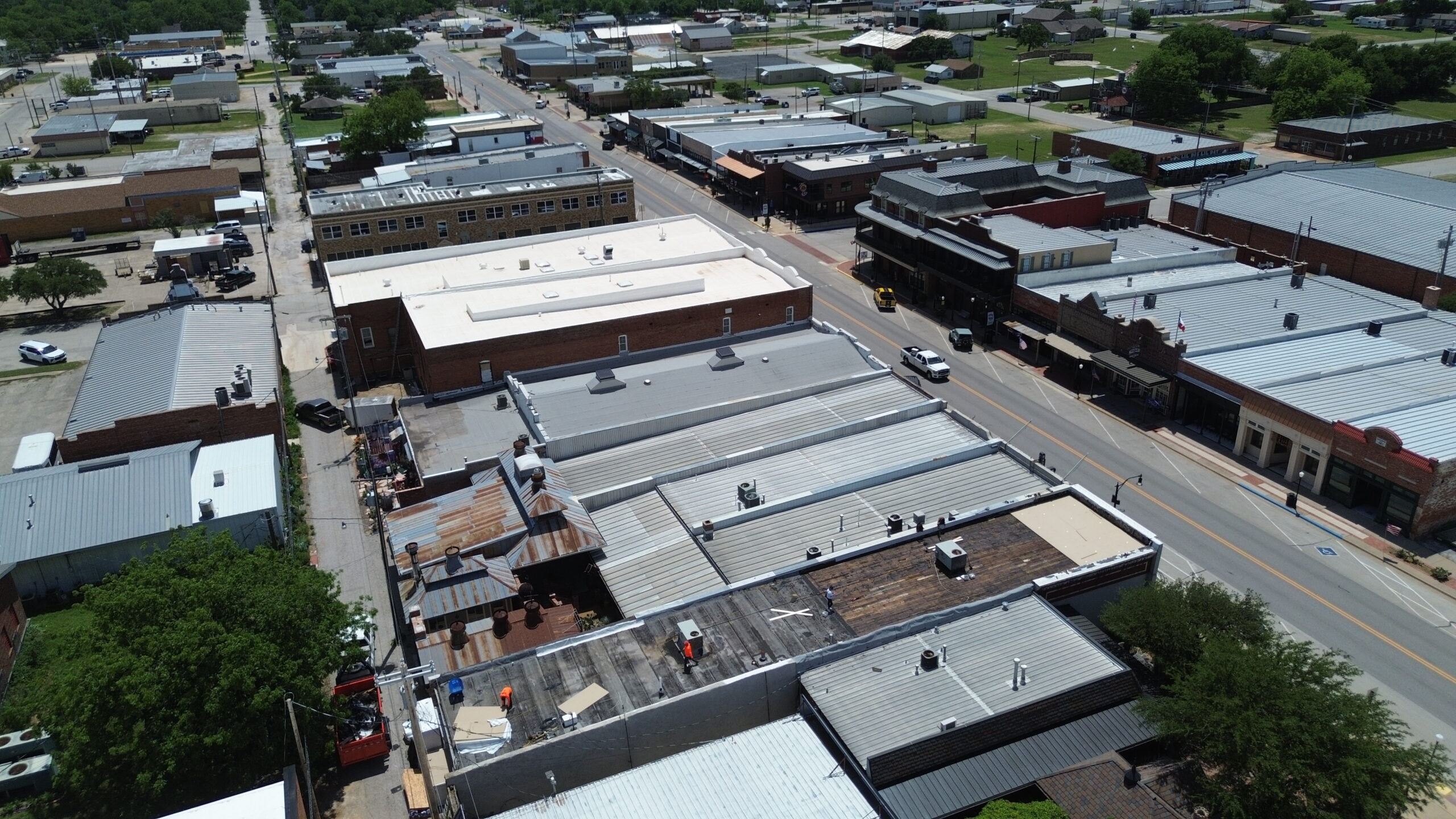
Safety Considerations Before Beginning Repairs
Safety should always be the highest priority during any roof repair project. Standing seam roofs often have smooth surfaces that become slippery when wet, dusty, or covered with frost. Working on these roofs without proper precautions significantly increases the risk of accidents.
Weather conditions should always be evaluated before climbing onto the roof. Rain, snow, strong winds, or lightning create dangerous working environments that should be avoided. Even morning dew can reduce traction enough to make walking hazardous.
Using proper fall protection is essential for anyone performing roof work. Harnesses, anchor systems, guardrails, and other safety equipment help reduce fall risks when working at height. These precautions become even more important on steep roof slopes.
Ladder safety also deserves careful attention. Ladders should be positioned on stable ground and extend above the roof edge to provide secure access. A properly secured ladder improves both safety and efficiency during inspections or repairs.
Personal protective equipment protects workers from common job site hazards. Gloves help prevent cuts from sharp metal edges, while safety glasses reduce the risk of eye injuries from debris or metal particles. Appropriate footwear with good traction provides additional stability on metal surfaces.
Electrical hazards should never be overlooked. Overhead power lines, rooftop electrical equipment, and nearby utilities require careful awareness throughout the repair process. Maintaining safe working distances reduces unnecessary risks.
Finally, property owners should recognize when repairs exceed their experience or available equipment. Complex standing seam roof repairs often require specialized tools and technical knowledge to preserve the roof’s weather resistance and structural performance. Knowing when to involve qualified professionals is an important part of maintaining both personal safety and roof quality.
In the next section, we will examine how to inspect a standing seam metal roof before repairs, explore repair techniques for the most common roofing problems, explain how damaged seams and flashing are restored, discuss panel replacement methods, present a practical comparison table, and review maintenance practices that help prevent future repairs.
Inspecting a Standing Seam Metal Roof Before Repairs
A thorough inspection should always take place before any repair work begins. Understanding the exact cause of a roofing problem prevents unnecessary repairs and helps ensure that the correct solution is applied. Simply repairing the visible symptom without identifying the underlying issue often leads to recurring problems.
The inspection should begin from the ground whenever possible. Binoculars or drone photography can help identify missing trim, damaged panels, loose flashing, or obvious storm damage without immediately accessing the roof. This initial assessment also helps determine whether additional safety precautions may be necessary.
Once safe roof access has been established, each roofing section should be examined carefully. Attention should be given to standing seams, panel surfaces, flashing, fasteners, roof penetrations, gutters, and drainage paths. Looking beyond the obvious damage often reveals smaller issues that could become future repair concerns.
Roof penetrations deserve special attention because they interrupt the continuous surface of the roofing system. Flashing around vents, skylights, chimneys, exhaust fans, and HVAC equipment should be inspected for loose edges, deteriorated sealant, or signs of moisture intrusion. These areas frequently experience movement caused by thermal expansion.
Panel movement should also be evaluated during the inspection. Standing seam roofs are designed to expand and contract naturally with temperature changes. If clips become damaged or movement becomes restricted, excessive stress may develop around seams and flashing.
Interior inspections provide valuable information as well. Water stains on ceilings, damp insulation, mold growth, or moisture around roof framing often indicate that leaks have existed longer than exterior damage alone suggests. Examining both the interior and exterior creates a more complete understanding of the roof’s condition.
Documenting all observations is equally important. Photographs, written notes, and measurements provide a useful record of existing conditions before repairs begin. This documentation also supports future maintenance planning and helps track how the roof changes over time.
A careful inspection reduces guesswork throughout the repair process. By understanding exactly where damage exists and why it developed, repairs become more effective and more likely to provide long-lasting results.
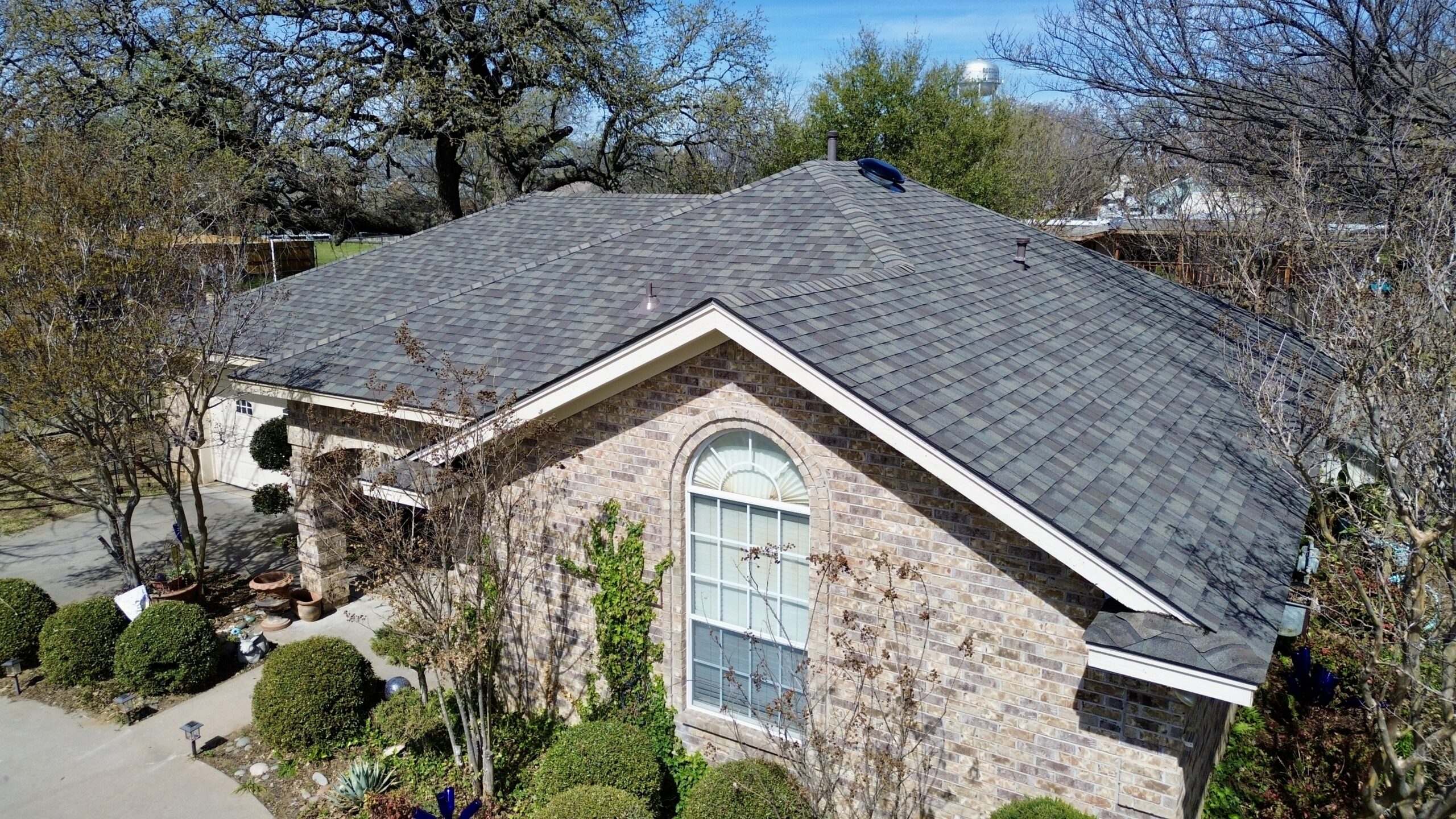
Repair Techniques for Common Standing Seam Roof Problems
Repair methods vary depending on the type and severity of damage. The goal is always to restore the roof’s weather resistance while preserving its ability to expand and contract naturally. Repairs should strengthen the roofing system without creating new stress points.
Small scratches in protective coatings are among the simplest issues to repair. The damaged area is cleaned thoroughly before applying a manufacturer-approved primer and touch-up coating. Restoring the protective finish prevents moisture from reaching the metal beneath.
Minor dents often require no repair if they have not affected seams or protective coatings. Cosmetic damage alone usually does not reduce the roof’s ability to shed water. However, dents that distort locking seams or create water traps should receive closer evaluation.
Sealant replacement is another common repair technique. Aging sealants around flashing and penetrations gradually lose flexibility after years of weather exposure. Removing deteriorated material and applying compatible replacement sealant restores waterproof performance while accommodating future thermal movement.
Damaged flashing should be repaired or replaced as necessary. Flashing protects transitions where roofing panels meet walls, chimneys, skylights, and other roof features. Properly installed flashing directs water away from vulnerable areas while maintaining a continuous weather barrier.
Corrosion repairs depend on how far oxidation has progressed. Early surface rust can often be cleaned, treated with rust-inhibiting products, and recoated. More advanced corrosion that weakens the metal may require replacing affected roofing components.
Loose trim pieces should also be secured promptly. Ridge caps, edge trim, and other finishing components help protect seams from wind-driven rain and uplift forces. Proper attachment maintains both appearance and long-term performance.
Every repair should maintain compatibility with the existing roofing system. Using approved materials, sealants, fasteners, and coatings reduces the risk of premature failure while helping preserve the roof’s original design.
Repairing Loose or Damaged Seams
Standing seams form the backbone of this roofing system. Their raised profile not only joins adjacent panels but also helps prevent water from entering the roof assembly. Damage to these seams can compromise the roof’s weather resistance if repairs are delayed.
Loose seams sometimes develop because of repeated thermal movement over many years. Daily expansion and contraction gradually affect clips, locking mechanisms, and surrounding components. While this movement is expected, worn or damaged parts may eventually require adjustment.
Mechanical seams should be inspected for proper engagement along their full length. Areas where seams have partially separated may allow wind-driven rain to penetrate beneath the roofing panels. Restoring proper seam engagement helps maintain the roof’s watertight design.
Snap-lock standing seam systems require careful examination as well. If sections become disengaged because of impact damage or movement, they should be resecured using procedures recommended by the manufacturer. Forcing panels into position without addressing the underlying cause may create additional stress.
In some situations, damaged seam sections cannot be restored through adjustment alone. Severely deformed seams may require replacing the affected panel while preserving adjacent roofing components. Panel replacement should maintain proper alignment with the surrounding roof.
Sealants should never be relied upon as the primary method for repairing structural seam damage. Although sealants provide valuable weather protection in appropriate locations, they cannot replace the mechanical strength of properly functioning standing seams.
After repairs are completed, seams should be inspected again to verify proper alignment and consistent engagement. Correctly repaired seams continue allowing thermal movement while maintaining reliable weather resistance throughout changing seasons.
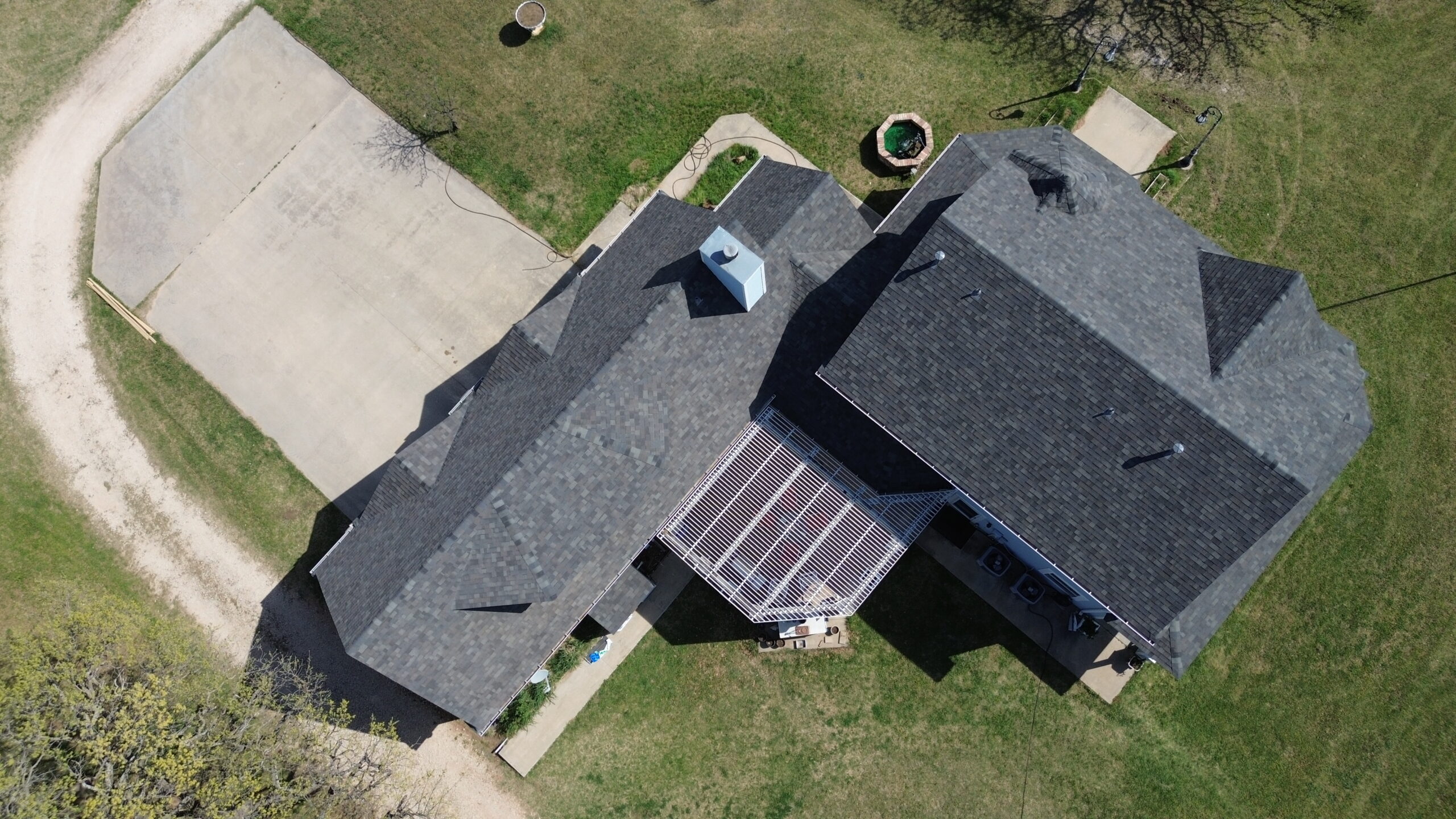
Fixing Leaks Around Flashing and Roof Penetrations
Many standing seam roof leaks originate around penetrations rather than across the main roofing panels. Every vent, skylight, pipe, chimney, or mechanical unit interrupts the continuous roof surface, making flashing one of the most important components in the entire roofing system.
Flashing naturally experiences constant movement because it connects roofing panels with fixed building components. As metal expands and contracts during temperature changes, flashing and sealants must remain flexible enough to accommodate this movement. Aging materials eventually lose elasticity, increasing the likelihood of small gaps developing.
The repair process begins by identifying the precise leak location. Water often travels beneath roofing materials before becoming visible inside the building, making careful inspection essential. Moisture stains alone do not always identify the exact point where water entered.
Old or deteriorated sealant should be removed completely before applying new material. Placing fresh sealant over damaged or contaminated surfaces usually results in poor adhesion and short-lived repairs. Proper surface preparation greatly improves long-term performance.
Damaged flashing sections may require replacement rather than patching. Bent, cracked, or severely corroded flashing cannot always provide reliable protection even after sealant is applied. Installing properly fitted replacement flashing restores both appearance and weather resistance.
Fasteners securing flashing should also be evaluated. Loose or corroded fasteners may allow movement that weakens nearby sealant joints. Replacing damaged fasteners with compatible products helps maintain secure attachment while preventing future leaks.
After repairs are completed, the entire penetration should be inspected to confirm that water will drain naturally away from the repaired area. Effective flashing repairs depend not only on sealing gaps but also on directing water safely across the roof surface.
Replacing Damaged Panels Without Affecting the Entire Roof
One of the advantages of standing seam roofing is that localized damage does not always require replacing the entire roof. When corrosion, severe dents, or storm damage affect only a limited number of panels, selective replacement often restores full performance while preserving the remaining roofing system.
The replacement process begins by identifying the exact panels requiring removal. Care must be taken to avoid disturbing adjacent panels that remain in good condition. Because standing seam systems rely on concealed attachment methods, accessing individual panels often requires working methodically through the seam connections.
Replacement panels should match the original roofing material as closely as possible. Differences in thickness, finish, profile, or thermal movement characteristics may affect both appearance and long-term performance. Using compatible materials helps preserve the roof’s uniform behavior during temperature changes.
The concealed clip system should also be inspected while panels are removed. Damaged or corroded clips should be replaced before installing new panels. Ignoring worn attachment components may reduce the effectiveness of an otherwise successful repair.
Proper alignment is critical throughout panel replacement. New panels should engage correctly with existing seams while maintaining consistent spacing across the roof. Even slight misalignment may affect drainage or create unnecessary stress during expansion and contraction.
Protective finishes should be handled carefully during installation. Dragging panels across one another or using improper handling techniques may scratch factory coatings before the repair is even completed. Maintaining coating integrity helps maximize corrosion resistance after installation.
Once replacement is complete, the repaired area should blend smoothly with the surrounding roof. Proper installation restores both structural performance and weather resistance while minimizing disruption to the rest of the roofing system.
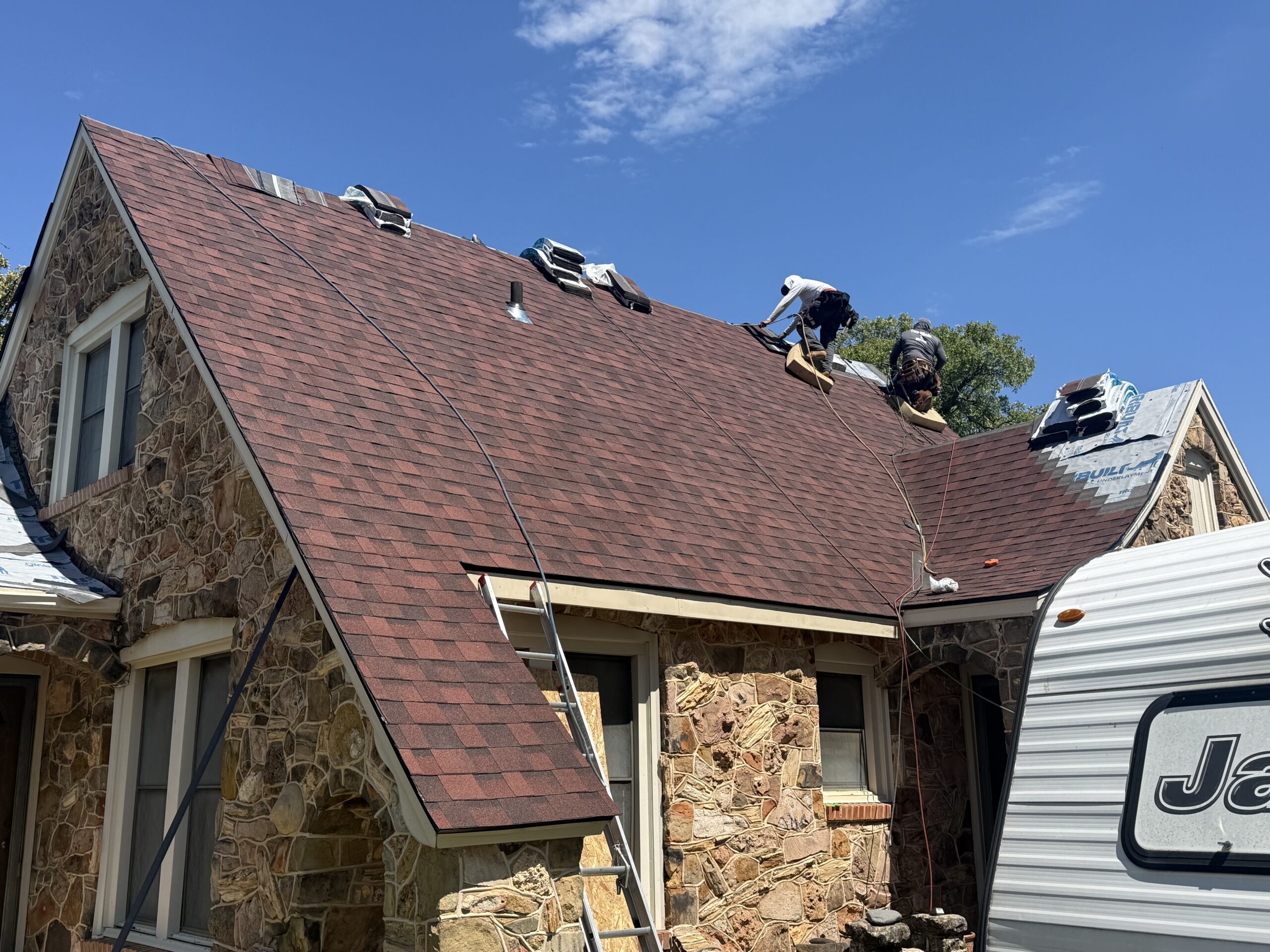
Common Standing Seam Roof Problems, Causes, and Repair Methods
The table below summarizes several common standing seam roofing problems along with their likely causes and typical repair approaches.
| Roof Problem | Common Cause | Recommended Repair Method |
|---|---|---|
| Roof leaks | Failed flashing or deteriorated sealant | Replace flashing or install new compatible sealant |
| Loose standing seams | Thermal movement or damaged locking mechanism | Re-engage seams or replace affected panels if necessary |
| Surface scratches | Foot traffic, debris, or maintenance work | Clean area and apply approved primer and touch-up coating |
| Rust formation | Damaged protective coating | Remove corrosion, treat surface, and restore protective coating |
| Damaged panels | Hail, falling branches, or impact | Replace affected panels while preserving surrounding roof |
| Loose trim | Wind exposure or aging fasteners | Secure or replace trim components and fasteners |
| Poor drainage | Blocked gutters or accumulated debris | Clean drainage system and restore proper water flow |
This comparison highlights that many roofing issues can be corrected effectively when identified early. Accurate diagnosis remains essential because similar symptoms may have very different underlying causes.
Preventive Maintenance Practices After Repairs
Successful repairs should always be followed by a consistent maintenance program. Even the highest-quality repair cannot provide maximum benefit if future inspections and routine care are neglected. Ongoing maintenance helps protect both the repaired areas and the rest of the roofing system.
Cleaning should remain a regular part of roof care. Leaves, dirt, branches, and other debris retain moisture while hiding developing problems from view. Removing debris also improves drainage and reduces the likelihood of corrosion.
Roof inspections should be scheduled throughout the year rather than only after leaks appear. Seasonal inspections make it easier to identify coating damage, aging sealants, loose trim, or flashing movement before these conditions result in water intrusion.
Property owners should also pay attention after severe weather events. High winds, hailstorms, and heavy snowfall may damage roofing components even when no immediate leak is visible. Prompt post-storm inspections reduce the chance of hidden damage progressing unnoticed.
The following maintenance practices help preserve repair work and extend roof life:
- Inspect the roof every spring and fall.
- Check the roof after major storms.
- Remove debris from valleys and gutters.
- Repair scratches and coating damage immediately.
- Monitor flashing and sealants around penetrations.
- Replace damaged fasteners before leaks develop.
- Schedule professional inspections as the roof ages.
Maintenance records provide additional long-term value. Recording inspection dates, completed repairs, photographs, and observations creates a useful history of the roof’s condition. This information supports future maintenance planning and helps identify recurring issues before they become major concerns.
Consistent maintenance transforms repairs from temporary fixes into long-term solutions. In the final section, we will discuss when professional repairs are preferable to DIY work, review common repair mistakes to avoid, explore strategies for extending the life of a standing seam metal roof, answer frequently asked questions, and conclude the complete guide.
Professional Repair Versus DIY Repairs
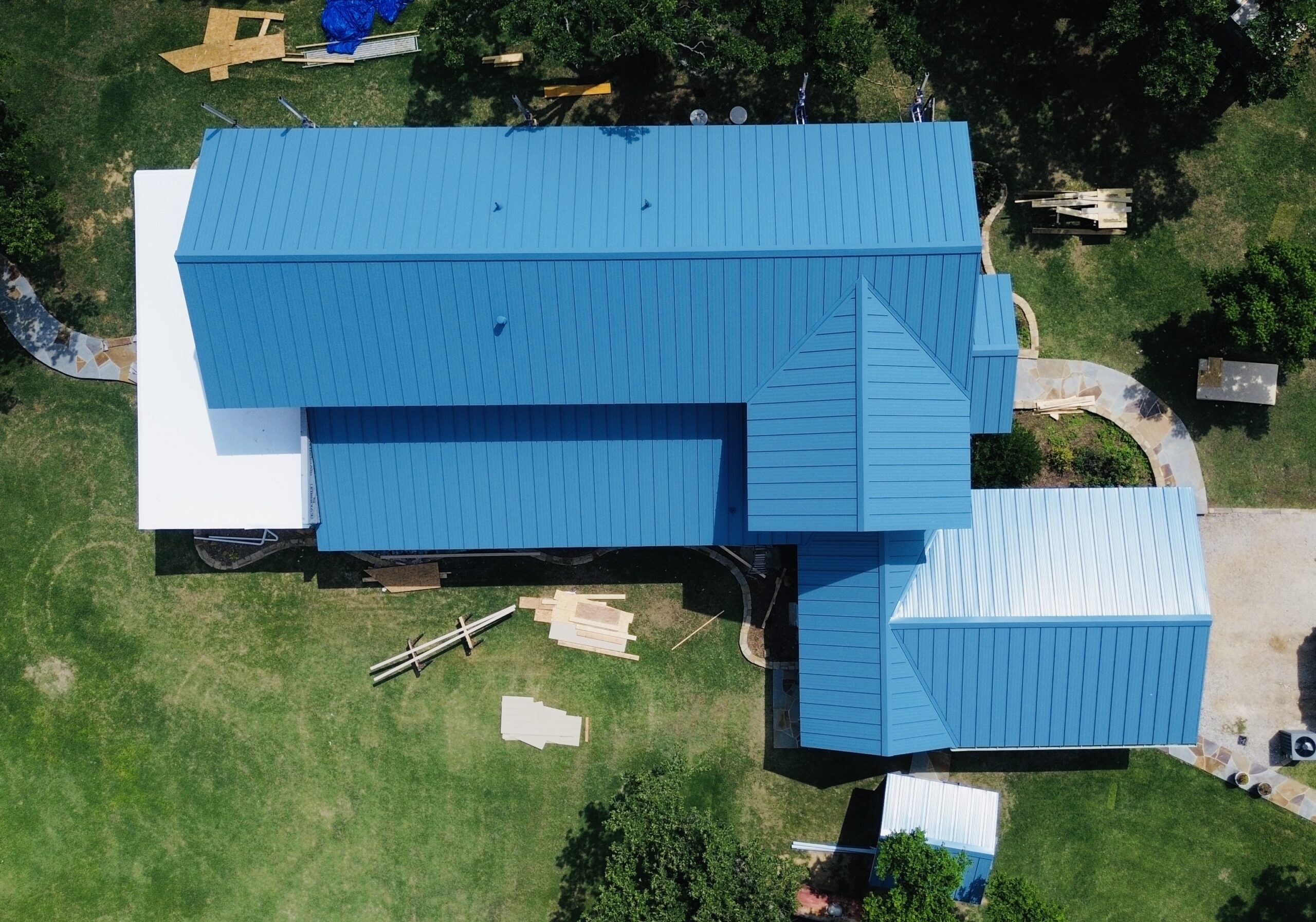
Many property owners consider repairing a standing seam metal roof themselves after noticing a leak or visible damage. While some maintenance tasks such as removing debris or performing visual inspections can often be handled safely, most standing seam roof repairs require specialized knowledge and equipment. Understanding the difference helps prevent costly mistakes and protects the roof’s long-term performance.
DIY repairs may appear less expensive initially, but incorrect repair methods often create larger problems. Standing seam roofs are engineered to accommodate thermal expansion and contraction, and improper repairs may restrict this natural movement. When movement is restricted, stress builds within the roofing system and can eventually lead to panel distortion, seam separation, or flashing failure.
Professional roofing contractors understand how the concealed fastening system functions. They know how to remove and reinstall panels without damaging adjacent sections, preserving the integrity of the roof while completing repairs. This experience becomes especially valuable when working around complicated roof penetrations or large repair areas.
Professionals also have access to specialized tools designed specifically for standing seam roofing systems. Seam closing tools, panel removal equipment, and manufacturer-approved fastening systems help ensure repairs meet industry standards. Using improper tools may scratch protective coatings or permanently deform roofing panels.
Safety is another major consideration. Metal roofs become extremely slippery when wet, dusty, or covered with frost. Roofing professionals are trained to work safely at height while using fall protection systems that reduce the risk of accidents.
Warranty protection should also be considered before attempting repairs. Many manufacturers require repairs to follow approved installation procedures and use compatible materials. Unauthorized modifications or improper repair methods may affect warranty coverage, potentially increasing future repair costs.
This does not mean homeowners have no role in roof care. Regular visual inspections, gutter cleaning, and prompt reporting of damage all contribute to extending roof life. Knowing when professional assistance is necessary is simply another important part of responsible roof maintenance.
Common Mistakes to Avoid During Standing Seam Roof Repairs
Even well-intentioned repairs can reduce the lifespan of a standing seam roof if common mistakes are overlooked. Avoiding these errors helps preserve the roof’s weather resistance while preventing unnecessary damage to surrounding components.
One of the most common mistakes is using incompatible sealants. Not every sealant is suitable for metal roofing applications. Some products lose flexibility quickly or react poorly with factory-applied finishes, resulting in premature failure and recurring leaks.
Walking incorrectly on roofing panels is another frequent problem. Standing seam roofs are designed to support weight in specific areas, and stepping on unsupported portions of the panels may create dents or place excessive stress on seams. Following manufacturer recommendations helps avoid accidental damage during maintenance.
Ignoring small scratches also creates long-term problems. Even minor coating damage exposes bare metal to moisture and oxygen. Repairing scratches soon after they occur helps prevent corrosion from spreading beneath surrounding finishes.
Some repairs rely too heavily on caulking instead of correcting the actual problem. While sealants are important, they should not replace damaged flashing, failed seams, or improperly installed components. Lasting repairs address the root cause rather than simply covering visible symptoms.
Using mismatched replacement materials may also reduce roof performance. Panels, clips, fasteners, and flashing should match the original roofing system whenever possible. Differences in material properties can affect thermal movement and long-term durability.
Neglecting drainage systems after repairs is another avoidable mistake. Gutters filled with debris allow water to back up onto the roof, increasing moisture exposure around seams and flashing. Proper drainage supports the success of every repair by reducing unnecessary water contact.
Skipping routine inspections after repairs may allow new problems to develop unnoticed. Repair work should become part of an ongoing maintenance program rather than marking the end of roof care. Continued monitoring helps ensure repaired areas continue performing as expected.
Long-Term Strategies for Extending Roof Life
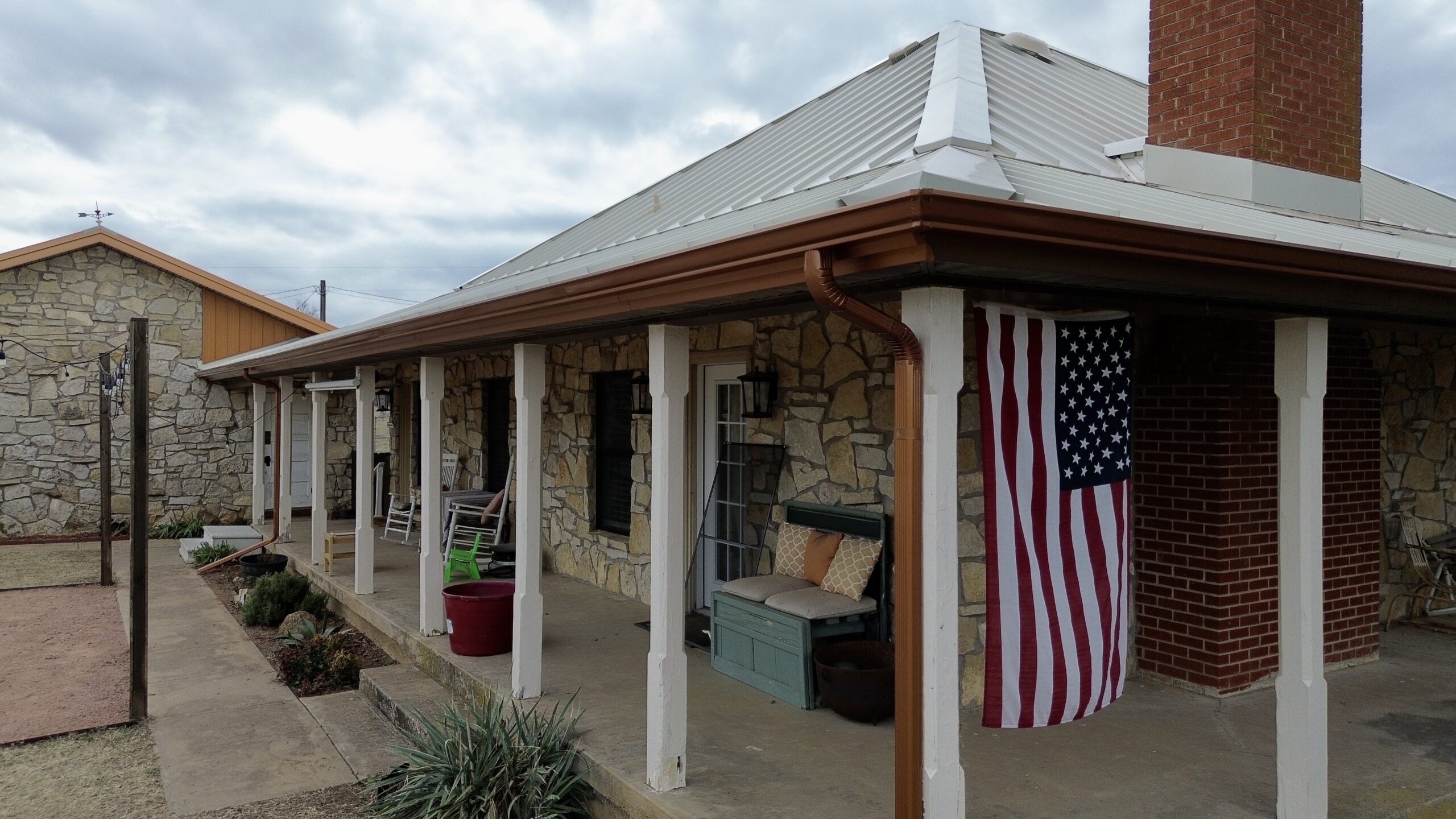
A standing seam metal roof represents a significant investment, and proper maintenance helps maximize its return over several decades. Long-term performance depends not only on high-quality installation but also on consistent care throughout the roof’s service life. Preventive maintenance remains the most effective strategy for minimizing repairs and extending durability.
Routine inspections should be scheduled regardless of whether visible problems exist. Seasonal evaluations allow property owners to identify loose flashing, worn sealants, coating damage, or drainage issues before they progress into more expensive repairs. Preventive inspections often reveal concerns that would otherwise remain hidden.
Keeping the roof clean also contributes to long-term performance. Leaves, dirt, branches, and other debris retain moisture against metal surfaces while obstructing drainage pathways. Removing accumulated debris reduces corrosion risks and allows rainwater to flow freely toward gutters and downspouts.
Protective coatings should be monitored throughout the roof’s lifespan. Although factory-applied finishes provide excellent durability, they naturally weather over time because of sunlight, temperature fluctuations, and environmental exposure. Repairing small coating defects promptly helps preserve corrosion resistance.
Nearby trees should be managed carefully as well. Overhanging branches may scrape protective finishes during windy conditions or fall onto the roof during storms. Trimming branches also reduces leaf accumulation that can trap moisture around seams and roof penetrations.
Professional roof evaluations become increasingly valuable as the roof ages. Experienced contractors can identify subtle signs of wear that may not be obvious during routine visual inspections. Early recommendations often prevent minor maintenance issues from developing into major restoration projects.
Maintaining detailed service records provides another practical advantage. Recording inspection dates, completed repairs, photographs, and maintenance activities creates a valuable history of the roof’s condition. These records help identify recurring issues and support future maintenance planning.
Investing in preventive maintenance consistently costs less than responding to emergency repairs. Buildings that receive regular attention generally experience fewer leaks, lower repair expenses, and longer overall roof service life than those maintained only after visible damage occurs.
Frequently Asked Questions
How long does a standing seam metal roof typically last?
A properly installed and well-maintained standing seam metal roof can often last 40 to 70 years or even longer, depending on the roofing material, environmental conditions, and maintenance practices. Regular inspections and timely repairs play a significant role in achieving maximum service life.
Can a leaking standing seam roof be repaired without replacing the entire roof?
Yes. Many leaks result from flashing problems, deteriorated sealants, damaged panels, or loose seams that can be repaired without replacing the complete roofing system. A professional inspection helps determine the most appropriate repair approach.
Is it safe to walk on a standing seam metal roof?
It can be safe when proper techniques and safety equipment are used. However, walking in unsupported panel areas or under poor weather conditions may damage the roof or create safety hazards. Whenever possible, roof access should follow manufacturer recommendations.
What is the most common cause of leaks in standing seam roofs?
Leaks often occur around flashing, roof penetrations, deteriorated sealants, or improperly repaired components rather than through the panels themselves. Regular inspection of these vulnerable areas helps prevent water intrusion.
Should dents always be repaired?
Not necessarily. Cosmetic dents that do not affect seams, protective coatings, or drainage may not require repair. However, dents that distort locking seams or expose bare metal should be evaluated to determine whether corrective work is needed.
How often should a standing seam roof be inspected?
Most experts recommend inspecting the roof at least twice each year, typically during spring and fall, as well as after severe weather events. More frequent inspections may be beneficial in areas exposed to heavy storms, coastal conditions, or industrial pollution.
Conclusion
Standing seam metal roofs are among the most durable and reliable roofing systems available, offering outstanding weather resistance, energy efficiency, and long-term value. Their concealed fastening system and engineered panel design provide significant advantages over many traditional roofing materials. However, like any roofing system, they require periodic maintenance and timely repairs to continue performing at their best.
Understanding how standing seam roofs function makes it easier to recognize developing problems before they become major concerns. Loose seams, aging flashing, deteriorated sealants, coating damage, and drainage issues often begin as relatively small defects that can be corrected with targeted repairs. Addressing these issues early protects both the roofing system and the building beneath it.
Successful repairs depend on using proper techniques that preserve the roof’s original design. Because standing seam roofs must continue expanding and contracting naturally with temperature changes, repairs should always maintain panel movement, weather resistance, and structural integrity. Using compatible materials and following recommended repair methods helps ensure long-lasting results.
Preventive maintenance remains the most effective strategy for extending roof life. Routine inspections, regular cleaning, prompt correction of minor damage, and professional evaluations all contribute to reducing repair costs while maximizing durability. These simple maintenance practices help prevent small concerns from developing into widespread roofing failures.
Whether the roof protects a home, commercial property, or industrial facility, a proactive approach to maintenance provides lasting benefits. By understanding the causes of roof damage, recognizing early warning signs, applying appropriate repair techniques, and following consistent maintenance practices, property owners can preserve the appearance, strength, and performance of their standing seam metal roof for many decades to come.