

How to Document Roof Damage for Insurance Claims
Introduction
Roof damage can happen without warning, whether it is caused by hail, strong winds, heavy rain, falling tree branches, or aging roofing materials. While repairing the damage is often the first concern, documenting the condition of your roof is equally important because the quality of your evidence can significantly influence the outcome of an insurance claim.
Many homeowners assume that reporting roof damage is enough for an insurance company to approve a claim. In reality, insurers rely on clear evidence that shows the cause, extent, and timeline of the damage before determining how much compensation should be provided. Well organized documentation helps establish credibility and minimizes disagreements during the claims process.
Proper documentation also protects homeowners from unnecessary delays and misunderstandings. When photographs, written records, inspection reports, and maintenance history are available from the beginning, insurance adjusters can review the claim more efficiently and make informed decisions based on factual evidence rather than assumptions.
Every roofing system tells a story after a storm or unexpected event. Missing shingles, dented metal panels, cracked flashing, water stains on ceilings, and damaged gutters all provide valuable clues about what happened and how extensive the repairs may be. Capturing these details correctly ensures they are not overlooked during the claim evaluation.
This guide explains how to document roof damage thoroughly for insurance purposes. From preparing for a safe inspection to capturing high quality photos and organizing supporting evidence, each step is designed to help homeowners build a stronger claim while avoiding common documentation mistakes.
Why Roof Damage Documentation Matters
Insurance companies evaluate claims based on evidence rather than assumptions. Even when roof damage appears obvious, adjusters must verify that the damage is covered under the policy and was caused by a qualifying event rather than gradual wear or neglected maintenance.
Accurate documentation creates a reliable record of the roof’s condition immediately after damage occurs. The sooner evidence is collected, the easier it becomes to demonstrate that the damage resulted from a specific weather event or accident instead of long term deterioration.
Good documentation also protects homeowners if questions arise later during the claims process. If additional inspections are required or claim decisions are challenged, photographs, inspection notes, and repair estimates provide valuable reference points that support the original claim.
Without sufficient evidence, even legitimate claims may experience delays or partial approvals. Missing photographs, incomplete inspection records, or inconsistent information can make it difficult for adjusters to accurately assess the damage and determine appropriate compensation.
Thorough documentation benefits everyone involved in the process. Homeowners gain confidence that their claim is supported by clear evidence, roofing contractors can prepare accurate repair estimates, and insurance companies receive organized information that simplifies claim evaluation.
Proper records also become valuable if hidden damage is discovered during repairs. Additional evidence showing the roof’s original condition helps explain why supplemental repairs may be necessary after work has already begun.
Understanding What Insurance Companies Look For
Insurance companies follow established procedures when reviewing roof damage claims. Their goal is to determine whether the reported damage falls within the coverage provided by the homeowner’s insurance policy and whether the requested repairs are reasonable.
Adjusters typically begin by identifying the cause of the damage. Storm related events such as hail, high winds, falling debris, and lightning often qualify for coverage, while gradual aging, poor installation, or lack of maintenance may not be covered under many policies.
The quality of the documentation often influences how quickly adjusters can complete their assessment. Clear photographs, organized records, and detailed inspection reports reduce uncertainty and help establish a complete picture of the property’s condition.
Insurance companies also compare current damage with previous maintenance records whenever possible. If a homeowner has documentation showing the roof was regularly inspected and maintained before the incident, it becomes easier to demonstrate that the reported damage resulted from a sudden event rather than ongoing neglect.
Another important consideration is consistency across all submitted documents. Photographs, written descriptions, contractor reports, weather information, and repair estimates should all support the same timeline and describe the same areas of damage.
Adjusters may also inspect nearby property features to better understand the severity of the event. Damaged fences, dented gutters, broken windows, fallen branches, or scattered roofing materials can strengthen the overall evidence when they align with the reported cause of damage.
Understanding these expectations allows homeowners to collect documentation that answers the adjuster’s questions before they are even asked. This proactive approach often leads to smoother communication and a more efficient claims process.
Prioritizing Safety Before Documenting Roof Damage
Collecting evidence should never come at the expense of personal safety. Roofs can become extremely dangerous after storms because wet surfaces, loose materials, hidden structural damage, and unstable debris increase the risk of slips and falls.
Homeowners should begin their inspection from ground level whenever possible. Binoculars, zoom lenses, or high resolution smartphone cameras often provide enough detail to identify visible damage without climbing onto the roof.
If damage appears severe or structural stability is uncertain, professional roofing contractors should perform the inspection instead. Experienced inspectors have the proper safety equipment and know how to identify hidden problems without causing additional damage.
Interior inspections can also provide valuable evidence while remaining safe. Water stains, damp insulation, peeling paint, mold growth, or active leaks often indicate roof damage that may not be immediately visible from outside.
Before documenting any damage, homeowners should also be aware of potential hazards around the property. Downed power lines, broken tree limbs, unstable chimneys, and exposed electrical wiring require immediate attention before any inspection begins.
Temporary emergency measures should only be performed when they can be completed safely. If active leaks threaten the interior of the home, placing containers under leaks or covering exposed belongings may reduce further damage while waiting for professional assistance.
Documenting damage safely not only protects personal well being but also preserves valuable evidence. Accidents during inspections can delay repairs and complicate the overall insurance claim process.
Creating a Roof Damage Documentation Checklist
A structured checklist helps ensure that important evidence is not overlooked during the stressful period following a storm or roofing incident. Collecting documentation in an organized manner also makes it easier to prepare information for insurance adjusters later.
Before contacting the insurance company, homeowners should gather as much supporting evidence as possible. Having complete records from the beginning reduces the need to search for missing information after the claim has already started.
A practical documentation checklist should include:
- Clear photographs of all visible roof damage from multiple angles.
- Wide angle photos showing the entire roof and surrounding property.
- Close up images of damaged roofing materials.
- Interior photographs showing water stains, leaks, or ceiling damage.
- Videos documenting the overall condition of the property.
- Written notes describing when the damage was discovered.
- The approximate date and time of the storm or incident.
- Weather reports if available.
- Previous roof inspection or maintenance records.
- Receipts for emergency repairs or temporary protective measures.
- Contact information for roofing contractors who inspected the property.
This checklist provides a strong foundation for the insurance claim while helping homeowners stay organized during what can often be a stressful situation. Additional documents can always be added later, but beginning with a comprehensive record significantly improves the overall quality of the claim.
Keeping both digital and printed copies of important documents is also a smart practice. Multiple backups reduce the risk of losing valuable evidence if a device fails or paperwork is misplaced.
Taking High Quality Photos That Support Your Claim
Photographs are often the most persuasive form of evidence in a roof insurance claim. They provide visual proof of the damage and allow adjusters to examine conditions before repairs begin or weather causes additional changes.
The first photographs should capture the roof from a distance. Wide images help establish the overall condition of the property and show where damage is located in relation to other roofing components. These images create important context before moving to detailed close ups.
After capturing overall views, homeowners should photograph each damaged area individually. Missing shingles, cracked tiles, dented metal panels, damaged flashing, punctures, lifted roofing materials, and exposed underlayment should all be documented with clear close range photographs.
Lighting also plays a major role in image quality. Whenever possible, photographs should be taken during daylight hours with sufficient natural light to reveal textures, cracks, dents, and other surface defects. Poor lighting can hide important evidence that adjusters need to evaluate.
Each damaged area should be photographed from multiple angles rather than relying on a single image. Different perspectives help demonstrate the depth, size, and severity of the damage while reducing the chance that important details are missed.
Including nearby landmarks or recognizable roof features also helps adjusters understand where each photograph was taken. Chimneys, skylights, vents, valleys, gutters, and roof edges provide useful reference points when reviewing numerous images.
It is equally important to photograph areas that appear undamaged. Showing both affected and unaffected sections helps establish the boundaries of the damage and provides a more balanced representation of the roof’s overall condition.
Interior photographs should never be overlooked. Ceiling stains, peeling paint, wet insulation, warped drywall, mold growth, and dripping water all strengthen the connection between exterior roof damage and interior property damage.
Homeowners should avoid editing or applying filters to photographs before submitting them. Original images preserve important details and metadata that may help verify when the documentation was created.
Saving photographs in their original resolution also improves their usefulness during claim evaluations. High quality images allow adjusters to zoom in on specific details without losing clarity, making inspections more accurate even before visiting the property.
Recording Videos for Additional Evidence
While photographs capture individual moments, videos provide continuous documentation that helps insurance adjusters better understand the overall condition of the roof and surrounding property. A slow walkthrough often reveals relationships between damaged areas that may not be obvious in separate photographs.
When recording a video, homeowners should move steadily around the property while describing what they are observing. Mentioning visible damage, the approximate location, and the date of the recording creates additional context that supports the visual evidence without requiring extensive editing later.
The video should begin with wide views of the home before gradually focusing on damaged roofing components. Smooth transitions between different sections of the roof help create a complete visual record that complements the individual photographs collected during the inspection.
Interior walkthroughs can also be included if leaks or water damage are present. Showing stained ceilings, damp walls, attic moisture, or active water intrusion strengthens the connection between roof damage and the resulting impact inside the home.
Recording several shorter videos instead of one excessively long file often makes documentation easier to organize and review. Clear file names and secure backups ensure these recordings remain accessible throughout every stage of the insurance claims process.
Inspecting Different Areas of the Roof System
A roof functions as a complete system rather than a collection of separate parts. Damage that appears minor in one area may affect nearby components, allowing water to travel beneath roofing materials before becoming visible inside the home. This is why every section of the roof should be inspected and documented carefully.
Start by examining the primary roofing material, whether it consists of asphalt shingles, metal panels, clay tiles, concrete tiles, or another roofing product. Look for missing sections, cracks, punctures, dents, curling edges, lifted panels, exposed fasteners, and signs that materials have shifted from their original position.
Flashing deserves special attention because it protects vulnerable areas where the roof meets walls, chimneys, skylights, and vents. Bent, cracked, loose, or missing flashing can allow water to penetrate the roof even if the surrounding roofing material appears undamaged.
Roof valleys are another critical inspection point because they direct large amounts of rainwater toward the gutters. Debris accumulation, damaged underlayment, separated seams, or worn protective materials in these areas often increase the risk of leaks during heavy rainfall.
Gutters and downspouts should also be photographed thoroughly. Dents, detached sections, overflowing debris, or granules washed from asphalt shingles may indicate that the roof experienced significant storm impact.
Metal roofing systems require documentation of additional details. Inspectors should photograph scratches, coating damage, loose fasteners, seam separation, corrosion, and dents caused by hail or falling debris because these issues may affect long term performance even if immediate leaks are not present.
Roof penetrations such as plumbing vents, exhaust vents, solar panel mounts, satellite dish brackets, and HVAC equipment should be inspected individually. These locations frequently experience leaks because multiple materials meet in a relatively small area.
Skylights should be examined for cracked glass, damaged seals, broken flashing, and water intrusion around the frame. Even if the skylight itself remains intact, surrounding roofing components may have been compromised during the same weather event.
The roof edge should not be overlooked during documentation. Fascia boards, drip edges, soffits, and trim pieces often suffer wind damage that may expose the underlying roof structure to moisture if repairs are delayed.
Tree branches resting on the roof deserve immediate attention because they can cause both visible and hidden structural damage. Photograph the branch before removal whenever it is safe to do so, since it provides valuable evidence regarding the cause of the damage.
If multiple damaged areas exist, each location should be documented separately rather than combining everything into a general description. Organized evidence allows adjusters to evaluate every affected section without confusion and reduces the likelihood of important details being missed.
Documenting Interior Signs of Roof Damage
Roof damage often becomes noticeable inside the home before major exterior problems are discovered. Water can travel along rafters, insulation, or ceiling materials before eventually appearing in rooms far from the original point of entry. For this reason, interior documentation is just as valuable as exterior evidence.
Ceilings should be inspected for water stains, discoloration, bubbling paint, peeling texture, and sagging drywall. These symptoms may indicate that moisture has entered through the roofing system and has been accumulating over time or following a recent storm.
Walls located beneath roof valleys, dormers, or exterior intersections should also be photographed if they show damp spots or visible staining. Moisture damage on interior surfaces helps establish that roof problems have affected the living space rather than remaining isolated to the exterior.
The attic provides some of the strongest supporting evidence during an insurance claim. Water stains on rafters, damp insulation, mold growth, rotting wood, rusted fasteners, or visible daylight entering through the roof all indicate that the roofing system has been compromised.
Insulation should be examined carefully because wet insulation loses much of its thermal performance while also creating favorable conditions for mold development. Photographs showing damp or compressed insulation strengthen the overall documentation package.
Wood framing deserves close attention as well. Dark stains, soft wood, fungal growth, or warped framing members may indicate prolonged water exposure that should be addressed before structural damage becomes more severe.
Flooring located beneath active roof leaks should also be documented if it has been affected. Hardwood swelling, stained carpeting, damaged laminate flooring, or warped subfloor materials demonstrate that the roof damage has extended beyond the roofing system itself.
Homeowners should also record damaged personal belongings when appropriate. Furniture, electronics, clothing, artwork, and other possessions affected by roof leaks may be covered under portions of the insurance policy depending on the specific terms and conditions.
When photographing interior damage, include wide images that show the location within the room before taking detailed close up photographs. This approach helps adjusters understand exactly where each problem occurred and how extensive the damage may be.
If water is actively entering the home, recording a short video showing the leak can provide especially valuable evidence. Capturing dripping water or flowing moisture helps demonstrate the urgency of the situation while preserving proof before temporary repairs are completed.
Keeping Written Notes and Damage Logs
Photographs and videos provide strong visual evidence, but written documentation adds important context that images alone cannot always communicate. A detailed damage log creates a timeline that helps insurance companies understand exactly how events unfolded from the moment the damage occurred.
The first entry should record when the damage was discovered and the weather conditions at that time. If a severe storm, hail event, or high wind warning occurred, include those details because they help establish a connection between the damage and the reported event.
Inspection observations should be recorded as soon as possible while details remain fresh. Waiting several days to document findings increases the risk of forgetting important information that may later become relevant during the claim review.
Temporary repairs should also be documented carefully. If a tarp was installed, leaking areas were covered, or emergency water removal was performed, record the date, contractor information, materials used, and the reason the temporary work was necessary.
Communication records are equally valuable throughout the claims process. Keeping notes about phone calls, emails, inspection appointments, and conversations with contractors or insurance representatives creates a clear record if questions arise later.
Whenever expenses are incurred, they should be documented immediately. Emergency repair invoices, equipment rentals, hotel accommodations if the home becomes temporarily uninhabitable, and receipts for protective materials may all become important supporting documents.
A simple inspection journal should include information such as:
| Information to Record | Why It Matters |
|---|---|
| Date damage was discovered | Establishes the beginning of the claim timeline |
| Weather conditions | Supports the reported cause of damage |
| Areas inspected | Demonstrates a thorough inspection process |
| Damage observations | Creates detailed written evidence |
| Temporary repairs completed | Shows efforts to prevent additional damage |
| Contractor visits | Documents professional evaluations |
| Insurance communications | Keeps conversations organized for future reference |
Maintaining consistent records throughout the claim prevents confusion as additional inspections, estimates, and repairs occur. Even small details that seem unimportant initially may become valuable if questions arise several weeks later.
Organizing Documentation for Insurance Adjusters
Collecting evidence is only part of the process because poorly organized documentation can still slow down an insurance claim. Adjusters often review hundreds of photographs and multiple reports, so presenting information in a logical format makes their work considerably easier.
Digital folders provide one of the simplest ways to organize claim materials. Separate folders can be created for photographs, videos, inspection reports, receipts, contractor estimates, maintenance records, insurance correspondence, and weather information.
File names should be descriptive instead of relying on automatic camera numbering. A name such as “North Roof Slope Missing Shingles July 14” is much more useful than a generic file name that provides no indication of its contents.
Documents should also be arranged in chronological order whenever possible. Beginning with the weather event, followed by the initial inspection, temporary repairs, professional evaluations, and insurance communications creates a timeline that adjusters can follow without difficulty.
Homeowners should maintain both digital and physical copies of critical documents. Cloud storage, external hard drives, and printed folders provide multiple layers of protection against accidental data loss.
Backing up files immediately after collecting them is another important habit. Smartphones can become damaged or lost, and relying on a single device may result in valuable evidence disappearing before the claim is complete.
If multiple contractors inspect the roof, keep each report separate rather than combining them into a single document. Individual reports allow adjusters to compare professional opinions while preserving the original findings from each inspection.
Organized documentation also benefits homeowners during future maintenance or resale of the property. A complete history of inspections, repairs, and insurance claims provides valuable records that extend well beyond the current roofing project.
Common Roof Damage Types and Recommended Documentation
Different forms of roof damage require different types of supporting evidence. Understanding what should be documented for each damage category helps homeowners create a more complete insurance claim while reducing the chance that important details are overlooked.
| Roof Damage Type | Recommended Documentation | Why It Is Important |
|---|---|---|
| Missing shingles | Wide and close up photographs, weather details | Demonstrates wind related damage and exposed roofing layers |
| Hail dents | Close up images with scale reference, contractor inspection | Confirms impact damage and severity |
| Metal panel dents | Multiple angle photographs and inspection report | Shows cosmetic and functional damage |
| Cracked flashing | Detailed photographs and location notes | Identifies common leak entry points |
| Roof leaks | Interior photos, videos, moisture documentation | Connects exterior damage to interior losses |
| Fallen tree damage | Wide property photos before debris removal | Establishes the direct cause of damage |
| Damaged gutters | Exterior photographs and close up details | Supports evidence of storm intensity |
| Water stained ceilings | Interior photographs over time | Demonstrates resulting property damage |
The goal is not simply to collect as many photographs as possible but to capture evidence that clearly explains what happened and why repairs are necessary. Quality, organization, and consistency are far more valuable than an overwhelming collection of repetitive images.
Mistakes That Can Weaken an Insurance Claim
Even when roof damage is legitimate, documentation mistakes can reduce the strength of an insurance claim. Many of these problems are avoidable with careful planning and prompt action immediately after the damage is discovered.
One of the most common mistakes is delaying documentation. Weather conditions can change quickly, temporary repairs may alter the appearance of the roof, and loose materials may be blown away before they are photographed. Capturing evidence as early as safely possible preserves the original condition of the damage.
Another frequent problem is relying on only a few photographs. A small number of images rarely provides enough context for adjusters to fully understand the scope of the damage, making additional inspections or information requests more likely.
Poor image quality can also create unnecessary complications. Blurry photographs, dark lighting, excessive zooming, or images taken from awkward angles may fail to show the details needed for accurate claim evaluation.
Some homeowners unintentionally discard important evidence while cleaning their property. Broken shingles, damaged flashing, dented metal panels, or fallen roofing materials should be photographed before disposal because they may help verify the cause of the damage.
Failing to document temporary repairs is another oversight that can create confusion later. Insurance companies generally expect homeowners to take reasonable steps to prevent additional damage, and documenting those efforts demonstrates responsible property management.
Incomplete written records may also weaken a claim. Dates, weather conditions, contractor visits, repair invoices, and communication logs all contribute to a complete documentation package that supports the photographs and inspection reports.
Finally, homeowners sometimes focus only on obvious roof damage while overlooking related property damage. Gutters, siding, fences, windows, landscaping, and interior water damage may all strengthen the overall claim when they clearly resulted from the same covered event.
Careful documentation reduces uncertainty for everyone involved in the claims process. By avoiding these common mistakes, homeowners improve the quality of their evidence and prepare for a smoother review when the insurance adjuster begins evaluating the claim.
Working With Roofing Professionals During the Claims Process
Although homeowners can gather a significant amount of documentation on their own, experienced roofing professionals often identify problems that are not immediately visible from the ground. Hidden leaks, damaged underlayment, compromised flashing, and structural concerns may require specialized knowledge to detect and document accurately.
A professional inspection also adds credibility to the insurance claim. Roofing contractors understand how storm damage differs from normal wear and tear, allowing them to prepare reports that clearly explain the cause and extent of the damage.
Many contractors provide detailed inspection reports that include photographs, written observations, and repair recommendations. These reports help insurance adjusters understand the roofing system’s condition while providing technical information that homeowners may not be able to document themselves.
Professional roofers can also measure damaged areas accurately and prepare repair or replacement estimates based on current material and labor costs. Accurate estimates reduce misunderstandings during claim negotiations and help establish realistic repair expectations.
Homeowners should remember that roofing contractors and insurance adjusters have different responsibilities. Contractors focus on identifying necessary repairs, while adjusters determine what is covered under the insurance policy based on the available evidence and policy terms.
Maintaining open communication between all parties helps keep the process organized. When contractors, homeowners, and adjusters work from the same documentation, disagreements become less likely and claim decisions are often reached more efficiently.
If additional damage is discovered during repairs, the contractor should document it immediately with photographs and written explanations. Supplemental documentation may be necessary if hidden issues were not visible during the original inspection.
Preparing for the Insurance Adjuster’s Inspection
The insurance adjuster’s inspection is one of the most important stages of the claims process. This visit allows the adjuster to verify the reported damage, compare it with the submitted documentation, and determine whether the repairs fall within the policy coverage.
Preparation begins by organizing every document before the appointment. Photographs, videos, inspection reports, receipts, maintenance records, weather information, and communication logs should all be easily accessible so they can be presented without delay.
The property should also be safe and accessible. Remove loose debris if it can be done safely, ensure access to the attic when necessary, and identify any areas where active leaks or structural concerns may require additional caution.
Homeowners should accompany the adjuster whenever possible. Walking through the property together allows questions to be answered immediately while ensuring that all documented damage is reviewed during the inspection.
During the inspection, avoid exaggerating or minimizing the damage. Honest, factual explanations supported by photographs and written records create a stronger claim than emotional arguments or unsupported assumptions.
If the adjuster identifies additional areas that require closer examination, take notes throughout the visit. Recording observations and follow up requests helps maintain a complete record of the inspection process.
After the inspection concludes, ask about the next steps in the claim timeline. Understanding when to expect the report, whether additional information is needed, and how future communication will occur helps homeowners plan accordingly.
Filing the Insurance Claim Successfully
Submitting the claim involves more than simply reporting roof damage. A well prepared claim package demonstrates that the homeowner has collected organized evidence and understands the sequence of events leading to the damage.
Following a structured process helps reduce delays while ensuring that important documents are not forgotten. Keeping copies of every submitted document is equally important because questions or additional requests may arise later.
The general claim process typically follows these steps:
- Inspect the property safely and document all visible damage.
- Take comprehensive photographs and videos before permanent repairs begin.
- Record written notes describing the damage and the weather event.
- Contact the insurance company promptly to report the claim.
- Submit supporting documents, including inspection reports and repair estimates.
- Meet with the insurance adjuster during the property inspection.
- Respond promptly to requests for additional information or documentation.
- Review the claim decision carefully before authorizing permanent repairs.
Each insurance company follows its own procedures, but organized documentation consistently improves communication throughout the process. Responding quickly to requests for clarification also helps prevent unnecessary delays.
Homeowners should read the claim documents carefully before signing any agreements. Understanding deductibles, depreciation, coverage limits, and payment schedules helps avoid confusion once repairs begin.
Handling Claim Delays, Partial Approvals, or Denials
Not every roof insurance claim is approved immediately. Some claims require additional inspections, while others receive partial approvals because certain types of damage fall outside the policy coverage.
A delayed claim does not necessarily mean the documentation was insufficient. Insurance companies sometimes request additional photographs, contractor reports, maintenance records, or clarification regarding the timing of the damage before making a final decision.
If only part of the claim is approved, review the explanation carefully. The insurance company should identify which repairs are covered, which are excluded, and the reasoning behind each decision based on the policy language.
When a claim is denied, homeowners have several options available depending on the circumstances. Additional evidence, independent inspections, engineering reports, or clarification from roofing professionals may help address concerns raised during the initial review.
Maintaining respectful communication throughout the process is important. Clear documentation and professional discussions often resolve misunderstandings more effectively than emotional disagreements.
If significant differences remain between the contractor’s findings and the insurance company’s assessment, requesting another inspection may be appropriate. Independent evaluations sometimes identify damage that was not fully recognized during the original inspection.
Understanding the homeowner’s insurance policy before challenging a decision is equally valuable. Knowing exactly what is covered allows homeowners to focus their discussions on documented evidence rather than assumptions about policy benefits.
Preventing Future Documentation Problems
Good documentation should not begin only after roof damage occurs. Maintaining organized roof records throughout the life of the home makes future insurance claims much easier because the roof’s condition can be compared before and after a damaging event.
Annual roof inspections provide an excellent opportunity to create updated records. Photographs taken during routine maintenance establish a clear history that demonstrates responsible ownership and helps distinguish sudden storm damage from gradual aging.
Maintenance receipts should be stored alongside inspection reports. Cleaning gutters, replacing damaged shingles, repairing flashing, and sealing roof penetrations all show that the roofing system has been properly maintained over time.
Digital storage makes long term organization much easier. Cloud storage, external drives, and organized computer folders allow homeowners to retrieve important records quickly whenever they are needed.
It is also helpful to photograph the roof after major maintenance projects are completed. These images provide a useful baseline that may later prove valuable if another storm affects the property.
Keeping copies of roofing warranties, contractor invoices, material specifications, and installation records further strengthens the documentation archive. Together, these records create a complete history of the roofing system from installation through future repairs.
Preparing documentation before problems arise reduces stress when severe weather eventually occurs. Instead of searching for old paperwork, homeowners can focus on documenting the new damage and beginning the claims process promptly.
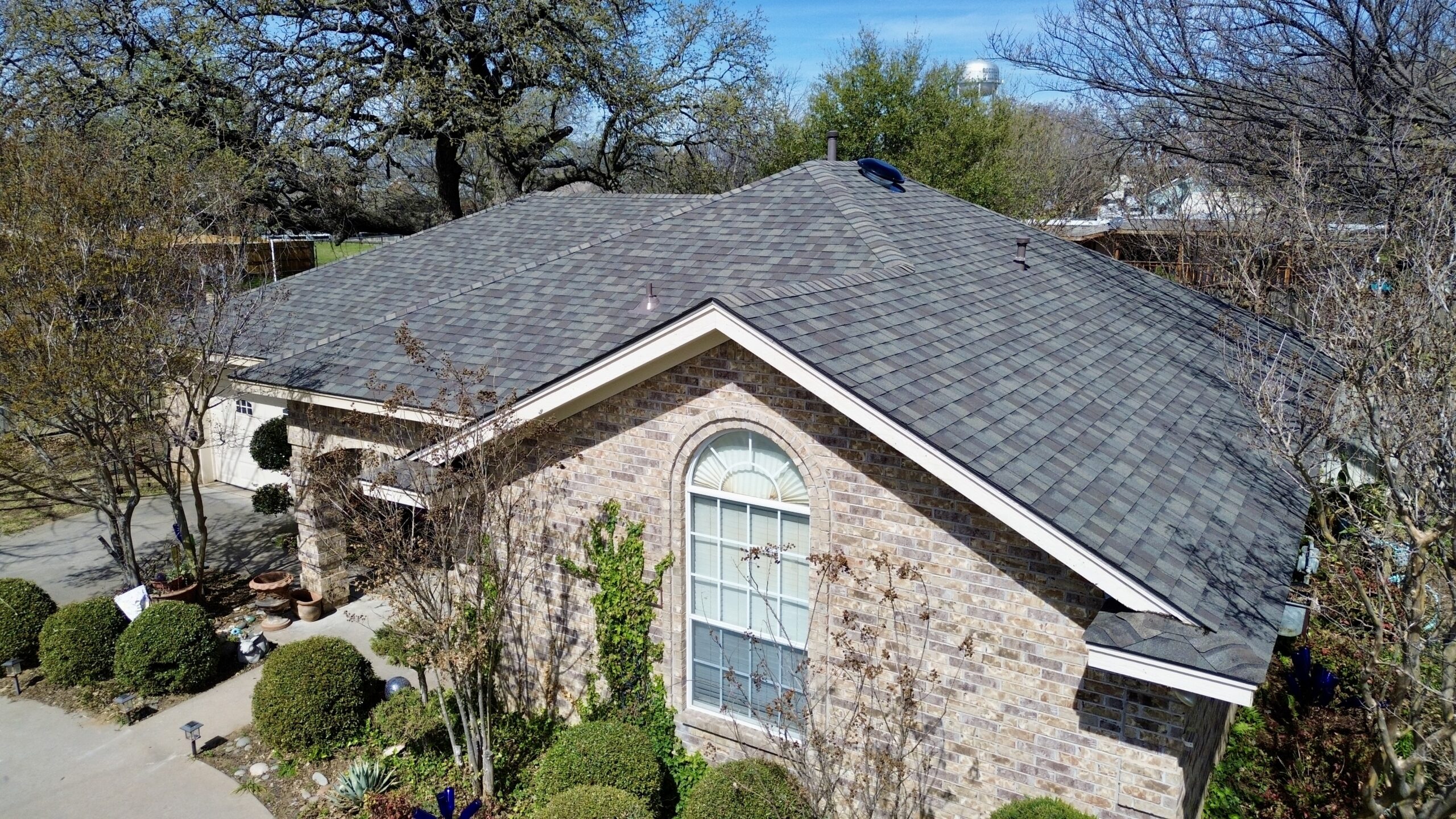
Frequently Asked Questions About Roof Damage Documentation
Should I document roof damage before calling my insurance company?
Yes. As long as it is safe to do so, documenting the damage before making permanent repairs provides valuable evidence that helps support your claim. Emergency measures to prevent additional damage should still be taken when necessary.
Can I use my smartphone to document roof damage?
Modern smartphones are capable of capturing high quality photographs and videos that are generally suitable for insurance documentation. Ensure images are clear, well lit, and saved in their original resolution.
Do I need professional inspection reports?
While not always required, professional inspections often strengthen a claim because experienced roofing contractors can identify hidden damage and provide detailed written assessments.
Should I throw away damaged roofing materials?
No. Photograph damaged materials before disposal whenever possible. Keeping severely damaged components until the insurance company has completed its inspection may provide additional supporting evidence.
How long should I keep roof documentation?
It is a good practice to retain inspection reports, maintenance records, repair invoices, warranties, and insurance documents for the life of the roof whenever practical. These records can be useful for future claims, maintenance planning, and even when selling the property.
What if more damage is found after repairs begin?
Additional damage should be documented immediately with photographs and written notes. Notify both your roofing contractor and insurance company so they can determine whether supplemental claim documentation is required.
Conclusion
Documenting roof damage thoroughly is one of the most effective ways to support a successful insurance claim. Clear photographs, detailed videos, written inspection notes, maintenance records, contractor reports, and organized communication all work together to create a complete picture of the damage and its cause.
The strongest claims are built on preparation rather than guesswork. By collecting evidence immediately after a storm, keeping accurate records, and presenting documentation in an organized manner, homeowners make it easier for insurance adjusters to evaluate the claim fairly and efficiently.
Safety should remain the highest priority throughout the documentation process. Inspections should only be performed when conditions are safe, and professional roofing contractors should be consulted whenever damage appears extensive or structural concerns exist.
Maintaining roof records long before damage occurs is equally valuable. Routine inspections, maintenance documentation, and updated photographs establish a reliable history of the roof, making future claims easier to support if another unexpected event occurs.
Whether the damage involves a few missing shingles or a complete roof replacement, thorough documentation protects both the homeowner and the insurance process. Investing time in careful recordkeeping today can reduce delays, strengthen evidence, and improve the likelihood of receiving the coverage needed to restore the roof properly.