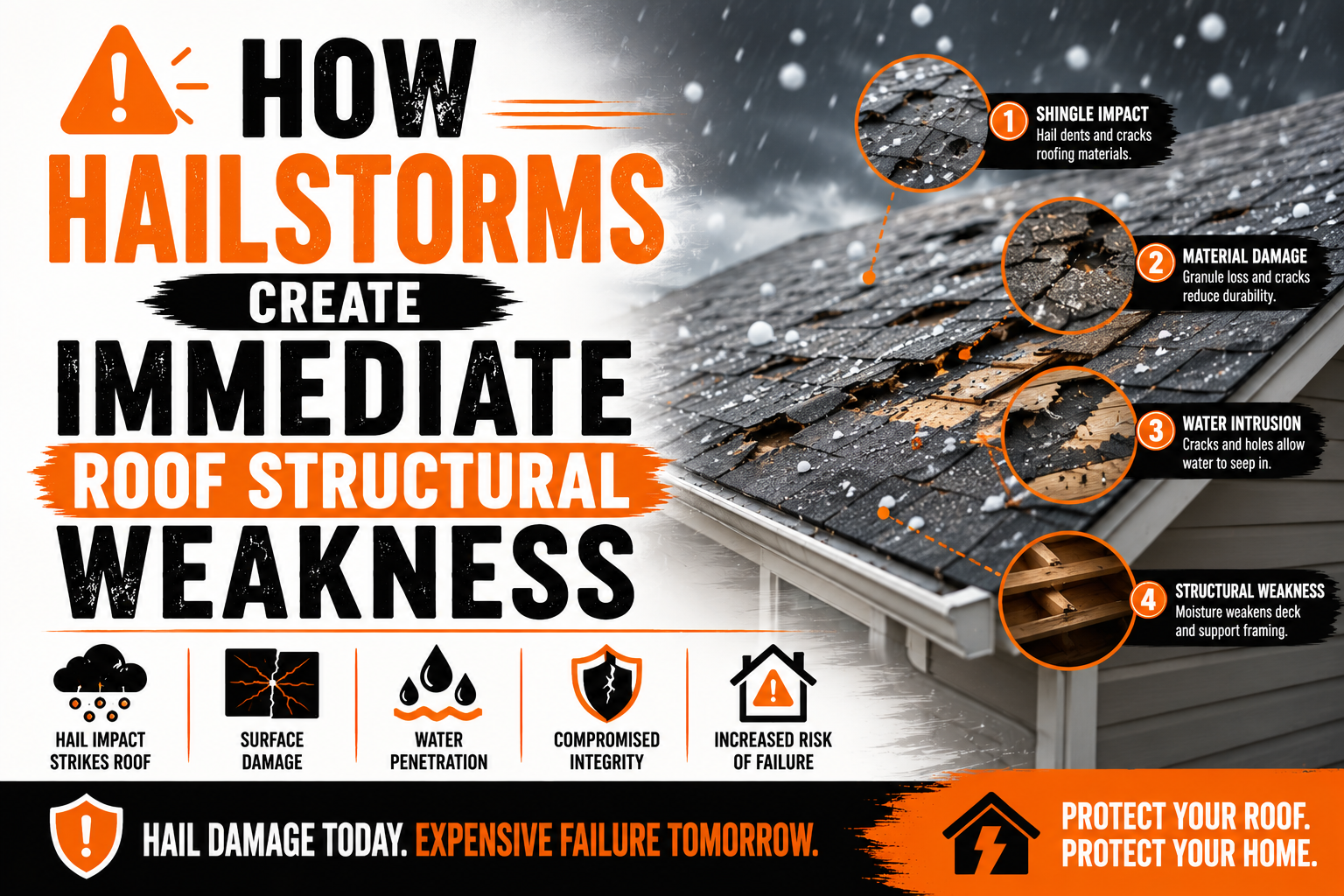
How Hailstorms Create Immediate Roof Structural Weakness
Introduction
Hailstorms are among the most destructive weather events that a residential roof can experience. Even a brief storm can leave behind cracked shingles, dented metal panels, broken tiles, and hidden structural damage that weakens the roof’s ability to protect the home. While some damage is easy to spot, many problems remain concealed until water intrusion or structural deterioration becomes noticeable.
The force of hail varies depending on the size of the hailstones, wind speed, and the duration of the storm. Larger hailstones strike the roof with significant impact, damaging protective roofing materials and exposing underlying components to future weather conditions. Even smaller hail can gradually weaken roofing systems when combined with strong winds and repeated impacts.
One of the greatest concerns after a hailstorm is the immediate loss of structural integrity. Once the roof’s outer protective layer is compromised, moisture, temperature changes, and additional storms can quickly worsen the damage. Acting promptly after a hailstorm helps reduce repair costs and prevents minor issues from developing into major structural problems.
Understanding how hail affects different roofing materials, recognizing early warning signs, and arranging timely inspections are essential steps for protecting your property. This guide explores how hailstorms create immediate roof structural weakness and explains why fast action is critical for preserving the safety, durability, and lifespan of your roofing system.
Understanding How Hailstorms Impact Roof Structures
Hail forms when powerful storm clouds carry water droplets into extremely cold sections of the atmosphere, allowing layers of ice to build before falling to the ground. By the time hailstones reach a roof, they may vary greatly in size, weight, and impact force. Each strike transfers energy directly into the roofing materials, creating both visible and hidden damage.
The outer roofing layer is designed to protect the structural components beneath it. When hail damages shingles, tiles, or metal panels, the roof becomes more vulnerable to moisture penetration and weather exposure. Even if the damage appears minor, the protective barrier may already be compromised.
The force of impact is influenced by several environmental conditions. Larger hailstones naturally strike with greater energy, while high winds increase their speed and change the angle of impact. Roofs facing the direction of strong winds often experience more concentrated damage than protected sections.
Roof slope also affects how hail impacts the surface. Steeper roofs may deflect some of the impact energy, while flatter sections absorb more direct force. Valleys, ridges, and roof transitions often receive repeated impacts that increase localized wear.
Older roofing systems generally sustain greater hail damage because years of weather exposure reduce the flexibility and strength of roofing materials. Aging shingles may crack more easily, while worn sealants and flashing become less capable of resisting moisture after impact. Even moderate hailstorms can expose weaknesses that have developed over time.
Surrounding conditions can also increase roof vulnerability. Falling branches, wind driven debris, and clogged gutters often accompany hailstorms, placing additional stress on an already damaged roofing system. The combination of multiple hazards frequently creates more extensive structural problems than hail alone.
Why Hail Damage Causes Immediate Structural Weakness
Many homeowners assume that hail damage becomes a problem only when leaks appear inside the home. In reality, structural weakness often begins the moment roofing materials absorb repeated impacts from hailstones. The protective layers that normally shield the roof from water and sunlight may already be compromised before any visible signs appear indoors.
One of the first areas affected is the roofing surface itself. Cracked shingles, fractured tiles, or dented metal panels reduce the roof’s ability to distribute weather related stress evenly. Once these materials weaken, future storms place greater pressure on surrounding sections that remain intact.
Protective granules on asphalt shingles play an important role in shielding the roof from ultraviolet radiation and everyday weather exposure. Hail can dislodge these granules, leaving the underlying material exposed to accelerated deterioration. As the protective surface wears away, shingles become increasingly brittle and vulnerable to cracking.
Repeated hail impacts may also damage the waterproof underlayment beneath the roofing materials. Although this layer is not usually visible during a ground inspection, tears or punctures reduce its ability to prevent moisture intrusion. Water reaching the underlayment often spreads beneath the roofing system before becoming noticeable inside the home.
Fasteners and adhesive seals can loosen during severe hailstorms. Small movements caused by repeated impacts gradually weaken the attachment between roofing materials and the roof deck. While these changes may not cause immediate failure, they reduce the roof’s resistance to future wind and rain.
Structural weakness develops even faster when hail damage is followed by heavy rainfall. Water entering through damaged roofing materials begins affecting insulation, roof decking, and framing components. These materials absorb moisture, reducing their strength and increasing the likelihood of long term deterioration.
Temperature changes after the storm also contribute to structural problems. Damaged roofing materials expand and contract during daily heating and cooling cycles, causing small cracks to grow larger over time. Without prompt repairs, this natural movement accelerates the aging process throughout the affected area.
Immediate structural weakness is not always dramatic or obvious. Instead, it often begins as a series of small failures that gradually combine into more significant roofing problems. Early inspection and repair help interrupt this process before widespread damage develops.
Common Types of Roof Damage Caused by Hailstorms
Hail affects roofing systems in many different ways depending on the roofing material, storm intensity, and the size of the hailstones. Some forms of damage are immediately visible, while others remain hidden beneath the roof surface. Understanding these common damage patterns helps homeowners recognize when professional inspections are necessary.
Cracked asphalt shingles are among the most frequently reported forms of hail damage. The impact of hailstones can fracture the shingle surface, weakening its ability to repel water and resist future weather exposure. These cracks may expand gradually as the roof experiences normal temperature changes.
Granule loss is another common problem following hailstorms. Protective mineral granules help shield shingles from sunlight and moisture, but repeated impacts can dislodge them from the surface. Areas with excessive granule loss often age more rapidly than surrounding sections of the roof.
Metal roofing may develop dents after severe hailstorms. Although some dents are primarily cosmetic, stronger impacts can affect seams, fasteners, or protective coatings that contribute to the roof’s weather resistance. Careful inspection helps determine whether structural repairs are necessary.
Clay and concrete tiles may crack or break when struck by larger hailstones. Even if only a few tiles appear damaged, the underlying waterproof layers should also be inspected for hidden impact damage. Broken tiles expose vulnerable sections of the roof to future moisture intrusion.
Flashing around chimneys, skylights, valleys, and roof vents often experiences damage during hailstorms. Dented or displaced flashing creates small openings that allow rainwater to enter beneath the roofing materials. These leaks may remain hidden until interior staining becomes visible.
Roof accessories are not immune to hail damage. Gutters, downspouts, ridge vents, skylights, roof vents, and attic ventilation components may all suffer impact damage that affects the performance of the entire roofing system. A complete inspection evaluates these areas alongside the primary roofing materials.
The following types of damage commonly occur after significant hailstorms:
- Cracked or fractured shingles
- Excessive granule loss
- Dented metal roofing panels
- Broken clay or concrete tiles
- Damaged flashing around roof penetrations
- Impact damage to gutters and downspouts
- Loosened roof vents and ventilation components
- Surface punctures caused by exceptionally large hailstones
Every type of damage weakens the roof in a different way. Identifying each affected component helps ensure repairs restore the complete roofing system rather than addressing only the most obvious problems.
Early Warning Signs of Structural Roof Damage After Hail
Recognizing early warning signs allows homeowners to respond before hidden damage develops into expensive repairs. While some indicators appear immediately after the storm, others become noticeable only after the roof has been exposed to additional weather conditions. Paying close attention during the days following a hailstorm is extremely important.
One of the clearest signs is visible damage to roofing materials. Missing granules, cracked shingles, broken tiles, and dents in metal roofing all suggest that the roof has absorbed significant impact. Even isolated areas of damage deserve professional evaluation because they may indicate hidden structural concerns beneath the surface.
Water stains on ceilings or upper walls often appear after rainfall following a hailstorm. These stains usually indicate that moisture has entered through damaged roofing materials and traveled through insulation before reaching interior surfaces. The location of the stain does not always match the location of the roof damage.
Granules collecting inside gutters provide another important warning sign. While small amounts of granule loss occur naturally as roofs age, excessive accumulation immediately after a hailstorm often indicates impact related deterioration. Reduced granule coverage leaves shingles more vulnerable to future weather exposure.
Homeowners should also watch for damaged roof accessories. Bent flashing, dented vents, cracked skylights, or loose gutter sections may all suggest that the roof experienced substantial hail impacts. These components play an important role in keeping water outside the home.
Inside the attic, damp insulation or visible daylight through the roof structure requires immediate attention. Moisture entering the attic can reduce insulation performance while encouraging mold growth and wood deterioration. Early detection allows repairs to begin before structural damage becomes more extensive.
Small roof leaks may produce musty odors before visible water stains develop. Persistent moisture trapped within insulation or wooden framing creates conditions that affect indoor air quality over time. Unusual odors following a hailstorm should never be ignored.
Hidden Damage That Often Goes Undetected
Not every hail related roofing problem can be identified during a simple visual inspection from the ground. Many forms of structural damage develop beneath the roofing materials where they remain hidden until leaks or deterioration become more severe. Professional inspections help uncover these concealed problems before they require major restoration work.
One of the most common hidden issues involves damage to the waterproof underlayment. Hail impacts may fracture the roofing surface while also weakening the protective membrane underneath. Since this layer is concealed by shingles or tiles, damage often goes unnoticed until water intrusion occurs.
Roof decking may also suffer hidden impact damage. Repeated hail strikes can create small fractures or weaken sections of wood beneath the roofing materials. Although these changes are difficult to detect without a detailed inspection, they reduce the structural stability of the roof over time.
Fasteners may loosen after repeated impacts even when roofing materials appear secure. Nails and screws that shift slightly during a hailstorm may no longer provide the same level of support. This weakened attachment increases the likelihood of future wind damage.
Moisture trapped inside insulation is another frequently overlooked problem. Wet insulation loses much of its thermal efficiency while remaining damp for extended periods. Continued moisture exposure may also encourage mold growth and gradual wood deterioration within the attic.
Sealants around roof penetrations often crack following repeated hail impacts. These small failures create pathways for water that may remain hidden beneath flashing or roofing materials. Without careful inspection, these leaks can continue for months before becoming obvious.
Roof ventilation systems also deserve close attention after hailstorms. Damaged ridge vents or soffit vents may reduce airflow, allowing excess moisture and heat to accumulate inside the attic. Poor ventilation contributes to faster deterioration of both roofing materials and structural components.
Because hidden damage develops out of sight, homeowners should never assume the roof escaped serious harm simply because no immediate leaks are visible. A professional assessment provides the most reliable way to identify concealed problems before they become significantly more expensive to repair.
Why Prompt Roof Inspections Are Essential After a Hailstorm
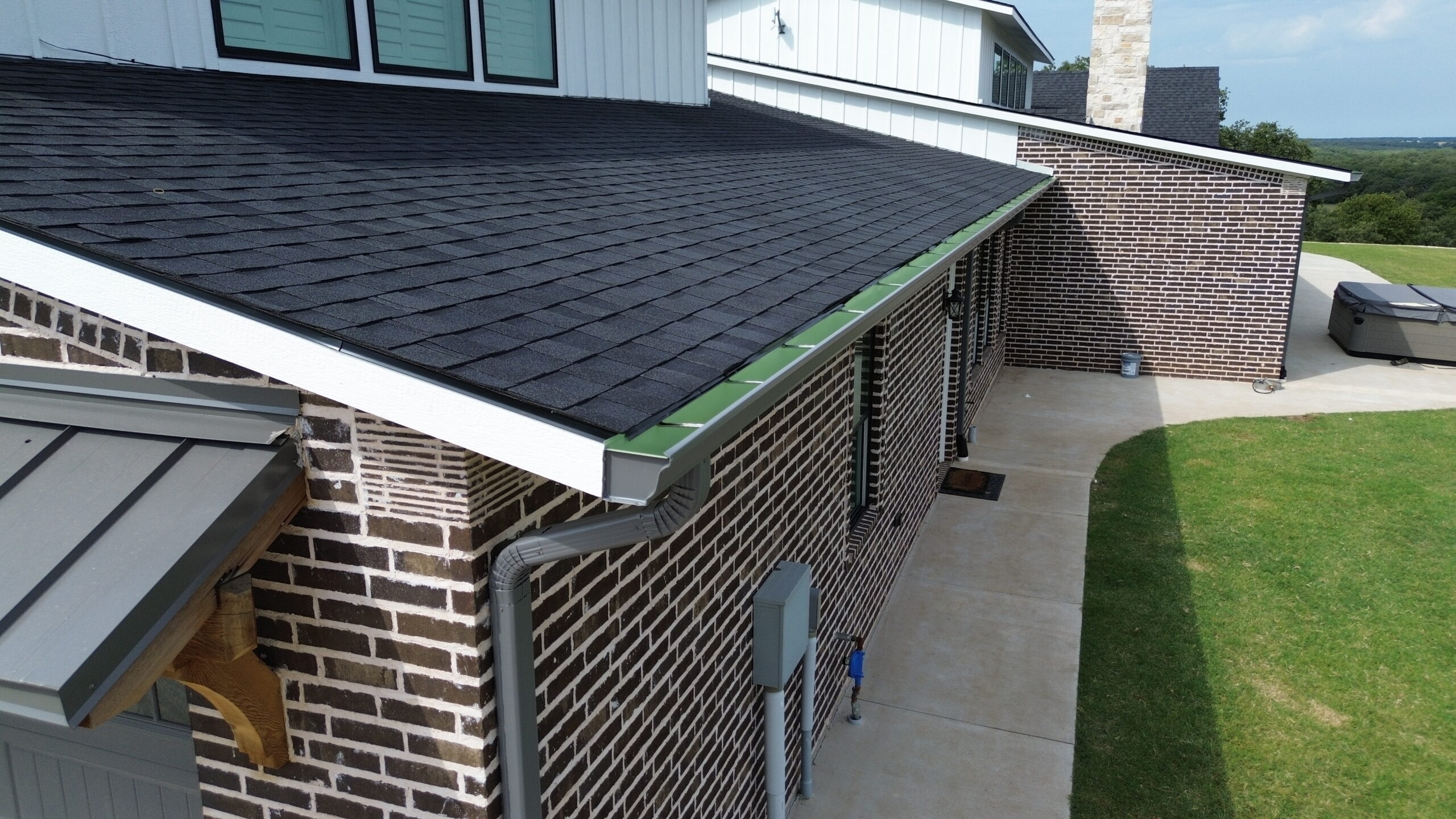
A professional roof inspection is one of the most valuable steps homeowners can take after a hailstorm. Even when visible damage appears limited, trained roofing specialists often identify hidden issues that would otherwise remain undetected. Early inspections provide a clearer understanding of the roof’s condition before deterioration progresses.
Prompt inspections help determine whether damage is cosmetic, functional, or structural. This distinction is important because different types of damage require different repair strategies. Identifying the correct solution early reduces the risk of unnecessary repairs while ensuring serious problems receive immediate attention.
Professional inspections also establish a documented record of the roof’s condition shortly after the storm. Detailed photographs, inspection notes, and written assessments provide valuable information when planning repairs or communicating with insurance providers. Accurate documentation also serves as a useful reference if additional damage becomes apparent later.
Another advantage of early inspections is preventing secondary damage. Small cracks, loosened flashing, or damaged underlayment may allow water to enter during the next rainfall. Repairing these problems promptly helps protect insulation, roof decking, interior finishes, and structural framing from unnecessary moisture exposure.
During a comprehensive inspection, roofing professionals evaluate much more than the visible roofing materials. They examine flashing, gutters, roof penetrations, attic conditions, ventilation systems, and structural components to ensure every part of the roofing system receives careful attention. This complete approach helps identify issues that might otherwise remain hidden.
The first inspection after a hailstorm also provides an opportunity to plan future maintenance. Contractors can recommend repairs, identify aging materials, and explain preventive measures that improve the roof’s resistance to future storms. Taking action early often extends the service life of the entire roofing system.
By arranging a prompt professional inspection, homeowners gain confidence that any storm related damage has been properly identified and addressed. This proactive approach helps preserve the roof’s structural integrity while reducing the likelihood of costly repairs in the future.
How Roofing Professionals Assess Hail Damage
A professional roof inspection involves much more than checking for cracked shingles or visible dents. Roofing specialists follow a systematic process to determine the full extent of hail damage, including problems that cannot be seen from the ground. A thorough assessment ensures that every damaged component is identified before repair recommendations are made.
The inspection usually begins with a visual evaluation from ground level. Contractors examine the roof, gutters, flashing, siding, windows, and other exterior surfaces for signs of hail impact. Observing damage across multiple parts of the property helps estimate the storm’s intensity and identify areas that likely experienced the greatest impact.
Once the roof can be accessed safely, each section is inspected individually. Contractors look for fractured shingles, missing granules, dented metal panels, cracked tiles, displaced flashing, and damaged roof accessories. Every affected area is documented to create a complete record of the roof’s condition.
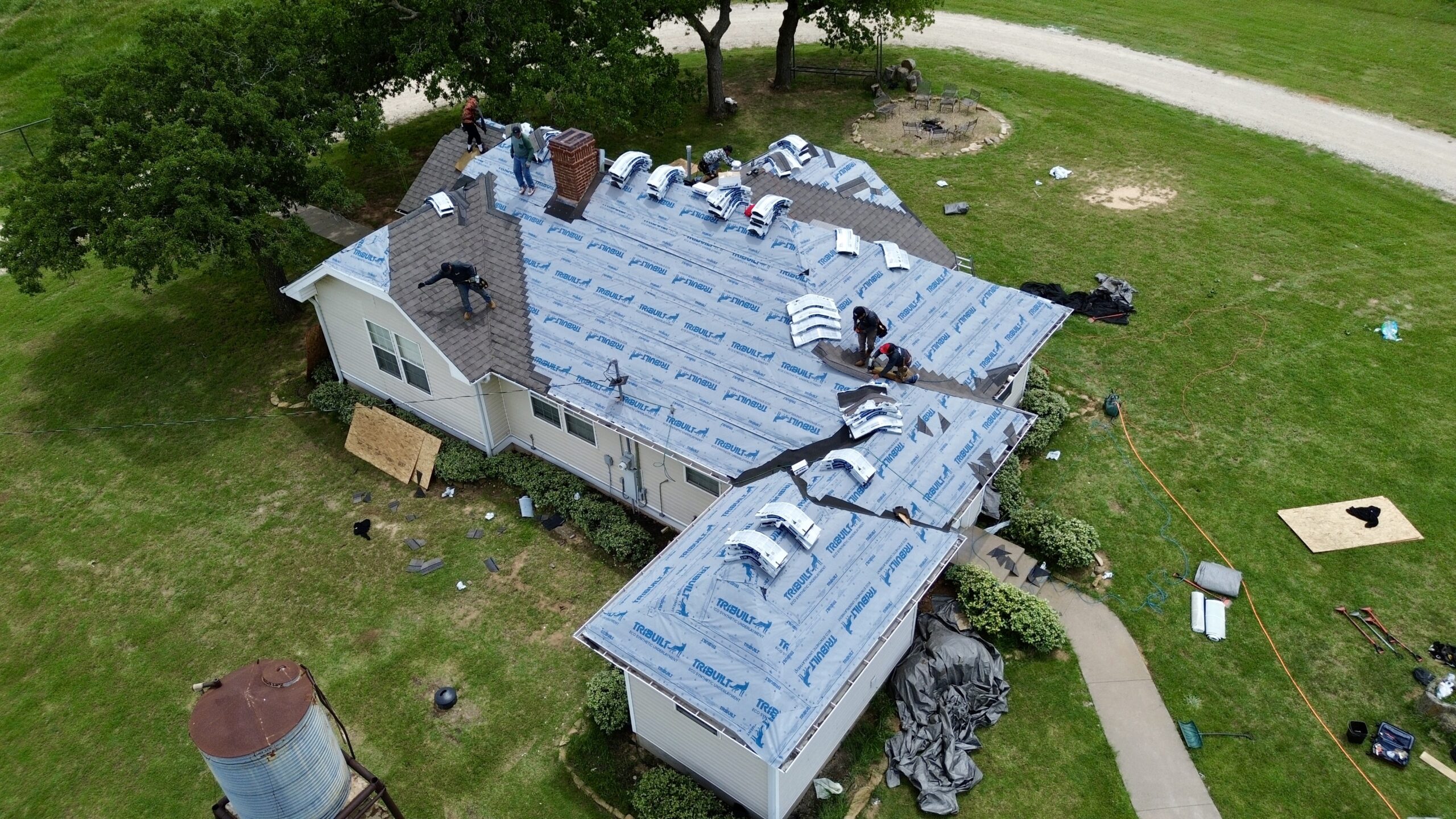
Roofing professionals also evaluate the waterproof underlayment whenever damage suggests moisture may have reached lower layers. Even when the outer roofing material appears repairable, hidden problems beneath the surface can continue worsening if left untreated. Examining these layers helps determine whether repairs alone are sufficient.
Attic inspections provide additional insight into the roof’s structural condition. Contractors check for damp insulation, water stains, mold growth, weakened roof decking, and signs of active leaks. Interior findings often confirm whether moisture has already begun affecting the home’s structure.
Modern inspection methods may include moisture detection tools, thermal imaging equipment, and drone photography. These technologies help identify hidden damage without removing large sections of roofing material. Combining traditional inspections with advanced tools improves both accuracy and efficiency.
At the end of the assessment, homeowners typically receive a detailed report outlining the observed damage, recommended repairs, and the overall condition of the roofing system. This documentation helps support repair planning and provides useful information for insurance claims when applicable.
Structural Components Most Vulnerable to Hail Impact
Although shingles or roofing panels often receive the most attention after a hailstorm, many structural components beneath the surface can also suffer damage. These supporting elements work together to maintain the roof’s strength and weather resistance. Damage to any one of them may reduce the overall stability of the roofing system.
Roof decking is one of the most important structural layers. It provides the foundation that supports the roofing materials above while distributing weight across the roof structure. Repeated hail impacts combined with moisture intrusion can weaken decking over time, reducing its ability to support the roofing system effectively.
The waterproof underlayment serves as a secondary barrier against water penetration. When hail fractures the roofing surface, the underlayment absorbs additional exposure to moisture and weather. Tears, punctures, or worn sections reduce its effectiveness and increase the likelihood of leaks.
Flashing installed around chimneys, skylights, valleys, and roof penetrations also faces significant risk during hailstorms. Impact damage may bend or separate flashing from surrounding materials, creating small openings where water can enter. These vulnerable transition points often require careful inspection after every major storm.
Fasteners play a critical role in keeping roofing materials securely attached. Although they are hidden beneath the roof surface, repeated hail impacts and temperature changes may gradually loosen nails or screws. Reduced fastening strength leaves the roof more susceptible to future wind damage.
Ventilation components should not be overlooked. Ridge vents, soffit vents, and roof vents can become cracked or displaced after severe hailstorms, affecting airflow throughout the attic. Poor ventilation contributes to moisture accumulation and accelerates the aging of roofing materials.
Supporting trim, fascia boards, and soffits may also experience impact damage from hail or falling debris. These components help protect roof edges while supporting gutter systems. Damage in these areas can affect drainage performance and expose underlying wood to moisture.
Because every structural component contributes to the roof’s overall performance, comprehensive inspections evaluate the entire roofing system rather than focusing only on visible surface damage.
Temporary Protection Methods Before Permanent Repairs
Permanent roof repairs are not always possible immediately after a hailstorm. Material availability, weather conditions, contractor scheduling, or insurance inspections may delay the repair process. During this time, temporary protection helps reduce the risk of additional structural damage.
One of the most common emergency measures is professional roof tarping. Heavy duty waterproof tarps are secured over damaged areas to prevent rain from reaching exposed roofing materials. Proper installation is essential because loose tarps may shift or tear during strong winds.
Temporary waterproof coverings are designed to extend beyond the damaged section of the roof. This allows rainwater to flow safely away from exposed areas rather than underneath the protective covering. Correct placement significantly improves short term weather protection.
Roof sealants may also be applied to small openings around flashing, vents, or other roof penetrations. These products temporarily reduce water intrusion until permanent repairs can be completed. However, they should never replace professional restoration of damaged roofing materials.
If hail has broken skylights or damaged roof vents, temporary coverings may be installed to reduce moisture entry. Protecting these vulnerable openings helps preserve attic insulation, ceilings, and interior finishes while repair plans are finalized.
Inside the home, homeowners can minimize secondary damage by placing containers beneath active leaks and moving valuable belongings away from affected areas. Plastic sheeting may also be used to protect furniture and flooring from continued moisture exposure. These measures help reduce cleanup costs while waiting for permanent repairs.
Temporary protection provides valuable time, but it should never become a long term solution. Every emergency measure is intended only to reduce further damage until qualified roofing professionals complete permanent repairs.
Repair Solutions for Different Levels of Hail Damage
The appropriate repair strategy depends on the severity of the hail damage and the condition of the roofing system before the storm. Minor surface damage often requires localized repairs, while widespread structural problems may involve much more extensive restoration. A professional assessment determines which approach provides the best long term results.
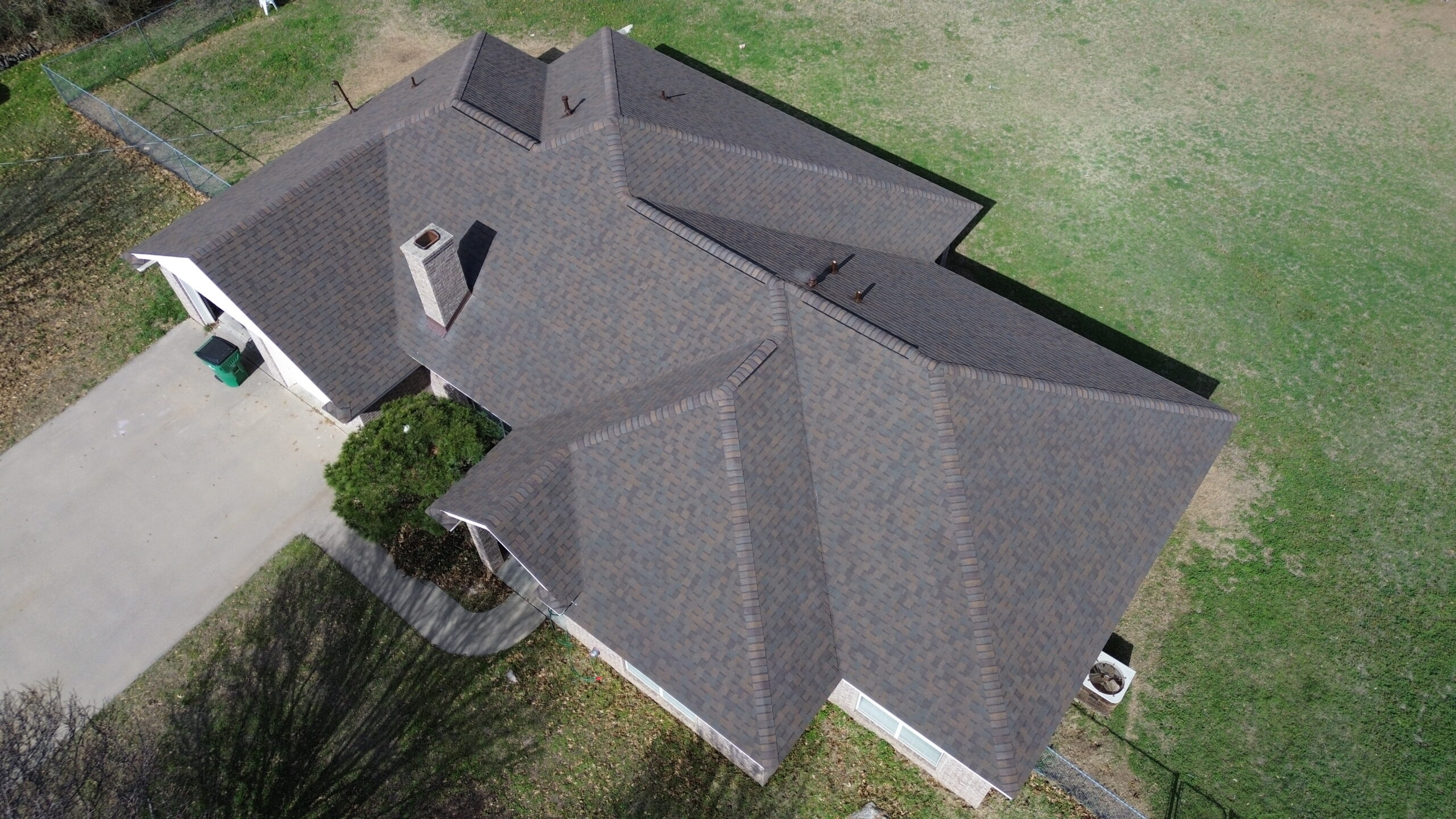
For limited damage, contractors may replace individual shingles, tiles, or metal panels that have been cracked or punctured. Matching replacement materials with the existing roof helps restore both appearance and weather resistance. Localized repairs are often sufficient when surrounding materials remain in good condition.
Damaged flashing is repaired or replaced wherever necessary to restore waterproof protection around roof penetrations. Since flashing protects areas where leaks commonly develop, careful installation is essential for preventing future moisture intrusion. Proper sealing further strengthens these vulnerable locations.
When hail has damaged the waterproof underlayment, roofing materials above the affected section are temporarily removed to allow replacement of the compromised layer. Installing new underlayment restores the roof’s secondary moisture barrier before surface materials are reinstalled.
Roof decking that has absorbed significant moisture or sustained structural damage must also be repaired before new roofing materials are installed. Replacing weakened decking creates a stable foundation that supports the repaired roofing system. Skipping structural repairs may shorten the lifespan of the new roof.
If gutters, vents, skylights, or fascia boards have been damaged, these components are repaired as part of the overall restoration process. Addressing every affected area helps ensure the roof functions as a complete weather resistant system rather than as individual repaired sections.
After all repairs are completed, contractors usually perform a final inspection to verify workmanship and confirm that every damaged component has been properly restored. This final review helps ensure the roof is prepared to withstand future weather conditions.
Repair Versus Roof Replacement After Severe Hailstorms
One of the most common questions homeowners ask after a hailstorm is whether their roof can be repaired or if complete replacement is necessary. The answer depends on the extent of the damage, the age of the roof, and the condition of the structural components beneath the roofing materials. Every situation requires an individual evaluation.
Repair is often the preferred option when hail damage is limited to a relatively small area. Replacing damaged shingles, repairing flashing, and restoring localized sections of the roofing system may fully resolve the problem without affecting the remainder of the roof. This approach preserves serviceable materials while restoring weather protection.
When damage is widespread across multiple roof sections, repeated repairs may no longer provide reliable long term performance. Numerous impact points, extensive granule loss, damaged underlayment, and weakened structural components can reduce the effectiveness of patch repairs. In these situations, replacement often provides greater durability and long term value.
The roof’s age also plays an important role in the decision making process. Older roofs nearing the end of their expected lifespan may not benefit significantly from major repairs because additional age related failures are likely to occur. Replacing the roof may prove more practical than investing in repeated maintenance.
Structural damage beneath the roofing materials is another important factor. If roof decking, framing, or other supporting components have been compromised by hail and moisture, these issues must be addressed before any new roofing material is installed. Extensive structural repairs frequently accompany complete roof replacement.
Building codes and manufacturer requirements may also influence repair decisions. Depending on local regulations and the amount of damage present, replacement may be recommended to ensure the roofing system meets current construction standards. Qualified roofing professionals evaluate these factors before presenting their recommendations.
Comparing Roof Damage Severity and Recommended Solutions
The following table provides a general comparison of common hail damage levels, associated structural concerns, and the repair approaches typically recommended. Actual repair decisions should always be based on a professional inspection of the specific roofing system.
| Damage Severity | Common Signs | Structural Risk | Recommended Solution | Typical Repair Timeline |
|---|---|---|---|---|
| Minor | Light granule loss and small cosmetic dents | Low | Localized repairs and inspection | 1 to 2 days |
| Moderate | Cracked shingles, damaged flashing, minor leaks | Moderate | Partial roof repairs with underlayment inspection | Several days |
| Significant | Widespread impact damage and multiple active leaks | High | Extensive repairs or partial replacement | 1 to 2 weeks |
| Severe | Major structural damage, saturated decking, widespread roofing failure | Very High | Complete roof replacement after structural restoration | Several weeks |
Understanding the severity of the damage helps homeowners make informed decisions about protecting their property. Prompt inspections and professional recommendations ensure that repairs address both visible damage and the hidden structural weaknesses created by the hailstorm.
Long Term Effects of Untreated Hail Damage
Hail damage that is left unrepaired rarely remains isolated to the roofing surface. What may begin as small cracks or dents can gradually develop into widespread structural issues as the roof continues to face rain, sunlight, wind, and changing temperatures. Early repairs help interrupt this cycle before extensive restoration becomes necessary.
Moisture intrusion is one of the most significant long term consequences. Once water enters through damaged roofing materials, it can soak insulation, weaken roof decking, and spread into walls and ceilings. Continuous exposure to moisture increases repair costs while reducing the overall durability of the home.
Roof decking that remains damp for extended periods may begin to deteriorate. Wood loses strength as moisture penetrates its fibers, making the roof more vulnerable to future weather events. If deterioration continues unchecked, structural repairs become more extensive and expensive.
Damaged shingles with missing protective granules also age more rapidly. Without adequate surface protection, sunlight accelerates material deterioration, causing shingles to become brittle and more likely to crack. This shortens the expected lifespan of the entire roofing system.
Mold growth is another concern associated with untreated hail damage. Moisture trapped inside insulation, attic spaces, or wooden framing creates conditions where mold can develop over time. Besides damaging building materials, mold may also affect indoor air quality and require specialized remediation.
Small roof leaks often expand gradually as weather conditions continue to stress weakened materials. Water may follow framing members before becoming visible inside the home, making the source of the leak difficult to identify. Prompt repairs help prevent these hidden pathways from causing widespread interior damage.
Energy efficiency may also decline when hail damage remains unresolved. Wet insulation loses much of its ability to regulate indoor temperatures, allowing heat to enter during summer and escape during winter. Reduced insulation performance can contribute to higher heating and cooling costs throughout the year.
Ignoring hail damage also increases the likelihood of emergency repairs during future storms. Roofing materials that have already been weakened are far less capable of resisting additional hail, heavy rain, or strong winds. Addressing damage early helps preserve the roof’s structural integrity and long term performance.
Preventing Future Roof Damage From Hailstorms
While hailstorms cannot be prevented, homeowners can take several practical steps to reduce the amount of damage their roofs experience. Preventive maintenance strengthens the roofing system and helps identify existing weaknesses before severe weather arrives. Consistent care often extends the roof’s service life while lowering future repair costs.
Routine roof inspections provide an opportunity to detect loose shingles, deteriorating flashing, damaged sealants, and worn roofing materials. Correcting these issues before hail season improves the roof’s ability to withstand impact. Professional inspections also establish a maintenance history that helps monitor the roof’s condition over time.
Selecting impact resistant roofing materials during future roof replacements can significantly improve storm performance. Many modern roofing products are specifically engineered to withstand stronger impacts than traditional materials. Choosing quality materials provides an additional layer of protection during severe weather.
Tree maintenance should also become part of every homeowner’s storm preparation plan. Removing dead branches and trimming limbs that extend over the roof reduces the risk of impact damage during hailstorms accompanied by strong winds. Healthy trees are generally less likely to shed heavy branches during severe weather.
Keeping gutters and downspouts free from debris allows rainwater to drain efficiently after storms. Proper drainage reduces the chance of standing water collecting around damaged roofing materials. Clean gutters also help protect fascia boards and roof edges from unnecessary moisture exposure.
Attic ventilation contributes to the long term health of the roofing system. Proper airflow controls heat and moisture levels beneath the roof, helping roofing materials maintain their strength over time. Well ventilated attics also reduce stress caused by seasonal temperature fluctuations.
Homeowners should develop a habit of performing visual inspections from the ground after every major storm. Although professional inspections remain important, noticing missing shingles, damaged gutters, or visible debris early allows repairs to begin before conditions worsen.
Preventive maintenance cannot eliminate storm damage entirely, but it greatly improves the roof’s ability to withstand severe weather. A well maintained roof is more resilient and generally requires fewer emergency repairs following hailstorms.
Choosing a Qualified Roofing Contractor for Hail Repairs
Finding the right roofing contractor is essential for restoring a hail damaged roof properly. Storm damage often creates urgent repair needs, but homeowners should still take time to evaluate contractors carefully before making a decision. Quality workmanship has a direct impact on the roof’s long term reliability.
Experience with hail damage repairs is one of the most valuable qualifications. Contractors who regularly repair storm damaged roofs understand how impact affects different roofing materials and structural components. Their experience helps ensure that both visible and hidden damage are addressed during the repair process.
Proper licensing and insurance should always be verified before work begins. These credentials demonstrate professionalism while protecting homeowners if unexpected issues arise during the project. Reputable contractors willingly provide proof of their qualifications when requested.
Detailed written estimates help homeowners understand exactly what work will be performed. A complete proposal should explain the repair scope, materials being used, estimated timelines, and warranty information. Clear documentation reduces misunderstandings and supports better project planning.
Communication throughout the repair process is equally important. Homeowners should receive updates regarding inspection findings, scheduling, material availability, and project progress. Open communication helps build confidence while allowing questions to be addressed promptly.
Strong workmanship warranties provide additional peace of mind after repairs are completed. A contractor who stands behind the quality of the work demonstrates confidence in both the materials and installation methods being used. Warranty details should always be reviewed before signing an agreement.
When evaluating roofing professionals, homeowners should consider several important factors:
- Experience repairing hail damaged roofing systems
- Valid licensing and insurance coverage
- Detailed written estimates
- Clear communication throughout the project
- Strong workmanship and material warranties
- Positive customer reviews and reputation
- Commitment to safe roofing practices
Choosing a qualified contractor helps ensure repairs restore the roof’s structural integrity while reducing the likelihood of recurring problems in the future.
Mistakes Homeowners Should Avoid After Hail Damage
The decisions made during the days following a hailstorm often influence the overall success of the repair process. While homeowners naturally want to restore their property quickly, certain mistakes can lead to additional damage, unnecessary expenses, or delayed repairs. Avoiding these common errors helps protect both the home and the roofing investment.
One frequent mistake is assuming the roof escaped damage because there are no visible leaks. Many forms of hail damage remain hidden beneath the roofing materials and continue worsening over time. Scheduling a professional inspection provides a much more accurate understanding of the roof’s condition.
Attempting major roof repairs without proper experience also creates unnecessary risks. Walking on a hail damaged roof can be dangerous, especially when weakened materials or slippery surfaces are present. Professional roofing crews have the training and equipment needed to perform repairs safely.
Delaying repairs after confirmed damage is another costly mistake. Every rainfall increases the chance of water reaching structural components beneath the roof surface. Addressing problems promptly helps prevent secondary damage to insulation, ceilings, walls, and wooden framing.
Some homeowners focus only on replacing damaged shingles while overlooking flashing, gutters, vents, and other supporting components. A roofing system functions as a complete unit, so every damaged element should be evaluated during the repair process. Comprehensive repairs provide more reliable long term protection.
Failing to document storm damage can complicate insurance claims. Taking photographs, saving inspection reports, and keeping receipts for temporary repairs creates a complete record of the property’s condition following the hailstorm. Organized documentation also helps answer questions that may arise later.
Selecting a contractor based solely on the lowest price may also create problems. Lower estimates sometimes reflect reduced material quality or incomplete repair work rather than true value. Choosing experienced professionals who use quality materials often provides better long term results.
Frequently Asked Questions
Can small hailstones still damage a roof?
Yes. Smaller hailstones may not create obvious structural damage individually, but repeated impacts can loosen protective granules, weaken shingles, and contribute to long term roof deterioration.
Does every hailstorm require a professional roof inspection?
A professional inspection is strongly recommended after significant hailstorms because hidden damage is common. Early detection helps prevent moisture intrusion and reduces the likelihood of more expensive repairs later.
Can hail damage lead to roof leaks immediately?
Yes. Severe impacts may crack roofing materials or damage flashing, allowing rainwater to enter during the same storm or the next rainfall. In other cases, leaks develop gradually as damaged materials continue to deteriorate.
Is cosmetic hail damage different from structural damage?
Yes. Cosmetic damage affects the appearance of roofing materials without necessarily reducing performance, while structural damage weakens the roof’s ability to protect the home from weather. A professional inspection helps distinguish between the two.
How long should temporary roof protection remain in place?
Temporary protection should remain only until permanent repairs can be completed. Although emergency coverings reduce additional damage, they are not intended to replace professional roof restoration.
Can untreated hail damage shorten a roof’s lifespan?
Yes. Cracked materials, granule loss, moisture intrusion, and hidden structural deterioration all contribute to faster aging of the roofing system. Timely repairs help preserve the roof’s expected service life.
Conclusion
Hailstorms can weaken a roofing system far more quickly than many homeowners realize. Even when the damage appears minor, repeated impacts may compromise shingles, flashing, underlayment, roof decking, and other structural components that protect the home from the elements. Understanding how hail affects the entire roofing system is the first step toward preventing more serious problems.
Prompt inspections and timely repairs play a critical role in limiting structural deterioration after a hailstorm. Identifying hidden damage early helps prevent moisture intrusion, protects supporting materials, and reduces the likelihood of costly restoration work in the future. Temporary protective measures provide short term security, but permanent repairs remain essential for restoring the roof’s strength and reliability.
Regular maintenance and preventive care also improve the roof’s ability to withstand future storms. Routine inspections, proper drainage, healthy surrounding trees, and high quality roofing materials all contribute to better long term performance. Investing in proactive maintenance often reduces both emergency repair needs and overall ownership costs.
When hail damages a roof, responding quickly with informed decisions helps preserve the safety, durability, and value of the home. Working with experienced roofing professionals, documenting damage carefully, and following a comprehensive repair plan ensures the roofing system is restored properly. With consistent maintenance and timely attention, homeowners can strengthen their roofs against future hailstorms while extending the life of their entire roofing system.