
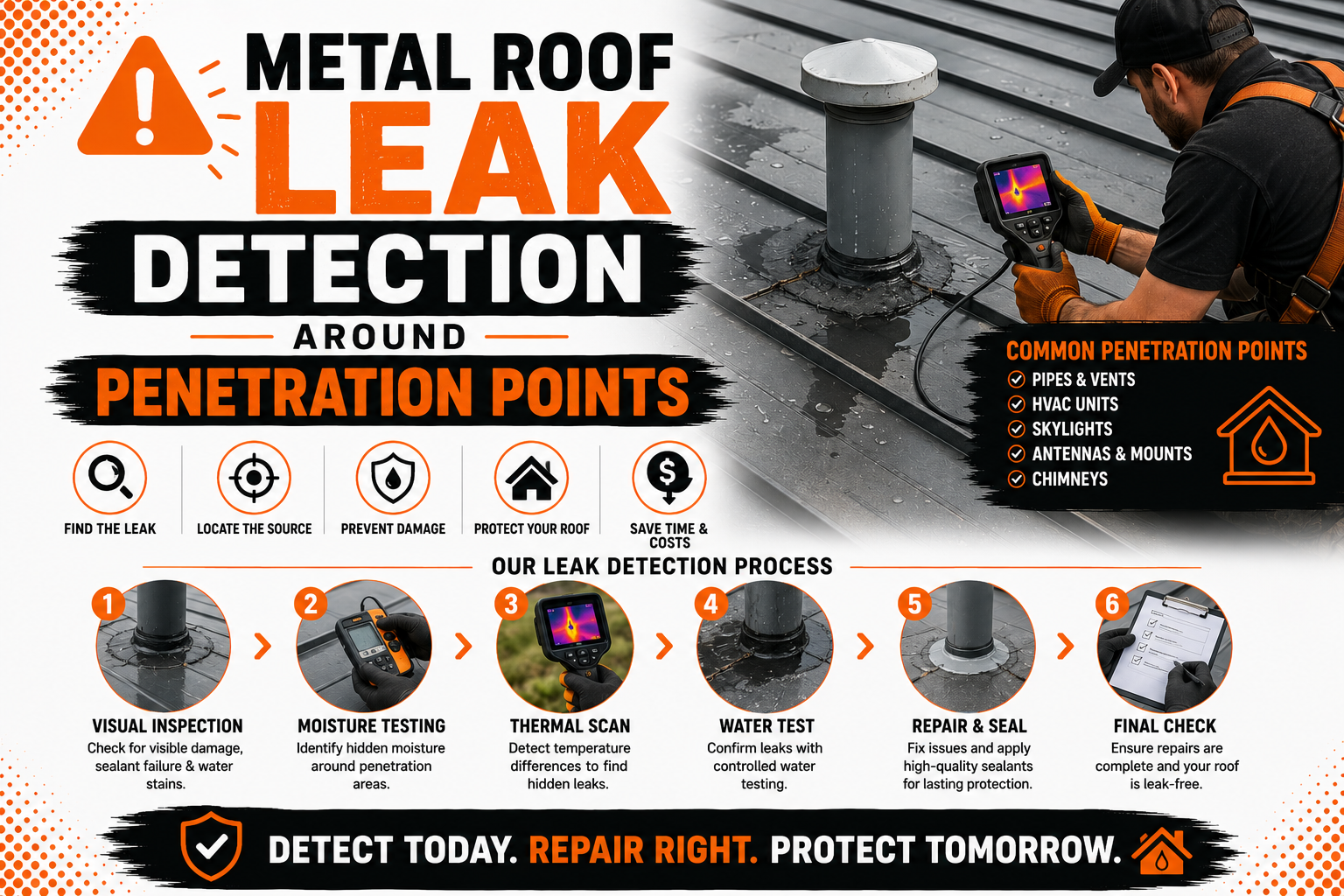
Metal Roof Leak Detection Around Penetration Points
Introduction
Metal roofing systems are designed to provide decades of reliable protection against rain, wind, snow, and changing weather conditions. Their durable construction, long lifespan, and low maintenance requirements make them one of the most popular roofing choices for residential, commercial, industrial, and agricultural buildings. However, even the most durable metal roof has areas that are naturally more vulnerable to water intrusion. Among these, roof penetration points are the most common sources of leaks.
A roof penetration is any location where an object passes through the roof surface. Plumbing vents, exhaust pipes, chimneys, skylights, HVAC equipment, antennas, solar panel mounts, and electrical conduits all require openings in the roofing system. While these penetrations are necessary for the building to function properly, they interrupt the continuous protective surface of the roof and create locations where water can enter if flashing, sealants, or attachment systems begin to fail.
Leaks around penetration points rarely develop without warning. In many cases, small defects such as cracked sealants, loose fasteners, deteriorated flashing, or minor panel movement allow moisture to enter gradually. Because water often travels beneath the roofing panels before becoming visible indoors, the location of an interior leak may be several feet away from the actual point of water entry. This makes accurate leak detection one of the most important steps before beginning repairs.
Many property owners assume that visible ceiling stains always indicate the exact source of a roof leak. In reality, water follows the path of least resistance through insulation, roof decking, structural framing, and panel seams before eventually appearing inside the building. Without a systematic inspection, repairs may be made in the wrong location while the actual leak continues unnoticed.
Environmental conditions also influence how leaks develop around roof penetrations. Daily thermal expansion and contraction, strong winds, heavy rainfall, ultraviolet exposure, and normal aging gradually weaken sealants and flashing materials. Over time, these repeated stresses reduce the effectiveness of the waterproof barriers protecting each penetration.
This guide explains why penetration points are especially vulnerable to leaks, the different types of roof penetrations found on metal roofing systems, how water enters around these openings, and the most common causes of leakage. It also discusses early warning signs and safe inspection practices that help identify moisture intrusion before extensive damage occurs. Later sections will cover advanced leak detection methods, repair techniques, preventive maintenance, and long term strategies for protecting roof penetrations.
Why Roof Penetration Points Are Common Leak Locations
A metal roof performs best when its panels create a continuous weather resistant surface. Every penetration interrupts this surface and requires additional components to maintain waterproofing. Flashing, sealants, fasteners, and specialized boots work together to direct water away from these openings while allowing the roof to move naturally during temperature changes.
Unlike flat panel sections, penetration points contain multiple joints where different materials meet. Metal roofing panels often connect to rubber pipe boots, metal flashing, masonry chimneys, plastic vents, or mechanical equipment. Since these materials expand and contract at different rates, movement gradually places stress on their connections.
Flashing serves as the primary defense against water intrusion at penetration points. Properly installed flashing directs rainwater away from vulnerable joints and toward the roof drainage system. If flashing becomes loose, bent, corroded, or improperly sealed, water can bypass the protective barrier and enter beneath the roofing panels.
Sealants also play a critical role in preventing leaks. Flexible sealants fill small gaps between roofing materials while accommodating normal thermal movement. However, prolonged exposure to sunlight, temperature fluctuations, and weather gradually reduces their elasticity. Hardened or cracked sealants lose their ability to maintain watertight connections.
Fasteners surrounding penetration points experience additional stress because roofing panels expand and contract while attached to relatively stationary structures such as vent pipes or chimneys. Over time, screws may loosen, washers may deteriorate, and attachment holes may enlarge, creating opportunities for moisture intrusion.
Roof penetrations also tend to collect debris more easily than open roof surfaces. Leaves, branches, dirt, and other materials often accumulate around flashing and rooftop equipment, trapping moisture and slowing drainage. Prolonged moisture exposure accelerates corrosion and increases the likelihood of leaks.
Installation quality strongly influences long term performance. Improper flashing design, inadequate sealant application, incorrect fastener placement, or insufficient expansion allowances may not cause immediate leaks but often become problematic after years of weather exposure.
Because penetration points combine multiple materials, attachment methods, and waterproofing components within a relatively small area, they naturally require more frequent inspection than uninterrupted roof panels.
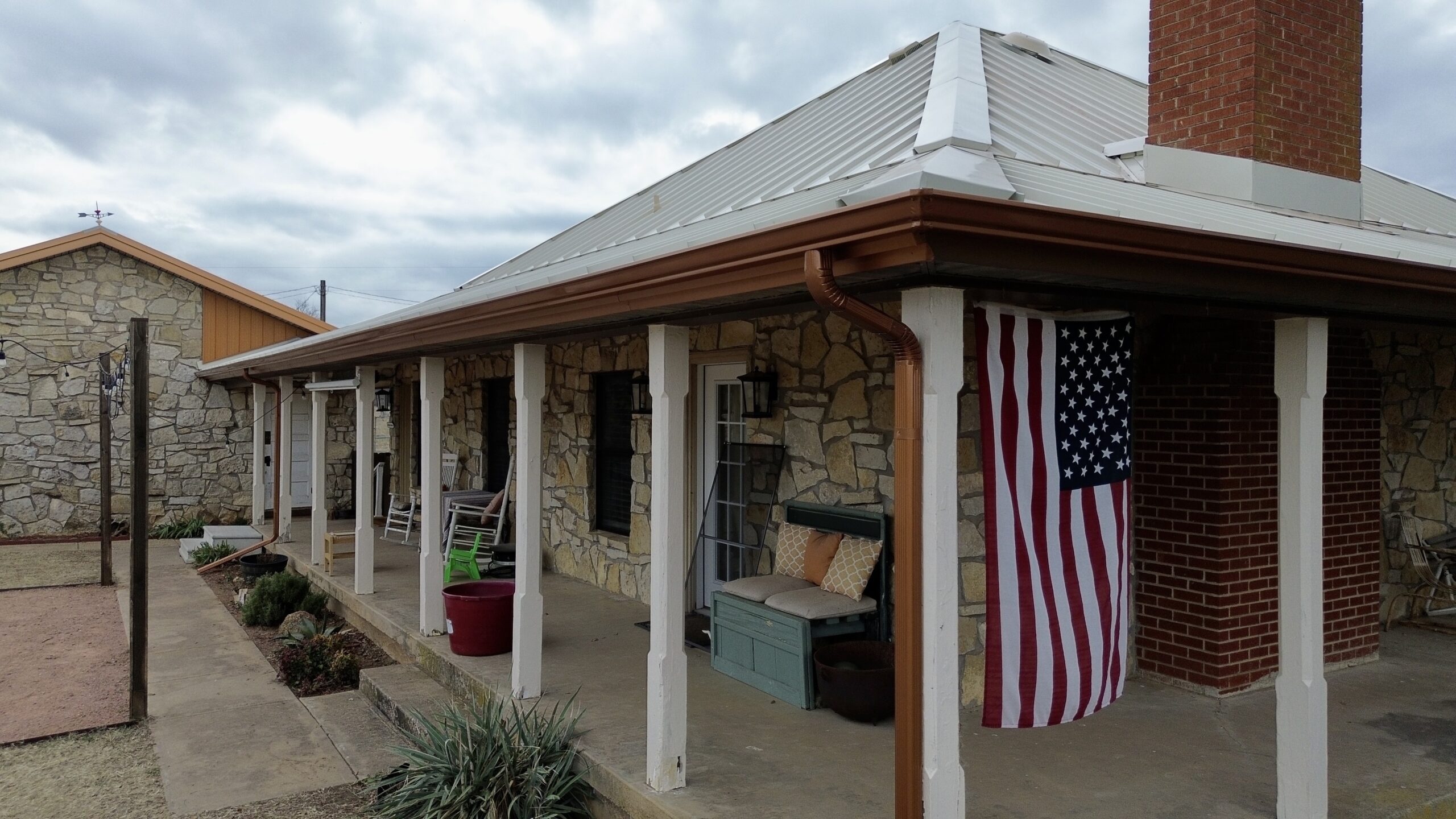
Understanding Different Types of Metal Roof Penetrations
Every roof penetration presents unique maintenance requirements because different equipment interacts with the roofing system in different ways. Understanding these penetration types helps inspectors recognize common leak sources during routine evaluations.
Plumbing vent pipes are among the most common roof penetrations found on residential and commercial buildings. These pipes typically pass through flexible rubber boots or specially designed flashing systems that create watertight seals while allowing limited movement around the pipe.
Exhaust vents remove moisture, heat, and air from kitchens, bathrooms, dryers, and mechanical systems. These penetrations often include metal flashing integrated beneath surrounding roofing panels to direct water away from the opening.
Chimneys create larger penetrations requiring more complex flashing assemblies. Step flashing, counter flashing, and saddle flashing work together to prevent water from entering where the chimney meets the roof surface. Because chimneys combine masonry and metal materials, they often experience movement related stresses.
Skylights introduce natural light while creating relatively large roof openings. Proper waterproofing depends on correctly installed flashing around the entire perimeter. Aging sealants or shifting skylight frames frequently contribute to leaks.
Heating, ventilation, and air conditioning equipment often requires multiple roof penetrations for refrigerant lines, electrical conduits, condensate drains, and ventilation ducts. These systems may also create additional maintenance traffic that increases the risk of accidental roof damage.
Solar panel mounting systems introduce another type of penetration. Although some mounting methods minimize roof penetrations, attachment brackets that penetrate the roofing system require careful sealing and regular inspection to maintain weather resistance.
Communication equipment such as antennas, satellite dishes, and wireless transmitters may also require roof penetrations. Their support brackets should always include properly sealed attachment systems designed specifically for metal roofing.
Electrical conduits serving rooftop equipment frequently pass through flashing assemblies similar to plumbing vents. Although these penetrations are generally smaller, deteriorated sealants or damaged boots may still allow moisture intrusion.
Each penetration type has unique design features, but all rely on properly functioning flashing, sealants, and attachments to maintain waterproof protection throughout the life of the roofing system.
How Water Enters Around Roof Penetrations
Water rarely enters a metal roof through large openings. Instead, it typically follows small pathways created by deteriorated sealants, loose flashing, failed fasteners, or movement between adjoining materials. Understanding these pathways helps inspectors identify the true source of roof leaks more accurately.
Rainwater naturally flows downhill across the roof surface. When flashing remains intact, water is directed safely around penetrations and into drainage systems. If flashing becomes damaged or displaced, water may travel beneath the roofing panels instead of remaining on the surface.
Wind driven rain presents additional challenges because strong winds force moisture sideways and upward beneath overlapping roofing components. Even small flashing defects that remain dry during light rain may leak significantly during storms with high winds.
Capillary action also contributes to moisture intrusion. Water can move upward through narrow gaps between roofing materials despite gravity. Small openings around flashing joints, sealants, or fasteners sometimes allow moisture to travel surprising distances beneath roofing panels.
Thermal expansion gradually enlarges tiny gaps around roof penetrations. As roofing panels expand and contract with changing temperatures, repeated movement weakens sealants and attachment systems. These slowly developing openings eventually permit water entry during rainfall.
Condensation may also be mistaken for roof leaks. Warm, humid indoor air contacting cooler roofing components sometimes produces moisture around penetrations even when rainwater is not entering the building. Proper inspection distinguishes condensation from actual roof leakage.
Water often travels considerable distances once it enters beneath the roof surface. Roof decking, insulation, structural framing, and panel ribs provide pathways that carry moisture away from the original leak location. This explains why ceiling stains frequently appear far from the penetration where water first entered.
Standing water increases leak potential as well. Debris accumulation around rooftop equipment or flashing slows drainage, allowing water to remain in contact with vulnerable joints for extended periods. Longer exposure increases the chance of moisture penetrating weakened seals.
Recognizing these moisture pathways helps inspectors avoid misdiagnosing leak sources while improving the effectiveness of repair planning.
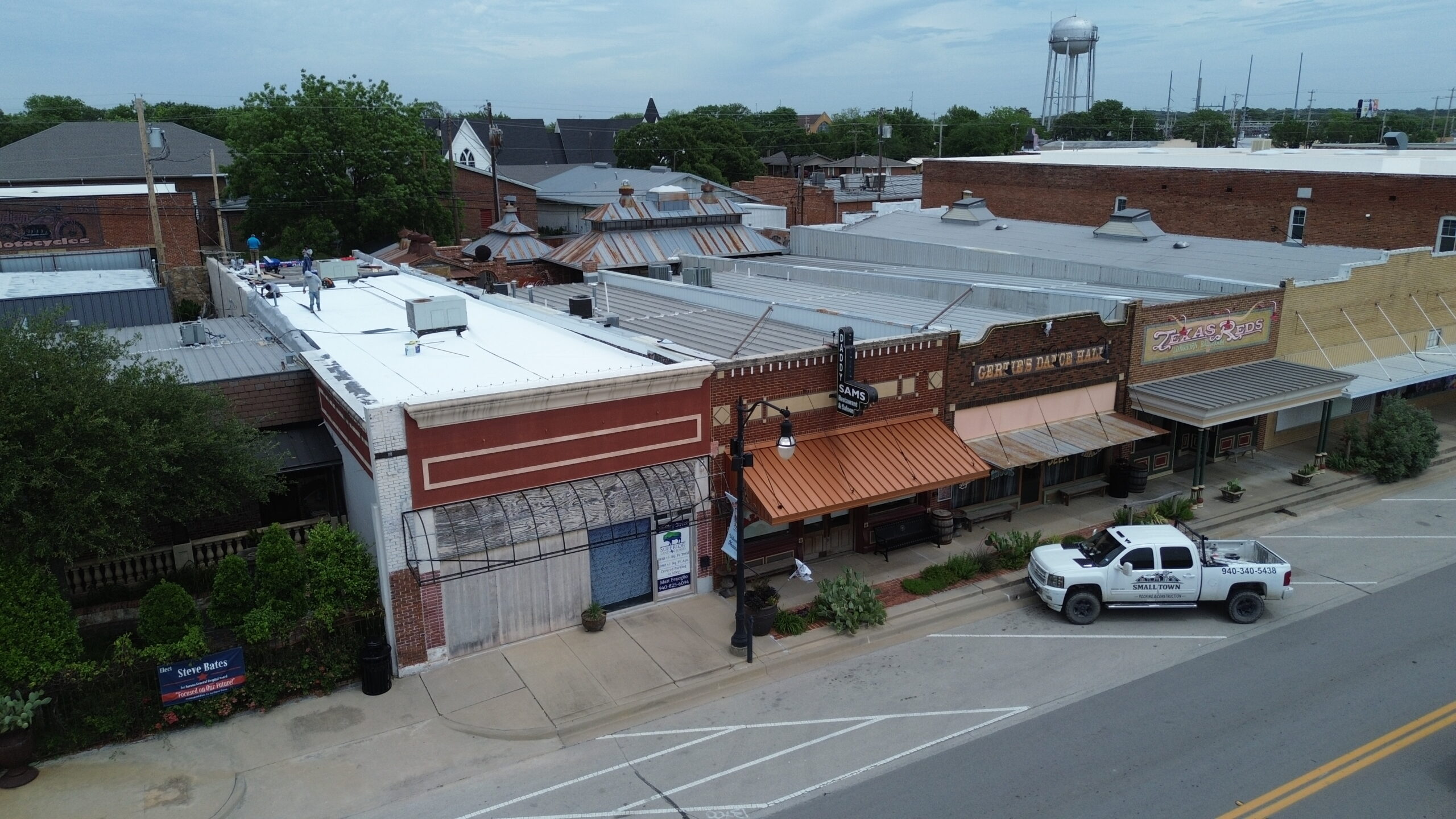
Common Causes of Leaks Around Penetration Points
Roof penetration leaks usually develop because several factors combine over time rather than resulting from a single isolated problem. Identifying these underlying causes allows repairs to address the source of the leak instead of only its visible symptoms.
Aging sealants are among the most common causes of penetration leaks. Continuous exposure to sunlight, temperature changes, and weather gradually reduces sealant flexibility. Cracked, shrinking, or separated sealants allow water to bypass protective flashing systems.
Flashing deterioration also contributes significantly to leakage. Corrosion, impact damage, improper installation, or repeated thermal movement may distort flashing components until they no longer direct water away effectively.
Loose fasteners represent another frequent issue. As roofing panels move with changing temperatures, screws surrounding penetration points may gradually back out. Reduced washer compression allows moisture to enter around attachment points.
Improper installation creates long term vulnerabilities as well. Flashing installed beneath incorrect panel laps, inadequate sealant application, missing closure strips, or insufficient expansion allowances may remain leak free initially but fail after years of environmental exposure.
Physical damage caused by storms or maintenance activities often affects penetration areas. Falling branches, hail, dropped tools, or careless foot traffic may damage flashing or protective boots without immediately creating noticeable leaks.
Corrosion weakens metal flashing and fasteners over time, particularly in coastal or industrial environments. Once protective coatings deteriorate, rust may enlarge small defects until water penetration becomes possible.
Movement between different building materials also contributes to leakage. Metal roofing expands and contracts differently than masonry chimneys, plastic vent pipes, or mechanical equipment, placing continuous stress on flashing connections.
Poor maintenance frequently accelerates every one of these problems. Small defects that could have been corrected easily often develop into major leak sources simply because regular inspections were delayed.
Understanding these common causes helps property owners recognize why preventive maintenance remains one of the most effective methods for protecting roof penetrations.
Early Warning Signs of Penetration Point Leaks
Roof penetration leaks often provide subtle warning signs long before extensive water damage becomes visible. Learning to recognize these indicators allows repairs to begin while damage remains relatively limited.
Interior ceiling stains are among the most recognizable symptoms. Brown discoloration, peeling paint, or damp drywall often indicates moisture entering somewhere above the affected area. However, the actual leak source may not be directly overhead.
Water dripping during heavy rainfall deserves immediate investigation. Intermittent dripping often suggests flashing or sealant failure around nearby roof penetrations rather than widespread roofing damage.
Mold or mildew growth around ceilings, walls, or attic spaces may indicate prolonged moisture exposure. Since mold develops gradually, its presence often suggests that leaks have existed for an extended period before becoming obvious.
Damp insulation within attic spaces frequently reveals hidden roof leaks before interior finishes show visible damage. Wet insulation also reduces energy efficiency while encouraging biological growth.
Visible deterioration around rooftop flashing should never be ignored. Cracked sealants, separated joints, rust stains, or displaced flashing all indicate increased leak potential even if no interior water damage has yet occurred.
Unusual odors within attic spaces or upper building levels sometimes result from moisture trapped around roof penetrations. Persistent musty smells often accompany hidden leaks beneath the roofing system.
Property owners should also watch for increased energy costs. Wet insulation loses much of its thermal performance, causing heating and cooling systems to work harder throughout the year.
The following warning signs deserve prompt inspection:
- Ceiling stains or peeling paint
- Water dripping during rainfall
- Damp attic insulation
- Mold or mildew growth
- Rust around flashing or fasteners
- Cracked or separated sealants
- Musty odors near upper ceilings
Responding quickly to these warning signs often prevents small penetration leaks from becoming major structural repair projects.
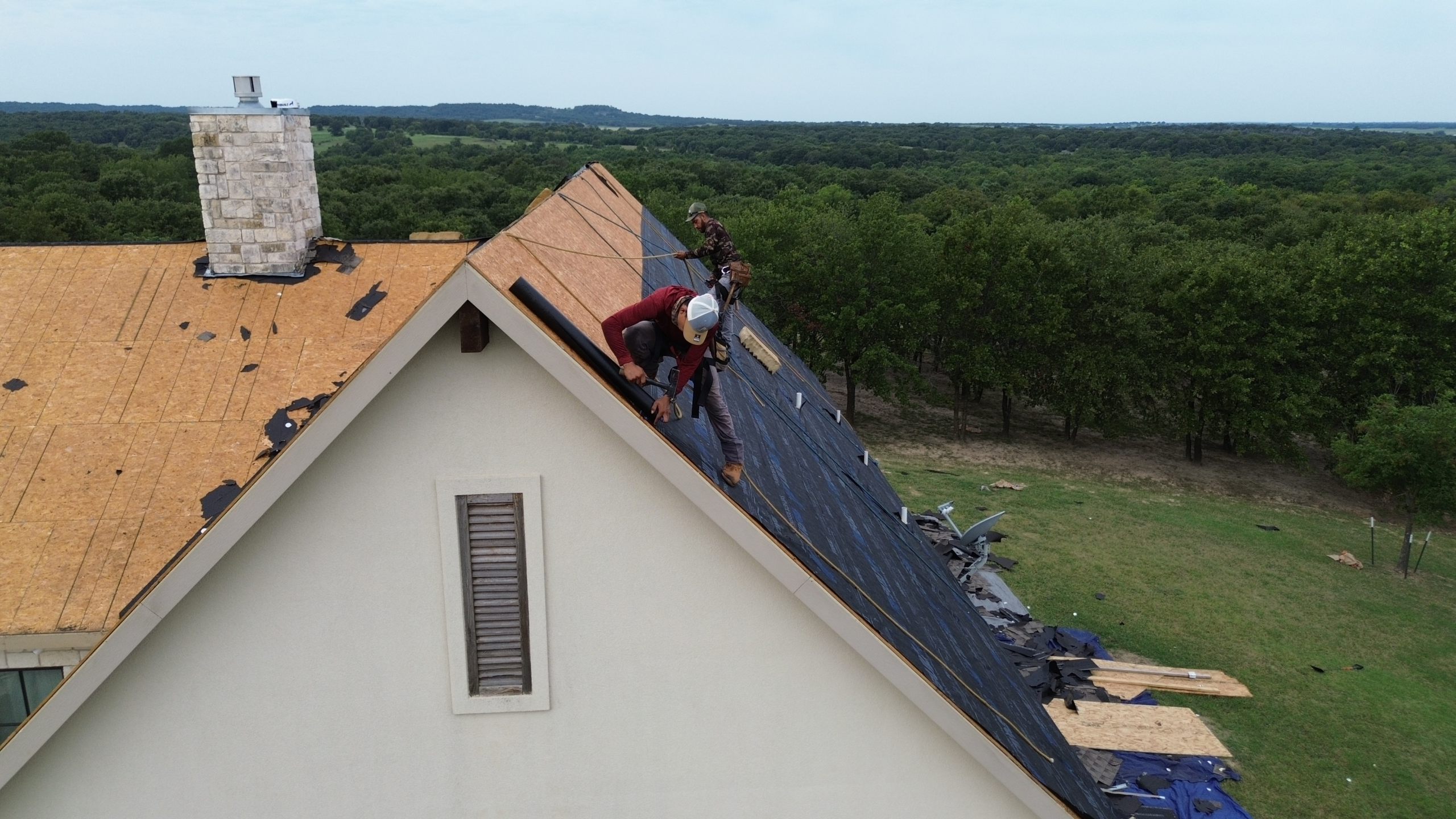
Safe Inspection Practices Before Leak Detection
Safety should always come before roof inspection activities. Metal roofing surfaces become particularly hazardous when wet, dusty, frosted, or covered with loose debris. Proper preparation protects both inspectors and the roofing system during leak detection.
Roof inspections should never be performed during active storms or high winds. Waiting for stable weather conditions reduces fall hazards while making it easier to identify damage accurately.
Ground level observations provide an excellent starting point. Binoculars or high resolution cameras often reveal damaged flashing, displaced trim, or visible sealant deterioration without requiring immediate roof access.
If rooftop access becomes necessary, appropriate fall protection equipment should always be used. Secure ladders, approved harnesses, and stable anchor points significantly improve inspection safety.
Inspectors should avoid stepping directly on flashing, skylights, or flexible pipe boots because these components may become damaged under concentrated weight. Walking should follow manufacturer recommended support locations whenever possible.
Electrical hazards require additional attention around rooftop HVAC equipment, solar panels, antennas, and communication systems. Damaged wiring or exposed electrical components should be addressed before inspection continues.
A systematic inspection approach also improves safety and accuracy. Working methodically across the roof reduces unnecessary walking while ensuring every penetration receives careful evaluation.
The following safety practices should always be followed before leak detection begins:
- Wait for dry and stable weather conditions.
- Perform a visual inspection from the ground first.
- Use approved fall protection equipment.
- Avoid stepping on flashing or roof penetrations.
- Watch for electrical hazards around rooftop equipment.
- Document observations with photographs during the inspection.
Careful preparation provides the foundation for accurate leak detection while minimizing the risk of injury or accidental roof damage.
In the next part of this guide, we will examine detailed inspection techniques for flashing, pipes, skylights, vents, and HVAC equipment, explain how to identify hidden moisture beneath roofing panels, compare common leak symptoms with their likely causes, discuss documentation methods, and highlight the most common mistakes that lead to inaccurate leak detection.
Inspecting Flashing Around Roof Penetrations
Flashing is one of the most important waterproofing components on a metal roof. Its purpose is to direct rainwater away from roof penetrations while preventing moisture from entering beneath the roofing panels. Since flashing remains exposed to constant weather conditions, it should be one of the first areas examined during any leak investigation.
Visual inspection begins by checking whether the flashing sits flat against the roofing panels and surrounding structures. Bent edges, lifted sections, or visible gaps may indicate movement that allows water to bypass the protective barrier. Even small separations deserve attention because wind driven rain can enter openings that appear insignificant during dry weather.
Inspectors should examine every flashing joint carefully. Overlapping sections should remain tightly connected without visible separation or corrosion. Any distortion may reduce the flashing’s ability to channel water safely away from the penetration.
Sealant condition is equally important during flashing inspections. Flexible sealants gradually harden after years of exposure to sunlight and changing temperatures. Cracked, shrinking, or missing sealant often indicates that moisture can reach vulnerable joints beneath the flashing.
Fasteners securing flashing should also be evaluated. Loose screws, deteriorated washers, or missing attachments reduce flashing stability while creating additional pathways for water intrusion. Every attachment point should remain secure without signs of corrosion or movement.
Rust stains around flashing frequently suggest prolonged moisture exposure. Although discoloration alone does not always indicate active leakage, corrosion should be investigated because it may weaken flashing materials over time.
Debris accumulation near flashing deserves attention as well. Leaves, dirt, and branches trap moisture while slowing roof drainage. Keeping flashing areas clean helps preserve waterproofing performance and simplifies future inspections.
Careful flashing evaluation often identifies the source of roof leaks before more invasive inspection methods become necessary.
Detecting Leaks Around Pipes, Vents, Skylights, and HVAC Units
Every roof penetration presents unique leak risks because each component interacts differently with the roofing system. Effective leak detection requires understanding how these individual penetrations are constructed and where failures most commonly occur.
Plumbing vent pipes typically rely on flexible pipe boots that seal tightly around the pipe while allowing limited movement. Inspectors should examine these boots for cracks, ultraviolet deterioration, separation, or loose attachment rings. Aging rubber often loses flexibility, creating openings that admit water during rainfall.
Exhaust vents require close inspection around both the vent body and surrounding flashing. Loose fasteners, deteriorated sealants, or improperly lapped flashing frequently allow moisture to enter beneath the roofing panels.
Skylights demand careful evaluation because they combine multiple waterproofing components within a relatively large roof opening. Inspectors should check perimeter flashing, sealants, glazing connections, and surrounding roofing panels for signs of movement or deterioration.
Heating and air conditioning equipment often creates complex roof penetrations involving electrical conduits, refrigerant lines, condensate drains, and support curbs. Since maintenance personnel regularly access these units, accidental flashing damage or loose fasteners may develop over time.
Chimneys require particularly detailed inspections because they combine masonry and metal materials that expand and contract differently. Step flashing, counter flashing, and cricket flashing should all be examined for separation, corrosion, or cracked sealants.
Solar panel mounting systems also deserve careful attention. Attachment brackets penetrating the roof should remain securely sealed while allowing natural roof movement. Water entering around improperly sealed mounting hardware may travel beneath the roofing panels before becoming visible indoors.
Communication equipment such as antennas and satellite dishes often introduces additional attachment points through the roofing system. Every penetration should be inspected individually because even a single failed seal can become the source of significant water intrusion.
Examining each penetration according to its specific design improves the accuracy of leak detection while reducing unnecessary repair work.
Checking Sealants, Fasteners, and Roofing Panels
Many roof leaks originate from relatively small defects that develop gradually over time. Sealants, fasteners, and surrounding roofing panels should therefore be inspected together because problems affecting one component often influence the others.
Sealants should remain flexible and securely bonded to adjoining materials. Shrinkage, cracking, peeling, or separation indicates that the seal has begun failing. Water may enter these openings long before visible interior damage appears.
Inspectors should avoid assuming that recently applied sealant guarantees a proper repair. New sealant covering old deteriorated material often conceals underlying problems rather than correcting them. Proper repairs require sound surface preparation and compatible materials.
Fasteners surrounding penetration points should sit flush against the roofing surface. Raised screws, deteriorated neoprene washers, or visible corrosion suggest reduced sealing performance. Even slight fastener movement may allow moisture to enter during heavy rainfall.
Attachment holes also deserve attention. Repeated thermal movement sometimes enlarges fastener openings, reducing holding strength while increasing leak potential. Oversized holes usually require more comprehensive repairs than simply tightening existing screws.
Roofing panels adjacent to penetrations should be inspected for scratches, corrosion, dents, or movement. Damage extending beyond the flashing itself may contribute to water intrusion or indicate that the penetration has experienced abnormal stresses.
Panel seams near penetrations require particularly careful examination. Movement, impact damage, or improper installation occasionally creates seam openings that direct water toward vulnerable flashing components.
Inspectors should also verify that roof panels remain properly aligned around penetrations. Misalignment may affect drainage patterns while placing additional stress on flashing and fasteners.
Evaluating these components together provides a more complete understanding of the roofing system and helps identify the true cause of persistent leaks.
Identifying Hidden Moisture Beneath the Roof
Visible roof damage does not always reveal the full extent of moisture intrusion. Water frequently travels beneath roofing panels before becoming noticeable inside the building, making hidden moisture detection an important part of leak investigations.
The inspection should begin inside the building whenever possible. Ceiling stains, damp insulation, peeling paint, mold growth, or unusual odors often provide valuable clues regarding moisture pathways. Although these signs rarely identify the exact leak location, they help narrow the search area.
Attic spaces allow inspectors to examine structural framing, insulation, and roof decking directly. Wet insulation frequently indicates prolonged moisture exposure even when the roof surface appears relatively undamaged.
Roof decking should be inspected for discoloration, staining, soft areas, or fungal growth. Persistent moisture weakens structural materials while reducing their ability to support roofing fasteners securely.
Moisture sometimes follows framing members before reaching interior finishes. Water may travel several feet horizontally along beams or rafters before dripping downward. This explains why interior leak locations often differ from the original roof penetration.
Condensation should also be considered during inspections. Poor ventilation occasionally creates moisture around roof penetrations that resembles leakage. Distinguishing between condensation and rainwater infiltration prevents unnecessary roofing repairs.
Professional inspectors often combine multiple observations rather than relying on a single indicator. Comparing roof conditions, attic observations, and interior damage produces a more accurate assessment of hidden moisture problems.
Early identification of concealed moisture reduces repair costs by preventing prolonged deterioration of insulation, framing, and interior building finishes.
Comparing Leak Symptoms and Their Most Likely Causes
Different symptoms often point toward different penetration related roofing problems. Understanding these relationships helps inspectors prioritize the most likely causes during leak investigations.
| Leak Symptom | Most Likely Cause | Area to Inspect First | Repair Priority |
|---|---|---|---|
| Ceiling water stains | Failed flashing or sealant | Flashing around nearby penetration | High |
| Water dripping during rain | Pipe boot or flashing failure | Roof penetration directly above | High |
| Rust around fasteners | Moisture entering through attachment points | Fasteners and washers | High |
| Cracked sealant | Aging or thermal movement | Sealant around flashing | Medium |
| Damp attic insulation | Hidden roof leak | Roof decking and penetration area | High |
| Mold or mildew | Long term moisture intrusion | Insulation, decking, and flashing | High |
This comparison demonstrates that identifying symptoms is only the first step. Confirming the underlying cause ensures repairs solve the problem rather than temporarily hiding its effects.
Common Mistakes During Leak Detection
Accurate leak detection requires patience and careful observation. Rushing the inspection often leads to incorrect conclusions that waste both time and repair materials.
One common mistake is assuming the visible ceiling stain marks the exact location of the roof leak. Water frequently travels beneath roofing panels and structural members before becoming visible indoors. Repairing directly above the stain may leave the actual leak untouched.
Another frequent error is inspecting only the obvious penetration. Multiple roof penetrations often exist within the same area, and water may enter through one flashing assembly before appearing beneath another component.
Inspectors sometimes focus exclusively on sealants while overlooking flashing movement or fastener failure. Although deteriorated sealants are common leak sources, damaged flashing or loose screws may be the underlying cause of repeated sealant failures.
Ignoring nearby roofing panels is another oversight. Corrosion, scratches, seam separation, or panel movement adjacent to penetrations may contribute to water intrusion even when flashing appears relatively sound.
Performing inspections immediately after rainfall without considering drying patterns may also produce misleading results. Moisture remaining on the roof surface does not always identify the original entry point.
Skipping attic inspections is another costly mistake. Interior observations often provide essential information about water pathways that cannot be determined from the roof surface alone.
Careful, systematic inspection reduces the likelihood of these errors while improving repair accuracy.
Documenting Leak Locations for Accurate Repairs
Proper documentation is an essential part of every successful leak investigation. Accurate records allow repairs to be planned efficiently while providing valuable references for future inspections and maintenance activities.
Photographs should be taken from multiple distances. Wide images establish the general location of the penetration, while close up photographs capture specific flashing defects, deteriorated sealants, loose fasteners, or corrosion.
Each penetration should be labeled consistently within the inspection records. Numbering roof penetrations or referencing nearby rooftop equipment helps maintenance personnel locate repair areas quickly without confusion.
Written notes should describe observed conditions rather than assumptions. Recording details such as cracked sealant, lifted flashing, backed out fasteners, or rust staining provides objective information for repair planning.
Measurements may also be helpful for larger commercial roofs. Recording distances from roof edges, ridges, or major equipment allows damaged locations to be identified accurately during future maintenance visits.
Property owners should also document interior damage associated with each leak. Ceiling stains, insulation moisture, and structural deterioration help establish the severity of the problem while supporting insurance documentation if needed.
An organized documentation process generally includes the following steps:
- Photograph every affected penetration from several angles.
- Record the condition of flashing, sealants, and fasteners.
- Note any nearby panel damage or corrosion.
- Document corresponding interior moisture damage.
- Create a roof map showing all inspected penetration points.
- Maintain records for future comparison after repairs.
Comprehensive documentation improves communication between inspectors, contractors, and property owners while reducing the risk of overlooked repairs.
The next part of this guide will explain how to repair common leaks around roof penetrations, prevent future moisture intrusion through routine maintenance, determine when flashing replacement is preferable to repairs, discuss the benefits of professional leak detection services, answer frequently asked questions, and conclude with the key practices that help maintain leak free metal roof penetration systems.
Repairing Common Leaks Around Penetration Points
Accurate leak detection is only the beginning of a successful repair. Once the source of water intrusion has been identified, the repair should address the underlying cause rather than simply covering the visible leak. Long lasting repairs restore the waterproof integrity of the penetration while allowing the roofing system to continue expanding and contracting naturally.
The repair process should begin by cleaning the affected area thoroughly. Dirt, debris, loose sealant, corrosion, and moisture should be removed before any new repair materials are applied. Clean surfaces improve adhesion and allow flashing and sealants to perform as intended.
Failed sealants should never be covered with additional material without proper preparation. Old, cracked, or separated sealant should be removed according to the repair method being used. Applying fresh sealant over deteriorated material often produces only a temporary improvement.
Loose fasteners should be inspected carefully before replacement. If the fastener hole remains structurally sound, replacing the screw and sealing washer may restore a watertight connection. Enlarged holes or damaged roof decking may require more extensive repairs to provide reliable long term performance.
Damaged flashing should be repaired or replaced depending on its condition. Minor movement or small gaps may be corrected through proper repositioning and resealing. Flashing that is severely corroded, bent, cracked, or improperly installed generally provides better long term results when replaced.
Pipe boots showing ultraviolet deterioration, splitting, or loss of flexibility should also be replaced rather than patched repeatedly. Modern replacement boots provide improved weather resistance while maintaining flexibility during thermal expansion.
After repairs are completed, the surrounding roofing panels should be inspected to verify that no additional defects contributed to the leak. Confirming the condition of nearby seams, fasteners, and coatings reduces the likelihood of recurring water intrusion.
Every completed repair should be evaluated carefully before considering the work finished. A systematic inspection helps confirm that the penetration has regained its full weather resistance.
Preventing Future Leaks Through Proper Maintenance
Preventive maintenance remains one of the most effective ways to reduce penetration related roof leaks. Routine inspections identify developing problems before they allow water to enter the roofing system, reducing repair costs while extending the roof’s service life.
Regular inspections should include every roof penetration regardless of whether previous leaks have occurred. Flashing, sealants, pipe boots, fasteners, and surrounding roofing panels all deserve careful evaluation because deterioration often develops gradually.
Sealants should be monitored throughout their service life. Flexible sealants naturally lose elasticity with age, especially after years of exposure to sunlight and changing temperatures. Replacing aging sealants before they fail prevents moisture from reaching vulnerable joints.
Roof drainage systems should remain clean throughout the year. Leaves, branches, and dirt accumulating around roof penetrations trap moisture and increase the likelihood of corrosion or flashing deterioration. Efficient drainage helps protect repaired and unrepaired penetrations alike.
Maintenance personnel should also inspect rooftop equipment regularly. HVAC units, solar panels, antennas, and communication systems often require periodic servicing that increases roof traffic. Inspecting penetration areas after maintenance activities helps identify accidental damage before leaks develop.
Nearby tree branches should be trimmed whenever necessary. Branches rubbing against flashing or roof penetrations during windy conditions may gradually damage protective coatings or loosen attachment components.
Property owners should schedule additional inspections after severe weather events. High winds, hail, and heavy rainfall place additional stress on flashing assemblies and may reveal weaknesses that were not previously noticeable.
Preventive maintenance creates opportunities to correct small defects before they become significant structural problems, helping preserve the integrity of both the roof and the building below.
When Penetration Flashing Should Be Replaced Instead of Repaired
Not every flashing problem can be corrected with sealant or minor adjustments. In some situations, replacing the flashing provides a more reliable and economical long term solution than performing repeated repairs.
Extensive corrosion is one of the clearest reasons for replacement. Surface discoloration may be manageable, but flashing weakened by advanced rust often loses its structural strength and waterproof performance. Repairing severely corroded flashing usually provides only temporary results.
Flashing that has become permanently bent or distorted should also be evaluated carefully. Improper shape prevents water from draining correctly and may create openings that allow moisture beneath the roofing panels. Replacement restores the intended water flow around the penetration.
Repeated leaks in the same location often indicate that the flashing itself has reached the end of its useful life. If multiple repair attempts have failed, installing new flashing may eliminate hidden defects that surface repairs cannot address.
Movement caused by thermal expansion can gradually fatigue flashing materials over many years. Cracked metal, separated joints, or repeated sealant failures often suggest that replacement will provide greater reliability than continued maintenance.
Improperly installed flashing may also justify replacement. Flashing positioned beneath incorrect panel laps, secured with incompatible fasteners, or lacking proper expansion allowances may never perform correctly regardless of additional sealant application.
Roof renovations provide another opportunity to replace aging flashing. When nearby roofing panels are already being repaired or replaced, upgrading penetration flashing often improves the overall performance of the roofing system.
Professional evaluation helps determine whether repairs remain practical or whether complete flashing replacement offers better long term value.
Benefits of Professional Leak Detection Services
Although routine visual inspections are valuable, professional leak detection offers advantages that extend beyond identifying obvious roof defects. Experienced roofing specialists understand how water moves through metal roofing systems and recognize subtle warning signs that may be overlooked during general maintenance.
Professional inspections begin with a comprehensive evaluation of the entire roofing system rather than focusing only on visible leak symptoms. Flashing, sealants, fasteners, roof panels, structural supports, and drainage systems are examined together to identify both immediate and developing problems.
Experienced inspectors understand the differences between active roof leaks and moisture caused by condensation. Correct diagnosis prevents unnecessary repairs while ensuring that genuine waterproofing failures receive appropriate attention.
Professionals also recognize manufacturer specific roofing details that influence repair recommendations. Standing seam systems, exposed fastener roofs, structural panels, and architectural metal roofing each require different inspection approaches around penetration points.
Another significant benefit is detailed documentation. Professional inspection reports often include photographs, repair priorities, maintenance recommendations, and condition assessments that support budgeting, insurance claims, and long term facility management.
Safety is equally important. Roof inspections involve fall hazards, electrical equipment, slippery surfaces, and changing weather conditions. Qualified roofing professionals use appropriate safety equipment and established procedures that reduce these risks.
Professional evaluations also help preserve roofing warranties. Many manufacturers recommend inspections and repairs performed according to approved methods, helping maintain warranty coverage throughout the roof’s service life.
Although professional inspections represent an investment, they often reduce lifetime maintenance costs by identifying problems before they develop into major repairs.
Frequently Asked Questions
Why do roof penetrations leak more often than other roof areas?
Roof penetrations interrupt the continuous surface of the roofing system and require flashing, sealants, and fasteners to maintain waterproofing. These additional components experience weather exposure, thermal movement, and normal aging, making them more susceptible to leaks over time.
Can a ceiling stain identify the exact location of a roof leak?
Not always. Water often travels beneath roofing panels, insulation, or structural framing before becoming visible indoors. The actual leak source may be several feet away from the ceiling stain.
How often should roof penetrations be inspected?
Most metal roofs should be inspected at least once or twice each year. Additional inspections are recommended after severe storms, strong winds, hail events, or rooftop maintenance activities.
Should cracked sealant simply be covered with new sealant?
In most cases, deteriorated sealant should be removed according to the repair method being used before new material is applied. Proper surface preparation improves adhesion and produces more reliable long term results.
Are pipe boots expected to last as long as the roof?
Not necessarily. Rubber pipe boots usually age more quickly than metal roofing panels because of continuous ultraviolet exposure and temperature changes. Periodic replacement is a normal part of roof maintenance.
Can roof leaks occur even if flashing appears undamaged?
Yes. Loose fasteners, hidden sealant failure, panel movement, or water entering beneath nearby roofing components may all create leaks without obvious flashing damage. Comprehensive inspections are important for identifying the true source.
Conclusion
Roof penetration points are among the most vulnerable areas of any metal roofing system because they interrupt the continuous protective surface of the roof. Flashing, sealants, fasteners, and specialized boots work together to prevent water intrusion, but years of weather exposure, thermal movement, and normal aging gradually reduce their effectiveness. Without routine inspections, small defects can develop into persistent leaks that damage insulation, structural framing, and interior finishes.
Successful leak detection depends on identifying the actual source of water entry rather than focusing only on visible interior damage. Since water often travels beneath roofing panels before becoming noticeable inside the building, systematic inspections of flashing, sealants, fasteners, and surrounding roof panels are essential for accurate diagnosis. Thorough documentation further improves repair planning and helps monitor roof conditions over time.
Long term protection begins with preventive maintenance. Regular inspections, prompt replacement of aging sealants, careful monitoring of flashing, proper drainage, and timely repairs after severe weather significantly reduce the likelihood of future leaks around penetration points. By treating roof penetrations as high priority maintenance areas, property owners can preserve the performance, durability, and service life of their metal roofing systems while minimizing unexpected repair costs and protecting the building beneath.