
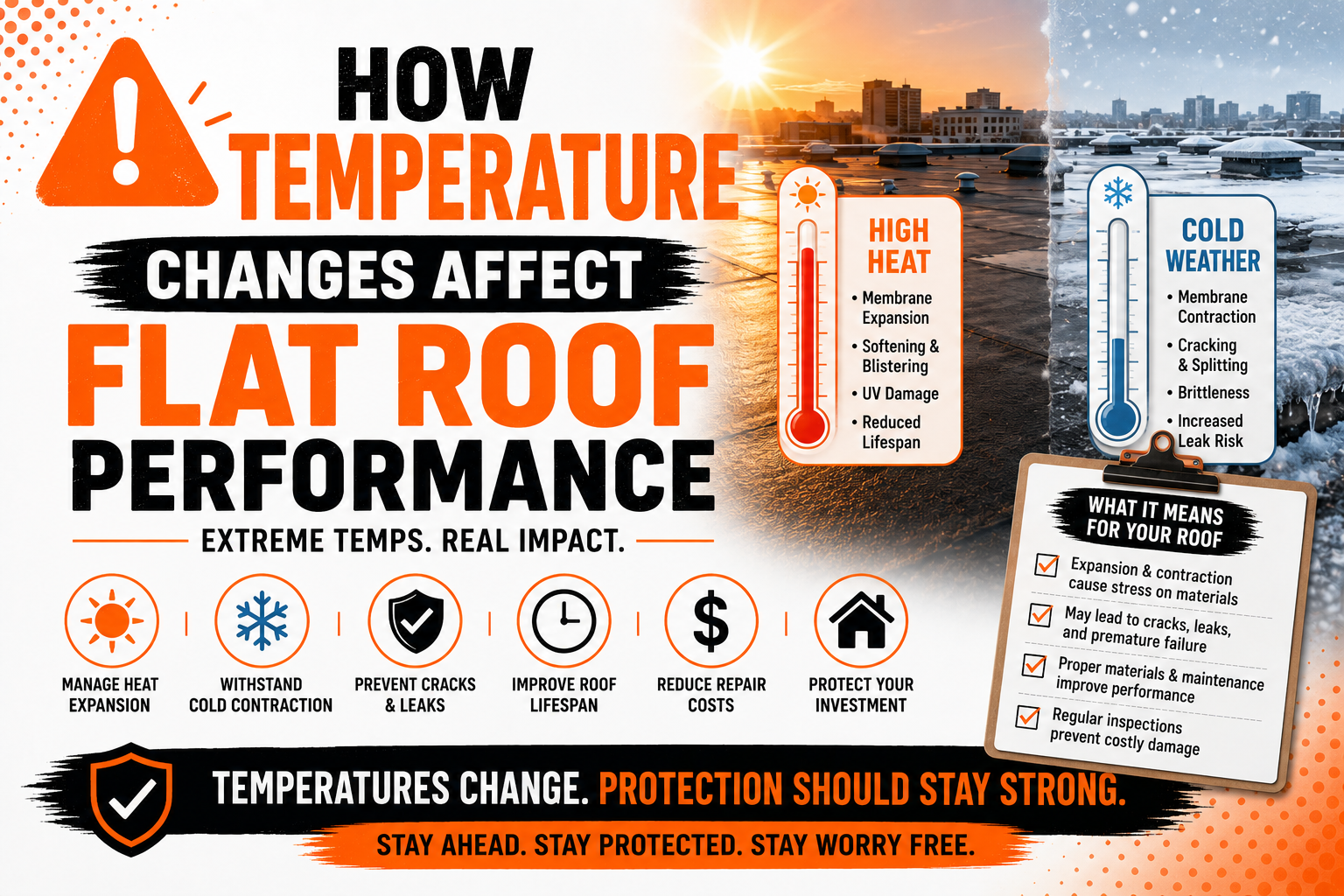
How Temperature Changes Affect Flat Roof Performance
Introduction
Flat roofs are exposed to changing weather conditions every day of the year. Unlike many other building components that remain protected inside the structure, roofing systems absorb direct sunlight, experience freezing temperatures, endure heavy rainfall, and withstand sudden weather changes. These continuous environmental fluctuations make temperature one of the most significant factors affecting the long term performance of a flat roof.
While many property owners focus on visible threats such as storms or heavy rain, gradual temperature changes often create equally serious challenges. Roofing materials naturally expand as they become warmer and contract when temperatures drop. Although these movements may seem minor on a daily basis, they occur thousands of times throughout the roof’s lifespan and can gradually weaken important roofing components.
Temperature related stress affects more than just the roofing membrane. Adhesives, insulation, flashing, fasteners, sealants, and drainage systems all respond differently to heat and cold. When these components expand or contract at different rates, additional stress develops across the roofing system, increasing the likelihood of damage if regular maintenance is neglected.
Extreme temperatures can also accelerate the natural aging process of roofing materials. Continuous exposure to intense sunlight may reduce flexibility and increase surface deterioration, while freezing conditions can make certain materials more brittle and vulnerable to cracking. These changes often occur gradually, making routine inspections essential for identifying problems before they lead to leaks.
Understanding how temperature influences flat roof performance helps property owners make informed decisions about maintenance, inspections, repairs, and material selection. Recognizing early warning signs also allows small issues to be corrected before they become expensive restoration projects.
This guide explores how temperature changes affect different flat roofing systems, explains the science behind thermal movement, and discusses practical ways to protect roofs from long term weather related damage. The following sections provide a detailed understanding of why temperature management plays such an important role in extending roof life.
Why Temperature Has a Major Impact on Flat Roofs
Flat roofs experience greater temperature exposure than many people realize. On a hot summer afternoon, roof surfaces can become significantly warmer than the surrounding air because they absorb direct solar radiation throughout the day. During the night, those same surfaces cool rapidly as heat escapes into the atmosphere.
This constant heating and cooling cycle creates continuous movement within roofing materials. Every day, the roof slightly changes its dimensions as temperatures rise and fall. Although these movements are generally small, they repeat thousands of times over many years, gradually placing stress on the entire roofing assembly.
Unlike steeply sloped roofs that often benefit from improved airflow beneath roofing materials, flat roofs typically absorb and retain heat across a larger surface area. The broad horizontal design exposes more membrane to direct sunlight, increasing the overall impact of temperature changes.
Different roofing components also react differently to changing temperatures. Membranes, insulation boards, metal flashing, fasteners, and sealants each have unique expansion characteristics. Because these materials move at different rates, stress naturally develops where they connect to one another.
Buildings themselves respond to temperature changes as well. Structural steel, concrete, and other construction materials expand during warm weather and contract when temperatures decrease. The roofing system must accommodate these structural movements while maintaining a watertight seal across the entire roof surface.
Daily temperature cycles are only part of the challenge. Seasonal weather introduces much larger variations that increase thermal stress over longer periods. In regions with hot summers and cold winters, roofing systems experience substantial dimensional changes that accumulate year after year.
Temperature therefore affects both the roofing materials and the structure beneath them. Successful flat roof performance depends on allowing these natural movements to occur without compromising waterproof protection or reducing the roof’s overall durability.
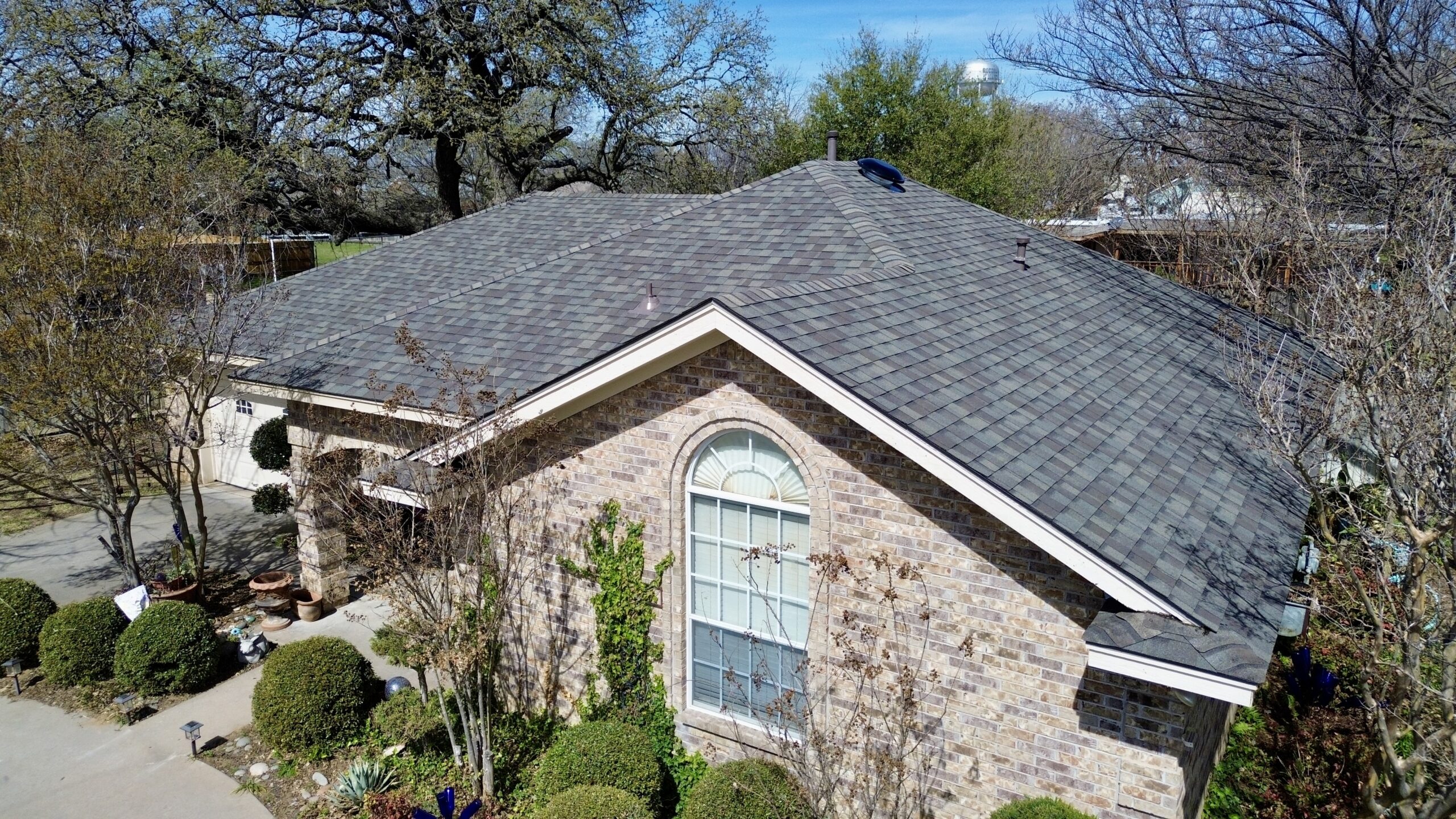
How Flat Roofing Materials Respond to Heat and Cold
Every flat roofing material reacts differently when exposed to changing temperatures. Understanding these differences helps explain why maintenance requirements and expected performance vary among roofing systems.
EPDM roofing membranes are known for their flexibility across a wide range of temperatures. The synthetic rubber composition allows the material to expand and contract without losing much of its elasticity. This flexibility contributes to EPDM’s reputation for performing well in regions that experience significant seasonal temperature variation.
TPO roofing also performs well under changing weather conditions, particularly because its reflective surface helps reduce heat absorption during warm weather. By reflecting more sunlight, TPO membranes often remain cooler than darker roofing materials, reducing thermal stress during periods of intense solar exposure.
PVC roofing provides another durable option with good resistance to temperature related movement. Heat welded seams create strong waterproof connections, while the membrane itself maintains reliable flexibility under many environmental conditions. Proper installation remains essential for ensuring these seams continue performing throughout repeated temperature cycles.
Modified bitumen roofing behaves somewhat differently because it contains asphalt based compounds combined with reinforcing materials. During very hot weather, asphalt components may soften slightly, while colder temperatures can reduce flexibility. Manufacturers modify these products to improve performance across varying climates, but regular maintenance remains important.
Roof coatings also influence how roofing materials respond to temperature changes. Reflective coatings reduce surface heat by reflecting a greater portion of incoming sunlight. Cooler roof surfaces experience less thermal expansion, helping reduce long term stress on membranes and seams.
Insulation installed beneath the roofing membrane contributes significantly to temperature performance as well. Quality insulation helps reduce temperature extremes by slowing heat transfer between the roof surface and the building interior. More stable temperatures reduce the frequency and severity of thermal movement throughout the roofing system.
Although each roofing material responds differently to environmental conditions, all flat roofs benefit from proper installation, routine inspections, and maintenance that accounts for expected temperature related movement.
Thermal Expansion and Contraction Explained
One of the most important concepts in flat roof performance is thermal expansion and contraction. These natural physical processes occur whenever roofing materials experience changes in temperature. Understanding how they work makes it easier to recognize why temperature related roof problems develop over time.
Thermal expansion occurs when roofing materials warm up. As temperatures increase, molecules within the material move slightly farther apart, causing the membrane to expand. Although the dimensional change may be very small, large roof surfaces can experience measurable movement during periods of intense heat.
Thermal contraction is the opposite process. As temperatures decrease, the material cools and its molecules move closer together. This causes the roofing membrane to shrink slightly until temperatures rise again.
Flat roofs experience these movements every single day. Morning sunlight gradually warms the membrane, causing expansion throughout the afternoon. Overnight cooling allows the roof to contract before the cycle begins again the following day.
While roofing materials are designed to accommodate this movement, repeated expansion and contraction eventually place stress on critical roof components. Seams, flashing, fasteners, sealants, and roof penetrations experience continual movement that may gradually weaken their connections over many years.
Areas where different materials meet are particularly vulnerable. Metal flashing may expand at one rate while the roofing membrane expands at another. These differing movement patterns create concentrated stress that can eventually contribute to separation, cracking, or loss of waterproof protection.
Several roofing components experience increased stress because of repeated thermal movement:
- Membrane seams.
- Flashing around roof penetrations.
- Expansion joints.
- Sealants surrounding rooftop equipment.
- Mechanical fasteners.
- Roof edges and parapet transitions.
Proper roof design accounts for these natural movements by allowing roofing materials sufficient flexibility to expand and contract without causing unnecessary damage. Quality installation also ensures that seams and flashing remain capable of accommodating expected movement throughout the roof’s service life.
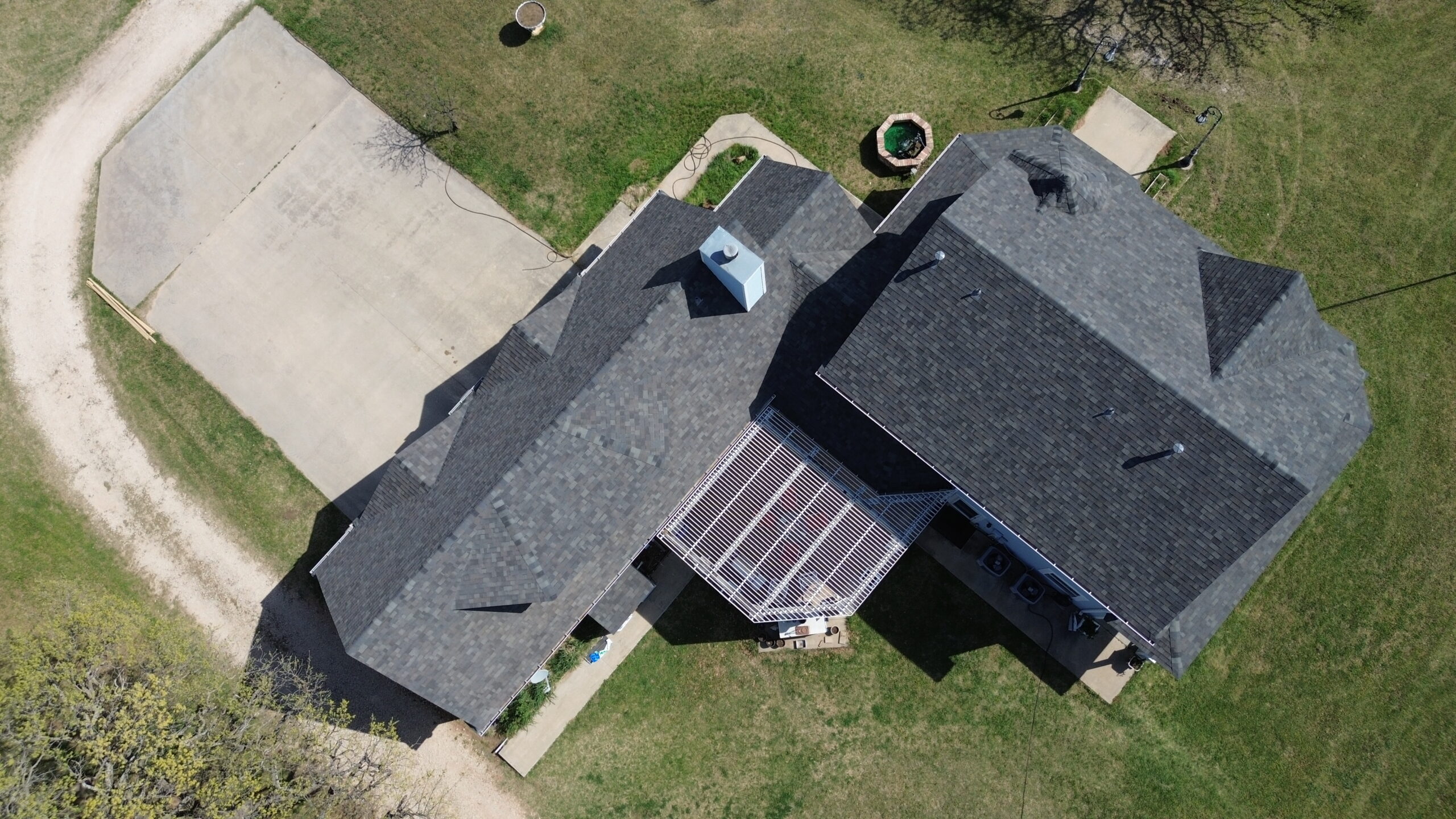
Common Temperature Related Stress on Flat Roofing Systems
Temperature changes affect nearly every part of a flat roofing system. While the membrane receives most of the attention, the surrounding components also experience continuous stress that can gradually influence overall roof performance.
One of the most common effects is seam movement. As roofing membranes repeatedly expand and contract, bonded seams absorb much of the resulting stress. Over time, poorly installed or aging seams may begin lifting or separating, creating opportunities for water infiltration.
Sealants are another component affected by temperature fluctuations. Many sealants remain flexible when properly maintained, but long term exposure to repeated heating and cooling may eventually reduce elasticity. Cracked or shrinking sealants allow moisture to reach vulnerable areas surrounding roof penetrations and flashing.
Roof flashing experiences significant movement because it often combines different materials such as metal and membrane. Since these materials respond differently to temperature changes, flashing connections require careful installation and periodic inspection to maintain waterproof performance.
Fastened roofing systems also experience stress around attachment points. Repeated membrane movement transfers force to fasteners, increasing the possibility of localized wear if the roofing system ages or installation quality is inadequate.
Temperature related stress may also influence drainage performance. Minor roof movement can alter water flow patterns over time, allowing small depressions to develop where rainwater collects more frequently. Standing water increases moisture exposure and accelerates the aging process for many roofing materials.
Interior building conditions may also be affected when roof temperatures become extreme. Increased heat transfer through the roofing system can place greater demand on heating and cooling equipment, increasing energy consumption while reducing occupant comfort.
Although these changes often develop slowly, they should never be ignored. Small temperature related defects frequently expand into larger maintenance issues if inspections are delayed. Recognizing early warning signs allows roofing professionals to complete relatively simple repairs before widespread deterioration occurs.
Seasonal Temperature Changes and Their Effects
Seasonal weather patterns expose flat roofs to a wide range of environmental conditions throughout the year. Each season presents its own challenges, requiring roofing systems to adapt continuously as temperatures change.
Summer typically produces the highest roof surface temperatures. Extended periods of direct sunlight increase membrane expansion while exposing roofing materials to prolonged ultraviolet radiation. Dark colored roofing surfaces may become considerably hotter than the surrounding air, increasing thermal stress throughout the roofing assembly.
Autumn introduces more moderate temperatures but also creates frequent daily temperature swings. Warm afternoons followed by cool nights increase expansion and contraction cycles, making this an important time for routine roof inspections before winter weather arrives.
Winter presents a different set of challenges. Cold temperatures reduce the flexibility of many roofing materials, making them more susceptible to cracking under stress. Snow accumulation, ice formation, and freeze thaw cycles further increase the demands placed on roofing membranes and flashing systems.
Spring often combines rising temperatures with increased rainfall. As roofing materials begin expanding after colder weather, any damage that developed during winter may become more noticeable. Spring inspections provide an excellent opportunity to identify and repair these issues before the intense heat of summer arrives.
Climate also influences seasonal roof performance. Buildings located in regions with dramatic seasonal temperature changes generally experience greater thermal movement than roofs in areas with relatively stable year round weather. Coastal environments, desert climates, and northern regions each present unique temperature related challenges that influence maintenance priorities.
Regardless of location, every flat roof experiences some degree of seasonal thermal stress. Understanding how changing weather affects roofing materials helps property owners develop maintenance schedules that address potential problems before they compromise the roof’s long term performance.
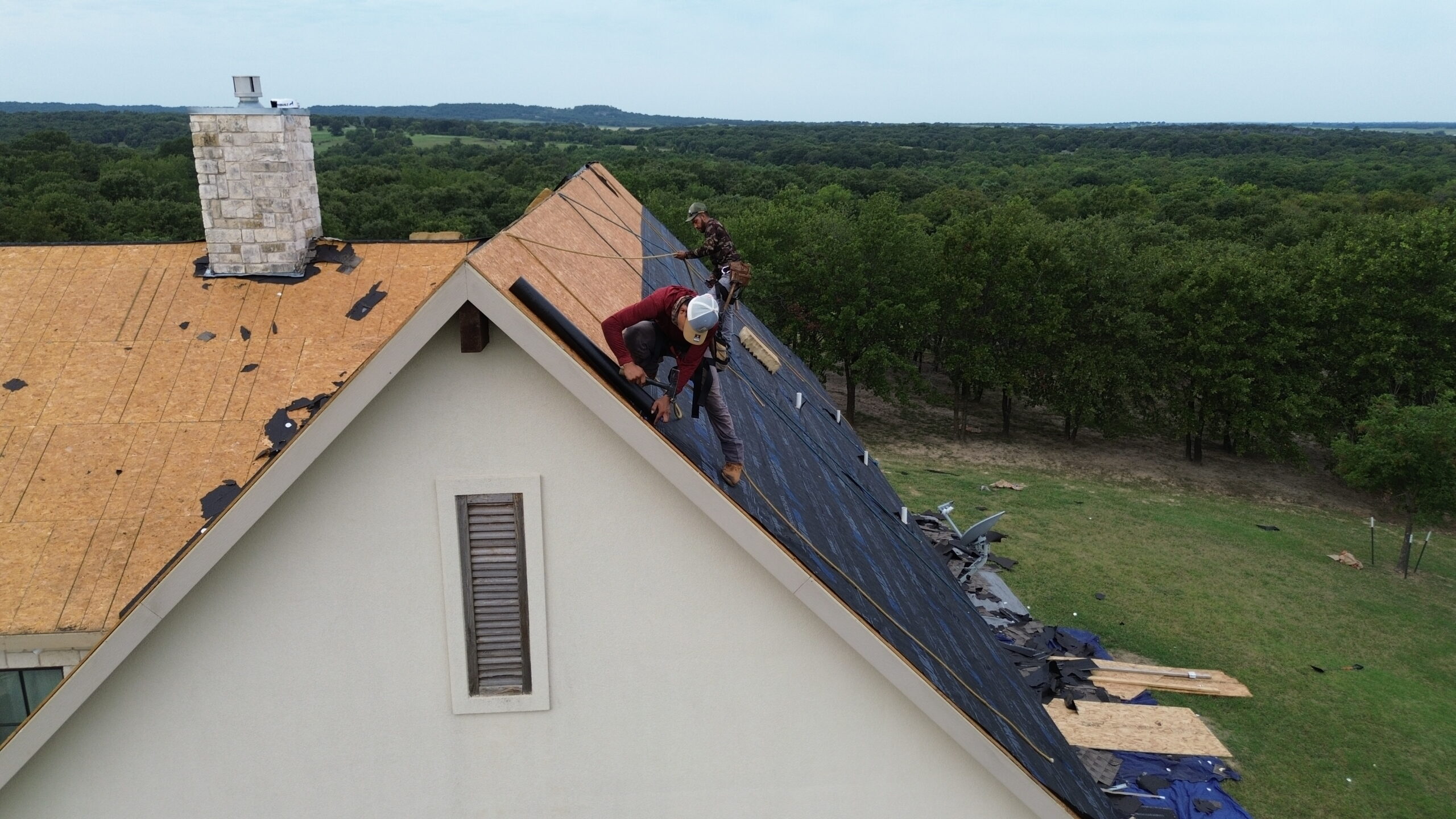
How High Temperatures Affect Flat Roof Performance
High temperatures place significant stress on flat roofing systems because the roof absorbs direct sunlight for many hours each day. During summer, roof surface temperatures can become much higher than the surrounding air, especially on dark colored membranes that absorb more solar radiation. These elevated temperatures accelerate the expansion of roofing materials and increase the demands placed on seams, flashing, adhesives, and other roofing components.
Continuous exposure to heat also speeds up the natural aging process of roofing materials. Ultraviolet radiation works together with high temperatures to gradually reduce the flexibility of some membranes. As materials lose elasticity, they become less capable of handling repeated expansion and contraction, increasing the risk of cracks, seam separation, or surface deterioration.
Adhesives used in certain roofing systems may also be affected by prolonged heat. Although they are designed to withstand normal weather conditions, years of intense heat can contribute to gradual weakening, particularly if the roof was installed improperly or maintenance has been neglected.
High temperatures can also influence indoor building performance. Heat absorbed by the roof transfers into the building below, forcing cooling systems to work harder. Increased energy consumption often leads to higher operating costs during warmer months.
Reflective roofing systems help reduce some of these effects by limiting heat absorption. Light colored membranes and reflective roof coatings lower surface temperatures, decreasing thermal movement while improving energy efficiency. These systems have become increasingly popular in regions that experience long periods of intense sunshine.
Another concern during hot weather is rooftop traffic. Roofing membranes soften slightly as temperatures increase, making them more vulnerable to damage from maintenance personnel or heavy equipment. Scheduling non emergency roof work during cooler parts of the day helps reduce unnecessary stress on the roofing surface.
Although flat roofs are designed to tolerate high temperatures, continuous heat exposure emphasizes the importance of regular inspections. Detecting early signs of heat related wear allows maintenance teams to complete repairs before larger problems develop.
The Impact of Freezing Weather on Flat Roofs
Cold weather creates a very different set of challenges for flat roofing systems. As temperatures fall, roofing materials contract and become less flexible. While quality membranes are engineered to accommodate seasonal changes, repeated exposure to freezing conditions gradually increases stress throughout the roof.
One of the most significant winter concerns is freeze thaw cycling. Water that enters small cracks or openings may freeze when temperatures drop. Because water expands as it freezes, the resulting pressure can enlarge existing defects and accelerate membrane deterioration. When temperatures rise again, melting water may penetrate even deeper into the roofing system.
Snow accumulation adds additional weight to the roof surface. Although properly designed buildings are engineered to support expected snow loads, prolonged accumulation combined with ice formation may increase stress around drains, flashing, and roof penetrations. Efficient drainage becomes especially important during periods of melting snow.
Ice dams are less common on flat roofs than on steep roofs, but drainage systems can still become blocked by ice. Restricted drainage allows water to remain on the roof longer, increasing moisture exposure and placing additional stress on roofing materials during repeated freeze thaw cycles.
Sealants may also respond differently in cold weather. Some products lose flexibility as temperatures decrease, making them more susceptible to cracking around penetrations and flashing transitions. Once these protective seals are compromised, moisture can reach vulnerable areas beneath the membrane.
Building movement continues throughout the winter as well. Structural materials contract during colder temperatures, requiring roofing systems to accommodate these changes while maintaining waterproof integrity. Older roofs with aging materials often struggle to adapt as effectively as newer installations.
Winter inspections should focus on identifying damage before spring rainfall begins. Correcting minor defects after freezing weather helps prevent water intrusion during the following seasons and reduces the likelihood of more extensive repairs later in the year.
Temperature Related Damage in Different Flat Roofing Materials
Although all flat roofs experience thermal movement, different roofing materials respond in unique ways. Understanding these differences allows property owners to anticipate maintenance needs and select repair methods appropriate for their specific roofing system.
EPDM roofing remains one of the most flexible membrane options available. Its rubber based composition allows it to expand and contract effectively across a broad temperature range. While this flexibility helps reduce cracking, aging adhesives or seam tape may eventually require maintenance after years of repeated thermal cycling.
TPO roofing reflects a significant portion of incoming sunlight, helping reduce surface temperatures during hot weather. Lower operating temperatures decrease thermal expansion and may improve long term membrane performance. However, poor installation or damaged heat welded seams can still become vulnerable if temperature related movement places additional stress on weak areas.
PVC roofing performs similarly to TPO in many respects. Its heat welded seams provide durable waterproof connections, while the membrane maintains good resistance to temperature fluctuations. Routine inspections remain important for identifying localized damage before it spreads.
Modified bitumen roofing behaves somewhat differently because of its asphalt based composition. High temperatures may soften the material slightly, while very cold conditions reduce flexibility. Modern formulations improve overall performance, but regular maintenance remains essential to manage long term thermal stress.
Roof coatings also influence how different materials respond to changing temperatures. Reflective coatings lower surface temperatures by reducing solar heat absorption. This decreases expansion and contraction while helping preserve membrane flexibility over time.
Insulation quality plays an equally important role regardless of membrane type. Well insulated roofs experience more stable internal temperatures, reducing thermal stress throughout the roofing assembly. Proper insulation also improves building energy efficiency while supporting more consistent roof performance.
Although each roofing material offers unique advantages, none is completely immune to temperature related aging. Consistent maintenance remains the most effective strategy for maximizing roof lifespan regardless of the membrane selected.
Signs That Temperature Is Affecting Your Roof
Temperature related roof damage often develops gradually, making early recognition essential for preventing expensive repairs. Many warning signs appear well before interior leaks become visible, providing valuable opportunities for corrective maintenance.
One of the earliest indicators is membrane wrinkling. As roofing materials repeatedly expand and contract, localized stress may create visible waves or ripples across the roof surface. Although some movement is normal, increasing wrinkle formation deserves professional evaluation.
Seam changes also provide important clues. Lifting edges, small gaps, or uneven seam lines may indicate that repeated thermal movement has begun weakening the waterproof connection between membrane sections. Prompt repairs help prevent moisture from entering beneath the roof.
Cracking around flashing and roof penetrations is another common warning sign. These transition points experience concentrated movement because different materials expand at different rates. Even small cracks should be addressed before rainfall reaches underlying structural components.
Other visible indicators may include:
- Membrane blistering or bubbling.
- Surface discoloration caused by prolonged heat exposure.
- Loose flashing around walls and rooftop equipment.
- Sealant shrinkage or splitting.
- Standing water developing in areas that previously drained properly.
- Small areas of membrane shrinkage near roof edges.
Interior symptoms may also suggest temperature related roof deterioration. Ceiling stains, unexplained moisture, peeling paint, or increased humidity sometimes indicate hidden roof damage that originated from thermal movement rather than direct storm damage.
Not every visible defect requires immediate roof replacement, but ignoring early warning signs often allows relatively minor problems to become much larger repair projects. Routine inspections remain the most reliable way to identify developing temperature related damage while repairs are still manageable.
Preventive Maintenance for Temperature Related Roof Problems
Preventive maintenance helps reduce the long term impact of changing temperatures by keeping roofing systems in the best possible condition throughout the year. Rather than waiting for leaks to appear, proactive maintenance identifies small defects before they develop into costly structural problems.
Regular roof inspections form the foundation of every maintenance program. Spring and autumn inspections are particularly valuable because they evaluate the roof immediately after winter weather and before summer heat reaches its highest levels. Additional inspections following extreme weather events provide further protection.
Keeping the roof clean is equally important. Leaves, branches, dirt, and debris can trap moisture while blocking drainage pathways. Removing these materials reduces water retention and allows inspectors to identify developing defects more easily.
Drainage systems should receive routine attention as well. Clean drains, scuppers, and gutters allow rainwater to leave the roof efficiently, reducing the amount of time roofing materials remain exposed to standing water. Good drainage also limits freeze thaw damage during colder months.
Reflective roof coatings can improve long term performance in warm climates by lowering roof surface temperatures. These coatings reduce thermal expansion while helping decrease cooling costs inside the building. Periodic recoating may be recommended depending on the product and environmental conditions.
Prompt repairs are another key element of preventive maintenance. Small cracks, loose flashing, or minor seam defects rarely improve without intervention. Correcting these issues early helps preserve waterproof integrity and reduces the likelihood of extensive repairs later.
Maintenance programs should also include documentation. Recording inspection findings, photographs, repair history, and weather related observations provides valuable information for tracking roof performance over many years. These records support better budgeting and more informed maintenance decisions.
Seasonal Inspection Checklist
Property owners can improve roof performance by following a consistent seasonal inspection routine. While comprehensive evaluations should always be performed by qualified roofing professionals, regular visual observations help identify changes that require attention.
The following checklist provides a practical approach for monitoring temperature related roof conditions throughout the year.
- Inspect seams for lifting, separation, or visible gaps.
- Examine flashing around walls, vents, skylights, and HVAC equipment.
- Check for membrane wrinkles, blisters, or shrinkage.
- Remove debris from drains, gutters, and drainage channels.
- Look for standing water after rainfall.
- Inspect sealants for cracking, shrinkage, or loss of flexibility.
- Photograph any new changes for future comparison.
- Schedule professional repairs if significant damage is observed.
Following a structured inspection schedule allows property owners to detect gradual changes that might otherwise go unnoticed. Combined with regular professional maintenance, these observations contribute significantly to extending the service life of flat roofing systems while reducing unexpected repair costs.
Repairing Temperature Related Flat Roof Damage
When temperature changes begin affecting a flat roof, timely repairs are essential for preventing further deterioration. The appropriate repair method depends on the extent of the damage, the roofing material, and whether moisture has already entered the roofing system. Addressing problems early usually results in lower repair costs and helps preserve the roof’s remaining service life.
Small cracks caused by repeated expansion and contraction can often be repaired before they become major leaks. Roofing professionals typically clean the damaged area thoroughly before applying compatible repair materials that restore the waterproof barrier. Using products specifically designed for the existing roofing membrane ensures the repair performs consistently under future temperature changes.
Separated seams require careful attention because they provide a direct path for water to reach the insulation and roof deck. Depending on the roofing material, repairs may involve applying new seam tape, specialized adhesives, or heat welding the membrane back together. The goal is not only to close the visible opening but also to restore the seam’s long term strength.
Damaged flashing around vents, skylights, walls, and rooftop equipment should also be repaired promptly. These transition points experience significant movement as different construction materials expand and contract at varying rates. Replacing deteriorated flashing or renewing sealants helps maintain continuous waterproof protection.
If moisture has entered beneath the membrane, repairs become more extensive. Wet insulation loses much of its thermal efficiency and can encourage mold growth if left untreated. Roofing professionals may remove affected sections of insulation before installing new materials and restoring the membrane above.
Roof coatings can also play an important role in certain repair projects. Reflective coatings reduce future heat absorption while protecting the repaired membrane from ultraviolet exposure. Although coatings are not a solution for every roofing problem, they often provide additional protection when applied under appropriate conditions.
Professional inspections remain important after repairs are completed. Follow up evaluations confirm that repaired areas continue performing properly through changing weather conditions and allow contractors to identify any additional concerns before they develop into larger issues.
Successful repairs focus not only on correcting visible damage but also on addressing the factors that caused the deterioration. This comprehensive approach helps improve long term roof performance while reducing the likelihood of recurring problems.
Long Term Strategies to Improve Roof Performance in Extreme Climates
Buildings located in regions with very hot summers, freezing winters, or large daily temperature swings benefit from maintenance strategies specifically designed to reduce thermal stress. Long term planning helps extend roof life while improving energy efficiency and lowering maintenance costs.
Selecting roofing materials suited to the local climate is one of the most important decisions made during roof installation or replacement. Membranes with proven resistance to thermal movement generally perform better over many years than materials selected without considering environmental conditions.
Proper insulation significantly improves temperature stability throughout the roofing assembly. By slowing heat transfer between the building interior and the roof surface, insulation reduces the severity of expansion and contraction while helping maintain comfortable indoor temperatures. Improved insulation also lowers heating and cooling costs throughout the year.
Reflective roofing systems provide another effective strategy for managing high temperatures. Light colored membranes and reflective roof coatings reduce solar heat absorption, keeping roof surfaces cooler during summer. Lower surface temperatures decrease thermal movement while reducing stress on seams, flashing, and adhesives.
Adequate ventilation also contributes to better roof performance. Although flat roofs differ from many sloped roofing systems, proper building ventilation helps regulate interior temperatures and reduces moisture accumulation that could worsen temperature related damage.
Routine inspections should be scheduled consistently rather than waiting for visible leaks to appear. Seasonal inspections allow roofing professionals to identify small changes caused by weather before they become more expensive repair projects. Buildings located in regions with severe climate conditions often benefit from additional inspections following periods of unusually high heat or freezing temperatures.
Maintenance planning should also include routine cleaning of drainage systems. Efficient water removal reduces the likelihood of ponding, freeze thaw damage, and prolonged moisture exposure. Well maintained drainage protects the roof throughout every season regardless of local weather conditions.
Property owners should also coordinate rooftop activities carefully. Maintenance personnel servicing heating, cooling, or communication equipment should avoid unnecessary foot traffic across vulnerable roofing areas. Walkway pads provide additional protection while reducing wear caused by repeated access.
Long term roof performance depends on consistent care rather than occasional repairs. Small preventive measures implemented throughout the year often provide greater value than emergency repairs completed after significant damage has already occurred.
Cost Factors Associated With Temperature Damage
The financial impact of temperature related roof damage varies considerably depending on the condition of the roofing system and how quickly problems are addressed. Early maintenance usually requires relatively modest investment, while delayed repairs often involve much larger restoration projects.
The extent of visible damage is one of the most important cost factors. Small cracks, isolated seam repairs, or localized flashing replacement generally require less labor and fewer materials than widespread membrane deterioration affecting large sections of the roof.
Moisture infiltration significantly increases repair costs. Once water reaches the insulation or roof deck, contractors may need to remove damaged materials before installing new roofing components. Hidden moisture often expands the repair area beyond the original point of temperature related damage.
Roof accessibility also influences project expenses. Buildings with multiple roof levels, limited access, heavy rooftop equipment, or complex layouts typically require additional labor and safety measures. These factors increase the overall time needed to complete repairs safely.
The type of roofing material affects repair costs as well. Different membrane systems require compatible products, specialized equipment, and technicians experienced with that specific roofing technology. Using approved repair methods helps ensure long term durability while protecting manufacturer warranties when applicable.
Timing also plays an important role. Planned maintenance performed during favorable weather conditions is generally more efficient than emergency repairs completed after severe leaks develop. Emergency situations may require temporary waterproofing measures before permanent repairs can begin.
Building age may influence overall project scope. Older roofs often require additional inspection to determine whether temperature related damage is isolated or part of broader material deterioration. Comprehensive evaluations help property owners decide whether repairs or replacement provide better long term value.
Although repair costs vary from one project to another, preventive maintenance consistently proves more economical than allowing temperature related damage to progress unchecked. Investing in regular inspections often prevents the much greater expenses associated with structural water damage and emergency restoration.
Comparison Table of Temperature Effects Across Roofing Materials
| Roofing Material | Performance in High Temperatures | Performance in Cold Temperatures | Common Temperature Related Concern | Maintenance Focus |
|---|---|---|---|---|
| EPDM | Excellent flexibility with good heat resistance | Maintains flexibility in cold climates | Aging seam adhesives | Regular seam inspections |
| TPO | Reflective surface reduces heat absorption | Good overall cold weather performance | Heat welded seam quality | Inspect welded seams and surface condition |
| PVC | Strong resistance to heat and UV exposure | Performs well under seasonal temperature changes | Localized seam stress | Monitor flashing and welded joints |
| Modified Bitumen | Can soften slightly during extreme heat | Reduced flexibility in freezing weather | Surface cracking and aging | Inspect membrane condition and sealants |
The comparison demonstrates that every roofing material offers strengths under changing temperatures while also requiring specific maintenance attention. Selecting the right roofing system and following manufacturer recommended maintenance practices help maximize long term performance regardless of climate.
Frequently Asked Questions
Why do flat roofs expand and contract?
Flat roofing materials naturally respond to temperature changes. Heat causes the membrane to expand, while cooler temperatures cause it to contract. This movement is normal, but repeated cycles over many years can place stress on seams, flashing, and other roofing components.
Can extreme heat shorten the lifespan of a flat roof?
Yes. Continuous exposure to high temperatures and ultraviolet radiation accelerates the natural aging process of roofing materials. Proper maintenance and reflective roofing systems help reduce this effect and extend roof life.
Is winter harder on flat roofs than summer?
Both seasons present different challenges. Summer increases thermal expansion and ultraviolet exposure, while winter introduces contraction, freeze thaw cycles, and snow related stress. A well maintained roof is designed to withstand both conditions when inspected regularly.
How often should a flat roof be inspected for temperature related damage?
Most professionals recommend inspecting flat roofs at least twice each year, typically during the spring and fall. Additional inspections after periods of extreme weather provide added protection and help identify developing problems early.
Can reflective roof coatings improve temperature performance?
Yes. Reflective coatings reduce solar heat absorption, lowering roof surface temperatures during warm weather. This decreases thermal movement while improving building energy efficiency and reducing stress on roofing materials.
Does better insulation help protect the roof?
Proper insulation helps stabilize roof temperatures by reducing heat transfer. More consistent temperatures decrease expansion and contraction, improve energy efficiency, and support the long term performance of the roofing system.
Conclusion
Temperature changes are an unavoidable part of every flat roof’s operating environment. From intense summer heat to freezing winter conditions, roofing systems continually expand, contract, and adapt to changing weather. Although these movements are completely natural, their cumulative effect over many years can influence every major roofing component, including membranes, seams, flashing, sealants, insulation, and drainage systems.
Understanding how temperature affects flat roof performance allows property owners to recognize potential problems before they become serious. Early warning signs such as membrane wrinkles, seam movement, cracked sealants, or localized surface damage often indicate that thermal stress is beginning to affect the roofing system. Addressing these issues promptly helps prevent moisture infiltration and extends the roof’s useful life.
Different roofing materials respond differently to changing temperatures, making proper material selection an important part of long term roof performance. Whether the roof is constructed with EPDM, TPO, PVC, or modified bitumen, each system benefits from routine inspections, quality installation, and maintenance practices tailored to its specific characteristics.
Preventive maintenance remains the most effective strategy for managing temperature related roof damage. Seasonal inspections, proper drainage, routine cleaning, timely repairs, and the use of reflective coatings or quality insulation all contribute to a stronger and more durable roofing system. These proactive measures reduce long term repair costs while improving energy efficiency and overall building protection.
When temperature related damage does occur, professional evaluation is essential for determining the most appropriate repair strategy. Correcting small defects early often prevents widespread deterioration, protects the building structure, and avoids the higher costs associated with major roof restoration or premature replacement.
Flat roofs are designed to withstand years of environmental exposure, but their performance depends on consistent care and attention. By understanding the effects of temperature changes and implementing a comprehensive maintenance program, property owners can maximize roof durability, improve building efficiency, and ensure reliable weather protection throughout every season.