
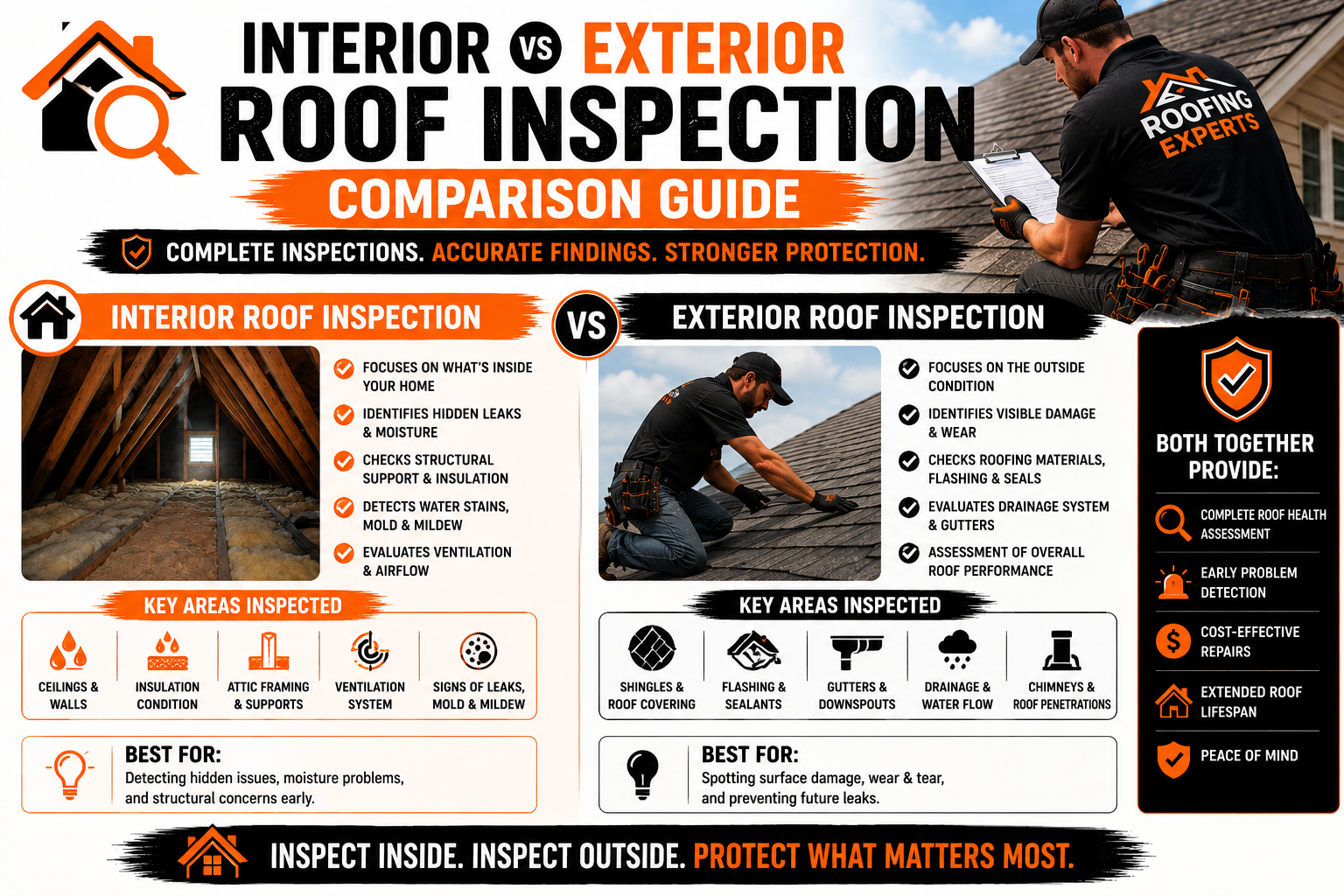
Interior vs Exterior Roof Inspection Comparison Guide
Introduction
A roof inspection is one of the most effective ways to protect a home or commercial building from unexpected damage and expensive repairs. While many property owners associate roof inspections with checking shingles or gutters from the outside, a complete evaluation involves much more than examining visible roofing materials. Professional inspectors often assess both the interior and exterior of the building because each area reveals different clues about the condition of the roofing system.
Interior and exterior roof inspections work together to provide a comprehensive understanding of how well a roof is performing. The exterior reveals how roofing materials withstand weather exposure, while the interior helps identify hidden moisture, ventilation problems, structural concerns, and signs of leaks that may not yet be visible from the roof surface. Evaluating only one side of the roofing system can leave important issues undiscovered.
Many roofing problems begin long before homeowners notice obvious signs of damage. Small leaks, inadequate attic ventilation, deteriorating flashing, and trapped moisture can develop gradually over months or even years. By combining interior and exterior inspections, roofing professionals can identify these problems early and recommend targeted repairs before more serious damage occurs.
Understanding the differences between interior and exterior roof inspections helps property owners appreciate why both methods are important. Each inspection follows a different process, focuses on different building components, and contributes unique information that supports accurate repair decisions. Throughout this guide, we will compare both inspection methods, explain what inspectors look for in each area, and discuss how they work together to provide a complete evaluation of roof health.
Understanding the Purpose of Roof Inspections
The primary goal of a roof inspection is to evaluate the overall condition of the roofing system and identify existing or developing problems before they become costly repairs. Regular inspections help property owners maintain structural integrity, improve roof performance, and extend the lifespan of roofing materials through timely maintenance.
Roof inspections are not limited to finding active leaks. Professional inspectors evaluate weather damage, material deterioration, drainage performance, ventilation efficiency, structural stability, and signs of hidden moisture that may affect the long-term reliability of the roof. This broader approach provides a more accurate picture of the roof’s overall condition.
Routine inspections also support preventive maintenance. Addressing minor defects while they remain localized often prevents larger repairs that involve replacing extensive sections of roofing materials, insulation, or structural components. Preventive care generally reduces maintenance costs over the life of the roof.
Another important purpose of roof inspections is documentation. Inspection reports provide a record of roof conditions that may be useful for insurance claims, warranty requirements, property sales, maintenance planning, and budgeting for future repairs. Detailed documentation allows homeowners to monitor how roof conditions change over time.
Professional inspections become especially valuable after severe weather events. High winds, hail, heavy rain, and falling debris may create damage that is not immediately visible from the ground. Early inspections help identify storm-related issues before they worsen through continued exposure to the elements.
What Is an Interior Roof Inspection?
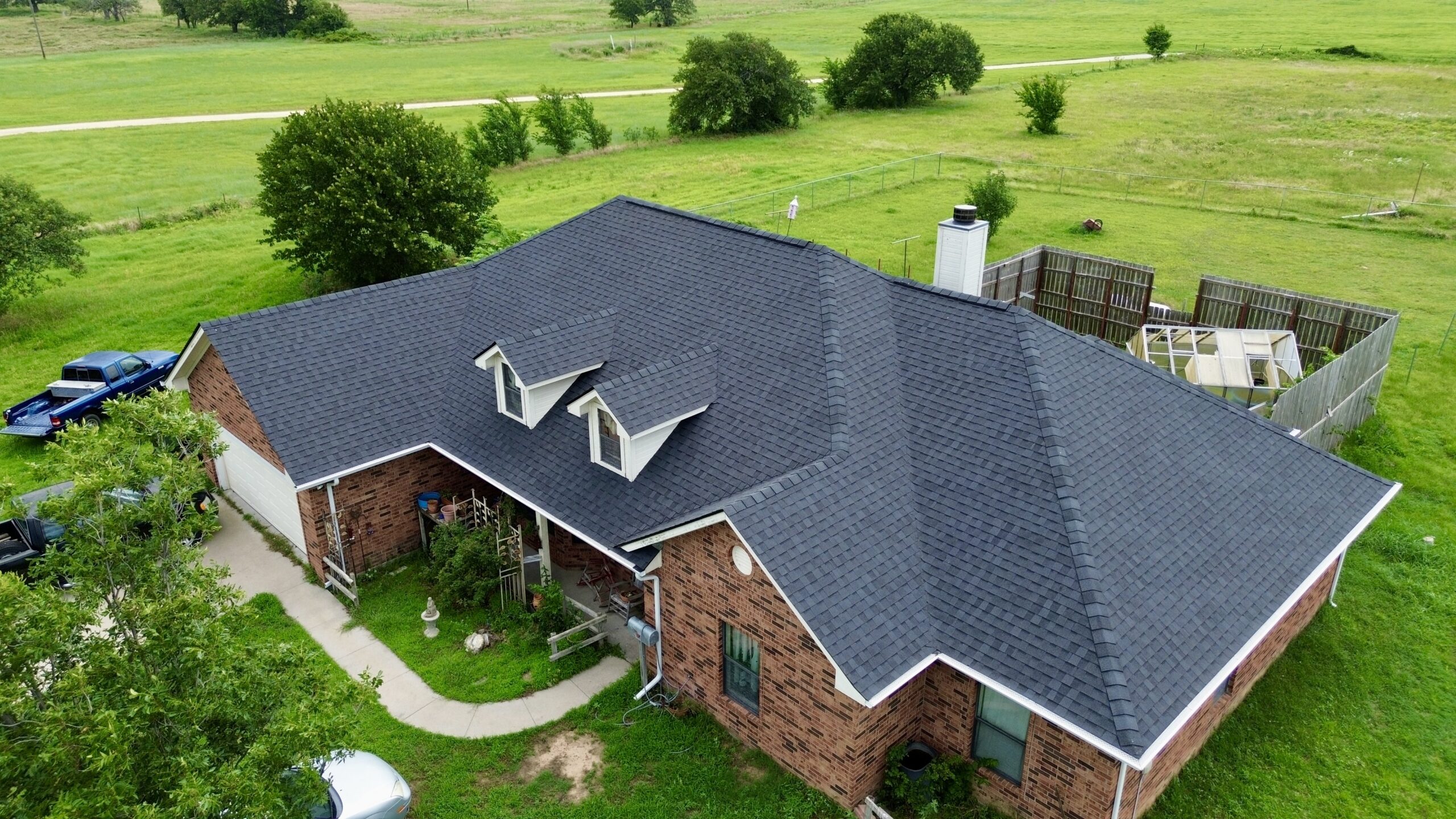
An interior roof inspection focuses on the parts of the building located beneath the roofing system. Rather than examining shingles or roof coverings directly, inspectors evaluate the attic, ceilings, walls, insulation, framing, and other structural components that may reveal evidence of hidden roof problems.
The attic is often the most important area during an interior inspection because it provides direct access to the underside of the roof deck. Inspectors carefully examine wooden decking, rafters, trusses, insulation, ventilation openings, and support structures for signs of moisture, staining, mold, or structural deterioration.
Ceilings throughout the building also provide valuable information. Water stains, peeling paint, bubbling drywall, and discoloration often indicate moisture intrusion that originated somewhere within the roofing system. Although these visible signs may not identify the exact leak location, they help inspectors understand where further investigation is needed.
Proper attic ventilation receives significant attention during interior inspections. Inadequate airflow allows heat and moisture to accumulate, increasing the risk of condensation, mold growth, wood decay, and premature deterioration of roofing materials. Inspectors evaluate intake and exhaust ventilation to determine whether air circulates effectively throughout the attic.
Insulation is another critical component examined during the inspection. Wet insulation loses much of its thermal performance while increasing the likelihood of mold growth and energy loss. Inspectors look for compressed, stained, or damp insulation that may indicate hidden roof leaks.
Interior inspections also reveal structural movement that may not yet appear on the exterior. Sagging rafters, cracked framing members, or shifting roof supports can indicate developing structural concerns that require professional evaluation before they become more severe.
Because many roofing problems begin inside concealed spaces, interior inspections provide valuable information that cannot be obtained by examining the roof surface alone.
What Is an Exterior Roof Inspection?
An exterior roof inspection evaluates the visible components of the roofing system that protect the building from weather exposure. Inspectors examine roofing materials, flashing, gutters, drainage systems, roof penetrations, and other exterior features that contribute to the roof’s overall performance.
The roofing material itself receives careful attention during the inspection. Depending on the roof type, inspectors look for missing shingles, cracked tiles, damaged metal panels, blistered membranes, worn protective coatings, or other signs of deterioration caused by age or weather exposure.
Flashing is another major focus because it protects vulnerable transition points where water is most likely to enter the roofing system. Areas around chimneys, skylights, roof valleys, dormers, vents, and wall intersections receive close examination for loose sections, corrosion, cracks, or failed sealants.
Roof penetrations require detailed evaluation as well. Plumbing vents, exhaust vents, HVAC equipment, satellite mounts, and solar panel attachments all create openings that must remain properly sealed to prevent water intrusion. Inspectors verify that flashing and sealants remain in good condition around these features.
Drainage systems play an essential role in roof performance. Gutters, downspouts, roof drains, scuppers, and drainage channels are inspected to ensure water flows efficiently away from the building. Poor drainage increases the likelihood of standing water, leaks, and premature deterioration.
Inspectors also examine the roof for storm-related damage. Wind may lift shingles or loosen flashing without causing obvious leaks, while hail can create impact damage that weakens roofing materials over time. Early identification allows repairs before weather exposure causes additional deterioration.
The overall roof surface is evaluated for uneven areas, sagging sections, debris accumulation, vegetation growth, and signs of aging that may affect long-term performance. Together, these observations help determine whether the roof remains structurally sound and capable of protecting the building effectively.
Why Both Inspection Methods Are Important
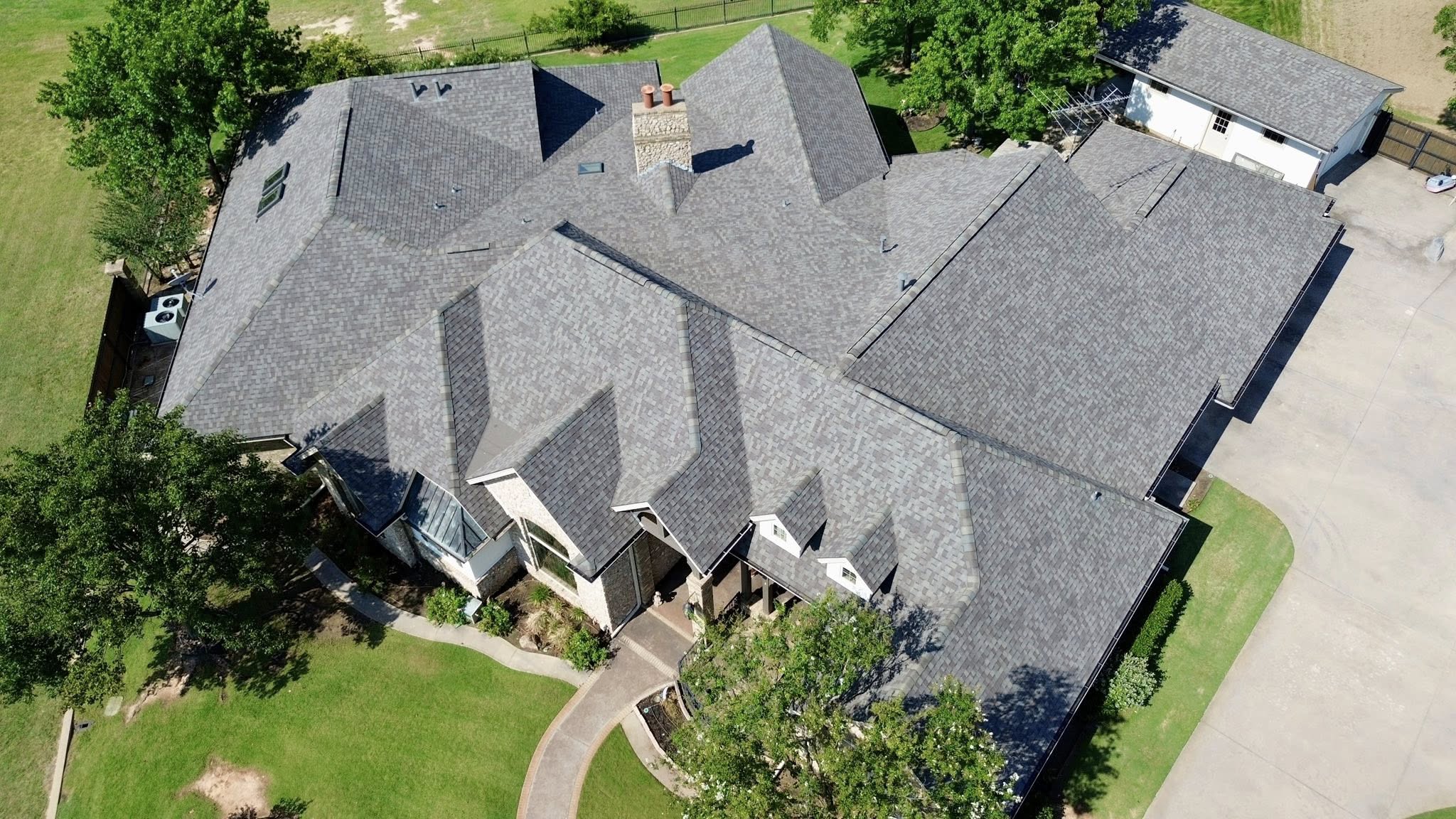
Some property owners believe that inspecting only the exterior roof surface provides enough information about roof health. Others focus primarily on interior water stains because they assume visible leaks indicate the most important problems. In reality, both inspection methods complement one another and provide information that neither could deliver independently.
Exterior inspections identify conditions that increase the risk of future leaks. Damaged shingles, deteriorated flashing, clogged gutters, and cracked sealants often develop before moisture enters the building. Detecting these issues early helps prevent interior damage from occurring.
Interior inspections, on the other hand, reveal the effects of moisture after it has entered the roofing system. Wet insulation, mold growth, water stains, structural deterioration, and condensation problems often become visible inside long before the exterior damage appears severe.
Combining both inspection methods allows roofing professionals to trace moisture from its source to its final destination. Instead of treating only visible symptoms, inspectors identify the original cause of the problem and recommend repairs that address the entire issue.
Using both inspection methods also improves diagnostic accuracy. If an exterior inspection identifies damaged flashing while the interior inspection reveals moisture beneath the same area, inspectors gain greater confidence that they have located the primary source of water intrusion.
Another benefit is more effective maintenance planning. Exterior inspections identify components nearing the end of their service life, while interior inspections reveal how those components are affecting the building. Together, they provide a complete picture that supports informed repair and replacement decisions.
Key Areas Examined During an Interior Roof Inspection
Interior roof inspections involve much more than checking for water stains. Professional inspectors evaluate multiple building components that provide important clues about the condition of the roofing system and its supporting structure.
The most commonly inspected interior areas include:
- Attic insulation and moisture levels
- Roof decking and structural framing
- Rafters and trusses
- Ceiling surfaces throughout the building
- Interior walls near roof connections
- Ventilation openings and airflow pathways
- Signs of mold, mildew, or condensation
- Electrical wiring affected by moisture
Each of these components tells part of the overall story. For example, dry insulation combined with stained roof decking may indicate a relatively recent leak, while saturated insulation and mold growth often suggest a long-term moisture problem.
Inspectors also pay close attention to daylight entering the attic through unexpected openings. Small gaps around flashing, roof penetrations, or damaged decking may allow both sunlight and water to enter the building. These openings often become larger as weather exposure continues.
Seasonal conditions influence interior findings as well. Winter inspections may reveal frost accumulation caused by poor ventilation, while summer inspections often identify excessive attic temperatures resulting from restricted airflow. Both situations can shorten roof lifespan if left uncorrected.
Professional inspectors document all observations carefully, creating a detailed record that helps homeowners understand current roof conditions and prioritize recommended repairs.
Key Areas Examined During an Exterior Roof Inspection
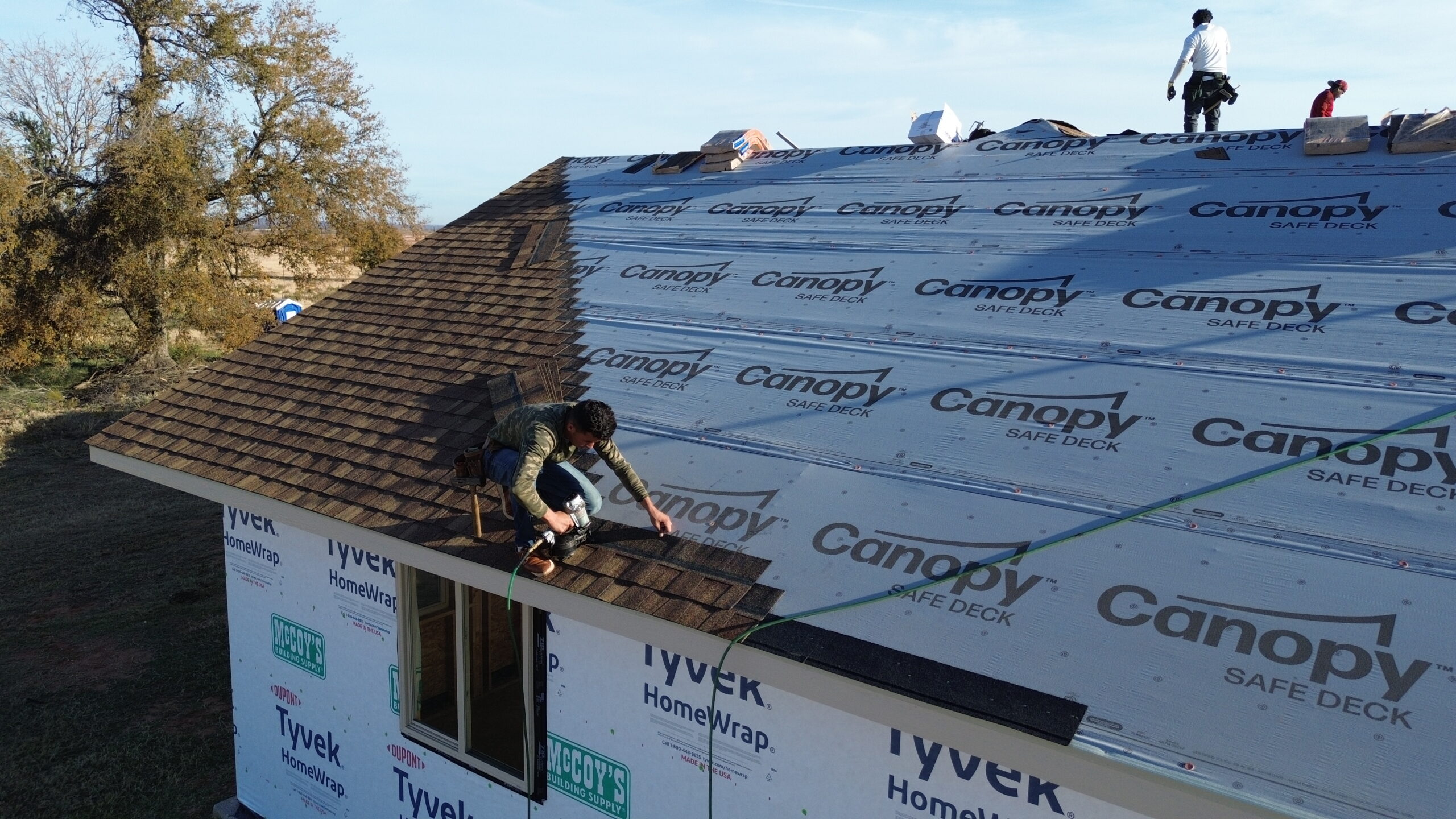
Exterior inspections focus on every visible component that contributes to the roof’s ability to protect the building from weather. Rather than evaluating only roofing materials, inspectors examine the complete exterior system to identify weaknesses that could lead to future problems.
The inspection process generally follows a systematic sequence:
- Examine the overall roof structure for sagging, uneven surfaces, or visible structural concerns.
- Inspect roofing materials for cracks, missing sections, curling, blistering, corrosion, or excessive wear.
- Evaluate flashing around chimneys, skylights, valleys, dormers, and roof penetrations.
- Check gutters, downspouts, and drainage systems for blockages, leaks, or improper water flow.
- Assess roof penetrations, sealants, vents, and exterior accessories for signs of deterioration.
- Look for evidence of storm damage, biological growth, standing water, or debris accumulation.
Following a structured inspection process ensures that no important roof component is overlooked. Consistency also allows inspectors to compare roof conditions during future maintenance visits and identify changes over time.
Inspectors frequently evaluate roof edges because these areas experience significant wind exposure and water runoff. Damaged drip edges, fascia boards, and soffits may indicate developing moisture problems that affect both the roof and surrounding structural components.
Roof valleys deserve particular attention because they channel large volumes of rainwater during storms. Even minor flashing defects or debris accumulation in these areas can increase the risk of leaks and water intrusion beneath roofing materials.
By combining careful visual examination with professional experience, exterior roof inspections identify existing damage, evaluate overall roof performance, and reveal maintenance needs before they develop into larger structural issues.
In the next part of this guide, we will directly compare interior and exterior roof inspections, examine the types of problems each method detects most effectively, discuss which inspection approach identifies damage earlier, explain when homeowners should schedule each type of inspection, and evaluate the strengths and limitations of both inspection methods through a detailed comparison table.
Comparing Interior and Exterior Roof Inspections
Although both inspection methods evaluate the same roofing system, they focus on different areas and answer different questions. An exterior inspection examines how well the roof protects the building from weather, while an interior inspection evaluates whether the roofing system is successfully preventing moisture and structural problems inside the property.
The two methods are not competing approaches. Instead, they complement each other by providing different types of evidence about the roof’s condition. When inspectors compare findings from both inspections, they can identify the source of problems more accurately and recommend repairs with greater confidence.
An exterior inspection may reveal cracked flashing around a chimney, while the interior inspection shows moisture stains directly beneath that location. Together, these findings establish a clear connection between the damaged flashing and the interior water intrusion. This combination reduces uncertainty and helps contractors focus repairs where they are truly needed.
Interior inspections also help determine how long a problem has existed. Fresh moisture stains often indicate recent leaks, whereas mold growth, wood decay, or deteriorated insulation suggest prolonged exposure to water. Exterior observations alone may not reveal the full extent of hidden damage beneath the roof covering.
Professional roofing companies typically combine both inspection methods into one comprehensive service whenever possible. This approach provides a more complete understanding of roof performance and minimizes the chance of overlooking developing issues.
The following comparison highlights the primary differences between the two inspection methods.
| Inspection Aspect | Interior Roof Inspection | Exterior Roof Inspection |
|---|---|---|
| Primary Focus | Hidden moisture, structural conditions, attic health | Roofing materials, flashing, drainage, visible damage |
| Inspection Location | Inside attic and upper interior spaces | Roof surface and exterior components |
| Main Goal | Detect effects of roof problems | Identify causes of roof problems |
| Common Findings | Water stains, mold, wet insulation, condensation | Missing shingles, damaged flashing, clogged gutters |
| Best Time | Anytime with safe interior access | Dry weather with safe roof access |
| Typical Benefit | Reveals concealed damage | Prevents future leaks through early repairs |
This comparison illustrates why neither inspection method should replace the other. The strongest roof evaluations combine both perspectives to produce a complete assessment of roof health.
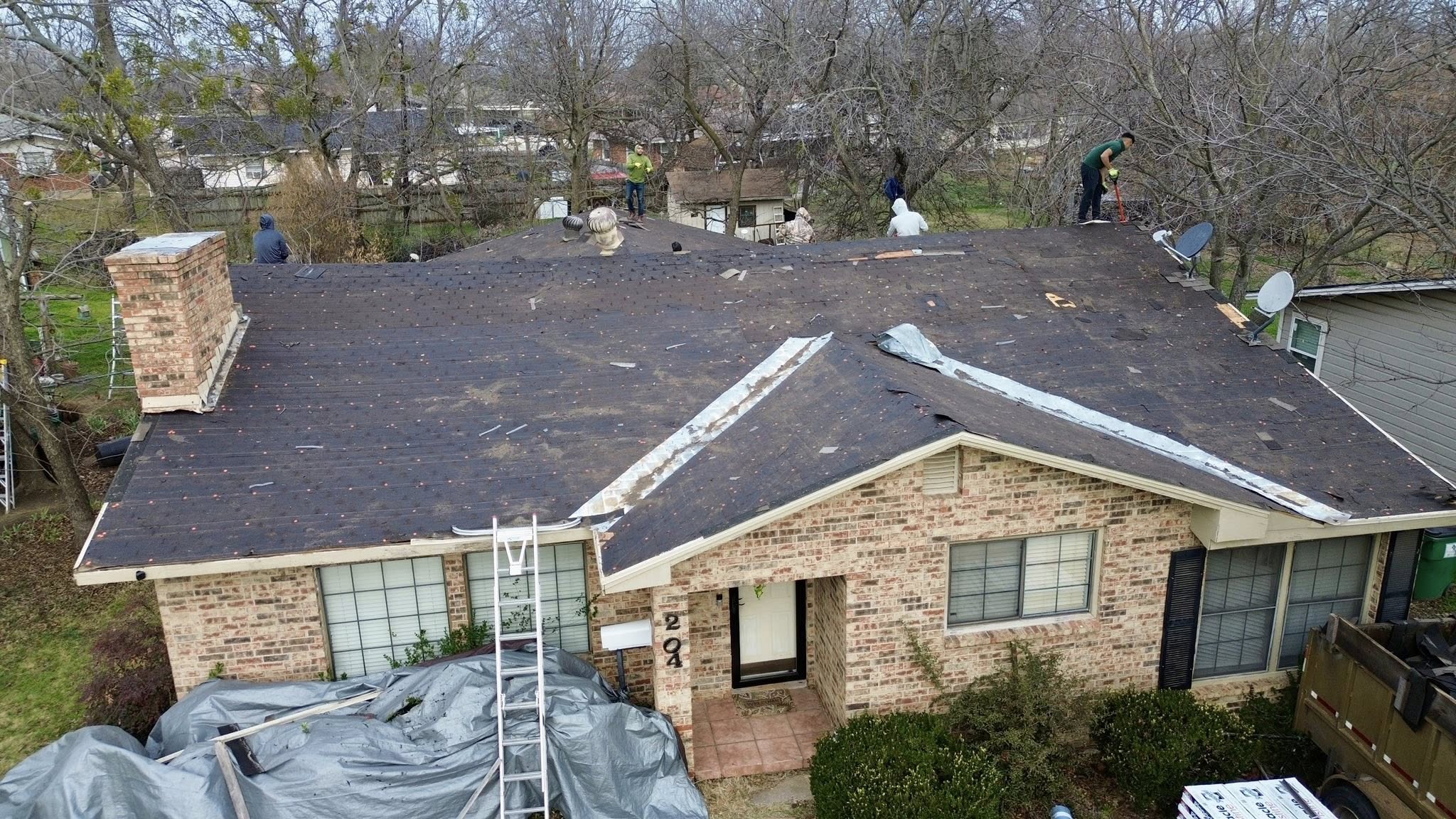
Common Problems Found During Interior Roof Inspections
Interior inspections frequently uncover problems that have remained hidden from view for extended periods. Since the attic and ceiling spaces are protected from direct weather exposure, developing issues often progress gradually before homeowners become aware of them.
Water stains remain one of the most common findings. These stains may appear on ceilings, attic decking, rafters, or insulation, indicating that moisture has entered the roofing system at some point. While stains confirm water intrusion, they do not always identify the exact location of the roof leak.
Inspectors also look for mold and mildew growth in areas where moisture remains trapped. Poor ventilation combined with elevated humidity creates favorable conditions for biological growth, particularly within attic spaces. Early detection allows corrective action before mold spreads throughout the building.
Damaged insulation is another frequent concern. Wet insulation loses much of its insulating ability and often compresses over time, reducing energy efficiency while increasing heating and cooling costs. Replacing affected insulation becomes important once moisture intrusion has been resolved.
Structural deterioration may also become visible during interior inspections. Prolonged moisture exposure can weaken roof decking, rafters, trusses, and supporting members. Detecting these issues early helps prevent more serious structural repairs in the future.
Condensation problems deserve equal attention because not all attic moisture originates from roof leaks. Poor ventilation, excessive indoor humidity, and blocked airflow can produce condensation that mimics the symptoms of water intrusion. Professional inspectors distinguish between these causes before recommending repairs.
Interior inspections occasionally identify signs of pest activity as well. Birds, rodents, squirrels, and insects sometimes enter through damaged roofing components, leaving evidence that points to openings requiring repair.
Common Problems Found During Exterior Roof Inspections
Exterior inspections focus on identifying the conditions that allow water to enter the roofing system or reduce its ability to withstand weather exposure. Many exterior defects develop slowly and remain unnoticed until professional inspections reveal their presence.
Aging roofing materials often represent the first signs of deterioration. Asphalt shingles may curl, crack, or lose protective granules, while metal roofing may develop corrosion around fasteners or seams. Tile roofs may contain cracked or displaced tiles that expose underlayment beneath.
Flashing failures are among the most significant exterior findings. Loose flashing around chimneys, skylights, vents, and roof valleys frequently becomes the starting point for hidden leaks. Even small gaps can allow water to enter beneath roofing materials during heavy rainfall.
Drainage issues are another common concern. Gutters filled with leaves, debris, or sediment prevent proper water flow, increasing the likelihood of overflow and moisture accumulation along roof edges. Standing water on flat roofs also signals drainage problems that require correction.
Storm damage may appear in subtle ways after severe weather. High winds can loosen roofing materials without removing them completely, while hail impacts may create small fractures that gradually worsen through repeated weather exposure.
Inspectors also evaluate sealants around roof penetrations because ultraviolet radiation gradually causes many sealants to shrink, crack, or separate from surrounding materials. Replacing deteriorated sealants helps maintain watertight protection around vulnerable roof openings.
Biological growth such as moss, algae, or lichen may indicate excessive moisture retention on the roof surface. Although these organisms do not always cause immediate damage, they can accelerate roofing material deterioration if left untreated for extended periods.
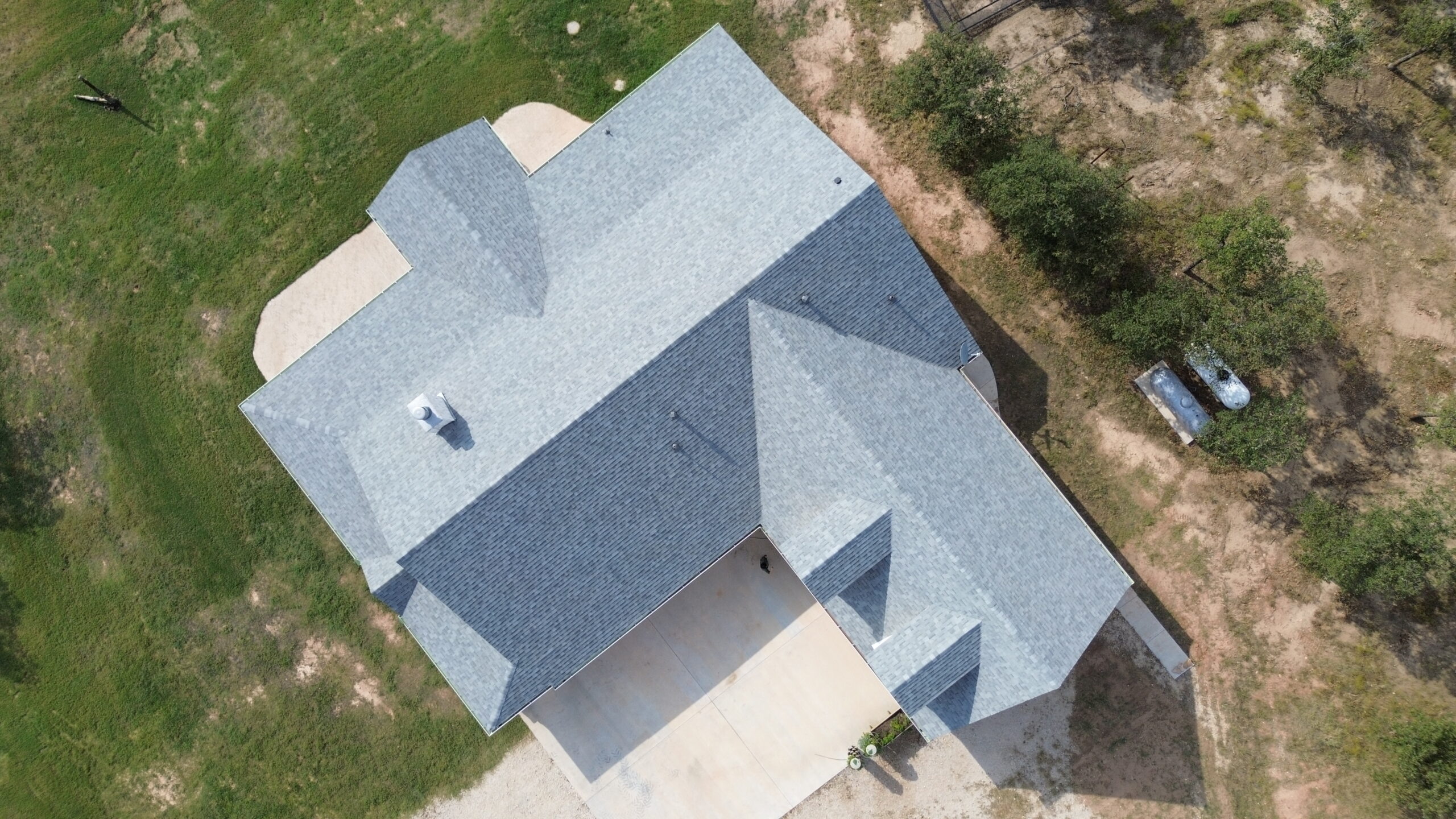
Which Inspection Method Detects Damage Earlier?
The ability to detect roofing problems early depends largely on the type of damage that is developing. Some issues become visible first on the roof surface, while others appear inside the building before exterior symptoms become obvious.
Exterior inspections generally identify weather-related deterioration before leaks occur. Damaged shingles, deteriorated flashing, worn sealants, and blocked drainage systems can all be repaired before water enters the roofing system. This makes exterior inspections especially valuable for preventive maintenance.
Interior inspections excel at revealing hidden moisture that has already entered the roof assembly. Water stains, damp insulation, mold growth, and elevated attic humidity often become apparent before exterior damage appears severe enough to attract attention from ground level.
The timing of inspections also influences detection. Routine exterior inspections performed annually often discover aging materials before failure occurs. Interior inspections conducted after storms or during seasonal maintenance may identify moisture that entered through newly developed roof defects.
Neither inspection method consistently detects every problem first because roofing systems experience many different types of deterioration. Weather exposure, aging, installation quality, ventilation, and maintenance history all influence where warning signs appear initially.
The most effective strategy combines scheduled exterior inspections with periodic interior evaluations. This approach increases the likelihood of identifying problems at the earliest possible stage, regardless of whether they begin on the roof surface or within concealed building spaces.
When Should Homeowners Schedule Each Type of Inspection?
Knowing when to schedule roof inspections helps property owners maximize the benefits of preventive maintenance. Although emergency inspections become necessary after severe weather or visible leaks, routine evaluations reduce the likelihood of unexpected roofing problems.
Exterior inspections are generally recommended once each year, preferably during mild weather when roof surfaces can be examined safely. They should also be scheduled after hailstorms, high winds, hurricanes, heavy snowfall, or any event capable of damaging roofing materials.
Interior inspections become especially valuable after signs of water intrusion appear inside the building. Ceiling stains, musty odors, peeling paint, damp insulation, or unexplained increases in indoor humidity all justify prompt evaluation of attic spaces and structural components.
Homeowners should also schedule comprehensive inspections before purchasing or selling a property. Understanding the current condition of the roof helps buyers make informed decisions while allowing sellers to address maintenance issues before listing the home.
The following situations typically require professional roof inspections:
- After severe storms involving hail, strong winds, or heavy rainfall.
- Before purchasing or selling a residential or commercial property.
- When water stains or moisture appear inside the building.
- As part of an annual preventive maintenance program.
- Before installing solar panels, skylights, or rooftop equipment.
- After major roof repairs to verify successful completion.
Scheduling inspections proactively often prevents emergency repairs that are more disruptive and significantly more expensive than planned maintenance.

Advantages and Limitations of Interior and Exterior Roof Inspections
Every inspection method offers unique advantages while also having practical limitations. Understanding these strengths and weaknesses helps property owners appreciate why professional inspectors rarely rely on only one approach.
Interior inspections provide valuable insight into concealed building conditions. They reveal moisture damage, ventilation problems, insulation performance, structural movement, and condensation that cannot be observed from the roof surface. However, they may not always identify the exact exterior source of water intrusion without additional roof evaluation.
Exterior inspections excel at identifying visible deterioration before leaks develop. They allow inspectors to evaluate roofing materials, flashing, drainage systems, sealants, and storm damage while recommending preventive maintenance that extends roof lifespan. Yet exterior observations alone cannot fully assess hidden moisture beneath roofing materials or inside attic spaces.
Accessibility also influences inspection effectiveness. Interior inspections require safe attic access, while exterior inspections depend on suitable weather conditions and secure roof access. Some steep roofs or complex building designs may require drones or specialized safety equipment to complete a thorough evaluation.
Another consideration involves repair planning. Exterior findings often identify where maintenance should begin, while interior findings help determine how extensively moisture has affected insulation, framing, and structural components. Combining both perspectives leads to more accurate repair recommendations.
Ultimately, the greatest advantage comes from integrating both inspection methods into one comprehensive assessment. Professional inspectors compare interior evidence with exterior observations, verify their findings using appropriate diagnostic tools, and develop repair strategies that address both the cause and the consequences of roofing problems.
In the final part of this guide, we will examine how professional roof inspectors combine interior and exterior inspections into one complete evaluation, explore the tools used during both inspection methods, discuss how homeowners can prepare for an inspection, review common mistakes made when relying on only one type of inspection, answer frequently asked questions, and conclude with key takeaways for protecting the long-term health of any roofing system.
How Professional Roof Inspectors Combine Both Methods
Professional roof inspections are most effective when interior and exterior evaluations are performed together as part of a structured inspection process. Rather than treating them as separate services, experienced inspectors compare findings from both areas to develop a complete understanding of the roof’s condition and identify the true source of any problems.
Most inspections begin with a discussion about the property’s history. Homeowners may report recent leaks, storm damage, unusual odors, or visible ceiling stains that help inspectors determine where to focus their attention. This information provides valuable context before the physical inspection begins.
Inspectors then evaluate the exterior roof to identify damaged materials, flashing defects, drainage issues, and other visible concerns. These observations establish possible entry points where water could penetrate the roofing system during rainfall or snowmelt.
After completing the exterior assessment, inspectors move inside the building to examine attic spaces, insulation, roof decking, structural framing, and ceiling surfaces. They compare interior findings with the exterior observations to determine whether visible roof defects correspond with moisture or structural issues beneath the roof.
If hidden moisture is suspected, additional diagnostic tools such as thermal imaging or moisture meters may be used to verify the extent of water intrusion. Combining visual inspections with modern technology improves accuracy and reduces unnecessary repair work.
Once all findings have been analyzed, inspectors prepare a comprehensive report that explains the roof’s current condition, identifies existing problems, prioritizes recommended repairs, and outlines preventive maintenance measures that can help extend the roof’s service life.
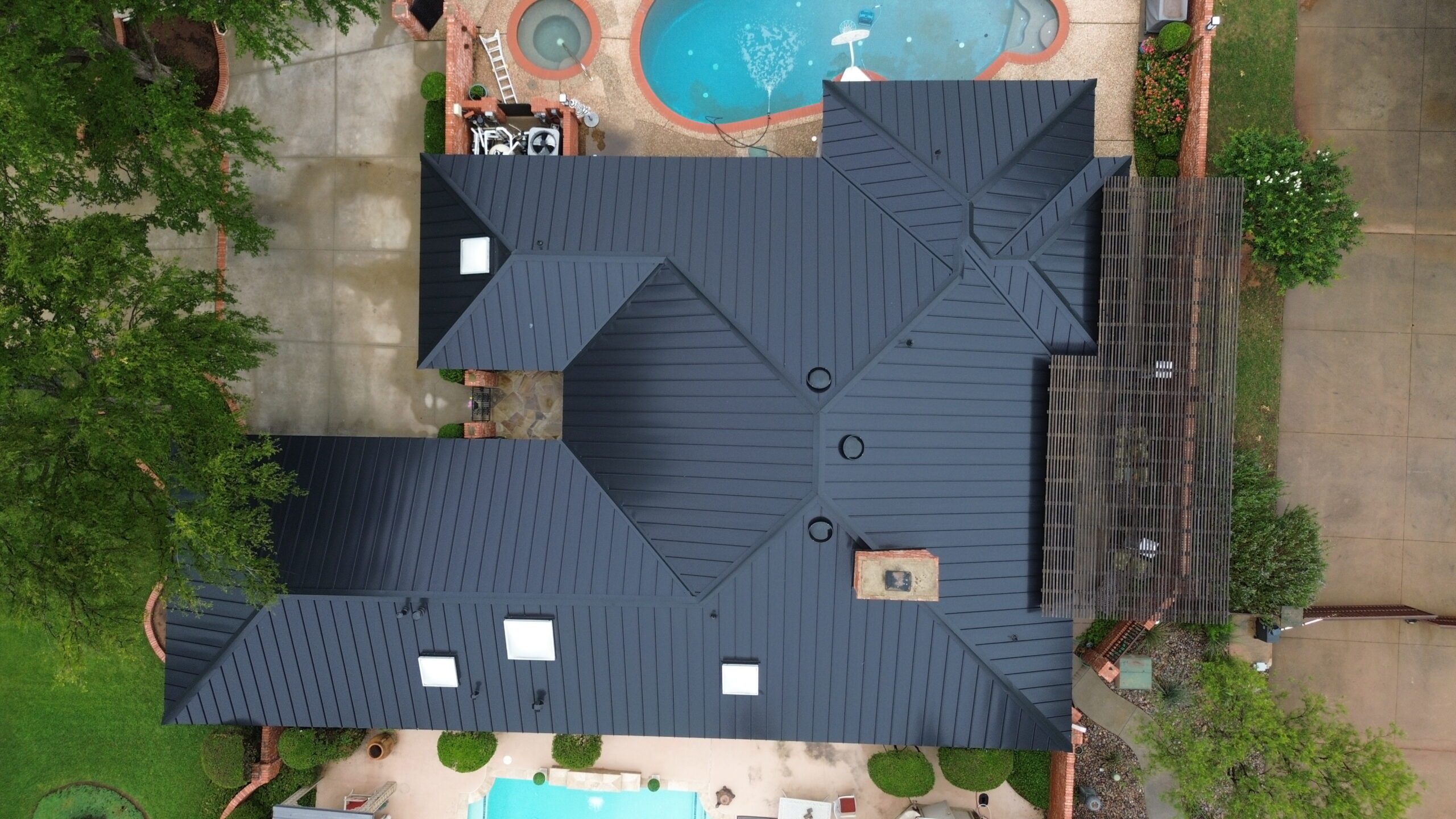
Tools Used During Interior and Exterior Roof Inspections
Professional roof inspections rely on a combination of traditional inspection equipment and advanced diagnostic technology. Each tool serves a specific purpose, allowing inspectors to evaluate roofing materials, structural components, and hidden moisture with greater accuracy.
Basic inspection tools remain essential despite advances in technology. Flashlights, ladders, measuring devices, binoculars, and cameras help inspectors examine difficult-to-see areas while documenting roof conditions throughout the inspection process.
Moisture meters are commonly used during interior inspections to measure water content within wood, insulation, and other building materials. These instruments help confirm whether suspicious areas contain active moisture or simply show evidence of past water exposure.
Infrared thermal cameras provide another valuable diagnostic capability. By identifying temperature differences across roofing materials, thermal imaging helps inspectors locate hidden moisture that may not yet be visible during a standard visual inspection.
Exterior inspections sometimes involve drones equipped with high-resolution cameras. Drones capture detailed images of steep or difficult-to-access roof sections while reducing safety risks associated with walking across fragile roofing materials.
Additional tools may include electronic leak detection equipment, roof probes, chalk markers, safety harnesses, and digital reporting software. The exact equipment varies depending on roof type, accessibility, and the purpose of the inspection.
Technology continues improving the inspection process, but professional experience remains equally important. Advanced equipment produces valuable data, yet accurate interpretation depends on an inspector’s understanding of roofing systems, weather patterns, construction methods, and building performance.
Preparing Your Property for a Roof Inspection
Preparing the property before a roof inspection allows inspectors to complete a more efficient and thorough evaluation. A few simple steps can improve access to important areas while reducing delays during the inspection.
Homeowners should ensure that attic access points remain clear and easy to reach. Stored boxes, furniture, or other items blocking attic entrances should be moved before the inspection so structural components and insulation can be examined safely.
Interior rooms showing signs of roof leaks should also be accessible. Ceiling stains, damp walls, peeling paint, or mold growth provide valuable clues that help inspectors understand where moisture may be entering the building.
Outside the property, vehicles should be moved away from the building if they interfere with ladder placement or roof access. Clearing outdoor furniture, garden equipment, or decorative items from work areas also improves safety during the inspection.
If possible, homeowners should prepare information about the roof’s maintenance history. Details regarding previous repairs, roof replacement dates, warranty information, and recent storm events help inspectors interpret their findings more accurately.
Photographs of leaks that occur only during heavy rain can also be useful. Some moisture problems dry quickly after storms, making visual evidence from the time of the leak valuable during the inspection process.
Good communication benefits both homeowners and inspectors. Discussing concerns before the inspection begins ensures that specific issues receive appropriate attention while helping inspectors answer questions about the roof’s overall condition.
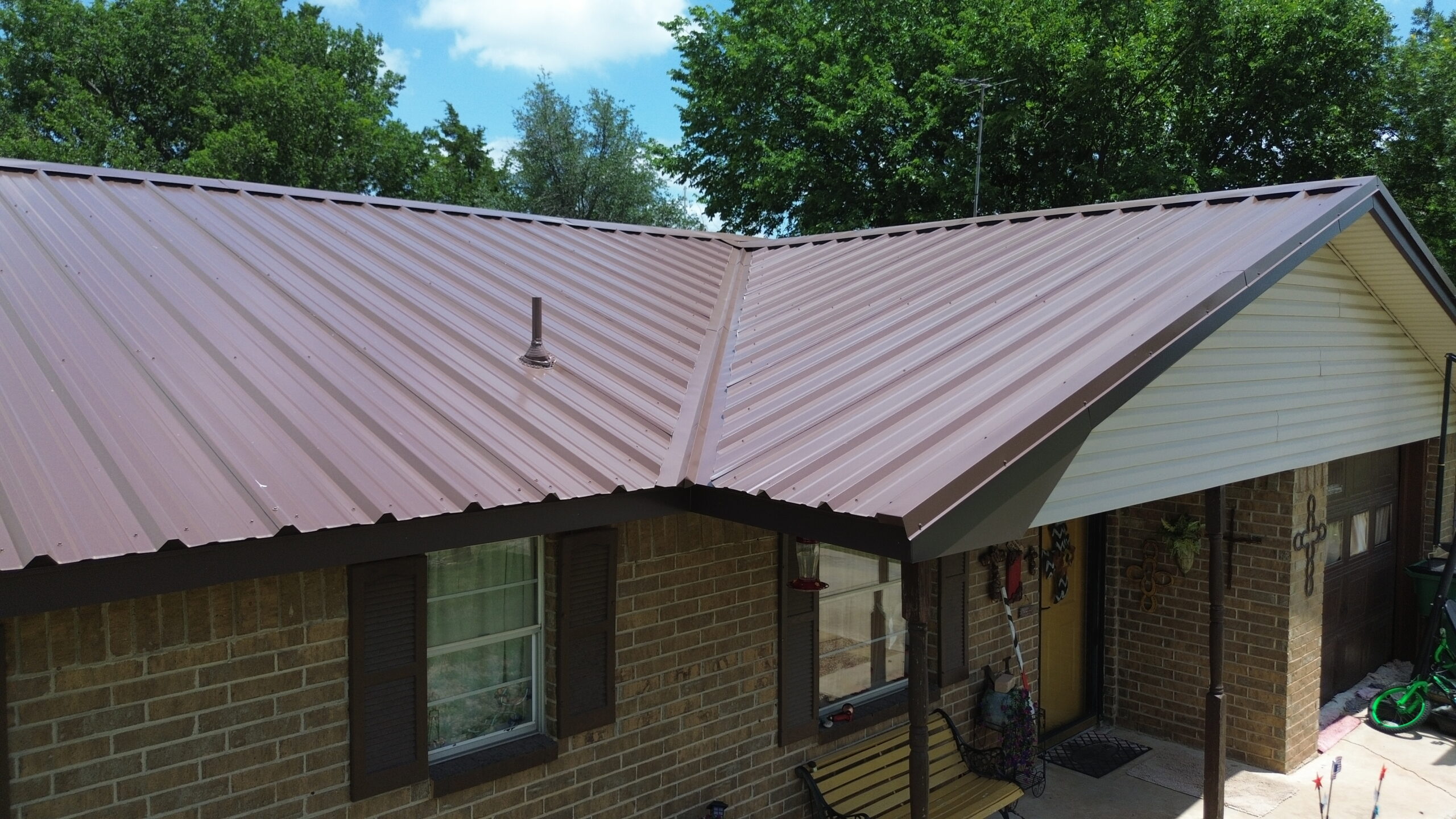
Mistakes Homeowners Make When Relying on Only One Inspection Method
One of the most common mistakes property owners make is assuming that a roof without visible leaks does not require inspection. Many roofing problems develop gradually beneath the surface, remaining hidden until they have already caused significant structural or moisture damage.
Another mistake involves focusing only on exterior roof appearance. A roof may look structurally sound from the outside while concealed moisture slowly damages insulation, decking, and framing beneath the roofing materials. Without an interior inspection, these hidden issues may remain undetected for years.
Some homeowners take the opposite approach by reacting only to interior ceiling stains. While water stains indicate moisture intrusion, they do not identify the actual location where water entered the roofing system. Repairing only the visible interior damage without examining the roof often allows leaks to continue.
Skipping routine inspections after severe weather is another costly mistake. Wind, hail, and heavy rainfall can create subtle roof damage that is difficult to recognize from ground level. Early inspections frequently identify storm-related issues before additional weather exposure worsens the damage.
Delaying recommended repairs also increases long-term repair costs. Small defects such as cracked flashing, loose shingles, or deteriorated sealants are generally inexpensive to repair when discovered early. Ignoring them allows moisture to spread deeper into the roofing system.
Attempting to diagnose complex roofing problems without professional assistance may also lead to incorrect conclusions. Roofing systems consist of many interconnected components, and symptoms often appear far from the actual source of the problem.
Avoiding these common mistakes helps homeowners protect both their roofing investment and the structural integrity of their property.
Frequently Asked Questions
Is an interior roof inspection necessary if the roof looks fine from outside?
Yes. Many roofing problems develop beneath the roof surface where they cannot be seen during an exterior inspection. Interior evaluations often reveal hidden moisture, insulation damage, ventilation issues, and structural concerns before exterior signs become obvious.
Which inspection is more important, interior or exterior?
Both inspections are equally important because they provide different information. Exterior inspections identify potential sources of roof damage, while interior inspections reveal how those issues are affecting the building from inside.
Can an interior inspection detect every roof leak?
Not always. Interior inspections identify the effects of water intrusion, but the exact leak location may require an exterior inspection and additional diagnostic tools such as moisture meters or thermal imaging.
How long does a complete roof inspection usually take?
The duration depends on the size, design, and condition of the property. Most residential inspections take between one and three hours, while larger commercial buildings may require additional time.
Should a roof be inspected after every major storm?
Yes. Strong winds, hail, heavy rain, and falling debris can damage roofing materials even when the damage is not immediately visible. Prompt inspections help identify problems before they become larger repairs.
Conclusion
Interior and exterior roof inspections each play a vital role in evaluating the health and performance of a roofing system. While exterior inspections focus on visible roofing materials, flashing, drainage systems, and weather-related damage, interior inspections reveal hidden moisture, ventilation concerns, insulation problems, and structural issues that cannot be detected from the roof surface alone.
Neither inspection method provides a complete picture by itself. Exterior evaluations identify where problems may begin, while interior assessments show how those problems affect the building over time. When combined, they allow roofing professionals to diagnose issues more accurately, verify the source of leaks, and develop repair strategies based on comprehensive evidence rather than assumptions.
Modern inspection technology further strengthens this process. Moisture meters, infrared thermal cameras, drones, and digital reporting tools provide valuable information that supports visual observations and improves diagnostic accuracy. However, these technologies are most effective when used by experienced professionals who understand how different roofing systems respond to weather, aging, and moisture.
Routine inspections remain one of the most valuable investments property owners can make. Scheduling regular interior and exterior roof evaluations helps identify developing problems early, extends the lifespan of roofing materials, improves energy efficiency, supports warranty requirements, and reduces the likelihood of expensive emergency repairs. By treating both inspection methods as essential parts of preventive roof maintenance, homeowners and commercial property owners can protect their buildings, preserve property value, and ensure reliable roof performance for many years to come.