Eco Friendly Roof Repair Materials and Techniques Explained
Introduction
Roof repairs are an essential part of maintaining a safe and durable home, but they can also have a significant environmental impact. Traditional roofing materials often require large amounts of raw resources, generate construction waste, and contribute to landfill accumulation when damaged materials are discarded. As sustainability becomes a greater priority, many homeowners are looking for repair solutions that protect both their property and the environment.
Eco friendly roof repair focuses on reducing environmental impact while maintaining the strength, durability, and performance of the roofing system. Instead of replacing large sections unnecessarily or relying on materials with high environmental costs, sustainable repairs emphasize responsible material selection, efficient construction practices, and waste reduction.
Modern roofing technology has made environmentally responsible repairs more practical than ever before. Many sustainable roofing materials now offer durability comparable to conventional products while improving energy efficiency and reducing long term maintenance requirements. This allows homeowners to balance environmental responsibility with practical performance.
Choosing eco friendly repair methods can also provide financial benefits over time. Durable materials, improved insulation, and reflective roofing products may reduce energy consumption, extend roof life, and decrease future repair expenses. While the initial investment may sometimes be higher, the long term savings often make sustainable roofing an attractive option.
This guide explains the materials, techniques, and practical considerations involved in eco friendly roof repairs. By understanding available options and the benefits they provide, homeowners can make informed decisions that support both their property and the environment.
What Makes a Roof Repair Eco Friendly
An eco friendly roof repair goes beyond simply using environmentally friendly materials. It involves reducing waste, conserving natural resources, improving energy efficiency, and extending the useful life of the existing roofing system whenever possible.
One of the defining characteristics of sustainable roof repair is minimizing unnecessary replacement. Repairing damaged sections instead of replacing an entire roof preserves usable materials and reduces the amount of construction waste sent to landfills. This approach also decreases the demand for manufacturing new roofing products.
Material selection is another important factor. Sustainable roofing materials are often manufactured using recycled content, responsibly sourced raw materials, or production methods designed to reduce environmental impact. Many of these products also have longer service lives, reducing the frequency of future repairs.
Energy efficiency plays a major role as well. Certain roofing materials reflect more sunlight or improve insulation, helping maintain comfortable indoor temperatures throughout the year. Reduced heating and cooling demands lower household energy consumption and decrease overall environmental impact.
Eco friendly repairs also emphasize responsible construction practices. Contractors who recycle removed roofing materials, reduce unnecessary waste, and use environmentally responsible installation methods contribute to a more sustainable repair process.
Another key element is durability. Materials that resist weather damage and require fewer repairs over time reduce resource consumption throughout the life of the roof. Long lasting repairs often provide environmental benefits that extend well beyond the initial project.
Why Sustainable Roof Repairs Are Becoming More Important
Interest in sustainable roof repairs has increased as homeowners become more aware of environmental concerns and rising energy costs. Roofing projects consume significant amounts of materials, making repair decisions an important part of responsible home maintenance.
Construction waste represents a substantial portion of landfill material in many regions. Damaged shingles, underlayment, insulation, flashing, and roofing debris often end up in disposal sites if recycling opportunities are not available. Choosing repair methods that preserve existing materials helps reduce this environmental burden.
Climate considerations have also encouraged more sustainable roofing practices. Increased temperatures and more frequent severe weather events have highlighted the importance of roofing systems that improve energy efficiency while withstanding changing environmental conditions.
Homeowners are also recognizing the long term value of sustainable materials. Durable roofing products often require fewer repairs, resulting in lower maintenance expenses and reduced material consumption over the life of the roof.
Government programs, building standards, and environmental certifications have further encouraged sustainable construction practices. Although specific incentives vary by location, many communities now promote energy efficient building improvements and environmentally responsible repair methods.
Public awareness has also changed purchasing decisions. More homeowners now evaluate environmental performance alongside traditional considerations such as cost, appearance, and durability when selecting roofing materials.
Sustainable roof repair is no longer viewed as a specialized option for environmentally conscious homeowners alone. It has become an increasingly practical approach for anyone seeking durable repairs, improved efficiency, and responsible resource management.
Environmental Benefits of Eco Friendly Roof Repair Materials
The environmental advantages of sustainable roofing materials extend throughout the entire life cycle of the roof. From manufacturing and installation to long term performance and eventual recycling, eco friendly products often reduce environmental impact in several important ways.
One major benefit is reduced resource consumption. Many environmentally responsible roofing materials contain recycled content, reducing the need to extract new raw materials. This helps conserve natural resources while lowering the environmental footprint associated with manufacturing.
Waste reduction is another significant advantage. Repairing existing roofing systems with compatible sustainable materials often prevents large amounts of usable roofing products from being discarded. Less waste sent to landfills contributes to more efficient resource management.
Energy savings also play an important role. Reflective roofing materials reduce heat absorption by reflecting more sunlight away from the building. This helps maintain lower indoor temperatures during warm weather, reducing the demand for air conditioning and lowering energy consumption.
Improved insulation further supports environmental performance. Well designed roofing systems reduce heat transfer throughout the year, helping maintain stable indoor temperatures during both summer and winter. Lower energy use contributes to reduced greenhouse gas emissions associated with electricity generation.
Long service life provides additional environmental benefits. Durable materials require fewer replacements over time, reducing manufacturing demands, transportation emissions, and construction waste throughout the roof’s lifespan.
Many sustainable roofing products are also recyclable at the end of their useful life. Instead of becoming landfill waste, certain materials can be processed into new construction products, supporting a more circular approach to resource use.
Common Eco Friendly Roofing Materials Used for Repairs
Homeowners today have access to a wide range of sustainable roofing materials suitable for repair projects. Each material offers different advantages depending on the roof design, climate, budget, and long term maintenance goals.
Recycled asphalt shingles have become a popular option for many residential roofs. These products incorporate recycled materials into the manufacturing process while providing appearance and performance similar to conventional shingles. They offer an opportunity to reduce waste without significantly changing the roof’s appearance.
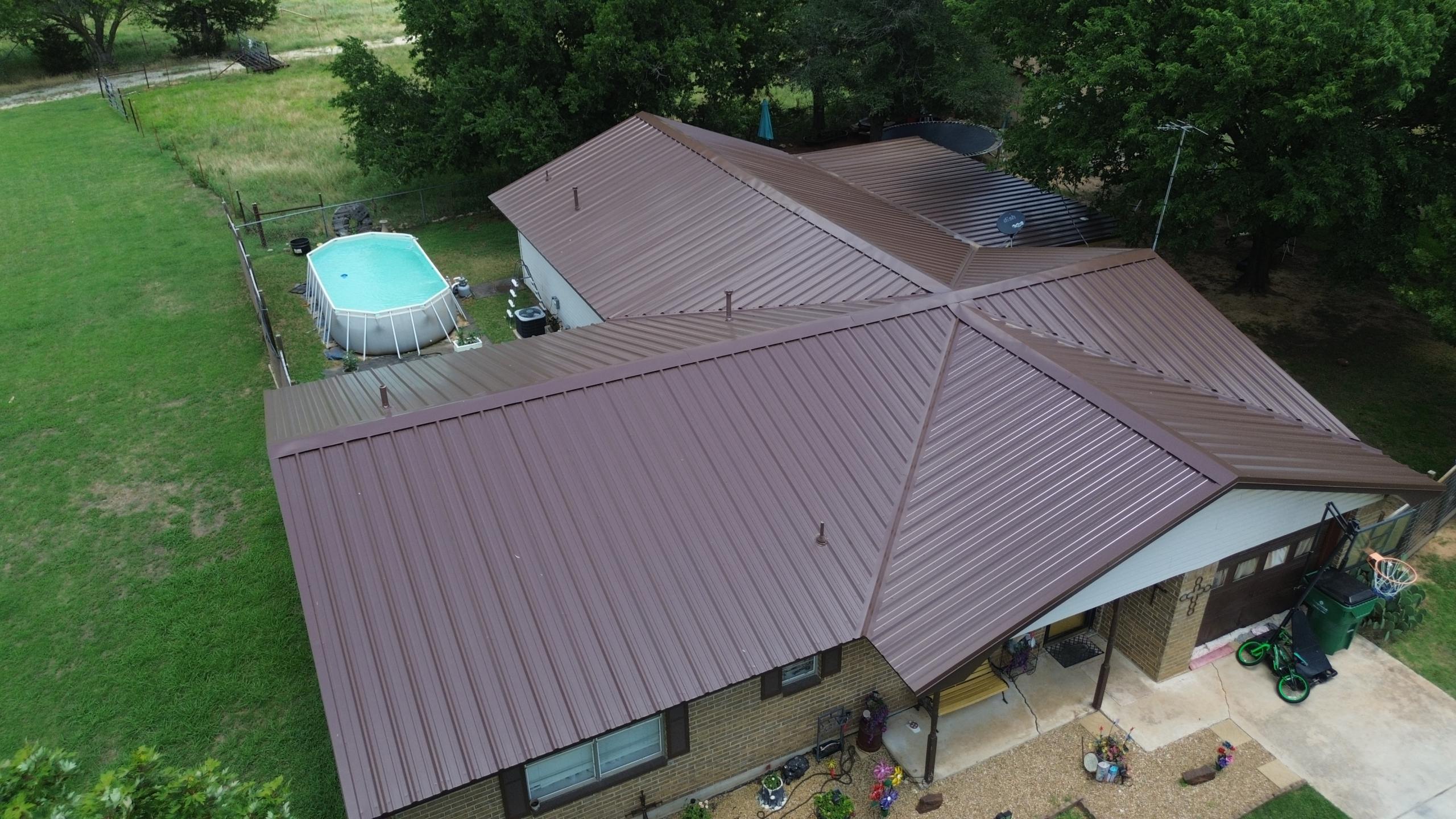
Metal roofing materials are widely recognized for their durability and recyclability. Many metal roofing products contain recycled content and can often be recycled again after decades of service. Their reflective properties also contribute to improved energy efficiency in many climates.
Clay and concrete tiles provide exceptional longevity. Although they require more energy during manufacturing, their long service life often offsets that environmental impact because they require replacement much less frequently than many traditional roofing materials.
Wood shingles sourced from responsibly managed forests can also be considered environmentally responsible when harvested using sustainable forestry practices. Proper maintenance helps extend their lifespan and improves long term performance.
Synthetic roofing materials manufactured from recycled plastics or rubber have gained popularity as well. Many are designed to resemble traditional roofing products while offering improved durability and resistance to weather related damage.
The following table compares several common eco friendly roofing materials used during repair projects.
| Roofing Material | Environmental Benefit | Typical Advantage |
|---|---|---|
| Recycled asphalt shingles | Uses recycled content | Familiar appearance |
| Metal roofing | Highly recyclable | Long service life |
| Clay tiles | Exceptional durability | Low maintenance |
| Concrete tiles | Long lifespan | Strong weather resistance |
| Sustainably sourced wood shingles | Renewable resource | Natural appearance |
| Recycled synthetic roofing | Diverts waste from landfills | Lightweight and durable |
Selecting the right material depends on balancing environmental benefits with structural requirements, climate conditions, maintenance expectations, and budget considerations.
Choosing Sustainable Materials for Different Roof Types
Every roofing system has unique structural characteristics that influence material selection. Choosing environmentally responsible products requires considering both sustainability and compatibility with the existing roof design.
Asphalt shingle roofs often allow damaged sections to be repaired using recycled asphalt products that closely match existing materials. This approach minimizes waste while preserving the roof’s appearance and structural integrity.
Metal roofs frequently benefit from repairs using matching recycled metal components. Since metal roofing systems are designed for long service life, replacing only damaged panels rather than the entire roof often represents the most sustainable solution.
Tile roofs require careful material matching to maintain both structural performance and appearance. Clay or concrete replacement tiles should match existing dimensions, weight, and installation methods to ensure consistent roof performance.
Flat roofing systems may use environmentally responsible membrane materials that improve energy efficiency while reducing future maintenance needs. Reflective coatings can also enhance performance without requiring complete roof replacement.
Historic homes present unique challenges because preserving architectural character often remains an important priority. Sustainable repair strategies typically focus on maintaining original materials whenever practical while using environmentally responsible replacements when repairs become necessary.
Climate should also influence material selection. Roofing products that perform well in one region may not provide the same environmental or durability benefits in another. Selecting materials appropriate for local weather conditions improves both sustainability and long term performance.
Factors to Consider Before Selecting Green Roofing Materials
Choosing sustainable roofing materials involves evaluating more than environmental benefits alone. Homeowners should consider several practical factors before making final repair decisions.
Durability should be one of the first considerations. Materials that resist wind, hail, moisture, sunlight, and temperature changes generally provide greater long term environmental value because they require fewer repairs and replacements over time.
Compatibility with the existing roofing system is equally important. Installing materials that differ significantly in weight, expansion characteristics, or installation requirements may create structural or maintenance challenges if not properly evaluated.
Initial cost should also be balanced against long term value. Some sustainable materials have higher purchase prices but provide lower maintenance costs, improved energy efficiency, and longer service life that offset the initial investment over many years.
Maintenance requirements vary considerably among roofing materials. Homeowners should understand inspection schedules, cleaning needs, repair procedures, and expected lifespan before selecting a particular product.
Local building codes and homeowner association requirements may also influence material selection. Verifying compliance before beginning repairs helps prevent delays and ensures the completed project meets applicable standards.
Finally, professional guidance remains valuable throughout the decision making process. Experienced roofing contractors can evaluate the condition of the existing roof, recommend compatible sustainable materials, and explain how different repair options may affect long term performance.
Understanding eco friendly roofing materials and the principles behind sustainable repair creates a strong foundation for making environmentally responsible decisions. In the next part, we will explore practical repair techniques that reduce waste, examine the sustainability advantages of repair versus replacement, discuss recycling practices, evaluate energy efficiency improvements, address common challenges, and compare the long term value of eco friendly roofing solutions.
Eco Friendly Roof Repair Techniques That Reduce Waste
Sustainable roof repair is not only about choosing environmentally responsible materials. The repair methods themselves also play an important role in reducing waste and extending the life of the existing roofing system. Careful planning allows contractors to preserve as many usable materials as possible while restoring the roof’s performance.
One of the most effective techniques is targeted repair. Instead of removing an entire roof, contractors replace only the damaged shingles, flashing, panels, or tiles that can no longer perform their function. This approach minimizes construction waste and reduces the demand for new materials.
Another valuable technique involves preserving the roof decking whenever it remains structurally sound. Replacing decking only where moisture damage or structural deterioration exists prevents unnecessary disposal of usable wood while lowering material consumption.
Roof coatings have also become an increasingly popular sustainable solution for certain roofing systems. Reflective or protective coatings can restore weather resistance, improve energy efficiency, and extend roof life without requiring extensive material replacement.
Proper leak detection contributes to waste reduction as well. Advanced inspection methods help identify the exact source of water intrusion, allowing contractors to repair only the affected areas rather than removing larger sections of roofing unnecessarily.
Careful removal techniques further support sustainability. Roofing materials that remain in good condition can often be separated without unnecessary breakage, making recycling or reuse more practical whenever suitable recycling programs are available.
Preventive maintenance should also be viewed as part of eco friendly repair. Regular inspections, cleaning, and minor repairs reduce the likelihood of widespread damage, allowing roofs to remain in service longer while reducing overall material consumption.
Repair Versus Replacement From a Sustainability Perspective
One of the most important decisions homeowners face is whether to repair the existing roof or replace it completely. From a sustainability perspective, repairing a roof is often the more environmentally responsible option when the structure remains in good condition.
Repairs preserve much of the existing roofing system. By replacing only damaged materials, homeowners reduce construction waste while conserving the energy and resources required to manufacture new roofing products.
Complete replacement becomes necessary when damage is widespread or when the roof has reached the end of its useful life. In these situations, selecting recyclable materials and recycling removed components where possible helps reduce the environmental impact of the project.
The age of the roof should also be considered. A relatively new roof with localized storm damage is often an excellent candidate for repair. An older roof experiencing repeated failures may consume more resources through ongoing repairs than a carefully planned replacement using durable sustainable materials.
Energy efficiency is another important factor. If repairing the roof allows improvements such as better insulation or reflective materials, homeowners may achieve significant environmental benefits without replacing the entire roofing system.
Professional inspections are valuable when making this decision. Experienced roofing contractors can evaluate structural integrity, identify hidden damage, and explain whether repair or replacement provides the better long term solution from both environmental and financial perspectives.
The goal of sustainable roofing is to maximize the useful life of existing materials whenever practical while ensuring the roof continues to protect the home safely and efficiently.
Improving Energy Efficiency During Roof Repairs
Roof repairs present an excellent opportunity to improve the overall energy performance of a home. Even relatively small upgrades completed during repairs can reduce heating and cooling demands for many years.
Reflective roofing materials are one of the most common energy efficient improvements. These materials reflect more solar radiation than traditional roofing products, reducing heat absorption and helping maintain lower indoor temperatures during warm weather.
Improving insulation during roof repairs can also produce long term energy savings. If damaged insulation is discovered while repairing the roof, replacing it with high performance insulation improves thermal resistance and reduces energy loss throughout the year.
Ventilation should not be overlooked. Proper attic ventilation allows heat and moisture to escape more effectively, reducing the workload placed on heating and cooling systems while extending the lifespan of roofing materials.
Air sealing is another valuable improvement. Repairing gaps around roof penetrations, vents, skylights, and flashing reduces unwanted air movement between the interior and exterior of the home. Better air sealing improves comfort while lowering overall energy consumption.
Lighter colored roofing materials may also contribute to improved efficiency in warmer climates. Their ability to reflect sunlight reduces roof surface temperatures, decreasing heat transfer into the building.
Energy efficient repairs benefit homeowners in several ways. Lower utility costs, improved indoor comfort, reduced environmental impact, and extended roof performance all contribute to the long term value of sustainable roofing practices.
Recycling and Reusing Roofing Materials
Recycling plays an important role in environmentally responsible roof repair. Many roofing materials that were once discarded can now be processed into new construction products, reducing landfill waste and conserving valuable natural resources.
Asphalt shingles are among the most commonly recycled roofing materials. After processing, they may be incorporated into road construction or used in the production of new paving materials, giving discarded roofing products a useful second life.
Metal roofing offers particularly strong recycling potential. Steel, aluminum, and copper roofing components can often be recycled repeatedly without significant loss of material quality. This reduces the demand for newly mined raw materials while lowering manufacturing energy requirements.
Clay and concrete roofing tiles may also be reused in certain situations if they remain structurally sound. Salvaged tiles are sometimes incorporated into repair projects or reused in landscape applications instead of being discarded.
Wood roofing materials can occasionally be repurposed depending on their condition. Undamaged sections may find new uses in decorative projects, outdoor structures, or other construction applications where appropriate.
Successful recycling begins with careful material separation during roof repairs. Contractors who sort recyclable materials before disposal increase the likelihood that those materials can enter appropriate recycling programs rather than ending up in landfills.
Homeowners can also ask contractors about local recycling options before work begins. Planning ahead often makes it easier to recycle roofing materials efficiently while reducing the environmental impact of the project.
Working With Contractors Who Specialize in Sustainable Roofing
Choosing the right contractor is one of the most important decisions in any eco friendly roof repair project. Experienced professionals understand how to balance environmental responsibility with structural performance, helping homeowners achieve durable and sustainable results.
Contractors specializing in sustainable roofing often begin with detailed inspections rather than recommending immediate replacement. Their focus is on identifying repair opportunities that preserve existing materials whenever practical while maintaining roof safety and reliability.
These contractors are generally familiar with environmentally responsible roofing products and can explain the advantages of different materials based on the home’s design, local climate, and long term maintenance goals.
Responsible waste management is another important characteristic. Sustainable roofing professionals often separate recyclable materials, reduce unnecessary disposal, and work with recycling facilities whenever suitable programs are available.
Homeowners should also discuss energy efficiency improvements during the planning stage. Experienced contractors may recommend upgraded insulation, reflective roofing materials, improved ventilation, or other practical enhancements that increase the environmental performance of the completed repair.
Before hiring a contractor, homeowners should evaluate several important qualifications.
- Verify licensing and insurance.
- Review experience with sustainable roofing projects.
- Request references from previous customers.
- Ask about recycling practices and waste reduction methods.
- Obtain detailed written estimates describing materials and repair procedures.
Carefully selecting a knowledgeable contractor helps ensure that environmentally responsible goals are achieved without compromising workmanship or roof durability.
Common Challenges of Eco Friendly Roof Repairs
Although sustainable roof repair offers many advantages, homeowners should also understand the challenges that may arise during planning and construction. Recognizing these issues in advance allows better preparation and more realistic expectations.
Material availability is one common concern. Certain environmentally friendly roofing products may not be readily available in every region, resulting in longer delivery times or fewer product choices.
Matching existing roofing materials can also present difficulties. On older roofs, finding sustainable replacement products that closely match the original appearance may require additional planning and consultation with experienced contractors.
Initial costs sometimes discourage homeowners from selecting environmentally responsible options. While some green materials have higher purchase prices, their durability, lower maintenance requirements, and energy savings often provide better long term value.
Contractor experience varies as well. Not every roofing company has extensive knowledge of sustainable materials or environmentally responsible repair practices. Choosing professionals with relevant experience helps reduce installation problems.
Weather conditions may also affect scheduling. Some environmentally friendly coatings, sealants, or installation methods require specific temperature or moisture conditions for optimal performance.
Understanding these challenges allows homeowners to make informed decisions while working with contractors to develop practical solutions that support both sustainability and long term roof performance.
Cost Considerations and Long Term Value
Evaluating eco friendly roof repairs requires looking beyond the initial project cost. While sustainable materials sometimes require a higher upfront investment, their long term financial and environmental benefits often justify the additional expense.
Durable roofing products generally require fewer repairs over their service life. Reduced maintenance expenses help offset higher initial material costs while minimizing future disruptions to the household.
Improved energy efficiency also contributes to long term savings. Reflective roofing materials, upgraded insulation, and better ventilation can reduce heating and cooling expenses year after year, lowering the overall cost of home ownership.
Longer service life represents another important financial advantage. Materials that remain functional for decades reduce replacement frequency, lowering future labor, disposal, and material costs while conserving natural resources.
Property value may also benefit from sustainable improvements. Many buyers appreciate energy efficient homes with durable roofing systems because they often require less maintenance and provide lower operating costs over time.
When evaluating repair options, homeowners should consider total life cycle value rather than focusing only on purchase price. Factoring in durability, maintenance, energy savings, environmental impact, and expected lifespan provides a more complete picture of the investment.
By combining environmentally responsible repair techniques, energy efficient improvements, responsible recycling practices, experienced contractors, and careful financial planning, homeowners can create roofing systems that benefit both their property and the environment. In the final part, we will explore how to maintain an eco friendly roof after repairs, examine future trends in sustainable roofing technology, provide a practical eco friendly roof repair checklist, answer frequently asked questions, and conclude with the key principles of environmentally responsible roof repair.
Maintaining an Eco Friendly Roof After Repairs
Completing an environmentally responsible roof repair is only the beginning. Regular maintenance helps preserve the benefits of sustainable materials, extends the life of the roof, and reduces the need for additional repairs that consume more resources over time.
Routine roof inspections are one of the most effective maintenance practices. Checking the roof at least twice a year and after major storms allows homeowners to identify loose shingles, damaged flashing, clogged gutters, or small leaks before they develop into larger problems.
Keeping the roof clean also supports long term performance. Leaves, branches, dirt, and other debris can trap moisture, encourage mold growth, and interfere with proper drainage. Removing debris regularly helps protect roofing materials while reducing unnecessary wear.
Gutters and downspouts should be inspected as part of every maintenance routine. Proper water drainage prevents standing water, minimizes moisture damage, and reduces the risk of leaks that could shorten the lifespan of the roofing system.
Tree maintenance is another important consideration. Overhanging branches can scrape roofing materials during strong winds, drop excessive debris onto the roof, and increase the likelihood of storm damage. Trimming branches helps protect both the roof and the surrounding property.
Homeowners should also schedule professional roof inspections periodically. Experienced roofing contractors can identify hidden issues that may not be visible from the ground and recommend minor repairs before larger structural problems develop.
Maintaining detailed maintenance records is equally valuable. Saving inspection reports, repair invoices, warranties, and photographs creates a complete history of the roof, making future maintenance and insurance discussions much easier.
Future Trends in Sustainable Roofing Materials and Repair Methods
Sustainable roofing continues to evolve as manufacturers and contractors develop new materials and repair techniques that improve environmental performance without sacrificing durability. These innovations are expected to make eco friendly roof repairs even more practical in the coming years.
Recycled materials will likely play an increasingly important role in roofing manufacturing. Advances in production technology allow more recycled plastics, rubber, metal, and asphalt to be incorporated into durable roofing products while maintaining high quality standards.
Cool roofing technology is also expected to expand. New reflective coatings and advanced roofing surfaces continue to improve solar reflectivity, helping buildings remain cooler and reducing energy consumption in warm climates.
Manufacturers are also developing stronger composite roofing materials that combine lightweight construction with long service life. These products often require fewer raw materials while providing improved resistance to weather, moisture, and impact damage.
Green roofing systems are becoming more popular in certain residential and commercial applications. Although not suitable for every structure, vegetation based roofing systems contribute to stormwater management, improved insulation, and increased biodiversity in urban environments.
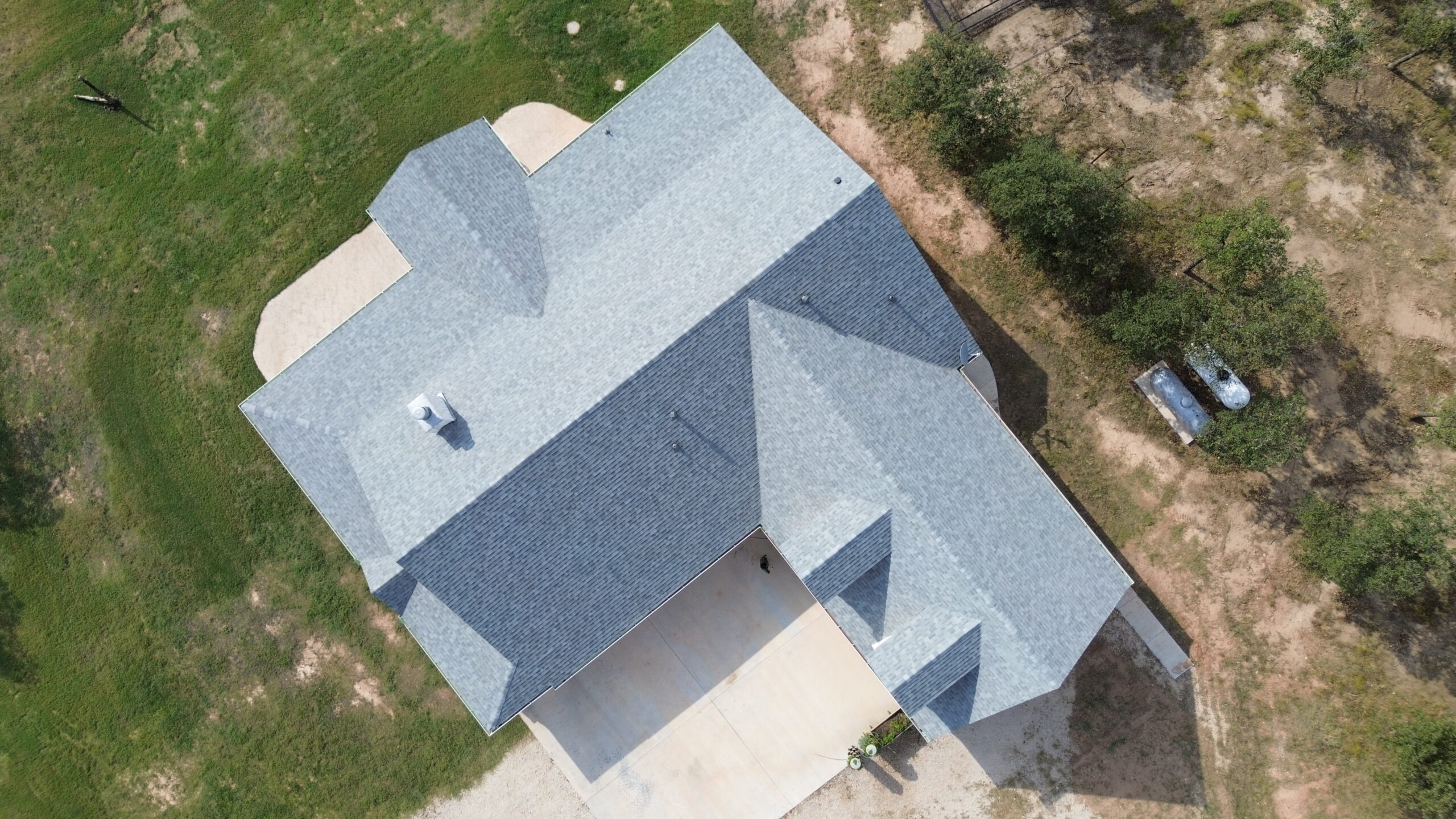
Advances in roofing inspections are also supporting sustainability. Drones, thermal imaging cameras, and moisture detection equipment allow contractors to identify damaged areas more accurately, reducing unnecessary material removal and improving repair precision.
Digital project planning continues to improve construction efficiency as well. Better measurements, material estimation, and project management reduce waste while helping contractors order only the materials needed for each repair.
As technology advances, homeowners can expect a growing selection of environmentally responsible roofing solutions that combine sustainability, durability, and energy efficiency more effectively than ever before.
Eco Friendly Roof Repair Checklist
Careful planning helps homeowners achieve successful and environmentally responsible roof repairs. A practical checklist keeps every stage of the project organized while reducing the chance of overlooking important sustainability considerations.
| Eco Friendly Repair Task | Completed |
|---|---|
| Roof inspected for repair opportunities | □ |
| Sustainable roofing materials selected | □ |
| Contractor experienced in green roofing hired | □ |
| Recyclable materials identified | □ |
| Energy efficiency improvements evaluated | □ |
| Ventilation and insulation inspected | □ |
| Construction waste recycling planned | □ |
| Maintenance schedule prepared | □ |
| Warranty documents organized | □ |
| Final roof inspection completed | □ |
Using a checklist encourages better planning from the initial inspection through the completion of repairs. It also helps homeowners maintain focus on both environmental responsibility and long term roof performance.
Frequently Asked Questions
Are eco friendly roofing materials as durable as traditional materials?
Many sustainable roofing materials offer durability that is equal to or greater than conventional products. The lifespan depends on the material selected, installation quality, climate, and ongoing maintenance rather than sustainability alone.
Do eco friendly roof repairs cost more?
Some environmentally responsible materials have higher initial costs, but many provide lower maintenance expenses, improved energy efficiency, and longer service life that offset the additional investment over time.
Can an existing roof be repaired using sustainable materials?
In many cases, yes. Damaged sections of a roof can often be repaired using environmentally responsible materials that are compatible with the existing roofing system, avoiding unnecessary replacement.
What roofing materials are easiest to recycle?
Metal roofing materials are among the most recyclable options. Asphalt shingles are also recycled in many regions, while certain clay, concrete, wood, and synthetic products may be recyclable or reusable depending on local recycling facilities.
How do eco friendly roof repairs improve energy efficiency?
Reflective roofing materials reduce heat absorption, while improved insulation and proper ventilation help maintain stable indoor temperatures. Together, these improvements reduce heating and cooling demands throughout the year.
How often should an eco friendly roof be inspected?
Most roofing professionals recommend inspections at least twice a year and after major storms. Regular inspections help identify small problems early, allowing repairs before more extensive damage develops.
Can sustainable roof repairs increase property value?
Many buyers appreciate homes with durable, energy efficient roofing systems. While property values depend on many factors, environmentally responsible improvements may enhance market appeal by reducing expected maintenance and operating costs.
Building a Long Term Sustainable Roofing Strategy
Eco friendly roof repair should be viewed as part of a broader home maintenance strategy rather than a single construction project. Developing long term plans helps homeowners protect both their investment and the environment throughout the life of the roof.
Regular maintenance remains the foundation of sustainable roofing. Small repairs completed promptly often prevent larger structural problems that require significantly more materials, labor, and financial resources to correct later.
Homeowners should also monitor the performance of their roofing system over time. Tracking energy bills, inspecting attic conditions, and reviewing the roof after severe weather provide valuable information about how well sustainable improvements are performing.
Planning future upgrades gradually can also improve affordability. Instead of attempting every energy efficiency improvement during one repair project, homeowners may choose to add ventilation upgrades, insulation improvements, or reflective coatings during future maintenance cycles.
Developing relationships with experienced roofing professionals supports long term success as well. Contractors familiar with the property’s history can provide more accurate maintenance recommendations and identify changes in roof condition during routine inspections.
Environmental responsibility also extends beyond the roof itself. Proper attic ventilation, effective drainage systems, responsible landscaping, and routine gutter maintenance all contribute to the overall sustainability and performance of the roofing system.
Finally, homeowners should continue learning about advances in sustainable roofing technology. As new materials and repair methods become available, future maintenance projects may offer additional opportunities to improve energy efficiency, reduce environmental impact, and extend the service life of the roof.
Conclusion
Eco friendly roof repair combines responsible material selection, efficient repair techniques, and long term maintenance practices to create roofing systems that protect both homes and the environment. Rather than focusing only on immediate repairs, sustainable roofing emphasizes durability, waste reduction, energy efficiency, and thoughtful resource management throughout the roof’s entire lifespan.
Choosing environmentally responsible materials is only one part of the process. Repairing instead of replacing whenever practical, recycling removed materials, improving insulation and ventilation, and working with experienced contractors all contribute to more sustainable outcomes. These practices help reduce construction waste while extending the life of existing roofing systems.
Although some green roofing solutions may require a larger initial investment, their long term benefits often include lower maintenance costs, improved energy efficiency, reduced environmental impact, and increased roof durability. Evaluating projects based on life cycle value rather than purchase price alone provides a more complete understanding of their overall benefits.
As sustainable construction continues to evolve, homeowners have more environmentally responsible roofing options than ever before. By applying the principles discussed throughout this guide, maintaining the roof regularly, and making informed repair decisions, homeowners can create roofing systems that deliver lasting performance while supporting a healthier and more sustainable future.