How Solar Panels Affect Roof Repair Procedures
Introduction
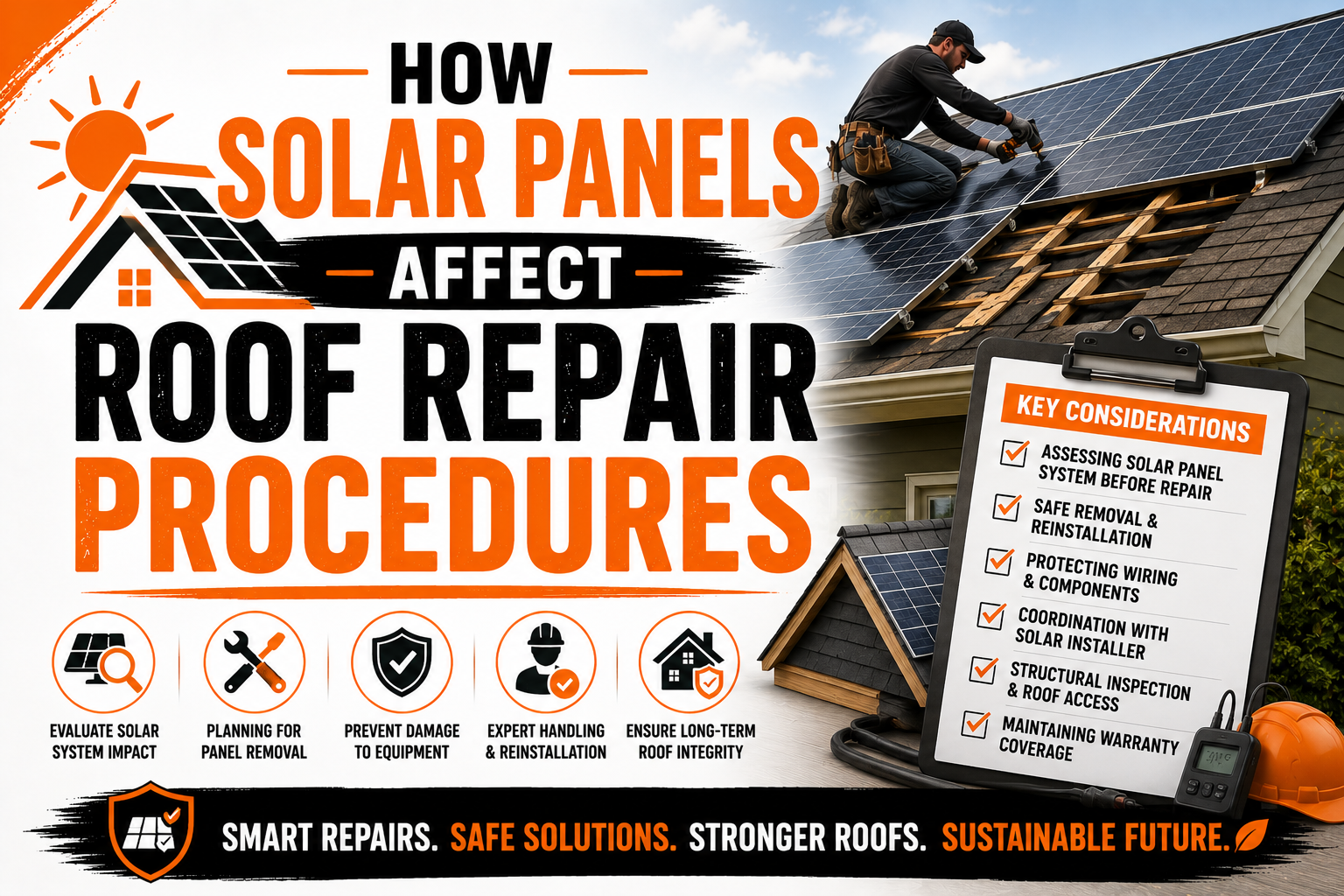
Solar panels have become an increasingly popular investment for homeowners looking to reduce electricity costs and improve energy efficiency. Modern solar systems provide long term savings while supporting renewable energy goals, making them a valuable addition to many residential properties. However, installing solar panels also changes the way roofing inspections, maintenance, and repairs are performed.
A roof without solar panels is generally easier to inspect and repair because contractors have direct access to the roofing materials. Once solar panels are installed, large sections of the roof become partially covered by mounting equipment, electrical wiring, and support rails. These additional components require roofing contractors to follow different repair procedures that protect both the roof and the solar energy system.
Many homeowners assume roof repairs can be completed without affecting their solar panels. In reality, many roofing projects require temporary removal of solar equipment before repairs begin. This process adds extra planning, coordination, and labor compared to standard roof repairs.
Roof repairs on solar equipped homes also require careful attention to safety. Contractors must consider electrical components, mounting hardware, waterproof flashing, and proper panel handling throughout the repair process. Even minor mistakes can affect roof performance, solar system efficiency, or both.
Planning becomes especially important when older roofs receive solar panel installations. If the roofing system is already approaching the end of its service life, replacing or repairing the roof before installing solar panels often saves significant time and expense in the future.
Understanding how solar panels affect roof repair procedures helps homeowners prepare for maintenance, avoid unnecessary costs, and protect both their roofing system and their solar investment. Proper planning ensures that repairs are completed safely while maintaining the long term performance of both systems.
This guide explains how solar panels influence roof repair procedures, what contractors inspect before beginning repairs, and the best practices for maintaining roofs that support solar energy systems.
How Solar Panels Change Traditional Roof Repair Procedures
Solar panels significantly change the way roofing projects are planned and completed. While the roof continues performing its primary function of protecting the home from weather, it also becomes the foundation for a sophisticated energy generating system. This additional role introduces new considerations whenever repairs are required.
Traditional roof repairs usually begin with direct access to damaged roofing materials. Contractors inspect the roof, remove damaged shingles or other materials, complete repairs, and install replacements. With solar panels in place, much of the roof surface is no longer immediately accessible.
Large solar arrays often cover the areas most exposed to sunlight, which may also include sections where roofing problems develop over time. Before contractors can inspect these hidden areas, they often need to remove or partially disconnect portions of the solar system.
Repair planning also becomes more detailed. Roofing contractors and solar professionals frequently coordinate their schedules to ensure the panels are removed safely, stored properly, and reinstalled after roofing work has been completed.
Electrical safety introduces another layer of complexity. Solar panels continue generating electricity whenever they receive sunlight, making proper shutdown procedures essential before handling wiring or mounting equipment. Contractors must follow established safety practices to reduce electrical hazards during repairs.
Roof penetrations created by solar mounting systems require careful inspection as well. Flashing around mounting brackets protects the roof from water intrusion, and these areas must remain properly sealed after repairs are complete.
Although solar panels add complexity, they do not prevent roof repairs. Instead, they require additional planning, specialized knowledge, and cooperation between roofing and solar professionals to complete the project successfully.
Why Roof Inspections Are Different on Solar Equipped Homes
Roof inspections become more detailed after solar panels are installed because much of the roofing surface is partially hidden beneath the solar array. Contractors must evaluate both the roof and the solar installation to ensure they continue working together effectively.
The inspection usually begins with visible roof areas surrounding the solar panels. Contractors look for damaged shingles, cracked tiles, loose flashing, clogged gutters, and other signs of deterioration that may indicate underlying roofing issues.
The solar panels themselves also receive a visual inspection. While roofing contractors focus primarily on the roof, they observe whether mounting hardware appears secure, panels remain properly aligned, and visible wiring shows any signs of damage.
Areas beneath the solar panels require particular attention. Moisture may become trapped beneath poorly ventilated installations, while debris accumulation can create conditions that affect roofing materials over time. Accessing these hidden areas often requires temporary panel removal.
Roof penetrations are carefully examined because every mounting bracket creates an opening through the roofing material. Proper flashing and waterproof seals help prevent leaks around these attachment points. Any deterioration in these areas should be corrected promptly.
Interior inspections remain important as well. Water stains, attic moisture, mold growth, or damp insulation may indicate hidden leaks that are not immediately visible from the roof’s surface. Combining interior and exterior observations provides a more complete understanding of the roof’s condition.
Regular inspections help identify small issues before they become major repairs. This proactive approach protects both the roofing system and the solar installation while reducing long term maintenance costs.
Understanding the Components of a Solar Roofing System
Before discussing repair procedures, it is helpful to understand the major components that make up a residential solar roofing system. Each part plays an important role during roof repairs because contractors must protect these components throughout the project.
Solar panels are the most visible part of the system. They capture sunlight and convert it into electricity that powers the home or is sent to the electrical grid. These panels are designed to withstand weather exposure but still require careful handling during roofing work.
Mounting rails support the solar panels and distribute their weight across the roof structure. These rails are attached to the roof using mounting brackets that penetrate the roofing material and connect securely to structural framing.
Flashing surrounds each mounting penetration. Its purpose is to create a waterproof seal that prevents rainwater from entering the roof around the attachment points. Proper flashing installation is essential for preventing leaks throughout the life of the solar system.
Electrical wiring connects the solar panels and carries generated electricity to the inverter. These cables are routed carefully beneath the panels and must remain protected during any roofing work to avoid electrical hazards or system damage.
The inverter converts the electricity generated by the panels into power that household appliances can use. Although the inverter is usually mounted away from the roof, contractors consider its location when temporarily disconnecting the solar system during repairs.
Some systems also include battery storage equipment that stores excess electricity for later use. While batteries are generally located away from the roof, coordinating repairs with the overall solar system helps ensure safe operation throughout the project.
Understanding these components allows homeowners to appreciate why roof repairs on solar equipped homes require greater coordination than traditional roofing projects.
Common Roof Problems Found Beneath Solar Panels
Many homeowners assume that solar panels completely protect the roof beneath them from damage. While panels do shield roofing materials from direct sunlight and some weather exposure, they do not eliminate the possibility of roofing problems developing underneath.
Moisture related issues are among the most common concerns. If flashing around mounting brackets deteriorates or becomes damaged, water may enter the roofing system and remain hidden beneath the panels for extended periods before visible signs appear inside the home.
Debris accumulation can also create problems. Leaves, branches, dirt, and other debris may collect beneath solar panels where wind has difficulty removing them. This buildup can retain moisture and reduce airflow around the roofing materials.
Roofing materials continue aging even beneath solar panels. Although they may receive less direct sunlight, they still experience temperature changes, moisture exposure, and natural wear over time. Older roofs may eventually require repairs regardless of panel coverage.
Improper solar installation sometimes contributes to roof damage. Incorrect mounting techniques, poorly installed flashing, or attachment points that are not sealed properly can increase the risk of leaks.
Wildlife occasionally creates additional concerns. Birds and small animals sometimes build nests beneath solar panels, where the sheltered space offers protection from predators and weather. These nests may interfere with drainage or damage wiring if left unaddressed.
Hidden roof damage is another reason regular inspections remain important. Problems developing beneath solar panels often remain unnoticed longer than damage on exposed roof surfaces, making routine evaluations essential for early detection.
When Roof Repairs Should Be Completed Before Solar Installation
One of the best ways to reduce future roofing expenses is to evaluate the roof carefully before installing solar panels. Because removing and reinstalling solar equipment adds time and labor to later roofing projects, addressing existing roof issues beforehand is often the most practical solution.
The roof’s remaining lifespan should be considered first. If the roofing system is already approaching the end of its expected service life, replacing it before installing solar panels usually prevents unnecessary removal costs later.
Professional roof inspections help identify hidden concerns before installation begins. Contractors evaluate shingles, flashing, decking, gutters, structural framing, and ventilation to determine whether repairs are needed before adding solar equipment.
Minor repairs should also be completed before installation. Replacing damaged shingles, repairing flashing, sealing leaks, and correcting drainage issues creates a stronger foundation for the solar system while reducing future maintenance needs.
Homeowners planning major renovations should coordinate roofing and solar projects together whenever possible. Completing both projects during the same construction period often reduces labor costs while minimizing disruption.
Working with both roofing and solar professionals during the planning stage helps ensure that the roof is fully prepared to support the solar installation for many years.
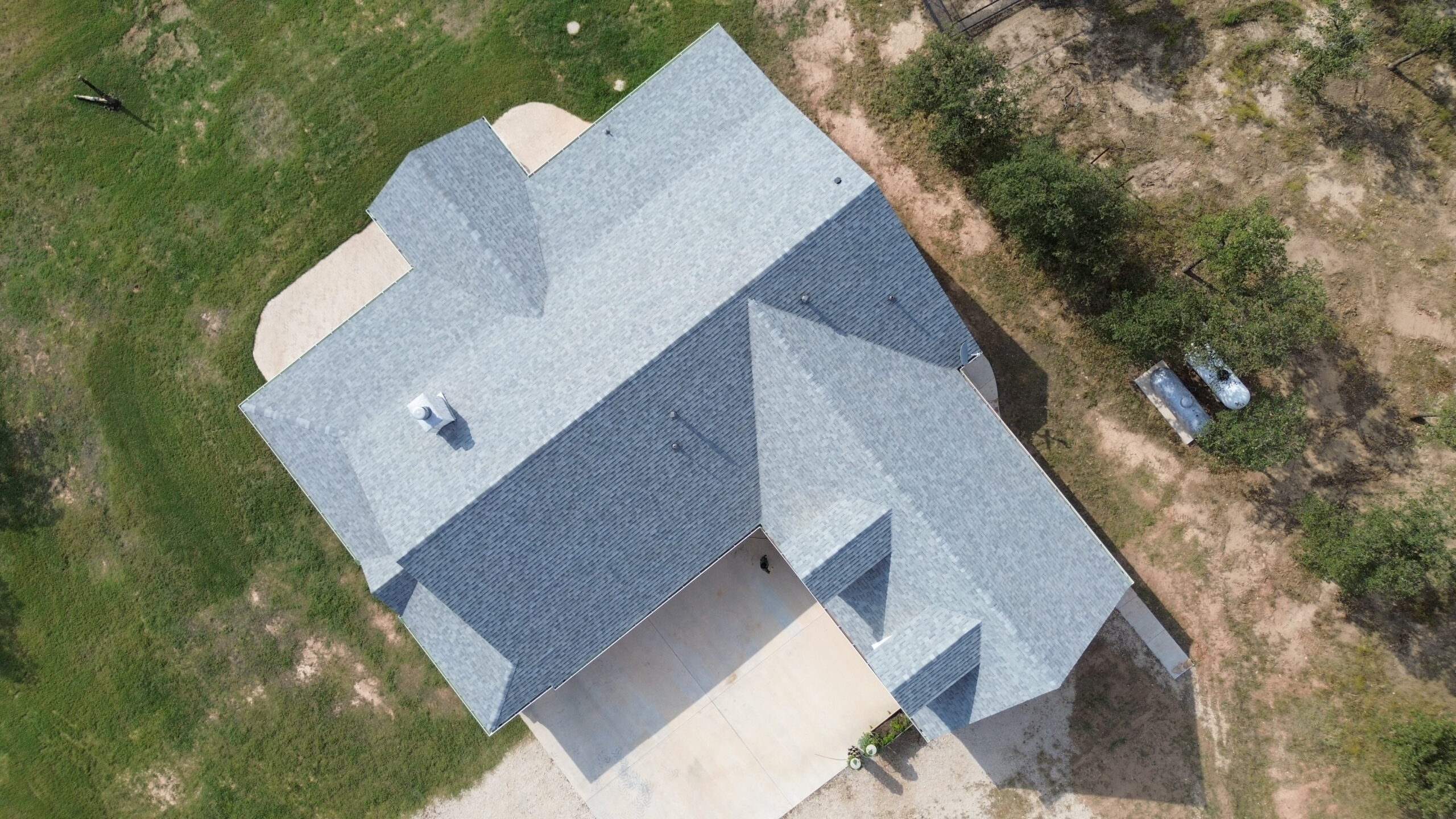
Signs That a Solar Panel Roof Needs Professional Inspection
Because much of the roof is covered by solar panels, homeowners should pay close attention to warning signs that may indicate hidden roofing problems. Early detection allows repairs to be completed before more extensive damage develops.
Interior water stains remain one of the clearest indicators of potential roof leaks. Even small stains should be investigated because moisture may travel considerable distances before becoming visible inside the home.
Changes in the solar system’s performance can also provide useful clues. Although reduced energy production does not always indicate roof damage, it may suggest that panels, wiring, or mounting components require inspection.
Visible roof damage around the edges of the solar array should never be ignored. Missing shingles, cracked tiles, damaged flashing, or loose gutters may indicate broader roofing problems extending beneath the panels.
Homeowners should also pay attention after severe storms. High winds, hail, falling branches, or heavy rainfall may affect both the roof and the solar installation, even if no immediate damage is visible from the ground.
Some common warning signs include:
- Water stains on ceilings or attic surfaces.
- Missing or damaged roofing materials near the solar array.
- Loose flashing around solar mounting points.
- Debris accumulating beneath the panels.
- Visible movement or misalignment of solar panels.
- Sudden reductions in solar energy production.
Recognizing these warning signs early allows homeowners to arrange professional inspections before minor issues become major roof repairs. Prompt action protects both the roofing system and the solar investment while helping avoid more expensive restoration work in the future.
At this stage, it is clear that solar panels significantly influence how roofing systems are inspected and maintained. The next phase of the repair process focuses on safely removing and reinstalling solar panels, repairing different roofing materials around solar equipment, protecting electrical components during construction, and addressing the challenges that contractors commonly encounter when working on solar equipped roofs.
Preparing for Roof Repairs on Homes with Solar Panels
Proper preparation is one of the most important parts of any roof repair project involving solar panels. Unlike a standard roofing job, contractors must consider both the condition of the roof and the safety of the solar energy system before work begins. Careful planning helps prevent damage to equipment while reducing delays during construction.
The first step is a complete roof inspection. Roofing professionals evaluate the condition of shingles, tiles, flashing, decking, gutters, and structural components to determine the scope of the repairs. At the same time, the solar installation is inspected to identify any issues that could affect the project.
The solar system must also be evaluated before removal. Contractors examine the condition of the panels, mounting hardware, electrical wiring, and connectors to ensure everything can be safely disconnected and reinstalled later. Any existing problems should be documented before work begins.
Communication between the roofing contractor and the solar installer is essential. Coordinating schedules helps minimize the amount of time the solar system remains offline while ensuring both teams understand the repair plan.
Weather conditions are another important consideration. Roof repairs and solar panel removal should ideally be scheduled during periods of stable weather to reduce the risk of water damage while roofing materials are temporarily exposed.
Homeowners should also prepare the property before work begins. Moving vehicles away from the work area, protecting outdoor furniture, and providing clear access to the roof helps contractors work more efficiently and safely.
Thorough preparation reduces unexpected complications and creates a smoother repair process from start to finish.
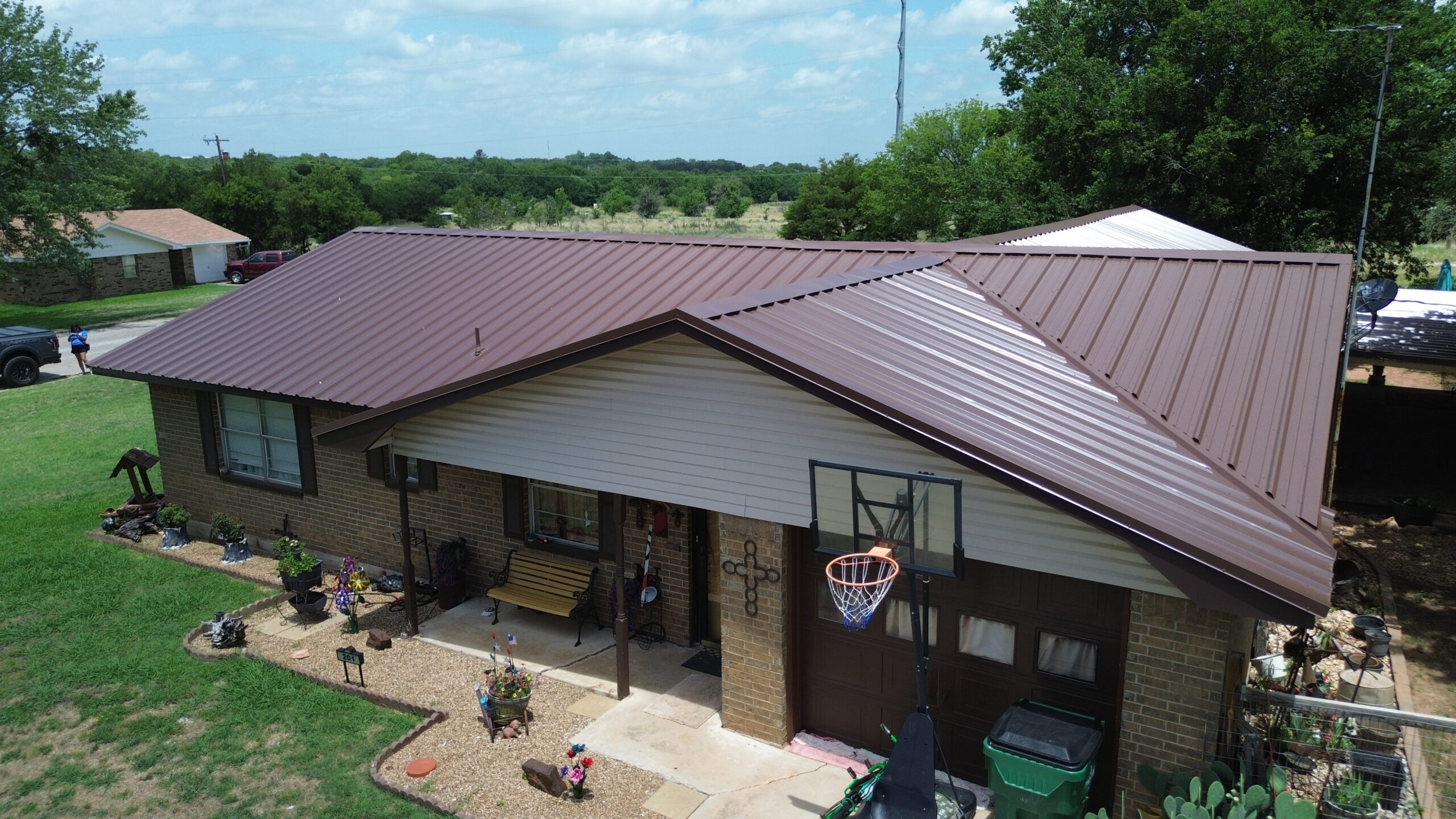
Removing and Reinstalling Solar Panels During Roof Repairs
Many roof repairs cannot be completed with solar panels still in place. Because the panels cover large sections of the roof, they often need to be removed temporarily so contractors can inspect and repair the underlying roofing materials.
The removal process begins by safely shutting down the solar system. Since solar panels generate electricity whenever they receive sunlight, trained professionals follow proper shutdown procedures before disconnecting electrical components. This step protects both workers and the equipment throughout the project.
After the electrical system has been disconnected, each panel is carefully removed from its mounting rails. Panels are labeled when necessary so they can be returned to their original positions during reinstallation. Proper handling reduces the risk of scratches, cracked glass, or damage to electrical connections.
The mounting rails and attachment hardware may also need to be removed depending on the extent of the roof repairs. Once these components have been taken off, roofing contractors gain full access to the roofing surface beneath the solar array.
Panels should be stored in a secure location throughout the roofing project. They must be protected from impacts, excessive moisture, and improper stacking that could damage the glass or frame.
Once roofing work has been completed, the reinstallation process begins. Mounting hardware is inspected before being reattached to ensure it remains in good condition. New flashing is installed where necessary to maintain a watertight seal around each roof penetration.
Finally, the solar panels are reconnected and tested to verify proper operation. Contractors confirm that the system is producing electricity correctly and that all electrical connections remain secure before the project is considered complete.
Careful removal and reinstallation protect both the roofing system and the solar equipment while ensuring long term performance.
Repairing Different Roofing Materials Around Solar Panels
Repair methods vary depending on the type of roofing material supporting the solar system. Each roofing material responds differently to weather, aging, and construction activities, making specialized repair techniques necessary.
Asphalt shingles are the most common roofing material used beneath residential solar systems. Damaged shingles are replaced after the solar mounting equipment has been removed. Contractors also inspect surrounding shingles to ensure that removing the mounting brackets did not create additional damage.
Tile roofs require greater care because clay and concrete tiles can crack if handled improperly. Individual damaged tiles are replaced while preserving surrounding materials whenever possible. Contractors also verify that the mounting system continues distributing weight correctly after repairs are completed.
Metal roofs often use specialized solar mounting systems that reduce the number of roof penetrations. When repairs are necessary, contractors inspect seams, fasteners, flashing, and protective coatings before reinstalling the solar equipment.
Wood shake roofs present additional challenges because the natural material expands and contracts with changing weather conditions. Contractors replace damaged shakes carefully while ensuring the mounting hardware does not interfere with proper ventilation or water drainage.
Slate roofs require highly specialized repair methods. Individual slate pieces are removed and replaced using techniques that preserve surrounding materials and maintain the roof’s historic appearance. Solar mounting hardware must also be reinstalled without damaging the fragile slate.
Regardless of the roofing material, flashing around every mounting point is carefully inspected during repairs. Proper waterproofing remains one of the most important factors in preventing future roof leaks.
Selecting repair methods appropriate for the specific roofing material helps ensure the roof and solar system continue working together effectively.
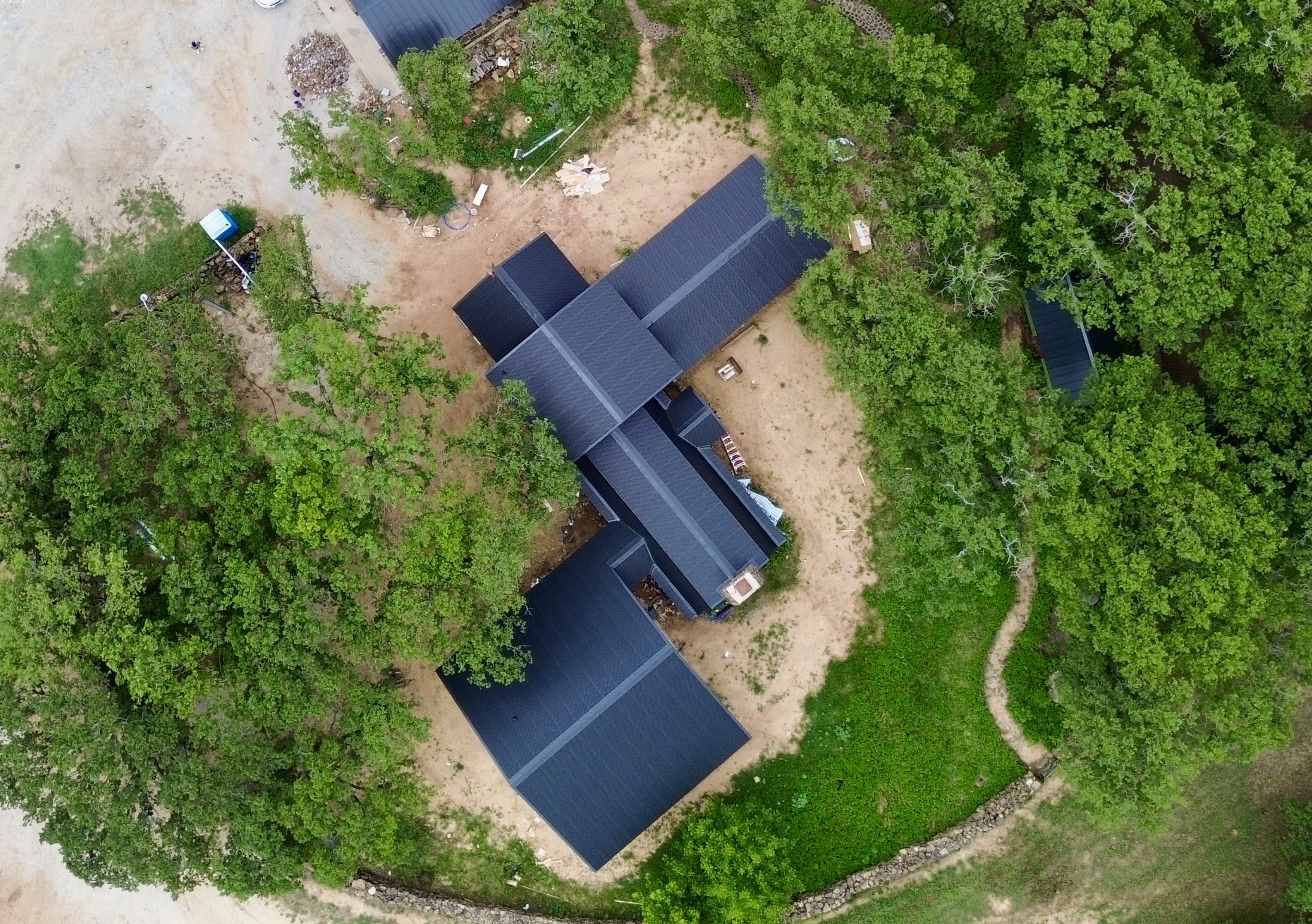
Protecting Solar Equipment Throughout the Repair Process
Solar panels represent a significant investment, making equipment protection an important part of every roof repair project. Contractors take several precautions to prevent accidental damage while roofing work is underway.
Panels are handled carefully whenever they are removed from the roof. Carrying them vertically, avoiding impacts, and storing them on padded surfaces helps reduce the risk of cracked glass or frame damage.
Electrical components also require protection. Wiring, connectors, and junction boxes should remain clean and dry throughout the repair process. Damaged electrical connections can reduce system performance or create safety hazards after reinstallation.
Mounting hardware is inspected before being reused. Corroded fasteners, bent rails, or worn attachment brackets may need replacement to ensure the system remains securely attached to the roof.
Roofing debris should be managed carefully. Loose nails, shingles, metal scraps, and tools should not be placed on or near stored solar panels. Maintaining an organized work area reduces the chance of accidental equipment damage.
Protective coverings may be used when appropriate to shield equipment from dust and construction debris. These coverings help keep the panels clean without trapping excessive moisture during the repair project.
After reinstallation, contractors inspect every visible component before reconnecting the system. Confirming that panels remain properly aligned and securely attached helps maintain both performance and long term reliability.
Protecting solar equipment throughout the repair process preserves the homeowner’s investment while reducing the likelihood of future service calls.
Comparing Roof Repairs With and Without Solar Panels
Roof repairs become more involved after solar panels have been installed. The following comparison highlights some of the key differences between traditional roof repairs and repairs performed on solar equipped homes.
| Repair Consideration | Roof Without Solar Panels | Roof With Solar Panels |
|---|---|---|
| Roof Access | Direct access to damaged areas | Solar panels often require temporary removal |
| Inspection Process | Focuses only on roofing materials | Includes both roof and solar equipment |
| Project Timeline | Usually shorter | Additional time for panel removal and reinstallation |
| Safety Requirements | Standard roofing safety procedures | Roofing safety plus electrical safety precautions |
| Waterproofing | Flashing around roof features | Flashing around roof features and solar mounting points |
| Contractor Coordination | Roofing contractor only | Coordination between roofing and solar professionals |
| Project Cost | Roofing costs only | Additional labor for solar system handling |
Although solar panels increase project complexity, careful planning allows repairs to be completed successfully while protecting both systems.
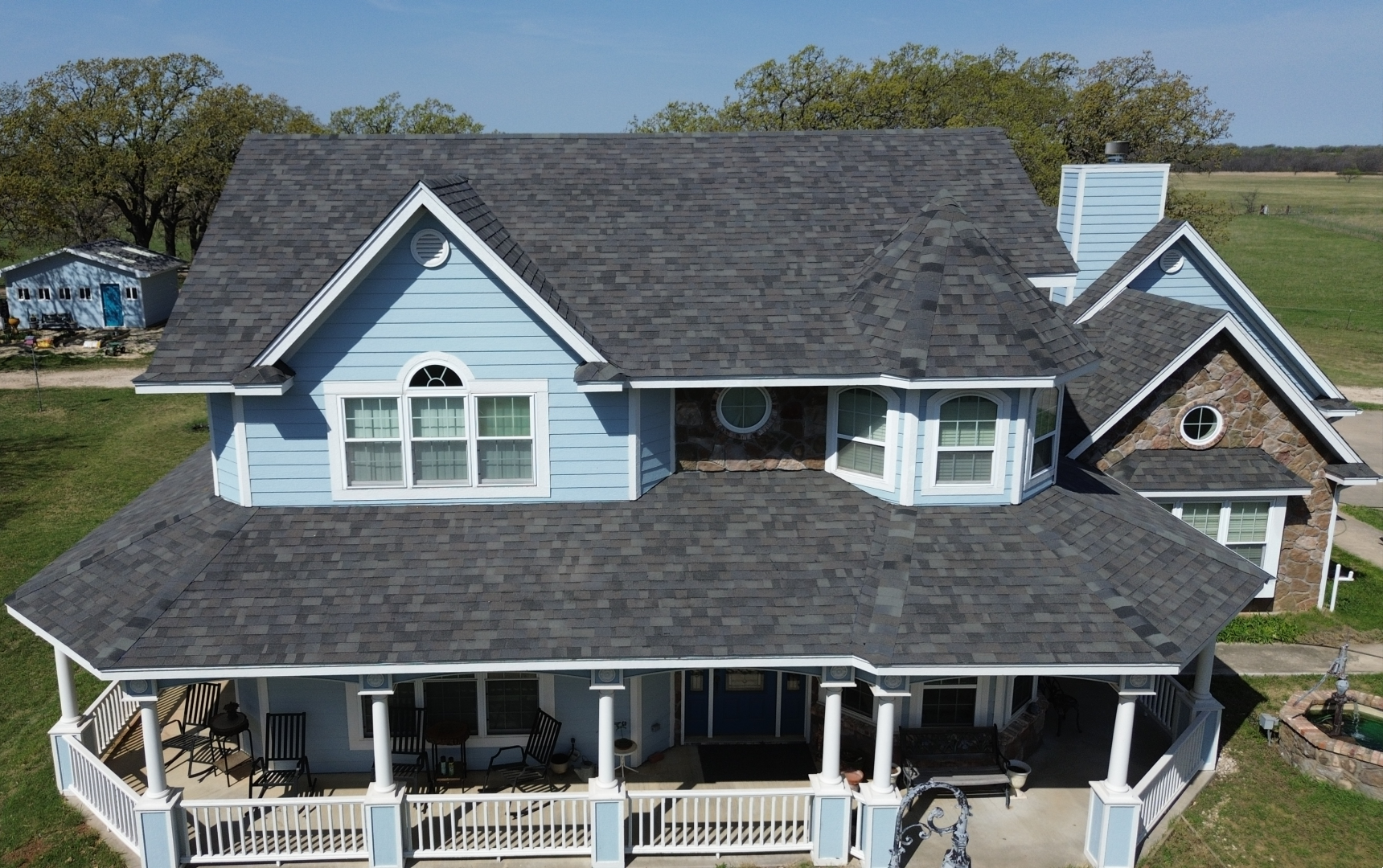
Common Challenges Contractors Face During Solar Roof Repairs
Roofing projects involving solar panels often present challenges that are not encountered on conventional roofs. Experienced contractors anticipate these issues during planning so repairs can proceed efficiently.
Limited roof access is one of the most common obstacles. Large solar arrays may cover extensive portions of the roof, requiring significant equipment removal before inspections or repairs can begin.
Matching existing mounting hardware can also become difficult. Older solar systems may use components that are no longer manufactured, making replacements harder to obtain if damaged parts are discovered during repairs.
Weather delays can have a greater impact as well. Since roofing materials may be exposed after panel removal, unexpected rain or high winds can interrupt the project and require temporary weather protection.
Electrical safety remains a constant consideration. Contractors must ensure the solar system is properly disconnected before handling wiring or mounting equipment. Following established safety procedures helps prevent accidents during construction.
Roof age occasionally creates additional complications. Older roofing systems may reveal hidden decking damage or deteriorated structural components once the panels have been removed. Addressing these issues may expand the original repair scope.
Scheduling multiple contractors can also require careful coordination. Roofing crews and solar technicians must work together to minimize downtime while ensuring each phase of the project is completed correctly.
Despite these challenges, experienced professionals can successfully manage complex solar roof repairs through careful planning and effective communication.
Mistakes Homeowners Should Avoid
Homeowners play an important role in ensuring roof repairs involving solar panels proceed smoothly. Avoiding common mistakes helps reduce delays, unnecessary costs, and potential damage to the roofing system or solar equipment.
One common mistake is delaying roof repairs after discovering leaks. Because solar panels cover portions of the roof, hidden water damage may continue spreading before visible signs appear inside the home. Prompt inspections help identify problems before they become more extensive.
Another mistake is hiring contractors without experience working around solar systems. Roof repairs involving electrical equipment and specialized mounting hardware require knowledge beyond standard roofing practices.
Some homeowners also postpone roof replacement until after installing solar panels. If the roof is already nearing the end of its expected lifespan, replacing it first usually avoids the expense of removing and reinstalling the solar system later.
Ignoring regular inspections is another avoidable error. Periodic evaluations allow contractors to identify loose flashing, damaged shingles, deteriorating mounting points, or debris accumulation before these issues require major repairs.
Attempting to remove solar panels without professional assistance is also risky. Improper handling can damage electrical components, reduce system performance, void warranties, or create serious safety hazards.
Finally, failing to keep maintenance records can complicate future repairs. Inspection reports, warranty documents, repair invoices, and photographs provide valuable information that helps contractors evaluate both the roof and the solar installation more efficiently.
By avoiding these mistakes, homeowners can protect both their roofing system and their solar investment while reducing the likelihood of costly repairs in the future.
At this point, the roof has been inspected, the solar system has been safely managed, and the necessary repairs have been completed. The final stage focuses on maintaining solar equipped roofs, selecting qualified contractors, answering common homeowner questions, exploring future roofing innovations, and concluding the complete guide on how solar panels affect roof repair procedures.
Roof Maintenance Tips for Homes with Solar Panels
Proper maintenance is the best way to extend the lifespan of both the roof and the solar energy system. Since these two systems work together, neglecting one can eventually affect the performance of the other. Establishing a regular maintenance routine helps identify small problems before they become expensive repairs.
Annual roof inspections are highly recommended for homes with solar panels. Professional inspections allow contractors to evaluate roofing materials, flashing, mounting hardware, drainage systems, and visible electrical components. These routine evaluations help detect issues that may not be obvious from the ground.
Storm inspections are equally important. High winds, hail, falling branches, and heavy rain can affect both the roof and the solar array. Even when the panels appear undamaged, hidden roofing issues or loosened mounting hardware may require attention.
Keeping the roof clean also supports long term performance. Leaves, branches, dirt, and other debris should be removed regularly because accumulated debris can trap moisture and restrict proper drainage. Areas beneath solar panels deserve particular attention since debris may remain hidden for long periods.
Gutters and downspouts should be cleaned frequently as well. Proper water drainage reduces the likelihood of leaks, protects roof edges, and prevents standing water that could affect roofing materials.
Homeowners should also monitor the performance of their solar system. Unexpected decreases in energy production may indicate panel damage, electrical issues, or problems requiring professional inspection. Although reduced performance does not always mean roof damage is present, it should never be ignored.
Maintaining accurate records is another valuable practice. Inspection reports, repair invoices, warranty information, and photographs provide a useful history of both the roofing system and the solar installation. These documents simplify future maintenance and support warranty claims if needed.
Consistent maintenance protects the homeowner’s investment while reducing the risk of unexpected repair costs over the life of both systems.
Choosing Contractors for Solar Related Roof Repairs
Selecting the right contractor is especially important when roof repairs involve solar panels. Unlike standard roofing projects, these repairs require knowledge of both roofing systems and solar equipment. Working with experienced professionals reduces the likelihood of installation errors, equipment damage, and future leaks.
Homeowners should begin by verifying that the roofing contractor has experience working on homes with solar panels. Familiarity with mounting systems, flashing details, and coordination with solar technicians helps ensure repairs are completed correctly.
The solar installation company may also play an important role. Some roofing contractors partner with solar specialists who safely disconnect and reinstall the equipment during the repair process. Coordinated teams often complete projects more efficiently than contractors working independently.
Licensing and insurance should always be verified before signing a contract. Proper credentials demonstrate that the contractor meets applicable requirements and provides protection if unexpected issues arise during construction.
Written estimates are equally important. The proposal should clearly explain the scope of roofing work, solar panel removal and reinstallation procedures, project timelines, warranty information, and total costs. Reviewing these details carefully helps prevent misunderstandings later.
Homeowners should also ask about previous experience with similar projects. Contractors who regularly repair roofs supporting solar systems are generally better prepared to anticipate challenges and recommend practical solutions.
Reading customer reviews and requesting references provide additional confidence. Feedback from previous clients offers insight into the contractor’s communication, workmanship, and ability to complete projects on schedule.
Choosing experienced professionals helps protect both the roof and the solar investment while ensuring repairs meet high quality standards.
Frequently Asked Questions About Roof Repairs and Solar Panels
Do solar panels have to be removed before roof repairs?
It depends on the location and extent of the damage. Minor repairs outside the solar array may not require panel removal, but repairs beneath or around the panels usually require temporary removal to provide safe access to the roofing materials.
Who removes the solar panels during roof repairs?
In many cases, trained solar technicians remove and reinstall the panels because they understand the electrical components and mounting systems. Roofing contractors often coordinate with the solar company throughout the project.
Can solar panels damage my roof?
When installed correctly, solar panels should not damage the roof. Proper mounting techniques and flashing help prevent leaks while distributing the weight of the system safely across the roof structure.
How often should a roof with solar panels be inspected?
Most professionals recommend a complete roof inspection at least once each year and after severe weather events. Regular inspections help identify roofing issues, loose mounting hardware, or damaged flashing before larger problems develop.
Will roof repairs affect my solar energy production?
Solar energy production usually stops temporarily while the panels are disconnected during repairs. Once the panels have been reinstalled and tested, the system should resume normal operation if no equipment damage has occurred.
Can I install solar panels on an older roof?
It is generally better to repair or replace an aging roof before installing solar panels if the roof is nearing the end of its expected lifespan. Doing so helps avoid the additional expense of removing and reinstalling the system for future roof work.
Does homeowner’s insurance cover roof damage around solar panels?
Coverage depends on the insurance policy and the cause of the damage. Storm related damage may be covered, while maintenance issues or installation defects may not qualify. Homeowners should review their policy and consult their insurance provider for specific coverage details.
Future Trends in Solar Friendly Roofing Systems
Solar technology and roofing materials continue to evolve together. New innovations are making it easier for homeowners to combine renewable energy with durable, long lasting roofing systems while simplifying future maintenance and repairs.
One of the most significant developments is the growing use of integrated solar roofing products. Instead of mounting traditional panels above existing roofing materials, integrated systems combine energy generation directly into the roof surface. This approach reduces the number of mounting components while creating a cleaner architectural appearance.
Improved mounting systems are also reducing roof penetrations. New designs distribute weight more effectively and require fewer attachment points, lowering the potential for future leaks while simplifying installation and maintenance.
Smart monitoring technology continues to become more advanced. Modern solar systems can track energy production, detect equipment issues, and alert homeowners when performance changes occur. These monitoring systems often help identify developing problems before they become major repairs.
Roofing materials themselves are becoming more durable. Manufacturers continue developing shingles, metal roofing systems, and waterproof membranes designed specifically to perform well beneath solar installations. These improvements increase compatibility between the roofing system and the solar array.
Drone inspections are becoming increasingly common as well. High resolution aerial imaging allows contractors to inspect roofs safely without unnecessary foot traffic across delicate roofing materials or solar panels. This technology improves inspection accuracy while reducing the risk of accidental damage.
Sustainability is expected to remain a major focus in future roofing projects. Homeowners are increasingly selecting recyclable roofing materials, energy efficient ventilation systems, and environmentally responsible construction practices that complement renewable energy installations.
These innovations demonstrate that solar technology and roofing systems will continue becoming more closely integrated. As products improve, homeowners can expect roofing repairs and solar maintenance to become more efficient, reliable, and cost effective.
Conclusion
Solar panels provide valuable long term benefits by reducing electricity costs and supporting clean energy production, but they also change the way roof repairs are planned and completed. Because the solar system becomes part of the overall roofing structure, every repair requires careful coordination to protect both the roof and the energy generating equipment.
Understanding how solar panels affect roof repair procedures helps homeowners make informed decisions before problems develop. From routine inspections and preventive maintenance to temporary panel removal and professional reinstallation, each stage of the repair process plays an important role in preserving the performance of both systems.
Preparation is one of the most effective ways to reduce future repair costs. Inspecting and repairing an aging roof before installing solar panels, maintaining accurate service records, and scheduling regular professional inspections all contribute to a longer lasting roofing system and a more reliable solar installation.
Working with experienced roofing contractors and qualified solar professionals is equally important. These specialists understand the unique challenges associated with solar equipped roofs and can safely manage electrical components, mounting hardware, flashing, and roofing materials throughout the repair process. Their expertise helps minimize the risk of leaks, equipment damage, and unnecessary delays.
Routine maintenance should remain a priority long after the installation is complete. Cleaning gutters, removing debris, monitoring energy production, inspecting flashing, and responding quickly to signs of roof damage help protect the homeowner’s investment while extending the service life of both the roof and the solar array.
As solar technology and roofing systems continue to advance, future repair procedures are expected to become even more efficient. Improved mounting systems, integrated solar roofing products, smart monitoring technology, and enhanced roofing materials will continue reducing maintenance challenges while improving long term performance.
Ultimately, a well maintained roof is essential for maximizing the value of any solar energy system. By understanding the relationship between roofing and solar equipment, following proper maintenance practices, and relying on experienced professionals when repairs are needed, homeowners can protect their property, preserve energy production, and ensure both systems continue performing efficiently for many years to come.