
Everything You Should Know About Roof Repair Process
Introduction
A roof is one of the most important components of any home because it protects the structure from rain, wind, sunlight, snow, and other environmental conditions. It also plays a significant role in maintaining indoor comfort, improving energy efficiency, and preserving the overall value of the property. When a roof begins to deteriorate, even small problems can eventually affect many other parts of the house.
Roof damage often develops gradually rather than appearing all at once. A loose shingle, cracked flashing, or minor leak may seem insignificant at first, but these issues can quickly worsen if left unattended. Water entering through small openings may damage insulation, weaken wooden framing, encourage mold growth, and create expensive interior repairs.
Many homeowners become concerned when they notice visible roof damage but are unsure what happens during the repair process. Questions about inspections, materials, costs, safety, timelines, and repair methods are common, especially for those experiencing roof repairs for the first time. Understanding the process helps homeowners make informed decisions while reducing uncertainty during the project.
Roof repair is more than simply replacing damaged shingles or sealing a leak. A successful repair begins with identifying the root cause of the problem, evaluating the condition of the entire roofing system, and selecting repair methods that restore both structural integrity and weather protection. Each step contributes to the long term performance of the roof.
Modern roofing practices have also evolved significantly over the years. Improved waterproofing materials, advanced inspection techniques, stronger fastening systems, and better ventilation designs now allow repairs to last longer and perform more reliably under changing weather conditions.
Preventive maintenance has become equally important. Regular inspections and timely repairs help homeowners avoid emergency situations while extending the lifespan of the roof. Addressing small problems early is almost always less expensive than repairing major structural damage caused by prolonged neglect.
This guide explains every stage of the roof repair process, from recognizing early warning signs to understanding inspections, planning repairs, and maintaining the roof afterward. Whether you are preparing for your first roofing project or simply want to understand how professional repairs are completed, this guide provides the knowledge needed to approach roof repairs with greater confidence.
Understanding the Roof Repair Process
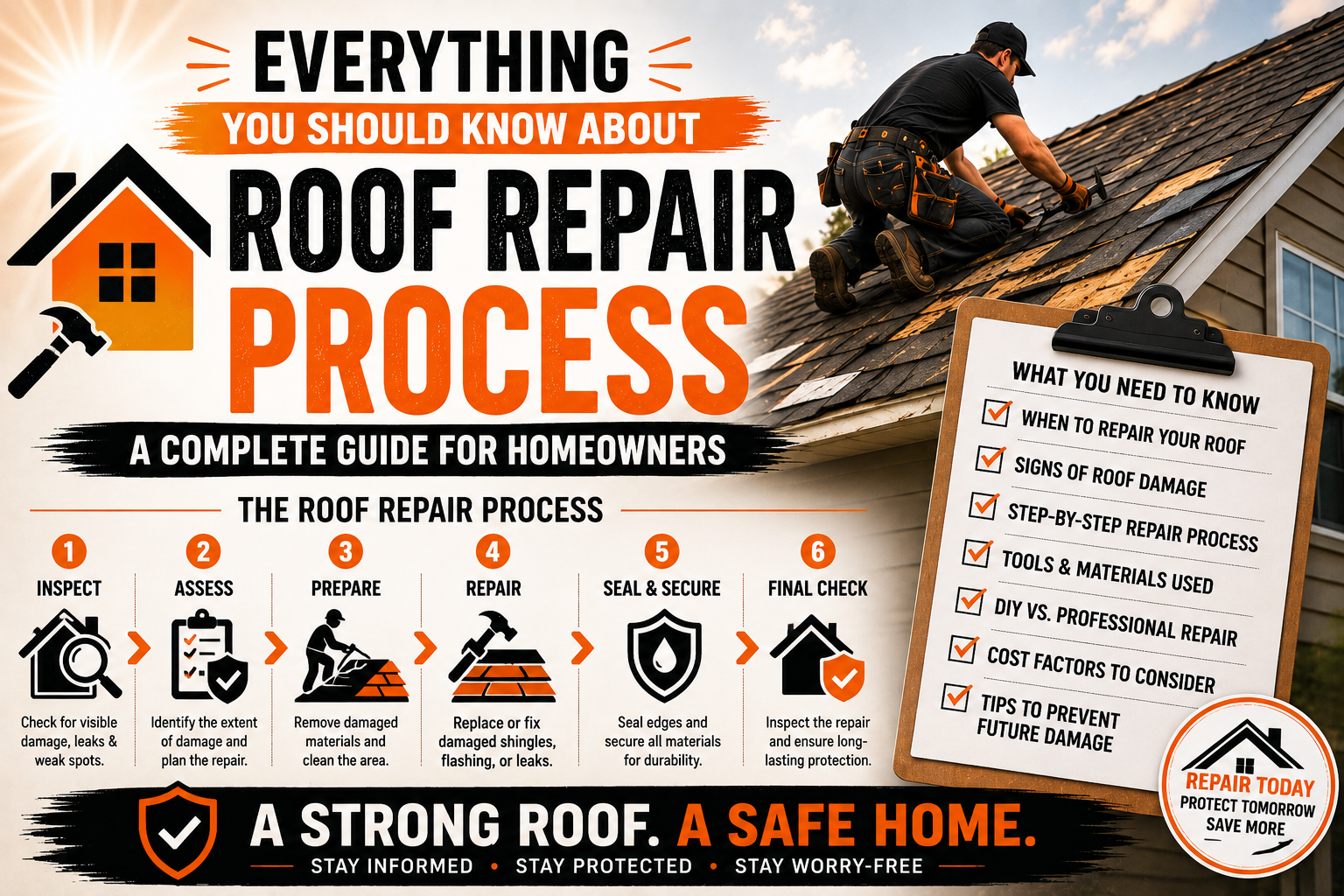
The roof repair process follows a logical sequence designed to restore the roofing system safely and effectively. Although every project differs depending on the type of roof and the extent of damage, most professional repairs follow similar stages that ensure long lasting results.
The process usually begins with identifying the problem. Homeowners often notice water stains, missing shingles, damaged flashing, or visible roof deterioration before contacting a roofing contractor. However, the visible damage is not always the actual source of the problem, making proper diagnosis an essential first step.
Once the issue has been identified, the roof undergoes a detailed inspection. Contractors examine roofing materials, flashing, underlayment, drainage systems, attic conditions, and structural components to determine the full extent of the damage. This evaluation allows them to develop an appropriate repair plan.
After the inspection, repair recommendations are prepared. The contractor explains which components require attention, estimates project costs, discusses repair options, and outlines the expected timeline. Homeowners then have the opportunity to review recommendations before work begins.
Preparation follows once the repair plan has been approved. Necessary materials are ordered, safety equipment is arranged, and weather conditions are monitored to ensure suitable working conditions. Proper preparation reduces delays and improves the efficiency of the repair process.
The repair stage itself involves removing damaged materials, inspecting hidden components, replacing defective sections, and restoring waterproof protection. Throughout the project, contractors verify that every repaired area meets manufacturer recommendations and local building requirements.
A final inspection concludes the repair process. The completed work is reviewed carefully to confirm proper installation, effective waterproofing, and overall quality. Homeowners may also receive maintenance recommendations to help preserve the repaired roof.
Understanding these stages allows homeowners to appreciate why quality roof repairs require careful planning rather than quick temporary fixes. Every step contributes to restoring the roof’s ability to protect the home for many years.
Common Reasons Roofs Need Repairs
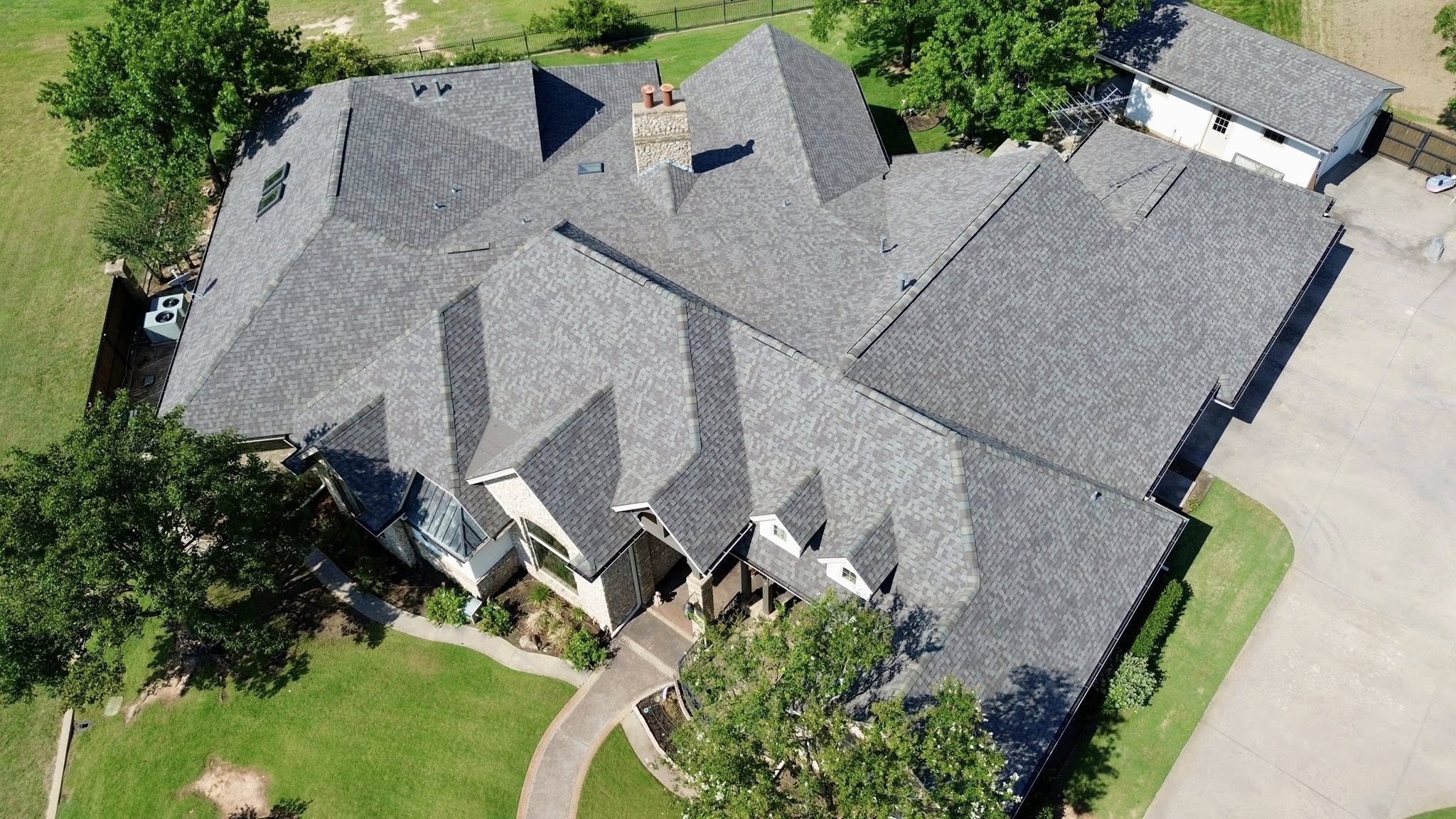
Roofs experience continuous exposure to changing weather conditions throughout their lifespan. Over time, even high quality roofing systems begin showing signs of wear that require maintenance or repair. Understanding the most common causes of roof damage helps homeowners recognize potential problems before they become severe.
Natural aging remains one of the primary reasons roofs require repairs. Roofing materials gradually deteriorate due to constant exposure to sunlight, rainfall, temperature fluctuations, and environmental pollutants. As materials age, they become more vulnerable to cracking, curling, and moisture penetration.
Storm damage is another frequent cause of repairs. Strong winds may loosen shingles, hail can crack roofing materials, and falling branches may puncture the roof surface. Even when damage appears minor, hidden structural issues often develop beneath the visible roofing layer.
Heavy rainfall creates additional challenges. Water may enter through damaged flashing, worn sealants, or loose roofing materials, leading to leaks that gradually weaken insulation, roof decking, and interior finishes.
Poor installation also contributes to recurring roof problems. Improperly installed flashing, inadequate fastening, incorrect ventilation, or low quality workmanship may cause repeated failures even when roofing materials themselves remain in good condition.
Blocked gutters increase repair needs by preventing efficient drainage. Water that cannot flow away properly remains in contact with vulnerable roof areas, increasing the likelihood of wood rot, mold growth, and moisture infiltration.
Wildlife can also damage roofing systems. Birds, squirrels, raccoons, and insects sometimes create entry points while searching for shelter. These openings often allow water to enter the roofing structure over time.
Ventilation problems should not be overlooked. Poor attic airflow increases heat and moisture beneath the roof, accelerating material deterioration and reducing the lifespan of many roofing components.
Understanding these common causes allows homeowners to focus on preventive maintenance instead of waiting until significant damage becomes visible.
Recognizing the Early Signs of Roof Damage
Early detection is one of the most effective ways to reduce roof repair costs. Small roofing problems usually require relatively simple repairs, while delayed action often results in larger structural issues that are far more expensive to correct.
One of the earliest warning signs is missing or damaged shingles. Wind, aging, or storm damage may loosen individual shingles, exposing the waterproof layers beneath. Replacing these materials promptly helps prevent additional deterioration.
Water stains on ceilings or upper walls frequently indicate developing roof leaks. Although the stain may appear in one location, water often enters through a different part of the roof before traveling along structural components. Professional inspection is therefore essential to identify the true source.
Granules accumulating in gutters provide another important clue. Asphalt shingles naturally lose some granules as they age, but excessive granule loss often signals accelerated wear that reduces weather resistance.
Damaged flashing around chimneys, skylights, and roof vents should also receive immediate attention. Flashing protects vulnerable roof openings, and even small gaps may allow significant water intrusion during heavy rainfall.
Homeowners should also watch for sagging roof sections. Changes in roof shape may indicate structural weakening caused by prolonged moisture exposure or deteriorating support components. These conditions require prompt professional evaluation.
Inside the attic, damp insulation, mold growth, musty odors, or visible daylight entering through roof openings all suggest developing roofing problems. Attic inspections often reveal hidden issues before they become visible inside living spaces.
Exterior inspections may also reveal moss, algae, or accumulated debris trapping moisture against roofing materials. Although these conditions may appear cosmetic initially, prolonged moisture exposure gradually weakens many roofing systems.
The following warning signs should never be ignored.
- Missing or lifted shingles
- Water stains on ceilings
- Damaged flashing
- Granules collecting in gutters
- Sagging roof sections
- Damp attic insulation
- Visible mold or mildew
- Persistent roof leaks
Recognizing these early indicators allows homeowners to schedule repairs before minor defects develop into extensive structural damage.
The Importance of a Professional Roof Inspection
A professional roof inspection provides much more information than a simple visual examination from ground level. Experienced inspectors evaluate the entire roofing system to identify visible damage, hidden weaknesses, and developing maintenance needs before repairs begin.
Exterior inspections include careful examination of roofing materials, flashing, gutters, roof valleys, ridge caps, ventilation systems, and roof penetrations. Each component is evaluated individually because even minor defects may contribute to larger roofing problems over time.
Attic inspections are equally valuable because they reveal moisture conditions beneath the roofing surface. Water stains, mold growth, inadequate ventilation, damaged insulation, and structural deterioration often become visible inside the attic before appearing elsewhere in the home.
Professional inspectors also identify the root cause of recurring problems. A ceiling leak, for example, may originate from deteriorated flashing several feet away rather than directly above the visible stain. Correct diagnosis prevents repeated repairs that fail to solve the underlying issue.
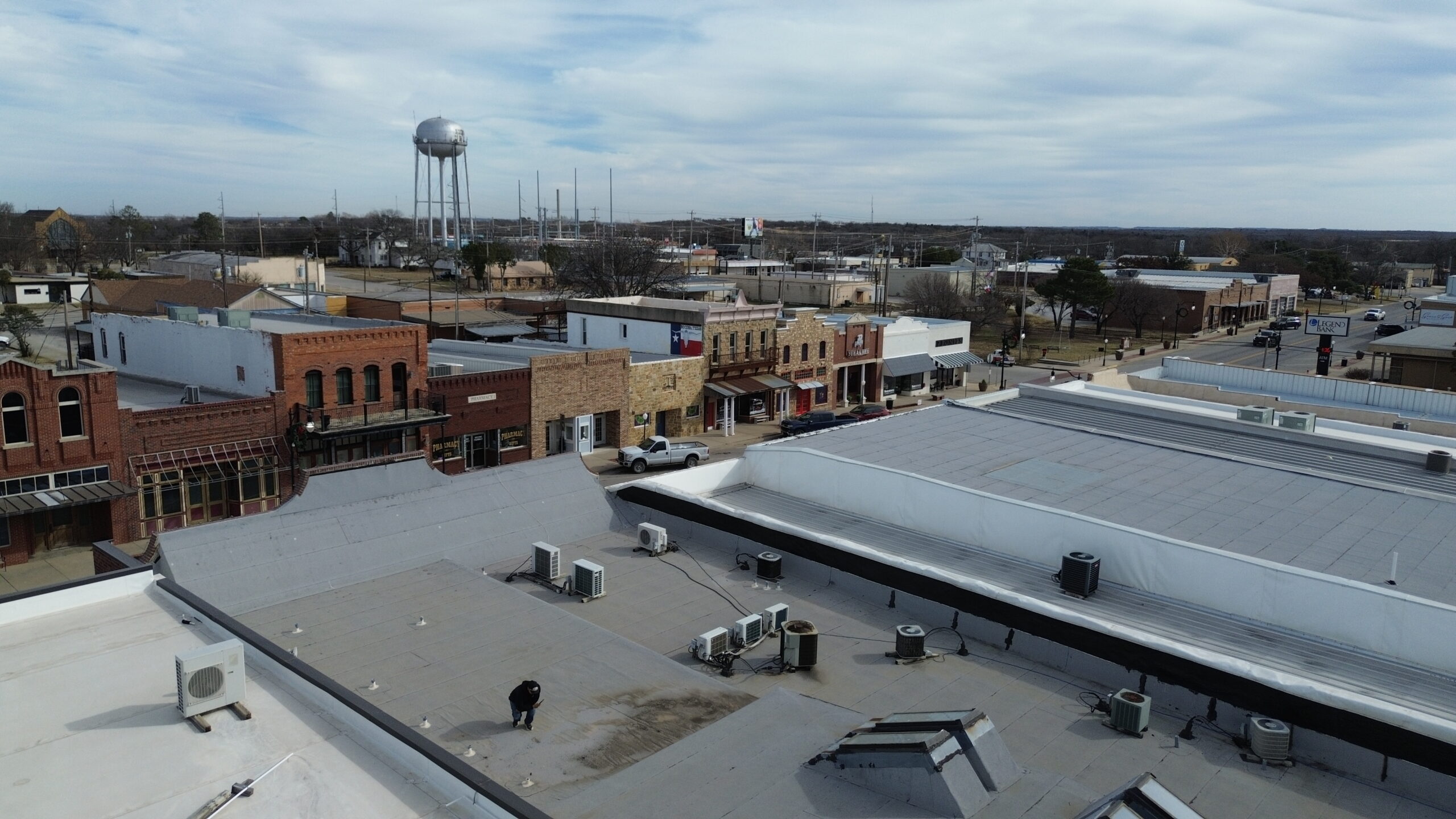
Advanced inspection technology has further improved diagnostic accuracy. Moisture meters, infrared imaging, and aerial drone inspections allow roofing professionals to detect hidden moisture and structural concerns without unnecessary removal of roofing materials.
Inspection reports provide homeowners with valuable documentation. These reports typically include photographs, repair recommendations, estimated priorities, and observations regarding the overall condition of the roof. Organized records also support future maintenance planning.
Professional inspections become especially important after severe weather events. Storm damage is not always immediately visible, and early identification of hidden problems allows repairs before additional rainfall causes further deterioration.
Investing in a professional inspection often saves money by preventing unnecessary repairs while ensuring that actual roofing problems receive appropriate attention.
Preparing for the Roof Repair Project
Proper preparation helps ensure roof repairs proceed efficiently while minimizing disruptions to both homeowners and contractors. Planning before work begins also improves safety and reduces unexpected delays during the repair process.
The first step involves reviewing the inspection findings carefully. Homeowners should understand the recommended repairs, expected costs, project timeline, warranty coverage, and materials being proposed before approving the work.
Scheduling should also consider weather conditions. Roofing repairs require dry surfaces and safe working conditions whenever possible. Monitoring forecasts helps reduce interruptions caused by rain or strong winds.
Preparing the property itself is equally important. Vehicles should be moved away from the work area, outdoor furniture relocated, and valuable landscaping protected if debris may fall during repairs.
Homeowners should also plan for temporary noise and limited access around the property. Roofing projects involve hammering, material movement, and equipment operation that may affect daily routines for several hours or days depending on project size.
Communication with neighbors can also be helpful before work begins. Informing nearby residents about scheduled repairs allows them to prepare for temporary construction activity while maintaining positive relationships.
Contractors should confirm that required materials, safety equipment, and waste disposal arrangements are ready before starting the project. Careful preparation reduces unnecessary interruptions once roofing work begins.
Maintaining open communication throughout the planning stage allows both homeowners and contractors to establish clear expectations, reducing misunderstandings during the repair process.
Deciding Between Roof Repair and Roof Replacement
One of the most important decisions homeowners face is determining whether repairs will adequately solve the problem or whether complete roof replacement offers better long term value. The correct choice depends on several factors rather than the visible damage alone.
Roof age plays an important role in this decision. Newer roofs with localized damage often benefit from targeted repairs, while aging roofs approaching the end of their expected lifespan may require more comprehensive solutions.
The extent of damage should also be evaluated carefully. Isolated leaks, limited storm damage, or a small number of missing shingles are often suitable for repair. Widespread deterioration affecting multiple roof sections may justify replacement instead.
Recurring repair history provides another valuable indicator. If the same roofing problems continue returning despite repeated maintenance, underlying structural deterioration may have progressed beyond practical repair.
Budget considerations should focus on long term value rather than immediate expense alone. Although repairs usually cost less initially, repeated repairs over several years may eventually exceed the cost of replacing the entire roofing system.
Energy efficiency improvements available with modern roofing systems may also influence the decision. Newer materials often provide better insulation, improved ventilation, and stronger weather resistance than older roofs.
Every roofing situation is unique, making professional evaluation essential before making a final decision. Understanding the roof’s overall condition allows homeowners to choose the option that provides the greatest durability, safety, and long term financial benefit.
Step by Step Roof Repair Process Explained
Once planning and inspections have been completed, the actual repair process begins. Professional roofing contractors follow a structured sequence that restores the roof while maintaining safety and quality standards. Although every project is different, most roof repairs follow the same general workflow.
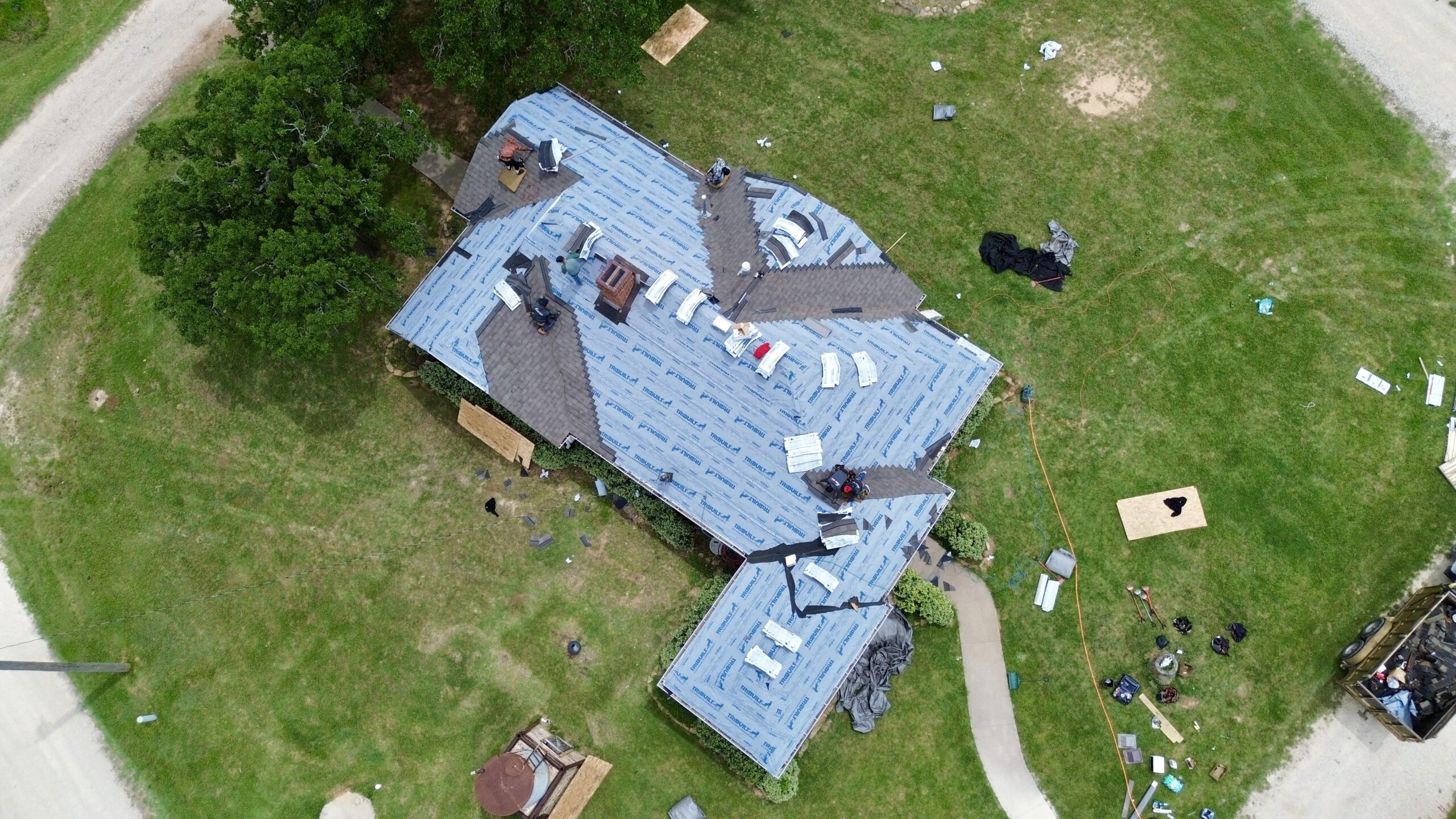
The first step is preparing the work area. Contractors position ladders, install safety equipment, and protect landscaping, windows, and outdoor furniture from falling debris. Organizing the work site before repairs begin improves efficiency while reducing safety risks.
Damaged roofing materials are then removed carefully. Shingles, tiles, metal panels, flashing, or other affected components are taken off without disturbing nearby areas that remain in good condition. Removing damaged materials also exposes hidden layers for further inspection.
Once the surface is open, contractors examine the roof decking and structural supports. Water damage, mold, wood rot, or weakened framing must be repaired before new roofing materials are installed. Covering structural damage without correcting it would only create future problems.
The waterproofing layer is inspected next. Underlayment, flashing, and moisture barriers are repaired or replaced wherever necessary to restore protection against future leaks. These hidden components are just as important as the visible roofing material.
New roofing materials are then installed according to manufacturer recommendations. Proper alignment, fastening, and sealing ensure the repaired section blends with the existing roof while providing reliable weather resistance.
After installation is complete, contractors perform a quality inspection. They verify that all materials are securely installed, flashing is properly positioned, and drainage pathways remain unobstructed. This final review helps identify any adjustments before the project is considered finished.
The work area is then cleaned thoroughly. Roofing nails, broken materials, packaging, and construction debris are removed from the property. A clean work site not only improves appearance but also protects homeowners from potential hazards after the repair is complete.
Following a systematic repair process ensures that each stage supports the next. This organized approach produces stronger, longer lasting repairs while minimizing the likelihood of recurring roofing problems.
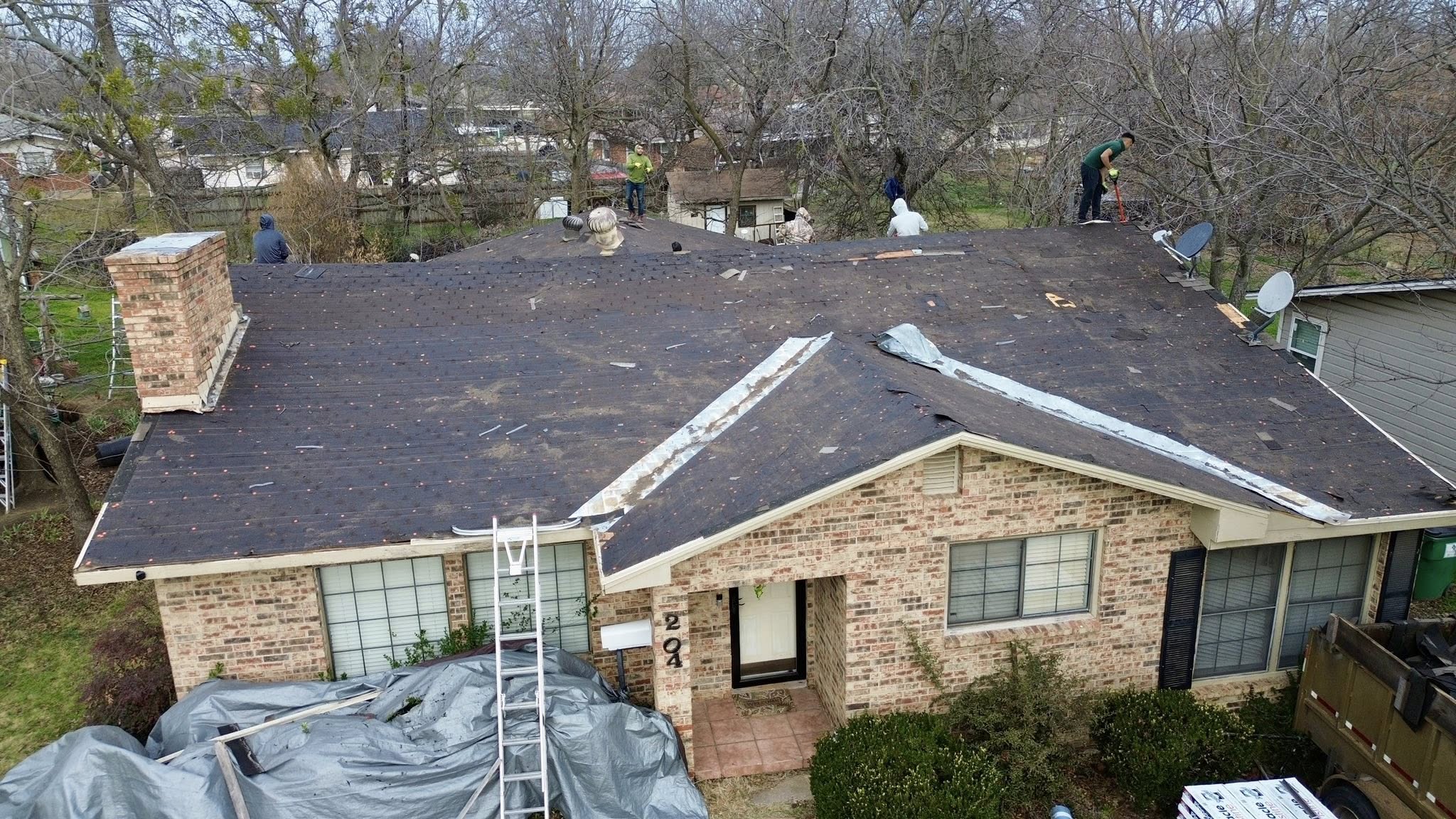
Materials and Tools Used During Roof Repairs
Roof repairs require a combination of quality materials and specialized tools. Choosing appropriate products and equipment helps ensure repairs remain durable under changing weather conditions while matching the existing roofing system.
Replacement roofing materials depend on the type of roof being repaired. Asphalt shingles, metal panels, clay tiles, concrete tiles, slate, and wood shakes each require compatible replacement products that match the original installation.
Waterproof underlayment is one of the most important hidden materials used during repairs. It provides an additional layer of moisture protection beneath the visible roofing surface and helps prevent leaks if exterior materials become damaged.
Flashing is another essential component. Installed around chimneys, skylights, roof valleys, vents, and other roof penetrations, flashing directs water away from vulnerable areas. Damaged flashing is frequently replaced during roof repairs to improve long term waterproofing.
Roofing nails and fasteners must also meet manufacturer specifications. Using the correct fasteners helps roofing materials withstand strong winds while maintaining structural stability over time.
Sealants provide additional protection around joints and roof penetrations. Modern roofing sealants remain flexible despite temperature changes, helping preserve watertight seals for many years when applied correctly.
Contractors rely on a variety of specialized tools throughout the repair process.
- Roofing hammer
- Utility knife
- Pry bar
- Tape measure
- Chalk line
- Nail gun
- Ladder
- Safety harness
- Moisture meter
Advanced projects may also involve infrared cameras, drone inspections, or electronic moisture detection equipment. These technologies help identify hidden damage more accurately while reducing unnecessary removal of roofing materials.
Using high quality materials together with professional tools significantly improves repair durability and overall roof performance.
Safety Measures Followed During Roof Repair
Roof repair involves working at heights, handling sharp tools, and operating in changing weather conditions. Because of these risks, professional contractors follow strict safety procedures throughout every stage of the repair process.
Fall protection is one of the highest priorities during roofing work. Safety harnesses, anchor points, guardrails, and lifelines help reduce the risk of falls while allowing workers to move safely across the roof surface.
Ladder safety also receives careful attention. Ladders should be placed on stable ground, positioned at the correct angle, and secured before use. Contractors inspect ladders regularly to ensure they remain safe throughout the project.
Weather conditions are monitored continuously. Roofing work is generally postponed during heavy rain, thunderstorms, strong winds, or icy conditions because slippery surfaces significantly increase accident risks.
Personal protective equipment protects workers from many common hazards. Gloves reduce the risk of cuts, safety glasses protect against flying debris, and slip resistant footwear improves stability on roofing materials.
Tool organization contributes to workplace safety as well. Keeping equipment properly stored reduces tripping hazards while preventing tools from sliding off the roof and causing injuries below.
Material handling procedures are equally important. Roofing materials should be lifted safely using appropriate methods rather than carried in ways that compromise balance while climbing ladders.
Contractors also secure the work area around the home. Warning signs, barriers, and restricted access zones help protect homeowners, children, pets, and visitors from falling debris during repairs.
Emergency planning forms another essential part of professional safety practices. Contractors prepare first aid supplies, emergency contact information, and response procedures before beginning work.
Following these safety measures protects everyone involved while allowing repairs to proceed efficiently and professionally.
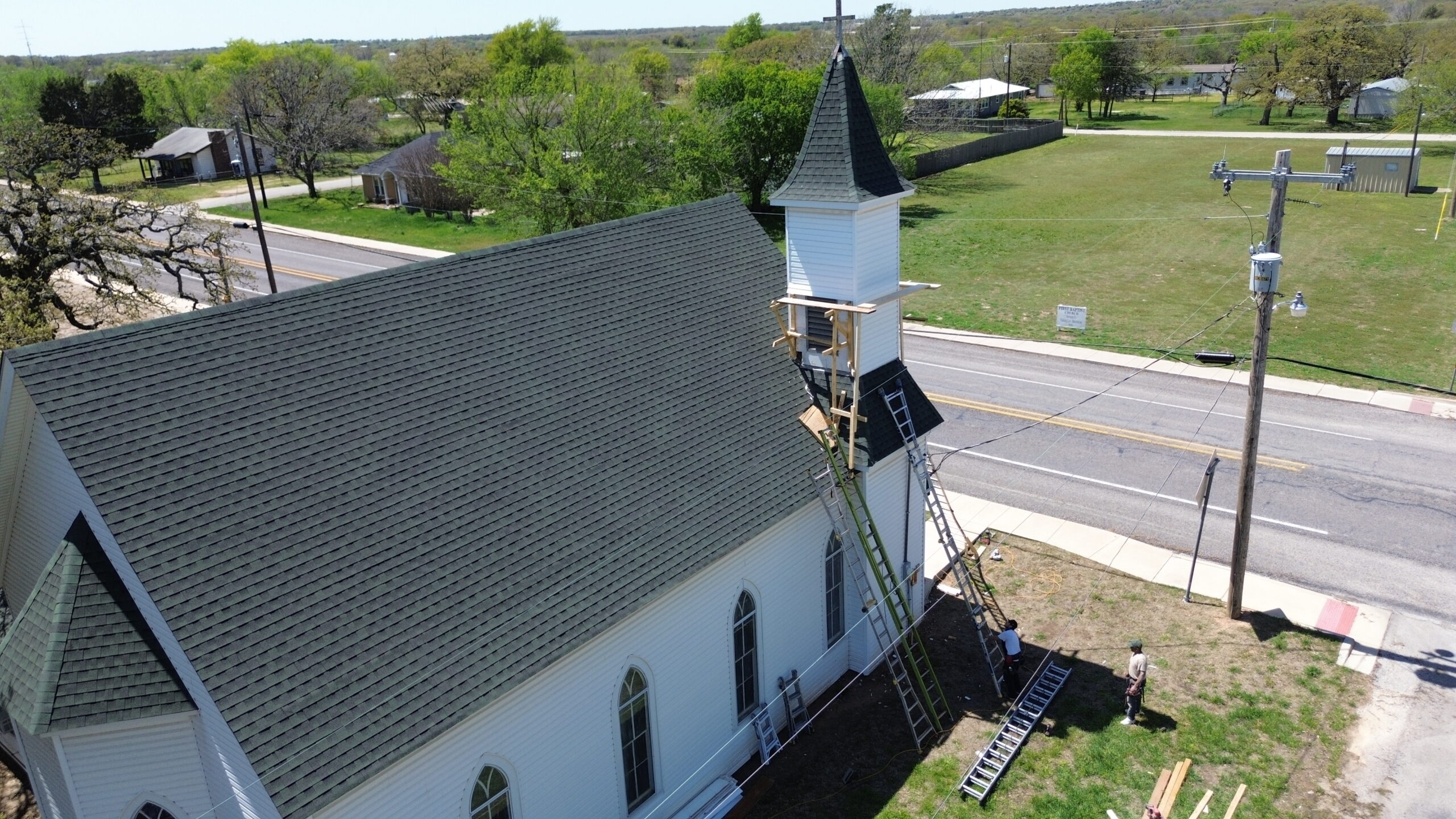
Factors That Influence Roof Repair Costs
Roof repair costs vary considerably because every roofing project presents unique challenges. Understanding the factors affecting pricing helps homeowners prepare realistic budgets while comparing contractor estimates more effectively.
The extent of damage is one of the largest cost factors. Minor repairs involving a few shingles generally require fewer materials and less labor than projects involving widespread structural deterioration or extensive leak damage.
Roof size also influences pricing because larger roofs require more materials, additional labor, and longer project timelines. Complex roof designs with multiple slopes, valleys, dormers, and skylights often increase repair difficulty as well.
Roofing material plays an important role in determining costs. Asphalt shingles are generally less expensive to repair than slate, clay tile, or specialty metal roofing systems, which often require specialized skills and materials.
Accessibility affects labor requirements. Steep roofs, multi story homes, and difficult access points increase the time and safety precautions needed to complete repairs, resulting in higher labor costs.
Hidden structural damage may also influence the final project cost. Once damaged roofing materials are removed, contractors sometimes discover deteriorated decking, damaged insulation, or weakened framing requiring additional repairs before new materials can be installed.
Geographic location contributes to pricing differences as well. Local labor rates, material availability, transportation costs, and regional building requirements all affect the overall project budget.
Emergency repairs typically cost more than scheduled maintenance because they often require immediate response under challenging weather conditions or outside normal working hours.
Homeowners should request detailed written estimates before approving repairs. Clear estimates explain labor, materials, warranties, disposal costs, and any potential additional work that could become necessary if hidden damage is discovered.
Understanding these pricing factors allows homeowners to evaluate repair proposals based on overall value rather than simply selecting the lowest estimate.
Common Roof Repair Mistakes to Avoid
Many roofing problems result not only from weather or aging but also from mistakes made during repair planning or installation. Avoiding these common errors improves repair quality while extending the life of the roofing system.
One of the most common mistakes is repairing only visible damage without identifying the underlying cause. Water often enters through one location before appearing somewhere else inside the home. Treating symptoms instead of causes usually results in recurring leaks.
Another mistake involves using incompatible roofing materials. Different materials expand, contract, and weather differently over time. Mixing products that were not designed to work together may reduce long term durability.
Some homeowners attempt to save money by delaying repairs after discovering minor damage. Unfortunately, small leaks rarely remain small. Continued moisture exposure often leads to wood rot, insulation damage, mold growth, and higher repair costs later.
Reusing damaged flashing is another frequent error. Flashing protects many of the roof’s most vulnerable areas, and worn flashing often continues leaking even after surrounding roofing materials have been replaced.
Improper ventilation is frequently overlooked during repairs. Replacing roofing materials without correcting poor attic airflow allows heat and moisture to continue damaging the roof from beneath.
Another mistake is relying too heavily on sealants. Although quality sealants improve waterproofing, they should complement proper installation rather than replace damaged flashing or deteriorated roofing materials.
Ignoring manufacturer installation recommendations can also shorten repair lifespan. Roofing products perform best when installed according to approved fastening methods, spacing requirements, and waterproofing guidelines.
Homeowners should also avoid hiring contractors based solely on the lowest price. Experience, licensing, insurance, workmanship quality, and warranty coverage all contribute significantly to long term repair success.
Avoiding these mistakes increases the likelihood of durable repairs while reducing the need for repeated maintenance.
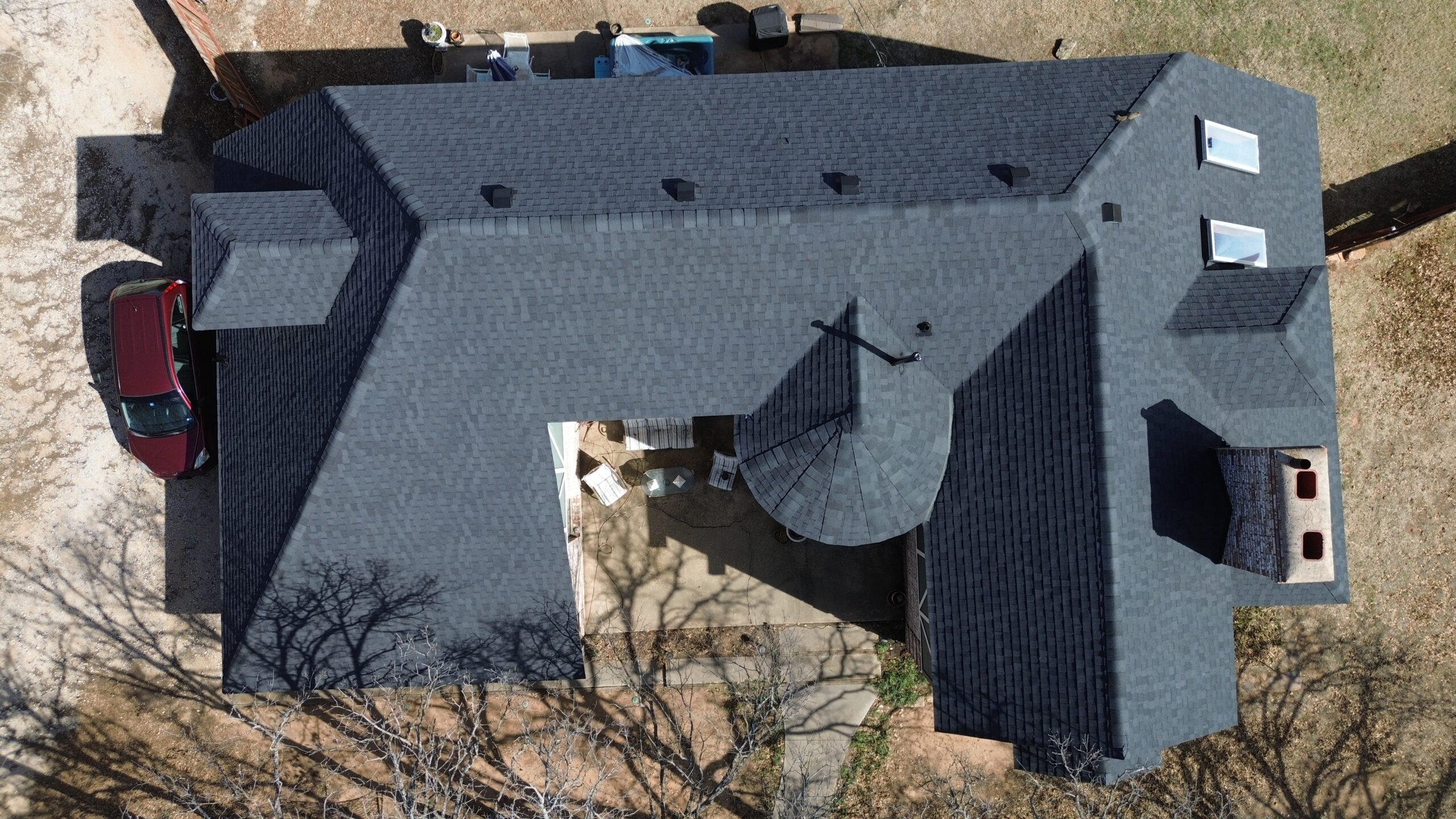
What Homeowners Should Expect During Repairs
Understanding what happens during a roof repair project helps homeowners prepare for temporary disruptions while reducing uncertainty throughout the process. Good communication between contractors and homeowners contributes to a smoother experience from beginning to end.
Roof repairs usually involve some level of noise. Hammering, material removal, equipment operation, and worker movement across the roof are all normal parts of the project. Homeowners working from home may wish to plan accordingly.
Construction activity around the property should also be expected. Roofing materials, ladders, safety equipment, and waste containers may temporarily occupy driveways or outdoor areas while repairs are underway.
Depending on the project size, workers may need access to electrical outlets, water supplies, or attic spaces during the repair. Discussing these requirements before work begins helps prevent unnecessary interruptions.
Unexpected discoveries occasionally occur once damaged roofing materials have been removed. Hidden moisture damage, deteriorated decking, or structural weaknesses may require additional repairs before the roof can be restored properly. Professional contractors usually discuss these findings before proceeding with extra work.
Daily cleanup is another important part of the repair process. Responsible contractors remove debris, collect roofing nails, and organize materials at the end of each workday to maintain a safe and tidy property.
Homeowners should also expect regular project updates. Clear communication regarding progress, weather delays, schedule adjustments, or unexpected findings builds confidence while helping everyone remain informed.
Before the project concludes, contractors typically perform a final walkthrough with the homeowner. This inspection provides an opportunity to review completed repairs, discuss maintenance recommendations, explain warranty coverage, and answer any remaining questions.
A well managed roof repair project combines careful planning, quality workmanship, strong communication, and thorough cleanup to deliver long lasting results with minimal disruption.
Inspecting the Finished Roof Repair
Completing the repair does not mean the process is finished. A thorough inspection of the completed work helps ensure that the repair meets quality standards and provides the protection the roof is expected to deliver. Taking time to evaluate the finished project also gives homeowners confidence that every important detail has been addressed.
The inspection should begin from ground level by examining the repaired section. Roofing materials should appear properly aligned, evenly installed, and consistent with the surrounding roof. There should be no obvious gaps, lifted edges, or misplaced components that might affect performance.
Flashing around chimneys, skylights, roof vents, and valleys deserves special attention. These areas are among the most common sources of roof leaks, so confirming proper installation helps reduce the risk of future moisture intrusion.
Homeowners should also inspect gutters and surrounding areas for leftover construction materials. Nails, broken shingles, packaging, and other debris should be removed before the project is considered complete. A clean property reflects professional workmanship and improves safety.
After the next rainfall, it is helpful to inspect the attic for signs of moisture. Dry insulation, clean roof decking, and the absence of water stains provide reassurance that the repaired section is performing correctly. Early inspection also allows any remaining concerns to be identified before they become larger problems.
If the repair was completed by a contractor, request a final walkthrough before making the last payment. This provides an opportunity to review the completed work, ask questions, and understand any maintenance recommendations specific to the repaired area.
Homeowners should also collect all documentation associated with the project. Warranty information, invoices, inspection reports, and photographs should be stored together for future reference. These records may prove valuable during future maintenance or insurance claims.
A careful final inspection confirms that the repair has restored both the appearance and functionality of the roof while providing confidence that the home remains well protected.
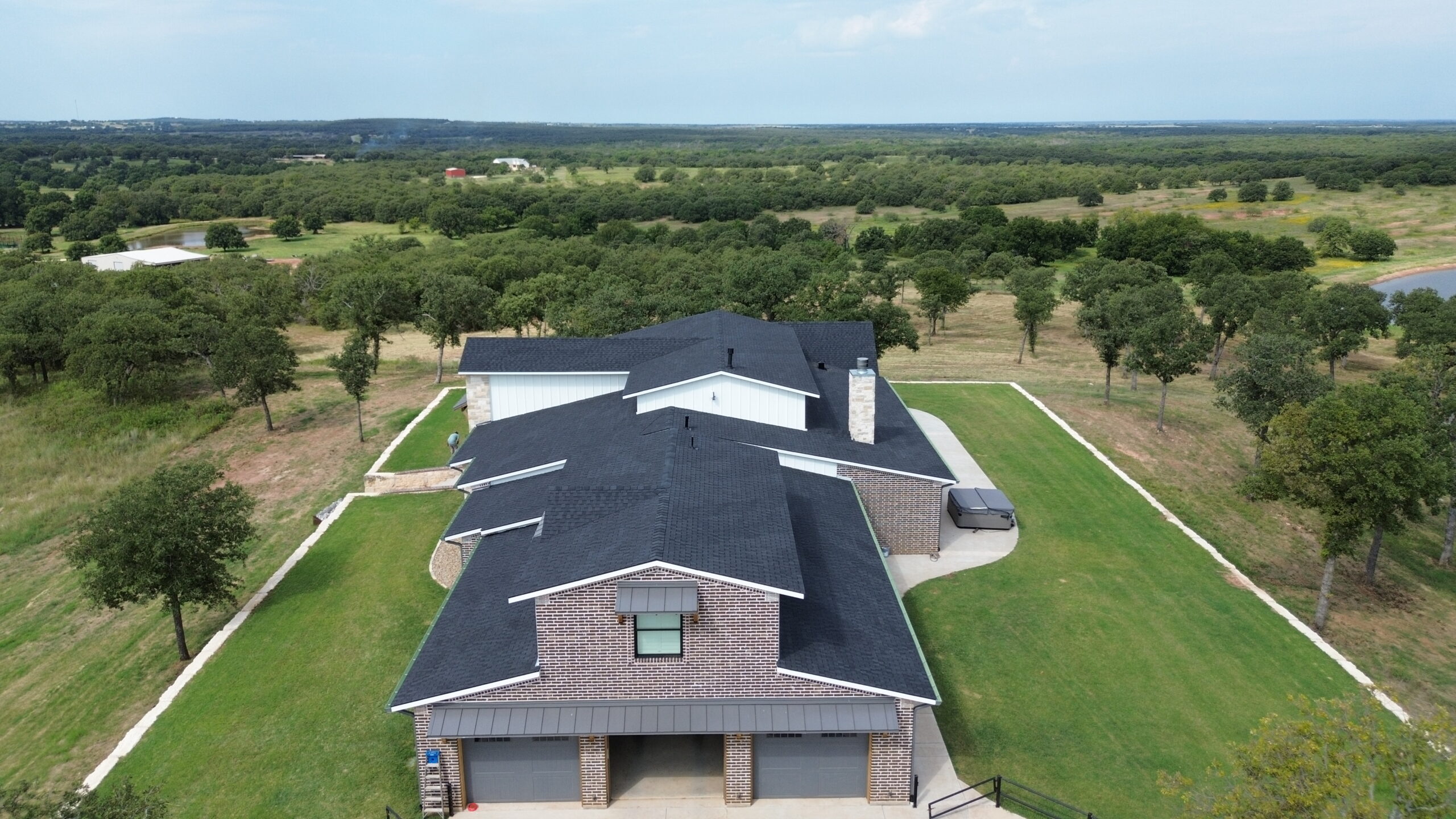
Long Term Roof Maintenance After Repairs
A successful repair should become part of a broader maintenance strategy rather than marking the end of roof care. Regular maintenance helps preserve the repaired section while reducing the likelihood of additional problems developing elsewhere on the roof.
Routine inspections remain one of the most effective maintenance practices. Examining the roof at least twice each year allows homeowners to identify loose materials, damaged flashing, blocked gutters, or early signs of wear before significant damage occurs.
Cleaning the roof and drainage system should also become a regular habit. Leaves, branches, moss, and other debris trap moisture against roofing materials while reducing drainage efficiency. Removing this debris improves roof performance throughout the year.
Gutters require particular attention because they play an important role in directing rainwater away from the roof and foundation. Clogged gutters increase moisture exposure around roof edges and contribute to leaks, wood rot, and fascia damage.
Tree maintenance also supports long term roof protection. Overhanging branches may scrape roofing materials during windy conditions while dropping debris that blocks gutters and valleys. Regular trimming reduces these risks while improving airflow across the roof surface.
Attic inspections should continue even after repairs have been completed. Checking insulation, ventilation, and roof decking periodically helps detect hidden moisture problems before they become visible inside the home.
Homeowners should maintain a written record of inspections, maintenance activities, and repairs. Tracking the roof’s history makes it easier to identify recurring issues while supporting warranty claims and future repair planning.
Professional inspections every few years provide additional peace of mind. Experienced roofing specialists often recognize subtle warning signs that may not be noticeable during routine homeowner inspections.
Consistent maintenance protects the investment made during roof repairs while helping the roofing system achieve its maximum expected lifespan.
Frequently Asked Questions About Roof Repair
Many homeowners have similar concerns when planning or completing roof repairs. Understanding these common questions helps clarify the repair process and supports better maintenance decisions in the future.
How long does a typical roof repair take?
The timeline depends on the extent of the damage, weather conditions, roofing material, and project complexity. Minor repairs may be completed within a few hours, while larger structural repairs can require several days.
Can roof repairs be completed during any season?
Many repairs can be performed throughout the year, although dry weather generally provides the safest and most effective working conditions. Severe rain, strong winds, or icy surfaces may require work to be postponed temporarily.
Will my roof look different after repairs?
Professional repairs are designed to blend with the existing roof whenever possible. Slight color differences may appear initially, particularly with new shingles replacing older weathered materials, but these differences often become less noticeable over time.
Should I stay home during roof repairs?
In most situations, homeowners can remain in the house while repairs are underway. However, they should expect temporary noise and limited access around certain outdoor areas until the project is completed.
How can I tell if a repair was successful?
A successful repair eliminates leaks, restores damaged roofing materials, and leaves no visible installation defects. The repaired area should also perform well during future rainfall without signs of moisture inside the home.
What happens if additional damage is discovered?
Hidden structural damage occasionally becomes visible after roofing materials are removed. Contractors typically discuss these findings with homeowners before completing any additional repairs beyond the original project scope.
How often should I schedule professional inspections?
Most experts recommend a professional roof inspection every one to two years and after severe weather events. Regular evaluations help identify developing problems before expensive repairs become necessary.
Tips for Extending the Life of Your Roof
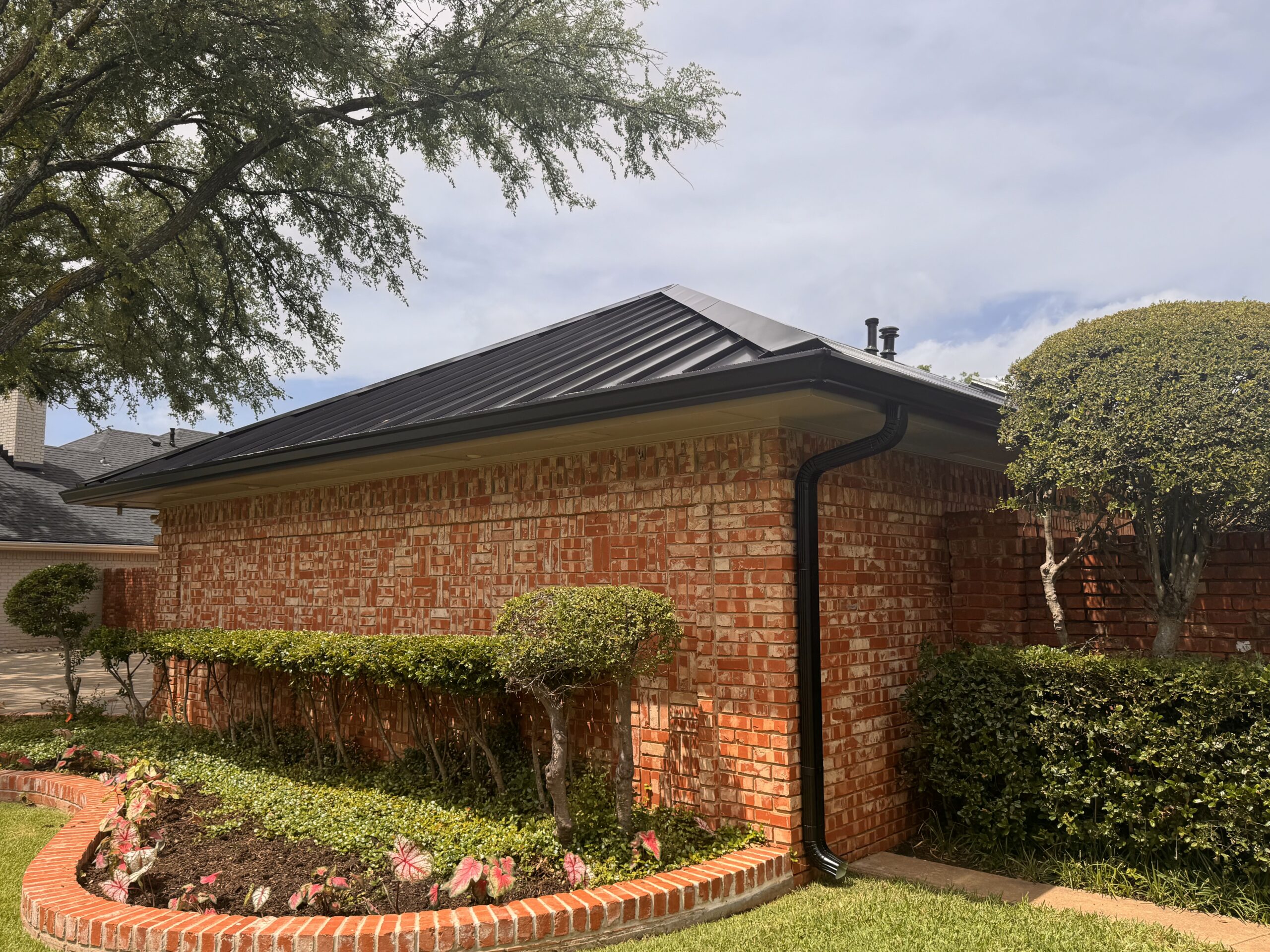
Every roof has a limited lifespan, but proper care can significantly extend its performance. Consistent maintenance, timely repairs, and good preventive practices help reduce unnecessary deterioration while protecting the home’s overall structure.
One of the most effective ways to extend roof life is responding quickly to minor damage. Delaying repairs allows moisture to spread into underlying materials, increasing both repair costs and structural risks.
Maintaining effective drainage is equally important. Gutters, downspouts, and roof valleys should remain clean so rainwater flows away efficiently after storms. Standing water places unnecessary stress on roofing materials and waterproofing systems.
Attic ventilation should be monitored regularly because excessive heat and trapped moisture accelerate material aging. Balanced ventilation improves energy efficiency while reducing stress on roofing components throughout the year.
Seasonal inspections also support long term durability. Examining the roof before and after severe weather helps identify developing problems while allowing repairs to be completed before additional damage occurs.
The following practices help maximize roof lifespan.
- Inspect the roof twice each year.
- Clean gutters regularly.
- Trim overhanging tree branches.
- Replace damaged shingles promptly.
- Inspect flashing around roof penetrations.
- Check attic ventilation periodically.
- Schedule professional inspections after major storms.
- Keep maintenance records up to date.
These simple maintenance habits greatly reduce the likelihood of emergency repairs while helping the roof perform reliably for many years.
Roof Repair Timeline at a Glance
The table below summarizes the typical stages involved in a professional roof repair project.
| Roof Repair Stage | Primary Purpose |
|---|---|
| Initial Inspection | Identify damage and determine repair needs |
| Project Planning | Select materials, estimate costs, and schedule work |
| Site Preparation | Protect property and organize equipment |
| Removal of Damaged Materials | Expose affected roofing components |
| Structural Assessment | Check decking, framing, and underlayment |
| Installation of New Materials | Restore weather protection and roof integrity |
| Final Quality Inspection | Verify workmanship and waterproofing |
| Cleanup and Documentation | Remove debris and provide project records |
Following this structured process helps ensure repairs are completed safely, efficiently, and according to professional standards.
Conclusion
Understanding the roof repair process allows homeowners to approach roofing projects with greater confidence and realistic expectations. From the first inspection to the final quality check, every stage plays an important role in restoring the roof’s ability to protect the home from changing weather conditions. Careful planning and informed decision making contribute to stronger, longer lasting repairs.
Recognizing early warning signs such as missing shingles, damaged flashing, water stains, or blocked gutters helps prevent small issues from developing into expensive structural problems. Timely inspections and prompt repairs reduce long term maintenance costs while extending the overall lifespan of the roofing system.
Quality roof repairs depend on more than replacing damaged materials. Professional inspections, accurate diagnosis, proper waterproofing, suitable materials, safe installation methods, and thorough final inspections all work together to ensure durable results. Addressing the underlying cause of damage rather than simply repairing visible symptoms provides greater long term reliability.
Regular maintenance remains essential even after repairs have been completed. Routine inspections, gutter cleaning, attic evaluations, tree trimming, and seasonal maintenance help preserve the repaired roof while reducing the likelihood of future problems. Maintaining detailed service records also supports future repair planning and warranty protection.
Whether your roof requires a small repair or a more extensive restoration, understanding the complete repair process allows you to communicate more effectively with roofing professionals and make informed decisions about your property. By combining preventive maintenance with timely repairs and high quality workmanship, homeowners can protect their investment, improve the durability of their roofing system, and ensure their home remains safe, comfortable, and well protected for many years to come.