Best Practices for Long Lasting Roof Repairs
Introduction
A roof is one of the most valuable parts of any home or commercial building because it protects everything beneath it from the elements. When damage appears, timely repairs help restore the roof’s strength and prevent more serious structural issues. However, not every repair delivers the same results, and the quality of workmanship often determines how long the repair will last.
Many property owners assume that repairing a roof simply means replacing damaged shingles or sealing a leak. In reality, lasting roof repairs require careful planning, accurate diagnosis, quality materials, and proper installation techniques. Ignoring any of these factors can lead to recurring leaks, higher maintenance costs, and unnecessary stress in the future.
Long lasting roof repairs are not about choosing the cheapest solution or completing the work as quickly as possible. They focus on fixing the underlying problem while strengthening the roof against future weather conditions and normal wear. This approach reduces repair frequency and helps maximize the lifespan of the entire roofing system.
This guide explores the best practices that help roof repairs stand the test of time. From identifying the real cause of damage to selecting suitable materials and making informed repair decisions, every step plays an important role in achieving durable and reliable results.
Why Long Lasting Roof Repairs Matter
A roof experiences constant exposure to sunlight, rain, wind, snow, temperature fluctuations, and airborne debris throughout the year. Even minor damage can gradually expand when left untreated, allowing moisture to penetrate deeper into the roofing system. Long lasting repairs stop this cycle before it becomes a costly problem.
Reliable repairs also protect other components of the property. Water entering through a damaged roof can affect insulation, ceilings, walls, electrical systems, and even the structural framework. Fixing the roof properly helps prevent secondary damage that may cost significantly more than the original repair.
Investing in quality repairs provides financial benefits over time. Although premium materials and skilled workmanship may involve a higher initial cost, they often reduce the need for repeated repairs and emergency service calls. This makes long term maintenance more predictable and affordable.
Another important advantage is improved property value. Buyers and tenants appreciate buildings with well-maintained roofing systems because they reduce future maintenance concerns. A roof with documented quality repairs also creates greater confidence during property inspections.
Common Reasons Roof Repairs Fail Prematurely
Many roof repairs fail not because the materials are poor, but because important steps were skipped during the repair process. Understanding these common causes helps homeowners make better decisions before hiring a contractor or approving repair work.
One of the most common reasons is repairing only the visible damage instead of addressing the actual source. For example, replacing wet shingles without correcting damaged flashing or poor drainage often allows leaks to continue beneath the surface. The visible symptoms disappear temporarily, but the underlying issue remains.
Low quality materials also shorten repair life. Inferior sealants, mismatched shingles, or low-grade flashing may initially appear acceptable but often deteriorate faster under changing weather conditions. High quality products generally provide better resistance against moisture, ultraviolet exposure, and temperature changes.
Improper installation is another major cause of early failure. Roofing materials are designed to perform under specific installation guidelines. Incorrect nail placement, insufficient sealing, or poor alignment can reduce the effectiveness of even premium roofing products.
Weather conditions during repairs also affect long term performance. Installing roofing materials during heavy rain, freezing temperatures, or excessive heat may prevent adhesives from curing properly or create hidden moisture problems that weaken the repair.
Several additional factors can contribute to premature roof repair failure.
- Using incompatible roofing materials.
- Ignoring damaged roof decking beneath the surface.
- Failing to replace deteriorated flashing.
- Applying temporary patch solutions as permanent repairs.
- Delaying maintenance after the repair is completed.
Recognizing these issues before work begins greatly improves the chances of achieving a repair that lasts for many years.
Identifying the Root Cause Before Starting Any Repair
Successful roof repairs begin with an accurate diagnosis rather than immediate replacement of damaged materials. Roof leaks often appear far away from the actual entry point because water can travel along roof decking, insulation, and structural members before becoming visible inside the building.
A thorough roof inspection examines every component that may contribute to water intrusion. This includes shingles, flashing, vents, valleys, skylights, gutters, chimneys, underlayment, and roof decking. Looking beyond the obvious damage helps prevent recurring problems after repairs are completed.
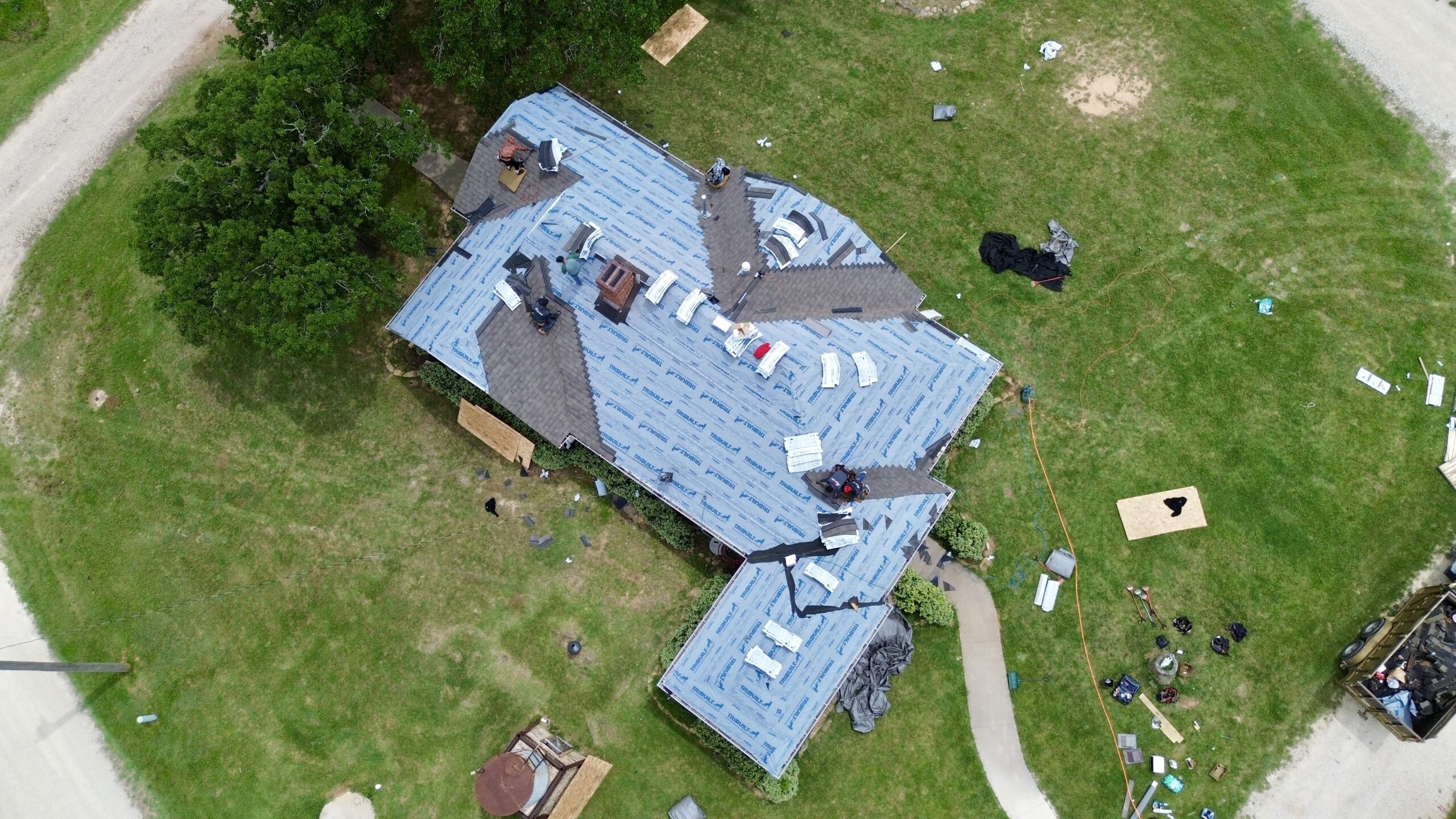
Moisture detection tools have become increasingly valuable during inspections. Infrared cameras, moisture meters, and drone inspections help roofing professionals identify hidden water damage that may not be visible from the roof surface alone. Early detection allows repairs to target the complete problem instead of only the symptoms.
Property owners should also consider the history of previous repairs. If the same area has been repaired multiple times, there may be an underlying structural or installation issue that requires a different solution. Understanding the roof’s repair history provides valuable insight into recurring weaknesses.
A systematic inspection process often includes the following steps.
- Examine the interior ceiling for water stains and moisture.
- Inspect the attic for mold, damp insulation, or daylight penetration.
- Evaluate the roof surface for damaged or missing materials.
- Check flashing around chimneys, vents, skylights, and valleys.
- Inspect gutters and drainage systems for blockages or overflow.
- Assess the condition of the roof decking and supporting structure.
Taking the time to identify the true source of damage helps ensure that repairs solve the problem completely rather than providing only temporary relief.
Choosing Between Roof Repair and Roof Replacement
One of the most important decisions property owners face is determining whether repairs are sufficient or whether replacement is the more practical investment. While repairs are often more affordable in the short term, they may not always be the most cost effective solution over the life of the roof.
The age of the roofing system plays a significant role in this decision. A relatively new roof with isolated damage usually responds well to professional repairs, especially when the surrounding materials remain in good condition. On the other hand, an aging roof nearing the end of its expected lifespan may continue developing problems despite repeated repairs.
The extent of damage should also be evaluated carefully. Small areas affected by wind, fallen branches, or isolated leaks are generally suitable for repair. Widespread water damage, deteriorated decking, or extensive storm damage may indicate that replacement offers greater long term value.
Future maintenance costs should also be considered. Spending money on frequent repairs over several years may eventually exceed the cost of installing a new roofing system. Evaluating expected repair frequency helps homeowners make financially sound decisions.
The following table compares situations where repair or replacement may be the better choice.
| Situation | Roof Repair | Roof Replacement |
|---|---|---|
| Minor isolated leak | Recommended | Usually unnecessary |
| Small section of missing shingles | Recommended | Not required |
| Roof under 10 years old | Usually preferred | Rarely needed |
| Multiple recurring leaks | May provide temporary relief | Often recommended |
| Extensive structural damage | Limited benefit | Recommended |
| Roof nearing end of lifespan | Less cost effective | Better long term investment |
| Severe storm damage across large areas | Depends on inspection | Frequently recommended |
Every roofing system is unique, and the final decision should be based on a detailed inspection rather than age alone. Careful evaluation helps property owners invest in the solution that provides the greatest long term benefit.
The Importance of Using High Quality Roofing Materials
The durability of any roof repair depends heavily on the materials used during the project. Even the most skilled installation cannot fully compensate for products that deteriorate quickly under normal environmental conditions. Investing in quality materials provides greater resistance to weather, aging, and mechanical stress.
Premium roofing products are typically designed to withstand prolonged exposure to sunlight, heavy rainfall, wind uplift, and temperature fluctuations. Many also include improved protective coatings that slow deterioration caused by ultraviolet radiation. These features help maintain the integrity of repairs for many years.
Sealants deserve particular attention because they often serve as the first barrier against water intrusion. High quality sealants remain flexible as temperatures change, reducing the likelihood of cracking or separation around flashing, vents, and joints. Lower quality alternatives may dry out, shrink, or lose adhesion much sooner.
Fasteners also contribute to repair durability. Corrosion resistant roofing nails and screws reduce the risk of rust that can weaken attachment points over time. Selecting compatible fasteners ensures that the repaired area performs consistently with the rest of the roofing system.
While premium materials usually cost more initially, they often reduce maintenance expenses by extending repair life and minimizing future failures. This balance between upfront investment and long term performance makes material selection one of the most important decisions in any roofing project.
Matching Repair Materials with the Existing Roof System
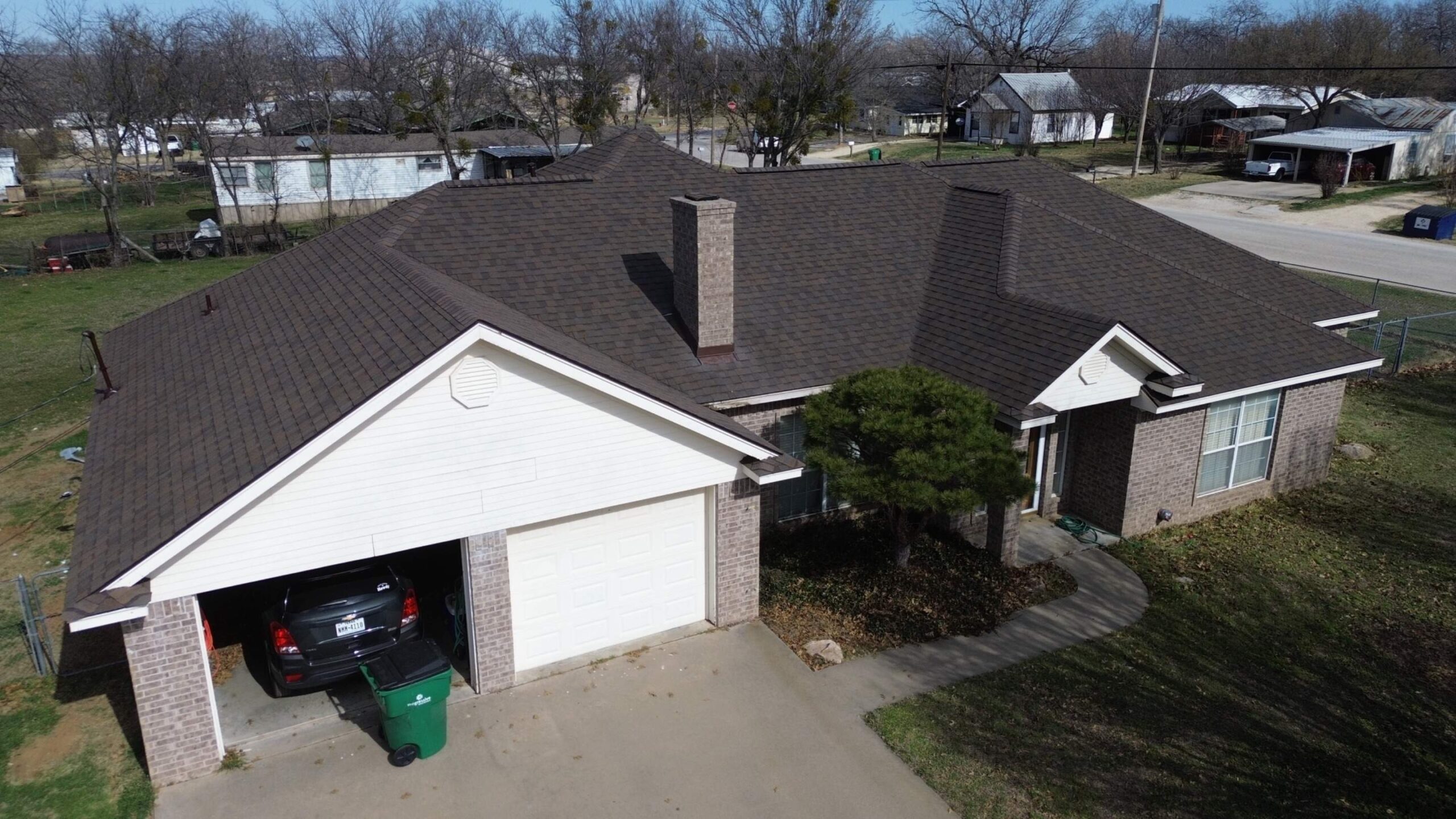
Selecting quality materials is important, but choosing compatible materials is equally critical. Every roofing system is designed to function as an integrated assembly, and introducing incompatible products can reduce overall performance instead of improving it.
Matching roofing materials begins with identifying the existing roof type. Asphalt shingles, metal panels, clay tiles, slate, wood shakes, and flat roofing membranes all have different expansion rates, fastening methods, and waterproofing requirements. Repair materials should complement these characteristics rather than conflict with them.
Color matching also deserves attention, especially for visible residential roofs. Although appearance may seem secondary to performance, closely matching replacement materials helps maintain the property’s visual appeal and prevents repaired areas from standing out unnecessarily. Consistency in texture and profile also contributes to a more professional finished result.
Compatibility extends beyond the roofing surface itself. Underlayment, flashing, adhesives, sealants, and fasteners should all be selected according to manufacturer recommendations. Using products designed to work together helps create a stronger and more reliable repair.
Professional roofing contractors often consult manufacturer specifications before beginning repairs because these guidelines are developed through extensive testing. Following recommended installation systems improves durability, maintains warranty compliance where applicable, and reduces the likelihood of premature repair failure.
As roofing technology continues to evolve, understanding how proper preparation and professional installation techniques contribute to lasting repairs becomes equally important. The next section explores the installation practices, maintenance strategies, and environmental factors that help roof repairs deliver dependable performance for many years.
Proper Surface Preparation Before Repairs
Even the highest quality roofing materials cannot perform well if they are installed on an improperly prepared surface. Surface preparation creates the foundation for a successful repair by ensuring that new materials bond correctly and function as intended. Skipping this stage often leads to premature repair failure, regardless of the products used.
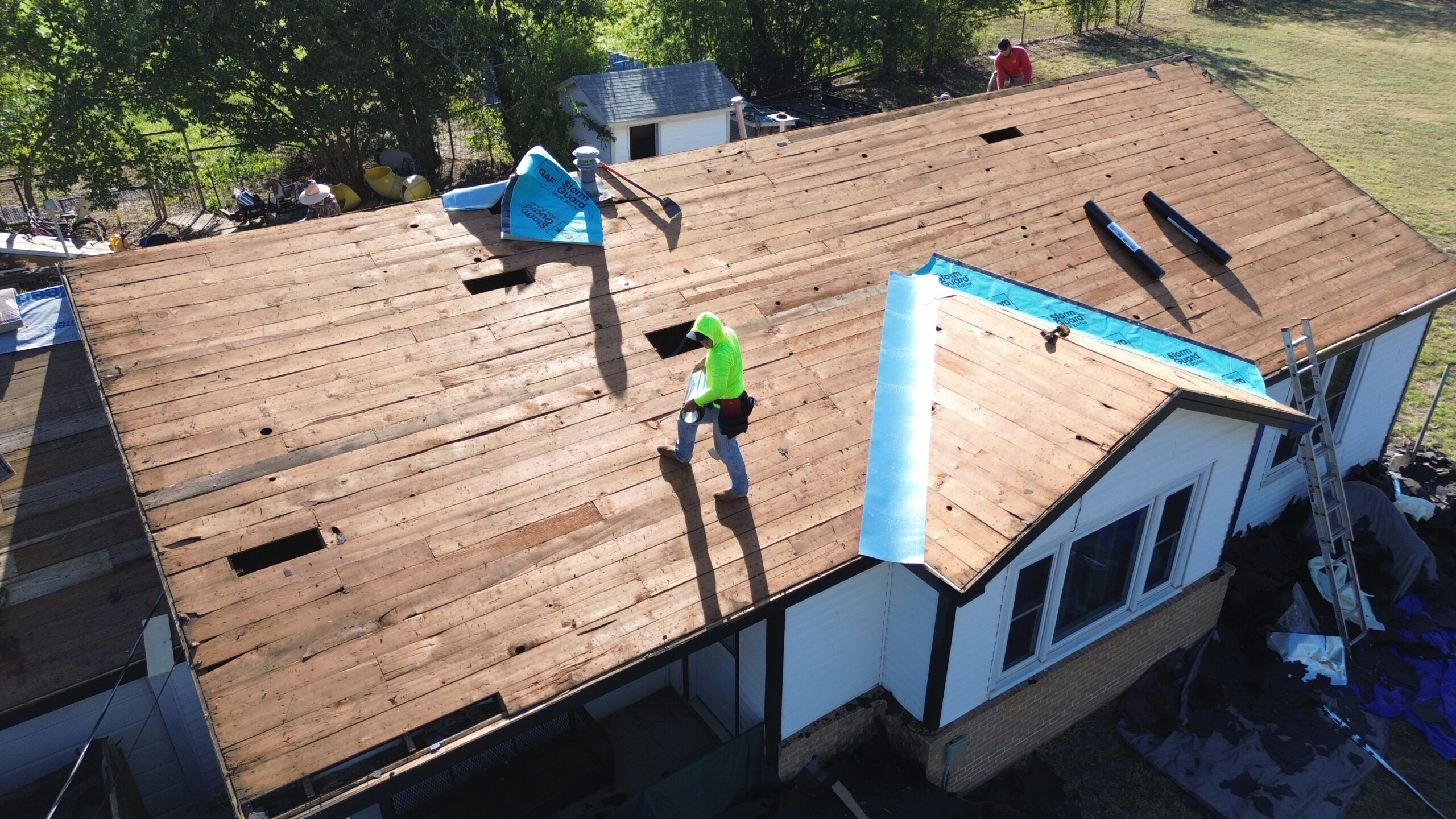
The first step is removing all damaged materials surrounding the affected area. Broken shingles, deteriorated flashing, loose fasteners, and worn sealants should be carefully removed so they do not interfere with the repair. Leaving weakened materials in place can compromise the stability of the entire repair section.
The roof deck should then be inspected for moisture, rot, mold, or structural weakness. Any damaged decking must be repaired or replaced before installing new roofing components. Covering damaged wood without correcting the underlying issue only delays a much larger problem.
Cleaning the work area is equally important. Dust, leaves, dirt, moss, algae, and debris reduce adhesion and prevent sealants from creating a watertight bond. A clean and dry surface allows roofing products to perform according to their intended specifications.
Professional roofers also verify that the surrounding roofing materials remain secure before beginning repairs. Addressing loose shingles, exposed nails, or damaged underlayment around the repair area creates a more durable transition between old and new materials.
Best Installation Practices for Different Roofing Materials
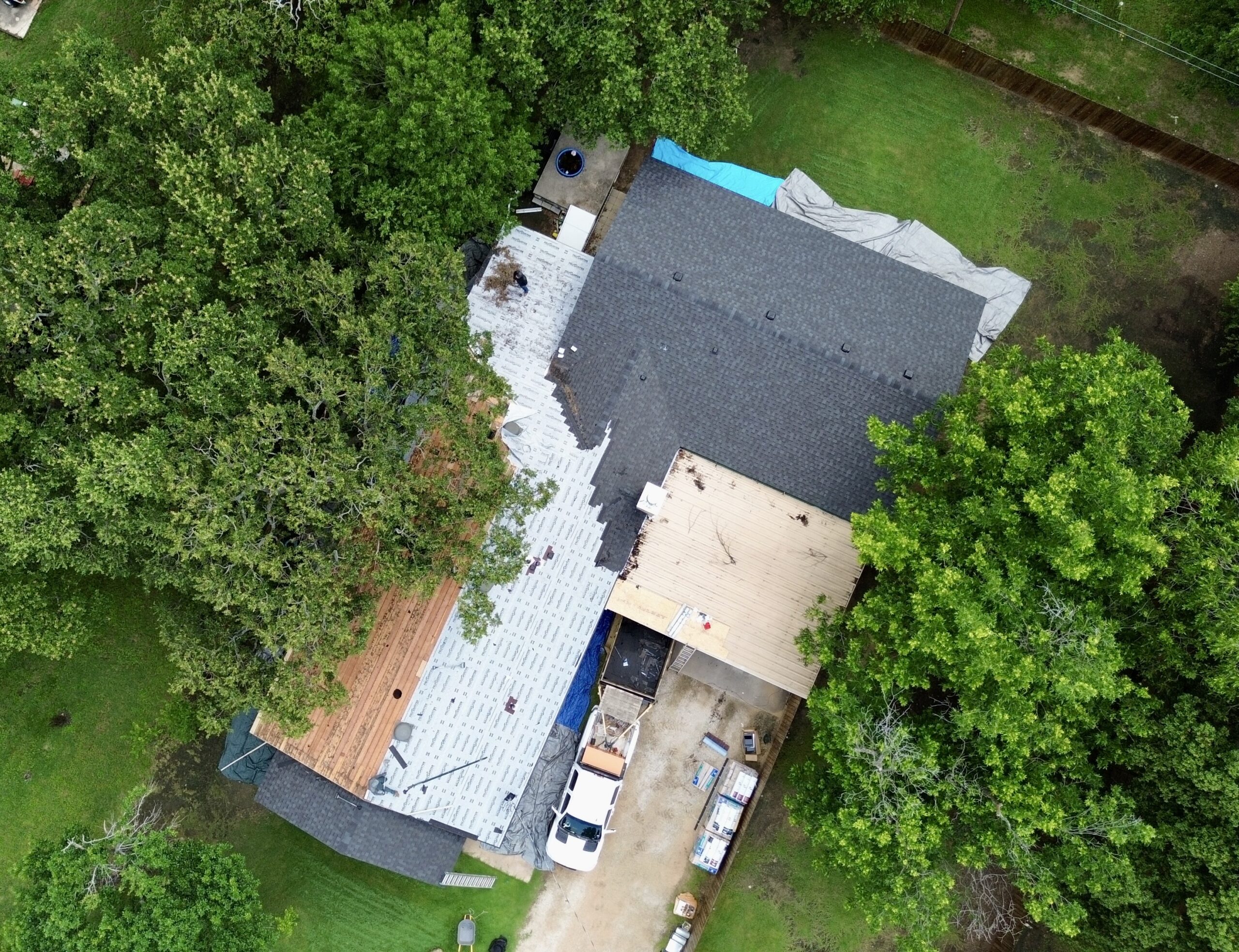
Every roofing material has unique installation requirements that directly affect its lifespan. Following manufacturer guidelines ensures that repaired sections perform consistently with the existing roof and remain resistant to weather exposure.
Asphalt shingles require correct nail placement and proper overlap to prevent wind uplift and water penetration. Nails placed too high or too low reduce holding strength, while improper alignment creates pathways for moisture. Small installation errors can significantly shorten the life of the repair.
Metal roofing repairs demand careful attention to expansion and contraction. Metal naturally expands during hot weather and contracts as temperatures drop. Repair methods must allow for this movement without placing unnecessary stress on fasteners or panels.
Tile roofing presents different challenges because cracked tiles often indicate hidden damage beneath the surface. Underlayment and fastening systems should always be inspected before replacing broken tiles. Simply installing new tiles without checking supporting components may leave hidden vulnerabilities.
Flat roofing systems require continuous waterproof protection rather than overlapping shingles. Repairs often involve membranes, heat welding, adhesives, or liquid coatings that must be applied uniformly to prevent weak points. Even a small gap can eventually allow moisture to enter beneath the membrane.
Regardless of roof type, consistency remains essential. Materials should be installed using compatible fastening methods, recommended sealants, and proper spacing to maximize durability and weather resistance.
Why Flashing Repairs Are Critical for Roof Performance
Flashing protects some of the most vulnerable areas of a roof where different surfaces meet. Chimneys, skylights, valleys, vents, dormers, and wall intersections rely on properly installed flashing to direct water away from openings. Even if the main roofing material remains in excellent condition, damaged flashing can quickly lead to leaks.
Many recurring roof leaks originate from flashing rather than shingles or roofing panels. Exposure to weather, movement caused by temperature changes, and natural aging gradually weaken flashing materials and sealants. As small gaps develop, water finds easy pathways into the roofing system.
Replacing flashing instead of attempting repeated patch repairs often provides better long term results. Modern flashing materials are designed for improved corrosion resistance and flexibility, making them better suited for changing weather conditions. When installed correctly, they help maintain a watertight seal for many years.
Attention to detail is especially important around roof penetrations. Flashing should overlap correctly, integrate with surrounding roofing materials, and allow water to flow naturally toward drainage areas. Poor alignment or incomplete sealing may appear acceptable initially but often fails during heavy rainfall.
Professional roofers also inspect hidden flashing beneath roofing materials whenever possible. Addressing concealed deterioration during repairs prevents future leaks that would otherwise require reopening the repaired section.
Preventing Water Intrusion During and After Repairs
Keeping water out of the roofing system is the primary objective of every repair. Achieving this goal requires more than simply covering visible damage. Effective repairs must create multiple layers of protection that continue performing long after the work is completed.
Water often enters roofs through surprisingly small openings. Tiny cracks around vents, exposed fasteners, deteriorated sealants, or improperly installed flashing may allow moisture to penetrate over time. Identifying every possible entry point significantly improves repair quality.
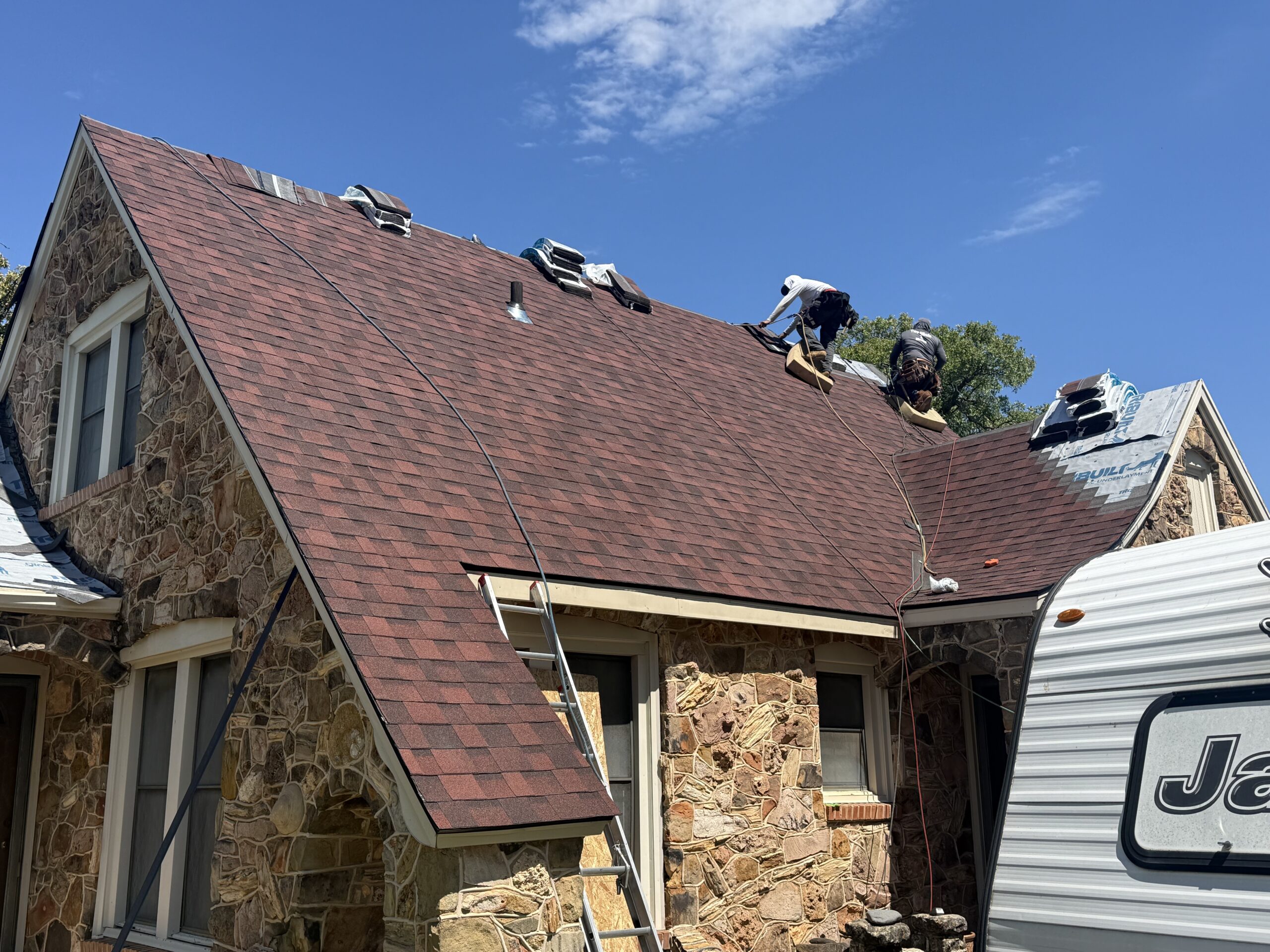
Roofing underlayment serves as a secondary barrier beneath the visible roofing material. If water passes beyond shingles or panels, the underlayment helps prevent it from reaching the roof deck. Damaged underlayment should always be replaced when repairs expose the underlying structure.
Proper drainage is another critical factor. Standing water accelerates material deterioration and increases the likelihood of leaks. Roof surfaces should maintain their intended slope so water flows efficiently toward gutters and drainage systems.
Testing repairs before completing the project provides additional confidence. Controlled water testing or detailed inspections help verify that repaired areas remain watertight before equipment is removed and the project is considered complete.
The Role of Roof Ventilation in Long Lasting Repairs
Roof ventilation plays a much larger role in repair durability than many homeowners realize. While ventilation does not directly prevent leaks, it regulates temperature and moisture levels within the attic, reducing conditions that contribute to roof deterioration.
Poor ventilation allows excessive heat to build beneath the roof during warm weather. Elevated temperatures accelerate aging of roofing materials, causing shingles to become brittle and reducing the lifespan of sealants. Proper airflow helps moderate these temperature extremes.
Moisture accumulation presents another challenge. Everyday household activities generate water vapor that naturally rises into the attic. Without adequate ventilation, condensation forms on roof decking and framing members, encouraging mold growth and wood deterioration.
Balanced intake and exhaust ventilation systems provide continuous airflow throughout the attic space. Fresh air enters through lower vents while warm, moist air exits through ridge vents or other exhaust openings. This steady circulation protects both roofing materials and structural components.
During roof repairs, contractors should evaluate whether existing ventilation meets current recommendations. Correcting ventilation deficiencies while repair work is already underway often improves overall roof performance without requiring extensive additional construction later.
Weather Conditions and the Right Time to Perform Roof Repairs
Weather conditions influence both the installation process and the long term success of roof repairs. Selecting the right season and monitoring daily forecasts helps ensure that roofing materials perform as intended after installation.
Moderate temperatures generally provide the best working conditions. Roofing adhesives cure more consistently, shingles remain flexible, and workers can install materials with greater precision. Extremely hot weather may soften roofing products excessively, while freezing temperatures can make them brittle and difficult to handle.
Rain presents obvious challenges because moisture trapped beneath repair materials may weaken adhesion and encourage future deterioration. Repairs should ideally be scheduled during dry weather with sufficient time for sealants and adhesives to cure completely.
Wind also affects installation quality. Strong gusts can interfere with accurate placement of shingles, membranes, or flashing while increasing safety risks for roofing crews. Stable weather conditions allow contractors to maintain better workmanship throughout the project.
Seasonal planning reduces emergency situations. Scheduling inspections before severe weather seasons allows minor issues to be repaired before storms place additional stress on vulnerable areas. Preventive maintenance often produces more durable results than rushed emergency repairs.
Comparing Repair Methods for Different Types of Roof Damage
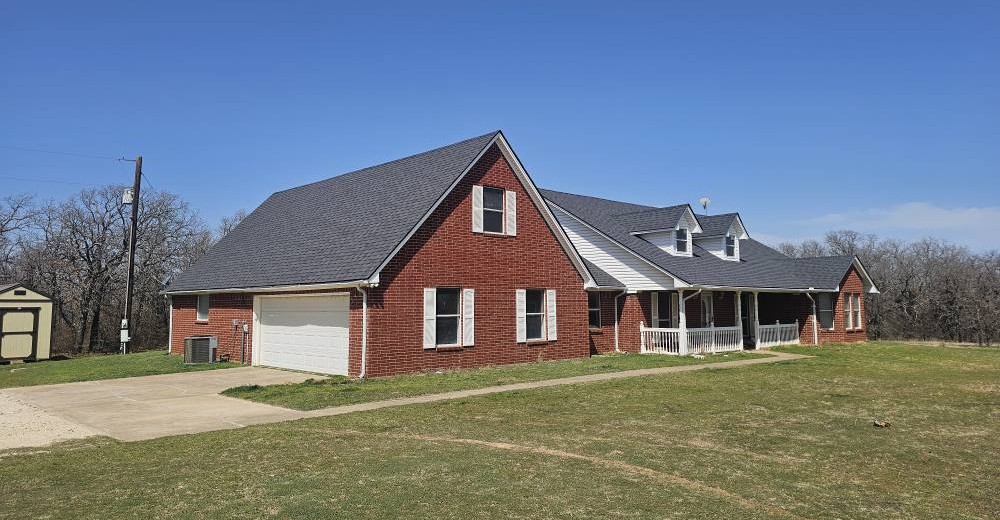
Different forms of roof damage require different repair strategies. Selecting the appropriate method improves repair durability while reducing the likelihood of recurring issues.
| Type of Roof Damage | Recommended Repair Method | Long Term Benefit |
|---|---|---|
| Missing shingles | Replace damaged shingles and inspect surrounding fasteners | Restores weather protection |
| Damaged flashing | Install new flashing with compatible sealants | Prevents recurring leaks |
| Small roof leak | Repair source and replace affected underlayment if needed | Eliminates moisture intrusion |
| Cracked roof tiles | Replace damaged tiles and inspect underlayment | Preserves structural integrity |
| Minor punctures on flat roofs | Apply compatible membrane patch or coating | Restores waterproof barrier |
| Loose fasteners | Replace with corrosion resistant fasteners | Improves wind resistance |
| Damaged roof decking | Replace affected decking before roofing installation | Provides stable foundation |
Choosing repair methods based on the actual damage rather than convenience leads to stronger and more dependable results. Each roofing system responds differently, making proper diagnosis an essential part of every successful repair.
Maintenance Habits That Extend the Life of Roof Repairs
Even expertly completed roof repairs require ongoing maintenance to achieve their maximum lifespan. Routine care helps identify developing issues before they become serious enough to damage repaired sections.
Regular visual inspections are one of the most effective maintenance practices. Homeowners can often identify missing shingles, damaged flashing, blocked gutters, or fallen branches without climbing onto the roof. Early detection allows repairs to remain small and manageable.
Keeping gutters clean supports proper drainage throughout the roofing system. Overflowing gutters allow water to back up beneath roofing materials, increasing the likelihood of moisture damage around repaired areas. Seasonal gutter cleaning is a simple task that provides significant long term benefits.
Tree maintenance also contributes to roof longevity. Overhanging branches can scrape roofing materials during windy conditions while dropping leaves that trap moisture. Trimming nearby trees reduces both physical damage and debris accumulation.
After major storms, roofs should be inspected for new damage even if no leaks are immediately visible. High winds, hail, and flying debris can weaken repaired sections without creating obvious symptoms. Prompt inspection helps maintain the effectiveness of previous repairs.
Consistent maintenance transforms roof repairs from temporary fixes into lasting investments. By combining quality workmanship with regular care, property owners significantly improve the overall lifespan of their roofing systems.
The final part of this guide will focus on protecting your investment after repairs are complete. It will cover ongoing inspections, common homeowner mistakes, selecting qualified roofing professionals, practical cost saving strategies, a roof repair best practices checklist, frequently asked questions, and a comprehensive conclusion that brings together every principle discussed throughout the article.
Importance of Regular Roof Inspections
A successful roof repair does not mark the end of roof care. Regular inspections are essential for preserving the integrity of repaired areas and ensuring that new problems are identified before they become expensive to fix. Even the most durable roofing materials can experience wear over time due to constant exposure to changing weather conditions.
Many roofing problems begin as small defects that are difficult to notice from the ground. A loose shingle, minor flashing separation, or a clogged drainage channel may seem insignificant at first, but each has the potential to develop into a serious leak if ignored. Routine inspections allow these issues to be corrected while repairs remain simple and affordable.
Professional inspections are generally recommended at least once a year, as well as after major storms involving hail, strong winds, or heavy rainfall. Roofing professionals know where hidden damage commonly develops and have the equipment needed to examine areas that homeowners cannot safely access.
Homeowners can also perform simple visual inspections between professional visits. Looking for missing shingles, damaged gutters, sagging roof sections, or water stains inside the home provides valuable early warning signs that further evaluation may be necessary. These routine observations help preserve previous repairs and extend the life of the roofing system.
Signs That a Previous Repair Needs Attention
Even well-executed repairs should be monitored over time. Roofing systems naturally age, and environmental conditions may eventually affect repaired sections differently than surrounding materials. Recognizing early warning signs allows corrective action before extensive damage occurs.
Recurring water stains on ceilings or walls are among the clearest indicators that a repaired area may no longer be performing effectively. Moisture entering the building suggests that water has found a new pathway through the roofing system or that the original problem was not completely resolved.
Changes in the roof’s appearance also deserve attention. Curling shingles, cracked sealant, loose flashing, rusted fasteners, or uneven roofing materials often indicate that repairs require evaluation. These visible changes may occur gradually, making periodic inspections especially valuable.
Inside the attic, homeowners should watch for damp insulation, mold growth, wood discoloration, or unusual odors. These conditions often develop before interior ceiling leaks become visible, allowing repairs to be made earlier and at a lower cost.
Unexplained increases in heating or cooling expenses may also point toward roofing problems. Moisture damaged insulation loses effectiveness, reducing the building’s energy efficiency and placing greater demand on heating and cooling systems.
Mistakes Homeowners Should Avoid After Roof Repairs
The quality of a repair can be reduced if the roof is not cared for properly afterward. Many homeowners unintentionally shorten the lifespan of repairs by overlooking simple maintenance practices or attempting unsuitable modifications.
Walking unnecessarily on repaired sections is one common mistake. Foot traffic places additional stress on roofing materials, especially during hot weather when shingles become softer. Limiting roof access helps preserve newly repaired areas.
Ignoring small warning signs is another frequent problem. A minor drip or loose shingle may appear harmless, but delaying action allows moisture to spread into the roof deck and surrounding structure. Prompt attention almost always results in simpler and less expensive repairs.
Some property owners also install equipment such as satellite dishes, solar hardware, holiday decorations, or antennas without considering the roofing system. Improper mounting methods may puncture roofing materials or interfere with flashing, creating new leak points.
Another mistake involves neglecting gutters and drainage systems. Leaves, branches, and debris restrict water flow, causing water to accumulate around repaired areas. Consistent drainage maintenance supports the long-term success of every roof repair.
Working with Qualified Roofing Professionals
Selecting the right contractor is one of the most important decisions affecting repair quality. Experienced roofing professionals understand not only how to repair visible damage but also how to identify hidden problems that may shorten the life of the repair if left untreated.
Qualified contractors typically perform detailed inspections before recommending repairs. Rather than immediately suggesting replacement materials, they evaluate the condition of flashing, decking, ventilation, drainage, and surrounding roofing components. This comprehensive approach produces more reliable results.
Professional roofers also remain familiar with manufacturer installation requirements. Proper installation methods help maintain warranty coverage where applicable and ensure that roofing products perform according to their tested specifications. Attention to these details often separates long-lasting repairs from temporary solutions.
Communication is equally important during the repair process. Reliable contractors explain the source of damage, outline the proposed repair method, discuss material options, and provide realistic expectations regarding repair longevity. Clear communication helps property owners make informed decisions and understand the value of the work being performed.
Before approving any roofing project, homeowners should carefully evaluate several factors.
- Verify licensing and insurance where required.
- Ask about experience with the specific roofing material.
- Request a detailed written estimate.
- Review previous customer references or completed projects.
- Confirm warranty coverage for both materials and workmanship.
Choosing experienced professionals may require a larger initial investment, but quality workmanship often reduces future repair expenses and increases the overall lifespan of the roof.
Cost Saving Strategies Without Sacrificing Quality
Every property owner wants to control maintenance expenses, but reducing costs should never come at the expense of repair quality. Smart planning focuses on maximizing value rather than simply minimizing the initial invoice.
Preventive maintenance remains one of the most effective cost saving strategies. Regular inspections, gutter cleaning, and prompt attention to small issues prevent minor defects from becoming major structural repairs. Spending a modest amount on maintenance often avoids significantly larger repair bills later.
Comparing multiple estimates also helps homeowners understand reasonable pricing. While the lowest quote may appear attractive, unusually inexpensive proposals sometimes involve lower quality materials or incomplete repair methods. Evaluating scope, materials, warranties, and contractor experience provides a better measure of overall value.
Scheduling repairs before emergency conditions develop also reduces costs. Emergency service during severe weather may involve higher labor charges and limited material availability. Planned repairs allow contractors to work under better conditions while providing more durable results.
Investing in premium materials can also produce long-term savings. Products with greater resistance to moisture, ultraviolet exposure, and temperature changes generally require fewer repairs throughout their service life, reducing overall maintenance costs.
Roof Repair Best Practices Checklist
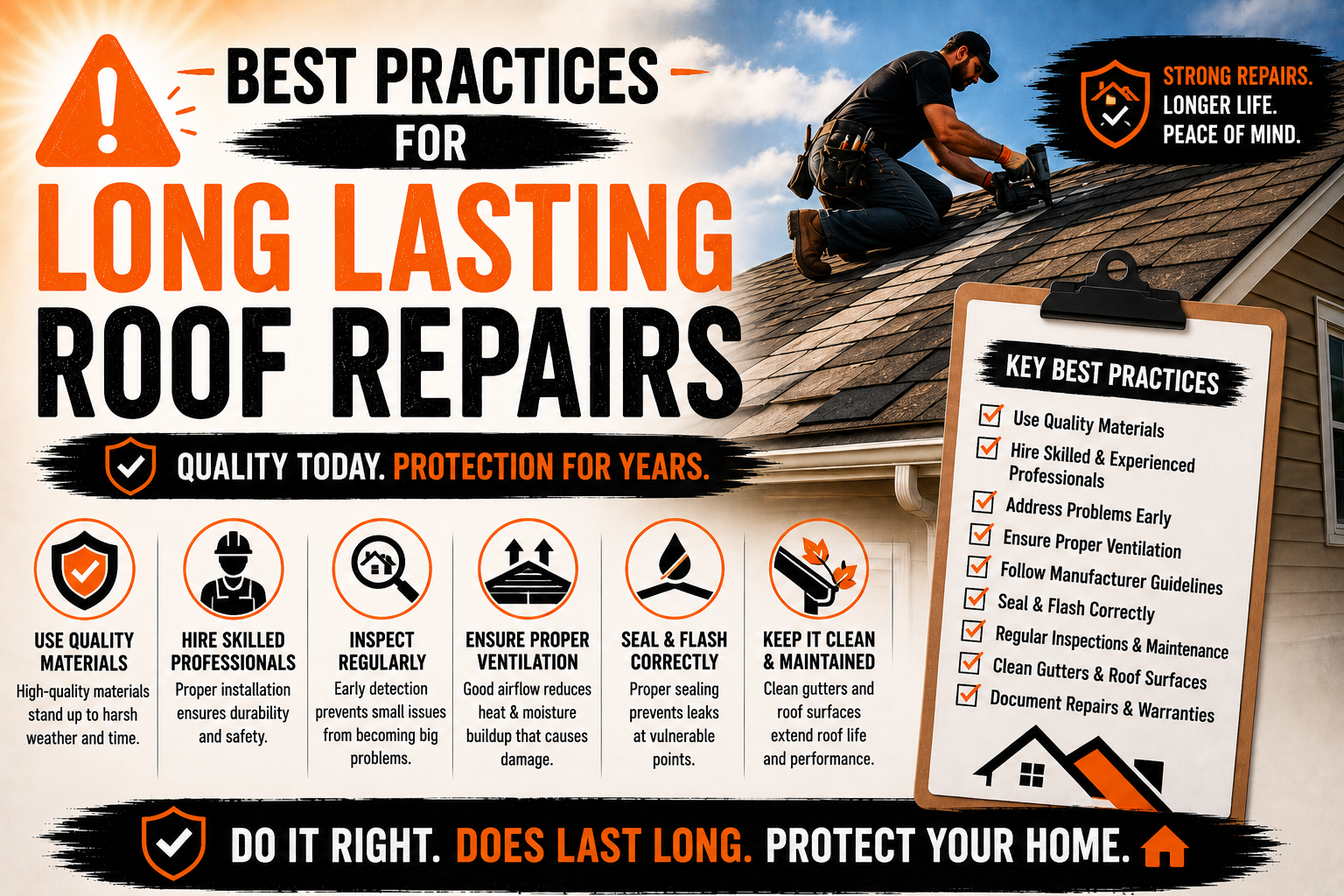
Maintaining durable roof repairs requires attention before, during, and after the project. The following checklist summarizes the key practices discussed throughout this guide and provides a practical reference for homeowners and property managers.
- Schedule regular roof inspections throughout the year.
- Identify the true source of damage before beginning repairs.
- Replace damaged decking or structural components when necessary.
- Use high quality materials that match the existing roofing system.
- Follow manufacturer installation guidelines carefully.
- Replace deteriorated flashing instead of repeatedly patching it.
- Perform repairs during suitable weather conditions whenever possible.
- Keep gutters and drainage systems free from debris.
- Monitor repaired areas after severe weather events.
- Hire qualified roofing professionals for complex repairs.
Following these practices consistently helps create repairs that remain reliable for many years while reducing the likelihood of recurring problems.
Frequently Asked Questions
How long should a professional roof repair last?
The lifespan depends on the roofing material, repair quality, weather exposure, and maintenance practices. A properly completed repair using quality materials can often remain effective for many years when supported by regular inspections and routine maintenance.
Can I repair my roof instead of replacing it?
Many roofs with isolated damage can be successfully repaired without full replacement. The decision depends on the roof’s age, the extent of damage, structural condition, and the likelihood of future problems developing elsewhere on the roof.
Does every roof leak require immediate attention?
Yes. Even a small leak should be inspected as soon as possible because water often spreads beyond the visible damage. Prompt repairs reduce the risk of structural deterioration, mold growth, insulation damage, and higher repair costs.
Why do some roof repairs fail within a short period?
Premature failure usually results from incomplete diagnosis, poor workmanship, incompatible materials, damaged flashing, or neglected structural issues beneath the roofing surface. Addressing the underlying cause rather than only the visible symptoms greatly improves repair longevity.
How often should gutters be cleaned after roof repairs?
Most properties benefit from cleaning gutters at least twice each year, although homes surrounded by large trees may require more frequent maintenance. Keeping drainage systems clear helps prevent water accumulation around repaired sections.
Is preventive maintenance really worth the cost?
Preventive maintenance is generally one of the most cost-effective investments for any roofing system. Regular inspections and small repairs help avoid emergency situations while extending the life of both the roof and previous repair work.
Conclusion
Long lasting roof repairs are achieved through careful planning, accurate diagnosis, quality materials, skilled workmanship, and ongoing maintenance rather than quick temporary fixes. Every stage of the repair process contributes to the overall durability of the roofing system, from identifying hidden damage to selecting compatible materials and following proven installation methods.
Throughout this guide, we have explored the factors that influence repair longevity, including proper surface preparation, flashing replacement, ventilation, drainage, weather considerations, routine inspections, and professional maintenance. Each element works together to strengthen the roof and reduce the likelihood of recurring problems.
Property owners who view roof repairs as a long-term investment rather than a short-term expense often experience lower maintenance costs, fewer emergency repairs, improved energy efficiency, and greater confidence in the condition of their property. Preventive care and timely inspections further protect that investment by identifying developing issues before they become major concerns.
Whether maintaining a residential home or a commercial building, applying these best practices helps ensure that every repair delivers lasting value. A well-maintained roof not only protects the structure beneath it but also provides peace of mind, knowing that it is prepared to withstand years of changing weather while continuing to perform its essential role effectively.