
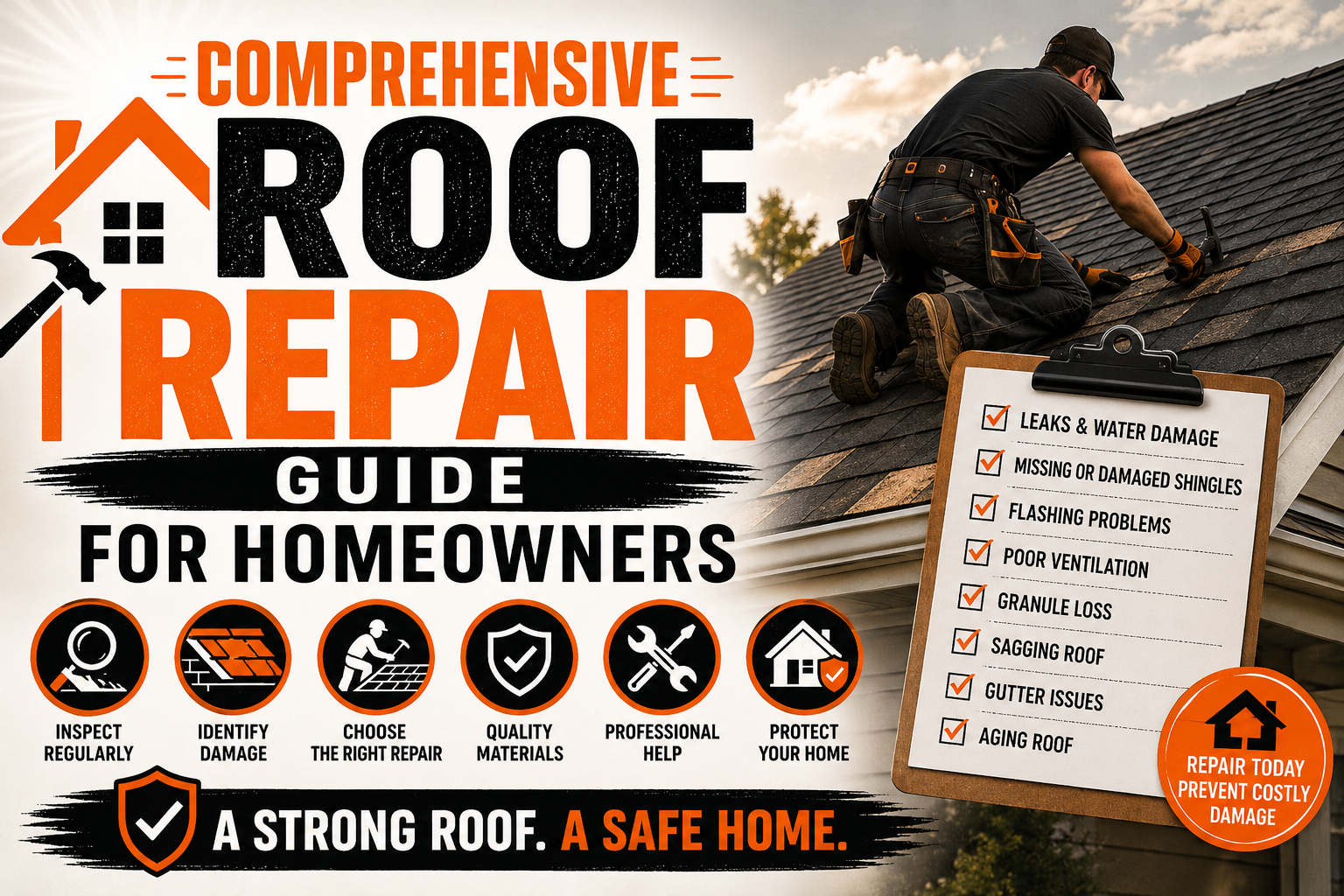
Comprehensive Roof Repair Guide for Homeowners
Introduction
Your roof is one of the hardest working parts of your home, protecting your family and belongings from rain, wind, sunlight, snow, and changing temperatures throughout the year. Despite its importance, it is often overlooked until a leak appears or visible damage becomes impossible to ignore. By the time many homeowners notice a problem, the repair has usually become more expensive and time consuming than it needed to be.
Understanding roof repair before problems become severe allows you to respond quickly and confidently. A well maintained roof not only keeps your home safe and comfortable but also improves energy efficiency, protects structural components, and preserves property value. Learning the basics of roof repair helps homeowners make informed decisions whether they plan to perform simple maintenance themselves or hire a professional roofing contractor.
Every roofing system eventually experiences wear and tear due to constant exposure to the elements. Heavy rain, strong winds, hail, falling branches, ultraviolet rays, and temperature changes all contribute to gradual deterioration. While these issues cannot be avoided entirely, they can often be managed effectively through regular inspections and timely repairs.
This comprehensive guide explains everything homeowners should know about roof repair, from recognizing early warning signs to understanding repair methods and long term maintenance practices. By following the information throughout this guide, you will be better prepared to protect your investment and extend the lifespan of your roof.
Why Roof Maintenance Matters for Every Home
Roof maintenance is about much more than keeping shingles in place. A healthy roof serves as the primary barrier between your home’s interior and the outside environment, preventing water intrusion, reducing heat transfer, and protecting structural components from moisture damage. Even a small roofing issue can eventually affect insulation, ceilings, walls, flooring, and electrical systems if left unattended.
Routine maintenance helps identify small problems before they become major repairs. Replacing a few damaged shingles or sealing a small flashing gap costs significantly less than repairing extensive water damage inside the home. Early intervention also minimizes disruption to daily life and reduces emergency repair costs.
Regular roof maintenance improves overall energy efficiency as well. A roof in good condition helps regulate indoor temperatures by keeping insulation dry and ventilation functioning properly. This reduces strain on heating and cooling systems while lowering monthly utility bills.
Maintaining your roof also contributes to your home’s overall appearance and resale value. Prospective buyers often pay close attention to the condition of the roof because they understand replacement can be one of the most expensive home improvement projects. A well maintained roof provides confidence that the home has been properly cared for.
Ignoring roof maintenance usually leads to progressive deterioration rather than isolated damage. Moisture enters through tiny openings, wooden components begin to rot, mold develops in hidden spaces, and structural repairs become increasingly expensive. Preventive care is almost always more affordable than extensive restoration.
How Different Roofing Systems Affect Repair Methods
Not every roof is built the same, and repair techniques vary depending on the roofing material. Understanding your roof type helps you recognize potential issues and choose appropriate repair methods when problems arise.
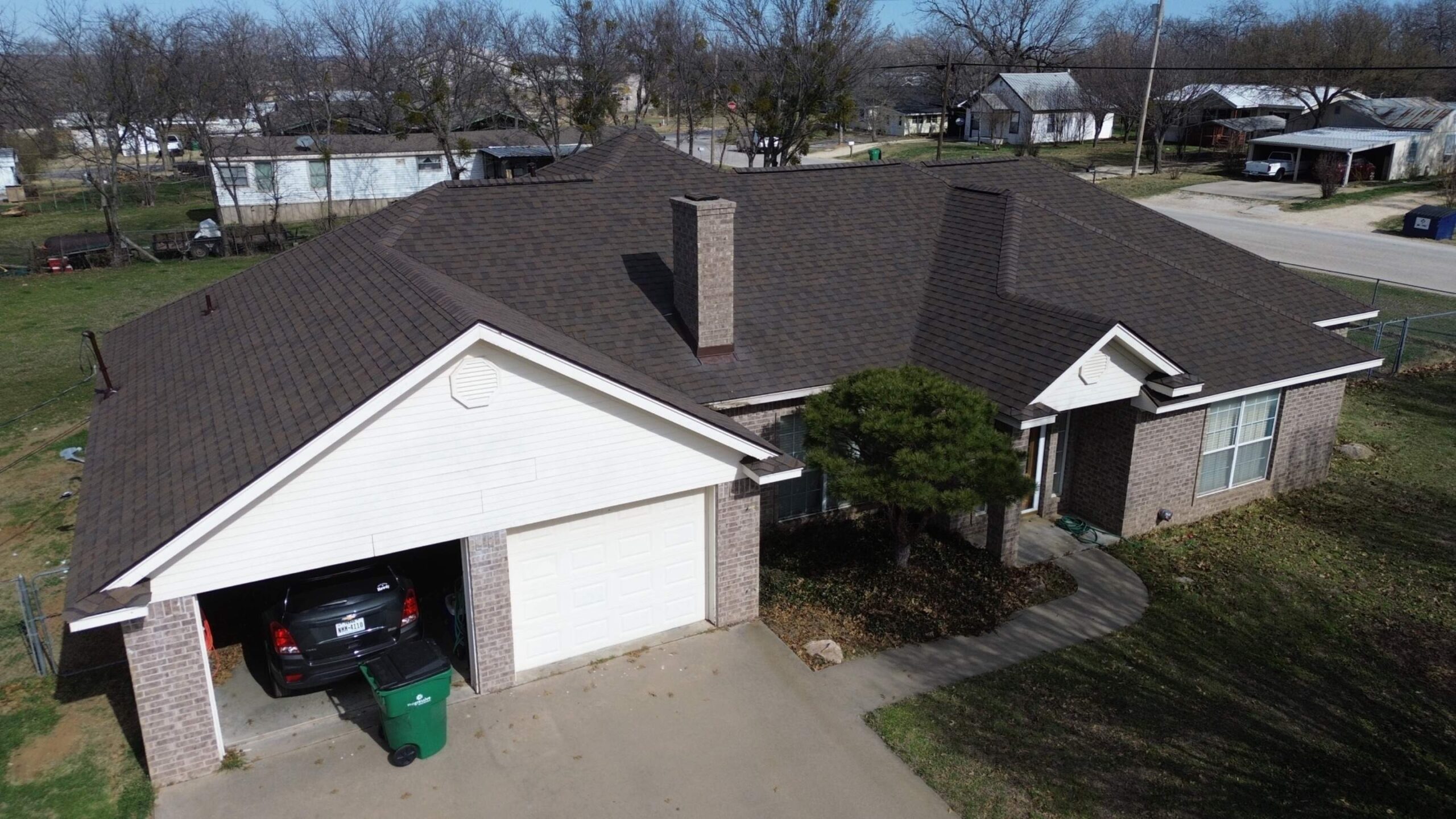
Asphalt shingles remain the most common roofing material because they offer a balance between affordability, durability, and ease of repair. Individual damaged shingles can often be replaced without disturbing large sections of the roof, making repairs relatively straightforward.
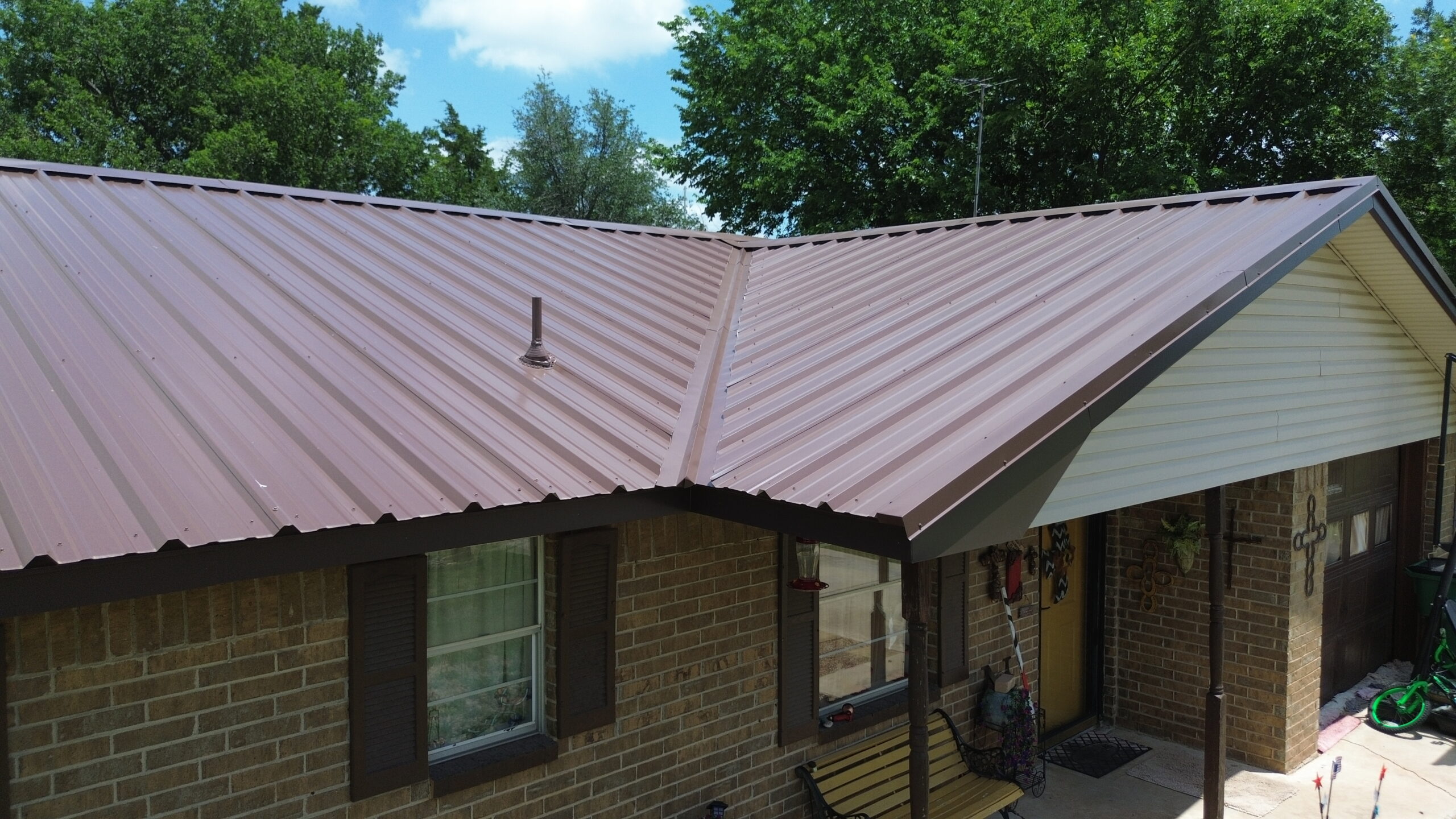
Metal roofs are known for their long lifespan and excellent resistance to weather conditions. Repairs usually involve replacing damaged fasteners, resealing joints, repairing flashing, or replacing individual metal panels. Proper installation techniques are especially important to prevent future leaks.
Clay and concrete tile roofs provide outstanding durability and visual appeal but require careful handling during repairs. Walking on tiles incorrectly may crack them, so damaged tiles must be replaced with care while preserving surrounding sections.
Slate roofs are highly durable and can last for many decades when properly maintained. However, repairs require specialized knowledge because slate tiles are fragile and installation techniques differ from other roofing systems.
Flat roofs present unique repair challenges because water drains more slowly than on sloped roofs. Ponding water, membrane punctures, seam separation, and drainage issues require prompt attention to prevent leaks and structural deterioration.
Wood shake roofs offer natural beauty but require consistent maintenance to prevent moisture damage, insect activity, and fungal growth. Individual shakes may need replacement while preserving adequate ventilation throughout the roofing system.
Understanding your roofing material allows you to identify realistic repair expectations and determine when professional expertise is necessary.
Common Causes of Roof Damage Throughout the Year
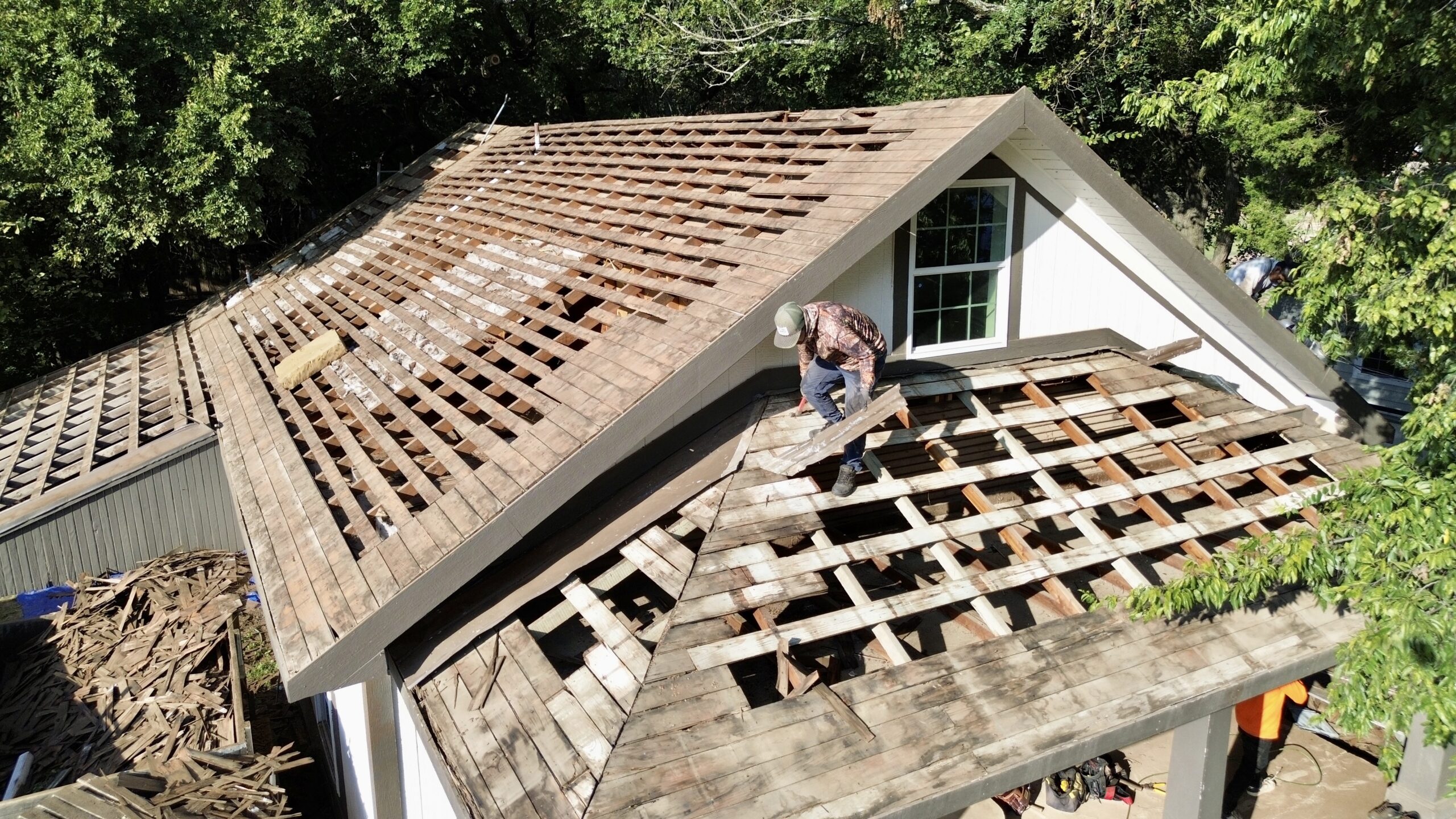
Roof damage rarely occurs without a reason. Most problems develop gradually through repeated exposure to weather conditions or poor maintenance practices. Understanding these common causes helps homeowners take preventive action before significant damage occurs.
Weather remains the leading cause of roof deterioration. Heavy rainfall repeatedly exposes roofing materials to moisture, while strong winds loosen shingles, lift flashing, and carry debris across the roof surface. Hail may create small impact points that eventually develop into leaks even if damage is not immediately visible.
Extreme sunlight also contributes significantly to roof aging. Constant ultraviolet exposure gradually dries roofing materials, making them brittle and more likely to crack or break. Areas receiving intense sunlight throughout the year often experience faster material deterioration.
Seasonal temperature changes create continuous expansion and contraction within roofing materials. Over time, these movements weaken seals, loosen fasteners, and create small openings where water can penetrate beneath the roofing surface.
Tree branches present another common source of roof damage. Overhanging limbs may scrape roofing materials during windy conditions, while falling branches can puncture shingles, dent metal panels, or crack roofing tiles. Leaves and twigs also accumulate inside gutters, reducing proper drainage.
Improper installation can shorten a roof’s lifespan even when premium materials are used. Incorrect flashing placement, poor ventilation, inadequate fastening, and improper underlayment installation often lead to recurring repair issues.
Clogged gutters contribute to moisture related roof damage by preventing rainwater from flowing away efficiently. Standing water increases the risk of leaks, fascia deterioration, and ice related problems in colder climates.
Animal activity should not be overlooked either. Birds, squirrels, raccoons, and rodents may damage roofing materials while searching for nesting locations or entry points into the attic. Small openings created by wildlife often become larger over time if repairs are delayed.
Aging naturally affects every roofing system regardless of material quality. Even the best maintained roof eventually reaches a point where components begin wearing out due to years of exposure. Regular inspections become increasingly important as roofs approach the later stages of their expected lifespan.
Early Warning Signs That Your Roof Needs Attention
Many serious roofing problems begin with subtle warning signs that homeowners overlook. Learning to recognize these indicators allows repairs to be completed before damage spreads throughout the home.
Missing or damaged shingles are among the most obvious signs requiring immediate attention. Strong winds may remove shingles completely, while aging materials can curl, crack, or lose protective granules. These exposed areas become vulnerable to water penetration during the next rainfall.
Granules collecting inside gutters often indicate asphalt shingles are reaching the end of their protective life. While minor granule loss is normal over time, excessive accumulation suggests accelerated deterioration that should be investigated.
Sagging roof sections should never be ignored because they may indicate structural weakness beneath the roofing material. Moisture damage, rotting wood, or excessive weight can all contribute to visible sagging that requires prompt professional evaluation.
Water stains appearing on ceilings or upper walls frequently indicate roof leaks. Even small discoloration deserves investigation because moisture may be traveling through hidden pathways before becoming visible indoors.
Damaged flashing around chimneys, skylights, roof vents, and valleys commonly allows water to enter vulnerable areas. Rust, cracks, lifting edges, or separated sealant all increase the likelihood of future leaks.
Unexplained increases in heating or cooling costs may also point toward roofing issues. Damaged roofing materials or poor attic ventilation can reduce insulation performance and make indoor temperatures more difficult to regulate.
Visible mold or mildew near roof edges or inside the attic often signals excessive moisture accumulation. Identifying the moisture source early helps prevent widespread structural damage and improves indoor air quality.
How to Inspect Your Roof Safely Without Missing Important Issues
Routine inspections are one of the most effective ways to detect roofing problems early. However, safety should always remain the highest priority because roof accidents can result in serious injuries. A careful inspection from the ground often reveals many issues without requiring anyone to climb onto the roof.
Begin by walking around your home and observing the roof from multiple angles. Look for missing shingles, uneven roof lines, damaged flashing, sagging areas, exposed nails, or debris accumulation. Binoculars can help you examine distant sections more closely while remaining safely on the ground.
After storms, inspect your property for roofing materials that may have fallen into the yard. Pieces of shingles, flashing, metal panels, or roof tiles often provide early evidence of storm related damage even before leaks become visible indoors.
Inside the attic, inspect the underside of the roof during daylight hours. Sunlight shining through small openings may reveal gaps where water can eventually enter. Also look for damp insulation, water stains, mold growth, or wooden framing that appears discolored.
Pay close attention to roof penetrations because these areas frequently develop leaks before the rest of the roof. Chimneys, plumbing vents, skylights, satellite mounts, and exhaust vents all deserve careful examination for damaged flashing or deteriorated sealant.
The following checklist helps organize a basic roof inspection:
- Check for missing, cracked, curled, or loose shingles.
- Look for damaged flashing around roof openings.
- Inspect gutters for excessive roofing granules.
- Examine attic spaces for moisture or daylight.
- Watch for sagging roof sections or uneven surfaces.
- Remove leaves and debris from visible drainage areas.
Document any concerns with photographs whenever possible. Comparing images over time makes it easier to determine whether damage is progressing and helps contractors understand the extent of repairs if professional assistance becomes necessary.
Interior Signs That Reveal Hidden Roof Problems
Roof damage is not always visible from the outside. Many leaks remain hidden for weeks or months before becoming noticeable indoors, making interior inspections just as important as exterior observations.
Water stains on ceilings are among the earliest signs of roof leaks. These stains often appear as yellow, brown, or dark circular marks that gradually increase in size after heavy rainfall. Although the stain may appear in one location, the actual roof leak could originate several feet away.
Peeling paint or bubbling drywall frequently indicates moisture trapped behind finished surfaces. As water continues entering the home, paint loses adhesion and drywall begins deteriorating. Addressing the roof leak promptly prevents further interior damage.
A musty odor inside upper floors or attic spaces may indicate hidden mold growth caused by excessive moisture. Mold often develops before visible water damage appears, making unusual odors an important warning sign.
Warped wooden trim, swollen doors, or damaged flooring near upper walls sometimes result from long term roof leaks. Moisture gradually spreads through structural materials, affecting areas far beyond the original leak location.
Condensation inside the attic should also receive attention. While not always caused by roof leaks, poor ventilation can create excessive moisture that contributes to mold growth and premature deterioration of wooden roof framing.
Understanding the Difference Between Roof Repair and Roof Replacement
One of the most common questions homeowners face is whether a roof requires repair or complete replacement. The answer depends on several factors, including the extent of damage, the roof’s age, material condition, and overall structural integrity.
Roof repair focuses on correcting specific problems while preserving the majority of the existing roofing system. Replacing damaged shingles, repairing flashing, sealing leaks, or fixing isolated storm damage are examples of repairs that restore the roof without major reconstruction.
Roof replacement becomes necessary when damage is widespread or when the roofing system has reached the end of its expected service life. Repeated leaks, significant structural deterioration, extensive storm damage, or widespread material failure often make replacement more practical than repeated repairs.
Age plays an important role in this decision. Repairing isolated damage on a relatively new roof is usually cost effective because the remaining materials still have many years of useful life. Older roofs with multiple recurring issues may continue requiring repairs until replacement becomes the more economical long term solution.
Professional inspections help homeowners evaluate both immediate repair needs and future planning. Understanding the current condition of the roof allows families to budget appropriately while avoiding unexpected emergency replacements.
Choosing the Right Roof Repair Strategy
Once you have identified a roofing problem, the next step is determining the most appropriate repair strategy. Every roofing issue is different, and selecting the correct solution depends on factors such as the type of roofing material, the extent of damage, weather conditions, and the overall age of the roof. Choosing the wrong repair method may temporarily hide the problem while allowing hidden damage to continue spreading.
A targeted repair is usually the best choice when damage is isolated to a small area. Replacing a few shingles, repairing flashing, or sealing a minor leak often restores the roof’s performance without requiring extensive work. These repairs are generally faster, less expensive, and less disruptive for homeowners.
Larger sections of damage may require partial roof restoration instead of simple spot repairs. If several neighboring shingles have been affected by wind or water damage, repairing the entire section creates a more reliable and longer lasting result. Matching new materials with existing roofing also helps maintain the home’s appearance.
Weather timing should always be considered before beginning repairs. Roofing materials perform best when installed under suitable weather conditions, and attempting repairs during heavy rain or high winds increases both safety risks and the likelihood of poor workmanship. Planning repairs during favorable weather often produces stronger, more durable results.
Professional inspections become especially valuable when the source of a leak is difficult to identify. Water often travels beneath roofing materials before becoming visible inside the home, making the leak location very different from where the damage eventually appears.
Repair Techniques for Asphalt Shingle Roofs
Asphalt shingles are the most widely used roofing material because they combine affordability, durability, and relatively simple repair procedures. Many common problems can be corrected without replacing the entire roof when addressed early.
Damaged shingles should be replaced as soon as possible to prevent water from reaching the underlayment. Cracked, curled, or missing shingles expose vulnerable areas that quickly deteriorate during repeated rainfall. Replacing individual shingles restores the protective barrier while maintaining the surrounding roofing system.
Loose shingles may sometimes be secured again if they remain structurally sound. Roofing adhesive or properly installed roofing nails can reinforce sections lifted by strong winds. However, severely worn shingles should always be replaced instead of being reattached.
Roof valleys deserve special attention because they carry large amounts of rainwater. Damaged shingles within valleys often experience faster deterioration than other roof areas due to continuous water flow. Repairs in these sections should focus on maintaining smooth drainage while preventing moisture from entering beneath the roofing layers.
Flashing around chimneys, roof vents, skylights, and dormers should also be inspected whenever shingle repairs are performed. Even if shingles appear intact, damaged flashing may continue allowing water into the roof structure. Replacing deteriorated flashing often solves persistent leaks that shingle replacement alone cannot fix.
Roof sealants can help protect small gaps around roofing penetrations, but they should not be viewed as permanent solutions for significant structural damage. Proper repairs always address the underlying cause rather than simply covering visible symptoms.
Repairing Metal, Tile, Slate, and Flat Roofs
Different roofing materials require specialized repair techniques because each responds differently to weather, movement, and aging. Understanding these differences helps homeowners appreciate why certain repairs demand professional experience.
Metal roofs are highly durable but may develop leaks around fasteners, seams, or flashing connections. Loose screws should be replaced with properly sealed fasteners, while damaged sealant around overlapping panels should be renewed before moisture reaches the underlying structure. Corrosion should also be treated promptly to prevent gradual weakening of metal components.
Tile roofs often experience damage from falling branches, foot traffic, or severe storms. Individual cracked tiles can usually be replaced without disturbing the surrounding roof if handled carefully. Matching replacement tiles with the existing roof helps preserve both protection and appearance.
Slate roofs require exceptional care because the material is both durable and fragile. Walking directly on slate may crack multiple tiles, creating additional repair needs. Specialized tools and installation methods are typically necessary to replace damaged slate without affecting neighboring pieces.
Flat roofs commonly develop problems related to drainage and standing water. Ponding water places continuous stress on roofing membranes, increasing the likelihood of leaks over time. Repairs often involve patching damaged membrane sections, reinforcing seams, improving drainage pathways, or replacing deteriorated flashing.
Membrane roofs made from rubber or synthetic materials require compatible repair products. Using incorrect adhesives or patch materials may shorten the lifespan of the repair, making manufacturer approved products the preferred choice whenever possible.
Regardless of roof type, identifying the root cause of damage is more important than repairing only the visible surface. Successful repairs restore both the roofing material and the protective system beneath it.
Essential Roofing Materials and Tools Explained
Understanding the basic materials used during roof repairs helps homeowners communicate more effectively with contractors and better evaluate repair recommendations. While professionals bring specialized equipment, knowing the purpose of common materials makes the repair process easier to understand.
Roofing shingles or replacement panels form the visible protective layer that shields the roof from weather exposure. Matching replacement materials as closely as possible ensures consistent performance while maintaining the roof’s appearance.
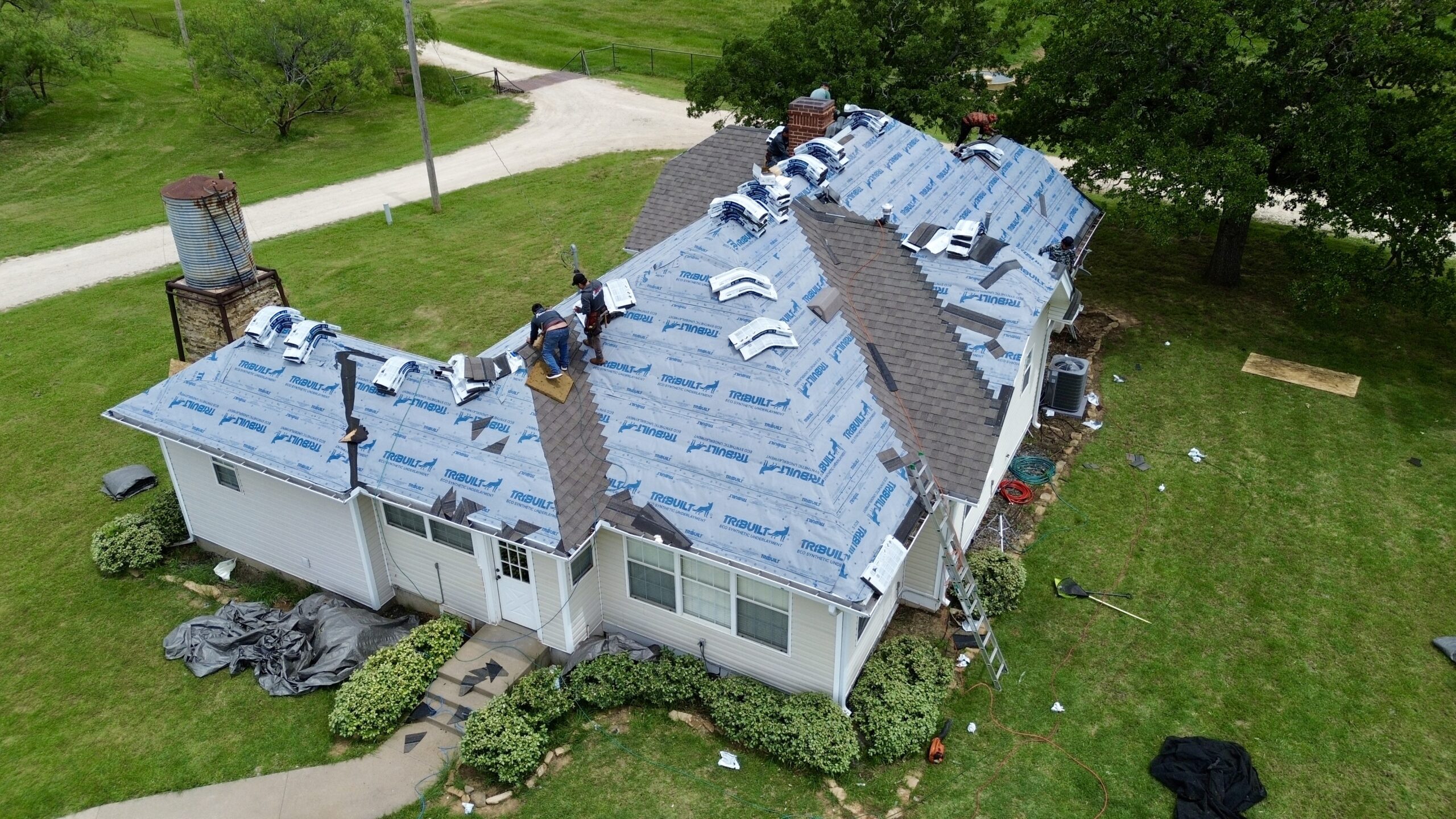
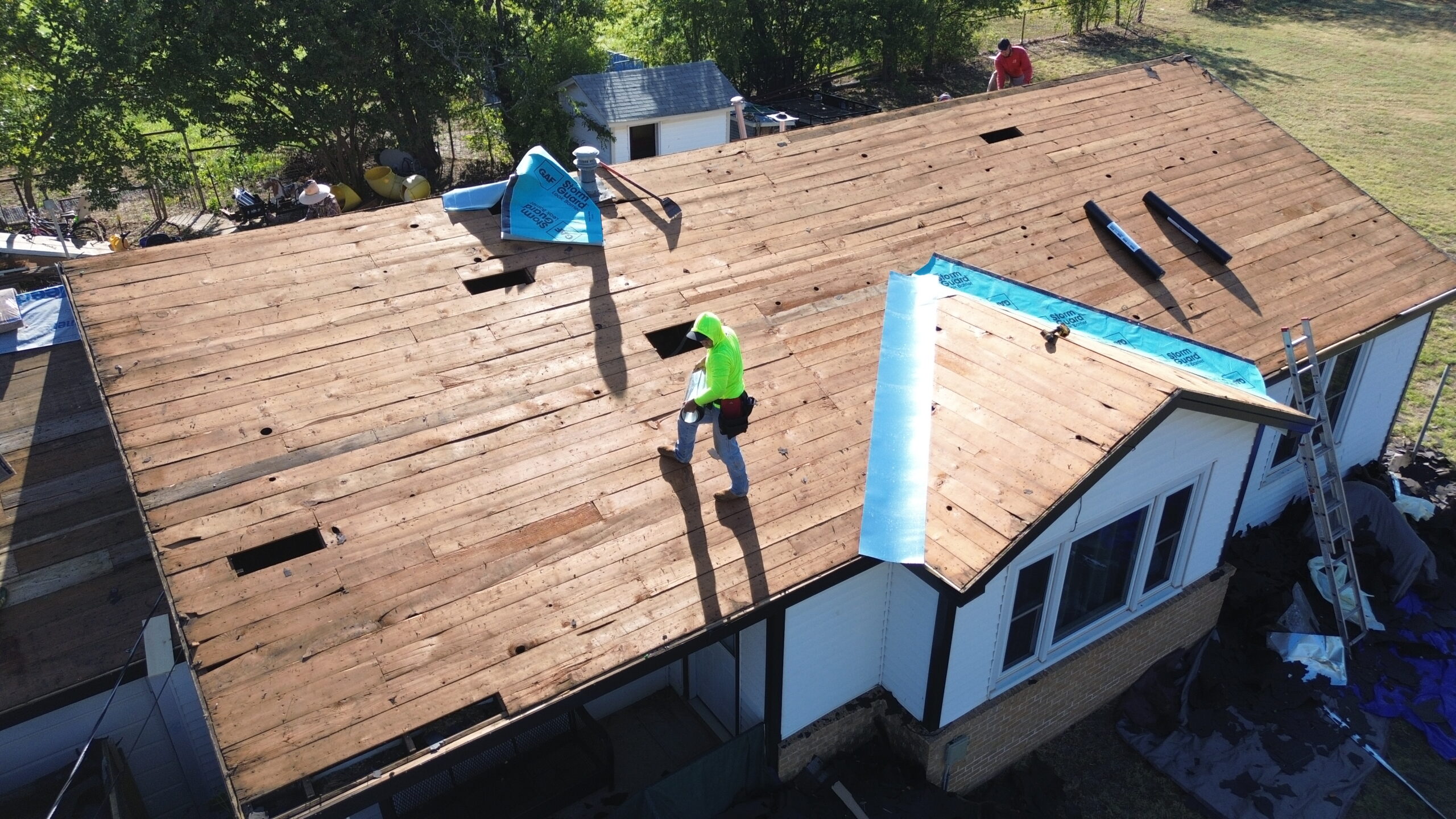
Roofing underlayment serves as a secondary moisture barrier beneath the outer roofing material. If water penetrates the surface layer, properly installed underlayment helps prevent it from reaching the wooden roof deck.
Flashing is installed around roof penetrations, valleys, walls, and transitions where leaks commonly occur. It directs water away from vulnerable joints and protects areas where roofing materials meet different surfaces.
Roofing sealants create watertight seals around fasteners, flashing edges, and small openings. High quality sealants remain flexible despite changing temperatures, reducing the likelihood of future cracking.
Roofing nails and fasteners secure roofing materials to the roof deck. Proper placement and installation depth are essential because incorrectly driven fasteners may weaken the roof or allow water penetration.
Professional roofers also rely on specialized safety equipment, including harnesses, roof anchors, stabilizing ladders, and protective footwear. These tools reduce accident risks while allowing repairs to be completed efficiently under challenging working conditions.
DIY Roof Repairs Versus Hiring a Professional
Many homeowners wonder whether they should repair roof damage themselves or hire an experienced roofing contractor. The answer depends on the complexity of the repair, personal experience, available safety equipment, and the overall condition of the roof.
Small maintenance tasks are often suitable for homeowners with basic skills and proper safety precautions. Cleaning gutters, removing roof debris from the ground, replacing a single accessible shingle, or resealing minor gaps around roof penetrations may be manageable projects when performed carefully.
Larger repairs involving structural components, extensive storm damage, steep roof slopes, or multiple leaks should generally be handled by qualified professionals. These projects require specialized knowledge, proper safety practices, and experience identifying hidden damage that may not be immediately visible.
One advantage of hiring professionals is their ability to diagnose the true source of roofing problems. Water frequently enters through one location before traveling beneath roofing materials and appearing elsewhere inside the home. Experienced contractors understand these hidden pathways and repair the actual cause rather than only the visible symptoms.
Professional repairs may also include workmanship warranties that provide additional peace of mind. If issues develop after the repair, warranty coverage often reduces future repair expenses while ensuring problems are corrected properly.
Attempting complex repairs without sufficient experience may accidentally increase damage or create new leak pathways. In many situations, paying for professional expertise ultimately saves both time and money.
Common Roof Repair Mistakes Homeowners Should Avoid
Many roofing problems become more serious because of avoidable mistakes made during maintenance or repairs. Understanding these common errors helps homeowners protect their investment while reducing unnecessary repair costs.
One frequent mistake is delaying repairs after discovering minor damage. Small leaks rarely remain small for long because water continuously expands damaged areas with every rainfall. Prompt repairs usually prevent more extensive structural deterioration.
Another common error is applying excessive roofing cement or sealant as a universal solution. Although sealants are useful for certain repairs, they cannot replace damaged flashing, rotted wood, or deteriorated roofing materials. Temporary fixes often provide a false sense of security while hidden damage continues worsening.
Walking on the roof unnecessarily may also create new problems. Fragile roofing materials, especially tiles and older shingles, can crack under improper foot placement. Whenever possible, inspections should begin from the ground before considering rooftop access.
Poor attic ventilation is frequently overlooked during roof repairs. Even after leaks are repaired, inadequate airflow allows heat and moisture to accumulate inside the attic. This accelerates roofing material deterioration while increasing energy costs throughout the year.
Ignoring gutter maintenance is another expensive mistake. Clogged gutters prevent proper drainage, allowing water to back up beneath roofing materials and damage fascia boards, soffits, and roof edges.
Finally, choosing repairs based solely on the lowest price often results in poor workmanship or inferior materials. Quality repairs focus on long term performance rather than temporary cost savings.
Roof Repair Cost Factors and Budget Planning
Roof repair costs vary considerably because every roofing project presents unique challenges. Understanding the factors that influence pricing helps homeowners prepare realistic budgets and compare contractor estimates more effectively.
The size of the damaged area has the greatest influence on repair cost. Small isolated repairs require fewer materials and less labor, while larger damaged sections naturally increase both expenses and repair time.
Roofing material also affects pricing because some materials are more expensive and require specialized installation techniques. Asphalt shingles generally cost less to repair than slate, tile, or premium metal roofing systems.
Roof accessibility influences labor requirements as well. Steep roofs, multi story homes, and limited access points increase project complexity, requiring additional safety measures and longer installation times.
Hidden structural damage may increase repair costs after work begins. Water intrusion sometimes affects roof decking, insulation, rafters, or interior framing that cannot be fully evaluated until roofing materials are removed. Addressing these problems during repairs prevents future structural issues.
Weather conditions occasionally influence project scheduling and labor expenses. Emergency repairs following severe storms often require immediate attention, while planned maintenance can usually be scheduled during favorable conditions.
Instead of waiting for emergency situations, homeowners should include roof maintenance within their long term home maintenance budget. Setting aside funds annually makes unexpected repairs easier to manage while reducing financial stress.
Roof Repair Comparison Table
| Roofing Material | Common Repair Issues | Typical Repair Difficulty | General Maintenance Level |
|---|---|---|---|
| Asphalt Shingles | Missing shingles, cracked shingles, flashing leaks | Easy to Moderate | Moderate |
| Metal Roofing | Loose fasteners, seam leaks, corrosion | Moderate | Low |
| Clay or Concrete Tile | Cracked or broken tiles | Moderate to High | Moderate |
| Slate Roofing | Broken slate tiles, damaged fasteners | High | Low |
| Flat Roofing | Membrane damage, ponding water, seam separation | Moderate to High | High |
The most appropriate repair method depends not only on the roofing material but also on the roof’s overall condition. A thorough inspection ensures repairs address underlying issues instead of only correcting visible damage.
Seasonal Roof Maintenance Checklist
Consistent maintenance throughout the year reduces repair costs and extends the lifespan of almost every roofing system. Seasonal inspections help identify developing problems before they become expensive emergencies.
The following maintenance routine provides a practical schedule for homeowners.
- Inspect the roof after major storms for visible damage.
- Clean gutters and downspouts regularly to maintain proper drainage.
- Trim overhanging tree branches before they contact the roof.
- Check attic spaces for moisture, mold, or poor ventilation.
- Inspect flashing around chimneys, skylights, and roof vents.
- Replace damaged roofing materials as soon as they are discovered.
- Schedule a professional inspection every few years or after severe weather events.
Following a consistent maintenance schedule reduces the likelihood of unexpected roof failures while helping homeowners identify issues before they require major repairs. Preventive care remains one of the most effective ways to protect both the roof and the entire home.
Extending the Life of Your Roof Through Preventive Maintenance
Preventive maintenance is the most effective way to maximize the lifespan of any roofing system. While every roof eventually reaches the end of its service life, regular care can delay major repairs and postpone the need for a full replacement by several years. Homeowners who consistently inspect and maintain their roofs often spend less on repairs over the long term.
One of the simplest maintenance habits is conducting visual inspections several times a year. Looking for damaged shingles, loose flashing, clogged gutters, or signs of wear allows problems to be corrected before they expand into larger structural issues. These inspections become especially valuable after severe weather events.
Cleaning debris from the roof also contributes to long term performance. Leaves, branches, and dirt can trap moisture against roofing materials, increasing the risk of mold, algae growth, and premature deterioration. Keeping the roof surface clean encourages proper drainage and reduces unnecessary stress on the roofing system.
Small repairs should never be postponed simply because they appear minor. Water always follows the path of least resistance, and even a tiny opening may eventually allow moisture to damage insulation, wooden framing, ceilings, and interior finishes. Prompt action helps preserve both the roof and the home beneath it.
Protecting Your Roof from Storms, Wind, Snow, and Heat
Weather is one of the few factors homeowners cannot control, but there are many ways to reduce its impact on a roof. Preparing for seasonal weather helps minimize damage while improving the roof’s ability to withstand extreme conditions.
Strong winds often loosen shingles, flashing, and roof accessories. Before storm season begins, inspect vulnerable areas to ensure roofing materials remain securely attached. Trimming nearby tree branches also reduces the risk of impact damage caused by falling limbs.
Heavy rainfall highlights the importance of proper drainage. Gutters and downspouts should remain free of leaves and debris so water can flow away from the roof quickly. Standing water increases the likelihood of leaks and accelerates deterioration around roof edges.
In colder climates, snow accumulation adds significant weight to the roof structure. Proper attic insulation and ventilation help maintain balanced roof temperatures, reducing the formation of ice dams that prevent melting snow from draining properly.
Hot climates create different challenges because continuous sunlight gradually weakens roofing materials through ultraviolet exposure. Reflective roofing materials, proper ventilation, and regular inspections help reduce heat related deterioration while improving indoor energy efficiency.
Homeowners should also inspect the roof after every major storm, even if no obvious leaks appear immediately. Some forms of damage remain hidden until repeated exposure allows moisture to penetrate beneath the roofing surface.
Gutter Maintenance and Drainage Best Practices
Although gutters are separate from the roof itself, they play a critical role in protecting the entire roofing system. Proper drainage prevents water from collecting around vulnerable areas and directs rainfall safely away from the home’s foundation.
Leaves, twigs, and dirt gradually build up inside gutters throughout the year. When blockages prevent water from flowing freely, rain may overflow onto fascia boards, soffits, siding, and roof edges. Continuous moisture eventually leads to wood rot, mold growth, and costly structural repairs.
Downspouts should discharge water well away from the home’s foundation. Water pooling near the house increases the risk of basement moisture, foundation settlement, and erosion around landscaping. Downspout extensions may improve drainage where necessary.
Inspect gutter fasteners regularly because loose sections place additional stress on the roof edge. Sagging gutters collect standing water, making them heavier and more likely to detach during heavy rainfall or storms.
Installing gutter guards may reduce debris accumulation in areas surrounded by mature trees. While gutter guards do not eliminate maintenance entirely, they often reduce cleaning frequency and improve overall drainage performance.
Improving Roof Ventilation and Attic Health
Many homeowners focus only on the visible roofing materials while overlooking the importance of attic ventilation. Proper airflow beneath the roof contributes significantly to the roof’s overall lifespan and energy performance.
Effective ventilation removes excess heat during summer months, preventing attic temperatures from reaching extreme levels. Lower attic temperatures reduce stress on roofing materials while helping cooling systems operate more efficiently.
During cooler months, ventilation also removes excess moisture produced through normal household activities. Cooking, bathing, laundry, and indoor humidity all contribute to moisture accumulation inside the attic. Without adequate ventilation, condensation develops on wooden framing and insulation.
Wet insulation loses much of its thermal performance, making it more difficult to maintain comfortable indoor temperatures. Moisture also encourages mold growth, wood decay, and deterioration of structural components over time.
Balanced ventilation combines intake vents that allow fresh air to enter with exhaust vents that remove warm, moist air. Working together, these ventilation components create continuous airflow that protects both the attic and the roofing system above it.
When to Schedule Professional Roof Inspections
Even homeowners who perform regular maintenance benefit from periodic professional inspections. Experienced roofing contractors often identify developing problems long before they become visible from the ground or inside the home.
A professional inspection is especially valuable after severe weather such as hailstorms, hurricanes, strong wind events, or heavy snowfall. Hidden damage may not immediately produce leaks but can weaken the roofing system over time.
Older roofs also require more frequent inspections because aging materials become increasingly vulnerable to weather related deterioration. Routine evaluations help homeowners plan future maintenance rather than facing unexpected emergency repairs.
Professional inspections are equally important before purchasing or selling a home. Buyers gain confidence knowing the roof has been evaluated, while sellers can address minor issues before they affect property value or delay closing.
Most homeowners benefit from scheduling inspections every few years even if no obvious problems exist. Preventive evaluations often cost far less than repairing damage that remained unnoticed for an extended period.
Questions to Ask Before Hiring a Roofing Contractor
Selecting the right contractor is just as important as choosing the correct repair method. A qualified professional provides quality workmanship, reliable communication, and long lasting repair solutions.
Before signing a contract, homeowners should gather enough information to make an informed decision. Asking thoughtful questions helps compare contractors based on experience rather than price alone.
Consider asking questions such as:
- How long have you been repairing roofs like mine?
- Are you licensed and insured where required?
- Will you provide a written estimate before work begins?
- What materials do you recommend and why?
- Do you offer workmanship or material warranties?
- How will unexpected repairs be handled if hidden damage is discovered?
- What steps will you take to protect my property during the project?
Clear communication reduces misunderstandings and helps ensure both homeowner and contractor share the same expectations before repairs begin.
Roof Repair Priorities Every Homeowner Should Follow
When multiple roofing issues are discovered at the same time, homeowners often wonder which repairs deserve immediate attention. Prioritizing repairs based on risk helps prevent minor issues from becoming major structural problems.
Water intrusion should always receive the highest priority because moisture affects nearly every component beneath the roof. Active leaks can damage insulation, framing, ceilings, flooring, electrical systems, and personal belongings within a short period.
Structural concerns such as sagging roof sections should also be addressed immediately. These conditions may indicate weakened framing that requires prompt evaluation before additional weight or weather creates a more serious hazard.
Flashing damage around chimneys, skylights, and roof penetrations should follow closely behind because these locations frequently become the source of hidden leaks. Correcting flashing problems early often prevents widespread water damage.
Cosmetic issues that do not affect waterproofing generally have lower priority, although they should still be monitored. Addressing important repairs first allows homeowners to use their maintenance budget more effectively.
Long Term Roof Care Tips
Maintaining a roof successfully involves consistent habits rather than occasional emergency repairs. Small preventive actions performed throughout the year significantly improve long term performance.
The following practices help homeowners protect their investment for many years.
- Inspect the roof during spring and autumn.
- Clean gutters before heavy rainy seasons.
- Trim tree branches that hang over the roof.
- Replace damaged shingles without unnecessary delay.
- Keep attic ventilation working properly.
- Schedule professional inspections after severe storms.
- Maintain written records of inspections and repairs.
Keeping maintenance records provides valuable information for future repairs and may also increase buyer confidence if the property is eventually sold. Organized documentation demonstrates that the roof has been cared for consistently over its lifespan.
Frequently Asked Questions About Roof Repair
| Question | Answer |
|---|---|
| How often should a roof be inspected? | Most roofs should be visually inspected at least twice each year and after major storms. |
| Can a small roof leak wait for repairs? | No. Even minor leaks can quickly lead to mold, wood rot, insulation damage, and expensive structural repairs. |
| Is it safe to walk on every roof? | No. Some roofing materials such as slate and tile can crack easily, and steep roofs create significant safety risks. |
| How long do roof repairs usually last? | Properly completed repairs using quality materials can last for many years, depending on the roofing material and weather conditions. |
| Should all damaged shingles be replaced immediately? | Yes. Prompt replacement helps maintain the waterproof barrier and prevents additional damage from developing. |
Conclusion
Roof repair is not simply about fixing leaks after they appear. It is an ongoing process of inspection, maintenance, timely repairs, and informed decision making that protects one of the most valuable parts of your home. Understanding how different roofing systems function allows homeowners to recognize problems early and choose the most effective repair strategies before damage becomes extensive.
Regular inspections, proper drainage, adequate attic ventilation, and prompt repairs all work together to extend the lifespan of a roof. While some minor maintenance tasks can be handled safely by homeowners, larger repairs and structural concerns are best left to experienced roofing professionals who have the knowledge and equipment to complete the work correctly.
Every dollar invested in preventive roof care helps reduce the likelihood of costly emergency repairs in the future. By following the guidance throughout this comprehensive roof repair guide, homeowners can improve the durability, efficiency, and reliability of their roofing system while protecting the comfort, safety, and long term value of their property. A well maintained roof continues to provide dependable protection for years, making regular maintenance one of the smartest investments any homeowner can make.