
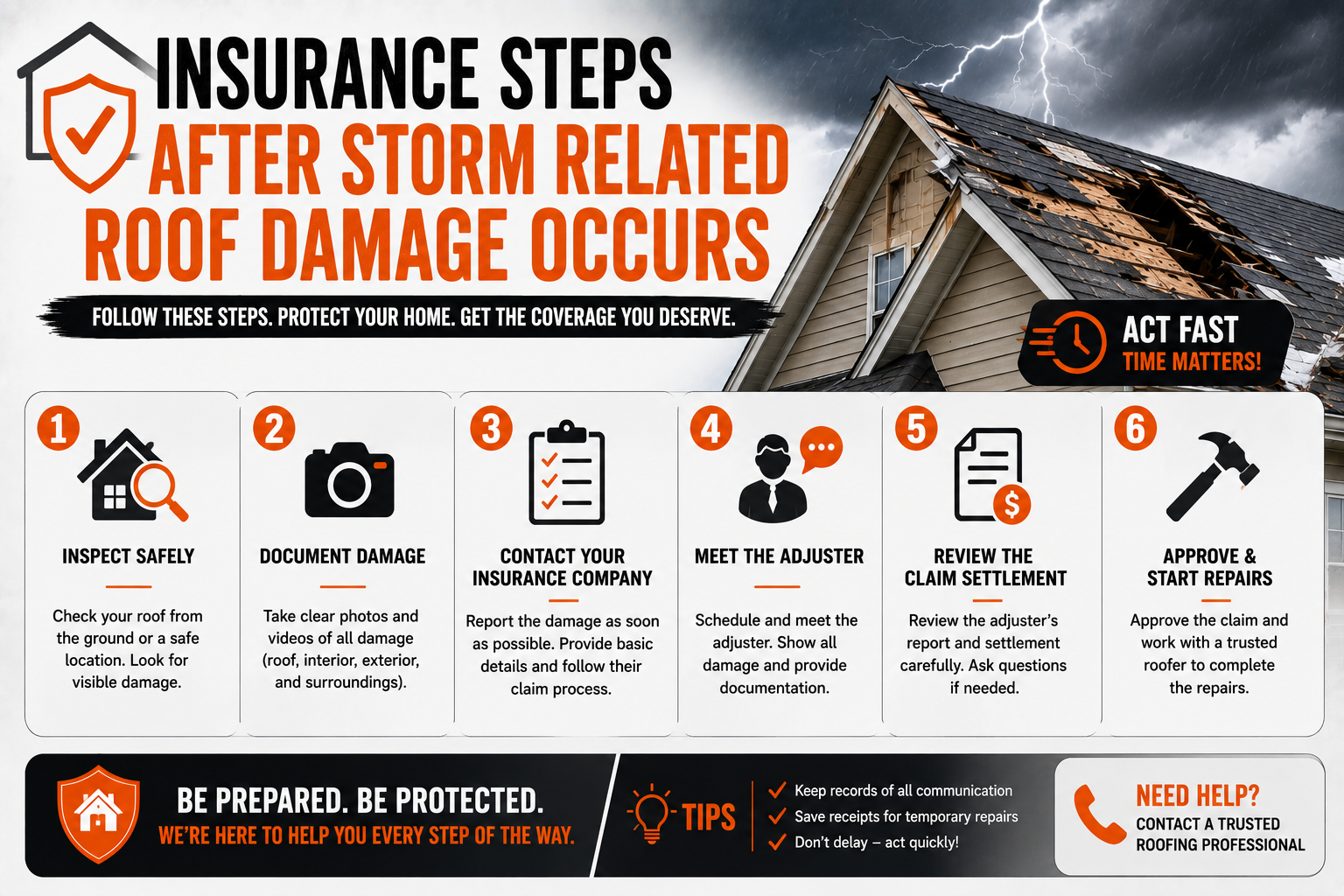
Insurance Steps After Storm Related Roof Damage Occurs
Introduction
Storms can damage a roof within minutes, leaving homeowners to deal with leaks, broken shingles, structural concerns, and the uncertainty of filing an insurance claim. While the physical damage is often the most visible problem, taking the right insurance steps immediately afterward can significantly influence how smoothly the claims process unfolds. Acting quickly and staying organized helps protect both your property and your financial interests.
Many homeowners are unfamiliar with the insurance claim process until they experience storm damage for the first time. This lack of experience often leads to avoidable mistakes, such as delaying documentation, making temporary repairs incorrectly, or failing to report damage within the required timeframe. Understanding what to do from the beginning helps prevent unnecessary complications later.
Storm related roof damage is not always obvious from the ground. High winds, hail, heavy rain, and falling debris can weaken roofing materials without creating immediate interior leaks. Hidden damage may continue to worsen after every rainfall, making prompt inspections and proper documentation essential for both repairs and insurance purposes.
Knowing the correct insurance steps after storm related roof damage occurs allows homeowners to protect their property while building a stronger claim. This guide explains the early actions that matter most, common mistakes to avoid, and how proper preparation can improve the chances of a successful insurance outcome.
Why Taking the Right Insurance Steps Matters After Roof Storm Damage
The hours and days following a severe storm are critical for protecting your home. Insurance companies expect homeowners to take reasonable action to reduce further damage while documenting the condition of the property. Delays or poor documentation can make it more difficult to demonstrate the full extent of the storm’s impact.
Roof damage often becomes worse if left exposed to additional rainfall or strong winds. Small openings in the roofing system allow moisture to reach the underlayment, roof decking, insulation, and interior ceilings. Addressing the situation promptly helps limit secondary damage that may complicate the claim.
Proper insurance procedures also establish a clear timeline of events. When photographs, inspection reports, and repair estimates are gathered soon after the storm, they provide valuable evidence that the damage resulted from a specific weather event rather than gradual deterioration.
Many insurance claims involve questions about when the damage occurred. Accurate records, dated photographs, and prompt communication with the insurance provider help demonstrate that the damage is storm related and was reported within the policy requirements.
Taking organized steps from the beginning also reduces stress throughout the claims process. Instead of searching for information after problems arise, homeowners who follow a structured approach are better prepared to respond to requests from adjusters, contractors, and insurance representatives.
Immediate Safety Measures Before Filing a Claim
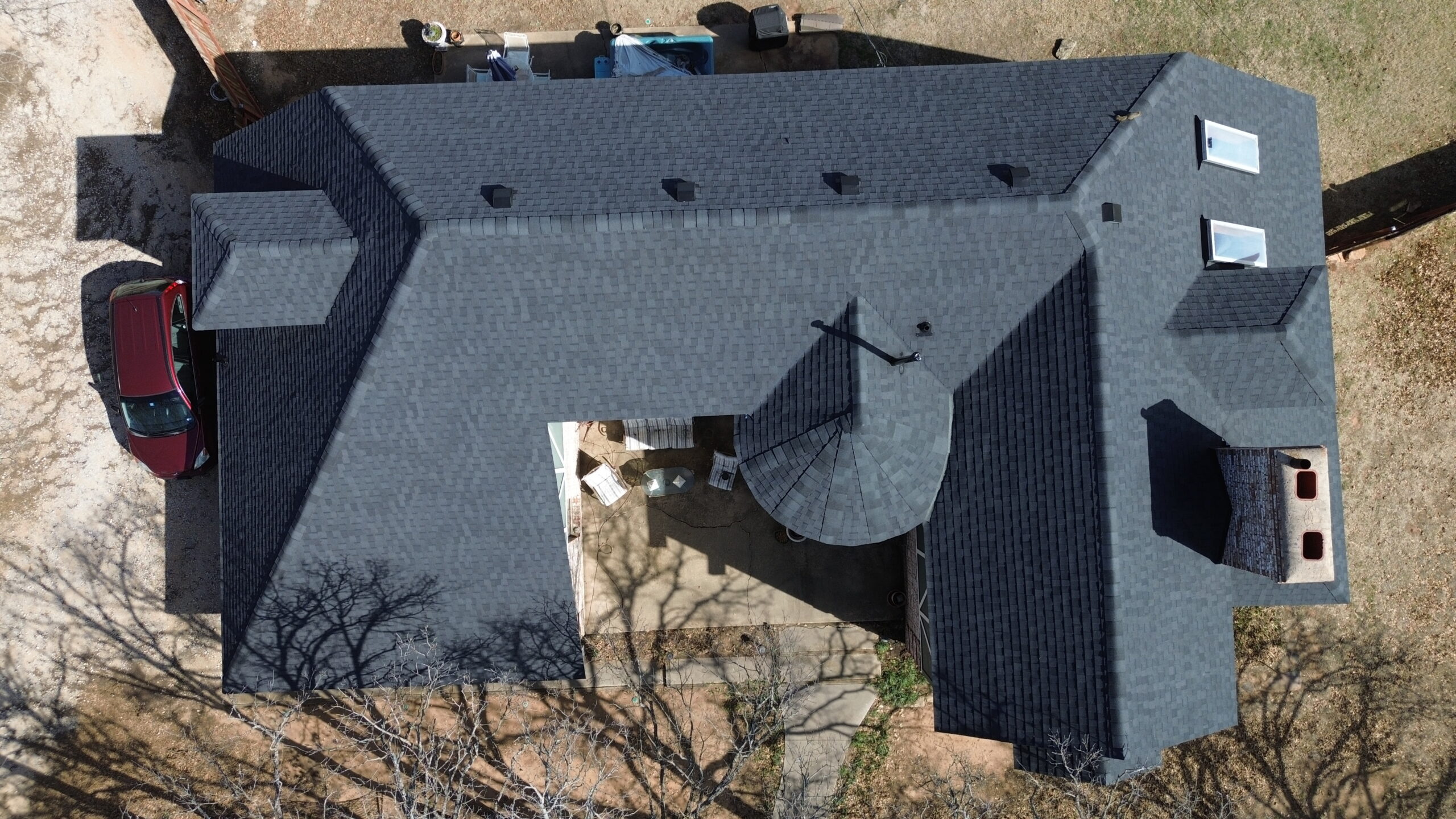
Safety should always be the first priority after a storm. Even if the roof appears intact from the ground, structural damage may have weakened sections that are unsafe to walk on. Homeowners should avoid climbing onto the roof immediately after severe weather, especially when surfaces remain wet or debris is present.
The surrounding property should also be inspected carefully for hazards. Fallen power lines, unstable tree branches, damaged utility equipment, and loose building materials can present serious risks. These hazards should be addressed before anyone attempts to inspect the roof more closely.
If water is entering the home, steps should be taken to protect people and belongings. Furniture, electronics, important documents, and valuable items should be moved away from active leaks whenever possible. Placing containers beneath dripping water can also reduce additional damage to flooring and interior finishes.
Electrical safety is another important consideration. Water entering through the roof may come into contact with wiring, lighting fixtures, or electrical panels. If there is any concern about electrical hazards, the affected areas should remain unused until they can be inspected safely.
Once immediate dangers have been addressed, homeowners can begin documenting the damage without placing themselves at unnecessary risk. Ground level photographs and interior observations often provide useful evidence while waiting for a professional roof inspection.
Documenting Roof Damage Properly for Insurance Purposes
Thorough documentation is one of the strongest foundations of a successful insurance claim. The more accurately the damage is recorded, the easier it becomes to demonstrate the condition of the roof immediately after the storm.
Photographs should be taken from multiple angles around the property. Images of missing shingles, damaged gutters, fallen tree limbs, hail impacts, broken flashing, and visible roof damage help establish the extent of the storm’s effects. Interior photographs showing ceiling stains, water leaks, or damaged insulation provide additional evidence linking roof damage to interior issues.
Wide angle photographs are useful because they show the overall condition of the property. Close up images then provide greater detail of specific damaged areas. Taking both types of photographs creates a more complete visual record for the insurance company.
Written notes can be just as valuable as photographs. Homeowners should record the date of the storm, approximate time if known, weather conditions, and any immediate observations about roof damage or interior leaks. These notes help create a timeline that supports the insurance claim.
Videos can also supplement photographs by showing damage from different perspectives. Slowly recording the roof from the ground, documenting water intrusion indoors, and capturing fallen debris provides additional evidence that may be useful during claim evaluation.
If safe access to the attic is available, photographs of wet insulation, water stains, or visible daylight entering through the roof should also be documented. These hidden signs often demonstrate that the damage extends beyond the roof’s exterior surface.
Temporary Protective Measures to Prevent Further Damage
Insurance policies generally expect homeowners to take reasonable steps to prevent additional damage after a covered event. Temporary protective measures help reduce further deterioration while permanent repairs are being arranged.
Roof tarps are commonly used to cover exposed areas where shingles or roofing materials have been displaced. Properly installed tarps reduce water intrusion during additional storms and help protect structural components until repairs can begin. Temporary coverings should be secured carefully to withstand changing weather conditions.
Interior protection is equally important. Plastic sheeting can be used to shield furniture and flooring from ongoing leaks, while wet carpets and rugs should be dried promptly to reduce the risk of mold growth. Improving ventilation inside affected rooms also helps remove excess moisture.
Damaged gutters should be cleared of storm debris whenever it is safe to do so. Leaves, branches, and roofing materials can block drainage, causing rainwater to overflow and create additional problems around the roof edge and foundation.
Homeowners should keep receipts for any emergency expenses related to temporary protection. Materials such as tarps, plastic coverings, buckets, or emergency mitigation services may be relevant during the insurance claim, depending on the policy’s terms and conditions.
Temporary repairs should focus on preventing additional damage rather than restoring the roof completely. Permanent repairs are generally best completed after the insurance company has had an opportunity to inspect the property or authorize necessary work.
Understanding What Homeowners Insurance Typically Covers
Homeowners insurance policies often provide coverage for sudden and accidental roof damage caused by covered weather events. Windstorms, hail, falling trees, lightning, and other severe weather conditions are commonly included, although the exact coverage varies between policies.
Insurance generally focuses on unexpected damage rather than normal aging or routine maintenance. If a storm tears shingles from an otherwise well maintained roof, the resulting repairs may qualify for coverage. However, problems caused by long term deterioration or neglected maintenance are often treated differently.
Coverage may also extend beyond the roof itself. Water damage affecting ceilings, insulation, drywall, flooring, or personal belongings may qualify when it results directly from covered roof damage. Understanding these additional benefits helps homeowners recognize the full scope of available protection.
Policy deductibles play an important role in determining claim payments. The deductible represents the portion of repair costs that the homeowner is responsible for before insurance coverage applies. Reviewing policy documents helps clarify how deductibles affect potential reimbursement.
Replacement cost and actual cash value policies also produce different claim outcomes. Replacement cost coverage generally pays for repairs using current material prices, while actual cash value policies consider depreciation based on the roof’s age and condition. Knowing which type of coverage applies helps set realistic expectations during the claims process.
Because every insurance policy contains unique terms, exclusions, and conditions, homeowners should review their policy carefully before assuming specific damage will be covered. When questions arise, discussing coverage directly with the insurance provider can provide valuable clarification.
Common Mistakes That Can Hurt Your Insurance Claim
Even when roof damage is clearly caused by a storm, certain mistakes can weaken an otherwise valid insurance claim. Avoiding these common errors helps improve the overall claims process and reduces unnecessary delays.
One of the most frequent mistakes is waiting too long to report the damage. Although leaks may seem minor initially, hidden structural deterioration often progresses quickly. Prompt notification allows the insurance company to begin evaluating the claim while evidence remains fresh.
Another common mistake is failing to document the damage thoroughly before beginning cleanup. Removing debris without photographs or disposing of damaged materials too soon may reduce the available evidence needed to support the claim.
Some homeowners attempt permanent repairs before the insurance inspection takes place. While temporary protective measures are appropriate, extensive repairs completed beforehand may make it difficult for adjusters to determine the original extent of the storm damage.
Ignoring interior signs of water intrusion can also create complications. Ceiling stains, damp insulation, peeling paint, and attic moisture may indicate that roof damage extends beyond the visible exterior. Reporting these conditions early provides a more complete picture of the overall damage.
Poor record keeping is another issue that can slow the process. Keeping copies of inspection reports, repair estimates, photographs, receipts, and communication with contractors or insurance representatives helps create an organized file that supports the claim from beginning to end.
Finally, homeowners should avoid assuming that visible roof damage represents the full extent of the problem. Professional inspections often reveal hidden structural issues that would otherwise remain undetected, ensuring the insurance claim reflects the actual condition of the roofing system rather than only the obvious surface damage.
Starting the Insurance Claim Process
Once the property is safe and the initial documentation has been completed, the next step is notifying the insurance company about the storm damage. Reporting the claim as soon as reasonably possible allows the insurer to begin the evaluation process while evidence is still fresh. Prompt reporting also helps avoid issues related to policy deadlines or delayed inspections.
When contacting the insurance provider, homeowners should be prepared to provide basic information about the storm and the observed damage. This typically includes the date of the weather event, the location of the property, a general description of the roof damage, and whether temporary measures have been taken to prevent further deterioration. Having photographs and notes available makes this conversation more accurate and efficient.
After the claim is opened, the insurance company usually assigns a claim number and provides information about the next steps. Homeowners should keep this claim number along with the contact information of everyone involved in the process. Maintaining organized records helps simplify future communication and reduces confusion if multiple representatives become involved.
During this stage, it is also helpful to ask questions about inspection timelines, documentation requirements, deductible amounts, and any temporary repair guidelines. Understanding the insurer’s process early helps homeowners make informed decisions while waiting for the official inspection.
Keeping a written log of phone calls and emails can also be valuable. Recording dates, names of representatives, and summaries of conversations creates a clear history that may prove helpful if questions arise later in the claim process.
Working With a Professional Roofing Contractor During the Claim
A qualified roofing contractor plays an important role throughout the insurance claim process. Their experience allows them to identify both visible and hidden storm damage while preparing detailed repair recommendations that accurately reflect the condition of the roof.
Professional inspections often reveal issues that homeowners cannot safely or easily identify. Damaged underlayment, cracked decking, displaced flashing, and compromised ventilation systems may not be visible from the ground but can significantly affect repair requirements. Identifying these problems early helps ensure the insurance claim reflects the full extent of the damage.
Many contractors prepare detailed inspection reports supported by photographs and written observations. These reports provide valuable technical information that insurance adjusters can use during claim evaluation. Clear documentation also reduces the likelihood of important damage being overlooked.
Roofing contractors can explain repair methods, material requirements, and estimated project costs in language that is easier for homeowners to understand. This guidance allows property owners to compare repair recommendations with the insurance company’s assessment and ask informed questions when necessary.
Although experienced contractors may assist with documentation and explain repair options, homeowners should remain actively involved in the process. Reviewing reports, understanding proposed repairs, and communicating directly with the insurance company helps ensure everyone is working from the same information.
Choosing a reputable contractor is equally important. Working with licensed and insured professionals who have experience handling storm damage repairs provides greater confidence that the restoration will meet industry standards and local building requirements.
What Insurance Adjusters Look for During Roof Inspections
Insurance adjusters evaluate roof damage to determine whether it resulted from a covered event and to estimate the cost of restoring the property. Their inspection focuses on identifying storm related damage while distinguishing it from normal wear, aging, or maintenance issues.
The roof covering receives careful attention during the inspection. Adjusters examine shingles, metal panels, tiles, flashing, vents, skylights, gutters, and roof valleys for signs of wind, hail, or impact damage. Missing materials, fractures, dents, lifted edges, and punctures all contribute to the overall assessment.
The inspection often extends beyond the roof surface. Interior ceilings, attic spaces, insulation, and structural components may also be evaluated to determine whether water has entered the building after the storm. Moisture damage inside the home can provide important evidence supporting the roof claim.
Adjusters also consider the overall condition and age of the roofing system. A well maintained roof that suddenly suffers storm damage generally presents a different situation than one already affected by significant deterioration before the weather event occurred. Maintenance records and previous inspection reports may provide useful context.
Weather information is another factor that supports the evaluation. Insurance companies often compare reported damage with documented weather events that occurred in the area. Matching roof damage with confirmed storm activity helps strengthen the claim and establish the likely cause of the loss.
Throughout the inspection, adjusters document their findings using photographs, measurements, notes, and repair estimates. These observations form the basis of the insurance company’s decision regarding coverage and claim payment.
Comparing Covered Damage vs Non Covered Damage
Understanding the difference between covered and non covered roof damage helps homeowners develop realistic expectations during the insurance claim process. While individual policies vary, the following comparison illustrates common situations.
| Covered Damage | Non Covered Damage |
|---|---|
| Wind lifted or missing shingles | Normal aging of roofing materials |
| Hail impacts that damage the roof surface | Gradual wear from years of weather exposure |
| Fallen tree branches caused by a storm | Damage resulting from neglected maintenance |
| Lightning related roof damage | Pre existing leaks that were never repaired |
| Water intrusion directly caused by covered roof damage | Moisture damage caused by long term deterioration |
| Structural damage from a covered weather event | Cosmetic issues unrelated to a covered peril |
This comparison provides only a general overview. Every insurance policy contains its own definitions, exclusions, deductibles, and coverage limits that determine how individual claims are evaluated.
Reviewing the policy carefully and discussing specific questions with the insurance provider helps clarify how coverage applies to a particular situation. Professional roof inspections also provide important evidence when determining whether damage is consistent with a covered storm event.
Understanding Repair Estimates and Claim Documentation
Repair estimates play a central role in determining the scope and cost of restoring storm damaged roofing systems. Detailed estimates provide both homeowners and insurance companies with a clear understanding of the work required to return the roof to a safe and functional condition.
A comprehensive estimate typically includes labor, materials, disposal costs, replacement of damaged components, and any structural repairs identified during the inspection. Rather than focusing only on visible roof coverings, accurate estimates account for underlayment, decking, flashing, ventilation, gutters, and other affected elements when necessary.
Supporting documentation strengthens the estimate by explaining why specific repairs are recommended. Inspection reports, moisture readings, photographs, and written observations help demonstrate that proposed work is based on actual storm damage rather than assumptions.
Homeowners should review estimates carefully before approving repairs. Asking questions about unfamiliar terminology, repair methods, material options, and project timelines helps ensure that everyone shares the same expectations before construction begins.
It is also helpful to compare the contractor’s findings with the insurance company’s estimate. If differences exist, additional documentation or clarification may resolve questions regarding the extent of the damage or the appropriate repair approach.
Maintaining organized copies of every estimate, inspection report, invoice, receipt, and communication creates a complete record throughout the claim. These documents may also prove valuable if supplemental claims become necessary after repairs uncover hidden damage.
Handling Claim Delays, Disputes, and Supplemental Claims
Not every insurance claim progresses without complications. Delays, questions about coverage, or disagreements regarding repair costs sometimes occur, particularly after widespread storms when insurance companies receive a large number of claims within a short period.
If communication slows, homeowners should continue following up professionally while keeping detailed records of every conversation. Polite persistence, combined with organized documentation, often helps move the claim forward more efficiently than relying on verbal discussions alone.
Disputes sometimes arise when the homeowner’s contractor identifies additional storm damage that was not included in the original insurance assessment. In these situations, photographs, inspection reports, and supporting technical documentation can help explain why further repairs may be necessary.
Hidden damage is not always visible during the initial inspection. Once roofing materials are removed, contractors may discover deteriorated decking, damaged underlayment, or structural issues that could not have been identified earlier. These newly discovered conditions may require additional approval before repairs continue.
A supplemental claim provides a formal way to request consideration of newly identified storm related damage. Detailed documentation showing how the additional damage relates to the original weather event helps support this request and provides the insurance company with the information needed to conduct a further review.
Maintaining open communication between the homeowner, roofing contractor, and insurance representative helps resolve many issues before they become larger disputes. A cooperative approach, supported by accurate documentation and timely responses, often leads to a smoother claims process and a more complete restoration of the damaged roofing system.
Roof Repairs After Insurance Approval
Once the insurance company approves the claim, the focus shifts from documentation to restoring the roof. Timely repairs are important because delaying approved work can expose the home to additional weather damage and may increase repair costs over time. Scheduling the project as soon as practical helps return the roofing system to its intended level of protection.
Before work begins, homeowners should review the repair scope carefully with the contractor. This discussion should confirm which roofing materials will be replaced, whether structural components require repairs, the estimated project timeline, and any preparations needed before construction starts. Clear communication reduces misunderstandings and keeps the project organized.
Professional roofing crews typically begin by removing damaged materials while protecting the surrounding property. Once the roof covering has been removed, contractors inspect the decking and structural components again to verify that no hidden issues remain. If additional storm related damage is discovered, it may require further documentation before repairs continue.
Quality repairs involve more than replacing visible roofing materials. Underlayment, flashing, ventilation components, gutters, and roof penetrations should all be restored as needed to ensure the roofing system functions properly as a complete unit. Addressing every affected component improves long term performance and reduces the likelihood of future leaks.
After repairs are completed, homeowners should perform a final walkthrough with the contractor. Reviewing the completed work, asking questions about maintenance, and confirming warranty information provides confidence that the roof has been restored according to the agreed repair plan.
What to Do If Your Insurance Claim Is Denied
Receiving a claim denial can be frustrating, but it does not always mean the process has reached its final conclusion. Understanding the reason for the denial is the first step toward determining whether additional information or documentation may change the outcome.
Homeowners should carefully review the denial letter provided by the insurance company. This document generally explains the specific policy provisions or findings that led to the decision. Understanding these reasons allows homeowners to address concerns with accurate supporting evidence if appropriate.
If the denial appears to result from incomplete information, obtaining a detailed inspection from a qualified roofing contractor may provide additional documentation. Photographs, moisture assessments, structural findings, and repair recommendations can sometimes clarify damage that was not fully recognized during the original evaluation.
Communication remains important throughout this stage. Homeowners can contact the insurance representative to discuss the findings, ask questions about the decision, and determine whether additional documentation may be considered. Keeping written records of these discussions helps maintain a clear history of the claim.
If policyholders continue to disagree with the decision after providing supporting documentation, they may explore the review or appeal procedures outlined in their insurance policy. Following the insurer’s established process ensures that any additional information receives formal consideration.
Regardless of the outcome, maintaining organized records of inspections, estimates, photographs, and correspondence remains valuable. These documents may assist with future discussions, policy reviews, or property maintenance planning.
Essential Steps to Strengthen Your Insurance Claim
Following a consistent process after storm damage helps create a stronger and more organized insurance claim. The following steps summarize the actions that often contribute to a smoother experience.
- Prioritize safety before inspecting the roof or surrounding property.
- Photograph all visible roof, exterior, and interior damage immediately after the storm.
- Take reasonable temporary measures to prevent additional damage while preserving evidence.
- Report the damage to the insurance company as soon as possible.
- Schedule a professional roof inspection to identify both visible and hidden storm damage.
- Keep copies of photographs, inspection reports, estimates, receipts, and all communication related to the claim.
- Review repair estimates carefully and ask questions whenever clarification is needed.
- Maintain regular communication with both the contractor and the insurance representative until repairs are complete.
Following these steps creates a well documented record that supports the claim from beginning to end. Organized documentation also helps reduce delays if additional information is requested during the review process.
Long Term Practices That Support Future Insurance Claims
Preparing before the next storm can make future insurance claims much easier to manage. Consistent property maintenance not only protects the roof but also demonstrates responsible homeownership if damage occurs later.
- Schedule professional roof inspections on a regular basis.
- Keep maintenance and repair records in a dedicated file.
- Trim overhanging tree branches before storm seasons.
- Clean gutters and downspouts regularly to maintain proper drainage.
- Store photographs showing the roof’s condition before major storms.
- Review your homeowners insurance policy annually to understand current coverage.
These simple practices help establish the roof’s condition before future weather events. They also provide valuable documentation that can support insurance claims if storm damage occurs again.
Preventing Future Storm Related Roof Damage
Although storms cannot be prevented, homeowners can reduce the likelihood of severe roof damage through regular maintenance and thoughtful preparation. Preventive measures strengthen the roofing system and improve its ability to withstand challenging weather conditions.
Routine roof inspections help identify loose shingles, deteriorating flashing, damaged sealants, and minor leaks before storms have an opportunity to worsen them. Correcting these issues early often prevents more extensive structural damage during periods of high wind or heavy rainfall.
Tree maintenance is equally important for homes surrounded by mature landscaping. Removing dead branches, thinning dense canopies, and trimming limbs that extend over the roof reduce the risk of impact damage during severe weather. Healthy trees are generally more resistant to storm related failures than neglected ones.
Proper attic ventilation and insulation also contribute to roof durability. Balanced airflow reduces moisture buildup, limits excessive heat accumulation, and helps preserve roofing materials throughout changing seasons. A healthier roofing system is often better prepared to withstand future storms.
Homeowners should also inspect gutters, downspouts, and drainage systems before storm seasons begin. Keeping these components free of debris allows rainwater to flow away from the roof efficiently, reducing the risk of water backup and moisture related damage.
Preventive maintenance represents an ongoing investment in the home’s long term condition. Small repairs completed today often eliminate the need for far more extensive restoration after the next major storm.
Maintaining Insurance Records After Repairs
Many homeowners file away their claim documents once repairs are complete, but maintaining these records provides lasting benefits. Organized documentation creates a valuable history of the property’s condition and demonstrates that storm damage was repaired professionally.
Inspection reports, repair contracts, invoices, warranty information, photographs, and insurance settlement documents should all be stored together in a secure location. Digital copies provide additional protection in case paper records become lost or damaged.
These records can be useful when selling the home. Prospective buyers often appreciate documentation showing that storm damage was repaired properly rather than ignored. Complete records also demonstrate that the property has been maintained responsibly over time.
Future insurance claims may also benefit from previous documentation. If another storm affects the property, earlier inspection reports and repair records help distinguish newly damaged areas from work completed after prior weather events. This information can simplify claim evaluations and reduce unnecessary questions.
Homeowners should also review their insurance coverage periodically after significant repairs. Roof replacements, upgrades, or changes in building materials may affect replacement costs, making it worthwhile to confirm that coverage remains appropriate for the property’s current condition.
Maintaining accurate records requires very little effort once a filing system has been established. Over the years, these documents become an important resource for property maintenance, insurance matters, and future homeownership decisions.
Conclusion
Storm related roof damage can be overwhelming, but following the proper insurance steps helps homeowners protect both their property and their financial interests. From ensuring immediate safety and documenting damage to working with qualified roofing professionals and communicating effectively with the insurance company, each action contributes to a more organized and successful claims process.
Thorough documentation remains one of the strongest tools throughout the entire process. Photographs, inspection reports, repair estimates, receipts, and detailed records provide clear evidence that supports the claim while helping insurance representatives understand the full extent of the damage. Prompt reporting and reasonable temporary protection also demonstrate responsible property ownership and help prevent additional deterioration.
Even after insurance approval, careful planning and quality repairs are essential for restoring the roof’s long term performance. Addressing hidden structural damage, verifying completed work, and maintaining organized insurance records ensure the home remains protected long after construction is finished.
Preparing for future storms is just as important as responding to the current one. Routine roof inspections, preventive maintenance, tree care, and regular policy reviews reduce future risks while making potential insurance claims easier to manage. By understanding the insurance steps after storm related roof damage occurs, homeowners can navigate unexpected weather events with greater confidence, protect their investment, and ensure their roofing system continues providing reliable protection for years to come.