

Hail Damage on Residential Roofing Systems Explained
Introduction
Hail can cause significant damage to residential roofing systems, even when the roof appears normal from the ground. During a severe storm, hailstones can strike shingles, metal panels, tiles, flashing, vents, skylights, gutters, and other exposed components. The severity of the damage depends on factors such as hailstone size, wind speed, storm duration, roofing material, roof age, and the condition of the system before the storm.
Some hail damage is easy to recognize, while other signs can be subtle. A homeowner may notice dents on metal surfaces or broken roof tiles, but damage to asphalt shingles can sometimes appear as small impact marks, exposed areas, or localized granule loss. Because many damaged areas are difficult to see safely from the ground, a professional inspection may be necessary after a significant hailstorm.
Understanding how hail affects a roofing system can help homeowners recognize warning signs and respond appropriately. Early identification can reduce the risk of additional moisture exposure and help determine whether the roof needs maintenance, localized repair, or further evaluation.
Hail damage should also be distinguished from normal aging and other forms of deterioration. Roofing materials naturally change over time because of sunlight, temperature changes, rainfall, wind, and general weather exposure. A proper assessment considers the overall pattern and characteristics of the damage rather than assuming that every visible imperfection was caused by the latest storm.
Understanding How Hail Damages Residential Roofing Systems
Hail damage occurs when ice particles formed within a storm strike exposed roofing materials with enough force to affect their surface or structure. Larger hailstones generally have greater potential to cause damage, but size alone does not determine the outcome. Wind can increase the speed of hailstones, while the angle of impact can influence which roof sections receive the most direct strikes.
Asphalt shingles are particularly important during hail assessments because their protective surface can be affected by repeated impacts. Hail can dislodge granules, create indentations, fracture the surface, or weaken the material around the impact area. The damage may not immediately produce a leak, but compromised materials can become more vulnerable to weather over time.
Hail can also damage roofing components beyond the primary roof covering. Metal vents, flashing, gutters, downspouts, chimney caps, and other exposed components can show dents or impact marks after a severe storm. These areas may provide additional evidence that a significant hail event occurred around the property.
The location of the damage can provide useful information. Roof sections facing the direction of the storm may receive more direct impacts than sheltered areas. However, hail can be carried by changing winds, so damage patterns may vary across different roof slopes.
The condition of the roof before the storm should also be considered. Older roofing materials may already have granule loss, cracks, brittleness, or surface deterioration. These conditions can sometimes resemble storm-related damage, making it important to examine the characteristics and distribution of suspected hail impacts.
Hail can affect different roofing systems in different ways. Asphalt shingles may develop impact marks or granule loss, metal roofing may become dented, and tile roofing can crack or break. The appropriate inspection method therefore depends partly on the material installed on the home.
Homeowners should not assume that a few visible marks mean the entire roof has failed. Roofing systems are made up of multiple components, and the significance of hail damage depends on whether the affected materials can continue performing their intended function. A professional assessment can help determine the extent and seriousness of the observed conditions.
Hailstorms can also damage surrounding property. Dented outdoor equipment, damaged siding, broken plants, or marks on vehicles may provide additional evidence of the storm’s intensity. These observations do not establish the condition of the roof by themselves, but they can provide useful context when evaluating possible hail damage.
Common Signs of Hail Damage on Asphalt Shingles
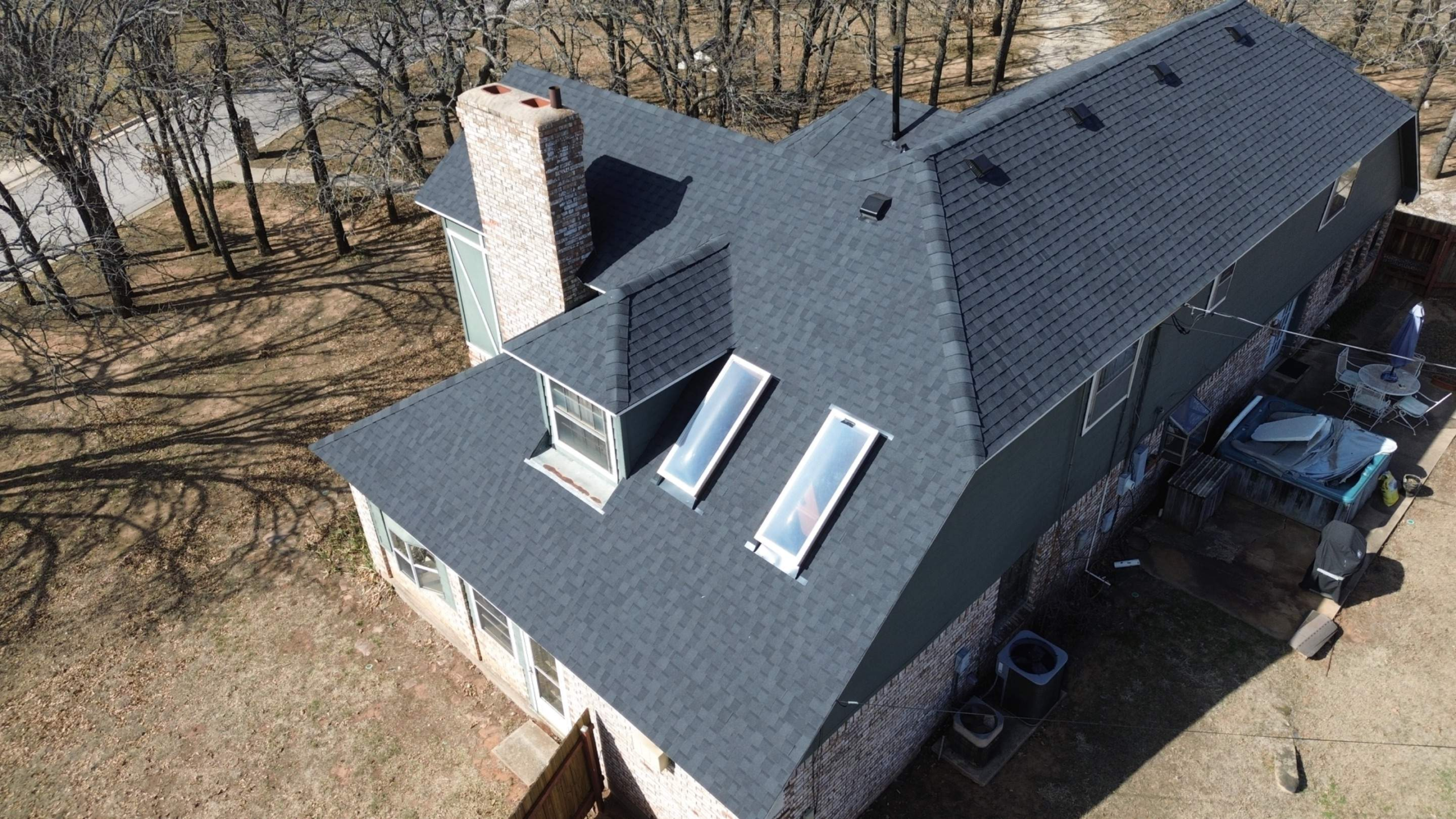
Asphalt shingles can show several different signs after a hailstorm. One common concern is localized granule loss, where the protective granules on the shingle surface have been displaced by impact. Small areas of missing granules may be difficult to recognize without close inspection, particularly when the roof is viewed from ground level.
Impact marks may also appear as small depressions or irregular areas on the shingle surface. These marks can vary in appearance depending on the roofing material, hailstone characteristics, and severity of the storm. A qualified inspector can examine suspected marks to determine whether they are consistent with impact damage.
Some hail impacts can weaken the shingle surface without immediately creating an opening. This can make the problem difficult for homeowners to detect because the roof may continue to shed water after the storm. Over time, however, compromised areas may become more vulnerable to weather exposure.
Cracks or fractures can be another possible sign. If the impact damages the shingle’s surface or structure, the affected area may become less capable of performing normally. Cracking should be documented and professionally evaluated, especially when it appears in multiple locations.
Hail damage may be distributed across a roof rather than concentrated in one location. Multiple roof slopes can contain impact marks, although the pattern may differ depending on storm direction and surrounding structures. A professional inspection can help determine whether the condition is isolated or widespread.
Homeowners should also pay attention to roofing materials found on the ground after a storm. Broken shingle pieces or unusual amounts of granules in gutters can provide clues that the roof has experienced impact or weather-related deterioration. These observations should be documented rather than treated as definitive proof of hail damage.
The presence of granules in gutters requires careful interpretation. Some granule loss naturally occurs as asphalt shingles age, especially on older roofs. A sudden increase following a hailstorm may deserve attention, particularly when it occurs alongside other signs of impact.
Shingles can also become loosened or displaced when severe weather includes strong wind. This type of damage may occur at the same time as hail but is not necessarily caused by hail itself. A complete inspection should distinguish between wind-related conditions and impact-related damage.
Because asphalt shingles are often installed on sloped surfaces, homeowners should avoid walking on the roof to investigate suspected hail marks. Walking can damage shingles, increase fall risk, and make existing conditions more difficult to evaluate. Ground-level photographs and professional inspection are safer options.
Hail Damage to Metal Roofing, Tile, and Other Materials
Hail affects roofing materials differently, so the inspection process should take the roof type into account. Metal roofing can show visible dents after a hailstorm, particularly on exposed panels and accessories. Some dents may be primarily cosmetic, while damage around seams, fasteners, or other functional areas may deserve closer attention.
Metal flashing can also show impact marks. Flashing is important because it helps protect transitions and vulnerable roof areas from water. If severe weather damages or displaces flashing, the resulting condition may create a potential pathway for moisture.
Metal gutters and downspouts can provide useful evidence of hail exposure. Dents or repeated impact marks on these components may indicate that the property experienced a significant hail event. However, the condition of the gutters should still be evaluated separately from the roof covering.
Clay and concrete tiles can be particularly vulnerable to direct impacts. Hail can crack, chip, or break individual tiles, leaving damaged sections that may require replacement. Because walking on tile roofing can cause additional breakage, close inspection should be performed by appropriately trained professionals.
Slate and other specialized roofing materials also require careful assessment. Damage can include cracking, chipping, displacement, or breakage. The repair approach depends on the material, installation method, extent of damage, and availability of compatible replacement materials.
Synthetic roofing products may respond differently depending on their composition and design. Some materials can withstand substantial impact while others may show surface damage after severe weather. Inspection findings should therefore be based on the actual product and observed condition rather than general assumptions.
Roof-mounted equipment can also be affected. Skylights, vents, solar components, chimney caps, and other exposed items may show dents, cracks, or displacement after a hailstorm. Damage to these components can sometimes create water intrusion risks even when the primary roof covering appears relatively intact.
Homeowners should document visible damage to these components from safe locations. A wide photograph can show where an affected component is located, while closer images can capture visible impact marks when they can be obtained safely. Professional inspectors can then determine whether additional evaluation is necessary.
A complete assessment should consider the entire roofing system rather than focusing exclusively on shingles or panels. Hail can affect several components during the same storm, and a combination of minor findings may provide a clearer picture of the overall impact.
Inspecting Roof Flashing, Vents, Skylights, and Gutters After Hail
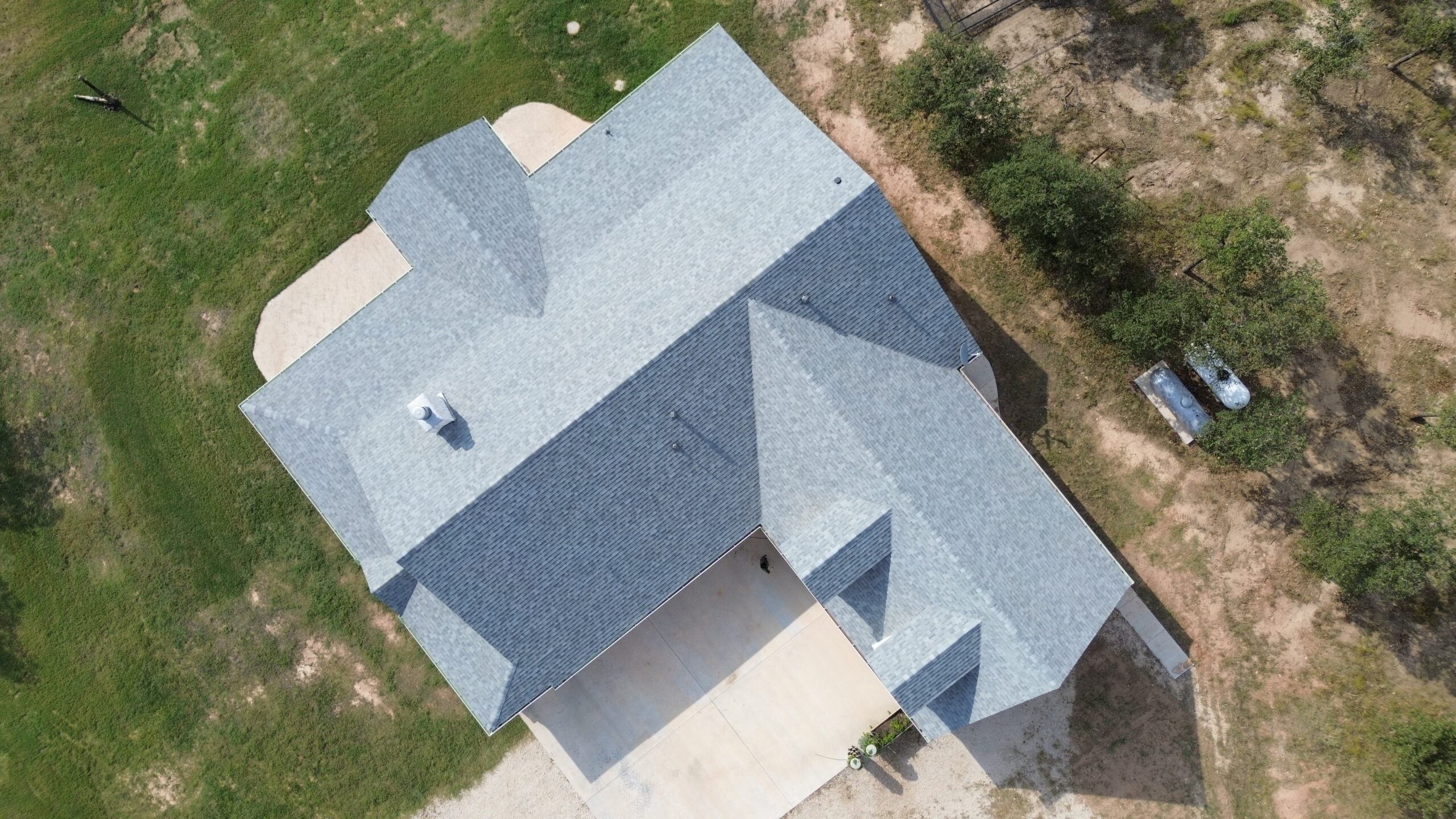
Hail can strike many of the components that extend above or around the main roof surface. These areas deserve attention because damage to a relatively small component can still contribute to water intrusion. Flashing, vents, skylights, chimneys, gutters, and downspouts should therefore be considered during a post-storm assessment.
Flashing around chimneys and roof-to-wall transitions can be exposed to direct hail impacts. Dents, cracks, loose sections, or damaged sealant may affect the weather-resistant connection between roofing materials and adjacent structures. Any suspected damage should be evaluated before another severe weather event occurs.
Roof vents can also show impact marks or physical damage. A cracked vent housing or damaged flashing around the vent may create an opening through which water can enter. Homeowners should observe these areas from the ground rather than attempting to inspect them by climbing onto the roof.
Skylights are another important area because their exposed surfaces can be struck directly by hail. Cracks or chips may be easier to identify than subtle damage around the surrounding flashing. If a skylight appears damaged after a storm, the area should be professionally evaluated.
Gutters and downspouts often provide visible evidence of hail because their metal surfaces can show dents. Although dents do not automatically mean the roofing system has been compromised, they can support the conclusion that the property experienced significant impact during the storm.
Chimney caps and other exposed metal components may also show hail marks. These areas should be inspected as part of the broader roofing assessment, especially if they are located on roof sections that appear to have received direct storm exposure.
Homeowners should also check for debris accumulation in gutters and valleys from a safe location. Hailstorms can be accompanied by strong winds that move leaves, branches, and other debris onto the roof. Blocked drainage can create additional moisture concerns even when the primary hail damage is limited.
A professional assessment can connect these observations with the condition of the main roofing materials. Rather than treating each dent or crack separately, the inspector can determine whether the components continue to perform properly and whether repairs are appropriate.
Why Hail Damage Can Be Difficult to Identify From the Ground
One of the biggest challenges of assessing hail damage is that many important signs are not easily visible from ground level. Roof surfaces can be several stories above the ground, and small impact marks may blend into the texture and color of the roofing material. A roof can therefore appear normal while still requiring closer inspection.
Lighting conditions can also affect visibility. Shadows, wet surfaces, roof texture, and viewing angles may make small marks difficult to distinguish. Photographs taken from a distance may not capture the details needed to evaluate suspected impact damage.
Roof pitch is another factor. Steeper roofs can be difficult to view from the ground, and sections hidden behind ridges or other structures may not be visible at all. Complex roofs with multiple slopes can contain areas that require professional access or specialized inspection methods.
Trees and nearby buildings can also obstruct the view. These obstacles may hide portions of the roof from normal ground-level observation. A homeowner may see only the most accessible sections and assume the entire roof has the same condition.
Hail damage may also be confused with normal aging. Granule loss, discoloration, surface changes, and minor cracks can occur naturally as roofing materials weather. Determining whether a condition is storm-related requires consideration of the pattern, location, severity, and surrounding evidence.
For these reasons, homeowners should treat ground-level observations as an initial assessment rather than a final diagnosis. Binoculars and safe photographic methods can help identify obvious concerns, but they cannot replace a professional evaluation when significant damage is suspected.
A professional inspection becomes particularly important when a severe hailstorm has occurred or when the roof shows multiple signs of impact. Early assessment can help identify damage before subsequent rainfall or weather conditions make the problem worse. It also provides homeowners with clearer information when deciding whether repairs or additional investigation are necessary.
How Hail Damage Differs From Normal Roof Aging
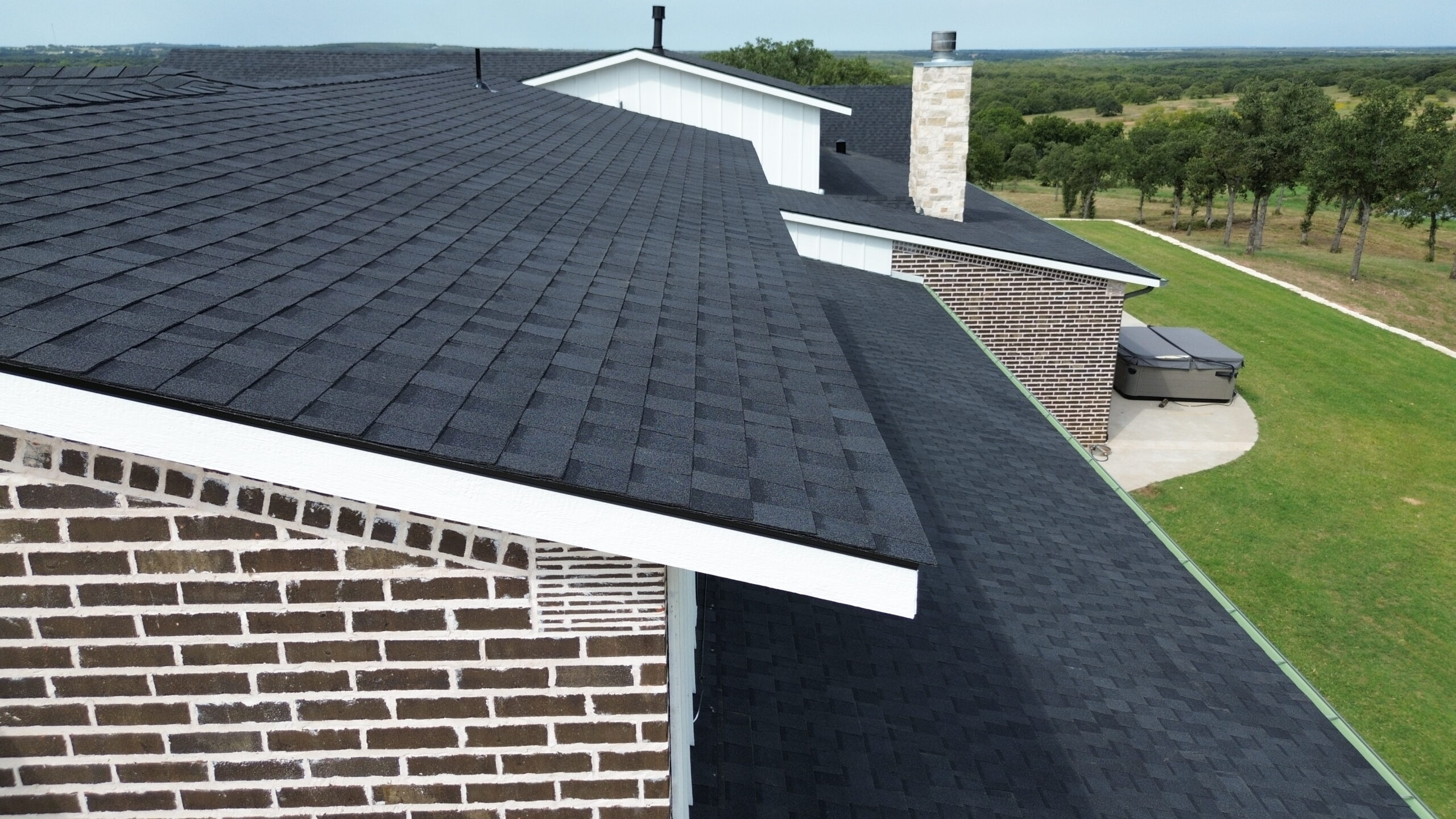
One of the most important parts of evaluating a residential roof after a hailstorm is determining whether observed conditions are actually storm-related. Roofing materials naturally deteriorate as they are exposed to sunlight, temperature changes, rain, wind, and seasonal weather. Some signs of normal aging can look similar to hail damage, so homeowners should avoid assuming that every imperfection appeared during the latest storm.
Asphalt shingles commonly lose some granules as they age. Small amounts of loose granules in gutters or downspouts may therefore occur without a hail event. Hail-related granule loss is more likely to appear as localized areas where impact has affected the shingle surface, particularly when similar marks are found across exposed sections of the roof.
Surface discoloration can also be caused by ordinary weather exposure. Shingles may fade unevenly because different roof sections receive different amounts of sunlight. Hail impact, however, may produce physical changes that are different from simple color variation.
Cracking and brittleness require careful consideration as well. Older shingles may become brittle and develop cracks because of long-term exposure. A professional inspector can examine whether suspected damage has characteristics consistent with impact or whether it appears more consistent with age-related deterioration.
The pattern of a condition can provide useful information. Widespread uniform wear across the roof may suggest aging, while irregular impact marks concentrated on exposed surfaces may warrant closer examination for storm damage. A professional assessment should consider the complete pattern instead of relying on one isolated mark.
Roof age is another important factor, but it should not determine the conclusion by itself. An older roof can still experience new hail damage, while a newer roof can also develop wear or defects unrelated to a storm. The condition before and after the weather event should be considered whenever reliable records are available.
Previous inspection photographs can be particularly helpful. If photographs taken before the storm show that the roof was in good condition and later images show new impact-related changes, the comparison may provide useful evidence. Homeowners should keep older inspection reports and maintenance records whenever possible.
Other components can also help establish context. Dented gutters, damaged siding, broken outdoor equipment, and impact marks on other surfaces may support the presence of a significant hailstorm. These observations do not prove that a roof is damaged, but they can help an inspector understand the weather event.
Homeowners should avoid making repair or replacement decisions based solely on the appearance of aging materials. A qualified roofing professional can distinguish between common deterioration and suspected storm damage more accurately. This can help prevent unnecessary work while ensuring genuine damage receives appropriate attention.
Hidden Effects of Hail Damage on Roofing Materials
Hail damage is not always limited to the visible surface of a roofing material. An impact can weaken a component without creating an immediate opening. The resulting problem may become more noticeable later as the roof continues to experience rain, sunlight, wind, and temperature changes.
On asphalt shingles, an impact may affect the protective surface or underlying structure. Even when a shingle continues to shed water immediately after a storm, damage can reduce its ability to withstand future weather exposure. This is one reason that suspected hail damage should be assessed rather than ignored simply because no leak has appeared.
Water intrusion is one possible consequence of compromised roofing materials. If hail damage creates or contributes to an opening, rainfall may reach the underlayment or roof deck. Repeated moisture exposure can eventually affect insulation, wood components, ceilings, and other interior materials.
Flashing can also sustain less obvious damage. A hail impact may dent or deform metal components without creating a clearly visible opening from the ground. If the affected area no longer performs as intended, water may enter during future rainfall.
Roof penetrations require similar attention. Vents, skylights, chimney components, and other features can experience impact damage around their edges or surrounding materials. A small defect in one of these locations may become a pathway for water.
Tile roofing can experience hidden consequences when cracks are difficult to see. A tile may appear mostly intact while containing a fracture that compromises its weather resistance. Broken or displaced tiles can also expose underlying materials to the elements.
Metal roofing may show dents that range from primarily cosmetic conditions to damage that affects seams, coatings, fasteners, or other functional areas. The location of the impact is important because a dent on a flat section may have different implications from damage near a seam or connection.
Hail can also affect protective coatings and finishes. Damage to a coating may expose underlying material to weathering or corrosion depending on the roofing system. This is especially important when the affected component is designed to rely on a protective surface for long-term durability.
Homeowners should understand that hidden damage cannot always be confirmed through a simple ground-level inspection. A professional may need to examine affected areas more closely to determine whether the roofing system remains functional. Additional investigation may be recommended when visible evidence is inconclusive.
The absence of an immediate leak does not necessarily mean there is no damage. Some roofing defects may remain without producing interior symptoms until a later rainfall. Prompt assessment after a significant hailstorm can therefore help identify potential concerns before they develop into more expensive problems.
Interior Signs That May Follow Hail Damage
Interior conditions can sometimes provide clues that a roof has been affected by hail. When hail damages roofing materials or related components, subsequent rainfall may enter the roof assembly. Water can then travel through decking, insulation, framing, or wall cavities before becoming visible inside the home.
Ceiling stains are among the most common interior warning signs. A new brown, yellow, or darkened area that appears after a hailstorm may indicate moisture intrusion. Homeowners should document the location and appearance of the stain and note whether it changes after additional rainfall.
Damp insulation can also indicate that moisture has entered the attic. Wet or discolored insulation should not simply be covered or replaced without investigating the source. Water may have traveled from another location before reaching the visible insulation.
Attic roof decking may show dark marks or moisture staining after a storm. These observations can help inspectors determine whether water may have entered through the roof. However, condensation can produce similar evidence, so the presence of a stain should not automatically be attributed to hail damage.
Peeling paint, bubbling drywall, or damaged ceiling finishes can also occur after moisture intrusion. These conditions may develop gradually rather than immediately after the storm. If interior finishes begin changing after a significant hail event, the roof and other possible moisture sources should be evaluated.
A musty odor can be another warning sign when moisture has remained in an enclosed area. Odors alone do not prove that the roof is leaking, but they may become more significant when combined with visible staining or damp materials. Homeowners should investigate persistent moisture-related odors instead of masking them with air fresheners.
Water around light fixtures or electrical components requires particular caution. Homeowners should not touch wet electrical equipment or attempt to investigate electrical systems themselves. Qualified professionals should determine whether water has reached electrical components.
Interior signs may not appear directly beneath the damaged roof section. Water can travel horizontally along framing and other building materials before reaching a ceiling or wall. Therefore, the location of an interior stain should not automatically be treated as the location of the exterior roof defect.
Homeowners should record the timing of interior symptoms. If a stain appears after every heavy rainfall following the hailstorm, that recurring pattern can provide useful information. Photographs taken over several days or after different weather events can also help show whether the condition is expanding.
Interior evidence should be considered alongside exterior findings. When suspected hail damage, damaged flashing, and new moisture stains occur in related areas, the combined evidence may justify a more detailed professional investigation.
Assessing Hail Damage After a Severe Storm
A thorough hail damage assessment should begin with safety and documentation. Homeowners should first observe the property from safe areas and look for visible signs such as damaged roofing materials, dents on metal components, broken tiles, debris, and interior moisture. Roof access should be left to trained professionals when conditions are unsafe.
The surrounding property can provide useful information about the severity of the storm. Hail may leave marks on vehicles, outdoor equipment, siding, fences, or other exposed surfaces. These observations can help establish that the property experienced substantial hail, although they do not by themselves determine the condition of the roof.
Weather timing should also be recorded. Homeowners can note the date of the hailstorm, approximate duration, and whether strong winds or heavy rainfall occurred at the same time. These details can help provide context during a later inspection.
The roof should then be assessed for visible conditions. From the ground, homeowners may notice missing materials, displaced components, damaged gutters, or obvious impact marks. These observations should be photographed rather than investigated through unsafe roof access.
A professional assessment may examine individual roof slopes and roofing components in greater detail. The inspector can look for impact patterns, material damage, flashing concerns, damaged accessories, and other conditions that may not be visible from the ground.
A useful assessment should distinguish between suspected hail damage and pre-existing conditions. Previous repair records or inspection photographs can help establish what the roof looked like before the storm. This comparison can be particularly valuable when the roof already showed signs of aging.
The extent of suspected damage should also be considered. A few isolated marks may require a different response from widespread damage across multiple roof slopes. The inspector should explain whether the observed conditions are localized or affect a significant portion of the roofing system.
Homeowners should not pressure an inspector to reach a particular conclusion. The assessment should be based on observable evidence and professional judgment. A reliable report should explain what was found and why specific repairs or further evaluation are recommended.
If the assessment identifies active water intrusion, temporary protection may be appropriate while permanent repairs are arranged. Homeowners should not climb onto the roof to install coverings during or after unsafe weather. Qualified professionals can determine what temporary measures are appropriate.
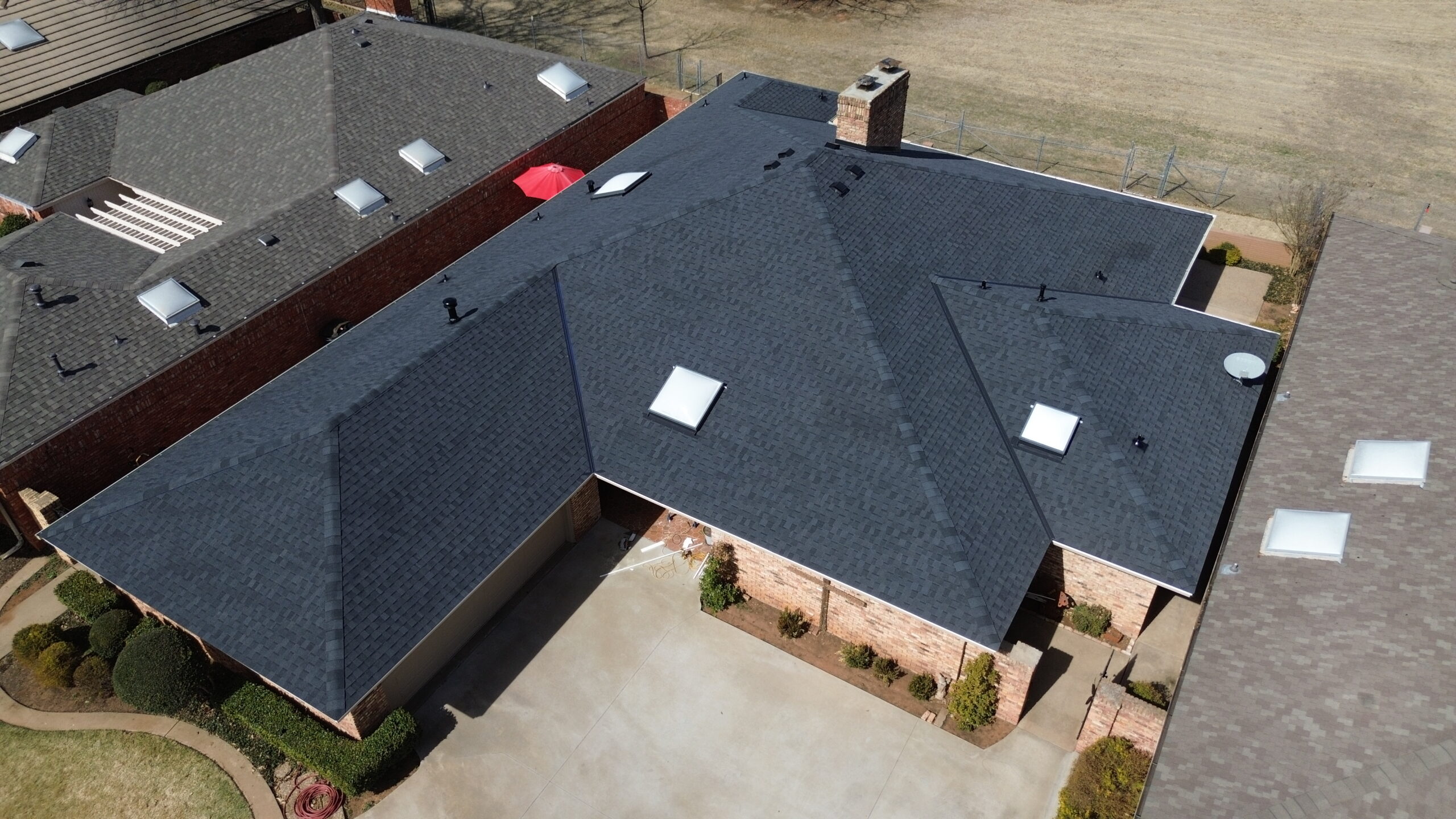
Documenting Hail Damage With Photographs and Inspection Reports
Good documentation can make the hail damage assessment process easier to understand. Photographs provide a visual record of the property’s condition after the storm and can help homeowners compare current observations with previous inspections. Written notes can add information that photographs cannot show.
Homeowners should photograph the property from safe ground-level locations. Wider images can show the general condition of roof sections, while closer photographs can document visible damage to gutters, siding, vents, or other accessible components. Roof photographs should not require climbing onto unsafe surfaces.
Interior evidence should also be documented. Photographs can show ceiling stains, damp areas, damaged finishes, or other changes that appeared after the storm. Include enough surrounding detail to show where the affected area is located within the home.
The date of each photograph should be preserved when possible. Homeowners should also record when the hailstorm occurred and when each condition was first noticed. This creates a clearer timeline that can be useful during professional assessment.
Inspection reports should identify specific findings and their locations. A report that simply states that the roof has hail damage provides less useful information than one that describes affected components and includes supporting photographs. Clear documentation helps homeowners understand what needs attention.
Homeowners can organize records according to the property area. Roof photographs, interior photographs, inspection reports, repair estimates, invoices, and maintenance records can be kept together. This organization can make future inspections easier and provide a useful history of the roofing system.
It is important to document damage before making permanent repairs whenever practical. Emergency protection may be necessary if water is entering the home, but homeowners should photograph the original condition first when doing so is safe. Documentation should never take priority over immediate safety.
A professional inspection report can also identify conditions that homeowners could not safely observe. When combined with homeowner photographs and previous records, the report can provide a more complete picture of the storm’s effects. These records can support future repair planning and ongoing roof maintenance.
When Professional Hail Damage Inspection Is Necessary
Professional inspection is especially important when a significant hailstorm has affected the property. Small impact marks may be difficult to identify from the ground, and homeowners may not be able to safely access steep or elevated roof surfaces. A qualified roofing professional can evaluate the roof more thoroughly while following appropriate safety practices.
A professional inspection is also appropriate when interior moisture appears after a hailstorm. Ceiling stains, damp insulation, or recurring leaks may indicate that storm damage has allowed water to enter the building. Finding the actual source is important before interior finishes are permanently repaired.
Widespread suspected impact damage is another reason to seek professional evaluation. If multiple roof slopes, vents, gutters, skylights, or other components show signs of hail exposure, a complete assessment can help determine the overall condition of the system.
Older roofs may also benefit from professional inspection after severe hail. Existing deterioration can make it difficult for homeowners to distinguish new storm damage from previous wear. An experienced inspector can evaluate the condition in context and explain which findings appear significant.
Professional assessment is not automatically a recommendation for complete roof replacement. Many storm-related conditions may be repairable, particularly when damage is limited to specific components. The appropriate response depends on the extent of damage and the remaining condition of the roofing system.
Homeowners should request clear explanations of significant findings. They can ask which areas were inspected, what evidence indicates hail damage, which conditions require attention, and whether additional investigation is necessary. Understanding these answers can help homeowners make informed decisions about repairs.
A detailed inspection report can serve as a useful record after the storm. It may document photographs, affected components, observed conditions, limitations, and recommended next steps. Keeping this report with other property records can help homeowners monitor the roof over time.
The goal of professional hail damage inspection is to identify genuine concerns without confusing ordinary aging with storm-related damage. A careful assessment can help homeowners respond to problems early, avoid unnecessary work, and protect the roofing system from additional weather exposure.
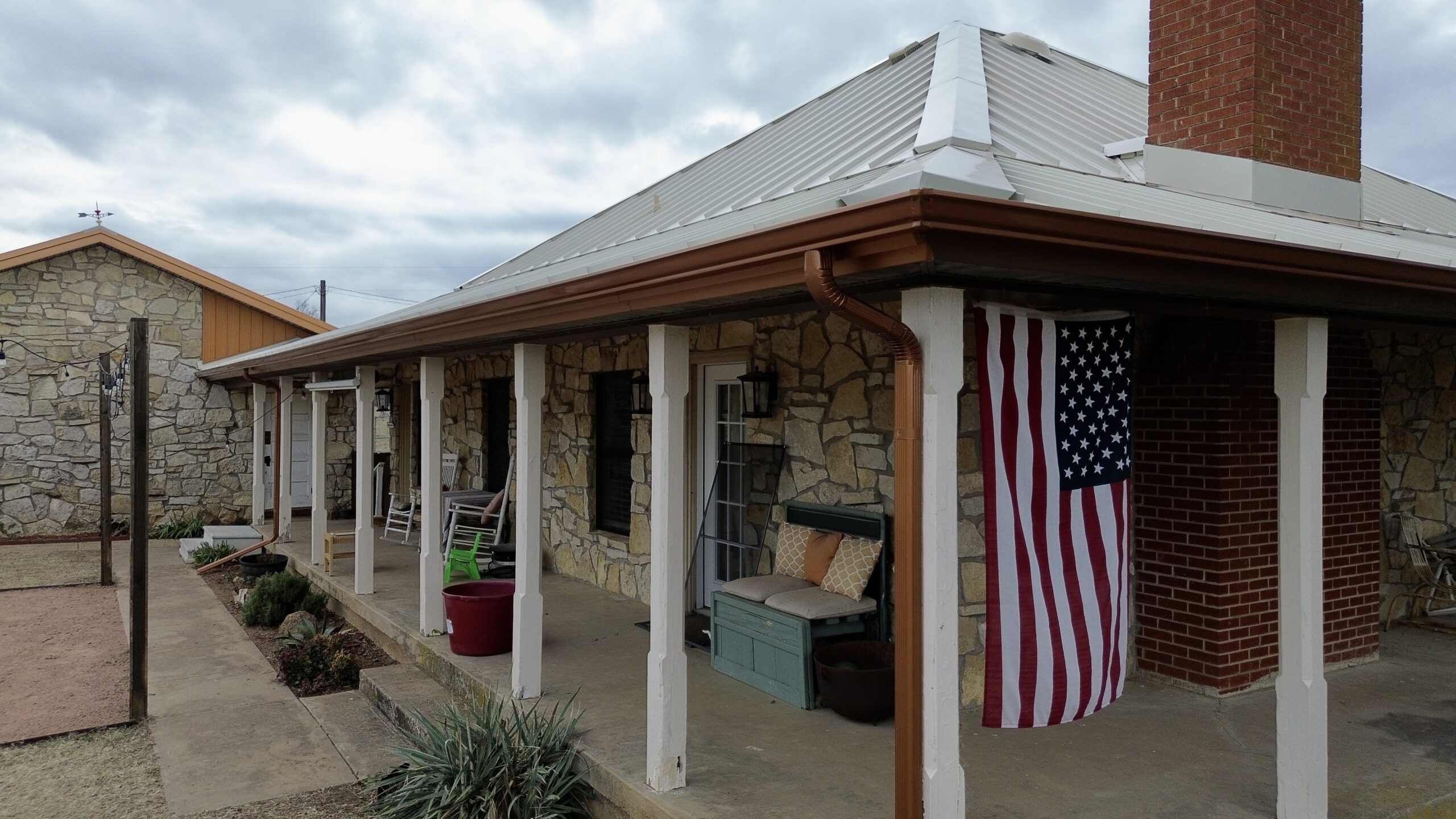
Determining Whether Hail Damage Requires Roof Repair
After a professional assessment confirms hail-related damage, homeowners must determine what type of response is appropriate. Not every hail impact requires extensive roofing work, and visible damage does not automatically mean the entire roof needs replacement. The recommended solution depends on the location, severity, extent, roofing material, and overall condition of the system.
Localized damage may be suitable for repair when only a limited number of roofing components have been affected. Individual shingles, tiles, flashing sections, vents, or other components may sometimes be replaced without disturbing the entire roof. The repair should restore the affected area while maintaining proper integration with the surrounding roofing materials.
More extensive damage may require broader repairs. If multiple roof slopes contain significant impact damage, the affected materials may no longer provide reliable long-term protection. A professional should explain whether the damaged areas can be effectively repaired or whether the condition is extensive enough to justify replacement planning.
The age of the roof should also be considered. A newer roof with isolated hail damage may be a good candidate for targeted repairs, while an older roof with widespread deterioration may have fewer practical repair options. However, roof age should support the assessment rather than serve as the only reason for recommending replacement.
Previous deterioration can make the decision more complicated. Older shingles may already have granule loss, cracking, curling, or brittleness before the storm occurred. A professional assessment should distinguish those conditions from new impact damage so homeowners understand exactly what the hailstorm changed.
The location of the damage is also important. Damage around flashing, roof penetrations, valleys, seams, or other vulnerable areas may create greater water-intrusion concerns than marks on less critical surfaces. The inspector should explain how the affected location could influence roof performance.
Homeowners should ask for photographs or other documentation supporting significant recommendations. If replacement is proposed, they should understand what percentage or sections of the roof are affected and why localized repairs would not provide an appropriate solution. Clear explanations make it easier to compare professional opinions and make informed decisions.
When Hail Damage May Lead to Roof Replacement
Roof replacement may become appropriate when hail has caused extensive damage across the roofing system or when the existing roof was already approaching the end of its useful service life. A severe storm can accelerate deterioration and expose weaknesses that may make continued repairs less practical.
Widespread impact damage is one factor that can influence replacement decisions. If numerous areas across several roof slopes have been compromised, repairing individual locations may not provide a consistent long-term solution. The overall condition of the roofing system should be considered rather than focusing on individual damaged shingles.
Repeated repairs can also become inefficient when a roof has experienced multiple significant weather events. Each repair may address a specific area while other components continue to age. When the system has widespread deterioration, homeowners may need to consider whether continued repairs provide reasonable long-term value.
The underlying roofing components can also affect the decision. Significant water intrusion may damage underlayment, decking, insulation, or other materials beneath the visible roof covering. If substantial underlying damage is discovered, more extensive work may be necessary to restore the system properly.
Roofing material availability can sometimes influence repair feasibility. Certain older or discontinued materials may be difficult to match accurately. A professional can explain whether compatible replacement materials are available and whether a repair would maintain the appearance and performance of the existing roof.
Homeowners should avoid assuming that every hailstorm requires replacement. Roofing systems are designed to withstand weather exposure, and the response should be based on actual observed conditions. A qualified professional should be able to explain why replacement is recommended and what evidence supports that conclusion.
When replacement is necessary, homeowners should review the proposed system carefully. Important considerations can include roofing material, underlayment, flashing, ventilation, drainage, installation practices, and warranty coverage. A complete replacement should address the roofing system as a whole rather than simply covering visible damage.
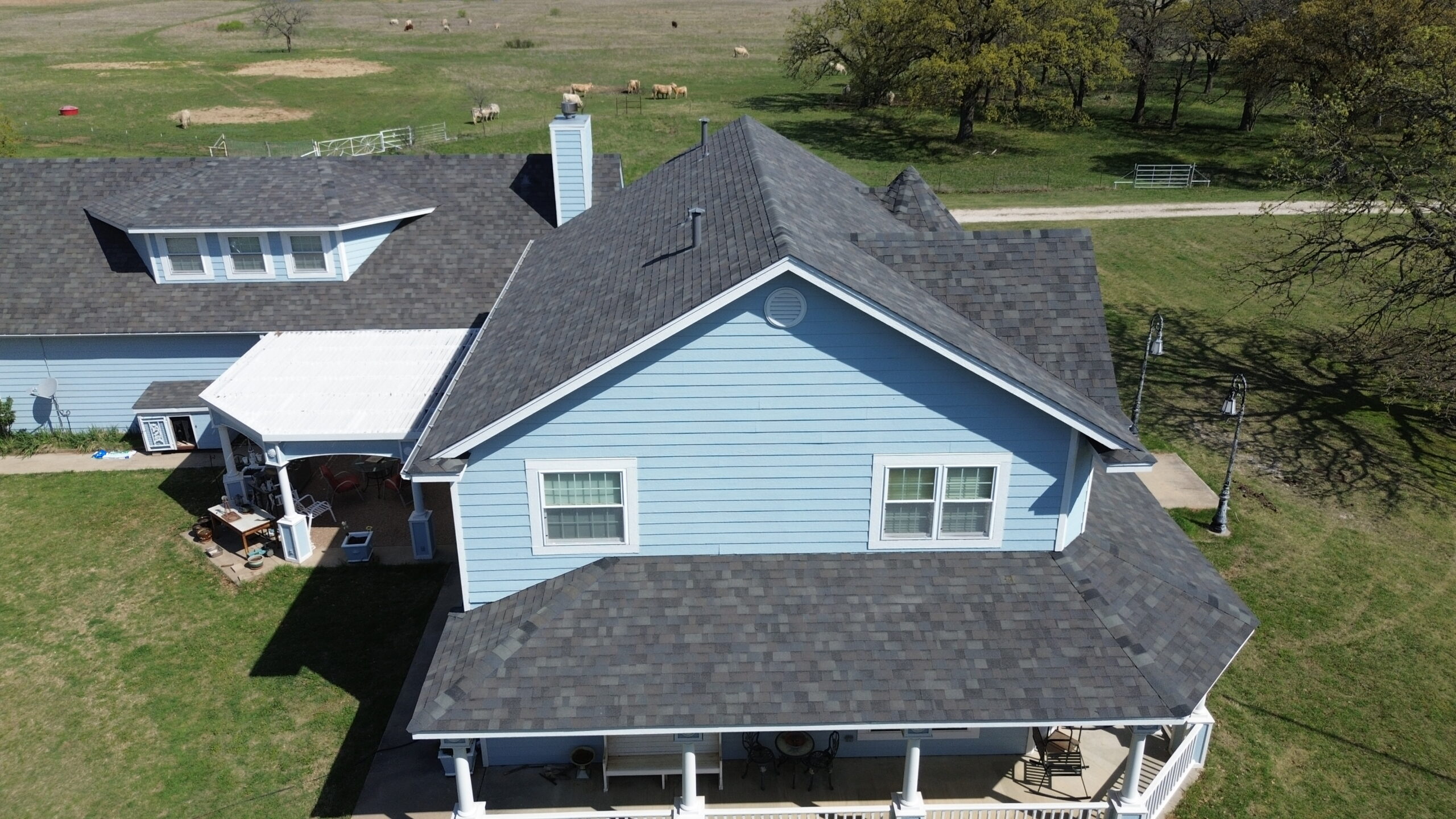
Understanding Repair Estimates and Recommended Work
After a hail damage inspection, homeowners may receive estimates from roofing contractors. These documents can vary considerably in detail and price, so they should be reviewed carefully. The lowest estimate is not necessarily the best option if it provides a limited scope of work or uses unsuitable materials.
A detailed estimate should identify the proposed work clearly. For a repair, it may specify which shingles, tiles, flashing components, vents, or gutters will be replaced. For a replacement project, it should describe the roofing material and major components included in the installation.
Homeowners should compare estimates with the inspection findings. If a contractor proposes work that was not identified in the report, homeowners can ask why the additional work is necessary. Additional deterioration may become apparent during closer inspection, but the reason should be explained before the work is approved.
Material quality is another important consideration. Roofing products can differ in durability, appearance, warranty terms, and performance characteristics. Homeowners should understand what materials are being proposed and whether they are suitable for the home’s roof design and local weather conditions.
The estimate should also clarify whether related components are included. Depending on the condition of the roof, the project may involve flashing, underlayment, ventilation components, decking, drip edges, gutters, or other materials. Knowing what is included helps prevent unexpected costs during the project.
Homeowners should review workmanship and product warranties as well. A warranty should clearly identify what is covered and under what conditions. Copies of contracts, warranties, invoices, photographs, and completion documentation should be retained for future reference.
It can be useful to obtain more than one estimate for substantial work. Comparing several qualified contractors can reveal differences in scope, materials, timelines, and proposed solutions. However, homeowners should compare equivalent scopes rather than simply choosing the contractor with the lowest total price.
A good contractor should be willing to explain the estimate in understandable language. Homeowners should feel comfortable asking questions about unfamiliar terms, recommended repairs, material choices, and project timing. Clear communication is an important part of managing major roofing work.
Preventing Additional Problems After Hail Damage
Once hail damage has been identified, homeowners should take steps to prevent existing problems from becoming worse. Damaged roofing materials can become more vulnerable during subsequent rainfall, wind, and temperature changes. Prompt professional attention can help reduce the possibility of secondary damage.
Temporary protection may be appropriate when the roof has an opening or severely damaged area. Such protection should generally be installed by qualified professionals because accessing a damaged roof can be dangerous. Homeowners should never climb onto a wet or unstable roof to place a tarp or secure loose materials.
Interior belongings should be protected when water is entering the home. Furniture, electronics, and other items can be moved away from affected areas when it is safe to do so. If water is near electrical equipment, homeowners should avoid contact and seek appropriate professional assistance.
Gutters and drainage systems should be kept clear after a hailstorm. Hail may occur alongside strong winds that bring leaves, branches, and other debris onto the roof. Blocked drainage can increase water accumulation and create additional problems around roof edges and foundations.
Nearby trees should also be evaluated after severe weather. Broken branches can remain unstable and may fall during another period of wind. Removing hazardous branches through appropriate professional tree maintenance can reduce future impact risks.
Homeowners should continue watching for interior moisture after repairs or temporary protection. A roof may appear repaired while water continues entering through an overlooked flashing area or another damaged component. New stains, damp insulation, or recurring leaks should be reported promptly.
Regular professional inspections can help monitor repaired areas. This is particularly useful when the roof has experienced extensive weather exposure or when previous damage has been repaired. Continued monitoring can identify developing issues before they become major problems.
Keeping accurate records is another form of prevention. Inspection reports, photographs, repair documents, and maintenance records can help homeowners understand how the roof has changed over time. These records can also help future inspectors distinguish newer damage from older conditions.
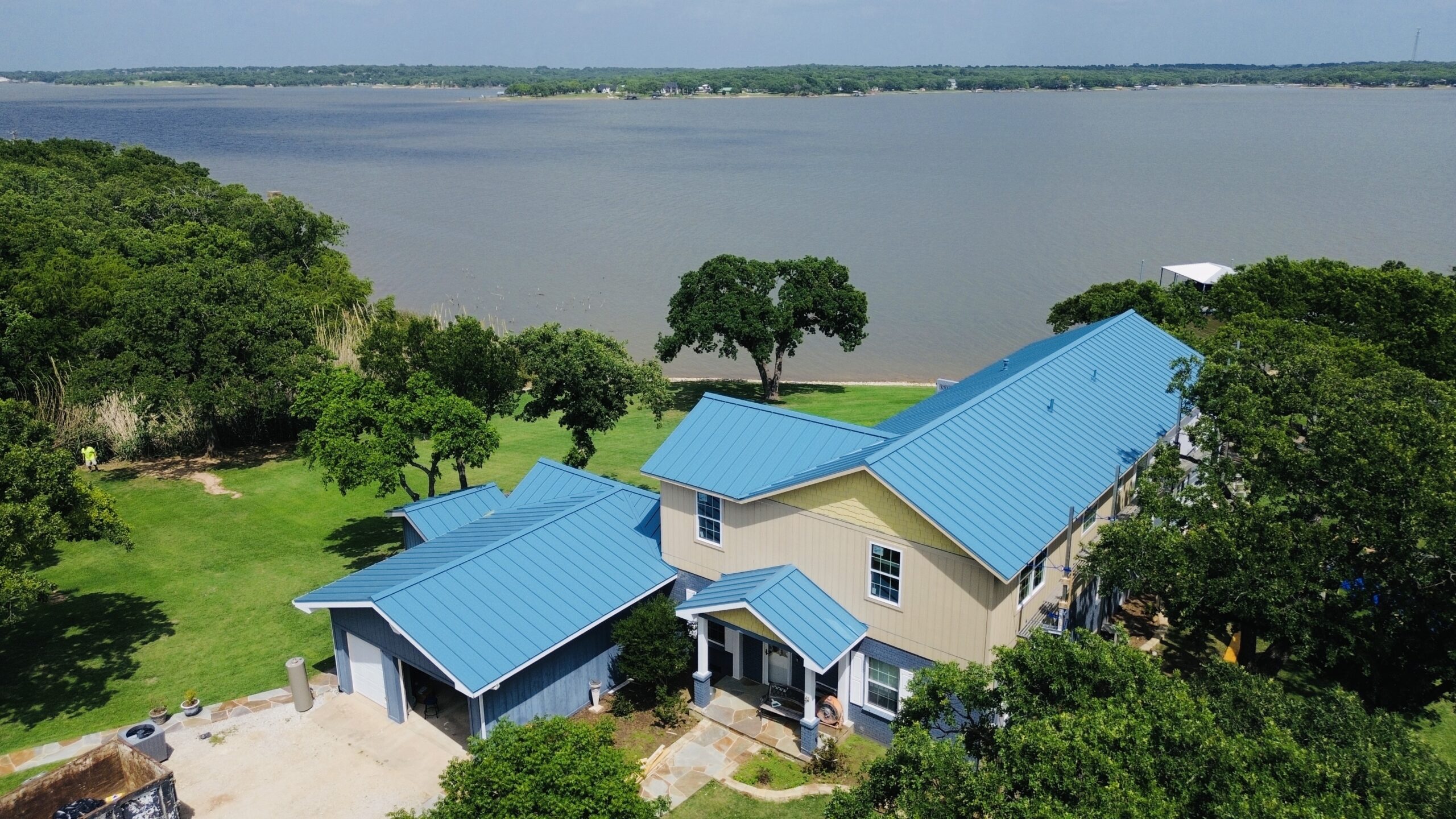
Common Homeowner Mistakes After a Hailstorm
One common mistake is climbing onto the roof immediately after the storm to look for damage. Wet roofing materials can be slippery, while hail may have weakened shingles or other components. Roof inspection should be performed safely from the ground or by an appropriately qualified professional.
Another mistake is assuming that no leak means no damage. Hail can weaken roofing materials without creating an immediate opening. Some problems may only become apparent after additional rainfall or as damaged materials continue to deteriorate.
Homeowners may also focus only on shingles. Hail can damage flashing, vents, skylights, gutters, downspouts, tile, metal components, and other roof accessories. A complete assessment should consider the entire roofing system.
Waiting too long to document visible conditions can also create difficulties. Photographs and notes taken soon after the storm provide a useful record of what was observed. Documentation should be completed safely and should never require dangerous roof access.
Choosing a contractor solely because of the lowest price is another potential mistake. A low estimate may have a narrower scope or different materials than another proposal. Homeowners should compare qualifications, scope, materials, warranties, and workmanship as well as price.
Some homeowners may also assume that every visible defect was caused by hail. Normal aging, previous repairs, wind damage, and other weather-related conditions can create similar signs. Professional evaluation can help separate storm-related damage from pre-existing deterioration.
Finally, homeowners should avoid making major decisions under unnecessary pressure. Significant roofing work should be supported by clear findings and a reasonable explanation of the recommended solution. Taking time to understand the assessment can help homeowners choose an appropriate repair strategy.
Conclusion
Hail damage can affect residential roofing systems in many different ways, from surface impact marks and granule loss to cracked tiles, damaged flashing, dented metal components, and compromised roof accessories. Some conditions are immediately visible, while others may remain hidden until additional weather exposes weaknesses. A careful assessment is therefore important after a significant hailstorm.
Homeowners should begin with safe observations and documentation rather than attempting to climb onto the roof. Photographs, inspection records, storm information, and interior observations can provide useful evidence for a professional assessment. Ground-level observations are helpful, but they cannot always reveal subtle or hidden damage.
Distinguishing hail damage from normal aging is also essential. Roofing materials naturally deteriorate over time, and some signs of wear can resemble storm impacts. A qualified roofing professional can evaluate the pattern, location, severity, and characteristics of suspected damage to determine what conditions require attention.
Not every hail-damaged roof needs replacement. Localized damage may be addressed with appropriate repairs, while widespread impact damage combined with advanced deterioration may make replacement more practical. Homeowners should understand the evidence behind any major recommendation before approving extensive work.
Repair estimates should be compared based on scope, materials, workmanship, warranties, and overall value rather than price alone. A detailed proposal should explain what will be repaired or replaced and identify important roofing components included in the work. Asking questions before signing a contract can help prevent misunderstandings.
After repairs, continued maintenance remains important. Keeping drainage systems clear, monitoring repaired areas, maintaining nearby trees, and arranging professional inspections can help protect the roofing system from future weather events. Good documentation also provides a valuable record for future maintenance and inspections.
Ultimately, understanding hail damage allows homeowners to respond calmly and responsibly after severe weather. By prioritizing safety, obtaining professional assessment when needed, documenting conditions carefully, and addressing confirmed problems promptly, homeowners can protect their roofing systems and reduce the likelihood of minor storm damage becoming a larger and more expensive issue.