
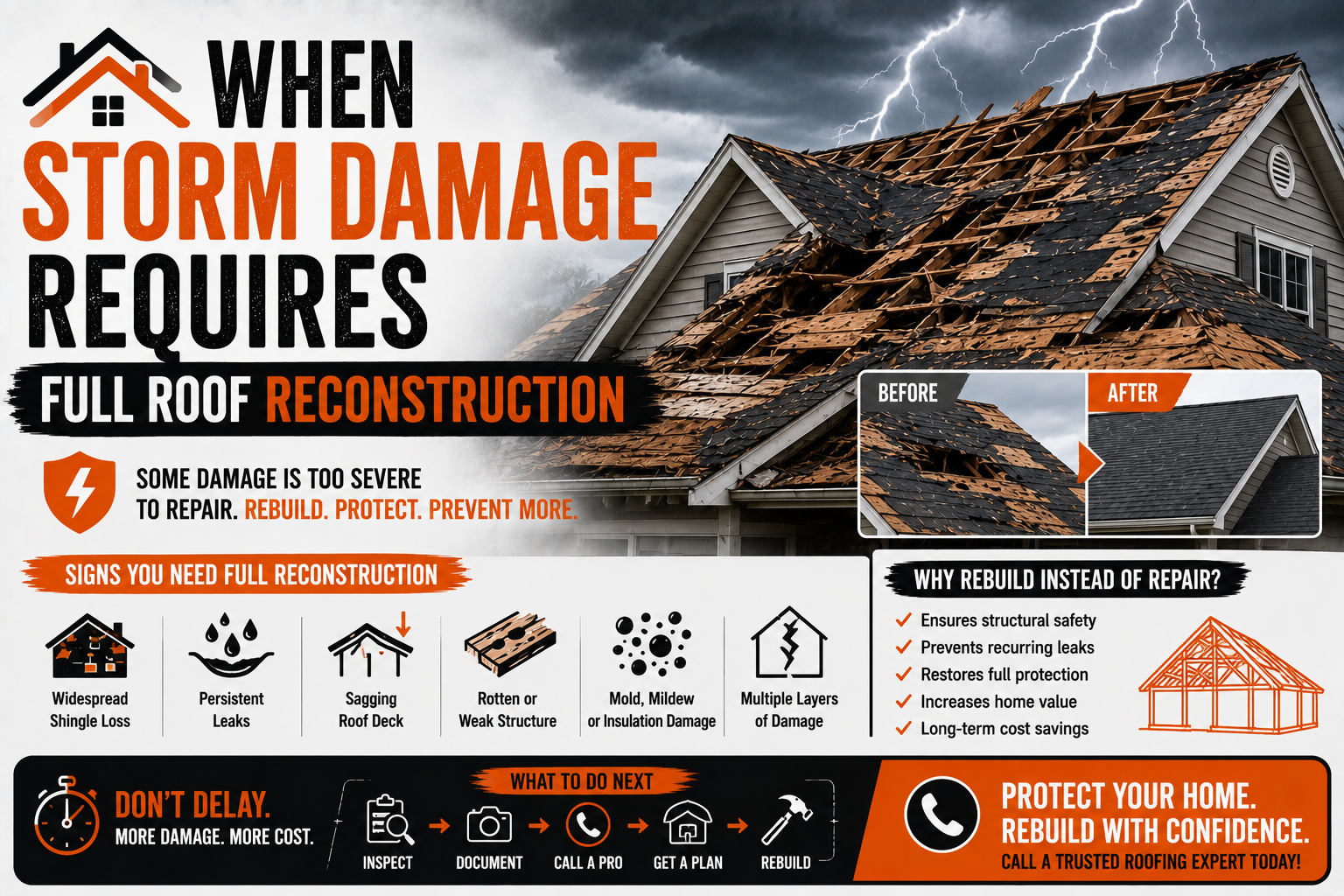
When Storm Damage Requires Full Roof Reconstruction
Introduction
Storms can affect a roof in many different ways, ranging from a few missing shingles to widespread structural destruction. While many roofing problems can be resolved with localized repairs or partial replacements, some storms cause damage so extensive that repairing isolated sections is no longer enough. In these situations, full roof reconstruction becomes the safest and most practical solution for restoring the home’s structural integrity and long term protection.
Severe weather events place tremendous stress on every component of the roofing system. Hurricanes, tornadoes, hailstorms, powerful wind events, heavy snowfall, and falling trees can damage not only the visible roofing materials but also the hidden structural framework beneath them. Even when the exterior damage appears manageable, the supporting components underneath may have suffered significant weakening that affects the roof’s overall stability.
Many homeowners focus on the visible signs of storm damage because they are the easiest to recognize. Broken shingles, dented metal panels, damaged gutters, or fallen branches naturally attract immediate attention. However, the most serious problems often occur beneath the roof covering where damaged decking, compromised trusses, weakened rafters, and saturated insulation continue deteriorating long after the storm has passed.
Determining whether a roof requires repairs or complete reconstruction is not always straightforward. Factors such as the age of the roof, the severity of structural damage, repeated storm exposure, moisture intrusion, and the condition of supporting components all influence the final recommendation. A roof that appears repairable from the ground may actually contain widespread hidden damage that threatens the safety of the entire structure.
Full roof reconstruction involves much more than installing new shingles or replacing visible roofing materials. The process may include rebuilding structural framing, replacing roof decking, installing new underlayment, updating flashing systems, improving ventilation, and restoring every component necessary for a safe and durable roofing system. The objective is to rebuild the roof so it performs as a complete, integrated structure rather than simply covering damaged areas.
Ignoring severe storm damage can create long term consequences that extend far beyond the roof itself. Moisture intrusion, structural movement, mold growth, wood rot, insulation failure, and electrical hazards may continue developing if damaged components remain in place. Addressing these issues through comprehensive reconstruction helps protect both the home and its occupants.
Understanding when storm damage requires full roof reconstruction allows homeowners to make informed decisions after major weather events. Recognizing the warning signs early, obtaining professional evaluations, and responding promptly can prevent escalating repair costs while restoring the home’s long term safety and resilience.
This guide explains the situations that require roof reconstruction, explores how storms compromise structural components, identifies the warning signs homeowners should never ignore, and discusses why early professional assessment plays such an important role in protecting the entire property.
Understanding the Difference Between Roof Repairs and Full Roof Reconstruction
Roof repairs and full roof reconstruction serve very different purposes, even though both involve restoring storm damaged roofing systems. Understanding the distinction helps homeowners appreciate why extensive structural damage often requires much more than replacing visible roofing materials.
Roof repairs focus on correcting isolated problems while preserving most of the existing roofing system. Contractors may replace damaged shingles, repair flashing, fix localized leaks, or restore small sections affected by wind or hail. These repairs work well when the roof structure remains sound and the damage is limited to relatively small areas.
Partial roof replacement extends beyond simple repairs by replacing larger sections of roofing materials while leaving the majority of the roof intact. This approach is often appropriate when storm damage affects one portion of the roof but the remaining structure continues performing well. Careful evaluation ensures the new and existing materials function together properly.
Full roof reconstruction becomes necessary when the underlying structural components no longer provide reliable support. Damage extending into the roof decking, rafters, trusses, fascia, underlayment, insulation, or ventilation system often requires much more extensive restoration than surface repairs alone can provide.
Another important difference involves the overall objective. Repairs restore damaged roofing materials, while reconstruction rebuilds the structural foundation that supports the entire roof. The process addresses hidden damage that cannot be corrected simply by installing new shingles or replacing visible components.
Reconstruction also provides opportunities to improve the roofing system beyond its previous condition. Updated structural designs, modern underlayment materials, improved flashing, stronger fastening methods, and enhanced ventilation can all increase the roof’s resistance to future storms while extending its service life.
Choosing between repair and reconstruction should always be based on a thorough structural evaluation rather than appearance alone. What initially seems like a straightforward repair may reveal significant hidden damage once roofing materials are removed for closer inspection.
Common Types of Storm Damage That Can Lead to Roof Reconstruction
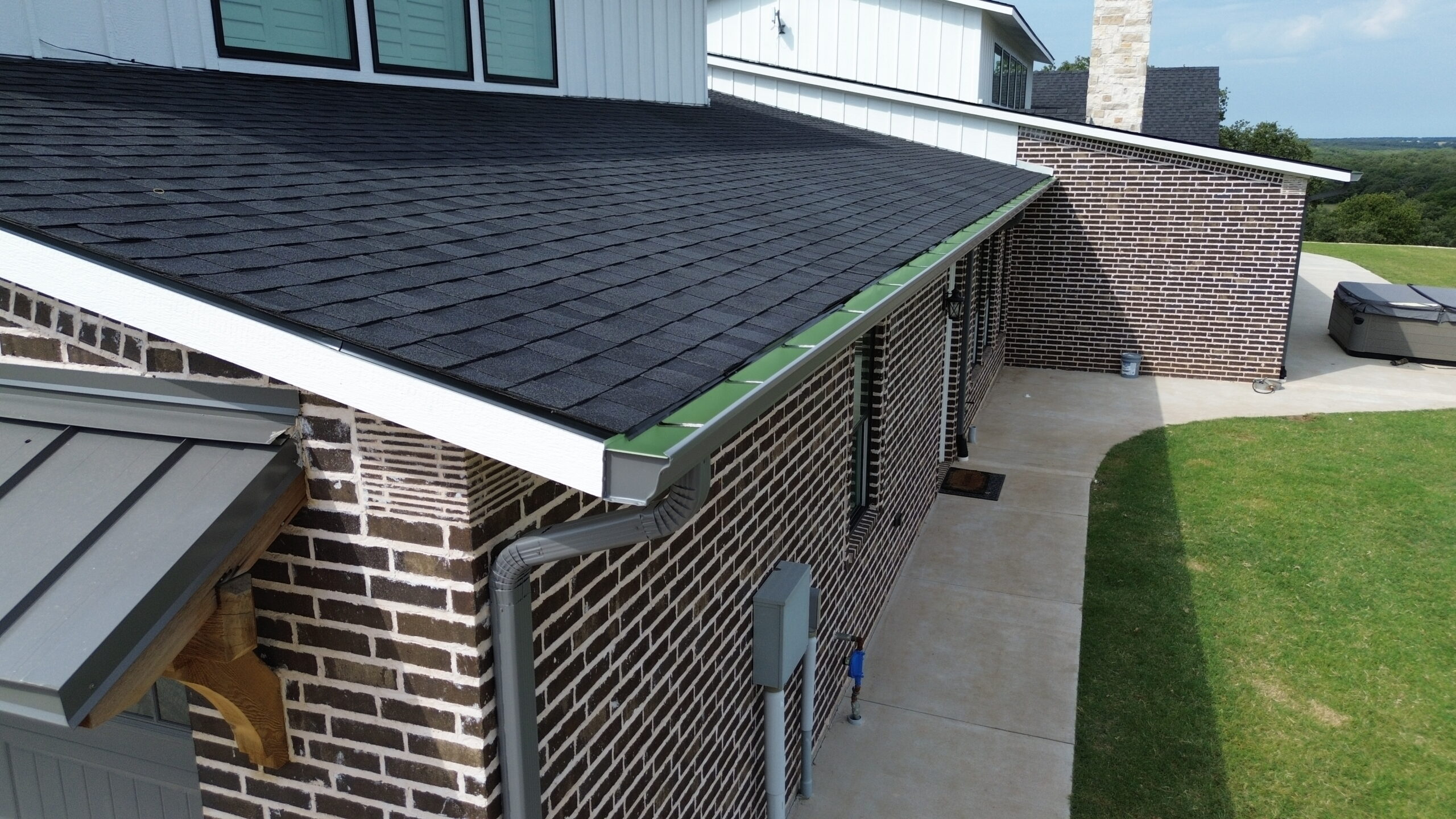
Not every storm causes catastrophic roof damage, but certain weather events generate forces powerful enough to compromise the entire roofing system. Understanding these situations helps homeowners recognize when comprehensive structural evaluation becomes necessary.
Hurricanes are among the most destructive weather events affecting residential roofs. Sustained high winds, heavy rainfall, flying debris, and prolonged weather exposure often damage multiple roofing components simultaneously. Entire roof sections may lose shingles, underlayment, decking, and structural framing during severe hurricanes.
Tornadoes create even more concentrated wind forces capable of lifting entire roofs from the supporting walls. Even when complete roof removal does not occur, intense uplift pressure may permanently weaken framing connections, roof trusses, and structural supports that require reconstruction rather than repair.
Large hailstorms can also contribute to reconstruction needs when repeated impacts damage extensive areas of the roofing system. While individual hail strikes may appear minor, widespread fractures across roofing materials combined with underlying moisture intrusion often produce cumulative structural deterioration.
Fallen trees represent another common cause of severe roof damage. Heavy trunks and large branches transfer enormous impact forces into roof decking, rafters, and load bearing components. Even localized impacts frequently create structural movement extending well beyond the visible point of contact.
Heavy snow accumulation and ice storms may overload roofing systems beyond their intended design capacity. Excessive weight sometimes causes roof sagging, fractured framing members, or partial structural collapse that requires rebuilding significant portions of the roof.
Severe thunderstorms combining high winds, hail, lightning, and torrential rainfall often produce multiple forms of damage simultaneously. Although each individual problem may appear manageable, their combined effect sometimes exceeds the point where repairs alone provide a safe long term solution.
Repeated storms over several years also deserve attention. A roof that has experienced numerous repair events may gradually lose structural reliability despite previous maintenance. Cumulative damage occasionally makes reconstruction more practical than continuing repeated localized repairs.
How Severe Storms Compromise the Roof Structure
Storm damage extends far beyond the visible roofing materials. Powerful weather events transfer enormous forces throughout the entire roofing system, affecting structural components that homeowners rarely see during routine inspections.
Wind uplift is one of the most significant structural threats. As powerful gusts move across the roof, pressure differences develop between the interior and exterior of the building. These forces attempt to lift roofing materials while placing repeated stress on fasteners, decking, rafters, and truss connections.
Impact damage from falling trees or airborne debris creates another serious concern. Instead of distributing weight evenly across the roof, heavy impacts concentrate tremendous force into relatively small areas. This localized loading often fractures decking, shifts framing members, and weakens structural connections beneath the visible damage.
Water intrusion compounds the initial storm damage by gradually weakening structural wood. Once moisture reaches roof decking and framing, repeated wetting and drying cycles reduce wood strength while encouraging fungal decay and mold growth. Structural deterioration continues even after the storm has ended unless repairs are completed promptly.
Roof trusses also experience significant stress during major storms. Although engineered to support substantial loads, sudden impacts and extreme wind forces may produce cracking, shifting, or permanent deformation that affects the roof’s overall stability. Small structural changes can influence load distribution throughout the entire roofing system.
Connections between the roof and supporting walls deserve particular attention after severe weather. High winds place tremendous stress on these attachment points, sometimes loosening or damaging connectors that transfer roof loads safely into the home’s structural frame.
Roof decking frequently absorbs much of the force created by impacts and moisture intrusion. Cracked, softened, or delaminated decking loses its ability to support roofing materials effectively, increasing the likelihood of further movement and future storm damage.
These structural effects often remain hidden beneath intact roofing materials. Professional inspections become essential because significant weakening may exist even when the roof appears relatively normal from outside.
Warning Signs That a Roof May Need Complete Reconstruction
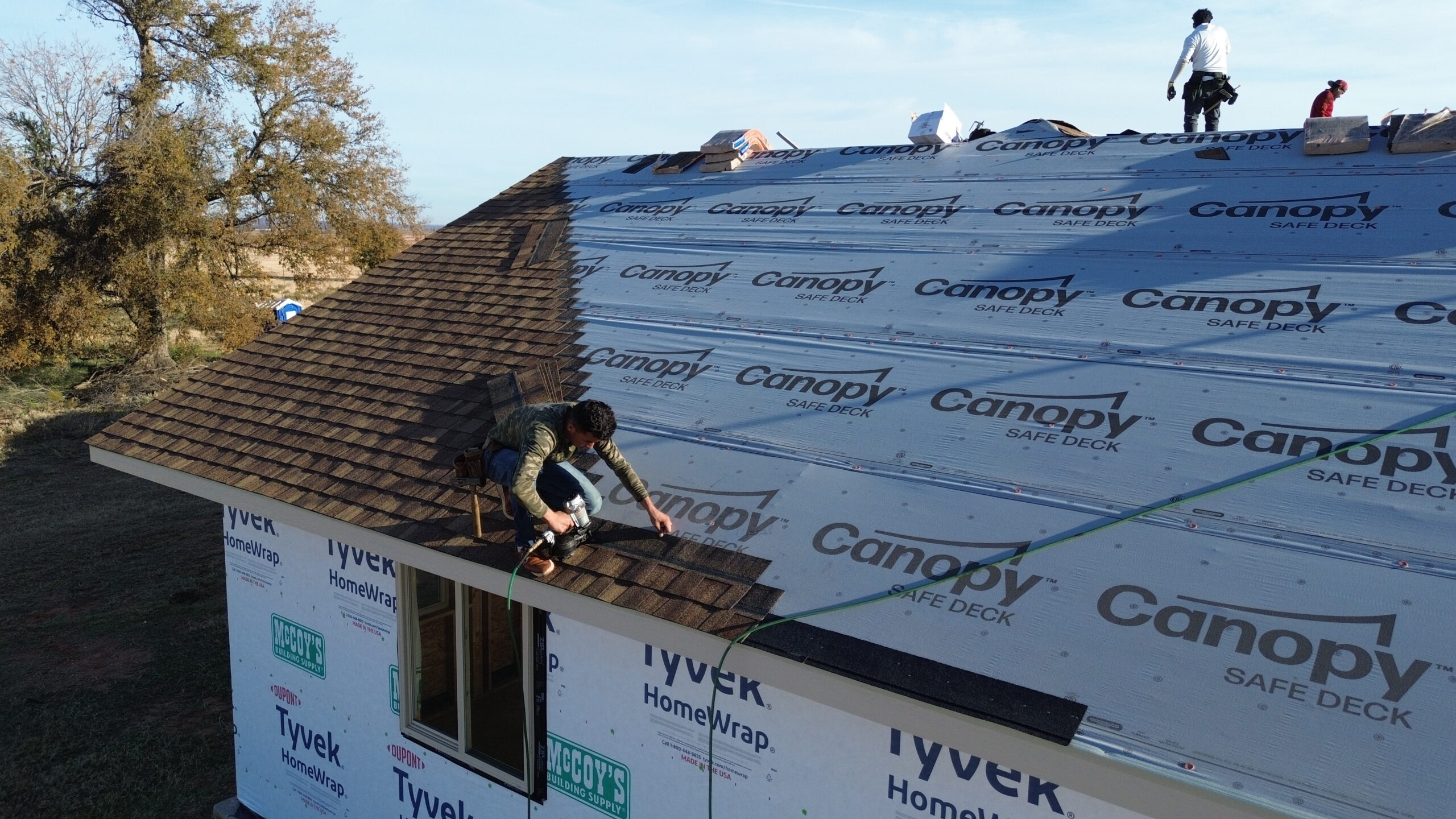
Although only professional inspections can determine the full extent of structural damage, homeowners can recognize several warning signs suggesting that reconstruction rather than repair may be necessary. Paying attention to these indicators helps ensure timely evaluation before conditions worsen.
Visible roof sagging is one of the clearest signs of structural problems. Uneven roof lines, depressions, or noticeable low areas often indicate weakened decking, damaged framing, or overloaded structural members. Any change in the roof’s overall shape deserves immediate professional attention.
Large sections of missing roofing materials following a storm also suggest extensive underlying damage. If shingles, tiles, or metal panels have been removed across broad areas, the underlayment and roof decking may already have experienced significant weather exposure requiring more comprehensive restoration.
Interior ceiling damage frequently provides additional clues. Widespread water stains, cracked drywall, sagging ceilings, or repeated leaks appearing in multiple rooms indicate that moisture has likely spread throughout larger portions of the roofing system rather than remaining confined to one isolated area.
Doors and windows that suddenly become difficult to open or close after a major storm may reflect structural movement affecting the building itself. Although these problems are not always roof related, they sometimes accompany significant roof framing damage following severe weather events.
Attic inspections can reveal warning signs hidden from exterior view. Broken truss members, cracked rafters, damp insulation, separated framing connections, mold growth, or daylight entering through the roof all suggest that structural damage extends beyond the visible roofing surface.
Persistent leaks despite previous repairs also deserve careful evaluation. Repeated moisture intrusion often indicates that underlying structural problems remain unresolved, making continued localized repairs increasingly ineffective.
Immediate Steps to Take After Major Storm Damage
The actions taken immediately after a severe storm influence both the safety of the home and the effectiveness of future repairs. Responding carefully helps limit additional damage while preparing for professional evaluation.
Safety should always remain the first priority. Homeowners should avoid climbing onto the roof after major storms because structural damage may have weakened sections that no longer support normal weight. Loose materials, wet surfaces, and hidden structural failures create serious hazards.
Exterior observations should be made from the ground whenever possible. Fallen trees, missing roofing materials, damaged flashing, displaced gutters, and visible structural movement should all be documented using photographs from multiple angles. These records assist with both repair planning and insurance claims.
Interior inspections are equally important. Homeowners should look for ceiling stains, active leaks, damp insulation, cracked drywall, unusual odors, or signs of structural movement inside the attic. Recording these observations helps establish the overall extent of storm damage.
Temporary protective measures may be necessary if active leaks are present. Emergency roof tarping or interior water collection helps reduce additional moisture intrusion until professional repairs can begin. These temporary measures should focus only on preventing further damage rather than replacing permanent repairs.
Professional roofing contractors should be contacted as soon as practical after severe weather. Early inspections help identify hidden structural problems before moisture and continued exposure create even greater deterioration.
Keeping detailed records throughout this process also benefits future insurance claims. Photographs, inspection reports, repair estimates, emergency mitigation expenses, and communication with contractors provide valuable documentation supporting the overall restoration effort.
Why Early Professional Evaluation Is Essential
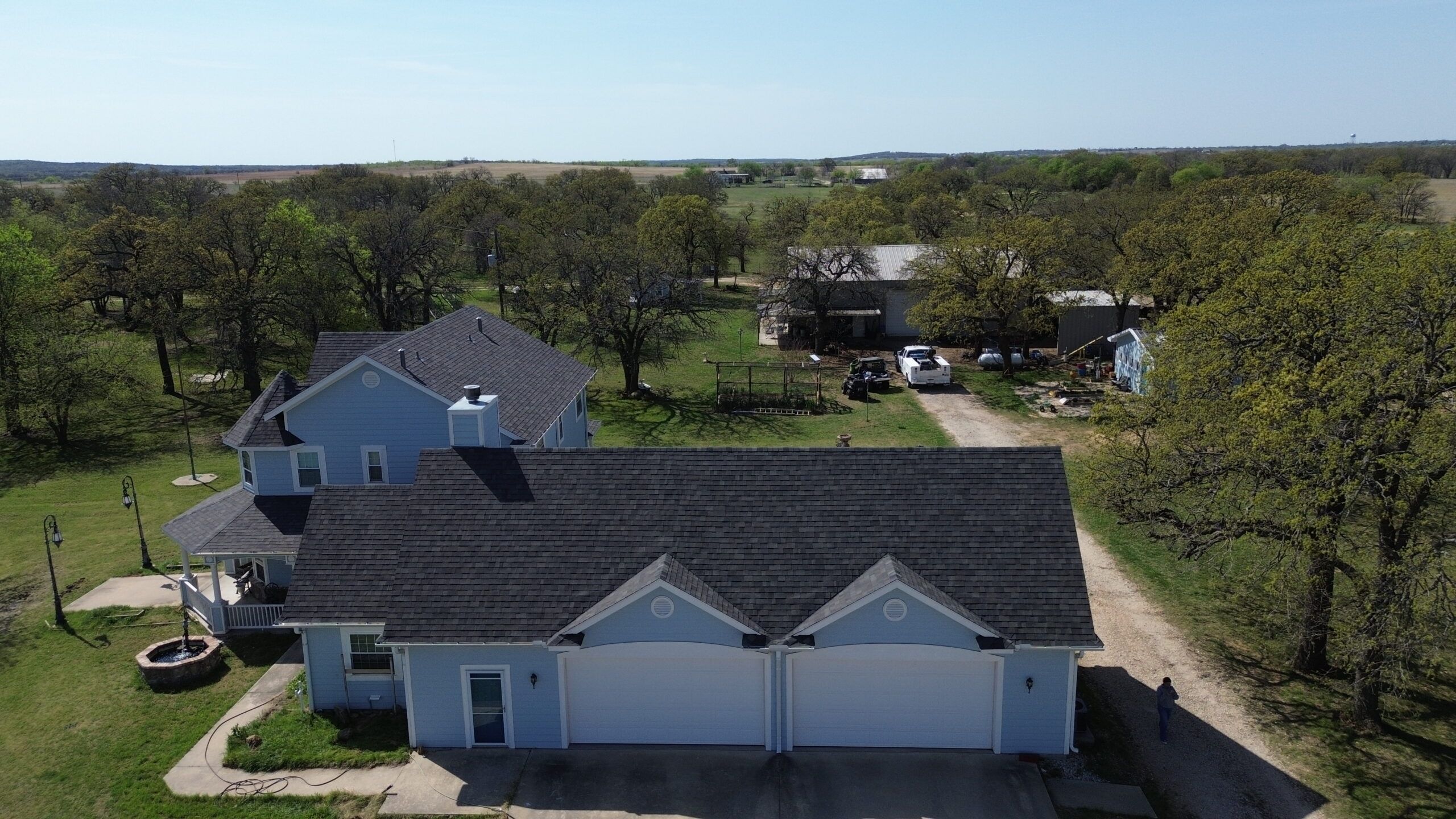
Professional roof evaluations provide far more than confirmation of visible storm damage. Experienced roofing specialists assess the structural condition of the entire roofing system, allowing homeowners to make informed decisions regarding repairs or reconstruction before hidden damage becomes more severe.
Comprehensive inspections begin with a careful examination of the roof surface, but they also extend into attic spaces, structural framing, roof decking, ventilation systems, flashing, and moisture affected components. This complete evaluation identifies problems that cannot be seen from the ground and determines whether the roof’s structural integrity has been compromised.
Early assessments also prevent minor structural concerns from becoming much larger restoration projects. Damaged decking, loosened truss connections, and hidden moisture intrusion often worsen rapidly when left unaddressed. Identifying these issues shortly after the storm allows repairs or reconstruction to begin before deterioration spreads further.
Professional documentation is equally valuable during insurance claims. Detailed inspection reports, photographs, moisture assessments, and structural observations help demonstrate the full extent of storm damage while establishing whether reconstruction is necessary. Accurate documentation supports fair claim evaluations and reduces the likelihood that hidden damage will be overlooked.
Finally, early professional evaluation provides homeowners with confidence when making major financial decisions. Rather than relying on visible appearances or assumptions, they receive expert recommendations based on the actual condition of the roofing system. This informed approach helps ensure that the chosen solution restores long term safety, durability, and protection for the entire home.
Structural Components Commonly Replaced During Roof Reconstruction
When storm damage is severe enough to require full roof reconstruction, the work extends far beyond replacing the outer roofing materials. Contractors evaluate every structural component to determine whether it can continue performing safely or should be replaced. Rebuilding these hidden elements restores the roof’s strength and ensures it can support normal loads while resisting future storms.
Roof decking is one of the most frequently replaced structural components. Strong winds, falling trees, prolonged moisture exposure, and repeated impacts can crack, weaken, or rot the decking beneath the roofing material. If the decking no longer provides a stable surface for the roof covering, replacement becomes necessary before reconstruction continues.
Roof trusses and rafters also receive careful attention during reconstruction. These structural members distribute roof loads throughout the home and maintain the roof’s overall shape. Storm damage that causes cracking, splitting, twisting, or shifting often requires partial or complete replacement of these framing components to restore structural stability.
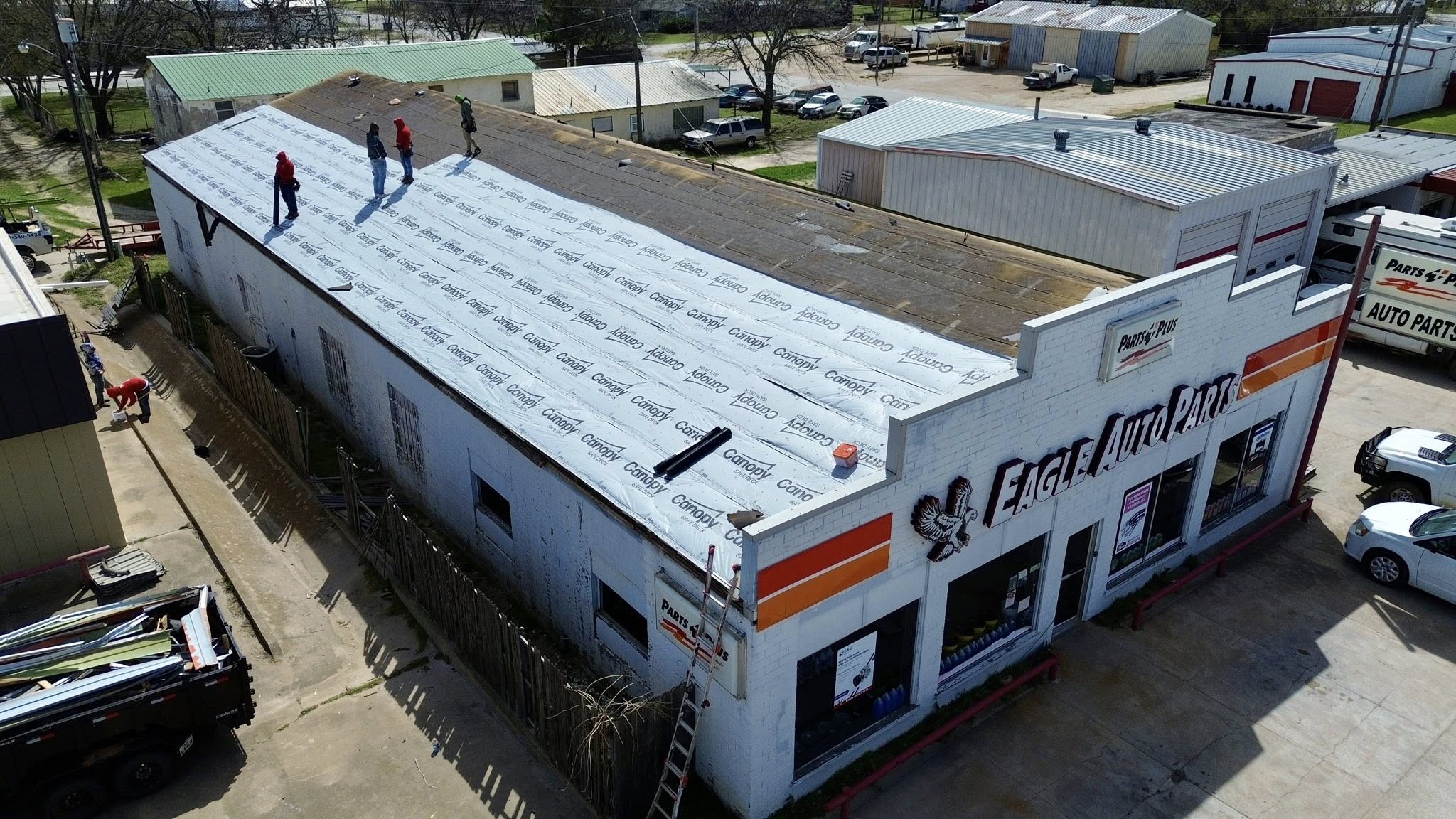
The underlayment is almost always replaced during full reconstruction. Once roofing materials are removed, the existing underlayment may show signs of tearing, moisture saturation, or age related deterioration. Installing new underlayment provides a reliable secondary moisture barrier beneath the new roofing system.
Flashing around chimneys, skylights, valleys, vents, and roof to wall intersections is another important component. Even if some flashing appears usable, reconstruction often includes replacement because new flashing creates a more dependable waterproof seal and works better with newly installed roofing materials.
Ventilation systems may also require upgrades during reconstruction. Ridge vents, soffit vents, roof vents, and attic ventilation components help regulate temperature and moisture levels inside the roof structure. Replacing damaged or outdated ventilation improves long term roof performance while reducing future moisture related issues.
Fascia boards, soffits, drip edges, and roof edge components are commonly inspected as well. These elements protect roof edges from weather exposure while supporting gutters and directing water away from the home. Storm damage affecting these areas often extends beyond cosmetic concerns and may require complete replacement.
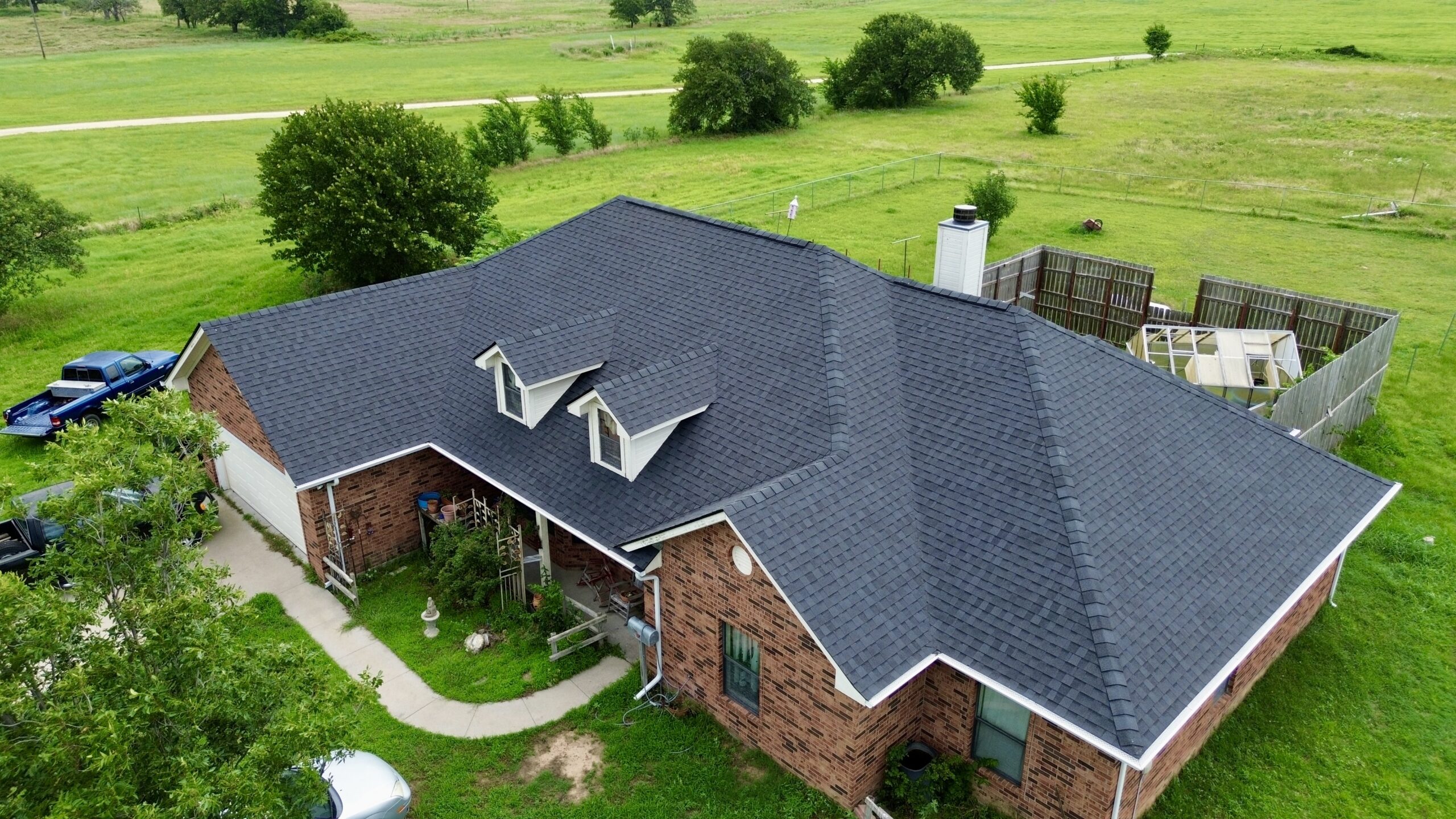
How Contractors Assess Whether Reconstruction Is Necessary
Determining whether a roof requires reconstruction involves much more than observing visible storm damage. Professional contractors perform a comprehensive evaluation that considers structural integrity, moisture intrusion, material condition, and long term safety before making recommendations.
The process usually begins with a complete exterior inspection. Contractors examine roofing materials, flashing, roof penetrations, gutters, valleys, ridges, and roof edges for evidence of wind damage, impact damage, missing materials, and structural movement. These observations provide an initial understanding of how the storm affected the roof.
The attic inspection is equally important because many structural problems remain hidden beneath the roof covering. Contractors inspect roof decking, rafters, trusses, insulation, ventilation systems, and framing connections for moisture damage, cracking, sagging, mold growth, or signs of structural displacement. Interior observations often reveal problems that cannot be detected from outside.
Moisture detection equipment may be used to identify hidden water intrusion beneath roofing materials. Moisture meters and thermal imaging technology help locate damp structural components before visible deterioration becomes widespread. This information allows contractors to define the true extent of the damage more accurately.
Roof age is another important consideration. A relatively new roof with localized structural damage may be repaired more easily than an older roof that already contains widespread wear before the storm occurred. Contractors evaluate the remaining service life of existing materials when deciding whether reconstruction provides better long term value.
Previous repair history also influences recommendations. Roofs that have undergone repeated storm repairs over several years may contain cumulative hidden damage affecting multiple structural components. Continuing isolated repairs in these situations often becomes less practical than rebuilding the roof completely.
Local building codes may further influence reconstruction decisions. Significant structural repairs sometimes require bringing portions of the roof up to current construction standards, making reconstruction the more appropriate solution when extensive damage has occurred.
Risks of Delaying Full Roof Reconstruction
After a major storm, some homeowners postpone reconstruction because the roof still appears functional. While this decision may seem financially practical in the short term, delaying necessary reconstruction often increases both repair complexity and overall restoration costs.
Moisture intrusion represents one of the greatest risks. Damaged roofing materials and compromised structural components allow rainwater to enter the roof system during every subsequent storm. Continued water exposure gradually weakens decking, framing, insulation, and interior finishes, allowing relatively contained damage to spread throughout the home.
Structural instability also increases over time. Roof trusses, rafters, and decking that have already been weakened by storm impacts continue supporting normal roof loads every day. Additional stress from wind, rainfall, snow, or even routine temperature changes may cause existing structural weaknesses to worsen unexpectedly.
Mold growth becomes more likely as moisture remains trapped inside the roofing system. Damp insulation, wooden framing, and roof decking provide favorable conditions for mold development, affecting indoor air quality while increasing future remediation costs.
Electrical hazards may also develop when water reaches wiring installed within attic spaces. Although not every storm creates electrical concerns, prolonged moisture exposure increases the possibility of damaged insulation around wiring, corrosion of electrical components, and other safety issues requiring professional attention.
Roofing materials surrounding the damaged area also begin deteriorating more rapidly. Moisture trapped beneath shingles or metal panels accelerates material aging while reducing the roof’s ability to withstand future storms. Damage that initially affected one section often spreads to neighboring areas when reconstruction is delayed.
Financial consequences become increasingly significant as well. Repairs that originally involved structural framing and decking may later expand to include insulation replacement, drywall restoration, flooring repairs, mold remediation, and interior painting. Addressing reconstruction promptly usually reduces overall restoration expenses.
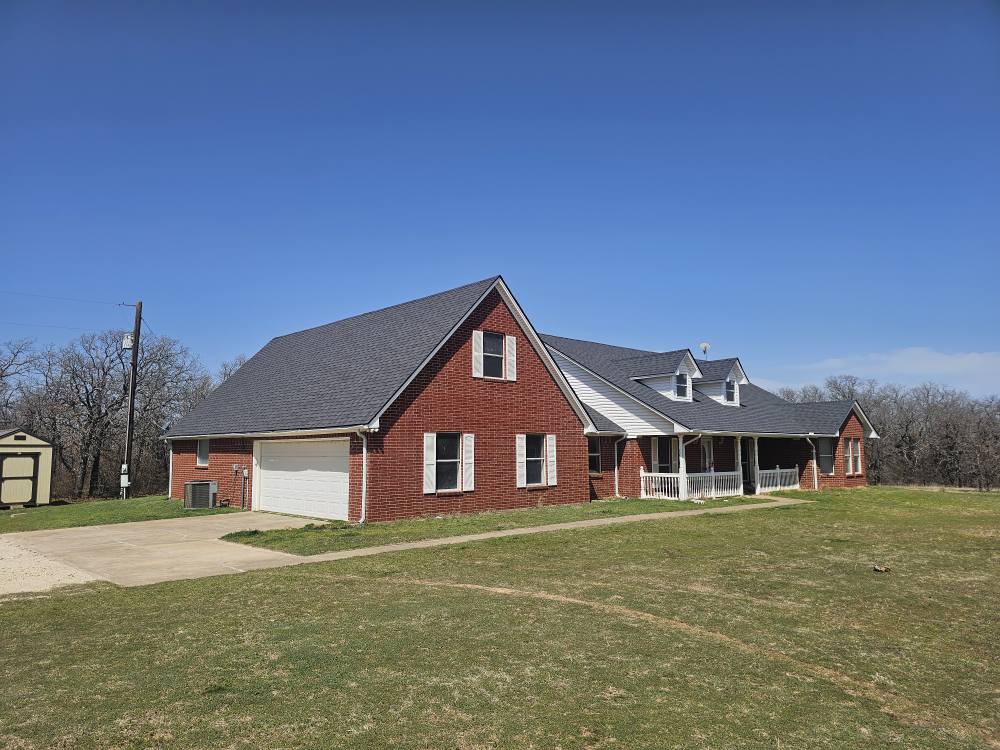
Comparing Roof Repair vs Partial Replacement vs Full Roof Reconstruction
Choosing the appropriate solution depends on the severity of storm damage, the condition of the roof, and the extent of structural involvement. The following comparison highlights the primary differences.
| Roof Repair | Partial Roof Replacement | Full Roof Reconstruction |
|---|---|---|
| Repairs isolated damage | Replaces one major roof section | Rebuilds the entire roofing system |
| Suitable for limited storm damage | Appropriate when damage affects one portion of the roof | Required when structural integrity is compromised |
| Lower initial cost | Moderate investment | Highest initial investment |
| Preserves most existing materials | Combines new and existing roofing components | Installs entirely new structural and roofing components |
| Shorter project timeline | Moderate construction time | Longest project because structural rebuilding is involved |
| Best for roofs with good remaining lifespan | Best for localized severe damage | Best for widespread structural damage or aging roofs |
Selecting the correct approach requires a professional assessment rather than relying solely on visible damage. A thorough inspection ensures the recommended solution addresses both immediate storm damage and the roof’s long term performance.
Insurance Considerations for Major Storm Damage
Insurance often plays a significant role when storm damage requires roof reconstruction. Understanding how insurance companies evaluate major structural damage helps homeowners prepare for the claims process while ensuring important documentation is not overlooked.
The process generally begins with prompt notification after the storm. Reporting the damage quickly allows the insurance company to schedule inspections while evidence remains fresh. Delays may complicate the evaluation if additional weather events occur before the claim is documented.
Professional inspection reports provide valuable support during the claims process. Roofing contractors document structural damage, moisture intrusion, compromised framing, damaged decking, and other reconstruction related findings using photographs and written observations. These reports help demonstrate why repairs alone may not restore the roof safely.
Insurance adjusters also perform their own inspections to determine the scope of covered damage. They evaluate roofing materials, structural components, interior damage, and supporting documentation before estimating repair or reconstruction costs. Clear communication between the homeowner, contractor, and adjuster helps ensure the evaluation reflects the actual condition of the roof.
Temporary protective measures should also be documented carefully. Emergency tarping, debris removal, water mitigation, and other reasonable efforts to prevent additional damage demonstrate responsible property maintenance while protecting the home before reconstruction begins.
Homeowners should keep organized records throughout the entire process. Inspection reports, repair estimates, photographs, invoices, receipts, correspondence, and insurance documents create a complete history that supports claim evaluation and future property records.
Because insurance policies vary, reviewing individual coverage details remains essential. Understanding deductibles, policy limits, exclusions, and replacement cost provisions helps homeowners prepare for reconstruction while avoiding unexpected financial surprises.
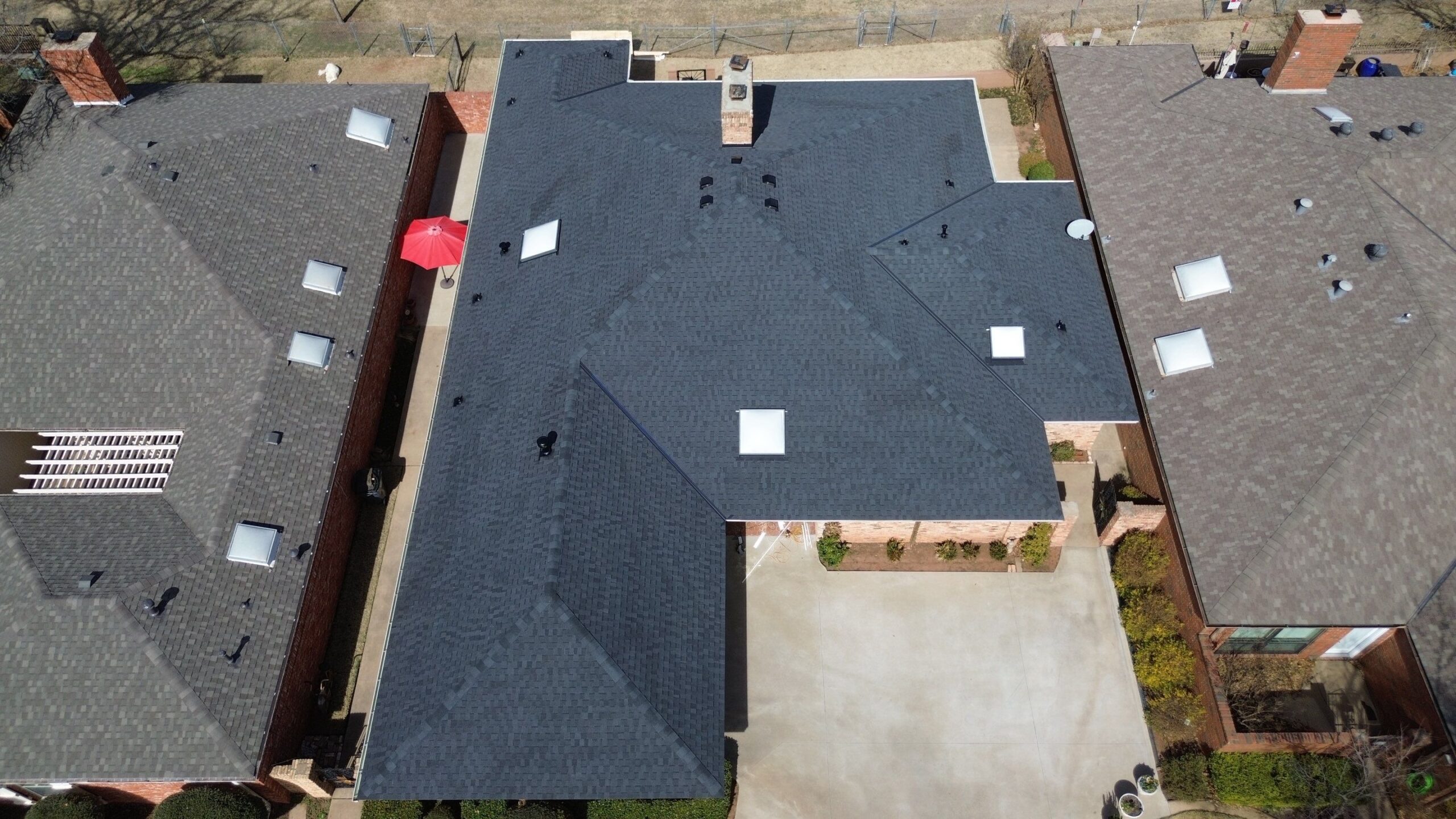
The Roof Reconstruction Process From Inspection to Completion
Full roof reconstruction follows a structured process designed to restore the roof safely while addressing every component affected by storm damage. Careful planning at each stage helps ensure the completed roofing system performs reliably for many years.
The process begins with comprehensive inspections and project planning. Contractors evaluate structural damage, develop reconstruction plans, obtain necessary permits, and coordinate material selection before demolition begins. This preparation ensures the reconstruction proceeds efficiently while meeting local building requirements.
Next, damaged roofing materials are removed carefully to expose the underlying structural components. Contractors inspect roof decking, framing, underlayment, flashing, and ventilation systems as demolition progresses. Hidden damage discovered during this stage is documented and incorporated into the reconstruction plan.
Structural repairs follow once the roof framework has been exposed. Damaged decking, rafters, trusses, fascia boards, and other load bearing components are repaired or replaced according to engineering requirements and applicable building codes. Restoring structural integrity at this stage provides a stable foundation for the new roofing system.
After structural rebuilding is complete, new underlayment, flashing, waterproofing materials, and ventilation components are installed. These layers create the secondary weather protection that supports the finished roof covering while improving moisture management and airflow throughout the attic.
The selected roofing materials are then installed according to manufacturer specifications. Whether using asphalt shingles, metal panels, tile, or another roofing system, proper fastening, alignment, and sealing are essential for maximizing wind resistance and long term durability.
A final inspection concludes the reconstruction process. Contractors verify that every structural component, roofing material, flashing detail, and ventilation element has been installed correctly. This comprehensive review ensures the reconstructed roof meets current building standards, performs as a complete weather protection system, and is prepared to withstand future storms with greater resilience.
Choosing the Right Roofing Materials During Reconstruction
One of the greatest advantages of full roof reconstruction is the opportunity to select roofing materials that offer better performance than those originally installed on the home. Since the entire roofing system is being rebuilt, homeowners can evaluate modern materials that provide greater durability, improved energy efficiency, and stronger resistance to severe weather. Choosing wisely during reconstruction helps reduce future maintenance while extending the roof’s service life.
Climate should always influence material selection. Homes located in hurricane prone coastal regions benefit from roofing systems designed to resist high winds, while areas that experience frequent hailstorms may require impact resistant products. Matching roofing materials to local weather conditions improves long term performance and reduces the likelihood of repeated storm damage.
The roofing material should also be compatible with the home’s structural design. Heavier products such as clay or concrete tiles require stronger structural support than lighter materials like asphalt shingles or metal roofing. During reconstruction, contractors evaluate the roof framing to ensure it can safely support the selected roofing system.
Modern synthetic underlayment provides another important upgrade. Compared with many traditional products, advanced synthetic materials offer improved tear resistance, better moisture protection, and greater durability during severe weather. Installing high quality underlayment enhances the roof’s secondary defense against water intrusion.
Flashing systems deserve equal attention during reconstruction. Replacing old flashing with modern corrosion resistant materials improves waterproofing around chimneys, skylights, valleys, vents, and roof intersections. Proper flashing installation significantly reduces the likelihood of future leaks.
Ventilation improvements also contribute to the overall success of the reconstruction project. Balanced attic ventilation helps regulate temperature, reduce moisture buildup, and preserve roofing materials over time. Improved airflow supports the long term health of both the roof structure and the home’s energy efficiency.
Selecting durable roofing components during reconstruction is not simply an investment in appearance. Every material contributes to the overall strength of the roofing system, helping the home withstand future storms more effectively while reducing long term repair costs.
Preventing Future Storm Damage With Modern Roofing Systems
Although no roofing system can eliminate every risk associated with severe weather, modern construction methods and improved materials significantly increase storm resistance. Incorporating these advancements during reconstruction helps homeowners prepare for future weather events with greater confidence.
Improved fastening systems are one of the most significant developments in modern roofing. Stronger fasteners and updated installation techniques increase resistance to wind uplift, helping roofing materials remain securely attached during hurricanes and severe thunderstorms. Proper fastening also reduces movement that can weaken roofing materials over time.
Impact resistant roofing materials provide additional protection in areas prone to hail and flying debris. Many modern shingles, metal roofing products, and synthetic materials are engineered to absorb impacts more effectively than older roofing systems. These improvements reduce the likelihood of fractures, punctures, and premature material failure.
Waterproof membranes installed in vulnerable roof areas further strengthen storm protection. Self adhering membranes around valleys, roof edges, penetrations, and flashing create additional barriers that reduce moisture intrusion during heavy wind driven rain. These hidden improvements often play a major role in protecting the roof during severe weather.
Modern ventilation systems also improve roof performance. Better airflow helps regulate attic temperatures while minimizing condensation and moisture accumulation beneath the roof covering. A properly ventilated roofing system generally experiences less long term deterioration than one with inadequate airflow.
Roof edge protection has improved considerably in recent years. Enhanced drip edges, stronger fascia attachments, and improved flashing details help resist wind uplift while directing water safely into the gutter system. Strengthening these exposed areas reduces common storm related failures.
Routine inspections remain essential even after reconstruction. Modern materials provide improved durability, but periodic maintenance helps identify developing issues before they become significant structural problems. Preventive care extends the lifespan of the reconstructed roof while preserving its ability to withstand future storms.
Essential Steps Homeowners Should Follow After Severe Storm Damage
A well organized response after a major storm helps protect the property while supporting effective reconstruction if extensive damage is discovered.
- Prioritize personal safety and avoid climbing onto the roof until professionals determine it is structurally safe.
- Inspect the property from the ground and photograph visible roof damage, fallen trees, debris, and damaged exterior components.
- Check interior ceilings, attic spaces, and upper walls for water intrusion, structural movement, or other signs of hidden damage.
- Arrange emergency temporary protection if active leaks threaten additional interior damage.
- Schedule a professional structural roof inspection as soon as practical after the storm.
- Notify the insurance company promptly if significant roof damage is suspected.
- Keep organized records of inspection reports, photographs, repair estimates, receipts, and all communication throughout the reconstruction process.
- Begin permanent reconstruction without unnecessary delays once the scope of work has been confirmed.
Following these steps helps reduce additional damage while creating a clear record of the storm’s effects. Prompt action also supports insurance claims and allows reconstruction to begin before structural conditions deteriorate further.

Long Term Maintenance Practices After Roof Reconstruction
Even a newly reconstructed roof requires regular maintenance to preserve its structural integrity and maximize its lifespan. Consistent care helps ensure that the investment continues protecting the home for decades.
- Schedule professional roof inspections at least once each year and after major storms.
- Clean gutters and downspouts regularly to maintain efficient drainage.
- Trim overhanging tree branches before storm seasons.
- Inspect flashing, roof penetrations, and sealants periodically for signs of wear.
- Monitor attic spaces for moisture, mold, or ventilation issues.
- Complete minor repairs promptly before they develop into larger structural problems.
These maintenance practices help preserve every component of the reconstructed roof. Regular attention also allows homeowners to identify storm related issues early, reducing the likelihood of extensive repairs in the future.
When Roof Reconstruction Is More Cost Effective Than Repeated Repairs
Many homeowners initially assume that repairing storm damage will always cost less than rebuilding the roof. While this may be true for isolated damage, repeated repairs often become less economical when structural deterioration affects multiple roofing components.
Older roofs are especially susceptible to this situation. Replacing damaged shingles or repairing flashing on an aging roof may temporarily solve one problem, but additional issues frequently develop elsewhere because surrounding materials have already reached the end of their service life. Reconstruction provides a more reliable long term solution.
Repeated moisture intrusion further increases repair costs over time. Each new leak introduces additional water into the roof decking, framing, insulation, and interior finishes. What begins as a manageable repair can eventually require structural rebuilding, mold remediation, drywall replacement, flooring restoration, and interior painting.
Storm history should also influence the decision. Homes located in regions that experience frequent hurricanes, hailstorms, or severe wind events often benefit from stronger roofing systems designed to withstand future weather more effectively. Investing in reconstruction reduces the likelihood of recurring repair expenses after subsequent storms.
Energy efficiency provides another financial advantage. Modern roofing materials, improved insulation, updated ventilation systems, and advanced underlayment contribute to lower heating and cooling costs throughout the year. These long term savings help offset part of the reconstruction investment.
Reconstruction also increases property value by providing a completely renewed roofing system. Buyers often view a newly reconstructed roof as a significant benefit because it reduces future maintenance concerns and demonstrates that the home has been restored according to current construction standards.
Rather than focusing only on the immediate repair cost, homeowners should consider the total long term expense of ongoing maintenance, repeated storm repairs, energy efficiency, and future property value. In many situations, comprehensive reconstruction provides greater financial value over the life of the home.
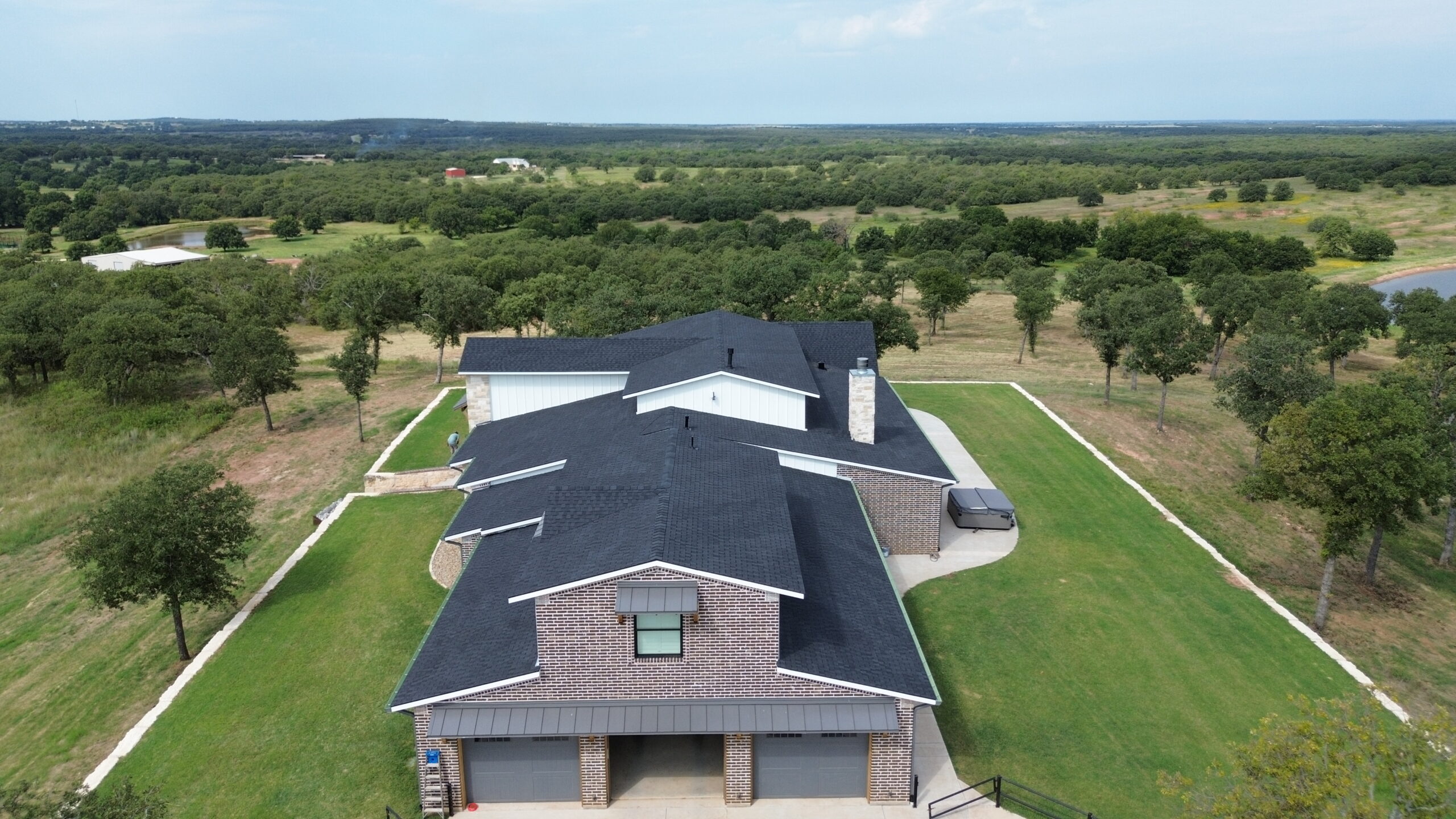
Protecting Your Investment After Reconstruction
Completing a full roof reconstruction represents a major investment, making ongoing protection essential for preserving the roof’s performance and value. Simple preventive measures help ensure the reconstructed roofing system continues functioning as intended throughout changing weather conditions.
Homeowners should keep detailed records of the reconstruction project, including contracts, inspection reports, warranties, material specifications, permits, and maintenance recommendations. These documents provide valuable information for future repairs, insurance claims, and potential home sales.
Routine inspections remain one of the most effective ways to protect the reconstructed roof. Annual evaluations allow roofing professionals to identify loose flashing, damaged sealants, blocked drainage systems, or minor storm damage before these issues affect structural components.
Seasonal maintenance also contributes to long term performance. Removing leaves, branches, and debris from the roof and gutters promotes efficient water drainage while reducing unnecessary moisture exposure around vulnerable roof areas.
Attic conditions should be monitored regularly as well. Proper ventilation, dry insulation, and stable structural framing indicate that the reconstructed roof continues performing correctly. Changes in humidity, mold growth, or water stains may signal developing problems that require prompt attention.
Insurance coverage should also be reviewed after reconstruction is complete. A newly rebuilt roof may increase the home’s replacement value or qualify for updated policy options depending on the roofing materials and local insurance requirements. Confirming adequate coverage helps protect the investment if future storm damage occurs.
Consistent maintenance, accurate documentation, and periodic professional evaluations allow homeowners to maximize the lifespan of the reconstructed roof. Protecting the investment today helps ensure the roofing system continues providing reliable structural support and weather protection for many years.
Conclusion
Storm damage can range from minor cosmetic issues to severe structural failures that compromise the entire roofing system. While many problems can be resolved through targeted repairs, some storms inflict widespread damage that extends beyond the visible roof covering into decking, framing, underlayment, flashing, and other essential structural components. In these situations, full roof reconstruction becomes the safest and most dependable solution for restoring the home’s integrity.
Recognizing the warning signs of severe structural damage is essential after major weather events. Roof sagging, repeated leaks, extensive moisture intrusion, damaged framing, widespread decking deterioration, and significant impact damage all indicate that repairs alone may no longer provide adequate protection. Professional evaluations help uncover these hidden problems before they lead to even greater structural deterioration.
A properly planned reconstruction offers more than simply replacing damaged materials. It provides an opportunity to strengthen the roofing system with modern materials, improved ventilation, advanced waterproofing, and enhanced fastening methods that improve resistance to future storms. These upgrades increase durability while reducing the likelihood of recurring damage and costly repairs.
By understanding when storm damage requires full roof reconstruction, homeowners can make informed decisions that protect both their property and their long term investment. Prompt inspections, comprehensive structural assessments, quality workmanship, and consistent maintenance work together to create a stronger, safer roofing system capable of protecting the home through many years of changing weather and severe storms.