

Repairing Roof Damage Around Skylight Installations Safely
Introduction
Skylights bring natural light into a home, improve ventilation in certain designs, and enhance the appearance of interior spaces. While they offer many benefits, they also create openings in the roof that require careful installation and regular maintenance. When damage develops around a skylight, even a small problem can allow water to enter the home and affect surrounding roofing materials.
Roof damage near skylights often goes unnoticed during its early stages. Minor flashing issues, worn sealants, or damaged shingles may not immediately produce visible leaks inside the home. Over time, however, moisture can penetrate the roofing system and damage insulation, roof decking, ceilings, and interior finishes.
Repairing roof damage around skylights requires a different approach than repairing other sections of the roof. Since multiple roofing components meet at the skylight opening, repairs must address both the surrounding roofing materials and the waterproofing systems that protect the opening itself.
Safety should always remain the highest priority during skylight roof repairs. Damaged roofing materials, slippery surfaces, and the skylight opening itself create additional hazards that require careful planning before any inspection or repair work begins.
This guide explains the causes of roof damage around skylights, how to identify early warning signs, the components that require careful inspection, and the safest methods for evaluating damage before beginning repairs. Understanding these principles helps homeowners make informed decisions while protecting both their property and personal safety.
Why Skylights Are Vulnerable to Roof Damage
Unlike standard roof sections, skylights interrupt the continuous surface of the roofing system. This interruption creates additional joints, seams, and flashing connections that must remain properly sealed to prevent water from entering the home.
Every skylight installation includes several transition points where roofing materials connect to the skylight frame. These areas experience continuous exposure to rain, snow, sunlight, temperature changes, and wind driven moisture. Over time, these conditions can gradually weaken waterproofing materials.
Thermal expansion also contributes to wear around skylights. Roofing materials, flashing, and skylight frames expand and contract at different rates as temperatures change throughout the day. Repeated movement may gradually stress sealants and flashing connections.
Water naturally flows toward lower sections of the roof, often passing directly around skylight installations. If drainage is restricted by debris or damaged flashing, moisture may remain around the skylight longer than other roof areas, increasing the risk of leaks.
Wind can also affect skylight performance. Strong gusts may lift nearby shingles, loosen flashing, or force rain beneath roofing materials. These conditions may create openings that allow moisture to reach the roof decking below.
Older skylights may become more vulnerable as materials age. Rubber seals, gaskets, and sealants gradually lose flexibility, reducing their ability to resist moisture. Even when the skylight itself remains structurally sound, surrounding waterproofing components may require maintenance or replacement.
Understanding why skylights experience higher exposure to weather related stress helps homeowners recognize the importance of regular inspections and timely repairs before small issues become significant structural problems.
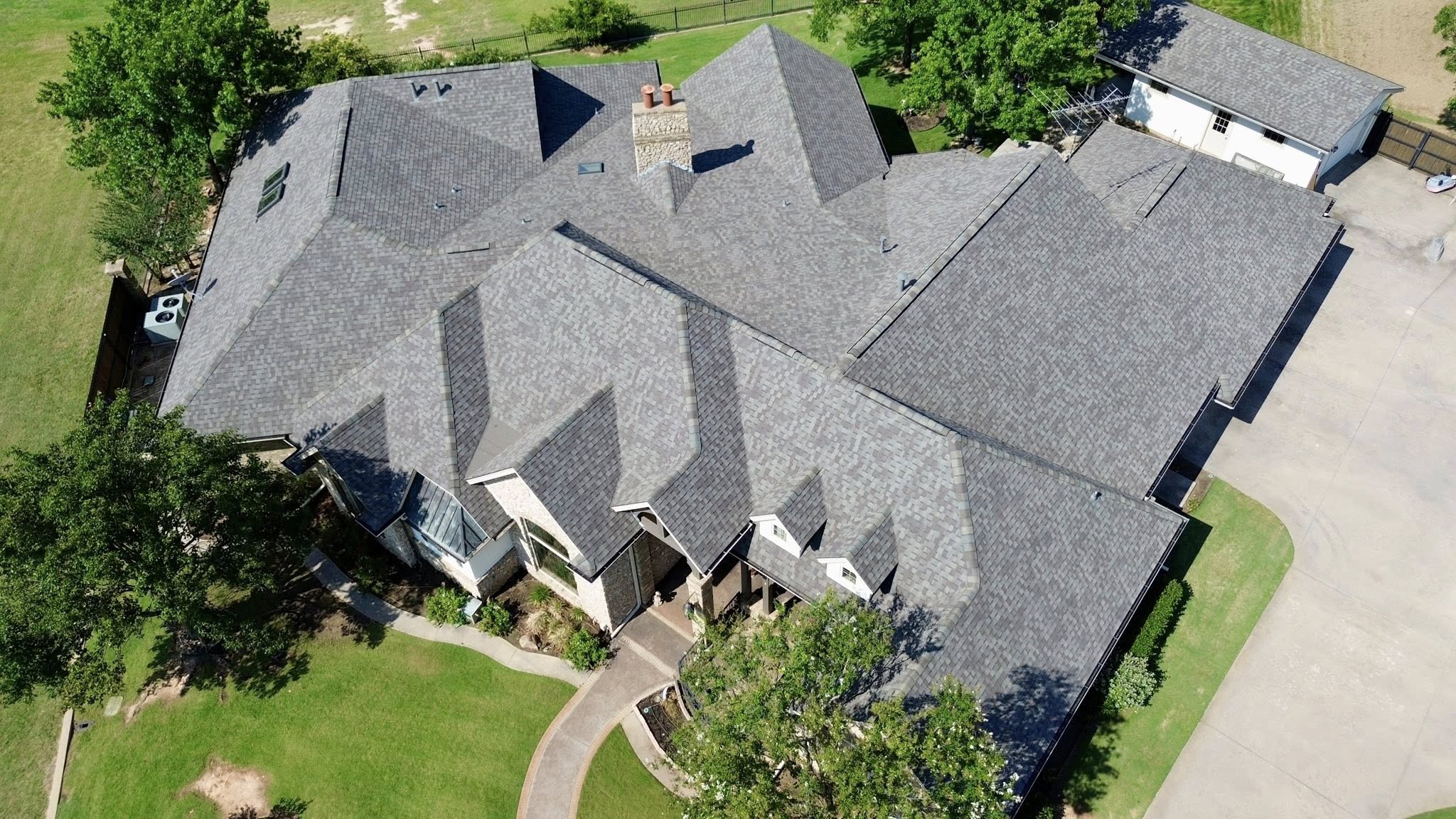
Common Causes of Roof Damage Around Skylights
Roof damage around skylights can develop for many different reasons. Identifying the underlying cause is essential because effective repairs should address the source of the problem rather than only the visible symptoms.
Aging flashing is one of the most common causes of leaks around skylights. Flashing directs water away from the skylight opening, but years of weather exposure may cause corrosion, separation, or physical damage that reduces its effectiveness.
Sealant deterioration is another frequent issue. Many skylight installations rely on specialized sealants to reinforce waterproof connections. Over time, sunlight, moisture, and temperature fluctuations may cause these materials to crack, shrink, or lose adhesion.
Storm damage also contributes to roof problems. High winds may loosen roofing materials surrounding the skylight, while hail can damage flashing, shingles, or skylight glazing. Falling tree branches and debris may also strike the roof, creating localized damage near the installation.
Improper installation sometimes leads to long term roofing problems. Incorrect flashing placement, inadequate waterproofing, or poor integration with surrounding roofing materials may allow moisture to enter even when the skylight itself remains undamaged.
Clogged gutters and roof valleys can increase water accumulation around skylights. When drainage is restricted, water remains on the roof longer, increasing the likelihood of leaks through vulnerable areas.
Roof movement caused by structural settling or repeated thermal expansion may also create gaps around the skylight over time. These small openings can gradually permit water intrusion during heavy rain.
Understanding the root cause of roof damage allows homeowners and contractors to develop repair solutions that restore both waterproofing performance and long term roof durability.
Warning Signs of Skylight Related Roof Problems
Early detection plays a major role in preventing costly roof repairs. Many skylight related problems begin with subtle warning signs that become more serious if left unaddressed.
Water stains on ceilings surrounding the skylight are among the most recognizable indicators. Brown discoloration, peeling paint, bubbling drywall, or damp ceiling materials often suggest that moisture is entering through the roofing system.
Condensation inside the skylight should also be evaluated carefully. While some condensation may result from indoor humidity, persistent moisture between glazing layers or around the frame may indicate seal failure or water intrusion.
Visible roof damage near the skylight provides another important warning. Missing shingles, lifted roofing materials, cracked flashing, or deteriorated sealant should all be inspected promptly to determine whether repairs are needed.
Drafts around the skylight may indicate gaps in weather sealing. Although air movement does not always mean water leakage is present, damaged seals often affect both energy efficiency and moisture protection.
Homeowners should also watch for mold or mildew developing near skylight openings. Excess moisture trapped within ceiling cavities or insulation may encourage biological growth, creating additional indoor air quality concerns.
Exterior inspections may reveal debris collecting around the skylight. Leaves, branches, or accumulated dirt can slow water drainage, increasing moisture exposure and placing additional stress on flashing systems.
Addressing these warning signs early often prevents more extensive structural damage while reducing the overall cost of roof repairs.
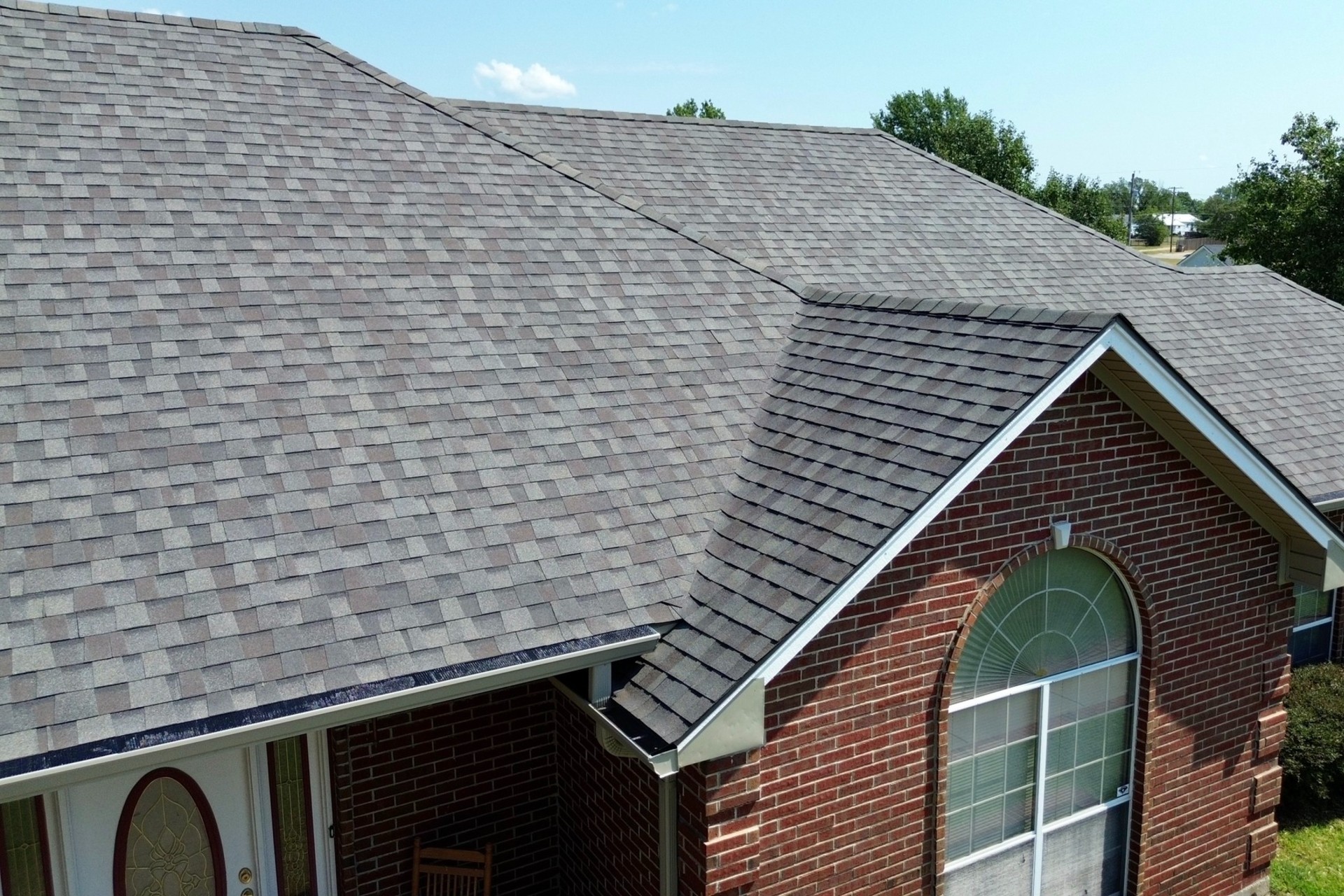
Safety Considerations Before Inspecting Skylight Roof Damage
Roof inspections involving skylights require additional caution because the roof opening introduces hazards not present on uninterrupted roofing surfaces. Protecting personal safety should always take priority over inspecting property damage.
The first step is evaluating weather conditions. Roof inspections should only be performed when the roof surface is dry and weather conditions are stable. Wet shingles, frost, snow, or strong winds significantly increase the risk of slipping.
Homeowners should begin inspections from inside the home whenever possible. Looking for ceiling stains, moisture, visible daylight, or condensation around the skylight often provides useful information without climbing onto the roof.
Exterior observations should initially be made from ground level using binoculars or a camera with zoom capability. Many signs of damage, including missing shingles, debris accumulation, damaged flashing, or cracked skylight glazing, can often be identified without accessing the roof directly.
Walking directly on or near a skylight should always be avoided. Skylight glazing is generally not designed to support body weight, and stepping on the surface can result in serious injury as well as damage to the skylight.
If roof access becomes necessary, proper fall protection equipment should be used by trained professionals. Steep roof slopes, unstable roofing materials, and damaged structural components require specialized safety procedures.
The following safety practices should always be followed before inspecting skylight roof damage.
- Wait until weather conditions are dry and stable.
- Begin with an interior inspection.
- Observe the roof from ground level before climbing.
- Never step on a skylight.
- Contact a qualified roofing professional if safe access is uncertain.
Following these precautions reduces the risk of accidents while allowing the damage assessment to proceed in a controlled and responsible manner.
Understanding the Components Around a Skylight
Successful roof repairs require understanding how the different components surrounding a skylight work together to keep water out of the home. Damage affecting any one of these parts may compromise the performance of the entire roofing system.
The skylight frame provides structural support while connecting the skylight to the roof opening. It must remain securely attached and properly sealed to prevent air and water infiltration.
Flashing is one of the most important waterproofing components. Metal flashing directs rainwater away from the skylight and prevents moisture from entering beneath surrounding roofing materials. Proper flashing installation is essential for long term leak prevention.
Roofing materials surrounding the skylight form another protective layer. Shingles, metal panels, tiles, or membrane systems overlap with flashing to create continuous water protection across the roof surface.
Sealants reinforce joints where flashing and skylight components meet. Although sealants should not replace properly installed flashing, they provide additional protection against moisture penetration when maintained correctly.
Underlayment beneath the roofing materials offers another level of moisture resistance. This hidden layer helps protect roof decking if water passes beneath the outer roofing surface during severe weather.
Roof decking supports the entire roofing assembly. If moisture enters through damaged flashing or roofing materials, the decking may weaken over time and require repair before the roof can be fully restored.
Understanding how these components function together allows homeowners to appreciate why skylight repairs often involve more than replacing a few damaged shingles.
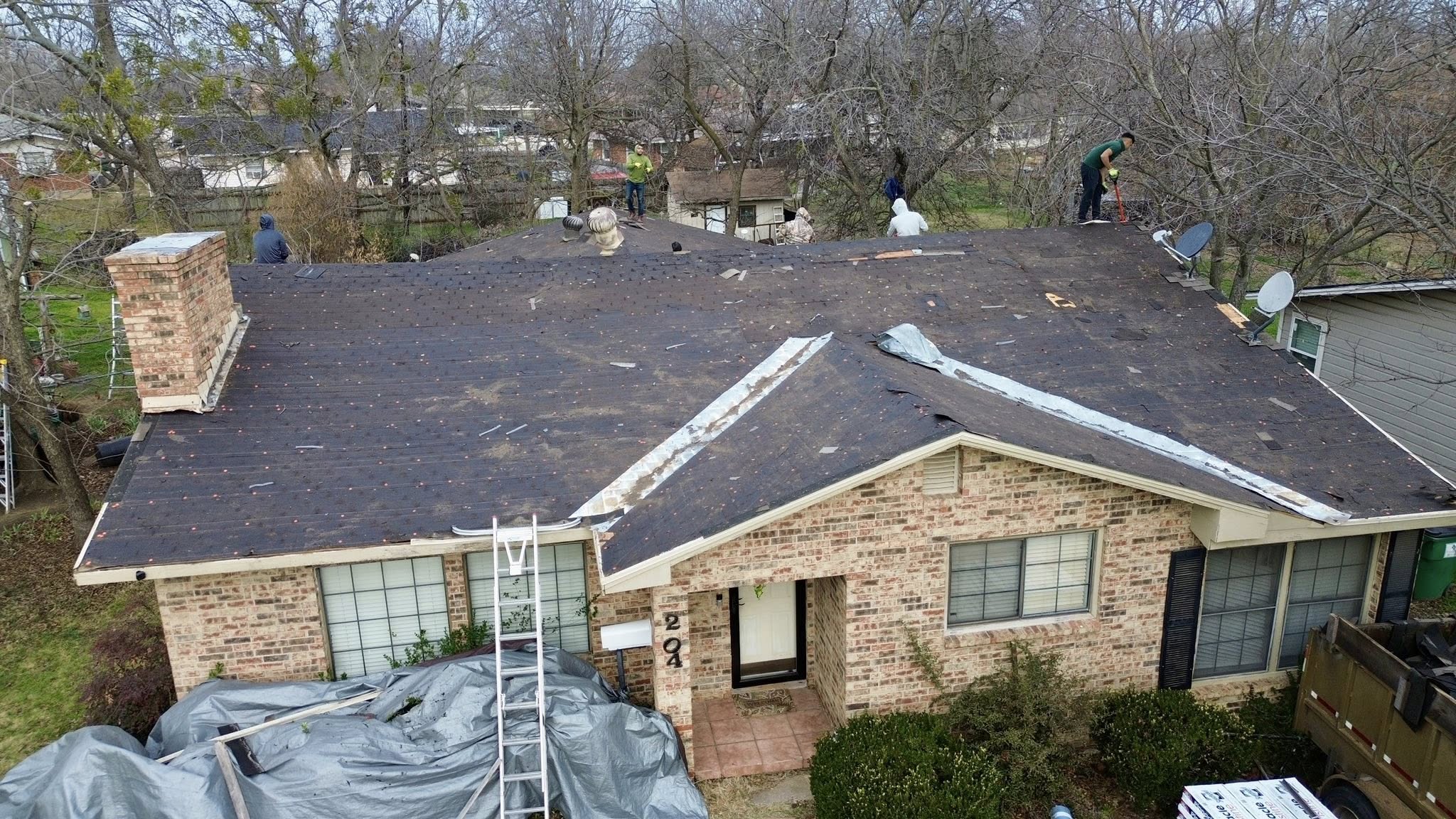
Assessing the Extent of Roof Damage Before Repairs
Before beginning any repair work, it is important to determine how far the damage has spread. Water entering around a skylight may travel beneath roofing materials before becoming visible inside the home, making careful assessment essential.
The inspection should begin inside the attic whenever accessible. Wet insulation, stained roof decking, mold growth, or visible daylight around the skylight opening may indicate moisture intrusion that extends beyond the visible leak.
Exterior inspections should evaluate the condition of surrounding roofing materials, flashing, sealants, gutters, and drainage paths. Damage affecting multiple components often requires more comprehensive repairs than replacing individual shingles alone.
Professional moisture detection equipment may also be used during detailed inspections. Thermal imaging cameras and moisture meters help identify hidden water damage without unnecessary removal of roofing materials.
The following table summarizes common inspection areas and the issues they may reveal.
| Inspection Area | Possible Issues |
|---|---|
| Skylight frame | Loose connections, damaged seals |
| Flashing | Corrosion, separation, improper installation |
| Roofing materials | Missing shingles, cracks, impact damage |
| Sealants | Cracking, shrinking, deterioration |
| Attic | Wet insulation, mold, stained decking |
| Interior ceiling | Water stains, peeling paint, drywall damage |
Accurate assessment prevents incomplete repairs that address only visible symptoms while leaving hidden moisture problems unresolved. Taking time to understand the full extent of the damage allows contractors to recommend repairs that restore both the skylight and the surrounding roofing system safely and effectively.
By understanding why skylights are vulnerable to roof damage, recognizing early warning signs, prioritizing safety, and carefully assessing surrounding roofing components, homeowners establish a strong foundation for successful repairs. In the next part, we will explore how flashing is repaired, how damaged roofing materials around skylights are restored, methods for addressing water intrusion, practical strategies for preventing future problems, common repair mistakes to avoid, and situations where roof repairs may ultimately require skylight replacement.
Repairing Flashing Around Skylights
Flashing is one of the most important components protecting a skylight from water intrusion. It directs rainwater away from the skylight opening and creates a watertight connection between the skylight frame and the surrounding roofing materials. When flashing becomes damaged or improperly installed, leaks often develop even if the skylight itself remains in good condition.
The repair process begins with a careful inspection of the flashing system. Contractors look for corrosion, bent sections, loose fasteners, separated joints, cracked sealants, and evidence of previous repairs that may have failed over time. Identifying the exact source of the problem helps prevent unnecessary removal of roofing materials.
Minor flashing problems may sometimes be corrected by replacing damaged sections while preserving the remaining components. This approach minimizes material waste and reduces repair costs when the surrounding flashing continues to provide reliable protection.
More extensive damage often requires replacing the entire flashing assembly around the skylight. Installing a complete flashing system ensures that all components work together correctly and reduces the risk of future leaks caused by mismatched or deteriorated materials.
Proper flashing installation requires careful integration with shingles, tiles, metal panels, or other roofing materials. Each layer should overlap correctly to direct water safely down the roof rather than allowing moisture to collect around the skylight opening.
Sealants provide additional protection but should never be considered a substitute for correctly installed flashing. High quality flashing remains the primary defense against water intrusion, while sealants reinforce joints and connections exposed to weather.
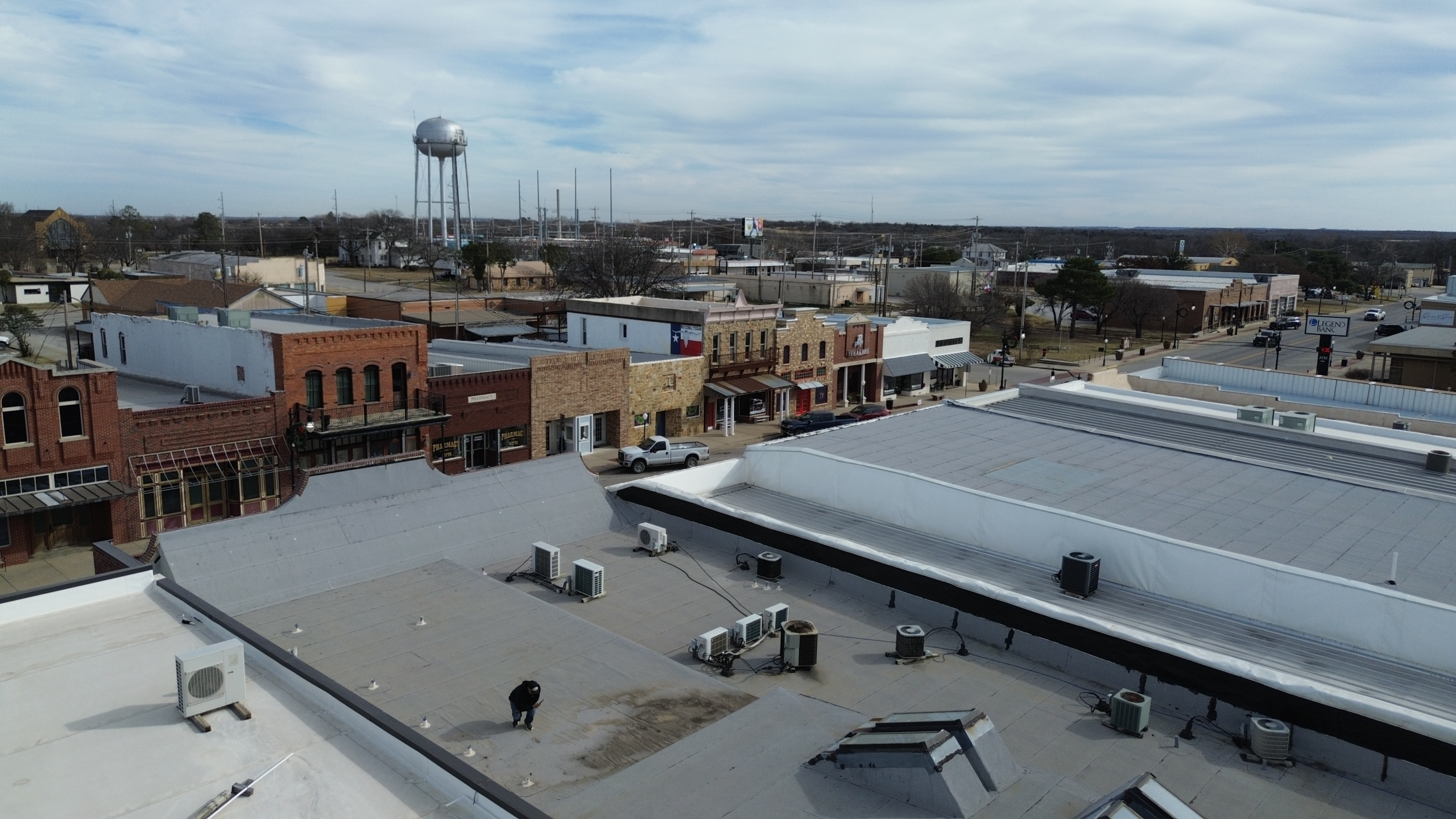
Fixing Damaged Roofing Materials Near Skylight Openings
Roofing materials surrounding skylights experience continuous exposure to water runoff, changing temperatures, and weather related movement. Over time, shingles, tiles, or metal panels near the skylight may become damaged and require repair or replacement.
The first step is identifying all affected roofing materials. Contractors inspect the roof surface for cracked shingles, lifted edges, missing fasteners, broken tiles, punctured metal panels, and other visible signs of deterioration. Damage often extends farther than the visible leak location, making a thorough inspection essential.
Repairs should focus on replacing only materials that can no longer provide effective weather protection. Preserving undamaged roofing materials whenever possible reduces costs while maintaining the integrity of the existing roof.
Matching replacement materials to the original roof is also important. Similar color, texture, thickness, and weather resistance help maintain a consistent appearance while ensuring the repaired area performs like the surrounding roof.
The condition of the underlayment should also be evaluated after damaged roofing materials are removed. If moisture has penetrated beneath the roof covering, the underlayment may require replacement before new roofing materials are installed.
Proper installation techniques are critical throughout the repair process. Roofing materials must overlap correctly and align with the flashing system to create a continuous barrier against rain, snow, and wind driven moisture.
Carefully repairing the roof surface around the skylight restores both appearance and long term weather resistance while reducing the likelihood of recurring leaks.
Addressing Water Leaks and Moisture Damage
Water entering around a skylight often affects more than the roof surface. Moisture can spread beneath roofing materials and into structural components before visible signs appear inside the home. Addressing this hidden damage is an important part of any successful repair.
The first priority is stopping active water intrusion. Temporary protective coverings may be installed if severe weather is expected before permanent repairs can be completed. Preventing additional moisture entry helps reduce further structural damage.
Once the leak has been controlled, damaged insulation should be inspected carefully. Wet insulation loses much of its thermal performance and may require replacement if it cannot dry completely without losing effectiveness.
Roof decking should also be examined for signs of rot, mold, discoloration, or structural weakening. Localized repairs may be sufficient when damage is limited, but widespread deterioration may require replacing larger sections of the decking.
Interior ceiling materials affected by water should not be repaired immediately after the roof leak is stopped. Allowing the structure to dry thoroughly helps prevent trapped moisture from causing future mold growth or finish damage.
Moisture trapped inside attic spaces may also require improved ventilation. Increasing airflow allows damp materials to dry more effectively while reducing the likelihood of future condensation problems around the skylight.
Addressing both visible and hidden moisture damage ensures that repairs restore the entire roofing system rather than simply covering the symptoms of water intrusion.
Preventing Future Roof Damage Around Skylights
Preventive maintenance remains one of the most effective ways to reduce future roof problems around skylights. Regular inspections allow homeowners to identify small issues before they develop into expensive repairs.
One of the simplest preventive measures is keeping the roof clean. Leaves, branches, dirt, and other debris can collect around skylights, slowing water drainage and increasing moisture exposure. Cleaning these areas regularly supports proper runoff during rain.
Sealants should be inspected periodically for signs of cracking or shrinking. Although flashing provides the primary waterproof barrier, deteriorated sealants should be replaced promptly to maintain additional protection around joints and connections.
Gutters and roof valleys also deserve regular attention. Proper drainage prevents water from backing up around skylight installations during heavy rainfall, reducing the likelihood of moisture entering beneath roofing materials.
Tree branches hanging above the roof should be trimmed when necessary. Falling branches may damage skylights directly, while excessive shade encourages moisture retention and debris accumulation on the roof.
Scheduling professional roof inspections after severe storms is another valuable preventive practice. Contractors may identify hidden damage before leaks develop inside the home, allowing repairs to be completed while problems remain relatively minor.
Preventive care not only protects the skylight but also extends the service life of the surrounding roofing system, reducing long term maintenance expenses.
Working With Professional Roofing Contractors
Repairing roof damage around skylights often requires specialized knowledge because multiple roofing systems meet at a single location. Hiring experienced roofing contractors improves both repair quality and long term roof performance.
Professional contractors begin with comprehensive inspections rather than focusing only on visible leaks. They evaluate flashing, roofing materials, underlayment, roof decking, drainage systems, and skylight components to identify every factor contributing to the damage.
Experienced contractors also understand manufacturer installation requirements. Following recommended repair procedures helps preserve warranties while ensuring that replacement materials perform correctly with the existing roofing system.
Homeowners should request detailed written estimates before repairs begin. Estimates should describe the damaged components, proposed repair methods, materials being used, project timeline, and expected costs.
Good communication is equally important throughout the repair process. Contractors should explain their findings clearly, answer homeowner questions, and discuss repair options before work starts.
When selecting a roofing contractor, homeowners should consider several important factors.
- Verify licensing and insurance coverage.
- Review experience with skylight roof repairs.
- Request references from previous customers.
- Obtain a detailed written estimate.
- Confirm warranty information for both labor and materials.
Working with qualified professionals reduces the likelihood of recurring leaks while ensuring repairs meet current roofing standards.
Common Mistakes to Avoid During Skylight Roof Repairs
Many skylight leaks return because repairs address only the visible symptoms rather than the underlying cause. Understanding common mistakes helps homeowners avoid unnecessary expenses and repeated repair work.
One frequent mistake is relying entirely on roofing sealant to stop leaks. Although sealants provide useful protection, they cannot compensate for damaged flashing or improperly installed roofing materials.
Another common error is replacing shingles without inspecting the flashing beneath them. Water often enters through flashing failures rather than through the roofing materials themselves. Ignoring these components allows leaks to continue despite new shingles.
Some homeowners delay repairs after noticing minor water stains. Small leaks rarely resolve on their own and often become more expensive to repair as moisture spreads through insulation and structural framing.
Using incompatible roofing materials may also reduce repair quality. Replacement products should match the existing roofing system in both performance and installation requirements to maintain proper weather protection.
Attempting repairs without appropriate safety equipment presents another serious concern. Skylights create fall hazards, and damaged roofing surfaces may be unstable after storms or prolonged moisture exposure.
Avoiding these mistakes improves both repair quality and homeowner safety while helping the roof perform reliably for many years.
When Roof Repairs Become Skylight Replacement Projects
Not every skylight related problem can be solved through roof repairs alone. In some situations, the skylight itself has deteriorated to the point where replacement provides a more practical and reliable long term solution.
One indication is repeated leaking despite multiple roof repairs. If flashing, roofing materials, and sealants have already been repaired correctly but water intrusion continues, the skylight frame or glazing system may be the source of the problem.
Visible structural damage also suggests replacement may be necessary. Cracked frames, warped components, broken glazing, or significant corrosion can compromise the skylight’s ability to resist weather even when the surrounding roof remains in good condition.
Older skylights sometimes lack modern energy efficient features. During major roof repairs, replacing aging skylights with newer models may improve insulation, reduce condensation, and increase overall weather resistance while minimizing future maintenance.
Replacement may also be recommended when extensive roof work is already planned. Installing a new skylight during a major roofing project often reduces labor compared with replacing the skylight separately at a later date.
Professional inspections remain essential when making this decision. Contractors can evaluate both the roof and the skylight together, helping homeowners determine whether targeted repairs or complete replacement offers the better long term investment.
By repairing flashing correctly, restoring surrounding roofing materials, addressing moisture damage, practicing preventive maintenance, avoiding common repair mistakes, and recognizing when replacement becomes the more practical option, homeowners can significantly improve the long term performance of skylight installations. In the final part, we will discuss maintaining skylights after repairs, seasonal inspection practices, provide a practical skylight roof repair safety checklist, answer frequently asked questions, and conclude with the essential principles for repairing roof damage around skylight installations safely.
Maintaining Skylights After Roof Repairs
Proper maintenance following roof repairs is essential for preserving both the skylight and the surrounding roofing system. Even a professionally repaired roof requires regular attention to ensure flashing, roofing materials, and waterproofing components continue to perform as intended.
Routine visual inspections help identify small issues before they develop into significant leaks. Homeowners should examine the skylight from both inside and outside the home, looking for signs of moisture, damaged sealants, loose flashing, or debris accumulation around the installation.
Cleaning the skylight regularly also contributes to long term performance. Dirt, leaves, and other debris can restrict water flow around the skylight and increase the amount of moisture that remains on the roof after rainfall. Removing these materials helps maintain proper drainage and reduces unnecessary stress on roofing components.
Interior maintenance is equally important. Ceilings surrounding the skylight should be checked for discoloration, peeling paint, bubbling drywall, or mold growth that may indicate hidden moisture problems. Early detection allows repairs to be completed before structural damage becomes more extensive.
Homeowners should avoid applying aftermarket films, coatings, or sealants directly to the skylight unless recommended by the manufacturer. Some products may interfere with the skylight’s performance or affect manufacturer warranties.
Maintaining records of inspections, repairs, and maintenance activities creates a valuable history of the skylight’s condition. These records can assist contractors during future inspections and may also be helpful for insurance or warranty purposes.
Seasonal Inspection Tips for Skylight Areas
Changing weather conditions affect roofing materials differently throughout the year. Seasonal inspections help homeowners identify weather related wear before it develops into serious roof damage around skylights.
Spring inspections should focus on identifying damage caused by winter weather. Flashing, sealants, shingles, and gutters should be checked for movement, cracking, or moisture related deterioration that may have developed during colder months.
Summer heat places additional stress on roofing materials because repeated thermal expansion and contraction can gradually weaken waterproofing systems. Inspecting sealants and flashing during warm weather helps identify early signs of deterioration before seasonal storms arrive.
Autumn maintenance should emphasize debris removal. Leaves, twigs, and other materials often collect around skylights during this season, slowing water drainage and increasing the risk of moisture accumulation during heavy rainfall.
Winter inspections should generally be limited to observations made from inside the home or from ground level unless performed by qualified professionals. Snow, ice, and slippery roofing materials significantly increase fall hazards during cold weather.
Homeowners should also inspect the skylight after major storms regardless of the season. High winds, hail, and falling branches may damage roofing materials or flashing even if no interior leaks are immediately visible.
Developing a consistent seasonal inspection routine reduces the likelihood of unexpected roof failures while extending the lifespan of both the skylight and the surrounding roofing system.
Skylight Roof Repair Safety Checklist
Safety should remain the highest priority whenever roof inspections or repairs involve skylights. Following a structured checklist helps reduce risks while ensuring important precautions are not overlooked.
| Safety Checklist Item | Completed |
|---|---|
| Weather conditions confirmed safe | □ |
| Interior inspection completed first | □ |
| Ground level roof inspection performed | □ |
| Skylight surface avoided during inspection | □ |
| Proper safety equipment available | □ |
| Roof stability evaluated | □ |
| Professional contractor contacted if needed | □ |
| Temporary leak protection installed if necessary | □ |
| Repair area cleaned after work | □ |
| Final inspection completed | □ |
Using a checklist encourages careful planning before work begins. It also reminds homeowners that protecting personal safety is just as important as completing the roof repair itself.
Frequently Asked Questions
Why do skylights leak even when the glass is not broken?
Most skylight leaks originate from damaged flashing, deteriorated sealants, or surrounding roofing materials rather than the glass itself. Water often enters through weakened waterproofing components before reaching the interior of the home.
Can roof leaks around skylights be repaired without replacing the skylight?
Yes. If the skylight remains structurally sound, many leaks can be corrected by repairing flashing, replacing damaged roofing materials, improving waterproofing, or addressing drainage problems around the installation.
How often should skylights be inspected?
Most roofing professionals recommend inspecting skylights at least twice each year and after major storms. Regular inspections help identify developing problems before they lead to significant water damage.
Is condensation around a skylight always a sign of a leak?
No. Condensation may result from indoor humidity rather than roof damage. However, persistent moisture, water stains, or condensation between glazing layers should be evaluated because they may indicate seal failure or other roofing issues.
Can homeowners safely inspect skylight roof damage themselves?
Homeowners can usually perform interior inspections and ground level observations safely. Walking on the roof near a skylight should generally be left to qualified professionals because of the increased fall risk and potential structural hazards.
What is the most common cause of recurring skylight leaks?
Improper or deteriorated flashing is one of the most common reasons leaks return after repairs. Simply applying additional sealant without correcting flashing problems often provides only a temporary solution.
How long do skylight flashing systems typically last?
The lifespan depends on material quality, installation methods, weather exposure, and maintenance. Regular inspections and timely repairs help maximize the service life of flashing while reducing the likelihood of leaks.
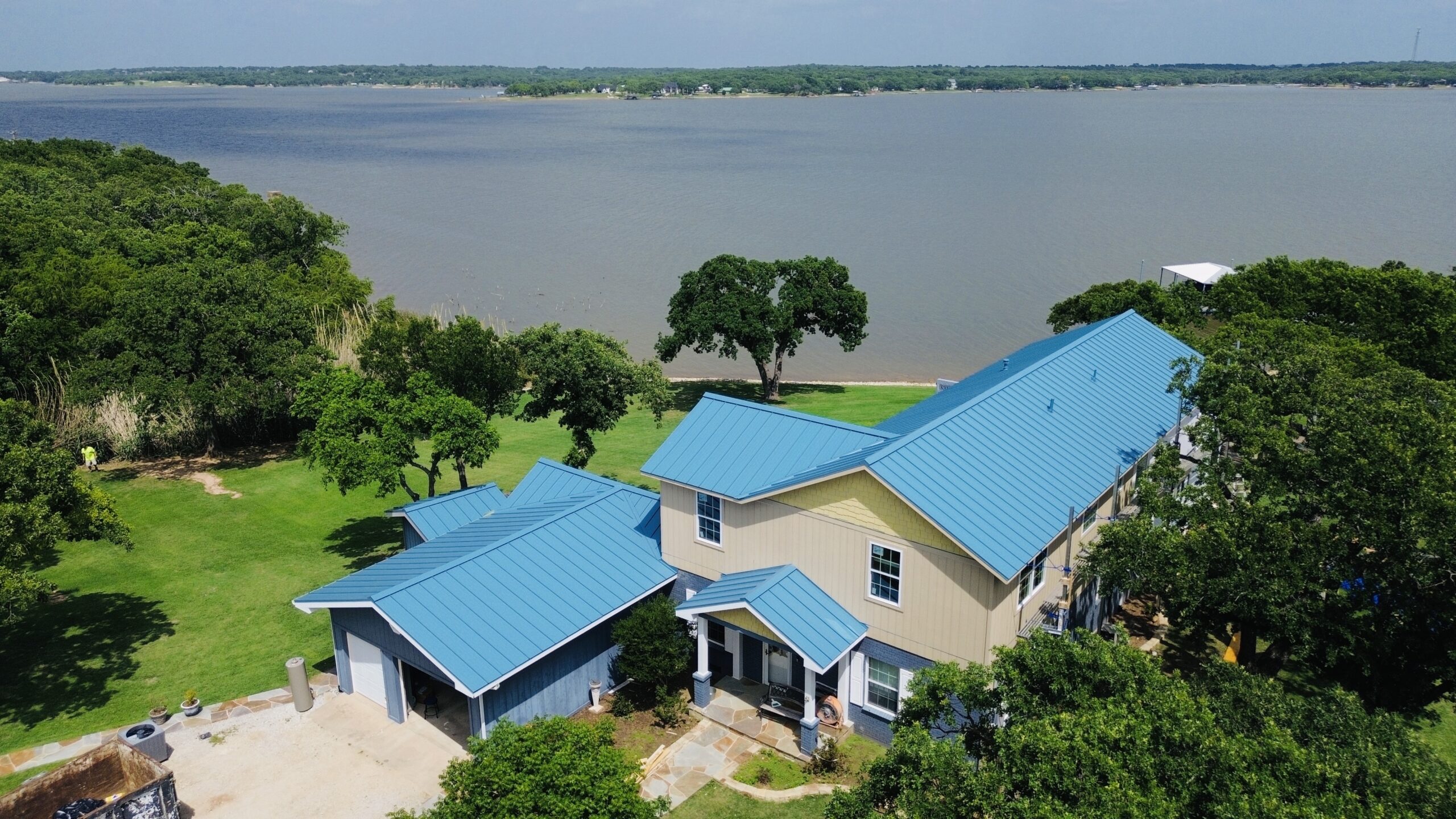
Long Term Strategies for Protecting Skylight Roof Installations
Preventing future roof damage around skylights requires a long term maintenance approach rather than reacting only after leaks appear. Consistent care helps preserve waterproofing systems while reducing repair costs throughout the life of the roof.
One effective strategy is scheduling routine professional roof inspections. Experienced contractors often identify loose flashing, worn sealants, damaged shingles, or drainage issues before they become visible inside the home. Early repairs are usually less expensive and less disruptive than correcting extensive water damage.
Homeowners should also monitor nearby roof areas instead of focusing only on the skylight itself. Gutters, roof valleys, vents, chimneys, and surrounding roofing materials all influence how water flows around the skylight. Problems in these areas can eventually affect the skylight even when the installation remains in good condition.
Maintaining proper attic ventilation also contributes to long term roof performance. Good airflow helps control moisture levels, reduces condensation, and limits temperature extremes that place stress on flashing, sealants, and roofing materials throughout the year.
Tree maintenance should be included in every roof care plan. Trimming overhanging branches reduces the risk of impact damage during storms while limiting the amount of leaves and debris that collect around skylight openings. Cleaner roof surfaces promote better drainage and reduce prolonged moisture exposure.
Keeping detailed maintenance records provides another long term advantage. Photographs, inspection reports, repair invoices, and warranty documents create a complete history of the skylight and surrounding roof. These records help contractors monitor changes over time and support insurance claims if future storm damage occurs.
Finally, homeowners should address even minor warning signs promptly. Small water stains, loose shingles, cracked sealants, or slight flashing movement may appear insignificant, but early repairs often prevent widespread structural damage and significantly extend the life of both the skylight and the roofing system.
Conclusion
Repairing roof damage around skylight installations requires careful planning, thorough inspections, and a strong focus on safety. Because skylights interrupt the roof’s continuous waterproof barrier, even small problems with flashing, sealants, or surrounding roofing materials can allow moisture to enter the home and cause extensive structural damage if left untreated.
Successful repairs begin with identifying the true source of the problem rather than treating only visible symptoms. Careful assessment of flashing, roofing materials, underlayment, roof decking, and the skylight itself allows contractors to recommend repair solutions that restore long term weather protection while preserving the integrity of the entire roofing system.
Regular maintenance plays an equally important role after repairs are completed. Seasonal inspections, debris removal, prompt attention to minor issues, and professional evaluations after severe storms help prevent recurring leaks while extending the lifespan of both the skylight and the surrounding roof.
Most importantly, safety should always remain the highest priority throughout every stage of the inspection and repair process. Avoiding unnecessary roof access, using qualified roofing professionals when needed, and following proper safety practices reduce the risk of injury while ensuring repairs are completed correctly.
By understanding the unique challenges associated with skylight installations and following the strategies outlined throughout this guide, homeowners can protect their roofs from water damage, maintain the performance of their skylights, and enjoy the benefits of natural light with greater confidence for many years to come.