

How to Choose Residential Roofing Contractor Wisely
Introduction
Choosing a residential roofing contractor is an important decision because the quality of the contractor’s work can directly affect the protection, durability, and long-term performance of a home. A roof is one of the most important parts of a residential property because it protects the structure, insulation, belongings, and occupants from rain, wind, heat, and changing weather conditions. Hiring the wrong contractor can lead to poor installation, unexpected costs, delays, or roofing problems that become expensive to correct.
A professional contractor does more than install roofing materials. They evaluate the existing roof, identify potential problems, recommend suitable materials, prepare the work area, complete the installation, and provide information about maintenance and warranties. Their experience can also help homeowners avoid choosing a roofing solution that does not fit the property’s structure, climate, or budget.
Homeowners often begin the hiring process by looking at price, but the lowest estimate is not always the best choice. An unusually low bid may leave out important work, use lower-quality materials, or involve shortcuts that affect the roof’s service life. A more reliable decision comes from comparing contractors based on qualifications, experience, reputation, communication, project details, and overall value.
It is also important to avoid rushing the decision, especially when a roof has been damaged by severe weather. Storm damage can create a sense of urgency, but homeowners should still take time to verify the contractor’s credentials and understand what work is actually required. A careful selection process can reduce the risk of unnecessary repairs and improve confidence in the finished roofing project.
Homeowners can use a structured process when evaluating contractors:
- Research several local roofing companies instead of selecting the first available option.
- Verify qualifications and insurance before allowing work to begin.
- Request detailed written estimates that clearly describe the proposed work.
- Check previous customer experiences and ask for relevant references.
- Review contracts, warranties, payment terms, and project expectations carefully.
Taking these steps can help homeowners identify a contractor who is prepared to complete the project professionally and responsibly.
Check Contractor Experience and Residential Roofing Expertise
Experience is one of the most useful factors to consider when evaluating a residential roofing contractor. A company that has completed many roofing projects may have greater familiarity with common installation challenges, local weather conditions, roofing materials, and residential construction details. However, homeowners should look beyond the number of years a company has been operating and consider whether its experience is relevant to the type of roof being replaced or repaired.
Residential roofing can involve many different materials and designs. Asphalt shingles, metal roofing, tile, slate, synthetic materials, low-slope sections, and specialized roofing systems each have different installation requirements. A contractor with extensive experience in one material may not have the same level of expertise with another. Homeowners should therefore ask whether the contractor regularly works with the specific roofing system planned for the property.
The home’s architectural design can also influence the complexity of the project. Roofs with multiple slopes, valleys, dormers, skylights, chimneys, or other penetrations may require more detailed installation work than a simple roof shape. Contractors should be comfortable explaining how they plan to handle these areas and what precautions they will take to maintain weather resistance.
Experience with local conditions can provide another advantage. Roofing contractors who regularly work in a particular area may understand common weather patterns, building practices, material availability, and challenges associated with local homes. This knowledge can help them recommend materials and installation methods that are appropriate for the property.
Homeowners can ask practical questions about experience before hiring a contractor. Instead of simply asking how long the company has existed, they can ask how many similar residential roofs the team has completed recently, what materials they commonly install, and whether they have experience with homes of comparable design.
A contractor should also be able to explain the proposed roofing system in understandable terms. If the explanation is vague or focused only on selling a particular product, homeowners may want to gather additional opinions. A knowledgeable contractor should be willing to discuss the roof’s current condition, the recommended solution, and why that approach is appropriate.
The size of the company does not automatically determine quality. A smaller roofing business may provide excellent workmanship, while a large company may have strong systems and resources. What matters is whether the contractor can demonstrate relevant experience, qualified workers, appropriate equipment, and a reliable process for completing the project.

Verify Licensing, Insurance, and Professional Credentials
Before hiring a roofing contractor, homeowners should verify the qualifications required in their location. Licensing requirements can vary depending on the jurisdiction and the type of work being performed. A contractor who meets the applicable requirements demonstrates that the business is operating within the relevant regulatory framework.
Insurance is equally important because roofing work involves potential risks to workers, the property, and surrounding areas. Homeowners should ask whether the contractor carries appropriate liability coverage and workers’ compensation coverage where required. Simply accepting a verbal assurance is not enough; homeowners should request documentation and verify that it is current.
Liability insurance can provide protection if the contractor’s work causes certain types of property damage. Workers’ compensation coverage can address employee injuries under applicable laws and policies. Without appropriate coverage, homeowners could face serious financial complications if an accident occurs on the property.
Subcontractors should also be considered. Some roofing companies use their own crews, while others subcontract portions of the project. Homeowners should ask who will actually perform the roofing work and whether subcontractors carry their own appropriate insurance and qualifications.
Professional credentials can provide additional information, but they should not be treated as a substitute for basic verification. Some roofing manufacturers have contractor programs or certification systems associated with particular products. These credentials may indicate additional training, but homeowners should still evaluate insurance, experience, reputation, and contract details.
A useful verification process should happen before signing a contract or making a significant payment. Homeowners can ask the contractor to provide copies of applicable licenses, insurance documents, and certifications. They can then confirm the information through the relevant organization or licensing authority when possible.
Contractor documentation should also match the business identity being used for the project. Homeowners should be cautious when a person provides paperwork under a different company name without a clear explanation. Clear documentation can help establish who is responsible for the work and who should be contacted if a problem arises.
A reputable contractor should generally be comfortable answering these questions. Hesitation, incomplete documentation, pressure to proceed without verification, or reluctance to provide insurance information can all be reasons to reconsider the contractor. Verification is not an unnecessary formality because it helps protect the homeowner throughout the roofing project.
Review Local Reputation and Customer Feedback
A contractor’s reputation can provide valuable insight into how the company treats customers and manages completed projects. Reviews, referrals, references, and local feedback can help homeowners identify patterns that may not be obvious during an initial sales conversation. However, online reviews should be evaluated carefully rather than treated as the only measure of contractor quality.
Homeowners can begin by searching for feedback across several independent sources. Looking at multiple platforms can provide a broader perspective than relying on reviews displayed directly by the contractor. Consistent comments about communication, punctuality, workmanship, cleanup, or problem resolution can reveal useful patterns.
The number of reviews can also provide context. A company with only a few reviews may not have enough feedback to establish a clear reputation, while a business with a larger history of customer experiences may provide more information. At the same time, a large number of positive reviews does not guarantee that every project will have the same outcome.
Negative reviews should be examined thoughtfully. One isolated complaint may not indicate a serious issue, particularly if the contractor responded professionally and attempted to resolve the problem. Repeated complaints about the same concern, such as unfinished work, unexpected charges, poor communication, or persistent leaks, may deserve more attention.
Local references are especially useful because they allow homeowners to speak directly with previous customers. A contractor should be able to provide references for recent residential projects that are reasonably similar to the homeowner’s planned work. Speaking with previous customers can provide information about the experience from beginning to end.
Homeowners can ask references questions such as whether the project stayed close to the agreed scope, whether the crew arrived as scheduled, how the contractor handled unexpected issues, and whether cleanup was completed properly. They can also ask whether the final result has continued to perform well after completion.
The contractor’s local presence can also be worth considering. A company that has an established local operation may be easier to contact for warranty questions, maintenance concerns, or future repairs. This does not mean an out-of-area contractor is always unreliable, but homeowners should understand how support will be handled after the project is complete.
Reputation should ultimately be considered alongside qualifications and project details. A contractor can have positive reviews but still be a poor fit if they lack experience with the homeowner’s roofing system. Likewise, a technically skilled contractor who communicates poorly may create an unnecessarily difficult project experience.
Ask About Roofing Services and Materials
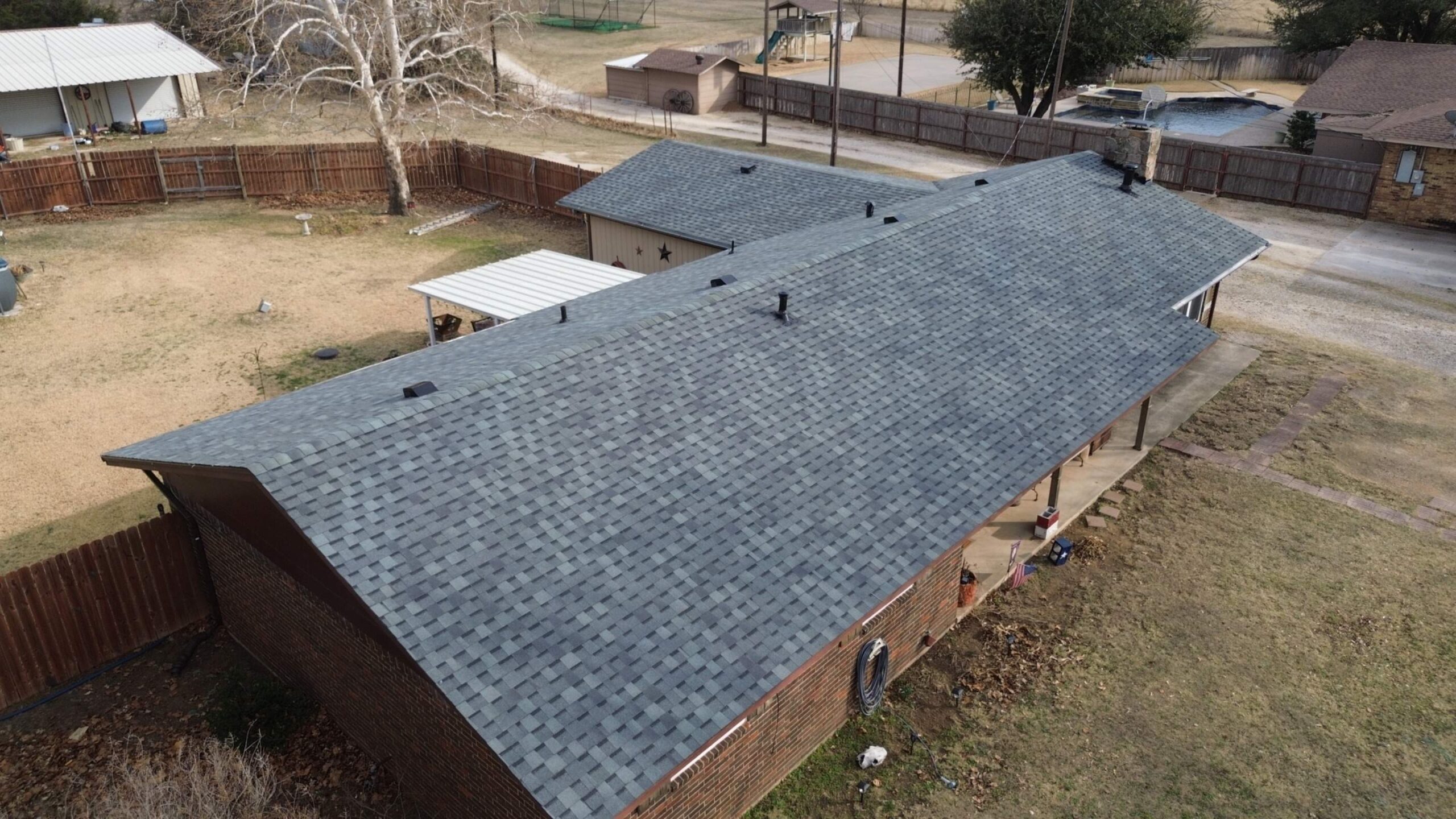
Before hiring a contractor, homeowners should understand exactly what services the company provides. Some contractors focus primarily on roof replacement, while others offer repairs, maintenance, inspections, storm-damage assessments, gutters, skylights, ventilation, insulation, or related exterior services. Knowing the contractor’s capabilities can help homeowners choose a company that matches the project’s needs.
The recommended roofing materials should also be discussed in detail. Homeowners should ask which materials are being proposed, why they are suitable for the home, and what alternatives are available. A contractor should be able to explain differences in expected lifespan, maintenance, appearance, weather resistance, and installation requirements without relying entirely on sales language.
Material quality matters because roofing systems can remain exposed to weather for many years. Shingles, panels, underlayment, flashing, fasteners, ventilation components, and sealants all contribute to the finished roof. A contractor should explain which components are included rather than discussing only the visible roofing material.
Homeowners should also ask whether old roofing materials will be removed or whether the contractor plans to install new material over an existing layer. In some situations, overlaying may be permitted, while in others, complete removal may be more appropriate. The correct approach depends on the roof condition, material requirements, local regulations, and the intended roofing system.
Ventilation and insulation should not be overlooked. A roof replacement can provide an opportunity to identify problems with attic airflow, insulation levels, or moisture management. Homeowners can ask whether the contractor will inspect these areas and what recommendations they have if improvements are needed.
Flashing deserves particular attention because it protects vulnerable roof intersections. Areas around chimneys, vents, skylights, walls, and valleys require careful detailing. Homeowners should ask how existing flashing will be handled and whether damaged components will be repaired or replaced as part of the project.
A professional contractor should also explain what happens if hidden damage is discovered after the roof is opened. Structural deterioration, damaged decking, or moisture problems can sometimes be found during replacement work. A clear process for handling these situations can reduce disagreements about unexpected costs later.
The goal is not to become a roofing expert before hiring a contractor. Instead, homeowners should feel comfortable asking enough questions to understand what they are paying for and why the proposed system fits their property.
Compare Estimates, Pricing, and Project Scope
Obtaining several written estimates is one of the most effective ways to compare residential roofing contractors. Ideally, estimates should describe the same general scope so homeowners can compare them fairly. A price alone is not enough because two estimates with different materials, preparation work, warranties, or cleanup responsibilities may not actually represent equivalent projects.
A detailed estimate should identify the roofing materials, approximate quantities, labor, removal of existing materials when applicable, disposal, underlayment, flashing, ventilation components, permits, and other major work included in the project. It should also explain what is excluded so homeowners understand the limits of the quoted price.
Homeowners should pay close attention to estimates that are dramatically lower than the others. A lower price can occasionally result from a more efficient contractor or a temporary promotion, but it can also indicate missing scope, cheaper materials, insufficient labor, or an unrealistic estimate. Asking the contractor to explain major price differences can reveal what is actually included.
The payment structure should be clear before the project begins. Homeowners should know how much is expected upfront, when additional payments are due, and what conditions trigger final payment. Large upfront demands or pressure to pay the full amount before significant work begins should be approached carefully.
Warranties should also be reflected in the project documentation. The contractor should explain which warranties cover materials and which cover workmanship. Homeowners should understand whether warranty coverage depends on specific installation requirements or maintenance practices.
A useful comparison focuses on overall value rather than simply selecting the lowest bid. Homeowners can evaluate contractors based on:
| Evaluation Factor | What to Compare |
|---|---|
| Experience | Similar residential projects and roofing materials |
| Credentials | Applicable licensing, insurance, and certifications |
| Reputation | Reviews, references, and local customer feedback |
| Materials | Product quality, specifications, and warranty coverage |
| Project Scope | Removal, installation, flashing, ventilation, cleanup, and disposal |
| Pricing | Total cost, payment schedule, and potential additional charges |
| Communication | Responsiveness, clarity, and willingness to answer questions |
| Warranty | Material coverage and workmanship protection |
Once the estimates are compared carefully, homeowners are in a stronger position to identify the contractor offering the best combination of qualifications, workmanship, transparency, and value. A well-chosen roofing contractor can make the project more predictable and help ensure that the new roof provides dependable protection for years to come.
Understand the Roofing Contract Before Signing
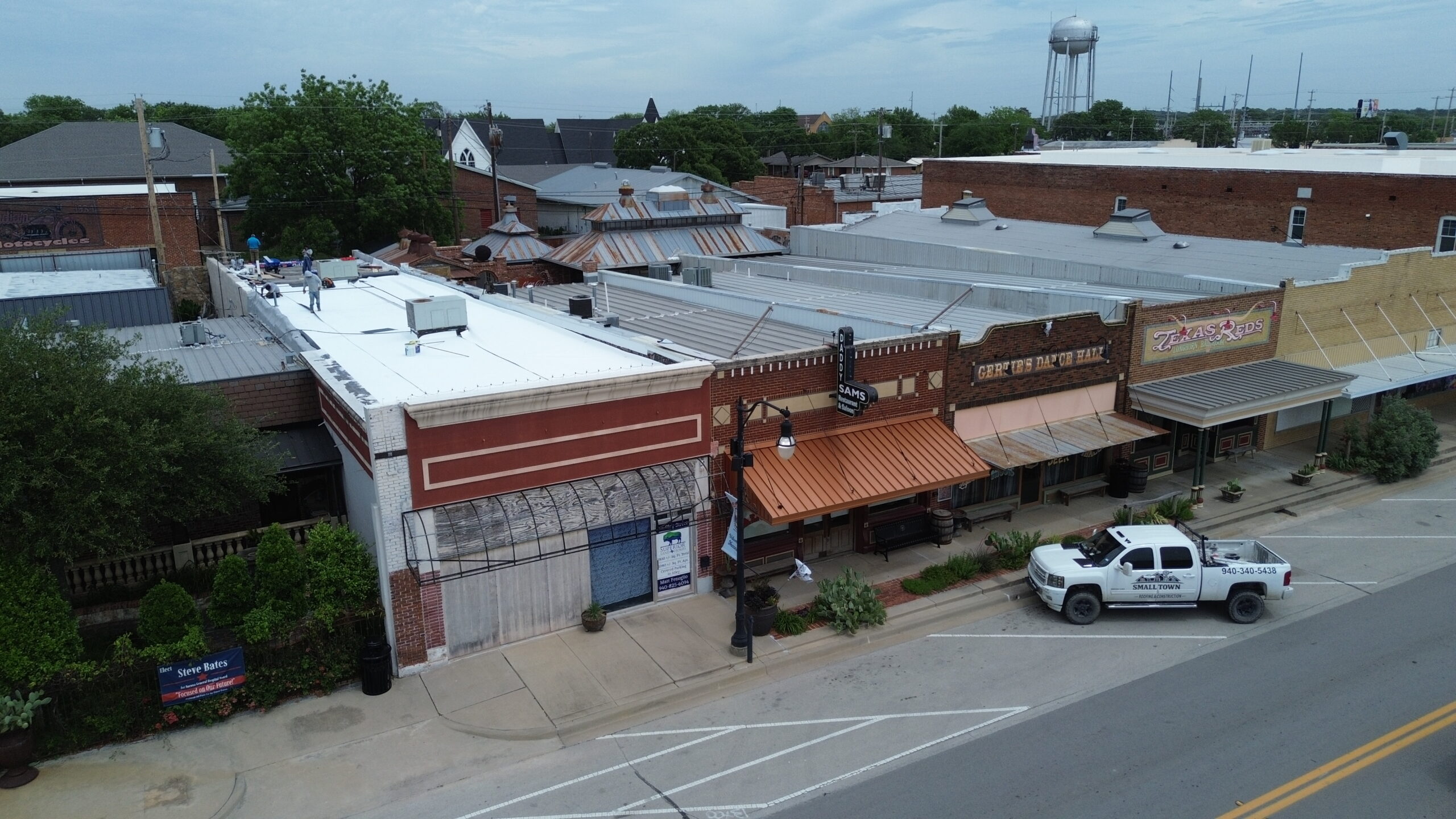
A roofing contract is one of the most important documents in a residential roofing project because it defines what the contractor has agreed to provide. Homeowners should read the entire contract carefully rather than focusing only on the total price. A clear contract can reduce misunderstandings by establishing expectations for materials, labor, payment, scheduling, cleanup, warranties, and unexpected conditions.
The contract should identify the contractor’s legal business name and provide reliable contact information. It should also describe the property where the work will take place and include a clear description of the proposed roofing project. Vague wording can make it difficult to determine what the contractor is actually responsible for completing.
Material specifications should be written clearly. The contract should identify the roofing material, product type, relevant accessories, and other major components that are included. Homeowners should be cautious when a proposal simply states “new roof” without explaining the materials, preparation work, underlayment, flashing, ventilation, or other important details.
The scope of work should also explain what happens to the existing roofing materials. If removal is included, the contract should indicate whether old materials will be taken away and disposed of by the contractor. It should also explain how damaged roof decking or other hidden conditions will be handled if they are discovered after removal.
Payment terms deserve careful attention. Homeowners should know the deposit amount, scheduled progress payments, and final payment requirements before work begins. The contract should explain whether additional charges can be made for unexpected work and how the homeowner will approve those changes.
Project cancellation terms can also be important. Homeowners should understand their rights and any applicable cancellation period or fees before signing. These rules vary by location and contract, so any legal requirements should be reviewed according to the applicable jurisdiction.
A strong contract should leave little room for confusion. Homeowners should be comfortable asking the contractor to explain unfamiliar terms before signing, especially when the project involves major repairs or a complete roof replacement. Taking time to understand the agreement can help protect both parties and create a clearer path for resolving problems.
Evaluate Communication and Professionalism
Communication is an important part of choosing a roofing contractor because homeowners often need answers before, during, and after the project. A contractor may be highly skilled technically, but poor communication can make the roofing process stressful. Responsiveness, clarity, punctuality, and willingness to explain decisions can provide useful clues about how the company manages its work.
The first interactions can reveal a great deal. Contractors should arrive when they say they will, communicate changes promptly, and provide information in a professional manner. Repeated missed appointments, unanswered messages, or unclear explanations can make it difficult for homeowners to manage a complex roofing project.
A professional contractor should also be willing to answer reasonable questions. Homeowners may want to understand why certain materials are recommended, how long the project is expected to take, or what happens if hidden damage is discovered. A contractor who explains these matters patiently can help build confidence before work begins.
Written communication is especially useful for important project details. Estimates, change orders, warranties, schedules, and material selections should be documented whenever possible. Written records can reduce confusion and help both parties confirm what was agreed upon.
Homeowners should also evaluate how the contractor responds to concerns. Roofing projects can encounter unexpected conditions such as damaged decking, weather delays, or material availability issues. A professional contractor should explain the problem, discuss possible solutions, and provide information about any resulting changes in cost or schedule.
Communication should continue after installation. Homeowners may need guidance about maintenance, warranty claims, or future repairs. A contractor who remains accessible after collecting final payment provides a stronger service experience than one who becomes difficult to reach once the project is complete.
Professionalism can also be reflected in the appearance and organization of the crew. Clean equipment, appropriate safety practices, clear identification, and orderly material storage can indicate that the company takes project management seriously. These details do not guarantee workmanship, but they can contribute to a broader assessment.
Homeowners should pay attention to whether the contractor listens to their priorities. A reliable contractor should consider the home’s design, budget, timeline, and material preferences rather than pushing a single solution without discussion. Good communication creates a more collaborative process and helps homeowners make informed decisions.
Ask About Warranties and Guarantees
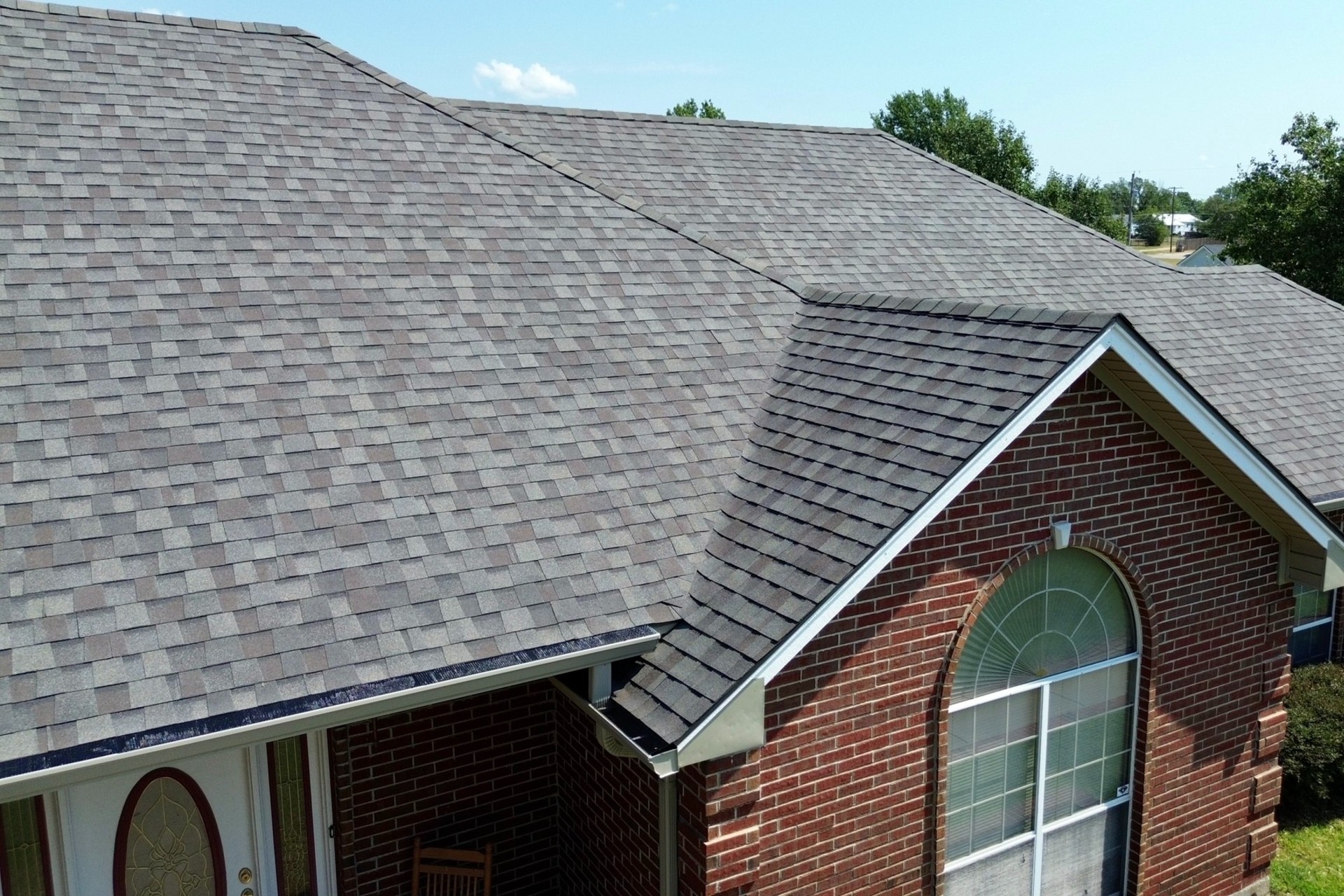
Roofing warranties can provide important protection, but homeowners should understand exactly what each warranty covers. There may be separate warranties for roofing materials and workmanship, and the terms can differ significantly. A contractor should explain these differences clearly before the project begins.
Manufacturer warranties generally relate to the roofing product itself. They may cover certain defects or premature material failure under specified conditions. The length and terms of coverage depend on the product and manufacturer, so homeowners should request the actual warranty information rather than relying only on verbal descriptions.
Workmanship warranties are typically provided by the roofing contractor. These warranties may cover installation-related problems for a specified period. Homeowners should ask how long the workmanship warranty lasts, what types of problems are included, and what procedures must be followed to make a claim.
Warranty exclusions are just as important as coverage. Some warranties may exclude damage caused by severe weather, improper maintenance, structural movement, unauthorized modifications, or other specific circumstances. Reading the exclusions can help homeowners understand the practical limits of the protection.
Homeowners should also ask whether the warranty can be transferred if the property is sold. Transferability may vary by product and contractor, and certain conditions or fees may apply. A transferable warranty can sometimes be a useful feature when considering the property’s future sale.
Another issue is whether the contractor has any continuing obligations. Some manufacturers require specific installation procedures, approved components, or documentation for enhanced warranty coverage. Homeowners should confirm that the contractor is prepared to follow the requirements associated with the selected roofing product.
The process for making a warranty claim should also be understood. Homeowners should know whom to contact if a problem develops and what records they may need to provide. Keeping the signed contract, receipts, warranty documents, inspection records, and project photographs can make future claims easier to manage.
A warranty should never be the only reason to hire a contractor. A long warranty does not compensate for poor workmanship, and warranty claims can sometimes require significant documentation. The contractor’s experience, reputation, insurance, communication, and project quality remain essential considerations.
Before signing, homeowners should ask the contractor to explain warranty coverage in plain language. Understanding what is protected, how long coverage lasts, and what conditions apply allows homeowners to make a more informed decision and avoid unrealistic expectations.
Verify References and Previous Residential Projects
References can provide direct insight into how a contractor performs on real residential projects. Online reviews can be useful, but speaking with previous customers can reveal details that may not appear in public feedback. Homeowners should ask contractors for references from projects that are relatively recent and similar in size or roofing material to their own.
The quality of the references matters more than simply having a long list. A contractor who provides a few relevant customers with completed projects may offer more useful information than one who provides many unrelated references. Homeowners can ask whether the references involved a roof replacement, repair, metal installation, shingle installation, or another comparable project.
When speaking with a previous customer, homeowners should ask how the project was handled from beginning to end. Useful questions include whether the contractor arrived as scheduled, kept the work area organized, explained unexpected problems, maintained communication, and completed cleanup properly.
It is also worth asking whether the final cost was close to the original estimate. Some variation can be legitimate when hidden damage or requested changes are discovered, but homeowners should understand whether additional charges were explained and approved before the extra work was completed.
Previous customers may also be able to comment on how the roof has performed after installation. A roof can look excellent immediately after completion, but long-term performance is more meaningful. Homeowners can ask whether leaks, material failures, or warranty issues occurred after the project and how the contractor responded.
Visiting completed projects can sometimes provide another useful perspective. When appropriate and with permission, homeowners can observe the contractor’s previous work, including roof lines, flashing details, trim, and overall finish. However, visual appearance alone cannot confirm the technical quality of an installation.
The contractor’s experience with comparable properties can also be verified through photographs or project portfolios. Homeowners should look for projects involving similar roof complexity, materials, slopes, and architectural details. This can help determine whether the contractor has the practical experience needed for the specific project.
References should be considered alongside other information rather than used independently. A contractor may provide only customers who had positive experiences, so homeowners should also review independent feedback, verify credentials, and compare estimates. Combining several sources of information produces a more balanced evaluation.
Watch for Roofing Contractor Red Flags
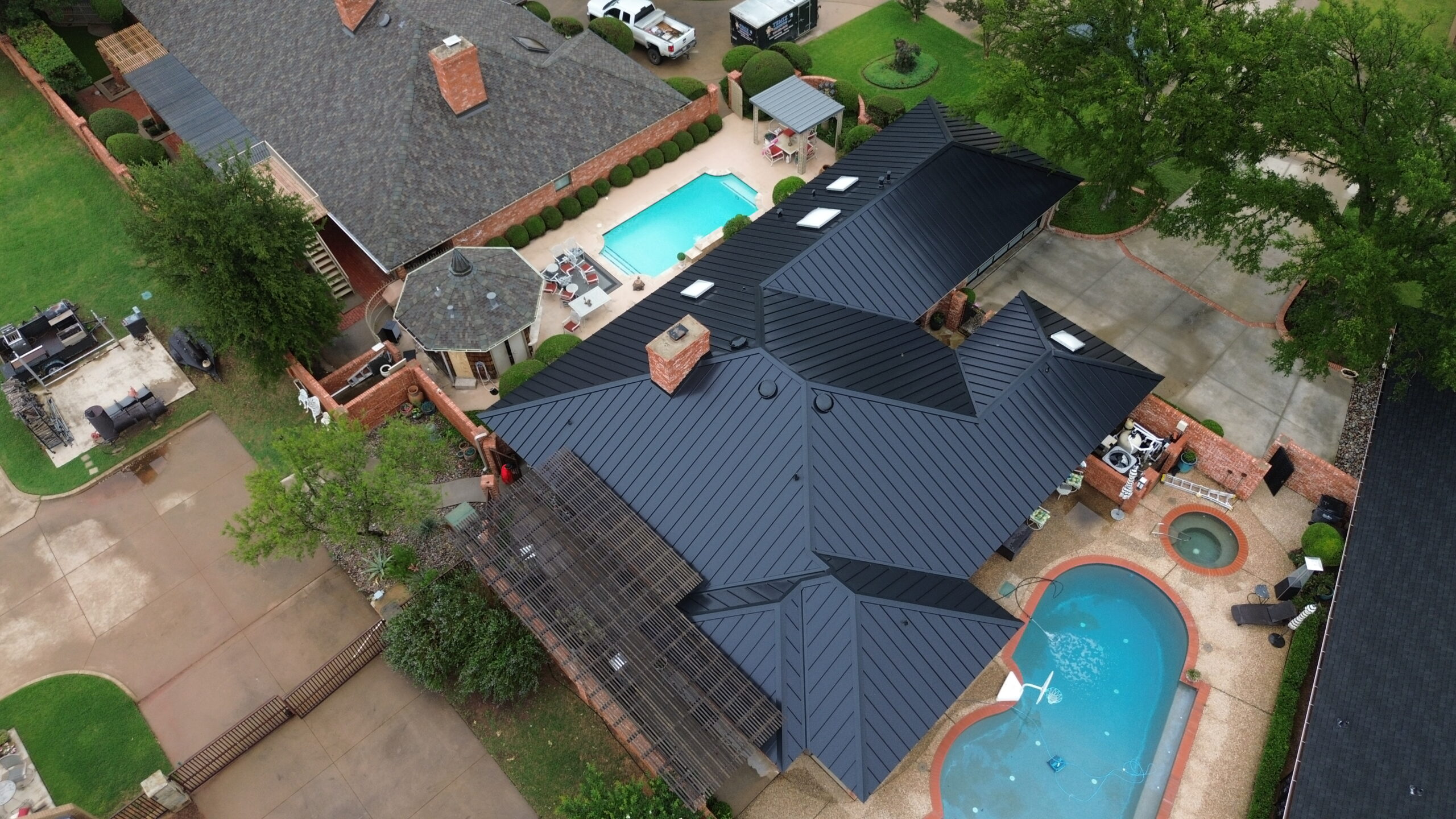
Recognizing warning signs can help homeowners avoid unreliable or dishonest roofing contractors. One major red flag is pressure to make an immediate decision without allowing time to compare estimates or review documentation. Homeowners should be cautious when a contractor insists that a special offer will disappear immediately unless a contract is signed.
Another warning sign is reluctance to provide proof of insurance or applicable licensing. A professional contractor should generally be prepared to provide the required documentation. Homeowners should verify information independently when possible instead of accepting verbal promises.
Extremely low estimates can also deserve additional attention. A low price is not automatically a problem, but significant differences between bids may indicate that one contractor has omitted important materials or labor. Homeowners should ask what is included before assuming the cheaper contractor offers better value.
Vague contracts are another concern. A proposal that does not specify materials, project scope, payment terms, or warranty information can leave homeowners exposed to disagreements later. Clear documentation is especially important for major roofing projects where unexpected conditions may arise.
Large upfront payments can also be a warning sign depending on local laws and normal industry practices. Homeowners should understand the expected payment structure and be cautious about requests for full payment before substantial work has been completed. Payment arrangements should be reasonable, documented, and consistent with the contract.
Storm chasers can create additional risks after severe weather events. Some contractors travel into affected regions quickly and use aggressive sales tactics to secure large numbers of projects. Homeowners should verify that any contractor, local or otherwise, has appropriate credentials, insurance, references, and a reliable way to provide future service.
Contractors who ask homeowners to obtain permits on their behalf without clear explanation may also require additional scrutiny. Permit responsibilities vary by location and project, so the contract should clearly state who is responsible for obtaining required approvals.
Homeowners should also be cautious when a contractor recommends replacing a roof without providing a clear explanation of its condition. A trustworthy professional should be able to show evidence of damage or deterioration and explain why repair, restoration, or replacement is appropriate.
Several warning signs should encourage homeowners to slow down and investigate further:
- Refusal to provide written estimates or contract details.
- Unclear business identity or inconsistent company information.
- Pressure to sign immediately.
- No verifiable insurance or applicable licensing.
- Unusually low bids without a clear explanation.
- Requests for full payment before meaningful work begins.
- Poor communication or repeated unexplained schedule changes.
One warning sign alone may not prove that a contractor is unreliable, but several concerns appearing together deserve serious attention.
Understand Project Timeline and Worksite Practices
A clear project timeline helps homeowners understand what to expect once the roofing work begins. Weather, material availability, roof size, project complexity, and hidden conditions can affect the schedule, so contractors should provide a realistic timeframe rather than an unrealistic promise of immediate completion.
The contractor should explain when materials are expected to arrive and when the roofing crew plans to begin. Homeowners may need to prepare the property by moving vehicles, protecting fragile items inside the home, securing outdoor furniture, or making arrangements for children and pets.
Roofing work can create noise, debris, vibration, and temporary access restrictions. A professional contractor should explain these conditions before work begins so homeowners can plan appropriately. Clear communication can reduce disruption and make it easier for the household to continue operating during the project.
Worksite safety is another important consideration. Roofing crews should use appropriate protective equipment, follow safe access practices, and take steps to protect the home and surrounding property. Homeowners should also ask how materials, tools, and debris will be stored during the project.
Property protection should be discussed in advance. Contractors may use protective coverings around landscaping, windows, doors, vehicles, and other vulnerable areas. The specific precautions depend on the roof design and installation method, but homeowners should understand how the contractor plans to limit unnecessary damage.
Cleanup is often underestimated when comparing roofing proposals. A complete project should include removal of roofing debris and reasonably thorough cleanup of the work area. Homeowners can ask whether the contractor uses magnetic sweeps or other methods to reduce the chance of leaving behind nails or metal fragments.
The handling of unexpected problems should also be part of the timeline discussion. If damaged decking, structural deterioration, or moisture issues are discovered, the project may take longer than originally expected. A reliable contractor should contact the homeowner, explain the issue, provide the available options, and obtain appropriate approval before performing substantial additional work.
Final inspection should not be overlooked. The contractor should explain how the completed roof will be checked for workmanship, drainage, flashing, material installation, and cleanup. Homeowners should also receive relevant project documentation, including warranty information and, where applicable, records of permits or inspections.
A well-organized roofing contractor understands that the project involves more than installing materials. Scheduling, safety, communication, property protection, cleanup, and final documentation all contribute to the overall quality of the experience. By discussing these expectations before work begins, homeowners can reduce surprises and better evaluate whether the contractor is prepared to manage the entire project professionally.
How to Compare Roofing Contractors Effectively
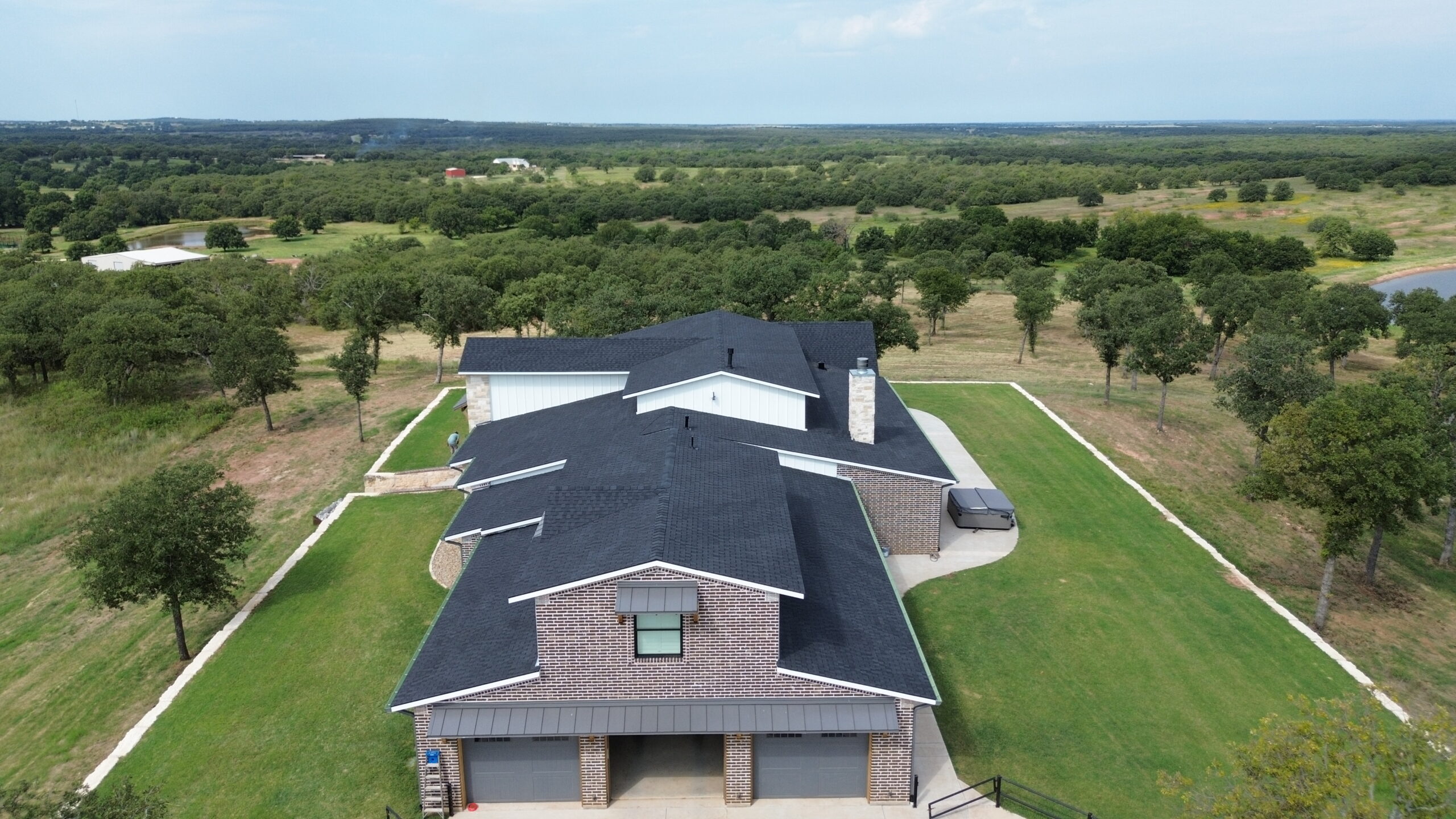
Comparing roofing contractors is easier when homeowners use the same criteria for each company. Looking only at the total price can create an inaccurate picture because contractors may offer different materials, installation methods, warranties, preparation work, and levels of service. A detailed comparison helps homeowners identify the contractor that provides the strongest overall value.
The first step is to make sure each contractor understands the same project requirements. If one estimate includes complete roof removal, new underlayment, flashing replacement, ventilation improvements, and cleanup while another includes only basic shingle installation, the prices cannot be compared fairly. Homeowners should ask contractors to provide estimates with similar scopes whenever possible.
Experience should also be compared carefully. A contractor who has completed many roofs may still be less suitable than another company with specific experience in the material or roof design being considered. Relevant experience with similar homes can be more valuable than a general claim about years in business.
Communication is another important comparison point. Homeowners should consider how quickly each contractor responds, whether explanations are easy to understand, and whether important details are provided in writing. Clear communication before the project often gives homeowners a better idea of how the contractor may handle questions or problems later.
The following factors can help organize the comparison:
| Factor | What Homeowners Should Review |
|---|---|
| Experience | Similar residential roofing projects |
| Credentials | Required licensing, insurance, and certifications |
| Reputation | Independent reviews and customer references |
| Materials | Quality, specifications, and warranty terms |
| Scope | Removal, installation, flashing, ventilation, and cleanup |
| Price | Complete project cost and payment schedule |
| Communication | Responsiveness and clarity |
| Warranty | Material and workmanship coverage |
| Timeline | Expected start, duration, and handling of delays |
Homeowners should avoid assuming that the most expensive contractor is automatically the best. A high price may reflect premium materials or a broader scope, but it can also reflect unnecessary services. The goal is to determine which contractor provides an appropriate combination of quality, reliability, transparency, and cost.
Questions to Ask Before Hiring a Roofing Contractor
Asking the right questions before signing a contract can help homeowners understand exactly what they are purchasing. Contractors should be able to explain their recommendations without making the homeowner feel pressured. A professional conversation should provide enough information for the homeowner to make a confident decision.
Homeowners can begin by asking about the contractor’s experience with similar projects. It is useful to know how often the company installs the selected material and whether it has worked on homes with comparable roof shapes or complexity.
Questions about insurance and licensing should also be asked early. Homeowners should request current documentation where applicable and verify it through appropriate sources. This provides a stronger level of protection than relying on verbal assurances.
The proposed roofing system should be discussed in detail. Homeowners can ask which materials will be used, what underlayment is included, how flashing will be handled, and whether ventilation improvements are recommended. They should also ask whether existing roofing materials will be removed or covered and why the proposed method is appropriate.
It is also helpful to ask what happens if unexpected damage is found. A contractor should explain how additional repairs are identified, documented, priced, and approved. This can prevent confusion when the roof is opened and hidden problems become visible.
Homeowners should also ask about the project timeline. Weather can cause delays, but the contractor should still provide a reasonable estimate and explain how schedule changes will be communicated. Understanding the expected process makes it easier to plan around the work.
Useful questions include:
- How long have you worked on residential roofing projects similar to mine?
- Are you licensed and properly insured for this work?
- Which roofing materials do you recommend and why?
- What exactly is included in the written estimate?
- How will damaged decking or hidden problems be handled?
- What warranties cover the materials and workmanship?
- Who will perform the actual installation?
- How will the property be protected during the work?
- What is the expected project timeline?
- How will changes, delays, or additional costs be communicated?
A contractor who responds clearly and consistently to these questions can make the hiring decision much easier. Homeowners should still verify important information independently, but a transparent discussion is a positive sign.
Understanding Payment Terms and Financing
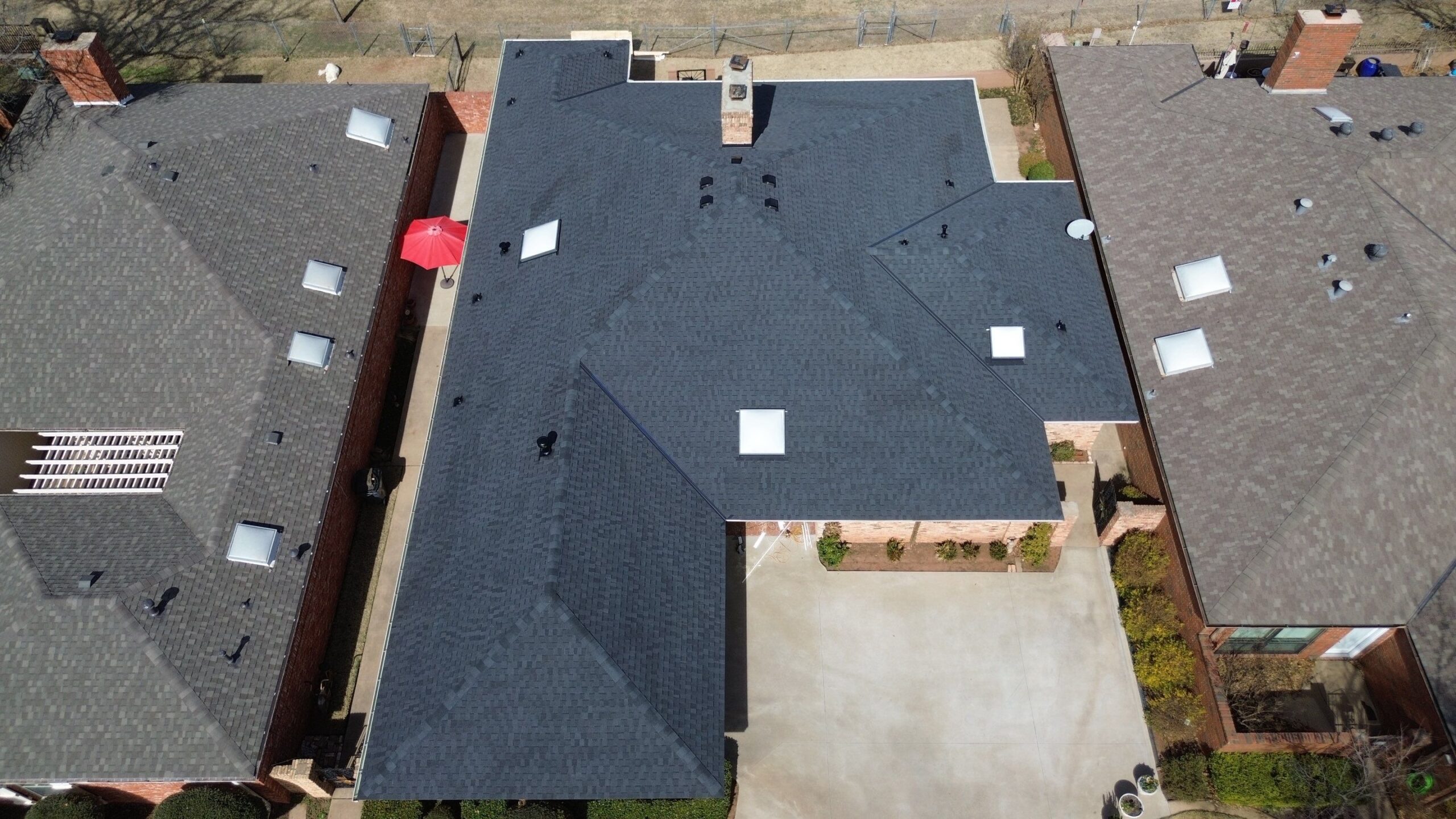
Payment terms should be discussed before the roofing project begins. Homeowners need to understand how much is required upfront, when progress payments are expected, and when the final payment becomes due. These details should appear in the written contract rather than being left to informal conversations.
Payment schedules can vary by contractor and location, but homeowners should be cautious about arrangements that create excessive financial risk. Paying the entire project cost before substantial work begins can leave the homeowner with limited leverage if problems occur. The contract should establish a reasonable structure that connects payments to project progress.
Homeowners should also ask what happens if the final scope changes. Unexpected decking damage, additional flashing work, or other necessary repairs can affect the final price. Any substantial change should be clearly explained and approved before the additional work is performed.
Financing options may be offered by contractors or outside providers. Homeowners should review the complete terms, including interest charges, fees, repayment periods, and conditions. A low monthly payment can appear attractive while resulting in a significantly higher total cost over time.
It is also important to distinguish between financing and promotional claims. Some offers may include deferred interest or special introductory periods with conditions that homeowners need to understand. Reading the financing agreement carefully can help prevent unexpected costs later.
Homeowners should keep copies of all payment records, receipts, invoices, signed contracts, and approved change orders. These records can be useful if there is a dispute, warranty issue, insurance question, or future property sale.
The safest approach is to make sure payment arrangements match the documented scope of work. Homeowners should never feel pressured into handing over additional money simply because a contractor claims that immediate payment is necessary without providing an explanation. Clear documentation protects both the homeowner and the contractor.
What to Expect During Roof Installation
Once the contractor has been selected and the contract is signed, homeowners should understand the general process that follows. Preparation usually begins with material delivery, worksite setup, and protection of landscaping, windows, vehicles, and other property. The exact process depends on the type and size of the roof.
Removal of existing roofing materials may reveal damaged decking, moisture problems, or deteriorated components. These conditions can affect the original schedule and cost. A reliable contractor should document significant issues and discuss the available options before proceeding with substantial additional work.
The installation process typically includes preparation of the roof deck, installation of appropriate underlayment and flashing, and placement of the selected roofing material. Details around valleys, chimneys, skylights, vents, walls, and roof edges are especially important because these areas are vulnerable to water intrusion.
Homeowners do not need to supervise every step of the installation. However, they should maintain communication with the project manager or contractor and receive updates when important changes occur. Regular communication can help resolve questions before they become larger problems.
Weather can affect roofing work significantly. Rain, strong winds, extreme temperatures, or other severe conditions may require temporary pauses. A professional contractor should explain weather-related changes rather than continuing work under unsafe or unsuitable conditions.
Noise and construction debris are normal parts of many roofing projects. The contractor should maintain reasonable worksite organization and follow agreed property-protection procedures. Homeowners should also keep children and pets away from active work areas.
Once installation is complete, debris should be removed and the surrounding property should be checked for leftover materials. The contractor should inspect the completed roof and address visible workmanship concerns before considering the project finished.
Homeowners should also receive important project documents after installation. These may include warranty information, product details, invoices, permits or inspection records where applicable, and maintenance recommendations. Keeping these records in a safe place can help with future repairs, warranty claims, or property transactions.
Final Inspection, Cleanup, and Documentation
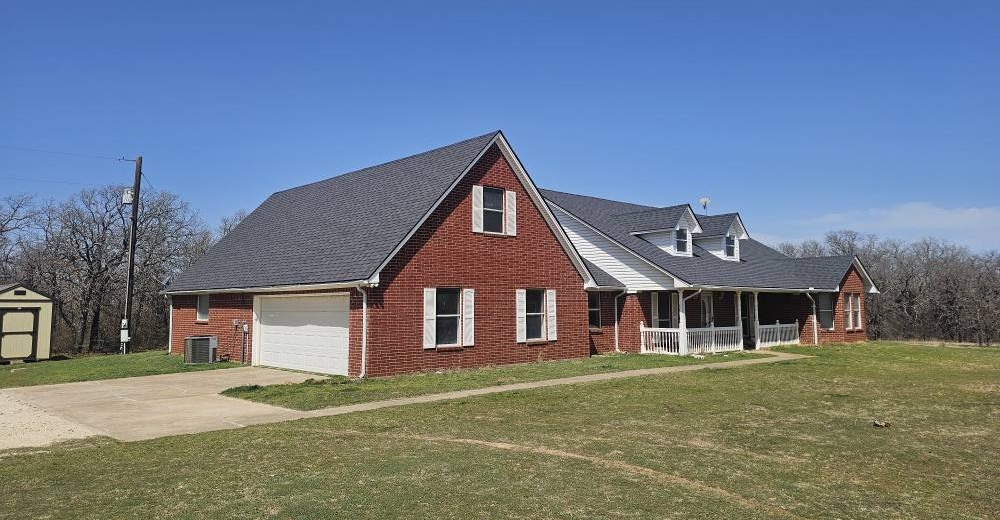
The final inspection is an important stage of the roofing project because it provides an opportunity to confirm that the agreed work has been completed properly. Homeowners should review the roof and surrounding property with the contractor when practical. The inspection should focus on workmanship, flashing, roof edges, visible drainage paths, material installation, and cleanup.
A final inspection does not require homeowners to climb onto the roof. Walking on a residential roof can be dangerous and may damage certain roofing materials. Instead, homeowners can review accessible areas from the ground and ask the contractor to explain important details or provide photographs where appropriate.
Cleanup should include removal of discarded roofing materials, packaging, and construction debris. The contractor should also make reasonable efforts to protect landscaping and surrounding areas during the project. Homeowners can ask about the cleanup process before work begins so expectations are clear.
Documentation is another important part of completion. Homeowners should keep the final invoice, signed contract, warranty documents, product information, permits, inspection records, and any approved change orders. Photographs of the completed roof can also be useful for future reference.
The contractor should explain how maintenance will be handled after installation. Routine inspections, gutter cleaning, flashing checks, and other maintenance tasks can help extend the service life of the roof. Understanding these responsibilities can protect the homeowner’s investment and support warranty requirements.
If a problem is identified after the project, the homeowner should contact the contractor promptly and keep written records of communications. A reliable contractor should provide a clear process for addressing workmanship concerns or warranty issues.
Conclusion
Choosing a residential roofing contractor wisely requires more than comparing prices. Homeowners should evaluate relevant experience, licensing, insurance, reputation, materials, project scope, communication, warranties, payment terms, and worksite practices before making a final decision. A careful selection process can reduce the likelihood of poor workmanship, unexpected costs, and frustrating project delays.
The best contractor is not necessarily the cheapest or the largest company. A strong choice is a contractor who can demonstrate relevant experience, provide clear documentation, communicate professionally, use appropriate materials, and explain the work in a way the homeowner can understand. These qualities can create a more predictable and trustworthy roofing experience.
Homeowners should also remember that a roofing project is a long-term investment. The quality of installation can influence the roof’s durability, weather resistance, maintenance needs, and overall performance for many years. Spending additional time researching contractors before work begins can therefore provide significant value.
A written contract, clear payment schedule, documented warranties, and detailed project scope can provide important protection throughout the process. Homeowners should retain all project records and promptly address concerns if the completed work does not match the agreed expectations.
Finally, good communication should continue after installation. A dependable contractor should remain available for questions, maintenance guidance, and legitimate warranty concerns. By choosing a contractor based on qualifications, transparency, workmanship, and long-term reliability, homeowners can move forward with greater confidence that their residential roof will provide dependable protection for years to come.