
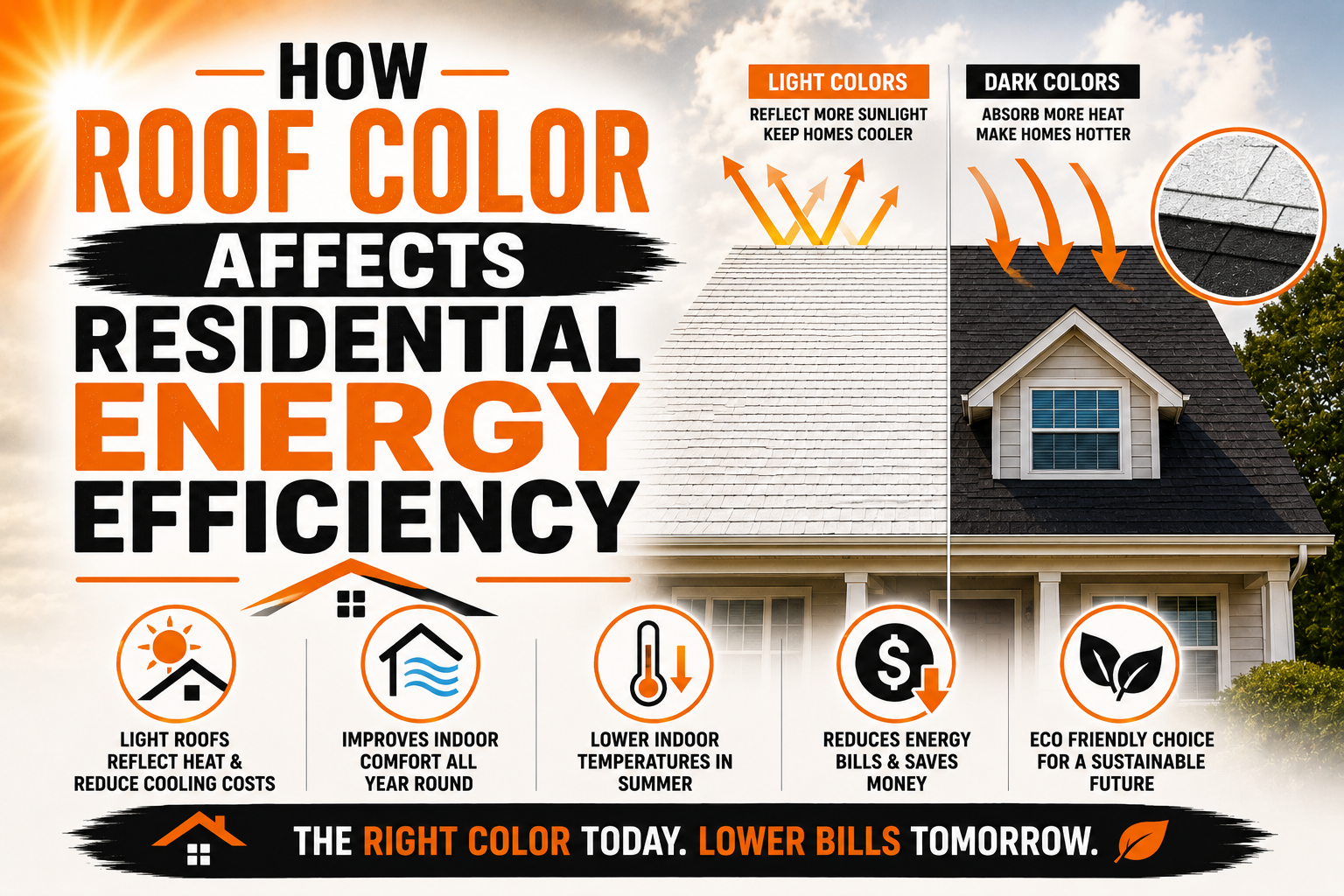
How Roof Color Affects Residential Energy Efficiency
Introduction
Roof color is often viewed mainly as an exterior design choice, but it can also influence how much solar energy a residential roof absorbs. When sunlight strikes a roof, part of that energy is reflected while the remaining energy can be absorbed by the roofing surface and converted into heat. The amount of heat generated at the roof can affect attic temperatures, indoor comfort, and the workload placed on heating and cooling equipment.
Dark and light roof colors can behave differently under strong sunlight. Darker surfaces generally absorb more solar radiation, which can cause them to reach higher temperatures during sunny conditions. Lighter and specially designed reflective surfaces can redirect more sunlight away from the roof, potentially reducing solar heat gain.
The effect of roof color is not the same in every home. Climate, roof orientation, roof material, insulation, attic ventilation, surrounding shade, and building design all influence the final result. A roof color that is beneficial in a hot region may have a different energy impact in a colder or mixed climate.
Modern roofing technology has also changed the relationship between visible color and thermal performance. Manufacturers can use reflective pigments and coatings that improve solar reflectance without making a roof appear extremely light. This gives homeowners more choices when balancing appearance and energy efficiency.
Understanding how roof color interacts with the rest of the roofing system can help homeowners make more informed decisions. Instead of choosing a roof color based only on curb appeal, it is useful to consider how the color may influence heat absorption, indoor comfort, cooling demand, and long-term roof performance.
How Roof Color Influences Solar Heat Gain
Solar heat gain begins when sunlight reaches the roof surface. The roof interacts with the incoming solar energy by reflecting some of it and absorbing the rest. A surface that absorbs more sunlight generally becomes hotter, while a surface that reflects more solar energy can remain cooler under comparable conditions.
The visible color of a roof provides a general indication of its behavior, but it does not tell the entire story. Traditional dark roofing materials often absorb a large portion of incoming sunlight, while white and light-colored surfaces tend to reflect more. However, modern roofing products can use specially formulated materials that change this relationship.
Roof temperature can become significantly higher than outdoor air temperature during periods of direct sunlight. This is especially important in homes with large roof areas that receive strong afternoon sun. As the roof heats up, some of that heat can move into the attic and through the building envelope.
The amount of heat reaching the living spaces depends on the complete roof assembly. A highly absorbent roof may create a greater thermal load, but strong insulation can slow the movement of that heat. Proper attic ventilation can also help control accumulated heat and moisture in roof systems designed for ventilation.
Roof orientation is another factor. A roof section that receives direct sunlight for most of the day can experience more solar exposure than a roof shaded by trees, neighboring structures, or another part of the building. This means the same roof color can perform differently on two homes with different site conditions.
Roof slope can influence solar exposure as well. Depending on the home’s location and the sun’s position throughout the year, different roof surfaces can receive different levels of solar radiation. Homeowners considering a color change should therefore evaluate the roof as part of the home’s complete environmental setting.
Solar heat gain is particularly important during warm weather because cooling systems have to remove additional heat from the home. Reducing unnecessary heat absorption at the roof can support lower cooling demand, especially when combined with insulation and other energy-efficiency improvements.
Light-Colored Roofs and Reflective Performance
Light-colored roofs have traditionally been associated with energy-efficient roofing because they can reflect a larger portion of incoming sunlight. White, light gray, tan, beige, and similar shades often absorb less solar radiation than very dark surfaces. This can help reduce the temperature reached by the roof during periods of intense sunlight.
A light-colored surface can be especially useful in hot and sunny climates. When the roof reflects more solar energy, less of that energy is converted into heat at the exterior surface. This can reduce the thermal load on the roofing assembly and may help limit heat transfer into attic spaces and rooms below.
The benefits of a light roof are strongest when the home is exposed to significant sunlight. A heavily shaded roof may already receive limited solar radiation, reducing the difference between light and dark surfaces. For this reason, homeowners should consider the amount of direct sunlight their property receives before assuming that changing roof color will produce a major improvement.
Light-colored roofs can also be combined with other energy-saving features. Adequate attic insulation slows the movement of heat toward the living areas, while ventilation can help manage heat and moisture in appropriate attic designs. Together, these components can produce a more effective approach to thermal management.
One important point is that not every light-colored roofing material performs exactly the same way. Two roofs may appear nearly identical but have different solar reflectance because of differences in pigments, coatings, surface texture, and manufacturing processes. Product specifications are therefore more useful than color names when comparing actual thermal performance.
Homeowners should also consider the visual effect of a lighter roof. A bright surface can make a house appear more modern and can complement certain exterior colors, but some homeowners prefer softer neutral shades. Fortunately, reflective roofing products are now available in a wider range of colors than the traditional bright white roof.
Maintenance can influence reflective performance over time. Dust, pollution, algae, leaves, and other surface contaminants may affect the condition of the roof. Proper maintenance can help preserve both appearance and surface performance, although cleaning methods should always be appropriate for the roofing material.
A light-colored roof is not automatically the ideal choice for every property. In cooler climates, homeowners may have different priorities related to seasonal heating demand. The best choice depends on the home’s location, energy needs, roof construction, and long-term performance goals.
Dark-Colored Roofs and Heat Absorption
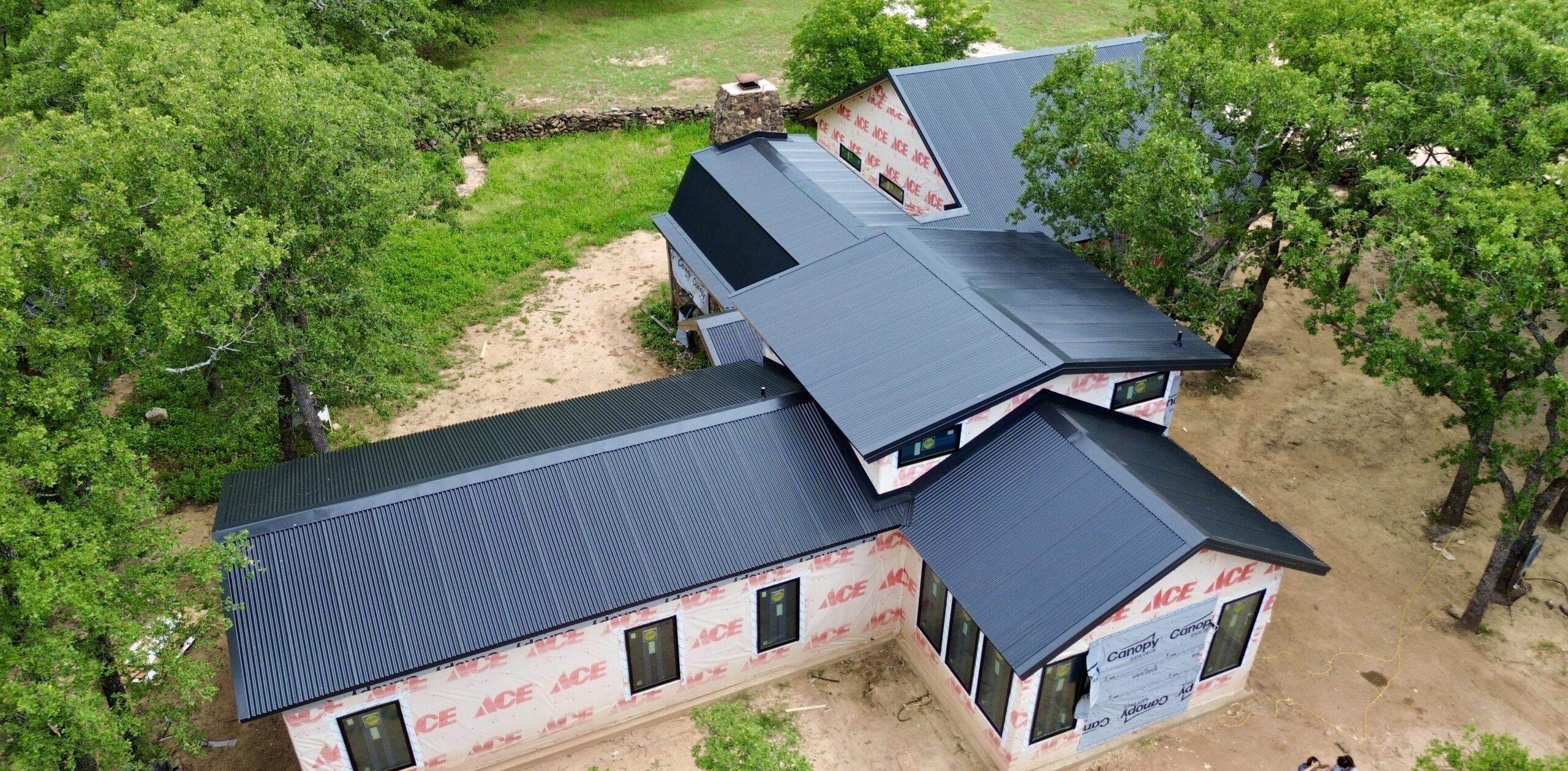
Dark roofing has remained popular because it provides a strong and versatile appearance that works with many architectural styles. Black, dark gray, dark brown, charcoal, and similar colors can create a bold exterior design and are widely available across asphalt shingles, metal roofing, synthetic products, and other materials.
The main energy consideration is that darker surfaces generally absorb more solar radiation than lighter surfaces. Under strong sunlight, this can cause the roof to become hotter. A hot roof can transfer some of that heat into the attic and, depending on insulation and roof design, eventually toward the conditioned areas of the home.
This does not mean every dark roof creates excessive indoor heat. A well-insulated home can limit heat transfer significantly, while effective attic ventilation can help control the roof environment in suitable assemblies. Shading from trees or neighboring buildings can also reduce solar exposure.
Modern roofing technology has also created darker products with improved reflective properties. Specialized pigments can reflect portions of solar energy that are not easily visible to the human eye. As a result, some roofs that appear dark can perform better than traditional dark materials with similar visible colors.
Homeowners choosing a dark roof should therefore look at the product’s actual solar performance rather than assuming that the color alone determines efficiency. A dark reflective roof may offer a useful balance between appearance and thermal performance, especially where homeowners do not want a light-colored exterior.
Dark roofs may also have advantages unrelated to energy efficiency. They can complement brick, stone, wood, and other exterior finishes, and they may be preferred for traditional architectural styles. In some locations, dark roofs may also be more visually consistent with surrounding homes.
The climate should remain a major part of the decision. In regions with long, hot summers, a highly absorbent dark roof can contribute to increased cooling demand. In colder regions, however, the energy impact may be different because heating requirements can be more significant.
Ultimately, selecting a dark roof should involve more than avoiding heat absorption. Homeowners can explore reflective dark products, improve insulation, and ensure that the attic and roof assembly are properly designed. These measures can help manage the thermal effects of a darker exterior without automatically eliminating the style preference.
Cool Roof Colors and Modern Roofing Technology
The idea of a cool roof is based on measurable thermal performance rather than simple visible color. Cool roofing products are designed to reflect more solar energy and, in many cases, release absorbed heat efficiently. This means a roof can be engineered for better thermal performance while still offering colors that fit a home’s design.
Modern reflective pigments are an important part of this development. These pigments can reflect portions of sunlight that would otherwise be absorbed, even when the visible color remains medium or dark. This technology allows manufacturers to create roofing products that provide more options than traditional white or light-colored roofs.
Cool-colored asphalt shingles may use specially engineered granules that improve solar reflectance. Metal roofing can use factory-applied reflective finishes, while roof coatings can be formulated to increase surface reflectivity. Synthetic and other roofing materials may also incorporate reflective technologies depending on the product.
Homeowners should look for measurable product information when evaluating these options. Terms such as solar reflectance and thermal emittance provide more useful information than marketing descriptions or color labels. Reviewing technical information can help homeowners compare products that look similar but perform differently.
Roof color and material should also be considered together. A highly reflective pigment may perform differently depending on whether it is applied to asphalt, metal, tile, membrane, or another roofing surface. Surface texture and aging can also influence how the roof performs over time.
Cool roof technology can be especially valuable in warm climates where cooling demand is significant. Reducing heat absorption at the roof surface can help lower the amount of heat entering the building envelope. When combined with appropriate insulation, air sealing, and ventilation, the roof can contribute to a more energy-efficient home.
However, cool roof colors are not a replacement for good building design. A reflective surface cannot correct major problems such as insufficient insulation, roof leaks, uncontrolled air leakage, or poor attic ventilation. These issues should be addressed as part of the overall roofing strategy.
For homeowners, the main advantage of modern cool colors is flexibility. Energy-conscious roofing no longer has to mean choosing one particular shade. With the right product, homeowners can often achieve improved solar performance while maintaining a roof color that fits the appearance and character of their property.
Roof Color, Insulation, and Attic Performance
Roof color has its greatest practical value when considered alongside insulation and attic performance. The roof surface determines how much solar energy is absorbed, while insulation slows the movement of heat through the roof or ceiling assembly. These two elements work together to influence how much outdoor heat reaches the interior of the home.
During a hot summer afternoon, a dark roof can absorb substantial solar energy and transfer some of that heat into the roof deck and attic. Strong insulation can limit the amount of this heat that reaches the rooms below. A lighter or more reflective roof can reduce the amount of heat entering the assembly in the first place.
Attic ventilation can also play an important role where the roof system is designed to be vented. Air movement can help remove accumulated heat and moisture from the attic. However, ventilation should be properly designed and should not be treated as a substitute for adequate insulation or air sealing.
Air leakage can reduce the effectiveness of insulation. Gaps around attic hatches, wiring, plumbing, ducts, and other penetrations may allow conditioned indoor air to move into the attic. Sealing these pathways can help the insulation perform more consistently and reduce unwanted heat and moisture movement.
The roof color decision is therefore only one piece of a larger energy-efficiency strategy. A dark roof with excellent insulation and proper ventilation may perform better overall than a light roof installed over a poorly insulated or poorly sealed attic. Likewise, a reflective roof can provide even more value when the rest of the building envelope is already performing well.
Homeowners should consider the existing condition of the attic before changing roof color. If the attic already experiences extreme heat, uneven insulation, moisture, or poor ventilation, these issues may deserve attention at the same time as the roofing project. Coordinating improvements can help create a more balanced and effective roof system.
The relationship between roof color and insulation becomes especially important during roof replacement. When a roof is already being removed and rebuilt, homeowners may have an opportunity to inspect the roof deck, improve insulation, repair ventilation pathways, and address air leakage. Combining these upgrades can provide broader benefits than changing the roof color alone.
A well-planned residential roof considers all these elements together. Roof color influences solar absorption, insulation controls heat transfer, and ventilation helps manage the attic environment where appropriate. When these components are properly coordinated, homeowners can improve thermal comfort and support more efficient energy use without relying on any single feature to do all the work.
Choosing Roof Colors for Hot and Sunny Climates
Climate is one of the most important factors when selecting a roof color for a residential property. In hot and sunny regions, roofs can receive intense solar exposure for much of the year, causing exterior surfaces to become significantly warmer than the surrounding air. Choosing a roof color with stronger reflective performance can help reduce the amount of solar energy absorbed by the roofing material.
Light-colored roofs are often considered a practical choice for homes in hot climates because they can reflect more sunlight than conventional dark surfaces. White, light gray, beige, tan, and similar shades may help reduce roof surface temperatures during periods of strong sunlight. The actual benefit depends on the roofing material and its measured solar characteristics rather than the visible color alone.
Dark roofs can still be used in warm climates when homeowners prefer their appearance. Modern roofing products may incorporate reflective pigments that improve solar performance without requiring a very light visible finish. This allows homeowners to choose darker colors while reducing some of the heat absorption associated with traditional dark roofing materials.
Roof exposure should also be evaluated before making a color decision. A home with extensive afternoon sunlight may gain more from a reflective roof than a property surrounded by mature trees or nearby structures that provide significant shade. The same roof color can therefore produce different results depending on the property’s orientation and surroundings.
Roof color should also be considered along with the roof’s material and construction. A reflective metal roof, for example, may behave differently from a reflective asphalt shingle roof with a similar visible color. Surface texture, coating technology, roof slope, and material composition can all influence solar performance.
Hot climates can also place significant demands on air conditioning systems. When the roof absorbs less heat, the amount of heat transferred toward the attic and interior may be reduced. This can support lower cooling demand, particularly when the home already has good insulation, air sealing, and properly designed attic ventilation.
Homeowners should not expect a roof color change to solve every cooling problem. If the attic has inadequate insulation or substantial air leakage, the home may continue to experience excessive heat even after a reflective roof is installed. A comprehensive assessment can help identify whether the roof color is the main concern or simply one part of a larger energy-efficiency issue.
Roof Color in Cold and Mixed Climates
Roof color decisions can become more complex in climates that experience both hot summers and cold winters. A color that minimizes solar heat gain during summer may not necessarily provide the same year-round advantage when heating is also a major household energy demand. Homeowners in these regions should therefore evaluate roof color based on the complete annual climate rather than focusing on a single season.
Dark roofing can absorb more solar energy during sunny winter conditions, potentially increasing the temperature of the roof surface. However, the amount of useful heat that actually reaches the living space depends on insulation, roof construction, outdoor temperature, sunlight angle, and other factors. It is therefore difficult to assume that a dark roof will automatically provide significant heating savings.
Light or reflective roofing can reduce solar heat absorption throughout the year. This can be valuable during summer, but the effect during colder periods may be less desirable in some circumstances. The overall impact depends on the building’s climate, insulation level, heating demand, and the amount of winter sunlight the roof receives.
In mixed climates, insulation often becomes especially important because it limits heat transfer in both directions. Strong insulation can reduce summer heat gain from the roof while also reducing the escape of indoor heat during winter. This can make roof color a secondary part of the overall energy strategy rather than the only factor determining performance.
Roof orientation also matters throughout the year. The amount of sunlight received by a roof changes as the sun’s position changes seasonally. A roof surface that receives strong summer exposure may receive less direct winter sunlight depending on its angle and orientation. Nearby trees and buildings can further change seasonal exposure.
Homeowners in mixed climates can also consider modern cool roofing products that offer improved reflectance in colors that are not extremely light. These products may provide a middle ground between appearance and thermal performance. Choosing a medium or darker shade with enhanced reflective properties can be a practical compromise for homeowners with strong design preferences.
Local construction requirements and neighborhood appearance may also influence the decision. Some communities have guidelines for acceptable roofing colors, while historical properties may require particular exterior styles. Energy efficiency remains important, but the selected roof also needs to meet architectural, structural, and regulatory requirements.
For homes that experience substantial heating and cooling demand, it is useful to consider roof color as one part of a larger building-envelope strategy. Insulation, windows, air sealing, shading, HVAC efficiency, and roof design can all have a stronger combined effect than color alone. This broader approach can help homeowners make decisions that remain useful throughout changing seasons.
How Roof Color Affects Indoor Home Comfort
Roof color can influence indoor comfort by affecting how much solar heat enters the roof assembly. When a roof absorbs more solar energy, its surface can become considerably hotter during periods of direct sunlight. Some of this heat can move into the attic and eventually influence rooms below, particularly when insulation is inadequate.
Upper-floor rooms are often most sensitive to roof-related heat gain. Bedrooms, offices, and living spaces directly beneath the roof can become warmer than lower portions of the home during sunny weather. A roof with stronger reflective properties can reduce the amount of solar energy converted into heat above these areas.
Indoor comfort depends on more than roof color, however. Insulation plays a major role by slowing the movement of heat from the roof toward the interior. If the insulation is thick, continuous, and properly installed, the temperature difference between a dark and light roof may have a smaller direct impact on occupied spaces.
Attic ventilation can also help manage roof-related heat. In roof systems designed with ventilation, properly positioned intake and exhaust openings can support the movement of warm air out of the attic. Ventilation should be balanced and unobstructed, and it should work alongside insulation rather than replace it.
Air sealing is another important component. Gaps around attic hatches, wiring, plumbing, ducts, and other penetrations can allow heat and moisture to move between the living space and attic. Sealing these pathways can improve comfort regardless of roof color and can help the insulation perform closer to its intended level.
Roof color may be particularly noticeable when the home has limited insulation or a large roof area. In such situations, a highly absorbent dark roof can contribute to greater heat buildup. A reflective roof can reduce the amount of heat entering the assembly, potentially making upper-level rooms more comfortable during hot weather.
Homeowners should also consider temperature consistency throughout the home. A roof that contributes to large temperature differences between upstairs and downstairs areas can cause occupants to rely more heavily on cooling equipment or room-specific solutions. Improving the roof assembly may help create a more balanced indoor environment.
Comfort improvements are difficult to predict precisely because every home behaves differently. Building orientation, shading, window area, wall insulation, attic design, HVAC capacity, and occupancy patterns all contribute to indoor temperature. Roof color should therefore be evaluated as part of the entire thermal system.
Roof Color and HVAC Energy Consumption
Heating and cooling equipment must compensate for heat entering or leaving the home. Roof color can influence this load by changing how much solar energy is absorbed at the roof surface. A reflective roof may reduce the amount of heat that cooling equipment has to remove during hot weather, while a highly absorbent roof may add to that thermal demand.
The effect is often more noticeable in homes with large exposed roofs and substantial air conditioning use. During periods of strong solar exposure, a darker roof can become significantly hotter and transfer additional heat through the roof assembly. A more reflective roof can reduce the amount of heat generated at the exterior surface.
However, HVAC energy use is influenced by many other factors. The age and efficiency of the air conditioning or heating equipment, thermostat settings, duct condition, window performance, building size, occupancy, and insulation levels can all have substantial effects. Changing roof color alone may therefore produce only a limited improvement in some homes.
The relationship between roof color and HVAC performance is strongest when the rest of the building envelope is reasonably efficient. An adequately insulated attic can prevent much of the roof-generated heat from reaching the interior. Proper air sealing can further reduce unwanted heat movement, making it easier for the HVAC system to maintain the desired indoor temperature.
Ductwork located in attic spaces deserves special attention. If ducts are exposed to very hot attic temperatures, conditioned air can lose some of its effectiveness before reaching occupied rooms. A reflective roof may help lower attic heat, but duct sealing and appropriate insulation are still important for maintaining system efficiency.
Roof color can also affect HVAC cycling under certain conditions. When less heat enters the home, a cooling system may not need to operate as frequently to maintain the thermostat setting. More stable indoor conditions can support efficient operation, although the actual outcome depends on the system’s design and the home’s overall thermal performance.
Homeowners considering a roof replacement may benefit from evaluating HVAC performance at the same time. If an older air conditioning system is already struggling with high cooling demand, improving the roof and attic may reduce the load on the system. In some cases, this can be more practical than immediately installing a larger HVAC unit.
It is important to remember that energy efficiency is cumulative. Roof color, insulation, air sealing, shading, efficient windows, and HVAC performance can all contribute to lower energy demand. The strongest results usually occur when several improvements work together rather than relying on one feature to carry the entire burden.
Comparing Common Residential Roof Colors
Residential roofs are available in a wide range of colors, and each can provide different combinations of visual appeal and thermal performance. Black and very dark charcoal roofs are commonly selected for their modern and dramatic appearance, but traditional versions can absorb substantial solar energy. Reflective versions can offer better solar performance while maintaining a dark appearance.
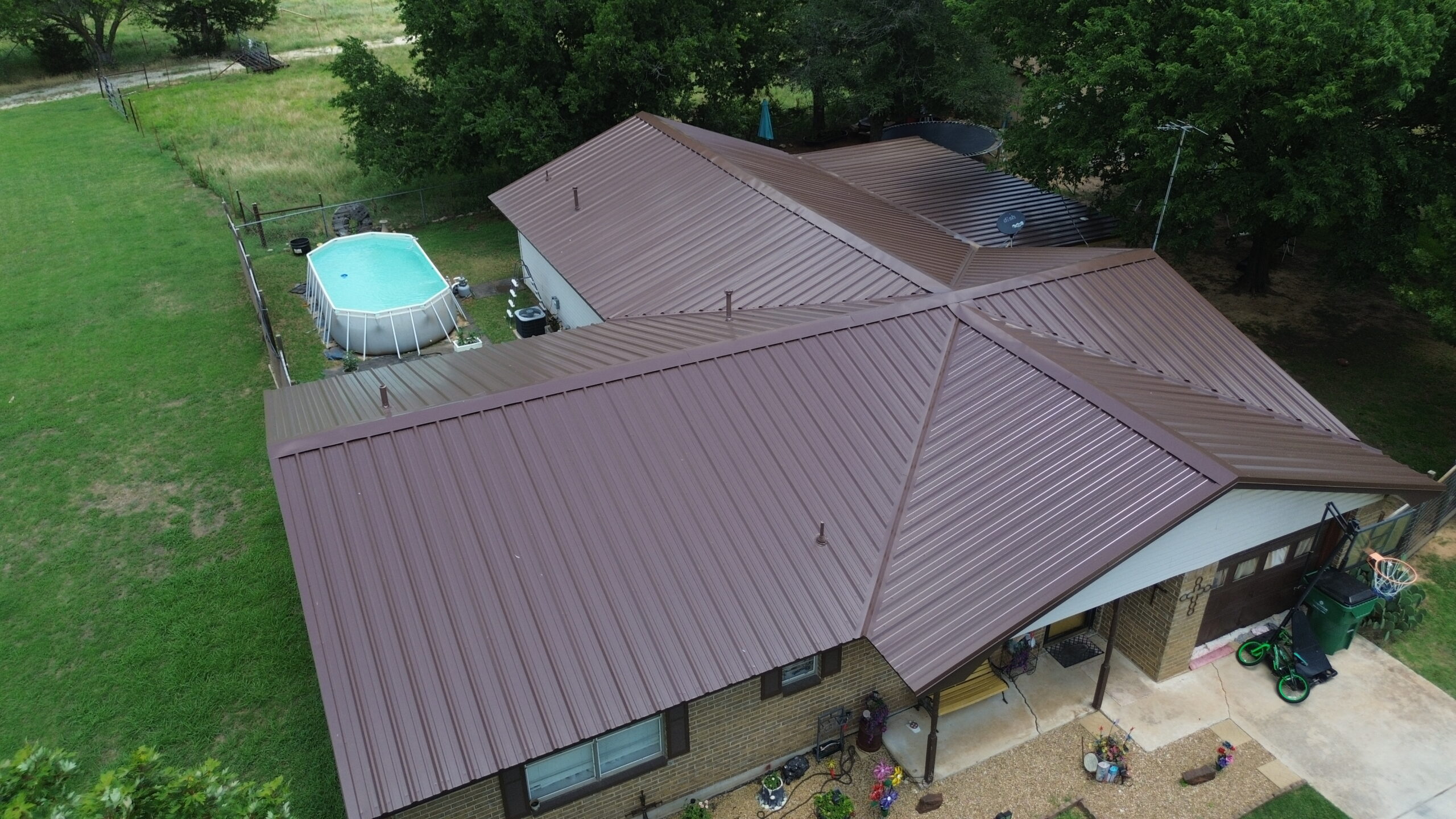
Dark brown roofs are often used on traditional homes and properties with natural exterior materials such as stone or wood. Their thermal behavior depends on the specific product and surface technology. A dark brown roof with reflective pigments may perform differently from a conventional brown shingle with no enhanced reflective characteristics.
Medium gray is a popular compromise because it provides a neutral appearance while generally offering more solar reflectance than very dark colors. The actual performance varies by material, shade, surface texture, and manufacturing technology. Homeowners interested in efficiency should compare product specifications rather than relying only on a general color category.
Light gray and silver-toned roofs can provide stronger reflective performance while still offering a neutral appearance. These shades may work well with modern, minimalist, and contemporary home exteriors. Metal roofing products are commonly available in these finishes and can combine color flexibility with reflective coatings.
White roofs generally provide strong solar reflectance when the roofing product itself is designed for high reflectivity. They can be especially appropriate for homes in very hot climates where reducing solar heat gain is a major priority. Maintenance should be considered because visible dirt and staining may be more noticeable on very light surfaces.
Beige, tan, and other warm light colors can provide a balance between appearance and solar performance. They may work particularly well with brick, stone, stucco, or earth-toned exterior designs. As with other colors, the actual reflectance depends on the specific roofing material.
A comparison of common roof colors can help homeowners understand the general relationship between appearance and solar performance:
| Roof Color | Typical Solar Behavior | Appearance | Common Consideration |
|---|---|---|---|
| White | High reflectance when properly designed | Bright and clean | Strong option for hot climates |
| Light gray | Generally reflective | Neutral and modern | Good balance of appearance and performance |
| Beige or tan | Moderate to good reflectance | Warm and traditional | Often suits masonry exteriors |
| Medium gray | Moderate performance | Versatile | Practical compromise |
| Brown | Varies by product | Traditional and natural | Check product specifications |
| Dark gray or charcoal | Higher heat absorption in conventional products | Modern and bold | Reflective versions can improve performance |
| Black | High absorption in conventional materials | Strong contemporary look | Greater cooling concern in hot climates |
These categories provide general guidance rather than guaranteed performance. Roofing materials with reflective pigments or coatings can change how a particular color behaves under sunlight.
Factors to Consider Before Choosing a Roof Color
Choosing a roof color should begin with the home’s climate and solar exposure. A property in a hot, sunny environment may benefit from a reflective roof, while a home in a colder or mixed climate may require a more balanced year-round assessment. Understanding the local conditions helps homeowners avoid choosing a color based entirely on appearance.
The existing roof assembly should also be evaluated. Insulation, ventilation, roof decking, underlayment, and attic conditions can all influence how much heat reaches the living space. If these components are weak, improving them may provide more noticeable benefits than changing roof color alone.
Roof material is equally important. Asphalt shingles, metal panels, tiles, membranes, and synthetic products can all have different thermal characteristics even when they share the same visible color. Homeowners should compare products within the same material category and review technical performance information whenever available.
Surrounding shade should be considered as well. Mature trees can significantly reduce direct solar exposure, potentially changing the practical importance of roof color. However, trees should also be evaluated for maintenance and roof safety because falling branches and accumulated organic debris can create other roofing concerns.
Homeowners should also consider the roof’s expected lifespan. A color choice made during a replacement project may remain visible for many years, so it should be evaluated alongside changing design preferences and long-term ownership plans. Selecting a timeless color with appropriate solar performance can help maintain both appearance and practical value.
Local neighborhood requirements may affect the available choices. Homeowners’ associations, municipalities, historical districts, or community design guidelines may restrict certain colors or materials. Checking these requirements before ordering roofing materials can prevent unnecessary expenses or delays.
Budget is another consideration. Some reflective products or specialty pigments may cost more than conventional roofing materials. The additional investment should be weighed against expected durability, maintenance, climate suitability, comfort benefits, and potential energy savings.
Finally, homeowners should avoid viewing roof color as an isolated decision. The best outcome usually comes from considering color together with insulation, ventilation, air sealing, roof material, shading, and HVAC performance. A carefully selected roof color can contribute to residential energy efficiency, but its greatest value comes when it supports a well-designed and properly maintained roofing system.
Roof Color and Long-Term Energy Performance
Roof color can influence residential energy performance for many years because roofing materials are usually expected to remain in service for a long period. The thermal effect of a particular color is most noticeable when the roof receives strong direct sunlight, especially during hot weather. A roof that consistently absorbs less solar energy can help reduce heat gain through the upper portion of the home.
Over time, the value of a roof color depends on how well it works with the rest of the building envelope. Strong insulation, proper attic ventilation, effective air sealing, and efficient windows can all reduce the amount of heat that reaches occupied spaces. This means homeowners should evaluate roof color as one part of a complete energy-efficiency strategy.
The long-term effect can also depend on the roofing material itself. Asphalt shingles, metal panels, tile, and synthetic products can respond differently to ultraviolet exposure, weathering, and surface contamination. Two roofs with similar colors may therefore provide different thermal performance as they age.
Roof orientation can continue to influence performance throughout the roof’s service life. A roof section that receives intense afternoon sunlight may experience more heating than a shaded section, creating different thermal conditions across the same property. Homeowners should consider the most exposed areas when evaluating whether a more reflective color would be beneficial.
A long-term roofing decision should also take future energy needs into account. A homeowner replacing a roof today may continue using the property through many changing summers and winters. Selecting a color and roofing product that support efficient temperature control can be more valuable than choosing a color based only on current appearance preferences.
Maintenance and Changes in Reflective Performance
Roof color and reflective performance can change gradually as roofing materials age. Dirt, dust, pollution, leaves, algae, and other surface contaminants can build up and alter the appearance of the roof. In some cases, these conditions can also influence how effectively the surface reflects solar energy.
Weather exposure is another factor. Prolonged ultraviolet radiation, rainfall, temperature changes, wind, and severe storms can affect coatings, granules, finishes, and other surface components. The rate of change depends on the roofing material, product quality, installation, and local climate.
Light-colored roofs may show dirt and staining more easily than darker surfaces. Although visible discoloration does not automatically mean that the roof has lost its energy performance, it can indicate that the surface needs inspection or appropriate maintenance. Cleaning should always follow the manufacturer’s recommendations because aggressive techniques can damage roofing materials.
Dark roofing materials can also experience changes over time. Fading, surface wear, and loss of protective coatings may alter the appearance and potentially affect thermal characteristics. Reflective pigments and specialized finishes may help maintain performance, but homeowners should still inspect the roof periodically.
Maintenance should focus first on keeping the roof weather-resistant. Water leaks, damaged shingles, failed flashing, blocked drainage, and structural deterioration can cause much more serious problems than changes in color. Energy performance is important, but the primary purpose of a roof remains protecting the home from weather.
A practical maintenance routine can help preserve both appearance and function. Homeowners should inspect the roof after severe weather, keep drainage systems clear, watch for visible damage, and arrange professional evaluations when problems are difficult to assess safely. Regular care can extend the roof’s useful life and protect the investment in an energy-conscious roofing system.
Common Mistakes When Selecting Roof Colors
One of the most common mistakes is assuming that every light-colored roof is highly energy efficient. While lighter surfaces often reflect more sunlight, actual performance depends on the roofing product, pigments, coatings, and surface characteristics. Homeowners should review product specifications instead of relying only on the visible shade.
Another mistake is assuming that every dark roof will automatically create major indoor heat problems. Insulation quality, attic ventilation, shading, roof material, and reflective pigment technology can significantly change the result. Some dark roofing products are specifically designed to provide improved solar performance.
Ignoring the local climate can also lead to a poor choice. A homeowner may select a roof color based on appearance without considering the property’s solar exposure, seasonal temperatures, or cooling needs. Energy performance should be evaluated for the actual conditions the home experiences rather than a general assumption about dark or light colors.
Another problem is changing roof color without evaluating the attic. Poor insulation, air leakage, or blocked ventilation may continue causing comfort issues even after a more reflective roof is installed. In these situations, improving the complete roof assembly may provide greater value than focusing on color alone.
Homeowners may also overlook the effect of surrounding trees and buildings. A roof shaded for much of the day may behave differently from a roof exposed to direct sunlight from morning through afternoon. Solar exposure should be considered before estimating how much difference a color change could make.
Finally, choosing a color solely because it is currently fashionable may create long-term dissatisfaction. Roofing can remain in place for many years, so appearance, climate suitability, material performance, maintenance, and neighborhood compatibility should all be considered together.
Combining Roof Color With Other Energy-Efficient Features
Roof color can contribute to energy efficiency, but its effects are strongest when combined with other improvements. Insulation is particularly important because it slows heat movement between the roof or attic and the conditioned spaces below. A reflective roof can reduce heat absorption, while insulation helps prevent the remaining heat from moving indoors.
Ventilation can also support roof performance in appropriately designed attic systems. Proper intake and exhaust pathways can help manage heat and moisture within the attic. However, ventilation should be carefully designed and should not be treated as a substitute for adequate insulation or air sealing.
Air sealing can further improve the performance of the building envelope. Openings around attic hatches, ducts, pipes, wiring, and ceiling penetrations can allow unwanted movement of conditioned air. Sealing these areas can help maintain more stable indoor temperatures regardless of roof color.
Energy-efficient windows and exterior shading can reduce solar heat gain through other parts of the building. If large windows receive strong sunlight, improving the roof alone may not address the home’s total cooling load. A whole-home approach considers how heat enters through the roof, walls, windows, and other openings.
HVAC efficiency should also be included in long-term planning. A roof that reduces heat gain can make cooling demands easier to manage, but an inefficient or poorly maintained HVAC system may still consume excessive energy. Coordinating roof improvements with mechanical-system upgrades can create a more balanced approach to energy use.
For homeowners planning a roofing project, several steps can help improve the overall result:
- Evaluate the existing roof, insulation, ventilation, and attic condition before selecting a color.
- Compare roofing products by measurable thermal characteristics rather than color names alone.
- Consider local climate, roof orientation, shading, and expected cooling demand.
- Coordinate roofing improvements with insulation, air sealing, and other building-envelope upgrades.
- Select a material and color that balance energy performance, durability, maintenance, and appearance.
This approach helps ensure that roof color supports the home’s energy goals rather than being treated as an isolated design decision.
Conclusion
Roof color can affect residential energy efficiency because different surfaces interact with sunlight in different ways. Dark conventional roofing materials generally absorb more solar energy, while lighter and specially engineered reflective surfaces can reduce solar heat gain. The difference can become particularly important in hot, sunny conditions where cooling demand is high.
Modern roofing technology has made the decision more flexible. Homeowners are no longer limited to choosing between a very light roof and a conventional dark roof because reflective pigments and advanced coatings can improve the thermal performance of many colors. This allows appearance and energy efficiency to be considered together.
The most effective choice depends on the home’s climate, roof material, orientation, insulation, attic ventilation, shading, and overall construction. A roof color that performs well in one location may provide different benefits in another, so homeowners should evaluate the actual conditions of the property before making a decision.
Maintenance also remains important throughout the roof’s service life. Surface dirt, weathering, fading, algae, and material deterioration can change the appearance and potentially influence reflective performance. Regular inspection and appropriate maintenance can help preserve the roof while allowing problems to be identified before they become more serious.
Most importantly, roof color should be viewed as one component of a larger energy-efficiency strategy. A reflective roof can reduce solar heat absorption, but insulation, air sealing, ventilation, windows, shading, and HVAC efficiency all contribute to the home’s final energy performance. Combining these elements can provide a more meaningful improvement than relying on roof color alone.
Ultimately, the best roof color is one that suits the home’s climate, design, material, and long-term energy goals. By comparing roofing products carefully and considering the entire roof system, homeowners can make a choice that provides attractive curb appeal while supporting comfort and efficient energy use for years to come.