
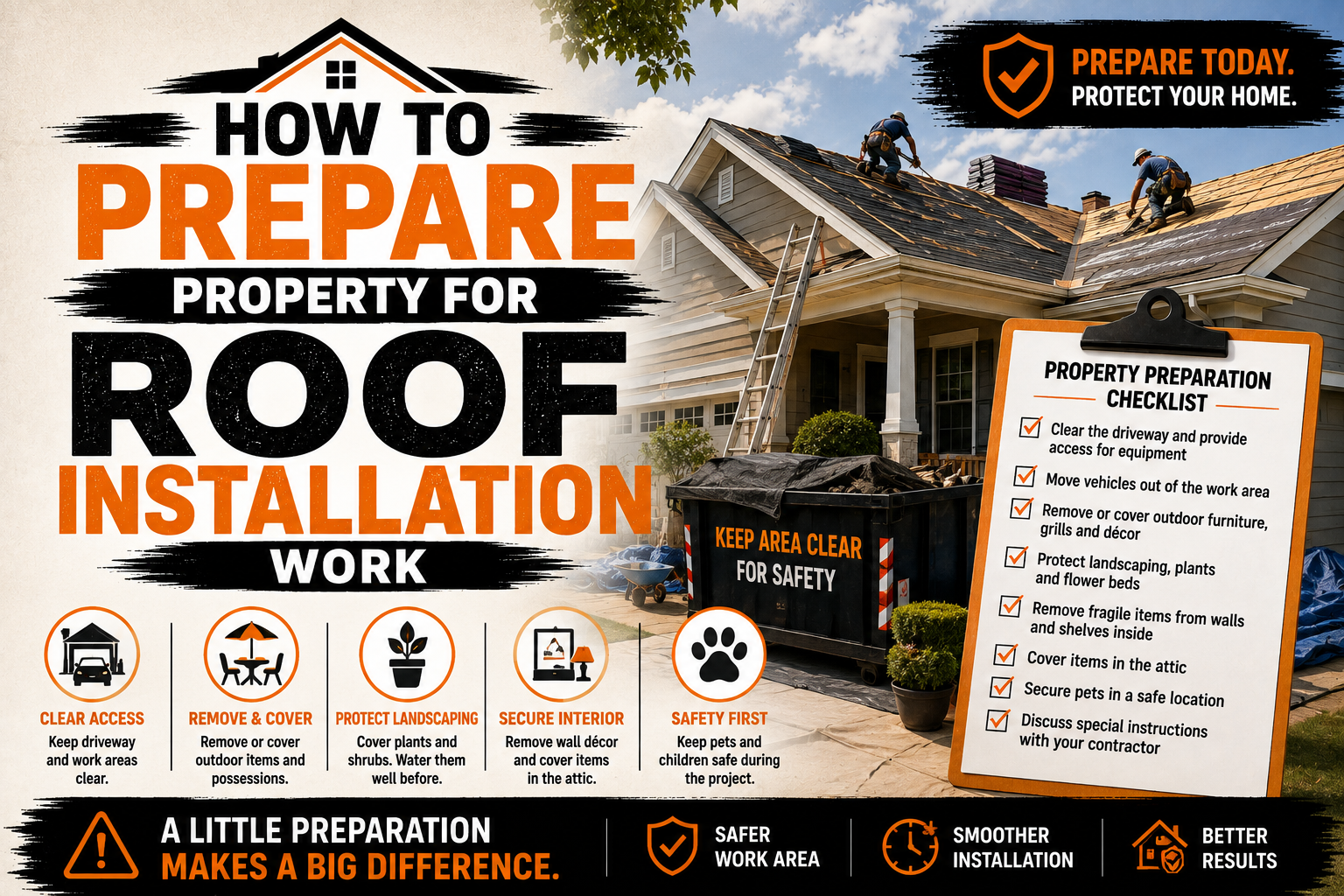
How to Prepare Property for Roof Installation Work
Introduction
Preparing your property before a roof installation project begins is one of the most effective ways to ensure the work proceeds safely, efficiently, and with minimal disruption. While professional roofing contractors are responsible for installing the roof, homeowners also play an important role by preparing both the interior and exterior of the property before construction starts. A few simple steps taken in advance can protect valuable belongings, reduce safety risks, and help the project stay on schedule.
Roof installation is a major construction activity that involves removing old materials, lifting new roofing products onto the building, using specialized equipment, and moving workers around the property throughout the day. Because of this, areas surrounding the home are often affected by temporary noise, dust, vibrations, and falling debris. Understanding these conditions allows homeowners to prepare properly before work begins.
Many people focus only on choosing roofing materials and hiring a contractor, but property preparation deserves equal attention. Protecting landscaping, moving vehicles, securing fragile items, and creating clear access routes all contribute to a smoother installation process. Proper preparation also allows roofing crews to work more efficiently while reducing the possibility of accidental damage.
This guide explains the most important steps homeowners should take before roof installation begins. By preparing your property carefully, you can help create a safer working environment while protecting your home and making the roofing project more organized from start to finish.
Why Property Preparation Is Important Before Roof Installation
Roof installation affects much more than the roof itself. Construction activities take place around the entire property, including driveways, walkways, yards, gardens, and interior spaces beneath the roof. Preparing these areas before work begins helps prevent unnecessary interruptions and creates a safer environment for both workers and residents.
One of the primary reasons for preparation is protecting valuable property. Roofing crews handle heavy materials, remove old roofing components, and transport equipment throughout the worksite. Although experienced contractors work carefully, construction always carries a small risk of accidental impacts or falling debris. Taking preventive measures helps minimize these risks.
Preparation also improves project efficiency. Contractors can begin work immediately when access routes are clear and outdoor obstacles have been removed. Time that would otherwise be spent moving furniture or relocating vehicles can instead be devoted to completing the roofing project.
Another important benefit is improved safety. Loose objects around the property can create tripping hazards or become damaged during construction. Organizing the work area before installation begins allows roofing crews to move more safely while reducing the likelihood of accidents.
Homeowners also experience less stress when they know what to expect. Understanding how roofing work affects daily routines allows families to prepare for temporary noise, vibrations, and restricted access around the property. Good preparation makes the overall experience more manageable and predictable.
Finally, preparing the property demonstrates cooperation between homeowners and contractors. When both parties contribute to the project’s success, communication improves and the installation process generally proceeds more smoothly.
Understanding What Happens During Roof Installation
Before preparing your property, it helps to understand what occurs during a typical roof installation project. Knowing how contractors perform their work makes it easier to identify which parts of the property require attention before construction starts.
Roof installation usually begins with the delivery of roofing materials. Trucks may arrive carrying shingles, metal panels, underlayment, flashing, fasteners, and specialized equipment. These materials need temporary storage areas that remain easily accessible throughout the project.
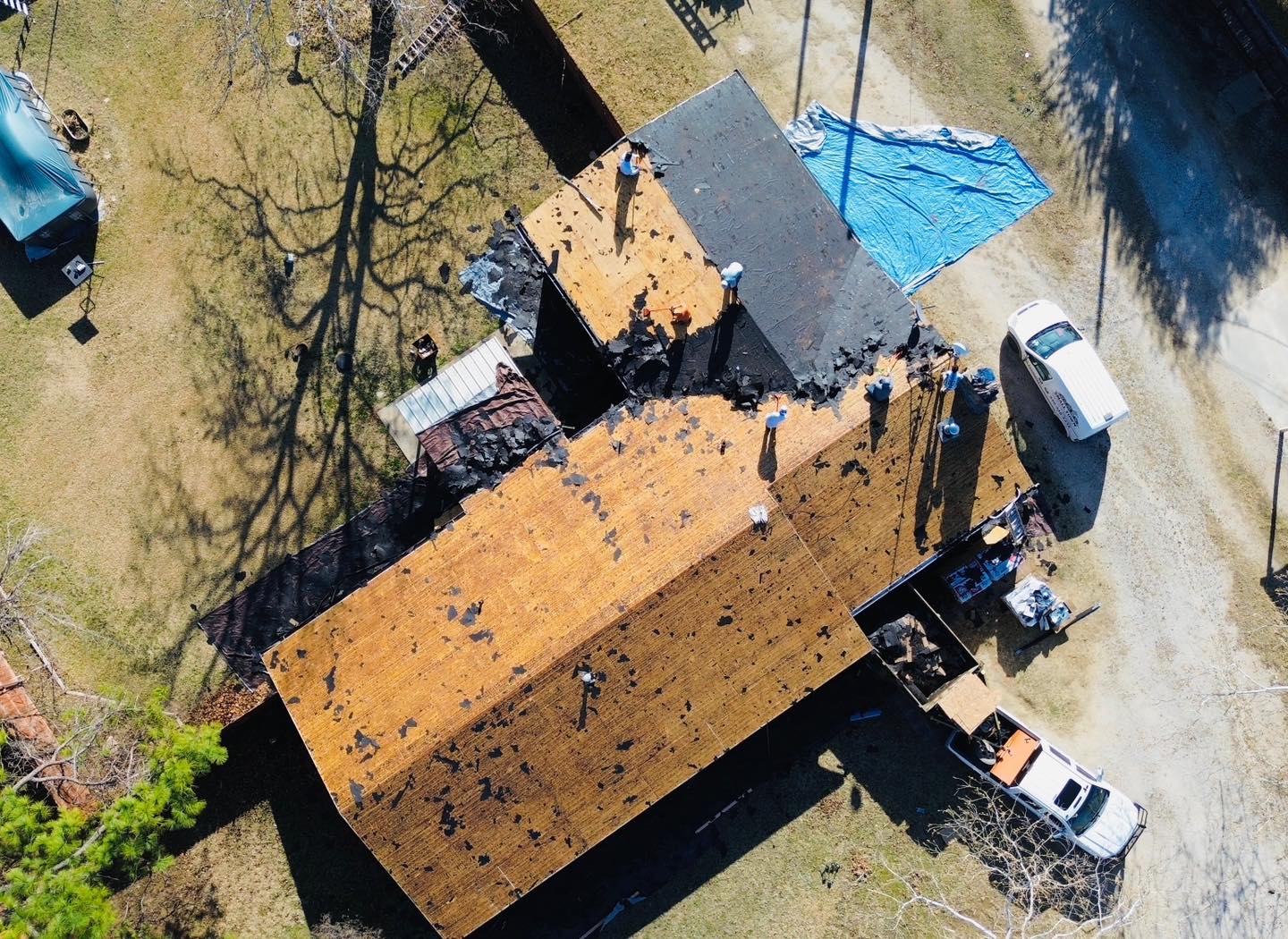
For roof replacement projects, contractors first remove the existing roofing material. During this stage, old shingles, nails, flashing, and underlayment are carefully removed and placed into designated disposal containers. Although contractors use protective measures, some debris may temporarily fall around the building.
After removal, the roof deck is inspected for structural damage before repairs are completed if necessary. Once the roof structure is confirmed to be in good condition, new protective layers and roofing materials are installed according to manufacturer recommendations.
Throughout the project, workers move repeatedly between the roof, material storage areas, and waste containers. Equipment such as ladders, scaffolding, compressors, and cutting tools may also be positioned around different sections of the property.
Construction activity often creates temporary vibrations inside the building. Hammering, walking on the roof, and moving heavy materials can cause pictures, shelves, or decorative items to shift slightly. Understanding these normal construction effects allows homeowners to prepare interior spaces appropriately.
Roof installation projects also involve regular cleanup throughout the workday. Contractors typically remove debris continuously rather than waiting until the end of the project. This keeps the worksite safer while maintaining better organization during construction.
Scheduling the Roofing Project at the Right Time
Selecting the right time for roof installation contributes significantly to project success. Although experienced contractors can work under a variety of conditions, favorable weather and proper scheduling reduce delays while improving installation quality.
Most homeowners schedule roofing projects during seasons with moderate temperatures and relatively stable weather. Dry conditions allow roofing materials to be installed more efficiently while reducing the possibility of moisture entering the roof structure during construction.
Weather forecasts should be reviewed before the project begins. While short term weather changes cannot always be predicted accurately, choosing a period with a lower chance of prolonged rainfall helps minimize interruptions.
Property owners should also consider personal schedules when selecting installation dates. Roofing work generates noise throughout the day, making it helpful to plan around important meetings, family events, or other activities requiring a quiet environment.
Vacation schedules may also influence project timing. Some homeowners prefer remaining at home during construction to monitor progress and communicate directly with contractors. Others choose to be away while the work is completed. Either approach can be successful provided communication remains consistent.
Material availability is another scheduling consideration. Popular roofing products occasionally require advance ordering during busy construction seasons. Confirming material availability before finalizing installation dates helps prevent unnecessary project delays.
Planning ahead also provides enough time to prepare the property properly. Rushing into construction without completing basic preparation often creates avoidable complications once roofing crews arrive.
Clearing Outdoor Areas Around the Property
Preparing outdoor spaces is one of the most important responsibilities for homeowners before roof installation begins. Contractors require sufficient room to move safely, transport materials, and position equipment throughout the project.
Vehicles should be removed from driveways and parking areas near the home before construction starts. Roofing materials are often delivered by large trucks that require clear access, while falling debris may also create a risk of accidental vehicle damage.
Outdoor furniture should be relocated whenever possible. Patio tables, chairs, grills, umbrellas, decorative items, and potted plants should be moved away from the work area or placed in protected locations until construction is complete.
Children’s toys, bicycles, sports equipment, and garden tools should also be stored safely. Keeping these items away from construction zones reduces clutter while preventing accidental damage during roofing activities.
Walkways leading around the property should remain as clear as possible. Roofing crews frequently transport tools, materials, and debris between different areas of the worksite. Unobstructed pathways improve efficiency while reducing safety risks.
Property owners should also identify any outdoor electrical outlets, irrigation controls, or utility connections that contractors may need to avoid during construction. Sharing this information before work begins helps prevent accidental damage.
If outdoor lighting fixtures or security cameras are located near roof edges, homeowners may wish to discuss these features with the contractor before installation begins. Temporary protection or adjustments may be appropriate depending on their location.
Protecting Landscaping, Gardens, and Outdoor Features
Landscaping often represents a significant investment, making it important to protect gardens and outdoor features before roofing work begins. Although professional contractors typically use protective coverings, homeowners can take additional steps to reduce potential damage.
Flower beds located directly beneath roof edges should receive special attention. Falling roofing materials or construction debris may temporarily affect these areas despite careful work practices. Delicate plants can often be covered with breathable protective sheets during construction.
Small garden decorations, statues, bird feeders, and decorative planters should be relocated whenever practical. Moving these items prevents accidental impacts while giving contractors additional space to work safely.
Tree branches extending close to the roof may also require trimming before installation begins. Removing overhanging branches improves roof access while reducing interference during construction. It also decreases the likelihood of branches damaging newly installed roofing materials later.
Sprinkler systems should be identified before roofing crews arrive. Homeowners should point out sprinkler heads, irrigation lines, and underground utility features that could be damaged by heavy equipment or waste containers placed around the property.
Air conditioning units positioned near exterior walls deserve attention as well. Some homeowners choose to cover outdoor units temporarily while roofing work is taking place to reduce dust accumulation. Contractors should still have adequate airflow around the equipment whenever it is operating.
Swimming pools, outdoor kitchens, pergolas, and other permanent outdoor features should also be discussed with the roofing contractor before work begins. Identifying sensitive areas in advance allows protective measures to be included within the project plan.
Preparing the Interior of Your Home for Roofing Work
While most roofing activities occur outside, homeowners should also prepare the interior of the property before installation begins. Construction vibrations, noise, and movement across the roof can affect rooms directly beneath the work area.
Wall mounted decorations deserve particular attention. Pictures, mirrors, clocks, and shelving should be checked to ensure they are securely attached. Fragile or valuable items may be removed temporarily if there is concern that vibrations could cause them to shift.
Items stored in the attic should also be protected. Roofing work may generate small amounts of dust that enter unfinished attic spaces during construction. Covering stored belongings with protective sheets helps keep them clean until the project is complete.
Ceiling mounted light fixtures and decorative items should be inspected before work begins. Although roofing vibrations are usually temporary, ensuring these fixtures are securely installed provides additional peace of mind.
Homeowners working remotely may also wish to prepare a quieter workspace away from the roofing activity. Noise levels can increase significantly while contractors remove old roofing materials and install new ones. Planning alternative work arrangements for a few days may improve comfort and productivity.
Sensitive electronic equipment should remain protected as well. Computers, televisions, and other valuable devices are generally unaffected by roofing work, but keeping them covered in rooms directly beneath active construction areas may help reduce dust exposure.
Interior preparation also includes discussing access requirements with the contractor. In some cases, workers may need temporary access to the attic or utility areas for ventilation inspections or structural assessments.
Planning for Family Members, Children, and Pets During Installation
Roof installation changes the daily routine of everyone living at the property. Preparing family members in advance helps reduce confusion while maintaining a safe environment throughout construction.
Children should understand that the roofing work area is not a place for playing or exploring. Construction equipment, ladders, and falling debris create hazards that require everyone to stay away from designated work zones. Explaining these safety rules before construction begins helps prevent accidents.
Pets also require special consideration. Dogs and cats may become anxious because of unfamiliar noise and increased activity around the property. Some families choose to keep pets indoors in quieter rooms, while others arrange temporary care elsewhere until the noisiest phases of construction are complete.
Visitors should also be informed if roofing work will be taking place during scheduled appointments or family gatherings. Temporary parking changes or restricted access around the home may affect their visit.
Household schedules may require small adjustments during installation. Planning errands, appointments, or outdoor activities around the contractor’s working hours can reduce inconvenience while allowing construction to proceed without interruption.
Good communication within the household helps everyone understand what to expect each day. Knowing when workers will arrive, which areas of the property should remain clear, and how long construction is expected to continue makes the entire roofing project easier to manage.
By preparing family members, children, and pets before installation begins, homeowners create a safer environment while helping roofing crews complete their work efficiently.
Getting the Property Ready for Roofing Crews
Preparing your property does not end with moving outdoor furniture or protecting plants. As the installation date approaches, homeowners should focus on making the property as accessible and organized as possible for the roofing crew. Proper preparation during this stage helps contractors work efficiently while reducing delays, improving safety, and protecting both the home and surrounding property.
Roofing projects involve constant movement of materials, equipment, and workers throughout the day. Creating an environment that supports these activities allows the installation process to proceed smoothly from the first day until the project is completed. This part of the guide explains the practical steps homeowners should take immediately before roofing work begins.
Creating Safe Access for Roofing Contractors
Roof installation requires workers to move frequently between trucks, material storage areas, ladders, and different sections of the building. Safe and unrestricted access to the property helps improve productivity while reducing the possibility of accidents during construction.
Driveways and walkways leading to the home should remain clear throughout the project. Contractors often transport bundles of roofing materials, ladders, tools, and waste containers between different work areas. Removing unnecessary obstacles allows these activities to continue without interruption.
Any locked gates should be unlocked before the crew arrives, or arrangements should be made to provide access if necessary. If the property has security systems controlling outdoor access, homeowners should discuss temporary entry procedures with the contractor before installation begins.
Outdoor lighting can also improve safety if roofing work begins early in the morning or extends into the evening during shorter daylight seasons. Ensuring entrances and walkways are well lit allows workers to move safely while carrying equipment.
If the property contains uneven ground, decorative stones, or narrow pathways, these conditions should be discussed with the roofing contractor beforehand. Identifying challenging areas allows workers to plan safe routes for moving heavy materials.
Large construction vehicles may also require additional space when delivering roofing supplies. Homeowners should ensure delivery areas remain free of parked vehicles, trailers, or stored equipment that could interfere with unloading materials.
Providing clear property access not only improves efficiency but also reduces the physical strain placed on workers during material transportation. Better organization at ground level often contributes to higher quality workmanship on the roof itself.
Moving Vehicles and Protecting Valuable Belongings
One of the simplest yet most important preparation steps is relocating vehicles before roofing work begins. Roofing projects generate falling debris during material removal and installation, making it safer to keep vehicles away from the immediate work area.
Cars should be parked on nearby streets or in alternate parking areas whenever possible. Moving vehicles also provides roofing suppliers with sufficient space to deliver materials and position equipment close to the home.
Motorcycles, bicycles, trailers, and recreational vehicles should receive similar consideration. Even if these items are not directly beneath the roof, creating a larger safety zone around the building helps reduce the possibility of accidental damage.
Outdoor valuables should also be protected before construction starts. Decorative lighting, sculptures, grills, outdoor entertainment systems, and expensive patio furniture are best relocated until the roofing project has been completed.
Portable storage units, gardening equipment, and seasonal decorations should also be moved if they occupy areas where contractors will work or transport materials. Reducing clutter allows workers to concentrate on installation rather than avoiding obstacles.
Property owners sometimes overlook fragile items stored on porches or balconies. Potted plants, glass tables, decorative planters, and hanging ornaments may be affected by construction vibrations or accidental contact during material handling. Taking time to relocate these items provides additional protection.
If valuable outdoor equipment cannot be moved, homeowners should discuss protective measures with the roofing contractor before work begins. Temporary coverings or adjusted work procedures may help reduce the possibility of damage.
Preparing the Attic Before Roof Installation
Although most roofing work takes place above the roof deck, the attic plays an important role throughout the installation process. Preparing this space before construction begins protects stored belongings while making it easier to inspect the roof structure if necessary.
Items stored in the attic should be organized and covered with protective sheets before the project starts. Roofing work may create small amounts of dust or debris that enter unfinished attic spaces through ventilation openings or during roof deck repairs.
Valuable documents, electronics, family photographs, and delicate belongings should ideally be relocated to another part of the home until installation has been completed. While significant dust intrusion is uncommon, extra protection helps preserve sensitive items.
Homeowners should also inspect attic walkways before the roofing crew arrives. If contractors need temporary attic access to inspect ventilation or structural framing, maintaining clear pathways allows these inspections to be completed more efficiently.
Proper attic ventilation should also be discussed before installation begins. Roofing contractors often evaluate existing intake and exhaust ventilation to determine whether improvements are needed during the roofing project. Addressing ventilation concerns early contributes to better long term roof performance.
Lighting inside the attic may also be helpful if inspections become necessary. Replacing burned out bulbs before construction begins allows workers to examine structural components safely if required.
Preparing the attic is often overlooked because it is not directly visible during roofing work. However, taking a few preventive measures helps protect stored belongings while supporting thorough inspections throughout the project.
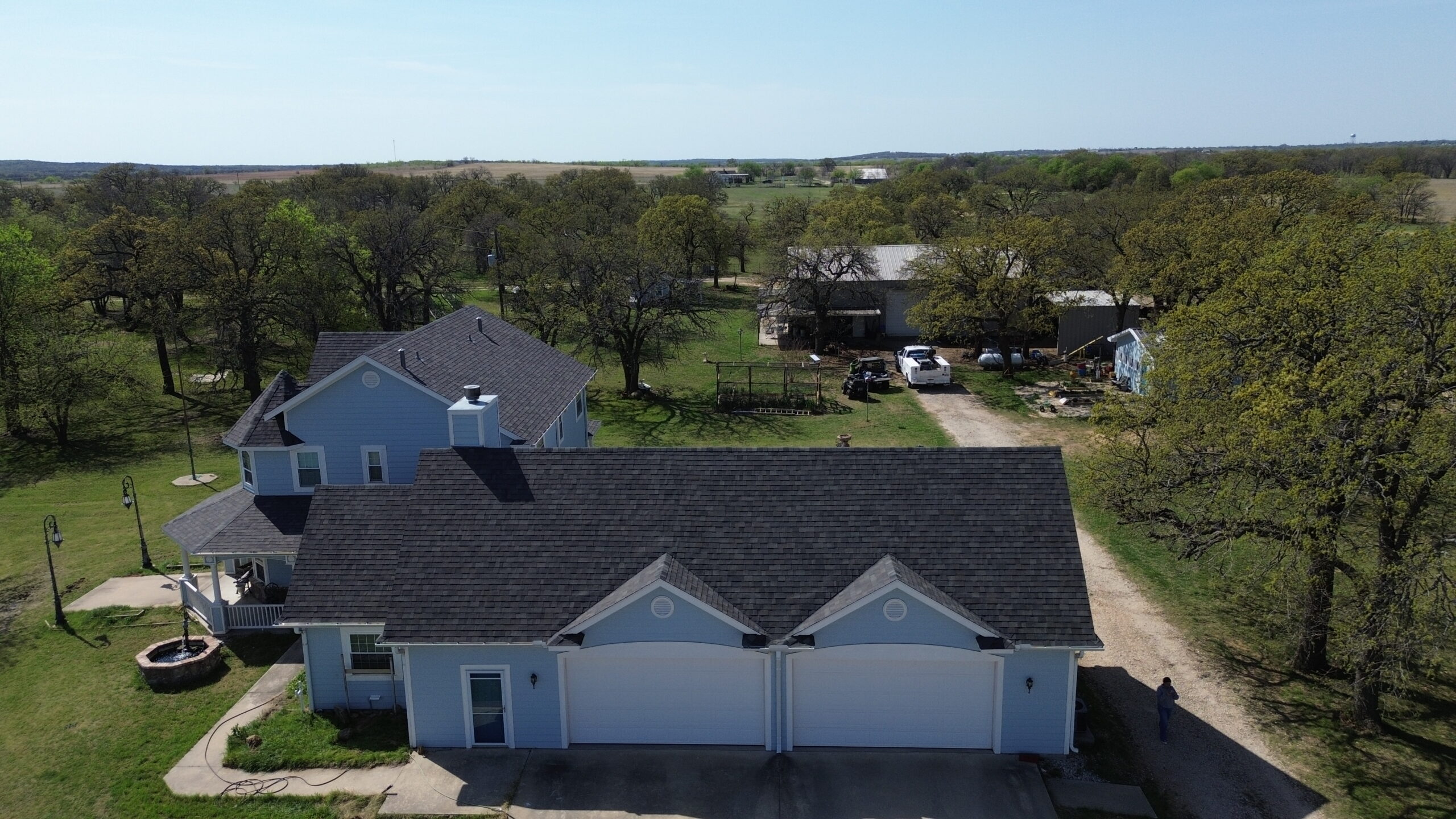
Protecting Windows, Doors, and Exterior Features
Roof installation creates constant activity around the exterior of the building. Protecting windows, doors, and architectural features helps reduce the likelihood of accidental damage while maintaining the property’s appearance.
Windows located beneath roof edges may experience vibrations during material removal or installation. Although roofing crews work carefully, homeowners may choose to keep windows closed throughout construction to minimize dust entering the home.
Window screens can also be checked before work begins. Loose or damaged screens may be more vulnerable during construction activity and should be secured if necessary.
Exterior doors should remain accessible throughout the project unless contractors recommend temporarily restricting access to specific areas. Clear communication regarding entry points helps maintain both safety and convenience during construction.
Garage doors deserve attention as well. If roofing materials will be delivered near the driveway, homeowners should discuss whether garage access will remain available throughout the installation period.
Outdoor lighting fixtures, security cameras, doorbells, and decorative trim located near roof edges should be pointed out to the contractor before work begins. Identifying these features allows roofing crews to exercise additional care while working nearby.
If the home contains solar panels, satellite dishes, skylights, or other rooftop equipment, homeowners should discuss these installations during the planning stage. Proper preparation allows contractors to protect these components while integrating them with the new roofing system if necessary.
Communicating With Neighbors Before Work Begins
Roof installation affects not only the property owner but also nearby neighbors. Construction noise, delivery vehicles, and temporary parking changes may influence surrounding homes for several days. Providing advance notice demonstrates consideration and helps maintain positive relationships within the neighborhood.
Neighbors appreciate knowing when roofing work is scheduled to begin and approximately how long it is expected to continue. This information allows them to plan activities that may be affected by construction noise or increased traffic near the property.
If shared driveways or narrow streets exist, discussing delivery schedules with neighbors may help prevent temporary access issues. Coordinating these details beforehand reduces inconvenience for everyone involved.
Homeowners should also inform neighbors if construction equipment or waste containers will be positioned close to shared property lines. Open communication often prevents misunderstandings that might otherwise arise during the project.
Families with young children or pets may especially appreciate advance notice because roofing work can generate unexpected noise throughout the day. Knowing when construction will occur allows them to adjust routines if necessary.
Good communication also benefits the roofing contractor. Neighbors who understand the project schedule are generally more patient with temporary disruptions and less likely to raise unnecessary concerns during construction.
Maintaining respectful communication contributes to a smoother experience for both the homeowner and the surrounding community.
Understanding Noise, Dust, and Daily Work Expectations
Roof installation is an active construction process, and homeowners should understand what to expect during each workday. Preparing mentally for temporary disruptions helps reduce stress while making the overall project easier to manage.
Noise levels are often highest during the removal of old roofing materials. Hammering, cutting, lifting equipment, and workers moving across the roof all contribute to construction sounds that are normal throughout the installation process.
Dust may also be present, particularly during roof replacement projects. Contractors generally use protective measures to minimize dust, but keeping windows and doors closed during active construction provides additional protection for the home’s interior.
Daily work schedules typically begin early in the morning to take advantage of favorable weather conditions. Homeowners should discuss expected working hours with the contractor before installation begins so everyone understands the project schedule.
Construction activity may temporarily restrict access to certain sections of the property. Areas beneath active roofing work should remain clear throughout the day because materials or debris may occasionally fall despite protective measures.
Communication with the project supervisor should remain consistent throughout construction. If homeowners have questions regarding daily progress or temporary inconveniences, discussing them promptly helps maintain a positive working relationship.
Understanding these normal construction conditions helps homeowners prepare both physically and mentally for the installation period.

Common Property Preparation Mistakes to Avoid
Even homeowners who prepare carefully sometimes overlook important details before roof installation begins. Recognizing these common mistakes makes it easier to avoid unnecessary delays or property damage during construction.
One common mistake is leaving vehicles parked too close to the house. Even if contractors believe sufficient space exists, relocating vehicles farther away provides additional protection from falling debris and creates better access for material deliveries.
Another frequent oversight involves failing to secure fragile wall decorations inside the home. Vibrations from roofing work may cause pictures, mirrors, or shelving to shift unexpectedly. Taking a few minutes to secure these items helps prevent accidental damage.
Some homeowners also forget to prepare their pets. Dogs and cats may become frightened by construction noise and increased outdoor activity. Planning a quiet indoor space or temporary alternate care often makes the experience less stressful for both pets and owners.
Poor communication is another avoidable mistake. Failing to discuss access requirements, utility locations, landscaping concerns, or special property features with the contractor can lead to misunderstandings during construction.
Waiting until the morning of installation to prepare the property is also problematic. Last minute preparation often creates unnecessary stress while increasing the likelihood that important tasks will be overlooked.
The following checklist summarizes several preparation mistakes homeowners should avoid:
- Leaving vehicles near the work area.
- Forgetting to protect fragile indoor belongings.
- Allowing children or pets unrestricted access to construction zones.
- Ignoring attic preparation before installation.
- Failing to notify neighbors about upcoming roofing work.
- Blocking contractor access with outdoor furniture or equipment.
- Waiting until installation day to organize the property.
Avoiding these common mistakes helps create a safer, more organized work environment while allowing roofing crews to complete the installation efficiently.
Coordinating Final Preparations Before Installation Day
The day before roofing work begins provides an opportunity to complete any remaining preparation tasks. Reviewing the property one final time helps ensure nothing has been overlooked.
Homeowners should confirm that vehicles have been relocated, outdoor furniture has been moved, gates are accessible, and valuable belongings have been protected. Performing one final walkthrough also allows any last minute concerns to be discussed with the contractor before construction begins.
Construction documents, warranty information, permits, and contractor contact details should be kept in an easily accessible location throughout the project. Having these records available simplifies communication if questions arise during installation.
It is also helpful to confirm the expected arrival time of the roofing crew and identify the primary contact person responsible for supervising the project. Knowing who to speak with each day allows questions to be answered quickly while maintaining clear communication.
Finally, homeowners should ensure family members understand the construction schedule and any temporary safety restrictions around the property. A few minutes of preparation before installation day helps create a smoother experience for everyone involved.
By completing these final preparations, property owners provide roofing crews with the organized environment needed to begin work confidently and efficiently while protecting the home throughout the installation process.
After Preparation and During Roof Installation
Preparing your property before roofing work begins creates the foundation for a successful project, but homeowners should also understand what happens once construction starts. Knowing what to expect each day helps reduce stress, improves communication with the roofing crew, and allows the project to progress with fewer interruptions. Although contractors handle the technical aspects of installation, homeowners continue to play an important role by maintaining a safe environment and monitoring the property throughout the process.
The installation period is often busy, with materials being delivered, workers moving around the property, and equipment operating throughout the day. Temporary inconveniences such as noise and restricted access are normal, but good preparation and realistic expectations make these challenges easier to manage.
This final part explains what homeowners should expect during the roofing project, how to keep the property safe while work is in progress, and the steps to take after the installation is complete. It also covers long term care practices that help protect both the new roof and the property for years to come.
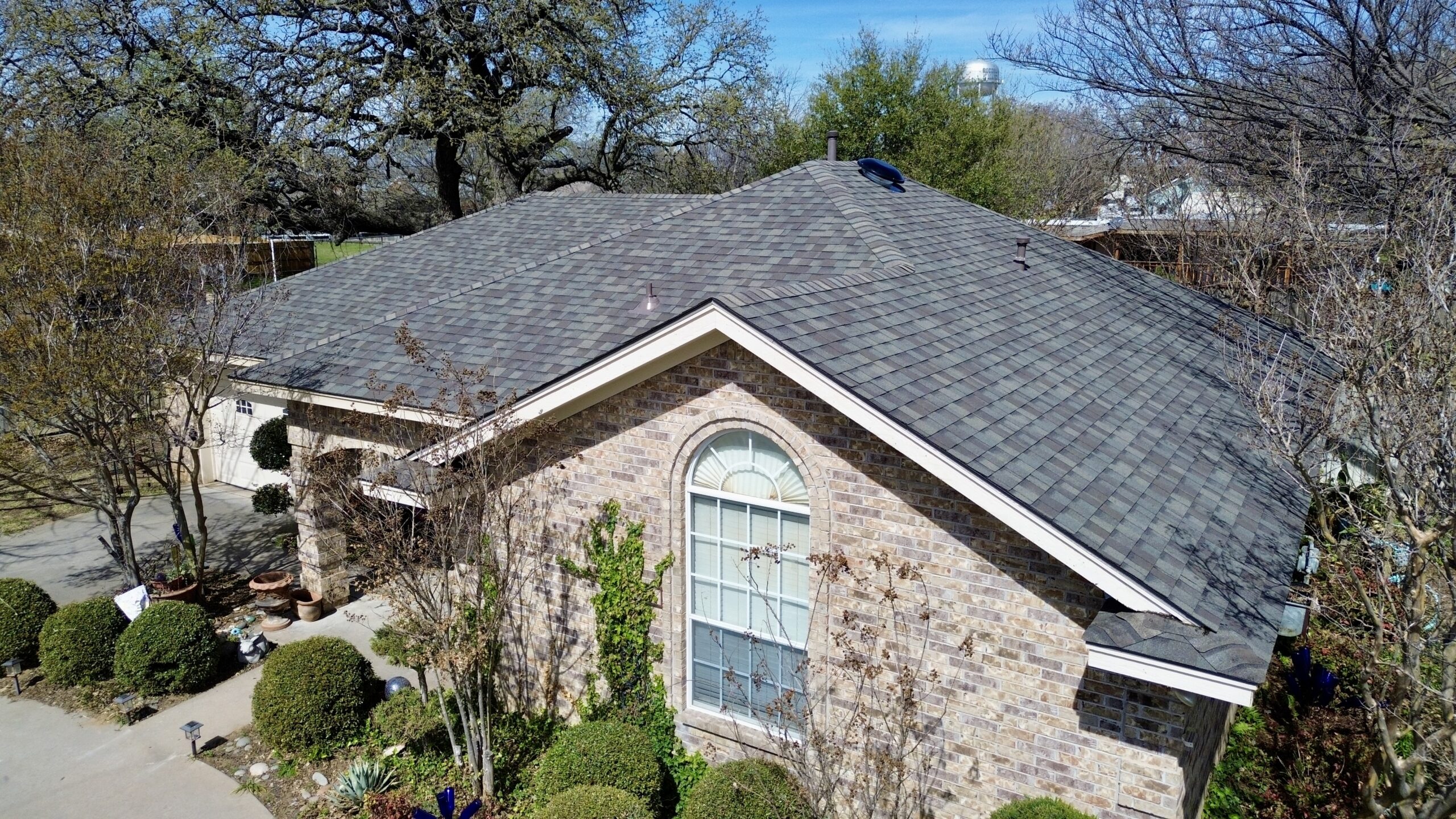
What Homeowners Should Expect During Installation
Roof installation is a carefully organized construction process that follows a planned sequence of tasks. Understanding the daily workflow helps homeowners know what to expect and reduces uncertainty throughout the project.
Most roofing crews arrive early in the morning to maximize daylight hours and take advantage of favorable weather conditions. The day usually begins with unloading equipment, reviewing safety procedures, and organizing materials before work starts on the roof.
Throughout the day, workers move repeatedly between the roof, ground level, and material storage areas. This constant movement is a normal part of the installation process and allows roofing materials to be delivered efficiently to different sections of the roof.
Noise levels vary depending on the stage of construction. Removing old roofing materials is often the loudest phase because it involves lifting shingles, removing nails, and clearing the roof deck. Once new materials begin to be installed, noise generally becomes more consistent and predictable.
Homeowners may also notice temporary vibrations inside the house. Walking across the roof, hammering, and moving heavy materials can cause slight movement within the building. These vibrations are usually temporary and stop once daily construction activities end.
Construction vehicles may remain parked near the property throughout the project. Delivery trucks, trailers, and waste containers require sufficient space until the roofing work has been completed.
Although the project may temporarily affect daily routines, understanding these normal construction activities helps homeowners remain prepared while allowing contractors to work efficiently.
Keeping the Property Safe Throughout the Project
Safety remains a priority from the beginning of the roofing project until the final cleanup is complete. Even after the property has been prepared, homeowners should continue following safety precautions while construction is underway.
Family members should avoid entering designated work zones unless instructed otherwise by the contractor. Roofing crews often transport heavy materials and use specialized equipment that requires clear working space throughout the day.
Children should be reminded regularly that construction equipment, ladders, and roofing materials are not toys. Curiosity is natural, but maintaining a safe distance from active work areas helps prevent accidents.
Pets should also remain indoors or in secure areas away from roofing activities. Loud construction sounds may cause animals to become anxious or attempt to escape through open gates. Keeping pets safely contained protects both the animals and the roofing crew.
Property owners should avoid walking beneath sections of the roof where active work is taking place. Although contractors use protective measures, small pieces of debris may occasionally fall during construction.
Temporary safety barriers or warning signs placed around the property should remain undisturbed until the contractor removes them. These barriers help identify areas where additional caution is required.
If homeowners notice any unexpected safety concerns, they should communicate with the project supervisor immediately rather than attempting to resolve the issue themselves. Prompt communication allows concerns to be addressed without interrupting the overall progress of the installation.
Monitoring Progress Without Interrupting the Crew
Many homeowners enjoy observing the progress of their roofing project, but it is important to balance curiosity with respect for the contractor’s workflow. Monitoring the installation responsibly allows property owners to remain informed while giving workers the space they need to complete the job safely.
Rather than entering active construction areas, homeowners can observe progress from a safe distance. Watching from inside the home or from a location away from the immediate work zone allows the project to be monitored without creating distractions.
Daily communication with the project supervisor is often the best way to stay informed. Short conversations at the beginning or end of the workday provide updates on completed tasks, upcoming activities, and any unexpected findings.
Photographs can also be useful for documenting the project. Taking pictures from ground level throughout the installation provides a visual record of the roofing work without interfering with construction.
Questions should be saved for appropriate times whenever possible. Interrupting workers during critical installation tasks may affect concentration and reduce efficiency. Speaking with the supervisor during scheduled breaks or after the day’s work has ended usually produces better communication.
Trust also plays an important role during construction. Reputable roofing contractors follow established installation procedures and perform regular quality checks throughout the project. Allowing the crew to focus on their work contributes to better results.
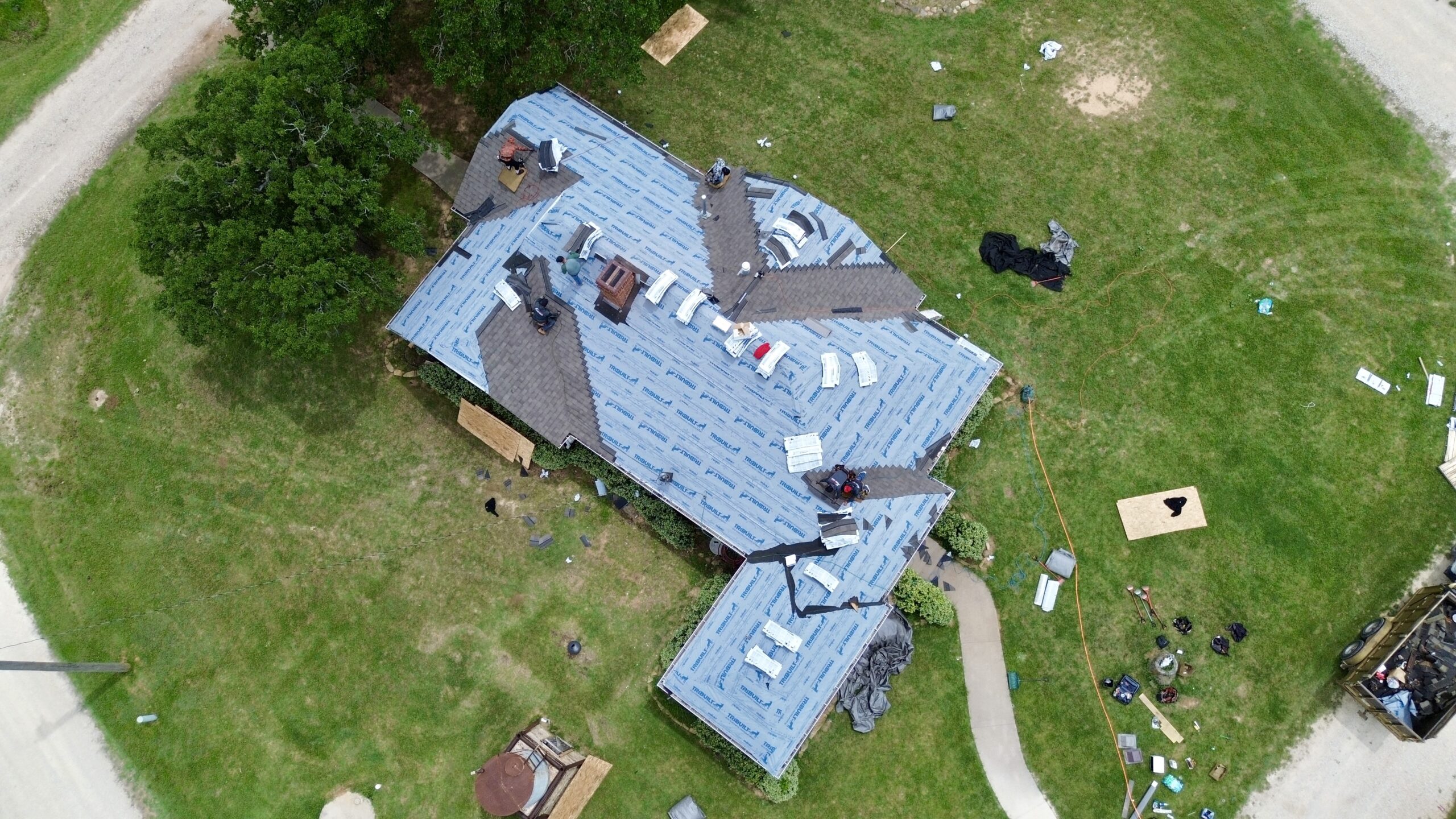
Final Cleanup and Property Inspection
Once the roofing installation has been completed, the contractor begins one of the most important final stages of the project, which is cleaning the property thoroughly. Professional cleanup reflects the quality of the contractor’s work and helps restore the property to its normal condition.
Roofing debris should be collected throughout the project, but a comprehensive cleanup is performed after installation has finished. Old roofing materials, packaging, damaged products, nails, and construction waste should all be removed from the property.
Professional roofing companies often use magnetic sweepers to collect loose nails from lawns, flower beds, sidewalks, and driveways. This step helps protect family members, pets, and vehicle tires from hidden metal objects.
Outdoor furniture, decorative items, and landscaping should also be inspected once cleanup is complete. Homeowners should verify that protective coverings have been removed and that no accidental damage has occurred during construction.
Gutters should be checked as part of the cleanup process. Small pieces of roofing material, leaves, or dust may collect inside the drainage system during installation. Cleaning gutters ensures they function properly when rainfall occurs.
Waste containers, equipment, and unused materials should also be removed promptly after the project is complete. A clean property allows homeowners to inspect the finished roof more easily while confirming that construction activities have been completed successfully.
Checking the Property After Roof Installation
After the roofing crew has completed cleanup, homeowners should perform a careful inspection of the property. This inspection provides an opportunity to verify that the installation meets expectations and that the surrounding property remains in good condition.
The roof should appear neat and consistent when viewed from the ground. Roofing materials should be aligned evenly, and there should be no visible loose sections, exposed underlayment, or damaged flashing.
Property owners should also examine landscaping, driveways, fences, outdoor lighting, and exterior walls for any signs of accidental damage. While experienced contractors take great care during installation, confirming the property’s condition provides additional peace of mind.
Inside the home, ceilings and attic spaces should be checked after the first rainfall. Any signs of moisture, water stains, or unusual odors should be reported to the contractor promptly so they can be investigated.
The following table provides a simple post installation inspection checklist.
| Area to Inspect | What to Look For |
|---|---|
| Roof Surface | Straight alignment and secure roofing materials |
| Gutters | Clear of debris and securely attached |
| Flashing | Properly installed around chimneys, vents, and skylights |
| Landscaping | No damaged plants or outdoor features |
| Driveway and Yard | No leftover nails or construction debris |
| Attic | Dry conditions with no signs of moisture |
| Interior Ceilings | No water stains or visible leaks |
Completing this inspection soon after installation allows any concerns to be addressed while the project is still fresh in the contractor’s records.
Long Term Tips for Protecting Your Home After a New Roof
A newly installed roof is designed to provide reliable protection for many years, but its performance depends on proper maintenance after installation. Establishing good maintenance habits helps preserve both the roof and the surrounding property.
Regular inspections should become part of the homeowner’s maintenance routine. Checking the roof at least twice each year allows small issues to be identified before they become larger repairs.
Cleaning gutters regularly is equally important. Leaves, twigs, and other debris can block water flow, causing moisture to accumulate around the roof edges. Proper drainage protects both the roof and the building’s foundation.
Tree branches hanging over the roof should be trimmed periodically. Keeping branches away from roofing materials reduces the risk of storm damage while limiting the accumulation of leaves on the roof surface.
Homeowners should also inspect the roof after severe weather events such as heavy storms or strong winds. Missing shingles, damaged flashing, or fallen branches should be addressed promptly to prevent further deterioration.
Routine maintenance should include professional inspections every few years, even if no visible problems exist. Experienced roofing contractors can identify early warning signs that homeowners may overlook.
Maintaining accurate records of inspections, repairs, and maintenance activities also helps protect warranty coverage while creating valuable documentation for future property sales.
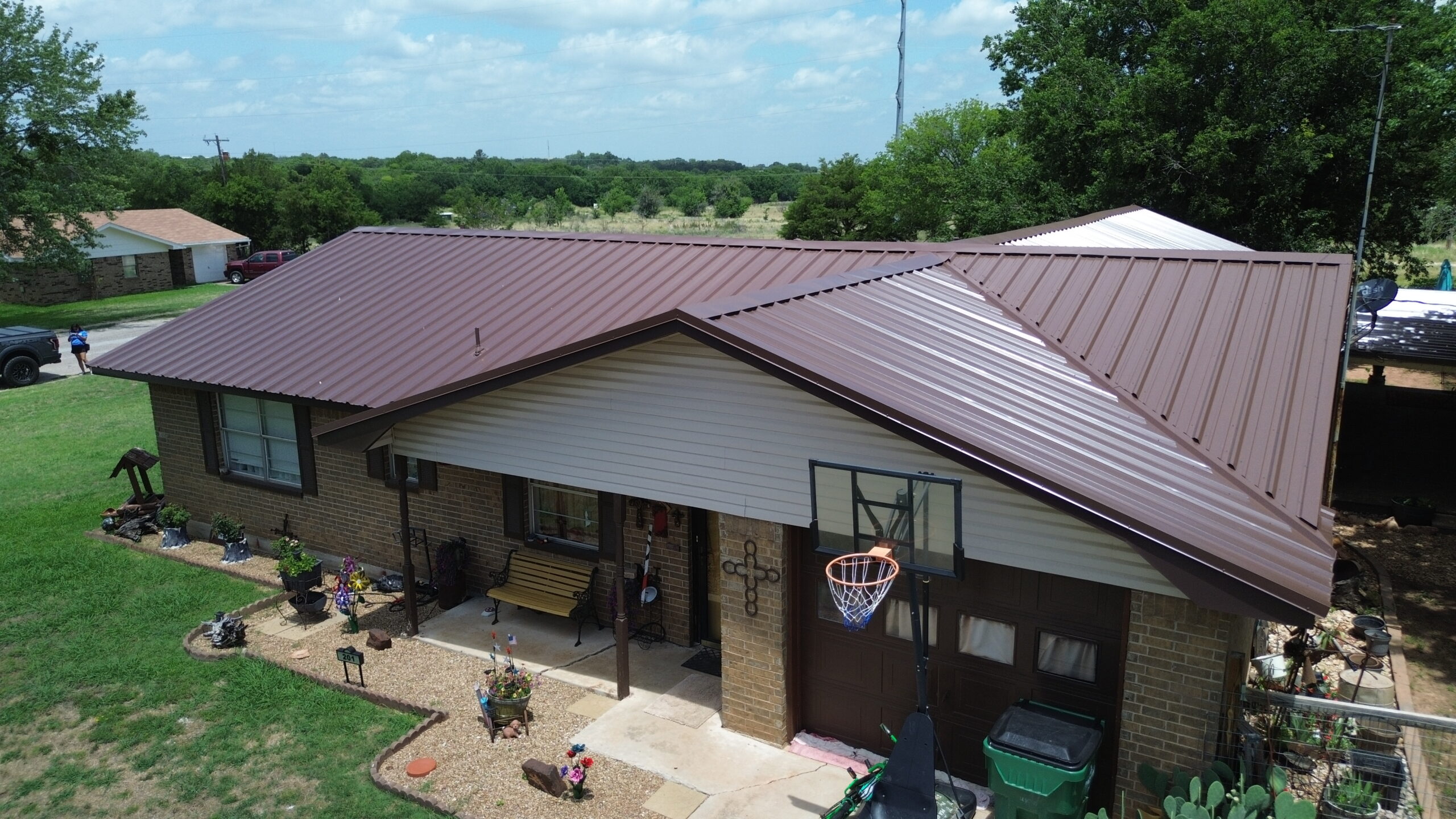
Frequently Asked Questions About Preparing Property for Roof Installation
How early should I prepare my property before roof installation?
It is generally best to begin preparing the property several days before construction starts. This provides enough time to move outdoor furniture, relocate vehicles, protect valuable belongings, and discuss any concerns with the roofing contractor.
Should I stay home during the roofing project?
Many homeowners choose to remain at home, while others prefer to leave during the noisiest phases of construction. Either option is acceptable provided the contractor has clear contact information if questions arise.
Can I use my driveway while roofing work is taking place?
In many cases, driveways are partially or completely occupied by roofing equipment, delivery vehicles, and waste containers. Homeowners should discuss parking arrangements with the contractor before installation begins.
Is it necessary to cover items stored in the attic?
Yes. Although contractors work carefully, roofing projects may generate small amounts of dust during material removal and structural inspections. Covering stored belongings provides additional protection throughout construction.
How long should children and pets stay away from the work area?
Children and pets should remain away from active construction zones until the roofing contractor confirms that daily work has ended and the area is safe. Following these precautions helps prevent unnecessary accidents.
What should I do if I notice something unusual after installation?
Any concerns should be reported to the roofing contractor as soon as possible. Prompt communication allows questions or minor issues to be addressed quickly before they become more significant.
Conclusion
Preparing your property for roof installation is one of the most effective ways to support a successful roofing project. Taking time to organize outdoor spaces, protect valuable belongings, prepare the home’s interior, and create safe access for contractors helps construction proceed more efficiently while reducing the risk of accidental damage. Good preparation benefits both homeowners and roofing crews by creating an organized and safe working environment.
During the installation process, maintaining clear communication, respecting designated work zones, and understanding what to expect each day make the experience much easier to manage. Temporary noise, vibrations, and increased activity are normal parts of roofing work, but thoughtful preparation allows families to continue their daily routines with minimal disruption.
Once the installation has been completed, careful inspections, thorough cleanup, and regular maintenance ensure the new roof continues performing as intended. Monitoring the property’s condition, keeping gutters clean, scheduling routine inspections, and addressing small issues promptly all contribute to the roof’s long term durability and appearance.
By following the preparation steps outlined throughout this guide, homeowners can approach roof installation with confidence and peace of mind. A well prepared property not only helps contractors perform their work safely and efficiently but also protects the home, preserves valuable belongings, and creates the conditions for a successful roofing project that will provide dependable protection for many years.