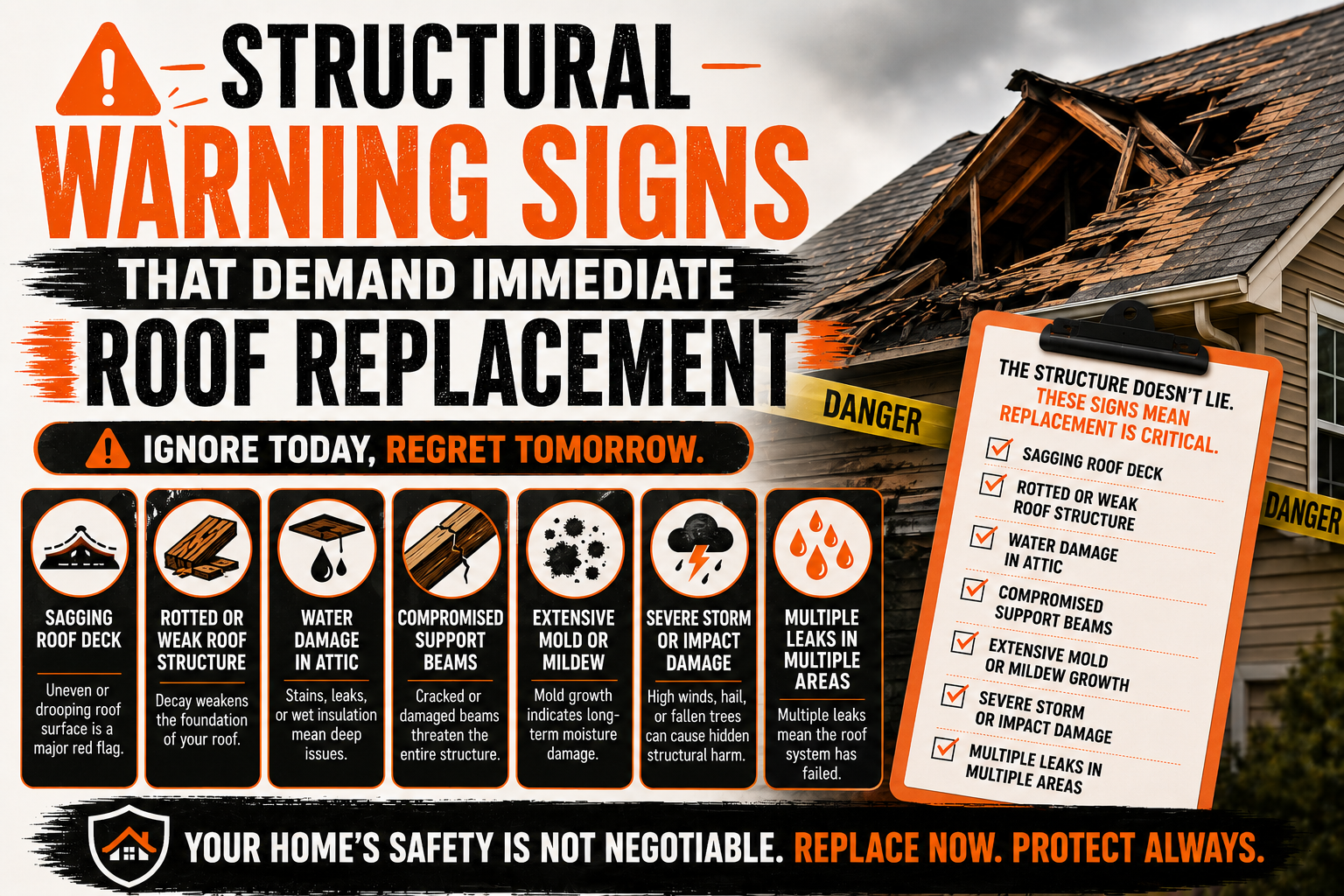
Structural Warning Signs That Demand Immediate Roof Replacement
Introduction
A roof is much more than the shingles visible from the ground. Beneath the outer roofing materials lies a complex structural system that supports the entire roof while protecting the home from weather, moisture, and changing temperatures. When these structural components begin to fail, the problem extends far beyond cosmetic damage and can quickly become a serious safety concern.
Unlike minor roofing issues that can often be repaired, structural damage usually affects the strength and stability of the entire roofing system. Weak roof decking, damaged rafters, deteriorated trusses, and long-term moisture exposure reduce the roof’s ability to safely support its own weight. If left untreated, these problems may eventually lead to widespread structural failure.
Many homeowners focus on visible issues such as missing shingles or small leaks while overlooking hidden structural deterioration. Because much of the damage develops beneath the roofing surface, significant weakening can occur before obvious warning signs become noticeable. This is why routine inspections play such an important role in protecting a home’s structural integrity.
Ignoring structural warning signs rarely saves money in the long run. Water intrusion can spread through framing, insulation, ceilings, and interior walls, dramatically increasing repair costs. Delaying replacement also allows damage to worsen, making restoration more complicated and time consuming.
Understanding the structural warning signs that indicate immediate roof replacement is essential for every homeowner. Recognizing these indicators early allows repairs to be planned before the roof reaches a dangerous condition that threatens both the property and the people living inside it.
This guide explains the most important structural warning signs that should never be ignored. By understanding how these problems develop and what they reveal about the condition of your roof, you can make informed decisions that protect your home for many years to come.
Understanding the Structural Components of a Roof
Although shingles receive most of the attention, they represent only one part of a much larger roofing system. Every roof depends on several structural components working together to safely support weight while protecting the home from weather conditions throughout the year.
The roof decking forms the solid surface directly beneath the roofing materials. Usually constructed from plywood or oriented strand board, the decking provides a stable foundation that supports shingles, underlayment, and flashing. If the decking weakens due to moisture or age, the entire roofing system becomes less reliable.
Rafters or roof trusses create the primary framework that supports the roof. These structural members transfer the weight of the roof, snow, wind, and other loads safely into the walls of the home. Any damage affecting these components reduces the roof’s ability to carry structural loads safely.
The underlayment acts as a secondary moisture barrier beneath the shingles. While it is hidden from view, it provides valuable protection when water penetrates damaged roofing materials. As the underlayment ages or becomes saturated, its ability to prevent moisture intrusion gradually declines.
Flashing protects vulnerable areas where different roof surfaces meet or where objects penetrate the roof. Chimneys, skylights, plumbing vents, and roof valleys all rely on properly installed flashing to prevent water from entering the structure.
Ventilation is another critical part of the roofing system. Proper airflow allows heat and moisture to escape from the attic, reducing condensation and helping roofing materials maintain their expected lifespan. Poor ventilation often accelerates structural deterioration by allowing excess moisture to remain trapped inside the roof.
Each component depends on the others to perform effectively. Even if shingles appear to be in reasonable condition, deterioration beneath the surface may already be compromising the roof’s structural stability. This is why professional inspections evaluate the entire roofing system rather than focusing only on visible exterior materials.
Understanding how these components work together helps homeowners appreciate why structural damage demands immediate attention. Once the supporting framework begins to weaken, replacing only the outer roofing materials rarely solves the underlying problem.
Why Structural Roof Damage Should Never Be Ignored
Structural roof damage develops gradually in most homes, often progressing unnoticed for many years. Small leaks, poor ventilation, repeated storm exposure, and natural aging slowly weaken the roof’s internal framework until it can no longer provide the support it was designed to deliver.
Water is one of the most destructive forces affecting roof structures. Even a minor leak allows moisture to penetrate beneath roofing materials, where it can soak roof decking, rafters, insulation, and support beams. Over time, repeated moisture exposure causes wood to weaken while creating favorable conditions for mold and fungal growth.
Ultraviolet radiation also contributes indirectly to structural deterioration. As roofing materials age under constant sunlight, they become less effective at shedding water. Once the protective outer layer begins failing, moisture reaches the structural components more frequently, accelerating the overall aging process.
Poor attic ventilation creates another hidden threat. Warm, humid air trapped inside the attic condenses on cooler roof surfaces, introducing moisture even when the roof itself is not leaking. This persistent condensation gradually damages structural wood while reducing insulation performance.
Storms add further stress to aging roof structures. High winds, hail, falling branches, and heavy rainfall weaken roofing materials while increasing the likelihood of hidden structural damage. A roof that has already experienced years of gradual deterioration may suffer significant structural failure after a single severe storm.
Another concern is that structural damage rarely remains confined to one area. Once moisture begins spreading through the roofing system, surrounding components often deteriorate as well. What initially appears to be a localized problem can eventually affect large portions of the roof.
Delaying replacement also increases repair costs because structural damage continues spreading beneath the surface. Damaged decking, weakened rafters, compromised insulation, and interior water damage frequently require extensive restoration in addition to replacing the roof itself.
Addressing structural problems early helps preserve both the home and its overall value. Replacing a structurally compromised roof before widespread failure occurs is often far less expensive than repairing extensive damage after years of neglect.
Sagging Rooflines Are a Critical Warning Sign
A sagging roofline is one of the clearest indicators that a roof may have serious structural problems. Unlike cosmetic issues that primarily affect appearance, sagging usually reflects weakened structural components that require immediate professional evaluation.
A healthy roof should maintain straight ridges and even roof planes across its entire surface. Any noticeable dips, waves, or uneven sections suggest that the supporting framework beneath the roofing materials has begun losing strength.
Long term moisture exposure is one of the leading causes of roof sagging. Water gradually weakens roof decking and wooden framing until they begin bending under the normal weight of roofing materials. As deterioration continues, the affected areas become increasingly visible from the ground.
Excessive roof loads can also contribute to sagging. Heavy snowfall, prolonged standing water, multiple roofing layers, or improperly designed structural systems place additional stress on framing members that may already be weakened by age.
Inside the attic, homeowners may notice bowed rafters, uneven trusses, or roof decking that no longer appears flat. These visible changes usually confirm that structural movement has already begun beneath the roofing surface.
The risks associated with sagging roofs extend well beyond water leaks. Weakened structural members lose their ability to safely support additional loads during storms or periods of heavy snowfall. This significantly increases the possibility of partial roof collapse if corrective action is delayed.
Temporary repairs rarely solve structural sagging because replacing shingles does not restore damaged framing or roof decking. Lasting solutions require addressing the underlying structural weakness before installing new roofing materials.
Professional roofing contractors often recommend complete replacement when widespread sagging is present. Rebuilding the affected structural components while installing a new roofing system restores both safety and long term performance.
Soft or Weak Roof Decking
Roof decking serves as the foundation for every roofing system. It supports shingles, flashing, underlayment, and workers performing maintenance while helping distribute structural loads across the roof. When the decking becomes soft or weakened, the entire roof loses much of its structural integrity.
Moisture is the primary cause of weakened roof decking. Small leaks that remain unnoticed for extended periods allow plywood or oriented strand board to absorb water repeatedly. Over time, these materials lose strength and begin breaking down internally.
Soft decking may not always be visible from the exterior. During professional inspections, contractors often identify weakened sections by carefully evaluating how the roof responds under controlled foot traffic or by examining the decking from inside the attic.
Visible warning signs sometimes appear inside the home before exterior symptoms become obvious. Uneven ceilings, recurring leaks, or localized sagging often indicate that moisture has already affected the roof decking beneath the shingles.
Weakened decking also reduces the effectiveness of roofing fasteners. Nails and screws depend on solid wood to hold roofing materials securely in place. As the decking deteriorates, fasteners gradually lose their grip, making shingles more vulnerable to wind damage.
Another concern is that soft decking rarely remains limited to one small section. Moisture often spreads through adjacent panels, affecting much larger portions of the roof than homeowners initially expect. Replacing isolated sections may not restore the overall structural stability if widespread deterioration has already occurred.
Installing new shingles over weakened decking creates additional problems because the underlying surface cannot properly support the new roofing system. Even premium roofing materials may fail prematurely if the structural foundation beneath them has already deteriorated.
For these reasons, extensive decking damage often requires complete roof replacement rather than isolated repairs. Replacing both the roofing materials and compromised structural components ensures the new roof performs safely and reliably for many years.
Visible Structural Cracks and Separation
Structural cracks represent another warning sign that should never be ignored. While small surface imperfections may occur naturally as buildings settle, significant cracks affecting roof framing or structural connections often indicate serious deterioration that demands immediate attention.
Cracks may develop in rafters, trusses, roof decking, support beams, or connection points where structural members meet. These defects weaken the roof’s ability to distribute loads evenly, increasing stress on surrounding components.
Moisture damage frequently contributes to structural cracking. As wooden framing absorbs water over many years, repeated swelling and shrinking gradually weaken the material until cracks begin forming. These openings continue expanding as environmental conditions change.
Excessive structural loads can also produce cracking. Heavy snow accumulation, repeated storm exposure, or modifications that increase roof weight sometimes exceed the original design capacity of the framing system. Over time, this additional stress may cause structural members to split or separate.
Homeowners inspecting their attic should pay attention to visible gaps where framing members meet. Separated joints, loose connectors, or cracked beams often indicate movement within the roofing structure that requires professional evaluation.
Structural cracks may also appear alongside other warning signs such as sagging rooflines, recurring leaks, or uneven ceilings. When several of these symptoms occur together, they strongly suggest that the roof’s structural integrity has been compromised.
Simply repairing visible cracks without identifying their underlying cause rarely provides a permanent solution. Structural movement generally continues until weakened framing, damaged decking, or moisture problems are fully addressed.
Professional inspections determine whether structural repairs alone are sufficient or whether complete roof replacement provides the safest long term solution. When widespread cracking affects multiple structural components, replacing the roofing system while restoring the supporting framework is often the most effective approach for protecting both the home and its occupants.
Extensive Water Damage Within the Roof Structure
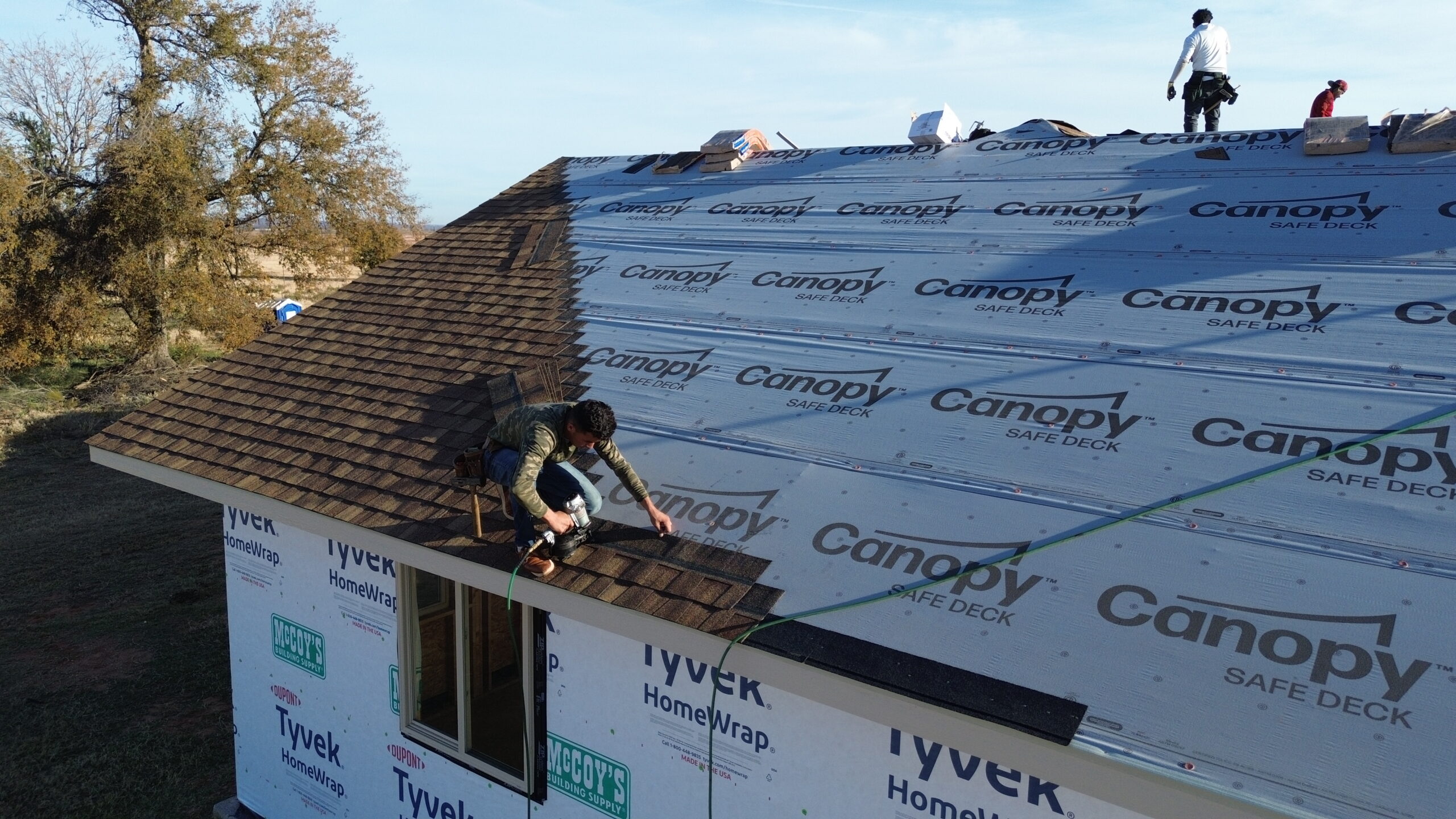
Water is one of the most destructive forces a roof can face because it affects much more than the visible roofing materials. Once moisture enters the roofing system, it gradually spreads through structural components, weakening the roof from the inside out. By the time obvious damage appears indoors, the structural deterioration is often far more extensive than homeowners realize.
Small leaks rarely remain small for long. Rainwater can travel across roof decking, rafters, insulation, and support beams before becoming visible inside the home. This hidden movement allows moisture to affect large sections of the roof while giving homeowners little indication of the true extent of the damage.
As structural wood absorbs water repeatedly, it begins losing its natural strength. Wet wood becomes more flexible under load, making it less capable of supporting roofing materials during storms or periods of heavy snowfall. Over time, this gradual weakening increases the likelihood of structural movement and sagging.
Moisture also damages insulation by reducing its thermal performance. Once insulation becomes saturated, it loses much of its ability to regulate indoor temperatures, causing heating and cooling systems to work harder throughout the year. This not only increases energy costs but also creates a damp environment that encourages mold growth.
Metal components inside the roofing system may also suffer from prolonged moisture exposure. Fasteners, brackets, and connectors can corrode over time, reducing the strength of important structural connections. Although these components are often hidden from view, they play a critical role in maintaining roof stability.
One of the greatest challenges with water damage is that it often spreads beyond the original leak location. Homeowners may repair a visible leak while moisture continues damaging nearby structural members that were never inspected. This hidden deterioration frequently leads to repeated roofing problems even after repairs have been completed.
When inspections reveal widespread water damage throughout roof decking, framing, and insulation, replacing isolated roofing materials rarely provides a lasting solution. Complete roof replacement combined with structural restoration usually offers the safest and most dependable long term protection.
Rotting Wooden Roof Components
Wood is widely used throughout residential roofing systems because it provides excellent strength while remaining relatively lightweight. However, when wood remains damp for extended periods, fungal organisms begin breaking down its natural fibers, causing rot that severely reduces structural integrity.
Rot often begins in areas where moisture repeatedly enters through damaged shingles, failed flashing, or deteriorated underlayment. Because these sections are hidden beneath the roofing surface, decay may continue for years before becoming noticeable during an inspection.
As wood deteriorates, it gradually loses its ability to support structural loads. Rafters, roof decking, fascia boards, and support beams may all become softer, weaker, and increasingly vulnerable to further damage. In advanced cases, decayed wood may crumble under moderate pressure.
Dry rot and wet rot affect wood differently, but both compromise structural performance. Regardless of the specific type of decay, the end result is a weakened roofing framework that cannot provide the level of protection expected from a healthy roof.
Another concern is that wood rot rarely remains isolated. Moisture usually spreads through neighboring structural components, allowing fungal growth to expand into larger sections of the roof. Replacing only the visibly damaged wood often leaves hidden deterioration behind.
Rotting roof structures also attract insects that prefer damp wood. Certain pests accelerate the deterioration process by creating additional openings that further weaken structural members. While pest activity is a separate issue, it frequently develops alongside long term moisture damage.
Professional roofing contractors carefully inspect wooden structural components whenever roof replacement is being considered. If widespread decay is discovered, rebuilding affected framing before installing a new roof ensures that the replacement system rests on a strong and stable foundation.
Attempting to preserve severely rotted structural wood rarely proves cost effective. Replacing compromised components during roof replacement provides greater safety while preventing recurring structural problems in the future.
Roof Movement After Severe Storms
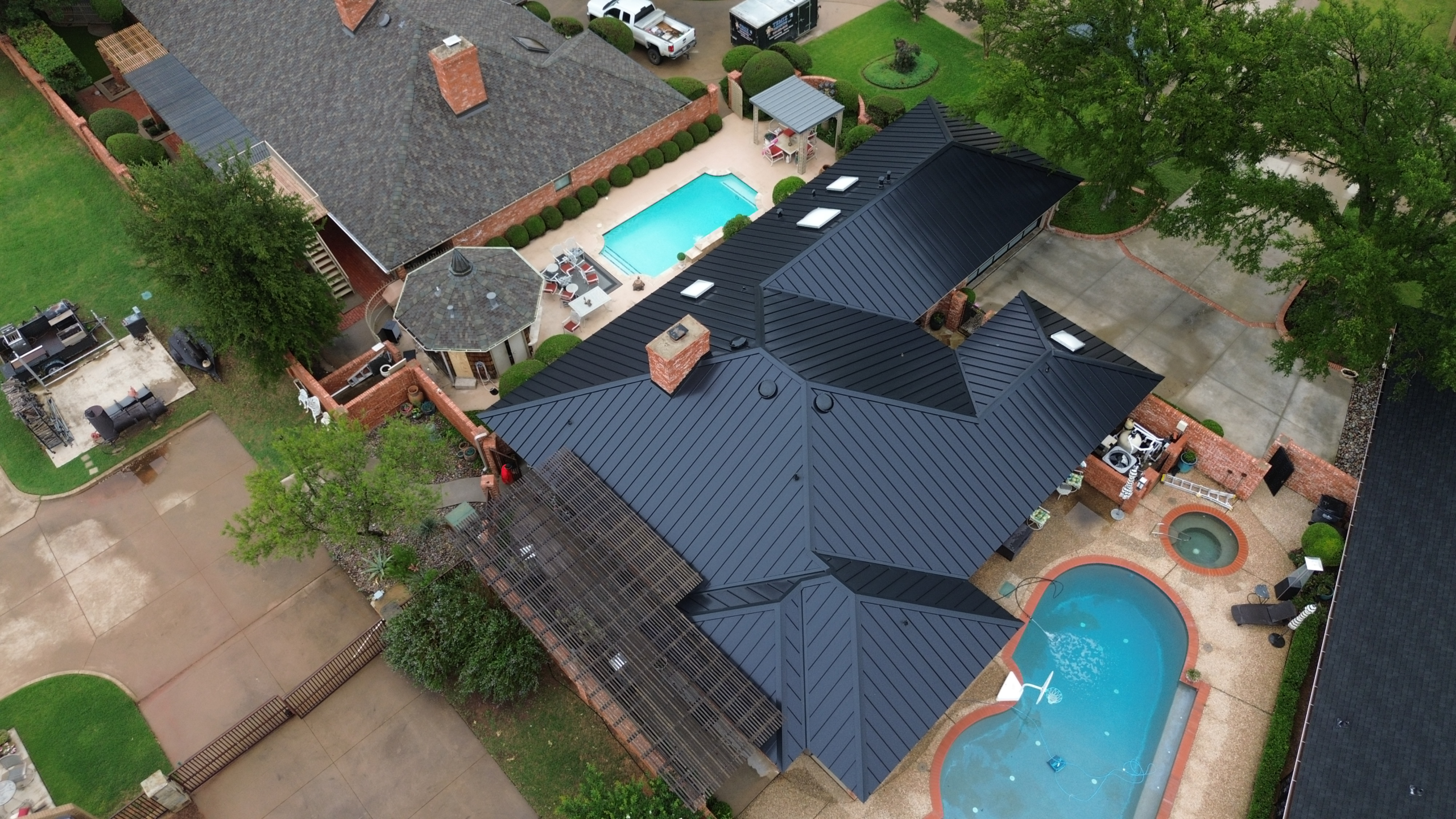
Severe weather places enormous stress on every part of a roofing system. Strong winds, heavy rain, hail, and falling debris can all cause structural movement that permanently alters the roof’s ability to perform safely. While newer roofs often recover from isolated storm events, aging roofs may suffer damage that extends deep into their supporting framework.
High winds create powerful uplift forces that pull against shingles, decking, and framing. If structural components have already weakened because of age or moisture, these forces may cause subtle shifts that are not immediately visible from the ground.
Falling trees or large branches create more obvious structural damage by striking the roof directly. Even when the impact appears limited to one section, the force may transfer through surrounding framing members, creating hidden cracks or weakening structural connections throughout the roof.
Hailstorms can also contribute to long term structural deterioration. Repeated impacts damage protective roofing materials, allowing water to reach the underlying decking more easily. Over time, this additional moisture accelerates structural aging beneath the roof surface.
Heavy rainfall further exposes weaknesses that already exist within the roofing system. Saturated materials become heavier, placing additional stress on framing that may already have been compromised by previous weather events.
After major storms, homeowners should inspect their property for visible warning signs such as sagging rooflines, displaced roofing materials, cracked ceilings, or newly developed leaks. Even when exterior damage appears minor, structural movement may still have occurred beneath the surface.
Professional inspections following severe weather often include evaluating roof alignment, structural framing, decking condition, and attic components. Detecting hidden movement early allows appropriate action before gradual deterioration leads to larger structural failures.
If storm damage significantly affects an older roof, complete replacement frequently becomes the most practical solution. Repairing isolated sections while leaving weakened structural components in place may only postpone more serious problems in the future.
Attic Warning Signs of Structural Failure
The attic provides one of the best opportunities to identify structural roofing problems before they become visible throughout the rest of the home. Because many structural components remain exposed inside the attic, careful inspections often reveal warning signs that cannot be seen from outside.
Daylight shining through the roof decking is one of the clearest indicators that the roofing system has been compromised. While controlled ventilation openings are normal, sunlight entering through unintended gaps usually means roofing materials or structural components have deteriorated.
Warped or bowed rafters deserve immediate attention because they indicate structural movement within the roof framework. Straight framing members should maintain their original alignment, so noticeable bending often signals weakening caused by moisture, excessive loads, or aging.
Water stains on roof decking also reveal previous or ongoing moisture intrusion. Even if the wood appears dry during inspection, discoloration often indicates repeated leaks that have already affected the structural integrity of the roofing system.
Damp insulation represents another important warning sign. Wet insulation not only loses its energy efficiency but also holds moisture against structural wood, allowing deterioration to continue long after rainfall has ended.
Mold and mildew growth inside the attic suggest that moisture has remained present long enough to support biological activity. Besides affecting indoor air quality, mold often indicates hidden roof leaks or inadequate ventilation that continue damaging structural materials.
Homeowners should also look for rusted fasteners, separated framing connections, or unusual odors within the attic. These conditions frequently accompany long term structural deterioration even before major roof movement becomes visible from outside.
Routine attic inspections provide valuable information about the overall condition of the roofing system. Discovering these warning signs early allows structural issues to be addressed before they develop into much larger and more expensive repair projects.
Structural Safety Risks of Delaying Replacement
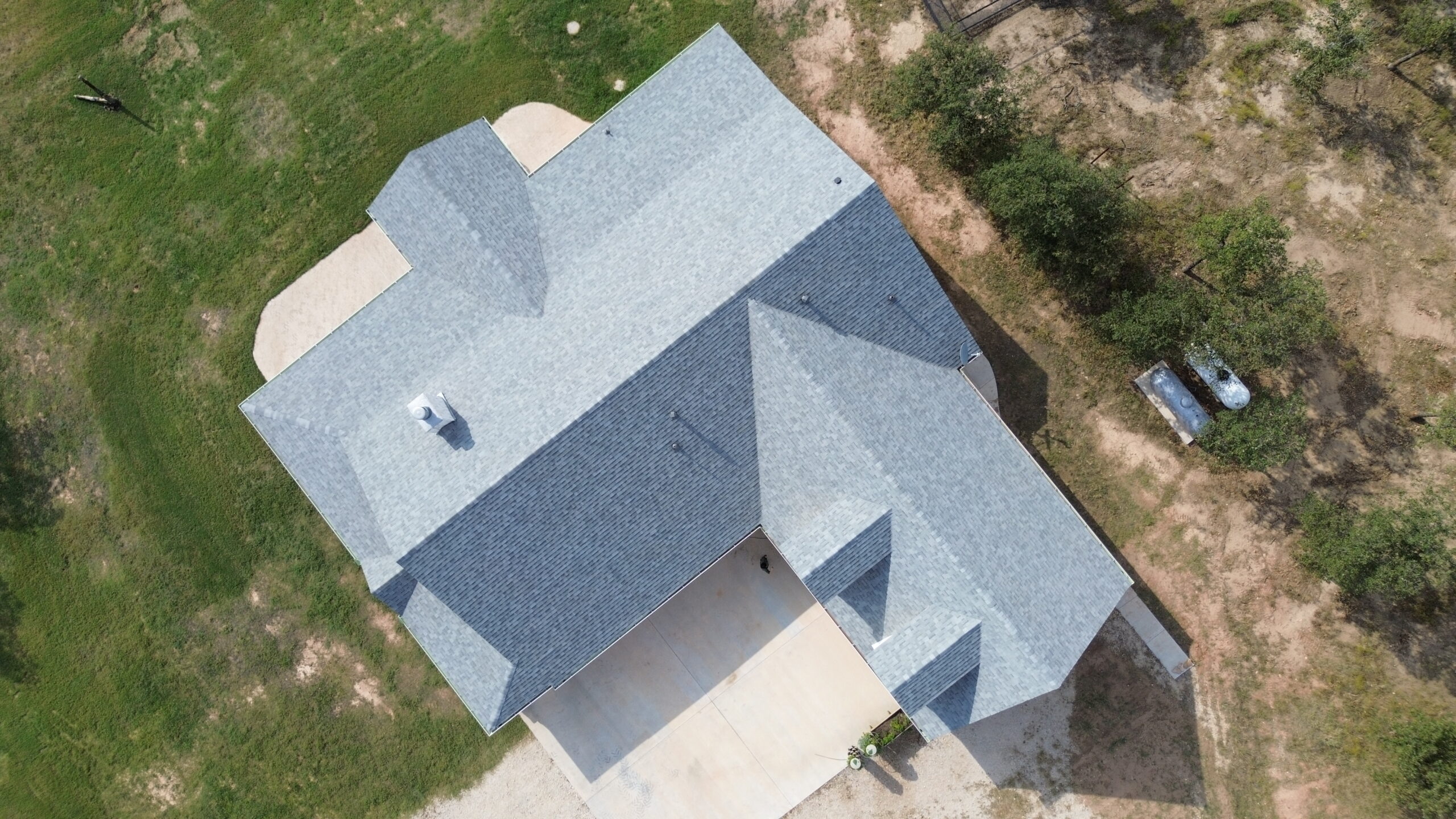
Delaying roof replacement after structural warning signs appear creates risks that extend far beyond minor property damage. As structural deterioration progresses, the roof becomes increasingly unable to perform its most important function, which is protecting the home and everyone inside it.
One of the most serious concerns is the possibility of partial structural collapse. Weakened decking, deteriorated rafters, or damaged trusses may no longer support normal roof loads during heavy rain, snow accumulation, or severe windstorms. Even if collapse does not occur, the structure becomes significantly less stable.
Loose roofing materials also present safety hazards. Damaged decking may fail to hold nails securely, allowing shingles, flashing, or other roofing components to detach during storms. Falling materials create risks for both occupants and neighboring properties.
Interior damage continues increasing while structural problems remain unresolved. Water entering through weakened sections affects ceilings, walls, flooring, electrical systems, and insulation. Repair costs rise steadily as additional building materials become damaged.
Hidden moisture also encourages mold growth throughout enclosed spaces. Besides damaging structural materials, mold may reduce indoor air quality and require specialized remediation before restoration can begin.
Financial risks should also be considered. Repairing extensive structural damage after years of neglect usually costs substantially more than replacing the roof when early warning signs first appear. Delays often transform manageable roofing projects into major structural renovations.
Insurance complications may arise as well. Some policies may limit coverage when damage results from prolonged neglect rather than sudden events. Addressing structural issues promptly helps reduce the likelihood of disputes during future insurance claims.
Replacing a structurally compromised roof at the appropriate time protects the home’s safety, preserves its value, and prevents additional deterioration. Early action almost always provides better long term results than waiting for obvious structural failure.
Repair Versus Full Structural Roof Replacement
Not every structural roofing problem requires complete replacement, but distinguishing between repairable damage and widespread structural failure requires careful evaluation. The roof’s age, overall condition, and extent of structural deterioration all influence the most appropriate solution.
The following comparison illustrates when structural repairs may be sufficient and when complete roof replacement usually provides greater long term safety and reliability.
| Structural Condition | Repair May Be Appropriate | Full Replacement Is Usually Recommended |
|---|---|---|
| Roof Decking | Small isolated damaged section | Extensive soft or weakened decking |
| Rafters and Trusses | Minor localized reinforcement | Multiple cracked or weakened members |
| Water Damage | Limited moisture exposure | Widespread saturation throughout structure |
| Wood Rot | Small accessible area | Rot affecting large structural sections |
| Storm Damage | Single impact location | Structural movement across the roof |
| Roof Age | Relatively newer roof | Older roof with multiple structural issues |
| Long Term Stability | Structure remains sound | Overall framework significantly weakened |
Looking only at the immediate repair cost can sometimes be misleading. A smaller repair may appear economical today, but repeated structural issues often require additional work that eventually exceeds the cost of a complete replacement.
Professional structural evaluations provide homeowners with the information needed to make confident decisions. Roofing specialists assess not only the damaged areas but also the overall condition of the supporting framework before recommending repairs or replacement.
When multiple structural warning signs occur together, complete roof replacement generally provides the safest, most durable, and most cost effective solution. Restoring both the structural framework and the roofing system ensures the home remains protected for many years while reducing the likelihood of recurring problems.
Professional Structural Roof Inspection Process
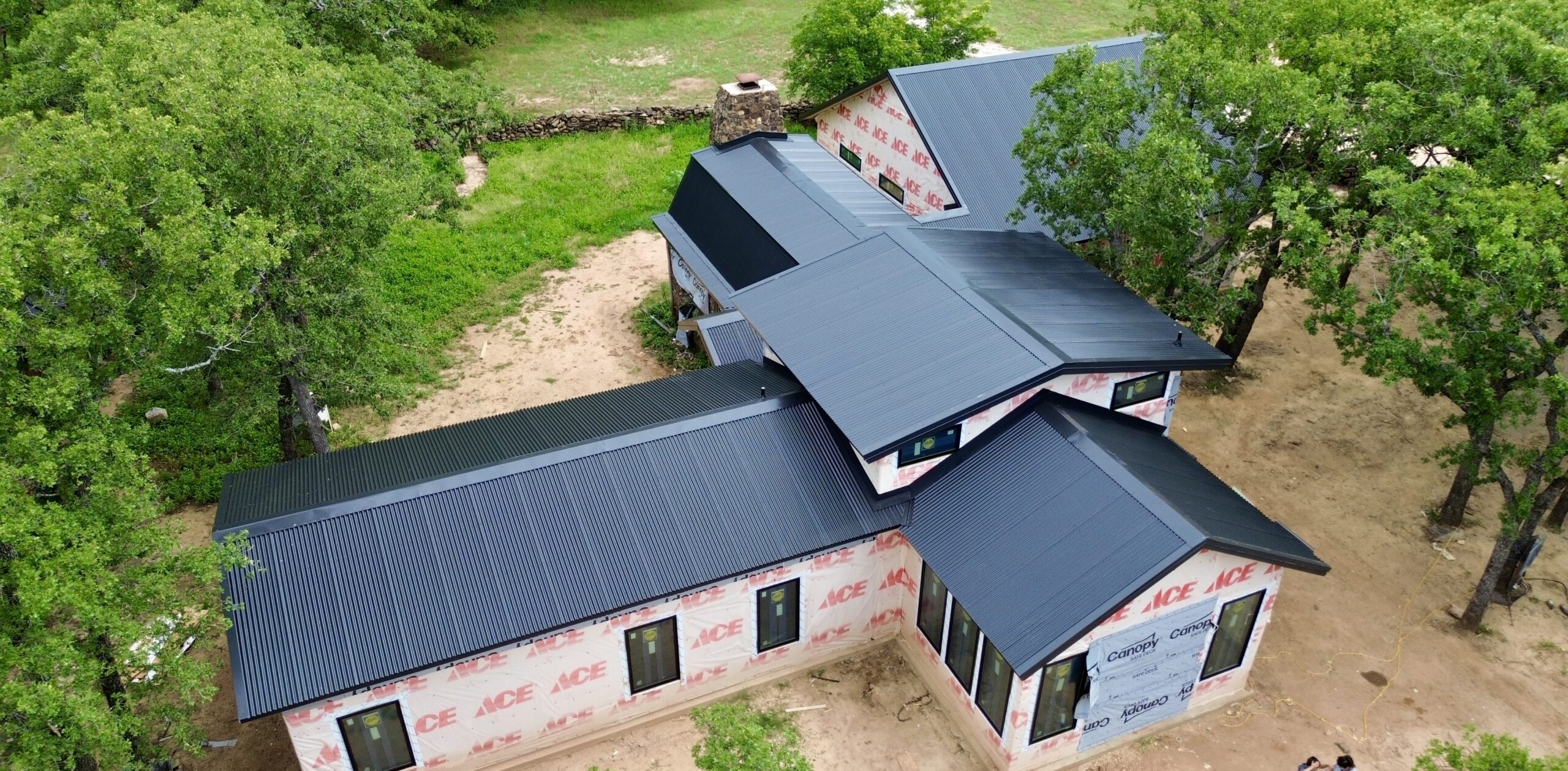
When structural warning signs begin appearing, a professional inspection becomes one of the most important steps a homeowner can take. Unlike a basic visual examination, a structural roof inspection evaluates both the roofing materials and the framework supporting them. This thorough approach helps determine whether repairs remain practical or whether immediate roof replacement is the safest option.
Roofing professionals begin by reviewing the age of the roof, previous repair history, and any known storm damage. Understanding the roof’s background provides valuable context when evaluating current structural conditions. Older roofs with repeated repair records often require more detailed structural assessment.
The inspection then moves to the exterior roofing surface. Contractors examine shingles, flashing, roof valleys, ridges, and drainage systems while looking for signs of movement, uneven rooflines, and widespread material deterioration. Any visible structural irregularities are documented for further investigation.
The attic inspection is equally important because many structural problems develop beneath the roofing surface. Inspectors evaluate roof decking, rafters, trusses, insulation, ventilation, and structural connections while searching for moisture damage, mold, wood decay, and daylight entering through the roof.
The following checklist outlines the typical structural inspection process.
- Review the roof’s age, maintenance records, and repair history.
- Inspect the exterior roof surface for sagging, damaged materials, and uneven rooflines.
- Examine flashing, valleys, chimneys, skylights, and roof penetrations.
- Check roof decking for moisture damage, softness, and structural weakness.
- Evaluate rafters, trusses, and framing members for cracks, separation, or movement.
- Inspect attic insulation and ventilation for signs of moisture accumulation.
- Identify mold, wood rot, corrosion, or water staining affecting structural components.
- Prepare a comprehensive report recommending structural repairs or complete roof replacement.
Professional inspections provide homeowners with clear documentation of the roof’s structural condition. These reports help prioritize repairs, support insurance claims when applicable, and assist in planning replacement before structural damage becomes more severe.
Scheduling inspections every few years becomes especially valuable once a roof reaches the later stages of its expected lifespan. Preventive evaluations often identify hidden problems before they lead to costly emergencies.
Choosing Durable Roofing Materials for Structural Replacement
When structural replacement becomes necessary, selecting durable roofing materials helps ensure the rebuilt roof provides reliable protection for decades. While appearance is important, long term performance, weather resistance, and compatibility with the home’s structure should receive equal consideration.
Asphalt shingles continue to be the most common roofing material because they provide dependable performance at a reasonable cost. Modern architectural shingles offer improved wind resistance, thicker construction, and longer service life than traditional three tab products.
Metal roofing is another excellent choice for structurally restored homes. Its lighter weight places less stress on framing while offering outstanding resistance to fire, wind, and severe weather. Many metal roofing systems also require relatively little maintenance throughout their lifespan.
Clay and concrete tiles provide exceptional durability and distinctive architectural appeal. However, because they are considerably heavier than other roofing materials, the supporting structure must be designed or reinforced to carry the additional load safely.
Slate roofing remains one of the longest lasting roofing materials available. Although its installation cost is higher, properly installed slate can protect a home for generations while providing excellent resistance to weather and fire.
Synthetic roofing products have also become increasingly popular. These materials replicate the appearance of slate, wood, or tile while offering lower weight, improved impact resistance, and easier installation. Many homeowners appreciate the balance they provide between appearance and performance.
Energy efficiency should also be considered during material selection. Reflective roofing products reduce heat absorption, helping maintain comfortable indoor temperatures while lowering cooling costs during warmer months.
Regardless of the material selected, installation quality remains the most important factor affecting long term performance. High quality roofing products installed over properly restored structural components provide the greatest protection against future structural problems.
Preparing for a Structural Roof Replacement Project
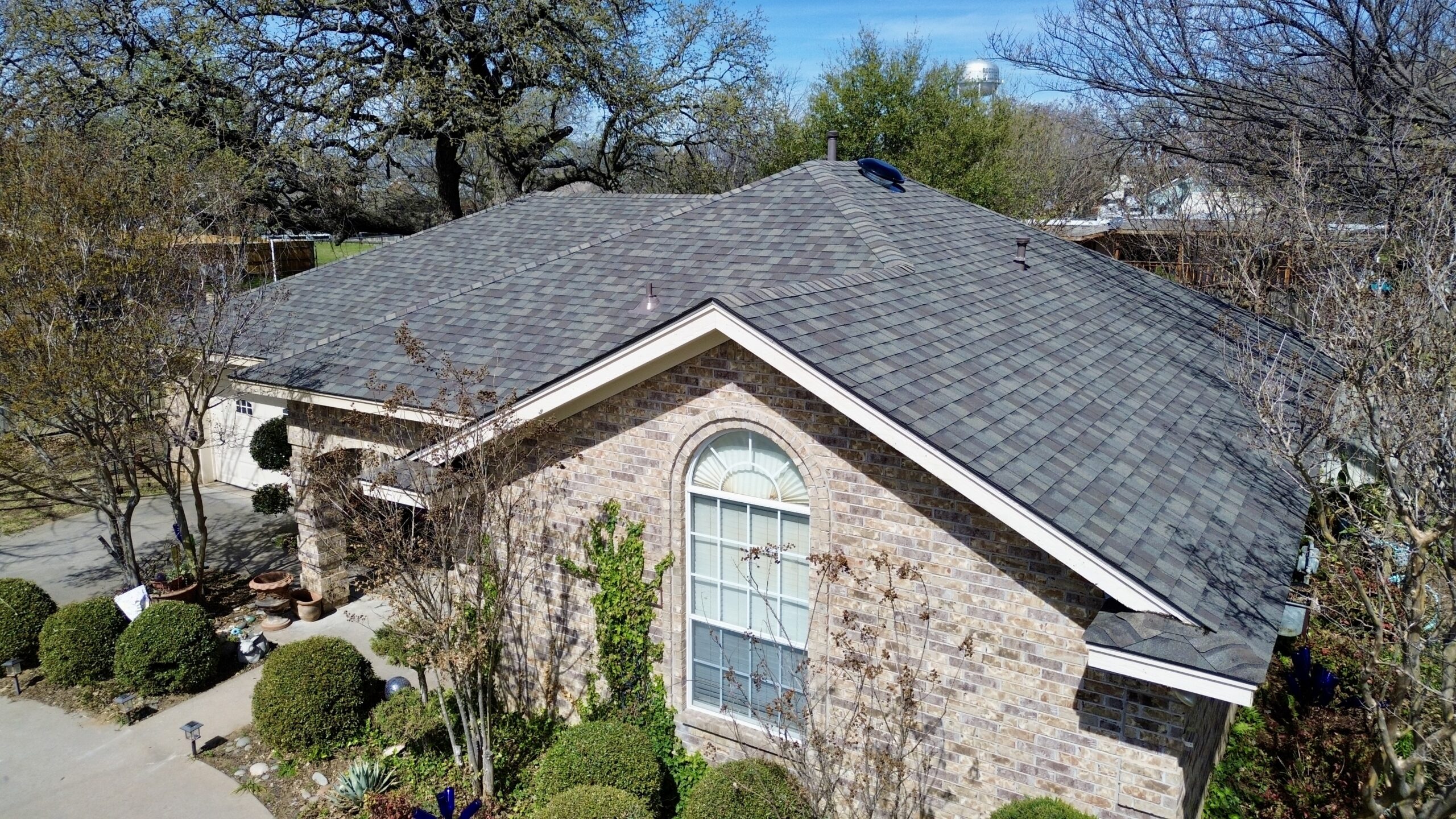
Structural roof replacement involves more planning than a standard roofing project because repairs often extend beyond the visible roofing materials. Understanding the process beforehand helps homeowners prepare financially while reducing unnecessary stress during construction.
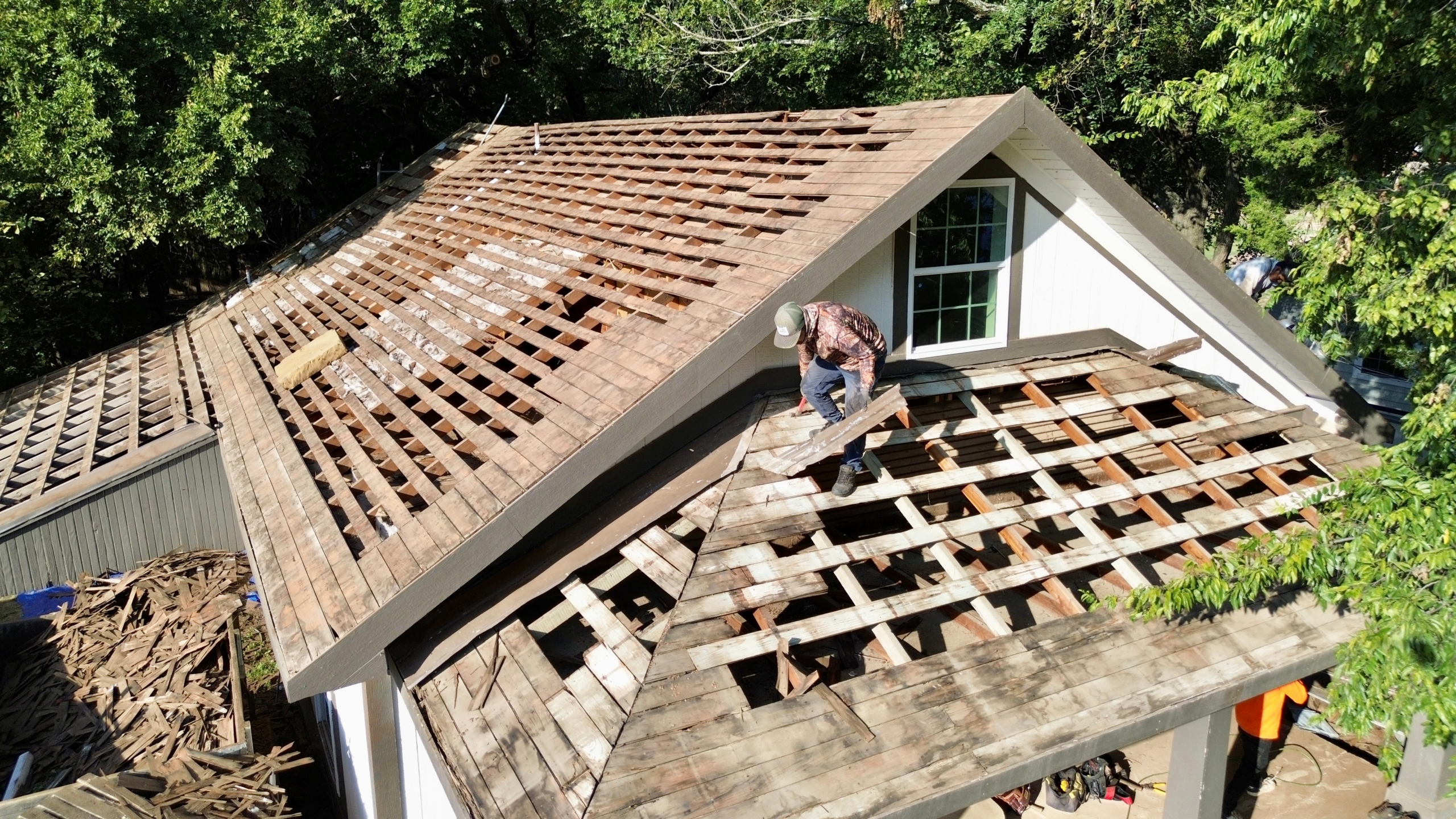
Budget planning should include more than the cost of shingles and labor. Structural repairs may require replacing roof decking, reinforcing rafters, rebuilding trusses, improving attic ventilation, upgrading insulation, and disposing of damaged materials. Including these potential expenses creates a more realistic project budget.
Obtaining proposals from several experienced roofing contractors allows homeowners to compare materials, repair methods, warranties, and estimated timelines. Detailed written estimates provide valuable information that supports informed decision making.
Before hiring a contractor, homeowners should verify licensing, insurance coverage, certifications, and customer references. Structural roof replacement requires specialized knowledge, making contractor experience particularly important for long term project success.
Permit requirements vary depending on the scope of structural work and local building regulations. Reputable contractors generally assist homeowners by obtaining necessary permits and ensuring the completed project complies with applicable building codes.
Construction may temporarily affect daily household activities. Roofing crews, equipment deliveries, and debris removal create additional activity around the property for several days depending on project size and weather conditions.
Weather also influences project scheduling. Contractors generally plan structural replacement during favorable conditions to minimize moisture exposure while structural components remain uncovered during reconstruction.
After installation is complete, homeowners should request a final inspection and walkthrough. Reviewing structural repairs, ventilation improvements, flashing details, cleanup, and warranty documentation ensures every aspect of the project has been completed according to the agreed specifications.
Careful planning transforms structural roof replacement into a well managed investment rather than an unexpected emergency. A properly rebuilt roofing system strengthens the home’s structural integrity while providing dependable protection for many years.
Preventing Future Structural Roof Damage
Although every roof eventually reaches the end of its service life, regular maintenance can significantly slow structural deterioration. Preventive care helps protect both the roofing materials and the structural framework beneath them.
The following maintenance practices help preserve the structural integrity of a new roof.
- Schedule professional roof inspections every few years and after severe storms.
- Clean gutters and downspouts regularly to prevent standing water.
- Remove leaves, branches, and debris that retain moisture on the roof.
- Trim tree limbs that extend over the roof surface.
- Repair damaged shingles, flashing, or vents as soon as problems are discovered.
- Maintain proper attic ventilation to reduce heat and moisture buildup.
- Inspect the attic periodically for leaks, mold, or damp insulation.
- Address small moisture problems before they affect structural wood.
Routine maintenance requires relatively little effort compared to the cost of major structural repairs. Early detection allows homeowners to correct developing issues before they spread throughout the roofing system.
Keeping records of inspections, maintenance, and repairs also provides valuable documentation that supports warranty coverage while helping contractors evaluate the roof’s condition during future inspections.
Long Term Benefits of Replacing a Structurally Damaged Roof
Replacing a structurally compromised roof provides benefits that extend far beyond simply stopping leaks. A properly restored roofing system improves the safety, efficiency, and overall value of the home while reducing the likelihood of expensive repairs in the future.
One of the most significant advantages is improved structural stability. Replacing weakened decking, damaged framing, and deteriorated roofing materials restores the roof’s ability to safely support weather loads throughout the year. Homeowners gain confidence knowing their home is better prepared for severe weather conditions.
Energy efficiency also improves considerably after structural replacement. New roofing materials, dry insulation, proper ventilation, and modern underlayment work together to reduce unwanted heat transfer. This allows heating and cooling systems to operate more efficiently, often lowering monthly energy costs.
Replacing a damaged roof also enhances the home’s appearance. A new roofing system improves curb appeal while creating a more attractive and well maintained exterior. This visual improvement often increases buyer confidence if the property is placed on the market.
Property value generally benefits from structural roof replacement as well. Buyers recognize that a recently replaced roof reduces future maintenance concerns, making the home more desirable compared to properties requiring immediate roofing work.
Long term maintenance costs are often lower because new roofing systems require fewer repairs during their early years. Instead of repeatedly fixing recurring problems, homeowners can focus on routine maintenance that extends the roof’s expected lifespan.
Perhaps the greatest benefit is peace of mind. Knowing that the roof has been structurally restored allows homeowners to face changing weather conditions without constant concern about leaks, structural movement, or hidden deterioration.
Conclusion
Structural roof damage should never be viewed as a cosmetic issue because it directly affects the safety, stability, and long term performance of the entire home. While minor roofing problems can often be repaired, structural warning signs usually indicate that the supporting framework has begun deteriorating and requires immediate attention.
Throughout this guide, we explored the most important structural warning signs that demand roof replacement. Sagging rooflines, weakened roof decking, structural cracks, extensive water damage, rotting wood, storm related movement, attic moisture, and other structural indicators all provide valuable insight into the condition of the roofing system. When several of these warning signs appear together, delaying replacement only increases the risk of further deterioration and more expensive repairs.
Acting promptly provides significant long term benefits. Replacing a structurally damaged roof restores safety, improves energy efficiency, protects interior living spaces, increases property value, and reduces ongoing maintenance costs. Most importantly, it ensures that the roof can continue protecting the home and its occupants through years of changing weather conditions.
Regular inspections remain one of the most effective ways to identify structural problems before they become severe. Professional evaluations help homeowners make informed decisions based on the actual condition of the roofing system rather than waiting for obvious structural failure.
A roof is one of the home’s most important structural assets, and its condition should never be underestimated. Recognizing the warning signs discussed throughout this article and arranging a professional inspection as soon as they appear allows homeowners to protect their investment, preserve the integrity of their property, and avoid the far greater costs associated with advanced structural damage.