
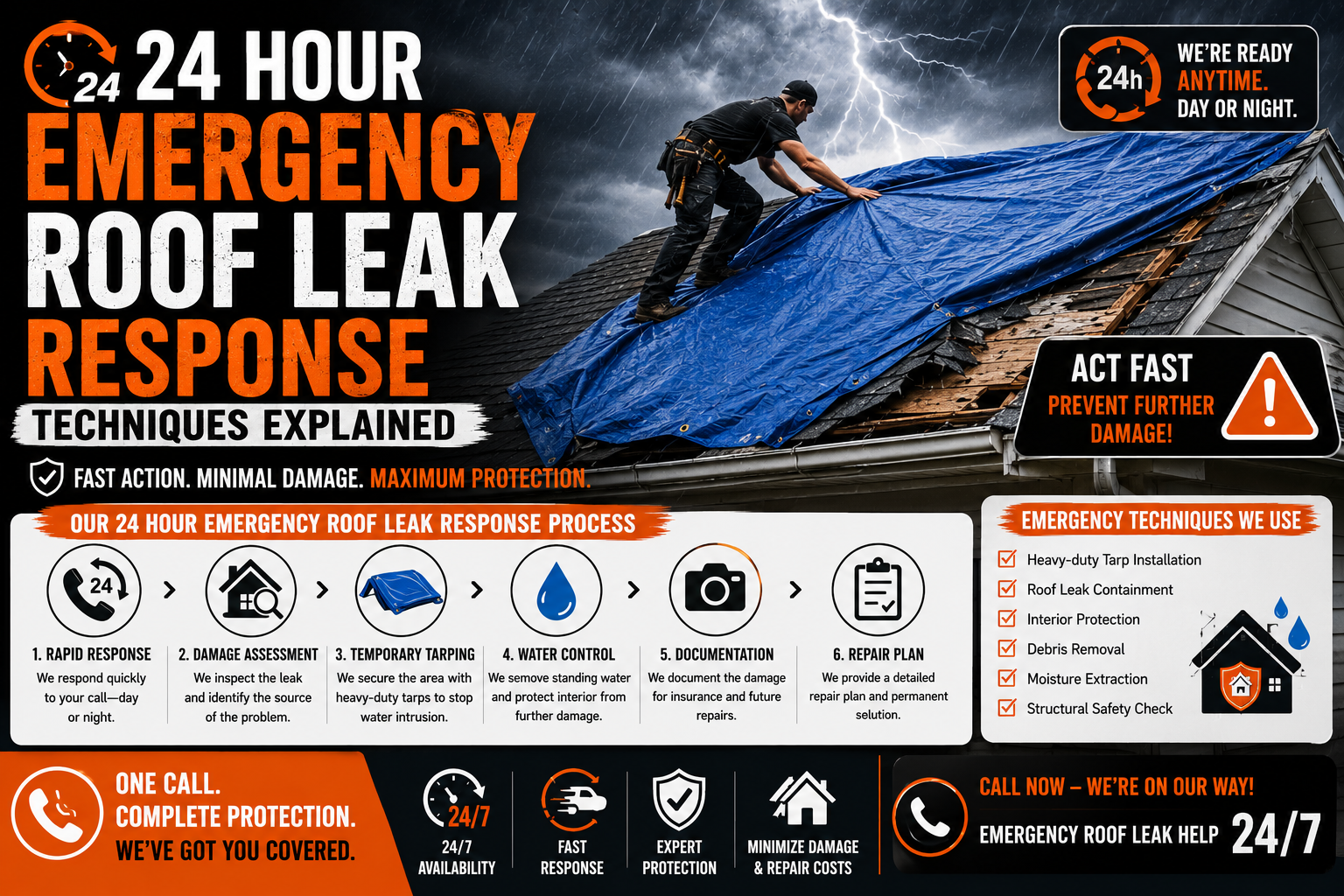
24 Hour Emergency Roof Leak Response Techniques Explained
Introduction
A roof leak rarely happens at a convenient time. It often appears during a heavy storm, late at night, or when strong winds have already weakened roofing materials. Even a small amount of water entering your home can quickly develop into a much larger problem if it is not addressed immediately.
A well organized response during the first 24 hours can significantly reduce damage to ceilings, insulation, walls, flooring, and personal belongings. While permanent repairs may require professional expertise, homeowners who understand the correct emergency response techniques can minimize costly structural damage before repair crews arrive.
Emergency roof leaks are not always dramatic. Sometimes the first warning is a small water stain on the ceiling, a faint dripping sound inside the attic, or damp insulation that has been quietly absorbing moisture for days. Recognizing these warning signs early gives homeowners a valuable opportunity to limit damage before the situation becomes more severe.
The first day following the discovery of a roof leak is often the most important. Every decision made during this period can influence repair costs, restoration time, and the overall condition of the home’s structural components. Knowing what to do and what to avoid helps protect both the property and the people living inside it.
This guide explains practical emergency roof leak response techniques that homeowners can follow during the critical first 24 hours. From identifying the warning signs to applying safe temporary protection measures, understanding the proper response helps reduce risks while preparing the roof for professional repair.
Recognizing the Signs of an Active Roof Leak
Not every roof leak announces itself with water pouring through the ceiling. Many leaks begin slowly, allowing moisture to travel through roofing materials, insulation, framing, and drywall before becoming visible inside the home. Recognizing early warning signs allows homeowners to respond before widespread damage develops.
Water stains on ceilings remain one of the most recognizable indicators of an active leak. These stains often appear as yellow, brown, or copper colored patches that gradually increase in size after rainfall. Even if the stain appears dry between storms, it usually indicates moisture has already entered the roofing system.
Paint that begins bubbling, peeling, or cracking may also signal moisture trapped behind interior surfaces. As water accumulates inside walls or ceilings, it weakens paint adhesion and causes noticeable cosmetic damage that should never be ignored.
Dripping water is one of the clearest signs that immediate action is necessary. Even occasional drips can indicate that water has already saturated insulation and ceiling materials, increasing the risk of structural weakening if the leak continues.
Attics often reveal roofing problems before living spaces do. Damp insulation, wet wooden rafters, mold growth, or visible daylight entering through the roof deck may all indicate openings where water is penetrating the roofing system.
Musty odors should also be taken seriously. Persistent moisture trapped inside insulation or wooden framing creates an environment where mold and mildew can develop, often producing unpleasant smells before visible damage appears.
Outside the home, missing shingles, lifted flashing, damaged roof vents, cracked pipe boots, or clogged valleys frequently contribute to roof leaks. Although these issues may seem minor from the ground, each one can create pathways for water during heavy rainfall.
Homeowners should remember that the visible leak inside the house is not always located directly beneath the roof opening. Water frequently follows rafters, decking, insulation, and structural framing before finally dripping into interior spaces. This makes locating the true entry point more challenging than simply tracing the stain above.
Early recognition remains one of the most effective ways to reduce repair costs. Addressing a leak while it is still limited to a small section of roofing is often far less expensive than repairing widespread water damage throughout the home’s interior.
The First Hour After Discovering a Roof Leak
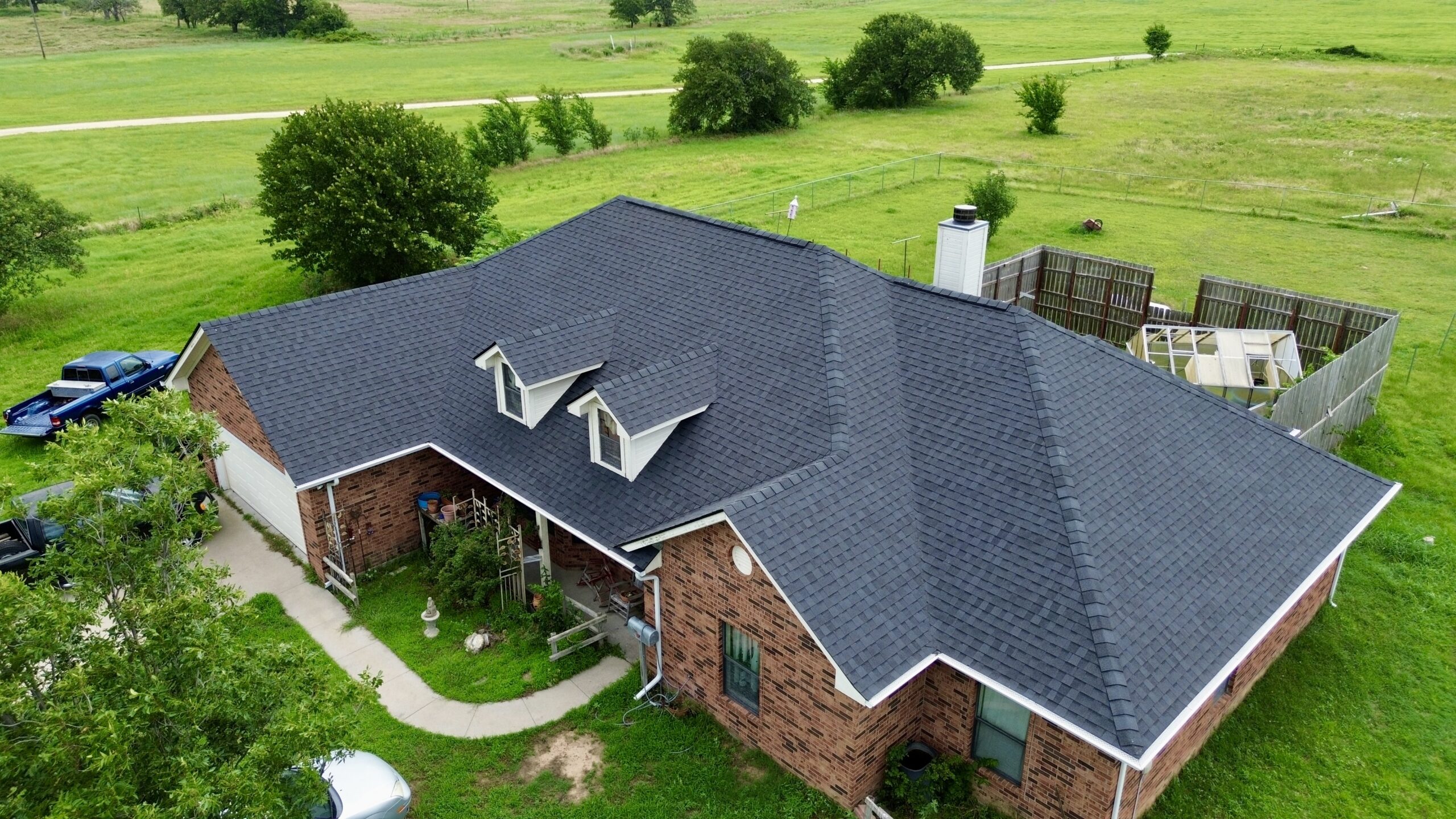
The first hour after discovering a roof leak is critical. Immediate actions should focus on protecting people, minimizing property damage, and preventing the situation from becoming more hazardous while waiting for professional repairs.
Safety should always come before property protection. If water is leaking near electrical fixtures, ceiling fans, outlets, or appliances, homeowners should avoid touching affected electrical equipment until it has been safely inspected. Water and electricity create a dangerous combination that should never be underestimated.
Once the area is considered safe, containing the leaking water becomes the next priority. Buckets, storage containers, or large plastic tubs can collect dripping water and prevent further damage to flooring. Towels or absorbent cloths placed around containers can also reduce splashing and minimize slipping hazards.
Furniture should be moved away from the leaking area whenever possible. Sofas, wooden tables, rugs, electronics, books, and valuable decorations can suffer permanent damage after prolonged exposure to moisture. If large items cannot be moved, waterproof plastic sheets may provide temporary protection.
Ceilings deserve careful attention during active leaks. Water often accumulates above drywall before becoming visible, creating heavy pockets that increase pressure on the ceiling surface. If a noticeable bulge develops, it may indicate trapped water that requires careful management to reduce the risk of sudden ceiling collapse.
Attic inspections should only be performed if they can be completed safely. Walking on ceiling drywall instead of structural framing can result in serious falls, especially when moisture has weakened building materials. Using adequate lighting and avoiding wet electrical wiring remain essential precautions during any inspection.
Documenting the damage should begin as soon as practical. Taking photographs of water stains, damaged belongings, leaking ceilings, and any visible roof damage creates valuable records that may assist with repair planning and insurance documentation later.
Remaining calm during the first hour often leads to better decisions. Rushing onto a wet roof during severe weather may create greater risks than the leak itself. In many situations, protecting the home’s interior while waiting for safer conditions is the most responsible course of action.
Finding the Source Without Creating Additional Damage
Finding the exact location of a roof leak is often more difficult than homeowners expect. Water rarely travels straight downward after entering the roofing system. Instead, it may move along roof decking, rafters, insulation, or structural framing before eventually appearing inside the home several feet away from the original opening.
The first step is examining the interior rather than immediately climbing onto the roof. Attics provide valuable clues because exposed framing and roof decking make it easier to identify water trails, damp insulation, or discoloration caused by moisture movement.
Dark stains on wooden rafters frequently indicate the path water has followed over time. Shiny wet surfaces, dripping nails, or damp insulation directly beneath roof decking may also help narrow down the likely entry point.
Roof penetrations deserve particular attention because they interrupt the continuous roofing surface. Plumbing vent pipes, chimneys, skylights, attic vents, and exhaust fans all rely on flashing systems that can deteriorate over time and allow water infiltration.
Roof valleys are another common problem area. Since these sections collect large volumes of rainwater during storms, even minor damage to roofing materials or flashing can result in significant leaks under heavy rainfall.
From ground level, homeowners may notice obvious warning signs such as missing shingles, damaged ridge caps, fallen tree branches, or loose flashing. Binoculars often provide a safer way to inspect these areas without climbing onto the roof during hazardous weather.
It is important to remember that emergency inspections should prioritize safety over certainty. Identifying the general area of the leak is usually sufficient until weather conditions improve and professional roofers can perform a comprehensive inspection.
Avoid removing shingles, lifting flashing, or pulling apart roofing materials without proper experience. Temporary investigations that disturb intact roofing components may accidentally enlarge the leak and increase water intrusion during the next rainfall.
Patience is often just as valuable as speed during leak investigations. A careful inspection that avoids unnecessary risks typically provides better long term results than rushed attempts to locate every possible source immediately.
Temporary Emergency Roof Leak Control Methods
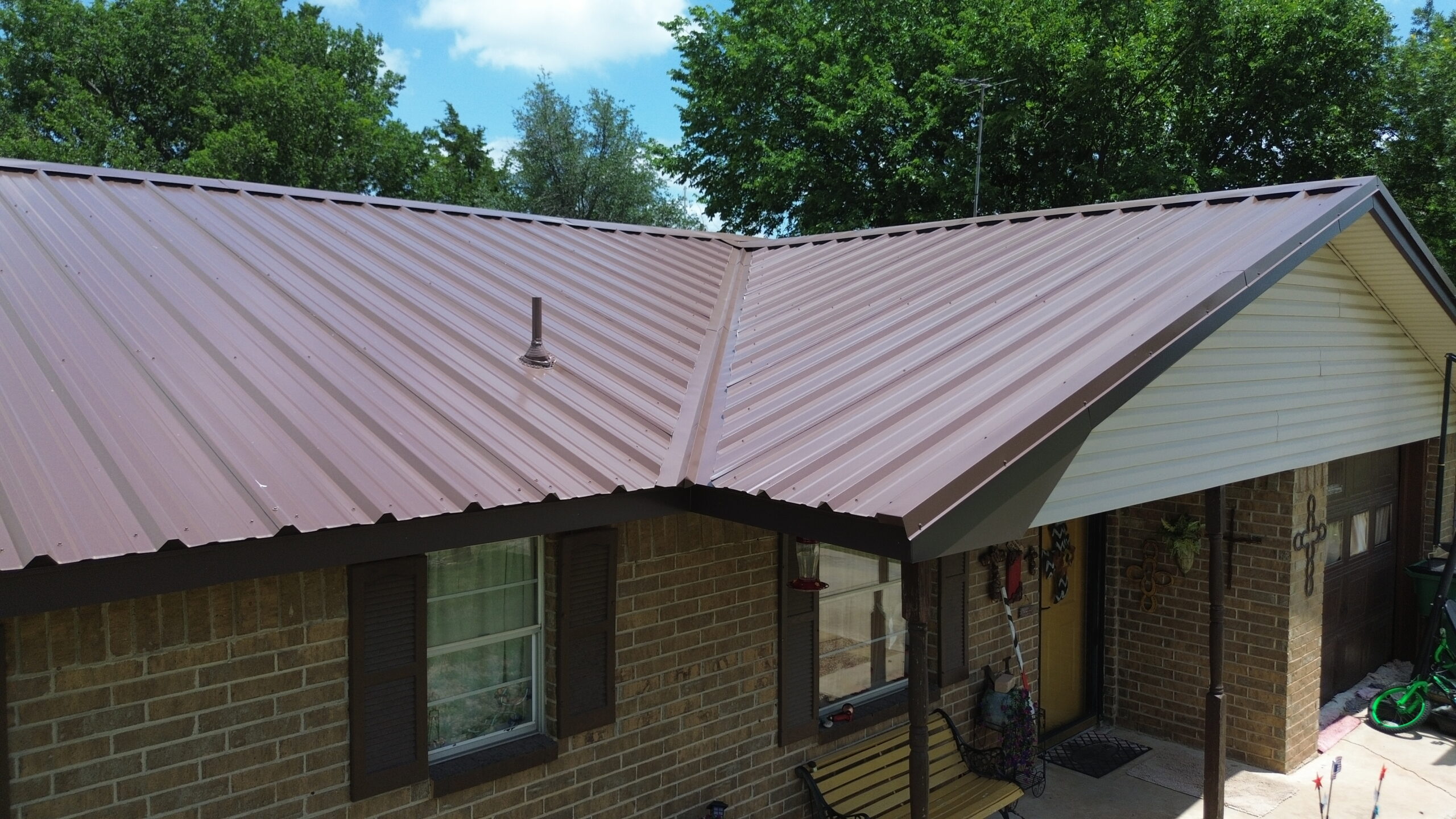
Temporary measures help reduce ongoing water intrusion while permanent repairs are being arranged. These solutions are designed to limit damage during emergencies rather than permanently solve roofing problems.
Emergency roof tarps remain one of the most effective temporary protection methods. When installed correctly over the damaged area and securely fastened, a heavy duty waterproof tarp can divert rainfall away from exposed roofing materials until repairs are completed.
Plastic sheeting may also help protect interior spaces when outdoor tarping is not immediately possible. Covering furniture, electronics, flooring, and valuable belongings reduces direct exposure to dripping water and helps simplify cleanup afterward.
Roofing tape and emergency waterproof sealants can temporarily reduce leaks around small cracks or damaged flashing in favorable weather conditions. However, these products should never be viewed as permanent repairs because they often deteriorate when exposed to continuous sunlight, temperature changes, and additional rainfall.
Inside the attic, strategically placing containers beneath active drips prevents water from spreading across insulation and wooden framing. Replacing full containers promptly reduces the likelihood of overflow and additional interior damage.
Improving ventilation inside affected areas can also help reduce moisture accumulation. Opening windows when weather permits or using portable fans after rainfall has ended encourages drying and limits prolonged damp conditions that support mold growth.
Temporary repairs should never compromise personal safety. Climbing onto steep roofs during storms, working near lightning, or attempting repairs in high winds greatly increases the risk of serious injury. Waiting until weather conditions improve is often the safest decision.
It is equally important to understand the limitations of temporary solutions. A tarp may successfully reduce water intrusion for several days, but underlying roofing damage continues to exist until permanent repairs restore the roof’s weather resistant barrier.
Homeowners who rely on temporary repairs for extended periods often experience repeated leaks as weather conditions change. Scheduling professional repairs as soon as possible remains the best strategy for protecting both the roof and the home’s structural integrity.
Weather Conditions That Make Emergency Leaks More Dangerous
Weather plays a major role in determining how quickly a roof leak can worsen. Some storms expose existing weaknesses, while others create entirely new openings that allow water to enter the roofing system within minutes.
Heavy rainfall places continuous pressure on roofing materials, especially when gutters or roof valleys cannot drain water efficiently. Standing water increases the likelihood that moisture will penetrate damaged shingles, deteriorated flashing, or small cracks that previously appeared harmless.
Strong winds often make roof leaks more severe by lifting shingles, loosening flashing, and driving rain beneath roofing materials. Wind driven rain can enter gaps that normally remain protected during calmer weather, allowing leaks to develop in unexpected locations.
Hailstorms create a different type of emergency by damaging protective roofing surfaces through repeated impacts. Even when hail does not immediately produce visible leaks, cracked shingles and dented flashing may allow water infiltration during future storms.
Snow presents additional challenges because accumulated weight places stress on roofing structures while melting snow continuously feeds moisture into vulnerable areas. Ice dams can trap water along roof edges, forcing it beneath shingles and into attic spaces despite otherwise functional roofing materials.
Rapid temperature changes also affect roof performance. Expansion and contraction cause roofing materials to shift slightly over time, gradually weakening seals around flashing, vents, and other penetrations where leaks commonly develop.
Fallen branches during storms frequently produce immediate roof damage. Even relatively small limbs can crack shingles or puncture roofing materials, creating direct pathways for water to enter the home during ongoing rainfall.
Understanding how different weather conditions affect roofing systems helps homeowners appreciate why emergency response cannot be delayed. What begins as a manageable leak during light rain can quickly become widespread structural damage when severe weather continues over the following hours.
Professional inspections become especially valuable after major storms because not all weather related damage is immediately visible from the ground. Identifying hidden weaknesses early reduces the likelihood that minor storm damage will develop into larger roofing emergencies during the next period of severe weather.
How Professional Emergency Roof Leak Response Teams Operate
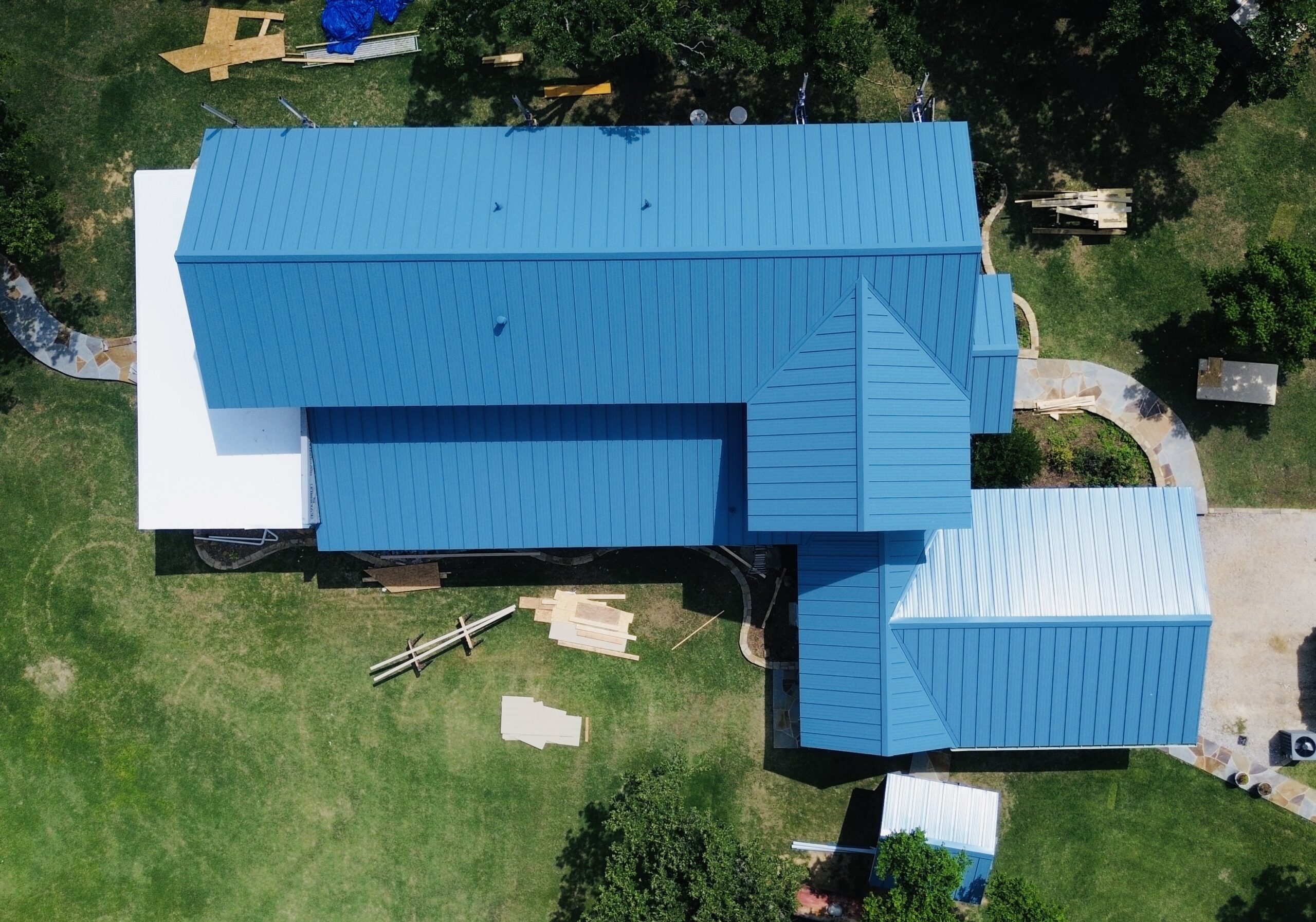
When homeowners contact an emergency roofing contractor, the response involves far more than simply placing a tarp over the damaged area. Experienced professionals follow a structured process designed to stop active water intrusion, evaluate the extent of the damage, and prepare the roof for permanent repairs. Every step is intended to stabilize the situation while protecting both the property and the people inside it.
The first priority is gathering information before arriving on site. Contractors typically ask about the age of the roof, the location of the leak, current weather conditions, and whether there are any immediate safety concerns such as electrical hazards or structural damage. This information allows the response team to arrive with the appropriate materials and equipment.
Upon arrival, the crew begins with a visual assessment of both the interior and exterior of the property. Interior inspections help determine how water has traveled through the structure, while exterior inspections identify missing shingles, damaged flashing, punctures, storm damage, or other visible causes of the leak. Combining both perspectives creates a more accurate understanding of the problem.
Safety inspections always take priority before repair work begins. Roofing professionals evaluate roof stability, identify slippery surfaces, check for damaged decking, and ensure that weather conditions allow safe access. If conditions remain dangerous due to lightning, high winds, or severe storms, temporary interior protection may be implemented until outdoor work can safely proceed.
Once the damaged area has been identified, the team focuses on stopping additional water intrusion. Emergency tarps, waterproof membranes, temporary flashing repairs, and protective coverings may all be used depending on the type of roofing system and the extent of the damage. These measures help preserve the roof until permanent restoration can be completed.
Professionals also inspect surrounding roofing components rather than focusing only on the visible leak. A roof leak often indicates additional weaknesses nearby, and identifying those issues early helps prevent repeated emergency calls after the first repair.
Throughout the response, contractors document the damage with photographs and written observations. These records support repair planning, insurance claims, and future maintenance recommendations. Clear documentation also provides homeowners with a better understanding of the condition of their roofing system.
Emergency Roof Leak Response Timeline
The first 24 hours following a roof leak involve several important actions. While every situation is unique, the general timeline below illustrates how homeowners and roofing professionals work together to reduce damage.
| Time Frame | Homeowner Actions | Professional Response |
|---|---|---|
| First Hour | Ensure safety, contain water, protect belongings, document damage | Emergency call received and response prepared |
| Hours Two to Six | Continue monitoring leak, avoid unsafe roof access | Initial inspection, identify leak source, stabilize damaged area |
| Hours Six to Twelve | Keep affected rooms ventilated if conditions allow | Install temporary protection such as tarps or waterproof coverings |
| Hours Twelve to Twenty Four | Monitor interior for additional water intrusion | Complete damage assessment and prepare permanent repair plan |
This timeline demonstrates that emergency roof response is not limited to a single repair. Instead, it is a coordinated effort that combines immediate damage control with careful planning for long term restoration.
Temporary Repairs Versus Permanent Roof Repairs
One of the most common misunderstandings during roofing emergencies is assuming that a temporary repair has permanently solved the problem. While emergency measures are highly effective for reducing immediate water intrusion, they are designed to provide short term protection rather than restore the roof to its original condition.
Temporary repairs are intended to buy valuable time. Emergency tarps, sealants, waterproof membranes, and protective coverings help shield damaged sections of the roof until proper repairs can be scheduled under safe weather conditions. These measures are especially useful during ongoing storms or when replacement materials are not immediately available.
Permanent repairs address the underlying cause of the leak rather than simply covering the symptoms. Damaged shingles are replaced, flashing is properly installed, compromised roof decking is repaired, and any structural deterioration caused by moisture is corrected. The goal is to restore the roofing system so it performs as originally designed.
In some situations, temporary repairs remain effective for several days without additional leakage. However, exposure to sunlight, rain, temperature changes, and strong winds gradually weakens temporary materials. Delaying permanent repairs increases the likelihood that water will once again enter the roofing system.
A professional inspection also determines whether hidden damage exists beneath the visible roofing surface. Moisture trapped inside insulation or wooden decking may continue causing deterioration even after the leak appears to have stopped. Permanent restoration addresses both visible and concealed damage to reduce future risks.
Understanding the distinction between temporary and permanent repairs helps homeowners make informed decisions after an emergency. Short term protection is essential during active leaks, but complete restoration remains the only reliable long term solution.
Common Causes Behind Emergency Roof Leaks
Emergency roof leaks rarely occur without an underlying cause. While severe weather often triggers the immediate problem, many roofing emergencies develop after months or even years of gradual deterioration that eventually reaches a critical point.
Aging roofing materials remain one of the leading causes of emergency leaks. As shingles become brittle, protective granules wear away, and sealants lose flexibility, the roof becomes increasingly vulnerable to rain and wind driven moisture. Older roofs often develop multiple weak points that may fail during the same storm.
Storm damage is another major contributor. Strong winds can lift shingles, hail can crack protective surfaces, and flying debris may puncture roofing materials. Even if the roof appears relatively intact from the ground, hidden damage may allow water to enter during future rainfall.
Flashing failures frequently create leaks around chimneys, skylights, roof vents, and valleys. Flashing is designed to seal transitions between different roofing surfaces, but corrosion, improper installation, or natural expansion and contraction can eventually create openings for water.
Clogged gutters also contribute to roofing problems. When leaves, branches, and debris prevent proper drainage, water backs up beneath shingles and increases moisture exposure along roof edges. Over time, this trapped water can damage both roofing materials and the underlying roof deck.
Tree branches hanging over the roof present another risk. Constant contact with shingles can gradually wear away protective surfaces, while falling limbs during storms may crack or puncture the roof. Even small branches can damage flashing or loosen roofing components after repeated movement in strong winds.
Roof penetrations such as plumbing vents, satellite mounts, solar panel attachments, and HVAC equipment create additional opportunities for leaks. Each penetration depends on properly installed seals and flashing that require regular inspection throughout the life of the roof.
Structural movement can also affect roofing performance. As homes naturally settle over time, slight shifts may place stress on roofing joints and flashing connections. While these movements are often gradual, they can eventually create pathways for water infiltration during heavy rain.
How Moisture Spreads Beyond the Visible Leak
Many homeowners focus only on the location where water becomes visible inside the home. In reality, the visible leak often represents only a small portion of the total moisture that has entered the roofing system. Water frequently spreads through multiple building components before appearing indoors.
Roof insulation acts like a sponge once it becomes saturated. Wet insulation loses much of its thermal efficiency while holding moisture against wooden framing for extended periods. Even after the visible leak stops, trapped moisture may remain inside insulation unless it is properly dried or replaced.
Wooden roof decking and structural framing absorb moisture gradually. Repeated wetting and drying cycles weaken wood fibers over time, increasing the likelihood of rot, warping, and structural deterioration. Moisture damage often develops silently before becoming noticeable.
Ceiling drywall also deteriorates quickly after prolonged exposure to water. Paint begins peeling, seams weaken, and heavy sections of drywall may eventually sag or collapse if water continues accumulating above the ceiling surface.
Electrical systems introduce another layer of concern. Water entering ceiling cavities may reach wiring, light fixtures, junction boxes, or ceiling fans, creating potential safety hazards that require professional evaluation before repairs continue.
Moisture also creates favorable conditions for mold growth. Mold spores naturally exist in most environments, but persistent dampness provides the conditions needed for colonies to develop on drywall, wood, insulation, and other building materials. Preventing prolonged moisture exposure remains one of the most effective ways to reduce this risk.
Air quality inside the home may also decline after significant roof leaks. Damp building materials can produce musty odors while increasing indoor humidity, making affected rooms less comfortable until repairs and drying have been completed.
Understanding how water moves through a structure highlights why prompt emergency response is so important. Even a relatively small roof opening can eventually affect multiple parts of the home if moisture is allowed to spread unchecked.
Mistakes Homeowners Should Avoid During Emergency Roof Leaks
During a roofing emergency, it is natural to act quickly. However, certain decisions can increase property damage or place personal safety at risk. Avoiding these common mistakes helps create a safer and more effective emergency response.
- Climbing onto the roof during severe weather instead of waiting for safe conditions.
- Ignoring small leaks because they appear manageable or stop temporarily.
- Assuming the visible ceiling stain marks the exact location of the roof opening.
- Delaying professional inspections after applying a temporary repair.
- Failing to document damage before cleanup begins.
- Leaving wet insulation, drywall, or flooring untreated for extended periods.
- Attempting complex roof repairs without the proper tools, experience, or safety equipment.
Many homeowners also underestimate how quickly water damage progresses. A leak that appears minor during the first few hours may spread into insulation, framing, and electrical systems before the next rainfall arrives. Acting promptly while following safe practices often results in significantly lower repair costs.
Another common mistake is focusing solely on the roofing materials while overlooking interior moisture. Drying affected areas, improving ventilation, and monitoring hidden spaces are equally important because water damage continues even after active dripping has stopped.
Emergency roof leaks require both immediate action and careful decision making. By avoiding unnecessary risks and recognizing the limits of temporary repairs, homeowners place themselves in a much stronger position for successful long term restoration.
Working With Insurance After an Emergency Roof Leak
Once the immediate emergency has been controlled, many homeowners begin the insurance claims process. Proper documentation and timely communication can make a significant difference in how smoothly a claim progresses. Insurance providers generally expect homeowners to take reasonable steps to reduce additional damage while waiting for permanent repairs.
Photographs should be taken as early as possible. Capture images of ceiling stains, active leaks, damaged roofing materials, affected insulation, flooring, furniture, and any exterior storm damage that may have contributed to the leak. Taking pictures from multiple angles provides a more complete record of the incident.
Videos can also be valuable when documenting active water intrusion. Recording dripping water, damaged roofing components, or visible storm conditions helps establish the extent of the emergency and may support the claim if questions arise later.
Keep receipts for every emergency expense related to the leak. Temporary tarps, buckets, plastic sheeting, emergency repair services, water extraction, and other reasonable mitigation costs may become important during the claims review process. Organized records make it easier to demonstrate the actions taken to protect the property.
Professional inspection reports often provide valuable evidence as well. Roofing contractors document damaged materials, identify the cause of the leak, and recommend appropriate repairs. These reports help distinguish sudden storm damage from long term deterioration, which can influence insurance decisions.
Avoid discarding damaged roofing materials immediately unless instructed otherwise. In some situations, insurance adjusters may wish to inspect damaged shingles, flashing, or other components before repairs are completed. Preserving evidence whenever practical helps prevent unnecessary disputes.
Communication throughout the claims process should remain clear and consistent. Homeowners should report the damage promptly, answer questions honestly, and provide requested documentation without unnecessary delays. A well documented claim generally moves more efficiently than one with incomplete records.
While insurance may cover qualifying storm damage, routine maintenance remains the homeowner’s responsibility. Regular roof inspections and preventive maintenance not only reduce future emergencies but also demonstrate responsible ownership if insurance questions arise later.
Preventing Future Emergency Roof Leaks
Although no roof lasts forever, regular maintenance significantly reduces the likelihood of sudden leaks. Many emergency situations develop from small problems that gradually worsen over time because they remain unnoticed or unattended.
Routine roof inspections help identify missing shingles, loose flashing, damaged vents, deteriorating sealants, and other issues before water enters the home. Many roofing professionals recommend inspections after severe storms as well as during regular seasonal maintenance.
Keeping gutters clean plays a major role in protecting the roofing system. When gutters become blocked with leaves, twigs, and debris, rainwater cannot drain properly. Overflowing water may back up beneath shingles, increasing the risk of leaks along roof edges.
Tree maintenance is another important preventive measure. Overhanging branches can scrape roofing materials during windy conditions, while weak limbs may fall during storms and puncture the roof. Trimming branches that extend over the roof reduces both immediate and long term risks.
Flashing around chimneys, skylights, roof vents, and plumbing penetrations should receive periodic inspection. These transition areas experience constant exposure to weather and naturally expand and contract with changing temperatures. Replacing worn flashing before leaks develop helps preserve the roof’s waterproof barrier.
Proper attic ventilation also contributes to roof health. Good airflow helps regulate temperature and moisture levels, reducing condensation that may otherwise contribute to mold growth, wood deterioration, and premature roofing material failure.
Preventive maintenance is often more affordable than emergency restoration. Addressing minor roofing concerns during scheduled inspections helps avoid extensive repairs that involve structural damage, interior restoration, and prolonged water intrusion.
The following maintenance practices can greatly reduce the chances of future roof leak emergencies.
- Schedule professional roof inspections at regular intervals.
- Clean gutters and downspouts before heavy rainy seasons.
- Remove debris that collects on the roof surface.
- Trim tree branches that hang above the roof.
- Replace damaged shingles before they allow water intrusion.
- Inspect flashing around roof penetrations periodically.
- Monitor attic spaces for moisture, mold, or insulation problems.
Consistent maintenance cannot eliminate every roofing emergency, especially during severe weather, but it greatly improves the roof’s ability to withstand challenging conditions throughout its service life.
Choosing a Reliable Emergency Roof Repair Contractor
Selecting the right roofing contractor is just as important as responding quickly to the leak itself. A qualified professional not only addresses the immediate problem but also helps prevent recurring issues by identifying the true source of the damage.
Experience with emergency roof repairs should be one of the first considerations. Contractors who regularly respond to storm damage understand how to stabilize active leaks, perform safe inspections, and recommend appropriate repair strategies under challenging conditions.
Licensing and insurance provide additional peace of mind. Proper licensing demonstrates compliance with local requirements, while liability insurance and workers’ compensation coverage help protect homeowners if accidents occur during the repair process.
Availability also matters during emergencies. A contractor who offers rapid response services is often better equipped to reduce additional water damage than one with extended scheduling delays. Quick stabilization can prevent a relatively small leak from becoming a major restoration project.
Written estimates improve transparency throughout the repair process. Homeowners should understand the proposed scope of work, estimated costs, expected timelines, and any temporary measures that may be necessary before permanent repairs begin.
Communication is another sign of a reliable contractor. Professionals who clearly explain inspection findings, repair options, and maintenance recommendations help homeowners make informed decisions rather than relying on guesswork.
Reputation should never be overlooked. Positive customer reviews, consistent workmanship, and a history of quality service often indicate that a contractor values long term customer satisfaction rather than quick temporary fixes.
Choosing carefully at the beginning often leads to better repair outcomes, fewer future problems, and greater confidence that the roofing system has been restored correctly.
When Emergency Roof Replacement Becomes the Best Option
Not every emergency roof leak can be resolved with localized repairs. In some situations, widespread deterioration or severe storm damage makes roof replacement the more practical and cost effective long term solution.
Age is one of the most important factors. Roofing materials naturally wear over time, and an older roof with multiple leaks may no longer provide reliable protection even after repeated repairs. Replacing the roof may reduce ongoing maintenance expenses while improving overall performance.
Extensive storm damage can also affect large portions of the roofing system simultaneously. When shingles, flashing, underlayment, and roof decking have all been compromised, replacing isolated sections may not restore the roof’s structural integrity.
Repeated repairs often indicate a broader problem. If leaks continue appearing in different locations despite previous repair work, the roofing system may have reached the point where comprehensive replacement provides better long term value than continuing temporary fixes.
Water damage beneath the roofing surface should also be considered. Rotten decking, weakened framing, saturated insulation, and widespread mold growth often require more extensive restoration than replacing a few damaged shingles.
Energy efficiency is another advantage of roof replacement. Modern roofing systems frequently include improved underlayment, ventilation components, and moisture protection technologies that help regulate indoor temperatures while reducing future maintenance concerns.
Professional inspections provide valuable guidance when evaluating repair versus replacement. An experienced roofing contractor can assess the overall condition of the roof and recommend the option that best balances safety, performance, and long term investment.
Building an Emergency Roof Leak Preparedness Plan
Roof leaks often happen without warning, making preparation an important part of responsible homeownership. Having a simple emergency plan allows homeowners to respond more efficiently while reducing unnecessary stress during severe weather.
Emergency supplies should be stored in an easily accessible location. Basic items such as buckets, plastic sheeting, waterproof tarps, flashlights, absorbent towels, work gloves, and batteries can help control interior damage while professional assistance is arranged.
Important documents should also be protected before an emergency occurs. Insurance policies, contractor contact information, warranty documents, and home maintenance records are easier to access when stored in waterproof containers or secure digital backups.
Family members should understand the basic response plan. Everyone should know how to identify active leaks, protect valuable belongings, avoid electrical hazards, and safely contact emergency roofing professionals if necessary.
Preparing contact information in advance saves valuable time during emergencies. Keeping phone numbers for roofing contractors, insurance providers, utility companies, and emergency restoration services readily available allows faster decision making when conditions become stressful.
Simple preparation cannot prevent storms or roof damage, but it greatly improves the speed and effectiveness of the overall response. Homes that are prepared often experience less secondary damage because essential supplies and important information are immediately available.
Frequently Asked Questions
How quickly should a roof leak be repaired after it is discovered?
A roof leak should be addressed as soon as possible. Even a small leak can spread through insulation, framing, ceilings, and walls within a short period, leading to more expensive repairs if left unattended.
Can I stay in my home during an active roof leak?
In many situations, yes, provided the affected area is safe and there are no structural or electrical hazards. If ceilings are sagging, electrical systems are exposed to water, or significant structural damage is suspected, the area should be avoided until professionals complete an inspection.
Will a roof tarp permanently stop a leak?
No. A roof tarp is designed as a temporary protective measure that reduces water intrusion until permanent repairs can be completed. It should not be considered a long term roofing solution.
How can I tell if water has reached the attic?
Signs include damp insulation, wet wooden framing, water stains on roof decking, musty odors, visible mold, or dripping water inside the attic. A professional inspection can confirm the full extent of hidden moisture.
Should I repair the roof myself after a storm?
Minor temporary measures may be appropriate if they can be completed safely, but permanent repairs are generally best handled by experienced roofing professionals. Working on a damaged roof without proper equipment increases the risk of injury and may unintentionally worsen the damage.
Can a small roof leak really cause major structural damage?
Yes. Continuous moisture weakens wood framing, damages insulation, deteriorates drywall, encourages mold growth, and may eventually affect structural components if the leak remains untreated.
Conclusion
An emergency roof leak is more than a temporary inconvenience. It is a situation that demands immediate attention because water can spread rapidly through the roofing system and into the home’s structural components. The first 24 hours are especially important, as prompt action helps reduce damage, improve safety, and simplify the repair process.
Recognizing early warning signs, protecting the home’s interior, applying safe temporary measures, and arranging a professional inspection all contribute to a more effective emergency response. While temporary solutions provide valuable short term protection, they should always be followed by permanent repairs that restore the roof’s ability to withstand future weather conditions.
Routine maintenance remains one of the most effective ways to prevent unexpected roofing emergencies. Regular inspections, clean gutters, well maintained flashing, proper attic ventilation, and timely replacement of damaged materials all help extend the life of the roofing system while reducing the likelihood of sudden leaks.
Every roof will eventually face years of exposure to rain, wind, sunlight, and changing temperatures. Homeowners who understand how to respond during the first critical hours, work with qualified roofing professionals, and invest in preventive maintenance place themselves in the strongest position to protect both their property and their long term investment.