
Commercial Roof Replacement Planning Guide for Businesses
Introduction
Commercial roof replacement is a major business investment that requires more planning than simply selecting a contractor and scheduling installation. A commercial roof protects employees, inventory, equipment, technology, and interior spaces, so its condition can directly affect daily operations. Starting the planning process early gives business owners more time to evaluate the existing roof, compare replacement options, establish a realistic budget, and reduce disruption during construction.
A successful replacement project begins with accurate information about the existing roofing system. Age alone does not determine whether replacement is necessary because drainage, maintenance history, weather exposure, previous repairs, moisture, insulation, and deck conditions can all influence remaining service life. A professional assessment can provide the information needed to determine whether full replacement, recovery, or another solution makes the most practical sense.
Planning also gives businesses an opportunity to consider long-term goals rather than focusing only on the immediate cost. The selected roofing system should fit the building, climate, operational requirements, maintenance expectations, and expected ownership period. A carefully planned project can reduce emergency repairs while creating a more predictable approach to future building maintenance.
Understanding When a Commercial Roof Needs Replacement
The first planning question is whether the existing roof truly needs replacement. Commercial roofs can sometimes be repaired, restored, or recovered when their underlying condition is suitable, but continued repairs may eventually become less practical than installing a new system. Frequent leaks, widespread deterioration, recurring membrane problems, and declining performance can indicate that the building owner should begin evaluating replacement options.
Age is an important consideration, but it should not be used as the only deciding factor. Two roofs of the same age can have very different conditions because maintenance history, installation quality, weather exposure, drainage, rooftop traffic, and previous repairs may differ. A condition assessment provides a better basis for making a replacement decision than relying on age alone.
Businesses should pay attention to patterns rather than isolated problems. A single damaged flashing detail may be a manageable repair, while repeated leaks across multiple areas could indicate broader deterioration. Increasing repair frequency can also suggest that the existing roof is approaching the point where replacement planning should begin.
Interior conditions can provide additional warning signs. Water stains, damaged ceilings, damp insulation, musty areas, or recurring leaks may indicate that moisture is entering through the roof assembly. These signs should be investigated rather than treated only as isolated maintenance issues.
A replacement decision should also consider the business risk associated with continued roof failure. A leak over an unused storage area may have a different operational impact from a leak over a production line, data room, retail space, or valuable inventory. Understanding this risk helps businesses determine how urgently replacement planning should proceed.
Starting the planning process before the roof reaches complete failure gives the business more control. Instead of choosing a system under emergency conditions, owners can compare proposals, schedule work strategically, and coordinate the project with their financial and operational plans.
Conducting a Complete Commercial Roof Inspection
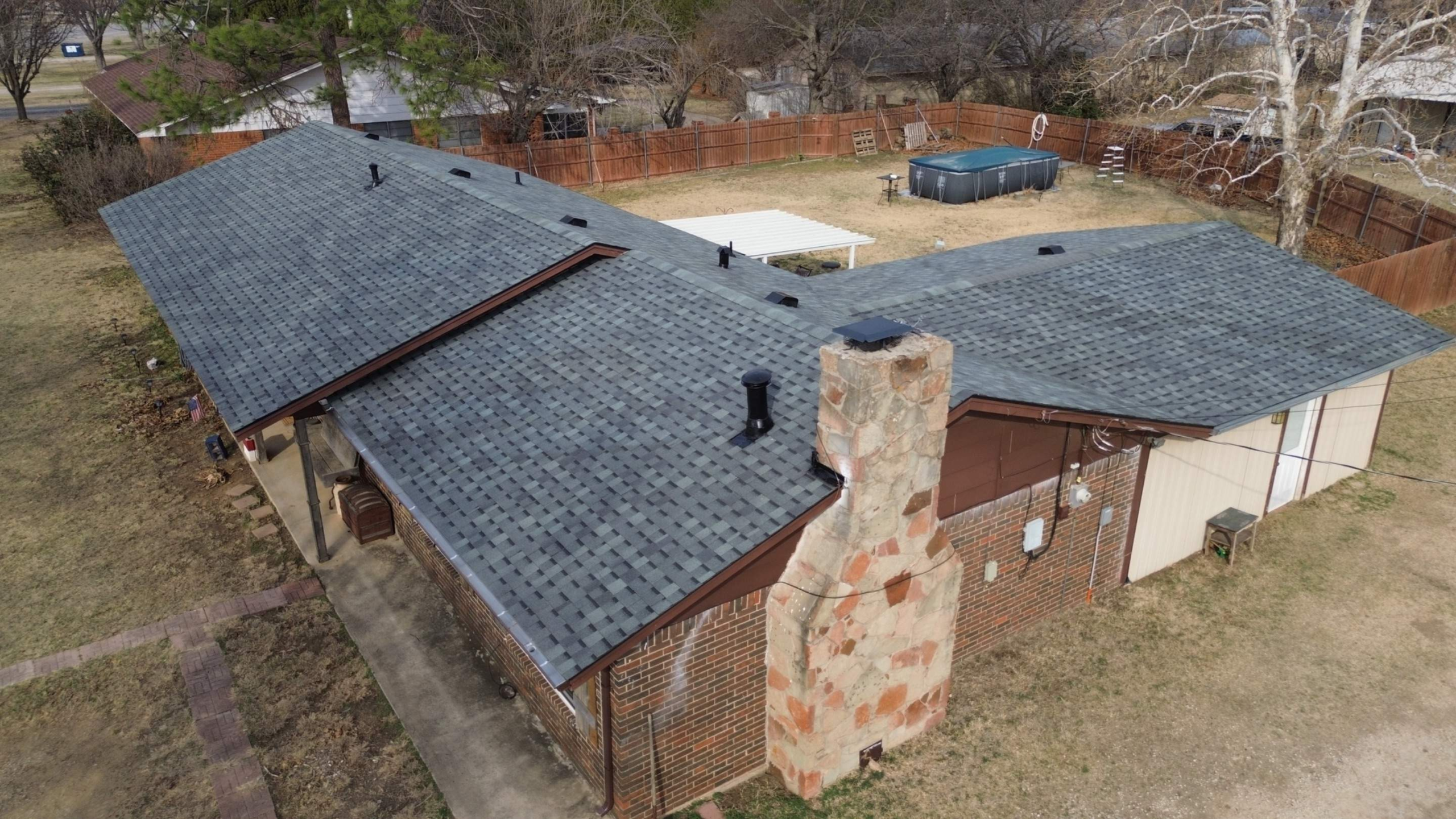
A professional roof inspection is one of the most important steps in replacement planning. The inspection should evaluate more than visible membrane damage because important problems can exist below the roof surface. A thorough assessment can help establish the replacement scope and reduce surprises after demolition begins.
The inspection should examine the membrane or existing roofing surface, seams, flashing, penetrations, perimeter details, drainage components, rooftop equipment, and visible areas of deterioration. Previous repairs should also be documented because repeated repairs can reveal locations where the existing system has persistent problems.
The roof’s drainage performance deserves particular attention. Standing water, blocked drains, damaged scuppers, inadequate slopes, or other drainage deficiencies can contribute to premature deterioration. If drainage problems are not addressed during replacement planning, the new roof may experience similar issues after installation.
The inspector should also review available records. Previous inspection reports, repair invoices, warranty documents, drawings, maintenance records, and information about the existing roofing system can help create a more complete picture. Documentation is especially valuable when the building has changed ownership or facility personnel over time.
Depending on the project, additional investigation may be appropriate. Core samples can help identify the existing roof assembly, insulation layers, and conditions below the surface, while moisture surveys may help identify areas containing trapped moisture. These methods can provide information that a visual inspection alone cannot reveal.
The inspection results should be documented clearly. Photographs, roof plans, identified deficiencies, moisture findings, and recommendations can become important reference materials when developing the replacement scope and comparing contractor proposals.
Evaluating Moisture, Insulation, and Roof Deck Conditions
The condition beneath the visible roofing membrane can significantly affect replacement planning. A roof may appear reasonably intact from the surface while insulation below contains moisture or sections of the deck have deteriorated. Identifying these conditions before replacement helps create a more realistic project scope.
Moisture testing can be particularly useful on large commercial roofs. Depending on the roof assembly and circumstances, contractors may use methods such as moisture scanning or targeted core sampling to identify areas that require additional investigation. Testing should be interpreted by qualified professionals because the appropriate method depends on the roofing system and project conditions.
Insulation should also be evaluated for condition and performance. Wet or damaged insulation may need replacement, while the new system may require additional insulation to meet current project requirements. The amount of insulation work can therefore have a meaningful effect on both project cost and installation planning.
The roof deck should be evaluated as well. Steel, concrete, wood, and other deck types have different characteristics, and deterioration may not be visible until existing roofing layers are removed. If deck repairs are expected, the replacement budget and schedule should account for them.
Businesses should not assume that every hidden condition will be known before construction begins. Even thorough inspections cannot reveal every condition beneath an existing roof. Instead, the goal is to gather enough information to reduce uncertainty and establish reasonable allowances for conditions that may be discovered during replacement.
This evaluation is especially important when comparing contractor proposals. A low initial price may not represent the true project cost if it excludes likely deck repairs, wet insulation removal, drainage improvements, or other necessary work. A detailed scope creates a more meaningful basis for comparing proposals.
Setting a Realistic Commercial Roof Replacement Budget
A commercial roof replacement budget should include more than the cost of the new membrane. Labor, tear-off, disposal, insulation, deck repairs, drainage improvements, equipment coordination, safety requirements, permits, temporary protection, and other project-specific expenses can all affect the final cost.
The first step is to establish the basic project scope. The roof’s size and complexity, existing assembly, access conditions, number of penetrations, perimeter details, and selected roofing system can all influence the estimate. Large or complicated roofs may require additional labor and equipment compared with simpler installations.
The budget should also distinguish between known costs and uncertain costs. Known costs can include measured roof areas, specified materials, planned labor, and agreed equipment requirements. Uncertain costs may include concealed deck deterioration, unexpected moisture, additional repairs, or changes required after demolition.
A reasonable contingency can help the business manage these uncertainties. The appropriate amount depends on the condition of the roof, quality of existing documentation, complexity of the building, and level of investigation completed before construction. Rather than selecting an arbitrary percentage, businesses should discuss potential unknowns with the roofing professional during budgeting.
Other financial factors should be considered as well. A project may require temporary relocation of inventory, changes to operating hours, additional security, after-hours work, or phased construction. These indirect costs can affect the overall business impact even when they do not appear as roofing material expenses.
Businesses should also consider long-term value rather than selecting a replacement solely because it has the lowest initial price. Maintenance requirements, expected service life, energy performance, warranty conditions, and future repair needs can influence the total cost of ownership.
A realistic budget gives decision-makers a clearer understanding of what the project will require. It also makes it easier to obtain appropriate approvals and avoid rushing into a replacement because of an unexpected roof failure.
Choosing the Right Roofing System for the Business
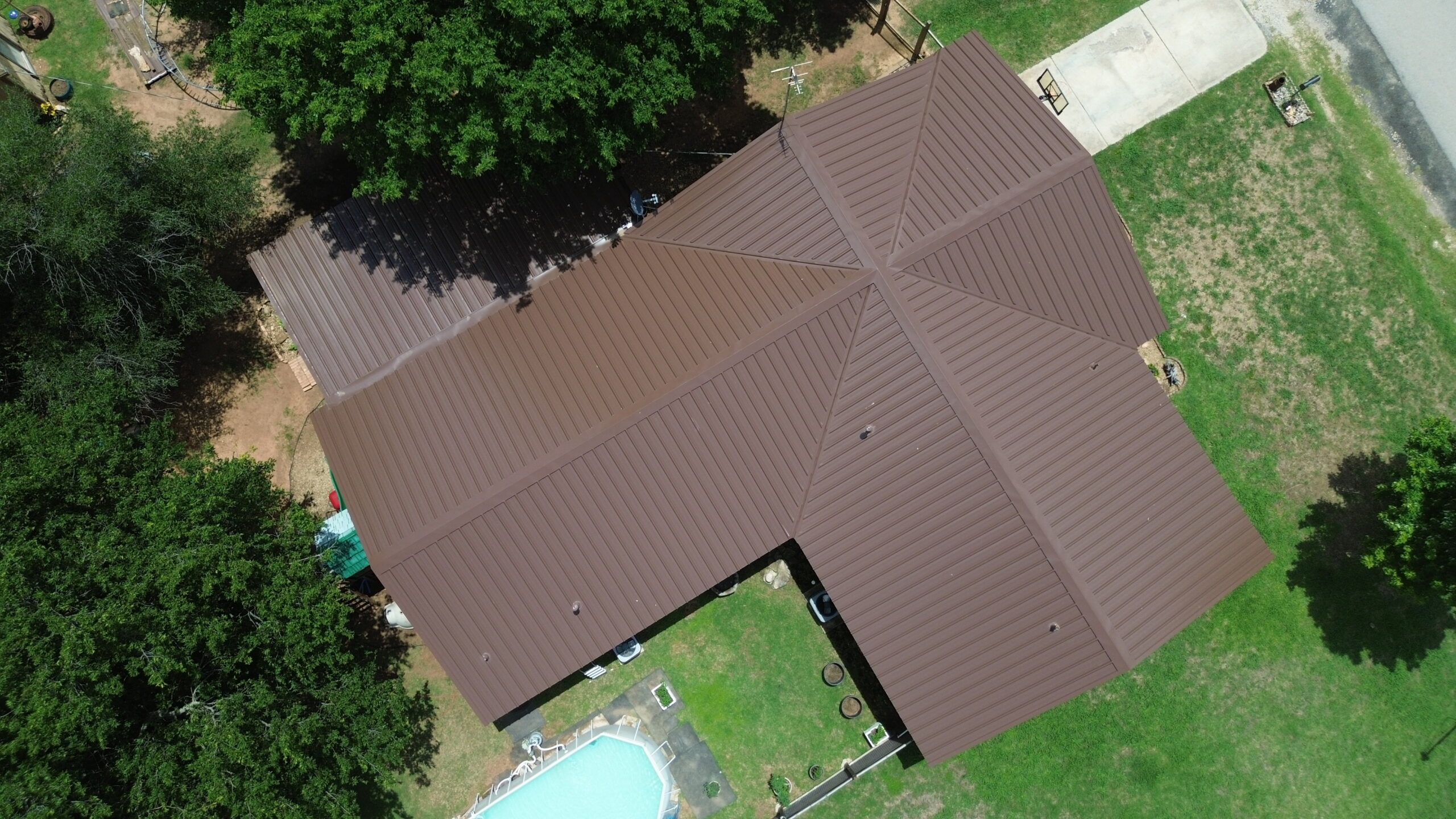
Selecting a roofing system is one of the most important decisions in the replacement process. The appropriate system depends on the building’s structure, climate, roof configuration, business operations, maintenance expectations, budget, and long-term objectives. Common commercial options can include TPO, PVC, EPDM, modified bitumen, built-up roofing, and metal systems, among others.
The business should first identify the conditions the roof must handle. A facility with heavy rooftop equipment and frequent maintenance traffic may have different requirements from a warehouse with limited roof access. Buildings in regions with strong winds, intense sunlight, heavy rainfall, snow, or large temperature changes may also require specific system considerations.
Energy performance can be another factor. Insulation levels, membrane characteristics, roof color, and overall assembly design may affect the building’s thermal performance. These considerations should be evaluated alongside the building’s existing energy strategy rather than treated as separate decisions.
Maintenance requirements should also be discussed. Some systems may require particular inspection or maintenance practices to preserve performance and warranty conditions. The business should understand these obligations before selecting the final system.
The expected ownership period can influence the decision as well. A company planning to occupy the building for many years may prioritize long-term durability and lifecycle value, while a business expecting a shorter ownership period may evaluate the financial decision differently.
Insurance and project-specific requirements should also be confirmed before selecting a system. Some facilities may have requirements related to fire performance, wind resistance, approved assemblies, or other characteristics. Confirming these requirements early can prevent the selection of a system that later requires costly changes.
The goal is not simply to choose the most expensive or most advanced system. It is to select a roofing assembly that fits the building’s actual needs and can be installed and maintained effectively.
Comparing Roof Tear-Off and Roof Recover Options
Another important planning decision is whether the existing roofing system should be completely removed or whether an approved new system can be installed over the existing roof. The appropriate option depends on the condition of the existing assembly, building requirements, manufacturer guidelines, code requirements, and project objectives.
A complete tear-off removes existing roofing materials so the contractor can inspect and prepare the underlying assembly. This approach can provide greater visibility into deck and insulation conditions and allows unsuitable materials to be removed. It can also involve more labor, disposal, equipment, and disruption.
A roof recover may reduce some demolition and disposal requirements when the existing roof is suitable for the proposed system. However, recovery is not appropriate for every building or roof condition. Moisture, structural concerns, excessive existing layers, poor substrate conditions, or other limitations may make a complete tear-off more appropriate.
The decision should be based on the actual roof condition rather than a desire to minimize the initial project price. If an existing assembly contains widespread moisture or deterioration, covering it may simply conceal problems that eventually affect the new roof.
Businesses should ask contractors to explain the advantages, limitations, costs, and long-term implications of each option. Comparing the alternatives as part of the planning process creates a clearer basis for making the final decision.
Planning the Project Around Business Operations
A commercial roof replacement can affect daily business activities, so operational planning should begin well before installation. The project may involve noise, material deliveries, rooftop equipment movement, restricted access, temporary parking changes, odors, or work around occupied spaces.
The first step is to identify business activities that cannot easily be interrupted. Manufacturing processes, customer service areas, medical operations, warehouse loading, sensitive equipment rooms, and other critical functions may require special scheduling.
The roof can sometimes be divided into phases so that only certain areas are under construction at one time. Phased work can help reduce disruption and allow the business to continue operating while the replacement progresses. The exact approach depends on roof layout, contractor capabilities, weather, and operational requirements.
Communication should also be planned in advance. Employees, tenants, customers, vendors, and building managers may need information about temporary changes to entrances, parking, deliveries, working hours, or access routes. Clear communication can prevent confusion once construction begins.
The business should also consider how inventory and sensitive equipment will be protected. Areas directly below active roofing work may require additional precautions against dust, vibration, moisture, or falling debris.
A replacement project should ultimately support the business rather than unnecessarily interfere with it. By considering operations during the planning stage, owners can work with contractors to establish a schedule and installation strategy that balances roofing needs with business continuity.
Selecting and Evaluating a Commercial Roofing Contractor
Choosing the right commercial roofing contractor is one of the most important decisions in a roof replacement project. A qualified contractor should have experience with similar commercial properties, the selected roofing system, project size, and installation conditions. Businesses should look beyond the lowest price and evaluate whether the contractor has the skills and resources required to complete the project properly.
The evaluation process should include reviewing licensing, insurance, relevant certifications, references, previous commercial projects, and available warranties. Businesses can also ask for examples of projects involving similar roof types or buildings. This helps confirm that the contractor understands the specific challenges associated with the planned replacement.
A detailed proposal is another important factor. The proposal should clearly explain the roofing system, materials, installation methods, preparation work, disposal procedures, expected schedule, and responsibilities of each party. Vague proposals can make it difficult to compare contractors because important work may be excluded or described differently.
Communication should also be considered during contractor selection. A roofing project can last for weeks or longer, and unexpected conditions may require decisions during construction. A contractor that communicates clearly about schedules, changes, site conditions, and progress can make the overall process easier for the business owner.
Businesses should also verify who will actually perform the work. Some contractors may use subcontractors for portions of a project, so the owner should understand who will be responsible for installation and supervision. Clear responsibility helps reduce confusion if questions arise during construction.
The final selection should balance experience, quality, communication, project planning, and price. A contractor that provides a complete and realistic proposal may offer greater value than one that simply presents the lowest initial number.
Developing a Detailed Roof Replacement Scope
Before construction begins, the project should have a clearly defined scope of work. The scope explains what will be removed, repaired, installed, protected, and completed as part of the replacement. A detailed scope reduces misunderstandings and provides a useful reference when reviewing contractor proposals.
The scope should identify the existing roofing system and the planned replacement assembly. It should explain whether the project includes complete tear-off, partial removal, recovery, insulation replacement, cover boards, membrane installation, flashing, edge systems, and other components.
Deck repairs should also be addressed. If the condition of the deck cannot be determined until demolition, the project documents can establish how concealed damage will be handled. This may include agreed repair procedures or unit pricing for additional work.
Drainage improvements should be included where necessary. Drains, scuppers, gutters, and other water management components should be clearly identified if they are being repaired or replaced. Leaving drainage work unclear can create disagreements during construction.
Rooftop equipment and penetrations should also appear in the scope. HVAC curbs, pipes, vents, skylights, electrical components, and other features may require flashing or coordination. The contractor should understand which equipment will remain, move, or be replaced during the project.
A clear scope should also define cleanup and disposal responsibilities. Businesses should know who will remove old roofing materials, where waste will be stored, and how the property will be restored after construction.
Planning Materials, Equipment, and Site Logistics
Commercial roof replacement requires careful logistics because roofing materials are often bulky and heavy. The project team should determine how materials will arrive at the property, where they will be stored, and how they will reach the roof.
Material delivery may involve large trucks, cranes, hoists, or other equipment. The business should identify areas where these activities can occur without unnecessarily blocking entrances, loading zones, parking spaces, or emergency access.
Roofing materials should be stored according to manufacturer recommendations. Membranes, insulation, adhesives, fasteners, and other products may have specific requirements for protection from moisture, excessive temperatures, or physical damage.
The roof structure should also be considered when materials are staged. Large quantities of roofing products should not simply be concentrated in one area without considering temporary loading requirements. The contractor should plan material placement appropriately for the building.
Equipment logistics should include more than material lifting. The project may require dumpsters, lifts, generators, safety equipment, temporary barriers, and other construction resources. Each item needs an appropriate location so the site remains organized.
The contractor and property owner should also discuss how deliveries will affect normal operations. If the building receives regular shipments, construction vehicles should be scheduled around important delivery periods when possible.
Good logistics planning can reduce unnecessary movement and delays. When materials and equipment are positioned strategically, workers can spend more time performing installation work and less time transporting products around the property.
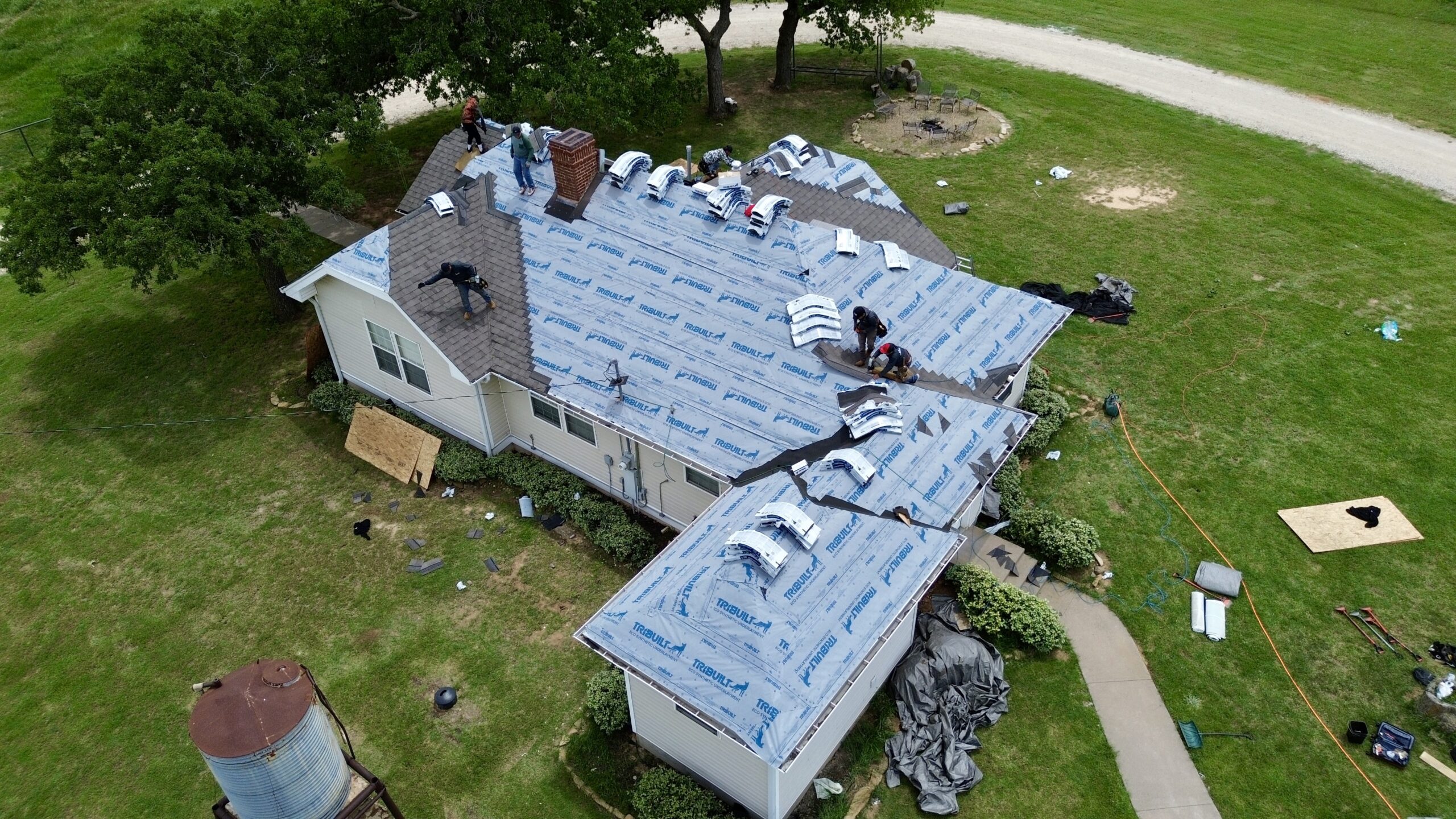
Creating a Realistic Commercial Roof Replacement Schedule
A commercial roof replacement schedule should account for more than the estimated number of installation days. Preparation, demolition, material delivery, inspections, weather delays, equipment coordination, cleanup, and final detailing can all influence the overall timeline.
The schedule should begin with pre-construction activities. These can include permits, material ordering, site preparation, contractor mobilization, equipment delivery, and coordination with building personnel. Delays in these areas can affect the start of actual roofing work.
The installation sequence should also be divided into manageable stages. Large commercial roofs may be completed in sections rather than all at once. This can reduce the amount of exposed roofing and make it easier to maintain temporary protection.
Weather should be considered when developing the schedule. Rain, strong winds, extreme temperatures, or other conditions can prevent certain roofing activities from proceeding. A realistic schedule should include enough flexibility to accommodate normal weather interruptions.
Business operations can influence working hours as well. Some properties may permit normal daytime construction, while others may require evening, weekend, or phased work. These requirements should be established before the contractor creates the final schedule.
The owner should also understand that the planned completion date may change if concealed damage is discovered. Unexpected deck repairs, wet insulation, material delays, or other conditions can extend the project. Maintaining communication throughout construction helps the business understand why schedule adjustments occur.
Preparing the Building and Rooftop Before Work Begins
The building should be prepared before the roofing contractor mobilizes for major installation work. Preparation can include clearing access routes, protecting sensitive interior areas, relocating equipment or inventory, and establishing construction zones.
The rooftop should be inspected and cleared of unnecessary items. Equipment that needs to remain on the roof should be identified and protected. Any planned mechanical, electrical, or communication work should be coordinated before the roofing crew begins.
Interior areas below active roofing work may require additional protection. Depending on the project, demolition and installation can create noise, dust, vibration, or temporary exposure to moisture. Sensitive equipment and valuable inventory should be identified in advance.
Ground-level areas also need preparation. Construction vehicles, dumpsters, material deliveries, and lifting equipment can affect parking and pedestrian routes. Appropriate barriers and signs can help separate construction activities from normal building traffic.
The building owner should also identify emergency access requirements. Construction equipment should not block emergency routes, fire access, or critical building entrances.
A prepared site helps the contractor begin work efficiently. It also reduces the possibility that construction will be delayed because the building was not ready for the planned activities.
Planning for Weather, Safety, and Temporary Protection
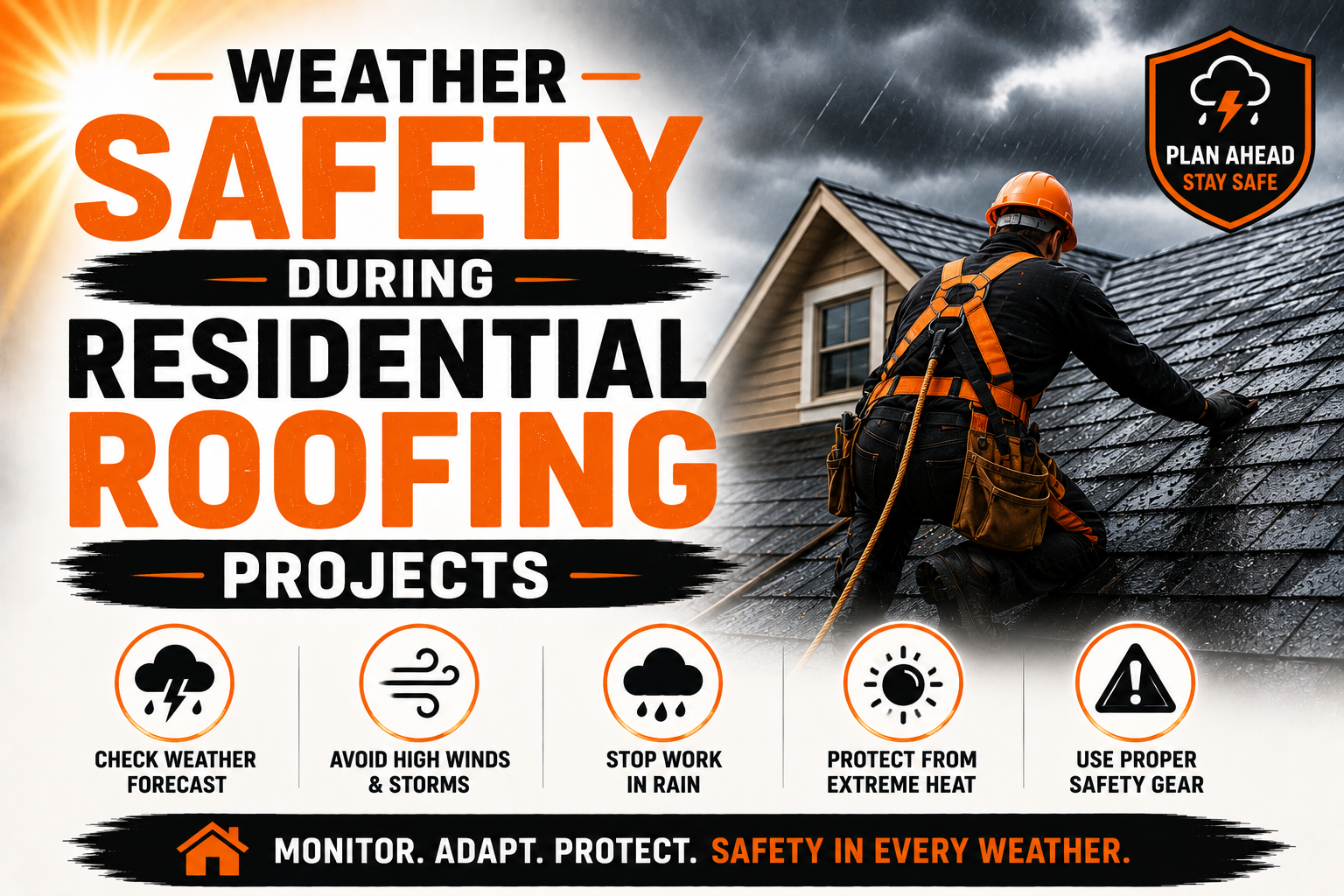
Weather planning should be part of every commercial roof replacement project. Once the existing roofing system is removed, portions of the building may become temporarily vulnerable to rain and other conditions. The contractor should have a clear plan for protecting exposed areas.
Rain can interfere with installation and create moisture-related problems. Temporary waterproofing should be available when needed, and drainage paths should remain open. If an exposed section cannot be safely completed before bad weather arrives, it should be secured appropriately.
Wind can create another significant concern. Membranes, insulation boards, packaging, and other materials may be difficult to control during strong conditions. Materials should be secured, and rooftop work should be adjusted when conditions become unsafe.
Worker safety should remain a priority throughout the project. Roofing crews work around elevated edges, openings, heavy materials, equipment, and changing weather. Appropriate access controls, fall protection measures, work-zone management, and emergency procedures should be established before installation.
The business should also understand that a weather-related delay can sometimes protect the roof investment. Continuing installation under unsuitable conditions may create problems that are much more expensive to correct later.
Temporary protection should be inspected after significant weather events. The contractor should confirm that coverings remain secure, drains are clear, materials have not shifted, and unfinished areas remain suitable for continued work.
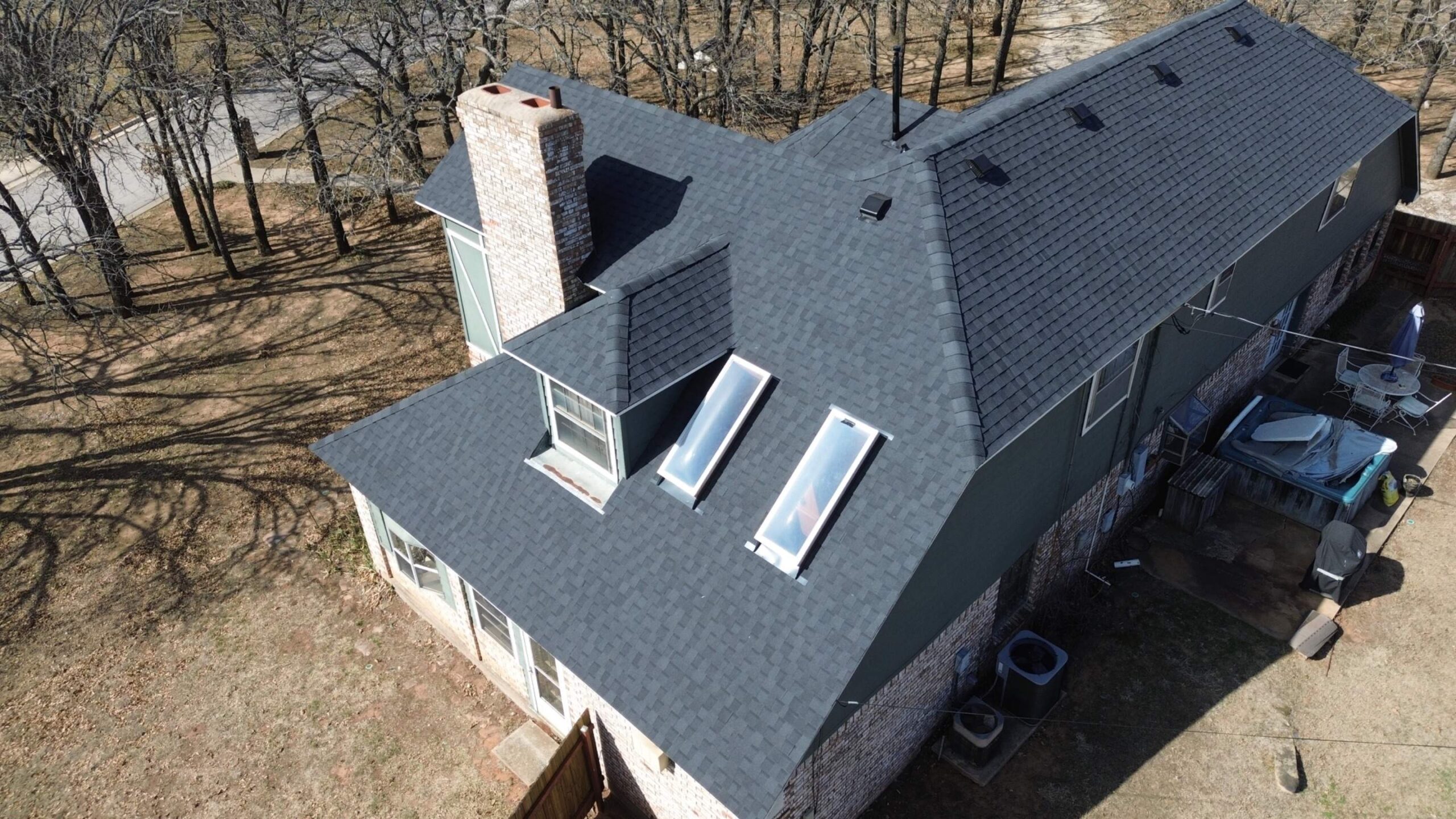
Managing Employees, Tenants, Customers, and Building Access
Commercial properties often remain operational during roof replacement, making occupant management an important part of planning. Employees, tenants, customers, vendors, and visitors may all be affected by construction activities.
The business should identify which entrances and pathways will remain available during construction. If a main entrance or loading area must be temporarily restricted, alternative routes should be established and communicated before work begins.
Noise can also affect employees and customers. Demolition, fastening, material cutting, and equipment operation may create significant sound. When possible, disruptive activities can be scheduled during periods when fewer people are present.
Deliveries may require additional coordination. Roofing materials and construction equipment can occupy areas normally used by business vehicles. A temporary delivery plan can prevent conflicts between roofing operations and normal business logistics.
Tenants should receive clear information about the expected schedule and potential disruptions. They should understand that roofing work may move from one section of the building to another and that conditions can change as the project progresses.
Sensitive business activities may require specialized planning. Facilities with manufacturing equipment, laboratories, medical services, data systems, or other critical operations may need additional controls for vibration, dust, moisture, temperature, or access.
A strong occupant-management plan helps the business continue operating while the roof is replaced. It also reduces confusion by giving people clear information about where construction will occur and how temporary changes will be handled.
By this stage, the project should have a qualified contractor, a defined scope, organized logistics, a realistic schedule, a prepared building, and clear safety and occupant procedures. The final planning stage will focus on permits, warranties, rooftop systems, quality control, unexpected conditions, closeout documentation, and long-term maintenance.
Reviewing Permits, Codes, Insurance, and Warranty Requirements
Before commercial roof replacement begins, the project team should confirm applicable permits, building requirements, insurance requirements, and roofing warranty conditions. These requirements can vary according to the building, location, roofing system, project scope, and local regulations. Addressing them early helps prevent administrative delays after materials and crews have already been scheduled.
The building owner and contractor should determine which permits or approvals are required for the planned work. Some projects may involve inspections during construction, while others may require documentation related to structural changes, fire performance, energy requirements, or other building considerations. The contractor should coordinate these requirements with the appropriate authorities.
Insurance should also be reviewed before work begins. The contractor should maintain appropriate coverage for the project, while the property owner should understand how existing property insurance applies during construction. Any special requirements related to cranes, hot work, occupied buildings, or other activities should be addressed before mobilization.
Warranty requirements deserve careful attention because they can affect material selection and installation procedures. Manufacturers may specify approved materials, installation methods, contractor qualifications, inspections, or maintenance requirements. The project team should understand these conditions before selecting the final roofing assembly.
The owner should also distinguish between manufacturer warranties and contractor workmanship warranties. They can address different aspects of the completed roof and may have different terms and conditions. Understanding what each warranty covers can help the business make informed decisions about long-term protection.
Keeping copies of permits, warranty documents, product information, and inspection records creates a useful project file. These documents can become important references during future repairs, inspections, maintenance, or warranty questions.
Coordinating Rooftop Equipment and Building Systems
Commercial roofs often support equipment and systems that cannot simply be ignored during replacement. HVAC units, vents, pipes, electrical conduits, communication equipment, solar components, skylights, and other penetrations must be coordinated with the new roofing system.
Before work begins, the building owner should identify equipment that will remain in place and equipment that may need replacement or relocation. Completing related mechanical or electrical work before the new roof is installed can sometimes reduce the need to disturb the finished roofing system later.
HVAC coordination is particularly important. Roofing crews need access around equipment curbs to install insulation, membrane, and flashing correctly. Mechanical contractors may also need access for repairs or replacements, so scheduling should be coordinated between trades.
Electrical and communication systems should be protected throughout the project. Workers should know where cables, conduits, and sensitive equipment are located before demolition and material handling begins. Proper planning reduces the risk of accidental damage.
Roof penetrations should be documented before installation. Each penetration creates a potential transition point that requires appropriate waterproofing. The contractor should use compatible flashing and detailing methods for the selected roofing system.
If solar panels or other rooftop installations are planned, they should be considered during roof replacement planning. Installing equipment without considering future roof access can complicate maintenance and repairs. Coordinating these systems early can create a more practical long-term building plan.
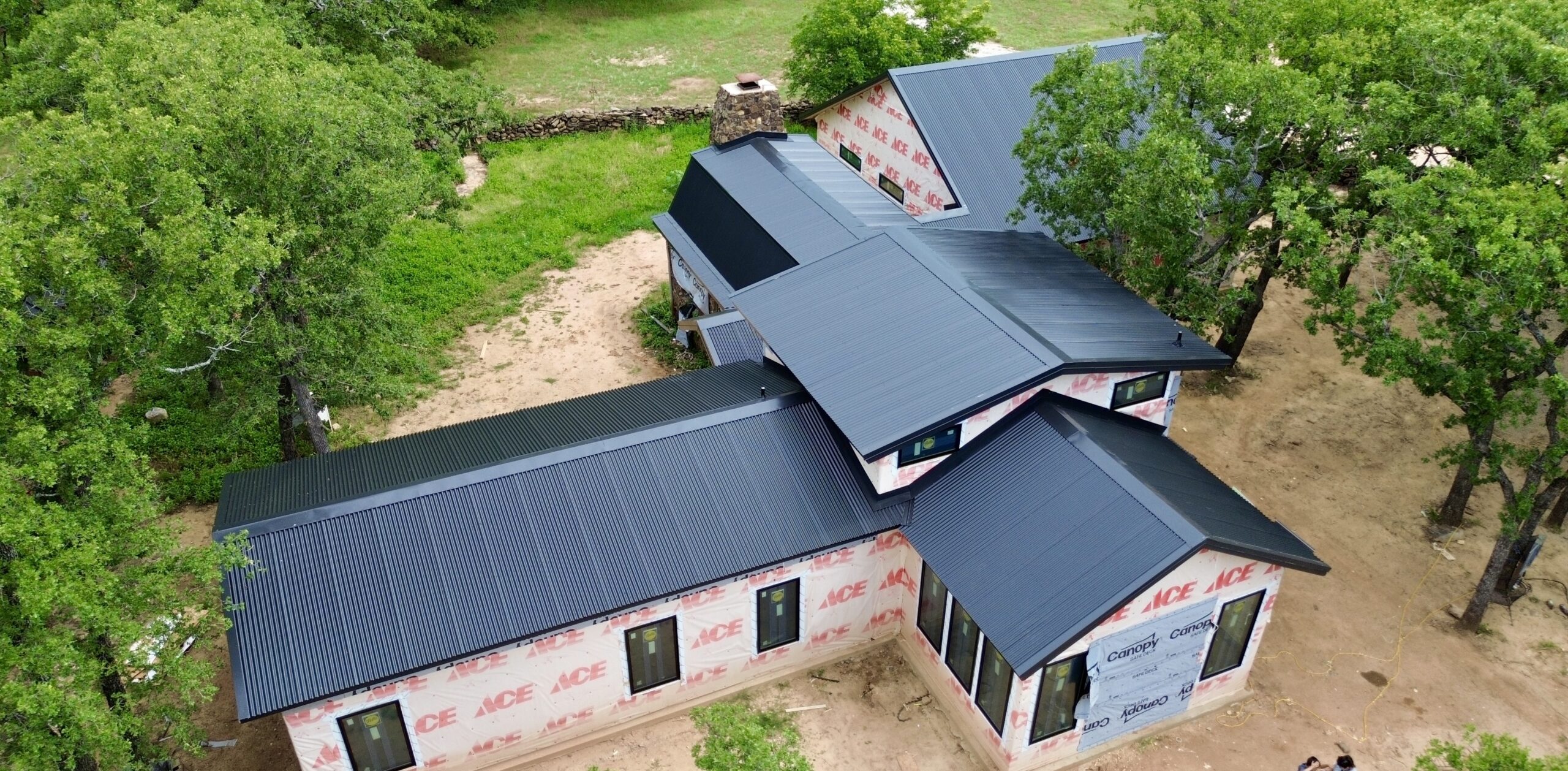
Establishing Quality Control During Roof Replacement
Quality control should be built into the replacement project from the beginning rather than reserved for the final inspection. The contractor should establish procedures for checking the roof deck, insulation, membrane attachment, seams, flashing, drainage, perimeter details, and other critical components.
Inspections should occur as work progresses. Completed sections can be reviewed before the crew moves too far ahead, allowing problems to be corrected while they are still accessible. This approach is generally more efficient than discovering defects after the entire roof has been installed.
The installation should follow the approved roofing system and manufacturer requirements. Materials should not be substituted casually, and installation techniques should remain consistent with the selected assembly. Any approved changes should be documented so that the project records remain accurate.
Seams and flashing require particular attention because they are important parts of the waterproofing system. Inspectors should verify that these areas are properly completed and that visible defects are corrected promptly.
Drainage should also be checked throughout the project. Drains, scuppers, gutters, and other water paths should remain clear during construction. Once the roof is complete, the drainage system should be inspected again to confirm that water can move away from the building properly.
Documentation strengthens the quality-control process. Photographs, inspection notes, material records, testing information, and corrective-action records can provide a useful history of how the roof was installed.
Managing Unexpected Damage and Change Orders
Even a carefully planned replacement project can uncover unexpected conditions. Once existing roofing materials are removed, the contractor may find deteriorated decking, wet insulation, structural damage, hidden penetrations, or previous repairs that were not visible during the initial inspection.
The contractor should evaluate unexpected conditions before covering them with new roofing materials. If damaged decking is left beneath a new assembly, the problem may become difficult to access and could affect the long-term performance of the roof.
When additional work is required, the business owner should receive clear information about the issue. Photographs, descriptions, proposed repairs, and cost implications can help the owner understand why the change is necessary.
Change orders should clearly identify what additional work will be performed and how it affects the project cost or schedule. This helps prevent misunderstandings between the contractor and property owner.
Not every unexpected condition requires a major change to the project. Some issues may be minor and can be addressed within the existing scope, while others may require additional materials, labor, engineering, or approval.
The key is to maintain communication. A well-managed project does not assume that unexpected conditions will never occur. Instead, it establishes a process for identifying, documenting, evaluating, and resolving them without compromising the quality of the new roof.
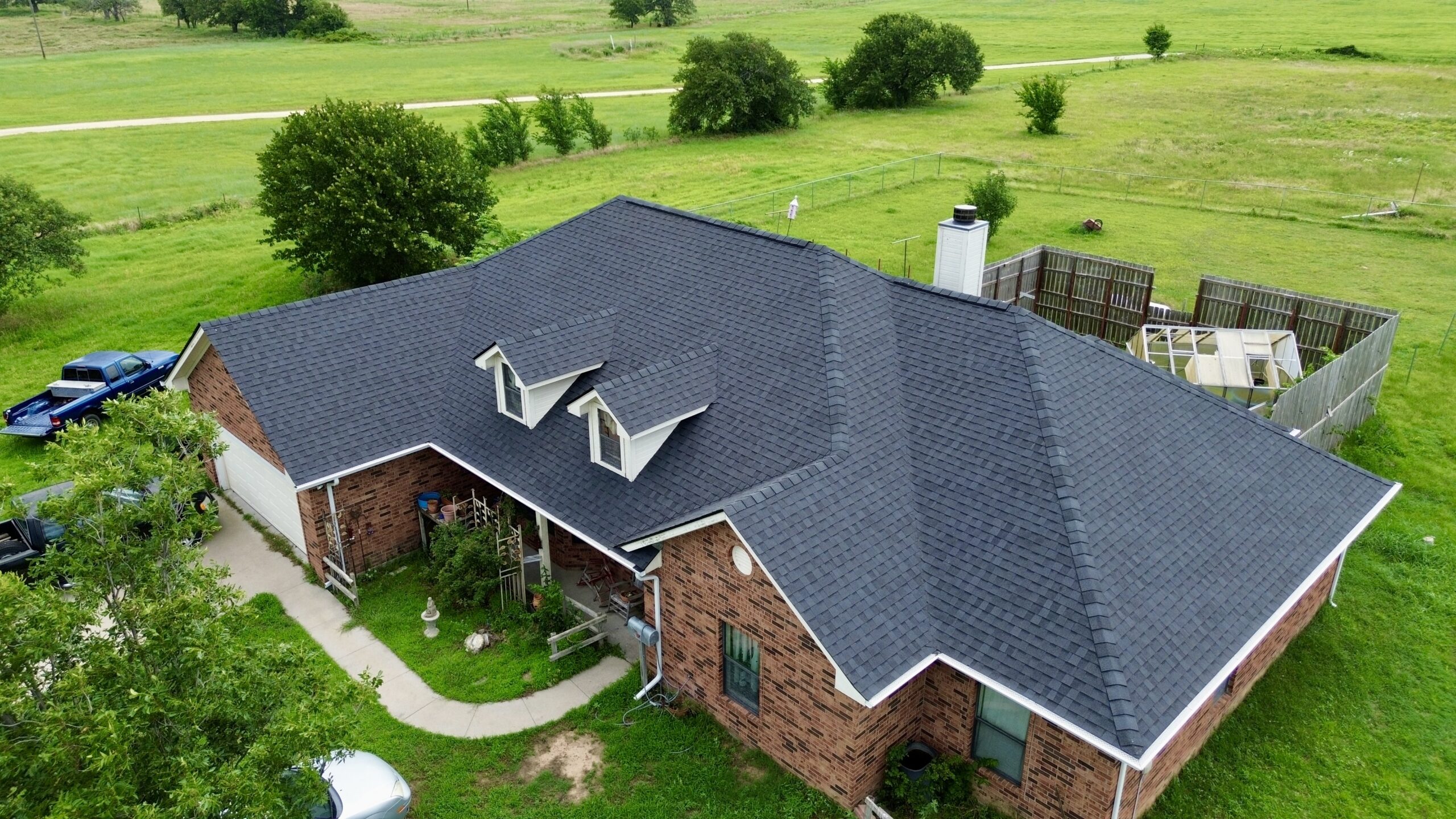
Planning Final Inspection and Project Closeout
When installation is substantially complete, the project should move into the final inspection and closeout stage. This is when the contractor and building owner verify that the agreed scope has been completed and that remaining issues are addressed.
The final inspection should examine the roof surface, seams, flashing, penetrations, perimeter details, drains, equipment transitions, and other important components. The roof should also be checked for visible damage or construction debris.
Cleanup is an important part of closeout. Old roofing materials, packaging, tools, temporary protection, and construction equipment should be removed from the property according to the agreed project requirements.
The owner should also confirm that rooftop access points and surrounding property have been restored. Parking areas, loading zones, sidewalks, landscaping, and building entrances should be inspected for construction-related issues.
Any outstanding deficiencies should be documented and assigned for correction. The project should not be considered fully complete simply because the majority of the membrane has been installed. Small unfinished details can still affect roof performance.
Once final corrections are completed, the owner should receive the appropriate project documentation. This may include warranties, inspection records, product information, photographs, maintenance recommendations, and other closeout materials.
Documenting the New Roof for Future Maintenance
A new commercial roof represents a significant investment, so maintaining accurate records can make future management easier. The building owner should create a permanent roof file containing information about the replacement system and its installation.
Important records may include the roofing system specifications, manufacturer information, warranty documents, contractor contact details, installation dates, inspection reports, photographs, repair records, and maintenance recommendations.
Roof plans can also be useful. Marking the locations of drains, penetrations, HVAC equipment, expansion joints, and other features can help maintenance teams understand the roof layout. This information becomes particularly valuable when future contractors need to perform repairs or install additional equipment.
Photographs taken during installation can provide information about areas that become concealed after construction. Images of deck repairs, insulation placement, flashing details, and other components may help future professionals understand the roof assembly.
Maintenance records should be added to the same file after each inspection or repair. Keeping this information organized makes it easier to identify recurring problems and demonstrate that the roof has been properly maintained.
Good documentation can also support warranty requirements. Some roofing systems require specific maintenance or inspection practices, so maintaining records can help demonstrate compliance with those conditions.
Creating a Long-Term Commercial Roof Maintenance Plan
Roof replacement should not be considered the end of roof management. A maintenance plan should begin soon after installation to protect the new investment and identify developing issues early.
Routine inspections can help identify damaged membrane sections, blocked drains, deteriorated flashing, loose components, or problems caused by rooftop equipment. Inspections are particularly valuable after severe weather or major maintenance activities on the roof.
Drainage systems should remain clear. Leaves, debris, dirt, and construction materials can restrict water flow and contribute to standing water. Regular cleaning and inspection can help maintain proper drainage.
Rooftop traffic should also be controlled. Workers servicing HVAC units, electrical equipment, solar systems, or other components should use appropriate access procedures and avoid unnecessary damage to the membrane.
Repairs should be addressed promptly. A small puncture or damaged flashing detail can become a larger problem if water is allowed to enter the roof assembly repeatedly. Early maintenance can help protect the system and reduce the potential for expensive repairs.
A simple maintenance schedule can include:
- Conduct routine roof inspections and document visible conditions.
- Check drains, scuppers, gutters, and other drainage components.
- Inspect flashing, seams, penetrations, and perimeter details.
- Review rooftop equipment areas for damage caused by maintenance activity.
- Arrange professional repairs when deficiencies are identified.
- Maintain records of inspections, repairs, and warranty-related work.
The maintenance approach should reflect the specific roofing system and manufacturer requirements. Following the recommended procedures can help the business protect both roof performance and warranty coverage.
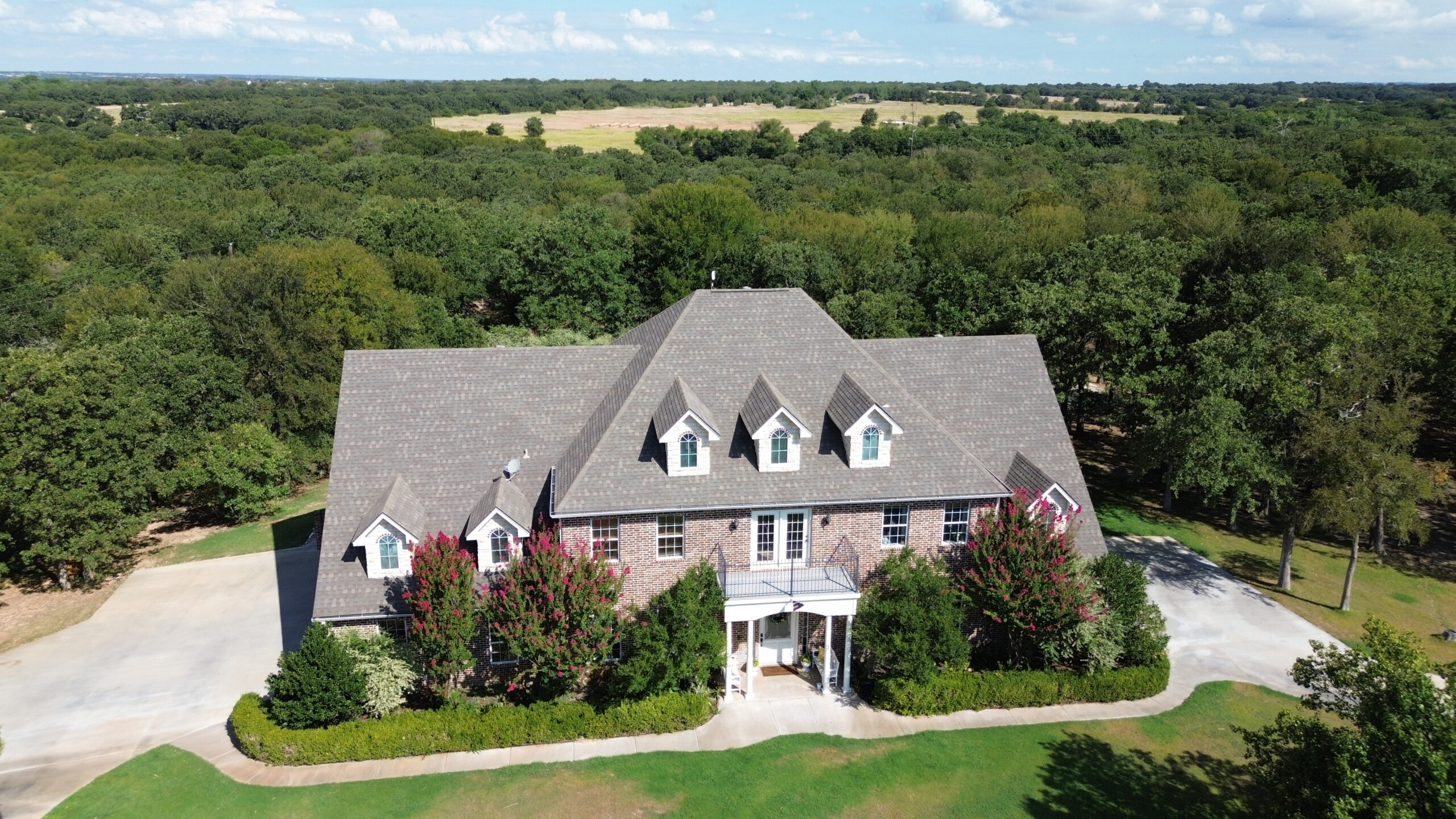
Commercial Roof Replacement Planning Checklist
A well-planned replacement project should address the major decisions before construction begins. Businesses can use the following checklist as a practical planning reference:
| Planning Area | Key Considerations |
|---|---|
| Roof condition | Age, leaks, damage, repairs, drainage, and remaining service life |
| Existing assembly | Membrane, insulation, deck, moisture, and previous roofing layers |
| Replacement system | Material, performance, compatibility, durability, and maintenance |
| Budget | Installation, removal, repairs, equipment, permits, contingency, and operational costs |
| Contractor | Experience, insurance, references, proposal, qualifications, and warranties |
| Schedule | Preparation, material delivery, installation, weather, inspections, and closeout |
| Business operations | Employees, tenants, customers, deliveries, access, and sensitive areas |
| Safety | Work zones, roof access, material handling, weather, and emergency procedures |
| Documentation | Plans, photographs, warranties, inspections, product information, and maintenance records |
Reviewing these areas before signing a final construction agreement gives the business a stronger understanding of the project. It also creates a shared reference for discussions between the property owner, roofing contractor, consultants, and building management team.
The checklist should not replace a professional roof assessment or project-specific specifications. Instead, it can help business owners identify important questions before construction begins and make sure major planning areas are not overlooked.
Conclusion
Commercial roof replacement is a significant project that can affect a business’s finances, operations, employees, property, and long-term maintenance responsibilities. The strongest results begin with careful planning rather than waiting until the existing roof has reached an emergency condition. Evaluating the roof, identifying hidden conditions, selecting an appropriate system, establishing a realistic budget, and choosing a qualified contractor create a solid foundation for the project.
Business owners should also plan beyond installation. Permits, warranties, insurance, rooftop equipment, quality control, unexpected conditions, final inspections, documentation, and ongoing maintenance all contribute to the long-term success of the replacement. Treating these areas as part of one connected process can reduce confusion and help prevent avoidable problems.
Operational planning is equally important for occupied commercial buildings. Coordinating employees, tenants, customers, deliveries, equipment, and access routes allows the business to continue functioning while construction takes place. A phased schedule and clear communication can further reduce disruption when the project is large or complex.
Once the new roof is installed, proper documentation and maintenance become essential. Inspection records, warranty information, photographs, and repair history give the business a useful record of its investment. Regular inspections and timely repairs can also help identify problems before they develop into major failures.
Ultimately, successful commercial roof replacement is not simply about installing new roofing materials. It is about making informed decisions before construction, managing the project carefully during installation, and protecting the new system after completion. With thorough planning, professional coordination, quality control, and long-term maintenance, businesses can create a roofing system that supports the building and its operations for many years.