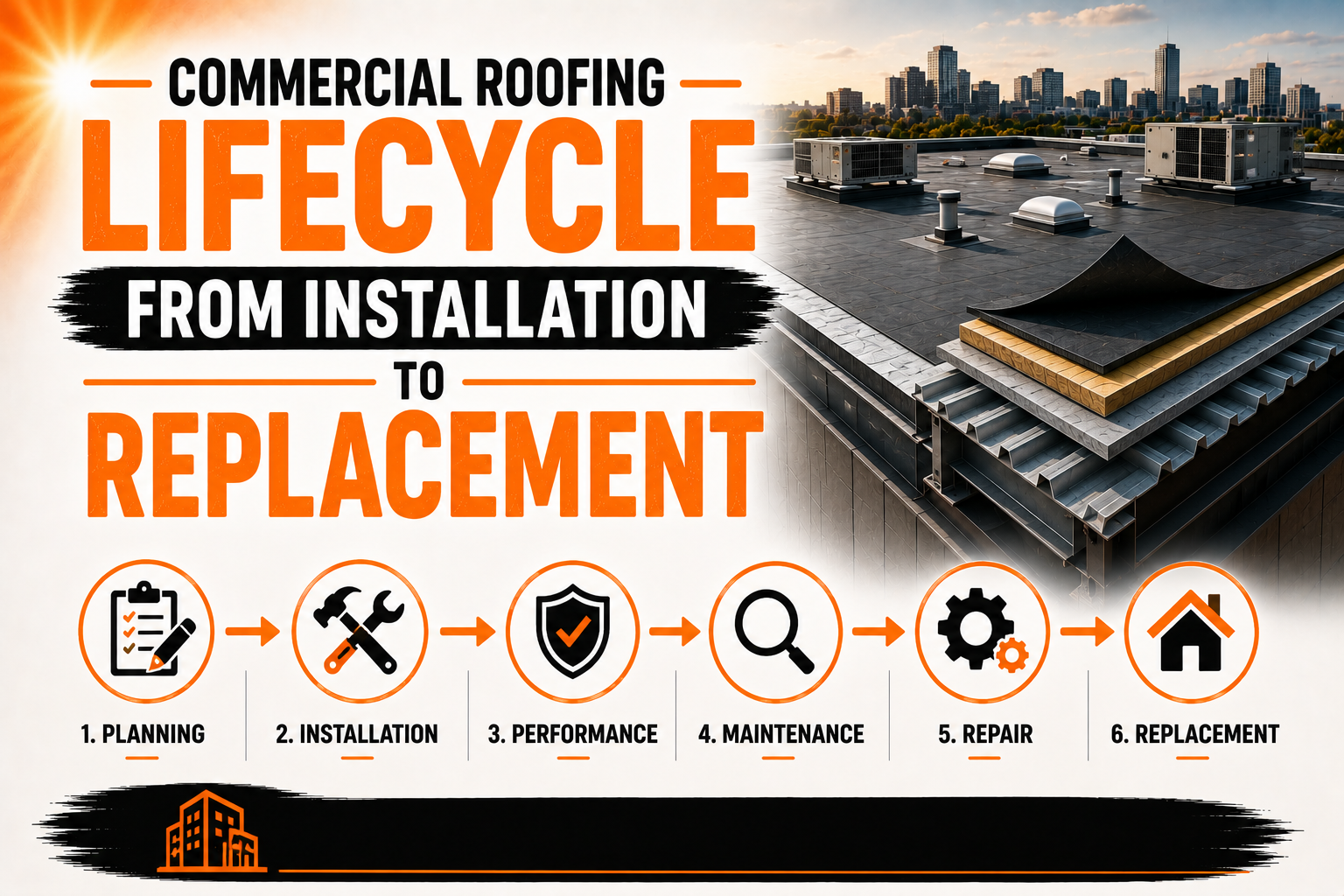
Commercial Roofing Lifecycle From Installation to Replacement
Introduction
A commercial roofing system is a long-term building investment that passes through several stages during its useful life. The process begins well before materials arrive at the property and continues through planning, installation, inspections, maintenance, repairs, restoration, and eventually replacement. Understanding this lifecycle helps property owners make informed decisions instead of waiting until a serious roofing problem disrupts building operations.
Commercial roofs are exposed to weather, rooftop equipment, foot traffic, temperature changes, moisture, and other conditions throughout their service life. Even a high-quality roofing system requires proper installation and ongoing care to maintain its performance. The condition of the roof can also affect the building’s interior, energy use, maintenance costs, and protection of equipment or inventory.
A successful roofing lifecycle starts with careful planning. Property owners need to understand the existing roof condition, building structure, drainage requirements, climate, expected service life, and operational needs before selecting a roofing solution. A roof should be designed around the building rather than choosing a material first and trying to make it fit afterward.
The installation stage is equally important because workmanship can influence long-term performance. Proper preparation, material handling, attachment, flashing, drainage, and quality control all contribute to the reliability of the finished system. Once installation is complete, the roof enters its operational stage, where regular inspections and maintenance become essential.
Eventually, every commercial roofing system reaches a point where repair or restoration may no longer provide the best value. Recognizing the difference between normal aging and serious deterioration allows property owners to plan replacement before emergency conditions develop.
Planning and Assessing the Commercial Roofing Project
The first stage of the commercial roofing lifecycle is planning and assessment. Before selecting materials or scheduling installation, property owners should understand the current condition of the building and determine what the new or replacement roof needs to accomplish.
For an existing property, the process should begin with a detailed inspection. A roofing professional can evaluate the visible membrane, flashing, drainage components, roof edges, penetrations, insulation, and accessible structural elements. The inspection may also identify signs of moisture, ponding, physical damage, deterioration, or previous repairs.
The roof deck is particularly important because it supports the complete roofing assembly. Different buildings may use steel, concrete, wood, or other deck types, and each can have different requirements. If the deck has corrosion, deterioration, moisture damage, or structural concerns, these issues may need to be addressed before the new roof is installed.
Building use should also be considered during planning. An office building may have extensive HVAC equipment, while a warehouse may have a large open roof with limited access. Industrial facilities can have additional exposure to chemicals, mechanical activity, or frequent maintenance traffic.
Climate is another major factor. Rainfall, wind, sunlight, temperature changes, snow where applicable, and severe weather can influence the materials and details selected for the roofing system. A system should be appropriate for the conditions it is expected to experience throughout its service life.
Drainage should receive special attention during the planning stage. Commercial roofs often have low slopes, so drains, scuppers, gutters, and other drainage components need to be positioned and maintained properly. Existing drainage problems should be corrected rather than simply covered by a new roof.
The project budget should include more than the visible roofing material. Costs can involve deck repairs, insulation, flashing, drainage improvements, labor, equipment, disposal, safety requirements, and future maintenance. Considering the complete project helps prevent unexpected expenses later.
Property owners should also define their long-term goals. Some may prioritize lower initial costs, while others may focus on durability, energy performance, reduced maintenance, or longer service life. Clearly identifying these priorities makes it easier to compare suitable roofing systems.
Careful planning establishes the foundation for the rest of the roofing lifecycle. When building conditions and long-term objectives are understood from the beginning, the final roofing system is more likely to provide reliable performance.
Selecting the Right Commercial Roofing System
Once the building and project requirements have been assessed, the next stage is selecting a suitable commercial roofing system. Commercial properties can use various systems, including single-ply membranes, modified bitumen, built-up roofing, metal roofing, liquid-applied systems, spray polyurethane foam, and other specialized solutions.
The correct choice depends on the building rather than on a universally superior material. Roof slope, deck type, climate, drainage, rooftop equipment, expected foot traffic, maintenance capabilities, and budget should all influence the selection.
Single-ply membranes are commonly considered for many low-slope commercial buildings. They can provide a flexible waterproofing layer and may be mechanically attached, adhered, or installed using other approved methods. Different membrane types have different performance characteristics, so product specifications should be reviewed carefully.
Built-up roofing uses multiple layers to create a durable waterproofing assembly. This type of construction may be appropriate for properties where a multi-layer system is desired, although installation can involve more materials and labor.
Modified bitumen systems use asphalt-based membranes that can provide flexibility and weather protection. They can be suitable for various commercial applications and may also be considered for certain restoration projects.
Metal roofing provides another option where durability, appearance, and long-term performance are priorities. Standing seam and other metal systems can be used for appropriate commercial buildings, but thermal movement, flashing, attachment, and corrosion protection require careful consideration.
Liquid-applied systems and coatings can sometimes be used when an existing roof remains suitable for restoration. These approaches can provide additional waterproofing protection without necessarily removing the complete existing assembly. However, serious moisture or structural problems may make restoration inappropriate.
The selection process should compare complete roofing assemblies rather than isolated products. Insulation, vapor control, membrane, flashing, fasteners, drainage, edge details, and protective components all contribute to the finished system.
Property owners should also review warranties and installation requirements before making a final decision. A material warranty does not necessarily cover workmanship or every type of damage. Understanding the conditions associated with a roofing system can prevent misunderstandings later.
Detailed contractor proposals are also valuable. Proposals should clearly describe preparation work, materials, installation methods, insulation, flashing, drainage, cleanup, warranty coverage, and expected project duration.
Choosing the right system establishes the technical foundation for the roof’s lifecycle. A well-matched system can perform effectively for many years, while an unsuitable system may create unnecessary maintenance and replacement challenges.
Preparing the Roof Deck and Building Surface
Preparation is one of the most important stages before commercial roofing materials are installed. Even high-quality roofing products can perform poorly if they are placed over an unsuitable or damaged substrate.
The process begins with removing or preparing existing roofing materials according to the project design. In some cases, the existing roof may be removed completely. In other situations, a compatible existing assembly may remain in place as part of a restoration or replacement strategy.
The roof deck should be inspected carefully during preparation. Areas showing corrosion, deterioration, structural weakness, or moisture damage may require repair. These problems should be resolved before the new roofing assembly is installed.
Surface cleanliness is also important. Dirt, debris, loose materials, moisture, and incompatible substances can interfere with adhesives, fasteners, insulation, and membrane installation. Proper preparation creates a more stable surface for the new roofing components.
Insulation installation requires careful attention as well. Boards should be positioned correctly and secured according to the roofing system requirements. Gaps, damaged boards, excessive movement, or moisture can affect the performance of the finished assembly.
Drainage conditions should also be evaluated during preparation. Existing drains should be checked for blockages or deterioration, while slopes and drainage pathways should be reviewed. If water tends to collect in specific areas, the underlying cause should be addressed as part of the project.
Roof penetrations must be prepared before membrane installation. Pipes, vents, equipment curbs, skylights, and other structures need appropriate detailing so the new waterproofing system can be connected correctly.
The roof perimeter also deserves attention. Parapet walls, edges, coping, gutters, and related components must be prepared so they can integrate with the new roofing system. Weak perimeter details can create problems even when the main roof surface is properly installed.
Weather conditions can influence preparation and installation. Moisture, excessive wind, temperature, or other environmental conditions may affect certain materials and application methods. Contractors should follow manufacturer requirements and appropriate project procedures.
Good preparation may not be visible once the roof is complete, but it has a major effect on long-term performance. Taking shortcuts at this stage can create problems that become expensive to correct after the finished roof is in service.
Commercial Roof Installation Process
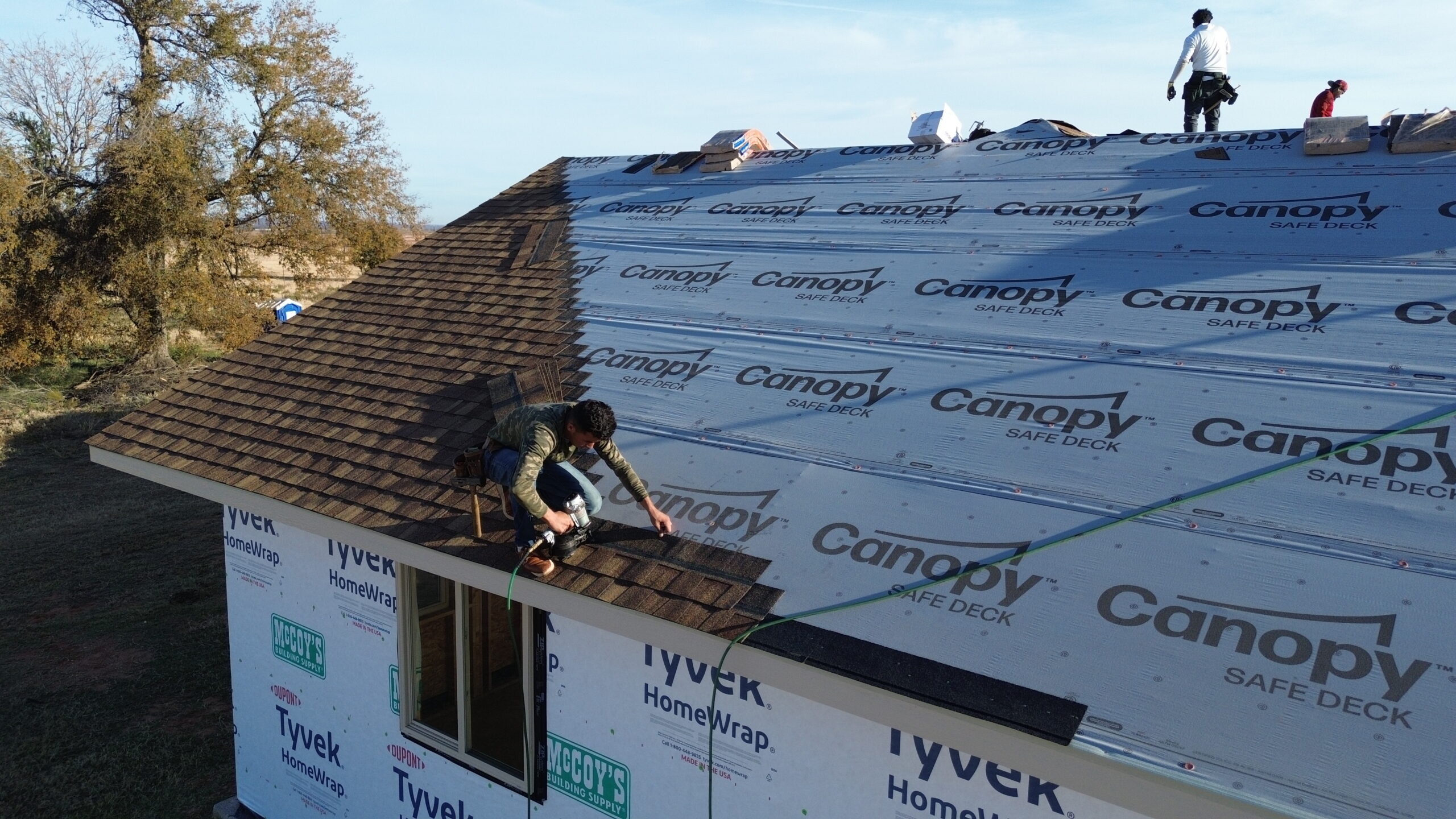
After preparation is complete, the installation stage begins. The exact process depends on the selected roofing system, but the goal is to create a continuous and properly secured assembly that protects the building from environmental exposure.
The installation generally proceeds from the prepared deck through insulation and other underlying components before the primary waterproofing layer is installed. Each layer must be placed according to the design and manufacturer requirements.
Insulation is typically installed over the roof deck and secured using an approved method. Its position and attachment should provide a stable base for the roofing membrane while delivering the intended thermal performance.
The roofing membrane or primary waterproofing material is then installed. Depending on the system, it may be mechanically fastened, adhered, welded, sprayed, or applied using another approved technique.
Seams are especially important because they connect separate sections of membrane or material. Poorly constructed seams can create pathways for water. Installation crews should therefore follow the appropriate procedures for welding, adhesive application, fastening, or other connection methods.
Flashing is installed around penetrations, walls, equipment curbs, edges, and other transitions. These details require careful workmanship because they are among the areas most vulnerable to water intrusion.
Drainage components must remain functional throughout installation. Materials, tools, packaging, and construction debris should not block drains or scuppers. Temporary protection may also be needed during construction to prevent damage to completed sections.
Roof edges require appropriate attachment and detailing as well. Perimeter areas can experience significant wind forces, so the installation must follow the system design for securing the roofing assembly.
Construction traffic should also be controlled. Heavy equipment, sharp materials, and repeated foot traffic can damage newly installed roofing components. Designated access routes and protective measures can help preserve completed areas.
Coordination with other trades is another important part of installation. HVAC contractors, electricians, plumbers, and other workers may need to access the roof during the project. Their work should be coordinated so that completed roofing components are not unnecessarily damaged.
The installation stage transforms the planned design into the actual roofing assembly. Careful workmanship at every layer helps establish the foundation for the roof’s future maintenance, performance, and service life.
Quality Control During New Roof Installation
Quality control continues throughout the installation process rather than beginning only after the roof is finished. Regular checks can identify problems while they are still accessible and easier to correct.
The installation team should verify that materials match the approved project specifications. Roofing products should be stored and handled properly to prevent damage before installation. Materials exposed to moisture or other unsuitable conditions may need to be evaluated before use.
Insulation should be inspected for proper placement and attachment. Damaged or wet sections should not simply be covered without evaluation. A stable and properly prepared insulation layer supports the performance of the membrane above it.
Membrane installation should be monitored for wrinkles, loose sections, damaged surfaces, and improperly completed seams. The specific inspection methods depend on the roofing system, but the objective is to confirm that the waterproofing layer is continuous and secure.
Flashing and penetrations require particularly careful review. These areas involve transitions between different materials and often require specialized detailing. Any visible gaps, loose components, or incomplete connections should be corrected before the project moves forward.
Drainage should be tested or reviewed as appropriate. Drains, scuppers, gutters, and related components should remain unobstructed and properly connected. Water should have a clear path away from the roof surface.
Quality control should also include roof edge inspections. Perimeter details, coping, edge metal, and attachment components should be installed according to the approved design.
Documentation is valuable throughout the process. Photographs, material records, inspection notes, and installation information can provide a useful reference for future maintenance and warranty requirements.
Before final completion, the entire roof should receive a thorough inspection. Any incomplete work, damage, debris, or other concerns should be identified and corrected.
Strong quality control creates a smoother transition from installation to the operational stage of the roofing lifecycle. A carefully installed roof is easier to maintain, inspect, and manage over time, helping property owners protect their investment from the beginning.
Early Roof Performance After Installation
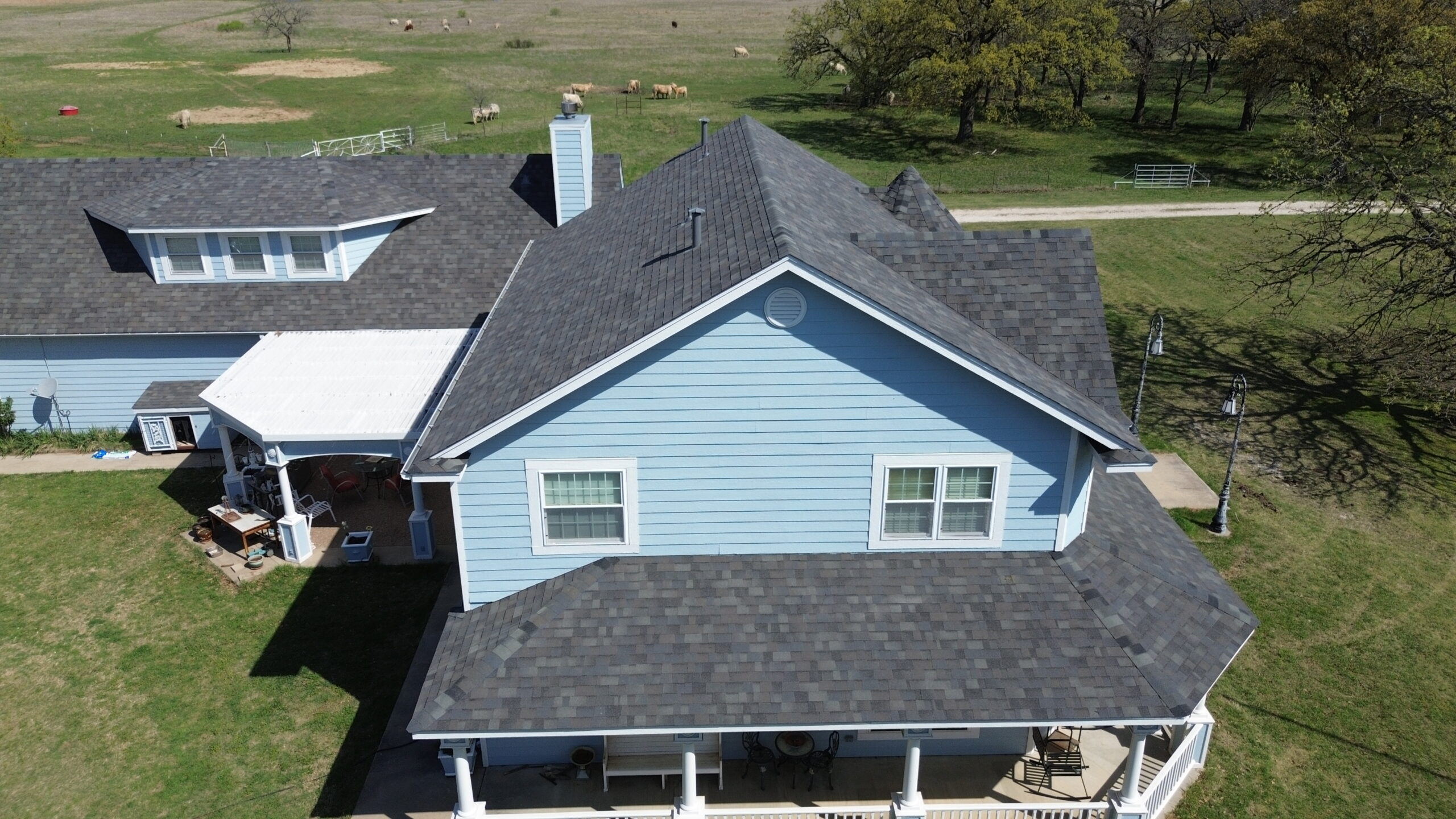
Once a commercial roofing system has been installed and approved, it enters the early operational stage of its lifecycle. This period is important because the building owner begins to observe how the completed roof performs under normal weather, building activity, and maintenance conditions. A new roof should not simply be ignored after installation because early identification of defects can prevent small issues from becoming expensive problems.
The first few months provide an opportunity to establish a baseline for the roof’s condition. Property owners should keep installation records, photographs, material specifications, warranty documents, and inspection reports in an organized location. These records can make future maintenance easier because contractors will have information about the original roofing assembly.
Early inspections can also identify workmanship issues that were not obvious during construction. Problems may include damaged membrane sections, incomplete flashing, blocked drainage outlets, loose components, or areas affected by construction traffic. Addressing these concerns while the project is still recent can be more straightforward than discovering them several years later.
The roof should also be monitored after significant weather events. Strong winds, heavy rainfall, hail, and other severe conditions can affect roofing materials even when the system is relatively new. A post-storm inspection can identify damage before moisture reaches insulation or the building interior.
Building operations can also affect early roof performance. HVAC maintenance, electrical work, plumbing activity, and other rooftop services may involve tools, equipment, and foot traffic. Workers should use designated access routes and follow appropriate precautions to reduce the risk of accidental membrane damage.
Drainage should receive particular attention during the early operating period. Property owners should observe whether water moves toward drains as intended and whether any areas repeatedly retain water. Persistent ponding can indicate an issue that should be evaluated rather than assuming it is normal for the roof.
The condition of rooftop equipment and penetrations should also be documented. If new equipment is installed later, contractors need to understand where waterproofing details are located and how the existing roof assembly is constructed.
A new commercial roof represents a significant investment, so establishing good management habits immediately after installation is valuable. Regular documentation and early inspections create a foundation for the maintenance stage and make it easier to identify changes as the roof ages.
Routine Commercial Roof Inspection and Maintenance
Routine inspection and maintenance are central to the commercial roofing lifecycle because even a properly installed roof is exposed continuously to environmental and operational stress. Regular attention helps identify defects while they are still manageable and can extend the useful performance of the roofing system.
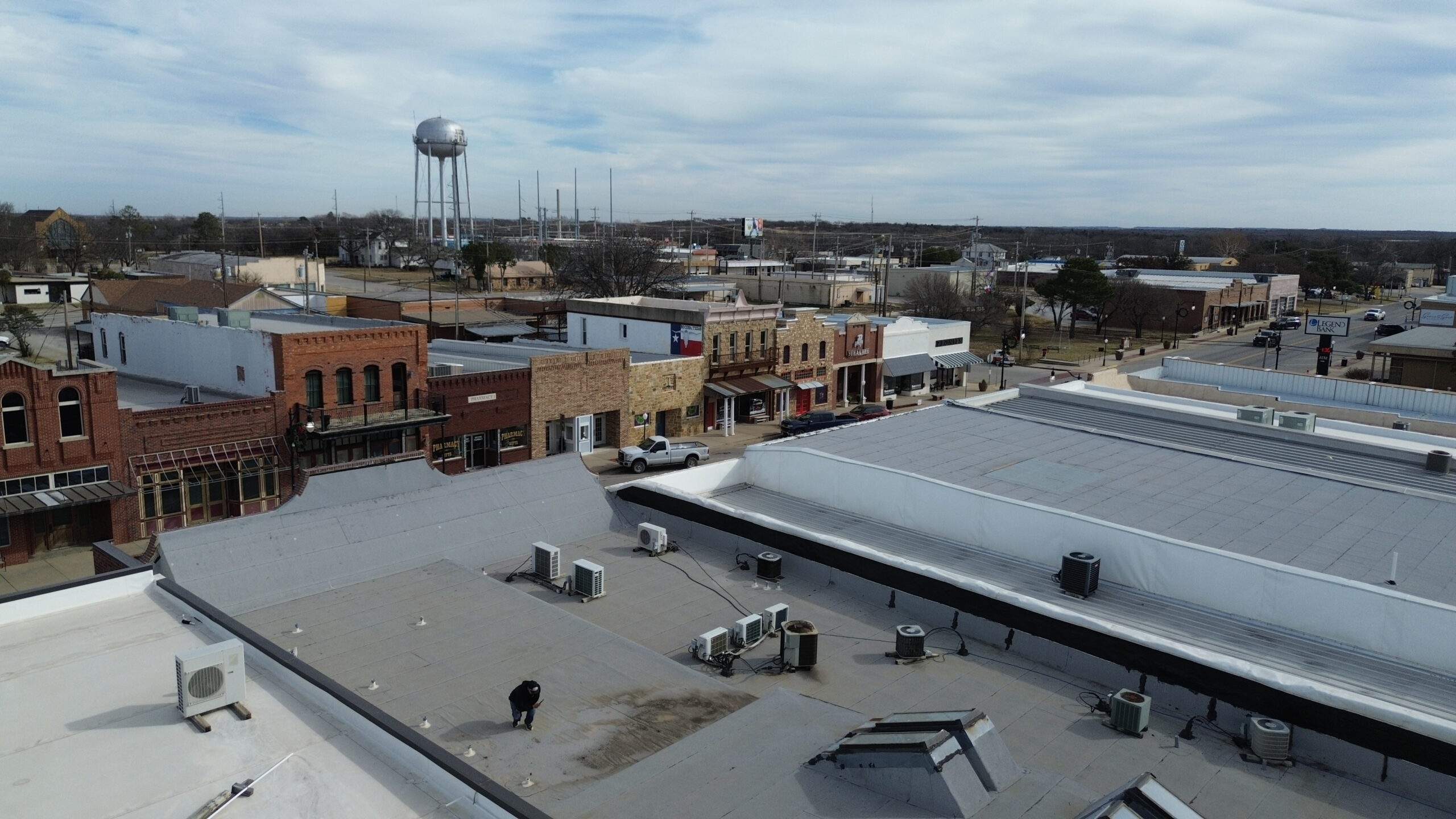
Inspections should examine the roof surface as well as important supporting components. The membrane, seams, flashing, roof edges, drains, gutters, penetrations, equipment curbs, walkways, and visible attachment points should all be considered. The exact inspection process depends on the roofing system and building conditions.
Drainage maintenance is particularly important on low-slope commercial roofs. Leaves, dirt, packaging, branches, and other debris can collect around drains and scuppers, restricting water flow. Keeping drainage outlets clear helps reduce unnecessary water accumulation and protects other roofing components.
Flashing should be checked for signs of cracking, separation, corrosion, movement, or deterioration. Because flashing connects the roof to walls, penetrations, and equipment, a localized defect can create a pathway for moisture even when the main membrane remains in good condition.
Membrane surfaces should also be inspected for punctures, tears, blisters, open seams, surface deterioration, or other changes. Any unusual condition should be documented and evaluated according to the roofing system’s requirements.
Rooftop equipment areas deserve additional attention because maintenance personnel frequently work around HVAC units, vents, pipes, and electrical installations. Tools or equipment can accidentally damage roofing materials, while repeated foot traffic can cause wear in areas without adequate protection.
A maintenance program should also include interior observations. Ceiling stains, damp areas, unusual odors, damaged insulation, or recurring moisture can indicate problems within the roofing assembly. Interior evidence should be investigated rather than assuming the issue is unrelated to the roof.
Property owners should maintain inspection records showing the date, weather conditions, observed defects, photographs, and completed maintenance. These records create a useful history and can help identify whether a problem is isolated or becoming more frequent.
Routine maintenance is generally less disruptive than emergency repairs. By identifying and correcting developing problems early, property owners can reduce the likelihood of extensive damage and make the roof’s lifecycle more predictable.
Managing Repairs and Minor Roofing Problems
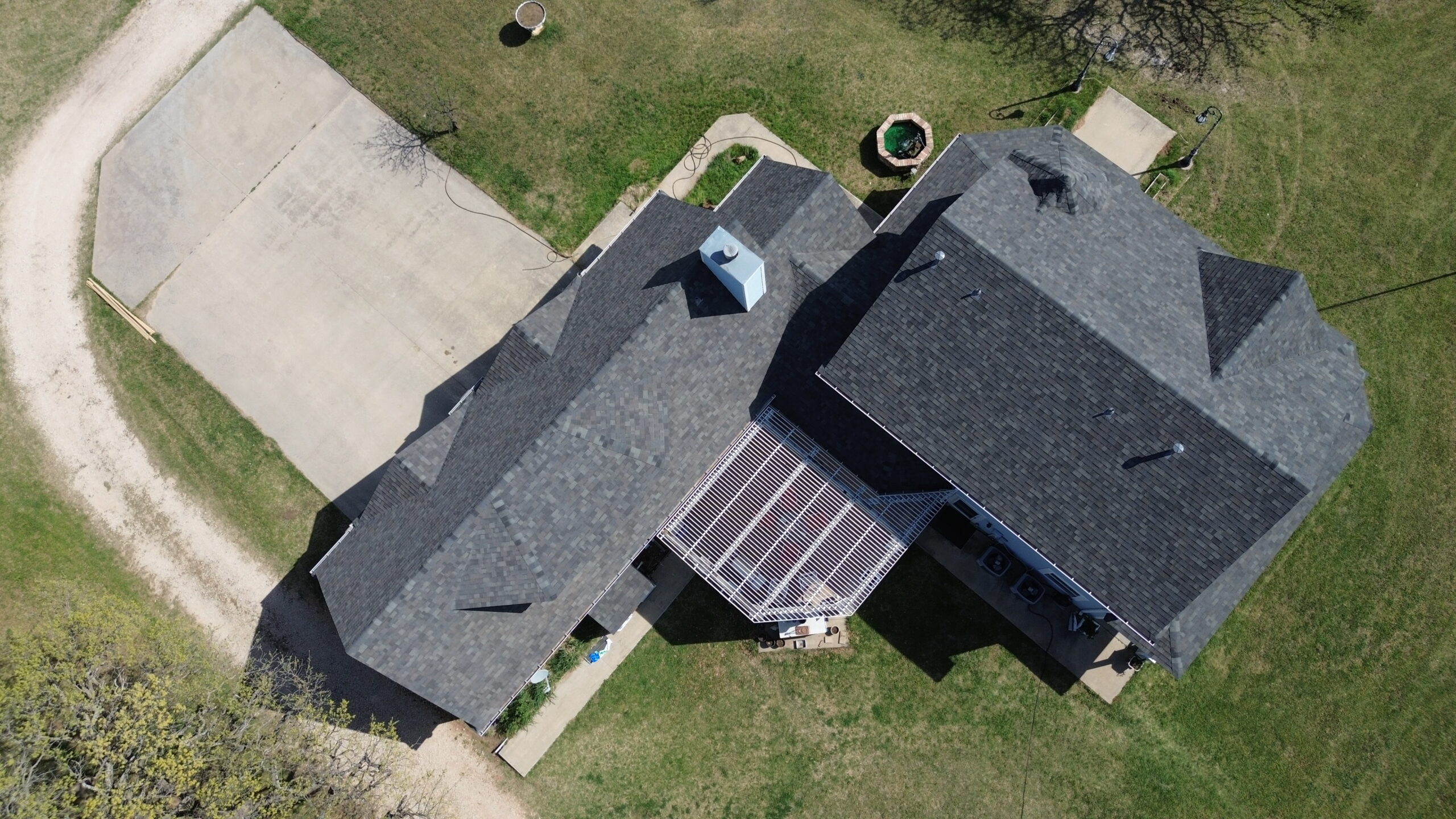
Repairs are a normal part of commercial roof ownership, even when the system has been properly designed and installed. Weather, maintenance traffic, aging materials, building movement, and accidental damage can all create localized problems during the roof’s service life. The key is to address these problems before they become widespread failures.
The first step in managing a repair is identifying the actual cause. A visible tear or leak may not represent the full extent of the problem. Water can travel through roofing layers before appearing inside the building, meaning the location of an interior stain may not match the location where water entered.
Professional assessment can help determine whether a problem is localized or connected to another component. For example, repeated leakage near an equipment curb could result from deteriorated flashing rather than a defect in the main membrane.
Minor membrane damage may sometimes be repaired using compatible materials and approved techniques. The repair method should match the existing roofing system to maintain waterproofing and avoid compatibility problems.
Flashing repairs may involve replacing damaged sections, correcting connections, or addressing deteriorated sealants. Simply applying a new layer of sealant over a failing detail may not provide a durable solution if the underlying component has moved or deteriorated.
Drainage problems should be corrected at their source. Cleaning a blocked drain may solve an immediate issue, but recurring blockage may indicate a drainage design or maintenance problem that requires additional attention.
Fasteners, edge components, protective walkways, and other accessories can also require localized repairs. These components may appear minor, but their condition can influence the performance of the surrounding roof assembly.
Repairs should be documented carefully. Property owners should record what was damaged, where the problem occurred, what materials were used, and whether the underlying cause was identified. This information can become valuable when evaluating the roof’s condition years later.
Repeated repairs in the same area deserve special attention. If a location continues to fail after multiple repair attempts, the problem may indicate deeper deterioration, movement, moisture, or an unsuitable detail. Continued patching may not be the most economical solution.
The goal of repair management is not simply to stop a leak temporarily. Effective repairs should address the underlying problem and preserve the performance of the surrounding roofing system.
Protecting the Roof From Weather and Operational Damage
Commercial roofs face two broad categories of stress throughout their lifecycle: environmental exposure and building-related activity. Protecting the system from both can significantly influence its useful service life. Even durable materials can deteriorate prematurely when they experience unnecessary physical damage or prolonged exposure to avoidable problems.
Weather is an unavoidable part of roof ownership. Sunlight can expose roofing materials to ultraviolet radiation, while temperature changes can cause materials to expand and contract. Rain, wind, hail, and severe storms can place additional stress on membranes, flashing, edges, and other components.
After major storms, the roof should be inspected for visible damage. Strong winds may affect edge components or loose materials, while hail can damage certain roof surfaces. Heavy rainfall may reveal drainage problems that were not apparent during dry conditions.
Debris should also be removed when appropriate. Branches, leaves, construction materials, and other objects can block drainage or cause physical damage. However, debris removal should be performed safely and according to the roofing system’s requirements.
Rooftop maintenance activity is another important source of risk. HVAC technicians, electricians, plumbers, solar contractors, and other workers may regularly access commercial roofs. Establishing designated walkways and service routes can reduce unnecessary traffic across vulnerable areas.
Tools and equipment should not be dragged across membrane surfaces. Sharp objects can puncture roofing materials, while heavy loads can damage insulation or create structural concerns. Contractors working on the roof should understand the importance of protecting the existing assembly.
Temporary construction projects can create additional risks. When other building work is taking place, protective measures may be required to separate roofing materials from construction activity.
Equipment placement should also be reviewed. New HVAC units, generators, solar equipment, or other installations may require supports, penetrations, and additional access. These modifications should be coordinated with roofing professionals to prevent unnecessary damage.
Proper drainage remains one of the most effective forms of weather protection. Keeping drains and scuppers clear reduces the amount of time water remains on the roof and helps protect the membrane and supporting components.
Protecting a commercial roof requires cooperation between property managers, maintenance teams, contractors, and building occupants. Clear procedures for roof access and maintenance can reduce preventable damage and support longer-term performance.
Monitoring Roof Age and Performance
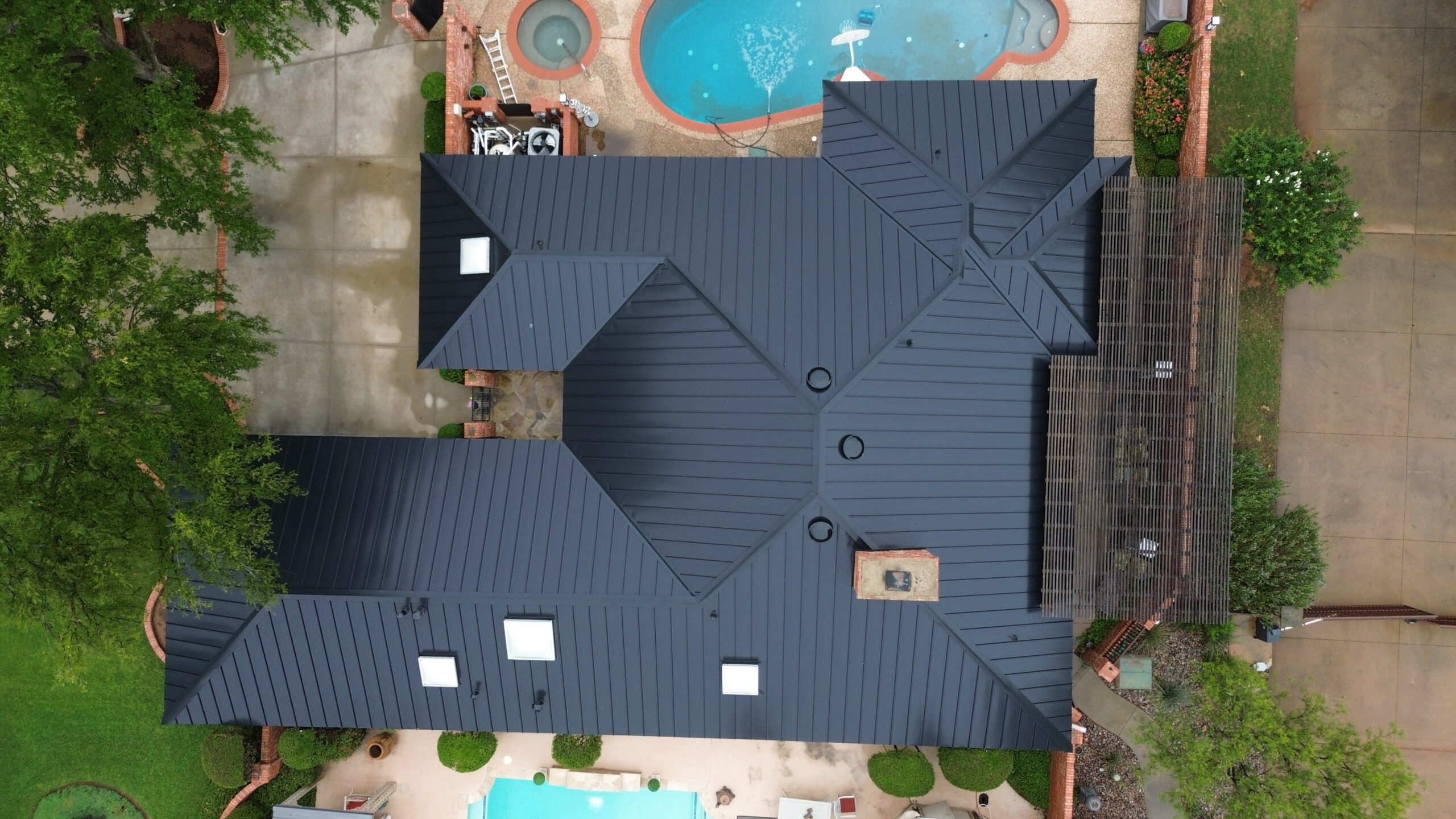
Every commercial roofing system changes as it ages, even when it continues to perform effectively. Monitoring age and performance helps property owners distinguish between normal wear and conditions that may require restoration or replacement.
The installation date should be recorded as part of the building’s permanent roofing documentation. Knowing the approximate age of the system provides useful context when reviewing inspection findings and planning future expenditures.
Age alone does not determine whether a roof needs replacement. A well-maintained system can perform differently from a neglected roof of the same age. Climate, installation quality, building use, maintenance history, and exposure to damage all influence actual condition.
Property owners should monitor recurring problems. Increasing numbers of repairs, repeated leaks, deteriorating flashing, widespread membrane wear, or persistent drainage concerns may indicate that the roof is moving toward a more advanced stage of deterioration.
Changes in energy performance can also provide useful information. Unexpected increases in heating or cooling requirements may sometimes be related to insulation or moisture conditions, although many other building factors can affect energy use.
The roof should also be evaluated after major modifications. Installing equipment, changing building use, or adding new rooftop systems can increase traffic or alter drainage. These changes may affect how quickly certain components age.
A roof condition assessment can be useful when the system approaches a significant stage in its expected lifecycle. Such an assessment can help determine whether continued maintenance, restoration, or replacement is likely to provide the best value.
Property owners should avoid waiting until a major leak forces a decision. Emergency replacement can create scheduling challenges, business disruption, and higher costs. Advance planning provides more time to compare systems, obtain proposals, arrange financing, and schedule work.
Performance records can help identify trends over time. Comparing inspection reports from different years can reveal whether deterioration is stable, gradually increasing, or accelerating.
Monitoring roof age and performance turns replacement planning into a managed process rather than an emergency response. It allows property owners to make decisions based on evidence and long-term building needs.
Evaluating Restoration and Roof Coating Options
As a commercial roof approaches middle or later stages of its lifecycle, restoration may become an alternative to complete replacement. Restoration can involve repairs, coatings, membrane overlays, improved flashing, drainage corrections, or other measures intended to extend the useful life of an existing system.
The first requirement is determining whether the existing roof is suitable for restoration. A roof with severe structural deterioration, extensive wet insulation, widespread membrane failure, or significant deck damage may not be an appropriate candidate.
A professional assessment should evaluate the complete assembly rather than looking only at the surface. Moisture conditions, insulation, deck integrity, membrane condition, drainage, flashing, and previous repairs can all influence the feasibility of restoration.
Roof coatings are one possible restoration approach. Depending on the existing roof and selected product, a compatible coating may provide additional protection against weather exposure and help extend the useful life of the underlying system.
Preparation is essential for coating projects. The existing surface may need cleaning, repairs, seam treatment, flashing corrections, and other preparation before the coating is applied. Coating over unresolved problems can conceal defects without addressing their causes.
Restoration may also involve drainage improvements. If the existing system has areas of persistent ponding or inadequate water movement, those conditions should be addressed rather than simply applying a new surface coating.
Flashing and penetrations should be reviewed as part of the restoration project. These areas can continue to leak even when the main roof surface receives a new protective layer.
The financial comparison between restoration and replacement should consider more than the immediate project price. Expected remaining service life, maintenance requirements, future repair costs, disruption, and eventual replacement should all be evaluated.
Warranties should also be carefully reviewed. Different restoration products and systems may have specific installation, maintenance, inspection, and substrate requirements. Property owners should understand these conditions before approving the project.
Restoration can provide valuable additional service life when the existing roof is fundamentally sound. However, it should be viewed as a strategic lifecycle decision rather than a universal alternative to replacement.
Recognizing When Commercial Roof Replacement Is Necessary
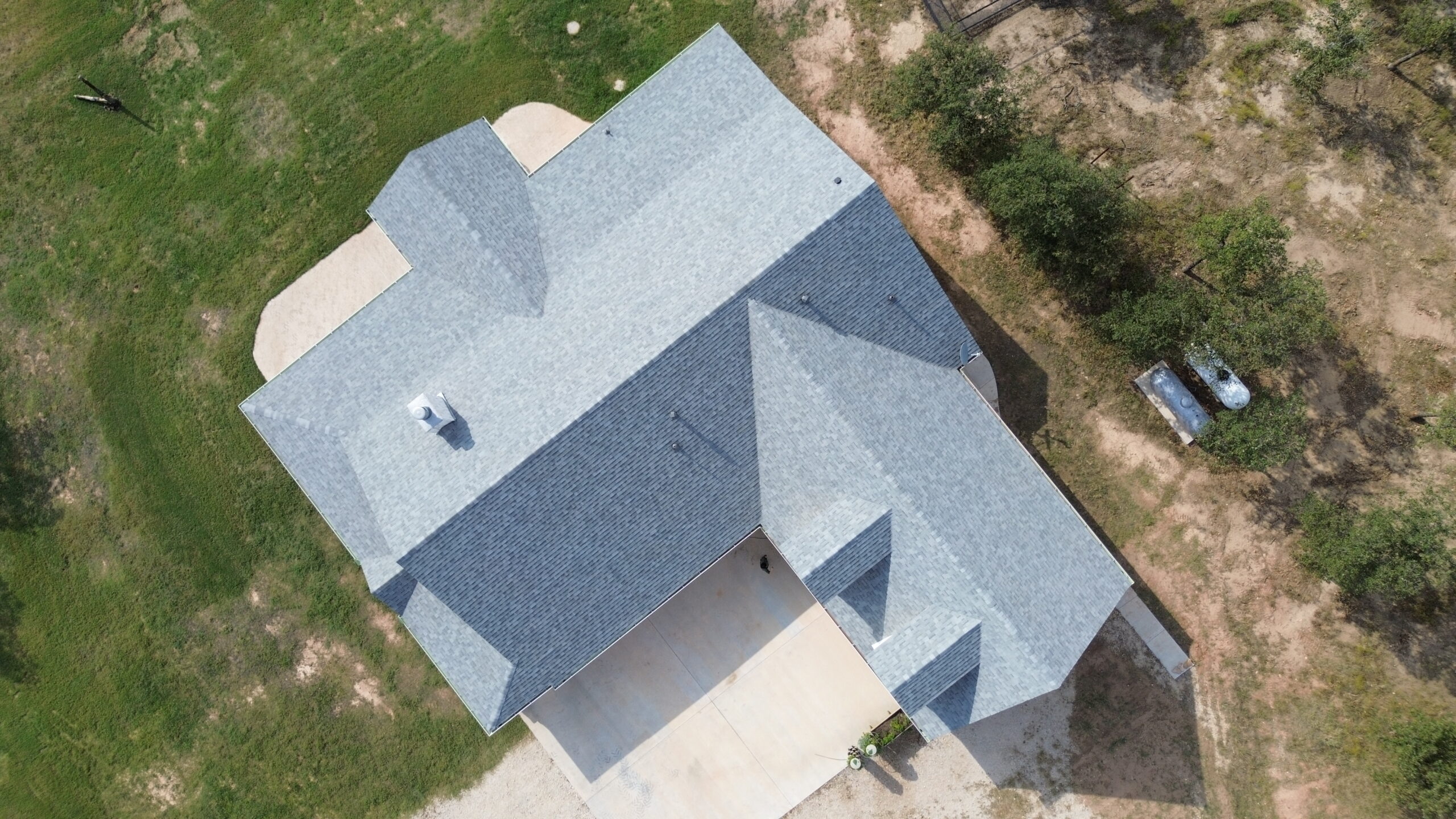
Every commercial roofing system eventually reaches a stage where replacement becomes more practical than continued repairs or restoration. The challenge for property owners is determining when that point has been reached. A roof should not automatically be replaced simply because it has reached a certain age, but advanced deterioration, recurring failures, and increasing maintenance costs can indicate that the system is approaching the end of its useful lifecycle.
One of the clearest warning signs is widespread deterioration across the roofing surface. Isolated punctures or damaged flashing can often be repaired, but extensive cracking, splitting, membrane failure, severe surface wear, or widespread deterioration may indicate that localized repairs are no longer sufficient.
Recurring leaks are another important consideration. A single leak does not necessarily mean that a roof needs replacement, but repeated leaks in different areas can suggest that the roofing system is losing its ability to provide reliable protection. When repairs become frequent and increasingly expensive, replacement may provide better long-term value.
Moisture within the roofing assembly can also influence the decision. Wet insulation, deteriorated decking, or extensive concealed moisture may reduce the effectiveness of the existing system. A professional assessment can determine whether affected areas can be repaired or whether replacement is more appropriate.
The condition of flashing and roof edges should also be considered. If these components are extensively deteriorated, repairing individual sections may not be enough to restore reliable performance. Replacement provides an opportunity to redesign vulnerable details as part of a complete roofing assembly.
Property owners should also consider maintenance costs. If a roof requires frequent repairs and inspections to remain functional, the total cost of continued ownership may eventually exceed the value of installing a new system. A lifecycle comparison can help clarify this decision.
Business operations are another factor. An unreliable roof can create risks for inventory, equipment, employees, tenants, and customers. Planning replacement before a major failure allows the project to be scheduled more strategically and can reduce unexpected disruption.
Replacement should therefore be based on overall condition, performance, maintenance history, and future building needs. A professional roof assessment can provide the information needed to determine whether continued maintenance, restoration, or complete replacement is the most appropriate next step.
Planning the Commercial Roof Replacement Project
Once replacement is considered necessary, careful planning can make the project more predictable and manageable. Commercial roof replacement is a significant undertaking that can affect building operations, budgets, employees, tenants, and customers. A detailed plan should therefore be developed before work begins.
The planning process should begin with a complete evaluation of the existing roof. The condition of the membrane, insulation, roof deck, drainage, flashing, penetrations, edges, and other components should be documented. This information helps establish the scope of the replacement.
Property owners should also identify whether the existing roof will be completely removed or whether portions can remain under a new system. The appropriate approach depends on the condition and compatibility of the existing assembly. Moisture or structural problems may require more extensive removal.
The new roofing system should be selected according to the building’s current and future needs. Roof slope, climate, building use, energy objectives, equipment, maintenance requirements, and expected service life should all influence the choice.
Budget planning should include potential hidden conditions. Removing an old roof can reveal damaged decking, wet insulation, deteriorated flashing, or other problems that were not visible during initial inspections. Establishing a reasonable contingency can help manage these discoveries.
The project schedule should be coordinated with building operations. Businesses may need to protect inventory, relocate equipment, control access, or adjust working hours during construction. Large commercial projects may also be completed in phases to reduce disruption.
Contractor selection is equally important. Property owners should compare relevant experience, project references, insurance, proposed materials, warranties, installation methods, and complete project scopes. The lowest bid should not automatically be considered the best value.
The replacement contract should clearly describe responsibilities and materials. Preparation, demolition, disposal, deck repairs, insulation, membrane installation, flashing, drainage, cleanup, safety procedures, and warranty requirements should be addressed.
Good planning creates a smoother transition from an aging roof to a new roofing system. It also provides property owners with greater control over cost, quality, scheduling, and long-term performance.
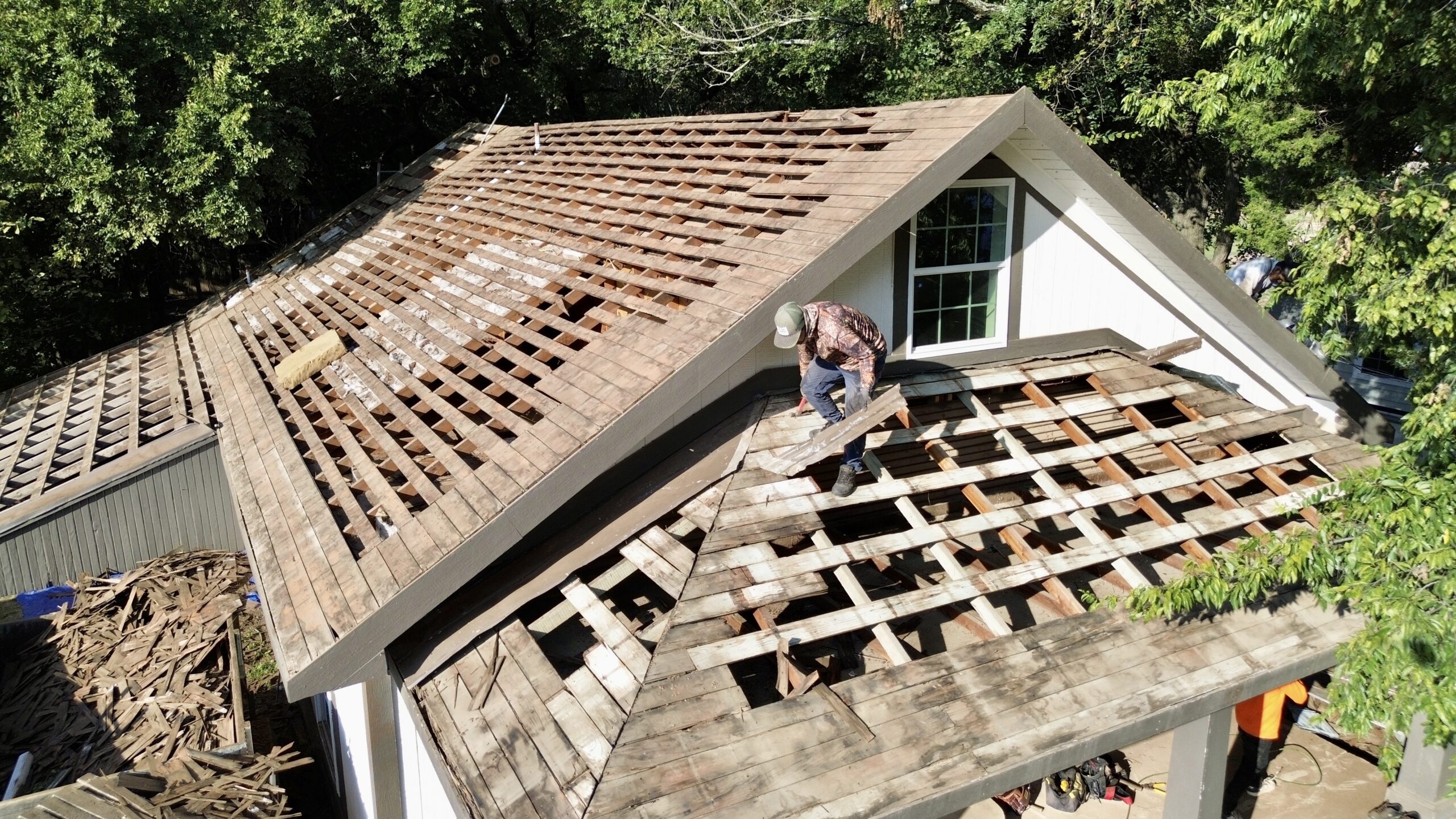
Removing the Existing Roofing System
The removal stage is a critical part of commercial roof replacement because it reveals the conditions beneath the existing surface. The process must be carefully managed to protect the building and ensure that the new roofing assembly has a suitable foundation.
Removal methods depend on the existing roof type and the design of the replacement system. Some projects require complete removal down to the roof deck, while others may allow selected layers to remain if they are dry, stable, and compatible with the new assembly.
During removal, contractors may discover conditions that were not visible from the surface. Wet insulation, damaged decking, corrosion, deterioration, or improperly installed previous repairs can become apparent once the upper layers are removed.
Damaged materials should be evaluated and replaced where necessary. Installing a new membrane over compromised components can transfer existing problems into the new roof. Addressing the underlying condition provides a stronger foundation for long-term performance.
The roof deck should receive particular attention. Any structural concerns should be assessed before new materials are installed. Deck repairs may involve replacing damaged sections, correcting corrosion, or addressing other conditions affecting structural support.
The removal process should also protect drainage components. Existing drains, scuppers, gutters, and other outlets need to remain functional or be appropriately replaced as part of the new system.
Construction debris must be controlled throughout the project. Loose materials should not be allowed to enter drains or fall into occupied areas. Appropriate safety procedures are particularly important when work is performed above active commercial spaces.
Weather protection is another major consideration. Removing the existing roof exposes parts of the building to weather, so contractors should plan the work in manageable sections and provide temporary protection when necessary.
Coordination with other building activities can help prevent delays. Mechanical equipment, electrical systems, and other rooftop installations may need to be temporarily protected, relocated, or worked around.
Proper removal is not simply demolition. It is the process of preparing the building for a new roofing lifecycle. Careful removal and evaluation allow hidden problems to be corrected before the new system is installed.
Installing the New Commercial Roofing Assembly
After the existing roof has been removed or appropriately prepared, installation of the new roofing assembly can begin. The process generally follows the planned design and incorporates the structural deck, insulation, waterproofing, flashing, drainage, edge details, and other components.
The roof deck must first provide a stable foundation. Any required repairs should be completed before insulation and waterproofing materials are installed. The surface should also be prepared according to the requirements of the selected system.
Insulation is then installed as specified. Proper placement and attachment help provide thermal performance and create a suitable base for the roofing membrane. Moisture-damaged or unsuitable materials should not be incorporated into the new assembly.
The primary roofing membrane or waterproofing layer is installed according to the selected system. Depending on the material, this may involve mechanical fastening, adhesives, heat welding, spraying, or another approved technique.
Seams and transitions receive careful attention because they are essential to maintaining waterproofing. Installation crews should follow the manufacturer’s procedures for creating secure and durable connections.
Flashing is installed around penetrations, equipment curbs, parapet walls, edges, and other transitions. These areas should be integrated carefully with the main membrane so that water cannot easily enter through gaps or weak connections.
Drainage components should also be incorporated into the new system. Drains, scuppers, gutters, and overflow provisions must remain accessible and capable of handling expected water flow.
Roof edge components require appropriate attachment and detailing. These areas can experience strong environmental forces, making secure perimeter construction an important part of the installation.
Protective walkways may be installed where maintenance traffic is expected. Providing defined access routes can reduce the risk of accidental damage to the new membrane.
Final inspections should take place before the project is considered complete. The finished roof should be checked for visible defects, incomplete flashing, blocked drains, damaged surfaces, and other concerns.
A successful replacement project produces more than a new roof surface. It creates a coordinated roofing assembly designed to provide reliable protection and establish the foundation for the next stage of the building’s lifecycle.
Extending the Lifecycle of the New Roof
Once the new commercial roofing system is installed, the next objective is to protect the investment and maximize its useful service life. A new roof does not eliminate the need for maintenance. Regular care can help preserve its components and identify problems before they become major failures.
Inspections should begin during the early operational stage and continue throughout the roof’s life. The frequency should reflect the roofing system, building conditions, climate, and level of rooftop activity.
Drainage should remain a priority. Drains, scuppers, gutters, and other outlets should be kept clear of debris. Persistent ponding should be investigated because it may indicate a drainage or roof-surface problem.
Flashing, seams, penetrations, and roof edges should also receive regular attention. These areas often experience greater stress than the main roof field and can become vulnerable as materials age.
Rooftop equipment maintenance should be carefully coordinated. Contractors should use designated pathways and avoid dragging tools or equipment across roofing surfaces. Any accidental damage should be reported and repaired promptly.
After severe weather, inspections can help identify damage caused by wind, hail, heavy rain, or other conditions. Early repairs can prevent small defects from becoming larger waterproofing problems.
Roofing records should be maintained throughout the system’s life. Inspection reports, photographs, repairs, warranties, material specifications, and modifications provide a valuable history of the roof.
Property owners should also review the roof’s performance periodically. Increasing repair frequency, recurring leaks, deteriorating components, or changes in building use may indicate that additional restoration or eventual replacement planning is needed.
Protecting a new roof is a long-term responsibility. Preventive maintenance and careful rooftop management can significantly improve the likelihood that the system will deliver the expected value throughout its useful service life.
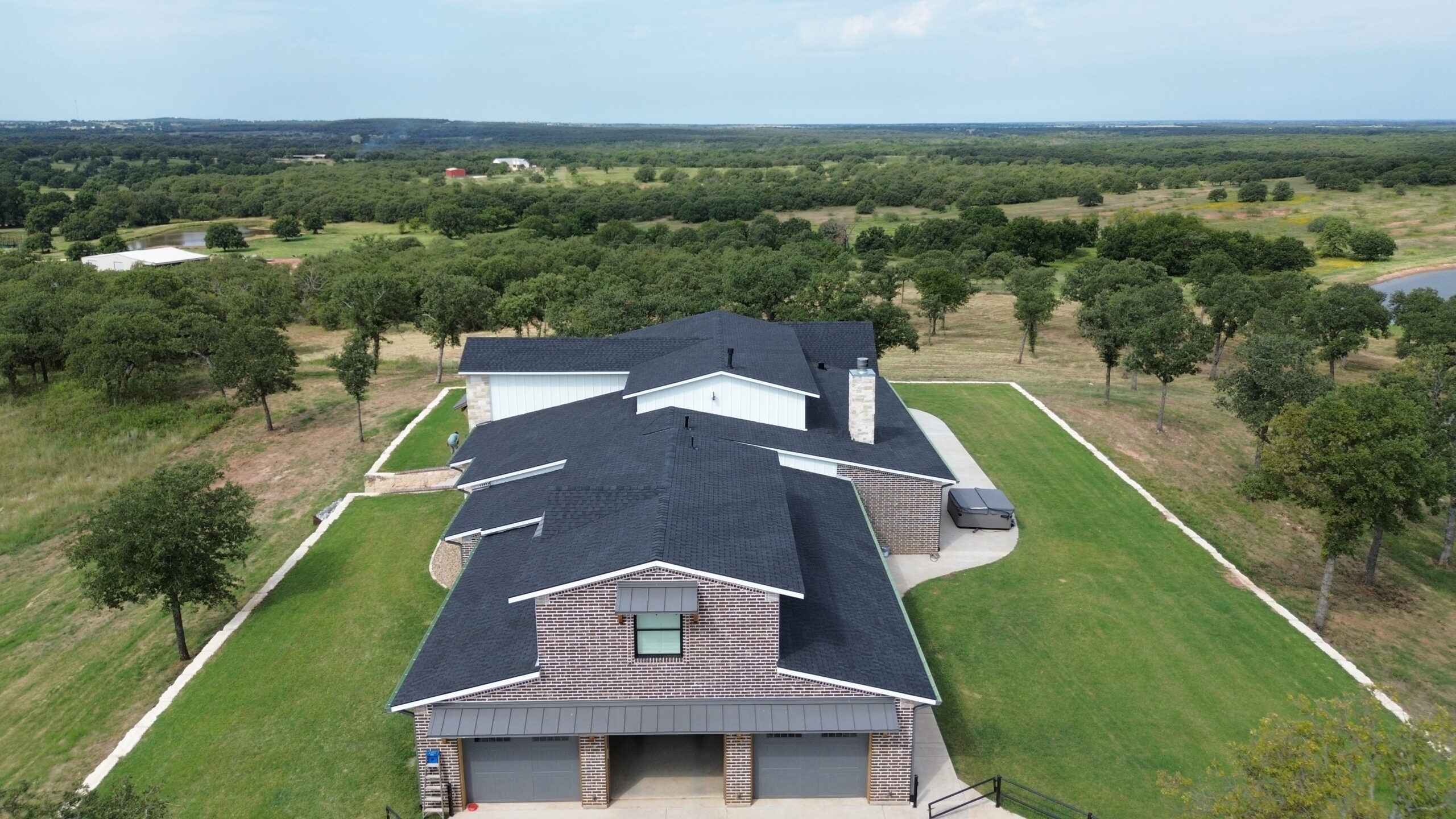
Building a Long-Term Commercial Roofing Management Plan
A commercial roofing lifecycle does not end when installation is complete. Long-term management connects maintenance, inspections, repairs, restoration, and eventual replacement into one continuous strategy. Property owners who manage these stages proactively are better positioned to control costs and protect building operations.
A management plan should begin with complete documentation of the newly installed system. Information about the membrane, insulation, deck, flashing, drainage, attachment methods, warranties, and contractor should be retained for future reference.
Regular inspections should be scheduled rather than performed only after leaks appear. The results should be documented so changes in roof condition can be compared over time.
Maintenance should focus on preventing avoidable damage. Keeping drainage clear, protecting rooftop access routes, maintaining flashing, and repairing small defects can reduce unnecessary deterioration.
Financial planning is also important. Property owners should anticipate routine maintenance costs while gradually preparing for larger repairs and eventual replacement. This approach can reduce the financial impact of major roofing projects.
Building changes should be reviewed before they affect the roof. New HVAC equipment, solar installations, renovations, or other modifications may require penetrations or additional traffic. Coordinating these projects with roofing professionals can protect the existing assembly.
As the roof ages, condition assessments can help determine whether restoration remains practical. If restoration is no longer economical, early replacement planning provides time to evaluate systems, obtain proposals, and schedule work without waiting for a major failure.
The lifecycle can be viewed as a continuous process:
Plan → Install → Inspect → Maintain → Repair → Restore → Evaluate → Replace
This approach helps property owners treat roofing as an ongoing building asset rather than an emergency expense.
Conclusion
The commercial roofing lifecycle begins long before installation and continues throughout the life of the building. Careful planning, appropriate system selection, proper preparation, professional installation, and quality control create the foundation for reliable roof performance.
After installation, routine inspections and preventive maintenance become essential. Protecting the roof from weather, rooftop traffic, drainage problems, and accidental damage can help preserve its condition and reduce unnecessary repair costs.
Repairs and restoration can extend the useful life of a suitable roofing system, but they should be based on a clear understanding of the roof’s overall condition. When deterioration becomes widespread, leaks become frequent, or maintenance costs rise significantly, replacement may provide better long-term value.
A successful replacement requires careful assessment, project planning, controlled removal, proper deck preparation, and installation of a complete new roofing assembly. The new roof should then enter another managed lifecycle supported by regular inspections, maintenance, documentation, and financial planning.
Ultimately, commercial roofing should be treated as a long-term building investment rather than a one-time construction project. By managing every stage from installation through replacement, property owners can reduce unexpected problems, protect building operations, control long-term costs, and get greater value from their commercial roofing systems.