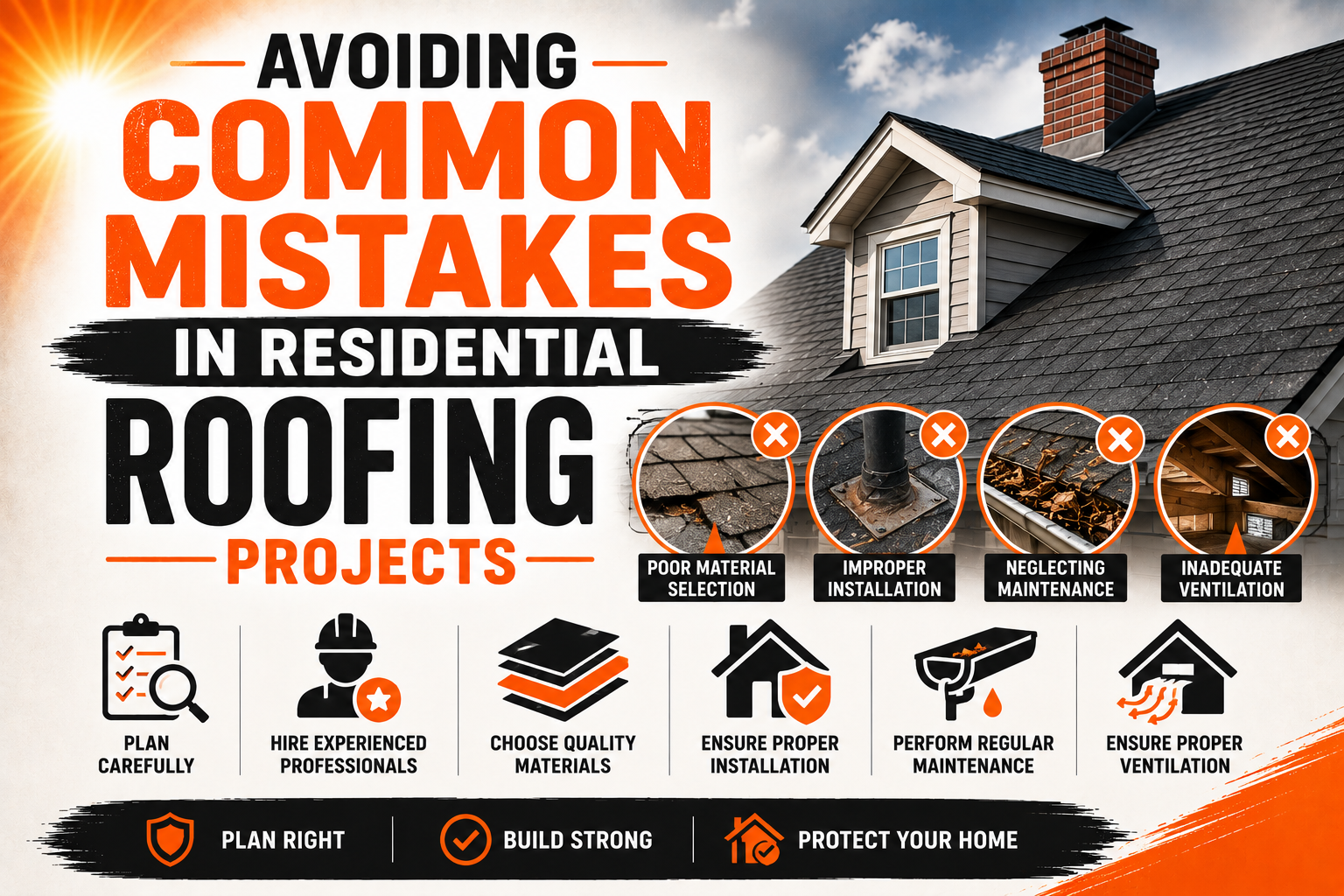
Avoiding Common Mistakes in Residential Roofing Projects
Introduction
A residential roofing project is a significant investment that can affect the protection, comfort, appearance, and long-term value of a home. Whether a homeowner is repairing storm damage, replacing an aging roof, or installing a roof on a newly constructed property, careful planning is essential for achieving reliable results. Even a well-chosen roofing material can perform poorly when the project is affected by incorrect measurements, poor installation practices, inadequate ventilation, or an unsuitable contractor.
Many roofing problems do not appear immediately after installation. Improper flashing, insufficient ventilation, poor material selection, or hidden deck damage can remain unnoticed until water begins entering the home or roofing materials start deteriorating prematurely. Avoiding common mistakes requires homeowners to understand the major decisions involved before work begins and to recognize the areas where seemingly small oversights can create larger problems.
A successful roofing project begins with preparation rather than installation. Homeowners should evaluate the existing roof, understand their material options, select a qualified contractor, confirm measurements, and consider ventilation and drainage requirements. Taking these steps can reduce unexpected costs, improve project quality, and help the new or repaired roofing system perform as intended.
Failing to Plan the Roofing Project Properly
Poor planning is one of the most common mistakes homeowners can make before a roofing project begins. Rushing into installation without understanding the roof’s condition, project scope, material requirements, timeline, and expected costs can create confusion later. A detailed plan gives homeowners and contractors a shared understanding of what needs to be accomplished.
Planning should begin with an assessment of the existing roofing system. Homeowners should determine whether the project involves a localized repair, partial replacement, or complete roof replacement. Visible damage may not tell the entire story, so the condition of the roof deck, flashing, underlayment, ventilation, and drainage should also be considered.
Budget planning is another important part of preparation. A homeowner should establish a realistic budget based on the roof size, material selection, labor, removal of existing roofing, disposal costs, and possible underlying repairs. Setting aside an allowance for unexpected conditions can also prevent financial stress if damaged decking or other hidden problems are discovered after the existing materials are removed.
The project timeline should be discussed before work starts. Roofing work can be affected by weather, material availability, contractor scheduling, and the complexity of the roof. Homeowners should understand the expected start and completion dates and ask how delays will be handled if unsuitable weather or unexpected conditions occur.
Planning should also include preparation of the property. Outdoor furniture, vehicles, fragile items, and other belongings may need to be moved away from work areas. Homeowners should also consider access to driveways, walkways, landscaping, and areas where roofing materials or waste containers may be placed.
A well-planned project should establish priorities rather than focusing only on appearance. The primary objective is to create a roofing system that protects the home and manages water effectively. Choosing colors and styles is important, but structural condition, proper installation, ventilation, flashing, and drainage should receive equal or greater attention.
Choosing the Wrong Roofing Material
Selecting roofing material based only on appearance or initial price can create long-term problems. Different materials have different durability, maintenance requirements, installation methods, weight characteristics, and performance expectations. The best choice should be appropriate for the home’s structure, roof design, climate, and homeowner’s long-term plans.
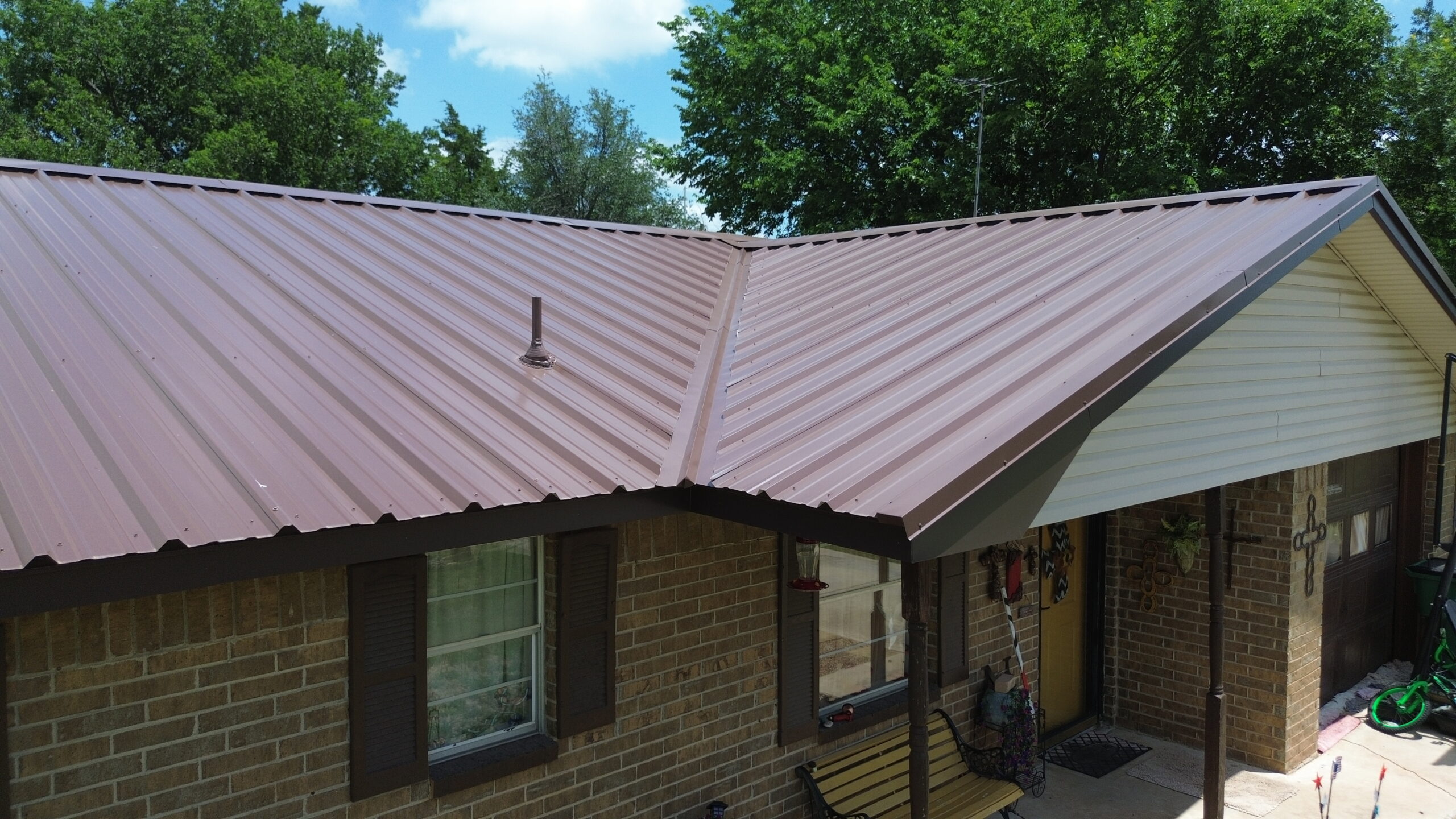
Asphalt shingles are widely used in residential construction and are available in various styles and performance levels. Metal roofing, clay or concrete tiles, wood products, slate, and other materials may also be suitable depending on the property. Each option has advantages and limitations that should be understood before a final decision is made.
Climate should be considered carefully. Roofing materials are exposed to sunlight, rain, wind, temperature changes, and other environmental conditions throughout their service life. A material that performs well under one set of conditions may require different considerations in another environment.
Roof slope and structural capacity can also influence material selection. Some roofing products are heavier than others, and not every roof structure is automatically suitable for every material. A professional should confirm that the home’s structure and roof design can support the selected system before installation begins.
Homeowners should also consider maintenance requirements and expected service life. A material with a lower purchase price may require more frequent maintenance or have a shorter useful life than a higher-quality alternative. Looking at the total ownership cost can provide a better comparison than focusing solely on the initial installation price.
Compatibility with existing components is another important consideration during repairs or partial replacements. New materials should work appropriately with existing flashing, underlayment, ventilation components, and other roofing elements. Incompatible materials can create installation difficulties, appearance problems, or premature deterioration.
Homeowners should request clear information about the proposed roofing product before signing a contract. Understanding the manufacturer’s specifications, warranty conditions, installation requirements, and expected performance can help prevent a material choice that looks attractive initially but does not suit the home’s needs.
Hiring an Unqualified or Inexperienced Contractor
The contractor performing the work can have as much influence on roofing performance as the materials themselves. Even high-quality products can fail prematurely when they are installed incorrectly. Choosing a contractor based solely on the lowest price is therefore one of the mistakes homeowners should avoid.
Homeowners should research contractors before hiring them. Relevant experience, references, insurance, required licensing or registration, and familiarity with the selected roofing material are useful factors to consider. A contractor who regularly installs the specific type of roofing system being selected may be better prepared to handle its installation requirements.
A written estimate should clearly explain the proposed work. It should identify the roofing material, labor, removal of existing materials, disposal, flashing work, ventilation work, and treatment of damaged decking when applicable. Vague estimates can create disagreements when homeowners later discover that certain tasks or materials were not included.
Homeowners should also be cautious about contractors who pressure them to make immediate decisions. A legitimate roofing project generally benefits from time for inspection, comparison, questions, and planning. Pressure to sign a contract quickly can make it harder for homeowners to identify unclear terms or compare competing proposals.
References can provide useful information about previous work. Homeowners may want to ask previous customers about communication, workmanship, project timing, cleanup, and how the contractor handled unexpected problems. Looking at completed roofing projects can also provide a practical indication of the contractor’s experience.
Insurance is another important consideration. Contractors should have appropriate coverage for their workers and operations because roofing involves significant physical hazards. Homeowners should not assume that a contractor’s workers or subcontractors are automatically covered by the homeowner’s insurance policy.
The goal is not simply to find the contractor with the lowest estimate. It is to find a professional who can provide a clear scope of work, appropriate materials, competent installation, and dependable communication. A slightly higher initial price may provide better long-term value when it reduces the risk of installation problems and premature repairs.
Ignoring Roof Inspection and Existing Damage
Starting a roofing project without thoroughly evaluating the existing roof can result in problems being hidden beneath new materials. A roof may look acceptable from the ground while containing damaged decking, deteriorated flashing, moisture intrusion, inadequate ventilation, or other conditions that need attention. Installing new roofing over unresolved problems can reduce the effectiveness and service life of the new system.
A proper inspection should examine the visible roofing materials as well as important supporting components. The roof deck, underlayment, flashing, valleys, penetrations, ventilation, and drainage should be considered when determining the project’s scope. If the existing roof has experienced repeated leaks, those areas deserve particular attention.
Water damage is especially important to identify before installation. Moisture can weaken decking and other structural materials over time. Replacing only the visible roofing surface without correcting damaged underlying components may leave the home vulnerable to continued problems.
Previous repairs should also be documented and evaluated. Areas that have been patched multiple times may indicate recurring issues that need a different solution. A contractor should be able to explain whether existing repairs can remain or whether certain components should be replaced during the new project.
Homeowners should ask how hidden damage will be handled if it is discovered after removal begins. Roofing contracts should explain whether damaged decking, deteriorated framing, or other unexpected conditions are included or charged separately. Understanding this process in advance can prevent disputes when additional work becomes necessary.
An inspection is also important when only part of the roof is being replaced. The condition of the surrounding areas should be assessed to determine whether a partial project is practical. Replacing one section of a severely deteriorated roof may not provide the long-term value expected if the remaining sections are approaching failure.
Thorough evaluation allows homeowners to make decisions based on the actual condition of the property. It can also help contractors prepare more accurate estimates and reduce the likelihood of major surprises once work begins.
Underestimating the Importance of Proper Measurements
Accurate measurements are essential for ordering roofing materials and planning the installation. Underestimating the roof area can result in insufficient materials, project delays, and additional delivery costs. Overestimating it can increase waste and make the project more expensive than necessary.
Roof measurements should account for the complete design rather than relying on a simple calculation based on the home’s floor area. Roof slope, multiple sections, valleys, dormers, overhangs, penetrations, and other design features can affect the actual amount of material required. Accurate measurements also help determine the quantities of underlayment, flashing, ventilation components, and other necessary materials.
Material waste should be considered as part of the planning process. Roofing materials often need to be cut around valleys, edges, penetrations, and irregular sections. The amount of waste depends on the roof’s complexity and the material being installed.
Measurements also influence project budgeting. A small difference in estimated roof area can affect the quantity of shingles, panels, tiles, underlayment, fasteners, and other components required. Accurate quantities make it easier to create a realistic estimate and avoid unexpected material shortages.
Homeowners should not assume that every contractor uses the same measurement method. If estimates differ significantly, they should ask contractors to explain how the roof area was calculated and what is included in the material quantities. Significant differences may result from variations in measurements, material allowances, or project scope.
Professional measurement can be particularly important for complex roofs. Multiple slopes, intersecting sections, dormers, skylights, chimneys, and other features can make accurate calculations more difficult. Experienced contractors should be able to account for these details when preparing a proposal.
Taking measurements seriously also supports better project scheduling. When the correct quantity of materials is available before installation begins, the contractor is less likely to experience delays caused by shortages. Proper preparation therefore contributes to both cost control and efficient project execution.
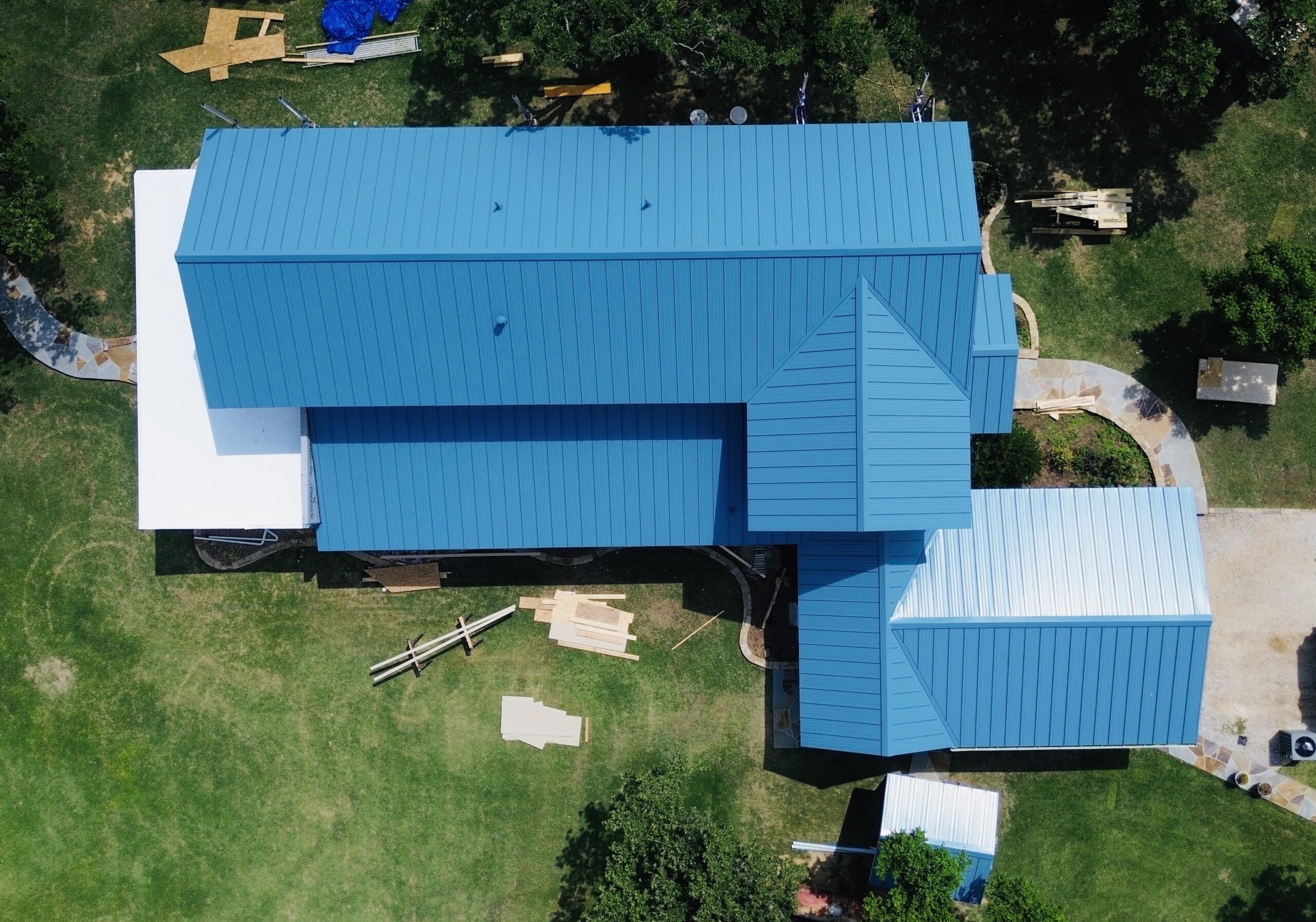
Overlooking Roofing Ventilation Requirements
Roof ventilation is sometimes treated as an optional feature when it should be considered an important part of the complete roofing system. Proper ventilation helps manage heat and moisture in the attic and can support the long-term performance of roofing materials. Ignoring ventilation requirements can contribute to premature deterioration and moisture-related problems.
A balanced ventilation system generally includes appropriate intake and exhaust pathways. The exact configuration depends on the roof design, attic structure, insulation, climate, and applicable building requirements. Simply adding an exhaust vent without considering intake airflow may not provide the desired results.
Poor ventilation can contribute to excessive attic temperatures and moisture accumulation. In some conditions, warm indoor air can enter the attic and condense on cooler surfaces, creating dampness and potentially damaging insulation or wood components. Excessive heat can also place additional stress on some roofing materials.
Homeowners should ask contractors to evaluate the existing ventilation before a new roof is installed. Existing vents may be blocked, damaged, insufficient, or poorly positioned. A replacement project provides an opportunity to identify and correct ventilation problems before new roofing materials are installed.
Insulation should also be considered alongside ventilation. Insulation that blocks intended airflow pathways can interfere with ventilation, while gaps in air sealing can allow conditioned indoor air and moisture to enter the attic. Both conditions can affect roof performance.
Ventilation components must also be installed correctly. Poorly sealed vents can become potential water entry points, while incorrectly positioned components may not perform as intended. The contractor should follow appropriate installation practices and manufacturer requirements for the selected system.
Avoiding ventilation mistakes can help protect the investment in a new roof. A roofing project should not focus only on installing attractive new materials over the home. It should create a complete system in which the roof covering, moisture control, ventilation, drainage, and supporting components work together to provide reliable long-term protection.
Choosing Materials Based Only on Price
Cost is an important part of every residential roofing project, but choosing materials based only on the lowest price can create problems later. A cheap roofing product may appear attractive when comparing estimates, yet its durability, warranty, installation requirements, and expected service life may differ significantly from more suitable alternatives. Homeowners should evaluate the overall value of a roofing system rather than focusing exclusively on the initial purchase price.
Different roofing materials have different performance characteristics. Asphalt shingles, metal panels, tile, wood products, and slate can vary in durability, maintenance requirements, weight, appearance, and installation complexity. The right choice should match the home’s structure, roof design, environmental conditions, and the homeowner’s expectations for long-term performance.
Installation quality is equally important. A high-quality roofing material cannot compensate for incorrect installation, inadequate flashing, poor fastening, or improper ventilation. Before selecting a product, homeowners should confirm that the contractor has experience installing that specific material and understands the manufacturer’s requirements.
Warranty coverage should also be examined carefully. A product may have a long advertised warranty, but the actual coverage can depend on proper installation, maintenance, ventilation, and other conditions. Homeowners should understand what the warranty covers, how long different portions of the coverage last, and what responsibilities they have to maintain eligibility.
Long-term maintenance costs should be considered as well. Some roofing systems may have a lower initial price but require more frequent repairs or maintenance. A more durable system may cost more initially but provide greater value when its service life and maintenance requirements are considered.
Homeowners should compare estimates based on equivalent specifications. If one contractor proposes a basic roofing system and another recommends additional underlayment, improved flashing, or ventilation components, the two prices may not represent the same scope of work. Comparing only the final totals can therefore create a misleading impression of which proposal is less expensive.
The best approach is to balance affordability with quality and expected performance. A roofing system should protect the home for many years, so the decision should account for the complete cost of ownership rather than simply the amount paid on installation day.
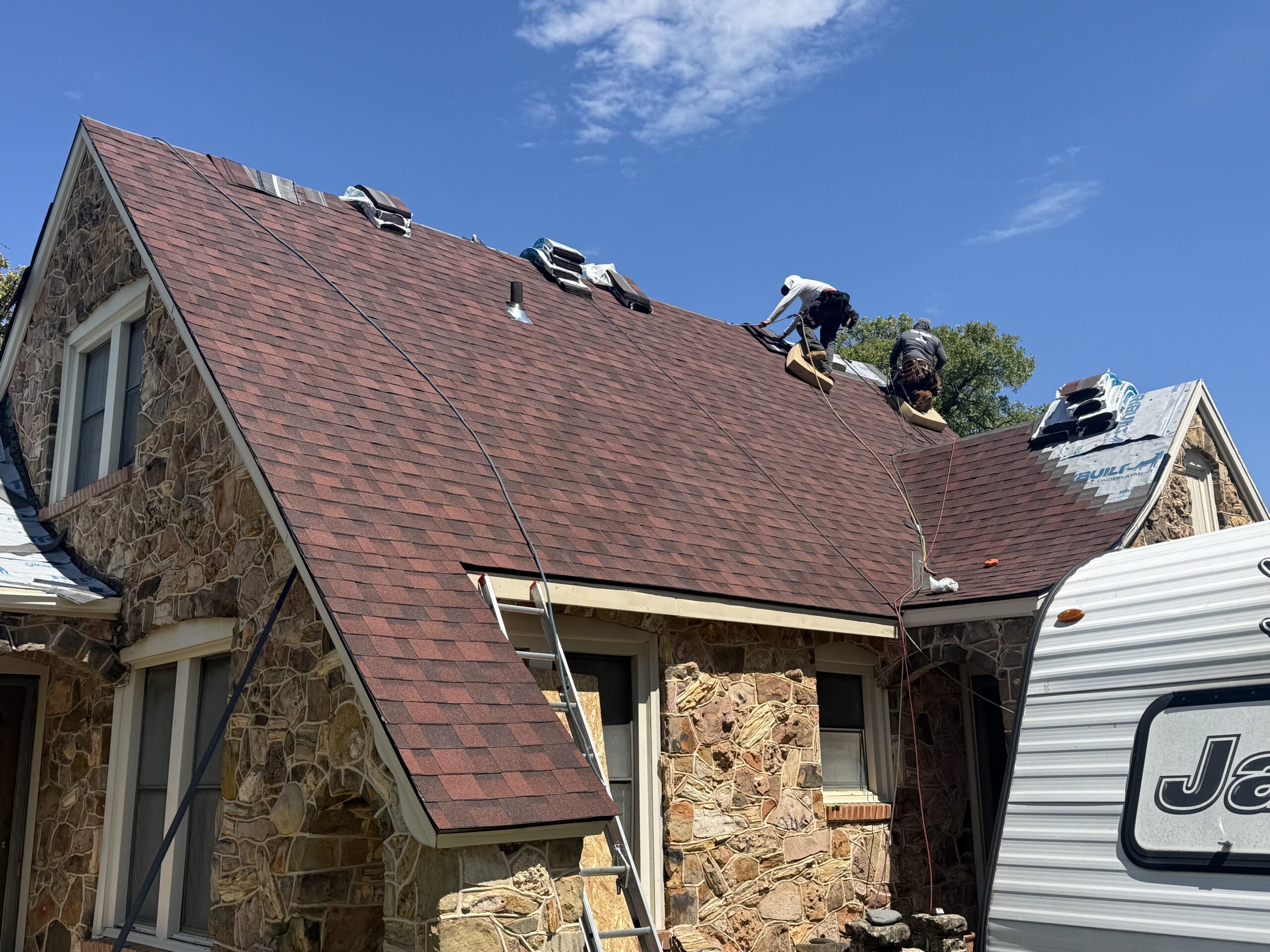
Improper Installation of Underlayment and Flashing
Underlayment and flashing are critical roofing components that are sometimes overlooked because they are less visible than shingles or other exterior materials. Underlayment provides an additional layer of protection beneath the roof covering, while flashing helps direct water away from vulnerable transitions and penetrations. Incorrect installation of either component can create leaks even when the visible roof surface appears attractive.
Underlayment must be installed according to the roofing system and applicable requirements. Seams, overlaps, edges, valleys, and penetrations require appropriate treatment to reduce the possibility of water reaching the roof deck. Using the wrong product or installing it incorrectly can compromise the protection provided beneath the roof covering.
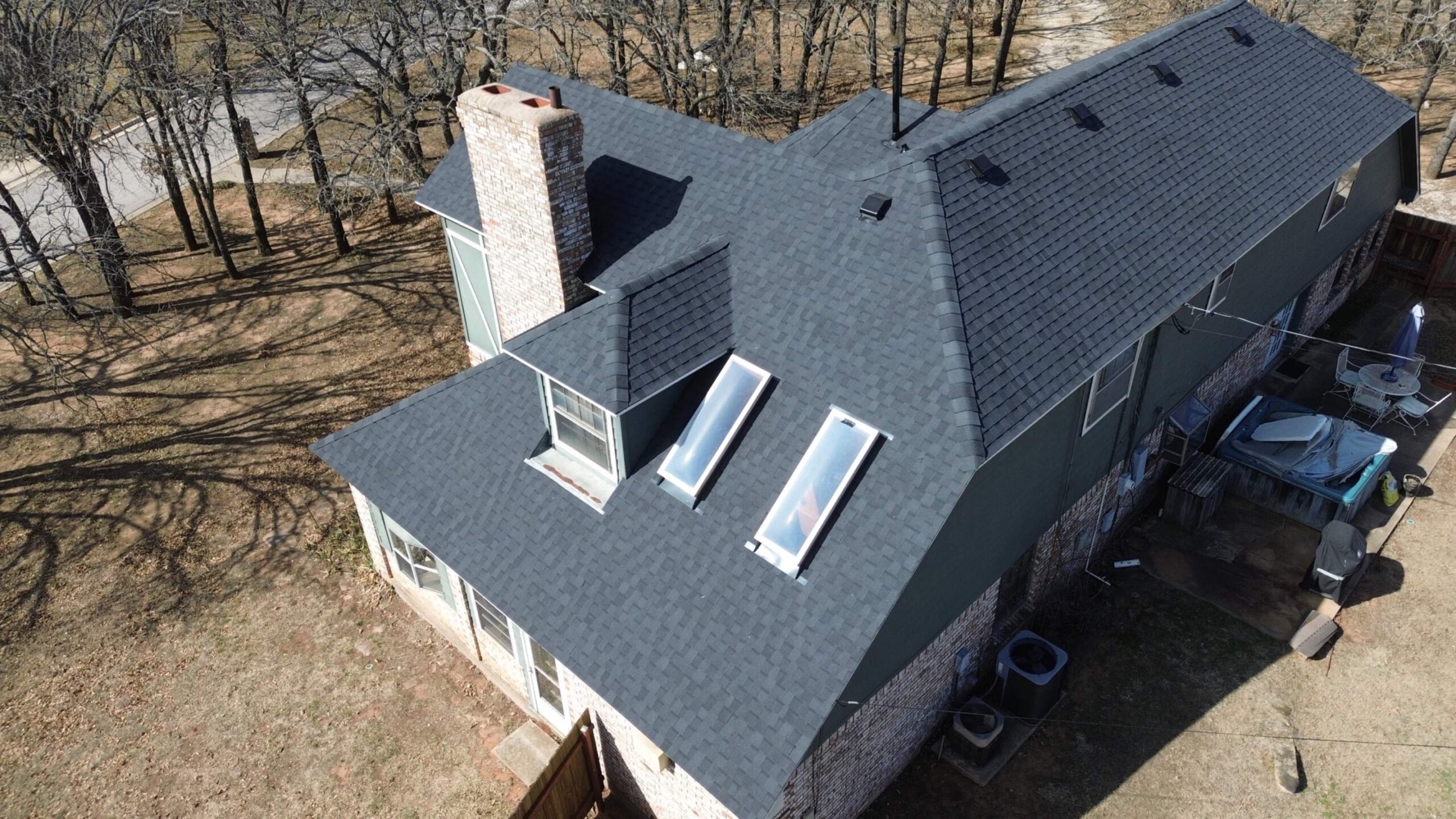
Flashing is particularly important around chimneys, skylights, vents, dormers, walls, valleys, and other areas where surfaces meet. These locations interrupt the natural flow of water and require carefully designed transitions. If flashing is loose, improperly overlapped, poorly sealed, or incorrectly positioned, water can enter the structure.
One common mistake is relying too heavily on sealant to compensate for poor flashing installation. Sealants can deteriorate over time due to weather exposure, movement, and temperature changes. They should be used as part of an appropriate roofing detail rather than as a substitute for correctly installed flashing.
Another problem can occur when old flashing is reused without evaluating its condition. Existing components may appear serviceable but have corrosion, deterioration, incompatible dimensions, or installation problems. During a replacement project, flashing should be assessed carefully to determine whether it should remain or be replaced.
Roofing professionals should also pay attention to areas where new materials meet existing structures. A roof-to-wall transition, for example, needs proper water-shedding details to prevent moisture from entering behind the roofing system. These details may not be obvious to homeowners but can have a major impact on long-term performance.
Homeowners should ask contractors how underlayment and flashing will be handled before signing the contract. The proposal should clearly describe the materials and work included. Investing in proper installation of these components can help prevent leaks and reduce the likelihood of expensive repairs later.
Poor Roof Drainage and Gutter Planning
Water management is one of the fundamental purposes of a roofing system. A roof must move rainwater away from the structure efficiently, while gutters, downspouts, valleys, and related components help control where that water goes. Poor drainage planning can cause water to accumulate on the roof or discharge too close to the home’s foundation.
Gutters should be appropriately sized and positioned for the roof’s design and expected rainfall conditions. If gutters are too small, improperly sloped, damaged, or poorly connected, they may overflow during heavy rain. Overflowing water can affect fascia boards, exterior walls, landscaping, and foundations.
Downspouts also require careful planning. They should provide adequate capacity and discharge water away from the building. A downspout that releases large amounts of water directly beside the foundation can create moisture concerns even when the roof itself is performing properly.
Roof valleys deserve special attention because they collect water from multiple roof slopes. Improperly installed valley materials or poorly planned drainage paths can create areas where water moves too slowly or enters beneath the roofing materials. Debris can make these problems worse by blocking the intended flow.
Homeowners should also consider how roof additions affect drainage. Skylights, dormers, extensions, and other architectural features can change the direction of water movement. Each transition needs appropriate flashing and drainage details so that water does not become trapped behind the feature.
During a roofing project, drainage problems should be addressed rather than simply covered with new materials. Installing a new roof without correcting an existing drainage issue may leave the home vulnerable to the same problem after the project is completed. Contractors should evaluate the complete water-management system as part of the roofing work.
Good drainage planning protects more than the roof. It can also reduce moisture exposure around exterior walls and foundations and help prevent erosion near the home. Treating drainage as an integral part of roofing design can therefore improve the performance of the entire property.
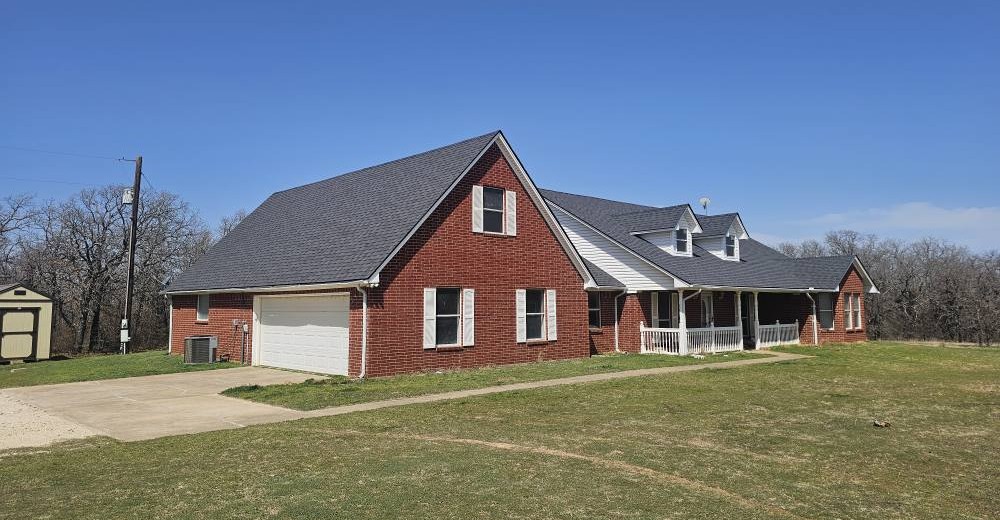
Ignoring Weather Conditions During Installation
Weather can significantly affect roofing work, yet homeowners sometimes focus so heavily on project schedules that they overlook unsuitable installation conditions. Roofing materials and installation processes often require appropriate weather to achieve reliable results. Starting or continuing work during unfavorable conditions can increase safety risks and affect the quality of the finished roof.
Rain is one of the most obvious concerns. Installing roofing materials over a wet surface can create problems with adhesion, moisture management, and worker safety. More importantly, removing an existing roof exposes the structure to the elements, so contractors need a clear plan for protecting the home if weather changes during the project.
Strong winds can also create challenges. Roofing materials may be difficult to handle safely, and unsecured materials can become dangerous during gusty conditions. Wind can also interfere with installation and increase the risk of damage to the property or surrounding areas.
Extreme temperatures may affect certain roofing materials and installation methods. Some products have manufacturer requirements concerning temperature ranges, adhesives, sealants, or handling procedures. Contractors should follow the specific instructions associated with the materials being installed.
Weather forecasting should be part of project scheduling. Contractors should monitor conditions and communicate with homeowners when delays are necessary. A short delay caused by unsuitable weather is generally preferable to rushing through installation and creating avoidable quality or safety problems.
Homeowners should ask how the contractor plans to protect the property if weather interrupts the project. Temporary coverings, staged installation, and secure storage of materials can help reduce exposure to rain or wind. The specific protection method should be appropriate for the roof and conditions.
Safety should always take priority over maintaining an arbitrary completion date. Roofing involves working at height and handling large or heavy materials, so poor weather can increase the risk of accidents. A responsible contractor should be willing to postpone work when conditions are unsafe or unsuitable for proper installation.
Failing to Address Roof Deck Problems
The roof deck provides an important structural base beneath the visible roofing materials. It supports the roofing assembly and provides the surface to which various components may be attached. If the deck is damaged, deteriorated, or weakened by moisture, installing new roofing materials without addressing the problem can compromise the entire project.
Water damage is one of the most common causes of roof deck deterioration. Long-term leaks can cause wood components to weaken, discolor, warp, or deteriorate. The problem may not be visible until existing roofing materials are removed, which is why homeowners should understand how unexpected deck damage will be handled.
During replacement, the contractor should inspect exposed areas of the deck before installing new roofing materials. Sections that are no longer capable of properly supporting the roofing system may need to be replaced. The exact repair requirements depend on the type and extent of damage.
Homeowners should ask whether deck replacement is included in the initial estimate or treated as additional work. Because hidden damage cannot always be measured before the existing roof is removed, contracts should explain how these conditions will be documented and priced. Clear communication can prevent disagreements when additional materials or labor become necessary.
Another mistake is assuming that a new roof will automatically solve every structural issue. New shingles, panels, or tiles cannot compensate for an unstable or deteriorated substrate. The underlying surface must be capable of supporting the roofing assembly and allowing the materials to be installed correctly.
Deck problems may also be related to ventilation or long-term moisture exposure. If the underlying cause is not addressed, replacing damaged sections alone may not prevent future deterioration. The roofing project should therefore consider why the damage occurred rather than treating only the visible result.
A thorough inspection of the roof deck helps establish a stronger foundation for the new roofing system. Addressing damaged areas before installation can improve performance, reduce future problems, and help ensure that the finished roof is supported by a sound substrate.
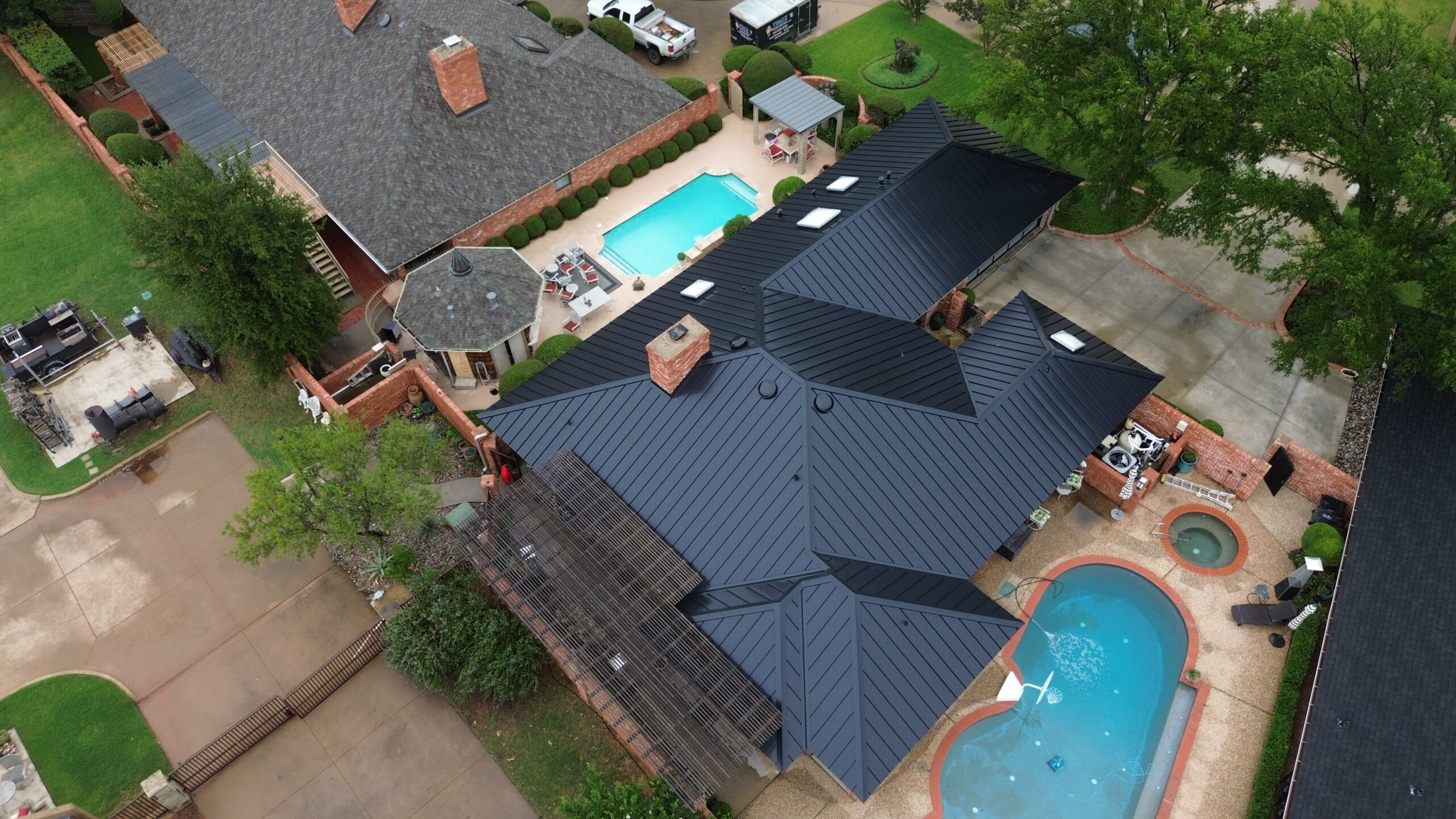
Skipping Permits, Codes, and Manufacturer Requirements
Ignoring applicable building requirements is another mistake that can create serious complications during a residential roofing project. Local regulations may establish requirements concerning roofing materials, ventilation, structural considerations, installation methods, and other aspects of construction. Homeowners should understand which requirements apply to their project before work begins.
Permit requirements can vary according to location and project scope. Some roofing work may require approval or inspection, while certain minor repairs may be treated differently. Homeowners should not assume that a permit is unnecessary simply because a contractor says it is not required.
Building codes are also important because they establish minimum requirements for safe and appropriate construction. Contractors should understand the rules that apply to the project and perform the work accordingly. Compliance can also be important when the property is later inspected, sold, refinanced, or involved in an insurance matter.
Manufacturer instructions should not be overlooked either. Roofing products are often designed with specific installation requirements concerning fastening, underlayment, flashing, ventilation, spacing, and other details. Failure to follow these requirements can affect performance and may also create warranty concerns.
Homeowners should ask contractors who will be responsible for permits and inspections. If the contractor handles these tasks, the agreement should clearly state what is included. If the homeowner is responsible, they should understand the process and make sure required approvals are obtained before work proceeds.
Material compatibility is another area where manufacturer guidance matters. Components should be appropriate for the selected roofing system and installed according to recommended practices. Combining products without considering compatibility can result in premature deterioration or installation problems.
The safest approach is to treat codes, permits, and manufacturer requirements as essential parts of the project rather than administrative details. Following them helps protect the quality of the installation and provides homeowners with greater confidence that the finished roofing system has been built according to appropriate standards.
Using Poor-Quality or Incompatible Roofing Components
A residential roofing system depends on more than the visible shingles, panels, tiles, or other roof covering. Underlayment, flashing, fasteners, ventilation components, sealants, edge materials, and drainage components all contribute to the roof’s performance. Using low-quality or incompatible products in any of these areas can reduce the effectiveness and service life of the entire system.
Homeowners sometimes focus heavily on selecting an attractive roofing material while paying less attention to supporting components. This can be a costly mistake because a high-quality roof covering may still experience premature problems if the underlayment is unsuitable or flashing is poorly matched. Every component should be selected as part of a coordinated roofing assembly.
Compatibility is especially important when combining products from different manufacturers or when replacing only part of an existing roofing system. Materials should be suitable for their intended application and compatible with surrounding components. Using products that react poorly to one another or require different installation methods can create weaknesses in the roofing assembly.
Fasteners also deserve attention. Incorrect fasteners, improper spacing, or unsuitable materials can affect how securely roofing components remain attached. The appropriate fastener depends on the roofing material, substrate, exposure conditions, and manufacturer requirements.
Sealants and adhesives should not be selected simply because they are inexpensive or widely available. Roofing products may have specific requirements regarding the type of sealant or adhesive that should be used. Using an unsuitable product can lead to premature cracking, separation, or water intrusion.
Homeowners should ask contractors to identify the major roofing components being installed rather than accepting vague descriptions. Product specifications, manufacturer information, and warranty documentation can provide useful confirmation that the proposed materials are appropriate.
The goal is to create a roofing system in which every component works together. Investing in compatible, suitable materials and proper installation can reduce the likelihood of premature failures and help homeowners receive the performance they expect from their roofing project.
Neglecting Jobsite Safety and Property Protection
Roofing projects involve significant safety risks because workers operate at heights while handling tools, roofing materials, and equipment. A homeowner should never treat safety as the contractor’s responsibility alone. Property protection and communication about safe working areas are also important parts of a successful roofing project.
Before work begins, homeowners should discuss how workers, materials, equipment, and waste will move around the property. Driveways, walkways, landscaping, outdoor furniture, vehicles, and other areas may need protection or temporary relocation. Planning these details can reduce accidental damage and make the worksite more organized.
Children and pets should be kept away from active work areas. Roofing materials, nails, tools, ladders, and debris can create hazards even when workers are not actively using them. Homeowners should establish safe access routes and follow any restrictions provided by the contractor.
Landscaping can also require protection. Roofing removal can produce falling debris, dust, and small materials that may affect plants, outdoor features, or other property. Contractors should use appropriate measures to reduce unnecessary damage and should include cleanup as part of the project plan.
Homeowners should also ask how roofing debris will be collected and removed. Nails and other sharp materials can remain around the worksite if cleanup is incomplete. A final inspection of accessible areas after the project is finished can help identify remaining debris or property damage.
Weather conditions should be monitored throughout the project. Wind, rain, extreme heat, or other unsuitable conditions can increase risks for workers and the property. A responsible contractor should have procedures for stopping work and securing the site when conditions become unsafe.
Good jobsite management protects people as well as the homeowner’s investment. A contractor who demonstrates organized safety practices and clear communication is more likely to approach the rest of the roofing project with appropriate care and professionalism.
Failing to Review the Roofing Contract and Warranty
A written roofing contract is one of the most important documents in a residential roofing project. It establishes what the contractor has agreed to provide and helps both parties understand the scope, materials, payment terms, schedule, and responsibilities. Signing an agreement without reading it carefully can create avoidable misunderstandings.
The contract should clearly describe the roofing materials and the work included. It should identify whether the project includes removal of the existing roof, disposal of debris, underlayment, flashing, ventilation, edge components, and repairs to damaged decking. Any exclusions should also be clearly stated.
Payment terms deserve careful attention. Homeowners should understand the total project price, deposit requirements, payment schedule, and conditions associated with additional work. Unexpected costs should be handled according to a clearly defined process rather than through informal verbal agreements.
Warranties should also be reviewed before work begins. There may be separate coverage for roofing materials and contractor workmanship, and the terms can differ significantly. Homeowners should understand what is covered, how long coverage lasts, and whether specific maintenance or installation requirements apply.
It is also important to know what can affect warranty coverage. Some manufacturer warranties require installation by qualified contractors or compliance with specific installation procedures. Failing to meet those requirements may limit available protection.
Change orders should be documented in writing. If hidden damage is discovered or the homeowner decides to add work, the revised scope and cost should be agreed upon before the additional work proceeds whenever practical. This reduces confusion about what was approved and how much it will cost.
Homeowners should keep copies of the signed contract, invoices, warranties, product information, inspection records, and project photographs. These documents can be useful if questions arise later or if the property is sold. Thorough documentation creates a clear history of the roofing system and the work performed.
Poor Communication During the Roofing Project
Communication problems can affect even a technically well-planned roofing project. Homeowners and contractors may have different expectations about materials, schedules, changes, cleanup, or the final appearance if these details are not discussed clearly. Maintaining open communication throughout the project can prevent many avoidable disagreements.
Before work begins, homeowners should confirm the project scope and expected timeline. They should know when materials are expected to arrive, when installation is scheduled to begin, and how weather or unexpected conditions could affect completion. Clear expectations make schedule changes easier to manage.
Homeowners should also establish how questions and concerns will be communicated. A designated contact person can make it easier to receive updates and make decisions quickly when necessary. Important decisions should be documented rather than relying solely on casual conversations.
Unexpected conditions are common during roofing replacement. Contractors may discover damaged decking, deteriorated flashing, hidden moisture, or other problems after existing materials are removed. Homeowners should ask to be shown or provided with evidence of significant hidden conditions before approving additional work.
Changes to materials should also be discussed carefully. If a selected product becomes unavailable or the contractor recommends an alternative, the homeowner should understand why the change is necessary and how it affects cost, appearance, warranty, and performance. Substitutions should not be made without appropriate communication.
Progress updates can be especially useful during larger projects. Homeowners do not need to supervise every installation step, but periodic updates can help confirm that work is proceeding according to the agreed scope. Questions should be raised promptly rather than waiting until the project is nearly complete.
Clear communication benefits both sides. Contractors can receive decisions without unnecessary delays, while homeowners have a better understanding of what is happening with their property. Good communication can make the project more predictable and reduce the likelihood of disputes.
Skipping Final Inspection and Cleanup
The end of a roofing project should not be treated as the moment workers leave the property. A final inspection allows homeowners and contractors to confirm that the agreed work has been completed and that obvious issues have been addressed. Skipping this step can leave defects or cleanup problems unresolved.
Homeowners should review the roof and surrounding property from safe locations. They can look for missing or visibly damaged materials, incomplete areas, exposed components, loose debris, or obvious installation concerns. A professional contractor should handle any detailed roof-surface inspection that requires walking on the roof.
Flashing, vents, gutters, roof edges, and other visible components should be checked for completeness. The homeowner should also confirm that agreed-upon repairs, ventilation improvements, and replacement of damaged sections were performed. Any significant concerns should be discussed before the final payment is made according to the contract terms.
Cleanup is another important part of project completion. Roofing removal can produce nails, packaging, scraps, and other debris around the property. The contractor should follow the agreed cleanup process and remove project waste appropriately.
Homeowners should also check accessible areas around driveways, walkways, landscaping, and outdoor spaces. If property protection was included in the project, any damage should be documented and discussed with the contractor. Photographs can be useful for recording the condition of the property after completion.
Project documentation should be collected at this stage. Homeowners should retain final invoices, warranties, product information, inspection records, permits when applicable, and photographs. This information provides a useful record for future maintenance and potential property transactions.
A final inspection does not need to be complicated. Its purpose is to confirm that the project matches the agreed scope and that obvious issues have been addressed. Taking this final step gives homeowners greater confidence that the roofing project has been completed properly.
Neglecting Post-Installation Maintenance
Completing a new roof does not eliminate the need for ongoing maintenance. Even a properly installed roofing system is exposed to weather, debris, temperature changes, and other conditions throughout its service life. Ignoring maintenance can shorten the roof’s useful life and allow small problems to become expensive repairs.
Homeowners should perform safe visual checks periodically and after significant storms. They can look for missing or damaged materials from the ground and monitor ceilings and attic areas for signs of moisture. Professional inspections may also be appropriate depending on the roof’s age, material, condition, and exposure.
Gutters and downspouts should be kept clear so that rainwater can flow away from the roof and home effectively. Leaves, branches, and other debris can interfere with drainage and contribute to water-related problems. Regular maintenance of these components supports the performance of the entire roofing system.
Trees around the property should also be managed carefully. Overhanging branches can scrape roofing materials or fall during storms, while leaves can accumulate on the roof and inside drainage systems. Proper trimming can reduce these risks without damaging the surrounding property.
Attic conditions should be monitored as well. Excessive moisture, condensation, damp insulation, or unusual odors can indicate ventilation or water intrusion problems. Addressing these concerns early can help prevent deterioration of the roof deck and other components.
Homeowners should keep a maintenance record that includes inspections, repairs, cleaning, storm damage, and other significant events. This record can help identify recurring problems and establish a history of care. It can also be valuable when discussing warranty issues or preparing the property for sale.
A roofing project should therefore be viewed as a long-term investment rather than a one-time installation. Proper maintenance helps preserve that investment and gives homeowners an opportunity to address problems before they become major failures.
Conclusion
Avoiding common mistakes in residential roofing projects begins with careful planning and continues long after installation is complete. Homeowners can reduce many common risks by selecting suitable materials, hiring qualified professionals, inspecting existing conditions, confirming accurate measurements, and ensuring that ventilation and drainage receive proper attention.
Installation details are equally important. Proper underlayment, flashing, compatible components, sound roof decking, and compliance with applicable requirements all contribute to a dependable roofing system. Cutting corners in these areas may reduce short-term costs but can create leaks, premature deterioration, and expensive repairs later.
Homeowners should also recognize the importance of safety, communication, contracts, warranties, final inspections, and ongoing maintenance. A clearly written agreement, documented changes, organized jobsite, thorough cleanup, and regular maintenance can make the project more predictable and protect the investment over time.
The most successful roofing projects focus on the complete system rather than simply replacing the visible roof covering. When homeowners work with qualified professionals, ask informed questions, follow appropriate installation requirements, and maintain the finished roof, they can avoid many preventable problems and improve the long-term performance of their residential roofing system.