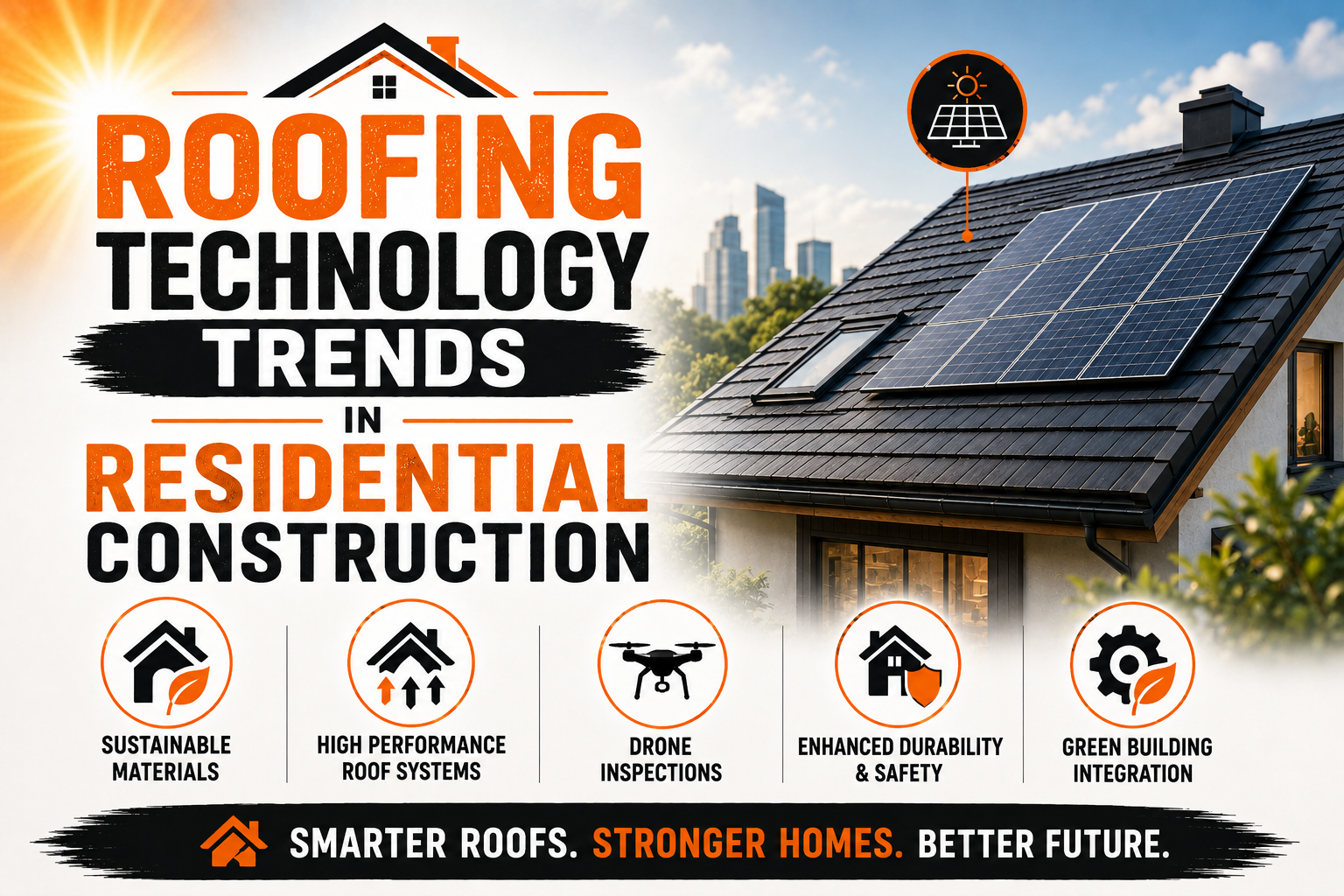
Roofing Technology Trends in Residential Construction
Introduction
Residential roofing is evolving as new technologies, materials, and construction methods change how homes are designed and protected. A roof is no longer viewed only as a barrier against rain, wind, and sunlight. Modern roofing systems can contribute to energy efficiency, renewable power generation, weather resistance, maintenance planning, and overall building performance.
Advances in manufacturing have introduced roofing materials with improved durability, impact resistance, reflectivity, and environmental performance. At the same time, digital technologies are changing how contractors inspect roofs, estimate projects, monitor conditions, and identify potential problems. These developments are giving homeowners and builders more choices than were available with traditional roofing systems.
Energy efficiency is one of the strongest forces behind current roofing innovation. Rising interest in lower energy consumption has encouraged the development of reflective roofing, improved insulation, solar shingles, and building-integrated photovoltaic systems. These technologies can help reduce heat transfer or allow the roof to contribute directly to household electricity generation.
Climate conditions are also influencing roofing technology. Homes in areas exposed to intense heat, severe storms, hail, heavy rainfall, or freezing temperatures require systems that can withstand increasingly demanding environmental conditions. Manufacturers are responding with materials and designs intended to improve resistance to weather-related damage.
Digital tools are becoming equally important. Drones, thermal imaging, artificial intelligence, digital modeling, and connected sensors can provide contractors with more information about roof conditions. These technologies can improve inspection accuracy and help identify maintenance needs before small issues become major problems.
Sustainability is another major trend in residential construction. Builders and homeowners are increasingly interested in materials with recycled content, longer service lives, lower environmental impacts, and better end-of-life options. Roofing manufacturers are responding by developing products that combine durability with more responsible material use.
These trends do not mean traditional roofing methods will disappear. Asphalt shingles, metal roofing, tile, slate, and other established materials continue to play important roles in residential construction. Instead, technology is improving how these materials are manufactured, installed, monitored, and combined with other building systems.
Advanced Roofing Materials and High-Performance Shingles
One of the most important trends in residential roofing is the development of higher-performance roofing materials. Manufacturers are improving traditional products while also creating new materials designed to withstand specific environmental challenges. These products can offer better resistance to wind, impact, ultraviolet exposure, moisture, and temperature changes.
Asphalt shingles remain widely used because they provide a practical balance between cost, appearance, and performance. Modern versions can include reinforced construction, improved adhesive systems, enhanced wind resistance, and specialized surface treatments. Architectural and premium shingles can also provide more dimensional designs than traditional basic shingle products.
Impact-resistant shingles are another development that has gained attention in areas exposed to hail and severe weather. These products are designed to withstand stronger impacts than standard roofing materials. Although no roofing product is completely immune to severe weather, improved impact resistance can reduce the likelihood of certain types of damage.
Synthetic roofing materials are also expanding the range of available options. Products made from engineered polymers, composite materials, or recycled components can imitate the appearance of slate, wood, or tile while offering different weight and performance characteristics. Some synthetic products are designed to resist cracking and moisture while remaining lighter than natural materials.
Metal roofing technology is also advancing. Improved coatings, protective finishes, concealed fastening systems, and more refined panel designs can contribute to long-term durability. Standing seam metal roofing, for example, uses raised seams and concealed fastening arrangements that can accommodate thermal movement when properly installed.
Roofing materials are increasingly being developed with climate-specific performance in mind. Products may be designed for high temperatures, severe storms, coastal environments, or freezing conditions. This allows homeowners and builders to select materials based on actual environmental demands instead of relying only on general appearance or expected lifespan.
Material technology also affects maintenance. Surfaces that resist algae, dirt, moisture, or ultraviolet degradation may require less frequent cleaning or repair. However, homeowners should still follow manufacturer recommendations because even advanced materials need proper inspection and maintenance.
The continued development of roofing materials means that residential construction can use more specialized products to address specific performance goals. Rather than choosing one material for every situation, builders can select systems based on climate, roof design, energy requirements, and expected service life.
Solar Roofing and Building-Integrated Photovoltaics
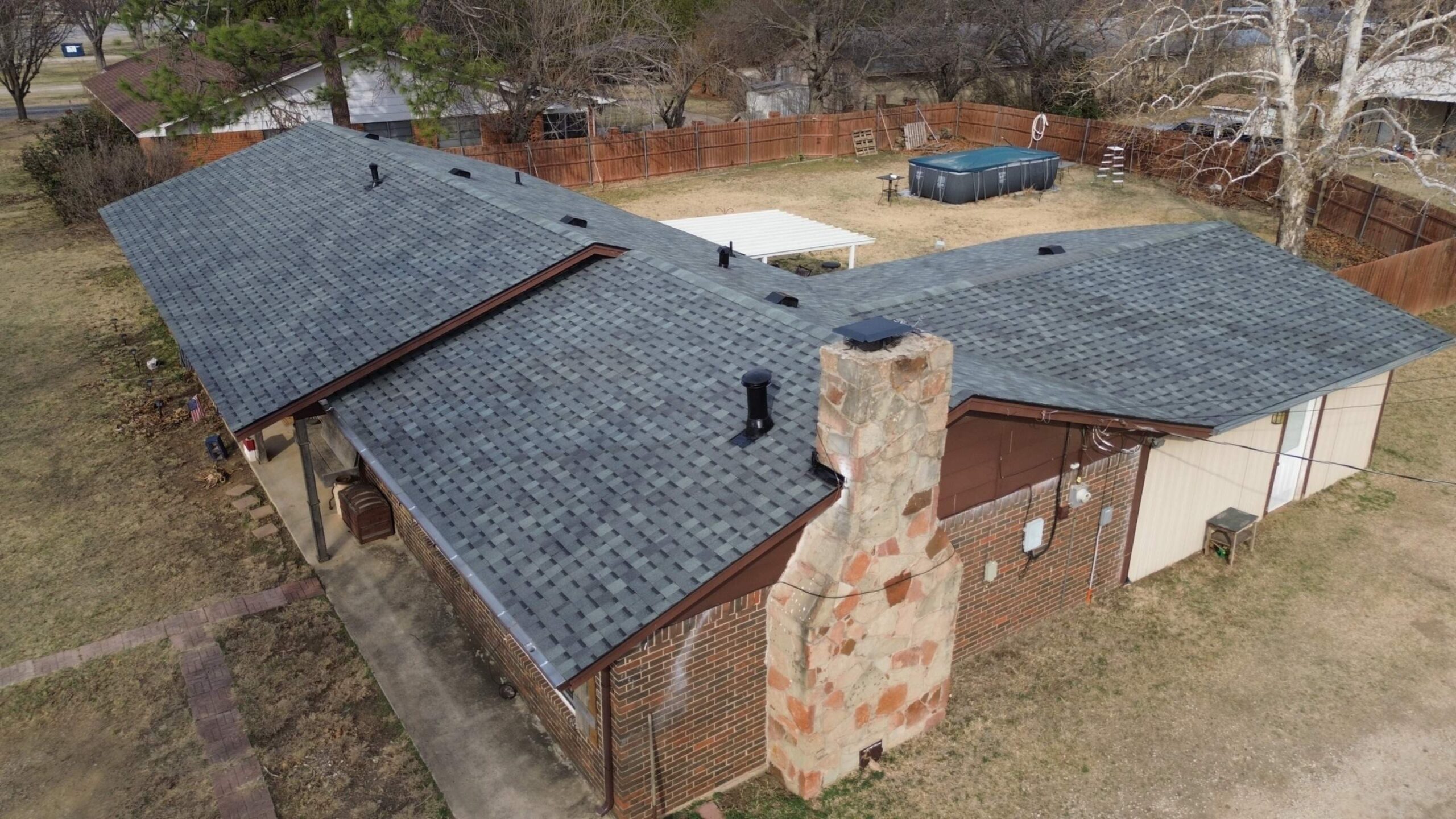
Solar energy is changing the role of residential roofs by allowing them to generate electricity. Traditional solar panels are installed above roofing materials, but building-integrated photovoltaic technology can incorporate solar cells directly into roofing products. Solar shingles and solar tiles are examples of this approach.
Building-integrated photovoltaics can create a more unified appearance than conventional solar panels. Solar roofing products are designed to perform both as roof coverings and energy-generating surfaces. This can be attractive to homeowners who want renewable energy while maintaining a specific architectural style.
Solar shingles can be installed across portions of a roof that receive suitable sunlight. When exposed to solar radiation, photovoltaic cells generate electricity that can be converted for household use. Depending on the system and local utility arrangements, electricity may also be stored or sent back to the electrical grid.
The condition of the roof is an important consideration before installing solar technology. If an existing roof is approaching the end of its useful life, adding a solar system may create additional work later when the roofing materials need replacement. Coordinating roof replacement and solar installation can sometimes provide a more efficient long-term approach.
Roof orientation and shading also influence performance. Trees, nearby buildings, roof structures, and other obstacles can reduce the amount of sunlight reaching photovoltaic surfaces. A professional assessment can determine whether enough suitable roof area is available to justify the investment.
Solar roofing requires coordination between roofing and electrical work. Wiring, inverters, mounting or integrated components, safety equipment, and other electrical systems must be properly designed and installed. This makes qualified installation particularly important.
Energy storage is another related trend. Batteries can store electricity generated by a solar roof for later use, helping homeowners use more of their generated energy when sunlight is unavailable. The combination of solar roofing, storage, and smart energy controls can turn the roof into an active component of the home’s energy system.
Solar technology is also becoming more integrated with overall residential construction planning. Instead of treating solar installation as an addition after the house is built, architects and builders can consider roof orientation, slope, structural requirements, and electrical infrastructure during the original design.
As solar technology continues to develop, energy-generating roofs are likely to become increasingly relevant in new residential construction. Their success depends on suitable roof design, local sunlight conditions, system quality, installation expertise, and the homeowner’s energy objectives.
Cool Roofing and Reflective Technologies
Cool roofing is another important technology trend, particularly for residential construction in warm and sunny climates. These systems are designed to reflect more solar energy and reduce the amount of heat absorbed by the roof. Lower roof temperatures can help reduce heat transfer into the building.
Traditional dark roofing surfaces can become very hot under direct sunlight. This heat can transfer through the roof assembly and increase cooling demand inside the home. Reflective roofing materials and coatings can reduce this effect by reflecting a greater portion of incoming solar radiation.
Cool roofing can be created through different materials and surface treatments. Reflective shingles, coatings, metal finishes, membranes, and other roofing products can provide varying levels of solar reflectance. The appropriate choice depends on roof design, material compatibility, climate, and appearance requirements.
Roof reflectivity works best when combined with good insulation. Insulation reduces heat transfer between the roof and interior, while a reflective surface reduces the amount of heat entering the roof assembly in the first place. Using both strategies can provide stronger thermal performance than relying on either one alone.
Ventilation can also support the performance of a cool roof. Proper attic airflow can help remove accumulated heat and moisture. Modern residential construction increasingly considers roofing, insulation, and ventilation as connected parts of the building envelope rather than separate components.
Cool roofing can potentially reduce cooling energy use, especially in climates with long, hot summers. However, actual energy savings depend on the entire home. Window performance, wall insulation, HVAC efficiency, building orientation, and occupant behavior all influence total energy consumption.
Maintenance can affect reflective performance over time. Dust, dirt, biological growth, and surface aging may change the characteristics of a roof. Selecting durable materials and maintaining drainage and roof surfaces can help preserve performance.
Cool roofing also needs to be selected carefully in colder climates. Reflecting sunlight can reduce heat gain during winter, which may not always be desirable. Climate-specific evaluation is therefore important when deciding whether a highly reflective roof is appropriate.
Smart Roof Sensors and Monitoring Systems
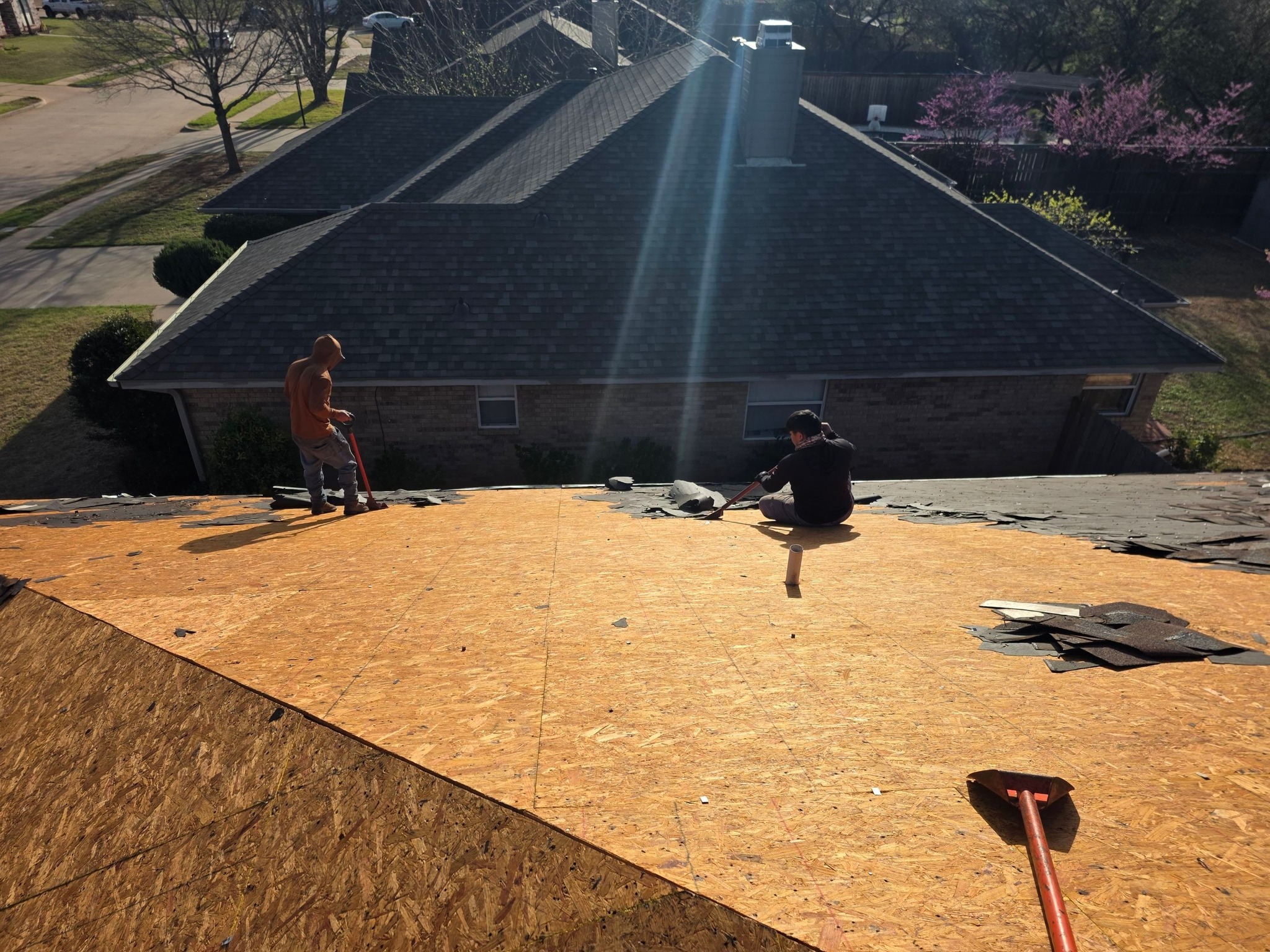
Smart sensors are becoming an emerging component of modern residential roofing. These devices can monitor conditions such as temperature, humidity, moisture, and other environmental factors. The information can then be transmitted to a digital platform where homeowners or professionals can review it.
Moisture detection is one of the most useful applications. A small roof leak may remain hidden beneath roofing materials or insulation before producing visible interior damage. A strategically placed sensor can detect moisture earlier and provide an alert that encourages investigation.
Temperature sensors can also provide useful information. Monitoring attic temperatures can reveal unusually high heat levels or changes that may indicate ventilation problems. This information can help homeowners and contractors determine whether additional inspection is needed.
Humidity monitoring may help identify conditions that encourage condensation. Excess moisture within an attic can contribute to deterioration of wood components, insulation problems, and biological growth. Continuous monitoring can provide information that periodic visual inspections may not capture.
Some smart roofing systems can connect with mobile applications. Homeowners may receive notifications when readings exceed selected thresholds. This can be particularly useful for properties that are vacant for extended periods because owners can receive information remotely.
Connected monitoring can also support maintenance planning. Instead of relying only on fixed inspection intervals, contractors may use sensor information to identify areas that deserve attention. This can make maintenance more condition-based and potentially reduce unnecessary inspections.
However, sensors do not replace professional roof inspections. They can identify unusual conditions but cannot always determine the source or severity of a problem. A moisture alert, for example, may indicate that water is present without identifying the exact point where it entered.
Reliability is also important. Sensors require appropriate installation, power, connectivity, and environmental protection. Homeowners should consider battery life, communication reliability, software support, and maintenance requirements before choosing a monitoring system.
As smart-home technology continues to expand, roofing sensors may become more common in residential construction. Their greatest value comes from providing useful information that supports early detection and preventive maintenance.
Digital Roofing Inspections and Drone Technology
Digital inspection technology is changing how roofing professionals evaluate residential properties. Drones, high-resolution cameras, thermal imaging, and digital measurement tools can provide detailed information while reducing the need for inspectors to physically walk across every part of a roof.
Drones can capture aerial images of large or difficult-to-access roof areas. This can be particularly useful for steep roofs, multi-level homes, or properties where physical access is challenging. High-resolution imagery can help identify missing roofing materials, damaged surfaces, debris, and other visible conditions.
Thermal imaging provides another layer of information. Differences in surface temperature can sometimes help identify moisture-related issues or areas with unusual thermal behavior. Thermal information is most useful when interpreted by trained professionals because temperature differences can have multiple possible causes.
Digital measurement tools can also improve estimating accuracy. Instead of relying entirely on manual measurements, contractors can use aerial imagery and specialized software to calculate roof areas, slopes, and material requirements. More accurate measurements can help reduce material waste and improve project planning.
Digital inspection records can make communication easier between contractors and homeowners. Photographs, measurements, and inspection findings can be organized into reports that show the condition of specific roof areas. This can help homeowners understand why repairs or replacement may be recommended.
Drones can also improve safety by reducing unnecessary roof access. Inspectors can examine certain areas from the ground or air before determining whether physical access is required. However, drones do not eliminate the need for trained professionals or hands-on inspection when a detailed evaluation is necessary.
As residential construction becomes more digital, roofing inspections are likely to become increasingly data-driven. Combining aerial imagery, thermal information, digital measurements, and smart sensors can provide a more complete understanding of roof condition and performance.
These technologies can improve efficiency, but professional judgment remains essential. Digital tools provide information, while experienced roofing professionals interpret that information and determine appropriate repairs, maintenance, or replacement strategies.
Artificial Intelligence in Roofing Design and Inspection
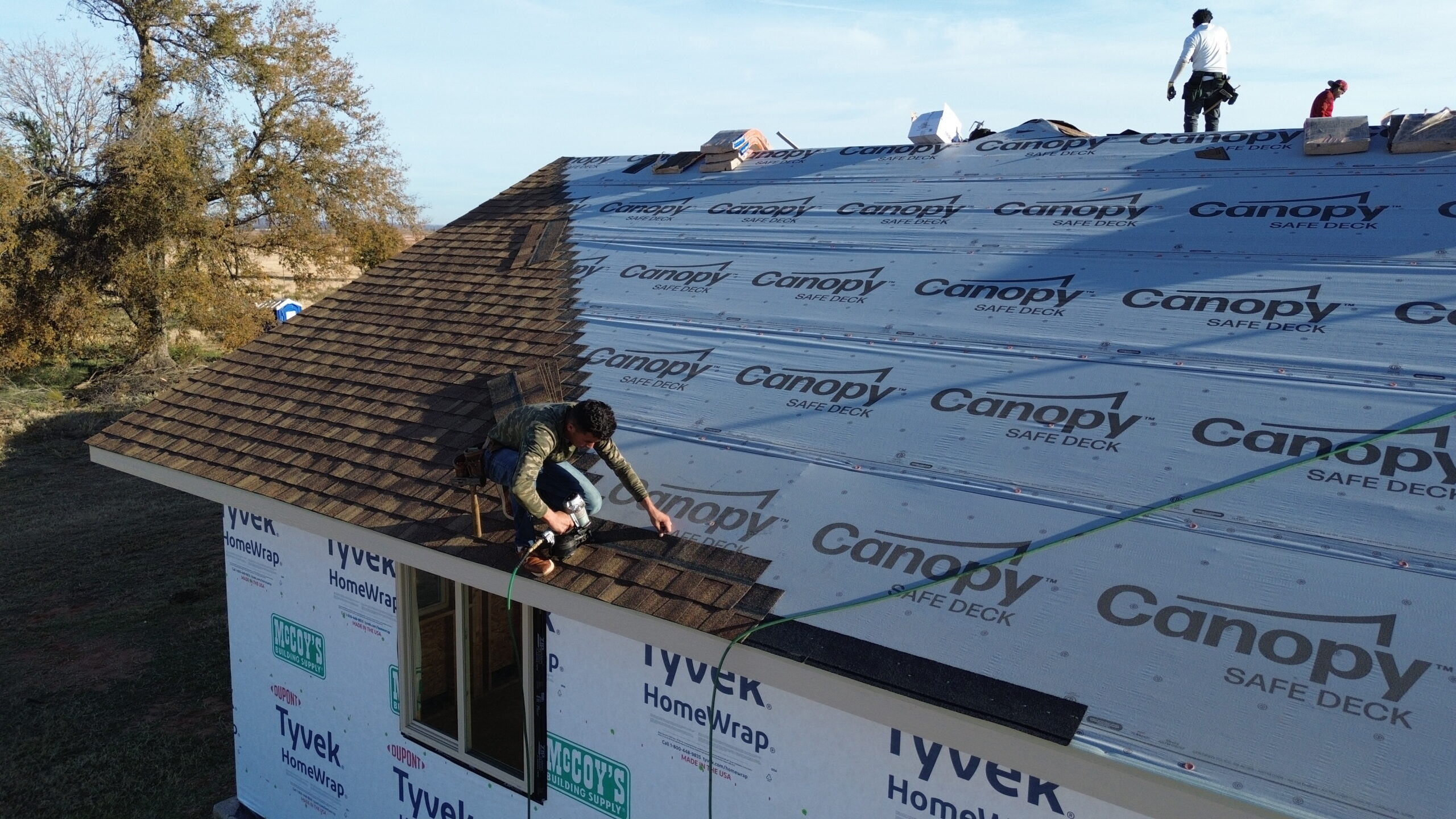
Artificial intelligence is becoming an important technology in residential construction, and roofing is one area where its capabilities can provide practical advantages. AI systems can analyze photographs, measurements, weather information, inspection records, and other data to identify patterns that may be difficult to recognize manually. This can help contractors make more informed decisions during roof design, inspection, maintenance, and replacement.
One developing application is automated image analysis. High-resolution photographs from cameras or drones can be processed by software to identify visible roofing conditions such as missing shingles, damaged surfaces, cracks, debris, or areas that require closer examination. AI does not replace a qualified inspector, but it can help organize large amounts of visual information and highlight potential concerns.
AI can also support roof measurement and estimating. Digital images and property information can be analyzed to calculate roof dimensions, slopes, and material requirements. More accurate measurements can reduce unnecessary material purchases and help contractors prepare more consistent project estimates.
Design optimization is another potential application. AI-based tools can evaluate factors such as roof orientation, sunlight exposure, climate conditions, building geometry, and energy requirements. This information can help designers consider roofing systems that balance durability, energy efficiency, solar generation, and construction costs.
Predictive maintenance is particularly promising. By combining historical inspection data with information from sensors and weather conditions, AI systems may identify patterns associated with developing roof problems. Homeowners could potentially receive maintenance recommendations before visible deterioration becomes extensive.
AI can also support storm damage assessment. After severe weather, large numbers of homes may require inspection. Automated analysis can help contractors prioritize properties or roof sections that appear to have significant damage, allowing professionals to focus their physical inspections where they are most needed.
Despite these advantages, AI results must be verified. Roofing conditions can be complex, and an algorithm may misinterpret shadows, dirt, normal material variations, or weather-related changes. Professional expertise remains necessary for confirming findings and determining appropriate repair methods.
Sustainable and Recycled Roofing Materials
Sustainability is becoming a major influence on residential roofing technology. Builders and homeowners are increasingly interested in materials that use resources efficiently, generate less waste, and provide long service lives. Roofing manufacturers are responding by incorporating recycled materials and developing products designed for improved environmental performance.
Recycled roofing materials can include products made partly from reclaimed plastics, rubber, metals, or manufacturing waste. Some composite roofing products use recycled components while maintaining the appearance and performance characteristics desired for residential construction.
Durability is an important part of sustainability. A roof that lasts longer may reduce the need for repeated manufacturing, transportation, installation, and disposal. Long service life can therefore contribute to lower environmental impacts over the entire life of a building.
Metal roofing is one example of a material that can support sustainable construction. Many metal roofing products contain recycled content, and metal can often be recycled at the end of its useful life. Its long service potential can further reduce the frequency of complete roof replacement.
Solar roofing can also contribute to a home’s sustainability by generating renewable electricity. When integrated into the roof design, photovoltaic technology can turn otherwise unused roof space into an energy-producing surface.
Cool roofing contributes through energy efficiency rather than material recycling. Reflective surfaces can reduce solar heat absorption and may lower cooling demand in suitable climates. This can reduce operational energy consumption over the life of the home.
Sustainable roofing should be evaluated using more than one factor. A product made from recycled material is not automatically the most environmentally responsible choice if it has a short service life or is difficult to maintain. Material sourcing, manufacturing, transportation, durability, energy performance, repairability, and end-of-life options should all be considered.
Manufacturers are also exploring ways to reduce waste during installation. More accurate digital measurements can help contractors order the correct quantity of materials, while improved manufacturing processes can reduce production waste. Together, these developments can support more efficient residential construction.
Impact-Resistant and Climate-Resilient Roofing
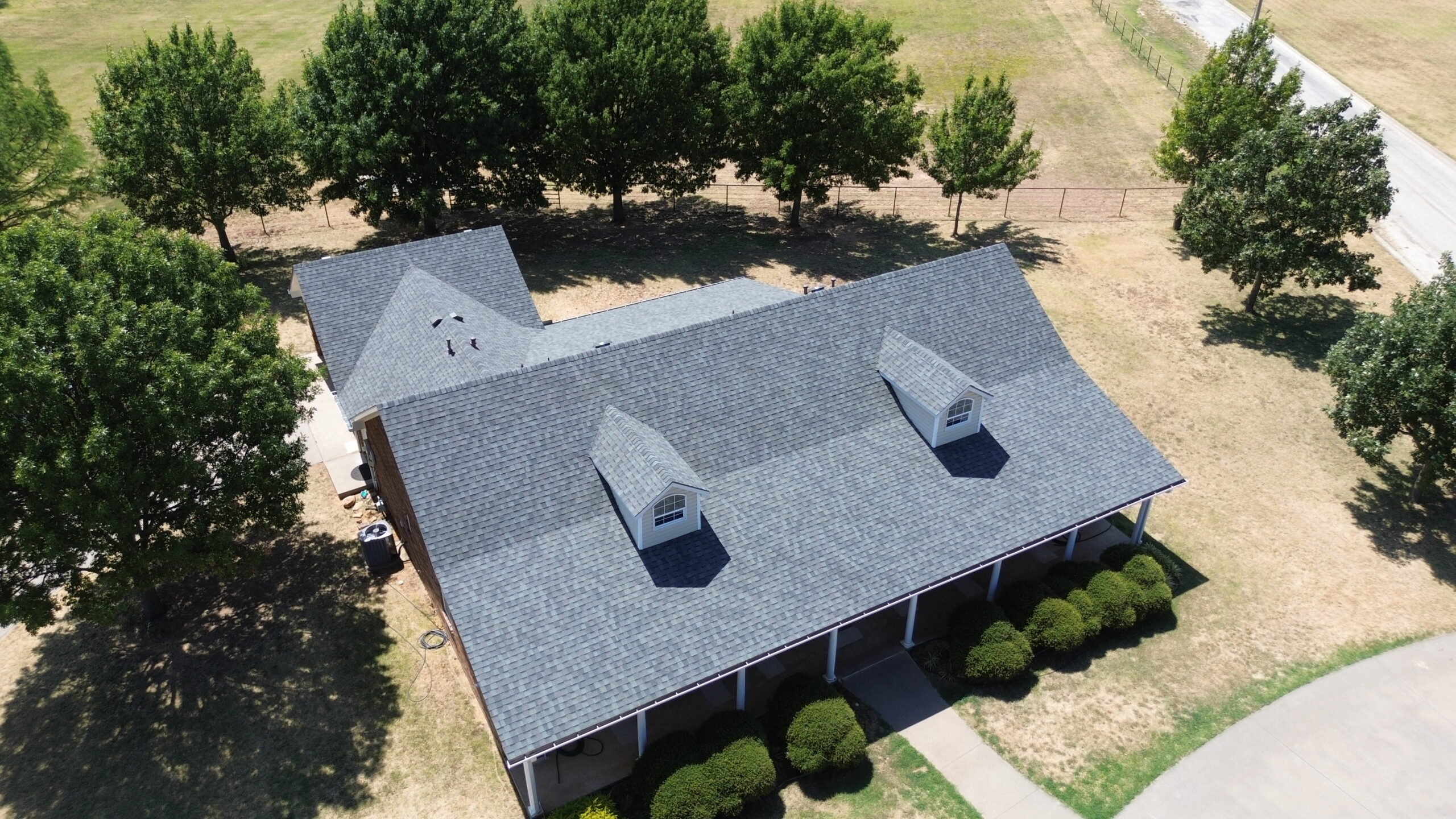
Severe weather is influencing roofing technology as homeowners and builders seek systems capable of handling increasingly demanding environmental conditions. Hail, strong winds, intense rainfall, extreme heat, freezing temperatures, and heavy snow can all place stress on residential roofs.
Impact-resistant roofing materials are designed to withstand stronger physical impacts than conventional products. This can be particularly useful in regions where hail is common. Although no roofing system can guarantee protection from every storm, improved impact performance can reduce the likelihood of certain types of damage.
Wind resistance is another important design consideration. Modern roofing systems can use stronger fastening methods, improved adhesives, reinforced components, and better edge detailing. These features help reduce the risk of roofing materials being lifted or displaced during high winds.
Weather resilience also depends on the roof’s overall construction. Flashing, underlayment, drainage, fasteners, roof edges, valleys, and penetrations all contribute to performance. A highly durable roofing material can still fail if supporting components are poorly designed or installed.
Extreme heat creates different challenges. Prolonged exposure to high temperatures and ultraviolet radiation can accelerate material aging. Reflective surfaces, UV-resistant coatings, improved ventilation, and climate-appropriate materials can help reduce the effects of prolonged heat exposure.
Cold climates require attention to freeze-thaw cycles, snow loads, ice, and moisture. Materials and roof assemblies must be selected according to local conditions. Insulation and ventilation are particularly important because they can influence condensation and temperature differences within the roof assembly.
Climate-resilient roofing may also involve smart monitoring. Sensors can identify unusual moisture or temperature conditions after severe weather, while digital inspection tools can help assess large areas more efficiently. Combining durable materials with monitoring technology provides multiple layers of protection.
Homeowners should therefore evaluate roofing products based on the hazards most relevant to their location. There is little benefit in paying for features that address risks a property rarely experiences, while ignoring the environmental conditions that pose the greatest threat.
Advanced Insulation and Roof Ventilation
Roofing technology increasingly focuses on the entire roof assembly rather than only the exterior covering. Insulation and ventilation play major roles in controlling heat and moisture, making them essential components of modern energy-efficient construction.
Advanced insulation materials can reduce heat transfer between the roof and interior of the home. Better insulation can help maintain more stable indoor temperatures and reduce the workload placed on heating and cooling systems.
Different insulation technologies are available for residential construction, including fiberglass, mineral wool, rigid foam, and spray-applied materials. The appropriate option depends on the roof design, climate, building requirements, and desired thermal performance.
Roof ventilation works alongside insulation by helping control heat and moisture within attic spaces. Intake and exhaust ventilation can allow air to move through the roof assembly when properly designed. This can help reduce excessive heat accumulation and manage moisture.
Smart ventilation adds another technological layer. Sensors can monitor attic temperature and humidity and activate mechanical ventilation when conditions require additional airflow. This can provide more responsive operation than systems that operate continuously.
However, ventilation must be carefully designed. Increasing exhaust without providing appropriate intake airflow may limit performance and create unwanted pressure conditions. Roof design, insulation placement, climate, and local construction requirements should all be considered.
Air sealing is also becoming more important. Uncontrolled air movement can carry moisture into roof assemblies and reduce energy efficiency. Combining effective air sealing with appropriate insulation and ventilation can improve the overall performance of the building envelope.
These technologies demonstrate why modern roofing should not be evaluated solely by the visible roof covering. A complete system that controls heat, moisture, air movement, and weather exposure can provide better long-term performance than a high-quality roof covering installed without adequate attention to the underlying assembly.
Prefabrication and Labor-Saving Roofing Technologies
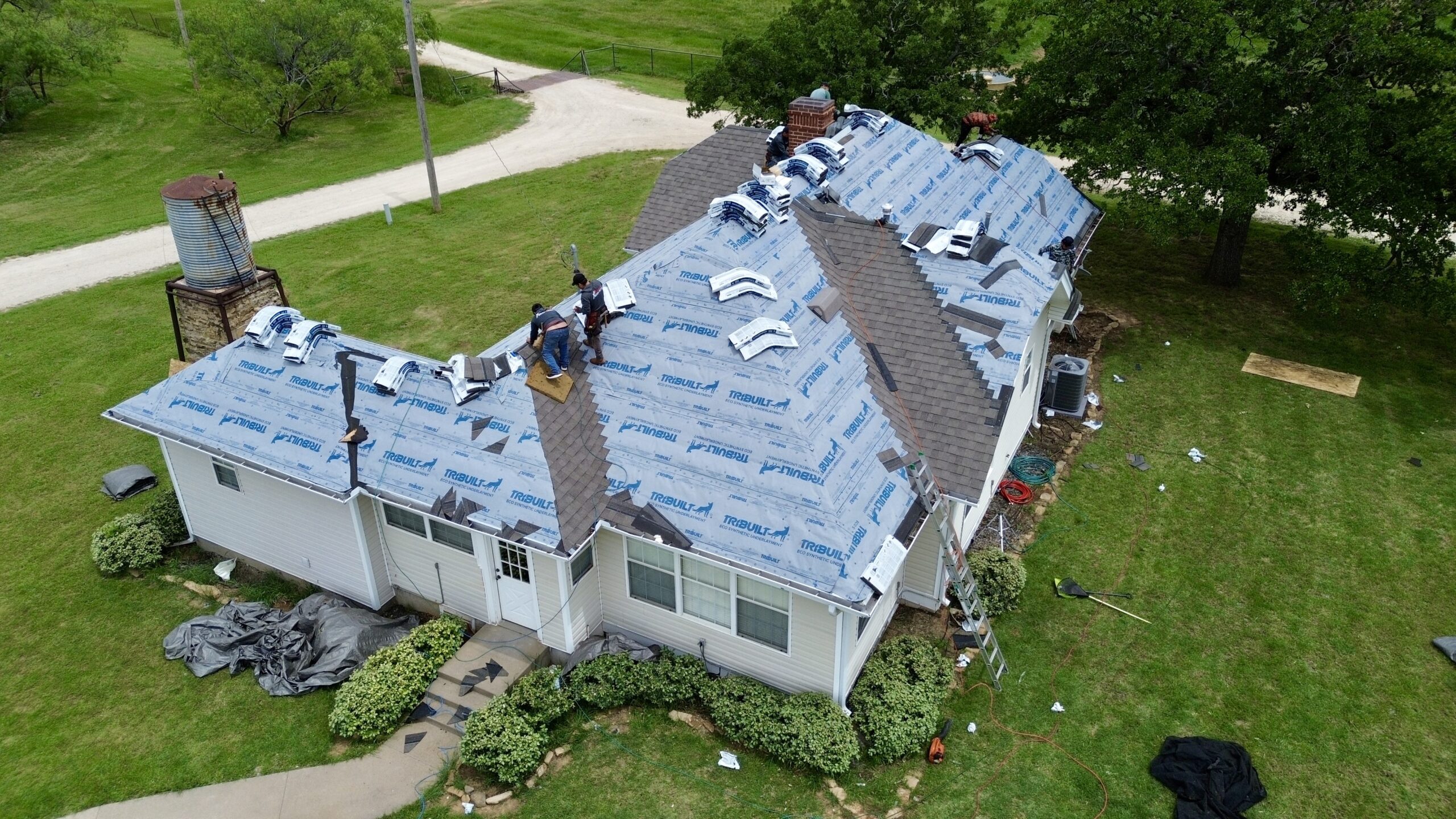
Construction technology is also changing how roofing systems are manufactured and installed. Prefabrication allows certain components to be produced or assembled in controlled factory environments before arriving at the construction site. This can improve consistency and reduce some installation time.
Factory-controlled production can provide greater precision than completely manual on-site fabrication. Components can be manufactured according to specific measurements and quality requirements, reducing variability between individual pieces.
Modular roofing components can also simplify installation. Prefabricated sections, integrated insulation systems, and engineered roof components may reduce the number of tasks contractors need to perform on site. This can be useful when construction schedules are tight.
Automation is another developing area. Manufacturing facilities can use advanced machinery and robotics for cutting, forming, coating, and assembling roofing products. Automated processes can improve consistency and reduce material waste.
Digital fabrication can also connect design software directly with manufacturing equipment. A digital roof model can provide measurements and specifications that guide the production of components. This reduces the possibility of errors caused by manually transferring measurements between different stages of a project.
Labor shortages are another reason why construction companies are exploring these technologies. Roofing can involve physically demanding work and requires skilled labor. Technologies that simplify repetitive tasks may help contractors use available workers more efficiently.
However, prefabrication is not appropriate for every project. Residential roofs vary significantly in geometry, dimensions, and site conditions. Custom roof designs may require substantial on-site work even when prefabricated components are used.
Transportation and site access also need consideration. Large prefabricated components must be safely transported and positioned at the construction site. The potential time savings should therefore be balanced against logistics, equipment requirements, and project complexity.
Digital Estimating, Modeling, and Project Management
Digital technology is transforming the planning and management of residential roofing projects. Contractors can now use specialized software to measure roofs, calculate materials, prepare estimates, create project schedules, and communicate information with customers.
Digital roof measurement can improve estimating accuracy. Aerial imagery and specialized software can generate detailed measurements without requiring contractors to manually measure every section of a roof. This can help reduce measurement errors and improve material calculations.
Three-dimensional modeling can also help visualize complex roof designs. Digital models can show roof slopes, intersections, valleys, dormers, and other features before construction begins. This can help designers identify potential conflicts and make adjustments earlier in the process.
Project management platforms can organize schedules, material deliveries, inspection records, photographs, invoices, and customer communications. Keeping these details in one digital environment can make projects easier to coordinate.
Digital documentation can also improve transparency for homeowners. Contractors can provide photographs and inspection findings to explain recommended repairs or replacement work. This can help customers understand the condition of the roof and why particular materials or construction methods are being proposed.
Material management is another area where digital tools can provide benefits. Software can track quantities, deliveries, and usage, reducing the possibility of shortages or unnecessary purchases. Better planning can also reduce construction waste.
Communication between different professionals can improve when everyone works from shared digital information. Architects, builders, roofing contractors, electricians, and energy specialists can coordinate roof-related requirements more effectively when design information is accessible across the project.
As residential construction becomes more connected, digital planning is likely to become a standard part of roofing projects. These tools do not replace skilled contractors, but they can help professionals make better decisions, reduce errors, and manage increasingly complex roofing systems.
The combination of advanced materials, artificial intelligence, sustainable products, climate-resilient designs, improved insulation, prefabrication, and digital project management is creating a more technology-driven residential roofing industry. These developments are not simply about adding new equipment to roofs; they are changing how roofing systems are designed, manufactured, installed, monitored, and maintained.
Predictive Roof Maintenance and Connected Home Systems
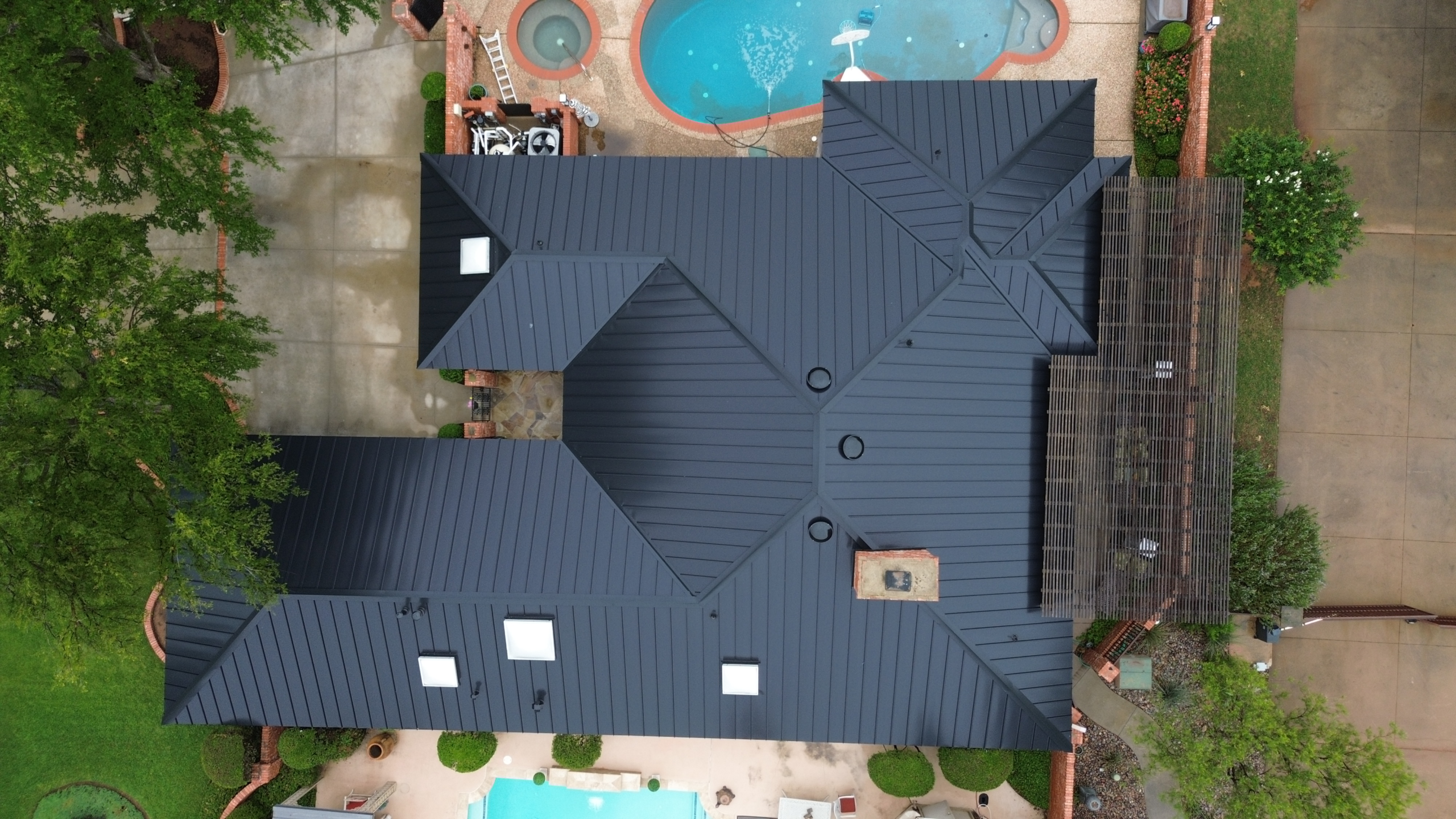
Predictive maintenance is becoming one of the most promising applications of technology in residential roofing. Traditional maintenance often depends on scheduled inspections or visible signs of damage, while predictive systems use data to identify unusual conditions before they become major problems. Sensors, weather information, digital inspection records, and artificial intelligence can work together to create a more proactive approach to roof care.
Connected roof sensors can monitor temperature, humidity, and moisture in selected areas of the roofing assembly. When readings change significantly, the system can send an alert to a homeowner or roofing professional. This can help identify potential leaks, condensation, ventilation problems, or unusual heat conditions earlier than a conventional visual inspection might.
Connected home systems can also combine roofing information with other building data. For example, solar production can be monitored alongside household electricity consumption, while attic temperature information can be compared with indoor cooling requirements. This gives homeowners a broader understanding of how the roof affects overall building performance.
Weather information can further improve predictive maintenance. After a severe storm, a connected system could recommend an inspection based on local conditions. This is particularly useful for homes exposed to hail, high winds, heavy rainfall, or other severe weather events.
Artificial intelligence may eventually make these systems more effective by analyzing information collected over long periods. Instead of simply reporting current conditions, an AI system could identify patterns associated with material deterioration and recommend maintenance at an appropriate time.
Technology should still complement, rather than replace, professional inspections. Sensors can identify unusual conditions, but roofing professionals are needed to determine the cause, severity, and appropriate repair. The strongest maintenance strategy combines digital monitoring with physical inspection and proper maintenance practices.
Green Roofs and Water Management Innovations
Green roofing is another technology trend gaining attention in residential construction, particularly where sustainability and urban environmental performance are important. A green roof uses vegetation and specially designed growing layers above a waterproof roofing system. Depending on the design, it can range from a relatively lightweight planted surface to a more extensive garden-like system.
One advantage of green roofs is their ability to absorb and temporarily retain rainwater. Instead of allowing all rainfall to immediately enter drainage systems, vegetation and growing media can slow runoff. This can help reduce pressure on stormwater infrastructure during heavy rainfall.
Green roofs can also influence roof temperatures. Plants and growing media can reduce direct solar exposure of the waterproofing layer, while evaporation can provide additional cooling. The exact energy benefits depend on climate, roof construction, vegetation, and building design.
Water management technology is also developing beyond green roofs. Modern drainage systems can use improved channels, sensors, and monitoring devices to identify blocked or overloaded drainage areas. These systems can help homeowners respond more quickly when heavy rainfall creates unusual conditions.
Rainwater collection can also be incorporated into residential roof design. Properly designed systems can collect runoff for suitable non-potable uses where permitted and appropriately treated. This can reduce dependence on treated water for certain household or landscape applications.
Green roofing is not suitable for every home. The structure must be capable of supporting the additional weight of growing media, vegetation, and retained water. Waterproofing, drainage, root protection, and maintenance must also be carefully designed.
For residential construction, green roofs are therefore best viewed as specialized systems rather than universal replacements for conventional roofing. Where structural and climatic conditions are appropriate, however, they can combine roof protection with environmental benefits.
Self-Healing and Advanced Protective Roofing Technologies
Researchers and manufacturers continue to explore roofing materials that can respond to minor damage or protect themselves against environmental deterioration. Self-healing technology remains an emerging area, but it represents an interesting direction for future residential roofing.
Some advanced materials are designed to respond to small cracks or surface damage through chemical or physical processes. The goal is to reduce the progression of minor defects before they become larger failures. While these technologies are still developing, similar concepts are being explored across construction materials.
Protective coatings are already more established. Advanced coatings can provide resistance to ultraviolet exposure, moisture, corrosion, dirt, and other environmental factors. Some are designed to reflect solar energy, while others focus on extending the service life of the underlying material.
Nanotechnology may also contribute to future roofing products. Extremely small engineered particles can be incorporated into coatings or materials to influence properties such as water resistance, durability, reflectivity, and surface performance. These applications are still evolving, and homeowners should evaluate actual product testing rather than relying on broad technology claims.
Fire-resistant roofing is another area of material development. Manufacturers continue to improve roofing products and assemblies that can provide stronger resistance to ignition and fire exposure. This can be especially valuable in regions where wildfires are a significant concern.
The future of protective roofing will likely involve combinations of technologies rather than one universal material. A roof may use a durable base material, reflective coating, impact-resistant surface, moisture monitoring system, and advanced insulation as part of one integrated assembly.
Energy-Generating and Energy-Optimized Roofs
Residential roofs are increasingly being designed as active energy components. Solar shingles, building-integrated photovoltaics, reflective roofing, advanced insulation, and smart energy controls can work together to reduce energy consumption and generate electricity.
Solar roofing allows suitable roof surfaces to produce electricity from sunlight. Unlike traditional solar installations that sit above an existing roof, integrated photovoltaic products can form part of the roofing surface itself. This can create a more unified architectural appearance.
Energy optimization goes beyond solar generation. A roof can reduce energy demand through insulation, ventilation, reflective materials, and appropriate orientation. These features can help limit unwanted heat transfer and improve indoor comfort.
Smart energy management can connect roof-generated electricity with household demand. When combined with battery storage and suitable control systems, homeowners may be able to use generated energy more effectively throughout the day.
The effectiveness of an energy-optimized roof depends on the entire building. Insulation, windows, walls, HVAC equipment, and occupant behavior all influence energy consumption. Roofing technology should therefore be integrated into the broader design rather than evaluated independently.
As residential construction becomes more focused on energy efficiency, the roof is likely to play an increasingly active role. Instead of being treated simply as the top layer of a house, it can become part of the building’s energy generation, thermal management, and environmental strategy.
Choosing Emerging Roofing Technologies for Residential Construction
With so many new roofing technologies available, homeowners and builders need to focus on practical needs rather than selecting products simply because they are innovative. The best technology is one that provides measurable benefits while remaining compatible with the home’s structure, climate, budget, and maintenance capabilities.
The first step is to evaluate the local environment. Hot climates may benefit from reflective roofing and improved ventilation, while storm-prone regions may require impact-resistant materials and stronger wind performance. Homes in areas with heavy rainfall may benefit from advanced drainage and moisture monitoring.
The condition of the existing roof should also be considered. Installing expensive technology on a roof nearing the end of its service life may not provide good long-term value. Roof replacement, insulation improvements, and smart technologies may be better planned together.
Homeowners should compare initial costs with long-term benefits. A more expensive technology may provide savings through lower energy consumption, reduced maintenance, longer service life, or renewable electricity generation. However, not every advanced feature produces enough value to justify its cost.
Installation expertise is equally important. Advanced roofing systems may require specialized contractors, electrical professionals, or other specialists. Poor installation can reduce performance and potentially create warranty or maintenance problems.
Maintenance requirements should be understood before installation. Sensors require power and connectivity, solar systems require electrical components, green roofs require vegetation management, and advanced coatings may have specific maintenance requirements.
Homeowners should also review product warranties and technical specifications carefully. Important considerations include expected service life, environmental limitations, repair procedures, compatibility requirements, and warranty conditions.
Conclusion
Roofing technology is changing residential construction by making roofs more durable, efficient, connected, sustainable, and responsive. Modern innovations extend far beyond improved shingles, with developments in artificial intelligence, digital inspections, solar generation, smart sensors, advanced insulation, sustainable materials, and automated systems.
One of the most important trends is the move toward data-driven roof management. Sensors, drones, AI tools, and connected systems can provide information that helps homeowners and professionals detect potential problems earlier. Predictive maintenance can reduce dependence on purely reactive repairs and may help extend the useful life of roofing systems.
Energy performance is another major direction. Solar roofing can transform suitable roof areas into electricity-generating surfaces, while cool roofing, improved insulation, and ventilation can reduce unwanted heat transfer. When combined with smart energy management, these technologies can make the roof an active part of a home’s energy strategy.
Climate resilience is also becoming increasingly important. Impact-resistant materials, improved wind resistance, fire-resistant products, advanced drainage, and weather monitoring can help homes respond to demanding environmental conditions. The right combination depends on the specific risks faced by each property.
Sustainability will continue to influence roofing innovation as well. Recycled materials, longer-lasting products, recyclable components, green roofs, and energy-generating systems can contribute to more environmentally responsible residential construction. However, sustainability should be evaluated across the entire lifecycle of a product rather than based on one feature.
Despite rapid technological development, traditional roofing fundamentals remain essential. Proper design, quality materials, professional installation, effective flashing, drainage, insulation, ventilation, and regular maintenance continue to determine whether a roof performs successfully over time.
The future of residential roofing is likely to involve greater integration between materials, digital systems, energy technology, and building automation. Homeowners may increasingly have roofs that can generate electricity, monitor their own conditions, provide maintenance alerts, and contribute to indoor comfort.
Ultimately, emerging roofing technology should be selected with purpose. By matching advanced solutions to climate conditions, building requirements, energy goals, budget, and long-term maintenance plans, homeowners and builders can create roofing systems that are better prepared for the demands of modern residential construction.