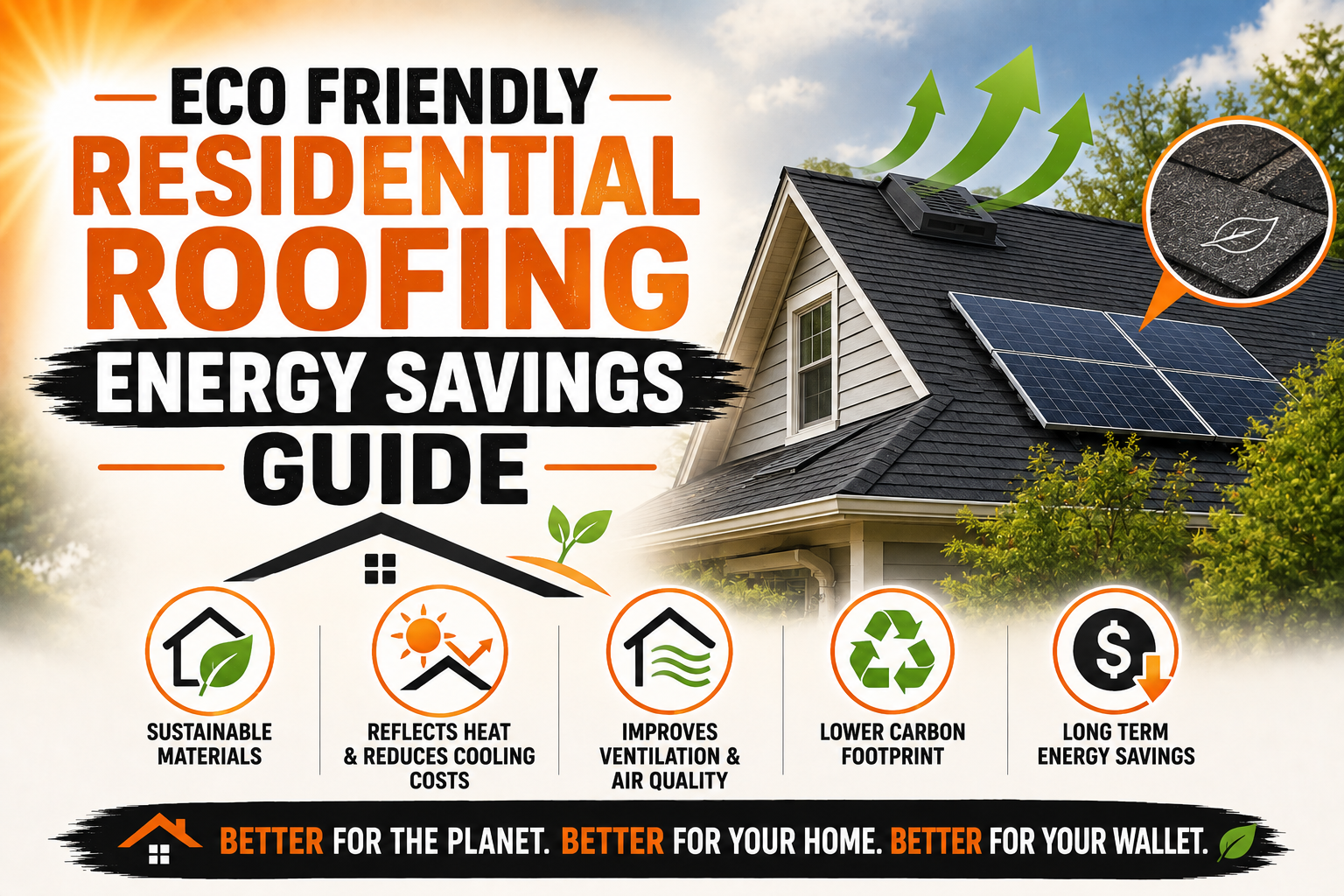
Eco Friendly Residential Roofing Energy Savings Guide
Introduction
Eco-friendly residential roofing is becoming an important consideration for homeowners who want to reduce energy consumption while improving the long-term performance of their homes. A roof does more than protect a building from rain, wind, and sunlight. Its materials, insulation, ventilation, color, and overall design can influence how much heat enters or leaves the house throughout the year.
Traditional roofing systems can sometimes absorb large amounts of solar heat, especially when dark materials are exposed to intense sunlight. That heat can transfer into the attic and increase the demand on air-conditioning systems during warm weather. Eco-friendly roofing approaches aim to manage this heat more effectively while also considering material durability, resource use, maintenance, and environmental impact.
Energy efficiency is only one part of sustainable roofing. An environmentally responsible roof can also use durable materials, recycled content, recyclable components, reflective surfaces, or systems designed to support renewable energy. Choosing longer-lasting materials can reduce the frequency of replacement and the resources required for future roofing projects.
Homeowners should also consider the complete roof assembly rather than focusing on one product. Insulation, ventilation, air sealing, roofing materials, drainage, and solar exposure all interact with one another. A highly reflective roof may provide useful heat reduction, but its benefits can be limited if the attic has inadequate insulation or uncontrolled air leakage.
Climate is another important factor. A roofing strategy that performs well in a hot region may not provide the same advantages in a cold climate. Local temperatures, humidity, rainfall, sunlight, wind, and seasonal conditions should influence material and design decisions.
Eco-friendly roofing does not necessarily mean choosing the most expensive product available. The most sustainable option is often one that provides appropriate energy performance, durability, repairability, and service life for the specific property. Careful planning can help homeowners achieve energy savings without sacrificing protection or long-term value.
Understanding Eco-Friendly Residential Roofing
Eco-friendly residential roofing refers to roofing systems designed to reduce environmental impact while supporting energy efficiency, durability, and responsible resource use. These systems can include reflective roofing, recycled materials, long-lasting metal roofs, green roofs, solar-ready designs, improved insulation, and effective ventilation.
One important characteristic of sustainable roofing is durability. A roof that lasts longer may require fewer replacements over its lifetime, reducing the amount of roofing material sent to disposal facilities and lowering the resources needed for manufacturing and transportation.
Material selection also matters. Some roofing products contain recycled materials or can be recycled at the end of their useful life. Metal roofing, for example, can have a long service life and may contain recycled content depending on the product and manufacturer.
Energy performance is another major consideration. Roofing materials that reflect more sunlight can reduce the amount of solar energy absorbed by the roof surface. This can be especially useful in warm climates where cooling represents a significant portion of household energy consumption.
An eco-friendly roof can also be designed to work with other energy-saving measures. Proper insulation reduces heat transfer, while ventilation helps manage conditions within appropriate attic spaces. Air sealing can reduce unwanted movement of conditioned air, creating a more effective building envelope.
Homeowners can consider several characteristics when evaluating sustainable roofing:
- Long service life and durability
- Appropriate thermal performance
- Reflective or solar-responsive materials
- Recycled or recyclable components
- Compatibility with insulation and ventilation
- Reduced maintenance requirements
- Potential integration with renewable energy
The environmental benefits of a roof should be considered across its entire life cycle. Manufacturing, transportation, installation, maintenance, replacement, and disposal can all contribute to the overall environmental impact.
For this reason, selecting a roof simply because it is marketed as “green” may not provide the best result. Homeowners should examine how the material performs in their climate and how long it is expected to remain functional.
A sustainable roofing system should ultimately provide reliable protection while using resources efficiently. It should also work with the rest of the home rather than being treated as an isolated component.
How Roofing Affects Home Energy Consumption
The roof has a direct relationship with the home’s thermal environment. During hot weather, sunlight strikes the roof and transfers energy into the roofing assembly. Some of this heat can move into the attic and eventually affect the rooms below.
A roof that absorbs significant solar radiation can contribute to higher attic temperatures. If the attic floor has insufficient insulation, more heat may move toward the living space, potentially increasing the workload of the cooling system.
Roof color and surface properties can influence solar heat absorption. Dark surfaces generally absorb more solar radiation than highly reflective surfaces, although actual performance depends on the roofing material, surface coating, roof construction, climate, and installation.
During colder weather, the energy flow changes. Heat generated inside the home can move upward toward the roof, particularly when insulation is inadequate. A properly insulated roof assembly can reduce this heat transfer and help the home retain conditioned air more effectively.
The roof therefore needs to perform in both directions. It should help limit unwanted heat gain during hot periods while reducing heat loss when outdoor temperatures are lower.
Insulation is one of the most important factors in achieving this balance. The roofing material alone cannot provide the same thermal protection as a properly designed insulation layer. Insulation should be installed according to the building design while maintaining appropriate ventilation pathways where required.
Air leakage can also undermine energy performance. Small openings around attic hatches, electrical penetrations, plumbing, ducts, and other components can allow conditioned air to escape. Sealing suitable gaps can improve the effectiveness of the insulation system.
Ventilation can complement these measures in a properly designed vented attic. It helps move air through designated attic pathways and can assist with heat and moisture management. However, ventilation should not be used as a replacement for insulation or air sealing.
Roof design can therefore influence energy consumption through several interconnected factors. Surface properties, insulation, ventilation, air sealing, roof orientation, and attic configuration should all be considered when evaluating potential energy savings.
A more efficient roof can contribute to a more comfortable home and may reduce the amount of energy required for heating and cooling. The actual savings will vary according to the property, climate, existing construction, and household energy use.
Sustainable Roofing Materials and Their Benefits
The choice of roofing material has a significant influence on the environmental and energy performance of a residential roof. Different materials have different service lives, manufacturing requirements, maintenance needs, thermal characteristics, and recycling possibilities.
Metal roofing is one option that can offer long-term durability. Depending on the product and finish, metal roofs can provide reflective surfaces and may contain recycled material. Their long service life can also reduce the frequency of complete roof replacement.
Recycled-content shingles are another option. Some roofing products incorporate recycled materials into their manufacturing process, helping reduce the demand for new raw materials. Homeowners should review manufacturer information to understand the actual recycled content and expected service life.
Clay and concrete tiles can also provide long-lasting roofing solutions in suitable climates. Their durability can reduce replacement frequency, although their weight and installation requirements need to be considered during structural planning.
Wood roofing materials can be renewable when sourced responsibly, but their environmental performance depends heavily on how the material is harvested, manufactured, treated, maintained, and eventually disposed of. Local climate also affects their suitability and maintenance requirements.
Synthetic roofing products may use recycled polymers or other materials to replicate the appearance of traditional roofing products. Some are designed for long service life and resistance to weather exposure, but homeowners should compare product specifications rather than assuming every synthetic roof has the same environmental benefits.
Material selection should also consider transportation. A roofing product manufactured far from the installation site may have a different environmental footprint from a comparable product produced closer to the property. Availability, durability, and local conditions should all be part of the decision.
Another important consideration is repairability. A roof that can be repaired effectively instead of being completely replaced after minor damage may provide better long-term resource efficiency. Homeowners should understand whether individual components can be replaced and how easily maintenance can be performed.
The most appropriate sustainable material is therefore not necessarily the newest or most heavily marketed product. A practical choice should balance durability, climate suitability, energy performance, environmental characteristics, installation requirements, and total life-cycle value.
Reflective Roofing for Heat Reduction
Reflective roofing can help reduce the amount of solar heat absorbed by a roof surface. These systems are often referred to as cool roofing because they are designed to remain cooler under sunlight than conventional roofing surfaces with lower solar reflectance.
A reflective roof can be particularly useful in warm climates. By reflecting a greater portion of incoming sunlight, the roof may absorb less heat, which can reduce the amount of heat transferred into the attic and upper areas of the home.
Roof color can play a role, but color alone does not determine whether a roofing material is highly reflective. Specialized coatings and surface technologies can improve solar reflectance even when the roof has a darker appearance.
The potential energy benefit depends on the building itself. Homes with well-insulated attics may experience a smaller change in indoor conditions because insulation already limits heat transfer. Buildings with poorly insulated roofs may experience more noticeable effects, although improving insulation may also be necessary.
Reflective roofing can be especially valuable when cooling demand is high. In regions with intense sunlight and long warm seasons, reducing roof heat absorption may help lower the thermal burden on the building.
However, reflective roofing is not automatically beneficial in every climate or season. In colder regions, solar heat can sometimes contribute to passive warming during winter. Homeowners should therefore evaluate the roof’s annual performance rather than focusing only on summer conditions.
The surrounding environment also matters. Trees, neighboring structures, roof orientation, and local weather can affect how much sunlight reaches the roof. A professional evaluation can provide a better understanding of whether reflective roofing is appropriate for the property.
Reflective roofing should also be considered alongside insulation and ventilation. The combination can provide a more comprehensive approach to managing roof temperatures and indoor comfort.
When selected appropriately, reflective roofing can be a practical energy-saving feature. It may reduce heat absorption while maintaining the protective function expected from a residential roofing system.
Insulation and Thermal Performance
Insulation is a fundamental part of an energy-efficient roofing system because it limits heat transfer between the conditioned areas of a home and the roof or attic. Even highly reflective roofing materials may provide limited energy benefits if the building has inadequate insulation.
The location of insulation depends on the roof and attic design. In a conventional vented attic, insulation is often installed at the attic floor to separate the conditioned living space from the unconditioned attic. Other roof assemblies may place insulation directly along the roof plane.
Insulation performance depends on more than thickness. Proper installation, continuity, moisture control, and protection from air movement all influence how effectively insulation performs. Gaps, compression, and poorly fitted sections can create areas where heat moves more easily.
Air sealing should be addressed alongside insulation. Small openings in the ceiling can allow conditioned air to escape into the attic, carrying heat and moisture with it. Sealing appropriate penetrations can help the insulation perform closer to its intended capacity.
Ventilation must also be coordinated carefully when using a vented attic. Insulation should not block soffit openings or interfere with designated airflow channels. Proper baffles can help maintain ventilation pathways while keeping insulation in the correct location.
A well-insulated roof can help stabilize indoor temperatures throughout the year. During hot weather, it slows heat moving from the roof and attic toward living areas. During colder periods, it reduces heat escaping from the home through the upper building envelope.
Energy savings from insulation vary based on existing conditions. A home with already adequate insulation may see smaller improvements than a property with significant gaps or insufficient coverage.
Homeowners should therefore consider the entire roof assembly when planning energy improvements. Reflective roofing, insulation, air sealing, and ventilation can complement one another when properly designed.
The result is a roofing system that does more than provide weather protection. It can become an important part of the home’s overall energy-efficiency strategy, helping reduce unwanted heat transfer and supporting more consistent indoor comfort.
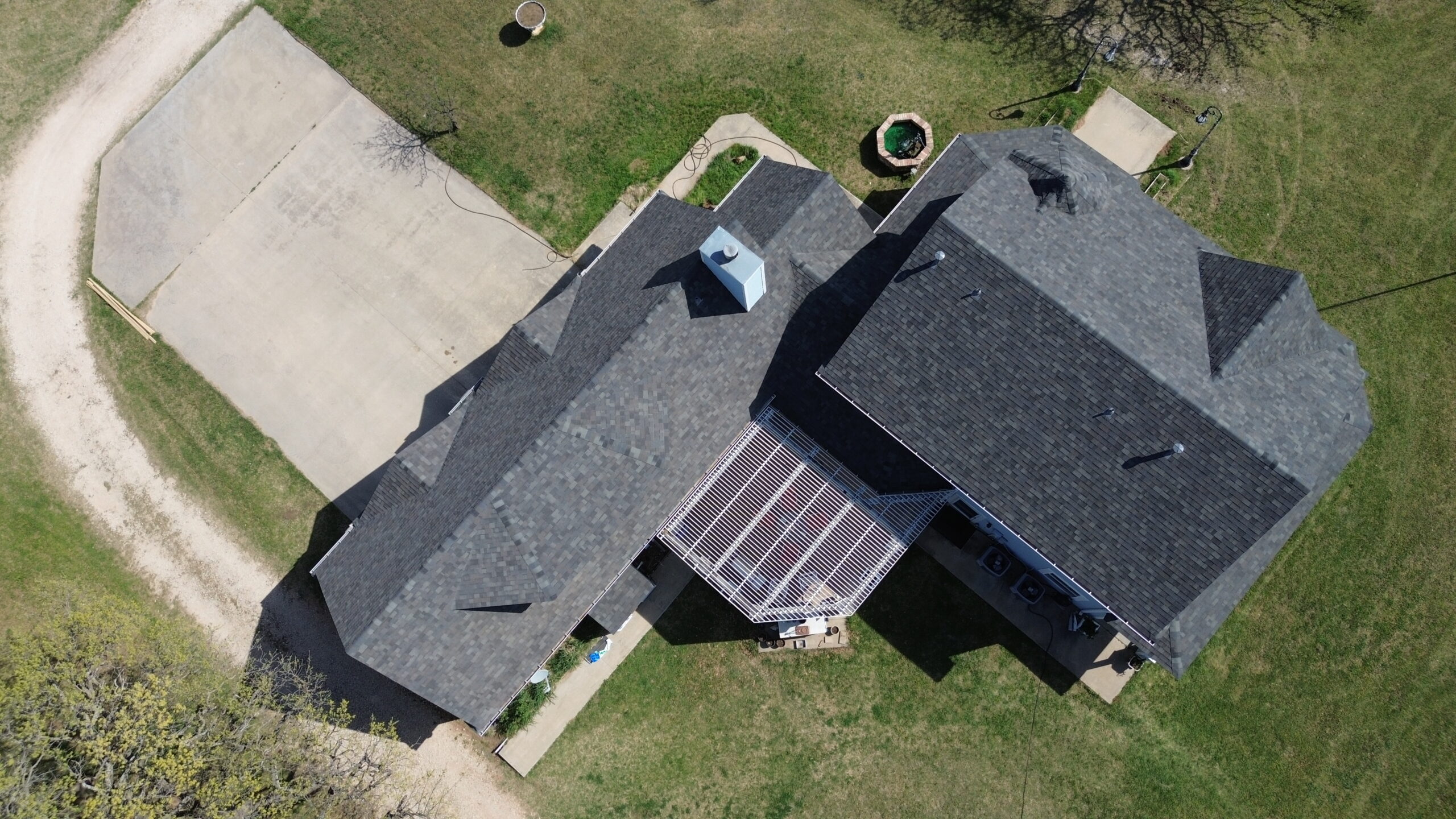
Cool Roofing Systems for Residential Homes
Cool roofing systems are designed to reflect more sunlight and absorb less solar heat than conventional roofing surfaces. They can be especially useful for homes in warm climates where high outdoor temperatures and intense sunlight increase cooling demand. By keeping the roof surface cooler, these systems can help reduce the amount of heat transferred into the attic and upper parts of the home.
Cool roofing can be created using reflective coatings, specially manufactured roofing materials, reflective membranes, or surface treatments. The appropriate option depends on the roof type, climate, slope, appearance requirements, and existing roofing structure. Homeowners should compare the expected performance of different products rather than selecting a material based only on its color or appearance.
The benefits of cool roofing can be more noticeable on buildings with low insulation levels, although improving insulation remains important. A reflective roof can reduce solar heat absorption, while insulation limits the amount of remaining heat that moves into the conditioned areas of the home. Combining these improvements can provide a more complete approach to energy efficiency.
Roof color can influence performance, but it is not the only factor. Some modern roofing products are engineered to reflect solar energy even when they have darker colors. Their performance depends on the material’s surface characteristics and should be evaluated using manufacturer specifications and appropriate energy ratings.
Cool roofing should also be selected according to local climate conditions. In hot regions, reducing solar heat gain can be particularly valuable, while homeowners in colder areas should consider how reflective surfaces may affect seasonal heating performance. A roofing decision should therefore consider the full year rather than focusing on one season.
Roof orientation and surrounding conditions can also influence the effectiveness of a cool roof. A roof receiving strong direct sunlight may gain more from reflective materials than a heavily shaded roof. Trees and nearby structures can change the amount of solar exposure throughout the day.
Homeowners should also consider the roof’s existing condition. Applying a reflective coating to a deteriorated roof may not be appropriate if the underlying materials already require replacement. Repairs, structural improvements, or complete replacement may need to be addressed before energy-focused upgrades are added.
A cool roof is most effective when it is part of a complete energy strategy. Insulation, air sealing, ventilation, efficient windows, and HVAC improvements can work alongside reflective roofing to reduce the home’s overall energy demand.
Recycled and Reclaimed Roofing Materials
Using recycled and reclaimed roofing materials can help reduce the environmental impact associated with residential roof replacement. Manufacturing new materials requires raw resources, energy, transportation, and processing, while recycled-content products can make use of materials that might otherwise enter waste streams.
Some roofing products incorporate recycled materials such as metal, rubber, plastics, or other recovered components. The exact content varies by manufacturer and product line, so homeowners should review reliable product information before making a decision.
Recycled metal roofing is one example of a material that can combine durability with resource efficiency. Metal roofs can have long service lives when properly installed and maintained, and many metal products can be recycled at the end of their useful life.
Rubber roofing products may incorporate recycled materials in certain applications. Some synthetic roofing products are also manufactured using recycled polymers. Their environmental value depends on factors such as recycled content, durability, manufacturing processes, and end-of-life recycling options.
Reclaimed materials can offer another sustainable option when they are suitable for the project. Reclaimed wood, slate, tiles, or other roofing components may be reused instead of manufacturing entirely new materials. However, reclaimed products need careful inspection to ensure that they remain structurally sound and appropriate for the local climate.
Durability is important when evaluating recycled roofing products. A material with recycled content is not automatically the most sustainable option if it has a short service life and needs frequent replacement. Long-term performance should always be considered alongside recycled content.
Transportation should also be considered. A reclaimed material sourced locally may have different environmental implications from a similar product transported over a very long distance. Availability, quality, installation requirements, and expected service life all contribute to the overall sustainability of the roof.
Homeowners should also investigate whether the material can be repaired rather than completely replaced after minor damage. Repairable roofing systems can reduce waste and extend the useful life of the existing roof.
The best approach is to evaluate the complete life cycle of the material. Manufacturing, installation, maintenance, repair, replacement, and disposal all contribute to the environmental footprint of a roofing system.
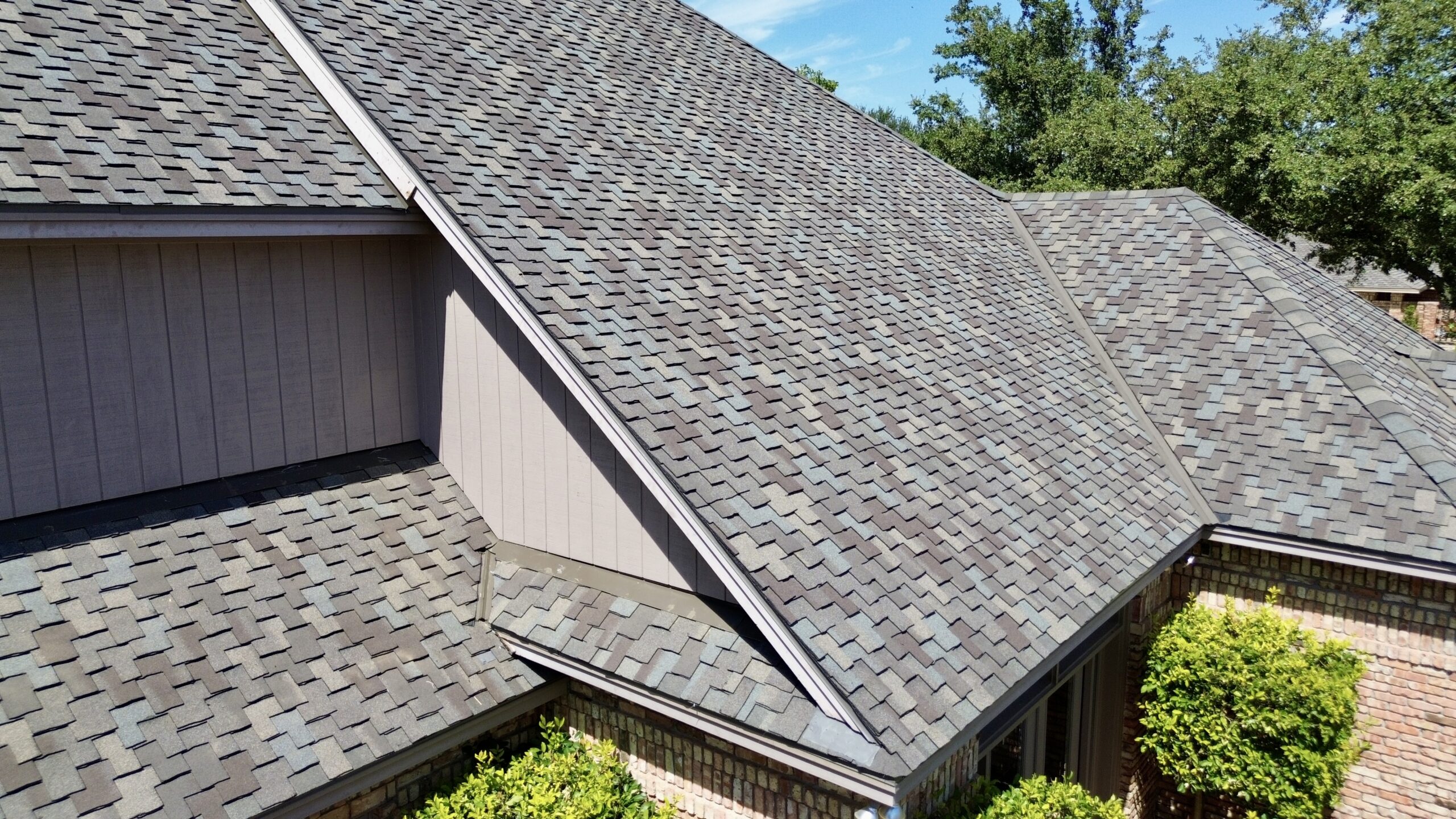
Metal Roofing and Long-Term Energy Savings
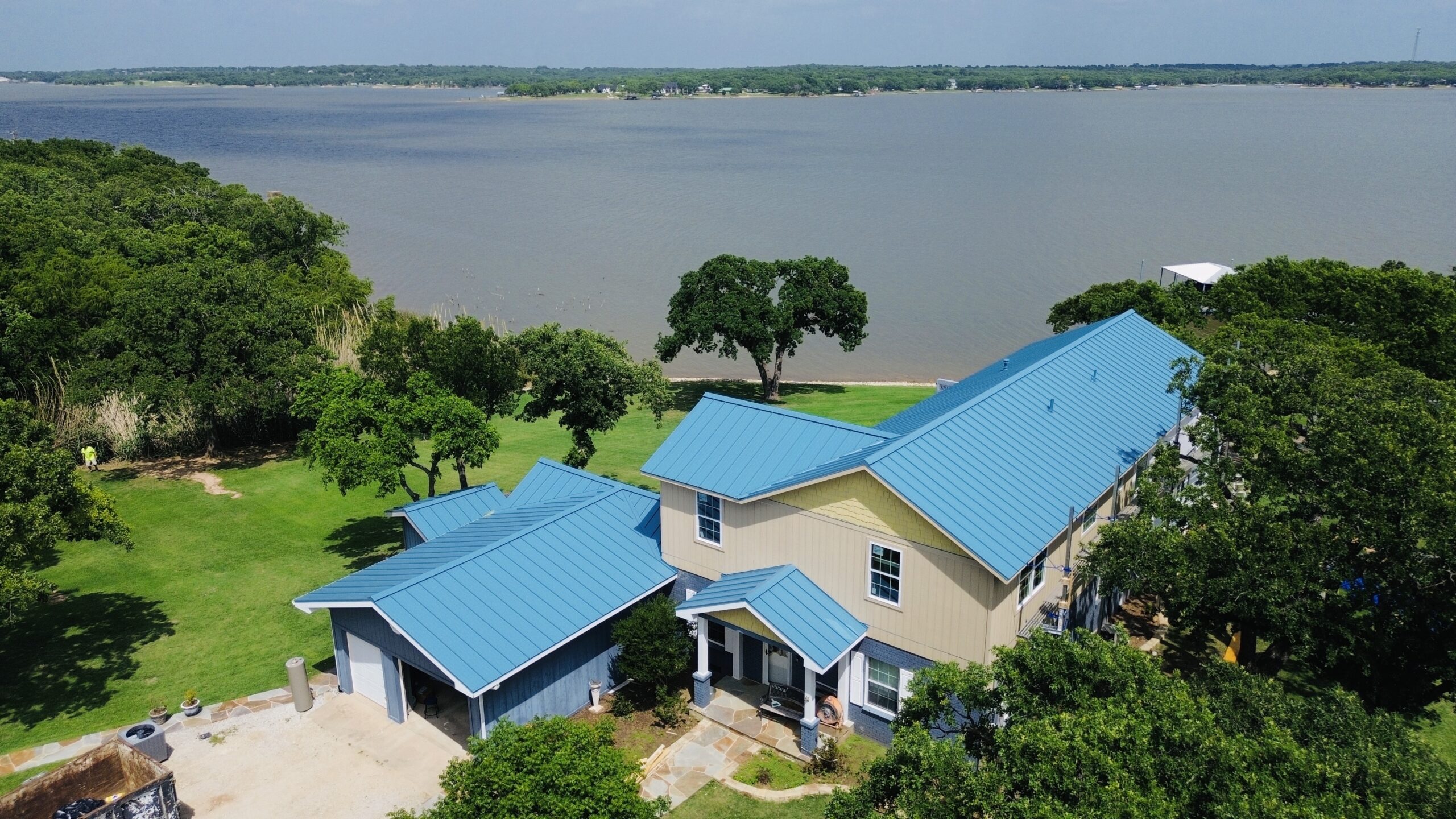
Metal roofing can be a practical option for homeowners interested in durability and energy-conscious construction. Modern metal roofs are available in a wide range of profiles, finishes, and colors, allowing them to suit different architectural styles while providing long-term weather protection.
One important advantage is service life. A properly installed metal roof can remain functional for many years, reducing the frequency of complete roof replacement. Fewer replacements can mean lower consumption of new roofing materials and less construction waste over the life of the home.
Metal roofing can also support energy efficiency when it uses an appropriate reflective finish. Some metal roof coatings are designed to reflect solar radiation and reduce heat absorption. This can be useful in warm climates where cooling demand is significant.
The thermal performance of metal roofing depends on the complete roof assembly. A metal surface alone does not provide the same function as insulation. The roof should include appropriate insulation and, where applicable, ventilation or other thermal-control measures.
Standing-seam metal roofing can also be compatible with certain solar mounting systems. Some solar attachments can connect to the seams without requiring the same type of penetration used on other roof systems. The specific mounting method must be selected according to the roofing profile and solar equipment.
Metal roofs can also be highly recyclable at the end of their useful life. This can contribute to resource conservation when the material is properly recovered and processed.
However, metal roofing has installation requirements that should not be overlooked. Thermal expansion, fastener selection, flashing, underlayment, drainage, and attachment details all need to be properly addressed. Poor installation can reduce durability regardless of the quality of the material.
Noise can also be a concern for some homeowners. Rainfall may sound louder on certain metal roofs, particularly when the roof assembly does not include suitable insulation or underlayment. Proper construction can help manage this issue.
Cost is another factor. Metal roofing can have a higher initial price than some conventional roofing materials, but its longer service life may provide value over time. Homeowners should compare the expected life-cycle cost rather than focusing only on the initial installation price.
When properly selected and installed, metal roofing can combine durability, energy-conscious surface options, recyclability, and solar compatibility. These characteristics make it a useful consideration for sustainable residential roofing projects.
Green Roofs and Vegetated Roofing Systems
Green roofs use vegetation and specially designed growing layers as part of the roofing assembly. They are more commonly associated with commercial or low-slope buildings, but certain residential structures can also support appropriately designed vegetated roof systems.
A green roof typically includes several layers that work together. These can include a waterproofing layer, root protection, drainage components, growing media, and vegetation. The system must be carefully engineered because the added weight of soil and retained water can be significant.
One potential benefit is reduced heat transfer. Vegetation and growing media can absorb solar energy and provide additional thermal buffering. This can help moderate roof temperatures and may reduce heat entering the building under suitable conditions.
Green roofs can also help manage rainwater. Plants and growing media can retain some rainfall, slowing the movement of water toward drainage systems. This can be useful in areas where stormwater management is an important consideration.
Vegetated roofs can contribute to urban environmental benefits as well. Plants can provide habitat for insects and other small organisms while adding vegetation to developed areas. Their environmental value depends on plant selection, maintenance, climate, and the overall design.
Not every residential roof can support a green roof. Structural capacity must be evaluated before installation because the system can become significantly heavier when saturated with water. The roof must also have suitable waterproofing and drainage.
Maintenance requirements should be considered as well. Plants need appropriate care, and drainage systems need to remain clear. Neglecting maintenance can lead to vegetation problems, drainage issues, or damage to other roofing components.
Green roofs may also have higher installation costs than conventional roofing. Their value should therefore be evaluated according to the homeowner’s goals, climate, building structure, water-management needs, and long-term maintenance capacity.
For suitable homes, a properly designed green roof can provide a combination of thermal, environmental, and stormwater benefits. It should be treated as a specialized roofing system rather than simply adding plants to a conventional roof.
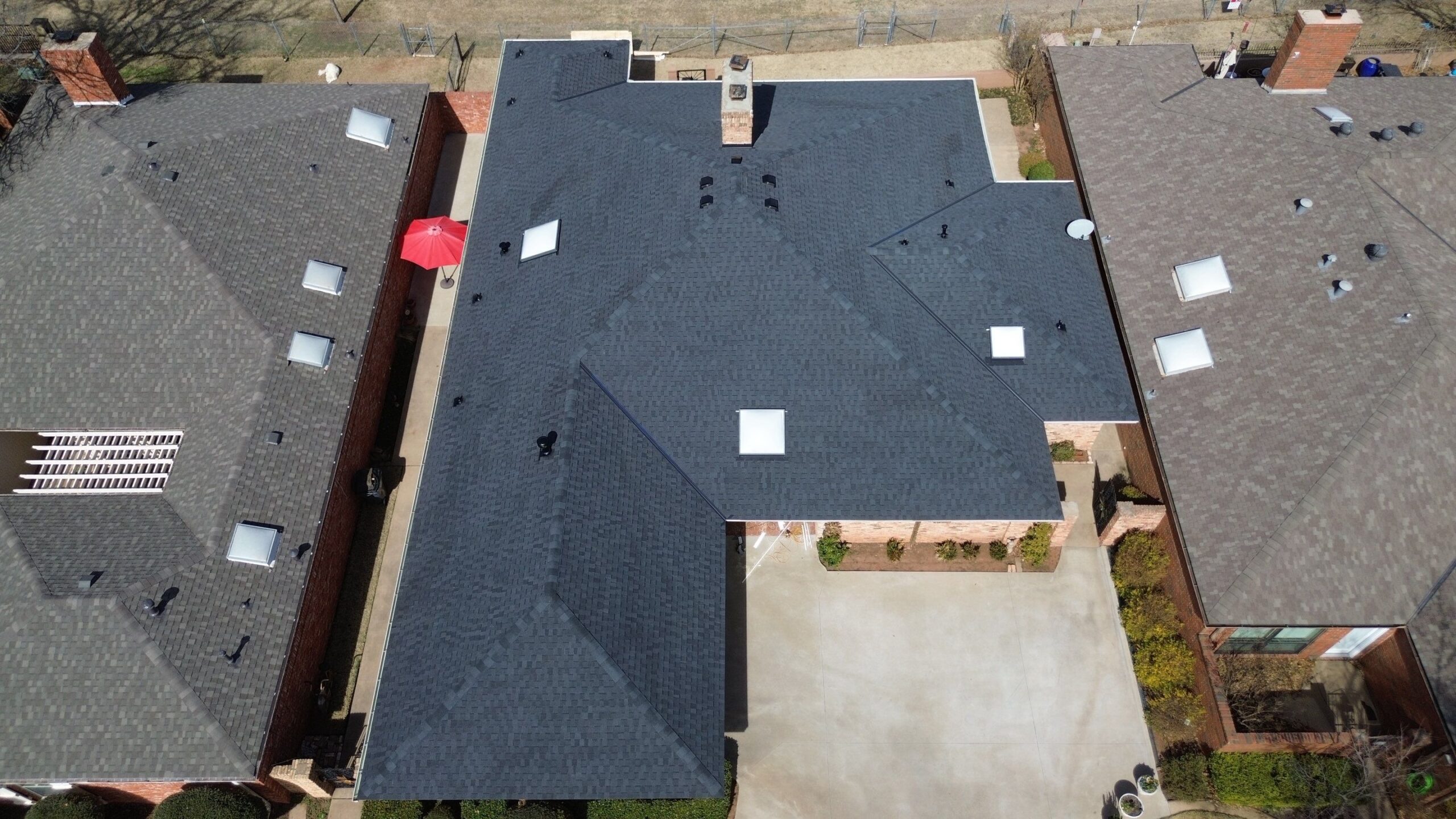
Solar-Ready and Solar Integrated Roofing
Solar-ready roofing prepares the roof for future photovoltaic installation, while solar-integrated systems can incorporate solar technology directly into the roofing design. Both approaches can support renewable energy goals while making the roof part of a broader energy strategy.
A solar-ready roof should provide suitable space for future panels. Orientation, roof pitch, shading, structural capacity, and permanent roof features should be considered before construction or roof replacement.
The condition of the roof is particularly important. Installing solar equipment on a roof that is near the end of its useful life can create complications if the roof needs replacement later. Preparing or replacing the roof before solar installation can help coordinate the expected service lives of both systems.
Structural planning is another key factor. Solar panels and mounting equipment add weight and experience forces from wind and other environmental conditions. The supporting roof structure should be evaluated to ensure it is appropriate for the intended system.
Electrical pathways can also be prepared in advance. A planned route from the future array toward the inverter and electrical service area can reduce the need for invasive modifications later. Documentation of these pathways can help future installers understand the original design.
Solar-ready roofing can also work alongside energy-efficiency improvements. Reducing the home’s energy demand through insulation, efficient equipment, and appropriate roofing materials can complement the electricity generated by future solar panels.
Integrated solar roofing products can provide another approach. Some systems incorporate photovoltaic technology into roofing components, creating a combined roof and energy-generation solution. These products require careful evaluation of cost, performance, installation, maintenance, and long-term replacement requirements.
The choice between traditional roofing with solar panels and an integrated system depends on the property and homeowner’s priorities. A conventional roof may offer greater flexibility in material selection, while integrated products can provide a different architectural appearance.
The most important consideration is proper coordination. Solar equipment should not compromise roof drainage, weather protection, maintenance access, or structural performance.
Rainwater Management and Sustainable Roof Design
Sustainable roofing should also consider how rainwater is collected, directed, and managed. A roof that efficiently controls water can reduce the risk of leaks, erosion, foundation problems, and unnecessary strain on drainage systems.
Roof slope plays an important role in directing rainfall toward gutters, drains, or other collection points. Valleys and roof transitions need appropriate flashing and drainage details to prevent water from becoming trapped or entering vulnerable areas.
Rainwater harvesting can provide another sustainable option for suitable properties. Collection systems can capture roof runoff for appropriate non-potable uses, depending on local regulations and the design of the system.
The roofing material can affect water management as well. Smooth surfaces, textured materials, roof pitch, and drainage details all influence how quickly water moves across the roof. The system should be designed so that water reaches designated drainage pathways efficiently.
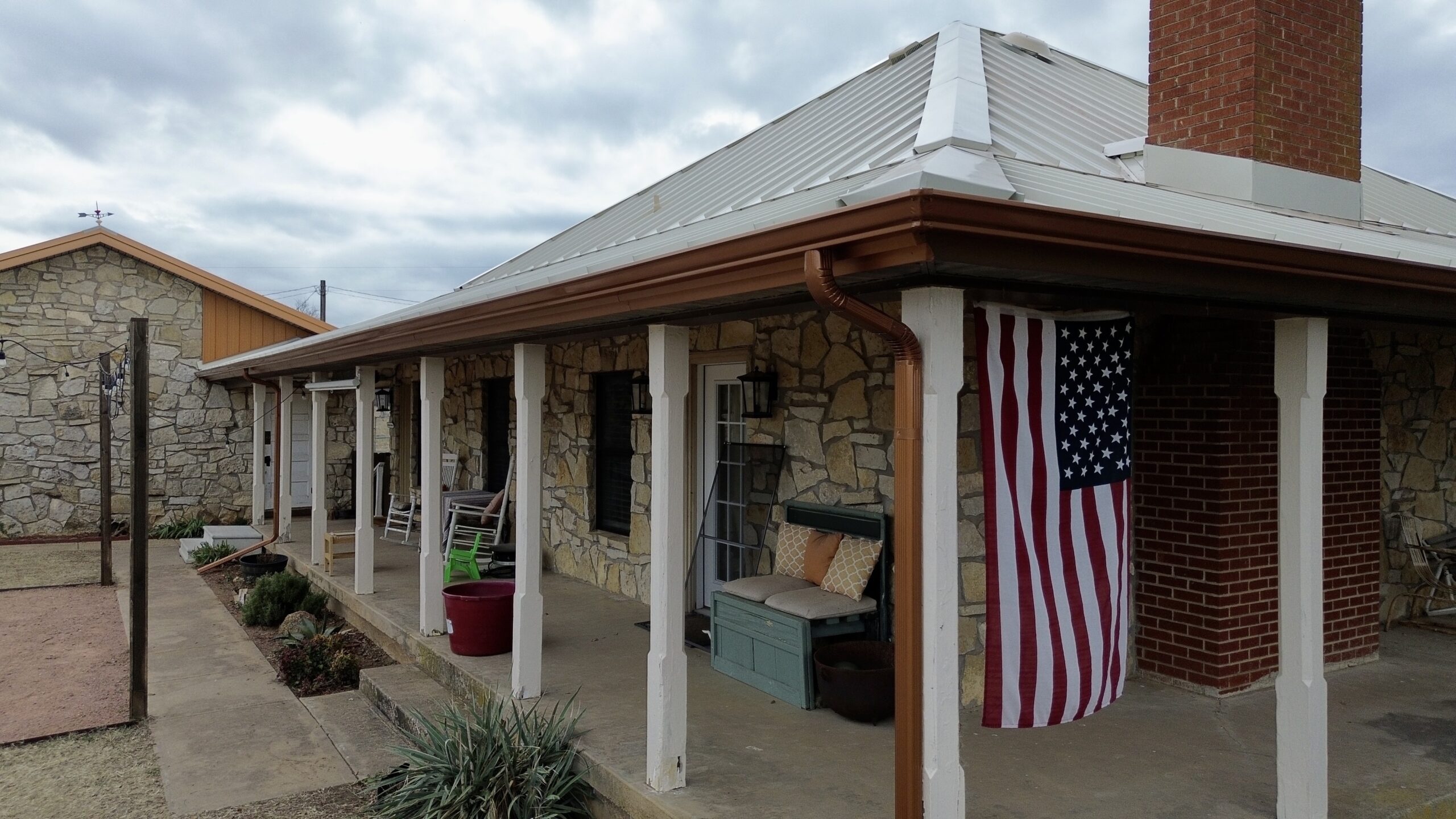
Gutters and downspouts need regular maintenance to remain effective. Leaves, branches, dirt, and other debris can block drainage and cause water to overflow against roof edges or exterior walls. Keeping these components clear is a simple but important part of sustainable roof maintenance.
Rainwater management can also reduce unnecessary damage to landscaping and foundations. Downspouts should direct water toward suitable discharge areas rather than allowing concentrated runoff to accumulate next to the building.
In areas with heavy rainfall, homeowners may consider additional drainage strategies such as larger gutters, appropriate downspout capacity, rain gardens, or other site-level solutions. The best approach depends on local conditions and property layout.
Sustainable roof design should therefore consider water as well as energy. A roof that reduces heat gain but has poor drainage cannot provide complete long-term performance.
When energy efficiency, material sustainability, durability, and water management are considered together, the roof becomes a more complete environmental system. These principles provide the foundation for making informed decisions about eco-friendly residential roofing while balancing performance, maintenance, and long-term value.
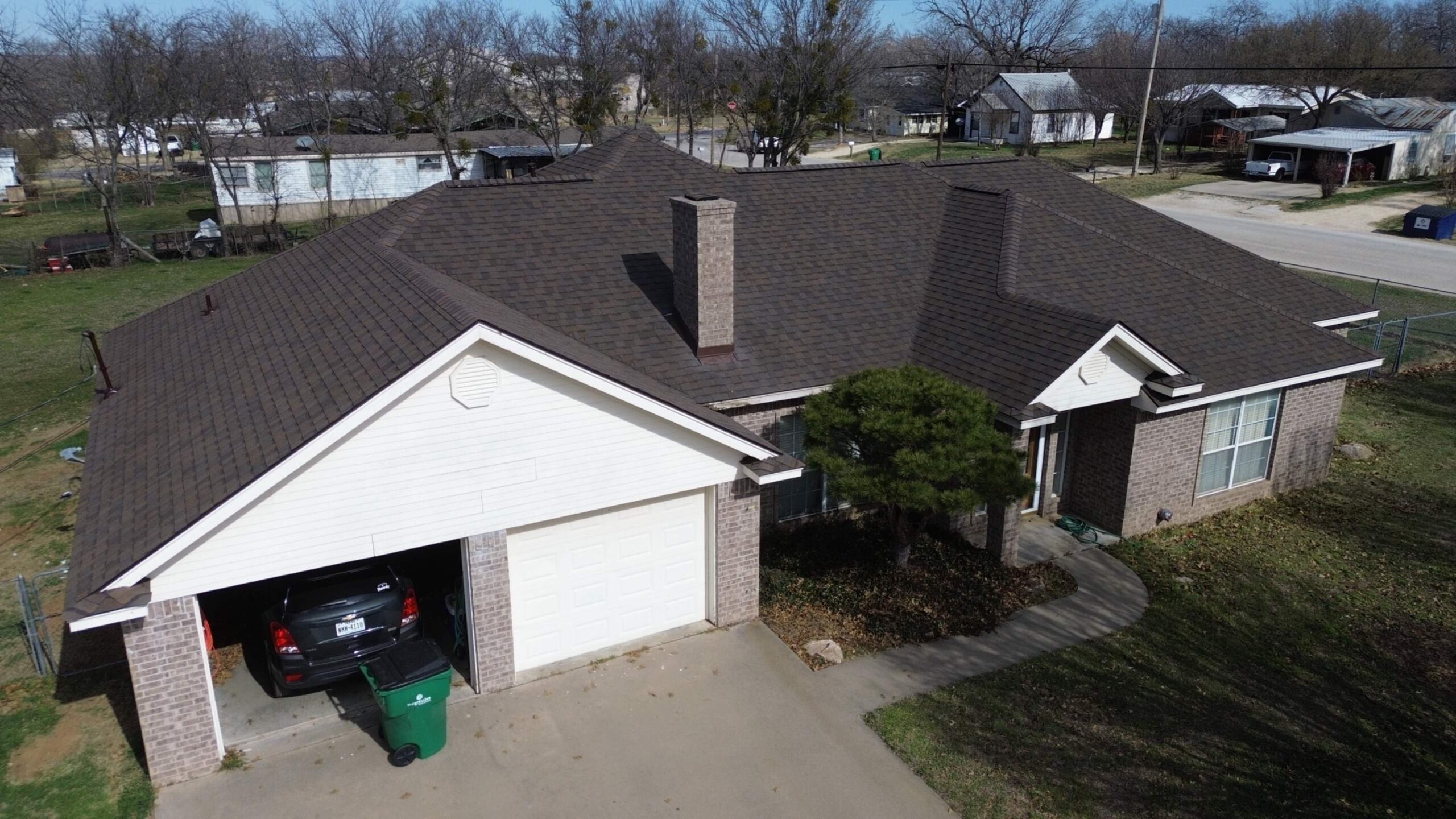
Choosing an Eco-Friendly Roofing System
Choosing an eco-friendly residential roofing system requires more than selecting a material labeled as sustainable. Homeowners should consider energy performance, durability, climate suitability, maintenance requirements, recyclability, installation methods, and the expected service life of the roof. A roofing system that performs well in one environment may not provide the same benefits in another, so the decision should be based on the specific home and local conditions.
Climate is one of the first factors to evaluate. Homes in hot regions may benefit from reflective roofing surfaces that reduce solar heat absorption, while homes in colder areas may require a greater focus on insulation and reducing heat loss. Humid and rainy climates also require careful attention to moisture management, drainage, ventilation, and material resistance.
The roof structure itself should also be assessed. Some sustainable roofing options are heavier than conventional materials and may require additional structural support. Green roofs, concrete tiles, and certain specialty systems can add substantial loads, particularly when wet or exposed to heavy weather.
Roof orientation and sunlight exposure matter when renewable energy is part of the plan. A roof with suitable unobstructed areas can be prepared for solar panels, while roof features such as chimneys, vents, and skylights should be positioned carefully to preserve useful space.
Homeowners should also consider how long the roofing system is expected to last. A durable roof that requires fewer complete replacements can reduce material consumption and construction waste over time. However, durability should be balanced with responsible sourcing, repairability, energy performance, and end-of-life options.
A practical evaluation can compare several important characteristics before making a decision:
| Roofing consideration | Why it matters |
|---|---|
| Reflectivity | Can reduce solar heat absorption in suitable climates |
| Insulation | Helps reduce unwanted heat transfer |
| Durability | Can reduce replacement frequency and material waste |
| Recycled content | Can reduce demand for new raw materials |
| Recyclability | Supports responsible end-of-life material management |
| Solar compatibility | Allows future renewable energy installation |
| Water management | Helps control runoff and moisture-related damage |
| Maintenance | Influences long-term resource use and ownership costs |
Homeowners should also consider the complete roof assembly rather than one individual component. Roofing material, underlayment, insulation, ventilation, flashing, drainage, and structural support should work together to create a reliable system.
Professional advice can be especially useful when selecting specialized sustainable materials. A qualified roofing professional can evaluate existing conditions and help determine which options are suitable for the property’s structure and climate.
Balancing Roofing Costs and Energy Savings
The initial price of an eco-friendly roof is only one part of its overall financial value. Some sustainable roofing materials may cost more to purchase and install than conventional options, but they can provide benefits through longer service life, reduced maintenance, improved energy performance, or lower replacement frequency.
Energy savings should be evaluated realistically. A reflective roof may reduce cooling demand in a hot climate, but the amount saved depends on insulation, attic conditions, HVAC efficiency, home size, weather, and household energy use. A roof should therefore be viewed as one part of the home’s energy system.
Long-term cost can be more meaningful than initial cost. A less expensive roof that requires frequent repairs or early replacement may ultimately cost more than a durable system that performs reliably for a longer period.
Maintenance also affects total ownership costs. Materials that require specialized cleaning, coatings, inspections, or repairs may have different long-term expenses than systems with simpler maintenance requirements.
Homeowners can approach the financial decision by comparing the expected benefits over the roof’s service life. Important considerations include:
- Compare the initial installation cost with the expected service life.
- Estimate potential energy benefits based on the local climate and existing home performance.
- Consider maintenance, inspection, and repair requirements.
- Evaluate whether the material can be repaired instead of completely replaced.
- Consider recycling or disposal options when the roof eventually reaches the end of its service life.
Government incentives or energy programs may sometimes affect the financial calculation for certain energy improvements. Availability and eligibility can vary by location and change over time, so homeowners should verify current requirements before including incentives in their budget.
Energy efficiency can also become more valuable when combined with other home improvements. For example, a reflective roof may work alongside improved attic insulation and efficient cooling equipment. These upgrades can address different parts of the home’s energy demand.
The most economical eco-friendly roof is therefore not necessarily the cheapest product. It is the system that provides an appropriate balance between installation cost, energy performance, durability, maintenance, and environmental impact.
Maintenance and Long-Term Sustainability
Maintenance is essential for keeping an eco-friendly roofing system effective throughout its service life. Even durable and sustainable materials can deteriorate when small problems are ignored. Regular inspections can help identify damaged roofing components, blocked drainage, deteriorated flashing, and other conditions before they become major issues.
Gutters and downspouts should be kept clear so that rainwater can move away from the roof efficiently. Blocked drainage can cause water to overflow against roofing edges, walls, foundations, or landscaping. Maintaining these components supports both roof durability and responsible water management.
Reflective roof surfaces may also require periodic inspection and cleaning. Dirt, organic material, and other buildup can affect the appearance and potentially change surface performance. Maintenance requirements depend on the specific product and should follow appropriate manufacturer recommendations.
Solar-ready roofs should be inspected around mounting areas once panels are installed. Flashing, seals, and drainage pathways should remain in good condition. Any roofing problem beneath a solar array can become more difficult to address if it is allowed to continue unnoticed.
Green roofs require their own maintenance approach. Vegetation needs to remain healthy, drainage pathways must stay clear, and waterproofing should be protected. Regular inspections can help prevent small maintenance issues from becoming larger roofing problems.
Metal roofing generally requires less frequent replacement than many shorter-lived roofing materials, but it still needs inspection. Fasteners, seams, flashing, coatings, and areas around penetrations should be checked according to the roof’s design.
Sustainable maintenance also means repairing problems when practical instead of automatically replacing large sections of roofing. Extending the useful life of an existing roof can reduce material consumption and construction waste.
Homeowners should keep records of major repairs, coatings, replacements, and inspections. Documentation can help future contractors understand the roof’s history and can make long-term maintenance more organized.
A sustainable roof should therefore be maintained as an ongoing building system. Responsible care can preserve energy performance, weather protection, and material value for many years.
Common Mistakes in Eco-Friendly Roofing
One common mistake is choosing a roofing material solely because it is advertised as environmentally friendly. Marketing terms do not always explain the complete environmental impact or energy performance of a product. Homeowners should examine durability, recycled content, maintenance, manufacturing, recyclability, and climate suitability before making a decision.
Another mistake is focusing on the roof surface while ignoring insulation. A reflective roofing material may reduce solar heat absorption, but poor insulation can still allow substantial heat transfer into the home. Energy efficiency requires attention to the complete roof assembly.
Ignoring ventilation can create another problem. In a vented attic, insulation should not block designated airflow pathways. Proper ventilation can help manage heat and moisture, while air sealing helps prevent unwanted conditioned air from escaping into the attic.
Homeowners may also underestimate the importance of roof orientation and shading when planning solar. A large roof is not necessarily a good solar roof if trees, nearby buildings, or permanent roof features block sunlight.
Poor drainage is another sustainability concern. A roof may use environmentally responsible materials but still perform poorly if gutters, valleys, flashing, or downspouts are not properly designed and maintained. Water management is essential for protecting both the building and surrounding property.
Installing heavy sustainable roofing without checking structural capacity can also create serious problems. Green roofs and certain tile systems can add considerable weight, so structural evaluation should be completed before installation.
Another mistake is ignoring future maintenance. Some specialized roofing systems require more careful inspection or specific maintenance procedures. Homeowners should understand these requirements before selecting a product.
Replacing a roof too early can also reduce sustainability. If an existing roof is structurally sound and has significant remaining service life, unnecessary replacement can create additional material use and construction waste. Energy improvements should be evaluated against the actual condition of the existing roof.
Finally, homeowners should avoid treating sustainability as a single feature. An eco-friendly roof is most effective when material selection, energy efficiency, water management, maintenance, durability, and renewable energy planning are considered together.
Planning a More Energy-Efficient Residential Roof
Creating a more energy-efficient residential roof begins with an assessment of the existing building. Homeowners should identify the current roof condition, insulation levels, ventilation, air leakage, drainage, sunlight exposure, and major sources of heat gain or loss.
The next step is to determine which improvements are most appropriate. In some homes, additional insulation may provide greater energy benefits than replacing an otherwise functional roof. In other properties, an aging roof may make replacement the logical time to introduce sustainable materials and energy-efficient features.
Roof replacement provides an opportunity to coordinate several improvements at once. New roofing materials can be selected alongside insulation upgrades, ventilation improvements, reflective surfaces, improved flashing, and solar-ready provisions.
Homeowners should also think about future needs. Electric vehicles, battery storage, solar panels, heat pumps, and other technologies can increase household electricity requirements. Preparing electrical and structural infrastructure during major renovation work can make future upgrades easier.
Roof orientation and available sunlight should be documented if solar energy is being considered. Trees and other sources of shading should also be evaluated because they can change the effectiveness of a future photovoltaic system.
The roof should be designed with maintenance access in mind. Gutters, vents, solar equipment, roof penetrations, and drainage areas should remain reasonably accessible for inspection and repair.
Local building requirements should also be considered. Roofing materials, structural changes, solar installations, drainage systems, and other improvements may be subject to local codes or permit requirements. Working with qualified professionals can help ensure that the completed system meets applicable standards.
A long-term plan can make sustainability more practical. Instead of treating each upgrade separately, homeowners can identify which improvements should be completed immediately and which can be added later.
The best energy-efficient roof is ultimately one that matches the home’s actual needs. Thoughtful planning can reduce unnecessary expenses while improving comfort, energy performance, durability, and environmental responsibility.
Conclusion
Eco-friendly residential roofing can play an important role in reducing household energy consumption while supporting long-term durability and responsible resource use. A sustainable roof is not simply a roof made from a particular material. It is a complete system that considers thermal performance, energy use, water management, material selection, maintenance, and future upgrades.
Reflective roofing can help reduce solar heat absorption in suitable climates, while insulation can limit unwanted heat transfer between the attic and living areas. Proper ventilation and air sealing can further improve the performance of the roof assembly by managing airflow, heat, and moisture.
Material selection also has a long-term environmental impact. Durable metal roofing, recycled-content products, reclaimed materials, and other sustainable options can reduce resource consumption when they are appropriately selected and maintained. However, durability and climate suitability should always be considered alongside recycled content or other environmental claims.
Solar-ready roofing provides another opportunity to improve sustainability. Preparing roof space, structural support, electrical pathways, and suitable mounting locations can make future renewable energy installation easier. Green roofs and rainwater management systems can provide additional environmental benefits where the structure and climate make them practical.
Cost should be evaluated over the complete life of the roof rather than through the initial purchase price alone. A durable system with appropriate energy performance and manageable maintenance requirements may provide stronger long-term value than a cheaper roof that requires frequent repairs or replacement.
Regular maintenance remains essential regardless of the roofing material selected. Keeping drainage systems clear, inspecting roofing components, maintaining ventilation, repairing damage, and monitoring solar or green roof systems can extend service life and reduce unnecessary material consumption.
Homeowners should also avoid choosing sustainable roofing products based solely on marketing claims. The most effective approach is to evaluate the complete roof assembly and consider how every component contributes to energy efficiency, durability, moisture control, and environmental performance.
With careful planning, an eco-friendly residential roof can do more than protect a home from the weather. It can help manage indoor temperatures, reduce energy demand, conserve resources, support renewable energy, and provide reliable performance for many years. A thoughtful combination of sustainable materials, efficient insulation, appropriate ventilation, reflective surfaces, responsible water management, and regular maintenance can make residential roofing an important part of a home’s long-term energy savings strategy.