
Signs Found During Residential Roofing Inspections Explained
Introduction
A residential roofing inspection can reveal many signs that indicate how well a roof is performing and whether certain areas require maintenance or professional attention. Some signs are obvious, such as missing shingles or visible holes, while others are subtle and may only become noticeable when viewed from a particular angle or after rainfall. Understanding what these signs mean can help homeowners respond to roofing concerns before they develop into more extensive problems.
Roofing materials are continuously exposed to sunlight, rain, wind, temperature changes, and other environmental conditions. Over time, this exposure can cause materials to lose their protective qualities and become more vulnerable to damage. Regular inspections provide an opportunity to identify changes in the roof’s appearance and condition before they affect the interior of the home.
A roofing inspection should consider more than the condition of the shingles. Flashing, valleys, ridges, roof edges, vents, chimneys, skylights, and other components all contribute to the roof’s ability to keep water outside the building. A problem in one area can sometimes affect another part of the roofing system, making it important to look at the roof as a complete system.
Homeowners can recognize many warning signs through safe visual observations from the ground and accessible interior areas. However, identifying a sign does not always reveal its exact cause or severity. When significant damage, active leaks, structural concerns, or unsafe conditions are found, a qualified roofing professional should conduct a more detailed evaluation.
Visible Shingle Damage and Surface Wear
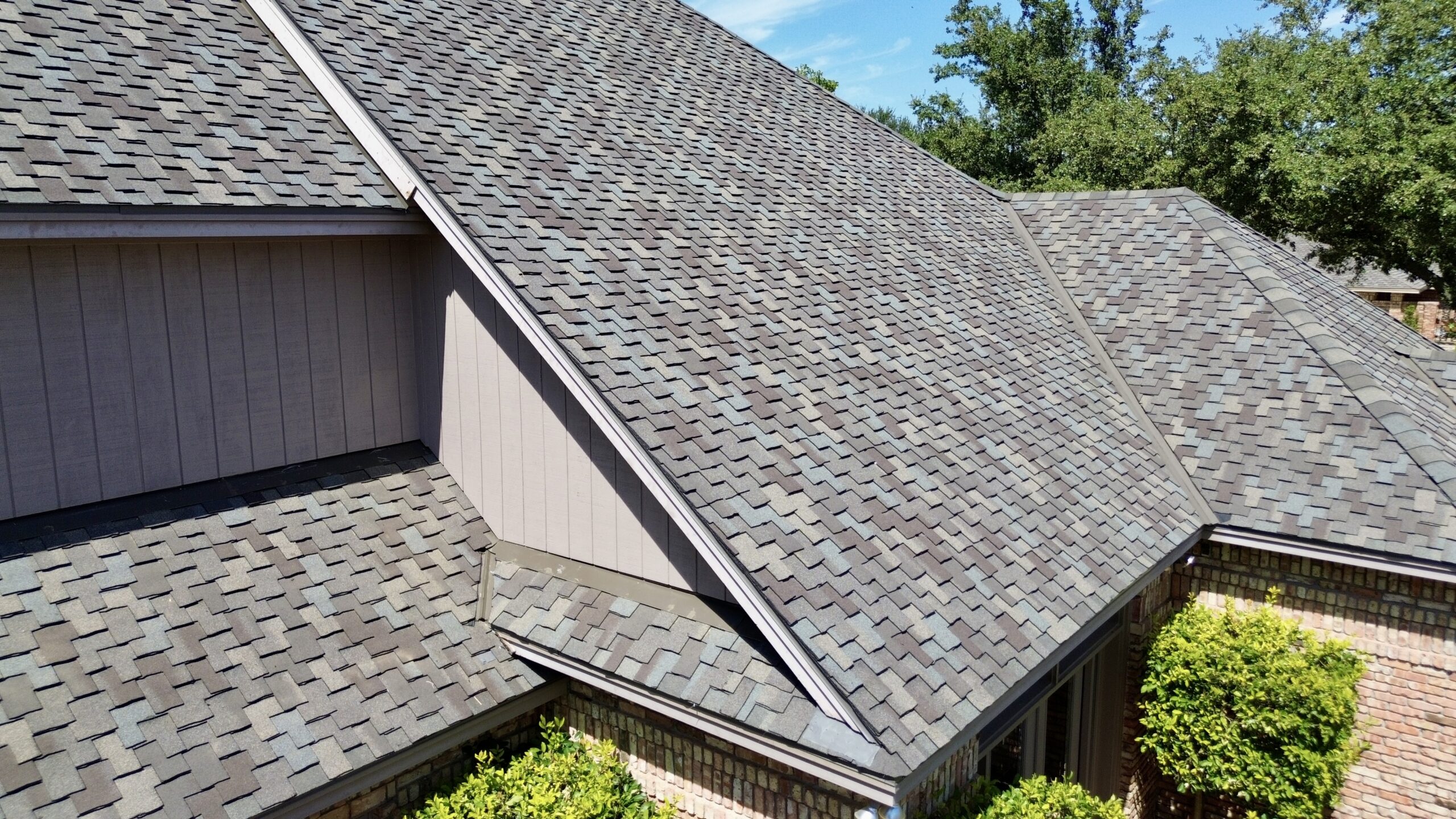
Shingles are among the most noticeable components during a residential roofing inspection, particularly on homes with asphalt roofing systems. Inspectors look for changes in the shape, texture, color, and position of shingles because these details can provide clues about the roof’s condition. A few isolated defects may require limited maintenance, while widespread deterioration can indicate that the roofing system is approaching the end of its useful service life.
Cracked shingles are an important sign to document during an inspection. Cracks can develop because of aging, repeated temperature changes, weather exposure, manufacturing issues, or physical impact. When cracks become widespread, the roofing surface may become increasingly vulnerable to water penetration and additional deterioration.
Curling is another visible sign that deserves attention. Shingle edges may curl upward or underneath the shingle surface as materials age or experience prolonged environmental stress. Curling can reduce the effectiveness of overlapping shingles and may make individual pieces more vulnerable to wind.
Inspectors may also look for shingles that appear brittle, unusually worn, or damaged along their exposed edges. These conditions can indicate that the protective surface has deteriorated. The significance of the finding depends on factors such as the roof’s age, material type, installation quality, and the extent of the affected area.
Color changes can also provide useful information, although discoloration does not automatically mean a roof is failing. Uneven fading may result from differences in sunlight exposure, while dark areas can sometimes be associated with organic growth or moisture. A professional inspection may be needed when discoloration appears alongside physical deterioration.
Homeowners should avoid judging the roof solely by its appearance from a distance. Some surface defects may be difficult to see from ground level, while other areas may look different because of normal weathering. Comparing photographs over time can help determine whether visible changes are becoming more pronounced.
Missing, Loose, and Displaced Roofing Materials
Missing roofing materials are among the clearest signs that a roof requires attention. Strong winds, severe storms, poor fastening, aging materials, and other factors can cause shingles or other roofing components to become loose or completely detached. Missing materials leave underlying sections more exposed to weather and can create pathways for water intrusion.
During an inspection, look for visible gaps where roofing materials should be present. These gaps may be easier to identify from the ground after a storm, especially when the roof has a consistent pattern. Homeowners should also check the surrounding property for roofing fragments because pieces may fall into the yard, driveway, or gutters after severe weather.
Loose shingles may not be completely missing but can appear lifted, raised, or displaced. This condition can allow wind to get underneath the roofing material and increase the possibility of further damage during future storms. Loose materials should not be pressed down or manipulated by homeowners who cannot safely access the roof.
Displacement can also occur around roof edges and other exposed areas. These locations can experience increased wind pressure, making proper fastening especially important. If multiple shingles appear displaced in the same area, the problem may require closer professional evaluation.
A roof inspection should also consider whether missing or loose materials are isolated or widespread. One damaged shingle may represent a localized repair, while numerous missing components across multiple roof slopes can indicate more significant storm damage or general deterioration.
Homeowners should document these findings with photographs from safe locations. If the roof has recently experienced severe weather, it is useful to note the approximate date of the event. This information can help a roofing professional understand when the damage may have occurred and evaluate the overall condition of the system.
Granule Loss, Curling, Cracking, and Blistering
Asphalt shingles are designed with protective granules on their surface, and changes in granule coverage can provide clues about roof aging and damage. Some granules naturally loosen over time, particularly as shingles become older. However, large amounts of loose granules collecting in gutters or downspouts may indicate increased surface wear.
Granule loss can sometimes occur after severe weather, including hail. If the loss is concentrated in particular areas and appears alongside impact marks or other visible damage, professional evaluation may be appropriate. Homeowners should avoid assuming that every granule found in a gutter represents serious damage because small amounts can be part of normal aging.
Curling is another condition that may appear during inspection. Shingle corners or edges can begin to lift, creating an uneven surface. Widespread curling can make the roof more susceptible to wind and water exposure, particularly when the roofing material has become brittle.
Cracking can occur in different patterns. Some cracks may appear along individual shingles, while others can develop across larger areas as materials age. Cracked shingles can become more vulnerable to moisture and may require replacement depending on their location and severity.
Blistering can appear as small raised areas on certain roofing surfaces. These areas may result from conditions within or beneath the roofing material and should not automatically be punctured or removed by a homeowner. If widespread blistering is observed, a roofing professional can determine whether it represents normal aging, installation-related issues, moisture concerns, or another condition.
The combination of several signs is often more informative than one isolated observation. For example, widespread curling accompanied by cracking and heavy granule loss may indicate more advanced deterioration than any single sign would suggest. Inspectors therefore consider the overall pattern and condition of the roofing materials.
Damaged Roof Edges, Ridges, and Valleys
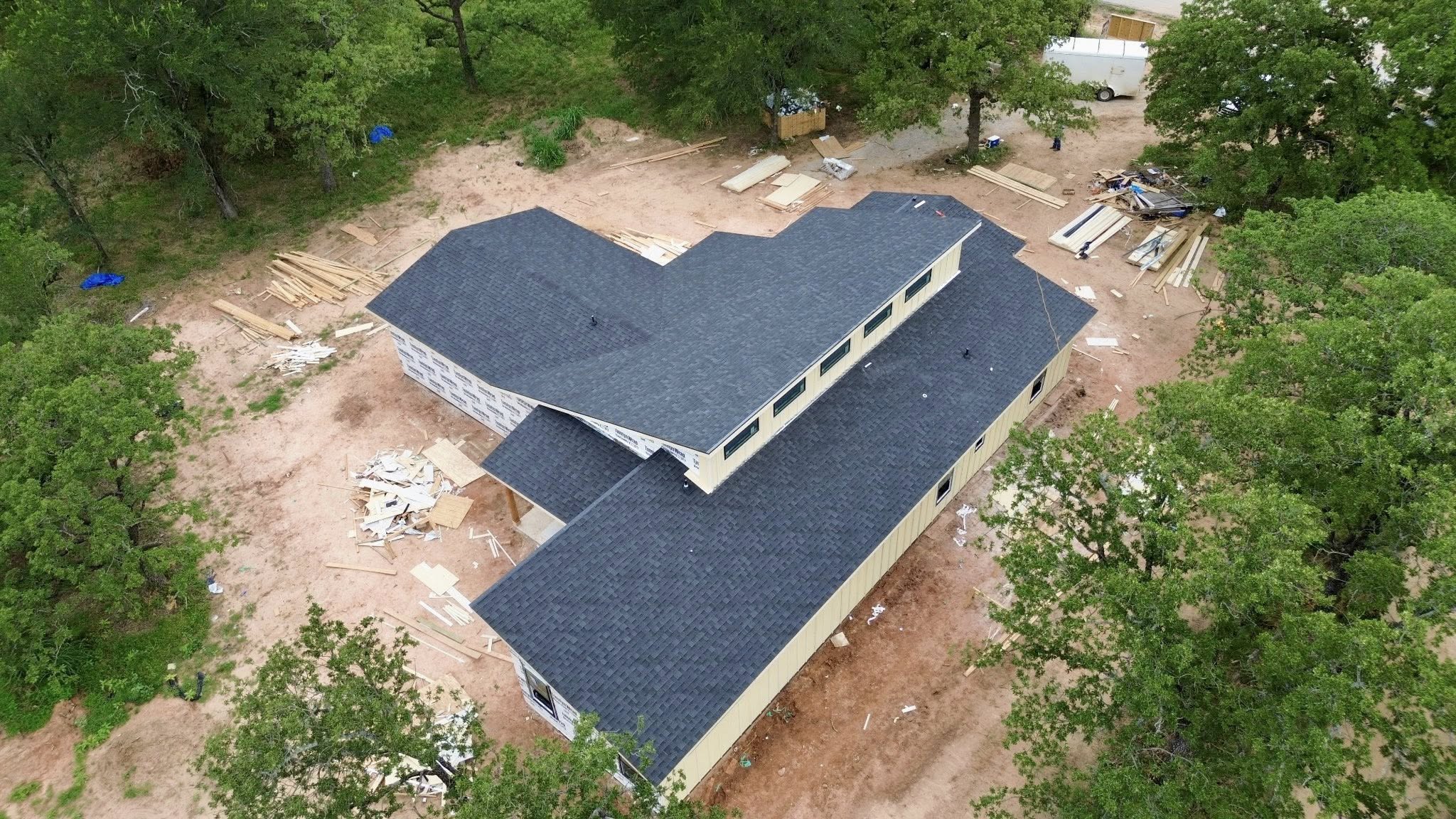
Roof edges, ridges, and valleys are important areas during a residential roofing inspection because they experience different types of exposure and handle water or wind in ways that differ from the main roof surface. Problems in these areas can sometimes become entry points for moisture or locations where roofing materials become vulnerable to weather.
Roof edges should be checked for missing, lifted, or damaged materials. Wind can place additional pressure on exposed edges, particularly when shingles or edge components are not properly secured. Visible gaps or displacement along these areas should be documented for further evaluation.
Ridges are also important because they form the highest portions of many sloped roofs. Ridge materials can become damaged by strong winds, aging, or improper installation. Homeowners should look for missing or visibly displaced ridge components when viewing the roof from a safe location.
Valleys require special attention because rainwater naturally flows through these areas. Leaves, branches, roofing debris, damaged materials, or improper installation can interfere with drainage. If water cannot move efficiently through a valley, it may accumulate beneath or around roofing components.
Visible staining, deterioration, or gaps around valleys can be warning signs. However, a valley that appears dark or discolored is not necessarily leaking. The condition should be considered alongside interior moisture signs, recent rainfall, drainage performance, and the overall condition of the roofing system.
Homeowners should never walk through a roof valley simply to inspect it more closely. Wet roofing surfaces can be extremely slippery, and damaged decking may not safely support a person’s weight. Ground-level observation or professional inspection is safer when direct access is difficult.
Warning Signs Around Flashing and Roof Penetrations
Flashing is used around many areas where roofing materials meet walls, chimneys, skylights, vents, and other structures. These transitions can be vulnerable because water must be directed away from joints and openings. Damaged or deteriorated flashing can therefore be an important warning sign during a residential roofing inspection.
Look for flashing that appears loose, bent, corroded, cracked, or separated from surrounding materials. Sealants around flashing may also deteriorate with age and weather exposure. Visible gaps or failed seals can create potential pathways for water to enter the roofing system.
Chimneys deserve particular attention because they involve a transition between masonry and roofing materials. Inspectors may look for damaged flashing, deteriorated mortar, or visible gaps around the base. Interior stains near the chimney can provide an additional clue that moisture may be entering somewhere in this area.
Skylights can also develop problems around their frames and flashing systems. Water stains on the ceiling surrounding a skylight should not be ignored, particularly when they become more noticeable after rain. The source may involve the flashing, seal, skylight component, or another nearby roofing area.
Plumbing vents and other roof penetrations should also be checked for visible deterioration. Rubber or flexible components can age and crack, while metal flashing can become damaged or displaced. A small defect around a penetration can become more significant if water repeatedly reaches the area.
Homeowners should avoid applying random sealants over flashing problems without identifying the underlying cause. A temporary-looking patch may conceal important evidence or fail to stop water from entering. When flashing damage is widespread or difficult to assess, professional evaluation is the safer approach.
Early Signs of Water Intrusion
Water intrusion is one of the most important findings during a residential roofing inspection because moisture can affect both the roofing system and interior parts of the home. Early signs may be subtle, making it important to inspect ceilings, upper walls, attic spaces, and other accessible areas. A small stain should not automatically be dismissed simply because there is no active dripping.
Ceiling discoloration is a common warning sign. Brown, yellow, or darkened marks may indicate previous or ongoing moisture exposure. The location of a stain can provide a clue, but it does not necessarily identify the exact point where water entered the roof.
Peeling paint, bubbling finishes, or damaged drywall can also indicate moisture. These conditions may become more noticeable after heavy rainfall. Homeowners should record when the problem appears and whether it changes following wet weather.
In the attic, look for darkened wood, damp insulation, water marks, or signs of condensation. Moisture may travel along roof decking or framing before becoming visible inside the living space. This means the interior stain may be located some distance from the exterior source.
A musty odor can also be a warning sign when it occurs with visible moisture or staining. Persistent dampness can affect building materials over time, so recurring moisture should be investigated rather than covered with paint or other finishes.
Early identification is valuable because roofing problems are generally easier to address before moisture spreads into larger areas. Homeowners should document suspected leaks and contact a qualified roofing professional when the source is unclear, the damage continues, or interior materials show significant deterioration.
Interior Ceiling and Wall Stains
Interior surfaces can reveal roofing problems that are not immediately visible from the outside. During a residential roofing inspection, homeowners and inspectors should examine ceilings, upper walls, and areas near exterior walls for discoloration, peeling finishes, bubbling paint, or other unusual changes. These signs can indicate moisture intrusion, although the exact source may be located some distance from the visible interior damage.
Brown, yellow, or dark stains on a ceiling are common warning signs of previous or ongoing water exposure. A stain that becomes darker after rainfall deserves particular attention because it may indicate that moisture is still entering the building. Even when the stain appears dry, it can represent an earlier leak that should be investigated if its cause was never corrected.
Peeling paint or wallpaper can also suggest moisture problems. When water enters a wall or ceiling assembly, it can affect the materials and cause finishes to separate from the underlying surface. These changes may develop gradually, so homeowners should pay attention to areas that look different from the surrounding ceiling or wall.
Bubbling or sagging drywall is another condition that should not be ignored. Moisture can weaken interior materials and cause them to lose their normal shape. If a ceiling appears swollen or unusually soft, homeowners should avoid touching the affected area unnecessarily and arrange for appropriate evaluation.
The location of a stain can provide useful information, but it should not be treated as proof of the leak source. Water can travel along roof decking, framing, insulation, and other building materials before reaching the interior surface. A professional may need to inspect several areas to determine where the moisture is entering.
Interior findings should also be compared with exterior observations. For example, a stain near a chimney may encourage closer examination of the chimney flashing, while staining near a skylight may warrant inspection of the skylight and surrounding roofing materials. This comparison can help connect visible interior symptoms with potential exterior causes.
Attic Moisture and Condensation Signs
The attic is an important inspection area because it provides a view of the underside of the roofing system. Some roofing problems are difficult to identify from the exterior but become more obvious when viewed from inside. Homeowners should inspect accessible attic spaces for moisture marks, damp insulation, condensation, damaged wood, and unusual odors.
Dark stains on the underside of roof decking can indicate previous or ongoing moisture exposure. Fresh moisture may be more noticeable after rainfall, while older stains may remain visible even after the area has dried. The pattern and location of staining can provide useful clues for further investigation.
Condensation is another sign that deserves attention. Moisture can accumulate when warm, humid air reaches colder surfaces within an attic. Persistent condensation may be related to ventilation, insulation, air leakage, indoor humidity, or a combination of conditions rather than a roof leak alone.
Wet or compressed insulation can also indicate a moisture problem. Insulation that has been exposed to water may lose some of its intended performance and can contribute to broader building concerns if the source of moisture remains unresolved. Homeowners should avoid disturbing insulation unnecessarily, particularly when contamination is suspected.
A musty smell in the attic can be another warning sign. Odor alone cannot confirm a roofing problem, but when it occurs with staining, dampness, or condensation, it may indicate that the area needs closer evaluation. Persistent moisture should not be covered up without determining why it is occurring.
Inspectors may also look at roofing nails and surrounding wood for signs of moisture exposure. Rusted fasteners, darkened wood, or repeated condensation marks can provide additional clues. However, these signs must be interpreted in context because different roof assemblies and attic conditions can produce different patterns.
Homeowners should never enter an attic that appears unsafe. Limited headroom, exposed wiring, unstable flooring, inadequate lighting, or structural damage can create serious hazards. If the attic cannot be safely accessed, professional inspection is the better option.
Sagging Roof Areas and Structural Warning Signs
A roof that appears uneven or sagging can indicate a condition that requires more attention than ordinary surface wear. During an inspection, the roofline should be viewed from several safe positions to identify areas that appear lower, wavy, or different from the surrounding slopes. A noticeable change in shape can sometimes indicate issues beneath the roofing materials.
Roof decking can deteriorate after prolonged moisture exposure, particularly when leaks have remained unresolved. When damaged decking loses strength, the roof surface may begin to appear uneven. Other possible causes can include framing problems, excessive loads, installation issues, or changes within the building structure.
Sagging should not be evaluated only by looking at the shingles. The underlying structure plays an important role in supporting the roof covering and distributing loads. If a roof surface has developed a significant depression, homeowners should avoid walking on that area.
Interior observations can provide additional clues. Sagging ceilings, cracked finishes, or unusual changes in attic framing may occur alongside exterior roof problems. These findings do not automatically identify the cause, but they increase the importance of professional evaluation.
A small visual irregularity does not necessarily mean the roof is structurally unsafe. Some roof designs naturally contain transitions, slopes, and changes in appearance. The important consideration is whether the observed shape appears unusual for the specific roof or represents a change from its previous condition.
Homeowners can use photographs to compare the roofline over time. Images taken from similar viewpoints can help identify whether an apparent depression is becoming more pronounced. If the change appears to be progressing, professional assessment should not be delayed.
Structural warning signs should always be treated cautiously. Roofing inspection is not the same as a complete structural engineering assessment, and homeowners should not attempt to reinforce or modify framing themselves. A qualified roofing professional or appropriate structural specialist can determine what further evaluation is required.
Gutter and Downspout Problems
Gutters and downspouts are closely connected to roof drainage, so their condition can reveal problems that may affect the performance of the entire roofing system. During an inspection, look for sagging gutters, overflowing sections, separated joints, visible blockages, and downspouts that do not direct water away effectively.
Leaves and branches are common sources of blockage, particularly on properties with mature trees. Roofing granules and other debris can also accumulate inside gutters over time. Excessive material can restrict water flow and cause rainwater to spill over the sides during heavy rainfall.
Water marks below gutters can indicate repeated overflow. Streaks on exterior walls, soil erosion near the foundation, and damaged landscaping can also suggest that water is not being directed properly. These signs should be considered along with the condition of the gutters and downspouts.
Sagging gutters may indicate that the system is carrying excessive debris or water, or that supports have deteriorated. A gutter that no longer maintains its intended slope may drain slowly or allow water to remain in certain sections. Standing water after rainfall should therefore be investigated.
Downspouts should discharge water away from the home’s foundation. A disconnected or damaged downspout can release large amounts of water close to exterior walls. Over time, poor drainage can contribute to moisture concerns around the foundation even when the roof covering itself remains in acceptable condition.
Gutters should also be inspected for visible rust, holes, cracks, or separation. These problems can reduce the effectiveness of the drainage system and may become worse during heavy rain. Minor maintenance issues can sometimes be corrected before they contribute to larger water management problems.
The relationship between roofing and drainage is important because water needs a clear path from the roof surface to a safe discharge location. A roof inspection that ignores gutters and downspouts may overlook a significant source of water-related problems.
Roof Ventilation Issues
Ventilation is an important part of a roofing system because it helps manage heat and moisture within attic spaces. During an inspection, signs of poor ventilation may appear as excessive attic heat, condensation, moisture staining, deteriorating materials, or unusual conditions around ventilation openings. These signs should be evaluated carefully because several factors can produce similar symptoms.
Condensation on the underside of roof decking is one possible warning sign. It can occur when warm indoor air reaches cold roof surfaces, particularly when moisture levels are elevated. Persistent condensation can contribute to deterioration if the underlying conditions are not addressed.
Blocked or damaged ventilation openings may also affect airflow. Homeowners should look for visible obstructions around accessible vents, but they should not block openings simply because they appear to allow outdoor air into the attic. Ventilation systems are designed to manage airflow, and changes should be made only with appropriate knowledge.
Excessive heat in an attic can also be a sign that ventilation should be evaluated. However, attic temperature alone does not prove that a ventilation system is defective. Insulation levels, roof design, climate, solar exposure, and air sealing can all influence attic conditions.
Roof vents should be checked for visible damage, deterioration, or blockage. Broken vent covers or openings can potentially allow water or pests to enter the building. Any damaged components should be documented for further evaluation.
Homeowners should also be aware that ventilation and moisture problems can sometimes be confused with roof leaks. A stain on the underside of the roof deck may result from condensation rather than rainwater entering through the roofing material. A professional inspection can help distinguish between these conditions.
Proper ventilation should be considered as part of the complete roofing system rather than as an isolated component. When roofing materials, insulation, air sealing, and ventilation work together appropriately, the roof assembly can perform more effectively over time.
Signs of Wind, Hail, and Storm Damage
Severe weather can produce a wide range of roofing damage, and some signs may be visible immediately while others require closer examination. Wind can lift or remove shingles, hail can impact roofing materials, heavy rain can expose weak areas, and falling branches can cause localized structural damage. A post-storm inspection can help identify problems before they worsen.
Wind damage often appears as missing, lifted, or displaced shingles. Roof edges, corners, ridges, and other exposed areas may experience greater wind pressure. Homeowners should look for roofing materials in the yard or around the property because detached materials can provide evidence that the roof experienced wind-related damage.
Hail damage can be more difficult to identify from ground level. Impacts may leave dents, surface marks, bruised areas, or damaged granules. A roof may still appear generally intact even when hail has affected individual components.
After a hailstorm, homeowners should inspect gutters, downspouts, exterior walls, windows, and other nearby surfaces for evidence of impacts. These observations do not prove that the roof has sustained damage, but they can provide useful context for a professional inspection.
Heavy rainfall can reveal weaknesses that were not apparent during dry conditions. New ceiling stains, attic moisture, overflowing gutters, or water entering around roof penetrations can all become more noticeable during or after significant rainfall. Homeowners should document these signs and avoid assuming that they will disappear permanently once the roof dries.
Fallen branches require particular caution because they can cause damage that extends below the visible impact area. A branch may break shingles, damage flashing, puncture roofing materials, or affect the underlying roof deck. Homeowners should not climb onto a roof after a major impact simply to investigate the damage.
After severe weather, safety should remain the first priority. Avoid damaged areas, stay away from exposed electrical hazards, and do not attempt emergency repairs on an unstable roof. Photographs from safe locations, notes about the weather event, and timely professional evaluation can help determine the appropriate next steps.
Signs of Aging Roofing Systems
Age is one of the most important factors to consider when interpreting signs found during a residential roofing inspection. Roofing materials naturally change after years of exposure to sunlight, rain, wind, temperature fluctuations, and seasonal weather conditions. An older roof may continue to perform well, but visible deterioration can indicate that maintenance, repairs, or future replacement planning should be considered.
One common sign of aging is widespread surface wear. Asphalt shingles may gradually lose granules, become less flexible, and develop a weathered appearance. When these changes affect large portions of the roof rather than a few isolated shingles, they may indicate that the roofing system is experiencing general deterioration.
Fading can also become more noticeable as roofing materials age. Some color variation is normal and does not necessarily mean the roof is failing. However, significant fading combined with curling, cracking, granule loss, or brittleness provides stronger evidence that the materials may be approaching the later stages of their service life.
Sealant and flashing materials can also deteriorate over time. Cracked sealant, corroded metal, loose flashing, and damaged roof penetration components may develop even when the main roofing surface still appears acceptable. These areas should be evaluated because small defects around penetrations can create opportunities for water intrusion.
Age should never be considered in isolation. A relatively old roof with consistent maintenance and limited visible deterioration may perform better than a newer roof that has experienced severe weather or installation problems. The roof’s material, installation quality, climate, maintenance history, and exposure all influence its actual condition.
Homeowners should therefore use inspection findings to understand the roof’s overall trend rather than focusing only on its installation date. If several aging signs appear together, it may be appropriate to schedule a professional inspection and begin planning for future roofing work before an emergency occurs.
Moss, Algae, Mold-Like Growth, and Organic Debris
Organic growth can appear on residential roofs, particularly in areas that remain shaded or retain moisture. Moss and algae can affect the appearance of roofing materials, but their presence does not always mean that the roof is structurally damaged. The significance depends on how extensive the growth is and whether it is affecting the roofing surface.
Moss can hold moisture against roofing materials and may grow around or beneath shingle edges. Over time, persistent moisture and physical growth can contribute to material deterioration. Heavy moss accumulation should therefore be documented and evaluated rather than ignored.
Algae often appears as dark streaks or discoloration on roofing materials. It is especially noticeable on lighter-colored shingles and may spread across sections of a roof. While algae-related staining can primarily be cosmetic, extensive growth may indicate that certain areas remain damp for prolonged periods.
Mold-like growth or dark organic material inside an attic should be treated more carefully. Such findings may be associated with moisture or condensation problems, although visual appearance alone cannot determine the exact type or cause. Homeowners should avoid disturbing suspected growth and should seek appropriate professional evaluation when it is extensive.
Leaves, branches, pine needles, and other debris can also affect roofing performance. Debris can collect in valleys, around roof penetrations, and near drainage components. When moisture remains trapped beneath organic material, the affected area may deteriorate more quickly.
Tree branches should be kept away from the roof when possible, particularly when they rub against roofing materials during windy conditions. Falling branches can also cause direct physical damage during storms. Regularly checking trees near the home can therefore form part of a broader roof maintenance strategy.
Cleaning should always be performed carefully. Aggressive pressure washing or improper cleaning methods can damage roofing materials and shorten their useful life. Homeowners should follow the roofing material manufacturer’s recommendations or use qualified professionals when specialized cleaning is necessary.
Signs of Poor Previous Repairs or Installation
A residential roofing inspection can sometimes reveal problems that are related not to the original roofing materials but to previous repairs or installation work. Roofing components should work together as a system, and poorly performed repairs can create new weaknesses. Visible patches, inconsistent materials, exposed fasteners, loose components, or unusual sealant applications may deserve closer attention.
One warning sign is an area that looks significantly different from the surrounding roof. Different shingle colors can result from a previous repair, while mismatched materials may indicate that an isolated section was replaced. A repair is not necessarily a problem, but the area should perform correctly and integrate with the surrounding roofing system.
Excessive sealant can also be a clue that previous work may have been used as a temporary solution. Sealant has legitimate applications in roofing, but large amounts covering flashing, penetrations, or shingle edges may suggest that an underlying problem was not fully corrected. The condition should be evaluated rather than assuming the sealant itself is a permanent repair.
Exposed or improperly positioned fasteners can also create potential water entry points. Roofing components are normally installed using specific fastening patterns and techniques appropriate for the material. Visible nails or screws in vulnerable areas may warrant professional review.
Improperly installed flashing is another concern. Flashing should direct water away from vulnerable transitions rather than trapping it against roofing or wall materials. Gaps, unusual overlaps, loose sections, or visible separation can indicate installation concerns.
Homeowners should be cautious when evaluating previous repairs based only on appearance. Some professional repair methods may look different from the original installation while still performing correctly. If there is uncertainty, photographs and inspection records can help a roofing professional determine whether a repair appears appropriate.
A roof inspection should therefore consider both current damage and evidence of previous work. Understanding the history of repairs can help explain recurring leaks, isolated deterioration, or differences between sections of the roof.
How to Assess the Severity of Inspection Findings
Finding a roofing problem does not automatically mean that the entire roof needs replacement. The next step is determining how serious the condition appears and whether it affects the roof’s ability to protect the home. Severity can depend on the location, size, number, progression, and type of defects identified during the inspection.
A minor isolated issue may be suitable for routine maintenance or a localized repair. Examples could include a small section of damaged flashing, a limited number of deteriorated shingles, or a gutter that requires cleaning. These conditions should still be addressed, but they may not indicate widespread roofing failure.
Moderate problems may involve several affected areas or signs that a defect is becoming more extensive. Repeated minor leaks, multiple damaged shingles, widespread flashing deterioration, or persistent moisture may require more detailed evaluation. Delaying these issues can increase the possibility of secondary damage.
Serious findings include active leaks, extensive missing roofing materials, major structural sagging, exposed roof decking, or significant storm damage. These conditions can leave the building vulnerable and should receive prompt professional attention.
The location of damage is also important. A small defect around a roof penetration may have greater consequences than a similarly sized cosmetic mark because water can enter through the penetration. Likewise, damage in a valley or drainage area may affect water movement across a larger section of the roof.
Homeowners should consider whether the problem is isolated or widespread. One damaged shingle and dozens of deteriorated shingles represent very different situations. The overall pattern provides important information about whether the issue is localized or part of broader material aging.
Changes over time are another useful indicator. A defect that remains stable may require monitoring, while a rapidly worsening condition deserves quicker attention. Maintaining photographs and written inspection records makes these comparisons easier.
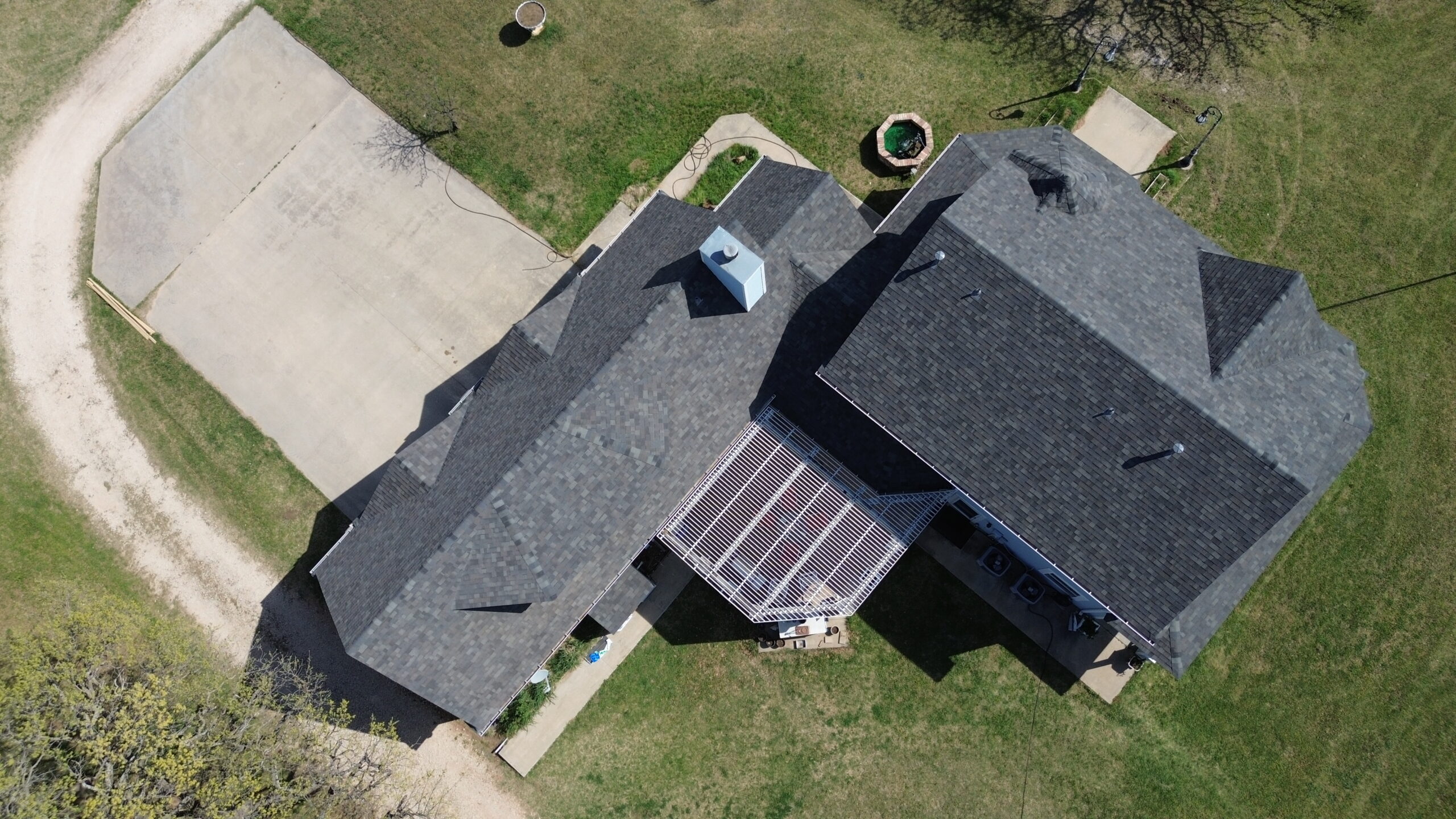
When Roofing Inspection Signs Require Professional Attention
Homeowners can identify many visible roofing warning signs, but professional evaluation becomes important when the cause, severity, or safety of a condition is uncertain. A roofing professional can inspect areas that may not be safely accessible and can evaluate how different components interact. Professional assessment is particularly valuable when multiple warning signs appear together.
Active water intrusion should receive prompt attention. Water stains that repeatedly return after rainfall, damp attic materials, or visible dripping can indicate an unresolved problem. Waiting for the roof to dry does not necessarily mean that the underlying issue has been corrected.
Major structural changes also require professional evaluation. Significant sagging, large depressions, damaged framing, or unusual movement should not be treated as ordinary roofing wear. Homeowners should avoid walking on questionable areas and should seek appropriate professional assistance.
Extensive storm damage is another reason to arrange an inspection. Missing shingles, widespread hail impacts, fallen branches, damaged flashing, and exposed roof decking can leave the roofing system vulnerable to additional weather. A professional can determine which components require temporary protection and which repairs are necessary.
Professional attention is also appropriate when the roof is unsafe to access. Steep slopes, wet surfaces, fragile materials, severe deterioration, and unstable structures can make a homeowner inspection dangerous. A ground-level inspection is useful, but it cannot replace a professional assessment of inaccessible areas.
Homeowners should also be cautious about assuming that a single visible sign explains an entire problem. For example, a ceiling stain could result from a roof leak, condensation, plumbing issue, or another source of moisture. Professional investigation can help distinguish between possible causes and prevent unnecessary repairs.
Conclusion
Residential roofing inspections can reveal a wide range of signs that provide valuable information about the condition and performance of a home’s roofing system. Missing shingles, cracks, curling, granule loss, damaged flashing, water stains, sagging areas, poor drainage, organic growth, and storm-related damage can all indicate conditions that deserve attention. Understanding these signs helps homeowners recognize potential problems earlier and make more informed maintenance decisions.
The most important approach is to consider individual findings as part of the complete roofing system. A single minor defect may require limited maintenance, while several related signs can indicate broader deterioration. The location, severity, frequency, and progression of the findings all help determine how seriously a problem should be treated.
Interior signs are especially useful because they can reveal problems that are difficult to see from the exterior. Ceiling stains, damaged drywall, attic moisture, condensation, and damp insulation may indicate that water or excessive moisture is affecting the building. These findings should be compared with exterior conditions to help identify possible sources.
Weather and age should also be considered when interpreting inspection results. Strong winds, hail, heavy rain, falling branches, sunlight, and repeated temperature changes can gradually affect roofing materials. Older roofs may naturally show more signs of deterioration, while newer roofs can still develop problems because of severe weather, installation defects, or inadequate maintenance.
Homeowners should document significant findings with photographs and written notes whenever it is safe to do so. Tracking changes over time can help distinguish between stable conditions and problems that are progressing. These records can also give roofing professionals useful information when they evaluate the property.
Most importantly, homeowners should know the limits of a basic inspection. A visual check can identify warning signs, but it cannot always determine the exact cause or extent of hidden roofing damage. Active leaks, major structural concerns, widespread storm damage, unsafe access conditions, and persistent moisture should be evaluated by a qualified roofing professional.
Regular inspections, timely maintenance, and professional evaluation when needed can help protect a home from avoidable roofing problems. By understanding the signs found during residential roofing inspections, homeowners can respond earlier, prioritize necessary work, and support the long-term performance of one of the home’s most important protective systems.