
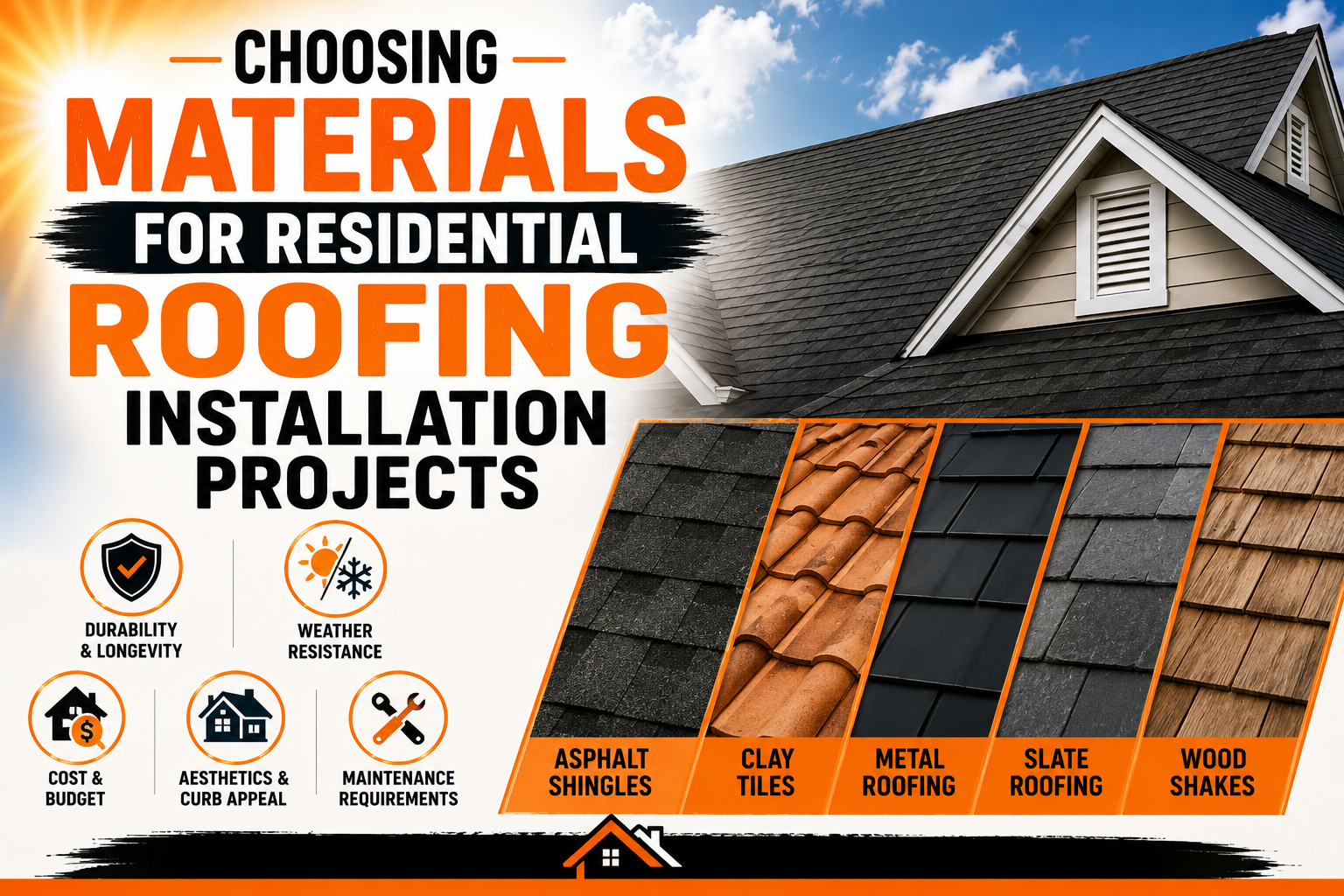
Choosing Materials for Residential Roofing Installation Projects
Introduction
Choosing the right roofing material is one of the most important decisions homeowners make during a residential roof installation project. The material affects the home’s appearance, weather protection, maintenance requirements, installation process, and long-term costs. Because roofing is expected to protect the property for many years, selecting a material based only on its initial price may not provide the best overall value.
Residential roofing materials come in many forms, including asphalt shingles, metal panels, clay tiles, concrete tiles, slate, and other specialized products. Each option has different characteristics, and the most suitable choice depends on factors such as climate, roof design, budget, structural requirements, maintenance expectations, and local building considerations.
Homeowners should also remember that roofing material is only one part of the complete roofing system. Underlayment, flashing, ventilation, fasteners, decking, edge components, and drainage all contribute to the final performance of the roof. A high-quality material cannot compensate for poor installation or unsuitable supporting components.
The home’s architectural style can influence material selection as well. Some materials provide a traditional appearance, while others create a modern or contemporary look. The selected roof should complement the exterior rather than being treated as an isolated design feature.
Climate is another major consideration. A roof exposed to strong sunlight, heavy rainfall, high winds, hail, or frequent temperature changes may require different material characteristics than a roof in a milder environment. Homeowners should consider the conditions the roof will face throughout the year.
Long-term maintenance should also be part of the decision. Some materials may require more specialized maintenance or repairs, while others are relatively straightforward to maintain. Homeowners should understand these requirements before making a final selection.
The best approach is to compare materials based on total value rather than initial cost alone. By considering durability, appearance, installation requirements, maintenance, weather performance, and expected service life, homeowners can make a more informed roofing decision.
Understanding Residential Roofing Material Options
Residential roofing materials differ significantly in construction, appearance, performance, and installation requirements. Understanding the basic options gives homeowners a useful starting point before comparing individual products.
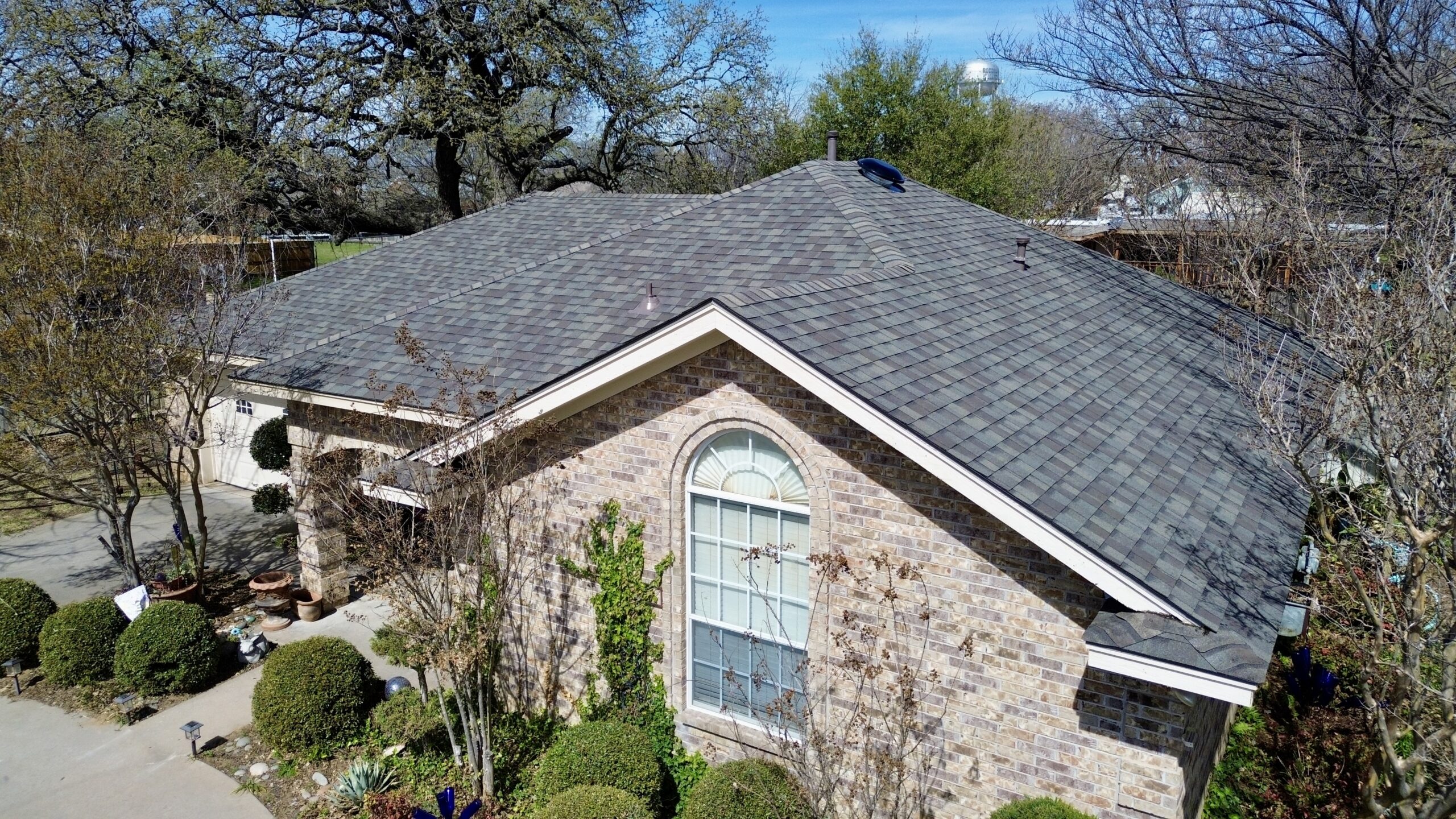
Asphalt shingles are among the most common residential roofing materials. They are available in different styles, colors, and quality levels and are generally familiar to roofing contractors. Their popularity comes from their relatively accessible cost, broad availability, and compatibility with many residential roof designs.
Metal roofing is another widely used option. Metal panels can be manufactured from materials such as steel or aluminum and are available in different profiles and finishes. Depending on the product and installation method, metal roofing can provide strong resistance to weather exposure and may offer a long service life.
Clay and concrete tiles provide a distinctive appearance and are commonly associated with Mediterranean, Spanish, Southwestern, and other architectural styles. They can provide durable exterior protection, but their weight means the home’s structure needs to be suitable for the selected system.
Slate is a natural roofing material known for its distinctive appearance and long service potential when properly installed and maintained. However, it is generally more expensive and requires contractors with appropriate experience handling and installing slate.
Synthetic roofing materials are another category homeowners may encounter. These products can be manufactured to resemble natural slate, wood, or other materials while offering different weight, cost, and maintenance characteristics.
The following comparison provides a basic starting point:
| Roofing Material | Main Characteristics | Common Considerations |
|---|---|---|
| Asphalt shingles | Versatile and widely available | Cost, aging, weather exposure |
| Metal roofing | Durable and available in many styles | Installation, expansion, finish |
| Clay tile | Distinctive and durable | Weight, structural requirements |
| Concrete tile | Strong and versatile | Weight and installation |
| Slate | Natural and long-lasting | Cost and specialized installation |
| Synthetic roofing | Multiple styles and lighter options | Product quality and warranties |
The material selected should be compatible with the roof’s slope and design. Some products have minimum slope requirements, while others require specialized installation methods for complex roof shapes.
Availability is another practical consideration. Homeowners should determine whether replacement materials and qualified installers are readily available in their area. A material that is difficult to source or repair may create challenges later.
Local conditions should also be considered. Roofing products are exposed to the same environment as the home, so the material needs to be appropriate for the expected weather conditions.
Understanding these differences allows homeowners to narrow their choices before comparing specific products, colors, warranties, and installation costs.
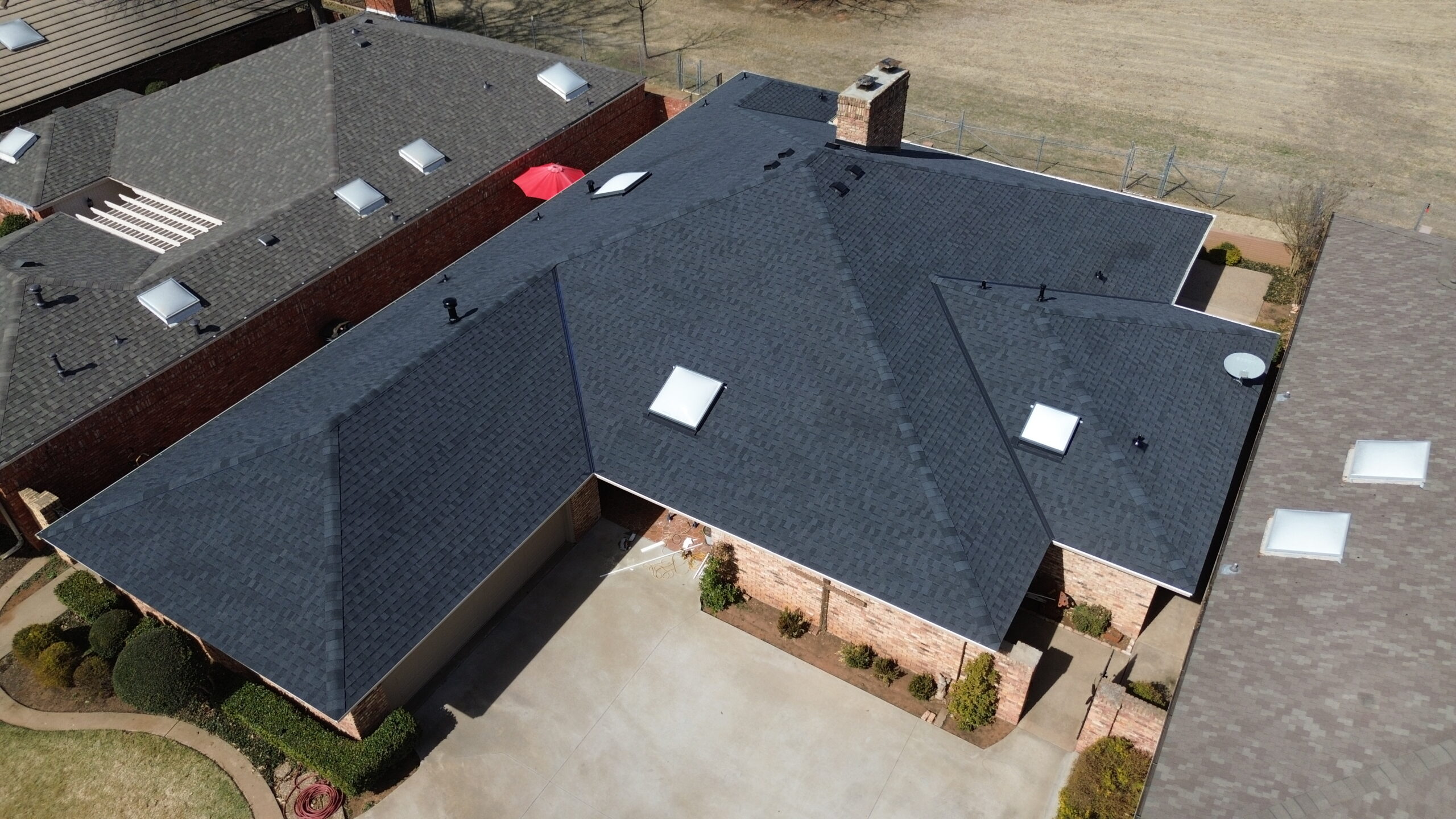
Comparing Asphalt Shingles for Residential Roofs
Asphalt shingles remain a popular choice for residential roofing because they can suit many home designs and are available in a wide range of styles. They are typically offered in different quality categories, allowing homeowners to choose products according to their budget and performance expectations.
One advantage of asphalt shingles is their broad availability. Many roofing contractors have experience installing them, which can make it easier to find qualified professionals for installation and future repairs.
Asphalt shingles are also available in numerous colors and appearances. Homeowners can select options that complement siding, brick, stone, windows, and other exterior features.
Different asphalt shingle products can have different levels of durability and wind or weather resistance. Homeowners should compare the specifications of individual products rather than assuming that all asphalt shingles perform identically.
Installation quality is particularly important. Shingles need to be aligned and fastened correctly, with appropriate underlayment, flashing, and ventilation installed beneath and around them.
Roof slope can also influence whether a particular shingle system is appropriate. Manufacturers provide installation requirements for their products, and contractors should follow those requirements rather than using the same method for every roof.
Maintenance should also be considered. Homeowners may need to monitor asphalt shingles for curling, cracking, missing sections, or excessive granule loss as the roof ages.
Severe weather can affect asphalt shingles as well. Strong winds may lift or remove materials, while hail can cause surface damage depending on the severity of the storm and the product’s characteristics.
The expected service life varies according to product quality, climate, installation, maintenance, and exposure. Homeowners should therefore avoid selecting a product based solely on a general lifespan estimate.
Asphalt shingles can be a practical option for homeowners seeking a widely supported roofing system with many style and price choices. The key is selecting an appropriate product and ensuring that it is installed correctly.
Choosing Metal Roofing for Long-Term Performance
Metal roofing has become an increasingly common choice for residential properties because of its durability, appearance, and variety of available designs. Modern metal roofing can be manufactured in styles that complement both traditional and contemporary homes.
Steel and aluminum are among the metals used in residential roofing. Different products have different coatings, finishes, profiles, and installation methods, so homeowners should compare specific systems rather than treating all metal roofs as identical.
One advantage of metal roofing is its ability to provide a durable exterior surface. Properly selected and installed systems can resist many forms of weather exposure and may have a long service life.
Metal roofing can also be relatively lightweight compared with some tile or slate systems. However, the exact weight depends on the product and supporting components, so structural requirements should still be evaluated.
Installation quality is particularly important with metal roofing. Panels need appropriate alignment, seams need to be properly formed or connected, and fasteners must be installed according to product requirements.
Expansion and contraction should also be considered. Metal can respond to temperature changes, and the roofing system needs to be installed in a way that accommodates expected movement without compromising weather protection.
The finish on metal roofing can influence both appearance and durability. Homeowners should review product specifications and warranty information when comparing different coatings.
Metal roofs are available in many profiles and colors. Some products are designed to resemble traditional shingles, while others use standing-seam or ribbed profiles for a more modern appearance.
Maintenance requirements are generally manageable, but metal roofs should still be inspected periodically. Fasteners, seams, flashing, coatings, and areas around penetrations can require attention over time.
Homeowners should also choose a contractor experienced with the specific metal roofing system. Installation techniques can differ considerably between products, and experience with one type of metal roof does not automatically mean familiarity with every system.
For homeowners seeking a durable roofing option with a broad range of design choices, metal can be worth considering. Its suitability depends on the home’s structure, roof design, climate, budget, and the quality of the installation.
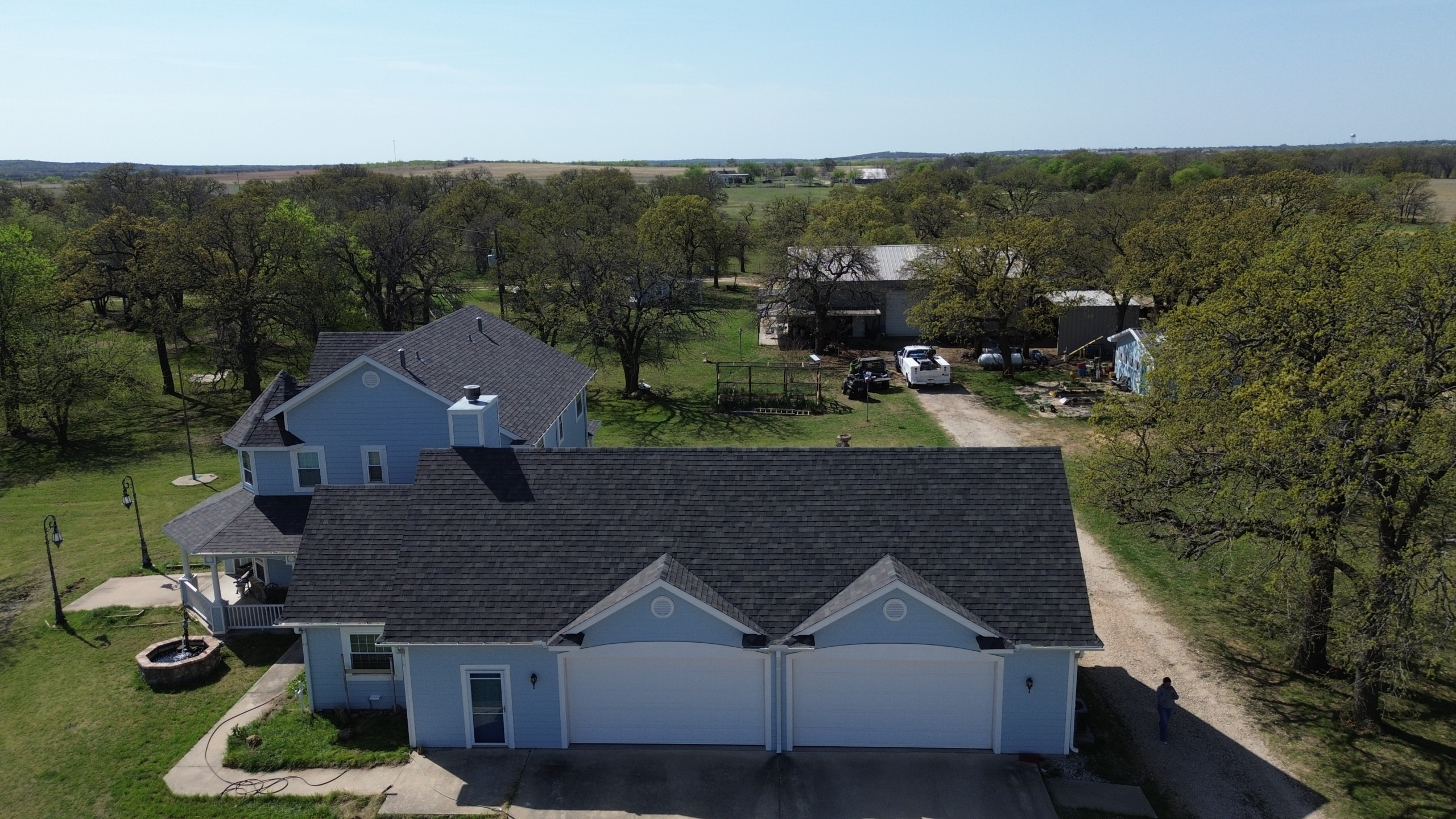
Understanding Tile and Slate Roofing
Tile and slate roofing can provide distinctive appearances while offering strong durability when properly selected and installed. However, these materials have specific structural and installation requirements that homeowners should understand before choosing them.
Clay tile is known for its traditional appearance and is commonly used on homes designed around Mediterranean, Spanish, or similar architectural styles. Its shape and color can contribute significantly to the home’s overall appearance.
Concrete tile provides another option with a wide range of colors and profiles. It can imitate the appearance of other roofing materials while providing a durable exterior surface.
One of the most important considerations with tile is weight. Tile roofing can be heavier than asphalt shingles or many metal systems, so the roof structure must be capable of supporting the selected material.
Slate is a natural stone roofing material with a distinctive appearance. Properly selected slate can provide very long service potential, but it requires specialized handling and installation.
Both tile and slate can be vulnerable to physical damage if improperly handled or walked on. Repairs should therefore be performed by professionals who understand the material and appropriate replacement techniques.
Underlayment and flashing remain important with these roofing systems. Even highly durable tile or slate needs a properly designed supporting system to manage water and protect the structure beneath.
The roof design also affects material selection. Complex roof shapes with numerous valleys, penetrations, and transitions may require additional detailing and specialized installation.
Homeowners should consider future repairs as well. It is useful to know whether replacement tiles or matching slate are readily available. Material availability can become important when isolated damage occurs years after installation.
Cost should be evaluated carefully because tile and slate may require higher initial investment and specialized labor. Their long-term value depends on proper installation, maintenance, structural suitability, and the homeowner’s priorities.
These materials can be excellent choices when their requirements match the home. Their durability and appearance can provide significant benefits, but homeowners should select qualified contractors who understand the specific roofing system.
Evaluating Roofing Material Durability
Durability should be one of the first factors homeowners consider when choosing a residential roofing material. A roof is exposed to weather every day, so the selected material needs to withstand the environmental conditions common to the property. Rain, wind, sunlight, hail, temperature changes, and debris can all influence how quickly roofing materials deteriorate.
Different roofing materials respond differently to these conditions. Asphalt shingles can provide dependable performance when properly selected and installed, while metal roofing can offer strong resistance to many forms of weather exposure. Tile and slate can also provide long service potential, although their weight, installation requirements, and vulnerability to physical impact need to be considered.
Durability should not be judged only by the material itself. Installation quality has a major effect on how well the roof performs. Incorrect fastening, poor flashing, inadequate underlayment, or improper drainage can cause problems even when the roofing material is considered highly durable.
Climate should also be part of the durability assessment. A roof exposed to intense sunlight may experience different stresses from one exposed to frequent heavy rainfall or strong winds. Homeowners should select products designed for the environmental conditions they are likely to experience.
Wind resistance is particularly important in areas that regularly experience strong storms. Roofing materials should be installed according to the manufacturer’s requirements for the expected conditions. The fastening system, roof edges, and overall installation quality can influence how well the system handles wind.
Hail exposure may also affect material selection. Some roofing products are designed with enhanced resistance to impact, while others may be more vulnerable to damage. Homeowners should review the specific product specifications rather than assuming that all materials have the same level of protection.
Sunlight can contribute to long-term aging as well. Ultraviolet exposure and repeated temperature changes can gradually affect roofing surfaces. Material quality, ventilation, color, and installation conditions can all influence performance.
Maintenance also affects durability. Even a durable roof can develop avoidable problems when gutters remain blocked, debris accumulates, vegetation damages the surface, or small defects are ignored.
Homeowners should therefore evaluate durability as part of a complete roofing system. The strongest choice is not necessarily the material with the longest advertised service life, but the system that is appropriate for the home, climate, installation conditions, maintenance capabilities, and budget.
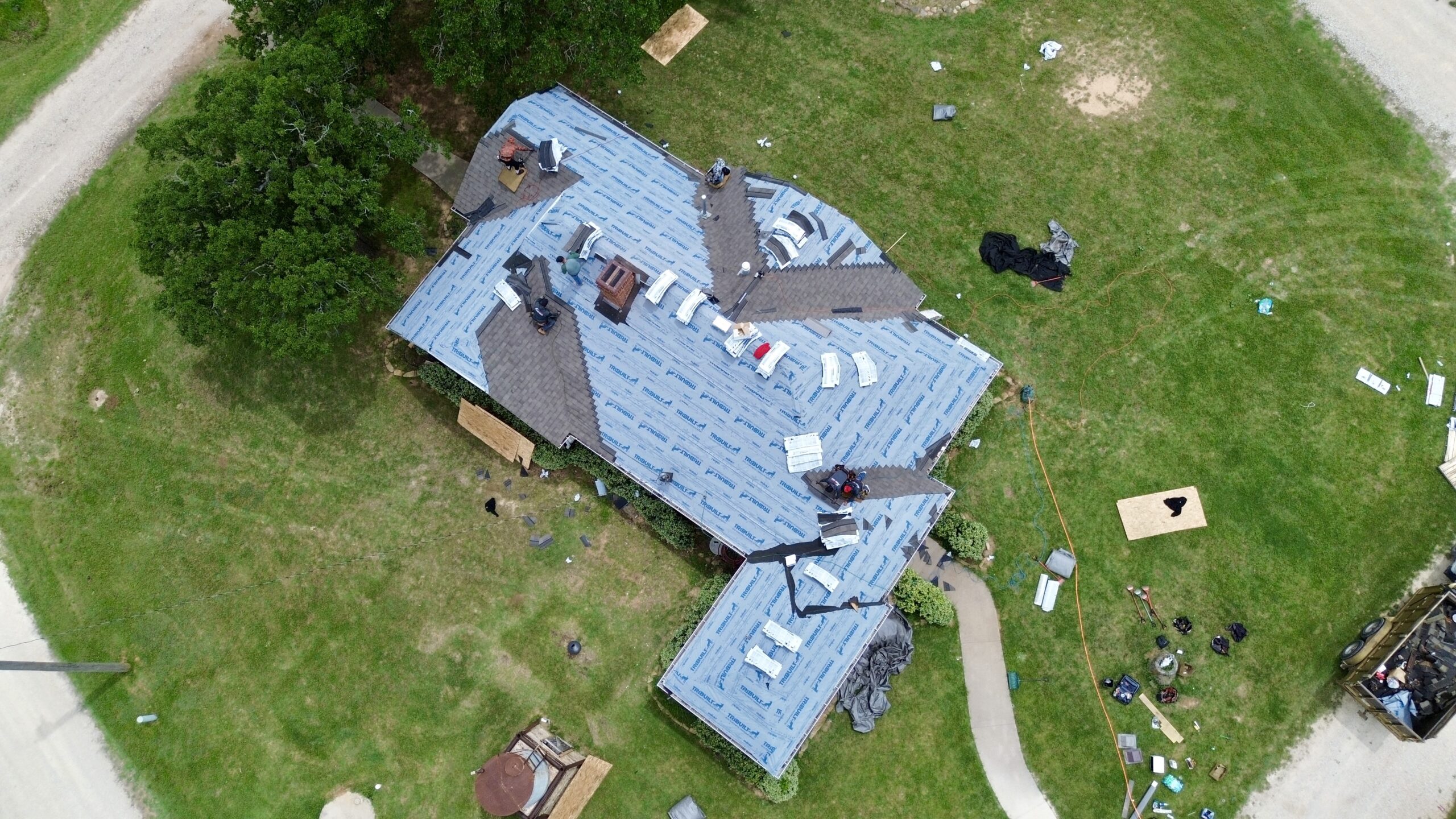
Comparing Roofing Costs and Long-Term Value
Initial cost is an important consideration when selecting roofing materials, but it should not be the only factor. A lower-priced material may require more frequent maintenance or earlier replacement, while a higher initial investment may provide different long-term benefits.
The total cost of a roofing project includes more than the visible material. Homeowners may need to consider removal of an existing roof, roof deck repairs, underlayment, flashing, ventilation, edge components, fasteners, labor, disposal, and other installation requirements.
Material weight can also influence project costs. Heavy roofing systems may require additional structural evaluation or preparation. This can affect the overall project budget even when the material itself appears affordable.
Installation complexity is another factor. A roofing material that requires specialized techniques may have higher labor costs than a product that many local contractors routinely install.
Future maintenance should also be considered. Some roofing systems may require specialized repair work or replacement components that are more expensive or difficult to source. Others may have simpler maintenance requirements and broader contractor availability.
Homeowners should compare estimates carefully because contractors may include different components in their pricing. One estimate might include upgraded underlayment, new flashing, ventilation improvements, and extensive cleanup, while another may cover only the basic roofing material and labor.
A useful approach is to compare the complete scope of work rather than simply comparing the final price. Homeowners should confirm what materials are included, what preparation is required, how damaged decking will be handled, and whether disposal and cleanup are part of the project.
Long-term value also depends on how well the material fits the property. Installing an expensive roofing material that requires structural modifications may not provide good value if a more suitable system can achieve the required performance with less complexity.
Homeowners should also consider the expected ownership period. Someone planning to remain in the home for many years may place greater importance on long-term durability and maintenance. Someone planning to move sooner may have different priorities, although quality installation remains important.
The best roofing decision balances upfront cost with expected performance, maintenance, repair requirements, appearance, and service life. Comparing these factors gives homeowners a clearer picture of the actual value of each material.
Understanding Energy Efficiency and Roof Performance
Energy performance is another factor homeowners may consider when selecting roofing materials. The roof influences how much heat enters the attic and how the building responds to outdoor temperatures, although insulation, ventilation, windows, walls, and HVAC systems also have major effects.
Roof color and surface characteristics can influence how much solar energy is absorbed. In some climates, lighter or specially designed roofing surfaces may help reduce heat absorption. However, the benefits depend on the entire building system and local conditions.
Ventilation is equally important. A roofing material alone cannot solve poor attic ventilation. Intake and exhaust pathways need to work together to help manage heat and moisture beneath the roof.
Insulation also plays a major role. A well-insulated attic can reduce heat transfer between the living space and roof area. Roofing material selection should therefore be coordinated with the home’s existing or planned insulation and ventilation system.
Some modern roofing products are designed with energy performance in mind. Homeowners should review specific product information rather than relying on broad claims about an entire material category.
Moisture control is also connected to roof performance. A roof that allows water intrusion can create damp insulation and structural problems, which may affect the home’s overall condition and comfort.
Reflective roofing products may be worth considering in homes exposed to significant heat. However, homeowners should evaluate whether the material is appropriate for their climate and roof design rather than assuming that reflective products are always better.
Energy efficiency should also be considered alongside durability. A material that performs well thermally but is unsuitable for the home’s weather conditions may not provide the best overall result.
Professional contractors can help homeowners understand how the roofing material will interact with insulation and ventilation. This is particularly useful during replacement projects where the existing attic system may need improvements.
Ultimately, energy performance is a complete-building issue. The roofing material contributes to it, but the best results come when roofing, ventilation, insulation, and other building components are designed to work together.
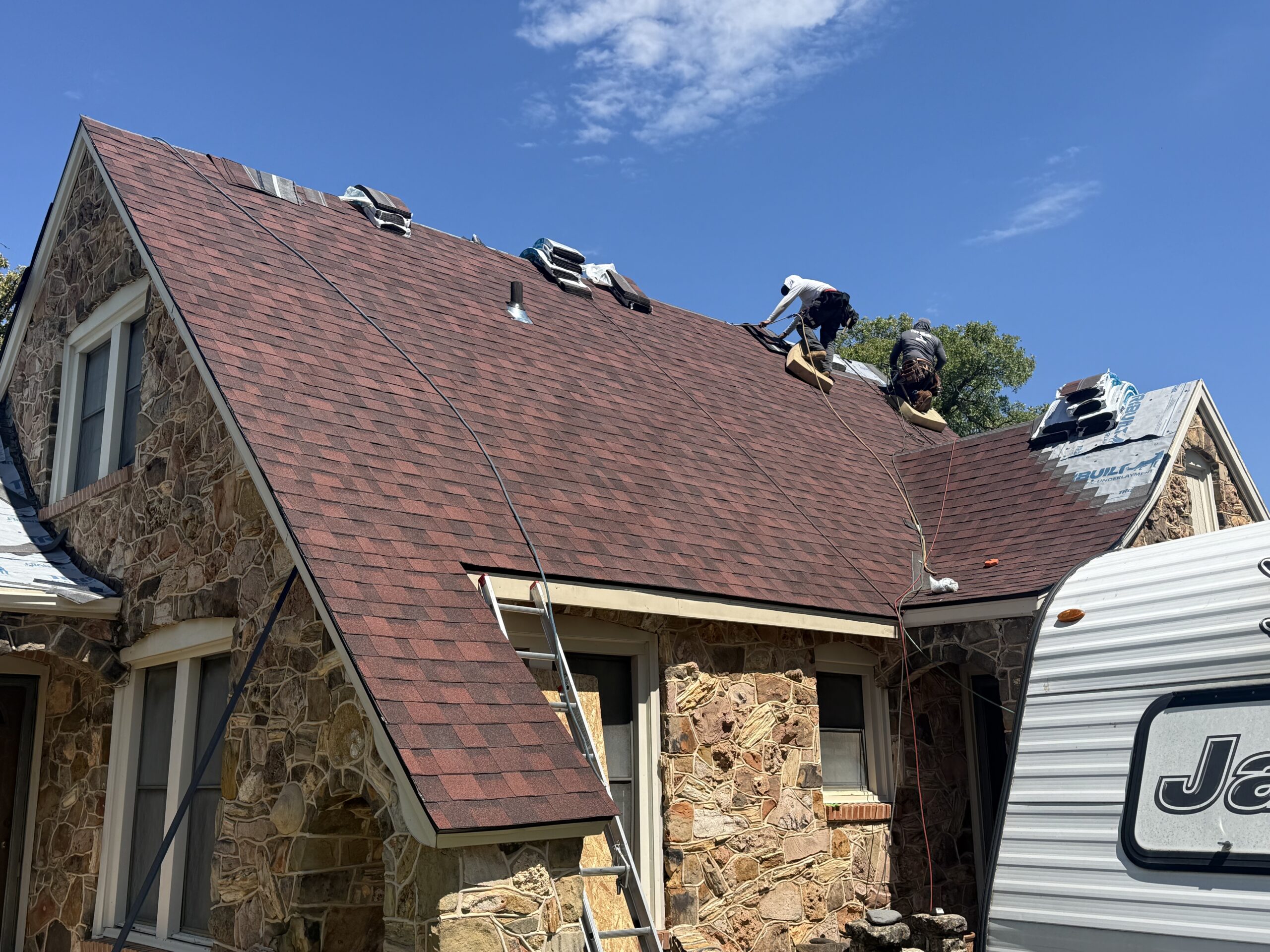
Matching Roofing Materials With Existing Home Components
A new roofing material needs to work with the existing structure and exterior components of the home. Compatibility should be considered before installation because changing the roof can affect flashing, ventilation, drainage, roof edges, and structural requirements.
The roof’s slope is particularly important. Different roofing materials have different installation requirements and may not be suitable for every roof pitch. Homeowners should confirm that the selected product is appropriate for the existing roof design.
Structural capacity should also be evaluated when considering heavier materials. Tile, slate, and some other systems can place greater loads on the structure than lighter roofing products. A qualified professional can determine whether additional structural work is necessary.
Existing flashing should be evaluated as well. Old or damaged flashing may not be suitable for a new roofing system. Replacing or upgrading these components during installation can help reduce the risk of leaks.
Ventilation needs to remain compatible with the new roof. Changes to the roofing material or roof design may affect how intake and exhaust vents are installed. The contractor should ensure that the completed system maintains appropriate airflow.
Gutters and drainage should also be considered. The roof’s slope and material can influence how water moves toward the edges. Gutters, downspouts, and valley systems should be able to handle the expected runoff.
Exterior design is another compatibility issue. The roof should complement the home’s siding, brick, stone, trim, windows, and other features. A material may perform well technically but look unsuitable if its color or profile conflicts with the property’s architecture.
Homeowners should also consider future repairs. The selected material should ideally have replacement components available when isolated damage occurs.
Compatibility is therefore both structural and practical. The best material is one that can be integrated effectively with the home’s existing systems without creating unnecessary complications.
Considering Installation Requirements and Contractor Experience
A roofing material is only as effective as its installation. Homeowners should therefore consider whether qualified contractors in their area have experience installing the specific system being considered.
Asphalt shingles are widely installed, so homeowners may have a broad selection of experienced contractors. Metal roofing, tile, slate, and specialized synthetic products can require more specific knowledge and installation techniques.
Contractor experience should match the selected material. A roofer who primarily installs asphalt shingles may not have the same level of experience with standing-seam metal, slate, or specialized tile systems.
Homeowners should ask contractors how often they install the proposed material and whether they can provide examples of similar projects. Previous work can provide useful information about workmanship and familiarity with the system.
Installation requirements should also be discussed before signing a contract. Homeowners should understand the required underlayment, flashing, fasteners, ventilation, edge details, and other components.
The contractor should follow manufacturer instructions and applicable building requirements. Deviating from required installation methods can affect performance and may also have implications for product warranties.
Roof preparation should be included in the discussion. Contractors should explain how they will inspect the roof deck, handle damaged areas, remove old materials if necessary, and protect the property during construction.
A written estimate should clearly identify the selected material and associated installation components. Vague descriptions can make it difficult to compare contractors accurately.
Homeowners should also ask how unexpected conditions will be handled. Hidden deck damage or other issues may become visible after the existing roof is removed. A clear process for approving additional work can prevent misunderstandings.
Choosing a material that local professionals can install correctly is often more valuable than selecting a product solely because it has attractive specifications. Installation expertise directly affects long-term performance.
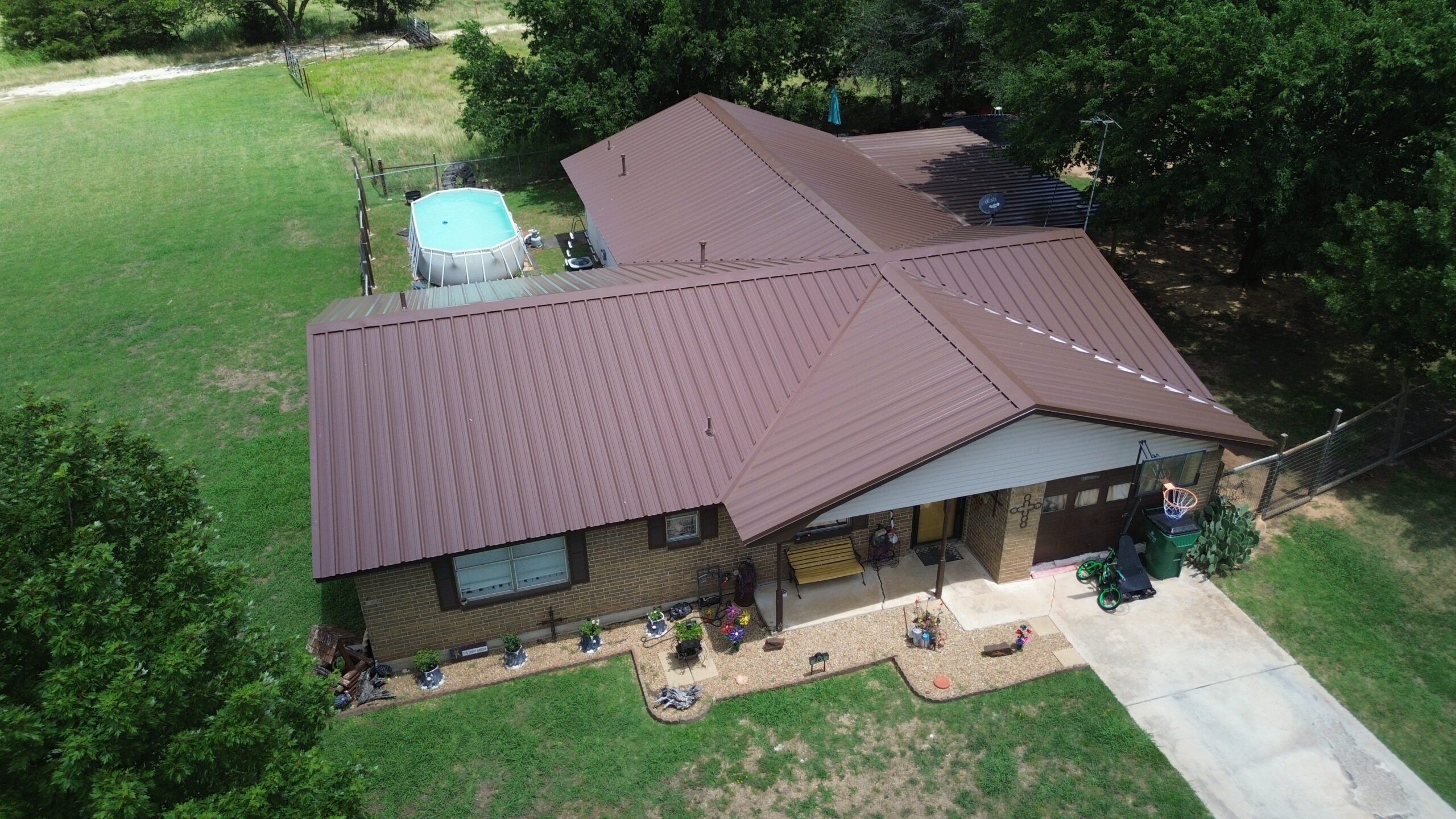
Reviewing Warranties, Maintenance, and Expected Service Life
Warranty coverage should be reviewed before selecting a roofing material. Manufacturers may offer different warranty terms for different products, and workmanship coverage is usually handled separately by the contractor.
Homeowners should understand what the material warranty covers and what conditions may apply. Some warranties can have requirements involving installation methods, maintenance, ventilation, or approved components.
Workmanship warranties should also be discussed with the roofing contractor. These warranties can cover certain installation-related problems, but terms vary considerably between companies.
Expected service life is another consideration, but homeowners should treat published estimates as general guidance rather than guarantees. Climate, installation quality, maintenance, weather exposure, and roof design can all affect actual performance.
Maintenance requirements should be understood before installation. Homeowners should know whether the material needs periodic inspections, specialized cleaning, replacement components, or other care.
Availability of repair materials is also important. A roofing system may perform well for many years, but isolated storm damage or accidental impact can still require replacement pieces. Easy access to matching materials can make future repairs simpler.
Homeowners should keep all warranty and installation documents after the project is completed. These records can help with future repairs, inspections, and potential warranty claims.
A roofing material that offers a strong combination of durability, reasonable maintenance, reliable warranty support, and appropriate installation requirements may provide better long-term value than one chosen primarily for appearance or initial price.
Choosing Materials for Different Residential Roof Designs
The design and shape of a residential roof can strongly influence which roofing materials are appropriate. A simple gable roof may accommodate several common roofing systems, while a complex roof with multiple slopes, valleys, dormers, and penetrations can require more specialized installation details. Homeowners should therefore evaluate the roof design before choosing a material based mainly on appearance or price.
Roof pitch is particularly important. Some roofing products require a minimum slope to shed water effectively, while others can be installed on a wider range of roof pitches. If a material is installed on a roof that does not meet its requirements, water drainage and long-term performance may be affected.
Complex roofs also contain more transitions. Valleys, hips, ridges, walls, skylights, and chimneys create areas where roofing materials must connect carefully. Materials that require specialized flashing or detailed installation may increase labor requirements on these types of roofs.
Asphalt shingles are often suitable for many traditional residential roof designs because they can be installed across numerous roof shapes when the manufacturer’s requirements are met. Their relatively flexible installation options make them practical for many homeowners.
Metal roofing can also work well on different roof designs, but the exact panel system matters. Standing-seam systems, exposed-fastener panels, and other profiles have different installation requirements. Complex roof shapes may require careful detailing around valleys and penetrations.
Tile and slate can create impressive results on suitable roof designs, but their weight and installation requirements must be considered. The structure needs to support the selected material, and the contractor must understand how to handle transitions and drainage.
Roof design should also influence material waste and installation efficiency. A product that is easy to install on a simple roof may require significantly more cutting and detailing on a complex design.
Homeowners should ask contractors how the proposed material will work with the specific roof structure. This discussion can reveal whether additional preparation, structural evaluation, flashing, or ventilation work will be necessary.
The best material is not necessarily the one that looks best in a product sample. It should be one that can be installed correctly across the entire roof while providing reliable water protection and compatibility with the home’s structure.
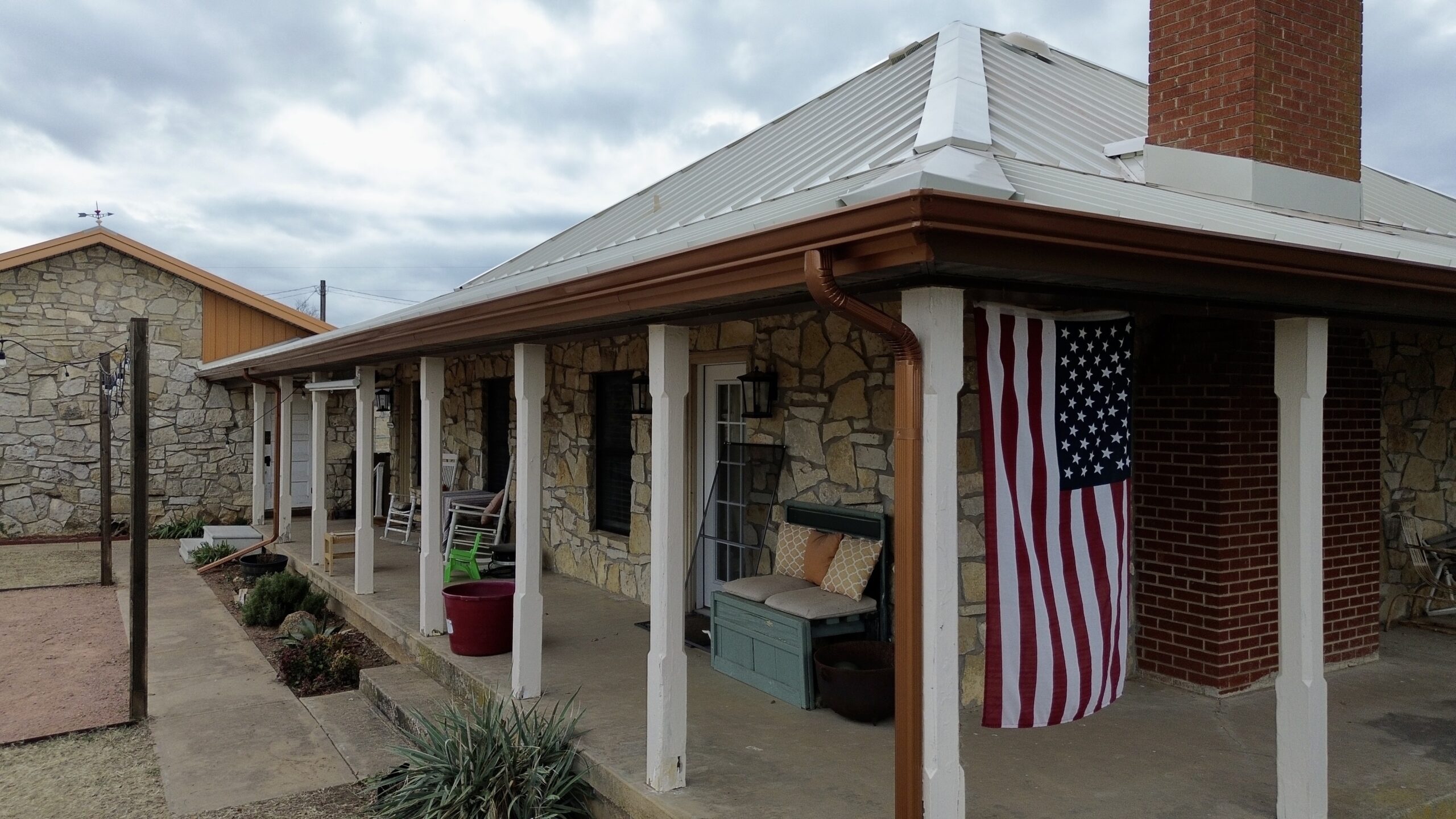
Balancing Appearance and Curb Appeal
A roof occupies a large portion of a home’s exterior, so its appearance can have a significant influence on curb appeal. Homeowners should consider color, texture, profile, and architectural style when selecting a roofing material, but appearance should be balanced with performance and practical requirements.
Traditional homes may work well with asphalt shingles, slate, or certain tile profiles. Modern properties may complement standing-seam metal or other clean-lined roofing systems. The goal is to select a roof that works naturally with the architectural character of the building.
Color should also be considered carefully. Roofing samples can look different under indoor lighting compared with direct sunlight. Homeowners should review samples in outdoor conditions and consider how the color interacts with siding, brick, stone, trim, windows, and doors.
Dark roofing materials can create a different visual effect from lighter materials. The surrounding exterior should therefore be considered as a complete design rather than selecting the roof color independently.
Texture can also influence appearance. Wood-look synthetic products, dimensional shingles, tile, slate, and metal panels can produce very different visual results even when they have similar colors.
Homeowners should consider the neighborhood and architectural context as well. A roof does not need to match neighboring homes exactly, but an extremely different material or color may affect the overall appearance of the property.
Curb appeal should not override technical requirements. A beautiful roofing material is not a good choice if the roof structure cannot support it or if the material is unsuitable for the roof’s slope and climate.
Maintenance can also affect long-term appearance. Some materials may show dirt, algae, staining, scratches, or weathering differently. Homeowners should consider how the selected material is expected to look after years of outdoor exposure.
Replacement materials should also be available in the future. If a small section becomes damaged, having access to matching products can help maintain the roof’s appearance after repairs.
A well-chosen roof should therefore combine visual appeal with practical performance. The best result is a material that complements the home while also meeting structural, weather, installation, and maintenance requirements.
Considering Weather and Environmental Exposure
Weather conditions should play a major role in residential roofing material selection. A roof must protect the home throughout changing seasons, and different materials may respond differently to wind, rain, sunlight, hail, and temperature fluctuations.
Rainfall places continuous demands on the roofing system. Materials need to shed water effectively, while underlayment, flashing, valleys, and drainage components provide additional protection. Homeowners should select a system appropriate for the amount and intensity of rainfall common in their area.
Strong winds can affect roofing materials, particularly around edges, corners, and exposed sections. Wind resistance depends on the roofing product, fastening system, installation quality, roof shape, and severity of the storm.
Hail can create another type of risk. Some roofing products may be more resistant to impact than others, but actual performance depends on the specific product and severity of the weather event. Homeowners should review manufacturer information when impact resistance is an important consideration.
Sunlight and heat can also contribute to long-term material aging. Roofing surfaces are exposed to ultraviolet radiation and repeated temperature changes throughout their service life. Ventilation and insulation beneath the roof can also influence how the roofing system responds to heat.
Properties surrounded by trees have additional environmental considerations. Falling branches can damage roofing materials, while leaves and organic debris can collect on the roof and inside gutters. A material should therefore be selected alongside a practical maintenance plan.
Coastal or highly exposed environments may create additional demands because of wind, moisture, salt exposure, or other conditions. Homeowners should discuss local environmental factors with contractors before selecting a material.
The roofing system should also be capable of managing seasonal changes. Expansion and contraction, freezing conditions where applicable, heavy rainfall, and periods of intense heat can all influence performance.
Homeowners should avoid choosing materials based only on general claims such as “weather resistant.” The specific product, installation method, warranty, and local environmental conditions should all be evaluated.
A suitable roofing material is one that can withstand the property’s expected exposure while remaining compatible with the roof structure. When material selection is based on actual environmental conditions, homeowners can make a more practical long-term investment.
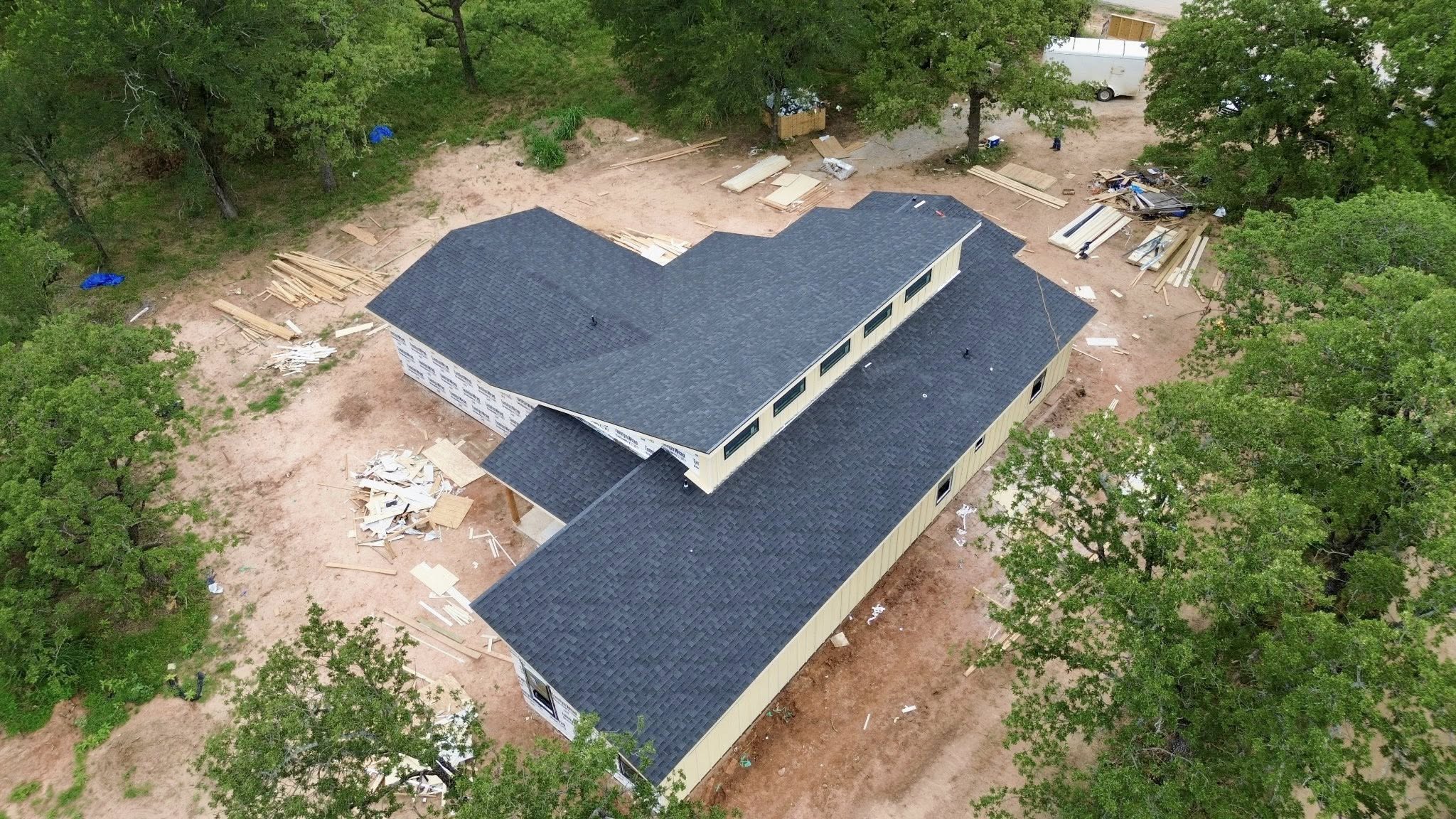
Avoiding Common Roofing Material Selection Mistakes
Choosing a roofing material without considering the complete project can lead to unnecessary costs and performance problems. One common mistake is selecting a product solely because it has the lowest initial price.
A low-cost material may appear attractive when comparing estimates, but the complete project cost can include underlayment, flashing, ventilation, structural preparation, labor, disposal, and future maintenance. Homeowners should compare complete roofing systems rather than material prices alone.
Another mistake is assuming that all products within one material category perform the same way. Asphalt shingles, metal panels, tiles, and synthetic products can vary significantly in quality, specifications, warranties, and installation requirements.
Ignoring roof structure is another concern. Heavy materials such as certain tile or slate systems may require structural evaluation. Homeowners should confirm that the existing structure is appropriate before committing to a heavier roofing system.
Climate should not be overlooked either. A material that performs well in one environment may not be the most suitable choice for another. Rainfall, wind, sunlight, temperature changes, and other local conditions should influence the decision.
Homeowners may also focus too heavily on appearance. A color or texture may look attractive in a showroom but fail to meet practical requirements for the roof design or maintenance expectations.
Choosing a contractor before selecting a material can sometimes help avoid this issue. An experienced roofing professional can explain which systems are appropriate for the property’s structure and design.
Another mistake is failing to ask about future repairs. Homeowners should know whether replacement pieces, matching colors, and qualified repair services are likely to remain available.
Warranty terms can also be overlooked. A product with an attractive warranty may have specific installation or maintenance conditions. Homeowners should understand these requirements before making a decision.
Finally, homeowners should avoid making a decision without comparing several complete options. Reviewing material, installation method, maintenance, warranty, durability, appearance, and total cost provides a more realistic picture of long-term value.
Avoiding these mistakes does not require homeowners to become roofing experts. It simply requires asking the right questions and considering the entire roofing system rather than focusing on one feature.
Making the Final Roofing Material Decision
Once homeowners have compared materials, costs, durability, appearance, installation requirements, and weather performance, they can begin narrowing down their options. The final decision should be based on how well the complete roofing system fits the property and the homeowner’s long-term priorities.
Budget remains an important factor, but homeowners should establish a realistic project budget that includes more than the primary roofing material. Preparation, labor, underlayment, flashing, ventilation, drainage, disposal, and potential deck repairs can all influence the final cost.
The roof’s existing condition should also influence the decision. If the roof deck, ventilation, or flashing requires improvement, the homeowner should consider these components when comparing different materials.
Homeowners should obtain detailed written estimates from qualified contractors. Each estimate should clearly identify the material, installation method, included components, warranty information, cleanup, and procedures for handling unexpected conditions.
Contractor experience should match the selected roofing system. This is particularly important for specialized materials such as slate, tile, and certain metal systems. Quality installation is essential regardless of how durable or expensive the material may be.
Homeowners should also consider the expected ownership period. A person planning to remain in the home for many years may place greater importance on long-term durability and maintenance. Someone with different plans may prioritize other factors, although quality and proper installation should remain essential.
The appearance of the final roof should be evaluated alongside the home’s exterior. Samples should be viewed in natural light, and homeowners should consider how the selected color and profile will work with the existing architecture.
Maintenance expectations should also be realistic. Every roofing material requires some level of inspection and care, and no product is completely maintenance-free.
The decision-making process can be simplified by comparing the most important factors:
| Factor | Questions to Consider |
|---|---|
| Durability | Can the material handle the home’s climate and exposure? |
| Cost | What is the complete installed project cost? |
| Design | Does it suit the roof structure and home style? |
| Maintenance | What care and future repairs will be required? |
| Installation | Does the contractor have experience with the system? |
| Warranty | What coverage and conditions apply? |
Homeowners should take time to understand the differences between their final options before signing a contract. A professional contractor should be willing to explain the advantages and limitations of each suitable system.
The best decision is rarely based on one factor. A slightly more expensive material may provide better value if it offers suitable durability, manageable maintenance, strong warranty support, and compatibility with the home.
Conclusion
Choosing materials for a residential roofing installation project requires careful consideration of the entire roofing system. Homeowners have many options, including asphalt shingles, metal roofing, tile, slate, and synthetic products, but each material has different characteristics and installation requirements.
The right choice depends on the home’s roof design, structural capacity, climate, budget, appearance, maintenance expectations, and long-term plans. A material that works well on one property may not be the best choice for another.
Durability should be evaluated alongside installation quality. Even highly durable materials can experience premature problems when they are improperly fastened, poorly flashed, inadequately ventilated, or installed on an unsuitable roof structure.
Cost should also be considered from a long-term perspective. The initial material price is only one part of the investment, while labor, preparation, maintenance, repairs, and eventual replacement can influence the total cost of ownership.
Appearance is important because the roof contributes significantly to curb appeal, but design preferences should always be balanced with technical requirements. A suitable roofing material should complement the home while providing reliable protection against expected weather conditions.
Homeowners should also consider future maintenance and repairs before making a final decision. Availability of replacement materials, qualified contractors, warranty requirements, and expected service life can all influence the long-term convenience and value of the roofing system.
Most importantly, homeowners should choose a contractor who understands the selected material and follows appropriate installation requirements. The quality of workmanship has a direct effect on how well the roofing system performs over time.
A successful roofing project combines the right material with the right design, preparation, installation, and maintenance. By comparing these factors carefully instead of choosing based only on price or appearance, homeowners can select a residential roofing system that provides dependable protection, attractive curb appeal, and practical long-term value.