
How Proper Roof Installation Improves Longevity
Introduction
A roof is expected to protect a building for many years, but the lifespan of a roofing system depends on more than the quality of the materials selected. Proper installation plays a major role in determining how well those materials perform throughout their service life. Even premium roofing products can deteriorate prematurely when they are installed incorrectly or placed over an inadequately prepared structure.
Roof installation involves multiple layers and components working together as a complete system. The roof deck, underlayment, primary roofing material, flashing, ventilation, fasteners, valleys, edges, and drainage features all contribute to long-term performance. A weakness in one area can allow moisture, wind, or other environmental conditions to affect surrounding components.
Installation quality becomes particularly important because many roofing problems develop gradually. A small gap around flashing or an incorrectly fastened roofing material may not cause an immediate visible problem. Over repeated seasons of rain, wind, heat, and temperature changes, however, that weakness can develop into leakage, material deterioration, or damage to the underlying structure.
Proper installation helps roofing materials perform according to their intended design. Manufacturers typically provide specific requirements concerning fastening, overlap, slope, underlayment, ventilation, and other installation details. Contractors who follow these requirements help create the conditions necessary for the roofing system to provide dependable long-term protection.
Longevity also depends on preventing problems before the visible roofing materials are installed. Inspecting the existing structure, repairing damaged decking, selecting suitable materials, and planning water management can prevent hidden weaknesses from being covered by the new roof. Careful preparation therefore contributes just as much to durability as the final appearance of the installation.
A longer-lasting roof can also provide financial benefits. When installation is completed properly, property owners may experience fewer premature repairs and a lower likelihood of early replacement caused by preventable workmanship problems. Investing in quality installation at the beginning can therefore improve both roof performance and long-term value.
Proper Roof Planning and Inspection
A durable roofing system begins with careful planning. Contractors should understand the condition, dimensions, design, and requirements of the roof before materials are ordered or installation begins. Rushing directly into construction without a detailed assessment can allow hidden conditions to remain beneath the new roofing system.
The existing roof structure should be inspected for visible signs of deterioration. Contractors may look for damaged decking, moisture stains, sagging areas, deteriorated flashing, drainage problems, and other conditions that could affect the new installation. Problems identified at this stage can often be addressed more efficiently than problems discovered after new materials have already been installed.
Moisture deserves particular attention because it can affect several parts of the roofing assembly. Long-term leaks may weaken decking or other structural components without creating obvious exterior signs. Installing new roofing over moisture-damaged materials can conceal the problem while allowing deterioration to continue.
Planning should also consider the shape and complexity of the roof. Valleys, hips, ridges, dormers, skylights, chimneys, vents, and roof-to-wall transitions create areas where additional installation details may be necessary. Identifying these locations beforehand allows contractors to prepare appropriate materials and methods.
The roof’s slope is another important consideration. Different roofing materials can have different slope requirements, and water behaves differently on steep and low-slope surfaces. Contractors need to select an installation approach that is appropriate for the specific roof rather than applying the same method to every building.
Local environmental conditions should also influence planning. Strong winds, frequent rain, heavy snowfall, intense sunlight, or large temperature variations can place additional stress on roofing materials. Understanding these conditions helps contractors determine which installation details may require particular attention.
Accurate measurements are part of effective planning as well. Contractors need enough roofing material, underlayment, flashing, fasteners, and accessories to complete the project according to specifications. Material shortages can interrupt the installation and may encourage rushed decisions when crews attempt to keep the project moving.
A well-planned installation reduces uncertainty once work begins. The crew knows what materials are required, which areas need special attention, and how the different stages should progress. This organized approach supports better workmanship and helps prevent avoidable conditions that could shorten the roof’s lifespan.
Choosing Suitable Roofing Materials
Proper installation begins with selecting roofing materials that are suitable for the building and its environment. A material may have an excellent reputation for durability, but it will not necessarily perform equally well on every roof. Roof design, slope, structural capacity, weather exposure, and maintenance expectations should all influence the selection process.
Climate is particularly important. Roofing materials can respond differently to prolonged sunlight, heavy rainfall, strong winds, freezing temperatures, or repeated temperature changes. Contractors should consider the conditions the roof is likely to experience throughout the year rather than selecting materials based only on appearance or initial price.
Compatibility between components is also essential for longevity. A roofing system contains much more than its visible exterior material. Underlayment, flashing, fasteners, sealants, ventilation products, and other accessories need to function together without creating unnecessary weaknesses.
Manufacturer recommendations can provide important guidance when selecting these components. Certain roofing products may require specific underlayments, fasteners, installation methods, or accessories. Following these recommendations can help preserve the intended performance of the overall system.
Material quality should also be considered in relation to expected service life. Choosing the least expensive product may reduce the initial project cost, but it may not always provide the best long-term value. Property owners should consider durability, maintenance requirements, installation needs, and expected performance when comparing options.
The weight of roofing materials may also matter. Some materials are considerably heavier than others and may require a structure capable of supporting the additional load. Contractors should confirm that the building is suitable for the selected system rather than assuming that any roofing material can be installed on any structure.
Homeowners and contractors should discuss material choices before installation begins. Important product details should be included in the project documentation so there is no uncertainty about what will be installed. Clear specifications also help crews ensure that the correct components are used throughout the project.
Choosing appropriate materials creates a stronger foundation for long-term roof performance. When materials suit the roof design and work properly with surrounding components, the installation is better prepared to withstand normal environmental exposure over time.
Preparing the Roof Deck Correctly
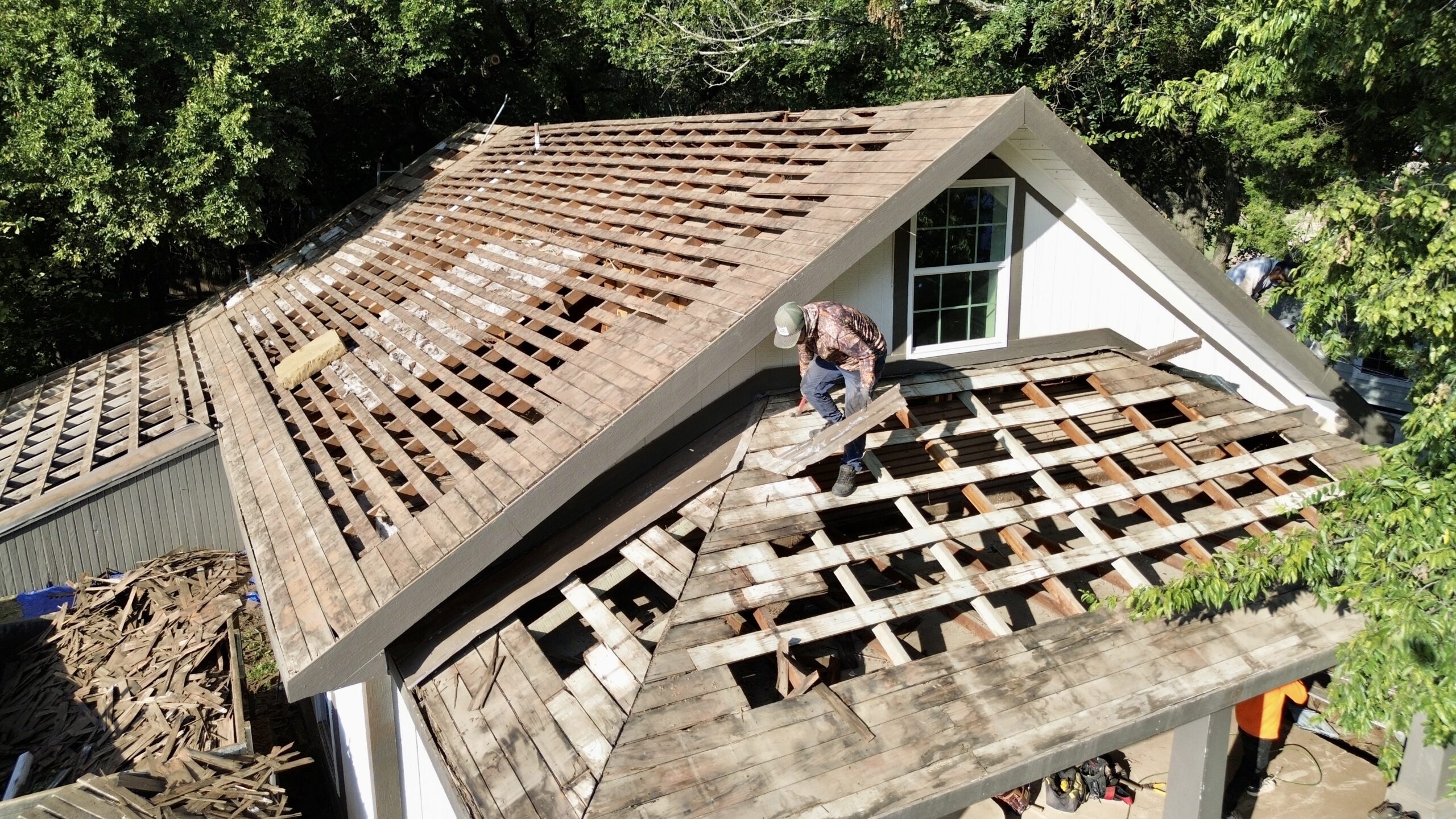
The roof deck forms the foundation beneath many roofing systems, which makes its condition critical to longevity. Installing new roofing over damaged, deteriorated, uneven, or wet decking can create problems that remain hidden until significant repairs are required. Proper preparation helps ensure that the new system begins with a stable supporting surface.
Once existing roofing materials are removed, contractors should inspect exposed decking carefully. Soft areas, rot, cracks, sagging, water damage, and other defects should be identified before protective layers are installed. Sections that cannot provide adequate support may need repair or replacement.
The deck should also provide a reasonably smooth and consistent surface. Protruding fasteners, loose materials, debris, and damaged sections can interfere with underlayment and exterior roofing materials. Correcting these conditions can improve installation consistency and reduce unnecessary stress on the finished roof.
Moisture should not be unnecessarily trapped beneath the new roofing assembly. If decking is wet because of previous leaks or recent weather exposure, contractors should evaluate the condition before covering it. Enclosing significant moisture can contribute to deterioration and other long-term concerns.
Roof deck preparation also provides an opportunity to examine structural details that were previously concealed. Contractors may discover areas around chimneys, valleys, vents, or roof edges that require additional attention. Correcting these weaknesses while the deck is exposed is generally easier than returning to them after installation.
Proper deck preparation supports secure fastening as well. Roofing materials depend on the underlying structure to hold fasteners correctly. Weak or deteriorated decking may not provide reliable attachment, increasing the possibility that roofing components will loosen or move over time.
Several preparation steps can contribute to a more durable roofing foundation:
- Inspect exposed decking for moisture, rot, sagging, and structural deterioration.
- Replace or repair sections that cannot provide adequate support.
- Remove debris, loose fasteners, and other materials that interfere with installation.
- Check vulnerable areas around valleys, penetrations, edges, and roof transitions.
- Confirm that the surface is suitable before installing underlayment.
Taking time to prepare the deck properly can prevent hidden problems from becoming part of the new roofing system. A strong foundation allows the remaining protective layers to function more effectively and contributes directly to the roof’s long-term durability.
Installing Underlayment and Moisture Protection
Underlayment provides an important protective layer between the roof deck and the primary roofing material. Although homeowners may never see it after installation, its placement can have a significant effect on how the roofing system manages moisture. Proper underlayment installation provides additional protection when water reaches beneath the exterior roof covering.
The correct underlayment should be selected for the roofing material and project conditions. Different systems may require different products, and contractors should follow applicable manufacturer requirements. Using an unsuitable underlayment can reduce the effectiveness of the protective assembly.
Overlap is one of the most important installation details. Sections should be positioned so that water naturally flows over the material rather than beneath seams. Incorrect overlaps or gaps can create pathways that allow moisture to reach the roof deck.
Fastening also requires attention. Underlayment should remain securely positioned while the primary roofing material is being installed. Loose, wrinkled, torn, or poorly secured material can interfere with later stages and create inconsistent protection.
Certain parts of a roof may require additional moisture protection because they experience greater water exposure. Valleys, roof edges, penetrations, and transitions can be particularly vulnerable. Contractors should identify these areas during planning and install the appropriate protective components according to the roofing system requirements.
Underlayment can also provide temporary protection during installation, but contractors should not assume that it can remain exposed indefinitely. Weather exposure can affect roofing products differently, and the primary roofing material should be installed according to the appropriate project schedule and manufacturer guidance.
Care should also be taken when workers move across installed underlayment. Tears, punctures, or displaced sections should be corrected before they are covered. Once the exterior roofing material is installed, identifying damage beneath it becomes considerably more difficult.
Proper moisture protection helps reduce the likelihood that occasional water intrusion will immediately reach vulnerable decking. By creating an additional defensive layer beneath the primary roof covering, correctly installed underlayment contributes to the durability of the entire system.
Proper Flashing and Roof Edge Installation
Flashing protects some of the most vulnerable areas of a roofing system. It is typically used where roofing materials meet walls, chimneys, skylights, vents, valleys, and other transitions where water could otherwise enter. Correct flashing installation is therefore one of the most important factors in preventing moisture-related deterioration.
Water naturally follows slopes, joints, and openings, making roof transitions particularly sensitive. Flashing is designed to guide water away from these locations and back onto the exterior roofing surface. If it is positioned incorrectly, water may move behind the roofing materials instead.
Chimneys and roof-to-wall transitions require careful detailing because they interrupt the normal flow of water across the roof. Flashing components should be integrated with the surrounding roofing system rather than simply placed over the surface. Proper overlaps help maintain a continuous drainage path.
Roof penetrations such as vents and pipes also need suitable flashing. Openings through the roofing system create potential entry points for water, so they should be protected using compatible components and appropriate installation techniques. Relying entirely on surface sealant may not provide the same long-term protection as a correctly integrated flashing system.
Valleys deserve particular attention because they collect water from multiple roof surfaces. Large amounts of runoff may pass through these areas during heavy rain. Correct valley preparation and installation help move that water toward the drainage system without allowing it to reach underlying materials.
Roof edges are equally important to long-term performance. Water should be directed away from the deck and building rather than allowed to move beneath roofing materials at the perimeter. Properly installed edge components help control runoff while protecting exposed sections of the roofing assembly.
Sealants may be useful in appropriate locations, but they should not compensate for poorly designed flashing. Sealants can age and deteriorate as they are exposed to sunlight, temperature changes, and movement. A durable roofing system relies primarily on correctly layered materials that manage water through proper drainage principles.
Proper flashing and edge installation can significantly reduce the likelihood of recurring leaks. Preventing water from entering vulnerable areas protects the roof deck, insulation, framing, and interior building materials from unnecessary moisture exposure. This protection can help the roofing system remain functional for a longer period.
Correct Roofing Material Installation
The quality of the primary roofing material installation has a direct effect on how long the roof can perform effectively. Whether the roof uses shingles, metal panels, tiles, or another roofing system, each material has specific installation requirements that need to be followed carefully. Correct placement, alignment, fastening, and detailing help the finished roof resist normal weather exposure and reduce premature deterioration.
Shingles should be installed in the required pattern with appropriate exposure and alignment. Poor alignment can affect the appearance of the roof, but it can also create inconsistent coverage in certain areas. Contractors should follow the manufacturer’s instructions for positioning, fastening, and installation sequence rather than relying on shortcuts based only on previous experience.
Metal roofing requires similar attention to detail, particularly around panel connections, fasteners, seams, edges, and penetrations. Panels need to be installed according to the system’s specifications so that movement caused by temperature changes can be accommodated. Improper fastening or incorrectly handled seams can create weaknesses that become more noticeable as the roof experiences repeated expansion and contraction.
Tile and other heavier roofing systems also require careful installation because individual components need to remain properly supported and secured. Broken, poorly positioned, or inadequately fastened materials can create openings through which water may reach underlying layers. Contractors should inspect materials before installation and replace components that are damaged.
Fastening requirements should never be treated as optional. The number, location, and type of fasteners can affect how well roofing materials resist wind and remain attached to the roof structure. Using fewer fasteners than required may save a small amount of time during installation but can compromise the system’s ability to perform under severe weather conditions.
Contractors should also avoid damaging materials during installation. Shingles can be cracked, metal panels can be scratched or bent, and tiles can break if handled carelessly. Damage that occurs during installation may not always be obvious once surrounding materials are installed, making careful handling and inspection important.
Following manufacturer requirements is particularly valuable because roofing products are designed to function according to specific installation procedures. Requirements can vary between products, even when the materials appear similar. Contractors who follow the correct procedures help ensure that the roof is installed according to the conditions under which the product was designed to perform.
Proper installation also supports future maintenance. When materials are consistently aligned and correctly secured, future inspections can identify problems more easily. A well-installed roofing system provides a more reliable foundation for ongoing maintenance and repairs throughout its service life.
Effective Roof Ventilation
Ventilation is another important factor in extending roof longevity because it helps manage conditions within the attic or roof assembly. A roof can be exposed to intense heat and moisture even when there are no visible problems on its exterior. Proper ventilation helps control these conditions and can reduce stress on roofing materials and underlying building components.
A balanced ventilation system generally includes intake and exhaust pathways that work together. Intake openings allow outside air to enter the appropriate area, while exhaust openings allow warm or moist air to leave. Blocking one part of the system can reduce the effectiveness of the overall airflow.
Contractors can accidentally interfere with ventilation during roof installation. Insulation, underlayment, roofing materials, or other components may obstruct existing airflow if they are installed without considering the ventilation design. Before installation begins, the contractor should identify existing ventilation components and determine whether they need to be repaired, replaced, or incorporated into the new system.
Moisture management is especially important in colder or humid conditions. Warm, moist air that remains trapped in an attic can contribute to condensation under certain conditions. Repeated moisture exposure can affect wood, insulation, fasteners, and other components beneath the roof.
Excessive heat can also place additional stress on some roofing materials and the attic environment. A properly designed ventilation system can help moderate attic conditions by allowing heat to escape through designated exhaust points. Ventilation should therefore be considered as part of the overall roofing system rather than as an optional feature added after installation.
Contractors should avoid assuming that simply adding more vents will automatically improve ventilation. The intake and exhaust components need to work together according to the building’s design. An unbalanced system may not provide the intended airflow and could create new complications.
Ventilation components should also be installed without compromising the roof’s moisture protection. Whenever a vent passes through the roofing surface, the surrounding area needs appropriate flashing and sealing details. A ventilation improvement that introduces a leak would defeat the purpose of improving the roofing system.
Proper ventilation can contribute to a healthier roof assembly by helping manage heat and moisture. While ventilation alone cannot prevent every roofing problem, integrating it correctly during installation can support the durability of the roof and the condition of the materials beneath it.
Proper Drainage and Water Management
Water is one of the primary causes of roof deterioration, making drainage a critical part of long-term roof performance. A properly installed roof should provide a clear path for rainwater to move away from the roofing surface and toward the intended drainage system. Problems occur when installation creates areas where water can collect or move beneath protective materials.
Roof slope influences how water travels across the surface. Contractors should select and install roofing materials according to the slope requirements of the system. A material that performs well on one roof configuration may not be appropriate for another, particularly where water drains more slowly.
Valleys require careful installation because they collect runoff from adjoining roof sections. A poorly installed valley can become a recurring source of moisture intrusion, especially during heavy rainfall. The protective layers in these areas should be installed according to the roofing system’s requirements so that water remains above the protective barriers.
Roof edges also need to be integrated properly with the drainage system. Water should move toward gutters, drains, or other designated outlets rather than collecting near exposed edges. Poorly managed edges can allow water to reach the deck or surrounding building materials.
Gutters and downspouts should be positioned and maintained so that they can carry water away from the structure. During installation, contractors should make sure roofing materials do not obstruct drainage pathways. They should also identify conditions that could cause water to flow toward areas where it could damage walls, foundations, landscaping, or other building components.
Standing water can be particularly damaging when it remains on a roofing surface for extended periods. Even roofing systems designed to tolerate moisture can experience greater stress when water is repeatedly trapped in the same locations. Proper slope, drainage details, and installation practices help minimize this exposure.
Water management also includes protecting areas where the roof meets other building components. Wall intersections, chimneys, skylights, vents, and other transitions should be detailed so that water is directed away from the joint. These areas require coordination between flashing, underlayment, and the primary roofing material.
Effective drainage does more than prevent visible leaks. It helps reduce the amount of time roofing materials and underlying components remain exposed to moisture. By managing water correctly from the beginning, contractors can help limit deterioration and support a longer service life for the roofing system.
Correct Fastening and Attachment
A roofing system must remain securely attached throughout its service life, particularly when exposed to strong winds and changing weather conditions. Fasteners provide much of this attachment, making correct selection and placement essential to long-term durability. Small fastening mistakes can become significant weaknesses when the roof experiences repeated environmental stress.
Fasteners should be appropriate for the roofing material and the supporting structure. Their length, material, corrosion resistance, and design should meet the requirements of the roofing system. Using an unsuitable fastener simply because it is available or inexpensive can create problems that may not appear until much later.
Placement is equally important. Manufacturers often specify where fasteners should be positioned and how many are required for each roofing component. Correct placement helps distribute attachment forces properly and reduces the likelihood that materials will move or separate.
Overdriving fasteners is another common installation problem. When a fastener is driven too deeply, it can damage the surrounding roofing material and reduce its ability to hold securely. Underdriven fasteners can also create problems because they may prevent materials from sitting correctly or leave components insufficiently secured.
Fasteners should be inspected during installation rather than only after the entire roof is finished. Workers can correct incorrectly positioned or damaged fasteners while the relevant area is still accessible. Early correction is generally easier than removing surrounding roofing materials later.
Wind resistance is particularly dependent on proper attachment. Roofing materials can experience significant forces during storms and high winds. Correct fastening does not guarantee that a roof will never experience storm damage, but it helps the system perform according to its intended design.
Contractors should also consider the condition of the substrate when fastening roofing materials. A fastener cannot provide reliable attachment if the material beneath it is severely deteriorated. This is another reason why roof deck inspection and preparation are important parts of the overall installation process.
Proper attachment contributes to longevity by reducing movement, damage, and premature material failure. When every component is securely and correctly fastened, the roofing system is better positioned to withstand normal environmental forces throughout its service life.
Quality Control During Installation
Quality control is essential for ensuring that proper installation methods are actually followed throughout the project. Even when a contractor has a detailed plan and experienced workers, mistakes can occur when installation is rushed or inspections are skipped. Regular checks help identify problems while they are still relatively easy to correct.
Quality control should begin with the roof deck and continue through each major installation stage. Contractors can inspect the prepared surface before underlayment is installed, review underlayment before the primary roofing material covers it, and check flashing before surrounding areas become inaccessible. This staged approach helps prevent one mistake from being hidden beneath another layer.
Supervision is especially important when multiple workers are involved. A supervisor should understand the installation requirements and verify that the crew is following them consistently. This is particularly useful when different workers handle shingles, flashing, ventilation, metal components, or other specialized tasks.
Visual inspections can identify many problems, including missing fasteners, damaged materials, poor alignment, exposed areas, inadequate flashing, and blocked ventilation openings. Some details require closer examination than others, so the inspection should not be limited to viewing the roof from ground level.
Documentation can further strengthen quality control. Contractors may photograph important stages of the project, particularly before areas become covered. These records can help confirm that preparation and protective components were installed correctly and can provide useful information for future maintenance.
A consistent inspection process can also improve crew performance. When workers know that completed stages will be reviewed, they have an additional incentive to follow established procedures carefully. Over time, this can contribute to more consistent workmanship across different projects.
Quality control should also include a final inspection after the main installation is complete. The contractor should review roof edges, penetrations, valleys, flashing, drainage, ventilation, and visible roofing materials. Any identified deficiencies should be corrected before the project is considered finished.
The purpose of quality control is not simply to find mistakes. It is to create a process where mistakes are less likely to remain unnoticed. Early detection protects the roofing investment because problems can be corrected before they contribute to moisture intrusion or premature deterioration.
Weather and Environmental Considerations
The conditions under which a roof is installed can influence how well the materials perform afterward. Contractors sometimes focus heavily on completing the project according to schedule and may underestimate the effect of rain, strong wind, extreme temperatures, or other environmental conditions. Proper installation requires recognizing when conditions could affect materials or workmanship.
Rain can make exposed roof surfaces wet and can introduce moisture into unfinished areas. Contractors should have procedures for protecting the roof when weather changes unexpectedly. Unfinished sections should not be left unnecessarily exposed to conditions that could compromise the installation.
Wind can create difficulties when workers are handling lightweight materials. Underlayment, shingles, insulation, flashing, and other components can move or become damaged before they are properly secured. Materials should be handled and temporarily secured according to appropriate procedures.
Temperature can also affect certain roofing products. Adhesives, sealants, membranes, and other materials may have specific temperature ranges for installation. Contractors should understand these requirements and avoid using products in conditions that could interfere with proper bonding or curing.
Strong sunlight and heat can also affect worker conditions and material handling. Roofing surfaces can become significantly hotter than surrounding air, which may influence how certain materials behave. Appropriate planning helps crews maintain workmanship quality without rushing through difficult conditions.
Environmental conditions can also affect the schedule. A short delay may be necessary to protect the quality of the installation. Contractors should communicate weather-related changes clearly to homeowners rather than allowing the customer to assume that an unexplained delay represents poor project management.
The roof should also be protected during periods when work stops. Temporary coverings or other appropriate measures may be necessary depending on the stage of installation and expected weather. This helps prevent moisture from entering the building before the permanent roofing system is complete.
Proper weather management supports longevity because roofing materials need to be installed under conditions that allow them to function as intended. Careful scheduling, material handling, temporary protection, and communication can reduce the risk that environmental conditions will compromise otherwise good workmanship.
A durable roof is the result of many installation decisions working together. Correct placement of roofing materials, balanced ventilation, effective drainage, secure fastening, careful quality control, and responsible weather management all build upon the preparation completed earlier. When these elements are handled correctly, the roofing system is better equipped to resist premature deterioration and maintain its protective function over time.
How Professional Installation Prevents Premature Roof Failure
Proper roof installation can significantly reduce the risk of premature roof failure by addressing weaknesses before they become serious problems. A roofing system is exposed to rain, wind, sunlight, temperature changes, and moisture throughout its service life, so every component needs to be installed with these conditions in mind. Careful workmanship helps ensure that the roof can respond to normal environmental stresses without unnecessary deterioration.
One of the most important benefits of proper installation is improved moisture protection. Correctly installed underlayment, flashing, shingles, panels, and roof edges work together to direct water away from the roof deck and interior structure. When these components are installed incorrectly, even a small opening can allow moisture to enter and gradually damage materials beneath the visible roof surface.
Proper installation also helps protect the roof deck. The deck provides support for the roofing system, so allowing water to reach it repeatedly can contribute to deterioration, rot, or loss of structural strength. Preparing the deck correctly and maintaining effective moisture barriers reduces the chance that these problems will develop.
Wind resistance is another important factor. Roofing materials must be securely attached using the appropriate fasteners and installation patterns so that they can resist the forces associated with normal and severe weather. Correct attachment cannot eliminate all storm damage, but it helps the roof perform according to its intended design.
Premature roof failure can also result from seemingly minor installation shortcuts. Missing fasteners, poorly installed flashing, blocked ventilation, incorrect overlaps, and inadequate drainage may not create immediate problems, but repeated exposure can gradually weaken the system. Preventing these issues during installation is generally more effective than attempting to correct them after years of exposure.
A properly installed roof can also reduce the likelihood of recurring repairs. When the underlying causes of common roofing problems are addressed during installation, property owners are less likely to experience repeated issues caused by the same workmanship deficiencies.
How Proper Installation Supports Long-Term Performance
Longevity is not simply about how many years roofing materials are expected to last on paper. It is also about how consistently the roofing system can perform during those years. Proper installation helps materials operate under the conditions for which they were designed and reduces unnecessary stress on individual components.
The relationship between installation quality and long-term performance can be seen across the major parts of a roofing system:
| Roofing component | Installation factor | Long-term benefit |
|---|---|---|
| Roof deck | Proper inspection and preparation | Strong foundation for roofing materials |
| Underlayment | Correct coverage and overlap | Additional moisture protection |
| Flashing | Proper integration and placement | Reduced risk of water intrusion |
| Roofing material | Correct alignment and fastening | Better durability and weather resistance |
| Ventilation | Balanced intake and exhaust | Improved heat and moisture management |
| Drainage | Clear water pathways | Reduced prolonged moisture exposure |
Proper installation can also support applicable manufacturer warranties. Many roofing products have specific installation requirements that need to be followed for the system to perform properly and, depending on the warranty terms, to maintain applicable coverage. Following those instructions gives homeowners stronger documentation about how the roof was installed.
Energy and moisture management can also benefit from proper installation. A well-installed roof assembly can work more effectively with the building’s insulation, ventilation, and drainage systems. This does not mean installation alone determines energy efficiency, but correct workmanship helps prevent avoidable weaknesses that can interfere with overall building performance.
Long-term performance also depends on how well different roofing components work together. For example, flashing must integrate with the primary roofing material, while ventilation components must be installed without creating moisture entry points. Treating each component as part of one system produces a more reliable result than focusing only on the visible exterior surface.
Proper installation can make future maintenance easier as well. Consistently installed materials are easier for inspectors and repair professionals to evaluate. When project documentation is available, future contractors can also understand which products and methods were used instead of having to make assumptions.
The roof’s service life will still depend on factors such as material quality, climate, weather exposure, maintenance, and unexpected damage. However, professional installation provides a strong foundation that allows the roofing system to perform as effectively as possible under those conditions.
Signs That Installation Quality May Affect Roof Longevity
Some roofing problems can provide clues that installation quality may be affecting the roof’s expected service life. These signs should not automatically be interpreted as proof of contractor error because roofing problems can have multiple causes. However, when several warning signs appear relatively soon after installation, a professional inspection may be appropriate.
Repeated leaks are one of the most important warning signs. A roof that develops water intrusion shortly after installation may have problems involving flashing, underlayment, penetrations, drainage, or other components. Identifying the source quickly can help prevent moisture from spreading into the roof deck and interior structure.
Visible gaps or poorly fitted materials can also indicate installation concerns. Shingles that are uneven, lifted, cracked, or improperly aligned may require closer examination. Similar concerns can occur with metal panels, tiles, membranes, flashing, and roof edge components when installation is inconsistent.
Premature deterioration may also deserve attention. Roofing materials normally age over time, but unusual deterioration shortly after installation can indicate problems with material selection, handling, ventilation, fastening, or installation conditions. A professional should evaluate the cause rather than assuming that replacement of the visible material alone will solve the problem.
Poor drainage is another warning sign. Water that repeatedly collects in the same area after rainfall may indicate an issue with slope, drainage design, gutters, valleys, or installation details. Prolonged moisture exposure can shorten the life of roofing materials and increase the risk of damage to underlying components.
Homeowners should also watch for problems around roof penetrations. Flashing around vents, skylights, chimneys, and pipes should remain secure and properly integrated with the roofing system. Deteriorated seals, visible gaps, or recurring moisture around these areas may justify a professional inspection.
When concerns appear, homeowners should document what they observe and contact the contractor if the roof is still covered by an applicable workmanship warranty. Photographs and records of dates, weather conditions, and visible symptoms can help the contractor investigate the issue more effectively.
Maintenance After Proper Roof Installation
Proper installation creates a strong foundation for longevity, but maintenance remains important throughout the roof’s service life. Even a professionally installed roof is exposed to weather and environmental conditions every day. Regular attention can help identify developing problems before they cause extensive damage.
Inspections should focus on areas that are particularly vulnerable to deterioration. Roof edges, flashing, valleys, drainage systems, penetrations, and visible roofing materials can develop problems over time. Professional inspections can be especially useful after severe weather or when signs of moisture appear inside the building.
Keeping drainage systems clear is another important maintenance practice. Leaves, branches, dirt, and other debris can obstruct gutters or drainage pathways. When water cannot move away from the roof properly, it may collect against roofing components or building surfaces.
Minor problems should be addressed before they become larger issues. A small damaged roofing component or loose flashing section may be easier and less expensive to correct than widespread moisture damage. Delaying repairs can allow water to reach concealed areas where deterioration becomes more difficult to detect.
Homeowners should also avoid making unnecessary modifications to a professionally installed roof without understanding their effect. Installing equipment, mounting structures, or making repairs can require new penetrations through the roofing system. Such work should be completed carefully so that existing waterproofing and flashing details are not compromised.
A simple long-term approach can include:
- Inspect the roof and drainage system periodically.
- Check the roof after significant storms for visible damage.
- Keep gutters and drainage pathways clear.
- Address leaks, damaged flashing, and other problems promptly.
- Keep installation, warranty, and maintenance records organized.
Maintenance does not mean constantly repairing a roof. Its purpose is to preserve the condition created by proper installation and identify problems while they remain manageable. A roof that receives appropriate care has a better opportunity to reach its expected service life.

Long-Term Benefits of Investing in Proper Installation
Investing in proper roof installation can provide benefits that extend well beyond the initial construction period. The most obvious benefit is improved durability, but the financial and practical advantages can also become more significant as the roof ages.
A properly installed roof is generally better positioned to resist common causes of premature deterioration. Correct moisture protection can reduce the risk of leaks, while proper fastening can improve resistance to wind. Effective ventilation and drainage can also help protect the roofing assembly from unnecessary heat and moisture exposure.
Fewer premature repairs can translate into lower long-term costs. While no roof is completely maintenance-free, avoiding installation-related defects can reduce the likelihood of repeated repairs caused by preventable workmanship problems. This can make the original investment more valuable over the roof’s service life.
Proper installation can also protect other parts of the property. A roof that effectively manages water helps protect decking, insulation, ceilings, walls, and other interior or structural components. Preventing moisture from spreading beyond the roof can therefore reduce the potential cost of secondary damage.
There can also be benefits when the property is eventually sold. Well-maintained roofing materials combined with clear installation and warranty documentation can provide prospective buyers with greater confidence in the condition of the property. A documented history of professional installation and maintenance can be more useful than simply claiming that the roof is relatively new.
Professional installation also provides peace of mind. Homeowners may not think about the roof every day, but knowing that the system was properly planned, installed, inspected, and maintained can reduce uncertainty. This is particularly valuable in areas where roofs are regularly exposed to severe weather.
The long-term value of installation quality can therefore be viewed from several perspectives. It affects durability, maintenance needs, property protection, repair costs, warranty considerations, and overall confidence in the roofing system. Spending more attention on workmanship at the beginning can help prevent much larger problems later.
Conclusion
Proper roof installation is one of the most important factors influencing how effectively a roofing system performs throughout its service life. Quality materials provide the basic components, but careful planning, preparation, installation, and inspection allow those materials to function as intended. When these stages are handled correctly, the roof has a stronger foundation for resisting moisture, wind, heat, and other environmental stresses.
Longevity begins before the visible roofing material is installed. Inspecting the existing roof, repairing damaged decking, selecting suitable materials, installing effective underlayment, and creating reliable flashing details all help protect the structure from conditions that can cause premature deterioration. These preparation steps are essential because defects hidden beneath the finished roof can be difficult and expensive to correct later.
The installation itself also requires careful attention. Correct fastening, alignment, ventilation, drainage, weather management, and quality control all contribute to the performance of the finished roofing system. A contractor who follows manufacturer requirements and checks the work at important stages can reduce the likelihood that small mistakes will develop into major problems.
Proper installation does not eliminate the need for maintenance. Regular inspections, clear drainage pathways, prompt repairs, and appropriate care help preserve the condition of the roof after the construction work is complete. Homeowners who maintain their roofs properly can give the installation a better opportunity to reach its expected service life.
The financial value of professional installation also becomes clearer over time. Avoiding premature leaks, material failure, structural damage, and unnecessary repairs can protect both the roof and the building beneath it. Although careful installation may require greater attention and investment at the beginning, it can provide greater value throughout the life of the roofing system.
Ultimately, a long-lasting roof is the result of many decisions working together. Proper planning establishes the foundation, suitable materials provide the necessary protection, skilled installation brings the system together, and ongoing maintenance preserves its condition. By treating installation quality as a long-term investment rather than simply the final stage of construction, property owners and roofing professionals can create roofing systems that provide reliable protection and lasting performance.