
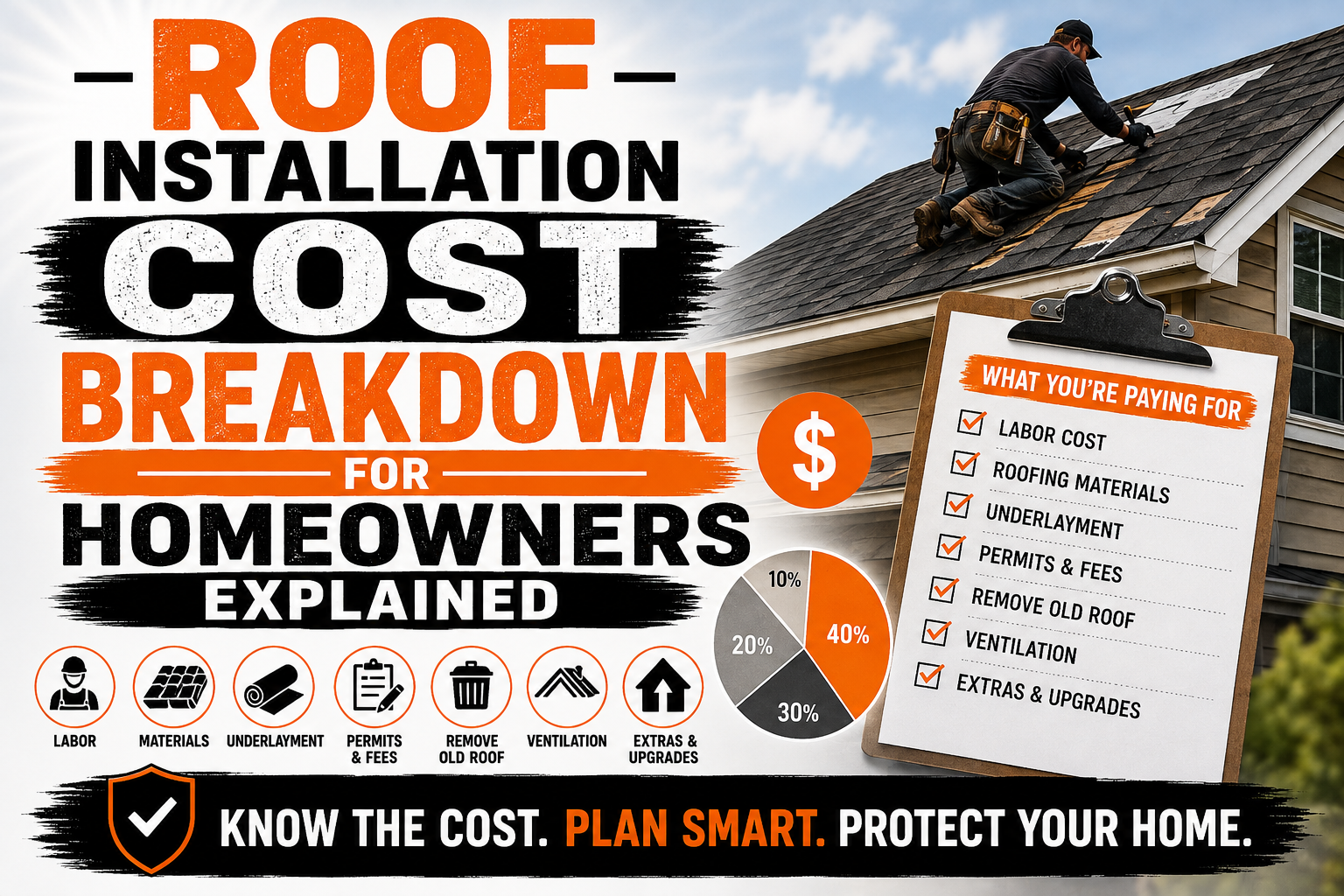
Roof Installation Cost Breakdown for Homeowners Explained
Introduction
Installing a new roof is one of the most important investments a homeowner can make in the long-term condition of a property. A properly installed roofing system protects the home from rain, wind, heat, moisture, and other outdoor conditions while also supporting energy efficiency, comfort, and property value. However, the total cost of a roof installation can vary significantly from one home to another, which is why understanding the different expenses is essential before starting a roofing project.
Many homeowners initially focus only on the price of shingles or other visible roofing materials. In reality, a complete roof installation involves several components, including labor, underlayment, flashing, ventilation, fasteners, tear-off, disposal, repairs, permits, and other project-specific requirements. The final price is therefore determined by the entire roofing system rather than a single material or service.
The size and design of the roof also play a major role in determining the overall investment. A simple roof with a moderate slope may require less labor and fewer materials than a large, steep, or complex roof with multiple sections. Features such as chimneys, skylights, valleys, dormers, and roof penetrations can also increase installation time and material requirements.
Understanding these factors allows homeowners to evaluate roofing estimates more accurately and avoid unexpected expenses during construction. Instead of comparing contractors based only on the lowest quoted amount, homeowners can look at what each estimate includes and determine whether the proposed price reflects the quality and scope of the work.
Understanding Roof Installation Costs
Roof installation costs are made up of several individual expenses that work together to create the final project price. Some costs are easy to identify, such as roofing materials and labor, while others may not become obvious until the existing roof is inspected or removed. A professional estimate should account for the major components required to complete the roofing system correctly.
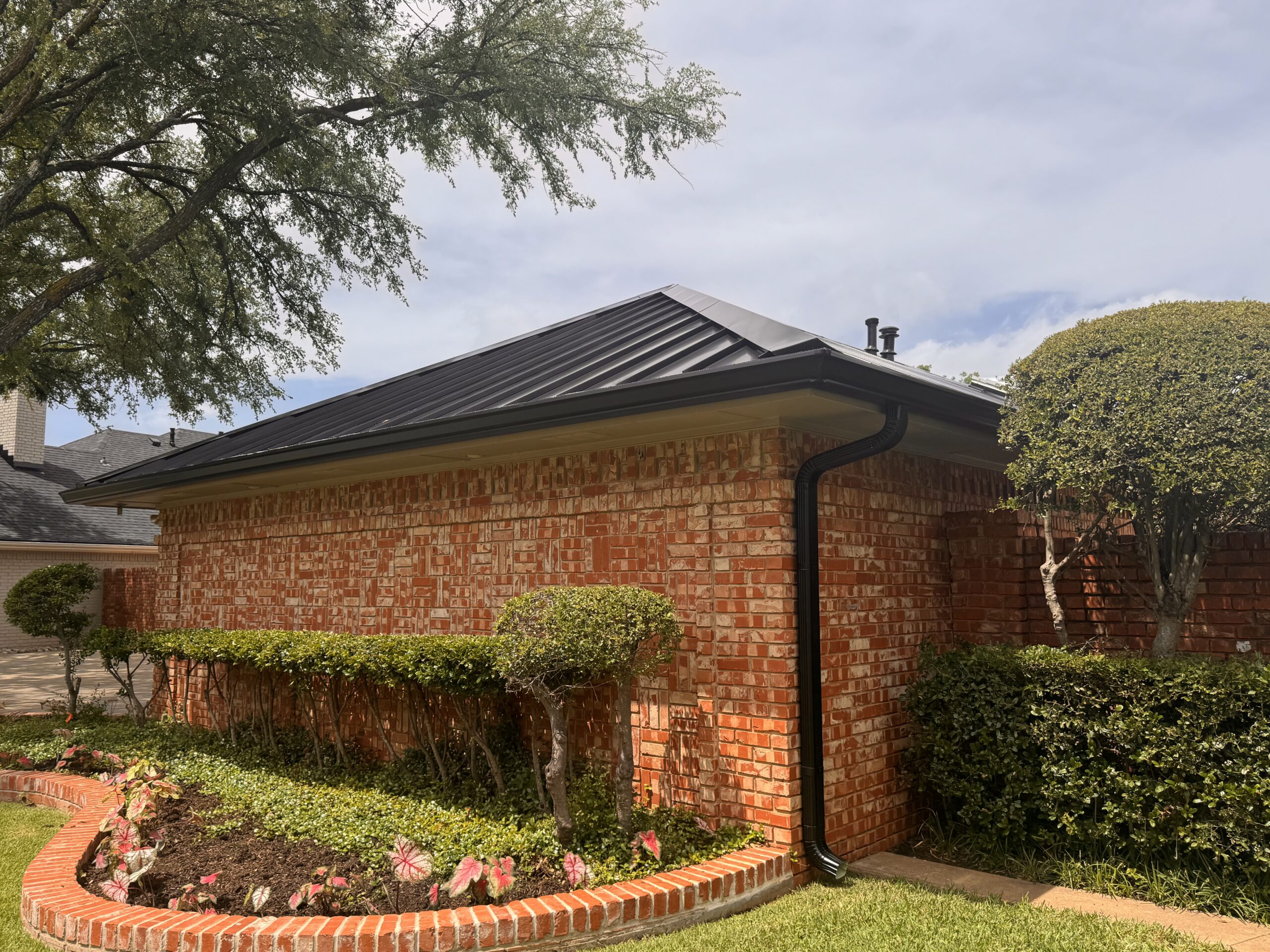
The first major cost is the roofing material itself. Asphalt shingles are commonly selected because they are widely available and generally provide a practical balance between cost, appearance, and durability. Other options, including metal, tile, slate, and specialty roofing products, can have substantially different material and installation costs.
Labor is another major part of the total expense. Roofing requires specialized skills because installers must understand how to position materials, create watertight transitions, install flashing, manage ventilation, and follow manufacturer requirements. A qualified roofing crew may charge more than an inexperienced installer, but proper workmanship can reduce the likelihood of premature failures and expensive repairs.
The condition of the existing roof also affects the price. If the current roofing system can be removed without exposing major structural problems, the project may remain close to the original estimate. If damaged decking, deteriorated framing, moisture problems, or other issues are discovered, additional work may be required before the new roof can be installed.
Average Roof Installation Cost Factors
There is no single price that applies to every roof installation because each property has different dimensions, materials, labor requirements, and site conditions. Homeowners should therefore treat general cost ranges as planning information rather than guaranteed project prices. A detailed inspection and written estimate are normally needed to determine the actual cost of a particular roof.
Roof size is one of the most important variables because roofing contractors generally calculate material requirements based on the total roof area. Roofing measurements are often expressed in roofing squares, with one square representing 100 square feet of roof coverage. A larger roof requires more shingles, underlayment, flashing materials, fasteners, and labor.
Roof complexity can make the calculation more involved. A roof with multiple slopes, valleys, hips, dormers, or other architectural details requires more measurements and cutting than a basic roof design. These details can increase installation time because installers must carefully fit materials around transitions and penetrations.
The following factors commonly influence the overall cost of a new roof:
- Roof size and total surface area
- Roofing material and product quality
- Roof pitch and architectural complexity
- Labor rates in the local market
- Removal of the existing roofing system
- Condition of the roof decking
- Flashing and ventilation requirements
- Chimneys, skylights, vents, and other penetrations
- Permits, inspections, disposal, and cleanup
Each of these factors can affect the final estimate independently or in combination with the others. This is why two houses with similar-looking roofs can still receive noticeably different installation quotes.
How Roofing Material Affects the Total Price
The roofing material selected by a homeowner can have a major impact on both the initial installation price and the long-term cost of ownership. Different materials have different purchase prices, installation requirements, expected service lives, maintenance needs, and performance characteristics. Choosing a material should therefore involve more than comparing the price per square.
Asphalt shingles are often considered a practical choice for homeowners seeking a widely available roofing option. They come in different grades and styles, allowing homeowners to choose products with different appearances and performance characteristics. Their relatively familiar installation process can also make them accessible through many roofing contractors.
Metal roofing generally has a higher initial cost than basic asphalt shingles, although the exact price depends on the type of metal, profile, finish, and installation system. Metal roofs can offer long service life and strong resistance to several environmental conditions, making them an option for homeowners who are focused on durability and long-term value.
Tile and slate roofing can involve substantially higher material and labor costs. These systems may also require additional structural considerations because some roofing materials are significantly heavier than common shingle products. Their appearance, longevity, and specialized installation requirements can make them suitable for specific homes and architectural styles.
Homeowners should consider both the upfront investment and expected lifespan when comparing materials. A lower initial price does not automatically mean a lower long-term cost, particularly if the material requires earlier replacement or more frequent maintenance.
Labor Costs in Roof Installation
Labor is one of the largest components of a professional roof installation because roofing involves physically demanding and technically detailed work. Installers must safely work at height while accurately positioning each roofing component. The crew also needs to prepare the roof surface, remove existing materials when necessary, install protective layers, complete flashing details, and clean the site after the work is finished.
Labor pricing can vary depending on the complexity of the project and the experience of the contractor. A straightforward roof may require fewer installation hours than a steep roof with multiple sections and difficult access points. Projects involving complicated flashing, extensive repairs, or specialty materials can require additional skilled labor.
The number of workers assigned to a project can also influence the total labor expense. A larger crew may complete a project faster, but the homeowner is paying for more workers during that period. The relationship between crew size, productivity, project duration, and workmanship is therefore more important than simply choosing the smallest or largest crew.
Homeowners should be cautious when a roofing quote appears unusually low because labor may be one area where an incomplete estimate cuts costs. A low price could reflect limited preparation, fewer included services, inexperienced labor, or exclusions that later appear as additional charges. A detailed written proposal makes it easier to understand exactly what the labor charge covers.
Roof Size, Pitch, and Design Considerations
The physical characteristics of a roof have a direct effect on installation difficulty and material requirements. Roof size determines how much coverage is needed, while pitch affects how easily workers can move across the surface. A steep roof can require additional safety equipment, slower installation techniques, and more experienced workers.
Roof pitch can also affect material calculations because a sloped roof has a larger surface area than the horizontal footprint of the building. Two homes with the same floor plan may therefore require different amounts of roofing material if their roof designs have different slopes. Steeper sections can also increase waste because more materials may need to be cut around complex areas.
The design of the roof is another important consideration. Simple gable roofs generally have fewer intersections and transitions than roofs containing several hips, valleys, dormers, or separate sections. Each additional feature can require extra flashing, cutting, fastening, and careful waterproofing.
Accessibility can further influence the cost. If roofing materials and equipment can be moved easily to the work area, installation may proceed more efficiently. Difficult access, limited staging space, landscaping obstacles, or unusual property layouts can increase the amount of time and effort required for the project.
Tear-Off and Roof Removal Costs
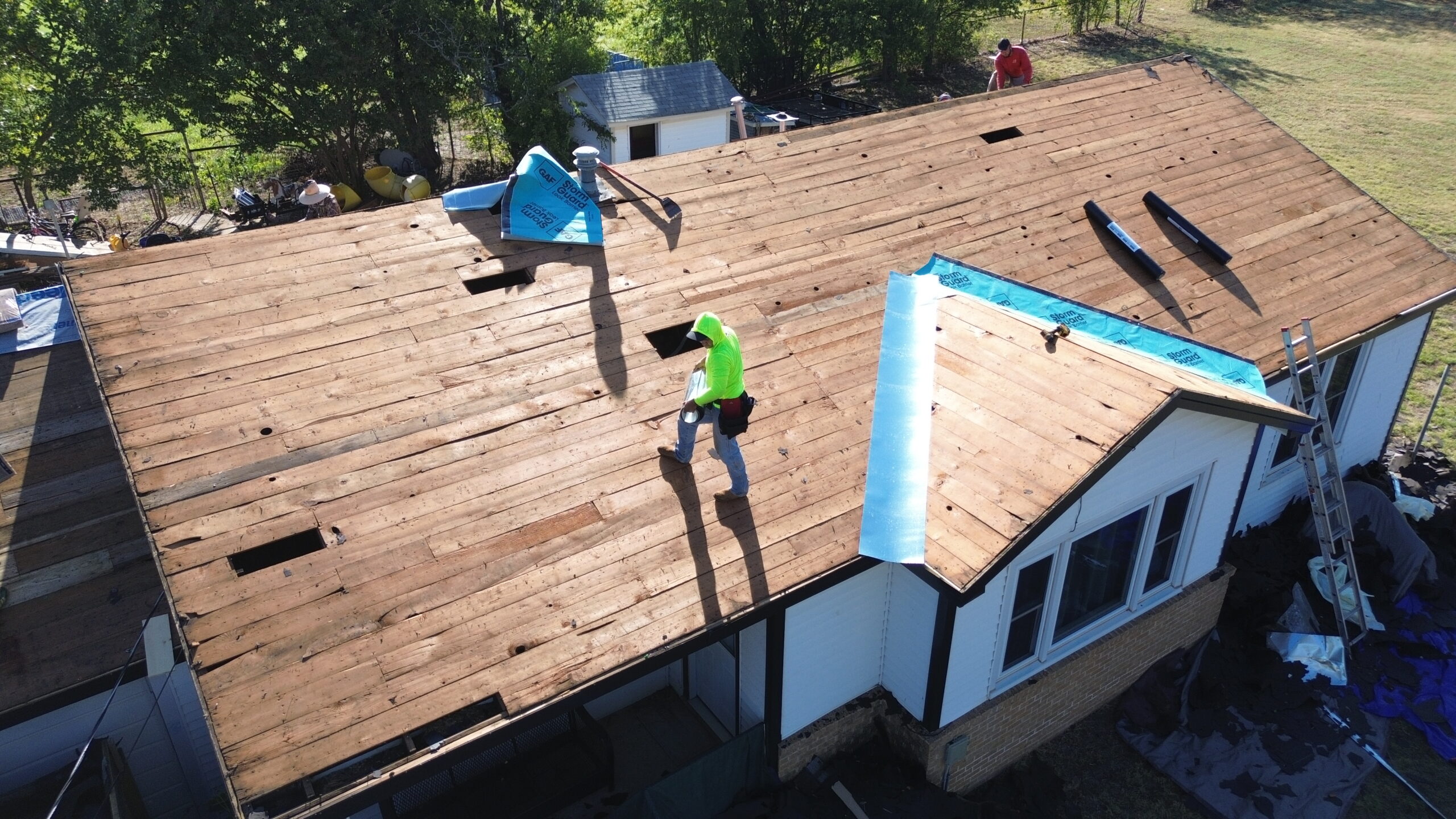
When a new roof replaces an existing roofing system, the contractor may need to remove the old materials before installing the new system. This process is commonly called a tear-off and can represent a significant portion of the project cost. The work involves removing existing shingles or other roofing materials, collecting debris, and preparing the underlying surface for inspection.
The number of existing roofing layers can affect the amount of labor involved. A roof with multiple layers may take longer to remove and can generate more debris than a roof with a single existing layer. Local building requirements and the condition of the existing system may also influence whether additional layers can remain in place or must be removed.
After the old materials are removed, the roof deck becomes easier to inspect. This is an important stage because damaged or weakened decking may not be visible while the existing roof covering is still installed. If the deck contains areas affected by moisture, rot, or other deterioration, those sections may need to be repaired or replaced before new roofing materials are installed.
Disposal is another expense associated with tear-off work. Removed roofing materials must be collected and transported for appropriate disposal or recycling where available. A professional estimate should make clear whether tear-off, hauling, disposal fees, and final cleanup are included in the quoted project price.
Underlayment and Other Essential Roofing Components
A roofing system is more than the outer material visible from the ground. Underlayment is installed beneath many roofing materials to provide an additional protective layer between the roof deck and the exterior covering. Depending on the roofing system and project requirements, contractors may use different types of underlayment designed to provide moisture resistance and support proper installation.
The quality and type of underlayment can affect the overall project cost. Basic products may have a lower material price, while specialized or higher-performance products can increase the initial investment. Homeowners should ask contractors which underlayment is included and why it is appropriate for the selected roofing material and local conditions.
Other small components can also add to the total cost even though they may not attract much attention. Roofing nails, fasteners, sealants, adhesives, starter materials, ridge products, and other installation accessories are necessary for completing the system correctly. Individually, these items may appear inexpensive, but the combined quantity required across an entire roof can become significant.
The roofing estimate should ideally identify the major components rather than presenting the entire project as a single unexplained figure. Understanding what is included helps homeowners compare proposals more fairly and reduces the risk of discovering that an important component was excluded from the original price.
Flashing, Drip Edges, and Ventilation Costs
Flashing is an important part of a roofing system because it helps direct water away from vulnerable areas where different surfaces meet. These locations can include walls, chimneys, valleys, roof edges, skylights, and other penetrations. Proper flashing installation is essential because these transitions can become potential entry points for water when they are incorrectly installed or deteriorated.
Drip edges are another roofing component that can contribute to the overall installation cost. They are installed along appropriate roof edges to help manage water runoff and protect certain portions of the roofing assembly. The exact configuration depends on the roof design and applicable installation requirements.
Ventilation also deserves attention when calculating the cost of a new roof. A properly designed attic ventilation system can help manage heat and moisture within the attic space, although the appropriate configuration depends on the building and roofing system. Improvements may involve ridge vents, intake ventilation, soffit ventilation, or other components.
Homeowners should not automatically remove these components from a quote to reduce the price. Cutting costs by leaving damaged flashing or ignoring ventilation requirements can create problems that may be much more expensive to correct later.
How Roof Condition Can Increase Installation Expenses
The condition of the roof beneath the existing covering is one of the factors that can be difficult to determine before the project begins. A roof may appear acceptable from the ground while hidden damage exists underneath the shingles or other exterior materials. Once the old covering is removed, contractors can inspect the deck and identify areas that need attention.
Water intrusion is a common reason additional repairs may become necessary. Prolonged moisture exposure can weaken wood decking and contribute to deterioration around roof penetrations, valleys, edges, or other vulnerable areas. The extent of the repair depends on how far the damage has progressed and which components are affected.
Structural concerns can be more significant than surface-level repairs. If damaged framing or other structural components are discovered, the contractor may need to involve additional professionals or follow specific repair requirements before the roofing work can continue. These situations can increase both the project timeline and the total cost.
For this reason, homeowners should avoid assuming that the initial roofing estimate is always the final amount. A good contract should explain how unforeseen conditions are handled and how additional work will be priced if hidden damage is discovered during the tear-off.
| Cost Factor | Why It Affects the Price |
|---|---|
| Roof size | Larger roofs require more materials and installation labor |
| Roofing material | Different materials have different purchase and installation costs |
| Roof pitch | Steeper roofs can require additional safety measures and labor |
| Roof complexity | Valleys, hips, dormers, and penetrations require more detailed work |
| Tear-off | Removing existing materials adds labor, hauling, and disposal costs |
| Roof deck condition | Damaged decking may require repairs or replacement |
| Flashing | Complex or deteriorated flashing requires additional materials and labor |
| Ventilation | Improvements may require additional roofing components and labor |
| Accessibility | Difficult job-site access can increase installation time and effort |
Additional Costs Homeowners Should Expect
The basic roofing estimate does not always represent the complete cost of a roof installation. Several additional expenses may become part of the project depending on the condition of the existing roof, local requirements, property design, and services included by the contractor. Understanding these potential costs before work begins can help homeowners prepare a more realistic budget.
Some additional expenses can be identified during the initial inspection, while others may only become visible after the existing roofing materials are removed. A professional contractor should explain which costs are included in the original proposal and which conditions could result in additional charges. This makes the project easier to manage and reduces surprises once installation begins.
Homeowners should also understand that not every property will require every additional service. A simple roof in good condition may need very little beyond standard installation, while an older or more complicated roof can require several extra steps before the new system is complete.
Roof Deck Repair and Replacement Costs
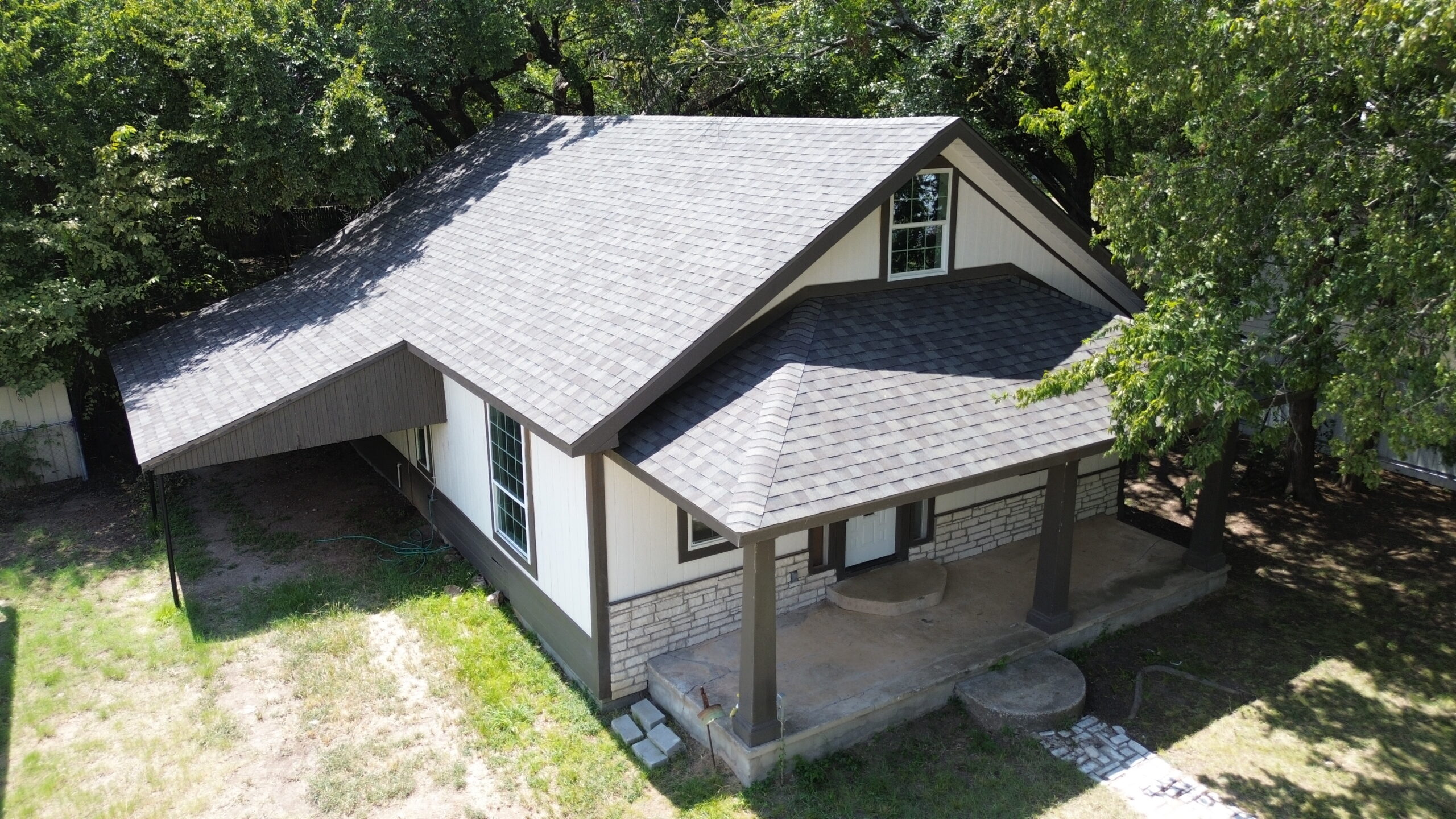
The roof deck is the structural surface installed beneath the roofing materials. It provides the base for the underlayment and exterior roof covering, so its condition is extremely important when installing a new roof. If sections of the deck are damaged, weakened, or deteriorated, they may need to be repaired or replaced before new roofing materials can be installed.
Roof deck problems are sometimes hidden beneath old shingles or other roofing products. A contractor may not be able to determine the full extent of the damage until the existing roof covering has been removed. Moisture exposure, long-term leaks, poor ventilation, and age can all contribute to deterioration of the decking.
The cost of deck repairs depends on the amount of material that needs to be replaced and the type of decking used. Replacing a small damaged section is very different from replacing a large portion of the roof deck, which can require significantly more material and labor.
Homeowners should ask whether roof deck repairs are included as an allowance or whether they will be billed separately. A clear agreement should explain how the contractor will handle unexpected damage so that both sides understand the process before work starts.
Chimneys, Skylights, Vents, and Other Roof Features
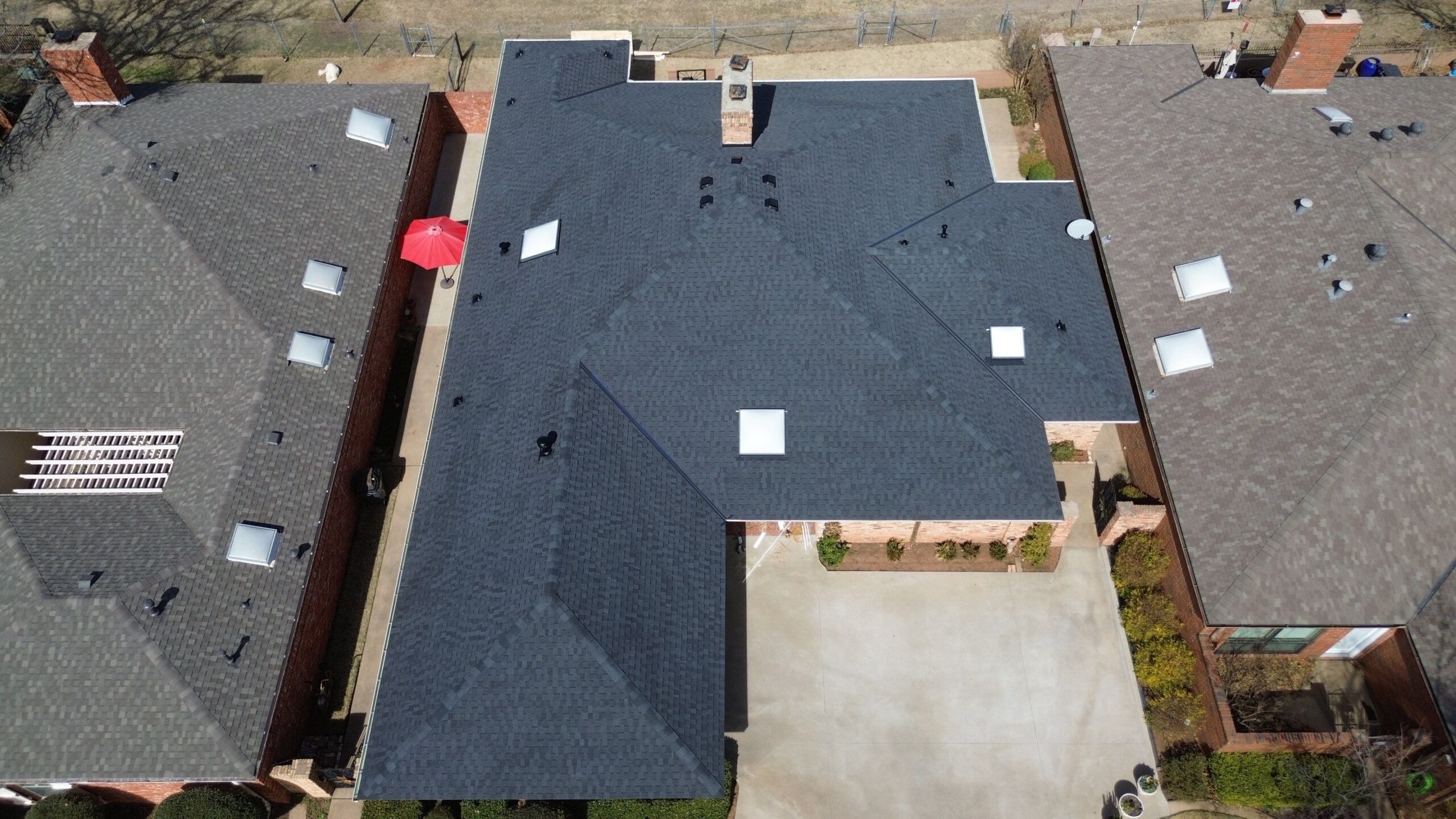
Roof features can increase installation costs because they create additional areas where roofing materials must be carefully fitted and sealed. Chimneys, skylights, plumbing vents, exhaust vents, satellite mounts, and similar penetrations can require specialized flashing and additional labor. These details may represent only a small portion of the roof area but can require considerable attention during installation.
Chimneys can be particularly important because the transition between masonry and roofing materials must be properly protected against water intrusion. Existing flashing may be damaged or outdated, making replacement necessary during the roofing project. Depending on the condition of the chimney itself, masonry repairs may also be required separately from the roofing work.
Skylights can create another potential cost consideration. Older skylights may have deteriorated seals, damaged flashing, or other problems that become easier to identify when the surrounding roof is being replaced. Some homeowners choose to replace aging skylights at the same time as the roof to avoid disturbing the new roofing system later.
Roof vents and other penetrations also need careful treatment during installation. Contractors may need to replace damaged components, install new flashing, or adjust the configuration to work with the new roofing system, increasing the overall project cost.
Permits, Inspections, and Local Requirements
Depending on the location and scope of the roofing project, permits may be required before work begins. Permit requirements can vary according to local building regulations, the type of roofing work being performed, and whether structural changes are involved. Homeowners should confirm which requirements apply to their property before signing a contract.
Permit fees may be relatively small compared with the overall roofing investment, but they should still be included in the project budget. Some contractors handle the permit process on behalf of the homeowner, while others expect the property owner to arrange it independently.
Inspections may also be required at certain stages of construction. These inspections help verify that the work complies with applicable building requirements. If corrections are required after an inspection, additional labor or materials may affect the final project cost.
A written roofing proposal should clearly identify whether permit fees and related administrative work are included. Homeowners should also ask who is responsible for scheduling inspections and responding to any issues identified by local authorities.
Disposal and Cleanup Expenses
Removing an old roof generates a substantial amount of waste, particularly when multiple layers of roofing materials are involved. The debris must be collected, transported, and disposed of properly. Disposal costs can therefore form an important part of the overall roof replacement budget.
Some contractors include disposal in their standard roofing price, while others list it as a separate charge. Homeowners should review the estimate carefully to determine whether hauling and disposal are already included. If these services are excluded, the homeowner could face an additional expense after the roofing work begins.
Cleanup is another important part of a professional installation. Roofing debris can include small pieces of shingles, nails, packaging materials, and other construction waste. A responsible crew should clean the work area thoroughly and take reasonable steps to protect landscaping, driveways, walkways, and other parts of the property during the project.
A quality estimate should explain what level of cleanup is included after installation. This is especially important for homeowners who want the property returned to a safe and usable condition immediately after the roofing crew leaves.
Geographic Location and Seasonal Pricing
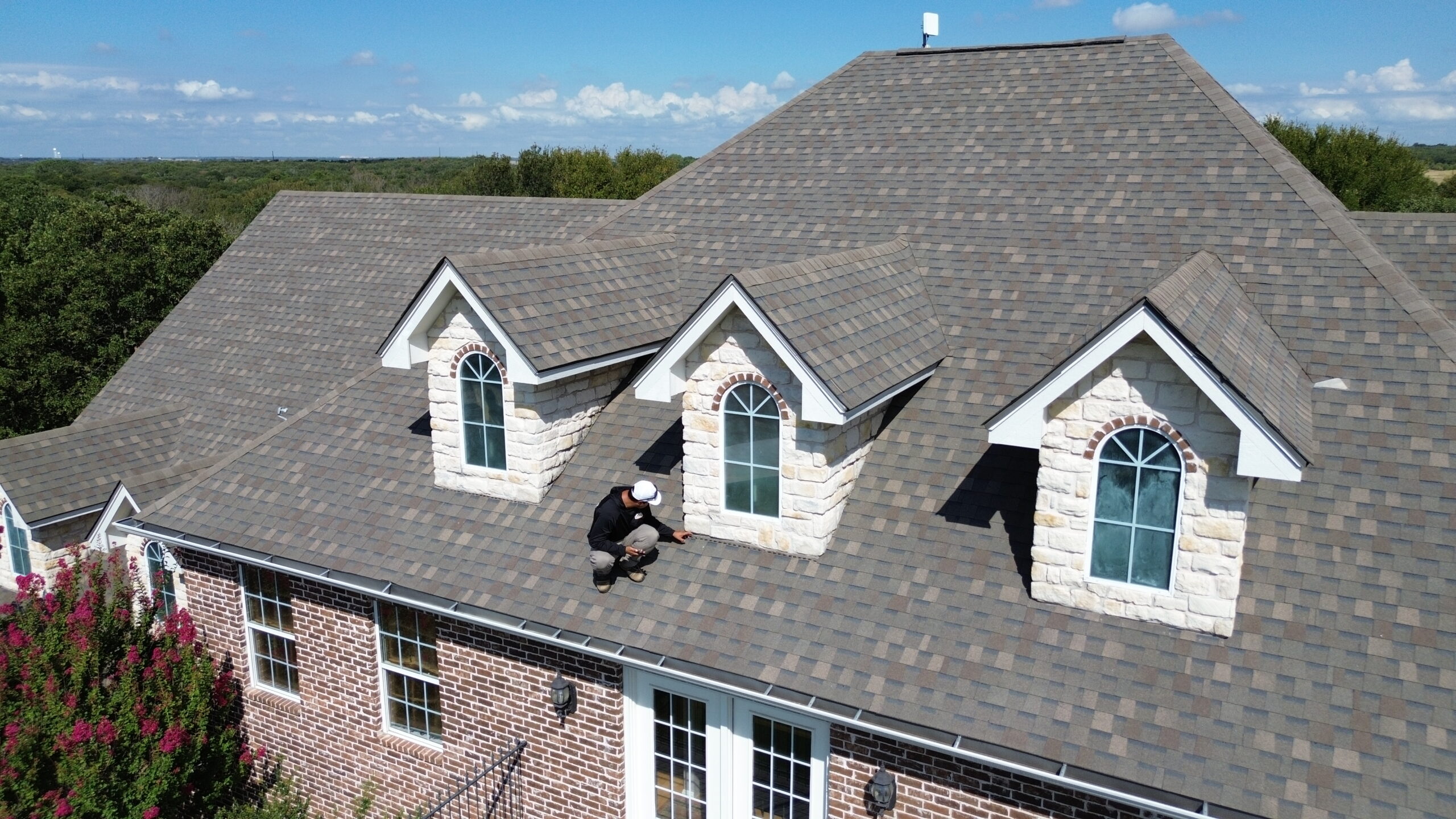
The location of a property can influence roofing costs because labor rates, material availability, transportation expenses, and market conditions vary between regions. Contractors operating in areas with higher operating expenses may charge more for labor and overhead. Material transportation can also become more expensive when suppliers or distribution centers are located farther from the project.
Climate can influence roofing requirements as well. Homes in regions that experience strong winds, heavy rainfall, extreme heat, snow, or other demanding conditions may require roofing systems designed for those environmental conditions. These requirements can influence both the materials selected and the installation methods used.
Seasonal demand can also affect contractor availability and pricing. Roofing companies may experience periods when demand is particularly high, making scheduling more difficult. Homeowners who plan ahead may have more flexibility when selecting a contractor and scheduling the project.
Weather can influence the project timeline as well. Rain, strong winds, extreme temperatures, or other unfavorable conditions may prevent crews from working safely or installing certain materials properly. Delays can sometimes affect scheduling and may create additional logistical considerations for larger projects.
How Contractor Experience Affects Roofing Costs
The contractor selected for a roofing project can have a significant influence on the total price. Experienced roofing companies may charge more than less established contractors because their pricing can reflect trained workers, insurance, equipment, business overhead, project management, and established installation procedures.
A lower quote is not necessarily a better value if it comes with reduced workmanship, limited communication, or unclear project responsibilities. Roofing is an area where installation quality can influence the performance and lifespan of the finished system, so homeowners should consider the contractor’s qualifications alongside the quoted price.
When comparing contractors, homeowners can examine their licensing or registration requirements where applicable, insurance coverage, references, written contracts, warranties, and experience with the selected roofing material. It is also useful to determine whether the company uses its own crews or relies heavily on subcontractors.
Communication is another factor worth considering. A contractor who provides a detailed estimate, explains the scope of work, answers questions clearly, and identifies possible additional costs can make the entire process easier for the homeowner.
Comparing Roofing Estimates and Quotes
Receiving several roofing estimates can help homeowners understand the market and identify major differences between contractors. However, the lowest number on the page should not automatically be considered the best option. Estimates need to be compared based on the materials, services, workmanship, warranties, and exclusions included in each proposal.
A quote that appears cheaper may simply contain fewer services. For example, one contractor may include tear-off, disposal, new flashing, ventilation improvements, and deck repair allowances, while another may charge for these items separately. Comparing only the final price without reviewing the scope can create a misleading impression of which contractor offers better value.
Homeowners should request detailed written estimates rather than relying on verbal pricing. A written proposal makes it easier to compare the same categories across different companies and provides a record of what was agreed upon before work begins.
When reviewing multiple estimates, pay particular attention to major differences in material specifications and installation details. If one contractor recommends a substantially different system, ask why the recommendation differs and whether it provides a meaningful benefit for the property.
What Should Be Included in a Roofing Estimate
A professional roofing estimate should provide enough information for the homeowner to understand what is being purchased. The exact format can vary between contractors, but the proposal should generally identify the major materials, labor, preparation work, and project responsibilities.
The estimate should also describe the existing roof removal process if a replacement is being performed. It should state whether one or more layers will be removed, how debris will be handled, and whether disposal is included in the quoted price.
Material specifications are particularly important. Instead of simply stating that the roof will receive “new shingles,” the estimate should identify the product or product class, relevant accessories, and other major components included in the roofing system.
Homeowners should also review payment terms and warranty information before accepting the proposal. The contract should make it clear when payments are due and what happens if additional work becomes necessary.
Common Hidden Costs in Roof Installation
Unexpected costs are one of the biggest concerns homeowners have when planning a roof replacement. While some additional expenses are genuinely difficult to identify before tear-off, others can result from incomplete estimates or unclear contracts. Understanding the common sources of unexpected charges can help homeowners ask better questions before signing an agreement.
One common example is damaged decking. A contractor may discover deterioration after removing the old roof and recommend replacement of affected sections. This can be a legitimate additional expense, but the homeowner should understand how the contractor determines the amount of repair required and how the price is calculated.
Another potential expense involves outdated or damaged flashing. If existing flashing cannot be reused with the new roofing system, replacement may be necessary. The same principle can apply to vents, skylights, chimney flashing, and other roof accessories.
Additional charges can also arise from unexpected structural conditions, difficult access, extensive debris, or changes requested by the homeowner after the project begins. The best way to control these situations is to have a clear written agreement that explains how changes and unforeseen work will be approved.
Ways Homeowners Can Control Roofing Expenses
Managing roofing costs does not necessarily mean choosing the cheapest materials or contractor. A better approach is to control unnecessary expenses while maintaining the quality and performance of the roofing system. Planning early and understanding the project scope can prevent many avoidable costs.
Homeowners can begin by obtaining detailed estimates from multiple qualified contractors. Comparing proposals helps reveal unusual pricing and makes it easier to identify which services are included. It also gives homeowners an opportunity to ask contractors why their recommendations or prices differ.
Timing can also influence project planning. Scheduling well in advance may provide more flexibility than waiting until the roof develops a serious leak or other urgent problem. Emergency roofing work can reduce the homeowner’s ability to compare contractors and may require temporary protection before permanent repairs can be completed.
Another useful strategy is to prioritize essential roofing components rather than focusing only on decorative upgrades. A homeowner may choose an attractive material or specialty feature, but the fundamental waterproofing, flashing, underlayment, ventilation, and installation quality should remain priorities.
When Choosing the Cheapest Roofing Quote Can Cost More
A very low roofing estimate may initially appear attractive, particularly when homeowners are trying to stay within a strict budget. However, a low price can sometimes indicate that important services, materials, or preparation steps have been excluded. The result may be additional costs during installation or premature problems after the project is completed.
In some cases, a contractor may reduce the price by using lower-cost materials or minimizing labor. While this can produce short-term savings, inadequate installation or unsuitable materials can reduce the performance of the roofing system. Correcting poor workmanship after the project is complete can be considerably more expensive than paying for proper installation from the beginning.
Homeowners should therefore evaluate the total value of a roofing proposal rather than simply selecting the lowest number. The contractor’s experience, material specifications, installation process, warranty coverage, insurance, communication, and project scope all contribute to the value of the investment.
A good roofing decision balances price with durability and workmanship. The objective is not necessarily to spend the most money, but to make sure the money being spent covers the components and professional work needed to create a reliable roofing system.
Planning a Roofing Budget Before Installation
Creating a realistic roofing budget begins with identifying the likely major expenses and then allowing room for unexpected conditions. Homeowners who plan only for the advertised base price may find it difficult to handle additional repairs or required upgrades. A broader budget provides greater flexibility when the existing roof is removed and inspected.
The first stage is to estimate the roof’s basic installation requirements. This includes the approximate roof size, selected material, labor, tear-off, and standard roofing components. The homeowner can then ask contractors to identify potential additional expenses based on the property’s condition.
It is also helpful to separate necessary expenses from optional improvements. Some upgrades may provide worthwhile benefits, but homeowners should understand whether they are required for proper installation or simply additional choices. This distinction makes it easier to adjust the project if the initial budget needs to be reduced.
Finally, homeowners should keep records of all estimates, contracts, invoices, product specifications, and warranty documents. Organized documentation can help resolve questions during the project and provides useful information for future maintenance or repairs.
Understanding the Difference Between Price and Value
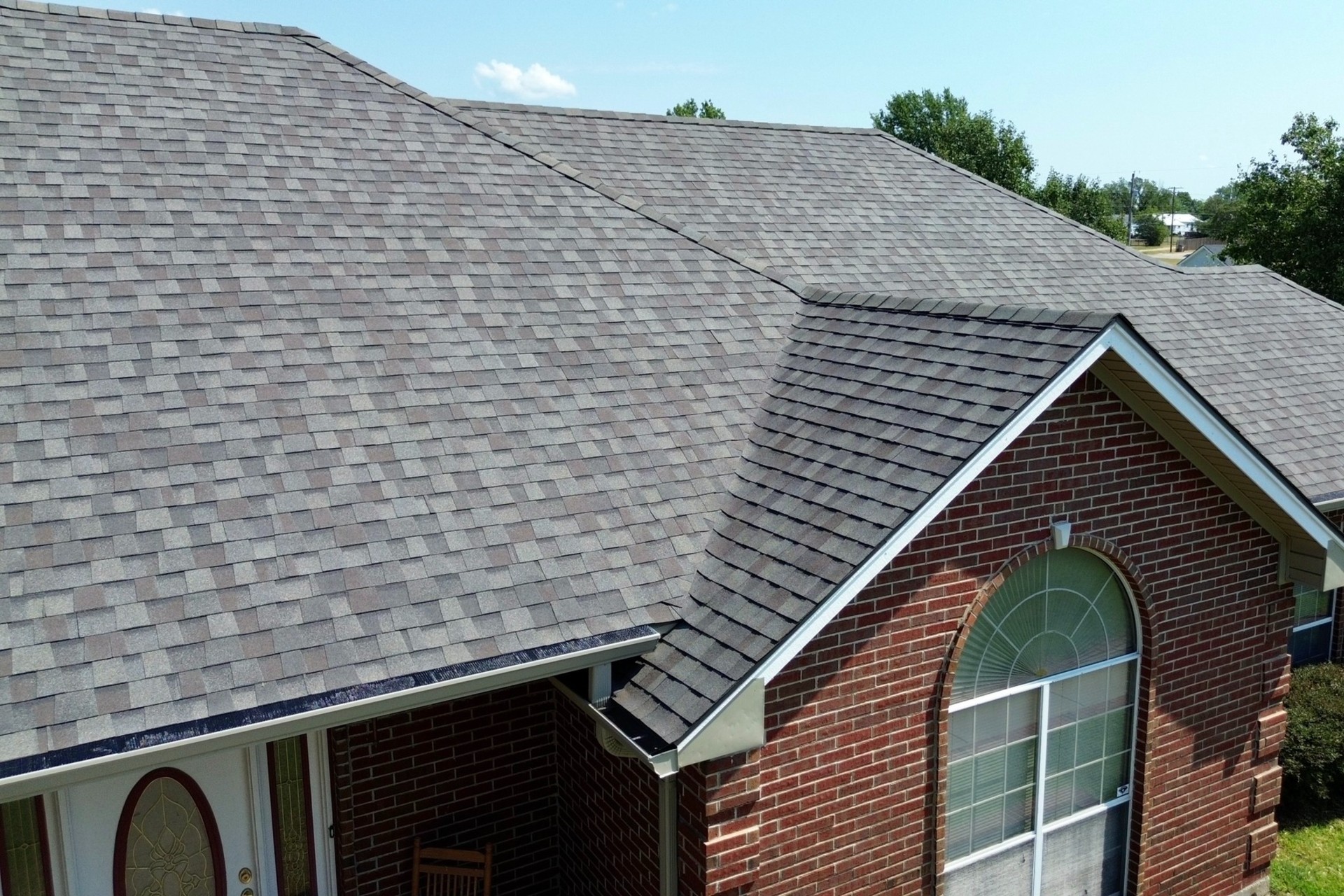
The cost of a new roof is only one part of the financial decision. Homeowners should also consider how long the roofing system is expected to perform, how much maintenance it may require, and whether the installation is supported by appropriate warranties. A higher initial investment can sometimes provide better long-term value when it results in improved durability and dependable workmanship.
Material quality is one part of this equation, but installation quality is equally important. Even a high-quality roofing product can perform poorly if it is installed incorrectly or if important supporting components are neglected. The complete roofing system should therefore be evaluated rather than judging the project solely by its exterior appearance.
Homeowners should also think about the future costs associated with maintenance and repairs. A roofing system that is properly installed and maintained may reduce the likelihood of certain avoidable problems. This does not eliminate the need for inspections and maintenance, but it can support more predictable ownership costs.
Ultimately, the best roofing investment is one that matches the property’s needs, the homeowner’s budget, and the expected service requirements of the roofing system. A clear understanding of all cost categories allows homeowners to make that decision with greater confidence.
Understanding Roofing Warranties and Long-Term Value
A new roof should be evaluated as a long-term investment rather than only as an immediate construction expense. Roofing warranties can provide homeowners with additional protection, but it is important to understand what each warranty actually covers. Material warranties are generally provided by the manufacturer, while workmanship warranties are provided by the roofing contractor, and the two may have different conditions and limitations.
Homeowners should carefully review warranty terms before approving the installation. Some warranties may cover manufacturing defects but exclude problems caused by improper installation, poor maintenance, severe weather, or unauthorized modifications. Understanding these limitations helps homeowners avoid assuming that every future roofing problem will automatically be covered.
Long-term value also depends on the quality of the entire roofing system. High-quality shingles or panels cannot compensate for poor flashing, inadequate ventilation, improper fastening, or an unsuitable installation method. Spending money on proper preparation and professional workmanship can therefore provide better value than simply choosing the most expensive visible roofing material.
Maintenance Costs After a New Roof Installation
Although a new roof should provide reliable protection for many years, homeowners should not assume that installation eliminates future maintenance. Regular inspections can help identify damaged shingles, loose flashing, blocked drainage areas, damaged seals, or other problems before they become major issues. Small maintenance tasks are generally easier and less expensive to address than extensive water damage.
Roof maintenance may also involve keeping gutters and drainage systems clear of leaves, branches, and other debris. Poor drainage can allow water to remain around vulnerable areas of the roof and may contribute to moisture-related problems. Homeowners should also watch for signs such as missing roofing materials, visible damage, water stains, or unusual moisture in attic areas.
Maintenance costs vary depending on the roofing material, property conditions, weather exposure, and age of the system. Setting aside a small amount in the household budget for inspections and minor repairs can make future expenses more manageable. Preventive maintenance is particularly valuable because it helps homeowners protect the investment they have already made in the new roof.
Repairing vs. Replacing a Roof
One of the most important financial decisions homeowners face is determining whether an existing roof should be repaired or completely replaced. A repair may make sense when the damage is limited and the remaining roofing system is generally in good condition. Replacement may become more practical when the roof is old, extensively damaged, repeatedly leaking, or approaching the end of its expected service life.
The decision should not be based solely on the cost of a single repair. If a roof requires frequent repairs, the combined expense may eventually approach the cost of replacement without providing the benefits of a new roofing system. A professional inspection can help determine whether the current problems are isolated or signs of broader deterioration.
Homeowners should also consider the condition of the underlying components. If the roof covering appears damaged but the deck, flashing, and other components remain sound, targeted repairs may be possible. When deterioration affects multiple parts of the system, replacement may provide a more practical long-term solution.
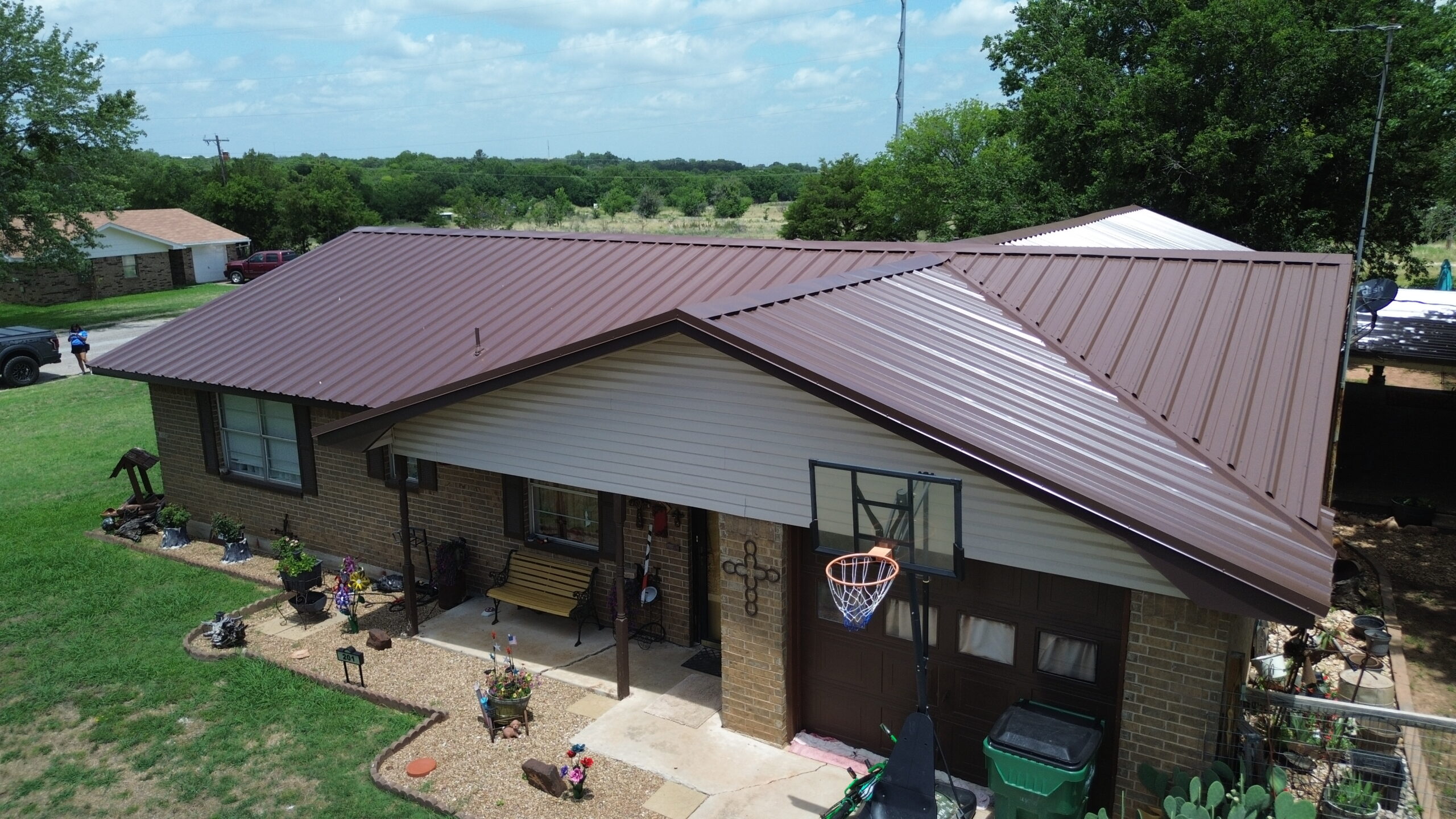
How to Budget for a New Roof
Creating a roofing budget requires homeowners to consider more than the base installation price. The budget should account for materials, labor, tear-off, disposal, possible deck repairs, flashing, ventilation, permits, and other project-specific requirements. Keeping a reserve for unexpected conditions can make the project financially easier to manage if hidden damage is discovered.
A useful approach is to obtain detailed estimates from several qualified contractors and compare their scope of work carefully. Homeowners should avoid comparing only the final totals because two estimates with different materials or included services may not represent equivalent projects. Reviewing each proposal line by line provides a clearer understanding of where the money is going.
| Roofing Cost Area | What Homeowners Should Review |
|---|---|
| Materials | Roofing product, underlayment, flashing, vents, and accessories |
| Labor | Installation, preparation, and project-specific work |
| Tear-off | Removal of existing roofing and number of layers |
| Repairs | Possible decking or structural repairs |
| Disposal | Debris removal, hauling, and cleanup |
| Additional costs | Permits, inspections, special features, and upgrades |
Homeowners can also ask whether the contractor offers financing options if needed, but any financing agreement should be reviewed separately from the roofing contract. The goal should be to understand both the total project cost and the payment obligations before work begins.
Questions to Ask Before Hiring a Roofing Contractor
Choosing the right contractor can have as much impact on the final result as choosing the roofing material. Before signing an agreement, homeowners should ask who will perform the work, what materials will be installed, how unexpected repairs will be handled, and what warranties are provided. These questions can reveal important differences between otherwise similar roofing proposals.
It is also useful to ask whether insurance, required permits, tear-off, disposal, cleanup, flashing replacement, and ventilation work are included in the quoted price. Homeowners should request these details in writing rather than relying on verbal promises. A clear contract should identify the project scope, payment schedule, expected timeline, materials, warranties, and procedures for approving additional work.
Cost-saving decisions should focus on avoiding unnecessary expenses rather than cutting essential components. Homeowners can control costs by comparing qualified contractors, planning the project in advance, selecting suitable materials, and addressing minor roofing problems before they become extensive damage.
Conclusion
A roof installation is a major investment, and understanding the complete cost structure helps homeowners make better decisions. The final price can be influenced by roof size, material selection, labor, pitch, complexity, tear-off, deck condition, flashing, ventilation, permits, disposal, property access, and additional roof features. Looking at these factors together provides a much more accurate picture than focusing on the roofing material alone.
Homeowners should request detailed written estimates and compare the scope of work rather than automatically choosing the lowest price. A reliable contractor should explain what is included, identify possible additional costs, provide appropriate warranty information, and communicate clearly throughout the project.
The best approach is to balance upfront affordability with long-term performance. Investing in suitable materials, proper installation, quality supporting components, and regular maintenance can help protect the home while reducing the likelihood of avoidable roofing expenses in the future. With careful planning and a clear understanding of the costs involved, homeowners can approach a new roof installation with greater confidence and fewer financial surprises.