
Smart Roofing Innovations for Residential Homes
Introduction
Residential roofing is changing as new technologies make homes more efficient, connected, and easier to maintain. Traditional roofing systems mainly focus on protecting the building from rain, wind, sunlight, and other environmental conditions. Smart roofing technologies add another layer by using sensors, advanced materials, automation, renewable energy systems, and connected devices to improve how a roof performs.
A smart roof can do more than simply cover a house. Depending on the system, it can help monitor moisture, detect unusual temperature changes, generate electricity, improve energy efficiency, and provide homeowners with information about the roof’s condition. These capabilities can make it easier to identify problems before they develop into expensive repairs.
The development of smart roofing is closely connected to wider advances in home automation and building technology. Sensors that communicate with mobile applications, energy systems that respond to changing conditions, and materials designed to manage heat are becoming increasingly accessible for residential applications. As these technologies continue to improve, roofing is becoming a more active part of the home’s overall performance.
Smart roofing does not necessarily mean replacing a traditional roof with a completely computerized system. A homeowner may choose one technology, such as solar shingles, or combine several features, such as smart ventilation, moisture sensors, and energy monitoring. The most suitable approach depends on the property’s climate, roof design, budget, energy goals, and maintenance requirements.
Understanding these innovations can help homeowners make informed decisions when constructing a new home or replacing an existing roof. Smart technology can provide valuable benefits, but it also introduces additional equipment, installation requirements, maintenance considerations, and costs. Evaluating both advantages and limitations is therefore essential before investing in a smart roofing system.
What Is Smart Roofing?
Smart roofing refers to roofing technologies that use advanced materials, sensors, energy systems, automation, or connected monitoring tools to improve the performance and management of a residential roof. Traditional roofing is primarily passive, meaning it protects the building without continuously measuring or responding to changing conditions. Smart roofing introduces systems that can collect information or actively influence how the roof and home respond to environmental conditions.
One of the simplest examples is a roof-mounted sensor that monitors moisture. If the sensor detects unusual moisture beneath the roofing system, it can send an alert to a connected device. This gives homeowners an opportunity to investigate a potential leak before water causes extensive damage to insulation, decking, ceilings, or interior finishes.
Temperature monitoring is another application. Sensors can measure conditions within an attic or roof assembly and identify unusual temperature patterns. This information can help homeowners understand whether ventilation or insulation is performing properly and may provide useful information for maintaining energy efficiency.
Smart roofing can also involve energy generation. Solar shingles and integrated photovoltaic roofing systems combine roofing and solar technology into a single installation. Instead of installing conventional solar panels above an existing roof, some systems incorporate electricity-generating components directly into the roof surface.
Automation can extend these capabilities. A smart ventilation system, for example, may use temperature or humidity information to control fans under certain conditions. The objective is to create a more responsive roof assembly that can adjust to changing environmental conditions without requiring constant manual intervention.
Smart roofing technologies can generally be grouped into several areas:
- Monitoring: Sensors collect information about temperature, moisture, and roof conditions.
- Energy: Solar roofing and related systems generate or manage electricity.
- Efficiency: Reflective materials, insulation, and ventilation technologies help manage heat.
- Automation: Connected systems respond to environmental information.
- Maintenance: Digital monitoring can help identify developing problems earlier.
The concept is still evolving, and not every advanced roofing product qualifies as a fully smart system. Some technologies are simply more energy efficient or durable, while others actively collect information and communicate with homeowners or building systems. Understanding this distinction helps homeowners evaluate products based on their actual capabilities rather than relying on the word “smart” as a marketing term.
Solar Roofing and Integrated Energy Systems
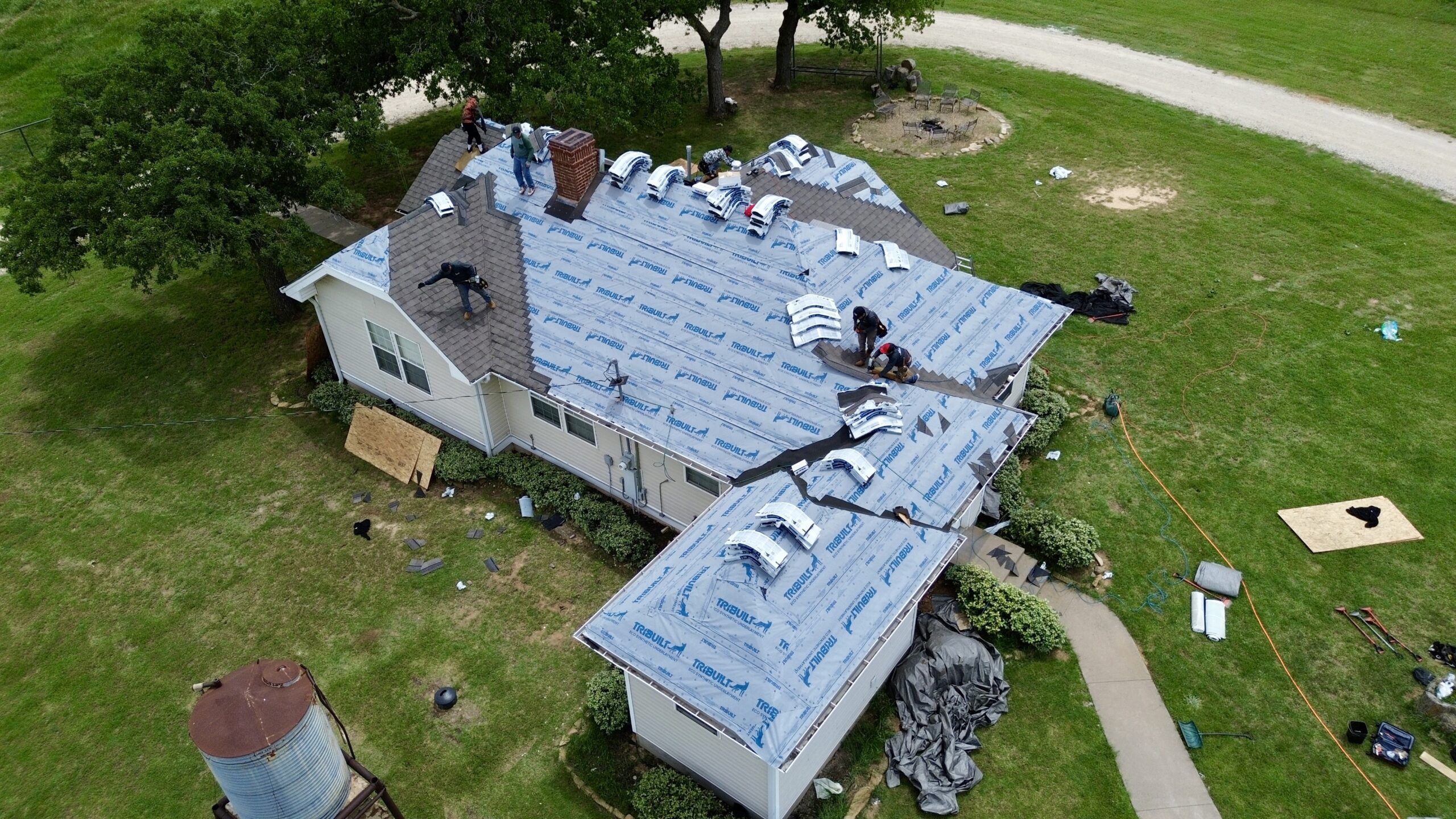
Solar technology is one of the most visible developments in modern residential roofing. Conventional solar panels are mounted above roofing materials, while newer solar roofing products can integrate photovoltaic technology into shingles or tiles. These systems are designed to combine the functions of weather protection and electricity generation.
Solar shingles are manufactured to resemble conventional roofing products while incorporating photovoltaic cells. When sunlight reaches the cells, they generate electricity that can be used by the home. Depending on the system and local regulations, excess electricity may also be stored or exported through an appropriate energy arrangement.
Integrated solar roofing can provide an attractive option for homeowners who want renewable energy without the appearance of conventional panel arrays. The visual design can be more uniform because the energy-generating components form part of the roof surface. This can be particularly appealing for homeowners concerned about maintaining a specific architectural appearance.
Traditional solar panels still have important advantages. They can often be installed on an existing roof without replacing the entire roofing system, and individual panels can be serviced or replaced separately. For some homes, adding panels to a suitable existing roof may be more practical than installing an integrated solar roof.
Roof condition is an important consideration before adding solar technology. Installing an expensive energy system over an aging roof can create complications if the roof needs replacement later. Homeowners should evaluate the remaining service life of the roofing system before deciding how and when to integrate solar technology.
Roof orientation and sunlight exposure also affect solar performance. A roof with suitable exposure to sunlight may provide better electricity generation than one shaded by nearby buildings or trees. Professional solar assessments can help determine whether the available roof area is suitable for the intended system.
Solar roofing also involves electrical equipment, wiring, inverters, and potentially battery storage. These components require appropriate design and installation to operate safely and effectively. Roofing and electrical work may therefore need to be coordinated during installation.
For homeowners planning a new roof, integrated solar technology can be an opportunity to combine two major home investments into one coordinated project. The decision should consider energy goals, roof lifespan, local climate, available sunlight, installation cost, maintenance requirements, and applicable regulations.
Smart Roof Sensors and Monitoring Technology
Sensors are an important foundation of smart roofing because they allow homeowners and professionals to collect information that cannot easily be obtained through visual inspections. Small devices can monitor conditions such as temperature, humidity, moisture, and in some systems structural or environmental changes. The collected information can then be transmitted to a connected monitoring platform.
Moisture sensors are particularly valuable because water intrusion can remain hidden for an extended period. A roof may have a small leak that allows moisture to enter the underlying assembly without producing an immediate interior stain. Detecting unusual moisture early can give homeowners more time to investigate and repair the problem.
Temperature sensors can provide information about attic and roof conditions. Unusually high temperatures may indicate inadequate ventilation or excessive heat transfer, while unexpected temperature patterns can help identify areas requiring further investigation. Monitoring can also provide information about how the roof responds to changing outdoor conditions.
Humidity monitoring can be useful for identifying conditions that may encourage condensation. Excessive moisture within an attic can contribute to deterioration of wood components, insulation problems, and biological growth. Smart monitoring can provide an earlier indication that ventilation or moisture control needs attention.
Some systems can send notifications through mobile applications or other connected platforms. Instead of waiting for a routine inspection, homeowners may receive an alert when a monitored condition moves outside a selected range. This can be particularly useful for vacation homes or properties where owners are not present every day.
Sensors can also support professional maintenance programs. Roofing contractors or building managers may use collected information to prioritize inspections and identify areas that deserve closer attention. This can make maintenance more targeted rather than relying exclusively on fixed inspection schedules.
However, sensors should not be viewed as replacements for physical inspections. A sensor can identify certain conditions but may not explain the exact cause or extent of a roofing problem. Professional evaluation remains important when an alert indicates potential damage.
Smart monitoring also introduces considerations involving battery life, connectivity, calibration, equipment durability, and data reliability. Devices installed in harsh roof environments need to tolerate temperature changes and moisture exposure. Homeowners should therefore evaluate the quality and maintenance requirements of the monitoring system before installation.
Advanced Roofing Materials and Protective Coatings
Smart roofing innovation is not limited to electronics. Advanced materials and surface coatings can also improve how roofs respond to environmental conditions. Researchers and manufacturers continue to develop products that manage heat, resist moisture, improve durability, and reduce the environmental impact of roofing.
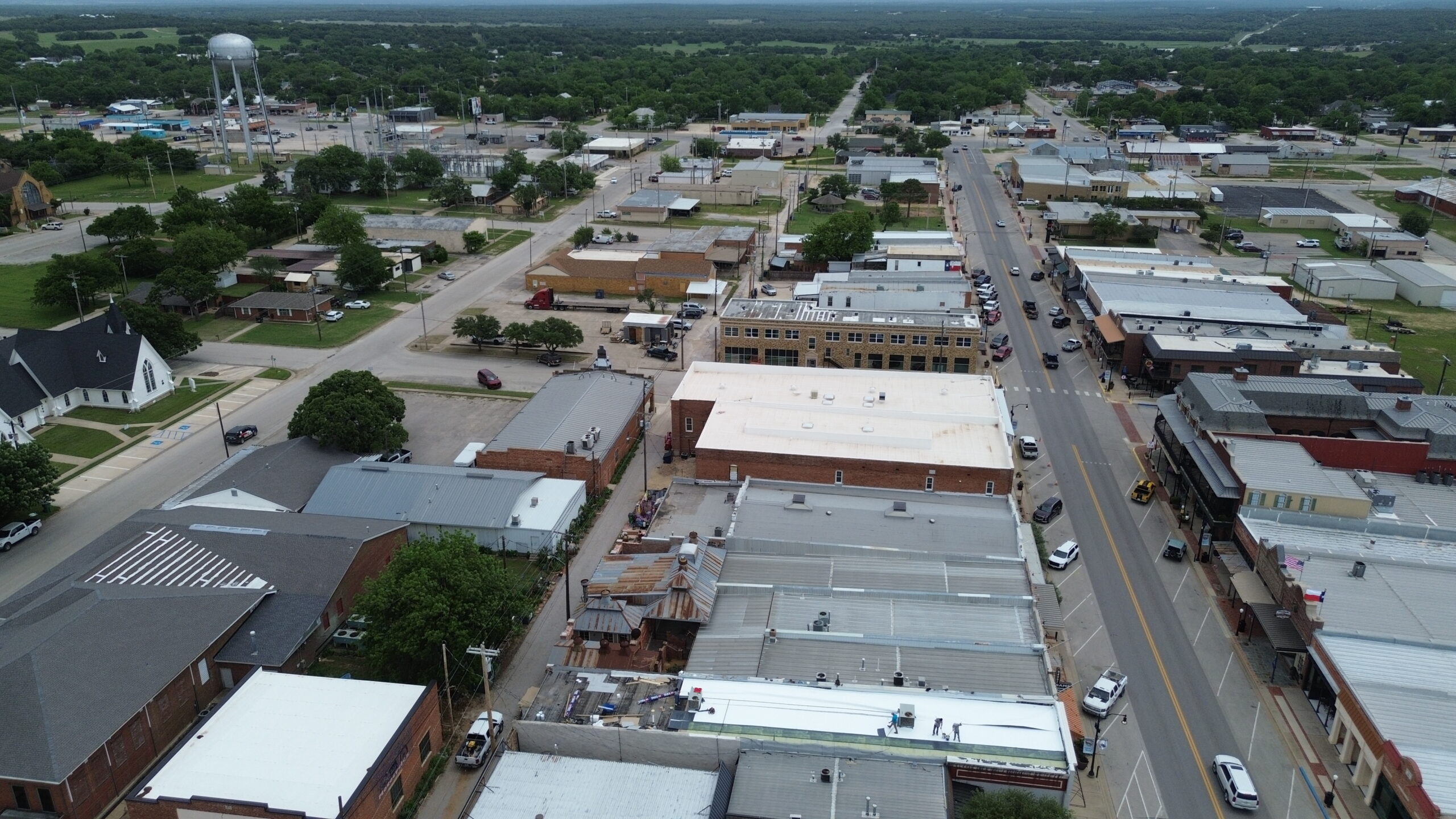
Reflective coatings are one example. These surfaces are designed to reflect a greater portion of incoming solar energy than conventional dark roofing surfaces. By reducing solar heat absorption, they can help lower roof surface temperatures and potentially reduce cooling demand in suitable climates.
Some coatings are designed to protect roofing materials from ultraviolet exposure and weathering. UV radiation can gradually affect many roofing materials, particularly those exposed continuously to intense sunlight. Protective coatings may help extend surface performance depending on the product and underlying roofing material.
Self-cleaning or dirt-resistant surfaces are another area of development. Certain advanced coatings are designed to reduce the accumulation of contaminants or help water carry particles away from the roof surface. Maintaining a cleaner surface can support appearance and, in some cases, preserve reflective performance.
Water-resistant technologies can also contribute to roof durability. Advanced membranes, sealants, and surface treatments may provide additional protection against moisture. However, these technologies should complement rather than replace proper flashing, drainage, and installation.
Some roofing materials are being developed with greater emphasis on environmental sustainability. Recycled content, recyclable components, longer service life, and lower manufacturing impacts can all contribute to a more sustainable roofing system. The environmental benefit should be evaluated across the product’s full lifecycle rather than based on one characteristic.
Advanced materials can also be designed to resist impact, fire, wind, or extreme temperature conditions. These features may be especially valuable in areas exposed to severe weather. A smart roofing strategy can therefore combine advanced material performance with digital monitoring and energy technologies.
Homeowners should examine technical documentation carefully because coatings and advanced materials are not interchangeable. A product designed for one roofing surface may not be suitable for another. Manufacturer requirements, compatibility, warranty conditions, and local climate should all be considered before application.
Cool Roofing and Reflective Technologies
Cool roofing is another important innovation that focuses on managing solar heat. Unlike conventional roofs that may absorb significant solar radiation, cool roofing systems are designed to reflect more sunlight and release absorbed heat more effectively. They can be particularly useful in warm climates where cooling demand is a major concern.
Roof color can influence solar absorption. Dark surfaces generally absorb more solar energy, while lighter and more reflective surfaces can reduce the amount of heat absorbed. However, modern cool roofing technologies can provide reflective performance through specialized coatings and materials rather than relying solely on color.
Reducing roof surface temperature can also affect the attic and interior of the home. Less heat may be transferred downward through the roofing assembly, particularly when insulation and ventilation are appropriately designed. This can contribute to improved indoor comfort during hot weather.
Cool roofing can be applied to different types of residential systems. Reflective shingles, coatings, membranes, metal roofing finishes, and other materials can provide varying levels of solar reflectance and thermal performance. The appropriate product depends on the roof type and local environmental conditions.
These technologies can be particularly valuable in areas with long, hot summers. Homes that experience substantial air-conditioning demand may benefit from reduced solar heat gain. However, the actual energy savings depend on factors such as insulation, building orientation, windows, HVAC efficiency, climate, and household behavior.
Cool roofing also needs to be evaluated for colder climates. A roof that reflects significant solar energy may provide less passive solar heat gain during winter. The overall effect depends on the climate and building design, so homeowners should consider year-round performance rather than focusing only on summer conditions.
Maintenance can affect reflective performance as well. Dirt, dust, biological growth, and weathering can change the surface characteristics of a roof over time. Selecting materials that maintain their reflective properties and keeping drainage and surfaces properly maintained can help preserve performance.
Smart roofing does not require every available technology to be installed at once. A homeowner may combine a reflective roof with sensors, efficient insulation, automated ventilation, or solar technology depending on the property’s needs. The most effective approach is to select technologies that solve specific problems while remaining compatible with the overall roofing system.
Smart Roof Ventilation Systems
Roof ventilation has always been important for controlling heat and moisture, but modern systems can make ventilation more responsive to changing conditions. Smart ventilation systems can use sensors to monitor temperature and humidity and then activate fans or other ventilation equipment when conditions reach selected levels. This approach can provide more targeted control than relying only on passive airflow.
During hot weather, attic temperatures can rise significantly when sunlight continuously heats the roof surface. Excessive heat can increase the load on cooling equipment and may contribute to faster aging of certain roofing components. Smart ventilation can respond to temperature changes and help move accumulated hot air from the attic when additional airflow is appropriate.
Humidity monitoring is equally important. Moisture can enter an attic through outdoor air, roof leaks, or household activities, and excessive humidity can contribute to condensation. A smart system can use humidity readings to determine when ventilation may be beneficial.
Smart ventilation can also work with other home systems. For example, a connected home platform may coordinate roof ventilation with indoor temperature monitoring, energy management, or weather information. This allows the roofing system to become part of a broader approach to home performance.
However, ventilation should not simply be increased without considering the roof’s design. Excessive or poorly balanced ventilation can create unwanted airflow patterns and may introduce moisture under certain conditions. The system should therefore be designed according to the roof structure, climate, insulation arrangement, and applicable building requirements.
Smart fans can also offer more precise control than continuously running equipment. Instead of operating at full capacity throughout the day, a variable-speed fan may adjust its operation according to measured conditions. This can reduce unnecessary energy consumption while maintaining suitable attic conditions.
Homeowners considering smart ventilation should first determine whether the existing roof has adequate intake and exhaust pathways. Adding a powerful exhaust fan without sufficient intake airflow may not produce the expected results. A professional assessment can help identify the appropriate ventilation strategy.
Automated Moisture and Leak Detection
Water intrusion is one of the most damaging problems a residential roof can experience, especially when moisture remains hidden inside the roof assembly. Automated leak detection systems are designed to identify moisture earlier by placing sensors in areas where water intrusion or condensation could occur. These systems can provide alerts before visible interior damage becomes obvious.
Sensors may be positioned near vulnerable roof areas, beneath membranes, around penetrations, or in attic spaces. When moisture reaches a monitored area, the system can detect the change and communicate an alert through a connected device. This can give homeowners an opportunity to investigate the issue before it becomes more extensive.
Early detection can be especially valuable for properties that are vacant for long periods. A homeowner who receives a moisture alert remotely may be able to contact a roofing professional before a small leak causes extensive damage. This can reduce the time that water remains inside the building assembly.
Smart leak detection can also help distinguish between isolated events and recurring moisture problems. Repeated alerts in the same location may indicate an underlying issue with flashing, drainage, condensation, or another component. Tracking this information can support more effective maintenance decisions.
These systems do not eliminate the need for conventional roof inspections. A moisture sensor can indicate that water is present, but it may not identify the exact entry point. Water can also travel through roofing materials before reaching a sensor, so professional inspection remains important when an alert occurs.
Reliability is another consideration. Sensors need appropriate placement, sufficient battery life, dependable connectivity, and protection from environmental conditions. Homeowners should choose equipment designed for the intended installation environment rather than using ordinary indoor sensors in exposed locations.
When integrated properly, automated moisture detection can become an additional layer of protection. It does not replace good flashing, drainage, waterproofing, or maintenance, but it can provide information that helps homeowners respond more quickly when something goes wrong.
Weather Responsive Roofing Technologies
Modern roofing technology is increasingly focused on responding to changing weather conditions. Weather-responsive systems can use information about temperature, humidity, wind, rainfall, and other environmental factors to help manage roof performance. Some systems use local sensors, while others can connect to weather information through digital platforms.
One possible application is automated ventilation. A system may adjust its operation based on temperature and humidity conditions, helping prevent excessive heat or moisture accumulation. The objective is to operate when ventilation provides a useful benefit rather than running continuously without regard to environmental conditions.
Weather information can also support maintenance alerts. A connected roofing system could identify that severe weather has occurred and recommend an inspection. This can be particularly useful after strong winds, hail, heavy rainfall, or other events that may cause damage.
Smart weather monitoring can also work with household energy systems. During extreme heat, the home automation system may adjust cooling settings while the roofing system manages attic conditions. Coordinating these systems can help reduce unnecessary energy use and improve comfort.
Some advanced roofing concepts focus on materials that respond physically to environmental conditions. Examples include materials or coatings designed to change thermal characteristics based on temperature. These technologies are still developing, but they demonstrate how roofing could become increasingly responsive rather than remaining completely passive.
Weather-responsive technology is particularly useful when it solves a specific problem. Homeowners should avoid installing technology simply because it is labeled smart. The system should provide a measurable benefit, such as earlier leak detection, better temperature control, improved energy management, or more efficient maintenance.
Connectivity also matters. A smart roof that cannot reliably communicate with the home’s network may not provide consistent alerts or monitoring. Homeowners should consider internet availability, backup communication options, device compatibility, and system maintenance before installation.
As these technologies mature, weather data may become increasingly integrated into residential roof management. Instead of reacting only after damage occurs, homeowners may be able to use environmental information to prepare for potentially damaging conditions.
Energy Efficient Roofing and Home Automation
Energy efficiency is one of the major goals behind many smart roofing innovations. The roof plays a significant role in controlling heat transfer between the outdoor environment and the home. Combining efficient roofing materials with insulation, ventilation, solar technology, and automation can improve overall building performance.
Smart energy systems can monitor electricity consumption and identify patterns in heating and cooling demand. When combined with roofing information, homeowners may gain a better understanding of how roof conditions influence indoor energy use. This information can support decisions about insulation, reflective roofing, ventilation, and solar generation.
Solar roofing can become part of a larger home energy management system. Electricity generated by the roof may be used directly by household appliances, stored in batteries, or managed through an energy control system where available. This creates a connection between the roof and the home’s broader energy infrastructure.
Smart thermostats can also complement roofing improvements. A roof that reduces heat transfer can lower cooling requirements, while automated temperature controls can prevent unnecessary energy use. Together, these technologies can help maintain comfort more efficiently.
Insulation remains essential even when advanced technology is installed. Smart devices cannot compensate for major deficiencies in the building envelope. Effective insulation reduces unwanted heat transfer and helps the roof’s other energy-saving technologies perform more effectively.
Cool roofing can also work with home automation. During hot periods, a reflective roof may reduce solar heat gain while automated cooling controls respond to indoor conditions. The combined effect can be greater than relying on either technology alone.
Energy-efficient roofing should therefore be approached as part of a complete system. Homeowners should consider the roof covering, insulation, ventilation, windows, HVAC equipment, solar generation, and controls together. Improving only one component may produce limited results if other parts of the building envelope remain inefficient.
Sustainable and Recycled Roofing Innovations
Sustainability is becoming another important area of roofing innovation. Manufacturers are developing products that use recycled materials, extend service life, reduce waste, and improve resource efficiency. These approaches can reduce the environmental impact associated with roof production and replacement.
Recycled roofing products may use materials recovered from manufacturing processes or other waste streams. Some composite shingles and roofing products incorporate recycled plastics, rubber, or other materials. The environmental value depends on the source materials, manufacturing process, transportation, durability, and end-of-life options.
Longer service life can also support sustainability. A roof that remains functional for several decades may require fewer replacement materials than a roof that must be replaced more frequently. Durability therefore has an environmental benefit in addition to its financial value.
Solar roofing can contribute to sustainability by generating renewable electricity. Although solar products require resources to manufacture and install, they can produce electricity over many years and potentially reduce dependence on electricity generated from fossil fuels.
Cool roofing can also contribute to energy efficiency. By reducing solar heat absorption, reflective roofing may lower cooling demand in suitable climates. Reduced energy consumption can contribute to lower operational impacts over the life of the building.
Recyclability is another consideration. Some metal roofing products can be recycled at the end of their useful life, potentially reducing the amount of material sent to landfills. Homeowners should check specific product information because recycling options differ by material and location.
Sustainable roofing should not be evaluated solely by one environmental feature. A product made partly from recycled materials may still have a short service life or require frequent replacement. A durable product with a longer useful life may provide different environmental advantages.
Homeowners can therefore consider sustainability alongside durability, energy performance, maintenance, and end-of-life management. The most sustainable roof is often one that performs efficiently, lasts a long time, and avoids unnecessary replacement.
Benefits and Limitations of Smart Roofing Systems
Smart roofing technologies can provide homeowners with several important benefits. Monitoring systems can provide early warnings about moisture or unusual conditions, while energy technologies can help improve efficiency. Advanced materials can provide improved resistance to heat, weather, and environmental exposure.
Convenience is another advantage. A homeowner can potentially monitor certain roof conditions through a mobile device instead of relying entirely on occasional visual inspections. Automated systems can also perform specific tasks without requiring constant manual adjustment.
Smart roofing may be particularly useful for older homeowners or people who travel frequently because remote monitoring can provide additional awareness. If a system detects a significant moisture event or another abnormal condition, an alert can allow the homeowner to arrange an inspection quickly.
The technology can also support preventive maintenance. Instead of waiting until a leak becomes visible, homeowners may be able to identify unusual moisture patterns earlier. This can potentially reduce repair costs and limit damage to interior areas.
However, smart roofing also has limitations. Advanced systems generally cost more than conventional roofing solutions and may require specialized installation. Sensors, controllers, communication equipment, and energy components can introduce additional points that require maintenance.
Technology can also fail. Batteries can become depleted, sensors can malfunction, network connections can be interrupted, and software may require updates. Homeowners should therefore avoid treating smart monitoring as an absolute guarantee that every roofing problem will be detected.
Privacy and cybersecurity may also become relevant when connected roofing systems communicate with home networks or cloud services. Homeowners should review how data is collected, stored, and accessed, particularly when multiple smart-home devices are connected through the same network.
The best approach is to use smart roofing as an additional layer of protection rather than a replacement for sound roofing practices. Proper material selection, professional installation, drainage, flashing, insulation, ventilation, and routine inspections remain essential.
When carefully selected and properly integrated, smart roofing technologies can make residential roofs more informative, efficient, and responsive. Their greatest value comes from solving real problems and supporting the long-term performance of the entire home rather than simply adding technology for its own sake.
Artificial Intelligence and Predictive Roof Maintenance
Artificial intelligence is creating new possibilities for residential roof maintenance by helping systems analyze large amounts of information and identify patterns that may indicate developing problems. Instead of relying entirely on periodic inspections, future roofing systems may continuously collect information about temperature, moisture, weather exposure, and material performance. AI can then analyze this information to help predict when maintenance may be needed.
Predictive maintenance differs from traditional reactive maintenance. A reactive approach usually addresses a problem after a leak, damaged shingle, or other visible issue has appeared. Predictive maintenance attempts to identify warning patterns earlier so homeowners can address potential problems before they become major failures.
For example, a smart roof could record moisture levels in several locations over an extended period. If one area begins showing repeated increases after rainfall, an AI system may identify the pattern and recommend an inspection. This could help identify a developing flashing or drainage problem before significant water damage occurs.
AI can also support image-based roof inspections. Cameras or drone systems can capture images of roofing surfaces, while software can analyze them for possible signs of damage. Depending on the technology, systems may identify missing materials, surface deterioration, damaged flashing, or other visible conditions that deserve professional attention.
Predictive systems may become more useful when combined with local weather information. A roof exposed to repeated severe weather could receive a higher maintenance priority than a similar roof in a mild environment. This creates a more condition-based approach to roof care.
However, AI should not be treated as a replacement for qualified roofing professionals. Software can identify patterns or visible anomalies, but determining the cause and appropriate repair often requires physical inspection and construction knowledge. Human expertise remains important for confirming findings and making repair decisions.
Connected Roofing Systems and IoT Technology
The Internet of Things, commonly known as IoT, allows physical devices to communicate with digital platforms and with one another. In residential roofing, IoT technology can connect sensors, ventilation equipment, weather monitoring devices, energy systems, and home automation platforms.
A connected roof could collect information from multiple points instead of relying on a single sensor. Temperature sensors could monitor attic conditions, moisture sensors could identify potential water intrusion, and energy systems could track solar generation. This information could be displayed through a centralized application.
Connectivity can make maintenance more convenient. Homeowners may receive notifications when monitored conditions exceed selected thresholds. For example, a system might send an alert after detecting unusual moisture or an abnormal attic temperature.
IoT technology can also support coordination between different home systems. Solar roofing can communicate with battery storage, while energy management systems can monitor household consumption. Smart ventilation may use temperature and humidity information to determine when additional airflow is appropriate.
Connected roofing is particularly useful for remote monitoring. Vacation homes, rental properties, and residences occupied irregularly can benefit from systems that provide information even when the homeowner is away. Early alerts may allow maintenance professionals to respond before a small issue becomes extensive damage.
Despite these benefits, connectivity introduces additional considerations. Devices require reliable power, communication, and software support. Homeowners should also consider cybersecurity and privacy when connecting roofing equipment to a home network.
The technology should therefore be selected based on reliability as well as features. A simple monitoring system that provides dependable alerts may be more valuable than a complicated system with functions that are rarely used. The goal should be practical roof management rather than unnecessary technological complexity.
Smart Roofing for Storm and Extreme Weather Protection
Severe weather is one of the greatest challenges facing residential roofs. Strong winds, hail, heavy rain, extreme heat, and snow can cause damage within a short period. Smart roofing technologies can help homeowners monitor conditions and respond more quickly to potential threats.
Impact-resistant roofing materials can provide a physical layer of protection against hail and other impacts. Some advanced products are engineered to resist cracking or damage better than conventional materials. These materials can be particularly useful in areas where severe hail is common.
Smart sensors can add another layer of awareness. After a major storm, sensors may identify unusual moisture or temperature conditions that suggest damage. While they cannot detect every problem, they can provide useful information that encourages timely inspection.
Weather monitoring can also support preventive action. Connected systems may use forecasts or environmental measurements to prepare the home for changing conditions. For example, homeowners can receive alerts about approaching severe weather and arrange inspections afterward.
Roofing materials with strong wind resistance can also reduce vulnerability. Proper attachment is critical because even highly durable materials can fail when fasteners, edges, or flashing are inadequate. Smart technology works best when combined with sound structural and installation practices.
Extreme heat presents a different challenge. Reflective roofing, insulation, smart ventilation, and temperature monitoring can work together to manage heat exposure. These technologies may reduce indoor heat transfer while providing information about conditions within the roof assembly.
Snow and freezing conditions also require careful design. Smart monitoring may identify unusual moisture or temperature patterns, but the underlying roof still needs appropriate structural capacity, drainage, insulation, and ventilation. Technology should support good construction rather than compensate for deficiencies.
Choosing Smart Roofing Technologies for Residential Homes
Homeowners do not need to install every available smart roofing technology. The most effective approach is to identify specific problems or goals and then choose technologies that address them. This can make the investment more practical and easier to maintain.
The first consideration should be the existing roof’s condition. Installing advanced sensors or solar technology on a roof nearing the end of its service life may not be financially sensible. A homeowner should determine whether the existing roof has sufficient remaining life or whether replacement should be completed first.
Climate is another major factor. Homes in hot climates may benefit more from reflective roofing, solar technology, and smart ventilation. Properties in areas with frequent storms may benefit from impact-resistant materials, weather monitoring, and moisture detection.
Energy goals should also influence the decision. Homeowners interested in reducing electricity consumption may prioritize cool roofing, improved insulation, smart energy monitoring, and solar generation. Those primarily concerned with preventing water damage may find moisture sensors and connected leak detection more valuable.
Budget should be considered across the entire system. Smart roofing can involve hardware, installation, software, connectivity, maintenance, and eventual replacement costs. A clear understanding of these expenses helps prevent unexpected costs later.
Homeowners should also evaluate compatibility. Smart roofing equipment should work with the home’s electrical system, network, energy equipment, and other relevant technologies. Compatibility problems can reduce the usefulness of an otherwise capable system.
A practical decision process can include these steps:
- Inspect the existing roof and identify its major weaknesses.
- Determine the home’s climate and primary weather risks.
- Define the main goal, such as energy savings, leak detection, or maintenance monitoring.
- Compare compatible technologies, installation requirements, warranties, and maintenance costs.
- Choose a system that provides measurable benefits without unnecessary complexity.
Professional guidance can be valuable when multiple technologies are being combined. Roofing contractors, electricians, energy professionals, and other specialists may each be involved depending on the system.
Future Trends in Smart Residential Roofing
Smart roofing is likely to become increasingly connected as sensors, artificial intelligence, energy systems, and advanced materials continue to develop. Future roofs may collect more detailed information while requiring less manual monitoring from homeowners.
One emerging direction is greater integration between roofing and whole-home energy management. Solar roofing, batteries, electric vehicles, heating and cooling systems, and smart appliances can potentially operate as a coordinated energy network. The roof may become an active part of how a home produces, stores, and uses electricity.
Materials may also become more responsive. Future roofing products could adjust their thermal properties according to environmental conditions or use advanced coatings that provide improved durability and energy performance. Such developments could reduce the need for mechanical equipment in some applications.
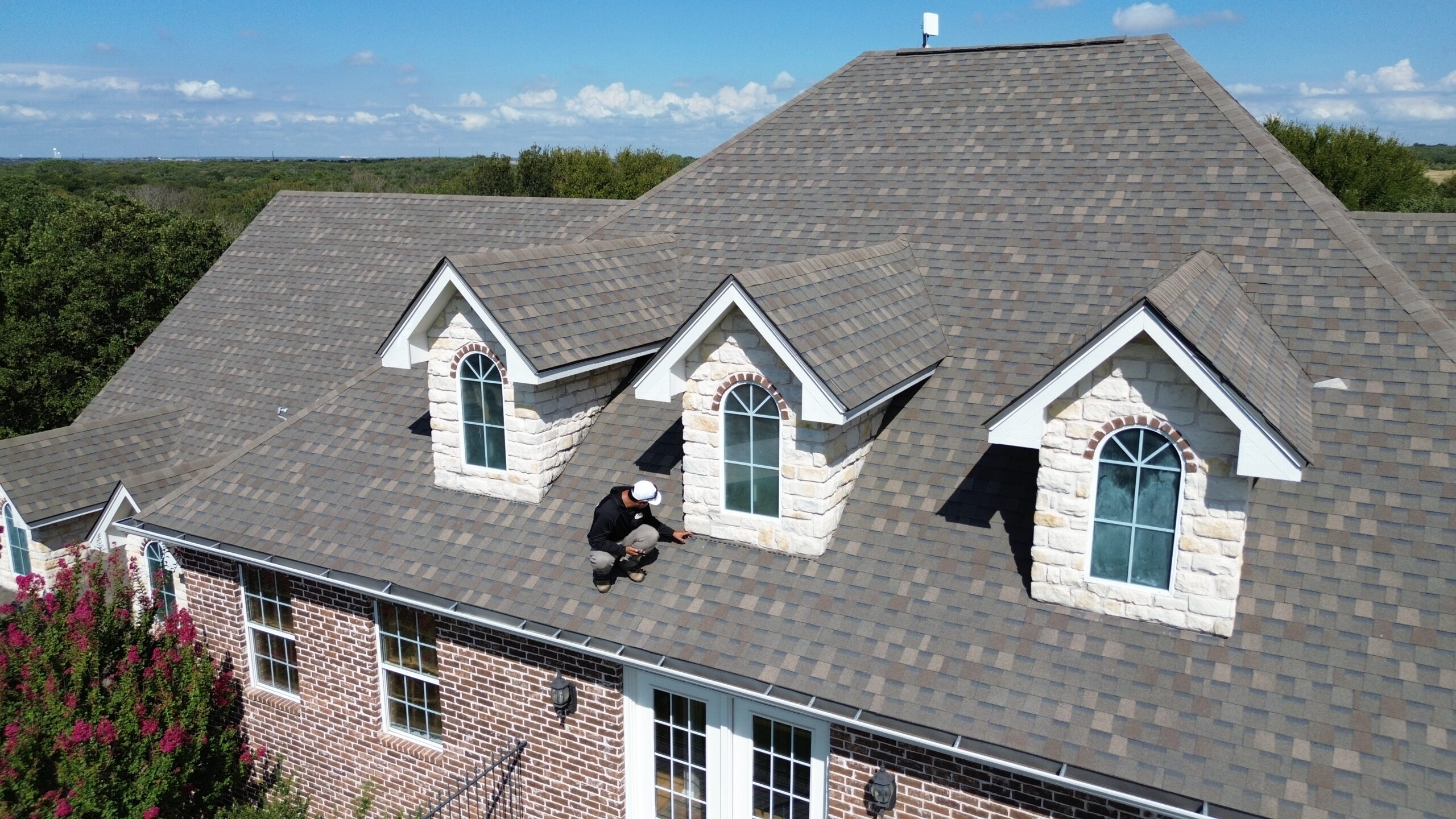
AI-powered inspections may become more accessible as image recognition improves. Homeowners could use cameras, drones, or specialized inspection equipment to collect roof images, while software identifies areas that require professional attention. This could make routine monitoring faster and more consistent.
Predictive maintenance is another likely development. Instead of simply reporting current conditions, smart roofing systems may estimate how specific components are aging and recommend maintenance before failure occurs. This could help homeowners plan repairs and replacement more effectively.
Sustainability will also remain important. Future roofing products may use more recycled materials, generate renewable energy, last longer, and become easier to recycle at the end of their service life. Longer-lasting materials can reduce the frequency of replacement and associated construction waste.
The continued development of connected systems may eventually make roofing less reactive and more preventive. Instead of discovering problems only after visible damage appears, homeowners may receive useful information about changing roof conditions throughout the year.
Conclusion
Smart roofing innovations are transforming the traditional concept of a residential roof from a passive protective surface into a more responsive part of the home. Sensors, connected devices, advanced materials, solar technologies, automated ventilation, reflective surfaces, and predictive maintenance systems can all contribute to better roof performance.
The greatest benefit of smart roofing is improved awareness. Moisture sensors can provide early warnings, temperature monitoring can reveal unusual conditions, and connected systems can help homeowners understand how the roof responds to changing weather. These capabilities can support earlier maintenance and potentially reduce the impact of some roofing problems.
Energy technology is another important part of this transformation. Solar shingles and integrated photovoltaic systems can allow roofs to generate electricity, while reflective materials, insulation, ventilation, and home automation can help manage energy use. When these technologies are designed together, the roof can contribute to both protection and household energy performance.
Artificial intelligence and IoT technology may make future systems even more capable. AI can analyze roof data and identify patterns, while connected devices can share information between roofing, energy, and home automation systems. These developments could make predictive maintenance and remote monitoring more practical for ordinary homeowners.
However, smart technology does not eliminate the fundamentals of good roofing. Proper material selection, professional installation, effective drainage, reliable flashing, adequate ventilation, suitable insulation, and regular inspections remain essential. A connected sensor cannot correct poor construction, and an advanced material cannot compensate for improper installation.
Homeowners should also consider cost, reliability, maintenance, compatibility, and cybersecurity before installing connected roofing equipment. The most useful system is not necessarily the one with the greatest number of features. It is the system that solves genuine problems and provides dependable benefits over its service life.
Climate should remain central to every roofing decision. Homes exposed to intense heat may benefit from cool roofing and smart ventilation, while storm-prone properties may benefit from impact-resistant materials and monitoring systems. Properties with high energy demands may gain greater value from solar roofing and connected energy management.
As technology continues to develop, residential roofing is likely to become increasingly intelligent, efficient, and proactive. Future systems may detect problems earlier, manage energy more effectively, respond to environmental conditions, and provide homeowners with better information about the condition of their roofs.
Ultimately, smart roofing should be viewed as an extension of sound roofing practices rather than a replacement for them. When advanced technology is combined with durable materials, professional installation, proper maintenance, and climate-appropriate design, homeowners can create roofing systems that provide protection, efficiency, and useful information for many years.