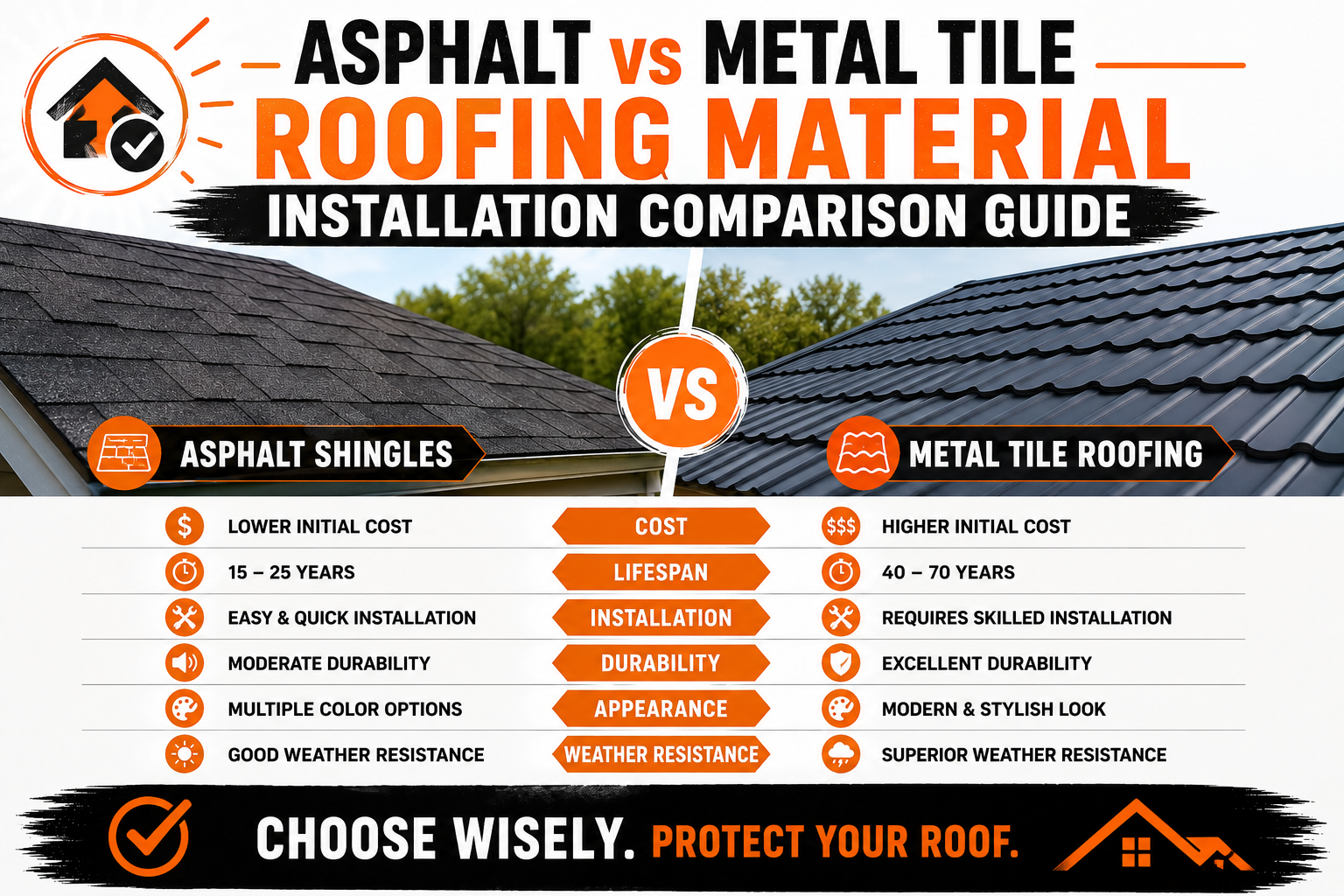
Asphalt Metal Tile Roofing Material Installation Comparison Guide
Introduction
Selecting the right roofing material is one of the most important decisions any property owner can make. A roof protects the building from rain, wind, sunlight, snow, and temperature changes while also contributing to energy efficiency, curb appeal, and property value. Because a roof is expected to last for decades, choosing the right material requires careful consideration of both installation requirements and long-term performance.
Three of the most widely used roofing materials are asphalt shingles, metal roofing, and tile roofing. Each material has unique characteristics that affect how it is installed, how long the installation takes, what type of structural support is required, and how well it performs after the project is complete. Understanding these differences allows homeowners and commercial property owners to select the roofing system that best suits their needs.
Installation is often overlooked during the material selection process. Many people compare only the appearance or cost of roofing products without considering how installation methods influence durability and future maintenance. Even the highest-quality roofing material can experience premature problems if installation is not completed according to manufacturer specifications.
Professional installation also affects warranty coverage, weather resistance, and overall roof lifespan. Every roofing system requires specific preparation, tools, fastening methods, and safety procedures. Contractors with experience installing one material may require different techniques and equipment when working with another.
This guide compares asphalt, metal, and tile roofing from an installation perspective. Rather than focusing only on material features, it explains how each roofing system is installed, what challenges contractors encounter, and what property owners should expect throughout the roofing project. By understanding these installation differences, you can make a more informed decision that balances cost, durability, appearance, and long-term value.
Why Choosing the Right Roofing Material Matters
A roof is much more than the outer covering of a building. It functions as a complete protective system designed to shield the structure from weather while supporting insulation, ventilation, and moisture control. The roofing material selected during installation influences nearly every aspect of the roof’s future performance.
Each roofing material responds differently to environmental conditions. Some perform exceptionally well in hot climates by reflecting sunlight, while others offer superior protection against strong winds or heavy snowfall. Selecting a roofing material without considering local weather conditions may result in higher maintenance costs or reduced lifespan.
The installation process itself also varies significantly between roofing materials. Asphalt shingles can often be installed relatively quickly, while tile roofing requires careful placement due to its weight and individual components. Metal roofing involves precision cutting and fastening techniques that differ from traditional roofing systems.
Another important factor is structural compatibility. Certain buildings are designed to support heavier roofing materials, while others may require reinforcement before installation. Evaluating the building structure before selecting a roofing material helps prevent unexpected construction costs later.
Roof appearance also contributes to the property’s overall value. A roofing material should complement the architectural style of the building while providing dependable long-term protection. Choosing a roof based solely on appearance without evaluating installation requirements may lead to unnecessary complications during construction.
Long-term ownership plans should also influence material selection. Property owners planning to remain in a home for several decades may prioritize durability and lifespan, while those preparing a property for sale may focus on affordability and visual appeal.
The roofing decision should always balance several important considerations rather than relying on a single factor.
Some of the key considerations include:
- Initial installation cost
- Expected lifespan
- Structural compatibility
- Maintenance requirements
- Local climate conditions
- Energy efficiency
- Installation complexity
- Future repair costs
Evaluating these factors together provides a more complete understanding of the true value offered by each roofing material.
Overview of Asphalt, Metal, and Tile Roofing
Before comparing installation methods, it is helpful to understand the basic characteristics of each roofing material. Although all three serve the same primary purpose, they differ considerably in composition, durability, appearance, and installation requirements.
Asphalt Roofing
Asphalt shingles remain the most commonly installed roofing material for residential buildings. They consist of a fiberglass or organic base coated with asphalt and finished with protective mineral granules that improve durability and weather resistance.
One reason for asphalt’s popularity is its balance between affordability and performance. It provides dependable weather protection while remaining relatively easy to install and repair. Asphalt shingles are also available in numerous colors, textures, and architectural styles, allowing homeowners to match different home designs.
Modern asphalt shingles have improved significantly compared to earlier generations. Enhanced manufacturing techniques provide better wind resistance, improved ultraviolet protection, and greater durability under changing weather conditions.
Because asphalt shingles are lightweight, they rarely require structural modifications before installation. This makes them suitable for both new construction and roof replacement projects.
Metal Roofing
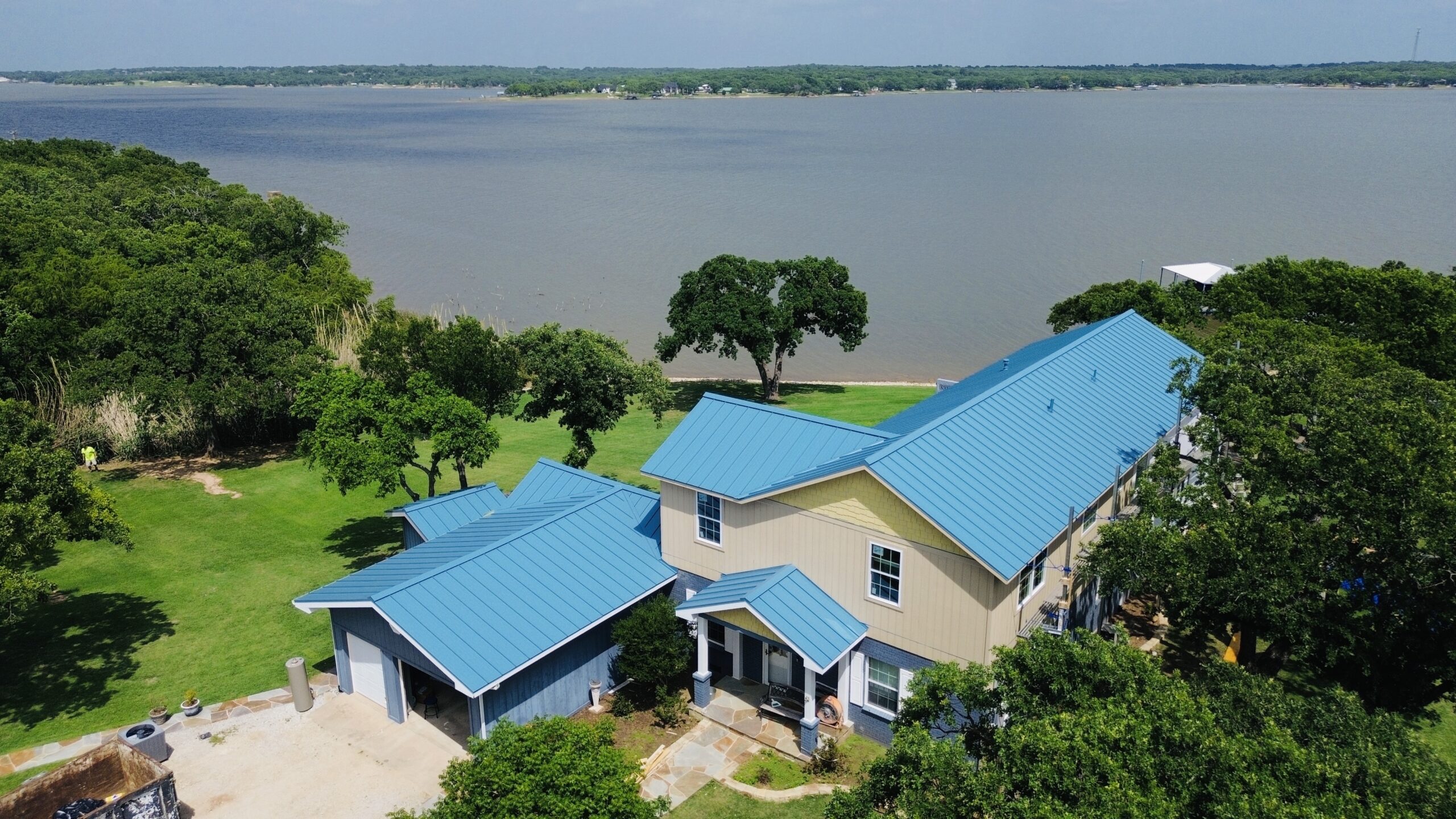
Metal roofing has become increasingly popular for both residential and commercial properties due to its durability and energy efficiency. Metal roofs are manufactured from materials such as steel, aluminum, copper, and zinc, with steel and aluminum being the most widely used.
Unlike asphalt shingles, metal roofing typically consists of large panels or specially formed shingles that interlock to create a weather-resistant surface. These panels reduce the number of seams across the roof, helping minimize opportunities for water infiltration.
Reflective coatings applied to many metal roofing products reduce heat absorption during sunny weather. This feature improves energy efficiency while helping maintain more comfortable indoor temperatures.
Metal roofing also offers exceptional resistance to fire, insects, and rot. With proper installation and maintenance, many metal roofing systems remain functional for several decades.
Tile Roofing
Tile roofing is widely recognized for its distinctive appearance and impressive longevity. Clay and concrete tiles have been used for centuries because of their strength, durability, and ability to withstand harsh weather conditions.
Unlike asphalt or metal roofing, tile roofing relies on individual tiles that overlap to create a protective barrier against rain and wind. These tiles are available in various profiles, colors, and finishes that complement traditional, Mediterranean, Spanish, and modern architectural styles.
Tile roofing provides excellent resistance to fire and ultraviolet exposure. It also maintains its appearance well over long periods because the material itself naturally resists fading and deterioration.
One important characteristic of tile roofing is its weight. Tile roofs are considerably heavier than asphalt or metal systems, making structural evaluation an essential part of the installation process.
How Roofing Material Affects Installation
Although all roofing systems share the same basic objective of protecting the building, installation methods vary considerably depending on the selected material. These differences influence project duration, labor requirements, equipment, safety procedures, and overall construction costs.
Roof preparation represents the first stage of every installation project. Contractors inspect the roof deck, identify damaged sections, verify structural integrity, and confirm that the roof provides a suitable foundation for the new material. While this preparation is common to all roofing systems, the specific requirements differ according to material weight and fastening methods.
Material handling also varies significantly. Asphalt shingles are packaged in bundles that can be carried manually across the roof. Metal panels often require careful handling to prevent bending or scratching, while heavy roofing tiles demand additional lifting equipment and careful placement to avoid breakage.
Fastening techniques differ as well. Asphalt shingles typically rely on roofing nails placed according to manufacturer specifications. Metal roofing systems use screws, concealed clips, or specialized fastening systems designed to accommodate thermal expansion and contraction. Tile roofing may involve mechanical fasteners, mortar, or specialized attachment systems depending on local building codes.
Roof slope also influences installation. Certain roofing materials perform better on specific roof pitches. Contractors evaluate the roof’s angle before recommending the most suitable roofing system for long-term performance.
Weather conditions during installation present another important consideration. Rain, high winds, and extreme temperatures affect roofing projects differently depending on the material being installed. Experienced contractors monitor weather forecasts carefully to maintain installation quality while protecting exposed sections of the roof.
Asphalt Roofing Installation Process
Asphalt roofing is often considered one of the most straightforward roofing systems to install. Its relatively simple installation process contributes to its widespread popularity among homeowners and roofing contractors.
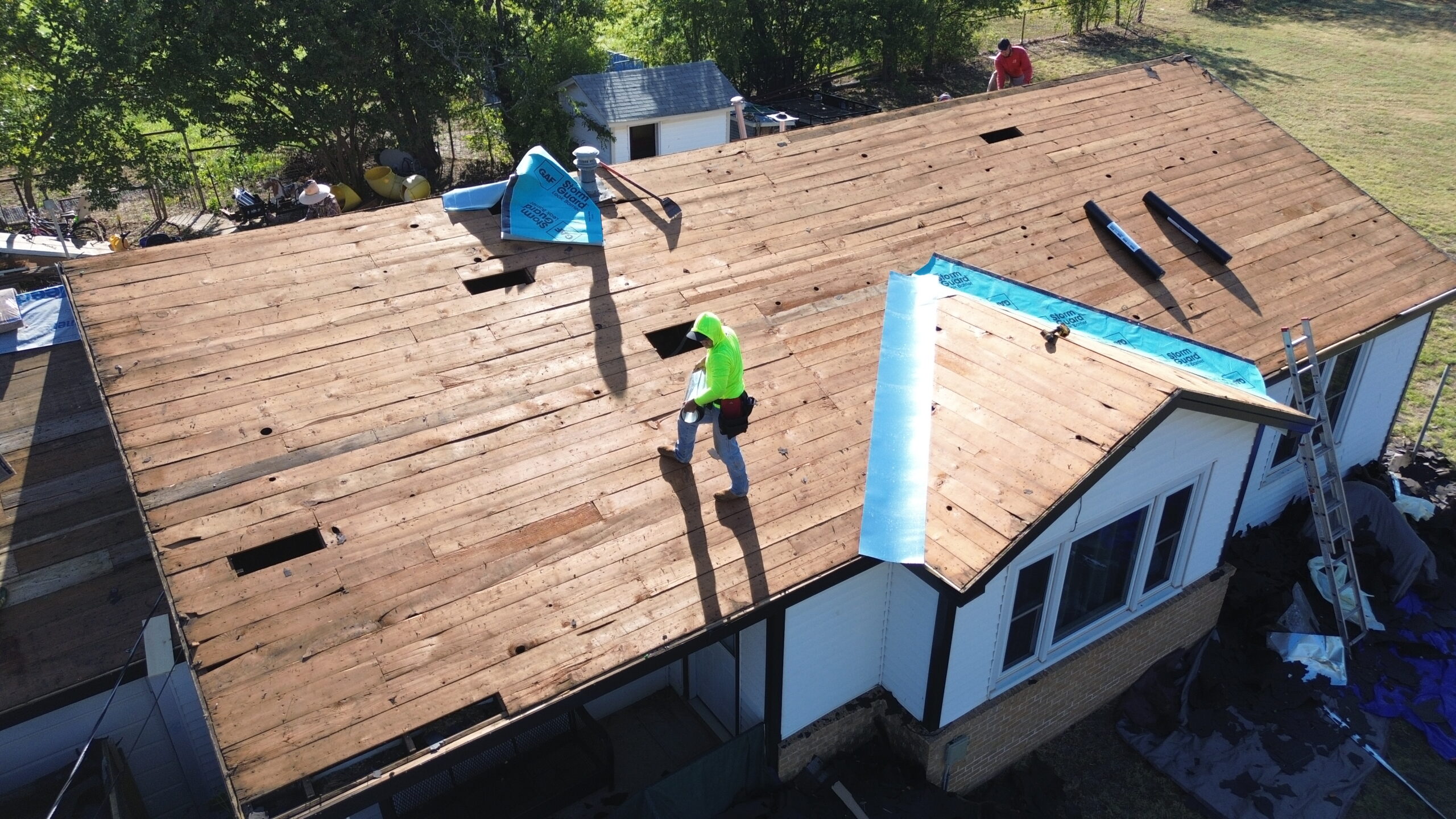
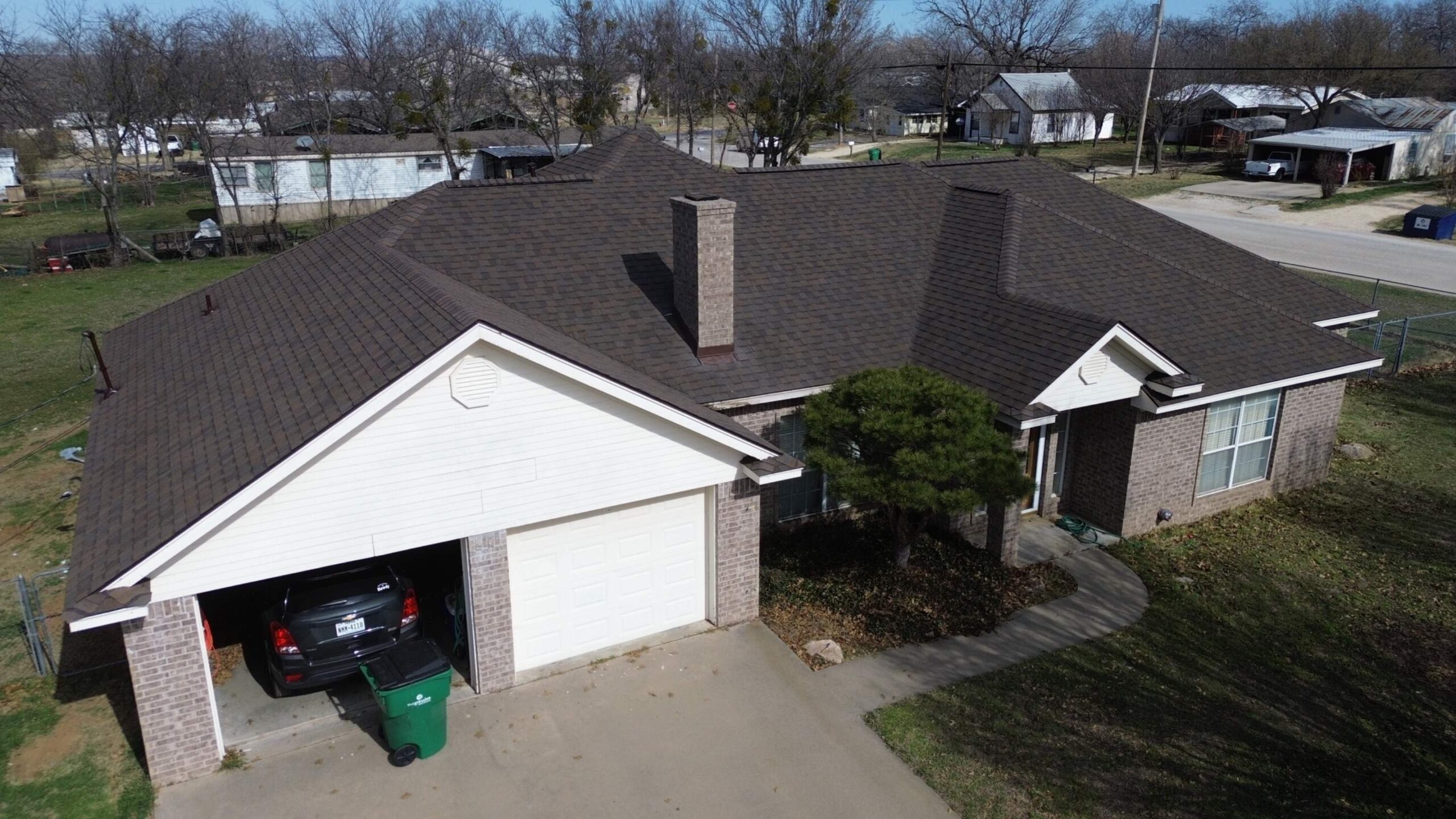
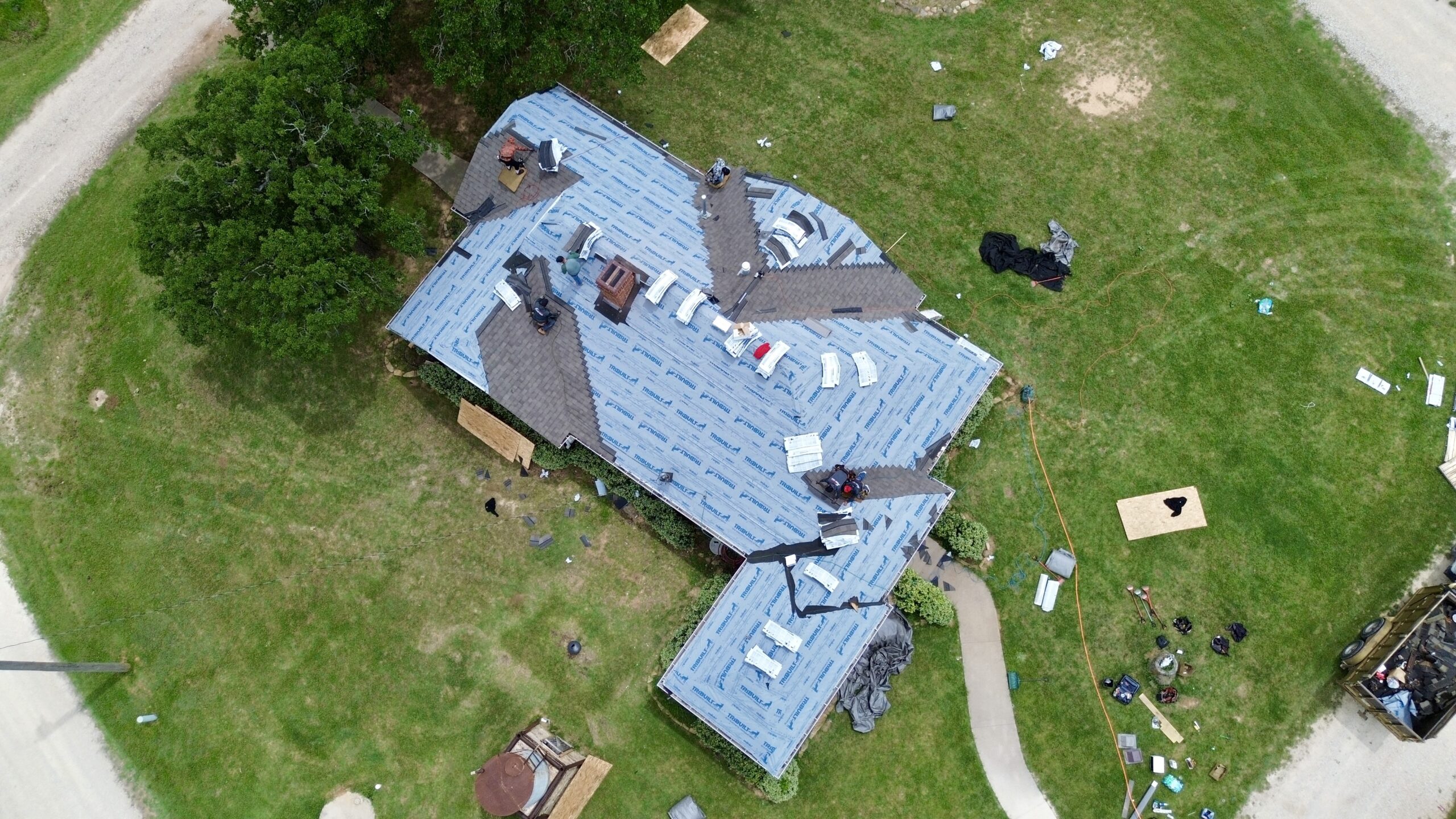
The process begins by removing the existing roofing material if necessary. Contractors inspect the roof deck for signs of moisture damage, rot, or structural weakness. Damaged decking is repaired or replaced before installation continues.
Once the roof deck is prepared, an underlayment is installed across the entire surface. This moisture-resistant layer provides additional protection beneath the shingles while improving the roof’s overall weather resistance.
Ice and water shields are commonly installed along roof edges, valleys, and other vulnerable areas where water infiltration is more likely. These membranes provide extra protection during heavy rainfall or ice formation.
After the underlayment is secured, contractors install starter shingles along the roof edges. These starter strips improve wind resistance while creating a proper foundation for the remaining shingles.
The main shingles are then installed in overlapping rows progressing upward from the roof edge toward the ridge. Proper alignment is essential because even small positioning errors can become more noticeable as installation continues.
Each shingle must receive the correct number of fasteners placed in precise locations recommended by the manufacturer. Improper nail placement may reduce wind resistance or create opportunities for water penetration.
Roof valleys, chimneys, skylights, plumbing vents, and other penetrations receive carefully installed flashing to prevent leaks. These transition areas require particular attention because they experience increased water flow during rainfall.
Once all shingles are installed, ridge caps complete the roof at the highest points. Contractors then perform a final inspection to verify alignment, fastening quality, flashing installation, and overall workmanship.
One advantage of asphalt roofing is that individual damaged shingles can often be replaced without disturbing large sections of the surrounding roof. This simplifies future maintenance and reduces repair costs.
Metal Roofing Installation Process
Metal roofing installation differs considerably from asphalt roofing because the materials, fastening systems, and expansion characteristics require greater precision throughout the project.
As with any roofing system, installation begins with a thorough inspection of the existing roof deck. Contractors verify that the structure is level, dry, and capable of supporting the new roofing system. Any damaged decking is repaired before installation proceeds.
A high-quality underlayment is then installed to provide moisture protection beneath the metal panels. Because metal roofing can experience condensation under certain environmental conditions, selecting the proper underlayment is especially important for long-term performance.
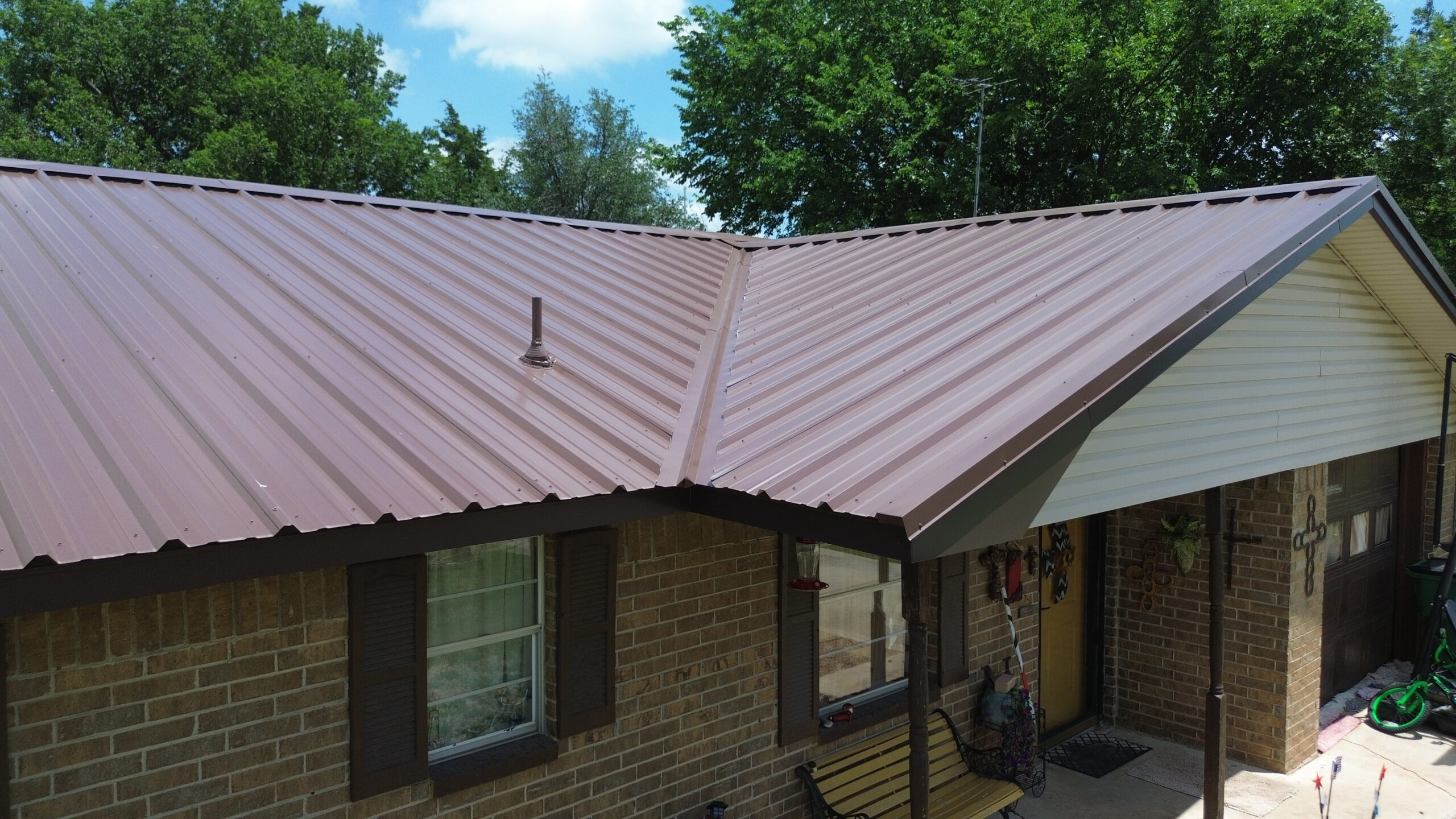
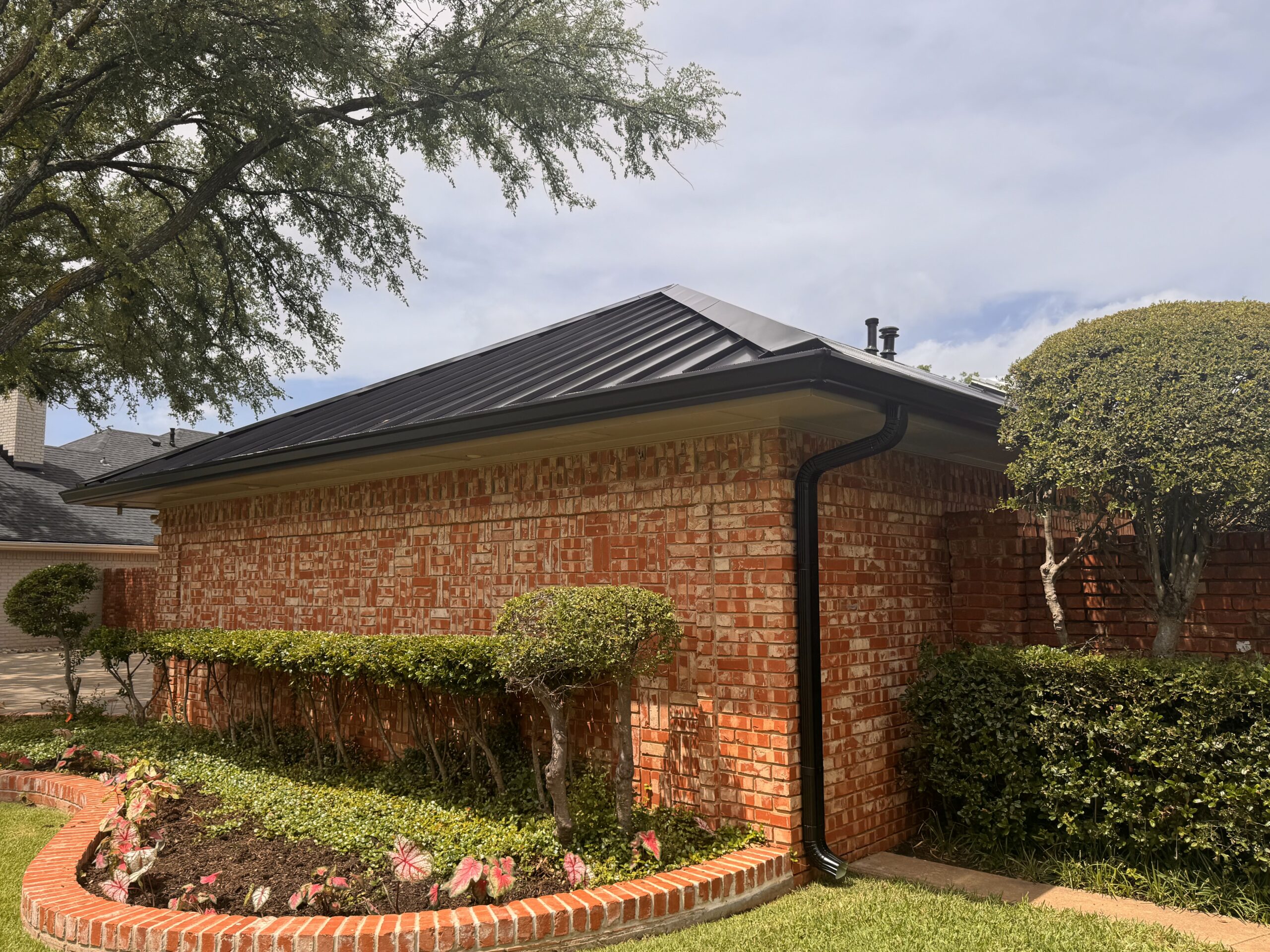
Metal roof panels are carefully measured and cut to fit the roof dimensions. Accurate measurements help minimize waste while ensuring each panel aligns properly with adjacent sections. Unlike asphalt shingles, which use many small overlapping pieces, metal roofing typically relies on larger panels that cover greater surface areas.
Panel placement requires careful attention to alignment because even slight positioning errors can affect the appearance and weather resistance of the finished roof. Contractors secure the panels using manufacturer-approved fasteners or concealed clip systems designed for the specific roofing profile.
One important consideration during metal roof installation is thermal movement. Metal naturally expands during hot weather and contracts as temperatures decrease. Proper fastening techniques allow for this movement without causing buckling, distortion, or stress on the roofing system.
Special attention is also given to flashing around chimneys, skylights, roof valleys, vents, and roof edges. These components are carefully integrated with the metal panels to create a continuous waterproof barrier while maintaining the roof’s clean appearance.
After all panels are installed, ridge caps, trim pieces, and edge flashings complete the roofing system. Contractors then perform a detailed inspection to verify fastener placement, panel alignment, flashing integrity, and overall installation quality.
Although metal roofing generally requires more precision during installation than asphalt shingles, its durability and long service life make it an increasingly popular choice for property owners seeking a long-term roofing solution.
Tile Roofing Installation Process
Tile roofing is one of the most durable and visually distinctive roofing systems available, but it is also one of the most demanding to install correctly. Unlike asphalt shingles or large metal panels, tile roofs consist of individual pieces that must be carefully positioned and secured. Every stage of the installation process requires precision because even small alignment errors can affect both appearance and weather resistance.
Before installation begins, contractors carefully inspect the roof structure to determine whether it can safely support the additional weight of the tiles. Clay and concrete tiles are significantly heavier than asphalt shingles and many metal roofing systems. If the roof framing does not provide adequate support, structural reinforcement may be necessary before the roofing project proceeds.
Once the structure has been approved, the existing roofing material is removed if the project involves roof replacement. Contractors then inspect the roof deck for signs of moisture damage, deterioration, or uneven surfaces. Any damaged decking is repaired to create a stable foundation for the new roofing system.
A high-quality underlayment is installed across the roof deck before any tiles are placed. This moisture barrier provides secondary waterproof protection beneath the tile covering. Since tiles are designed to shed water rather than create a completely sealed surface, the underlayment plays an essential role in protecting the building.
Roof battens are often installed over the underlayment depending on the tile system being used. These battens create consistent spacing while providing secure attachment points for individual tiles. Proper batten alignment ensures that every row remains straight throughout the installation.
Tile installation usually begins at the lower edge of the roof and progresses upward toward the ridge. Contractors place each tile individually while maintaining proper overlap and alignment. This overlapping design allows rainwater to flow safely down the roof while preventing moisture from reaching the underlying structure.
Each tile must be fastened according to manufacturer recommendations and local building codes. Depending on the roofing system, fasteners, clips, or specialized attachment methods may be used to improve wind resistance and long-term stability.
Roof valleys, chimneys, skylights, plumbing vents, and other penetrations require carefully designed flashing systems. These transition areas demand extra attention because they handle concentrated water flow during rainfall.
After the field tiles are installed, ridge tiles complete the highest portions of the roof. Contractors then inspect the entire roofing system to verify alignment, secure attachment, flashing integrity, and overall workmanship.
Although tile roofing requires more labor and installation time than many other roofing systems, its exceptional durability and timeless appearance often justify the additional investment.
Comparing Installation Time and Complexity
Installation time varies considerably between asphalt, metal, and tile roofing systems. The size of the building, roof design, weather conditions, crew size, and material selection all influence project duration. However, the complexity of each roofing material remains one of the biggest factors affecting the installation schedule.
Asphalt roofing is generally the fastest to install. Shingles are lightweight, easy to transport across the roof, and relatively simple to position. Experienced roofing crews can often complete residential asphalt roof installations within a few days under favorable weather conditions.
Metal roofing requires greater precision throughout the installation process. Large panels must be measured carefully, aligned accurately, and secured using specialized fastening systems. Although fewer pieces are installed compared to asphalt shingles, each panel covers a larger area and demands careful handling to prevent scratches or distortion.
Tile roofing typically requires the longest installation time. Every individual tile must be positioned correctly while maintaining consistent spacing and overlap. Contractors also spend additional time handling heavy materials safely and verifying structural support before installation begins.
Roof design significantly affects installation complexity regardless of material. A simple rectangular roof with few penetrations is easier to install than a roof containing multiple valleys, dormers, skylights, chimneys, or intersecting roof sections.
Weather also influences project duration. Rain may delay underlayment installation, while high winds create safety concerns during metal panel installation. Extremely hot weather can also affect worker productivity and material handling.
The experience of the roofing contractor plays an equally important role. Contractors specializing in one roofing material may require additional training or equipment before installing another roofing system. Selecting experienced installers helps reduce delays while improving installation quality.
Although installation speed is important, quality should always remain the higher priority. Completing a roofing project quickly provides little benefit if installation mistakes shorten the roof’s expected lifespan.
Installation Cost Comparison
Installation cost represents one of the first questions property owners ask when comparing roofing materials. However, evaluating cost involves more than comparing the price of roofing products alone. Labor requirements, equipment, structural modifications, and project complexity all contribute to the final installation expense.
Asphalt roofing generally offers the lowest installation cost among the three materials. Shingles are widely available, installation techniques are well established, and labor requirements remain relatively straightforward. Because asphalt is lightweight, additional structural reinforcement is rarely required.
Metal roofing usually involves a higher initial investment. Material costs are often greater than asphalt, and installation requires specialized tools, careful panel fabrication, and experienced installers. Despite the higher installation expense, many property owners consider metal roofing a long-term investment because of its durability and lower maintenance needs.
Tile roofing typically has the highest installation cost. Heavy materials require additional handling, transportation, and labor during installation. Structural reinforcement may also increase project expenses if the existing roof framing cannot safely support the additional weight.
Several factors influence roofing installation costs regardless of material:
- Roof size
- Roof pitch
- Roof complexity
- Local labor rates
- Material availability
- Removal of existing roofing
- Structural repairs
- Flashing requirements
Roof accessibility also affects installation pricing. Multi-story buildings, limited access areas, or landscaping that restricts equipment movement may increase labor requirements.
While many property owners focus on initial installation costs, long-term ownership expenses deserve equal consideration. A roof requiring fewer repairs and lasting several decades may provide greater overall value than a less expensive system requiring earlier replacement.
Performance Comparison After Installation
Once installation is complete, roofing materials begin protecting the building from changing weather conditions every day. Each material performs differently depending on climate, environmental exposure, and maintenance practices.
Asphalt Roofing Performance
Properly installed asphalt roofing provides dependable protection against rain, moderate wind, and normal seasonal weather. Modern architectural shingles offer improved wind resistance compared to older products while maintaining an attractive appearance.
Asphalt shingles perform well in many climates but gradually experience natural aging through prolonged ultraviolet exposure. Temperature fluctuations also contribute to expansion and contraction that slowly affect roofing materials over many years.
Repairs remain relatively simple because individual shingles can usually be replaced without disturbing large sections of the surrounding roof.
Metal Roofing Performance
Metal roofing performs exceptionally well in many environmental conditions. Its interlocking panels create a durable protective surface that resists wind, rain, fire, and insect damage.
One advantage of metal roofing is its ability to shed snow efficiently during winter. Smooth panel surfaces encourage accumulated snow to slide away more easily than some traditional roofing materials.
Metal roofs also maintain structural integrity during strong winds when installed according to manufacturer recommendations. Their reflective surfaces help reduce solar heat gain, improving energy efficiency in warmer climates.
Tile Roofing Performance
Tile roofing provides outstanding long-term durability while maintaining its appearance for decades. Clay and concrete tiles resist ultraviolet radiation extremely well and do not deteriorate as rapidly under constant sunlight.
Tile roofs also perform exceptionally well in hot climates because air naturally circulates beneath the tiles, reducing heat transfer into the building.
One consideration involves impact resistance. Although roofing tiles are highly durable, individual tiles may crack if struck by heavy falling branches or walked on improperly during maintenance.
Overall, each roofing material provides dependable protection when installed correctly. The best choice depends on climate, building design, maintenance preferences, and long-term ownership goals.
Energy Efficiency and Weather Resistance
Energy efficiency has become an increasingly important consideration when selecting roofing materials. Roof surfaces receive direct sunlight throughout the day, making them one of the largest contributors to indoor heat gain.
Asphalt roofing absorbs more solar heat than lighter-colored roofing systems, particularly darker shingles. However, manufacturers now produce reflective asphalt shingles designed to improve energy performance while maintaining traditional aesthetics.
Metal roofing offers excellent energy efficiency because many products feature reflective coatings that reduce heat absorption. These coatings reflect a significant portion of incoming solar radiation, helping lower cooling costs during warm weather.
Tile roofing also performs well in hot climates. The natural air space beneath overlapping tiles creates an insulating effect that reduces heat transfer into the building. Clay tiles, in particular, have long been used successfully in regions experiencing high temperatures.
Weather resistance also varies among roofing materials.
Asphalt shingles provide reliable protection against moderate weather conditions and perform well in many regions. Higher-quality shingles often include enhanced wind resistance ratings suitable for storm-prone areas.
Metal roofing withstands severe weather remarkably well when installed correctly. Many systems are engineered to resist high winds, heavy snowfall, hail, and fire while requiring relatively little maintenance.
Tile roofing offers exceptional fire resistance because clay and concrete are naturally non-combustible materials. Properly installed tile roofs also perform well during prolonged sun exposure and resist insect damage effectively.
However, weather resistance depends on more than roofing material alone. Professional installation remains essential for every roofing system. Poor flashing, improper fastening, or inadequate underlayment can reduce weather protection regardless of material quality.
Ventilation also contributes to energy efficiency after installation. Proper attic ventilation reduces heat buildup beneath the roof while helping control moisture throughout the roofing assembly.
Insulation works together with the roofing material to improve indoor comfort and reduce energy consumption. Even the most energy-efficient roofing system cannot achieve maximum performance without adequate insulation beneath it.
Choosing the right roofing material therefore requires evaluating installation requirements alongside long-term energy performance and climate suitability. Property owners should consider local weather patterns, building design, maintenance expectations, and projected ownership plans before making a final decision.
Maintenance Requirements After Installation
Installing a new roof is only the beginning of its service life. Every roofing material requires ongoing care to maintain its appearance, protect the building, and achieve its expected lifespan. While asphalt, metal, and tile roofs all require maintenance, the type and frequency of that maintenance differ considerably.
Many roofing problems that develop years after installation are not caused by defective materials. Instead, they result from neglected inspections, clogged drainage systems, damaged flashing, or small issues that were allowed to worsen over time. A proactive maintenance plan helps property owners identify these concerns early before they lead to expensive repairs.
Regardless of the roofing material, regular inspections should be performed at least twice a year. Spring and autumn are generally the best times because they allow property owners to evaluate any damage caused by seasonal weather changes. Additional inspections are also recommended after severe storms, hail, or unusually strong winds.
Asphalt Roofing Maintenance
Asphalt shingles require moderate maintenance throughout their lifespan. Although they are designed to withstand normal weather conditions, they gradually experience wear from sunlight, rain, temperature fluctuations, and wind.
Routine inspections should focus on identifying cracked, curled, loose, or missing shingles. These problems often begin in isolated areas and can usually be repaired before affecting larger sections of the roof.
Roof valleys should remain free of leaves and debris because these areas handle significant water flow during rainfall. Blocked valleys can trap moisture and increase the likelihood of leaks.
Property owners should also inspect flashing around chimneys, skylights, plumbing vents, and roof edges. Flashing deterioration is one of the most common sources of roof leaks regardless of roofing material.
Metal Roofing Maintenance
Metal roofing generally requires less maintenance than asphalt roofing, but regular inspections remain important. Although metal panels resist rot, insects, and many forms of weather damage, they should still be examined periodically for loose fasteners, damaged sealants, or scratches in protective coatings.
Surface scratches should be repaired promptly if they expose bare metal. Protective coatings help prevent corrosion, particularly in coastal or industrial environments where exposure to salt or pollutants may accelerate deterioration.
Contractors should also inspect expansion joints and fastening systems. Because metal naturally expands and contracts as temperatures change, these components should remain in good condition throughout the roof’s lifespan.
Cleaning debris from roof valleys, gutters, and drainage systems helps maintain efficient water runoff while reducing unnecessary moisture exposure.
Tile Roofing Maintenance
Tile roofing offers outstanding durability but still benefits from regular inspections. Individual tiles should be checked for cracks, chips, or movement after severe weather events.
Walking directly on roofing tiles should be avoided whenever possible because improper foot placement may damage individual pieces. Professional roofing contractors understand how to move safely across tile roofs without causing unnecessary breakage.
The underlayment beneath tile roofing should also be monitored during inspections. While the tiles themselves often last for many decades, the underlayment may require replacement earlier depending on environmental conditions.
Keeping roof surfaces clean prevents moss, algae, and debris from accumulating between tiles. Good airflow and proper drainage contribute significantly to long-term roof performance.
Comparing Long-Term Maintenance Effort
Although every roofing material requires routine care, the amount of maintenance varies according to material characteristics and environmental exposure.
Asphalt roofing generally requires the most frequent inspections because individual shingles are more susceptible to weather-related wear. Fortunately, repairs are usually straightforward and relatively affordable.
Metal roofing offers lower maintenance requirements due to its durable panel construction and resistance to many common roofing problems. Periodic inspections remain important, but major repairs are less common when installation has been completed properly.
Tile roofing also requires relatively low maintenance. However, repairs involving broken tiles should be handled carefully to preserve both the appearance and weather resistance of the roofing system.
Property owners should remember that preventive maintenance almost always costs less than emergency repairs. Addressing minor concerns promptly helps extend roof lifespan while reducing long-term ownership expenses.
Lifespan Comparison of Asphalt, Metal, and Tile Roofing
Roof lifespan is one of the biggest factors influencing material selection. While installation quality and maintenance practices significantly affect longevity, each roofing material has a typical service life under normal conditions.
The following comparison provides general expectations for professionally installed roofing systems receiving regular maintenance.
| Roofing Material | Average Lifespan | Maintenance Level | Weight | Initial Installation Cost | Long-Term Value |
|---|---|---|---|---|---|
| Asphalt Shingles | 20 to 30 years | Moderate | Light | Low | Good |
| Metal Roofing | 40 to 70 years | Low | Light to Moderate | Moderate to High | Excellent |
| Clay Tile Roofing | 50 to 100 years | Low | Heavy | High | Excellent |
| Concrete Tile Roofing | 40 to 75 years | Low | Heavy | High | Excellent |
These estimates assume professional installation, quality materials, proper ventilation, effective drainage, and consistent maintenance throughout the roof’s service life.
Although asphalt roofing has the shortest average lifespan among the three materials, it remains a practical choice because of its lower installation cost and relatively simple repair process.
Metal roofing offers an excellent balance between durability, energy efficiency, and maintenance requirements. Many property owners consider its longer lifespan sufficient to justify the higher initial investment.
Tile roofing provides the greatest longevity when installed on structures capable of supporting its weight. Many tile roofs remain functional for several generations with proper maintenance.
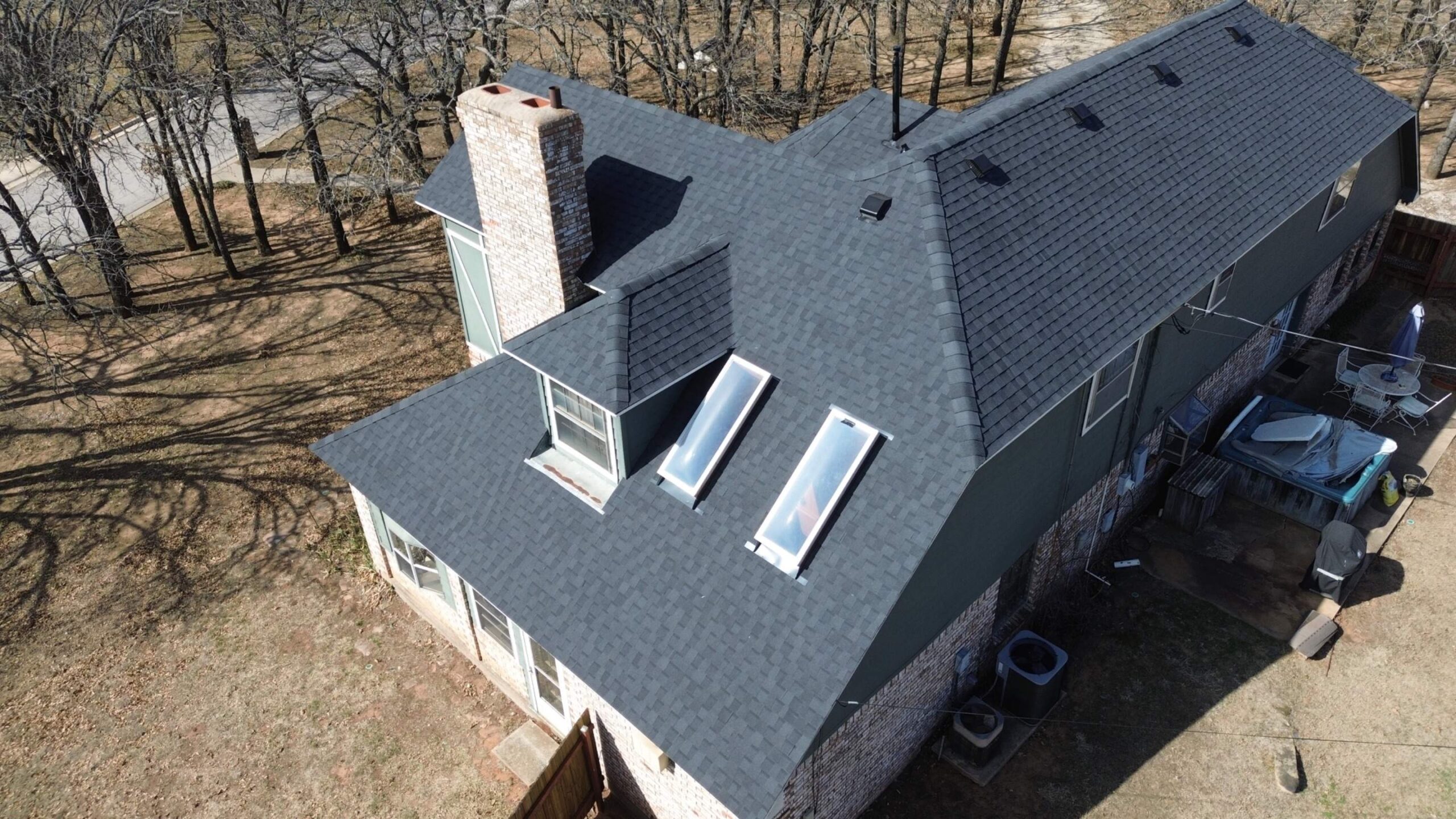
Which Roofing Material Is Best for Different Property Types
There is no single roofing material that performs best in every situation. The ideal choice depends on building design, climate, budget, maintenance preferences, and long-term ownership plans.
Residential Homes
Asphalt shingles continue to dominate residential roofing because they provide dependable protection at an affordable price. Their wide range of colors and styles allows homeowners to match many architectural designs while keeping installation costs manageable.
Metal roofing has become increasingly popular for residential construction because homeowners appreciate its long lifespan, energy efficiency, and modern appearance. It also performs well in regions experiencing heavy snowfall or frequent storms.
Tile roofing remains an excellent option for homes with Mediterranean, Spanish, or Southwestern architectural styles. Its premium appearance and exceptional longevity make it attractive for homeowners seeking long-term value.
Commercial Buildings
Metal roofing is widely used for commercial buildings because large panels simplify installation on expansive roof areas while providing excellent durability and weather resistance.
Some commercial buildings also utilize specialized metal roofing systems designed to support rooftop equipment, solar panels, and long-term maintenance access.
Although asphalt products are common on low-slope commercial roofs in membrane form, traditional asphalt shingles are less frequently used for large commercial structures than metal systems.
Historic and Architectural Properties
Tile roofing remains one of the preferred choices for historically inspired buildings because it preserves traditional architectural character while offering excellent long-term durability.
Certain historic restoration projects may require matching existing clay tile profiles to maintain architectural authenticity.
Coastal Properties
Metal roofing manufactured with corrosion-resistant coatings performs well in many coastal environments. Aluminum roofing is particularly popular because it naturally resists corrosion caused by salt exposure.
Tile roofing also performs successfully in coastal climates due to its resistance to ultraviolet radiation and moisture.
Cold Climate Regions
Metal roofing provides excellent performance in snowy climates because smooth panels encourage snow to slide away naturally.
Asphalt shingles also perform well in colder regions when proper ventilation and ice protection systems are installed.
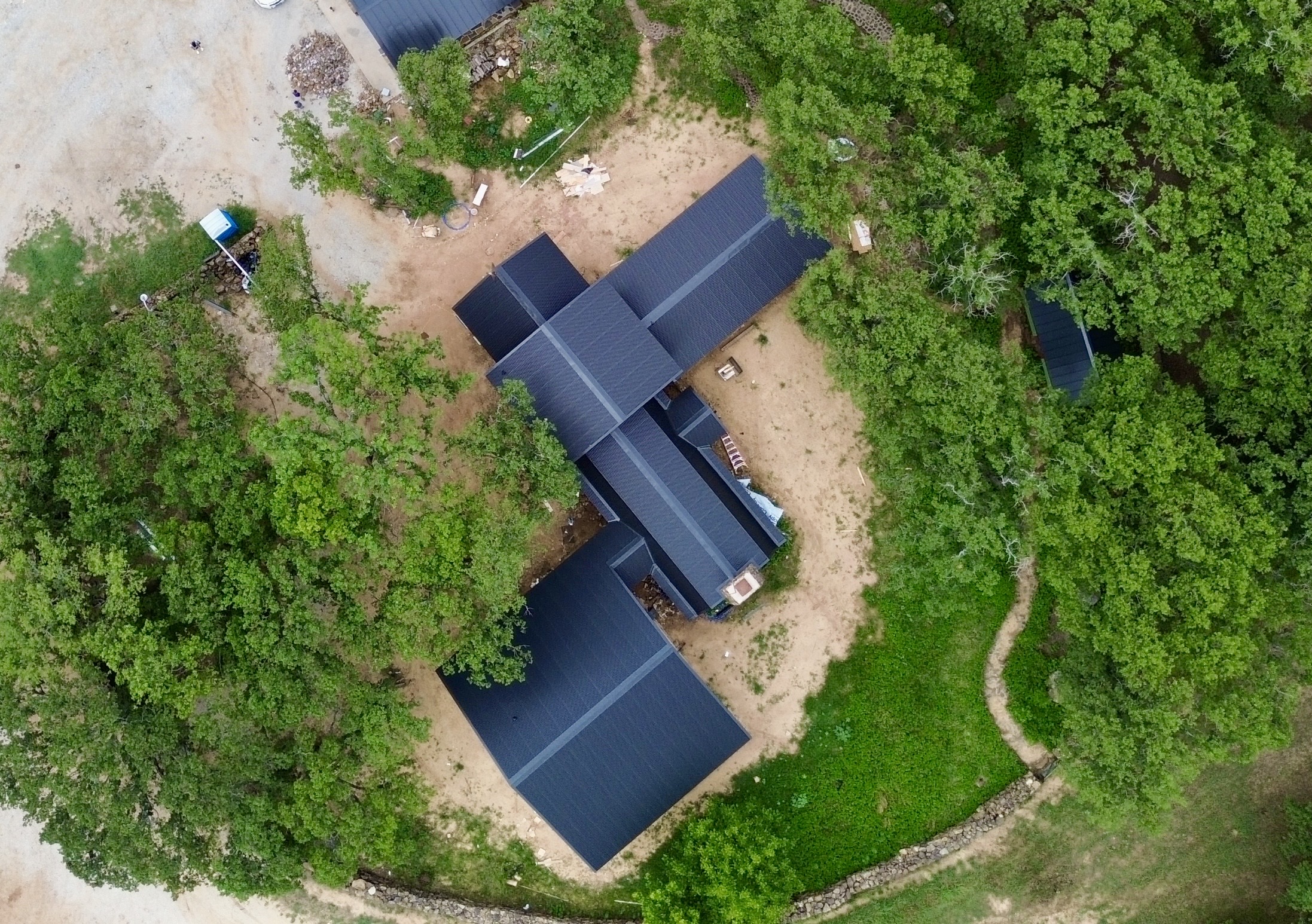
Factors to Consider Before Making a Final Decision
Choosing the right roofing material requires balancing several important factors rather than focusing on a single feature.
Before selecting a roofing system, property owners should evaluate the following:
- Determine your available project budget.
- Consider the expected length of property ownership.
- Evaluate local weather conditions throughout the year.
- Verify whether the building structure can support heavier roofing materials.
- Compare long-term maintenance requirements.
- Review manufacturer warranties carefully.
- Choose experienced roofing contractors with expertise in the selected material.
- Consider future repair availability and replacement costs.
Following this decision-making process helps ensure that the chosen roofing system aligns with both immediate project goals and long-term ownership expectations.
Frequently Asked Questions
Which roofing material lasts the longest?
Tile roofing generally provides the longest service life. Properly installed clay tile roofs may remain functional for more than 100 years under favorable conditions. Metal roofing also offers exceptional longevity, often lasting several decades longer than asphalt shingles.
Which roofing material is the easiest to install?
Asphalt shingles are generally considered the easiest roofing material to install. Their lightweight design, standardized installation methods, and widespread contractor experience contribute to shorter installation times.
Is metal roofing noisier during rain?
Modern metal roofing is installed over underlayment and roof decking that significantly reduce sound transmission. Most homeowners notice little difference between properly installed metal roofs and other roofing materials during rainfall.
Does tile roofing always require structural reinforcement?
Not always. Some buildings are already designed to support heavier roofing systems. However, structural evaluation is essential before installing tile roofing because of its additional weight.
Which roofing material offers the best energy efficiency?
Metal roofing with reflective coatings and tile roofing with natural ventilation beneath the tiles both provide excellent energy efficiency. The best choice depends on climate, insulation quality, and overall building design.
Can different roofing materials be installed on the same property?
Yes. Some properties combine different roofing materials on separate structures such as garages, guest houses, or architectural features. However, compatibility, appearance, and local building codes should always be considered.
How important is professional installation?
Professional installation is essential regardless of roofing material. Correct fastening, flashing installation, ventilation, and waterproofing all contribute directly to roof performance, warranty protection, and long-term durability.
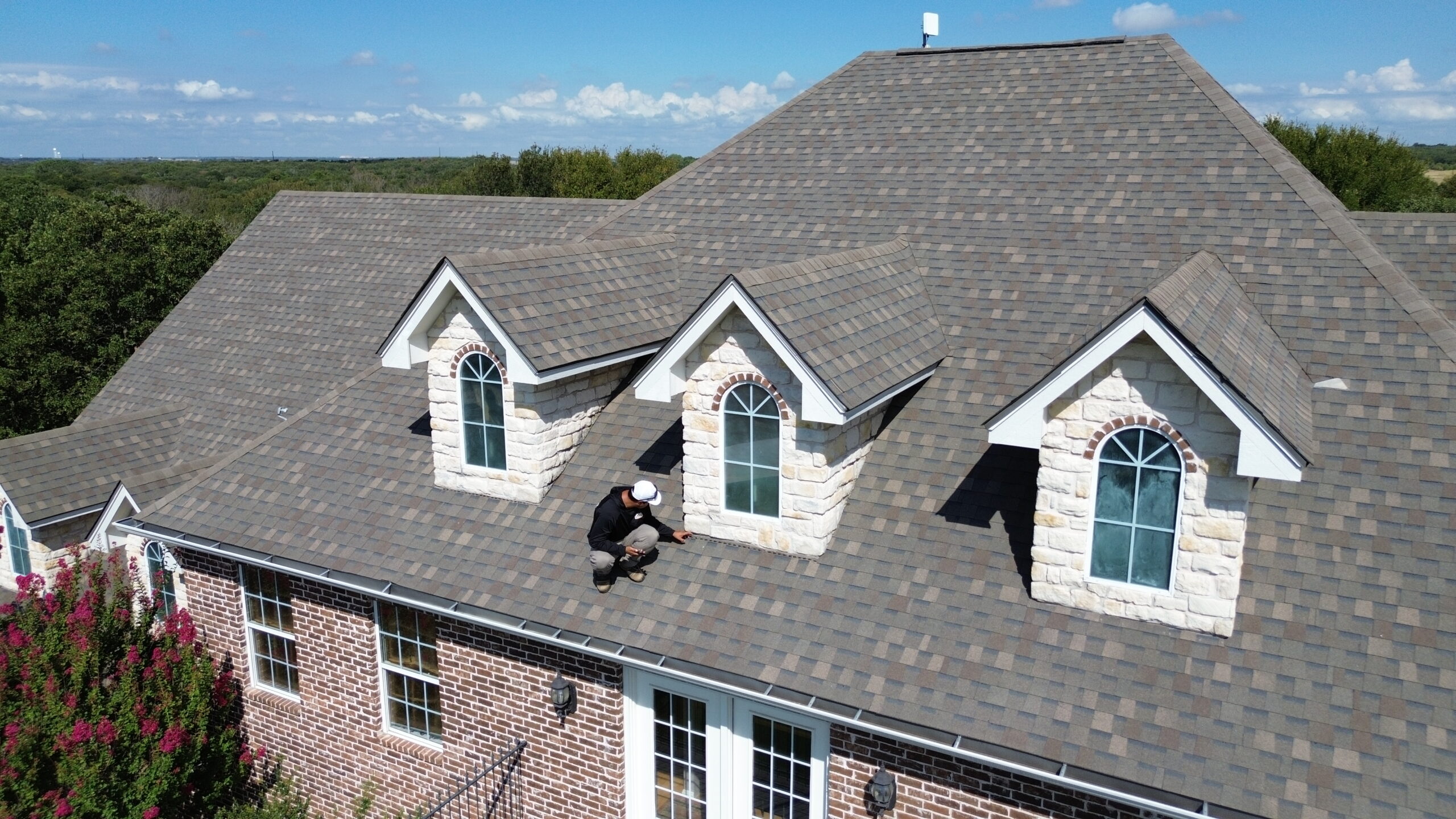
Final Comparison Summary
Each roofing material offers unique advantages, making the best choice dependent on individual priorities.
Asphalt roofing provides affordability, quick installation, and straightforward repairs. It remains an excellent option for homeowners seeking dependable protection within a modest budget.
Metal roofing combines durability, energy efficiency, and relatively low maintenance. Although the initial investment is higher, many property owners recover that cost through a longer service life and reduced repair expenses.
Tile roofing delivers exceptional longevity, timeless appearance, and impressive weather resistance. While installation is more complex and structural support requirements are greater, its lifespan often exceeds that of other roofing systems by several decades.
Rather than asking which roofing material is universally best, property owners should determine which option best matches their building, climate, budget, and long-term goals.
Conclusion
Selecting between asphalt, metal, and tile roofing involves much more than comparing material prices or appearance. Each roofing system has its own installation process, structural requirements, maintenance expectations, and long-term performance characteristics. Understanding these differences allows property owners to make informed decisions that provide lasting value rather than focusing solely on initial installation costs.
Asphalt roofing remains one of the most practical choices for many residential properties because it offers reliable performance, relatively simple installation, and affordable replacement costs. Its widespread availability and ease of repair continue to make it a popular roofing solution around the world.
Metal roofing has earned a strong reputation for durability, energy efficiency, and long service life. Its ability to withstand harsh weather while requiring relatively little maintenance makes it an attractive investment for both residential and commercial properties.
Tile roofing stands out for its unmatched longevity, architectural beauty, and exceptional resistance to fire and sunlight. Although installation requires greater expertise and stronger structural support, many property owners view tile roofing as a lifetime investment that enhances both property value and curb appeal.
Regardless of which roofing material is selected, the quality of installation remains one of the most important factors affecting future performance. Experienced roofing contractors, proper underlayment, accurate flashing installation, effective ventilation, and regular maintenance all contribute to maximizing the roof’s lifespan.
Ultimately, the best roofing system is one that aligns with the property’s structural requirements, local climate, maintenance expectations, and long-term ownership plans. By carefully evaluating installation methods alongside durability, maintenance, energy efficiency, and overall value, property owners can confidently choose a roofing solution that provides dependable protection for many years to come.