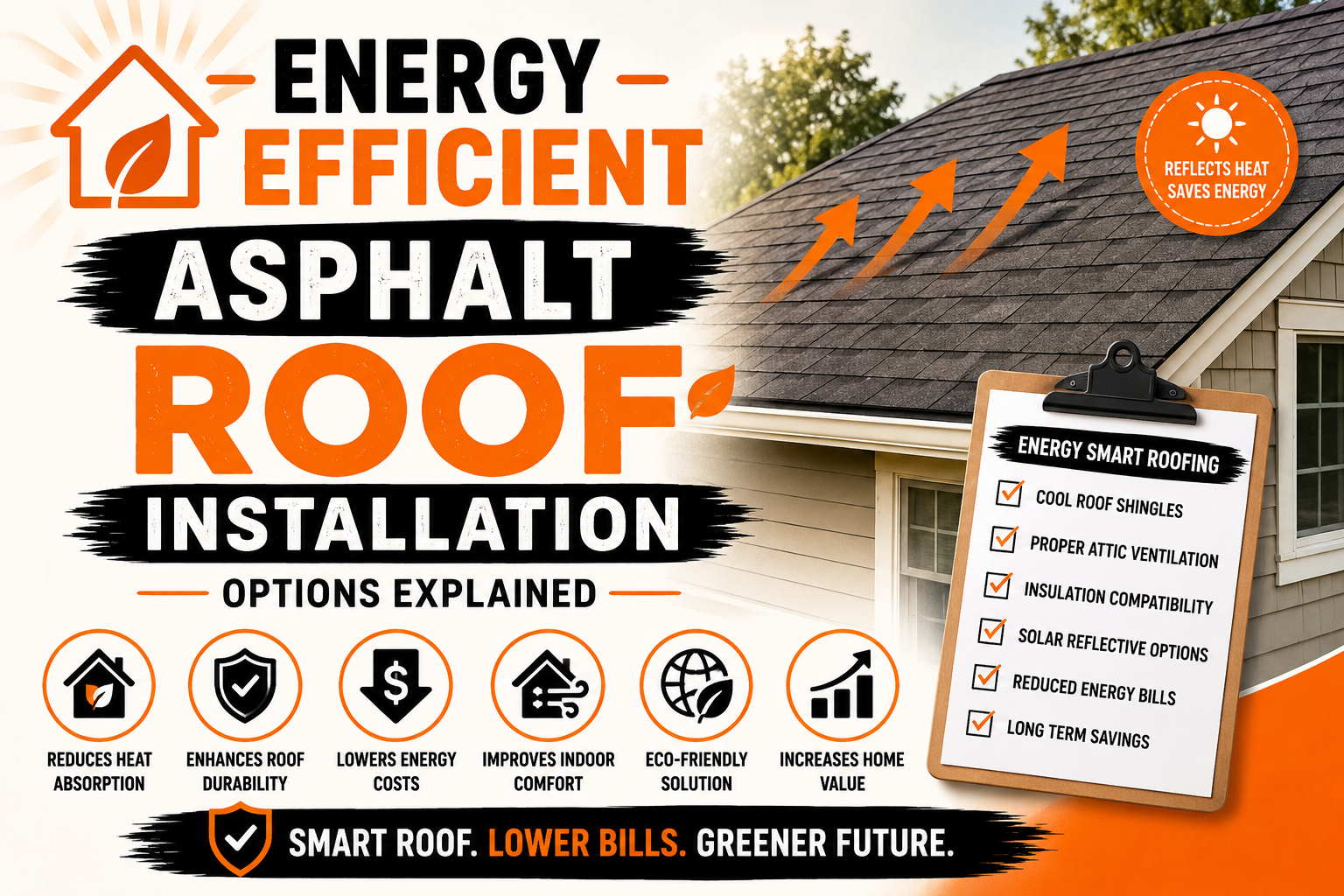
Energy Efficient Asphalt Roof Installation Options Explained
Introduction
Energy efficiency has become a major priority for homeowners looking to reduce utility costs while improving indoor comfort. Although insulation, windows, and heating systems often receive the most attention, the roof also plays a significant role in determining how much energy a home consumes throughout the year. Choosing the right asphalt roofing system can help reduce unwanted heat transfer and improve the overall efficiency of the building.
Modern asphalt roofing has advanced considerably over the past few decades. Manufacturers now produce shingles that do far more than simply protect homes from rain and wind. Many products are specifically designed to reflect more sunlight, absorb less heat, and contribute to lower cooling demands during warm weather.
Energy efficient roofing involves more than selecting a particular type of shingle. Proper installation methods, roof ventilation, underlayment, insulation, and even roof color work together to create a roofing system that performs efficiently in different climates. Every component contributes to reducing heat gain during summer while helping maintain comfortable indoor temperatures.
Many homeowners assume that asphalt shingles cannot compete with premium roofing materials when it comes to energy efficiency. However, advances in roofing technology have introduced highly reflective shingles and improved roofing systems capable of delivering impressive thermal performance without sacrificing affordability or appearance.
Installing an energy efficient asphalt roof also provides long term financial benefits. Lower cooling costs, improved roof durability, increased indoor comfort, and potential improvements in property value often make the investment worthwhile over the lifespan of the roof. While the initial cost may be slightly higher than standard roofing materials, many homeowners recover the additional expense through reduced energy consumption over time.
This guide explains how energy efficient asphalt roof installation works and explores the roofing options available to homeowners. Understanding the relationship between roofing materials, heat transfer, and installation practices helps homeowners make informed decisions that improve both energy performance and long term roofing durability.
Why Energy Efficiency Matters in Modern Roofing
A roof receives direct sunlight throughout the day and is one of the largest exterior surfaces exposed to changing weather conditions. During warm months, roofing materials absorb significant amounts of solar energy, increasing roof temperatures and transferring heat into the attic and living spaces below.
As indoor temperatures rise, air conditioning systems must work harder to maintain comfortable conditions. Increased cooling demand results in higher electricity consumption and greater monthly utility expenses. Improving roof efficiency helps reduce this unnecessary heat gain before it enters the home.
Energy efficient roofing also supports environmental sustainability. Lower energy consumption reduces demand on electrical systems while decreasing greenhouse gas emissions associated with electricity generation. Although individual savings vary, widespread adoption of efficient roofing materials contributes to broader environmental benefits.
Comfort is another important consideration. Homes with poorly performing roofs often experience uneven indoor temperatures, particularly in upper level rooms located directly beneath the attic. An energy efficient roofing system helps maintain more consistent indoor temperatures throughout the home.
Roofing efficiency also affects the lifespan of certain building components. Lower attic temperatures reduce stress on insulation, ventilation equipment, and air conditioning systems while minimizing excessive thermal expansion within roofing materials.
As energy costs continue to rise, homeowners increasingly recognize the value of investing in roofing systems that provide both weather protection and improved energy performance. Modern asphalt roofing offers practical solutions that combine these benefits within a familiar and widely available roofing material.
How Asphalt Roofs Influence Home Energy Consumption
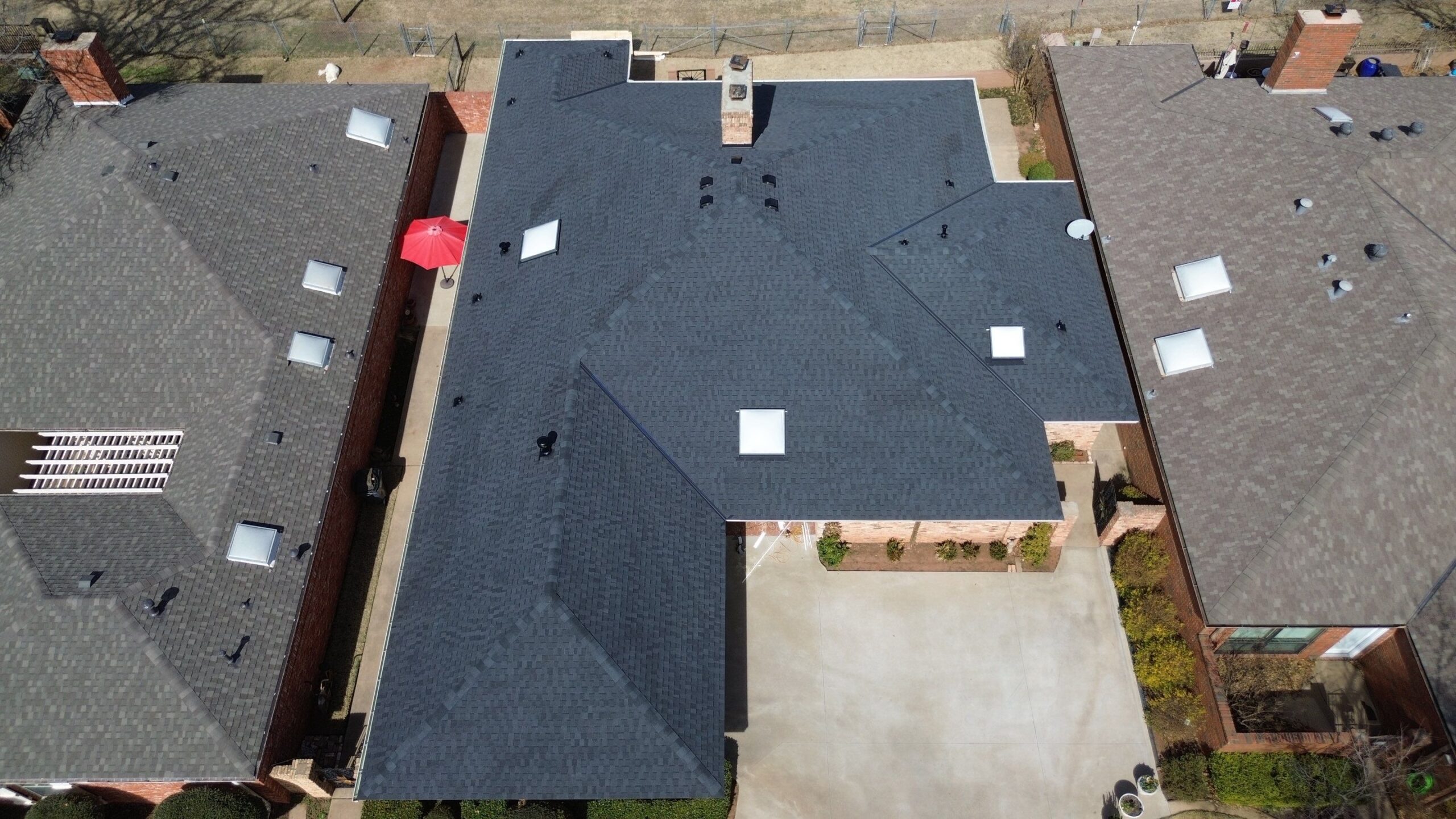
Many homeowners do not realize how closely roofing performance is connected to household energy use. Every day, the roof interacts with sunlight, outdoor temperatures, wind, and humidity, influencing how much heat enters or leaves the building.
Traditional dark roofing materials absorb a large percentage of incoming solar radiation. As roof temperatures increase, heat gradually transfers through the roofing layers and into the attic space. Without effective insulation and ventilation, this heat eventually reaches interior living areas.
The home’s cooling system must remove this additional heat to maintain comfortable indoor temperatures. Longer air conditioning cycles increase electricity consumption while placing greater wear on heating and cooling equipment.
During cooler months, the roof also influences heat retention. Although asphalt shingles primarily affect summer cooling performance, the complete roofing system including insulation and ventilation contributes to maintaining comfortable indoor conditions year round.
Roof design further affects energy consumption. Larger roof areas receive more direct sunlight, while roof orientation influences how long different sections remain exposed to intense solar radiation during the day.
Energy efficient asphalt roofing reduces unnecessary heat absorption while supporting better attic temperature control. Combined with other roofing components, this approach creates a more balanced thermal environment that lowers energy demand throughout changing seasons.
Understanding Heat Transfer Through Roofing Systems
To appreciate how energy efficient asphalt roofing works, it is helpful to understand the basic ways heat moves through a roofing system. Three primary forms of heat transfer influence roof performance every day.
Radiation occurs when sunlight reaches the roof surface. Solar radiation delivers energy directly to the shingles, causing roofing materials to warm as they absorb sunlight. The amount of absorbed heat depends largely on roofing color, surface properties, and material composition.
Conduction describes the movement of heat through solid materials. Once shingles become warm, heat gradually travels through underlayment, roof decking, insulation, and other building components toward cooler interior spaces.
Convection involves heat movement through air circulation. Warm attic air rises naturally while cooler air replaces it, creating continuous air movement within the attic space. Proper ventilation helps remove excess heat before it transfers into living areas.
Energy efficient roofing systems address all three forms of heat transfer simultaneously. Reflective shingles reduce solar heat absorption, insulation slows conductive heat flow, and balanced ventilation removes accumulated attic heat before it affects indoor comfort.
Understanding these processes helps homeowners recognize why energy efficiency depends on the complete roofing system rather than a single roofing product alone.
What Makes an Asphalt Roof Energy Efficient
An energy efficient asphalt roof differs from a standard roofing system because it is designed to reduce heat absorption while improving the home’s overall thermal performance. Multiple roofing components work together to achieve this goal.
Reflective shingles form one of the most visible differences. These shingles contain specially engineered surface granules that reflect a greater percentage of incoming sunlight compared with conventional asphalt roofing products.
Improved underlayment also contributes to thermal performance by providing additional protection beneath the shingles while supporting moisture management throughout the roofing system.
Proper roof ventilation is another essential feature. Balanced intake and exhaust ventilation remove excess attic heat, helping maintain lower attic temperatures during hot weather.
Quality insulation beneath the roof deck slows heat transfer into living spaces. While insulation is not technically part of the roofing material itself, it functions as an essential component of an energy efficient roofing system.
Professional installation completes the process by ensuring every roofing component performs according to manufacturer specifications. Even advanced roofing products cannot deliver maximum efficiency if installed incorrectly.
Rather than relying on one technology alone, energy efficient asphalt roofs combine several complementary features that improve overall thermal performance.
Cool Roof Technology Explained
Cool roof technology has become one of the most significant developments in modern roofing. Although originally associated with commercial buildings, these innovations are now widely available for residential asphalt roofing systems.
A cool roof is designed to reflect more solar radiation while absorbing less heat than conventional roofing materials. Lower roof temperatures reduce the amount of heat transferred into the attic, decreasing cooling demands during warm weather.
Modern cool roof asphalt shingles achieve this performance through specially formulated mineral granules applied during manufacturing. These granules improve solar reflectance without significantly changing the appearance of the shingles.
Many homeowners assume cool roofs are available only in bright white colors. While white roofing generally provides excellent reflectivity, advances in pigment technology now allow manufacturers to produce darker shingles with improved solar performance as well.
Cool roofing technology does not eliminate the need for insulation or ventilation. Instead, it complements these building systems by reducing the amount of heat entering the roof structure in the first place.
As energy efficiency standards continue evolving, cool roof technology is becoming an increasingly common feature in residential roofing products across many regions.
Reflective Asphalt Shingles and How They Work
Reflective asphalt shingles represent one of the easiest ways to improve roofing energy efficiency without dramatically changing the appearance of a home. These shingles resemble conventional roofing products while incorporating advanced surface technology.
The secret lies in the mineral granules covering the exposed surface of each shingle. Rather than simply providing color and weather protection, these specially engineered granules reflect a greater portion of incoming sunlight away from the roof.
Because less solar energy is absorbed, roof temperatures remain lower throughout sunny days. Reduced surface temperatures decrease heat transfer into the attic while lowering cooling demands inside the home.
Reflective shingles also experience reduced thermal stress because they absorb less heat during daily temperature cycles. Lower operating temperatures may contribute to improved long term material stability under certain environmental conditions.
Manufacturers offer reflective shingles in numerous colors and architectural styles. Homeowners therefore have considerable flexibility when selecting roofing materials that balance appearance with energy performance.
While individual energy savings depend on climate, roof orientation, insulation, and ventilation, reflective shingles often represent an important component of an efficient residential roofing system.
The Role of Roof Color in Energy Performance
Roof color has a noticeable influence on energy efficiency because it affects how much solar radiation the roof absorbs throughout the day. Color alone does not determine roofing performance, but it remains an important design consideration.
Lighter colored shingles generally reflect more sunlight than darker colors. Greater reflectivity helps reduce roof surface temperatures while limiting heat transfer into the building.
Darker shingles absorb more solar energy, causing roof temperatures to rise during sunny weather. Increased heat absorption may increase attic temperatures and cooling requirements if other roofing components do not adequately compensate.
However, modern roofing technology has narrowed this performance gap. Many manufacturers now produce darker architectural shingles using reflective granules that improve solar performance compared with older dark colored roofing products.
Homeowners should therefore evaluate roofing products based on overall performance ratings rather than color alone. A high quality reflective shingle may outperform a conventional lighter colored product under certain conditions.
Roof color should also complement the home’s architectural style, exterior finishes, and neighborhood appearance. Energy efficiency and curb appeal can often be achieved together through thoughtful product selection.
Importance of Roofing Granules in Heat Reflection
Many homeowners think roofing granules exist only to provide color and improve appearance. In reality, these small mineral particles perform several important functions that directly influence roof durability and energy efficiency.
Granules protect the underlying asphalt from harmful ultraviolet radiation. Without this protective layer, asphalt would deteriorate much more rapidly under constant sunlight exposure.
Specially engineered reflective granules also improve solar reflectance by directing a larger percentage of incoming sunlight away from the roof surface. This process helps maintain lower roof temperatures during hot weather.
Granules further contribute to fire resistance and surface durability. They protect the shingles from everyday weathering while helping preserve their appearance throughout years of outdoor exposure.
Manufacturers continue developing improved granule technologies that balance aesthetics with thermal performance. Modern reflective granules allow homeowners to choose from a broad range of attractive roofing colors without sacrificing energy efficiency.
Although granules appear insignificant individually, millions of these particles work together across the roof surface to influence both roofing performance and long term energy savings.
Choosing Energy Efficient Asphalt Shingles
Selecting energy efficient asphalt shingles involves evaluating several characteristics rather than focusing on a single feature. Homeowners should compare roofing products carefully to identify options that best match their climate, budget, and long term performance goals.
Important considerations include:
- Solar reflectance performance.
- Roofing color and available reflective technology.
- Manufacturer warranty coverage.
- Expected product lifespan.
- Compatibility with ventilation and insulation systems.
- Local climate conditions.
Professional roofing contractors can help homeowners compare these factors while recommending products suitable for regional weather patterns. Manufacturer performance ratings also provide valuable information when evaluating different roofing options.
Choosing high quality shingles represents only the first step toward improved energy efficiency. Proper installation remains equally important because every roofing component must work together to achieve maximum performance.
Common Misconceptions About Energy Efficient Asphalt Roofs
Several misconceptions prevent homeowners from fully understanding the capabilities of modern asphalt roofing systems. Separating these myths from reality helps support better purchasing decisions.
One common belief is that asphalt shingles cannot be energy efficient. Modern manufacturing has significantly improved reflective performance, allowing asphalt roofing to compete effectively with many alternative roofing materials.
Another misconception is that only white roofs provide meaningful energy savings. Although lighter colors generally reflect more sunlight, today’s reflective granule technologies allow many darker shingles to achieve improved thermal performance as well.
Some homeowners also believe energy efficient roofing eliminates the need for attic insulation. In reality, insulation remains one of the most important components of the complete roofing system. Reflective shingles reduce heat absorption, while insulation slows heat transfer into the living space.
Finally, many people assume energy efficient roofing is prohibitively expensive. While certain premium products require a larger initial investment, the combination of reduced cooling costs, improved comfort, and enhanced roof durability often provides worthwhile long term value.
Importance of Proper Roof Ventilation
Roof ventilation is one of the most important elements of an energy efficient asphalt roofing system. Even the most advanced reflective shingles cannot achieve their full performance if excessive heat becomes trapped inside the attic. Proper ventilation allows warm air to escape while drawing cooler outside air into the attic, helping maintain a balanced indoor environment throughout the year.
A well designed ventilation system typically includes intake vents positioned near the roof’s lower edge and exhaust vents located closer to the ridge. This arrangement creates continuous airflow that removes accumulated heat and moisture before they affect insulation or interior living spaces.
During summer, attic temperatures can rise significantly above outdoor air temperatures when ventilation is inadequate. Excessive heat places additional strain on air conditioning systems, increases energy consumption, and may accelerate the aging of roofing materials. Improving attic airflow helps reduce these problems while supporting long term roof performance.
Ventilation also benefits homes during cooler months. Moisture generated inside the home naturally rises into the attic, where it may condense on cooler surfaces if airflow is restricted. Proper ventilation removes this moisture, reducing the risk of mold growth, wood deterioration, and insulation damage.
Balanced ventilation performs better than simply increasing the number of roof vents. Intake and exhaust components should work together so fresh air enters and warm air exits efficiently without creating pressure imbalances inside the attic.
Professional contractors evaluate roof size, attic configuration, insulation levels, and local climate before recommending ventilation improvements. Careful planning ensures the ventilation system complements the entire roofing assembly rather than functioning as an isolated component.
How Roof Insulation Supports Energy Efficiency
Insulation works together with the roofing system to reduce unwanted heat transfer between the attic and the home’s living spaces. While asphalt shingles provide the first line of defense against sunlight, insulation slows the movement of heat that reaches the roof deck.
During hot weather, insulation helps prevent attic heat from entering the rooms below. By reducing conductive heat transfer, insulation allows cooling systems to maintain comfortable indoor temperatures with less effort. Lower cooling demand often results in noticeable energy savings throughout the summer.
In colder weather, insulation performs the opposite function by reducing indoor heat loss through the roof. Warm air generated by the heating system remains inside the home longer, improving comfort while lowering heating costs.
Proper insulation thickness depends on local climate, building design, and applicable energy efficiency recommendations. Homes located in regions with extreme temperatures generally require greater insulation levels than those in more moderate climates.
Insulation should also be installed evenly without gaps or compressed sections. Uneven coverage reduces overall performance because heat naturally travels through areas offering the least resistance. Maintaining consistent insulation depth across the attic floor supports better thermal performance throughout the building.
Roof insulation works most effectively when combined with balanced ventilation and reflective roofing materials. Together, these components create a roofing system that manages heat before it reaches the home’s conditioned living space.
Energy Efficient Underlayment Options
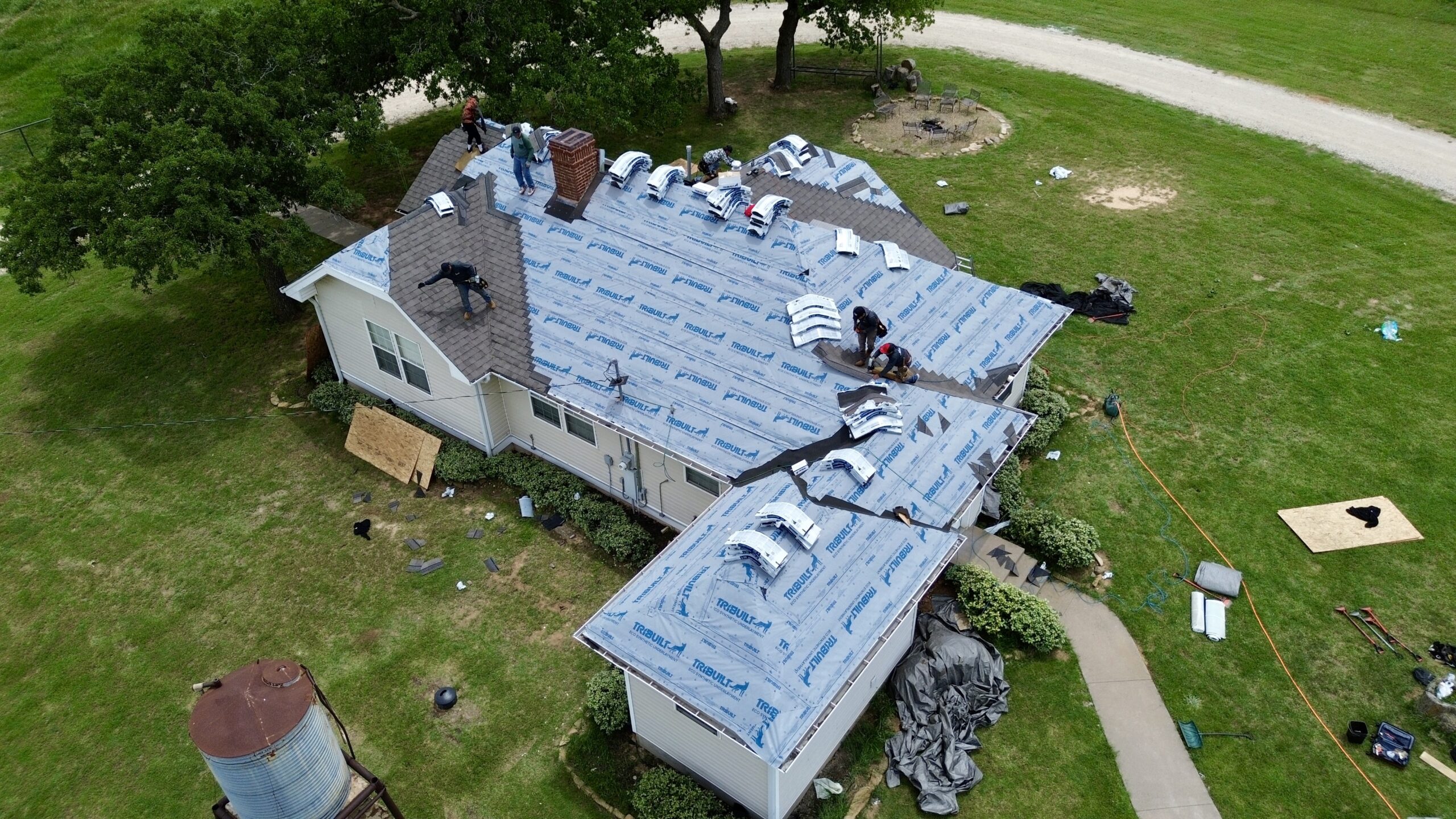
Roof underlayment is installed between the roof deck and asphalt shingles, providing an additional layer of protection against moisture while supporting the performance of the roofing system. Although underlayment is often associated with waterproofing, certain products also contribute to improved energy efficiency.
Modern synthetic underlayments offer several advantages compared with traditional felt products. They are generally more durable, resist tearing during installation, and provide better protection against moisture intrusion. These characteristics help preserve the roof deck while supporting the long term performance of the roofing system.
Some advanced underlayments are designed to reflect radiant heat or reduce thermal transfer beneath the shingles. While their contribution may be smaller than that of reflective shingles or insulation, they add another layer of thermal protection within the complete roofing assembly.
Quality underlayment also helps maintain roof integrity during extreme weather. If wind driven rain penetrates beneath damaged shingles, the underlayment serves as a secondary moisture barrier that protects the roof deck until repairs can be completed.
Selecting the appropriate underlayment depends on roof slope, climate, local building codes, and manufacturer recommendations. Professional roofing contractors evaluate these factors to ensure compatibility with the selected asphalt shingles.
Although underlayment remains hidden after installation, it plays an important supporting role in both roof durability and overall energy efficiency.
Air Sealing During Asphalt Roof Installation
Air leakage is a common source of unnecessary energy loss in residential buildings. Even well insulated homes may experience reduced efficiency if warm or cool air escapes through gaps around the roof structure. Air sealing helps eliminate these unwanted pathways while improving indoor comfort.
Roof penetrations such as plumbing vents, electrical openings, recessed lighting fixtures, and attic access points often allow conditioned indoor air to escape into the attic. This escaped air increases heating and cooling demands because the home’s mechanical systems must replace the lost conditioned air.
Professional roof installation provides an excellent opportunity to identify and seal many of these openings. Contractors may coordinate with insulation specialists or builders to ensure gaps are addressed before the roofing system is completed.
Proper air sealing also reduces moisture movement into the attic. Limiting warm indoor air from reaching cooler attic surfaces decreases condensation, helping protect insulation, roof decking, and structural framing from moisture related damage.
Air sealing should never interfere with planned attic ventilation. While conditioned indoor air should remain inside the living space, the attic itself still requires balanced airflow to remove heat and moisture effectively.
Together with insulation and ventilation, air sealing strengthens the home’s thermal envelope and contributes to improved overall energy performance.
Radiant Barriers and Their Benefits
Radiant barriers are specialized materials designed to reduce radiant heat transfer within attic spaces. Although not included in every asphalt roofing project, they provide an additional option for homeowners seeking improved energy efficiency, particularly in warm climates.
Most radiant barriers consist of highly reflective aluminum surfaces installed beneath the roof deck or attached to attic framing. These reflective surfaces reduce the amount of radiant heat transferred from the hot roof into the attic.
By lowering attic temperatures, radiant barriers reduce cooling demands during sunny weather. Air conditioning systems operate more efficiently because less heat enters the living space through the attic.
Radiant barriers work differently from insulation. While insulation slows conductive heat transfer, radiant barriers primarily reflect radiant energy before it warms surrounding building materials. Together, these systems provide complementary forms of thermal protection.
Performance depends on proper installation. Radiant barriers require an adjacent air space to function effectively, and they should be installed according to manufacturer recommendations to avoid reducing their reflective properties.
Although not necessary for every home, radiant barriers may provide worthwhile benefits in regions experiencing prolonged periods of intense sunlight and high summer temperatures.
Roof Deck Preparation for Better Thermal Performance
Energy efficient roofing begins with a properly prepared roof deck. The roof deck supports every roofing component above it, making its condition an important factor in long term roof performance.
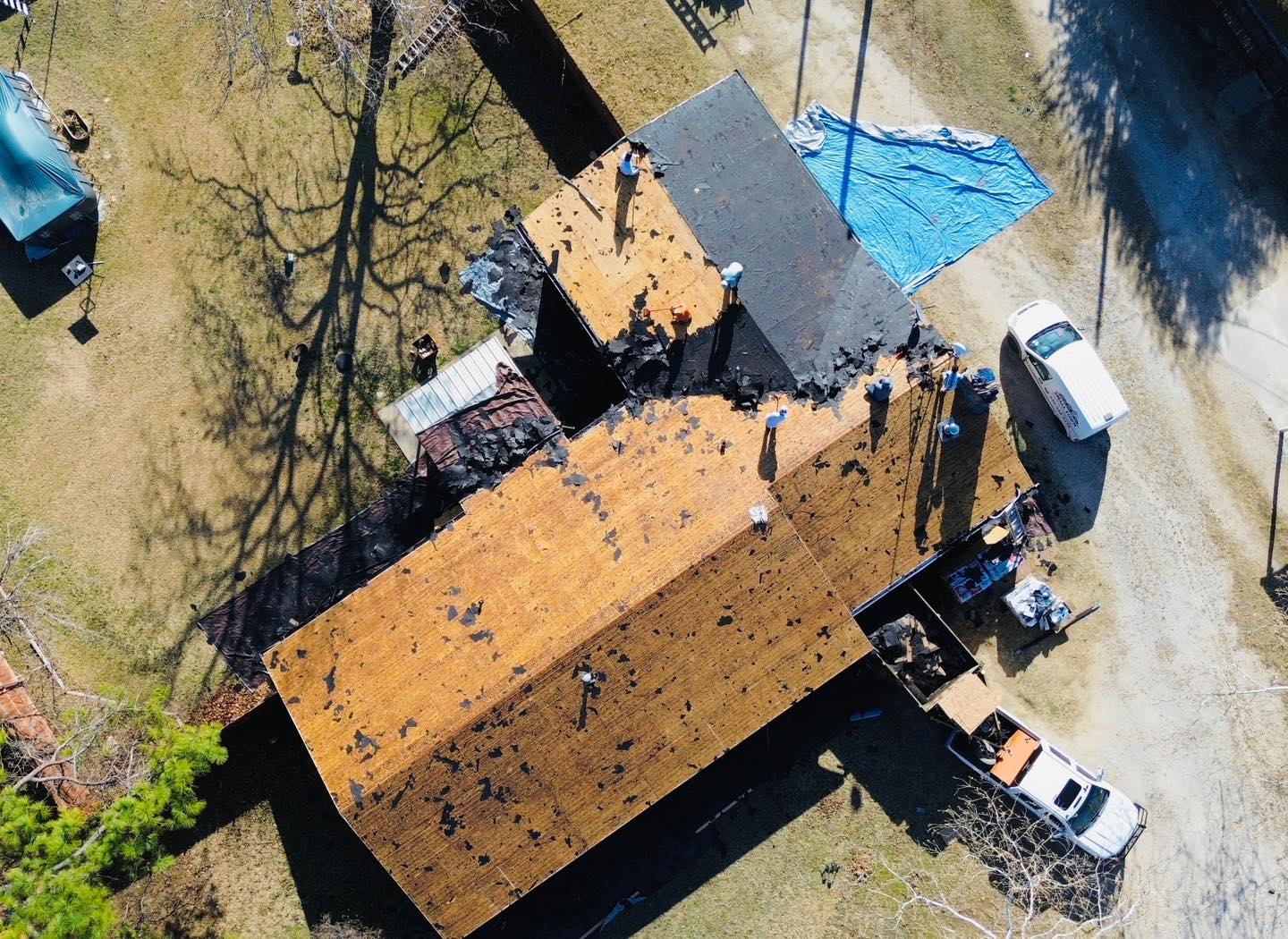
Before installing new asphalt shingles, contractors inspect the deck carefully for signs of moisture damage, rot, structural weakness, or loose panels. Damaged decking reduces the effectiveness of the roofing system while increasing the likelihood of future repairs.
A clean, dry roof deck also supports proper installation of underlayment and other roofing materials. Moisture trapped beneath the roofing system can reduce insulation performance while contributing to wood deterioration over time.
Flat, even decking improves shingle alignment and creates consistent contact between roofing layers. Uneven surfaces may interfere with shingle installation while reducing the overall appearance and performance of the completed roof.
Roof deck preparation may also include sealing certain joints or repairing structural components before new roofing materials are installed. These improvements strengthen the foundation upon which the energy efficient roofing system will operate.
Although homeowners rarely see the roof deck after installation, careful preparation contributes significantly to the durability, efficiency, and long term reliability of the finished roof.
Importance of Proper Shingle Installation Techniques
Selecting energy efficient shingles alone does not guarantee improved thermal performance. Installation quality remains equally important because every roofing component must function together according to manufacturer specifications.
Correct shingle alignment helps maintain consistent roof coverage while supporting effective water drainage. Misaligned shingles may create unnecessary gaps that reduce weather protection and affect the roof’s overall appearance.
Proper nailing techniques also contribute to energy performance. Securely fastened shingles remain stable during changing weather conditions, allowing reflective surfaces and overlapping layers to function as intended throughout the roof’s lifespan.
Manufacturers specify approved installation procedures for every roofing product. These recommendations include fastening patterns, overlap dimensions, starter shingle placement, ridge installation, and flashing details designed to maximize performance.
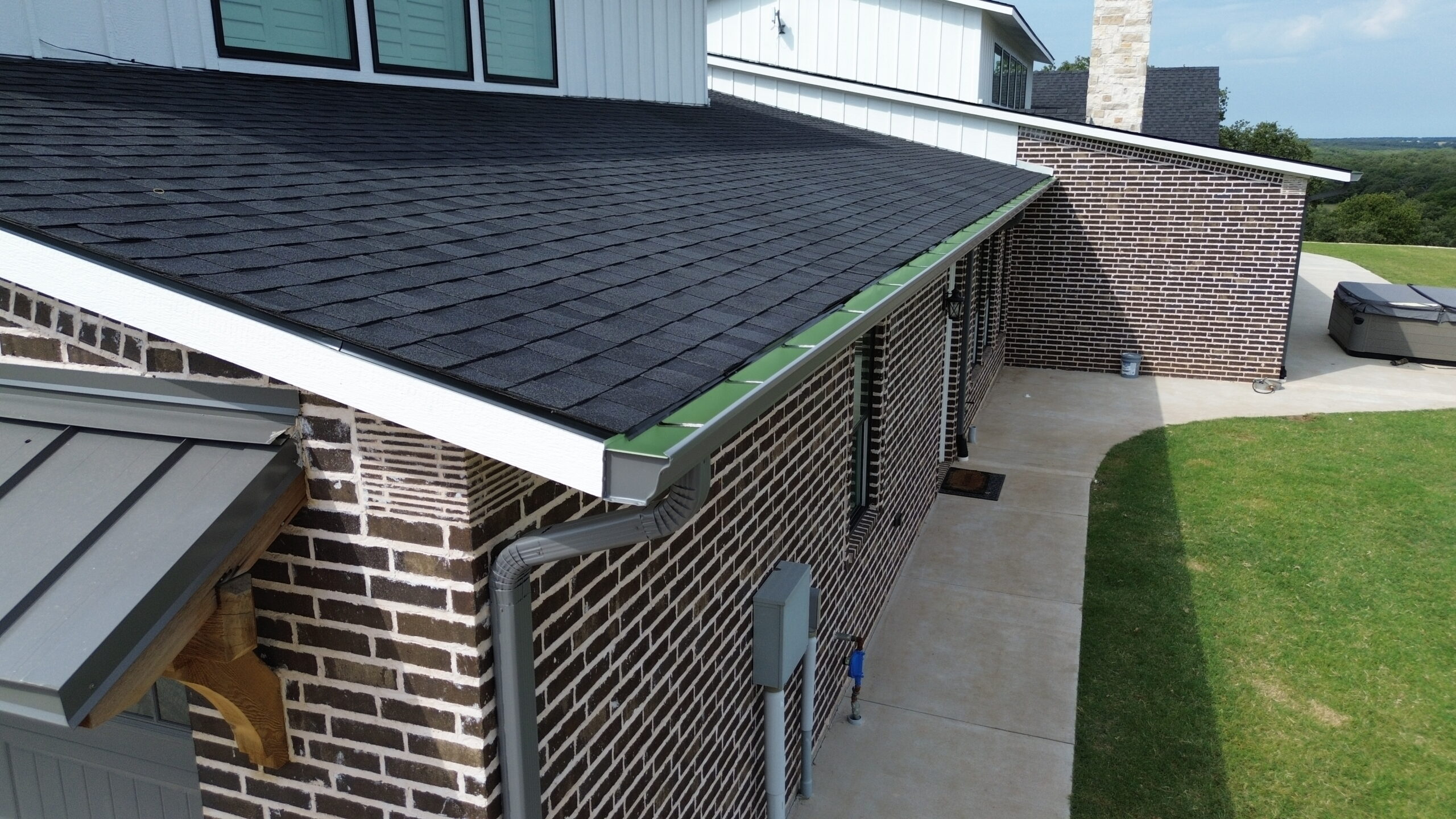
Roof penetrations deserve particular attention during installation. Chimneys, skylights, plumbing vents, and roof valleys require careful flashing and sealing to maintain both weather resistance and thermal efficiency.
Professional installation also helps preserve manufacturer warranty coverage. Following approved installation methods ensures the roofing system performs according to its published specifications while supporting long term durability.
Climate Considerations When Installing Energy Efficient Roofs
Climate influences nearly every decision involved in selecting and installing an energy efficient asphalt roof. Roofing systems that perform exceptionally well in one region may require different design considerations elsewhere because weather conditions vary significantly.
Homes located in hot climates benefit from highly reflective shingles that reduce solar heat absorption throughout long summer seasons. Lower roof temperatures help reduce attic heat while decreasing cooling demands inside the home.
Cold climate regions may prioritize insulation and moisture management because retaining indoor heat becomes more important during extended winters. Ventilation remains essential to prevent condensation while supporting overall roof health.
Humid climates require particular attention to ventilation because excessive moisture accumulation may reduce insulation performance while increasing the risk of mold and wood deterioration.
Coastal environments present additional challenges including salt exposure, strong winds, and high humidity. Roofing materials selected for these areas should combine energy efficiency with enhanced durability and corrosion resistance.
Mountain regions often experience significant daily temperature fluctuations. Roofing systems in these locations benefit from durable materials capable of tolerating repeated expansion and contraction while maintaining efficient thermal performance.
Rather than selecting roofing products based solely on marketing claims, homeowners should consider how local climate conditions influence long term energy performance.
Comparing Standard and Energy Efficient Asphalt Roofing Systems
Understanding the differences between conventional roofing systems and energy efficient alternatives helps homeowners evaluate potential benefits before making a final decision.
Traditional asphalt roofing systems provide dependable weather protection but generally absorb more solar heat than reflective roofing products. Increased heat absorption often results in warmer attic temperatures and greater cooling demands during summer.
Energy efficient roofing systems incorporate multiple technologies that improve thermal performance. Reflective shingles, improved underlayment, balanced ventilation, quality insulation, and proper installation all contribute to reducing unwanted heat transfer.
The following table compares several important characteristics of standard and energy efficient asphalt roofing systems.
| Roofing Feature | Standard Asphalt Roof | Energy Efficient Asphalt Roof |
|---|---|---|
| Solar Heat Reflection | Moderate | High |
| Roof Surface Temperature | Higher | Lower |
| Cooling Energy Demand | Higher | Lower |
| Reflective Granules | Basic | Advanced Reflective Technology |
| Ventilation Design | Standard | Optimized Airflow |
| Underlayment | Conventional | High Performance Options |
| Indoor Comfort | Good | Improved Temperature Stability |
| Long Term Energy Savings | Limited | Greater Potential Savings |
Although initial installation costs may differ, homeowners should evaluate total long term value rather than focusing solely on purchase price. Reduced utility expenses and improved comfort often contribute significantly to overall return on investment.
Balancing Energy Efficiency with Roofing Costs
Many homeowners naturally compare roofing options based on upfront installation expenses. While cost remains an important consideration, evaluating only the initial investment may overlook meaningful long term benefits.
Energy efficient asphalt roofing products often require a modest increase in material costs compared with standard shingles. However, lower cooling expenses, improved indoor comfort, and enhanced roof durability may offset these additional costs throughout the roof’s lifespan.
Maintenance expenses should also be considered. High quality roofing systems designed for improved thermal performance frequently incorporate durable materials that resist weather related deterioration more effectively than basic alternatives.
The expected length of home ownership also influences value. Homeowners planning to remain in their property for many years generally have greater opportunities to benefit from cumulative energy savings.
Even homeowners planning to sell may gain advantages from energy efficient roofing. Modern buyers increasingly value homes featuring improved energy performance, making upgraded roofing systems an attractive selling point in many housing markets.
Preparing for Maximum Energy Performance
Creating an energy efficient asphalt roof requires more than choosing advanced shingles. Every roofing component, from the roof deck to the ventilation system, contributes to overall thermal performance. Success depends on viewing the roof as a complete system rather than a collection of individual products.
Professional planning helps ensure insulation, ventilation, underlayment, air sealing, and roofing materials work together effectively. Careful coordination prevents one component from limiting the performance of another while maximizing long term efficiency.
Combining Asphalt Roofing with Other Energy Efficient Upgrades
An energy efficient asphalt roof delivers the greatest benefits when it works together with other energy saving improvements throughout the home. While reflective shingles reduce solar heat absorption, additional upgrades further improve indoor comfort and lower heating and cooling costs.
One of the most effective improvements is upgrading attic insulation. Even the best roofing materials cannot prevent every form of heat transfer, so quality insulation provides an essential second layer of thermal protection. Together, reflective roofing and adequate insulation significantly reduce the amount of heat entering living spaces.
Modern windows also complement an energy efficient roof. Energy efficient windows reduce unwanted heat gain during summer while limiting indoor heat loss during winter. Combining both improvements creates a more balanced indoor environment and reduces strain on heating and cooling systems.
Air sealing is another valuable upgrade. Sealing gaps around attic access points, electrical penetrations, plumbing vents, and ductwork reduces unwanted air leakage, allowing the home’s heating and cooling systems to operate more efficiently.
Smart thermostats can also increase the value of an energy efficient roofing system. By automatically adjusting indoor temperatures based on occupancy and daily schedules, these devices reduce unnecessary energy consumption while maintaining comfort.
Homeowners interested in renewable energy may also consider installing solar panels. A well designed asphalt roofing system provides a durable foundation that supports rooftop solar installations while contributing to improved overall energy performance.
Rather than viewing roofing as a separate improvement, homeowners achieve the greatest long term benefits when multiple energy efficient upgrades work together as a complete building system.
Cost vs Long Term Energy Savings
Many homeowners hesitate to invest in energy efficient roofing because they focus primarily on the initial installation cost. While reflective shingles and upgraded roofing components may increase project expenses, evaluating long term value provides a more accurate picture of the investment.
Lower cooling costs represent one of the most immediate financial benefits. By reducing heat absorption and lowering attic temperatures, energy efficient roofing systems decrease the workload placed on air conditioning equipment during warm weather.
Reduced energy consumption also contributes to lower monthly utility bills. Although savings vary according to climate, home size, insulation quality, and local energy prices, many homeowners experience noticeable reductions in cooling expenses over time.
Improved roof durability provides another financial advantage. Roofing materials exposed to lower operating temperatures often experience less thermal stress, helping preserve their appearance and performance throughout their expected lifespan.
Longer equipment life may also contribute to savings. Heating and cooling systems that operate less frequently generally experience reduced wear, potentially extending service life while lowering maintenance requirements.
Property value should also be considered. Energy efficient features continue attracting buyers seeking lower operating costs and environmentally responsible homes. A modern roofing system designed for improved thermal performance may strengthen overall market appeal.
Instead of viewing energy efficient roofing solely as an additional expense, homeowners should consider it a long term investment that delivers financial and practical benefits throughout the roof’s lifetime.
Maintenance Practices That Preserve Energy Efficiency
Even the most advanced roofing system requires routine maintenance to maintain its energy saving performance. Proper care helps preserve reflective properties, protect roofing components, and extend the useful life of the entire roofing system.
Regular roof inspections allow homeowners to identify damaged shingles, loose flashing, clogged ventilation openings, or other issues before they affect overall performance. Addressing small problems early often prevents larger repairs later.
Keeping gutters clean also supports roof efficiency. Proper drainage prevents water accumulation that may damage roofing materials or reduce the effectiveness of moisture management systems.
Tree branches hanging over the roof should be trimmed when appropriate. Excessive shade may encourage moss growth in certain climates, while falling branches and accumulated debris may damage roofing materials or block ventilation openings.
Roof surfaces should also remain reasonably clean. Dirt, leaves, and organic debris may reduce the effectiveness of reflective shingles by covering their specialized surface granules. Gentle cleaning methods recommended by roofing manufacturers help preserve both appearance and performance.
Attic inspections are equally important. Homeowners should periodically verify that insulation remains evenly distributed and that ventilation pathways remain unobstructed. Proper attic conditions support the long term efficiency of the roofing system.
Routine maintenance requires relatively little time but provides significant long term benefits by preserving energy performance and reducing the likelihood of premature roofing repairs.
Common Installation Mistakes That Reduce Efficiency
Energy efficient roofing products cannot perform as intended if installation mistakes compromise the overall roofing system. Understanding these common errors helps homeowners appreciate the importance of qualified professional installation.
One frequent mistake involves inadequate attic ventilation. Even highly reflective shingles cannot compensate for trapped attic heat if intake and exhaust ventilation are improperly balanced or blocked during installation.
Another common issue is insufficient insulation. Homeowners sometimes invest in premium roofing materials while overlooking outdated or compressed attic insulation that limits overall energy performance.
Improper underlayment installation may also reduce roofing effectiveness. Wrinkled, damaged, or poorly installed underlayment can interfere with moisture management while reducing the durability of the complete roofing system.
Incorrect shingle installation represents another concern. Poor alignment, improper nailing, or inadequate flashing installation may create opportunities for water intrusion while affecting long term roof performance.
Ignoring air sealing opportunities during roof replacement also reduces potential energy savings. Open gaps around penetrations allow conditioned indoor air to escape, increasing heating and cooling demands throughout the year.
Finally, selecting roofing materials without considering local climate may reduce expected efficiency gains. Roofing products should always be matched to regional weather conditions rather than chosen solely based on appearance or price.
Avoiding these installation mistakes helps homeowners receive the full benefit of their energy efficient roofing investment.
Choosing the Right Contractor for Energy Efficient Installation
Selecting qualified roofing professionals is just as important as choosing high quality roofing materials. Experienced contractors understand how every roofing component contributes to overall energy performance and install each element according to manufacturer recommendations.
Homeowners should begin by verifying that contractors have experience installing energy efficient asphalt roofing systems rather than assuming all roofing companies provide identical expertise. Specialized knowledge often improves both installation quality and long term roof performance.
Contractors should also demonstrate familiarity with ventilation design, insulation coordination, underlayment selection, flashing installation, and local building code requirements. These factors all influence the efficiency of the completed roofing system.
Before hiring a contractor, homeowners should ask several important questions:
- Which energy efficient shingle options do you recommend for this climate?
- How will attic ventilation be evaluated during the project?
- Will the existing roof deck and insulation be inspected?
- Which underlayment products will be installed?
- Do you follow manufacturer installation guidelines for energy efficient roofing systems?
- What warranties apply to both materials and workmanship?
Clear communication before installation reduces misunderstandings while helping homeowners understand exactly how the roofing system will be constructed.
Choosing an experienced contractor increases confidence that every component of the roofing system will contribute effectively to improved energy performance.
Signs Your Existing Roof Is Reducing Energy Performance
Many homeowners do not recognize that their current roof may already be contributing to unnecessary energy loss. Identifying these warning signs helps determine whether roof replacement or roofing improvements may be beneficial.
High summer cooling bills often represent one of the first indicators. Although many factors influence utility costs, excessive attic heat caused by aging roofing materials or poor ventilation frequently increases air conditioning demand.
Uneven indoor temperatures also suggest roofing related efficiency problems. Rooms located directly beneath the attic may become noticeably warmer than lower levels if excessive roof heat enters the living space.
Aging or damaged shingles may lose some of their original reflective properties over time. Surface deterioration, granule loss, and weathering reduce the roof’s ability to reflect sunlight effectively.
Poor attic ventilation provides another warning sign. Hot, stagnant attic air during summer often indicates inadequate airflow that limits the performance of both insulation and roofing materials.
Visible insulation problems may also reduce roof efficiency. Compressed, missing, or uneven insulation allows heat to move more freely between the attic and living areas.
Repeated roofing repairs can also signal declining performance. When multiple roofing components begin reaching the end of their service life simultaneously, replacing the complete roofing system often provides better long term value than continuing isolated repairs.
Recognizing these warning signs allows homeowners to plan roofing improvements before energy costs increase further.
Final Checklist Before Installing an Energy Efficient Asphalt Roof
A structured checklist helps homeowners verify that every important decision has been addressed before installation begins. Careful planning supports better roofing performance while reducing the likelihood of overlooked details.
Before approving the project, confirm the following:
- Reflective asphalt shingles are appropriate for the local climate.
- The roofing contractor has evaluated attic ventilation.
- Existing insulation has been inspected for adequate coverage.
- High quality underlayment has been included in the project.
- Air sealing opportunities have been identified where appropriate.
- Roofing materials meet manufacturer recommendations.
- Flashing and ventilation components are included in the estimate.
- Roof deck repairs have been completed if necessary.
- Material and workmanship warranties have been reviewed.
- The complete roofing system has been designed for long term energy efficiency.
Reviewing these items before installation helps homeowners make informed decisions while improving confidence in the finished roofing project.
Future Innovations in Energy Efficient Asphalt Roofing
Roofing technology continues evolving as manufacturers develop products capable of delivering even greater energy performance without compromising durability or appearance. These innovations are expanding the role of asphalt roofing within energy efficient residential construction.
Researchers continue improving reflective granule technology to increase solar reflectance while maintaining a broad range of attractive roofing colors. Homeowners therefore gain greater flexibility when balancing aesthetics with thermal performance.
Manufacturers are also developing stronger asphalt formulations that better tolerate repeated temperature fluctuations while maintaining long term durability. Improved material stability contributes to longer roof life and reduced maintenance requirements.
Advanced underlayments, ventilation products, and integrated roofing systems continue supporting overall building efficiency. Rather than improving individual components separately, manufacturers increasingly design roofing systems that function together as coordinated assemblies.
Digital technology is also influencing roofing. Improved thermal imaging, drone inspections, and energy performance analysis help contractors evaluate existing roofs more accurately while identifying opportunities for greater efficiency.
As building standards continue emphasizing sustainability, asphalt roofing will likely remain an important option because it combines affordability, proven durability, and continuously improving energy performance.
Conclusion
Energy efficient asphalt roof installation involves much more than selecting reflective shingles. A complete roofing system combines high performance roofing materials, proper ventilation, quality insulation, advanced underlayment, careful air sealing, and professional installation to reduce heat transfer and improve indoor comfort. When these components work together, homeowners benefit from lower cooling demands, improved temperature stability, and greater long term roof performance.
Modern asphalt roofing technology has transformed traditional roofing into an effective energy saving solution suitable for many different climates and architectural styles. Reflective granules, cool roof technology, improved installation practices, and coordinated roofing systems allow homeowners to enjoy greater energy efficiency without sacrificing durability or curb appeal.
Investing in an energy efficient asphalt roof is ultimately an investment in the home’s future. Reduced utility costs, enhanced comfort, longer lasting roofing materials, and increased property value all contribute to long term financial and practical benefits. By carefully selecting quality materials and experienced roofing professionals, homeowners can create a roofing system that protects the home while supporting energy efficiency for many years to come.