
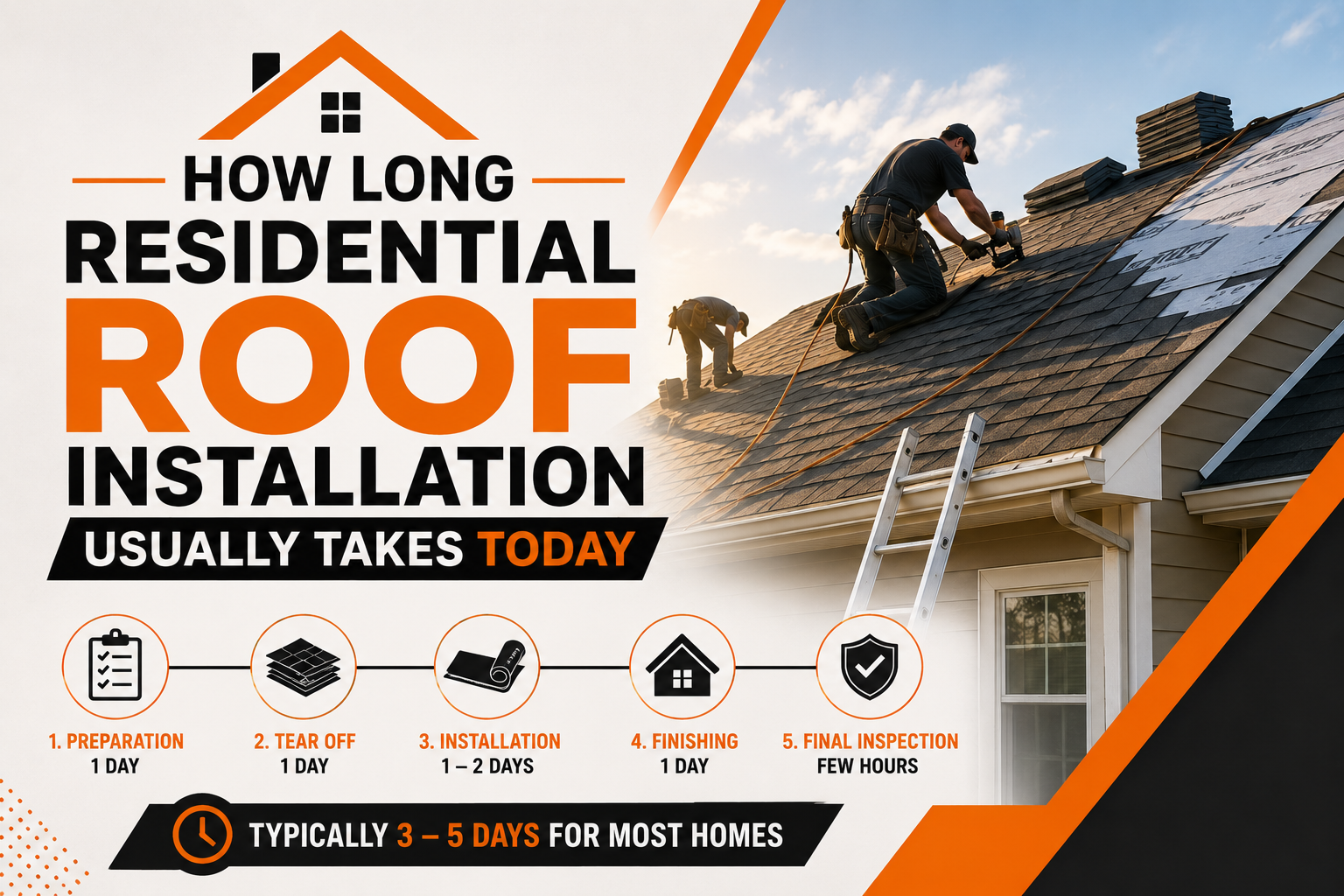
How Long Residential Roof Installation Usually Takes Today
Introduction
One of the first questions homeowners ask before starting a roofing project is how long the installation will take. Whether the roof is being installed on a newly constructed home or as part of a major residential building project, understanding the expected timeline helps homeowners plan more effectively. Knowing what happens during each stage also reduces uncertainty while allowing everyone involved to prepare for construction activities.
Residential roof installation is much more than attaching shingles or metal panels to the top of a house. Contractors build a complete roofing system consisting of structural decking, underlayment, waterproof barriers, flashing, ventilation components, and the finished roofing material. Every stage depends on the previous one, making careful scheduling essential for achieving quality workmanship.
Although many residential roof installations can be completed within several days under favorable conditions, the exact timeline varies from one project to another. Roof size, design complexity, material selection, weather conditions, crew size, and inspection requirements all influence the overall duration. Projects involving larger homes or premium roofing materials naturally require additional time compared to smaller, simpler structures.
Homeowners sometimes expect roofing work to progress at the same speed every day. In reality, some stages move quickly while others require careful attention to detail. Contractors may also pause work temporarily because of unfavorable weather or to allow inspections before continuing with the next phase.
Understanding these factors helps homeowners develop realistic expectations while appreciating the planning required to complete a durable roofing system. Rather than focusing only on the final completion date, it becomes easier to understand why each stage contributes to the roof’s long term performance.
This guide explains how long residential roof installation usually takes today and examines the factors that influence project timelines. By understanding each phase of the process, homeowners can better prepare for construction while recognizing why professional roofing projects prioritize quality over speed.
Why Roof Installation Timelines Matter
The timeline for a residential roof installation affects more than just the construction schedule. It influences budgeting, coordination with other building activities, homeowner expectations, and even the overall quality of the finished roofing system. Establishing a realistic schedule before work begins allows everyone involved to plan effectively while reducing unnecessary stress.
For homeowners building a new residence, roofing often represents a major milestone in the overall construction process. Once the roof is installed, interior work such as electrical installation, plumbing, insulation, drywall, and flooring can proceed with greater protection from changing weather conditions. Delays in roofing may therefore influence several other construction activities.
Roof installation timelines also help contractors organize labor and material deliveries efficiently. Roofing materials should arrive when they are needed rather than remaining exposed to weather or occupying unnecessary storage space on the construction site. Careful scheduling reduces handling while improving project organization.
A realistic timeline also allows homeowners to understand why certain delays may occur. Weather interruptions, material inspections, and quality checks are normal parts of professional roofing work rather than signs of poor planning. Recognizing this distinction helps reduce frustration if the project takes slightly longer than originally anticipated.
Most importantly, a well planned schedule gives contractors enough time to complete each installation stage correctly. Rushing through structural inspections, waterproofing, flashing installation, or ventilation details may compromise the long term performance of the roofing system. Quality workmanship always benefits from realistic scheduling.
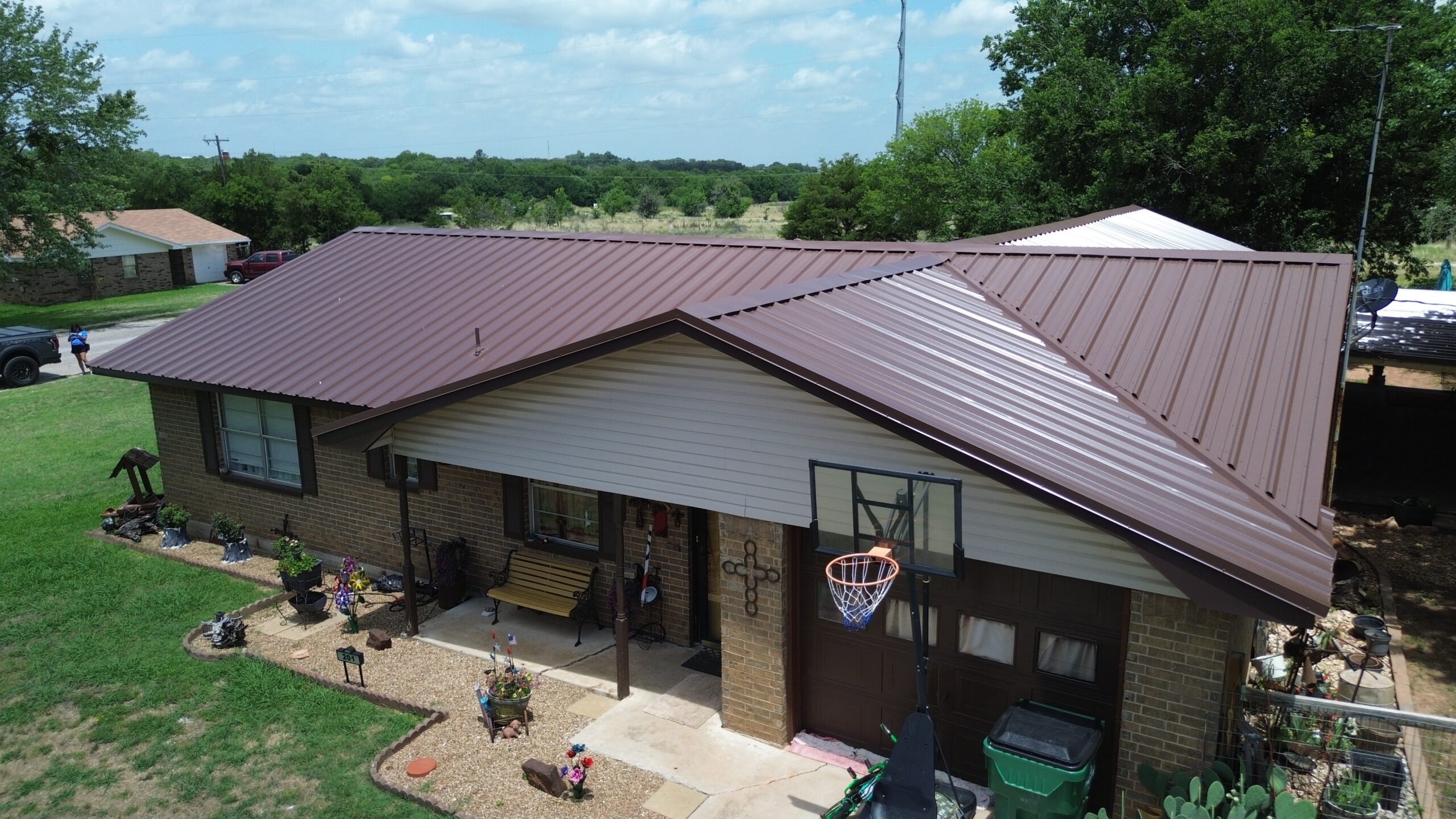
Average Time Required for Residential Roof Installation
Many homeowners hope for a simple answer regarding roof installation timelines, but the reality is that every project differs. While some residential roofing systems can be completed relatively quickly, others require considerably more time because of design complexity or specialized materials.
For an average single family home with a straightforward roof design, installation often takes several working days under favorable weather conditions. This estimate assumes that roof framing and decking have already been completed and that no unexpected structural issues are discovered before roofing begins.
Larger homes naturally require additional time because more roofing materials must be installed across a greater surface area. Complex architectural features such as dormers, intersecting rooflines, skylights, multiple valleys, and decorative elements also increase installation time because they require additional cutting, flashing, and detailed workmanship.
The choice of roofing material has a significant influence on project duration as well. Asphalt shingles generally allow faster installation than heavier materials such as slate or clay tile, which require more precise placement and additional structural considerations.
Weather conditions also affect the timeline. Roofing contractors may temporarily suspend work during heavy rain, high winds, lightning, or other unsafe conditions. These pauses help protect workers while ensuring roofing materials are installed according to manufacturer recommendations.
Instead of expecting every project to follow the same schedule, homeowners should understand that professional contractors develop timelines based on the specific requirements of each home.
Factors That Influence Installation Duration
Residential roof installation timelines depend on a combination of construction, environmental, and organizational factors. Understanding these influences helps homeowners appreciate why some roofing projects progress more quickly than others.
Roof size is one of the most obvious considerations. Larger roof surfaces require additional materials, more labor, and longer installation times. Even with experienced crews, covering a greater area naturally involves more work.
Roof complexity also plays an important role. Simple gable roofs generally require less installation time than homes featuring multiple valleys, hips, dormers, skylights, or intersecting roof sections. Every architectural feature requires additional flashing, waterproofing, and careful material fitting.
Material selection influences installation speed as well. Lightweight asphalt shingles can often be installed more quickly than slate, clay tile, or concrete tile because heavier materials require greater precision and additional handling.
Crew size contributes to project duration, although adding workers does not always reduce installation time proportionally. Experienced contractors organize crews efficiently while maintaining safe working conditions and consistent quality throughout the project.
Inspection requirements may also affect scheduling. Building inspectors sometimes review structural framing, roof decking, or completed roofing work before contractors continue with later installation stages. Waiting for inspections occasionally extends project timelines but supports long term construction quality.
Finally, weather remains one of the most significant variables. Contractors monitor forecasts carefully and adjust schedules whenever conditions become unsuitable for safe or effective roofing installation.
Planning Before Roof Installation Begins
One of the best ways to keep a roofing project on schedule is through careful planning before installation begins. Proper preparation reduces delays while helping contractors complete each stage efficiently without sacrificing workmanship.
Planning starts with reviewing architectural drawings and roofing specifications. Contractors verify roof dimensions, slopes, ventilation layouts, flashing locations, and selected roofing materials before ordering supplies. Identifying potential concerns early prevents unnecessary interruptions during construction.
Material ordering is another important planning step. Roofing products should arrive before installation begins but not so early that they remain exposed to unnecessary weather or accidental damage. Coordinating deliveries with the construction schedule improves organization while reducing handling.
Labor scheduling also deserves careful attention. Roofing crews should be available when framing and roof decking have been completed so installation can begin promptly. Delays between construction stages may expose unfinished structures to changing weather conditions.
Contractors also develop contingency plans for unexpected situations such as weather delays or temporary material shortages. Having alternative schedules prepared allows projects to continue smoothly even if original plans require adjustment.
Effective planning creates a strong foundation for every stage of roof installation while helping contractors respond quickly when unexpected situations arise.
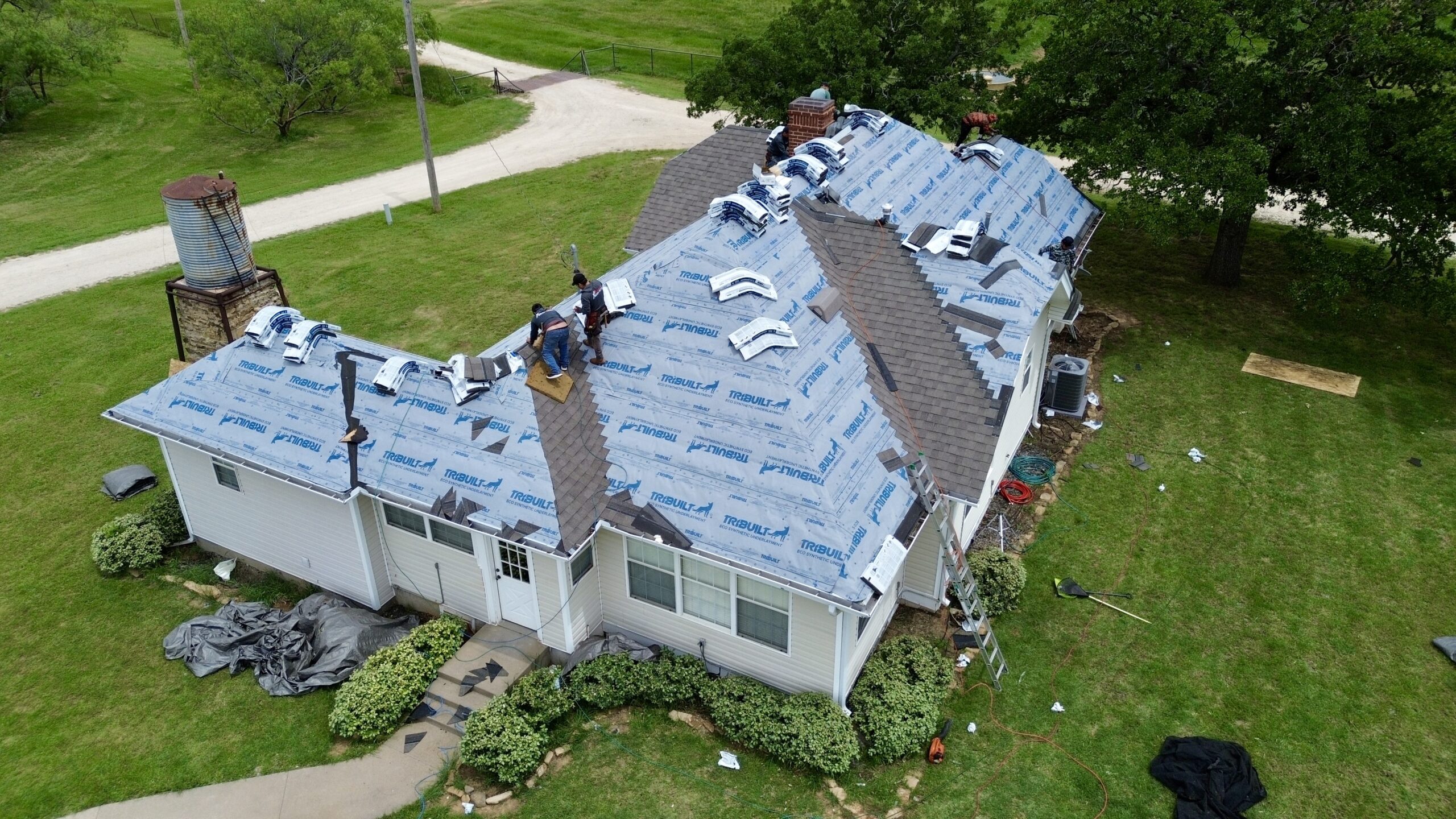
Preparing the Roof Structure and Materials
Before roofing materials are installed, contractors spend valuable time preparing both the roof structure and the construction site. Although homeowners may not immediately recognize these activities as part of the installation timeline, they contribute significantly to project quality.
The roof framing is inspected first to confirm that rafters or trusses have been installed correctly. Contractors verify alignment, structural stability, and compliance with construction plans before proceeding with roof decking inspections.
Roof decking is then examined carefully. Panels should be securely fastened, evenly aligned, and free from damage before underlayment installation begins. Correcting structural concerns at this stage prevents larger problems after roofing materials have been installed.
Roofing materials are also inspected upon delivery. Contractors verify product quantities, check for transportation damage, and organize materials according to the planned installation sequence. Proper preparation reduces unnecessary movement across the worksite while improving efficiency.
Construction equipment, ladders, scaffolding, fall protection systems, and material lifting equipment are positioned before active roofing work begins. Organizing these resources early allows installation to proceed more smoothly throughout the project.
Although preparation requires additional time before visible roofing materials appear, it contributes directly to installation quality and overall project efficiency.
Weather and Seasonal Impacts on Project Timelines
Weather influences nearly every aspect of residential roof installation. Because roofing work takes place outdoors, changing environmental conditions affect both worker safety and installation quality throughout the project.
Rain represents one of the most common causes of roofing delays. Exposed roof decking should remain dry before waterproof barriers are installed, making temporary work stoppages necessary whenever rainfall occurs. Contractors resume installation only after surfaces have dried sufficiently.
Strong winds create additional scheduling challenges. Lightweight materials such as underlayment and flashing become difficult to position accurately during windy conditions, while worker safety also becomes a greater concern. Delaying installation often produces better long term results.
Temperature also affects roofing work. Extremely hot weather may require additional hydration breaks for workers, while certain roofing materials become softer and require careful handling. Cold weather presents different challenges because adhesives and roofing products may respond differently at lower temperatures.
Seasonal demand can also influence scheduling before installation even begins. Roofing contractors often experience increased workloads during favorable weather seasons, making advance scheduling important for homeowners planning new construction.
Rather than viewing weather related delays as inconveniences, homeowners should recognize that these adjustments protect both installation quality and worker safety.
Setting Realistic Expectations for Homeowners
Understanding residential roof installation timelines helps homeowners approach construction with confidence rather than unrealistic expectations. Every roofing project follows its own schedule based on the home’s design, selected materials, weather conditions, and quality requirements.
Professional roofing contractors focus on completing each stage correctly rather than simply finishing as quickly as possible. Structural inspections, waterproofing, flashing installation, ventilation systems, and quality control all require careful attention because they influence the roof’s long term performance.
Homeowners should also expect occasional adjustments during construction. Material deliveries, inspections, weather changes, and minor structural corrections are all normal aspects of professional roofing work. These temporary delays often contribute to a stronger and more reliable finished roofing system.
Maintaining open communication with the contractor throughout the project also improves the overall experience. Regular updates regarding progress, scheduling changes, and upcoming installation stages help homeowners understand how the project is advancing while reducing uncertainty.
By approaching the roofing timeline with realistic expectations, homeowners can better appreciate the craftsmanship involved in building a complete residential roofing system.
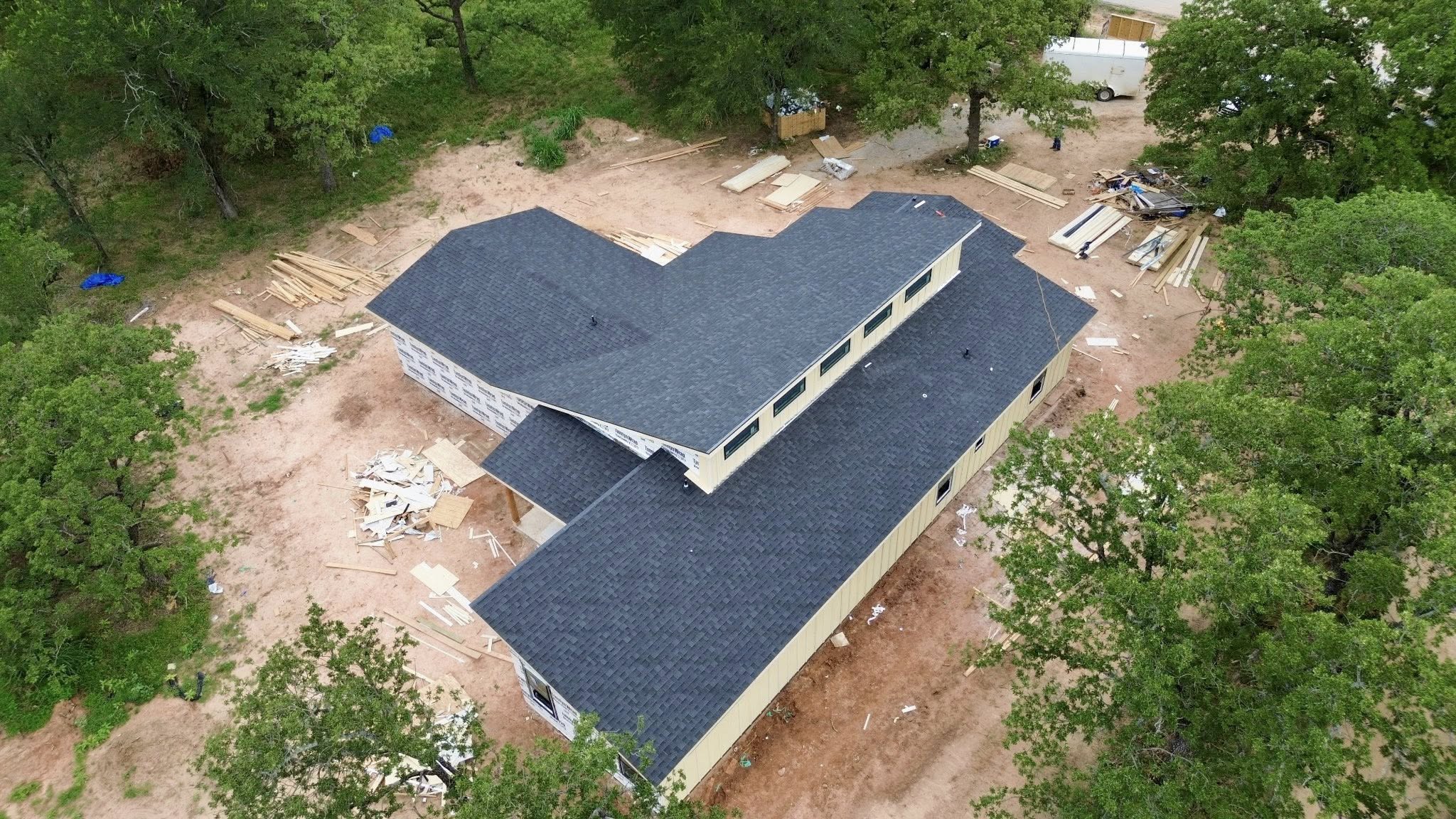
Roof Deck Inspection and Preparation
Once the roof framing has been completed, the first major stage of the roofing process is preparing the roof deck. Although homeowners often focus on the visible roofing materials, contractors understand that the quality of the finished roof depends heavily on the condition of the structure beneath it.
The roof deck is carefully inspected to ensure all panels are securely fastened and properly aligned. Contractors also check for damaged sections, loose fasteners, uneven surfaces, or moisture exposure that may have occurred before roofing installation began. Correcting these issues early prevents delays later in the project while improving the durability of the completed roofing system.
Cleaning the roof deck is another important task during this stage. Construction debris, wood fragments, dust, and loose nails should be removed before underlayment installation begins. A clean surface allows waterproof materials to lie flat while reducing the chance of hidden installation problems.
If repairs are required, additional time is added to the project schedule. Fortunately, identifying these concerns before installing roofing materials is far more efficient than correcting structural issues after the roof has been completed.
For homes where the roof deck has been constructed correctly, this preparation stage generally moves efficiently and provides a solid foundation for the remaining installation work.
Underlayment and Waterproof Barrier Installation
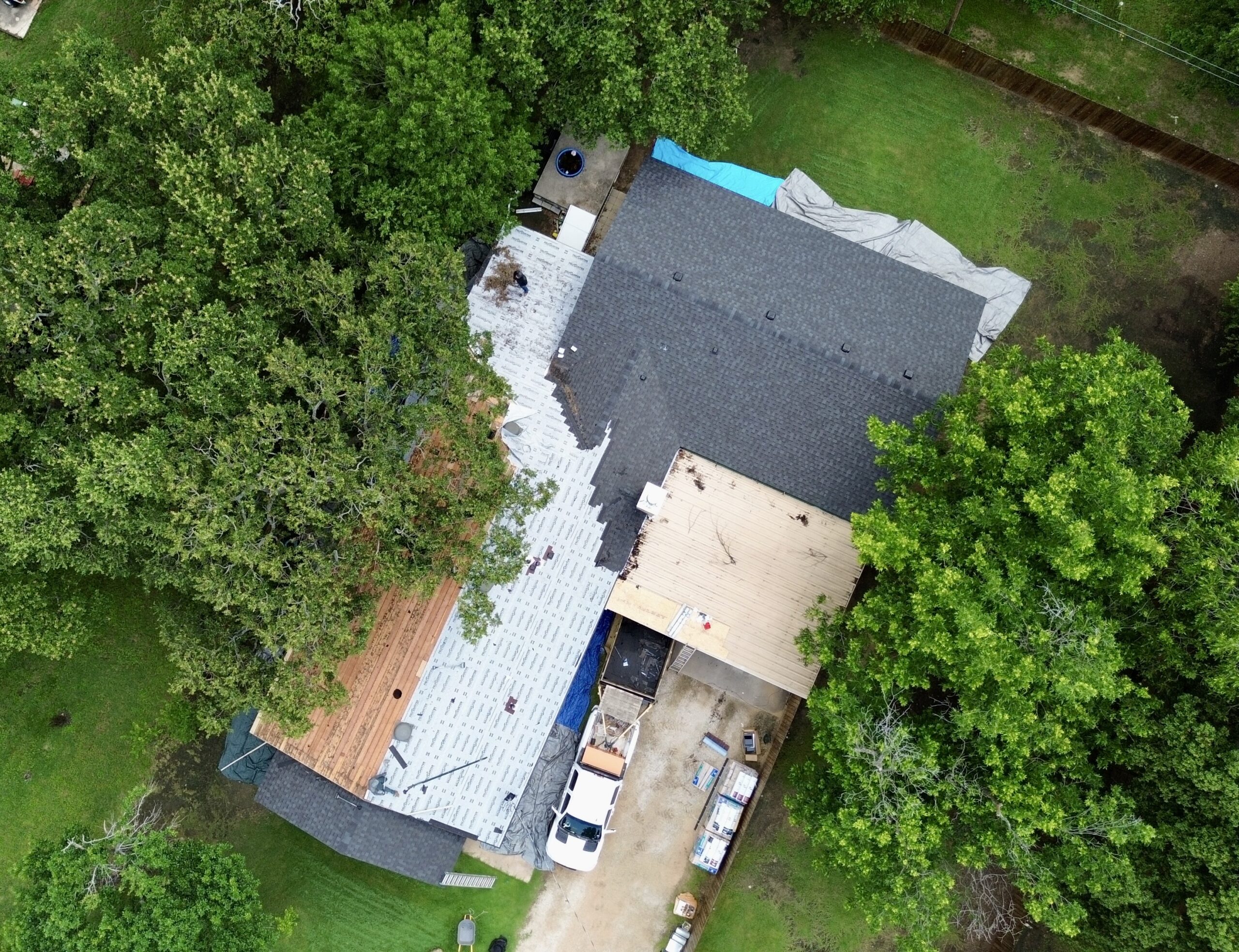
After the roof deck has been approved, contractors begin installing the underlayment. Although this layer remains hidden beneath the finished roofing material, it serves as one of the most important moisture protection systems within the roof.
Installation usually begins along the lower roof edge. Contractors carefully roll out the underlayment while ensuring each section overlaps correctly with the previous one. These overlapping layers help direct moisture safely down the roof rather than allowing water to reach the decking underneath.
Additional waterproof membranes are installed in locations where moisture protection is especially important. Roof valleys, eaves, chimneys, skylights, and plumbing vent areas receive extra attention because these sections experience greater exposure to rainwater.
Contractors inspect every completed section before moving forward. Wrinkles, tears, improper overlap, or exposed roof decking must be corrected immediately to ensure long term waterproof performance.
The time required for underlayment installation depends on roof size and complexity. Homes with multiple roof slopes or numerous penetrations naturally require more detailed work than simple roof designs.
Although this stage may not appear dramatic from the ground, it is one of the most important parts of the roofing schedule because it provides secondary protection beneath the visible roofing materials.
Flashing and Drip Edge Installation
With waterproof barriers in place, contractors begin installing drip edge and flashing components. These materials guide rainwater safely away from vulnerable areas while helping protect the roof from future leaks.
Drip edge installation usually begins around the roof perimeter. Each section overlaps the next according to manufacturer recommendations, creating a continuous pathway that directs water toward the gutter system.
Flashing installation requires greater precision because it protects roof penetrations and intersections. Chimneys, skylights, plumbing vents, dormers, roof valleys, and wall connections all require carefully fitted flashing to maintain reliable moisture protection.
Because flashing details vary according to roof design, this stage often requires more time on architecturally complex homes. Contractors measure, trim, and position flashing carefully while ensuring it integrates correctly with surrounding waterproof layers.
Each completed flashing section is inspected before roofing materials cover adjacent areas. Correcting flashing problems after the roof has been finished would require unnecessary disassembly, making careful inspection at this stage especially valuable.
Although flashing installation represents only one portion of the overall timeline, it plays a major role in determining the long term performance of the roofing system.
Installing the Main Roofing Material
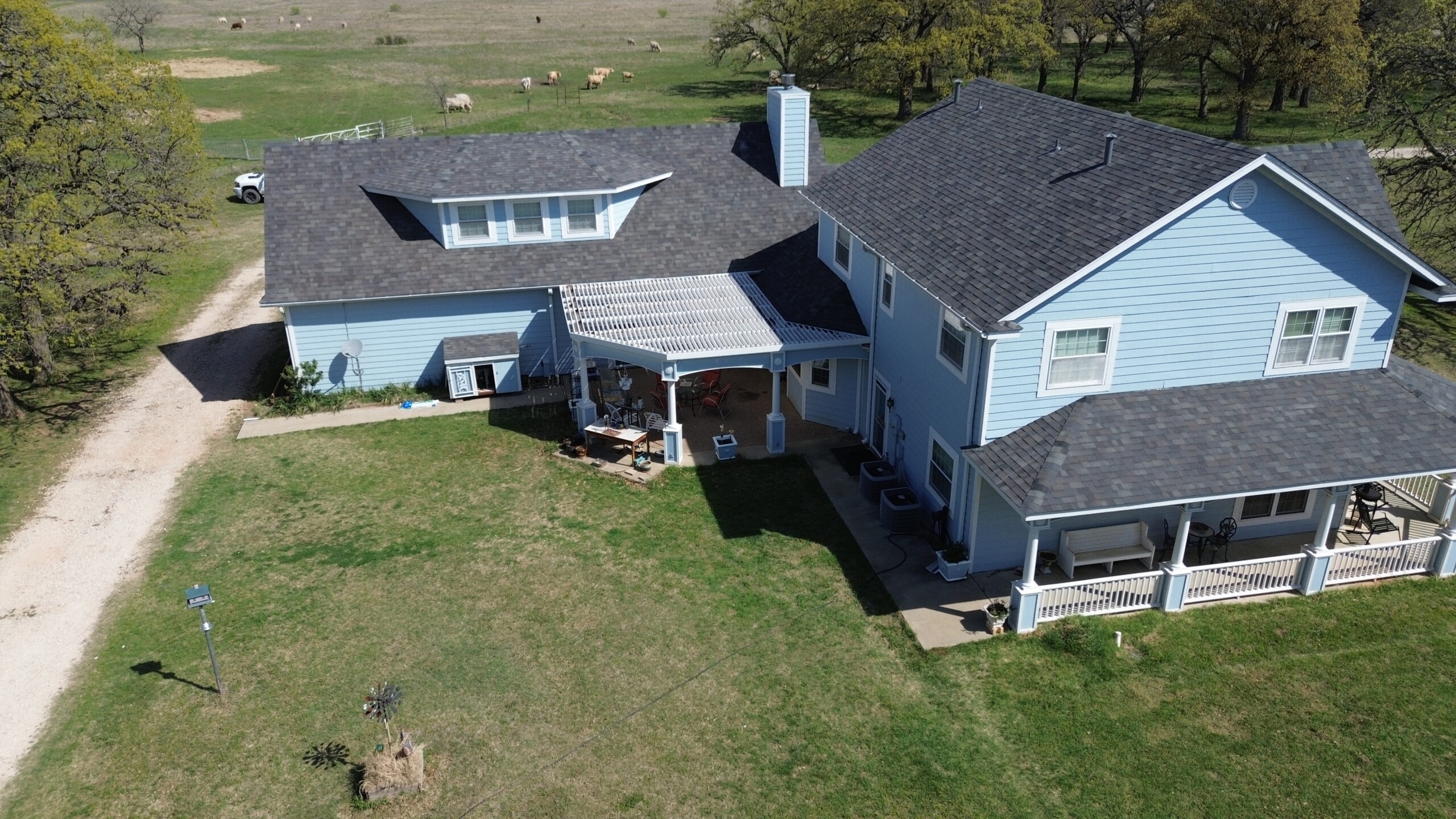
The installation of the primary roofing material is often the stage homeowners notice most because the roof quickly begins taking its finished appearance. Despite this visible progress, contractors continue following a structured process to maintain quality and consistency throughout the project.
Installation starts with starter strips positioned along roof edges. These components help improve wind resistance while supporting proper alignment of the first course of roofing material.
Contractors then install the main roofing product according to manufacturer guidelines. Whether using asphalt shingles, metal panels, tiles, or synthetic products, each row must maintain consistent spacing, proper overlap, and accurate fastening patterns.
Periodic quality inspections continue throughout this stage. Supervisors verify alignment, fastener placement, material condition, and overall appearance before allowing installation to continue across the remaining roof surface.
Roof design significantly affects installation speed. A simple roof with large uninterrupted slopes allows faster progress than homes featuring multiple valleys, dormers, skylights, or intersecting rooflines that require additional cutting and fitting.
Material type also influences the timeline. Asphalt shingles generally install more quickly than heavier materials such as slate or clay tile because they require less handling and fewer specialized installation techniques.
Although this stage often occupies the largest portion of the roofing schedule, contractors avoid rushing the work because proper installation directly affects both appearance and long term durability.
Roof Ventilation and Ridge Cap Installation
Once the primary roofing material has been installed, attention turns toward ventilation and ridge cap installation. These final roofing components improve both roof performance and the finished appearance of the home.
Proper attic ventilation begins with balanced airflow. Intake vents near the lower roof edge allow fresh air to enter, while ridge vents or other exhaust systems allow warm air to leave the attic naturally. Contractors inspect each ventilation component to ensure airflow remains unobstructed.
Ridge caps are then installed along the highest points of the roof. These specially designed components protect roof ridges from moisture while completing the finished roofing system. Proper alignment contributes to both appearance and weather resistance.
Ventilation inspections are performed before this stage concludes. Contractors confirm that insulation has not blocked airflow while ensuring ridge vents remain open throughout their entire length.
Although ridge cap installation may appear relatively simple, careful workmanship helps prevent future moisture problems while improving attic temperature regulation throughout the year.
Typical Time Required for Each Installation Stage
Every roofing project differs, but the following table provides a general overview of how installation time is commonly distributed across major roofing stages. Actual schedules vary according to roof size, weather, material selection, and project complexity.
| Installation Stage | Typical Time Required | Primary Activities |
|---|---|---|
| Roof Deck Inspection | Several hours to one day | Structural inspection and repairs |
| Underlayment Installation | Half day to one day | Moisture barrier installation |
| Flashing and Drip Edge | Half day to one day | Waterproof detailing |
| Roofing Material Installation | One to several days | Main roofing installation |
| Ventilation and Ridge Caps | Several hours | Airflow system completion |
| Final Inspection and Cleanup | Half day to one day | Quality review and site cleanup |
Rather than focusing only on total project duration, homeowners benefit from understanding how each stage contributes to the finished roofing system.
Common Delays That Affect Roofing Projects
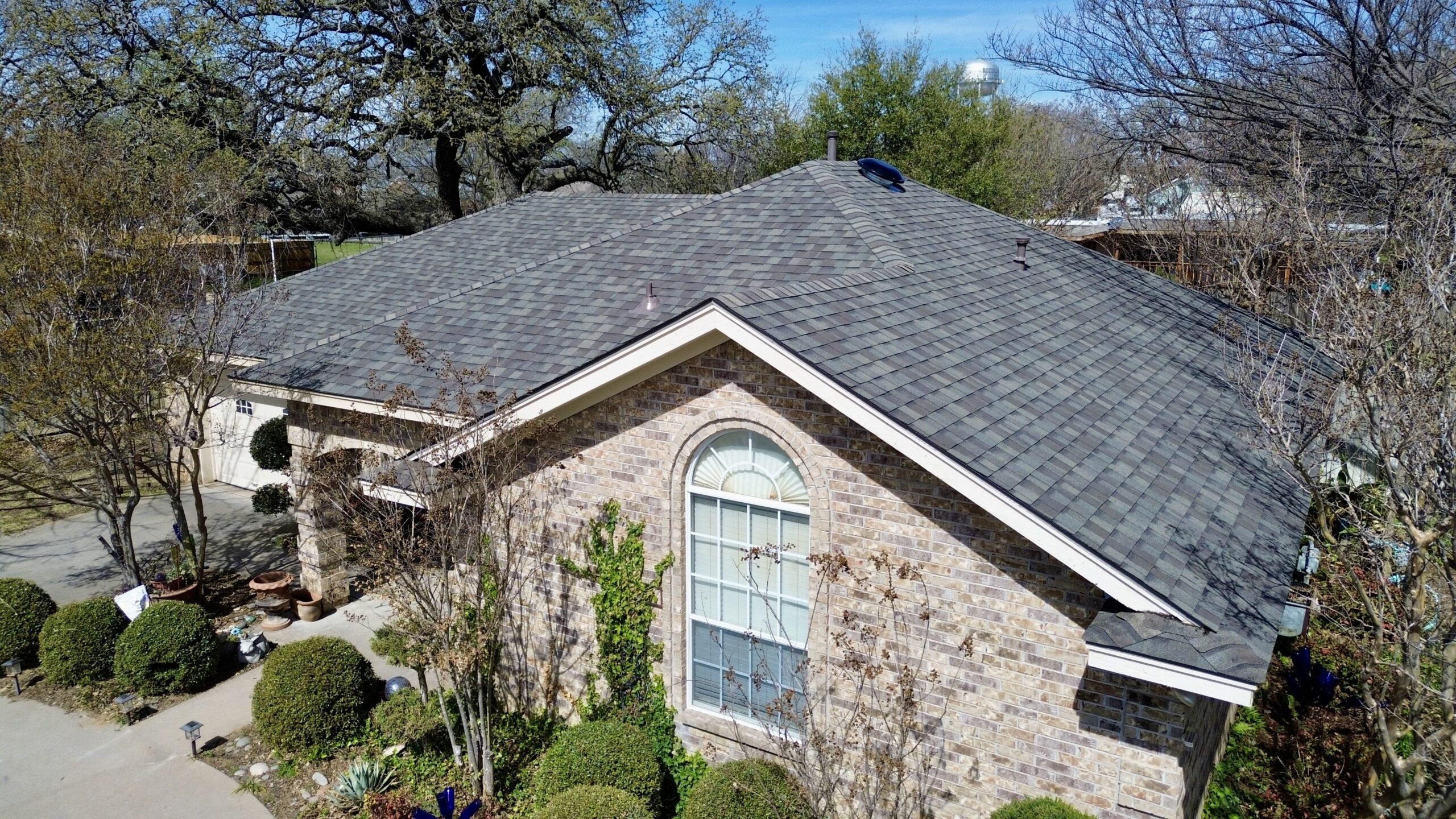
Even carefully planned roofing projects occasionally experience delays. Understanding the most common causes helps homeowners maintain realistic expectations while recognizing that many schedule adjustments actually protect installation quality.
Weather remains the leading source of project delays. Rain, strong winds, lightning, or extreme temperatures may require contractors to suspend roofing activities until conditions improve. Continuing under unsafe conditions may compromise both worker safety and roofing performance.
Material delivery issues also affect schedules. Transportation delays, temporary product shortages, or damaged shipments occasionally require contractors to adjust installation plans while replacement materials are obtained.
Unexpected structural repairs represent another possible delay. During roof deck inspections, contractors may discover damaged panels, framing concerns, or construction defects requiring correction before roofing work continues.
Inspection scheduling may also influence project duration. Building inspectors review completed work according to local requirements before certain installation stages proceed. Although waiting for inspections sometimes extends timelines, these reviews help verify construction quality.
Changes requested by homeowners after installation begins may require revised material orders or updated construction plans. Discussing design decisions thoroughly before roofing starts helps reduce these interruptions.
Professional contractors plan for many of these possibilities while communicating schedule changes promptly whenever adjustments become necessary.
How Contractors Keep Projects on Schedule
Experienced roofing contractors use several strategies to maintain efficient project timelines while preserving installation quality. Good organization often makes the difference between a smooth roofing project and one filled with unnecessary delays.
Material deliveries are carefully coordinated so products arrive shortly before installation begins. This approach reduces storage concerns while ensuring supplies remain available when crews need them.
Crew assignments are also planned efficiently. Experienced supervisors organize workers according to project needs while balancing productivity with safety and quality control. Every crew member understands individual responsibilities before work begins each day.
Weather forecasts receive continuous attention throughout the project. Contractors often adjust daily work plans based on changing conditions, allowing them to complete weather sensitive tasks before storms arrive whenever possible.
Quality inspections performed throughout installation also help maintain schedules. Identifying small issues immediately prevents larger corrections later that would require additional labor and project delays.
Communication remains equally important. Contractors provide homeowners with regular progress updates while coordinating closely with builders, suppliers, and inspectors to minimize scheduling conflicts.
Rather than simply working faster, professional roofing companies focus on working more efficiently through preparation, coordination, and consistent quality management.
Why Quality Should Never Be Rushed
Homeowners naturally want roofing projects completed quickly, but experienced contractors understand that quality should never be sacrificed simply to shorten the construction schedule. Every roofing layer contributes to the long term performance of the finished system, making careful installation more valuable than rapid completion.
Structural inspections, waterproof barriers, flashing details, ventilation systems, and roofing materials all require careful workmanship. Rushing any of these stages may create hidden problems that remain unnoticed until years after construction has been completed.
Professional contractors therefore balance efficiency with attention to detail. While organized crews complete work efficiently, they also pause whenever inspections, adjustments, or weather conditions require additional care.
For homeowners, understanding this approach helps explain why temporary delays often represent responsible project management rather than poor performance.
Final Roof Inspection Timeline
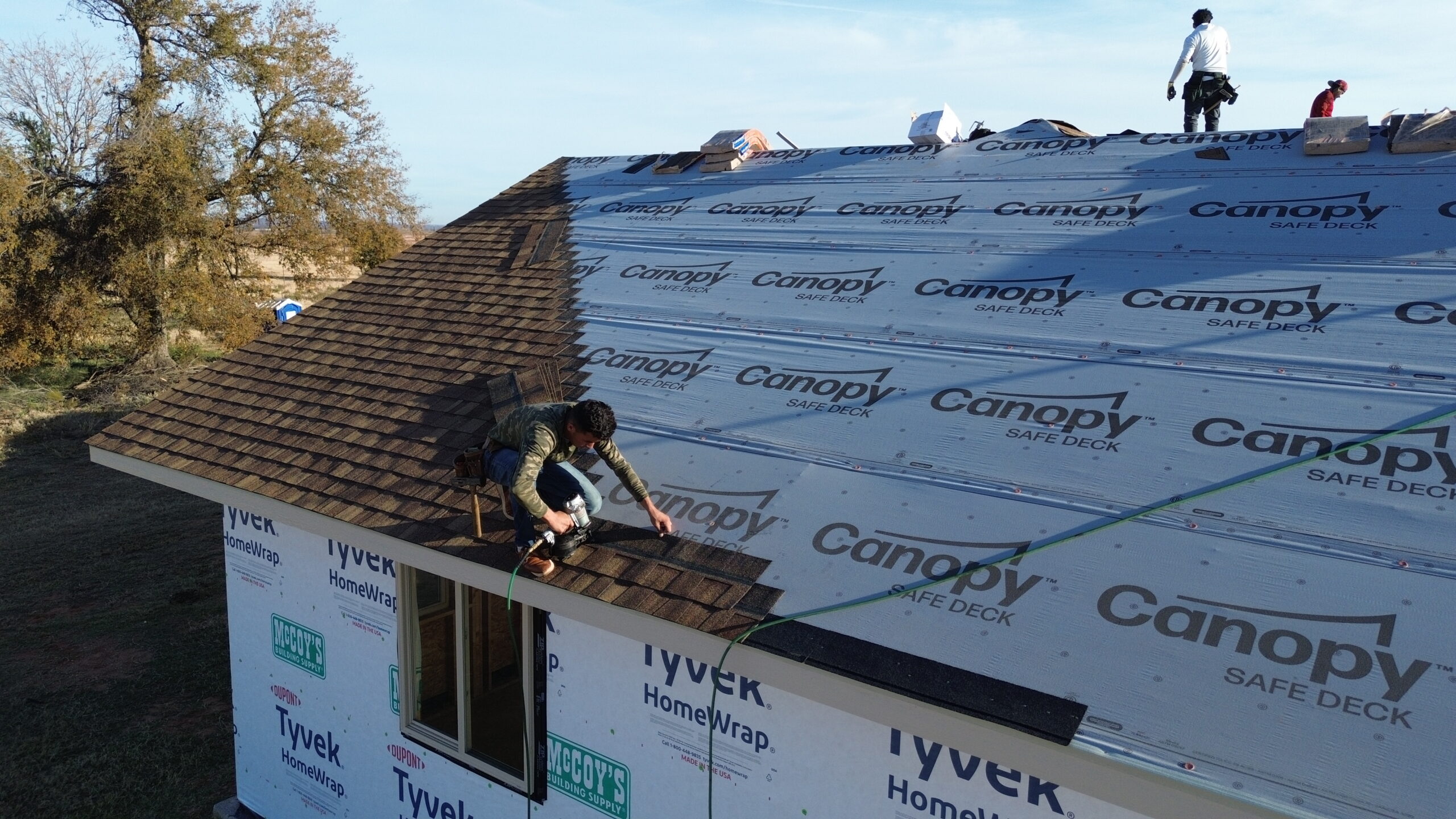
As the roofing project approaches completion, the final inspection becomes one of the most important stages of the entire installation process. Although most of the visible work has already been completed, contractors still devote time to carefully evaluating every roofing component before declaring the project finished. This final review helps ensure the roof meets quality standards while providing confidence that the installation has been completed correctly.
The inspection usually begins with an overall review of the finished roof surface. Contractors examine the alignment of shingles, metal panels, tiles, or other roofing materials to confirm they have been installed consistently across the entire roof. Straight layout lines, proper overlap, and secure fastening contribute to both appearance and long term weather resistance.
Roof edges receive additional attention because they experience continuous exposure to wind and water. Contractors inspect drip edge installation, starter strips, ridge caps, and roof transitions to ensure these components remain securely attached while directing water away from the home.
Flashing inspections follow next. Chimneys, skylights, plumbing vents, roof valleys, dormers, and wall intersections are all carefully examined because they represent the areas most likely to experience leaks if installation has not been completed properly. Small adjustments made during this inspection can prevent significant repair costs in the future.
Ventilation systems are also reviewed before the project concludes. Contractors verify that ridge vents, soffit vents, and other airflow components remain unobstructed while providing balanced ventilation throughout the attic. Proper airflow contributes to roofing durability as well as improved indoor comfort.
Some contractors also inspect the attic before completing the project. Looking inside allows them to identify signs of moisture, unexpected daylight, or ventilation concerns that may not be visible from the exterior. This additional inspection provides reassurance that the roofing system is functioning correctly.
Although the final inspection may require several hours, this time is well invested because it confirms that every stage of the installation has been completed according to professional standards.
Cleanup and Site Restoration
A roofing project should never be considered complete until the property has been cleaned thoroughly and restored to a safe condition. Site cleanup is an essential part of professional workmanship because it protects homeowners while demonstrating attention to detail.
The cleanup process begins by removing unused roofing materials, packaging, underlayment scraps, flashing pieces, and other construction debris from the roof itself. Contractors then move to surrounding areas, collecting waste from lawns, driveways, sidewalks, patios, and landscaping.
Loose roofing nails require especially careful attention. Contractors typically perform multiple magnetic sweeps across the property to collect metal fasteners that may have fallen during installation. This process reduces hazards for children, pets, visitors, and vehicles after construction has been completed.
Gutters are also inspected and cleaned if necessary. Roofing granules, wood fragments, leaves, or construction debris occasionally collect inside the gutter system during installation. Clearing these materials ensures rainwater drains properly from the first rainfall after project completion.
Temporary protective coverings placed over landscaping, windows, or exterior finishes should be removed carefully. Contractors inspect these areas to confirm they remain in good condition before leaving the site.
The final walkthrough with the homeowner often includes a review of cleanup quality alongside the completed roofing system. This provides an opportunity to address any remaining concerns before the project officially concludes.
Professional site restoration demonstrates that quality workmanship extends beyond the roof itself to include respect for the homeowner’s entire property.
Post Installation Considerations
Although roof installation has been completed, homeowners should understand that the roofing system now enters its long term performance phase. Proper care following installation helps protect the investment while maximizing the roof’s expected lifespan.
One of the first post installation considerations involves reviewing warranty documentation. Contractors explain manufacturer warranties, workmanship guarantees, and any maintenance requirements that help preserve warranty coverage. Homeowners should organize these documents carefully for future reference.
Contractors also provide maintenance recommendations based on the selected roofing material. Some products require little more than periodic visual inspections, while others benefit from scheduled cleaning or professional evaluations every few years.
Weather should also be monitored during the first several weeks after installation. While professionally installed roofing systems are designed to perform immediately, homeowners often feel reassured by observing how the roof handles its first significant rainfall or wind event.
Homeowners should avoid walking on the roof unnecessarily after installation. Repeated foot traffic may damage certain roofing materials or disturb newly installed components. Whenever inspections become necessary, qualified roofing professionals generally provide the safest solution.
Recording the installation date also proves valuable. Knowing when the roof was completed helps homeowners plan future inspections, maintenance, and warranty related activities throughout the roof’s service life.
Understanding these post installation considerations allows homeowners to transition smoothly from construction to long term roof ownership.
Questions Homeowners Should Ask About Project Scheduling
Clear communication continues to benefit homeowners even after roof installation has begun. Asking thoughtful questions throughout the project helps homeowners understand scheduling decisions while maintaining realistic expectations regarding completion.
Some useful questions include:
- What stage of installation is currently being completed?
- Has the project remained on schedule?
- Have weather conditions affected the timeline?
- Are inspections required before the next stage begins?
- Have all roofing materials arrived?
- Is additional structural work necessary?
- When should the final inspection take place?
- What maintenance should be performed after installation?
These discussions encourage transparency while allowing contractors to explain how the project is progressing. Homeowners who understand the schedule generally feel more confident throughout the roofing process.
Written project updates also provide helpful references. Contractors often document completed milestones, inspection approvals, and any schedule adjustments that occur during construction.
Good communication ensures both homeowners and contractors remain focused on achieving the same goal of a durable, professionally installed roofing system.
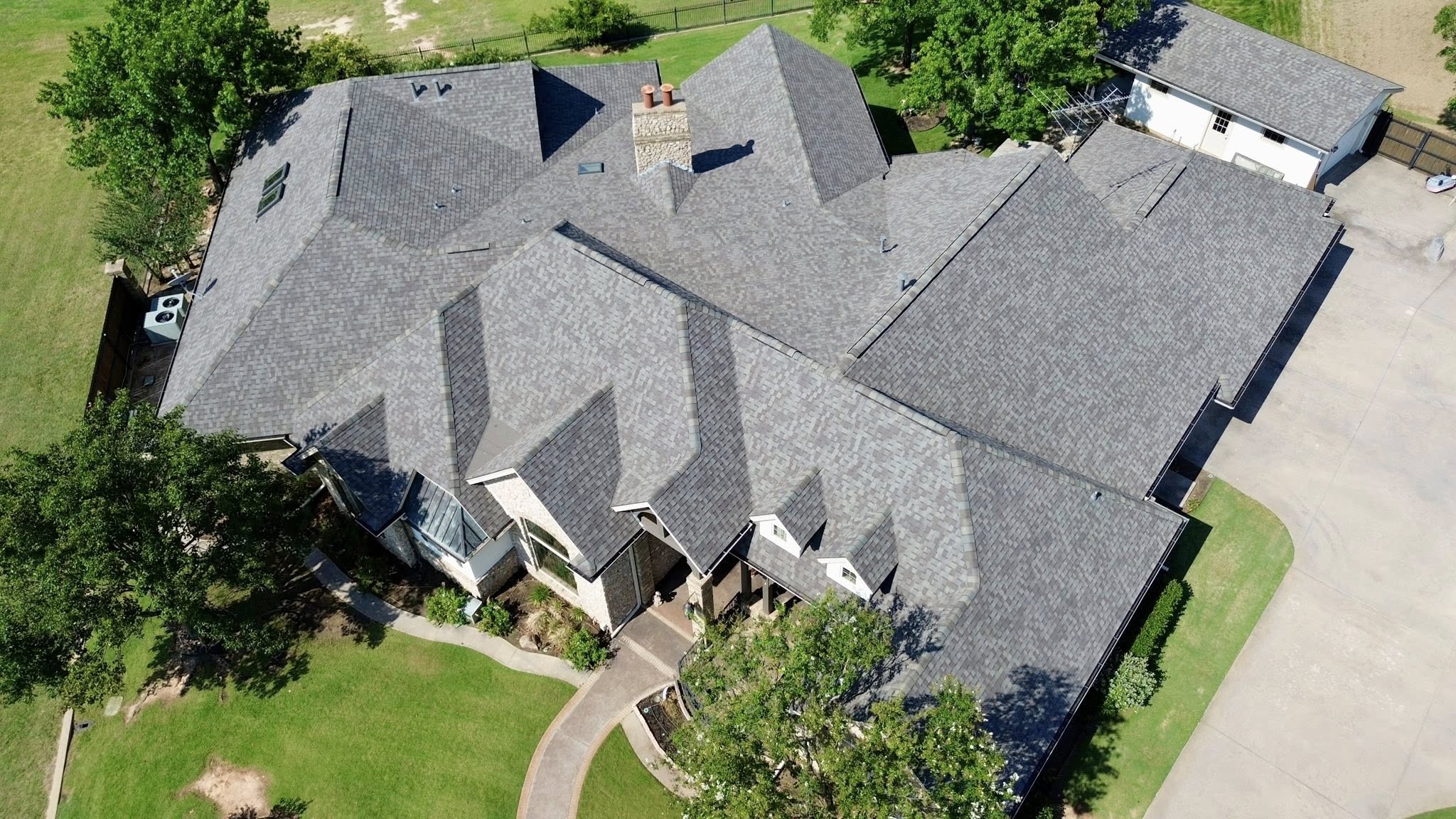
Residential Roof Installation Timeline Checklist
Following a structured timeline helps contractors and homeowners monitor progress throughout the roofing project. The following checklist summarizes the major milestones from planning through project completion.
- Review roof design and construction plans.
- Order roofing materials and schedule deliveries.
- Complete roof framing and decking inspections.
- Prepare the roof deck for installation.
- Install underlayment and waterproof barriers.
- Complete flashing and drip edge installation.
- Install the primary roofing material.
- Finish ventilation systems and ridge caps.
- Perform continuous quality inspections.
- Complete the final roof inspection.
- Remove construction debris and clean gutters.
- Conduct magnetic nail collection around the property.
- Review warranty documentation with the homeowner.
- Schedule future maintenance inspections.
- Officially complete the roofing project.
Using this checklist helps ensure every important stage receives proper attention while reducing the likelihood of overlooked tasks.
Common Scheduling Mistakes to Avoid
Many roofing projects remain on schedule because experienced contractors anticipate potential delays before they occur. However, certain mistakes can unnecessarily extend installation timelines if they are not addressed during planning.
One common mistake is ordering roofing materials too late. Delayed deliveries may leave roofing crews waiting while construction schedules become disrupted. Planning material orders well in advance helps prevent these interruptions.
Ignoring weather forecasts is another avoidable error. Attempting installation during heavy rain, high winds, or lightning not only creates safety hazards but may also reduce roofing quality. Professional contractors monitor weather continuously and adjust schedules when necessary.
Failing to inspect the roof deck before installation may also create delays. Structural issues discovered after roofing materials have already been installed require considerably more time and expense to correct than problems identified during early preparation.
Poor communication between contractors, suppliers, inspectors, and homeowners may also affect scheduling. Regular project updates help everyone coordinate activities while reducing misunderstandings that could slow construction.
Some homeowners unintentionally delay projects by requesting significant design changes after installation has begun. Finalizing material selections and architectural decisions before roofing starts helps maintain a smoother construction schedule.
Another common mistake is focusing only on completion speed. Rushing installation often increases the likelihood of workmanship errors that require additional repairs before the project can be finished.
Avoiding these scheduling mistakes allows contractors to maintain efficient progress while protecting installation quality.
Why Patience Leads to Better Roofing Results
Although homeowners naturally look forward to project completion, patience often contributes to a stronger and more reliable roofing system. Every installation stage serves an important purpose, and allowing contractors sufficient time to complete each task carefully supports long term roof performance.
Roof deck inspections, waterproof barrier installation, flashing details, ventilation systems, and quality control all require focused workmanship. Skipping inspections or rushing installation may save a few hours initially but could create problems requiring expensive repairs years later.
Professional roofing contractors understand that the roof protects the entire home. Rather than measuring success solely by how quickly work is completed, they prioritize building a roofing system capable of performing reliably through changing weather conditions for many decades.
Homeowners also benefit from recognizing that occasional delays often represent responsible decision making. Waiting for better weather, correcting structural concerns, or performing additional inspections demonstrates a commitment to quality rather than poor project management.
Viewing the roofing timeline as an investment rather than an inconvenience helps homeowners appreciate the craftsmanship involved in every completed roof.
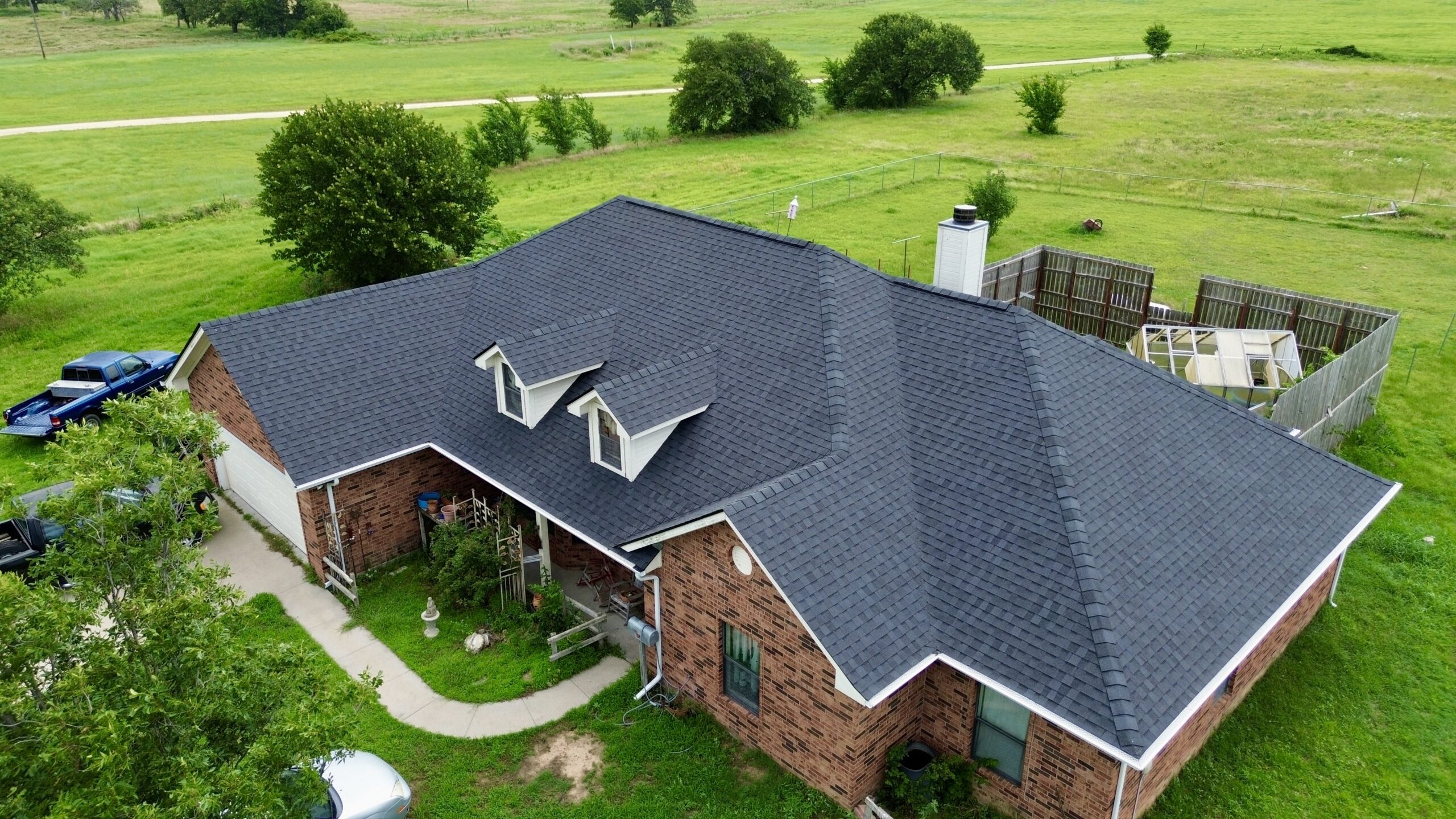
Long Term Value Beyond the Installation Timeline
The few days or weeks required to complete a residential roof installation represent only a small portion of the roof’s overall lifespan. A professionally installed roofing system is expected to protect the home for decades, making careful installation far more valuable than simply finishing the project quickly.
Quality roofing materials, experienced workmanship, proper ventilation, effective waterproofing, and routine maintenance all contribute to long term value. Every hour invested during installation helps reduce the likelihood of future repairs while improving overall roof performance.
Homeowners who understand this perspective often view the roofing timeline differently. Instead of asking only how quickly the project can be completed, they also appreciate the attention given to durability, weather resistance, and construction quality.
Professional contractors share this long term approach by balancing efficiency with careful workmanship throughout every stage of installation.
Conclusion
Residential roof installation timelines vary depending on roof size, design complexity, material selection, weather conditions, crew organization, and inspection requirements. While many projects can be completed within several working days under favorable conditions, every roofing system follows its own schedule based on the specific needs of the home. Understanding this process helps homeowners develop realistic expectations while recognizing the importance of careful planning and professional workmanship.
Throughout this guide, we explored every major stage of the residential roof installation timeline, from early planning and roof deck preparation to underlayment, flashing, roofing materials, ventilation, inspections, cleanup, and long term maintenance considerations. Each stage contributes directly to the strength, durability, and weather resistance of the completed roofing system, making every step an essential part of the overall project.
We also examined the factors that commonly influence installation schedules, including weather delays, structural repairs, material deliveries, inspections, and homeowner decisions. Rather than viewing these situations as unnecessary setbacks, they should be recognized as normal aspects of responsible construction that protect both installation quality and worker safety.
One of the most important lessons is that quality should never be sacrificed simply to reduce the installation timeline. A carefully installed roof provides reliable protection for many years, while rushed workmanship may lead to avoidable repairs and reduced performance. Experienced contractors understand that taking the necessary time to complete each stage correctly creates greater long term value for homeowners.
Ultimately, residential roof installation is not measured only by how quickly it is completed but by how well the finished roofing system performs over time. With proper planning, skilled installation, high quality materials, realistic scheduling, and ongoing maintenance, homeowners can enjoy the confidence that comes from knowing their roof has been built to provide dependable protection, lasting durability, and peace of mind for decades to come.