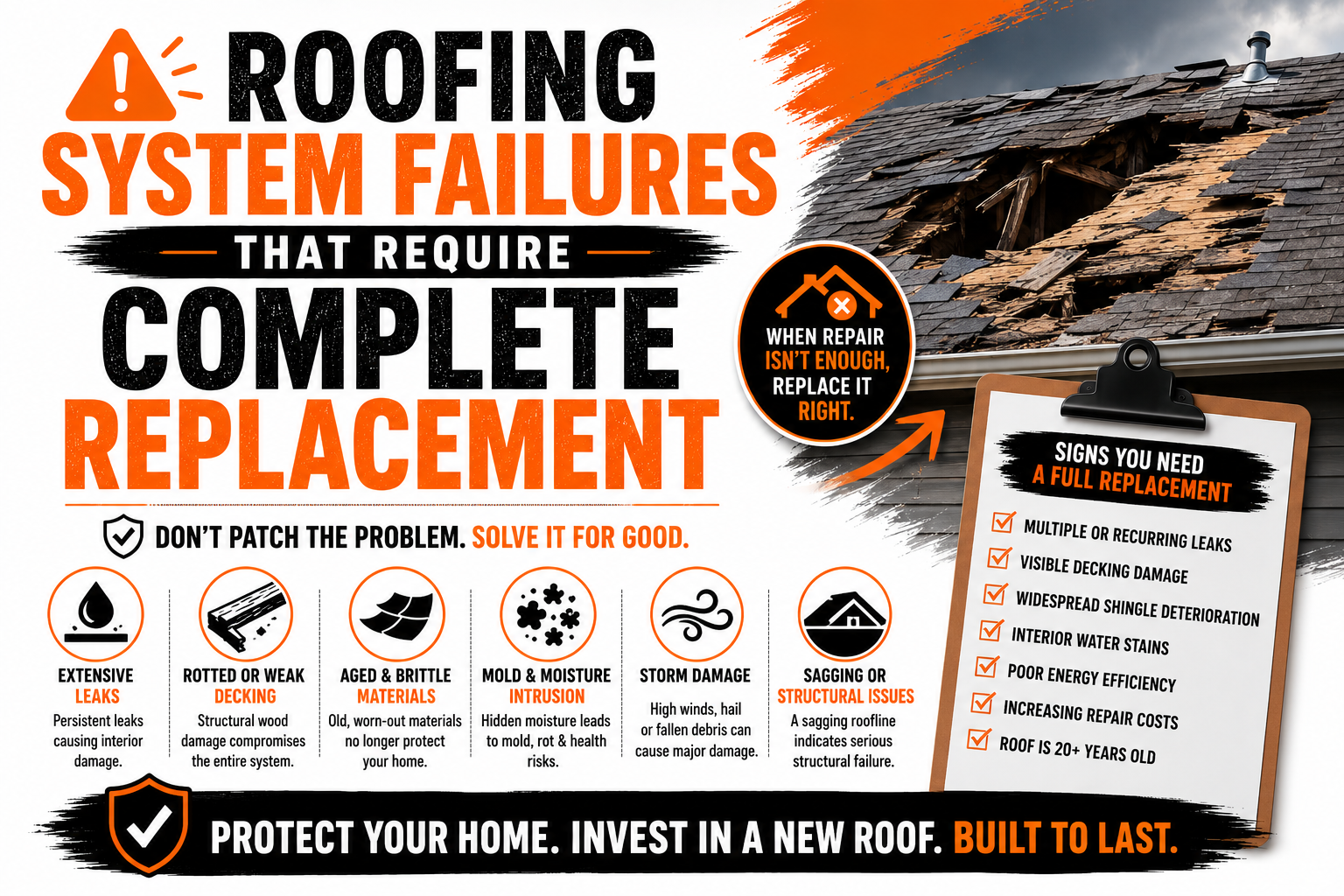
Roofing System Failures That Require Complete Replacement
Introduction
A roof is much more than the shingles visible from the ground. It is a complete system made up of multiple layers that work together to protect a home from rain, wind, sunlight, temperature changes, and structural stress. When one component begins to fail, the rest of the roofing system often experiences additional strain. Over time, localized damage can spread until repairs are no longer enough to restore the roof’s performance.
Many homeowners assume that replacing a few damaged shingles or repairing a small leak will solve every roofing problem. While minor repairs are appropriate in many situations, there are times when the damage extends far beyond the visible surface. Water may have already penetrated the underlayment, weakened the roof decking, damaged insulation, or affected structural framing. In these cases, repairing only the exterior roofing material often leaves hidden problems untreated.
Roofing system failures usually develop gradually rather than occurring overnight. Years of weather exposure, repeated repairs, poor ventilation, aging materials, and severe storms all contribute to the gradual decline of the roof’s ability to protect the home. As different components begin failing together, the roof eventually reaches a point where complete replacement becomes the safest and most cost effective solution.
Understanding the warning signs of a failing roofing system helps homeowners make informed decisions before structural damage becomes more extensive. Early recognition also allows roofing professionals to recommend the most appropriate solution based on the actual condition of the roof rather than only the visible damage.
This guide explains the most common roofing system failures that require complete replacement. It begins by examining how roofing systems function, what causes widespread failure, how aging affects roof performance, and the warning signs that indicate repairs may no longer provide reliable long term protection.
What Makes Up a Complete Roofing System
Many people think of a roof as simply the shingles or other exterior covering, but a roofing system consists of several carefully designed components working together. Each layer serves a specific purpose, and the performance of the entire roof depends on every component functioning properly.
The outer roofing material is the first line of defense against weather. Depending on the home, this may consist of asphalt shingles, metal panels, clay tiles, slate, or another approved roofing product. These materials protect the underlying structure by directing rainwater away from the home while resisting sunlight, wind, and temperature changes.
Beneath the visible roofing material lies the underlayment. This protective layer provides secondary water resistance if moisture penetrates the outer roofing surface. Modern synthetic underlayments and specialized waterproof membranes significantly improve protection compared to older roofing systems.
Roof decking forms the structural foundation that supports the roofing materials above. Usually constructed from plywood or oriented strand board, the decking distributes loads evenly across the roof framing while providing a stable installation surface.
Flashing is another essential component. Installed around chimneys, skylights, valleys, roof edges, and plumbing vents, flashing prevents water from entering vulnerable areas where different roofing surfaces meet. Even high quality roofing materials cannot perform effectively if flashing deteriorates or is installed incorrectly.
Ventilation also plays an important role in overall roof performance. Intake and exhaust vents regulate attic temperature and moisture levels, helping protect roofing materials, insulation, and structural framing from heat buildup and condensation.
Supporting the entire roofing system is the roof framing, which includes rafters or engineered trusses. These structural components carry the weight of roofing materials while resisting wind, snow, and other environmental loads.
Because every layer depends on the others, failure of one component often creates problems throughout the roofing system. Understanding this relationship helps explain why widespread deterioration frequently requires complete replacement rather than isolated repairs.
Understanding the Difference Between Minor Damage and System Failure
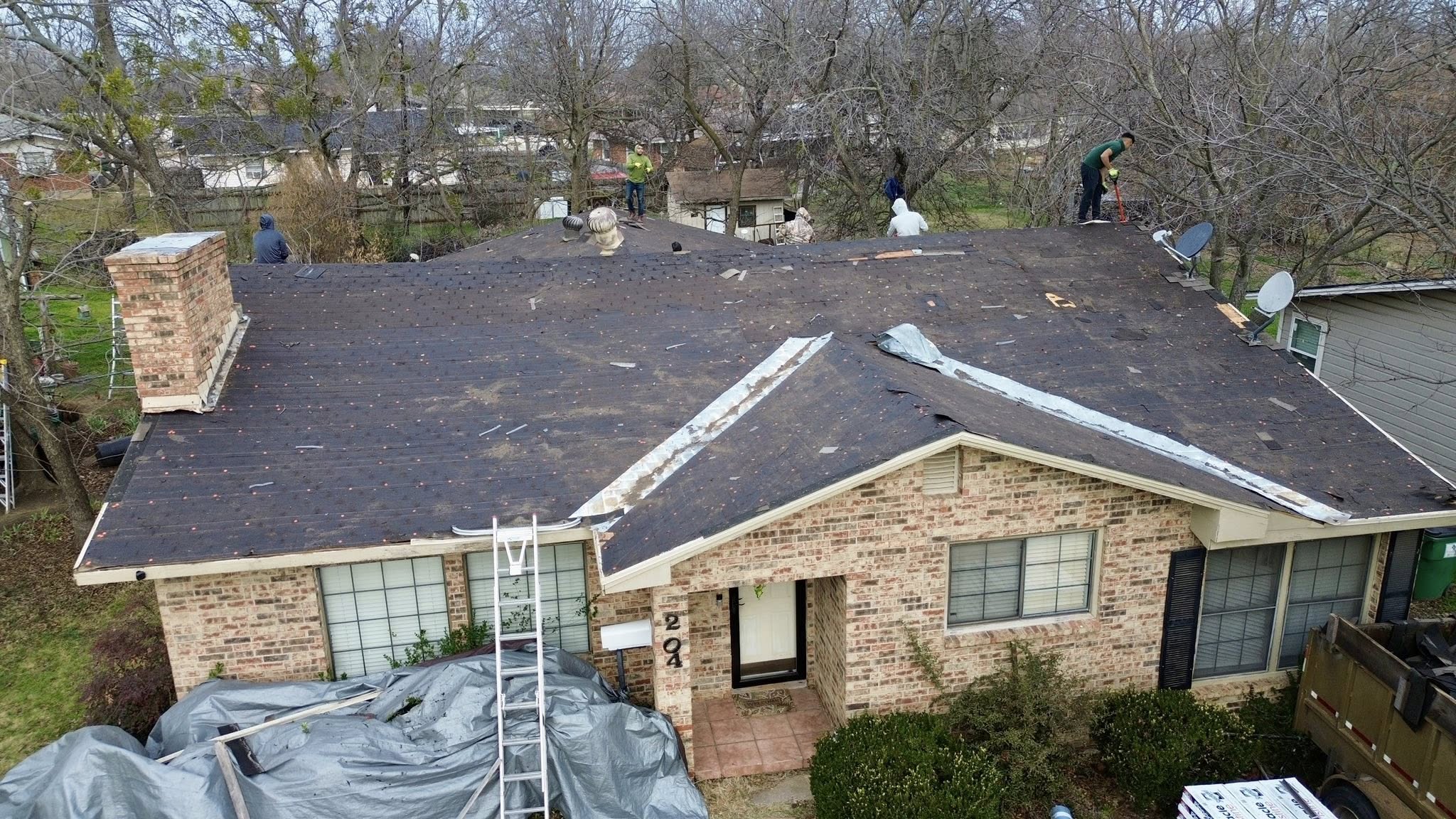
Not every roofing problem requires a complete roof replacement. Distinguishing between localized damage and full roofing system failure is one of the most important parts of a professional roof inspection.
Minor roofing damage generally affects a limited area without compromising the overall performance of the roof. Examples include a few missing shingles after a storm, isolated flashing damage around a vent, or a small leak caused by a damaged seal. These issues can often be repaired quickly while preserving the remaining roof system.
Roofing system failure occurs when multiple components deteriorate together. Instead of affecting only the surface, damage extends into underlying layers such as the underlayment, roof decking, insulation, or structural framing. Once several parts of the roofing assembly have been compromised, localized repairs rarely restore dependable long term performance.
The age of the roof also influences this distinction. A relatively new roof experiencing isolated storm damage may respond well to repairs because the remaining materials still perform effectively. An older roof approaching the end of its service life often contains widespread wear that makes repeated repairs increasingly ineffective.
Water intrusion provides another example of the difference between minor damage and system failure. A single leak discovered early may require only localized repairs. However, repeated leaks occurring in different locations often indicate that the roof’s protective layers have deteriorated across much larger sections.
Professional inspections focus on identifying the extent of hidden damage rather than only the visible symptoms. Contractors examine roof decking, ventilation, flashing, underlayment, and structural framing to determine whether the roofing system continues functioning as a complete protective assembly.
Understanding this difference helps homeowners avoid investing in repeated repairs when the roof has already reached the point where complete replacement provides better long term value.
Common Causes of Roofing System Failure
Roofing systems are designed to withstand years of exposure to changing weather conditions, but every roof eventually experiences wear that reduces its protective capabilities. Several common factors contribute to widespread roofing system failure.
Natural aging is one of the leading causes. Roofing materials gradually lose flexibility, protective coatings deteriorate, and sealants become brittle after years of exposure to sunlight and temperature changes. Even high quality roofing products eventually reach the end of their expected service life.
Water intrusion is another major contributor. Small leaks that remain undetected allow moisture to penetrate beneath roofing materials, damaging underlayment, decking, insulation, and framing. Because this process often develops slowly, homeowners may not recognize the extent of damage until significant deterioration has occurred.
Poor installation practices can shorten a roof’s lifespan considerably. Incorrect flashing placement, improper fastening, inadequate ventilation, or low quality workmanship may allow problems to develop years before the roofing materials themselves wear out.
Repeated severe weather also accelerates roofing system deterioration. Strong winds, hail, heavy rainfall, snow accumulation, and prolonged exposure to ultraviolet radiation gradually weaken different roof components until widespread failure occurs.
Insufficient attic ventilation contributes indirectly by trapping excessive heat and moisture beneath the roof. Elevated temperatures accelerate shingle aging, while excess humidity encourages mold growth and wood deterioration within the roof structure.
Improper maintenance creates additional problems. Small issues such as clogged gutters, loose flashing, damaged sealants, or minor leaks often become much larger repairs when ignored over long periods.
Common causes of roofing system failure include:
- Natural aging of roofing materials
- Long term water intrusion
- Poor installation practices
- Severe weather exposure
- Inadequate attic ventilation
- Lack of routine maintenance
- Repeated unsuccessful repair attempts
Most complete roof replacements result from several of these factors occurring together rather than from a single isolated event.
How Aging Contributes to Roof System Breakdown
Every roofing material has an expected service life, and aging gradually affects every component within the roofing system. Although deterioration occurs slowly, the combined effects eventually reduce the roof’s ability to protect the home effectively.
Sunlight is one of the primary causes of aging. Continuous ultraviolet exposure dries roofing materials, causing them to become less flexible over time. Asphalt shingles gradually lose protective granules, reducing their resistance to weather and increasing susceptibility to cracking.
Daily temperature fluctuations also contribute to wear. Roofing materials expand during warm conditions and contract as temperatures fall. After thousands of heating and cooling cycles, these repeated movements weaken seals, fasteners, and material connections throughout the roof.
Moisture exposure becomes increasingly significant as roofing materials age. Small cracks and worn sealants allow water to penetrate beneath the roof covering, where hidden deterioration begins affecting underlayment and decking. Because this damage remains concealed, homeowners often remain unaware until interior leaks develop.
Flashing also deteriorates with age. Metal flashing may corrode, while sealants surrounding roof penetrations lose flexibility and begin separating from adjacent materials. These openings provide easy entry points for water during heavy rain.
Older ventilation systems may no longer perform efficiently. Blocked vents, damaged soffits, or outdated ventilation designs allow heat and moisture to accumulate inside the attic, accelerating deterioration of both roofing materials and structural components.
Repeated repairs can further indicate aging. When homeowners repair different roof sections every year, the cumulative cost often approaches the investment required for complete replacement while leaving older materials in place.
Understanding how aging affects every roofing component helps explain why older roofs often experience multiple problems simultaneously rather than isolated failures.
Weather Related Damage That Weakens the Entire Roof
Weather is one of the most persistent challenges facing every roofing system. Although roofs are designed to withstand changing environmental conditions, repeated exposure gradually weakens materials and increases the likelihood of complete system failure.
High winds create uplift forces that pull against shingles, flashing, and fasteners. Even when shingles remain attached, repeated wind exposure may loosen seals and reduce the roof’s resistance to future storms. Over time, this cumulative stress weakens larger sections of the roofing system.
Heavy rainfall presents another challenge. Water naturally seeks the smallest openings, and aging roofs often develop tiny gaps around flashing, fasteners, or deteriorated shingles. Once moisture enters beneath the roof covering, hidden deterioration may continue for months or even years before becoming visible.
Hailstorms can significantly damage roofing materials by removing protective granules, cracking shingles, or denting metal roofing. Although some damage appears cosmetic initially, repeated impacts often reduce the roof’s ability to resist future weather.
Snow and ice create additional structural stress in colder climates. Heavy snow increases roof loads, while freeze thaw cycles force water into small cracks that expand as temperatures fluctuate. These repeated movements accelerate deterioration of roofing materials and flashing.
Strong sunlight also contributes to weather related aging. Constant ultraviolet exposure gradually weakens roofing materials, causing brittleness, fading, and reduced weather resistance throughout the roof surface.
Storm debris creates another source of damage. Falling branches or airborne objects may puncture roofing materials, damage flashing, or crack roof decking beneath the visible surface.
While individual storms may not require complete replacement, years of cumulative weather exposure often weaken multiple roofing components until widespread replacement becomes the most dependable long term solution.
Early Warning Signs of a Failing Roofing System
Roofing system failures rarely occur without warning. In many cases, homeowners notice subtle changes months or even years before the roof reaches the point where complete replacement becomes necessary. Recognizing these signs allows roofing professionals to evaluate the roof before damage becomes even more extensive.
Frequent roof leaks are among the clearest indicators of widespread deterioration. A single leak may result from isolated damage, but multiple leaks developing in different areas often suggest that the roof’s protective layers have begun failing across larger sections.
Missing, cracked, curling, or severely worn shingles also deserve attention. As roofing materials deteriorate, they become less capable of resisting wind and water, allowing moisture to penetrate beneath the roof surface.
Granules collecting in gutters provide another warning sign on asphalt shingle roofs. These granules protect shingles from ultraviolet radiation, and excessive loss indicates that the roofing material is approaching the end of its useful life.
Interior water stains appearing on ceilings or walls often indicate long term moisture intrusion rather than a recent isolated leak. Persistent stains usually require investigation beyond simply repairing the visible roofing material.
Homeowners should also watch for sagging roof sections. Structural movement may indicate deteriorated roof decking or framing that has weakened because of prolonged moisture exposure.
Mold growth inside the attic, damp insulation, musty odors, and visible wood discoloration all suggest moisture related problems affecting multiple roofing components rather than only the exterior surface.
Energy bills may also increase unexpectedly when roofing system failures affect insulation performance or attic ventilation. Excessive attic heat or moisture places additional strain on heating and cooling systems throughout the year.
Recognizing these warning signs early provides an opportunity for professional evaluation before structural damage continues spreading throughout the roofing system.
How Professional Roof Inspections Identify System Wide Problems
Determining whether a roof requires repairs or complete replacement begins with a comprehensive professional inspection. Experienced roofing contractors evaluate every major component of the roofing system rather than focusing only on visible surface damage.
The inspection usually starts from the exterior. Contractors examine shingles, flashing, ridge caps, valleys, gutters, roof penetrations, and drainage patterns. They look for missing materials, uneven surfaces, storm damage, and signs of long term deterioration that may indicate deeper problems beneath the roof covering.
The attic provides valuable information that cannot be observed from outside. Inspectors examine roof decking, framing, insulation, ventilation, and structural connections for moisture stains, mold, wood rot, sagging, or daylight entering through damaged roof sections.
Roof decking receives careful attention because it supports the entire roofing system. Soft spots, discoloration, delamination, or visible deterioration often indicate that moisture has compromised structural integrity beyond what surface repairs can resolve.
Inspectors also evaluate flashing around chimneys, skylights, plumbing vents, and roof intersections. These areas commonly develop leaks that gradually spread into surrounding roofing components if not addressed promptly.
Moisture detection equipment may be used to identify hidden water intrusion beneath roofing materials. These tools help locate damp areas that remain invisible during ordinary visual inspections but may already be affecting underlayment or decking.
Finally, roofing professionals combine all inspection findings to evaluate the roof as a complete system rather than as individual components. Their recommendations consider material age, structural condition, moisture damage, ventilation performance, previous repairs, and expected remaining service life.
This comprehensive approach allows homeowners to understand whether targeted repairs will provide reliable long term protection or whether complete replacement offers the safest and most cost effective solution for preserving the home’s structural integrity.
Structural Deck Damage Beyond Repair
The roof deck forms the structural base of the entire roofing system. Every layer above it, including underlayment, flashing, and roofing materials, depends on the decking remaining solid and stable. When the roof deck experiences widespread deterioration, replacing only the surface roofing materials cannot restore the roof’s structural integrity.
Roof decking is commonly constructed from plywood or oriented strand board designed to support both roofing materials and environmental loads. Over time, repeated moisture exposure weakens these panels, causing them to soften, swell, or separate into layers. Once this deterioration spreads across large sections of the roof, the deck no longer provides a secure foundation for new roofing materials.
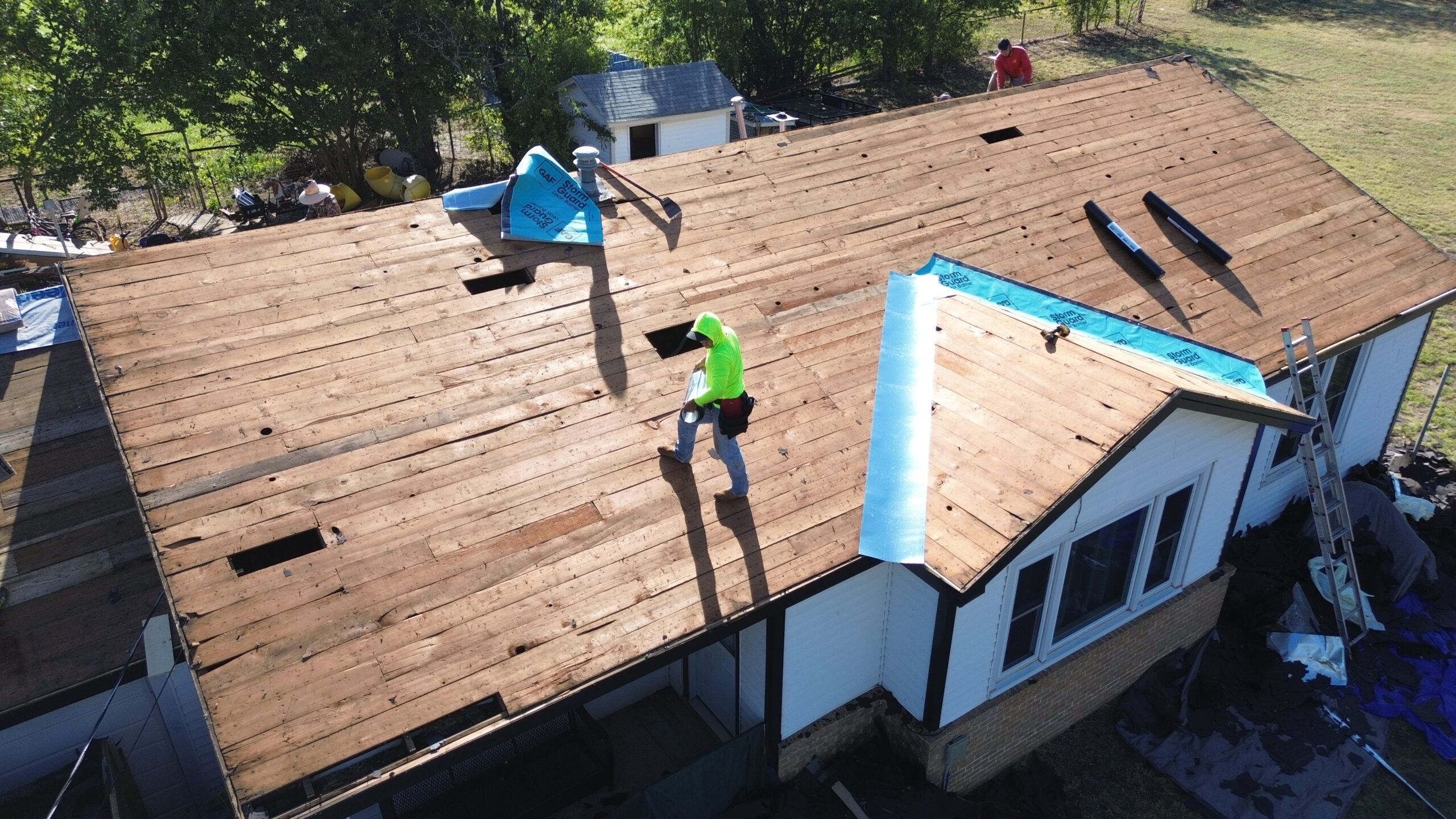
One of the first signs of significant deck damage is a spongy feeling when walking on the roof. Roofing professionals often notice areas that flex under normal weight, indicating moisture has weakened the wood beneath the surface. These soft sections cannot safely support a new roofing system without replacement.
Long term leaks are the most common cause of widespread deck deterioration. Water entering through damaged shingles or flashing gradually saturates the wood, allowing fungal decay to develop. Because the damage often spreads beneath the roofing materials, homeowners rarely recognize the extent of deterioration until the roof is removed during replacement.
Storm damage may also affect roof decking directly. Falling trees, large branches, or severe wind events can crack structural panels or create impact damage that reduces the deck’s load carrying ability.
In some homes, poor attic ventilation accelerates deck deterioration. Excess moisture trapped beneath the roof condenses on the underside of the decking, gradually weakening the wood over many years without producing obvious exterior symptoms.
Replacing damaged roofing materials over deteriorated decking creates several problems. Fasteners may fail to hold securely, the roof surface may appear uneven, and hidden structural deterioration continues progressing beneath the new roof.
During complete roof replacement, contractors inspect every section of decking after removing old roofing materials. Any weakened or damaged panels are replaced before installing new underlayment and roofing products. This process ensures the new roofing system begins with a strong structural foundation capable of supporting decades of reliable performance.
Widespread Water Intrusion Throughout the Roofing System
Water intrusion represents one of the most destructive forms of roofing system failure because it affects nearly every component beneath the roof covering. Once moisture spreads beyond isolated leaks, complete replacement often becomes more practical than attempting repeated localized repairs.
Rainwater usually enters through relatively small openings. Damaged shingles, deteriorated flashing, cracked sealants, or storm related punctures allow water to penetrate beneath the outer roofing material. If these problems remain unresolved, moisture gradually spreads through the underlayment, decking, insulation, and structural framing.
Unlike a single isolated leak, widespread water intrusion develops across multiple areas of the roof. Homeowners may notice water stains appearing in different rooms over several months, suggesting that the roof’s protective layers have failed in numerous locations rather than only one.
Repeated moisture exposure weakens adhesives, corrodes fasteners, damages insulation, and encourages fungal growth throughout the roofing assembly. Even after visible leaks are repaired, hidden moisture may continue causing structural deterioration beneath the surface.
Water intrusion also reduces the effectiveness of insulation. Wet insulation loses much of its thermal resistance, increasing heating and cooling costs while creating favorable conditions for mold development inside the attic.
Interior symptoms often provide valuable clues. Bubbling paint, peeling drywall, ceiling discoloration, persistent musty odors, and mold growth frequently indicate long term moisture problems extending far beyond the visible roofing material.
Professional inspections use moisture detection equipment to identify hidden damp areas that cannot be seen during ordinary visual examinations. These assessments help determine whether water damage remains localized or has spread throughout the roofing system.
When inspections reveal extensive moisture affecting multiple roofing components, complete replacement provides the best opportunity to remove damaged materials, restore structural integrity, and prevent recurring leaks.
Extensive Underlayment Failure
Although homeowners rarely see the underlayment, it plays a critical role in protecting the home from water intrusion. Positioned between the roof decking and the exterior roofing material, underlayment serves as a secondary moisture barrier if rain penetrates the outer roof covering.
Modern synthetic underlayments provide excellent durability, but like every roofing component, they eventually deteriorate through aging, moisture exposure, and repeated temperature changes. Older felt underlayments become brittle over time, losing their ability to resist water effectively.
Once underlayment begins failing across large portions of the roof, repairs become increasingly difficult. Replacing isolated shingles cannot restore deteriorated underlayment hidden beneath surrounding roofing materials.
Storm damage frequently contributes to underlayment failure. Strong winds may lift shingles temporarily, exposing underlying layers to direct rain and moisture. Even if shingles remain attached afterward, the protective underlayment may have suffered hidden deterioration.
Repeated roof repairs sometimes create additional underlayment problems. Each repair disturbs surrounding materials, increasing the likelihood of tears, punctures, or weakened seals that reduce long term weather resistance.
Older roofs approaching the end of their service life commonly experience widespread underlayment deterioration even when the exterior roofing materials still appear relatively acceptable. This hidden decline often explains recurring leaks despite multiple surface repairs.
During complete roof replacement, contractors remove all existing roofing materials to expose the underlayment completely. Installing fresh underlayment across the entire roof provides consistent moisture protection beneath the new roofing system.
Replacing only visible roofing materials while leaving deteriorated underlayment in place reduces the effectiveness of the entire replacement project. For this reason, widespread underlayment failure is one of the strongest indicators that complete roof replacement is the most reliable long term solution.
Multiple Layer Roofing Problems
Many older homes contain more than one layer of roofing material because previous owners chose to install new shingles over existing ones instead of performing a complete replacement. While this practice was permitted in some situations under older building codes, multiple roofing layers often create long term performance problems.
Each additional roofing layer increases the overall weight placed on the roof structure. Although roof framing is designed to support roofing materials safely, unnecessary weight reduces structural margins and increases stress on decking and framing members over time.
Multiple roofing layers also trap heat more effectively. Higher roof temperatures accelerate shingle aging, reduce ventilation efficiency, and increase thermal expansion throughout the roofing system. These conditions shorten the lifespan of both old and newly installed materials.
Hidden damage becomes much more difficult to identify when old roofing remains beneath newer layers. Contractors cannot easily inspect roof decking, flashing, or underlayment because existing roofing materials conceal developing problems.
Leak detection also becomes more complicated. Water entering through the upper roofing layer may travel between layers before reaching the interior, making the actual source of the leak difficult to locate.
Removing multiple roofing layers during future replacement projects requires additional labor and disposal costs. However, this complete removal allows contractors to inspect every structural component thoroughly and correct hidden issues before installing the new roof.
Modern roofing professionals generally recommend complete removal rather than installing additional layers because doing so improves roof performance, reduces structural loading, and provides an opportunity to inspect and repair the underlying roofing system properly.
Severe Storm and Wind Damage Affecting the Entire Roof
Storms can produce enough widespread damage that repairing isolated sections no longer provides dependable protection. When severe weather affects multiple roofing components simultaneously, complete replacement often becomes the safest and most economical long term option.
High winds create uplift forces that weaken shingle seals, loosen flashing, and stress roof fasteners across the entire roof surface. Although some shingles remain attached after a storm, their reduced sealing ability leaves the roof more vulnerable during future weather events.
Hailstorms create different forms of damage by striking roofing materials repeatedly across the roof. Protective granules may be removed from asphalt shingles, exposing the underlying material to accelerated ultraviolet deterioration. Metal roofing can suffer widespread denting, while tile roofing may develop cracks affecting large sections of the roof.
Wind driven debris introduces additional concerns. Tree branches, airborne objects, and storm debris may puncture roofing materials or damage roof decking beneath the visible surface. Even localized impacts sometimes create hidden structural problems extending beyond the obvious damage.
Heavy rainfall during storms increases the likelihood of water intrusion through weakened roofing materials. Once moisture enters multiple areas of the roof simultaneously, underlayment, decking, and insulation often experience widespread damage.
Insurance inspections following major storms frequently involve detailed evaluations of both visible and hidden roofing damage. Structural engineers or experienced roofing professionals assess whether repairs can restore performance or if replacement provides greater long term reliability.
Prompt inspections following severe storms help prevent temporary damage from developing into complete roofing system failure through continued weather exposure.
Fire, Smoke, and Heat Related Roofing System Damage
Fire can compromise a roofing system even when the roof remains standing after the event. Heat affects roofing materials, structural components, fasteners, and protective membranes in ways that may not always be immediately visible.
Direct flames obviously destroy roofing materials, but heat alone may permanently weaken many roofing components. Asphalt shingles lose flexibility, synthetic membranes deteriorate, and adhesives may fail after prolonged exposure to elevated temperatures.
Wooden roof decking and framing also experience structural changes during fires. Charring weakens load bearing capacity, while intense heat removes moisture from wood, altering its physical properties even where visible burning appears limited.
Metal flashing and fasteners expand during high temperatures and may not return to their original dimensions after cooling. These changes can reduce the effectiveness of waterproof seals around roof penetrations and valleys.
Smoke creates additional concerns because soot residues may conceal damaged roofing components beneath dark discoloration. Water used during firefighting efforts often introduces further moisture into the roofing system, increasing the potential for mold growth and wood deterioration after the fire.
Roof insulation frequently requires replacement following significant fires because smoke contamination and water saturation reduce both performance and indoor air quality.
Insurance companies typically require comprehensive structural evaluations before approving repairs following fire damage. These inspections determine whether the roof remains structurally sound or whether complete replacement provides the safest restoration option.
Replacing the entire roofing system after major fire damage ensures hidden structural weaknesses are addressed rather than concealed beneath new roofing materials.
Long Term Moisture Damage, Mold, and Wood Rot
Long term moisture exposure often causes more extensive roofing damage than sudden storms because deterioration continues quietly for months or years before becoming visible. By the time homeowners recognize the problem, multiple roofing components may already require replacement.
Wood rot develops when moisture remains trapped within roof decking or framing for extended periods. Fungal organisms gradually break down wood fibers, reducing strength and creating soft areas that can no longer support roofing materials safely.
Mold growth frequently accompanies long term moisture problems. Although mold itself may not always weaken structural materials immediately, its presence indicates persistent damp conditions affecting the roofing system.
Roof insulation also suffers from prolonged moisture exposure. Wet insulation compresses, loses thermal resistance, and creates favorable conditions for additional mold development throughout the attic.
Metal components experience corrosion as moisture persists. Flashing, fasteners, connector plates, and ventilation components gradually deteriorate, reducing their ability to protect the roof against future water intrusion.
Moisture problems often spread farther than homeowners expect. Water follows framing members, insulation, and decking before becoming visible inside the home, allowing hidden deterioration to affect much larger sections of the roof.
When inspections reveal widespread rot, mold, and structural moisture damage, replacing isolated roofing materials rarely resolves the underlying issues. Complete replacement allows all compromised materials to be removed while restoring healthy attic conditions.
| Roofing Problem | Repair Usually Possible | Complete Replacement Often Required |
|---|---|---|
| Few missing shingles | Yes | No |
| Localized flashing damage | Yes | No |
| Small isolated leak | Yes | No |
| Widespread roof deck deterioration | No | Yes |
| Extensive underlayment failure | No | Yes |
| Multiple recurring leaks | Rarely | Yes |
| Major storm damage across entire roof | Sometimes | Yes |
| Long term wood rot and mold | No | Yes |
Why Partial Roof Replacement Is Not Always the Best Solution
Partial roof replacement appears attractive because it generally costs less than replacing the entire roofing system. However, this approach is not always appropriate when widespread deterioration affects multiple roof components.
One concern involves matching new materials with older roofing products. Differences in color, weathering, thickness, and manufacturing specifications often produce noticeable appearance variations across the roof.
Performance differences create even greater challenges. New roofing materials installed beside aging sections may perform differently during changing weather conditions, increasing stress at transition areas between old and new materials.
Hidden damage also complicates partial replacement. Contractors may replace one visible section only to discover that moisture, deteriorated underlayment, or weakened decking extends well beyond the planned repair area.
Older roofing materials remaining on the home continue aging after partial replacement. Homeowners sometimes face additional repairs or another replacement project within only a few years because untreated sections reach the end of their service life.
Warranty coverage may also differ between repaired and existing roof sections, creating confusion regarding future maintenance responsibilities.
For roofs approaching the end of their expected lifespan, investing in complete replacement often provides greater long term value than repeatedly repairing different sections over several years.
Safety and Construction Considerations During Full Roof Replacement
Replacing an entire roofing system requires careful planning because multiple structural components are exposed simultaneously during construction. Roofing contractors follow detailed procedures to protect both workers and the home throughout the project.
Safety begins before demolition starts. Contractors inspect the roof structure, identify potential hazards, establish fall protection systems, and prepare the worksite to prevent accidents during material removal and installation.
Temporary weather protection is another important consideration. Roofing crews monitor weather forecasts closely and use protective coverings whenever unexpected rain threatens exposed roof decking.
Material removal follows a systematic process to avoid unnecessary structural stress. Old roofing materials, damaged underlayment, deteriorated decking, and compromised flashing are removed carefully before replacement begins.
Once the roof structure is exposed, contractors inspect every component for hidden damage. Any weakened decking, framing, or ventilation elements are repaired before new roofing materials are installed.
Construction sequencing also plays an important role. Underlayment, flashing, ventilation components, and roofing materials are installed in carefully planned stages that maximize weather protection throughout the project.
Final inspections verify structural integrity, flashing installation, ventilation performance, and overall workmanship before the project is considered complete. This thorough approach ensures the new roofing system functions as a fully integrated assembly capable of providing reliable long term protection.
Choosing the Right Roofing System for Long Term Performance
A complete roof replacement gives homeowners the opportunity to choose a roofing system that better matches their climate, budget, maintenance expectations, and long term goals. Rather than simply replacing old materials with identical products, many homeowners use the project to improve durability, energy efficiency, and weather resistance.
The first consideration is selecting roofing materials that are appropriate for the home’s design and local weather conditions. Areas that experience frequent storms, high winds, or heavy rainfall often benefit from impact resistant or wind rated roofing products. Homes in hotter climates may prioritize materials with reflective properties that help reduce heat absorption.
Compatibility between roofing components is equally important. Shingles, underlayment, flashing, ventilation products, and fasteners should all be designed to work together as a complete system. Mixing incompatible products may reduce performance and create warranty concerns in the future.
Roof ventilation should also be evaluated during replacement. Balanced intake and exhaust ventilation helps regulate attic temperature and moisture levels, protecting roofing materials while extending their service life. Improving ventilation during replacement is generally more efficient than modifying the system after the new roof has been installed.
The structural condition of the home should guide material selection as well. Heavier roofing materials such as clay tile or slate may require structural reinforcement before installation. Lighter alternatives may provide similar appearance while reducing the load placed on the roof framing.
Maintenance expectations are another important factor. Some roofing materials require periodic inspections and occasional repairs, while others provide longer service lives with relatively little maintenance. Understanding these differences helps homeowners select a roofing system that aligns with their long term plans.
Choosing a complete roofing system rather than focusing only on shingles provides better overall protection and helps maximize the value of the replacement investment.
Modern Materials That Improve Durability
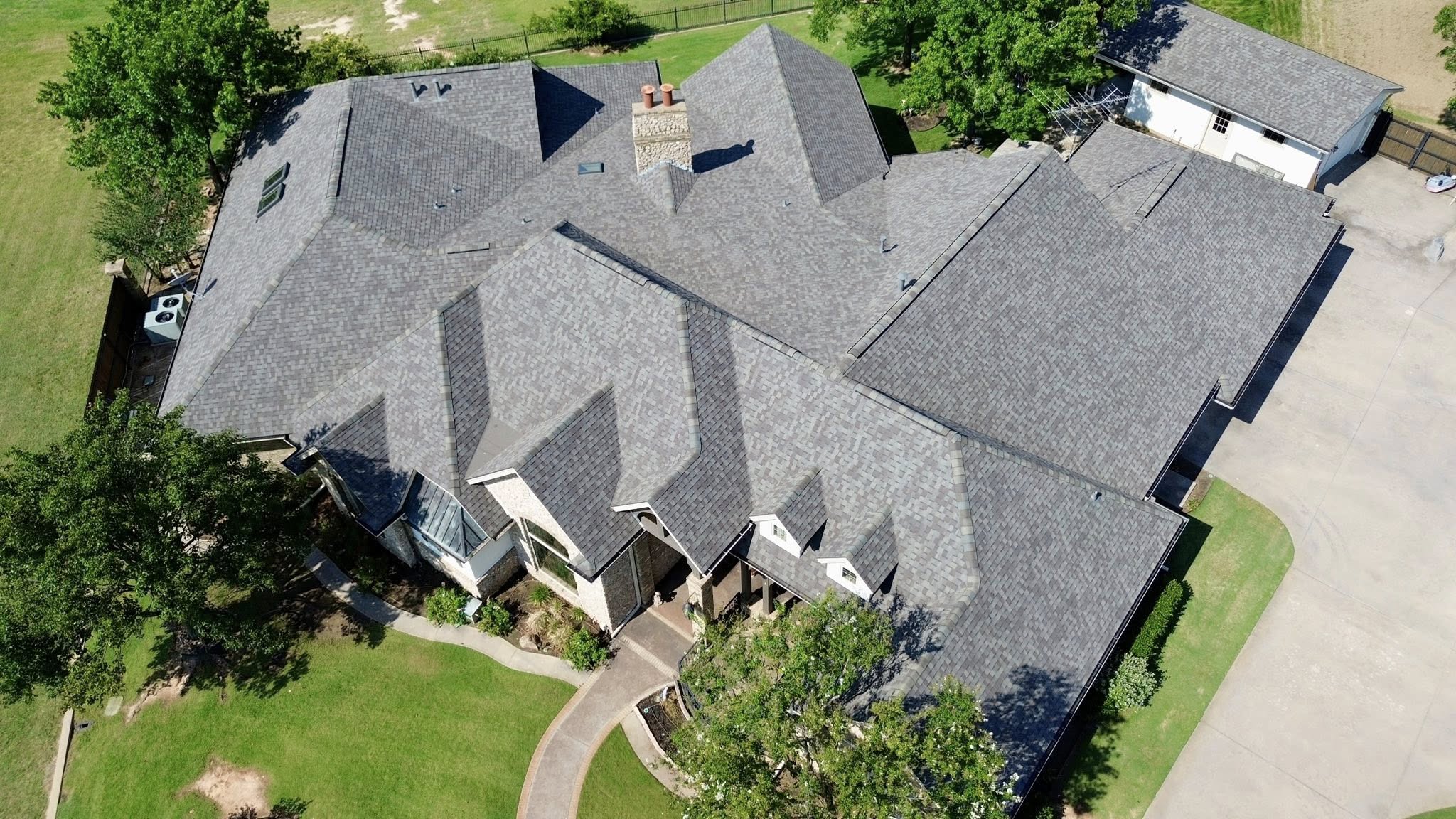
Roofing technology has advanced considerably over the past several decades, allowing homeowners to choose materials that provide greater durability, improved weather resistance, and enhanced energy performance compared to many older roofing systems.
Modern asphalt shingles remain one of the most popular choices because they combine affordability with dependable performance. Many premium shingles now include enhanced wind resistance, impact resistance, and algae resistant coatings that help maintain appearance over time.
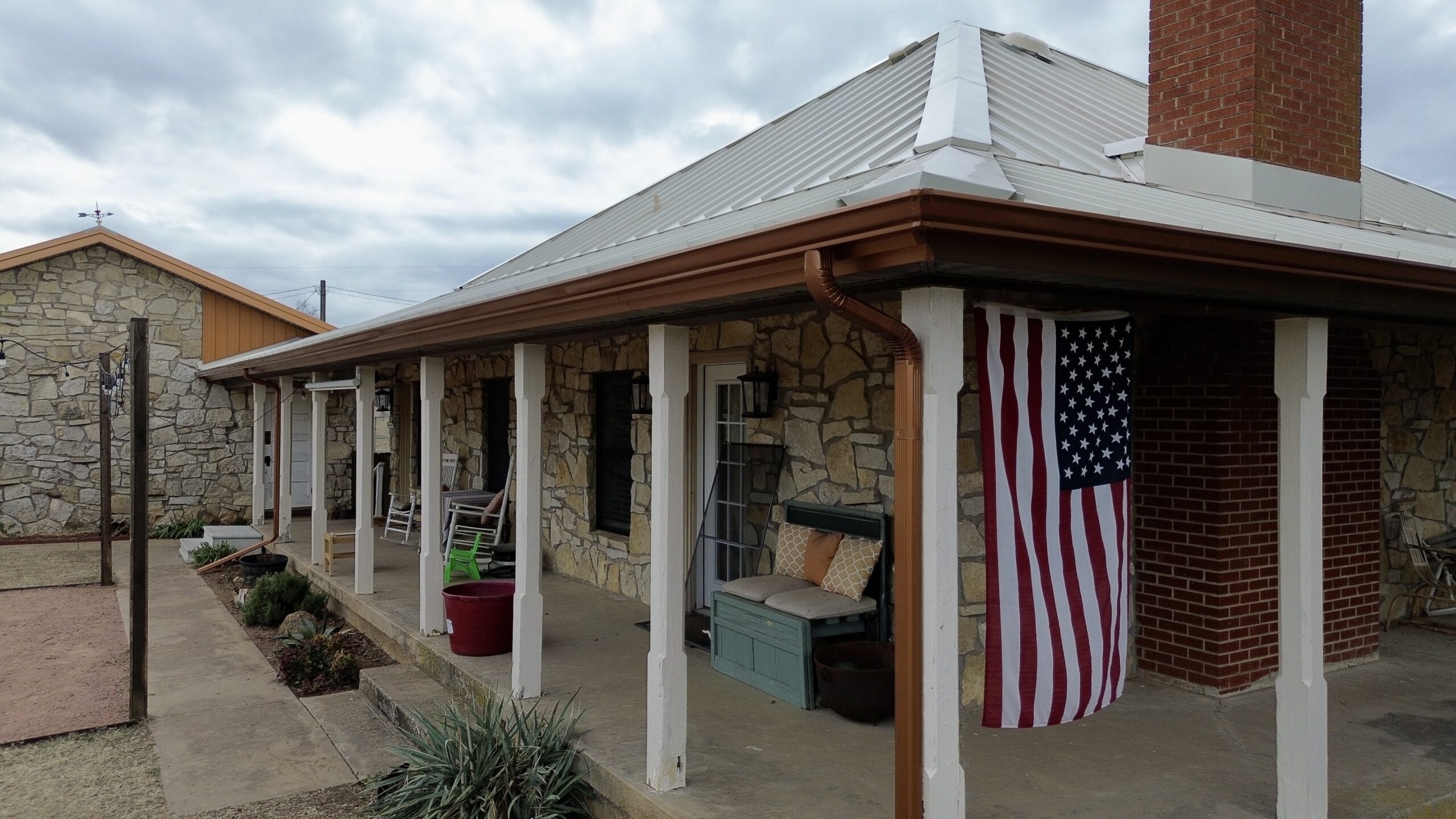
Metal roofing has also become increasingly common for residential properties. Modern metal systems resist fire, insects, and rot while offering excellent durability under severe weather conditions. Their reflective surfaces can also contribute to improved energy efficiency by reducing heat absorption during warmer months.
Synthetic roofing materials provide another alternative. Products designed to resemble slate, cedar shake, or tile often weigh significantly less than the natural materials they imitate while still providing attractive appearance and long service life.
Underlayment technology has improved as well. Modern synthetic underlayments generally provide greater tear resistance, better moisture protection, and longer exposure tolerance than traditional felt products. These improvements help protect the roof during construction and throughout its service life.
Ice and water barriers offer additional protection in vulnerable areas such as valleys, roof edges, skylights, and around penetrations. These self sealing membranes help reduce the likelihood of water intrusion during severe weather or ice dam formation.
Corrosion resistant flashing, upgraded fasteners, and improved ventilation products further strengthen the entire roofing system. Although these components receive less attention than shingles, they contribute significantly to long term roof performance.
Investing in high quality roofing materials often reduces future maintenance requirements while improving the roof’s ability to withstand changing weather conditions for many years.
Building Code and Manufacturer Requirements
Every complete roof replacement must comply with current building codes and manufacturer installation guidelines. These standards help ensure the new roofing system performs safely while meeting modern structural and weather resistance requirements.
Building codes establish minimum requirements for roof decking, underlayment, flashing, ventilation, fastening methods, and structural performance. Contractors follow these regulations throughout the replacement process to ensure the completed roof meets local safety standards.
Roofing manufacturers publish detailed installation instructions for each product they produce. These guidelines specify approved underlayments, fastening patterns, ventilation requirements, and flashing details that allow the roofing system to perform as intended.
Proper installation is essential for warranty protection. Many manufacturers require their products to be installed according to published specifications before warranty coverage becomes valid. Deviating from these recommendations may limit or void future warranty claims.
Roof ventilation receives particular attention under current building standards. Balanced intake and exhaust ventilation helps reduce attic heat and moisture, improving both roof performance and indoor comfort. Contractors frequently recommend ventilation upgrades during complete replacement projects to meet current requirements.
Structural inspections may also be required before replacement begins, particularly if the roof has experienced extensive damage from storms, fire, or long term moisture exposure. Any weakened framing or deteriorated decking must be repaired before new roofing materials are installed.
Final inspections verify that every stage of construction complies with approved plans. Inspectors evaluate flashing, drainage, structural repairs, ventilation, and roofing installation before approving the completed project.
Working with experienced roofing professionals helps ensure compliance with applicable regulations while providing homeowners with confidence that the roof has been installed according to recognized industry standards.
Cost Factors That Influence Complete Roof Replacement
The cost of replacing an entire roofing system varies because every home presents different structural conditions, roofing designs, and material requirements. Understanding the major cost factors helps homeowners prepare realistic budgets before construction begins.
Roof size is one of the largest influences on total cost. Larger roofs require more materials, additional labor, and longer installation periods than smaller homes. Roof complexity also affects pricing because multiple valleys, dormers, skylights, and intersecting roof sections require additional installation time.
The condition of the existing roof plays an equally important role. Homes with widespread decking deterioration, moisture damage, mold, or structural repairs generally require more extensive work than roofs experiencing only surface wear.
Material selection significantly influences project cost. Standard asphalt shingles typically provide the most economical solution, while premium architectural shingles, metal roofing, tile, or slate increase both material and installation expenses.
Labor requirements depend on roof pitch, accessibility, weather conditions, and project complexity. Steeper roofs or properties with limited equipment access often require additional safety measures and longer installation times.
Other factors that influence complete roof replacement costs include:
- Roof size and design complexity
- Roofing material selection
- Roof pitch and accessibility
- Structural deck repairs
- Underlayment upgrades
- Ventilation improvements
- Flashing replacement
- Permit and inspection fees
- Debris removal and disposal
- Regional labor costs
Although complete replacement represents a significant investment, addressing all roofing components at once often provides greater long term value than performing repeated repairs over many years.
How to Choose a Qualified Roofing Contractor
Selecting the right contractor is one of the most important decisions homeowners make during a complete roof replacement. Even the highest quality materials cannot perform properly without professional installation.
Experience should be one of the first qualifications considered. Contractors with extensive roof replacement experience understand structural repairs, flashing installation, ventilation requirements, and manufacturer specifications that contribute to long term roof performance.
Proper licensing and insurance are equally important. Licensed contractors demonstrate compliance with local regulations, while insurance protects both workers and homeowners in the event of accidents or unexpected property damage during construction.
References from previous customers provide valuable information about workmanship, communication, and overall project management. Reviewing completed projects helps homeowners evaluate the contractor’s consistency and attention to detail.
Detailed written estimates should explain every major component of the replacement project. Homeowners should understand which materials will be installed, whether decking replacement is included, how cleanup will be handled, and what warranties apply to both products and workmanship.
Communication throughout the project also deserves attention. Contractors who answer questions clearly, explain inspection findings, and provide regular progress updates help homeowners feel more confident during construction.
Comparing estimates should involve more than reviewing the final price. Material quality, installation methods, warranty coverage, project scheduling, and contractor experience all contribute to the overall value of the replacement project.
Mistakes Homeowners Should Avoid During Replacement Projects
A complete roof replacement represents a major investment, and avoiding common mistakes helps ensure homeowners receive the greatest possible value from the project.
One of the most common mistakes is delaying replacement after widespread roofing system failure has already been identified. Waiting too long often allows moisture damage to spread into roof decking, insulation, and structural framing, increasing repair costs significantly.
Choosing the lowest estimate without understanding the scope of work is another frequent error. Lower prices sometimes reflect reduced material quality, incomplete flashing replacement, limited ventilation improvements, or omitted structural repairs that later become expensive problems.
Ignoring attic ventilation during replacement is also a missed opportunity. Balanced ventilation supports the performance of every roofing system by reducing heat buildup and controlling moisture inside the attic.
Some homeowners attempt to reduce costs by requesting partial replacement despite widespread deterioration. While this approach may reduce immediate expenses, older roof sections continue aging and often require additional repairs within a relatively short period.
Failing to review warranty information carefully can also create future confusion. Understanding both manufacturer warranties and contractor workmanship guarantees helps homeowners know what protection is available after the project is completed.
Finally, postponing routine maintenance after installation reduces the lifespan of even the highest quality roofing system. Annual inspections and prompt attention to small issues help preserve the investment for decades.
Preparing for a Complete Roof Replacement
Careful preparation allows homeowners to understand the replacement process while minimizing disruption during construction. Planning ahead also helps contractors complete the project more efficiently.
The following steps provide a practical preparation guide:
- Schedule a comprehensive roof inspection and review the findings with the contractor.
- Obtain multiple written estimates that clearly explain materials, labor, warranties, and project scope.
- Confirm permit requirements and expected inspection schedules before construction begins.
- Remove valuable belongings from the attic to protect them from dust and construction vibrations.
- Move vehicles, patio furniture, and fragile outdoor items away from work areas.
- Inform neighbors about the planned construction schedule if access or noise may affect nearby properties.
- Discuss weather contingency plans and daily communication procedures with the contractor.
- Keep all warranty documents, inspection reports, and maintenance recommendations after project completion.
Preparing in advance helps homeowners understand each phase of the project while reducing unnecessary stress throughout the replacement process.
Long Term Maintenance After Installing a New Roofing System
A new roofing system provides dependable protection, but regular maintenance remains essential for maximizing its lifespan. Preventive care helps identify developing issues before they require major repairs.
Annual roof inspections allow professionals to examine shingles, flashing, roof penetrations, ventilation, and drainage systems for early signs of wear. Detecting minor concerns promptly often prevents moisture from reaching underlying structural components.
Keeping gutters and downspouts clean is another important maintenance task. Proper drainage allows rainwater to leave the roof efficiently, reducing the likelihood of standing water or overflow that may affect roofing materials or the home’s foundation.
Tree branches should be trimmed away from the roof whenever possible. Overhanging limbs may scrape roofing materials during windy weather while also increasing the amount of leaves and debris accumulating on the roof surface.
Attic inspections help monitor ventilation performance, insulation condition, and signs of moisture. Homeowners should watch for mold, condensation, unusual odors, or water stains that could indicate developing roofing issues.
After major storms, professional inspections provide additional peace of mind. Even when no obvious damage is visible from the ground, hidden impacts or lifted shingles may require prompt attention to prevent future leaks.
Routine maintenance protects both the roofing materials and the structural components beneath them, helping homeowners enjoy the full expected lifespan of their new roofing system.
Frequently Asked Questions
How do I know if my roof needs complete replacement instead of repairs?
A professional roof inspection is the most reliable way to determine this. Widespread leaks, extensive decking damage, severe underlayment deterioration, multiple aging components, or recurring repair needs often indicate that complete replacement is the better long term solution.
How long does a complete roof replacement usually take?
Most residential roof replacements are completed within several days, although larger or more complex projects may require additional time. Weather conditions, roof size, structural repairs, and material selection all influence the project schedule.
Can damaged roof decking be repaired without replacing the entire roof?
Small localized deck repairs are sometimes possible. However, widespread decking deterioration generally requires complete roof replacement because the roofing materials above must be removed to access and replace damaged structural panels.
Will homeowner’s insurance cover a complete roof replacement?
Coverage depends on the cause of the damage and the terms of the insurance policy. Sudden storm or fire damage is often covered, while normal aging and lack of maintenance may not qualify for reimbursement.
How often should a new roofing system be inspected?
Most roofing professionals recommend annual inspections and additional evaluations after severe storms. Regular inspections help identify developing issues early, reducing the likelihood of expensive repairs later.
Conclusion
A roofing system functions as a complete protective assembly rather than a collection of individual materials. Shingles, underlayment, roof decking, flashing, ventilation, and structural framing all work together to shield the home from weather and maintain long term structural stability. When multiple components begin failing at the same time, isolated repairs often provide only temporary relief while hidden deterioration continues beneath the surface.
Widespread deck damage, recurring water intrusion, extensive underlayment failure, long term moisture exposure, severe storm damage, fire related deterioration, and multiple roofing layers are among the most common conditions that require complete replacement. Addressing these issues through a full roofing system replacement restores structural integrity, improves weather resistance, and provides a dependable foundation for decades of protection.
Choosing quality materials, following current building codes, hiring experienced roofing professionals, and maintaining the new roof through regular inspections all contribute to long term performance. Preventive maintenance also helps identify small concerns before they become major structural problems, protecting both the roof and the investment made during replacement.
By understanding the causes and warning signs of roofing system failure, homeowners can make informed decisions that improve safety, reduce long term maintenance costs, and ensure their new roofing system delivers reliable protection for many years to come.