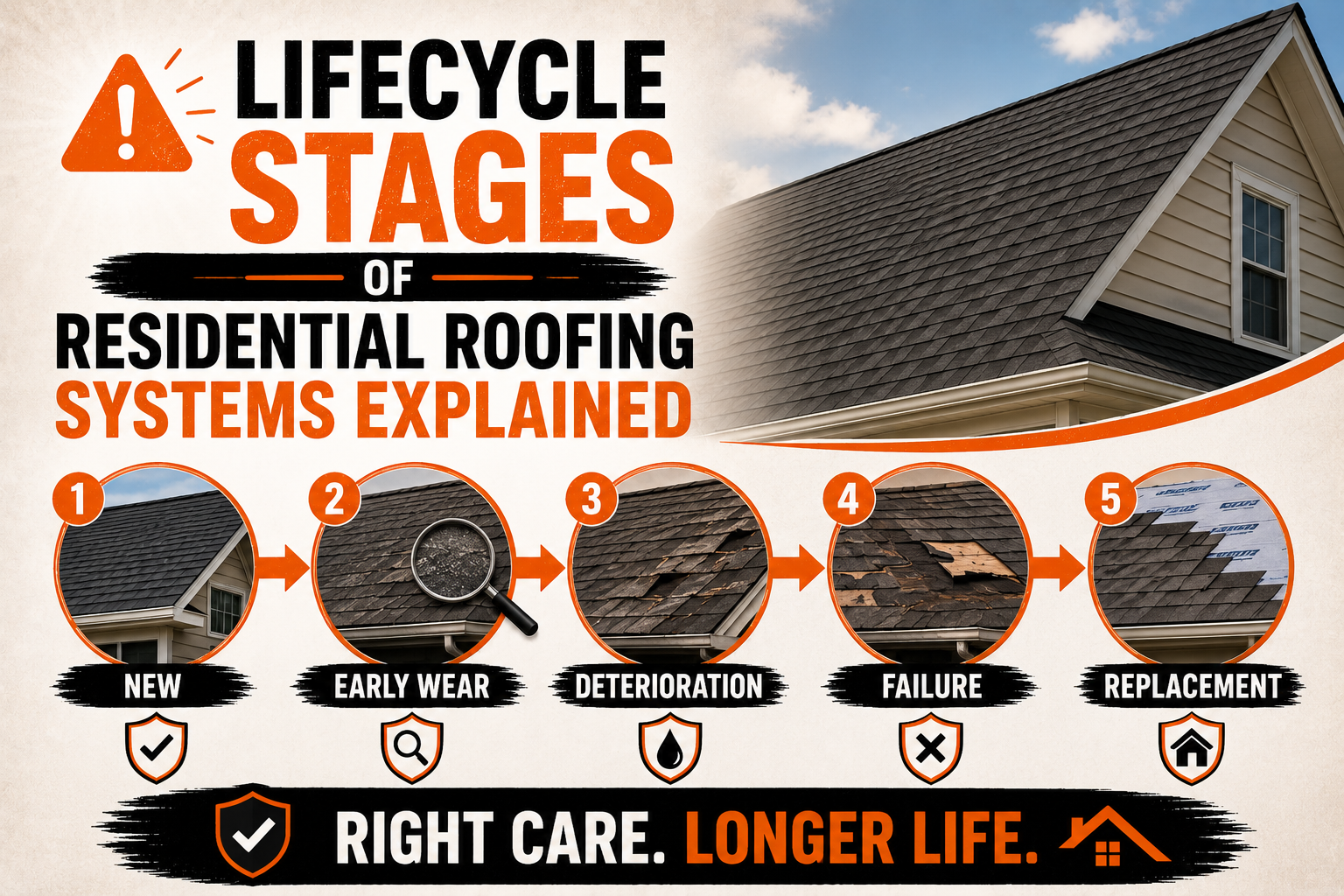
Lifecycle Stages of Residential Roofing Systems Explained
Introduction
A residential roofing system is one of the most important structural elements of any home. While many homeowners focus on the appearance of roofing materials, the roof itself is a complete system made up of several components that work together to provide protection, insulation, and long term durability. Understanding how this system changes over time helps homeowners make better maintenance decisions and avoid costly surprises.
Every roof follows a natural lifecycle from installation to eventual replacement. During each stage, the roofing system experiences different levels of stress caused by weather, age, maintenance practices, and environmental conditions. Knowing what to expect at every phase allows homeowners to address small concerns before they become major structural problems.
Many roofing issues do not appear overnight. Instead, they develop gradually as materials expand and contract, moisture finds weak points, or protective layers begin to wear down. A homeowner who understands these changes is more likely to recognize warning signs early and schedule timely inspections or repairs.
This guide explains the complete lifecycle of residential roofing systems in a logical progression. It begins with the planning and installation stage, continues through the early years of performance, and explores the environmental factors and maintenance practices that influence long term roof health. The later stages, including aging, repair strategies, and replacement planning, will be covered in the following parts of this article.
Understanding the Purpose of a Residential Roofing System
Many people think of a roof as a layer of shingles or tiles sitting on top of a house. In reality, a residential roofing system consists of multiple components designed to function together. Each layer serves a specific purpose, and the performance of one component often depends on the condition of the others.
The primary purpose of a roofing system is to protect the home from outside elements. Rain, snow, wind, sunlight, and changing temperatures constantly test the strength of roofing materials. A properly functioning roof prevents moisture from entering the home while helping regulate indoor temperatures throughout the year.
A roofing system also contributes to the structural stability of a property. By distributing weight evenly and resisting weather related forces, the roof helps preserve the integrity of walls, ceilings, insulation, and framing. Damage to one section of the roof can eventually affect several other parts of the home if left unresolved.
Modern roofing systems are also designed with energy efficiency in mind. Proper ventilation and insulation reduce heat buildup during summer while minimizing heat loss during winter. This balanced performance helps improve comfort inside the home while reducing strain on heating and cooling systems.
Although roofing materials differ in appearance and lifespan, they all depend on careful installation, regular inspections, and consistent maintenance. Understanding this interconnected design makes it easier to appreciate why every stage of the roof’s lifecycle matters.
The Main Components That Work Together
Every residential roofing system includes several essential layers. While specific materials vary depending on climate and design preferences, most modern homes contain similar structural elements.
Some of the key components include:
- Roof decking that provides the structural base.
- Underlayment that creates an additional moisture barrier.
- Roofing material such as asphalt shingles, metal panels, slate, or tiles.
- Flashing around chimneys, vents, skylights, and roof valleys.
- Ridge vents and intake vents that promote airflow.
- Gutters and downspouts that direct rainwater away from the foundation.
Each component performs a specialized role, but they function best when maintained together as a complete system. Replacing damaged shingles alone may not solve moisture problems if flashing or ventilation has also deteriorated.
Ignoring one part of the system often places additional stress on other components. For example, clogged gutters may cause water to back up beneath roofing materials, eventually affecting the underlayment and roof decking. This chain reaction demonstrates why regular inspections should examine the entire roofing system instead of only visible surfaces.
The Planning and Installation Stage
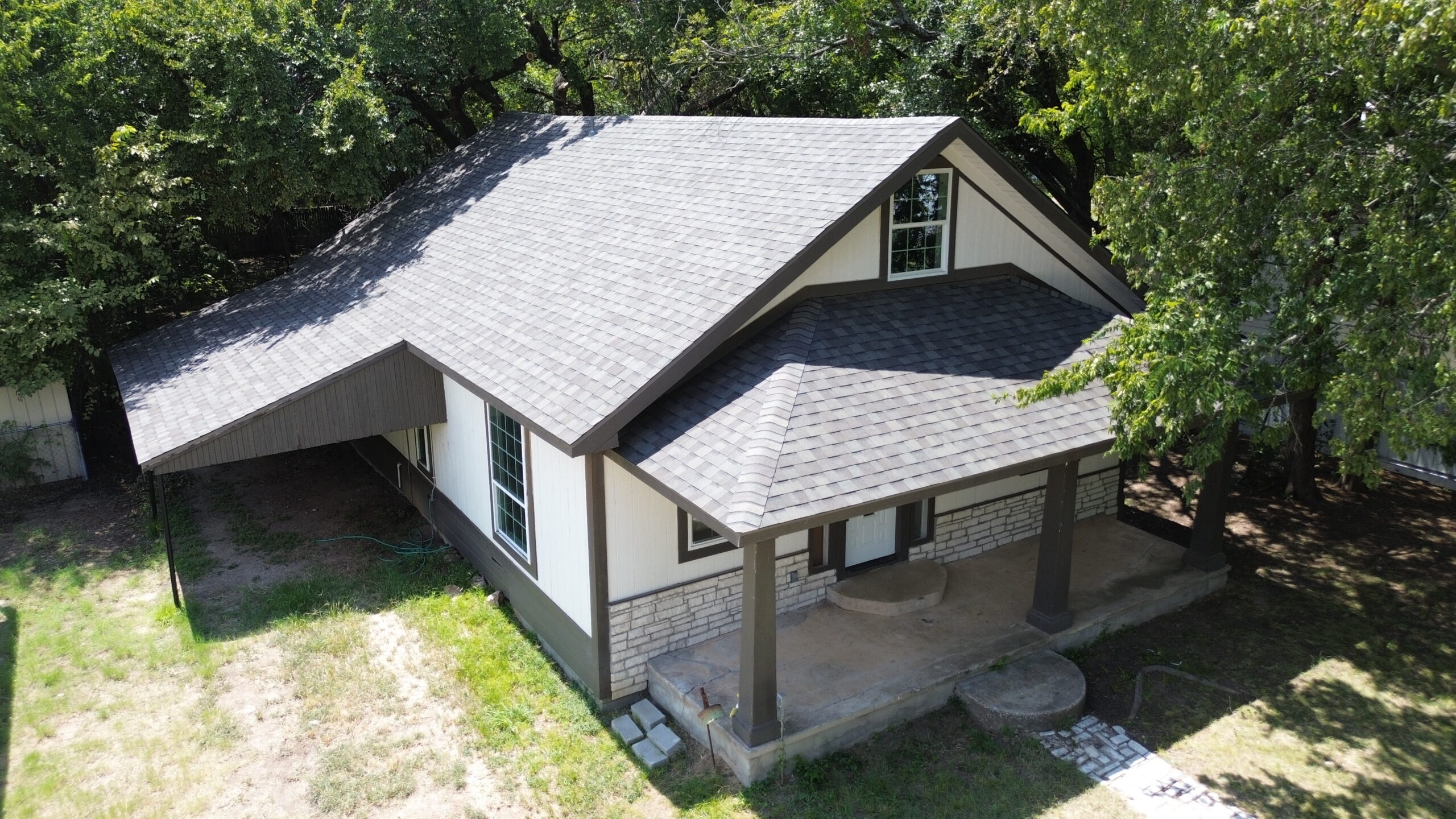
The lifecycle of every residential roof begins long before the first roofing material is installed. Careful planning determines how well the roof will perform over the coming decades. Decisions made during this stage influence maintenance needs, durability, energy efficiency, and overall value.
Homeowners often choose roofing materials based on appearance or initial cost. While those factors are important, climate, roof slope, local weather patterns, and expected maintenance requirements should also influence material selection. A roof that performs well in one region may not provide the same longevity in another environment.
Professional planning also includes evaluating ventilation, drainage, structural support, and insulation requirements. These factors work together to create balanced roof performance. Even premium roofing materials cannot compensate for poor airflow or inadequate structural preparation.
Proper installation is equally critical. Skilled roofing professionals follow manufacturer specifications to ensure each component performs as intended. Correct fastening techniques, flashing placement, and sealing methods reduce the likelihood of future leaks and premature wear.
Mistakes during installation may remain hidden for months or even years before symptoms appear. Poorly installed flashing, uneven decking, or improperly aligned shingles can gradually allow moisture to enter vulnerable areas. By the time water stains appear inside the home, significant damage may already exist beneath the roofing surface.
The installation stage therefore represents one of the most important investments in the entire lifecycle of a roofing system. Quality workmanship provides a strong foundation that supports every stage that follows.
Choosing the Right Roofing Material
Selecting roofing materials involves balancing appearance, durability, maintenance expectations, and budget. No single roofing material is ideal for every home, making careful evaluation essential before installation begins.
Several considerations influence material selection.
- Local climate and seasonal weather conditions.
- Expected lifespan of the roofing material.
- Maintenance requirements throughout ownership.
- Energy efficiency characteristics.
- Architectural style of the home.
- Initial installation costs and long term value.
A homeowner planning to remain in the property for many years may prioritize durability over initial cost. Someone preparing a home for resale may instead focus on appearance and immediate performance. Understanding these priorities helps ensure the chosen roofing system matches long term goals.
Professional roofing contractors often recommend materials based on regional weather patterns because local experience provides valuable insight into long term performance. Their recommendations typically consider factors that homeowners may overlook during the selection process.
Why Proper Roof Design Matters
Roof design extends beyond appearance. The shape, slope, drainage paths, and ventilation system all influence how effectively the roof manages water and temperature changes throughout its service life.
Steeper roofs generally shed rainwater and snow more efficiently, reducing moisture exposure. Lower slope roofs require specialized materials and installation methods because water drains more slowly across their surfaces.
Ventilation also plays an important role in roof performance. Warm air naturally rises into the attic, and without adequate airflow, excessive heat and moisture accumulate beneath the roof. Over time, trapped heat accelerates material aging while trapped moisture encourages mold growth and wood deterioration.
Proper roof design considers these environmental challenges before construction begins. When every element works together, the roofing system experiences less stress throughout its lifecycle.
The Early Performance Stage
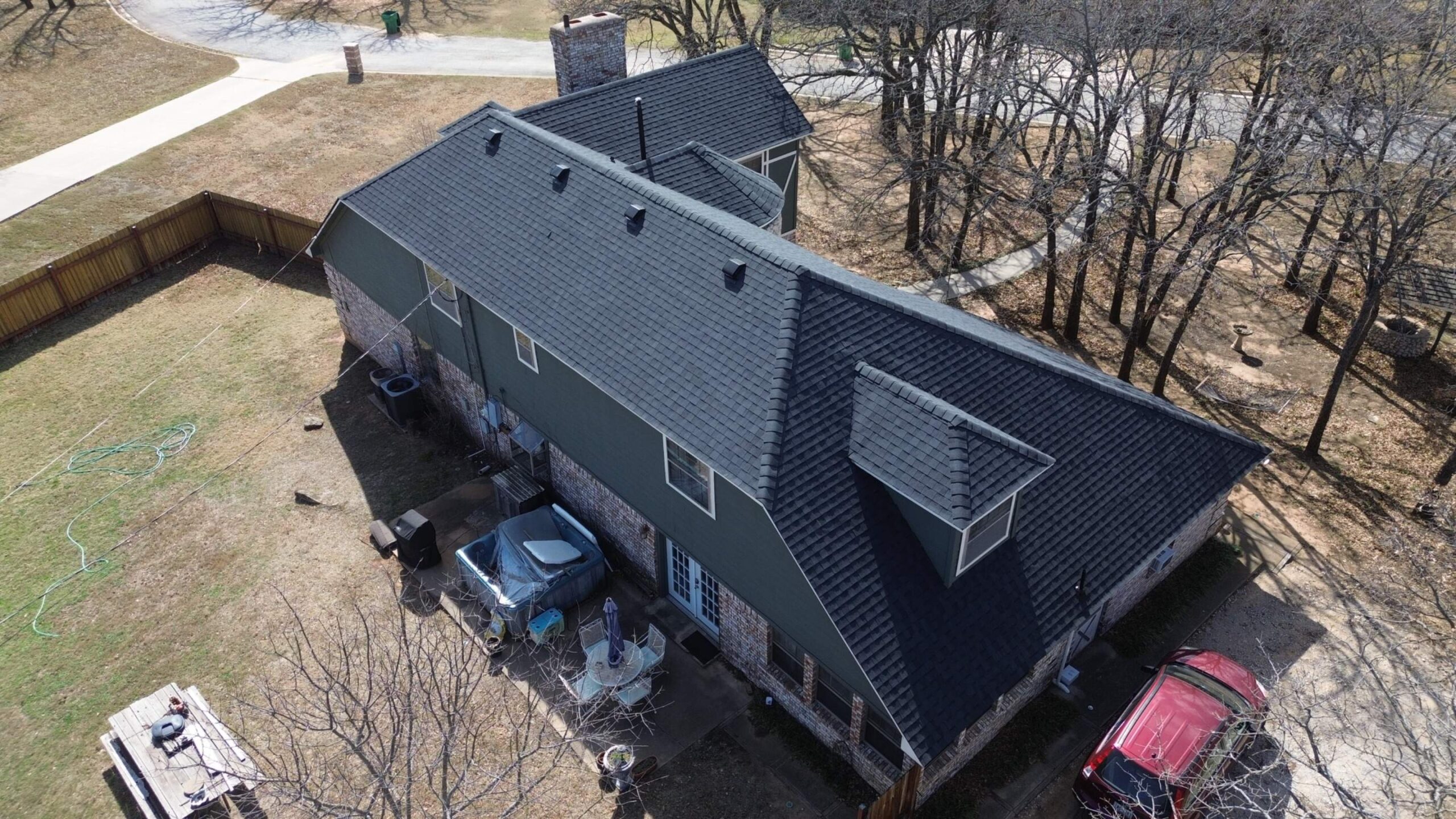
Once installation is complete, the roofing system enters its early performance stage. During these first several years, materials remain in excellent condition and require relatively little repair. However, this period is critical because maintenance habits established early often determine how well the roof ages later.
Many homeowners mistakenly believe a new roof requires no attention. Although serious problems are uncommon during this stage, regular inspections help confirm that installation was successful and that environmental conditions are not creating unexpected issues.
Seasonal inspections allow homeowners to identify loose flashing, clogged gutters, storm related debris, or isolated damage before these issues spread. Small adjustments made during the early years often prevent expensive repairs in the future.
The roof also begins adapting to repeated heating and cooling cycles. Roofing materials naturally expand during warm weather and contract as temperatures decrease. Manufacturers design products to withstand these movements, but proper installation ensures expansion occurs without damaging surrounding components.
As the roof settles into regular seasonal cycles, homeowners should become familiar with its normal appearance. This knowledge makes it easier to recognize future changes that may require professional evaluation.
Routine Care During the Early Years
Routine maintenance does not require extensive repairs or specialized equipment. Instead, it focuses on preserving the excellent condition established during installation.
Homeowners should regularly remove leaves, branches, and debris that accumulate on roofing surfaces. Organic material retains moisture, creating conditions that may gradually damage roofing materials or encourage algae growth.
Gutters also deserve consistent attention. Water should flow freely away from the roof and foundation without overflowing. Blocked gutters increase the risk of standing water, ice formation during winter, and moisture infiltration beneath roofing materials.
Tree branches hanging over the roof should be trimmed when appropriate. Branches rubbing against roofing surfaces gradually wear away protective coatings while increasing the likelihood of storm related impact damage.
After severe weather, homeowners should visually inspect the roof from ground level whenever possible. Missing shingles, displaced flashing, fallen branches, or visible debris should be addressed promptly before additional deterioration occurs.
Developing these maintenance habits early creates a proactive approach that supports every future stage of the roofing system’s lifecycle.
Environmental Factors That Shape Roof Aging
No roofing system ages in isolation. Every roof is constantly exposed to environmental forces that gradually influence its condition over time. Even roofs built with premium materials experience wear as they respond to changing weather conditions throughout the year.
Sunlight is one of the most consistent sources of roof aging. Ultraviolet radiation slowly breaks down protective coatings, causing certain materials to become less flexible as they age. Continuous exposure accelerates natural weathering, particularly in regions with long periods of intense sunshine.
Temperature fluctuations create another ongoing challenge. Roofing materials expand during warm afternoons and contract again during cool evenings. This repeated movement occurs thousands of times throughout a roof’s lifespan, gradually placing stress on fasteners, joints, sealants, and flashing.
Moisture introduces additional complexity to the aging process. Rainfall itself does not necessarily damage a properly installed roof, but standing water, trapped moisture, and poor drainage increase the likelihood of deterioration. If moisture repeatedly enters vulnerable areas, wooden structural components may weaken while mold and mildew become more likely to develop.
Wind also influences roof longevity in several ways. Strong gusts may lift shingle edges, loosen flashing, or carry debris across roofing surfaces. Even when obvious storm damage does not occur, repeated exposure to high winds gradually contributes to normal wear that becomes more noticeable during the middle stages of the roof’s lifecycle.
Understanding these environmental influences helps homeowners appreciate why even well constructed roofs require periodic inspections and ongoing care. Rather than viewing aging as a sign of failure, it should be recognized as a natural process that can often be managed effectively through consistent maintenance.
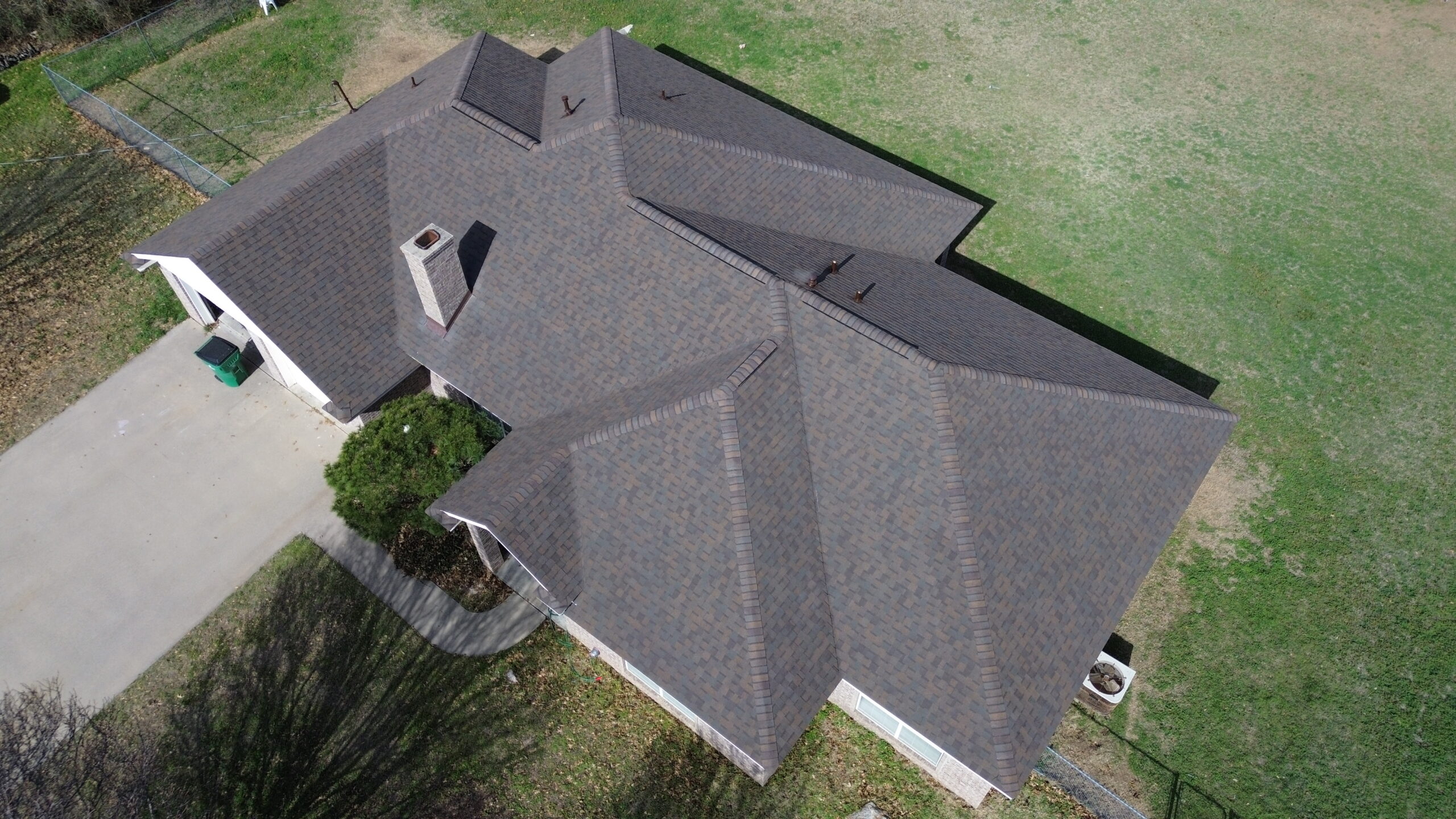
The Mid Life Stage of Residential Roofing Systems
Every residential roofing system eventually reaches a stage where it is no longer new but still has many productive years ahead. This period is often referred to as the mid life stage because the roof has already endured years of seasonal weather while continuing to provide reliable protection. Although the roofing system remains functional, signs of normal aging become more noticeable, making regular inspections increasingly important.
Homeowners often assume that a roof either works perfectly or needs complete replacement. In reality, most roofing systems spend many years between these two extremes. During this stage, maintenance becomes more proactive rather than reactive. Addressing minor concerns promptly helps preserve the roof’s structural integrity and delays more significant repairs.
The mid life stage is also when environmental exposure begins revealing the quality of the original installation. Roofs that were installed correctly and maintained consistently generally continue performing well with only routine repairs. Systems that experienced poor installation or neglected maintenance often begin developing recurring problems that require closer attention.
Understanding this stage allows homeowners to prepare for future needs without assuming replacement is immediately necessary. Careful monitoring helps maximize the remaining lifespan of the roofing system while protecting the home’s interior from avoidable damage.
Normal Wear Versus Warning Signs
Every roofing material changes as it ages. Some changes are completely expected, while others indicate developing problems that should not be ignored. Learning to distinguish between normal wear and genuine warning signs helps homeowners make informed maintenance decisions.
Normal wear typically develops gradually over many years. Roofing materials may lose some of their original color due to sunlight, protective granules may slowly wear away from asphalt shingles, and sealants may become less flexible with age. These changes are part of the natural aging process and do not automatically indicate structural failure.
Warning signs, however, usually involve conditions that compromise the roof’s ability to protect the home. Water infiltration, widespread material damage, recurring leaks, or structural movement suggest that the roofing system requires professional evaluation before conditions worsen.
The appearance of isolated imperfections does not necessarily mean the roof is failing. A few damaged shingles after a storm can often be replaced without affecting the overall system. Problems become more concerning when damage spreads across larger sections or repeatedly affects the same areas.
Routine inspections make these distinctions easier because homeowners become familiar with the roof’s normal condition. Changes are easier to recognize when there is a clear understanding of how the roof has performed over previous years.
Components That Usually Need Attention
Although the roof functions as a complete system, certain components naturally require maintenance sooner than others. These parts experience greater exposure to movement, moisture, and changing weather conditions.
Flashing is among the first components that deserves careful monitoring. Installed around chimneys, skylights, valleys, and roof penetrations, flashing prevents water from entering vulnerable joints. Over time, flashing may loosen slightly, sealants can deteriorate, or small gaps may appear around fasteners.
Roof vents also require periodic inspection. Proper airflow remains essential throughout the roof’s lifespan, and blocked or damaged vents reduce ventilation efficiency. Restricted airflow increases attic temperatures and allows excess moisture to accumulate, placing additional stress on roofing materials.
Sealants around roof penetrations gradually lose flexibility after years of expansion and contraction. Small cracks may develop, allowing moisture to enter if repairs are delayed. Replacing aging sealants is often a relatively simple maintenance task that prevents more expensive structural damage.
Gutters and downspouts continue playing a major role during this stage. Even if roofing materials remain in good condition, poor drainage can create standing water and increase moisture exposure around roof edges.
These supporting components may require maintenance several times during the roof’s lifespan, even while the primary roofing material continues performing effectively.
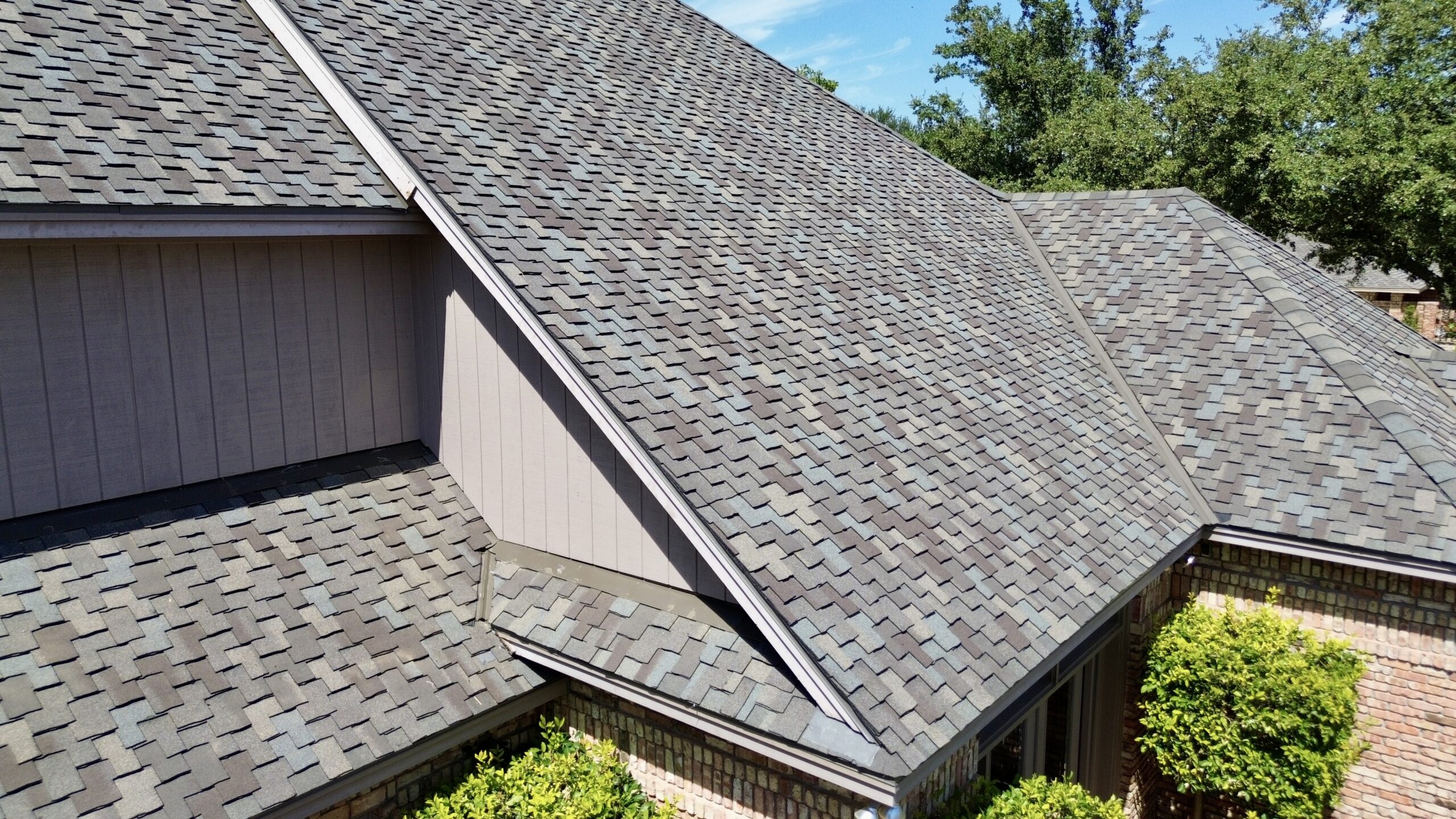
Recognizing Early Signs of Roof Deterioration
Most roofing systems do not fail suddenly. Instead, they provide numerous warning signs long before major structural problems develop. Homeowners who recognize these indicators early usually have more repair options available and often avoid extensive restoration work.
Surface changes are often the first visible signs of aging. Asphalt shingles may begin losing granules, wood shingles can show signs of weathering, and metal roofing may develop small areas where protective coatings require attention. These changes deserve monitoring because they gradually reduce the material’s resistance to environmental exposure.
Moisture related issues are particularly important to identify early. Dark stains, persistent damp areas, moss growth, or algae accumulation may indicate that certain sections of the roof remain wet longer than expected. While not every stain represents a leak, consistent moisture exposure accelerates material deterioration.
Inside the home, water stains on ceilings or walls often suggest that moisture has already traveled beyond the roof covering. Homeowners should investigate these symptoms promptly rather than assuming they are isolated cosmetic issues.
Changes in attic conditions also provide valuable clues. Increased humidity, musty odors, visible mold, or damp insulation may indicate inadequate ventilation or hidden moisture intrusion. Because many roofing problems begin beneath the visible surface, attic inspections complement exterior evaluations.
Even subtle changes deserve attention. Small issues addressed early generally require less time, lower costs, and fewer repairs than problems allowed to continue for several seasons.
Structural Movement and Aging
Residential homes naturally experience slight structural movement over time. Seasonal temperature changes, soil conditions, and normal settling all influence how roofing systems respond throughout their lifespan.
Most movement occurs gradually and falls within expected design limits. Roofing materials are manufactured to accommodate normal expansion and contraction without significant damage. Problems arise when movement becomes uneven or excessive.
Sagging roof sections should always receive professional evaluation. Although minor visual irregularities are sometimes harmless, noticeable dips may indicate weakened decking, prolonged moisture exposure, or structural deterioration beneath the roofing material.
Loose flashing, separated joints, or recurring cracks near roof penetrations may also result from repeated structural movement. These conditions should be repaired before they allow water infiltration.
Homeowners should avoid assuming every structural change is immediately dangerous, but they should also avoid ignoring visible movement simply because leaks have not yet appeared. Early assessment provides greater flexibility for planning repairs.
How Weather Accelerates Mid Life Aging
Environmental exposure continues influencing roof performance throughout the mid life stage. Years of seasonal weather gradually accumulate, making maintenance more important than during the roof’s early years.
Summer heat repeatedly warms roofing materials, increasing expansion during the day before cooling again overnight. This daily cycle slowly affects fasteners, sealants, and protective coatings.
Winter conditions introduce different challenges. Snow accumulation increases roof loading, while freeze thaw cycles cause trapped moisture to expand within small cracks. As ice melts and refreezes repeatedly, existing weaknesses may gradually become larger.
Heavy rainfall tests drainage performance throughout the roofing system. Gutters, flashing, valleys, and roof penetrations must continue directing water away efficiently. Minor drainage problems that once seemed insignificant often become more noticeable as materials age.
Wind driven debris also contributes to gradual wear. Branches, leaves, and airborne particles repeatedly contact roofing surfaces, producing small amounts of abrasion that accumulate over many years.
Although weather cannot be controlled, understanding its cumulative effects encourages homeowners to maintain regular inspection schedules instead of waiting until obvious damage appears.
Comparing Common Residential Roofing Materials
Different roofing materials progress through their lifecycles at different rates. Their expected performance depends not only on manufacturing quality but also on climate, installation, maintenance, and environmental exposure.
| Roofing Material | Typical Lifespan | Maintenance Level | Common Mid Life Concerns |
|---|---|---|---|
| Asphalt Shingles | 20 to 30 years | Moderate | Granule loss, curling edges |
| Metal Roofing | 40 to 70 years | Low to Moderate | Fastener inspection, coating wear |
| Clay Tiles | 50 to 100 years | Moderate | Cracked individual tiles |
| Concrete Tiles | 40 to 75 years | Moderate | Surface weathering, underlayment aging |
| Slate Roofing | 75 to 150 years | Low | Occasional broken slate pieces |
| Wood Shingles or Shakes | 25 to 40 years | High | Moisture damage, splitting, moss growth |
The roofing material itself represents only one part of the overall system. Even long lasting materials depend on flashing, underlayment, ventilation, and drainage systems that may require maintenance much sooner.
Understanding these differences helps homeowners establish realistic expectations. A roof should not be judged solely by its age because maintenance history and environmental conditions significantly influence actual performance.
Repair or Restoration?
As roofing systems mature, homeowners eventually face an important decision. Should the roof receive targeted repairs, more extensive restoration, or simply continue with routine maintenance?
The answer depends on the extent and distribution of existing damage. Localized issues affecting small areas often respond well to repairs. Replacing damaged shingles, resealing flashing, or correcting drainage problems may restore full performance without requiring larger projects.
Restoration becomes more appropriate when multiple components show moderate aging but the structural foundation remains sound. Restoration may involve replacing worn accessories, improving ventilation, renewing protective coatings on suitable roofing materials, or repairing larger sections while preserving the majority of the existing roof.
Professional inspections help determine whether restoration provides meaningful value. Investing in restoration makes sense only when the roof still has sufficient remaining service life to justify the expense.
Waiting too long, however, often reduces available options. Small repairs delayed for several years may eventually require widespread reconstruction because moisture has affected underlying structural components.
Building a Long Term Maintenance Strategy
Successful homeowners rarely depend on emergency repairs alone. Instead, they develop maintenance routines that evolve alongside the roof’s lifecycle.
A practical maintenance strategy includes several key practices.
- Inspect the roof after major storms and seasonal weather changes.
- Keep gutters, valleys, and drainage systems free from debris.
- Trim overhanging tree branches before they contact roofing materials.
- Check attic ventilation and insulation regularly.
- Schedule professional inspections every few years, especially as the roof reaches middle age.
- Maintain written records of inspections, repairs, and maintenance activities.
Documenting maintenance history provides valuable information when future repairs become necessary. Contractors can identify recurring issues more easily, while homeowners gain a clearer understanding of how the roofing system has performed over time.
Maintenance records also benefit future buyers by demonstrating that the property has received consistent care rather than reactive repairs.
The mid life stage is often the longest period in the roof’s lifecycle. With thoughtful maintenance, prompt repairs, and regular inspections, many roofing systems continue performing reliably for years before replacement becomes a realistic consideration.
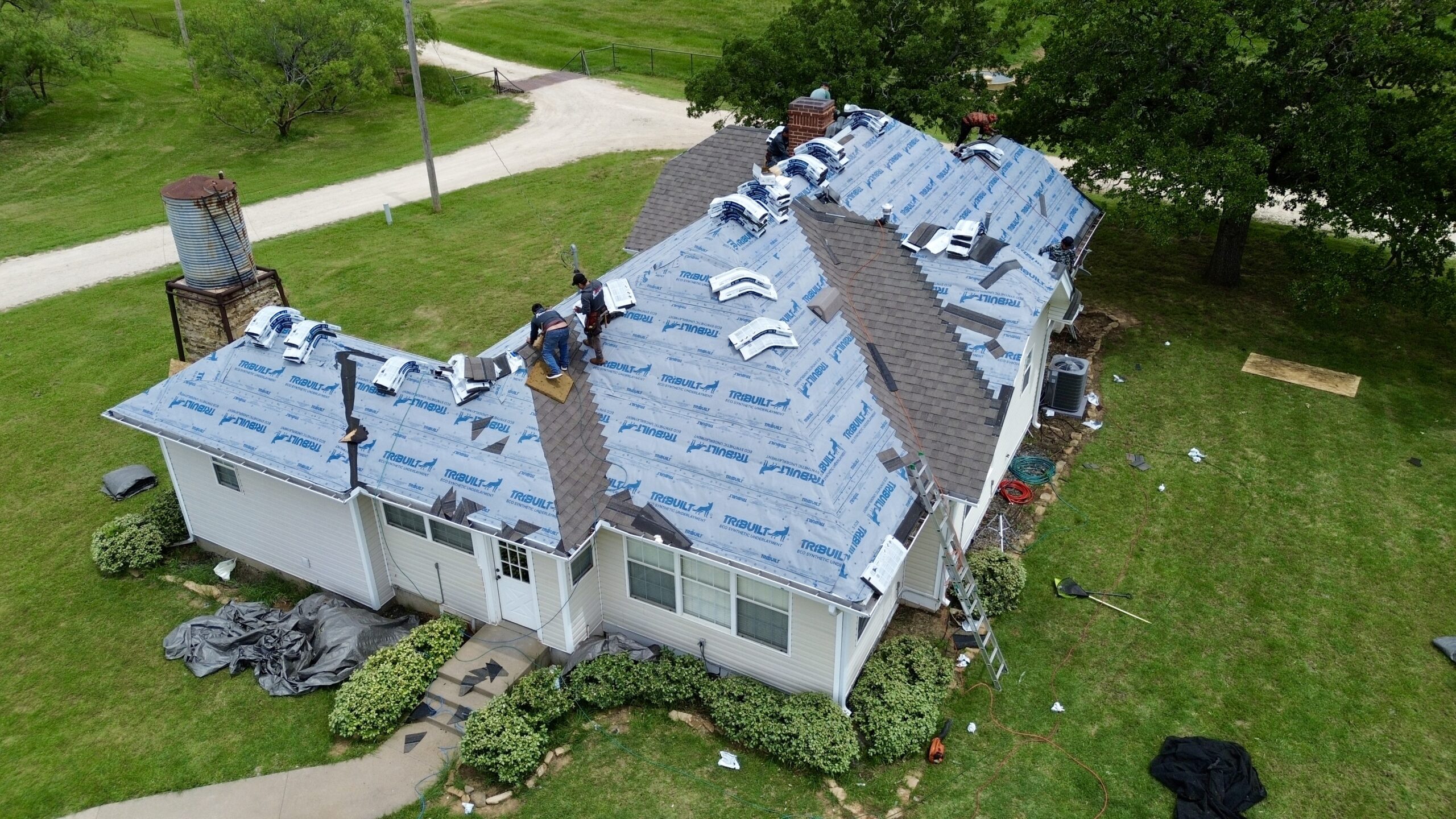
The Final Stage of the Roofing Lifecycle
Every residential roofing system eventually reaches a point where age begins to outweigh the benefits of continued repairs. This does not mean the roof suddenly stops functioning overnight. Instead, the final stage is usually a gradual transition during which maintenance becomes more frequent, repairs become less effective, and homeowners must begin evaluating long term replacement options.
The timing of this stage varies considerably depending on roofing material, climate, installation quality, and maintenance history. Two roofs installed during the same year may reach the end of their useful lives at different times because they have experienced different environmental conditions and levels of care.
Recognizing this stage early allows homeowners to plan financially and practically. Rather than responding to an emergency leak or storm damage, they can evaluate materials, compare contractors, and schedule replacement under more favorable conditions.
A roof that has served a home well for decades has fulfilled its purpose. The goal during the final stage is not simply to repair every visible problem but to determine whether continued investment still provides lasting value.
Signs a Roof Is Nearing the End of Its Service Life
The final stage of a roofing system is usually identified through a combination of aging indicators rather than a single problem. Looking at the roof as a complete system helps homeowners make informed decisions instead of reacting to isolated defects.
One common sign is widespread material deterioration. Asphalt shingles may lose a significant portion of their protective granules, edges may curl upward, or entire sections may become brittle. Metal roofing may show extensive coating wear, while wood shingles can split or decay after many years of exposure.
Recurring leaks also become more common as roofs age. Repairing one section only to discover another leak a few months later often suggests that the roofing system is approaching the limits of its useful life. Individual repairs may still solve immediate problems, but they become increasingly temporary.
Flashing and sealants often require repeated attention during this stage. If several roof penetrations need repairs within a short period, the supporting components may be aging alongside the primary roofing material.
Interior warning signs should never be ignored. Ceiling stains, peeling paint, damp insulation, mold growth, or musty odors may indicate that moisture has begun affecting structural components beneath the roof surface.
Another important consideration is the overall appearance of the roof. Uneven sections, sagging areas, widespread discoloration, or visible deterioration across multiple slopes often suggest that replacement deserves serious consideration rather than continued patchwork repairs.
Cosmetic Aging Versus Structural Deterioration
Not every aging roof requires immediate replacement. Some changes affect appearance more than performance, while others compromise the roof’s ability to protect the home.
Cosmetic aging generally includes faded colors, slight weathering, or natural changes in surface texture. Although these changes may reduce curb appeal, they do not necessarily indicate structural failure.
Structural deterioration involves conditions that weaken the roofing system itself. Moisture damaged decking, deteriorated flashing, persistent leaks, weakened framing, or compromised underlayment directly affect the roof’s performance and should receive professional evaluation.
Understanding this distinction prevents unnecessary replacement while ensuring that genuine structural concerns receive timely attention. A roof can look older than it actually performs, just as a roof with limited visible damage may conceal serious moisture problems beneath the surface.
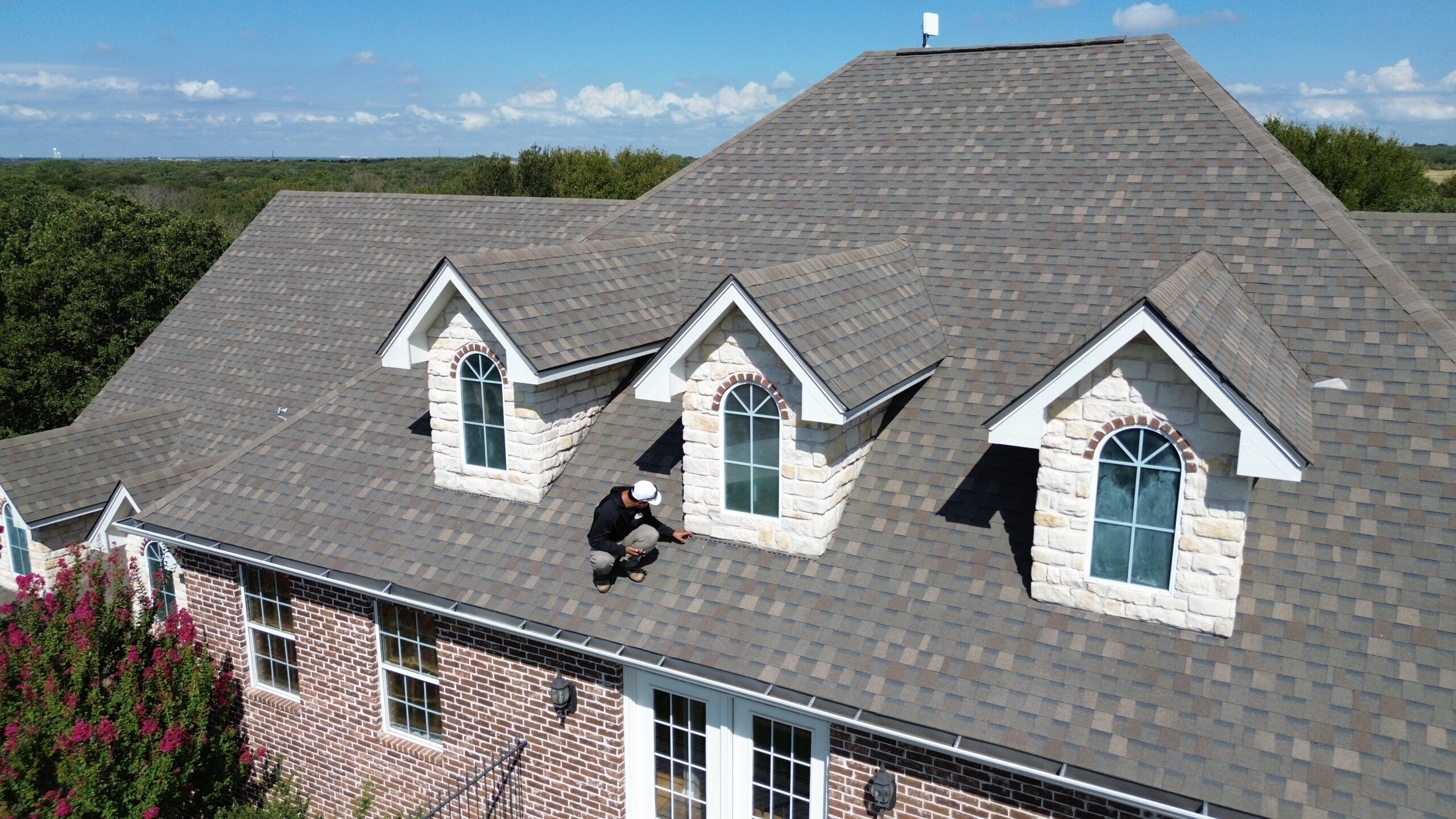
Professional inspections remain valuable during this stage because experienced contractors evaluate conditions that homeowners cannot easily observe from ground level.
Safety Considerations for Aging Roofs
As roofing systems reach the later stages of their lifecycle, safety becomes increasingly important. Older materials may no longer provide the same level of stability they offered when new, making both inspections and maintenance more challenging.
Walking on an aging roof can sometimes cause additional damage, particularly when shingles have become brittle or tiles have weakened over time. Homeowners should avoid climbing onto roofs unless they have appropriate experience and safety equipment.
Storm damaged roofs deserve special attention. Even if visible damage appears limited, underlying structural components may have been affected by strong winds, fallen branches, or prolonged moisture exposure. Temporary repairs should not replace comprehensive evaluations when significant weather events occur.
Water intrusion also creates safety concerns inside the home. Moisture can weaken ceilings, damage electrical systems, and encourage mold growth if left unresolved. Addressing these issues promptly protects both the property and the people living within it.
Planning replacement before serious structural problems develop is generally safer than waiting until emergency conditions arise.
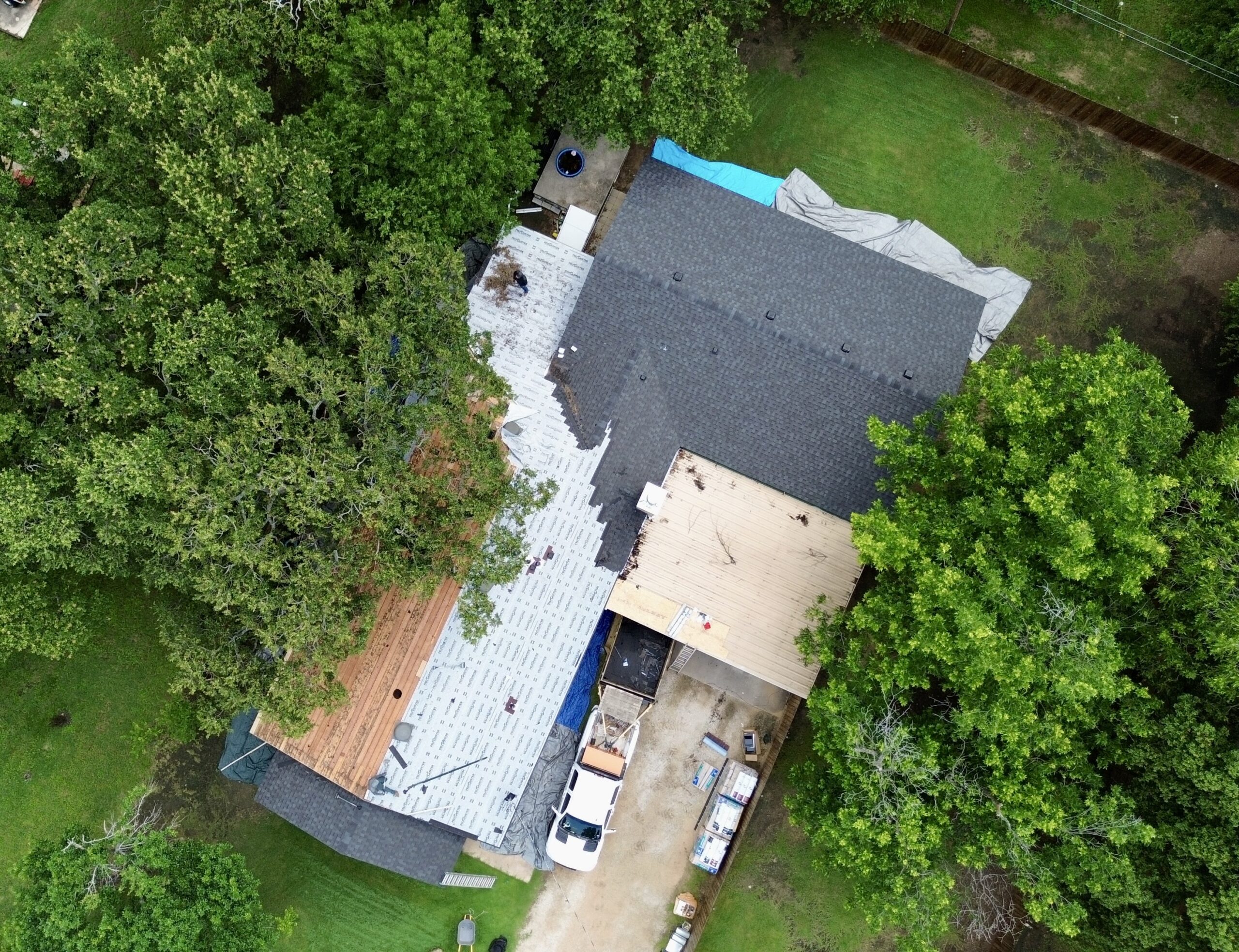
Deciding Between Continued Repairs and Full Replacement
One of the most difficult decisions homeowners face is determining whether to continue repairing an aging roof or invest in a complete replacement. The correct choice depends on several factors rather than the roof’s age alone.
If damage remains isolated and the majority of the roofing system is still performing well, repairs may continue providing good value. Replacing a few shingles, repairing flashing, or improving drainage often extends service life without requiring major investment.
Replacement becomes more practical when repairs become frequent, widespread, or increasingly expensive. Spending significant amounts every year on recurring problems may ultimately cost more than installing a new roofing system designed to provide decades of reliable performance.
Several factors should be evaluated before making a decision.
- The overall age of the roofing system.
- The extent of existing structural damage.
- Frequency of recent repairs.
- Expected remaining lifespan after repairs.
- Energy efficiency improvements available with modern materials.
- Long term maintenance costs compared with replacement.
Considering these factors together provides a balanced perspective instead of focusing solely on immediate repair expenses.
The Long Term Value of Roof Replacement
Although replacing a roof represents a significant investment, it also offers several long term advantages that extend beyond solving existing problems.
Modern roofing materials often provide improved durability, better moisture protection, and enhanced resistance to changing weather conditions. Advances in manufacturing have produced products that perform more efficiently than many older roofing systems.
Energy efficiency is another important benefit. Updated ventilation systems, improved insulation practices, and reflective roofing materials may help regulate indoor temperatures more effectively. This improved performance can reduce strain on heating and cooling equipment throughout the year.
A new roof also contributes positively to property value. Prospective buyers often view a recently installed roofing system as an indication that the home has been well maintained. Knowing that major roof expenses are unlikely in the near future may increase buyer confidence during the purchasing process.
Replacement also provides an opportunity to address hidden structural concerns that repairs alone may not reveal. During installation, contractors can inspect decking, underlayment, ventilation, and flashing to ensure the new roofing system begins its lifecycle with a solid foundation.
Planning a Successful Roof Replacement Project
Replacing a residential roof involves more than selecting new shingles. Careful planning improves project efficiency and helps homeowners make informed decisions before construction begins.
Material selection should consider regional climate, maintenance expectations, architectural style, and long term ownership goals. Choosing the least expensive option may reduce initial costs but increase maintenance requirements later.
Homeowners should also understand the scope of the project before work begins. Replacement often includes removing existing roofing materials, inspecting structural decking, installing new underlayment, replacing flashing where necessary, and improving ventilation if required.
Communication with the roofing contractor is equally important. Discussing schedules, cleanup procedures, material delivery, and project timelines helps establish realistic expectations before construction starts.
Preparing the property also minimizes disruptions. Outdoor furniture, vehicles, and fragile landscaping should be protected whenever possible. Informing neighbors about the project demonstrates consideration, particularly if work is expected to continue for several days.
Good planning creates a smoother replacement process while reducing unexpected delays.
Choosing the Right Roofing Professional
Selecting a qualified roofing professional influences the long term success of the new roofing system. Installation quality remains just as important as material quality throughout the roof’s lifecycle.
Before hiring a contractor, homeowners should carefully evaluate experience, communication, and professionalism. Asking detailed questions encourages informed decision making and helps clarify expectations.
Important questions include:
- How long has the contractor been installing residential roofing systems?
- What roofing materials do they regularly install?
- Will damaged decking be replaced if discovered during installation?
- How will the property be protected throughout construction?
- What maintenance recommendations should homeowners follow after installation?
Clear communication benefits both parties and reduces misunderstandings during the project.
Choosing experienced professionals also improves confidence that manufacturer installation guidelines will be followed correctly, maximizing the lifespan of the new roofing system.
Extending the Lifecycle of a New Roofing System
A replacement roof marks the beginning of a new lifecycle rather than the end of maintenance responsibilities. The habits established during the first few years significantly influence long term performance.
Routine inspections remain one of the most valuable maintenance practices. Seasonal evaluations help identify loose flashing, damaged shingles, blocked gutters, or debris accumulation before these issues become larger problems.
Homeowners should continue trimming overhanging branches, maintaining drainage systems, and ensuring attic ventilation remains unobstructed. Small preventive tasks consistently provide greater value than waiting until visible damage appears.
Professional inspections every few years also support long term performance. Roofing specialists often recognize subtle warning signs that may not be obvious during routine homeowner inspections.
Maintenance should be viewed as an ongoing investment rather than an occasional expense. Consistent care allows roofing materials to perform closer to their expected lifespan while reducing the likelihood of emergency repairs.
Frequently Asked Questions About Residential Roofing Lifecycles
How long does a typical residential roofing system last?
The lifespan depends on roofing material, installation quality, maintenance, and environmental exposure. Asphalt shingles commonly last between 20 and 30 years, while metal, tile, and slate roofs often provide significantly longer service when properly maintained.
Does every roof require regular inspections?
Yes. Even newly installed roofs benefit from periodic inspections because early identification of small issues prevents larger structural problems from developing over time.
Can proper maintenance delay roof replacement?
Regular maintenance cannot stop natural aging, but it can significantly extend the useful life of many roofing systems. Cleaning gutters, repairing flashing promptly, and addressing minor damage early all contribute to improved longevity.
Should small leaks always be repaired immediately?
Yes. Even minor leaks allow moisture to enter areas that are difficult to observe. Prompt repairs reduce the risk of structural deterioration, insulation damage, and mold growth.
Is roof replacement always necessary when shingles begin aging?
Not necessarily. Some visible aging represents normal weathering rather than structural failure. Professional inspections help determine whether repairs, restoration, or replacement provide the most appropriate solution.
Conclusion
The lifecycle of a residential roofing system is a gradual journey rather than a series of isolated events. From careful planning and professional installation to routine maintenance, mid life inspections, and eventual replacement, every stage influences the roof’s long term performance and reliability.
Understanding these stages enables homeowners to make informed decisions instead of reacting only when major problems appear. Regular inspections, timely repairs, proper drainage, effective ventilation, and consistent maintenance all work together to maximize the value of the roofing system throughout its service life.
No roof lasts forever, but every roof can perform more effectively when it receives appropriate care. Recognizing the difference between normal aging and developing structural concerns allows homeowners to address issues before they become costly emergencies.
Whether a roof is newly installed, halfway through its lifespan, or approaching replacement, proactive management remains the key to long term success. By treating the roof as a complete system rather than a collection of individual materials, homeowners can protect their investment, improve energy efficiency, and maintain a safe, comfortable home for many years to come.