

Choosing Contractors for Residential Roof Replacement Work
Introduction
A residential roof replacement is one of the most significant investments a homeowner will make. The quality of the finished project depends not only on the roofing materials but also on the contractor responsible for planning, installation, and project management. Choosing the right professional can protect your home for decades, while hiring the wrong contractor may lead to leaks, structural problems, costly repairs, and unnecessary stress.
Many homeowners focus primarily on the price when comparing roofing companies. While budget is certainly important, the lowest estimate is not always the best value. A reputable contractor delivers quality workmanship, uses dependable materials, follows local building regulations, and provides reliable warranties that protect your investment long after the installation is complete.
The roofing industry includes companies with different levels of experience, certifications, equipment, and customer service standards. Some contractors specialize in residential properties, while others focus mainly on commercial projects. Understanding these differences helps homeowners identify professionals who are truly qualified for their specific roofing needs.
A roof replacement project also involves more than simply removing old shingles and installing new ones. Contractors must inspect the roof structure, identify hidden damage, manage crews safely, coordinate material deliveries, protect landscaping, and ensure the finished roof performs well under local weather conditions. Every stage requires planning and technical expertise.
This guide explains how to choose a reliable contractor for residential roof replacement work. It covers the qualities to look for, the credentials to verify, the questions to ask, and the warning signs homeowners should never ignore before signing a roofing contract.
Why Choosing the Right Roofing Contractor Matters
The contractor you hire has a direct impact on the durability, appearance, and long-term performance of your new roof. Even premium roofing materials cannot perform as expected if they are installed incorrectly. Proper installation techniques are just as important as the products themselves.
A qualified roofing contractor follows manufacturer installation guidelines and industry best practices throughout the project. These standards reduce the risk of leaks, premature wear, poor ventilation, and warranty issues that could otherwise affect the lifespan of the roof.
Professional contractors also understand local building codes and permit requirements. Compliance with these regulations helps ensure your roof passes inspections and meets safety standards required by local authorities.
Working with an experienced contractor also creates a smoother experience from start to finish. Clear communication, organized scheduling, reliable project management, and professional workmanship minimize disruptions while giving homeowners confidence throughout the replacement process.
Choosing the right contractor provides additional benefits beyond the installation itself. Reliable companies often offer maintenance guidance, warranty support, emergency repair services, and ongoing customer assistance that continue after the project has been completed.
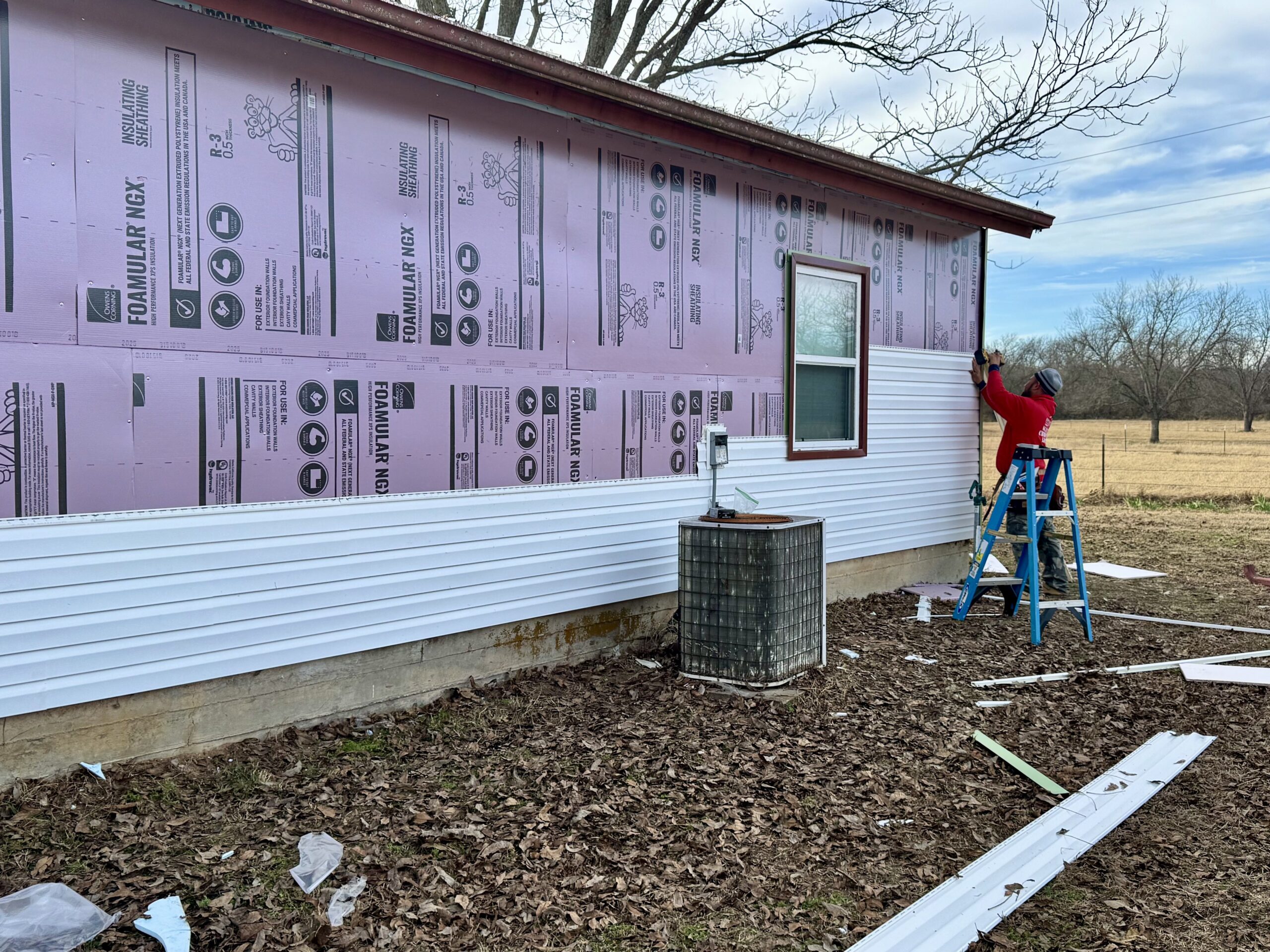
Signs You Need a Professional Roof Replacement Contractor
Some roofing problems may only require repairs, but others indicate that complete replacement is the more practical solution. Recognizing these signs helps homeowners seek professional advice before damage becomes more extensive.
Roof age is often one of the first indicators. Asphalt shingle roofs generally last between twenty and thirty years depending on material quality, weather conditions, ventilation, and maintenance. As roofs approach the end of their expected lifespan, replacement becomes increasingly cost effective compared to repeated repairs.
Visible deterioration is another important warning sign. Missing shingles, cracked flashing, curled edges, bald spots where granules have worn away, and recurring leaks suggest that the roofing system may no longer provide adequate protection.
Interior water damage should never be ignored. Stains on ceilings, peeling paint, damp insulation, mold growth, or water entering the attic often indicate roofing failures that require professional evaluation rather than temporary fixes.
Storm damage may also justify a complete roof replacement. Strong winds, hail, falling branches, and severe weather events can compromise roofing materials in ways that are not immediately visible from ground level. A qualified contractor can perform a thorough inspection to determine whether repair or replacement is the better option.
Homeowners planning major renovations or preparing to sell their property may also benefit from replacing an aging roof. A new roof improves curb appeal, increases buyer confidence, and may contribute positively to property value.
Types of Residential Roofing Contractors
Not every roofing contractor offers the same services or level of expertise. Understanding the different categories helps homeowners identify professionals who match their specific project requirements.
General roofing contractors perform a wide variety of roofing services, including repairs, replacements, inspections, and maintenance. These companies often work with multiple roofing materials and can handle projects of varying complexity.
Residential roofing specialists focus specifically on homes rather than commercial buildings. Their experience includes neighborhood building styles, residential roofing systems, ventilation requirements, and homeowner communication.
Manufacturer certified contractors have completed specialized training provided by roofing manufacturers. Certification often demonstrates that installers understand proper installation techniques required to maintain manufacturer warranty coverage.
Storm restoration contractors specialize in roofs damaged by hail, wind, or severe weather. Many also assist homeowners with insurance documentation and damage assessments, although homeowners should still review insurance requirements independently.
Luxury roofing contractors focus on premium materials such as slate, clay tile, cedar shake, synthetic roofing products, and architectural systems. These materials require advanced installation techniques that differ from standard asphalt roofing.
Some companies operate as subcontractors who perform installations for larger roofing firms. Homeowners should understand who will actually complete the work and who will remain responsible for warranties, supervision, and quality control throughout the project.
Qualities Every Reliable Roofing Contractor Should Have
Finding a trustworthy contractor requires evaluating more than advertisements or attractive pricing. Reliable professionals consistently demonstrate qualities that reflect experience, integrity, and commitment to quality workmanship.
Experience remains one of the strongest indicators of reliability. Contractors who have completed numerous residential roof replacements have encountered different roof designs, weather challenges, ventilation issues, and structural conditions. This experience enables them to solve problems efficiently without compromising installation quality.
Professional communication is equally important. A dependable contractor responds promptly, explains technical information clearly, provides detailed documentation, and answers homeowner questions without avoiding difficult topics. Open communication reduces misunderstandings and creates realistic expectations throughout the project.
Strong local reputation also deserves careful consideration. Contractors who have served the same community for many years often depend on customer satisfaction and referrals rather than aggressive sales tactics. Positive reviews, repeat customers, and recommendations from neighbors provide valuable insight into long-term performance.
Reliable roofing companies maintain organized business operations. Written proposals, scheduled appointments, documented inspections, transparent pricing, and professional project planning reflect attention to detail that usually extends to the roofing work itself.
Safety should never be overlooked. Roofing involves significant risks, and responsible contractors invest in proper safety equipment, employee training, fall protection systems, and job site procedures that protect both workers and homeowners.
Quality contractors also respect the homeowner’s property throughout the installation process. They protect landscaping, cover outdoor furniture when necessary, manage debris responsibly, and clean the site thoroughly after completing the work.
Perhaps most importantly, trustworthy contractors stand behind their workmanship. They remain available after project completion to address warranty questions or installation concerns instead of disappearing once the final payment has been received.
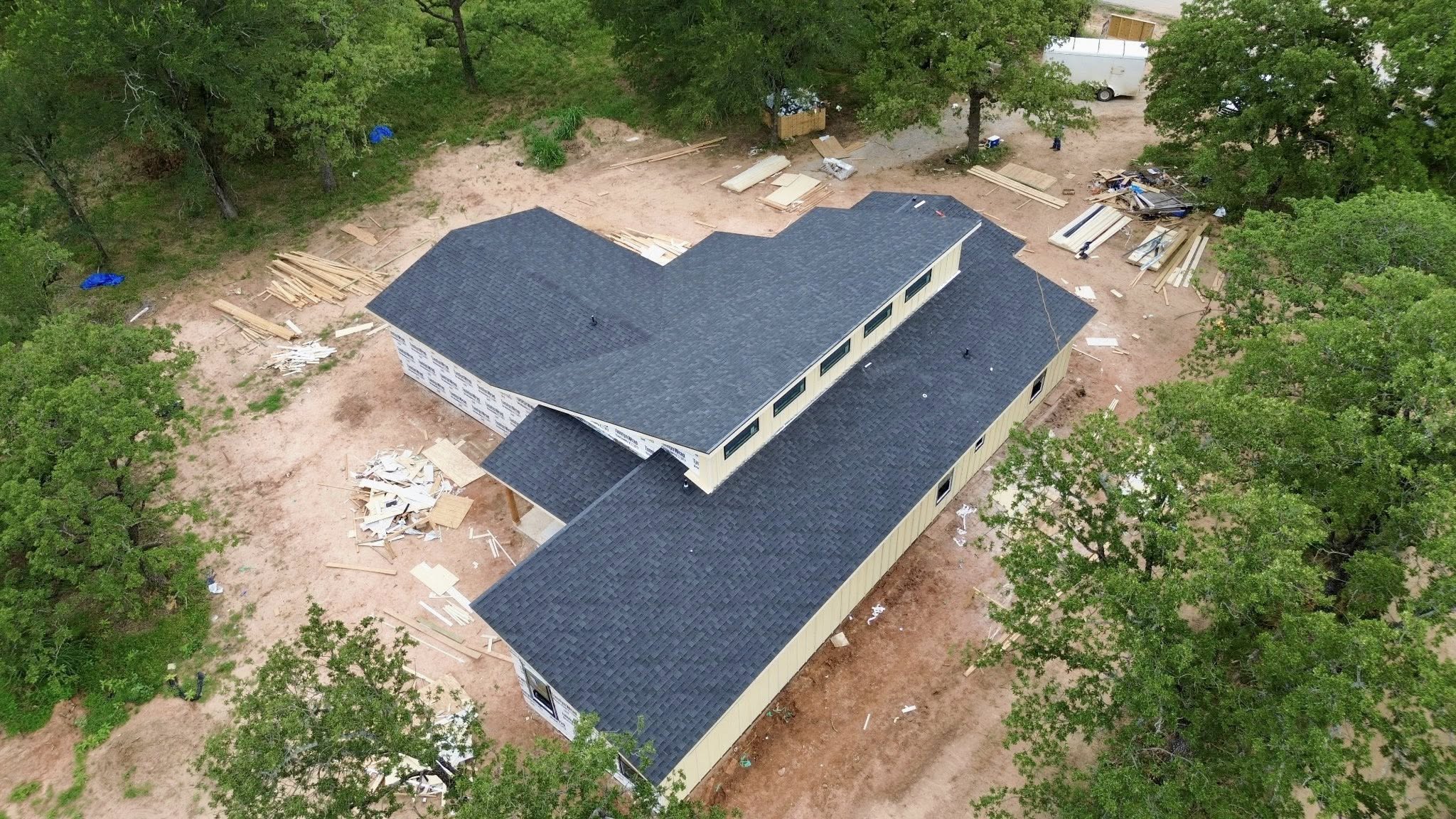
Essential Licenses, Certifications, and Insurance to Verify
Before hiring any roofing contractor, homeowners should verify that the company possesses the required credentials for operating legally and professionally. Documentation protects both parties and demonstrates a commitment to industry standards.
Licensing requirements vary depending on state, province, or municipality. A valid contractor license indicates that the company meets local regulatory requirements and has satisfied applicable business qualifications. Homeowners should verify that the license is current rather than relying solely on verbal assurances.
Insurance is equally critical. Roofing projects involve significant risks, and inadequate insurance coverage may expose homeowners to unexpected financial liability if accidents occur during construction.
The following documents should always be verified before work begins:
- Valid contractor or business license where required by local regulations.
- General liability insurance that protects against property damage.
- Workers’ compensation insurance for employees working on the roof.
- Written manufacturer certifications when applicable.
- Proof of bonding if required for local construction projects.
Manufacturer certifications provide another level of confidence. Many leading roofing manufacturers certify contractors who complete specialized installation training and consistently meet quality standards. While certification does not guarantee perfect work, it often reflects a contractor’s commitment to continuing education and proper installation methods.
Homeowners should also confirm whether the contractor belongs to recognized professional associations within the roofing industry. Membership alone does not guarantee quality, but participation in industry organizations often indicates an interest in professional development and updated installation practices.
Documentation should always be provided willingly. Contractors who hesitate to share licensing information, insurance certificates, or business credentials may warrant additional investigation before any agreement is signed.
Questions Homeowners Should Ask Before Hiring a Contractor
Meeting with potential contractors provides an opportunity to evaluate both technical expertise and professionalism. Asking thoughtful questions helps homeowners compare companies using objective information rather than marketing promises alone.
Instead of focusing only on price, conversations should explore experience, project management, warranties, communication, scheduling, and quality assurance. The answers often reveal how organized and transparent a contractor will be during the actual replacement process.
Consider asking questions such as:
- How many residential roof replacements have you completed that are similar to this project?
- Will your employees perform the work, or will subcontractors handle the installation?
- How will unexpected structural damage be addressed if it is discovered during construction?
- What workmanship warranty do you provide in addition to the manufacturer warranty?
- How do you protect landscaping, driveways, and outdoor property during installation?
- Who will supervise the roofing crew each day?
- What is the estimated project timeline, assuming normal weather conditions?
- How will communication be handled throughout the project if questions arise?
These discussions also allow homeowners to evaluate communication style. Contractors who provide clear explanations, realistic timelines, and straightforward answers generally inspire greater confidence than those relying on vague promises or high pressure sales techniques.
It is equally important to request written estimates rather than verbal price ranges. Detailed proposals reduce misunderstandings and provide a stronger foundation for comparing multiple contractors fairly.
Finally, homeowners should trust both documentation and personal judgment. Professional credentials, positive references, organized communication, and respectful interactions together create a more complete picture of whether a contractor is likely to deliver quality residential roof replacement work.
How to Research Local Roofing Contractors
After identifying the qualities of a dependable roofing contractor, the next step is narrowing your options through careful research. Taking time during this stage helps homeowners avoid costly mistakes and increases the likelihood of hiring a company that consistently delivers quality work.
Begin by creating a shortlist of contractors that primarily serve residential properties. Companies with local experience are usually more familiar with regional weather conditions, common roofing materials, neighborhood building styles, and municipal building requirements. This knowledge often results in more accurate recommendations and smoother project execution.
Online research provides a useful starting point, but it should never be the only factor influencing your decision. Company websites, customer reviews, project galleries, and testimonials offer valuable information, yet homeowners should verify claims through multiple sources whenever possible.
Recommendations from friends, neighbors, relatives, and coworkers can also be extremely valuable. People who have recently completed roof replacement projects often provide honest feedback about workmanship, communication, cleanup, scheduling, and overall satisfaction.
Local suppliers of roofing materials may also know which contractors consistently purchase quality products and maintain professional business relationships. Although suppliers may not officially recommend companies, their experience within the local roofing industry often provides useful insight.
When researching contractors, pay attention to how long they have operated under the same business name. A stable business history generally reflects consistency, while companies that frequently change names or contact information may require additional investigation.
Review photos of completed residential projects whenever possible. High quality images showing different roofing styles, flashing details, valleys, ridges, and finished installations can provide confidence that the contractor has experience with projects similar to yours.
Reading customer reviews requires careful interpretation. A few negative comments among hundreds of positive reviews are not necessarily alarming, but repeated complaints about communication, unfinished work, warranty disputes, or missed deadlines deserve closer attention.
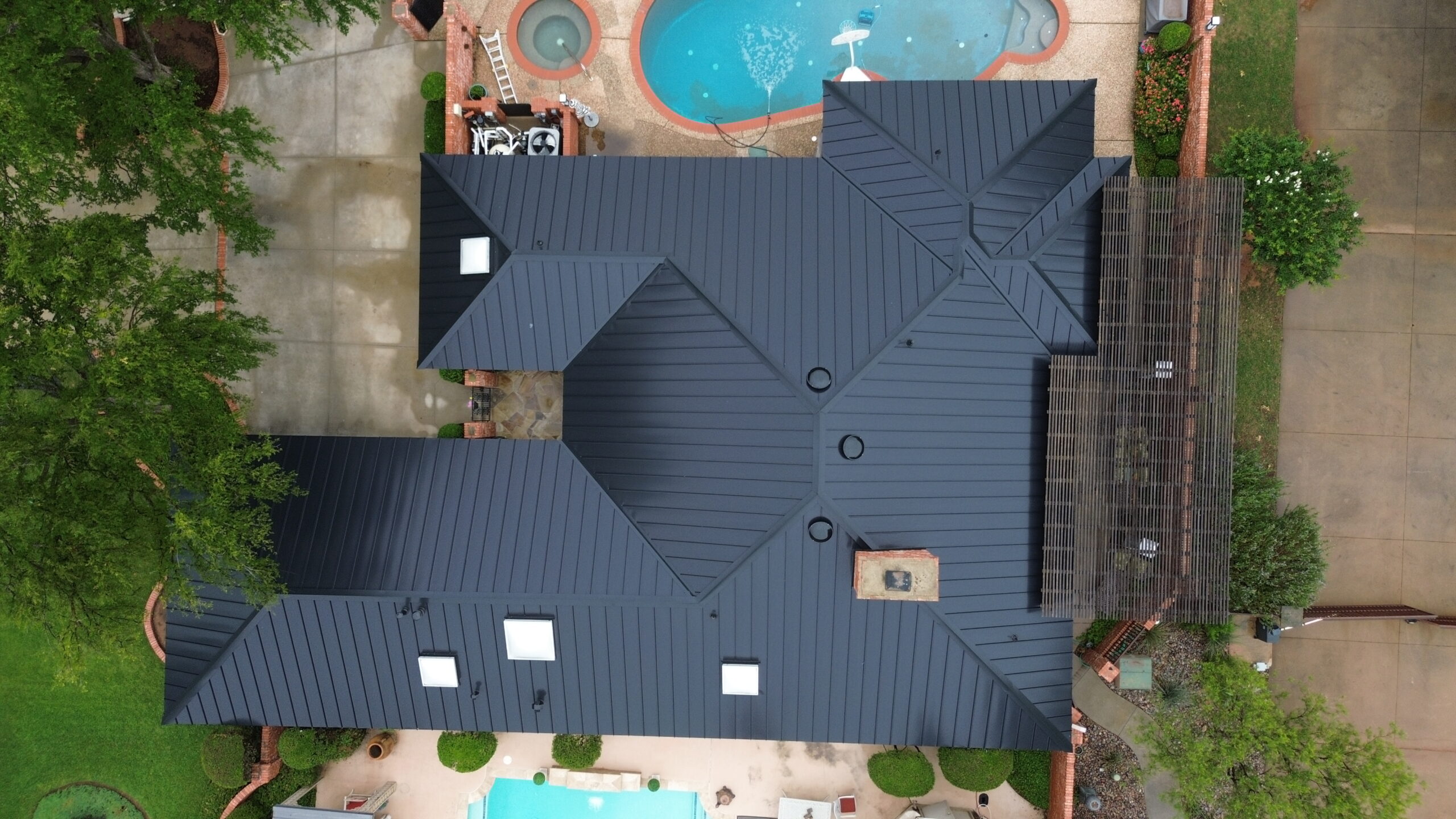
Comparing Roofing Estimates the Right Way
Receiving several roofing estimates allows homeowners to compare services before making a final decision. However, comparing proposals involves much more than looking at the total project cost.
Every estimate should clearly explain the scope of work being performed. Vague proposals may leave room for misunderstandings, unexpected charges, or disagreements after construction has already begun.
A professional estimate typically includes information about roofing materials, underlayment, flashing replacement, ventilation improvements, disposal of old roofing materials, cleanup procedures, estimated project duration, warranty coverage, and payment terms.
The cheapest estimate is not automatically the best option. Low pricing sometimes reflects lower quality materials, reduced labor standards, inexperienced crews, or incomplete project specifications that eventually increase overall costs.
Similarly, the highest estimate does not always represent superior quality. Some contractors charge premium prices because of brand recognition or additional services that may not be necessary for every homeowner.
Instead of comparing only the final dollar amount, evaluate the complete value being offered. Consider material quality, installation methods, crew experience, warranty protection, communication practices, project supervision, and company reputation together.
Hidden costs deserve particular attention. Ask whether the estimate includes replacement of damaged decking if discovered during installation, permit fees where applicable, cleanup services, and disposal of existing roofing materials.
Payment schedules should also appear reasonable. Reputable contractors generally request a deposit before work begins, followed by scheduled payments based on project progress rather than demanding full payment in advance.
Understanding Roofing Contracts Before Signing
Once you have selected a contractor, the written contract becomes one of the most important documents in the entire roof replacement project. A detailed contract protects both the homeowner and the contractor by clearly defining expectations before work begins.
Every agreement should describe exactly what work will be completed. This includes material specifications, roofing system components, ventilation improvements, flashing replacement, cleanup responsibilities, estimated completion dates, and warranty information.
Material descriptions should be specific rather than general. Instead of simply stating “new shingles,” the contract should identify the manufacturer, product line, color, style, and other relevant specifications whenever possible.
Project timelines should also be realistic. Weather conditions, material availability, and unexpected structural repairs may affect scheduling, but the contract should still provide an estimated timeframe along with procedures for handling delays.
Payment terms deserve careful review. The agreement should clearly state deposit amounts, milestone payments if applicable, and the remaining balance due after satisfactory completion of the work.
Homeowners should also understand the change order process. Occasionally, contractors discover hidden damage beneath existing roofing materials that cannot be identified during the initial inspection. The contract should explain how additional work will be documented, approved, and priced before repairs continue.
Never rely solely on verbal promises. Any agreement regarding materials, pricing, warranties, or additional services should appear in writing before either party signs the contract.
Reading every section carefully helps prevent confusion later. If any wording appears unclear, homeowners should request clarification before construction begins rather than assuming both parties interpret the language the same way.
Materials, Workmanship, and Warranty Considerations
Roof replacement involves both high quality materials and skilled installation. Even the most durable roofing products cannot perform properly without correct installation techniques, making workmanship just as important as the materials themselves.
Different roofing materials have different installation requirements. Asphalt shingles, metal roofing, cedar shakes, clay tiles, synthetic roofing systems, and slate each require specialized knowledge, tools, and procedures.
Experienced contractors explain why certain materials are appropriate for a home’s design, climate, budget, and long term maintenance expectations. Their recommendations should be based on performance rather than simply promoting the most expensive products available.
Proper installation includes much more than attaching shingles. Contractors must install underlayment correctly, seal flashing carefully, maintain adequate ventilation, secure ridge components properly, and ensure water flows efficiently away from vulnerable areas.
Ventilation deserves particular attention because it directly affects roof performance. Poor attic ventilation can increase moisture buildup, reduce shingle lifespan, contribute to mold growth, and increase heating or cooling costs throughout the year.
Warranty protection generally falls into two categories.
- Manufacturer warranties cover defects in roofing materials under specified conditions.
- Workmanship warranties cover installation quality provided by the contractor.
Homeowners should understand both warranties before making a final hiring decision. A strong workmanship warranty demonstrates that the contractor has confidence in the quality of their installation practices.
Ask whether warranty registration is completed by the contractor after installation. Some manufacturer warranties require registration within specific timeframes to remain fully valid.
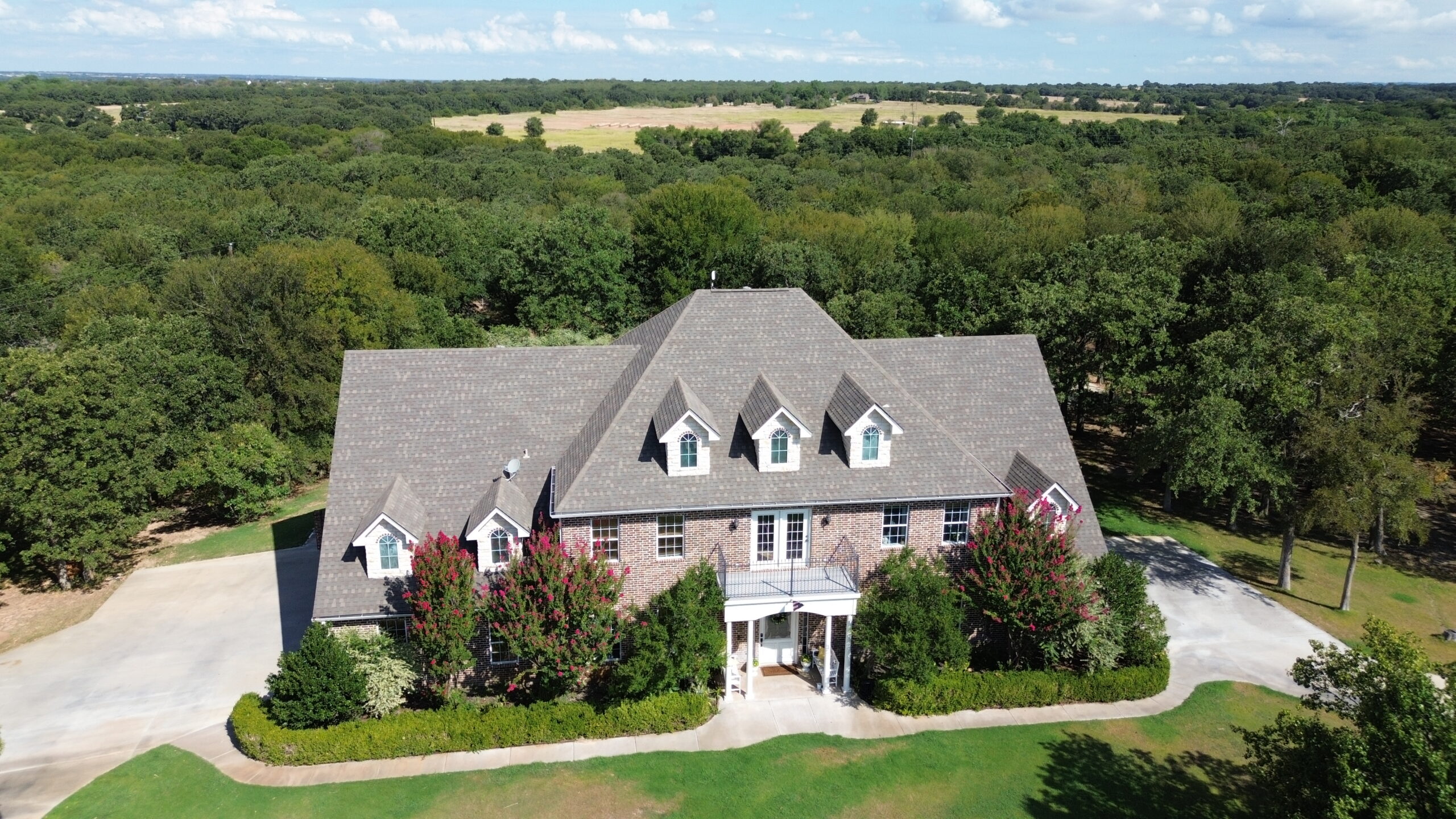
Communication and Project Management Expectations
Effective communication is one of the defining characteristics of a successful roof replacement project. Homeowners should understand who will manage the project and how updates will be shared throughout construction.
Many professional roofing companies assign a dedicated project manager who serves as the primary point of contact. This individual coordinates deliveries, supervises installation crews, answers homeowner questions, and addresses unexpected issues that may arise during the project.
Clear communication begins before work starts. Contractors should explain the installation schedule, anticipated noise levels, parking requirements, material delivery dates, and any temporary restrictions homeowners should expect while work is underway.
Regular updates become especially valuable if weather delays occur or hidden structural damage is discovered. Honest communication helps homeowners understand changes without feeling surprised by unexpected developments.
Professional contractors also encourage questions throughout the installation process. They recognize that homeowners may not be familiar with roofing terminology and are willing to explain recommendations in understandable language.
Daily job site management reflects the contractor’s organizational skills. Materials should remain organized, equipment stored safely, debris managed responsibly, and work areas kept as clean as reasonably possible throughout construction.
Homeowners should also know who to contact after project completion if warranty service becomes necessary. Having a clearly identified contact person simplifies future communication and demonstrates ongoing commitment to customer support.
Red Flags That Indicate an Unreliable Roofing Contractor
While many roofing companies operate professionally, homeowners should remain alert for warning signs that may indicate future problems. Recognizing these red flags early can prevent expensive mistakes and unnecessary stress.
High pressure sales tactics deserve immediate caution. Contractors who insist on immediate decisions or claim that today’s price is available only for a few hours may be prioritizing quick sales rather than informed customer decisions.
Extremely low estimates compared to competing proposals also require careful evaluation. Significant price differences may indicate missing project components, lower quality materials, inexperienced labor, or unrealistic assumptions about the work required.
Poor communication during the estimate stage often continues throughout the project. Contractors who fail to return calls, arrive consistently late, or avoid answering straightforward questions may not provide dependable customer service during construction.
Another warning sign involves incomplete documentation. Professional contractors willingly provide written estimates, insurance certificates, licensing information, warranty details, and references when requested.
Watch for contractors who request unusually large cash payments before purchasing materials or beginning work. Reasonable deposits are common, but excessive upfront payments may expose homeowners to unnecessary financial risk.
Unwillingness to inspect the roof thoroughly before preparing an estimate should also raise concerns. Every home has unique conditions, and accurate pricing requires careful evaluation rather than quick assumptions made from the ground.
The following warning signs deserve serious consideration before signing any agreement:
- Refuses to provide proof of insurance or licensing.
- Avoids written contracts or detailed estimates.
- Pressures homeowners into making immediate decisions.
- Requests unusually large upfront payments.
- Cannot provide recent customer references.
- Offers warranties without written documentation.
- Uses vague descriptions of materials or installation methods.
- Has a history of unresolved customer complaints.
One or two minor concerns may not automatically eliminate a contractor, but multiple warning signs should encourage homeowners to continue their search for a more reliable roofing professional.
Looking Ahead to the Final Selection
By this stage, homeowners should have researched contractors thoroughly, compared detailed estimates, reviewed contracts carefully, evaluated warranty protection, and identified potential warning signs. These steps significantly reduce the risk of selecting an inexperienced or unreliable roofing company.
The final decision, however, involves more than comparing documents. Homeowners must also evaluate professionalism, communication, project planning, and overall confidence in the contractor’s ability to deliver quality workmanship from beginning to end.
In the final part of this guide, we will examine how to make the final hiring decision, prepare your home for the replacement project, work effectively with your contractor throughout construction, avoid common homeowner mistakes, maintain your new roof after installation, and complete a final inspection before approving the finished project.
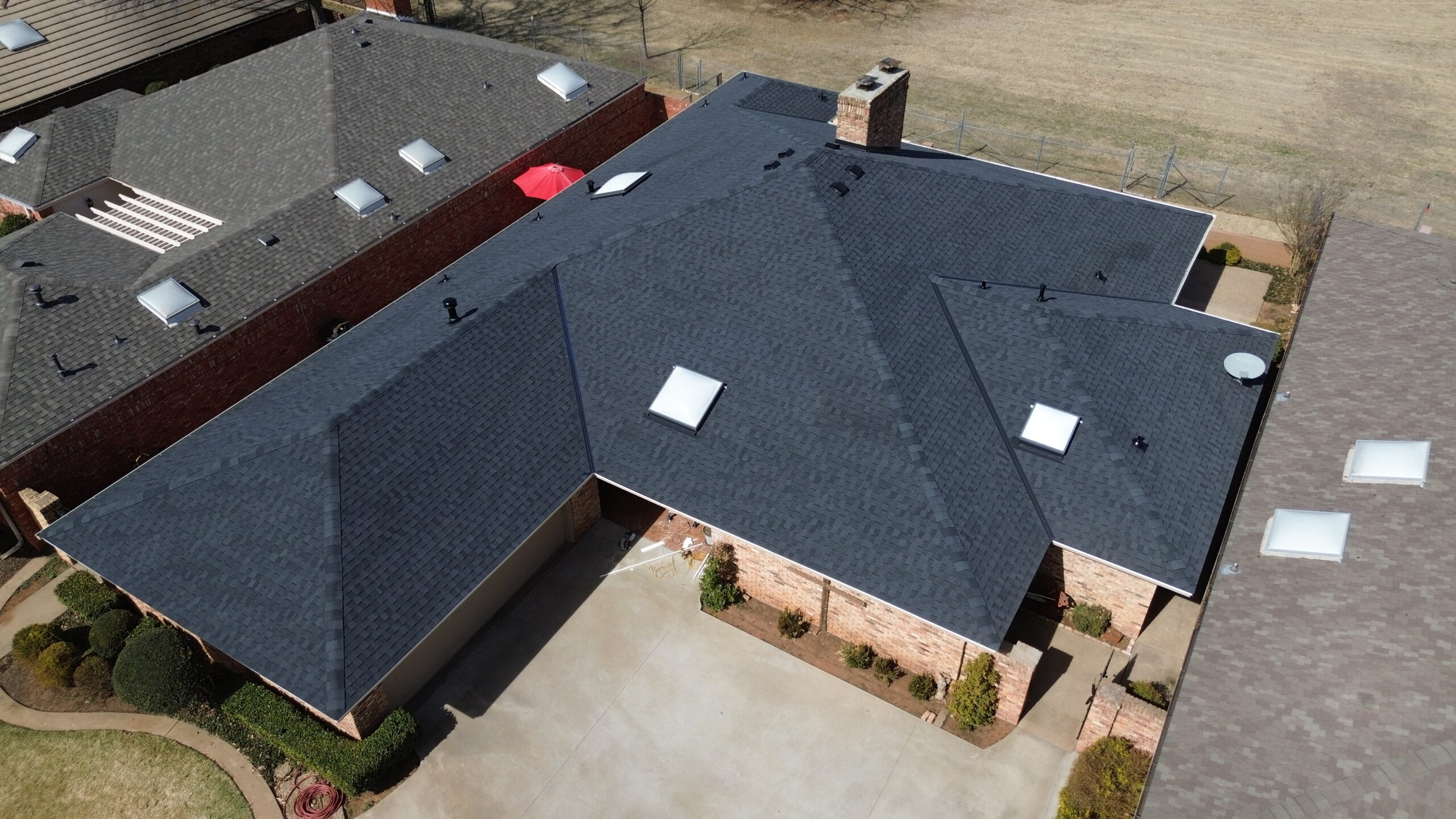
How to Choose the Best Contractor for Your Home
After researching contractors, comparing estimates, and reviewing contracts, the final decision should be based on overall value rather than a single factor. Homeowners often feel tempted to choose the lowest bid, but the contractor offering the best combination of experience, communication, workmanship, and warranty protection usually provides the greatest long term value.
Start by reviewing all the information collected during the selection process. Compare qualifications, customer feedback, certifications, project timelines, warranty coverage, and your overall experience communicating with each company. Looking at the complete picture helps eliminate decisions based solely on price.
Trust also plays an important role in the final choice. Roof replacement is a major project that may last several days or even weeks depending on the home’s size and weather conditions. Hiring a contractor who communicates openly and responds professionally creates a more comfortable working relationship throughout the project.
Experience with similar homes is another valuable consideration. Contractors who have completed projects involving comparable roof designs, slopes, and materials are more likely to anticipate challenges and complete the work efficiently. Their familiarity with similar installations often improves both quality and productivity.
Financial stability should not be overlooked either. An established company with a permanent business location, trained employees, and a proven history in the community is generally more reliable than a temporary operation working from changing addresses or short term contact information.
Remember that replacing a roof is a long term investment rather than a short term expense. Spending slightly more for dependable workmanship and stronger warranty support can reduce maintenance costs and repair expenses for many years after installation.
Preparing for the Roof Replacement Project
Once the contractor has been selected and the contract signed, homeowners can begin preparing their property for construction. Proper preparation helps the installation proceed smoothly while reducing inconvenience and protecting personal belongings.
Roof replacement creates considerable noise and vibration throughout the home. Items hanging on walls may shift, while fragile decorations can fall if they are not secured beforehand. Taking preventive measures reduces the risk of accidental damage inside the house.
Vehicles should be moved away from the driveway if it will be used for material deliveries or debris removal. Keeping work areas clear allows contractors to move equipment safely and efficiently throughout the project.
Outdoor furniture, grills, potted plants, and decorative items should also be relocated when possible. Although professional contractors take precautions to protect surrounding property, moving valuable items provides additional peace of mind.
Children and pets require special consideration during roof replacement. Construction areas contain tools, ladders, roofing materials, and falling debris that may present safety hazards. Limiting access to active work zones helps protect everyone involved.
Homeowners should also discuss practical details with their contractor before work begins. Topics such as parking arrangements, daily working hours, waste disposal locations, and access to electrical outlets can be addressed in advance to avoid confusion later.
Communication remains important throughout this preparation phase. Confirming schedules and understanding what to expect each day helps homeowners plan their routines with minimal disruption.
Working Effectively With Your Roofing Contractor
A successful roof replacement depends on cooperation between the homeowner and the contractor. While experienced roofing professionals manage the technical aspects of installation, homeowners also contribute by maintaining open communication and addressing questions promptly.
Establish a primary point of contact before construction begins. Knowing exactly who to call if concerns arise prevents confusion and ensures information reaches the appropriate person without unnecessary delays.
Regular communication should focus on meaningful updates rather than constant supervision. Professional contractors appreciate homeowners who remain informed while allowing skilled crews to perform their work efficiently.
Unexpected discoveries occasionally occur after old roofing materials have been removed. Damaged decking, hidden water infiltration, deteriorated flashing, or structural concerns may require additional repairs before installation continues. Discussing these issues openly allows informed decisions to be made without compromising roof quality.
If project modifications become necessary, request written documentation describing the additional work, revised costs, and updated timeline. Maintaining accurate records protects both parties and minimizes future misunderstandings.
Respecting agreed working hours also contributes to a positive relationship. Contractors operate on carefully planned schedules, and minimizing unnecessary interruptions helps them complete the project safely and efficiently.
At the same time, homeowners should never hesitate to ask reasonable questions. Professional contractors recognize that roof replacement is a significant investment and are generally willing to explain progress, materials, and installation procedures throughout the project.
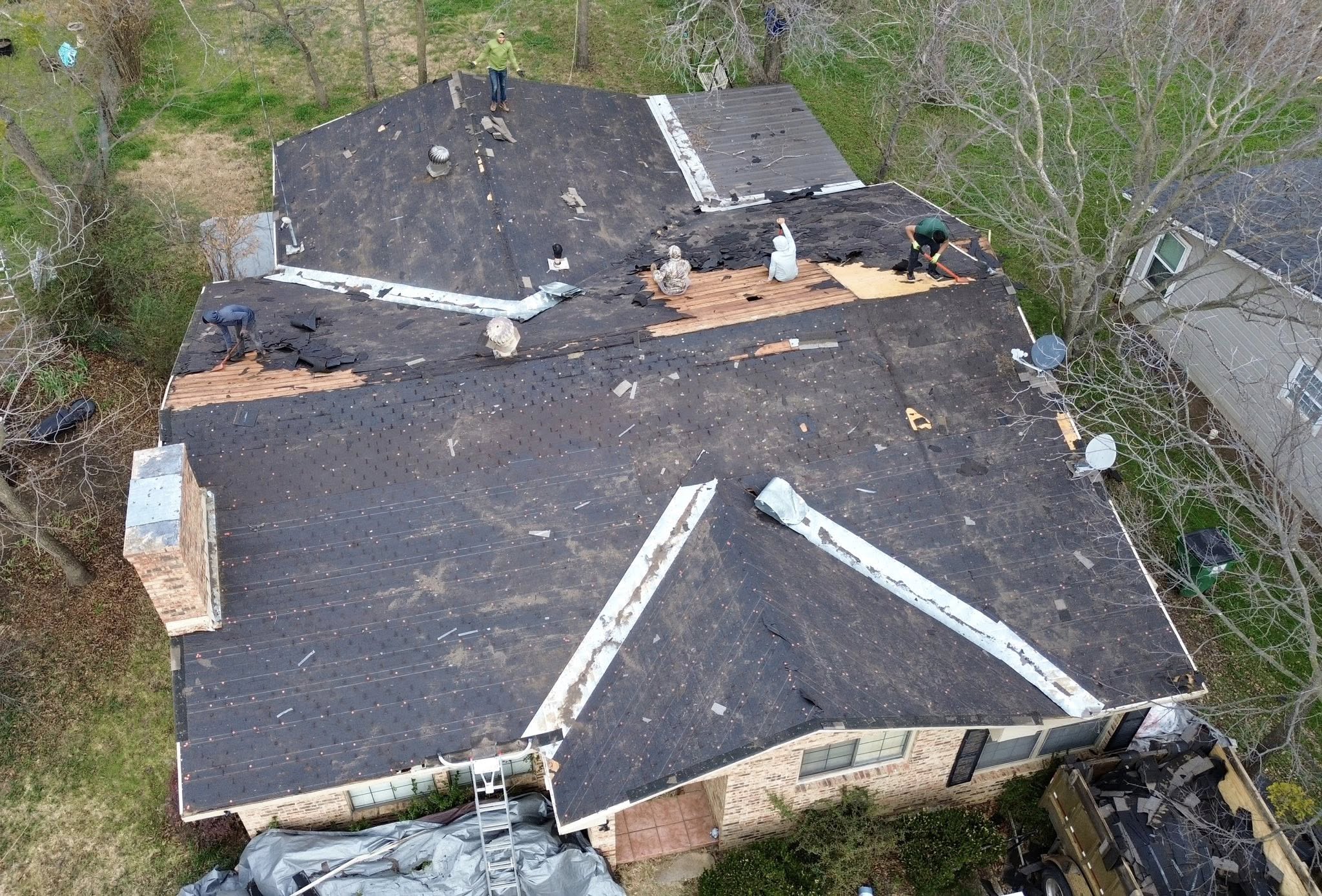
Common Mistakes Homeowners Should Avoid
Even well planned roofing projects can become more complicated when homeowners make avoidable mistakes during the hiring or construction process. Understanding these common errors helps ensure a smoother experience from beginning to end.
One of the biggest mistakes is making decisions too quickly. Some homeowners accept the first estimate they receive without comparing qualifications, warranties, or installation methods. Taking time to evaluate multiple contractors usually leads to a better long term outcome.
Another frequent mistake is focusing entirely on cost. While staying within budget is important, selecting the lowest bid without evaluating quality often results in higher repair expenses later.
Ignoring written documentation is another avoidable error. Verbal agreements may be forgotten or interpreted differently by each party, making written contracts essential for protecting expectations.
Some homeowners also overlook warranty details. Understanding exactly what is covered, who provides the warranty, and how warranty claims are handled prevents disappointment if problems arise after installation.
Failing to prepare the property before construction can also create unnecessary inconvenience. Removing obstacles, protecting belongings, and planning for temporary disruptions allows the roofing crew to work more efficiently.
Finally, delaying necessary roof replacement often increases repair costs. Water infiltration, structural deterioration, insulation damage, and mold growth may worsen over time, making the eventual project larger and more expensive.
What Happens After the Roof Replacement Is Complete
Completing the installation does not necessarily mark the end of the roofing project. Several important steps should take place before homeowners consider the work fully finished.
The contractor should perform a final cleanup of the property. Roofing materials, discarded nails, packaging, and construction debris should be removed from the yard, driveway, gutters, and surrounding landscaping.
A final walkthrough provides an opportunity to inspect the completed roof together. Homeowners can ask questions about the installation while the contractor explains completed work, ventilation improvements, flashing details, and maintenance recommendations.
Documentation should also be organized before the project officially closes. Contracts, invoices, warranty certificates, inspection reports, manufacturer information, and maintenance guidelines should all be stored safely for future reference.
If permits were required, homeowners should verify that all necessary inspections have been completed successfully. Passing final inspections confirms that the installation meets applicable building standards.
Contractors should also explain how warranty service can be requested if future concerns develop. Knowing who to contact and understanding response procedures simplifies communication if assistance becomes necessary later.
Many homeowners take photographs of the completed roof immediately after installation. These images provide useful records for insurance purposes, future maintenance comparisons, and warranty documentation.
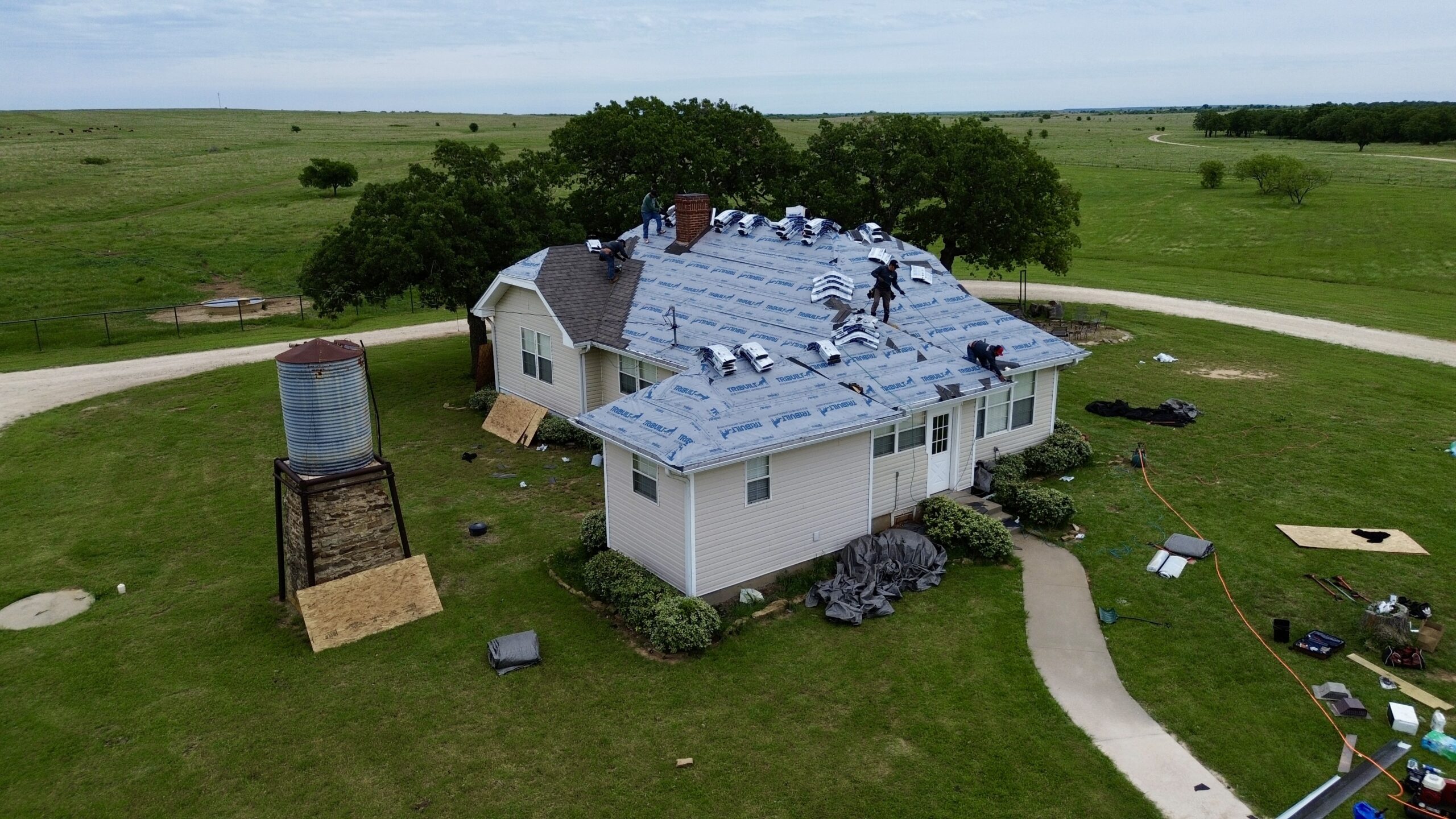
Roof Maintenance Tips After Installation
A newly installed roof requires far less maintenance than an aging one, but regular care still plays an important role in maximizing its lifespan. Simple inspections and preventive maintenance help identify small issues before they become major repairs.
Inspect the roof periodically, especially after severe storms. While homeowners can often perform visual inspections from ground level, climbing onto the roof should generally be left to trained professionals unless proper safety precautions are followed.
Keep gutters clean throughout the year. Clogged gutters prevent efficient water drainage, increasing the risk of water backing up beneath roofing materials or overflowing near the home’s foundation.
Trim tree branches that extend over the roof whenever practical. Overhanging limbs can scrape roofing materials, drop excessive debris, and increase the likelihood of storm related damage during high winds.
Watch for signs of moisture inside the attic. Proper ventilation and insulation help prevent condensation, mold growth, and premature deterioration of roofing components.
Schedule periodic professional inspections even if no visible problems appear. Experienced roofers often identify developing issues long before homeowners notice obvious signs of damage.
Routine maintenance does not require extensive effort, but consistent attention helps preserve both the appearance and structural performance of the roofing system.
Final Checklist Before Approving the Finished Work
Before making the final payment, homeowners should complete a careful review of the finished project. This final inspection confirms that agreed work has been completed according to the contract and that no important details have been overlooked.
The following checklist provides a practical reference for evaluating the completed installation.
| Inspection Area | What to Verify |
|---|---|
| Roofing materials | Correct product, color, and style installed |
| Flashing | Properly secured around chimneys, vents, and valleys |
| Roof surface | Straight alignment with no visible installation defects |
| Ventilation | Ridge vents, intake vents, and exhaust systems installed correctly |
| Cleanup | Nails, debris, and waste materials removed from the property |
| Gutters | Free from roofing debris and functioning properly |
| Warranty documents | Received and reviewed before final payment |
| Final inspection | Completed if required by local building authorities |
After reviewing the project, discuss any remaining questions with the contractor before closing the job. Addressing minor concerns immediately is often easier than requesting corrections after the project has been finalized.
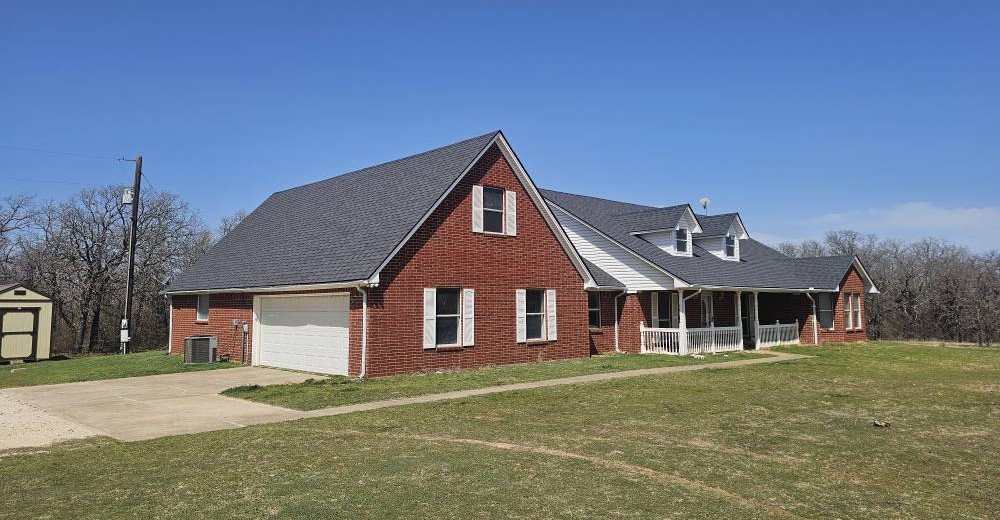
Key Factors to Remember When Hiring a Roofing Contractor
Throughout this guide, several principles consistently emerge as the foundation of a successful roof replacement project. Keeping these priorities in mind helps homeowners make confident decisions while avoiding unnecessary risks.
- Verify licenses, insurance, and professional certifications before hiring.
- Compare complete project value instead of focusing only on price.
- Read every contract carefully before signing.
- Confirm both manufacturer and workmanship warranty coverage.
- Maintain clear communication throughout the project.
- Inspect the finished work before making the final payment.
These practices may require additional time during the planning stage, but they significantly reduce the likelihood of costly problems after installation.
Conclusion
Choosing the right contractor for residential roof replacement work is one of the most important decisions a homeowner can make. A professionally installed roof protects the home’s structure, improves energy efficiency, enhances curb appeal, and provides dependable performance for many years. The contractor responsible for the installation plays a critical role in achieving those results.
Successful contractor selection begins with careful research rather than rushed decisions. Evaluating experience, licensing, insurance, customer feedback, warranties, communication practices, and written documentation provides a much clearer picture than comparing prices alone. Every step in the selection process contributes to reducing risk and improving project outcomes.
Homeowners also benefit from understanding the entire replacement process before construction begins. Preparing the property, maintaining communication during installation, reviewing completed work carefully, and following routine maintenance recommendations all help maximize the value of the investment.
While roof replacement represents a significant financial commitment, it is also an opportunity to improve the safety, durability, and long term performance of the home. Selecting a reputable contractor with proven experience and professional standards ensures that investment delivers lasting protection and peace of mind for years to come.