

Home Preparation Checklist Before Roof Replacement Begins
Introduction
Replacing a roof is one of the most important home improvement projects a homeowner will undertake. A new roof protects the house from weather damage, improves energy efficiency, enhances curb appeal, and increases long term property value. While selecting roofing materials and hiring a qualified contractor receive much of the attention, preparing the home before construction begins is equally important for ensuring a smooth and successful project.
Roof replacement affects much more than the roof itself. Construction crews, heavy equipment, material deliveries, and debris removal all create temporary changes around the property. Without proper preparation, homeowners may experience unnecessary inconvenience, accidental damage to belongings, delays, or avoidable safety concerns during the installation process.
Preparation also helps roofing contractors work more efficiently. Clear access to the property, organized work areas, and good communication reduce interruptions while allowing crews to complete the project according to schedule. Homeowners who prepare in advance often experience fewer surprises and enjoy a more organized construction process from beginning to end.
Many preparation tasks are simple but highly effective. Protecting indoor belongings, moving outdoor furniture, securing vehicles, preparing attic spaces, and discussing project details with the contractor all contribute to a safer and more efficient roofing project. Completing these tasks before construction begins allows homeowners to focus on monitoring progress rather than solving preventable problems.
This guide explains every step homeowners should take before roof replacement starts. In this first part, we focus on planning, scheduling, communication, indoor preparation, documentation, and setting realistic expectations so the project begins with confidence and organization.
Why Home Preparation Matters Before Roof Replacement
Home preparation is often overlooked because homeowners naturally focus on choosing roofing materials and selecting contractors. However, preparing the property before construction begins helps protect personal belongings while creating a safer environment for both the household and the roofing crew.
Roof replacement involves constant movement around the home. Workers carry heavy materials, use ladders, operate equipment, and remove old roofing materials throughout the day. Preparing the property minimizes obstacles that could slow progress or increase the risk of accidental damage.
Proper preparation also reduces stress for homeowners. Understanding what will happen before construction begins helps families adjust their daily routines while preparing for temporary noise, restricted outdoor access, and changes around the property. Knowing what to expect creates a more comfortable experience throughout the project.
Safety represents another important reason for early preparation. Roofing work creates temporary hazards around the home, including falling debris, construction equipment, and increased worker activity. Organizing the property beforehand helps protect children, pets, visitors, and neighboring properties.
Preparation also supports better project coordination. Contractors can begin work immediately when access is available, materials have space for delivery, and homeowners have already addressed common logistical concerns. Efficient preparation often helps projects remain on schedule while reducing unnecessary delays.
Ultimately, home preparation allows everyone involved to focus on completing the roofing project safely, efficiently, and with minimal disruption to everyday life.
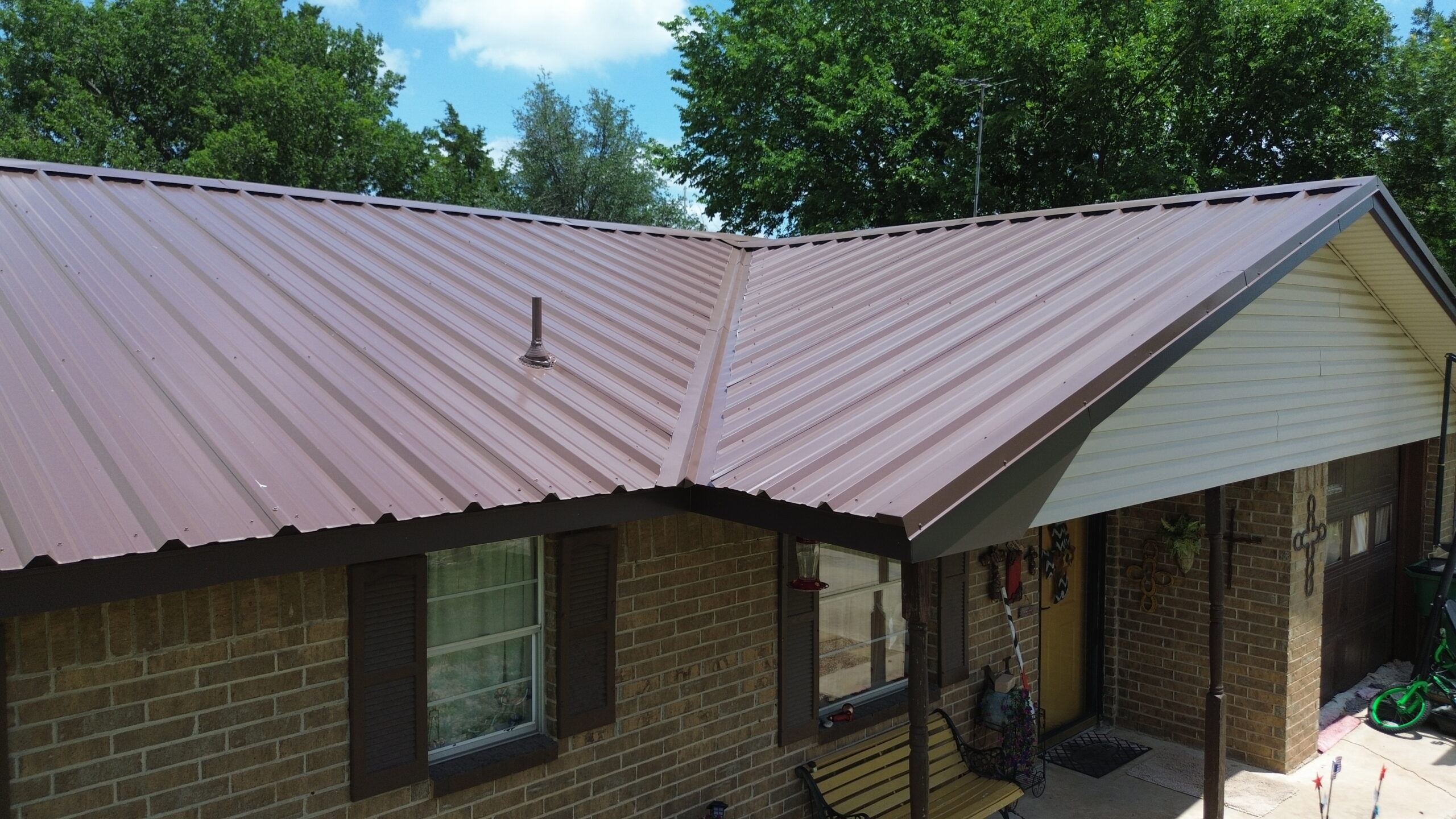
Understanding the Roof Replacement Timeline
Knowing how a roofing project progresses allows homeowners to prepare appropriately before each stage begins. Although every project differs depending on roof size, material selection, weather conditions, and home design, most residential roof replacements follow a predictable sequence.
The process usually starts several days before construction with material delivery and equipment preparation. Roofing materials, dumpsters, trailers, and protective coverings may arrive before the first day of installation. Homeowners should expect temporary changes around the driveway and yard during this period.
Construction generally begins with removing the existing roofing materials. Shingles, underlayment, flashing, and related components are removed in sections while contractors inspect the roof deck beneath. Depending on the roof condition, structural repairs may be completed before installing new roofing materials.
After repairs are finished, contractors install waterproofing layers, underlayment, flashing, ventilation components, and the selected roofing material. Installation progresses systematically across the roof while supervisors monitor workmanship throughout the project.
Cleanup occurs continuously during construction and becomes more extensive once installation is complete. Roofing crews collect debris, remove waste containers, inspect the yard for nails, and restore the property before conducting a final walkthrough with the homeowner.
Understanding this timeline helps homeowners prepare for each phase rather than reacting to unexpected activities during construction.
Scheduling the Project and Preparing Your Family
Choosing the right time for roof replacement involves more than selecting a convenient date. Homeowners should consider family schedules, work commitments, school activities, weather conditions, and other events that may influence daily routines while construction is underway.
If possible, roof replacement should be scheduled during a period when household routines are relatively flexible. Although most residential projects are completed quickly, construction noise may temporarily affect remote work, online meetings, studying, or daytime rest. Planning ahead reduces unnecessary inconvenience.
Families should also discuss what to expect before the project begins. Children should understand that certain outdoor areas will be temporarily restricted and that construction equipment should never be approached. Preparing younger family members helps maintain a safe environment throughout the project.
Pets may require additional planning because loud noises and unfamiliar workers can create anxiety. Some homeowners choose to keep pets indoors, while others arrange temporary care elsewhere until construction is finished. Selecting the best option before work begins reduces stress for both pets and owners.
Neighbors also appreciate advance notice when major roofing projects are scheduled. Informing nearby residents about expected construction dates demonstrates consideration while helping them prepare for temporary noise or increased vehicle activity around the neighborhood.
Careful scheduling creates a more organized experience for everyone involved while reducing unnecessary disruptions during construction.
Inspecting Your Property Before Construction
Before roofing crews arrive, homeowners should conduct their own inspection of the property to identify areas requiring protection during construction. Although contractors take precautions, documenting existing conditions helps avoid confusion later.
Begin by walking around the home’s exterior. Look for fragile landscaping, decorative lighting, fences, outdoor furniture, irrigation systems, and other features located near the work area. Identifying these items early allows homeowners and contractors to discuss appropriate protective measures.
Roof access points should also be evaluated. Contractors need safe locations for ladders, material staging, and waste removal. Clearing these access routes before installation begins improves efficiency while reducing unnecessary movement around the property.
The driveway should also be inspected to determine where dumpsters, trailers, or delivery vehicles will be positioned. Planning these locations in advance prevents conflicts with parked vehicles while protecting access to the garage whenever possible.
Interior inspections are equally valuable. Homeowners should note existing ceiling stains, wall cracks, or cosmetic imperfections before construction begins. Roof replacement creates vibration throughout the structure, and documenting existing conditions provides a useful reference if questions arise later.
Photographs of both the interior and exterior provide additional documentation. Although professional contractors work carefully, maintaining visual records offers reassurance while helping both parties communicate clearly throughout the project.
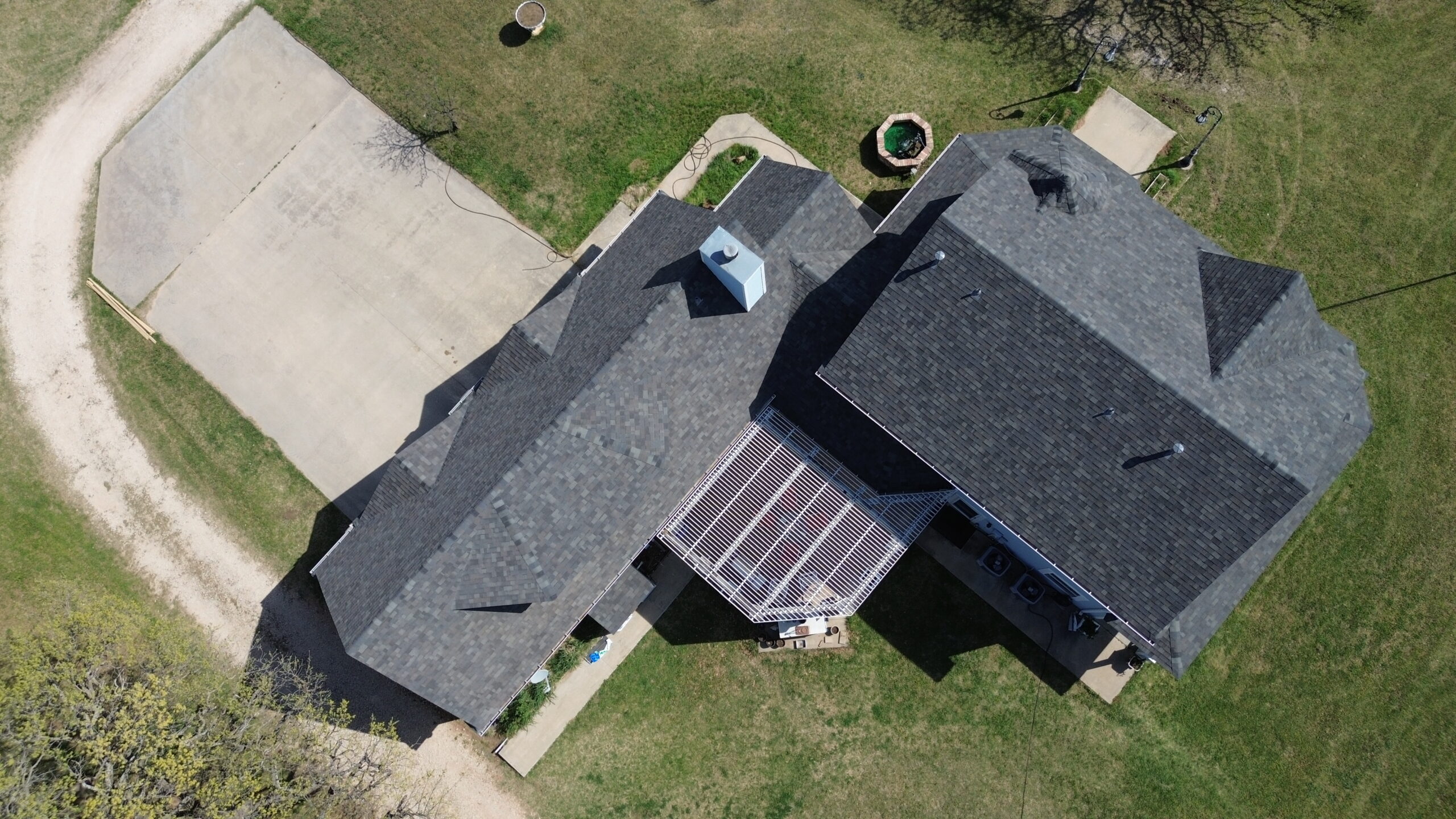
Communicating With Your Roofing Contractor
Clear communication between homeowners and roofing contractors creates the foundation for a successful roofing project. Many misunderstandings can be avoided simply by discussing expectations before construction begins.
Homeowners should review the project schedule carefully with the contractor. Understanding expected start dates, daily working hours, estimated completion time, material delivery schedules, and weather contingency plans allows everyone to prepare appropriately.
It is also helpful to discuss property access before installation begins. Contractors should know which entrances may be used, where equipment should be placed, and whether any areas require special protection. Clear instructions improve efficiency while reducing unnecessary interruptions.
Emergency communication procedures should also be established. Homeowners should know who to contact if unexpected questions arise during construction, while contractors should have updated contact information in case immediate decisions become necessary.
Questions about warranties, cleanup procedures, payment schedules, permits, and inspection requirements should be addressed before work starts rather than during active construction. Resolving these topics early creates greater confidence for both parties.
Strong communication encourages cooperation throughout the project. Homeowners remain informed while contractors receive the information needed to complete the work according to expectations.
Preparing Indoor Areas for Construction
Although roofing work occurs outside, construction activities can affect the interior of the home as well. Taking a few preventive measures inside the house helps protect belongings while reducing inconvenience during installation.
Wall decorations should be checked before construction begins. Vibrations from roof removal may cause pictures, mirrors, clocks, or decorative items to shift unexpectedly. Removing especially valuable or fragile items provides additional protection.
Shelves containing delicate objects should also be inspected. Glassware, collectibles, ceramics, and decorative pieces may become unstable because of construction vibration. Temporarily relocating fragile belongings helps prevent accidental damage.
Homeowners should also consider attic spaces. Dust and small particles may enter through attic ventilation openings while old roofing materials are removed. Covering stored belongings with protective sheets helps keep them clean throughout the project.
Garage spaces connected to the roof structure may experience similar vibration during installation. Valuable tools, bicycles, or fragile storage items should be organized and protected before work begins. Taking these precautions simplifies cleanup once construction is complete.
Preparing indoor areas requires relatively little effort but significantly reduces the chance of unexpected damage caused by normal roofing activities.
Pre-Roof Replacement Home Preparation Checklist
| Preparation Task | Why It Matters | Recommended Timing |
|---|---|---|
| Move outdoor furniture | Prevents accidental damage | Before material delivery |
| Relocate vehicles | Provides contractor access and protects vehicles | One day before construction |
| Protect fragile indoor items | Reduces vibration related damage | Before installation begins |
| Cover attic belongings | Protects stored items from dust | One day before construction |
| Review project schedule | Improves planning and communication | Before the start date |
| Confirm contractor contact information | Simplifies communication during the project | Before work begins |
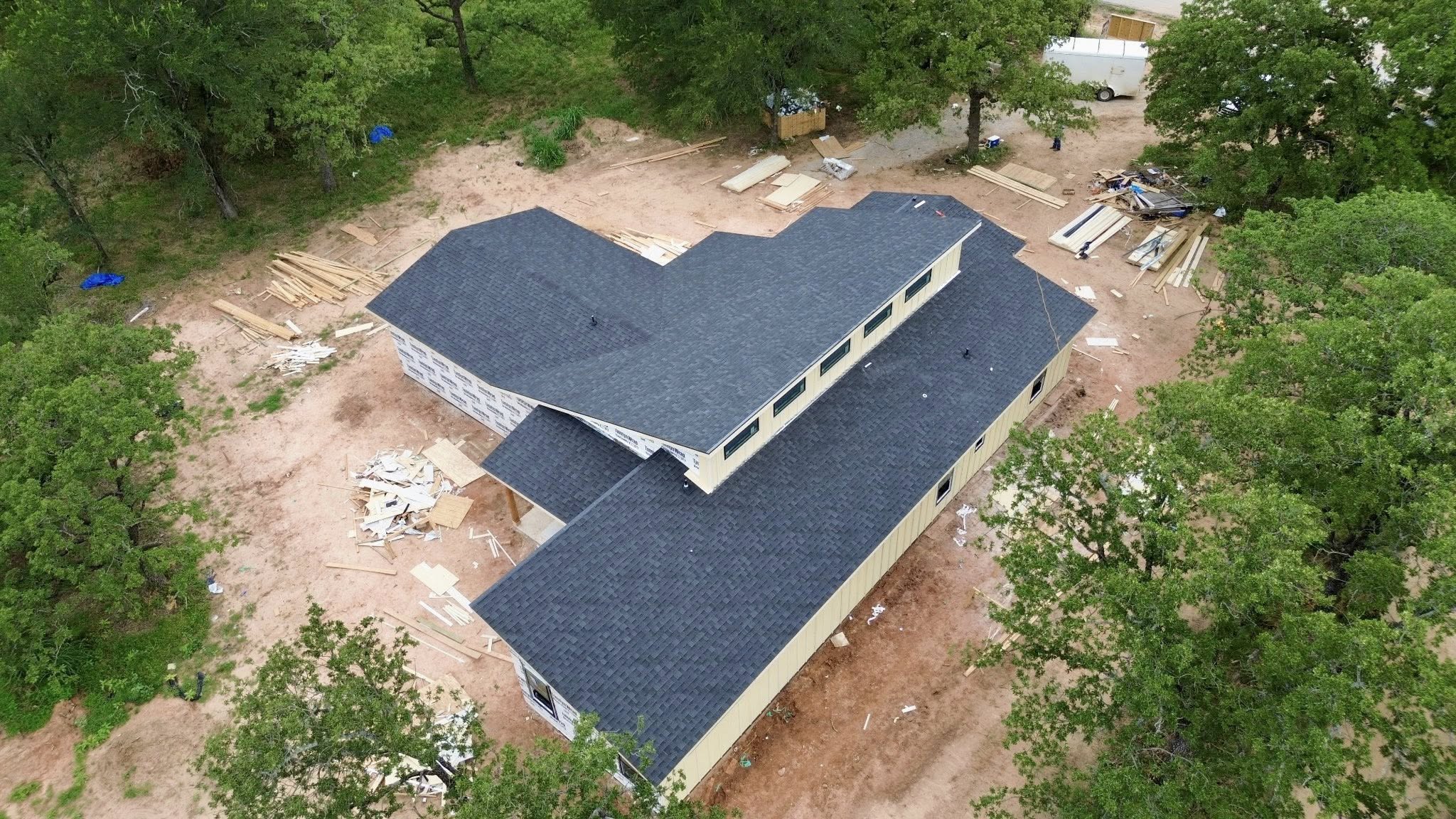
Gathering Important Documents and Contact Information
Organizing project related documents before construction begins helps homeowners manage the roofing project more effectively. Keeping everything together allows quick access whenever questions arise.
The roofing contract should be reviewed carefully to confirm the project scope, selected materials, warranty coverage, payment schedule, estimated completion date, and cleanup responsibilities. Understanding these details before construction reduces confusion later.
Permit information should also be retained if required by local building authorities. Homeowners should know whether inspections will occur during or after installation and who is responsible for coordinating those inspections.
Manufacturer warranty documents deserve special attention because they explain coverage conditions, maintenance expectations, and claim procedures. Keeping these records organized protects the long term value of the roofing investment.
Contractor contact information should remain easily accessible throughout the project. Having phone numbers and email addresses available allows homeowners to communicate quickly if questions or unexpected situations arise during installation.
Maintaining organized documentation improves project management while providing valuable reference information long after construction has been completed.
Setting Realistic Expectations Before Work Begins
One of the most effective ways to reduce stress during roof replacement is to develop realistic expectations before construction starts. Roofing projects involve noise, equipment, material deliveries, and temporary changes around the property that are all normal parts of the installation process.
Construction noise should be expected throughout much of the workday. Removing old roofing materials, operating equipment, and installing new components naturally create sound that may temporarily affect indoor activities. Understanding this beforehand helps homeowners plan their daily schedules more comfortably.
Temporary restrictions around the property are also common. Certain walkways, driveways, or outdoor spaces may remain unavailable while roofing crews work overhead. These limitations are designed to protect both workers and residents throughout the project.
Weather may occasionally influence the schedule as well. Experienced contractors monitor forecasts carefully, but rain or high winds sometimes require temporary adjustments to protect the home and maintain installation quality. Flexibility helps ensure that workmanship is never compromised.
Finally, homeowners should remember that roof replacement is a temporary inconvenience with long term benefits. Careful preparation before construction begins allows the project to proceed more smoothly while protecting the home, improving communication, and creating the foundation for a successful roofing installation. In the next part of this guide, we will focus on preparing the exterior of the property, protecting landscaping and vehicles, managing attic spaces, ensuring family safety, and avoiding the most common preparation mistakes homeowners make before roof replacement begins.
Clearing the Yard and Outdoor Living Spaces
Preparing the outdoor areas around your home is one of the most important tasks before roof replacement begins. Roofing projects involve constant movement of workers, materials, tools, and debris around the property. Removing unnecessary obstacles allows the roofing crew to work safely while protecting your belongings from accidental damage.
Patio furniture, grills, outdoor dining sets, umbrellas, garden decorations, and children’s play equipment should be moved away from the house before construction starts. Even when contractors use protective tarps, small pieces of roofing material may fall around the work area during the removal process. Clearing these items beforehand reduces the chance of damage.
Portable flower pots and decorative planters should also be relocated if possible. Roofing crews often need unrestricted access around the home’s perimeter for ladders, debris collection, and material deliveries. Creating clear pathways improves efficiency while protecting fragile landscaping features.
Homeowners should also inspect walkways, patios, and decks before construction begins. Loose items such as rugs, welcome mats, decorative lighting, and seasonal decorations should be stored safely until the project is complete. Keeping outdoor areas organized reduces unnecessary tripping hazards while allowing workers to move freely.
Swimming pools and outdoor kitchens may require additional protection depending on their proximity to the home. Contractors may recommend temporary coverings or protective barriers if these features are located near active work zones. Discussing these details before installation helps prevent unexpected concerns during construction.
A well prepared yard creates a safer environment while allowing roofing crews to complete the project more efficiently.
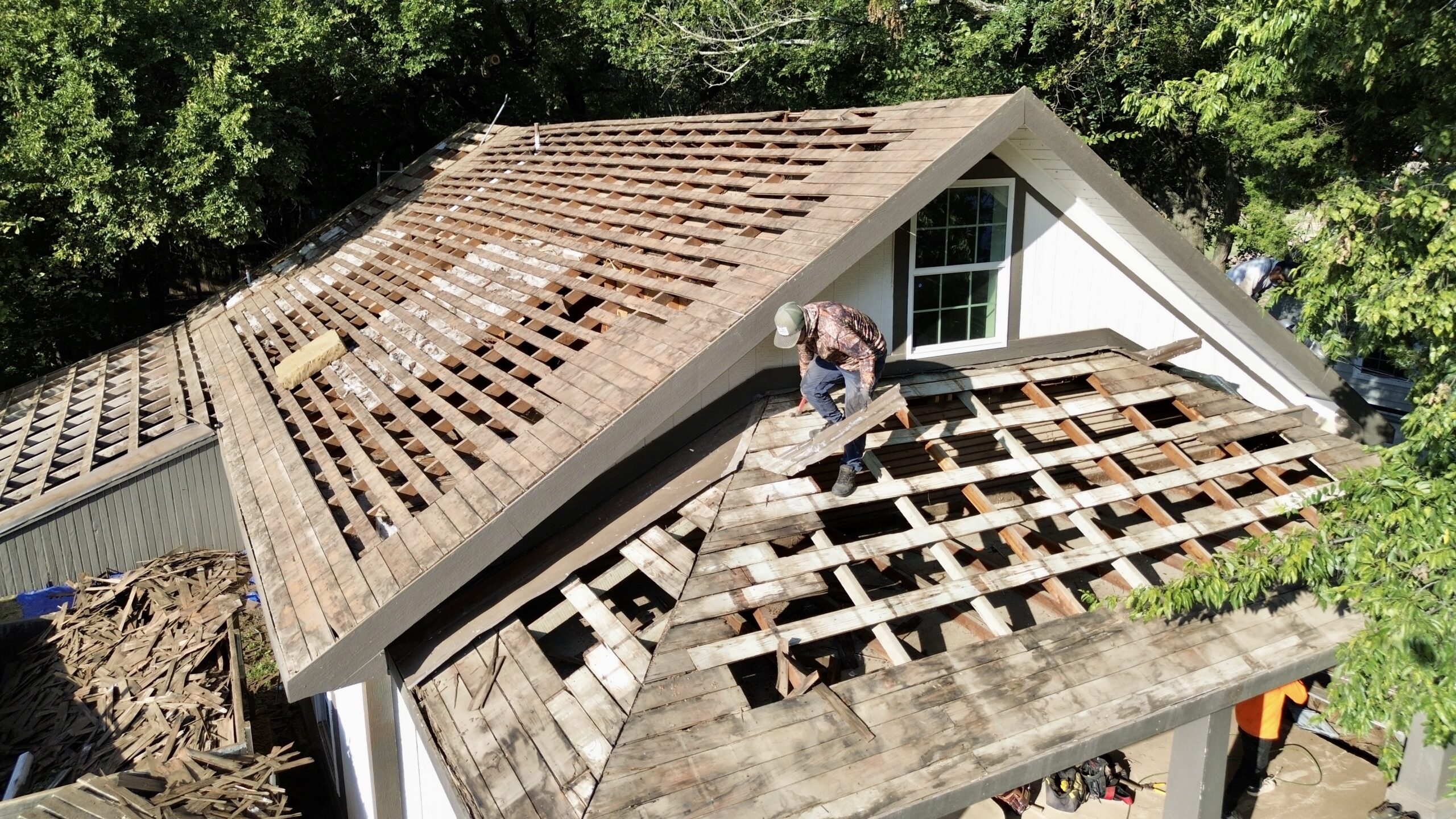
Protecting Vehicles and Driveway Access
Roof replacement requires regular deliveries of roofing materials, dumpsters, trailers, and construction equipment throughout the project. Preparing vehicle parking arrangements before work begins helps protect personal vehicles while providing contractors with the access they need.
Vehicles should ideally be parked away from the driveway during construction. Falling debris, dust, roofing nails, and increased equipment movement create unnecessary risks for cars parked near the work area. Relocating vehicles also prevents accidental blockage when large delivery trucks arrive.
Driveways often serve as temporary staging areas for roofing materials and waste containers. Contractors may place pallets of shingles, roofing panels, underlayment, or dumpsters close to the house to improve installation efficiency. Leaving adequate space allows materials to be delivered safely without delaying the project.
Homeowners should also plan for daily transportation needs before construction begins. If vehicles must remain accessible during working hours, discussing parking arrangements with the roofing contractor helps prevent scheduling conflicts.
Garage access may be temporarily restricted depending on equipment placement. Understanding these limitations beforehand allows homeowners to move vehicles before construction starts rather than interrupting work later in the day.
Protecting vehicles requires only a small amount of preparation but helps avoid unnecessary inconvenience and potential damage throughout the roofing project.
Safeguarding Landscaping and Garden Areas
Landscaping often represents years of care and investment, making it important to protect gardens, shrubs, and decorative plants during roof replacement. Although professional contractors take precautions, homeowners can further reduce risk by preparing landscaping before work begins.
Delicate flowers, newly planted shrubs, and ornamental plants located close to the house deserve special attention. Portable plants should be moved whenever practical, while permanent landscaping may benefit from temporary protective coverings approved by the contractor.
Tree branches hanging directly above the roof should also be evaluated before installation begins. Overhanging limbs may interfere with roofing work while increasing the likelihood of branches falling onto the new roof during future storms. Trimming problem branches before construction improves both safety and long term roof performance.
Automatic irrigation systems should be identified as well. Contractors should know the locations of sprinkler heads, irrigation controls, and underground lines to reduce the risk of accidental damage while moving equipment around the property.
Decorative edging, landscape lighting, and garden ornaments located near roof access points should be marked or temporarily relocated. These small precautions help preserve outdoor features while allowing contractors unrestricted movement around the home.
Communication between homeowners and roofing crews plays an important role in protecting landscaping. Pointing out valuable plants or sensitive garden areas before construction begins allows contractors to plan accordingly.
Preparing the Attic Before Construction
Although roof replacement takes place above the home, attic spaces often experience temporary effects during construction. Preparing the attic before work begins helps protect stored belongings while reducing cleanup after the project is complete.
Dust and small particles naturally enter attic spaces when old roofing materials are removed. Covering stored boxes, seasonal decorations, furniture, and personal belongings with plastic sheets or protective covers helps keep them clean throughout construction.
Attic walkways should remain clear if contractors need access for ventilation inspections or structural evaluations. Removing unnecessary clutter improves safety while allowing roofing professionals to complete their work more efficiently.
Homeowners should also inspect attic insulation before construction begins. Existing moisture stains, mold, or damaged insulation should be documented and discussed with the contractor if concerns are identified. Addressing these issues during roof replacement often provides better long term results.
Lighting within the attic should be functional as well. Good visibility helps inspectors evaluate roof decking, ventilation systems, and structural components during installation. Replacing burned out bulbs before construction supports more efficient inspections.
Attic ventilation openings should remain unobstructed throughout the project. Proper airflow contributes to roof performance after installation, making ventilation an important consideration during preparation.
Taking time to organize the attic protects stored belongings while supporting a more efficient roofing installation process.
Protecting Fragile Items Inside the Home
Roof replacement creates vibration that travels through the home’s structure. While this movement is completely normal during construction, it may affect fragile household items if they are not secured beforehand.
Pictures, mirrors, clocks, and decorative wall art should be checked before the project begins. Heavy vibration may cause loosely mounted items to shift or fall unexpectedly. Removing especially valuable pieces provides additional protection during construction.
Glassware, ceramics, collectibles, and decorative objects displayed on shelves should also be relocated or secured. Cabinets containing delicate items may experience slight movement as roofing crews remove and install materials above.
Electronics positioned near walls or upper shelving should be checked as well. Although direct damage is uncommon, organizing cables and securing lightweight equipment helps reduce unnecessary movement while work is underway.
Ceiling mounted light fixtures and hanging decorations generally remain unaffected, but homeowners should visually inspect them before construction if they appear loose or unstable. Identifying potential issues beforehand reduces the likelihood of unrelated problems during the project.
Simple preparation inside the home protects valuable belongings while allowing homeowners to feel more comfortable throughout the roofing process.
Managing Pets and Children’s Safety
Roof replacement introduces temporary safety concerns that require additional attention for families with children or pets. Construction equipment, loud noise, and unfamiliar workers create an environment that differs significantly from normal household routines.
Children should understand that roofing work areas are not safe places to explore. Roofing materials, ladders, tools, and falling debris create hazards that require restricted access throughout the project. Explaining these boundaries before construction begins helps maintain a safe environment.
Parents may also wish to plan indoor activities during the busiest construction periods. Keeping children occupied away from work areas reduces curiosity while minimizing interruptions for roofing crews.
Pets often react to construction noise differently than people. Dogs may bark more frequently, while cats or other animals may become anxious because of unfamiliar sounds and activity. Some homeowners choose to keep pets indoors in quiet areas, while others arrange temporary care until construction is finished.
Pet doors leading directly into work areas should remain closed during installation. Frequent worker movement increases the possibility of pets escaping unexpectedly if outdoor access is not carefully managed.
Good communication with roofing contractors also supports family safety. Homeowners should ask about restricted areas, daily work schedules, and any temporary hazards so they can plan household activities accordingly.
Common Preparation Mistakes Homeowners Make
Many roofing projects proceed smoothly, but certain preparation mistakes can create unnecessary inconvenience or delays.
Some of the most common mistakes include:
- Leaving vehicles parked too close to the house.
- Forgetting to remove fragile outdoor decorations.
- Failing to cover belongings stored in the attic.
- Not informing neighbors about upcoming construction.
- Allowing children or pets unrestricted access to work areas.
- Waiting until construction begins to discuss special property concerns.
Avoiding these mistakes helps both homeowners and contractors focus on completing the roofing project efficiently while protecting the property throughout the installation process.
Working With Contractors During Installation
Successful roof replacement depends on cooperation between homeowners and roofing contractors throughout the construction process. Maintaining open communication while respecting the work environment creates better results for everyone involved.
Homeowners should allow roofing crews sufficient space to complete their work safely. Frequent interruptions or unnecessary visits to active work areas may slow progress while increasing safety risks. Questions are always appropriate, but they are usually best discussed during scheduled breaks or with the project supervisor.
Daily communication remains valuable throughout the project. Contractors may provide updates regarding progress, weather related schedule adjustments, material deliveries, or unexpected findings beneath the old roof. Staying informed allows homeowners to make timely decisions if needed.
Property access should remain as convenient as possible during construction. Gates, driveways, and designated work areas should remain available unless alternative arrangements have been discussed beforehand. Easy access improves efficiency while reducing unnecessary delays.
Homeowners should also report concerns promptly if they notice anything unusual during the project. Whether the concern involves landscaping, property access, or scheduling, discussing it early allows contractors to respond before the issue becomes more significant.
Working together creates a positive construction experience while supporting quality workmanship. With the property properly prepared and construction underway, the final part of this guide will focus on confirming materials, understanding safety procedures, preparing for noise and daily disruptions, completing the final pre-construction walkthrough, and following the best practices that help homeowners enjoy a smooth and successful roof replacement project from start to finish.
Confirming Materials and Delivery Schedules
A few days before construction begins, homeowners should confirm that all roofing materials have been ordered and that delivery schedules match the planned installation date. Verifying these details in advance helps prevent unnecessary delays while ensuring the project starts as expected.
Contractors typically coordinate deliveries of shingles, metal panels, underlayment, flashing, ventilation components, fasteners, and other roofing supplies before work begins. Homeowners should understand where these materials will be stored and whether any temporary restrictions on driveway access will be necessary.
It is also helpful to review the selected roofing materials one final time. Confirming colors, styles, manufacturer specifications, and accessory components helps ensure that the correct products arrive before installation begins. Addressing any discrepancies before construction is much easier than making changes after materials have been delivered.
Delivery schedules may occasionally change because of weather conditions or supplier availability. Maintaining communication with the contractor allows homeowners to stay informed while adjusting personal schedules if necessary. Flexible planning helps avoid unnecessary frustration when unexpected circumstances arise.
Homeowners should also confirm the expected arrival time for the roofing crew on the first day. Knowing when workers will arrive makes it easier to prepare the property, relocate vehicles, and complete any remaining preparation tasks before construction starts.
Verifying materials and scheduling details creates confidence that the roofing project will begin efficiently and according to plan.
Understanding Safety Measures Around the Home
Roof replacement creates temporary work zones that require careful attention to safety. Although professional roofing contractors follow established safety procedures, homeowners should understand the protective measures being used throughout the project.
Construction areas around the home should remain clearly defined. Roofing crews often establish designated work zones where ladders, equipment, materials, and debris are handled throughout the day. These areas should remain free from unnecessary foot traffic until construction is complete.
Protective barriers, warning signs, and temporary fencing may also be used depending on the size and complexity of the project. These safety measures help protect family members, visitors, and neighbors while allowing roofing crews to perform their work without interruption.
Contractors also implement fall protection systems for workers operating on the roof. Safety harnesses, anchor points, guardrails, and other protective equipment reduce workplace risks while supporting professional installation practices. Although homeowners may not directly interact with these systems, understanding their purpose reinforces the importance of avoiding active work areas.
Material handling also requires attention. Roofing supplies are often transported using ladders, lifts, or cranes depending on the project. Remaining clear of delivery zones helps prevent accidents while allowing crews to move heavy materials safely.
Following established safety guidelines protects everyone involved while contributing to a more organized and efficient roofing project.
Preparing for Noise and Temporary Disruptions
Roof replacement is one of the louder home improvement projects because it involves removing existing roofing materials, installing new components, and operating specialized construction equipment. Preparing for these temporary disruptions helps homeowners manage daily routines more comfortably.
Construction noise generally begins shortly after workers arrive and continues throughout normal working hours. Hammering, material movement, equipment operation, and debris removal create sounds that may affect conversations, phone calls, remote work, or daytime relaxation inside the home.
Homeowners who work remotely may wish to schedule important meetings away from the house during the busiest construction periods. Libraries, coworking spaces, or temporary office arrangements can provide quieter environments while roofing work is underway.
Household routines may also require minor adjustments. Nap schedules for young children, study sessions, or home based business activities may need temporary planning to avoid peak construction periods. Discussing the contractor’s daily schedule helps homeowners prepare more effectively.
Dust is another temporary consideration during roof replacement. While contractors work to minimize dust, opening windows near active construction areas is generally not recommended. Keeping windows closed helps maintain cleaner indoor air until installation is complete.
Remembering that these disruptions are temporary helps maintain realistic expectations throughout the project. Most residential roof replacements are completed within a relatively short period, making the temporary inconvenience worthwhile for the long term protection a new roof provides.
What to Expect During the First Day of Roof Replacement
The first day of roof replacement is often the busiest because contractors prepare the worksite while beginning demolition of the existing roofing system. Knowing what to expect helps homeowners feel more comfortable as construction gets underway.
Roofing crews usually arrive early to organize equipment, review safety procedures, and prepare the property before beginning work. Materials are positioned strategically around the home while protective coverings are placed over landscaping, outdoor features, and other vulnerable areas.
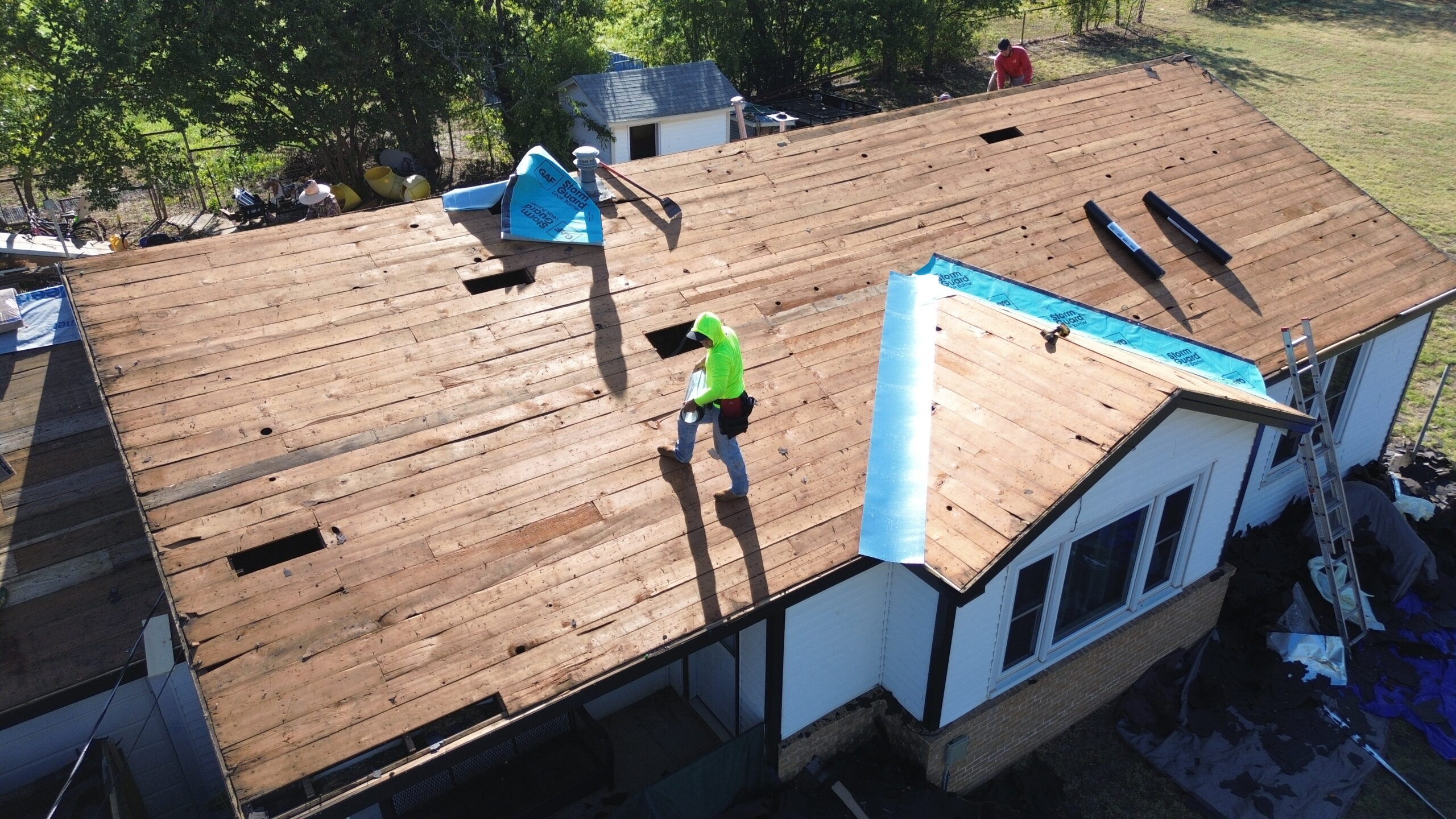
The removal of old roofing materials begins shortly afterward. This stage generates the greatest amount of construction noise because shingles, flashing, underlayment, and related materials are detached from the roof surface. Contractors typically remove roofing materials in sections rather than exposing the entire roof at once.
As demolition progresses, crews inspect the roof deck for signs of moisture damage, structural deterioration, or other conditions requiring repair. If unexpected issues are discovered, the project supervisor generally discusses available solutions with the homeowner before additional work proceeds.
Material deliveries and waste removal may also occur throughout the day. Dumpsters are filled gradually as old roofing materials are removed, while new materials are positioned for installation. Coordinated logistics help maintain steady progress while keeping the worksite organized.
The first day establishes the pace for the remainder of the project. Good communication and preparation allow construction to proceed efficiently while reducing unnecessary interruptions.
Final Walkthrough Before Construction Starts
Before roofing work officially begins, many contractors conduct a final walkthrough with the homeowner. This meeting provides one last opportunity to review project details, confirm expectations, and address any remaining questions before construction starts.
During the walkthrough, contractors typically confirm the scope of work outlined in the contract. Roofing materials, installation methods, ventilation improvements, flashing replacement, cleanup procedures, and estimated completion timelines are reviewed to ensure everyone shares the same understanding.
Homeowners should also identify any property features requiring special attention. Valuable landscaping, irrigation systems, decorative lighting, outdoor furniture, or recently completed home improvements can be discussed so contractors understand where additional precautions may be needed.
Access routes around the property are confirmed during this meeting as well. Contractors explain where ladders, materials, dumpsters, and equipment will be positioned while identifying any areas that should remain clear throughout construction.
Communication procedures are another important topic. Homeowners should know who to contact if questions arise during the project, while contractors confirm emergency contact information in case important decisions become necessary during installation.
Completing a final walkthrough strengthens communication while helping both parties begin the roofing project with confidence and clear expectations.
Best Practices for Homeowners During Roof Replacement
Following a few simple practices throughout construction helps the roofing project proceed safely and efficiently.
- Move vehicles away from the work area before crews arrive each day.
- Keep children and pets away from active construction zones at all times.
- Maintain clear communication with the project supervisor throughout the installation.
- Avoid entering restricted work areas unless specifically invited by the contractor.
- Keep windows and doors near active work areas closed during demolition.
- Secure valuable indoor items that may be affected by construction vibration.
- Review daily progress without interrupting active roofing operations.
- Inspect the completed property with the contractor before making final project acceptance.
These practices support both homeowner safety and project efficiency. Small preparation efforts contribute significantly to a smoother construction experience while helping contractors deliver high quality results.
Frequently Asked Questions
| Question | Answer |
|---|---|
| Should I stay home during roof replacement? | Many homeowners choose to remain at home, although it is not always necessary. If you stay, be prepared for temporary noise and restricted outdoor access. |
| When should I move my vehicle before roofing work begins? | Vehicles should ideally be relocated before the roofing crew arrives on the first construction day to provide clear access and prevent accidental damage. |
| Will my attic become dusty during roof replacement? | Some dust may enter through attic ventilation openings, so covering stored belongings before construction begins is recommended. |
| Should I notify my neighbors before roof replacement? | Yes. Informing nearby neighbors about the project is a courteous way to prepare them for temporary construction noise and increased activity. |
| How can I help the roofing crew during the project? | Providing clear access, communicating promptly, and keeping work areas free from unnecessary interruptions helps the project proceed efficiently. |
Conclusion
Preparing your home before roof replacement begins is an important step that contributes directly to the success of the entire project. While selecting quality roofing materials and hiring an experienced contractor remain essential decisions, careful preparation protects your property, improves safety, and allows construction to proceed more efficiently. Simple tasks completed before the first day of work often prevent unnecessary delays, damage, and inconvenience throughout the installation process.
Successful preparation includes both indoor and outdoor planning. Moving vehicles, protecting landscaping, securing fragile belongings, organizing attic spaces, preparing family members, and communicating clearly with the roofing contractor all help create a well organized work environment. These efforts not only support the roofing crew but also reduce stress for homeowners during construction.
Understanding what to expect throughout the project also creates confidence. Knowing how materials will be delivered, where equipment will be placed, how safety measures will be managed, and how daily work will progress allows homeowners to adjust their routines while maintaining realistic expectations. Good communication remains one of the most valuable tools for ensuring a smooth roofing experience from beginning to end.
Ultimately, home preparation is an investment in the overall success of the roof replacement project. By planning ahead, protecting your property, following recommended safety practices, and working closely with experienced roofing professionals, you can minimize disruptions, safeguard your belongings, and enjoy a more efficient installation process that results in a durable, high quality roof designed to protect your home for many years to come.