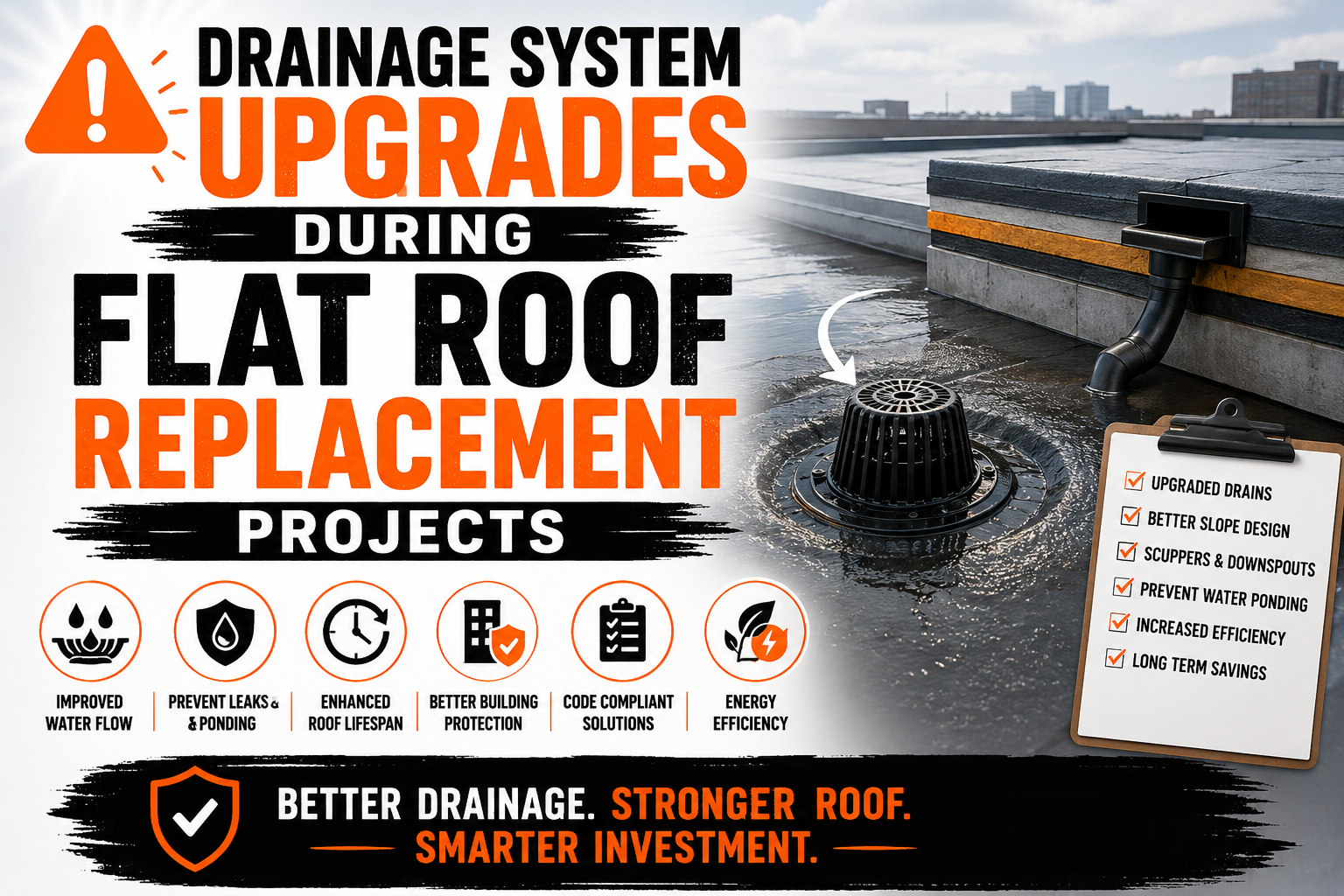
Drainage System Upgrades During Flat Roof Replacement Projects
Introduction
A flat roof is designed to provide reliable protection against rain, wind, sunlight, and changing weather conditions, but its long term performance depends heavily on one often overlooked component, the drainage system. Unlike sloped roofs that naturally direct water toward the ground, flat roofs rely on carefully engineered drainage solutions to remove rainwater quickly and efficiently. When drainage does not perform as intended, standing water can gradually damage roofing materials, insulation, flashing, and structural components.
Many property owners focus primarily on selecting a new roofing membrane during a replacement project while overlooking the condition of the existing drainage system. Although installing a modern roofing material is important, replacing the membrane without correcting drainage problems often allows the same issues to continue affecting the new roof. Persistent ponding water, blocked drains, undersized gutters, and poor roof slopes can significantly reduce the lifespan of even the highest quality roofing system.
A roof replacement project provides the ideal opportunity to evaluate and improve drainage. Since the existing roofing materials are already being removed, contractors gain full access to insulation, roof decks, drainage components, and structural conditions that may have contributed to water management problems for many years. Addressing these issues during replacement is often more practical and cost effective than attempting separate drainage upgrades after the new roof has already been installed.
Proper drainage upgrades do more than prevent leaks. They improve roof durability, reduce maintenance requirements, enhance energy efficiency by protecting insulation, and lower the risk of structural damage caused by prolonged moisture exposure. Effective drainage also contributes to safer building operation by reducing the weight of standing water on the roof surface during heavy rainfall.
This guide explains why drainage upgrades are an essential part of many flat roof replacement projects. It explores common drainage problems, identifies warning signs that indicate improvements are needed, and explains how careful planning helps create a roofing system capable of delivering dependable long term performance.
Why Drainage Is Critical for Flat Roof Performance
Although they are commonly called flat roofs, these roofing systems are not completely level. They are constructed with subtle slopes that guide rainwater toward drains, gutters, or scuppers. Even small variations in roof elevation play an important role in moving water away from the building before it can cause damage.
Efficient drainage protects every component of the roofing system. When water leaves the roof quickly, the membrane dries sooner after rainfall, reducing long term exposure to moisture. This helps preserve seams, flashing, adhesives, and protective surface materials while slowing the natural aging process.
Drainage also protects roof insulation. Once water penetrates beneath the membrane because of drainage related problems, insulation can become saturated and lose much of its thermal performance. Wet insulation increases heating and cooling costs while contributing to hidden deterioration beneath the roof surface.
Structural protection is equally important. Water is surprisingly heavy, and large areas of standing water place significant additional loads on the building. Repeated exposure to these loads may contribute to structural movement, roof sagging, or deck deterioration over time, especially on aging buildings.
Another important benefit involves maintenance. Roofs with effective drainage generally remain cleaner because flowing water carries away small debris before it accumulates around drains or low spots. Reduced debris accumulation helps lower maintenance requirements while decreasing the likelihood of blocked drainage components.
Proper drainage also contributes to better roof inspections. Dry roof surfaces make it easier for contractors to identify membrane damage, flashing defects, punctures, and other maintenance concerns. Water covered sections often conceal developing problems that remain unnoticed until more serious damage occurs.
Every layer of a flat roofing system benefits from efficient drainage. Rather than viewing drains and gutters as secondary components, they should be considered essential parts of the overall roofing assembly that directly influence long term roof performance.
Common Drainage Problems Found During Roof Replacement
Many drainage problems remain hidden until the existing roofing system is removed during replacement. While some issues are obvious from visible ponding water or overflowing gutters, others develop beneath the roofing membrane where they cannot be detected during routine maintenance. Roof replacement provides an excellent opportunity to identify and correct these problems before installing a new roofing system.
One of the most common issues is clogged roof drains. Leaves, dirt, branches, roofing debris, and wind blown materials gradually accumulate around drain openings, restricting water flow. Even partially blocked drains slow water removal and increase the likelihood of ponding after heavy rainfall.
Insufficient roof slope is another frequent problem. Over time, buildings naturally settle, insulation compresses, and structural components experience minor movement. These gradual changes create low areas where water collects instead of flowing toward drainage points. As these depressions become deeper, standing water remains on the roof for longer periods.
Damaged or deteriorated scuppers also contribute to poor drainage. Cracks, corrosion, loose flashing, or physical damage around scuppers may reduce their ability to remove water efficiently. Water may then back up onto the roof surface instead of exiting the building properly.
Gutters and downspouts sometimes become undersized as buildings undergo renovations or expansions. Roofing systems originally designed for smaller drainage demands may struggle to handle increased runoff after structural modifications or changing weather patterns. Overflowing gutters can direct water against building walls or beneath roofing components.
Hidden drainage problems also develop beneath the roofing membrane. Compressed insulation, deteriorated roof decking, and previous repair work may alter roof elevations without obvious surface indications. These concealed conditions often become apparent only after demolition exposes the underlying roofing assembly.
The following drainage issues are frequently identified during commercial and residential flat roof replacement projects.
- Blocked roof drains caused by accumulated debris.
- Low spots that allow persistent ponding water.
- Damaged scuppers with deteriorated flashing.
- Undersized gutters or downspouts.
- Compressed insulation affecting roof slope.
- Structural settlement creating uneven drainage patterns.
Correcting these issues during replacement significantly improves the long term performance of the new roofing system while reducing future maintenance requirements.
Signs Your Existing Flat Roof Drainage System Needs an Upgrade
A drainage system rarely fails without providing warning signs. Recognizing these indicators before roof replacement helps property owners understand why drainage improvements may be recommended as part of the overall project. Addressing these problems early often prevents more extensive structural and roofing damage later.
Persistent ponding water is one of the clearest warning signs. Water that remains on the roof long after rainfall has ended indicates that drainage is no longer functioning efficiently. Although temporary puddles may occasionally occur, water standing for extended periods should always receive professional evaluation.
Recurring roof leaks also suggest drainage deficiencies. While leaks may originate from damaged membranes or flashing, poor drainage frequently contributes by increasing moisture exposure around vulnerable roofing details. Repeated leaks in the same general area often indicate that water is not draining properly.
Visible sagging across sections of the roof may also signal drainage related problems. As standing water repeatedly accumulates in low areas, the additional weight can gradually worsen structural depressions. These deeper low spots then collect even more water, creating a cycle of continued deterioration.
Overflowing gutters and scuppers during moderate rainfall provide another indication that drainage capacity may be inadequate. If water spills over roof edges instead of flowing through designated drainage paths, improvements may be needed to restore efficient water removal.
Interior warning signs deserve equal attention. Ceiling stains, damp insulation, peeling paint, mold growth, or unexplained moisture near roof drains often indicate that water is entering the building because drainage problems have allowed prolonged exposure to vulnerable roofing components.
Property owners should also observe changes in roof maintenance frequency. Drains requiring constant cleaning, recurring debris accumulation, or repeated drainage related repairs often indicate that the overall drainage system would benefit from modernization during roof replacement.
Ignoring these warning signs allows deterioration to continue beneath the roofing system. Upgrading drainage before installing a new membrane helps protect the investment while reducing the likelihood of similar problems affecting the replacement roof.
How Poor Drainage Shortens Roof Lifespan
Flat roofing materials are engineered to withstand years of weather exposure, but their expected lifespan depends on proper drainage. When water remains on the roof for extended periods, roofing components experience conditions they were not intended to endure continuously. Over time, this prolonged moisture exposure accelerates deterioration throughout the roofing system.
Standing water increases stress on roofing membranes by keeping them constantly wet after rainfall. Instead of drying naturally, the membrane remains exposed to moisture for extended periods, increasing the likelihood of seam deterioration, adhesive failure, and surface wear. This gradual weakening eventually creates opportunities for water infiltration beneath the roof.
Ponding water also contributes to insulation damage. Once moisture enters the roofing assembly, insulation absorbs water and loses much of its ability to regulate indoor temperatures. Saturated insulation often remains trapped beneath the membrane, allowing deterioration to spread while reducing overall building energy efficiency.
Additional structural loading represents another concern. Large volumes of standing water add substantial weight to the roof surface. Aging structural components already weakened by years of service may experience increased stress under these conditions, contributing to roof deflection or localized sagging.
Drainage problems also accelerate flashing deterioration. Roof edges, penetrations, parapet walls, and drain connections remain exposed to constant moisture when water cannot leave the roof efficiently. These transition areas often become the first locations where leaks develop because they experience both prolonged moisture exposure and normal building movement.
Maintenance costs generally increase as drainage performance declines. Property owners may face recurring drain cleaning, repeated leak repairs, flashing replacement, membrane patching, and interior water damage restoration. Addressing only the symptoms without correcting drainage deficiencies often results in continued maintenance expenses year after year.
Replacing the roofing membrane alone does not eliminate these risks if the underlying drainage problems remain unresolved. Improving drainage during roof replacement helps protect every component of the new roofing system while maximizing its expected service life.
Evaluating Drainage Before a Flat Roof Replacement
A detailed drainage evaluation should be completed before finalizing any flat roof replacement project. This assessment helps contractors understand how water currently moves across the roof and identifies improvements that will enhance long term roof performance. Careful evaluation also reduces the likelihood of repeating drainage problems after the new roof has been installed.
The inspection usually begins with a visual examination of the roof surface. Contractors identify low areas, evidence of ponding water, membrane deterioration near drains, damaged flashing, and signs of previous drainage related repairs. These observations provide valuable clues regarding how the existing system has performed over time.
Drainage components are inspected individually as well. Roof drains, gutters, scuppers, downspouts, overflow drains, and discharge locations are evaluated for blockages, corrosion, physical damage, and overall capacity. Contractors also confirm that drainage outlets remain free from obstructions beyond the roof itself.
Roof elevations are carefully measured to determine whether water naturally flows toward drainage points. Modern surveying equipment allows contractors to identify subtle depressions that may not be obvious during a simple visual inspection. These measurements help determine whether tapered insulation or other slope improvements should be included in the replacement design.
Moisture testing often accompanies drainage evaluations because poor drainage and hidden moisture damage frequently occur together. Infrared imaging, moisture meters, and core sampling reveal whether water has already affected insulation beneath the roofing membrane. Understanding the extent of moisture infiltration allows more accurate planning before construction begins.
Contractors also review the building’s maintenance history whenever possible. Records of recurring leaks, drain cleaning, emergency repairs, and previous roofing work often reveal patterns indicating long term drainage deficiencies. Combining this information with current inspection findings provides a comprehensive understanding of the roof’s condition.
A thorough drainage evaluation ensures that replacement plans address the root causes of existing problems rather than simply installing new roofing materials over outdated drainage systems. In the next part, we will examine the most effective drainage upgrades available during flat roof replacement, including tapered insulation systems, modern roof drains, upgraded scuppers and gutters, overflow drainage, and selecting the right drainage solution for different types of buildings.
Types of Drainage System Upgrades for Flat Roofs
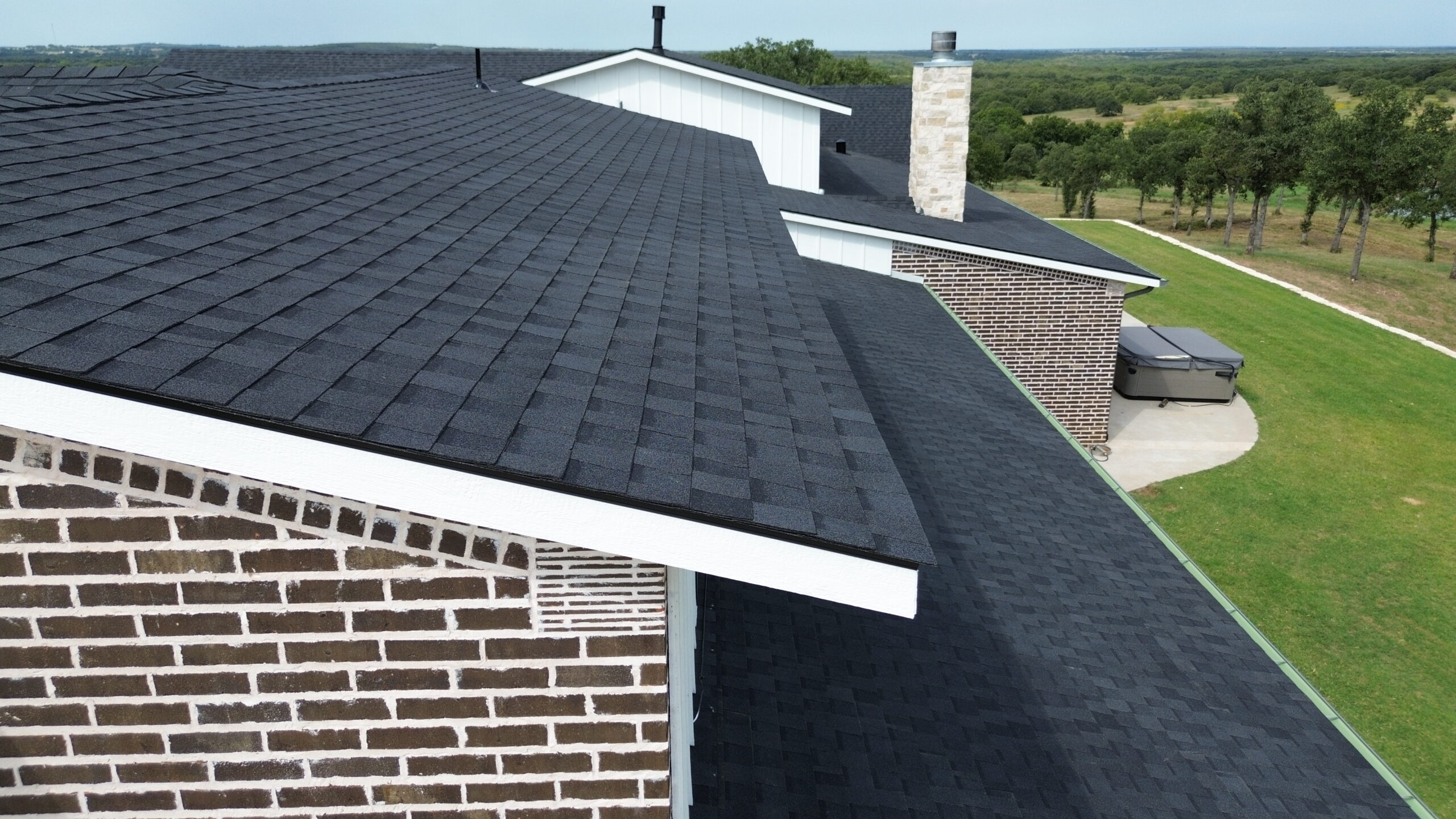
Once a drainage assessment has been completed, contractors can determine which upgrades will provide the greatest improvement for the roofing system. The most appropriate solution depends on the building’s design, roof size, structural condition, local rainfall patterns, and the existing drainage layout. Many replacement projects involve more than one upgrade to achieve efficient long term water management.
Some buildings require only minor improvements such as replacing aging roof drains or repairing damaged scuppers. Others benefit from more comprehensive upgrades that include tapered insulation, additional drainage outlets, larger gutters, or redesigned water flow paths. Addressing these issues during roof replacement is usually more efficient than performing separate drainage work after the new roof has been installed.
Modern drainage upgrades are designed not only to remove water quickly but also to improve the overall performance of the roofing system. Better drainage reduces membrane exposure to standing water, protects insulation, lowers maintenance requirements, and helps preserve structural integrity throughout the roof’s lifespan.
Building codes have also evolved over time, and many older drainage systems no longer meet current standards. During replacement, contractors often recommend improvements that increase drainage capacity and enhance protection during heavy rainfall events. These upgrades help prepare the building for changing weather conditions while supporting long term roof performance.
The choice of drainage improvements should always consider future maintenance as well. Installing components that are easier to inspect, clean, and service helps reduce maintenance costs while encouraging regular inspections throughout the roof’s service life.
A well designed drainage system works together with the roofing membrane, insulation, flashing, and structural components as one integrated assembly. Upgrading drainage during roof replacement therefore strengthens the entire roofing system rather than improving only one individual component.
Improving Roof Slope with Tapered Insulation
One of the most effective ways to improve flat roof drainage is by installing tapered insulation during roof replacement. Unlike standard insulation boards that have uniform thickness, tapered insulation is manufactured with gradually changing thicknesses that create subtle slopes across the roof surface. These slopes guide water naturally toward drains, scuppers, or gutters without altering the building’s structural framework.
Many older buildings develop drainage problems because insulation compresses or structural settlement creates low areas over time. Instead of making costly structural modifications, tapered insulation often provides a practical solution by correcting drainage patterns above the roof deck. This approach improves water flow while simultaneously upgrading the building’s thermal performance.
Designing a tapered insulation system requires careful planning. Roofing professionals calculate roof elevations, drainage locations, and water flow patterns before selecting insulation layouts. Proper design ensures water follows the shortest and most efficient path toward designated drainage points.
Installation begins after the roof deck has been inspected and repaired where necessary. Insulation boards are positioned according to detailed layout drawings, creating consistent slopes across the roof surface. Contractors verify board placement carefully because even small alignment errors may affect drainage performance.
Besides improving water flow, tapered insulation offers several additional benefits. Increased insulation thickness enhances energy efficiency, reduces heating and cooling costs, and improves indoor comfort throughout the year. These energy savings often continue for decades after the replacement project has been completed.
Property owners should understand that tapered insulation does not simply hide drainage problems. When designed correctly, it addresses one of the root causes of standing water by reshaping the roof surface to promote positive drainage. Combined with modern roofing materials, it significantly improves overall roof performance.
Although tapered insulation increases initial project costs compared to standard insulation, many building owners consider it a worthwhile investment because it reduces future maintenance, minimizes ponding water, and helps maximize the lifespan of the new roofing system.
Upgrading Roof Drains, Scuppers, and Gutters
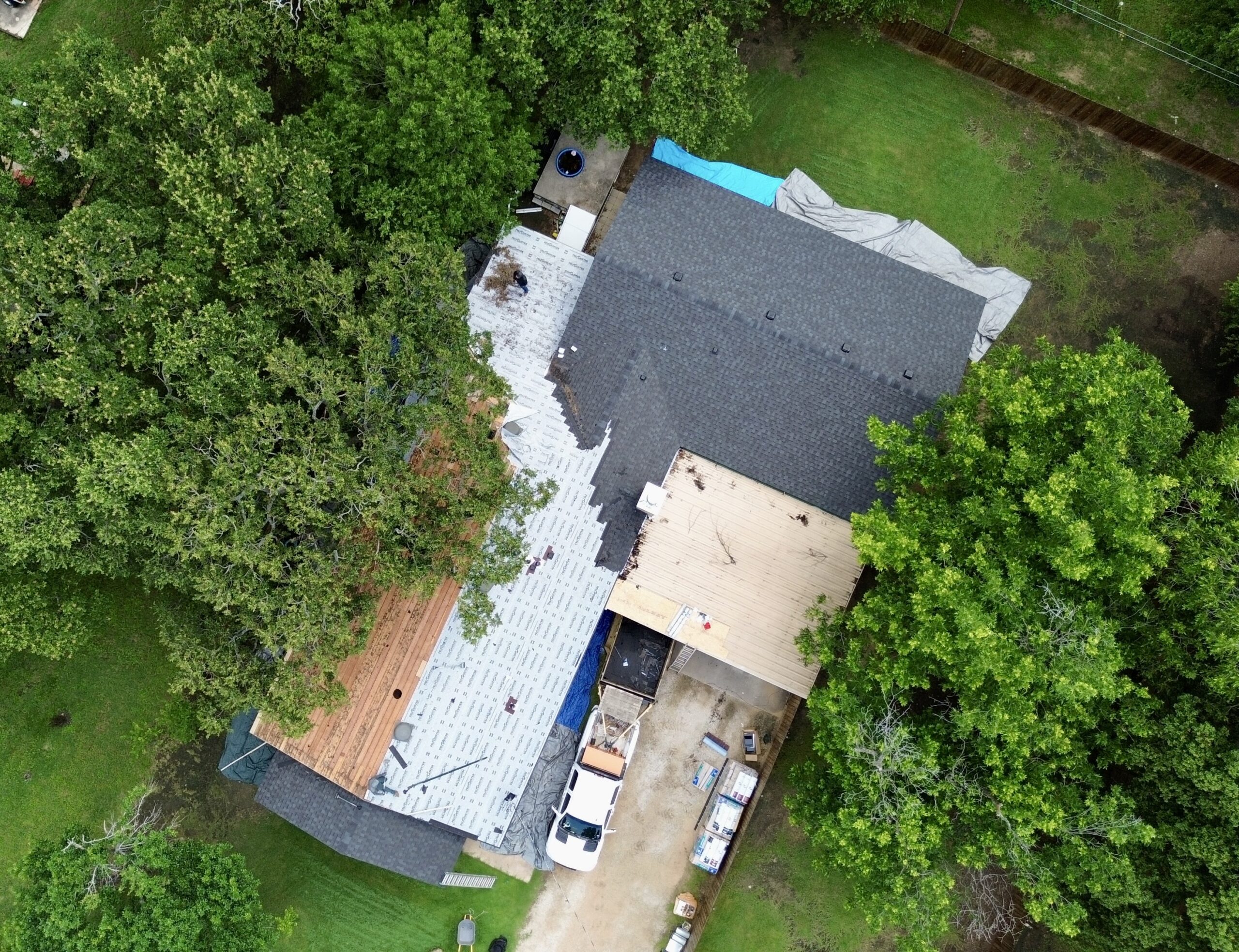
Drainage outlets are the components that actually remove water from the roof once it has been directed toward them. During flat roof replacement, these components are carefully evaluated because even the best roof slope cannot compensate for drains or gutters that are damaged, undersized, or improperly functioning.
Roof drains often experience years of wear before replacement becomes necessary. Corrosion, physical damage, deteriorated flashing, and accumulated debris gradually reduce drainage efficiency. Replacing aging drains during roof replacement allows contractors to install modern components that provide improved reliability and easier maintenance.
Scuppers are another important drainage feature commonly upgraded during replacement projects. These wall openings allow water to exit through parapet walls rather than flowing toward internal drains. Damaged flashing around scuppers or undersized openings can restrict water flow during heavy rainfall, increasing the risk of ponding water.
Gutters also deserve careful evaluation. Older gutter systems may no longer provide adequate capacity for current rainfall patterns or building modifications completed after the original roof was installed. Installing larger gutters or additional downspouts often improves drainage while reducing overflow during severe storms.
Contractors also examine drain strainers and protective covers. These simple components prevent leaves, branches, and other debris from entering drainage systems while allowing water to flow freely. Modern strainers are often designed for easier cleaning, reducing maintenance time throughout the life of the roof.
Flashing surrounding drains, scuppers, and gutters is replaced whenever necessary to ensure complete waterproof integration with the new roofing membrane. Proper flashing installation is critical because drainage outlets represent some of the most vulnerable locations on any flat roof.
Replacing drainage components during roof replacement also allows contractors to coordinate all roofing details as one complete system. This integrated approach provides better long term performance than replacing individual drainage components years after the roofing membrane has already been installed.
Overflow Drainage Systems and Building Code Requirements
Primary drainage systems handle normal rainfall, but buildings also require protection when unusually heavy storms exceed the capacity of the main drainage network. Overflow drainage systems provide this additional level of protection by directing excess water safely away from the roof before dangerous ponding develops.
Overflow systems become particularly important if primary roof drains become blocked by debris during severe weather. Without a secondary drainage path, water continues accumulating across the roof surface, increasing structural loading and the likelihood of water entering the building. Overflow drains and scuppers reduce this risk by providing an alternative route for excess water.
Many building codes require overflow drainage for commercial buildings and certain residential structures. These requirements are intended to protect both the building and its occupants during extreme weather events. Modern replacement projects often include drainage upgrades specifically designed to meet current code requirements.
Overflow scuppers are commonly installed through parapet walls at carefully selected elevations. Under normal conditions, water remains below these openings and exits through the primary drainage system. If water rises because of blocked drains or exceptionally heavy rainfall, the overflow scuppers automatically begin removing excess water.
Secondary roof drains function similarly but connect to independent drainage piping separate from the primary system. This additional drainage capacity provides another safeguard against excessive roof loading while reducing the likelihood of structural damage during severe storms.
Contractors also verify that overflow drainage discharge locations direct water safely away from building entrances, walkways, and foundation areas. Proper discharge planning protects surrounding property while reducing erosion and potential slip hazards during heavy rainfall.
Including overflow drainage during roof replacement improves overall roof resilience and helps ensure compliance with modern construction standards. These systems provide valuable protection even though they may remain unused during most ordinary weather conditions.
Choosing the Right Drainage Solution for Different Building Types
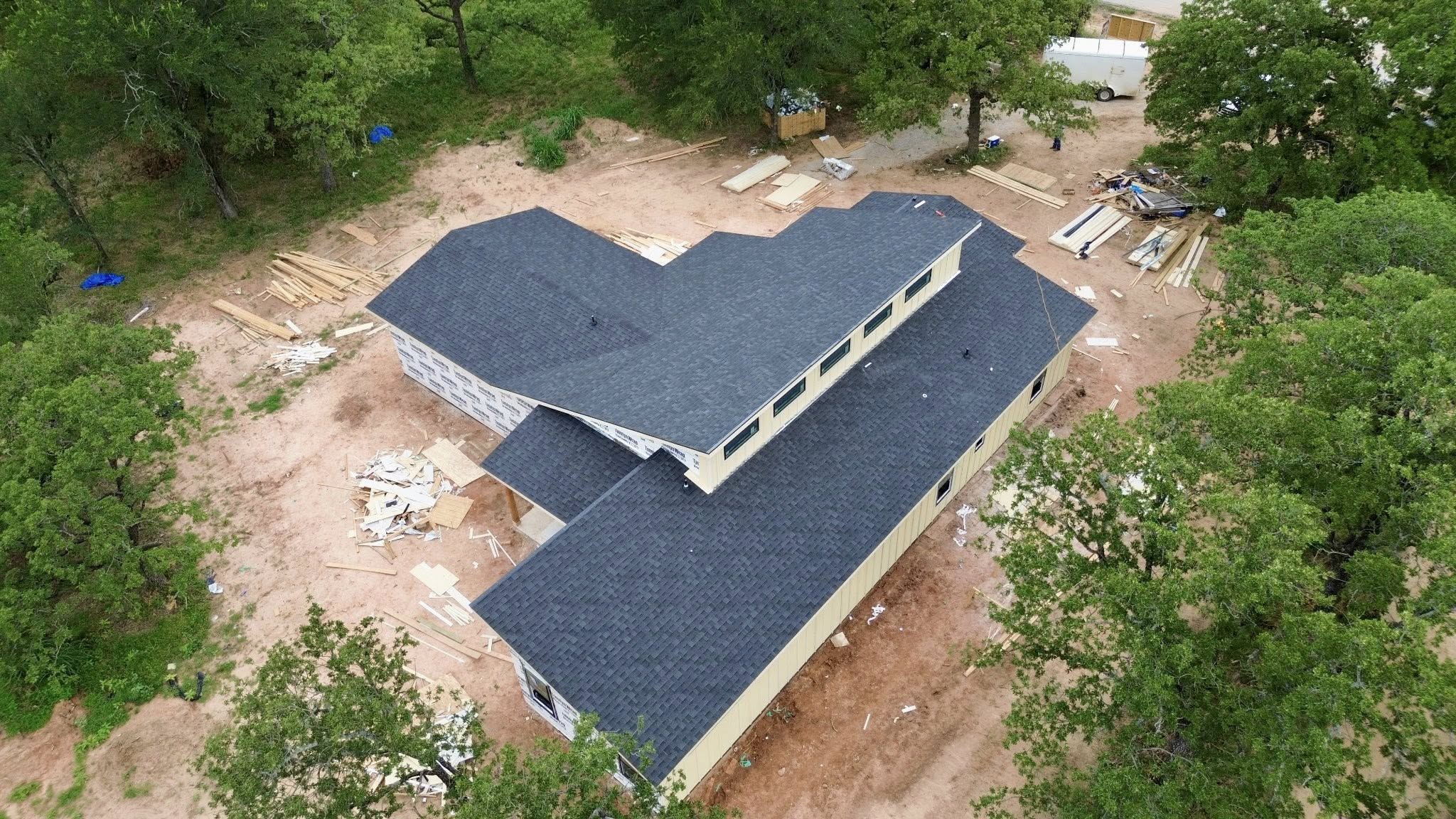
Every building has unique drainage requirements based on its size, design, location, and intended use. A drainage solution that performs well on one property may not be the best choice for another. Selecting the appropriate upgrade requires careful evaluation of both current conditions and future performance expectations.
Small commercial buildings and residential flat roofs often benefit from relatively straightforward drainage improvements. Replacing aging drains, improving roof slope with tapered insulation, and upgrading gutters may provide all the drainage capacity needed for dependable long term performance.
Large warehouses and distribution centers usually require more comprehensive planning because of their expansive roof areas. Multiple drainage zones, larger gutters, additional roof drains, and carefully designed insulation slopes help move water efficiently across these wide roof surfaces.
Office buildings frequently contain numerous rooftop mechanical systems that influence drainage patterns. Heating and cooling equipment, communication systems, and ventilation units create obstacles that affect water flow. Drainage upgrades for these buildings often include redesigned water paths that direct runoff around rooftop equipment.
Healthcare facilities, schools, hotels, and public buildings typically prioritize reliability because uninterrupted building operation is essential. These projects may include redundant drainage systems, additional overflow protection, and upgraded drainage components that minimize maintenance requirements while improving long term dependability.
Climate also plays an important role in selecting drainage solutions. Buildings located in regions experiencing frequent heavy rainfall generally require greater drainage capacity than those situated in drier environments. Snow accumulation, freezing temperatures, and seasonal storms also influence drainage design decisions.
The following comparison summarizes several common drainage upgrade options used during flat roof replacement projects.
| Drainage Upgrade | Primary Purpose | Best Application |
|---|---|---|
| Tapered Insulation | Improve roof slope and eliminate ponding | Roofs with low areas or poor drainage |
| New Roof Drains | Increase drainage efficiency | Aging or damaged drainage systems |
| Upgraded Scuppers | Improve water discharge through parapet walls | Buildings with parapet drainage |
| Larger Gutters and Downspouts | Increase runoff capacity | Buildings experiencing gutter overflow |
| Overflow Drains or Scuppers | Provide emergency drainage during heavy rainfall | Commercial and code regulated buildings |
Selecting the right combination of drainage improvements ensures the new roofing system performs efficiently under both normal weather conditions and severe storms. Rather than relying on one drainage component alone, successful roof replacement projects integrate multiple drainage features into a coordinated system that protects the building for decades.
In the final part of this guide, we will examine how drainage upgrades are installed during flat roof replacement, discuss maintenance practices that preserve long term drainage performance, explain common mistakes to avoid, answer frequently asked questions, and conclude with practical recommendations for protecting your roofing investment through effective water management.
Installation Process for Drainage Upgrades During Roof Replacement
Installing drainage improvements during a flat roof replacement requires careful coordination because every drainage component must work together with the new roofing system. Contractors generally complete drainage upgrades alongside the roofing installation rather than treating them as separate projects. This integrated approach improves waterproofing while reducing future maintenance concerns.
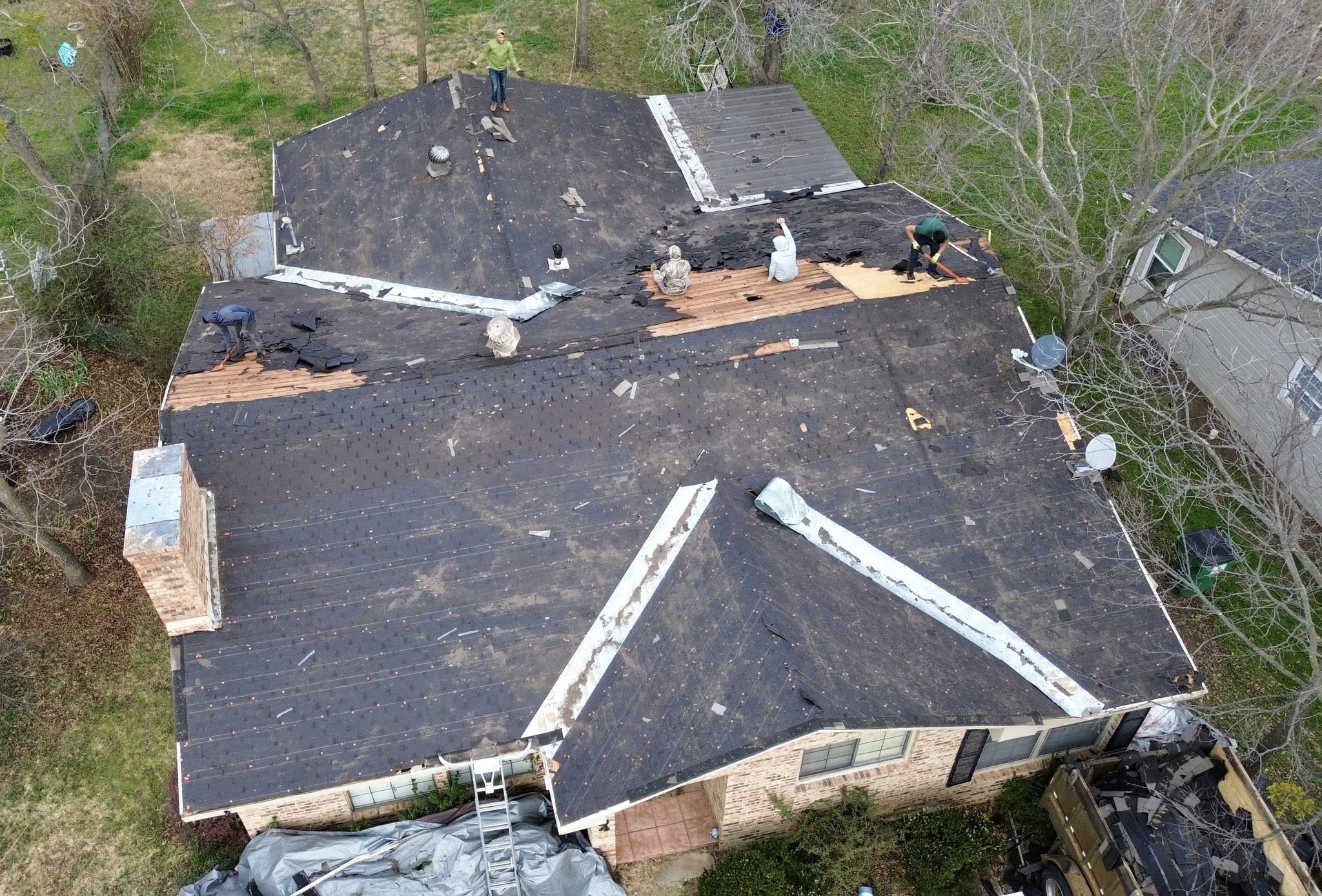
The process usually begins after the existing roofing materials have been removed. With the roof deck fully exposed, contractors inspect the structural surface, existing drain locations, and surrounding components for signs of deterioration or damage. Any necessary structural repairs are completed before new drainage elements are installed.
Next, contractors verify roof elevations and drainage layouts using project drawings and field measurements. These checks ensure that the planned drainage system will direct water efficiently toward drains, scuppers, or gutters. If adjustments are needed, they are made before insulation installation begins.
When tapered insulation is included, the boards are installed according to the approved layout plan. Each section is positioned carefully to create smooth drainage paths while maintaining consistent support beneath the roofing membrane. Proper placement is essential because even minor installation errors can affect water flow across the roof.
New roof drains, scuppers, and gutters are then installed or upgraded. Flashing around these components is completed using manufacturer approved materials that integrate seamlessly with the new roofing membrane. Every connection is carefully sealed to prevent water infiltration while allowing efficient drainage.
Once the roofing membrane has been installed, contractors perform detailed inspections around all drainage components. They verify that water can flow freely toward each outlet without obstruction and that flashing details remain completely watertight. Any adjustments needed are completed before the project enters its final inspection stage.
The installation process generally follows these major steps.
- Remove the existing roofing materials.
- Inspect and repair the roof deck if necessary.
- Confirm drainage layout and roof elevations.
- Install tapered insulation where required.
- Replace or upgrade drains, scuppers, and gutters.
- Install the new roofing membrane and flashing.
- Inspect drainage performance and complete final testing.
Completing drainage upgrades during roof replacement creates a unified roofing system in which every component works together to manage water effectively. This coordinated installation improves both roof performance and long term durability.
Maintenance Tips for Long Term Drainage Performance
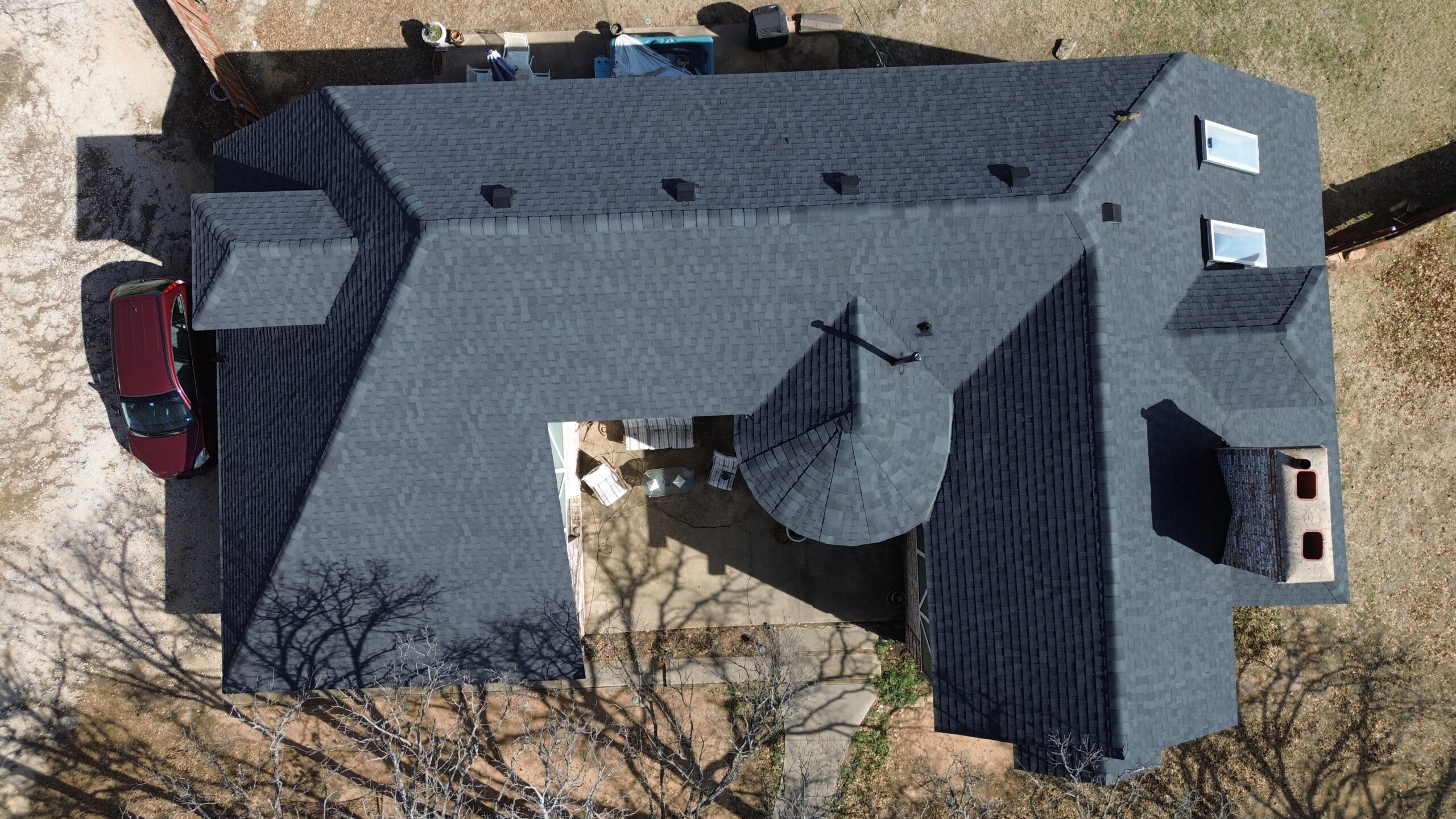
Installing a modern drainage system is only the beginning. Routine maintenance is essential to ensure that drains, gutters, scuppers, and other drainage components continue functioning properly throughout the life of the roof. Even the best designed drainage system can develop problems if regular inspections and cleaning are neglected.
One of the simplest maintenance tasks is removing debris from the roof surface. Leaves, branches, dirt, gravel, and other materials gradually accumulate around drainage outlets, slowing water flow and increasing the likelihood of ponding. Regular cleaning keeps drainage pathways open while reducing unnecessary stress on the roofing system.
Roof drains deserve particular attention because they collect most of the water leaving the roof. Drain strainers should be inspected regularly to ensure they remain free from blockages. Replacing damaged strainers promptly helps prevent debris from entering drainage pipes where more difficult clogs may develop.
Gutters and downspouts also require periodic cleaning. Overflowing gutters often indicate that debris has restricted water movement or that downspouts have become blocked. Cleaning these components before heavy rainfall seasons helps maintain efficient drainage during periods of increased precipitation.
Property owners should also inspect flashing around drains, scuppers, and roof penetrations. Flashing naturally expands and contracts with changing temperatures, making routine inspection important for identifying minor defects before leaks develop. Early repairs generally require far less work than correcting widespread water damage later.
Professional roof inspections remain valuable even when no visible drainage problems exist. Experienced roofing contractors often identify subtle changes in roof slope, drainage performance, or flashing condition long before they become obvious to building owners. Their recommendations help preserve roof performance while extending service life.
An effective maintenance program generally includes the following activities.
- Clean roof drains, gutters, and scuppers regularly.
- Remove debris after storms and seasonal weather changes.
- Inspect flashing around all drainage components.
- Check for standing water after heavy rainfall.
- Schedule professional roof inspections twice each year.
- Repair minor drainage problems promptly.
Consistent maintenance helps protect both the drainage system and the roofing membrane, reducing long term repair costs while preserving the investment made during roof replacement.
Common Mistakes to Avoid with Flat Roof Drainage Systems
Many drainage problems develop because important details were overlooked during design, installation, or maintenance. Avoiding these common mistakes helps maximize the performance of both the drainage system and the roofing assembly while reducing future repair requirements.
One of the most frequent mistakes is replacing the roofing membrane without addressing existing drainage problems. Installing a new membrane over a roof that still experiences ponding water simply transfers old drainage issues to the new roofing system. Correcting drainage deficiencies during replacement provides much better long term results.
Another common mistake is underestimating the importance of tapered insulation. Some property owners attempt to reduce project costs by installing standard insulation despite known drainage problems. While this may lower the initial investment, persistent standing water often leads to higher maintenance expenses throughout the roof’s lifespan.
Neglecting regular drain cleaning is another preventable issue. Even modern drainage systems lose effectiveness when drains become blocked with debris. Routine cleaning requires relatively little effort compared to the cost of repairing water damage caused by overflowing drainage systems.
Improper flashing installation around drainage outlets also creates long term risks. Roof drains, scuppers, and gutters require carefully installed flashing that integrates completely with the roofing membrane. Weak flashing details often become the first locations where water enters beneath the roof.
Some projects also fail because drainage capacity is based only on historical weather conditions. Rainfall patterns continue changing in many regions, making adequate drainage capacity more important than ever. Designing systems with sufficient capacity helps prepare buildings for heavier storms in the future.
Finally, delaying repairs after drainage problems appear often allows relatively minor issues to become much larger concerns. Addressing blocked drains, loose flashing, or developing low areas promptly helps prevent widespread deterioration beneath the roofing system.
Avoiding these common mistakes significantly improves drainage reliability while helping the new roof achieve its full expected service life.
Frequently Asked Questions
Why should drainage upgrades be completed during roof replacement?
Roof replacement provides full access to the roof deck, insulation, and drainage components. Completing drainage improvements at the same time is usually more efficient and cost effective than performing separate upgrades after the new roof has already been installed.
Can tapered insulation eliminate ponding water?
In many situations, yes. Properly designed tapered insulation creates gradual slopes that direct water toward drains or scuppers. However, the effectiveness depends on correct design, installation, and the overall condition of the roof structure.
How often should roof drains be cleaned?
Most roofing professionals recommend inspecting and cleaning roof drains at least twice each year. Additional cleaning after severe storms or during seasons with heavy leaf fall helps maintain unrestricted water flow.
Are overflow drains required on every flat roof?
Requirements vary according to local building codes and the type of building. Many commercial buildings require overflow drainage systems to provide additional protection during heavy rainfall or when primary drains become blocked.
Can poor drainage affect energy efficiency?
Yes. Standing water increases the likelihood of moisture entering insulation beneath the roofing membrane. Wet insulation loses much of its thermal performance, leading to higher heating and cooling costs over time.
Conclusion
An effective drainage system is one of the most important factors influencing the long term success of any flat roof replacement project. While roofing membranes often receive the greatest attention, drains, scuppers, gutters, tapered insulation, and overflow systems work together to protect every layer of the roofing assembly. Without proper drainage, even the highest quality roofing materials can experience premature deterioration caused by persistent standing water and hidden moisture damage.
Replacing a flat roof provides the ideal opportunity to evaluate existing drainage performance and correct long standing problems. Upgrading roof slopes, installing modern drainage components, improving gutter capacity, and incorporating overflow protection all contribute to a roofing system that removes water more efficiently while reducing maintenance requirements and protecting structural components.
Proper installation is only part of the solution. Routine inspections, regular debris removal, prompt repairs, and professional maintenance help preserve drainage performance throughout the roof’s lifespan. Small maintenance tasks performed consistently often prevent costly structural repairs and extend the service life of both the drainage system and the roofing membrane.
Every building has unique drainage requirements based on its size, design, location, and intended use. Working with experienced roofing professionals ensures that drainage upgrades are designed specifically for the property’s conditions rather than relying on generic solutions. Their expertise helps create an integrated roofing system capable of handling both everyday rainfall and severe weather events.
Ultimately, investing in drainage system upgrades during a flat roof replacement protects far more than the roof itself. It safeguards insulation, structural components, interior spaces, and the overall value of the property. By treating drainage as a critical part of the replacement project instead of an afterthought, property owners can enjoy improved roof performance, lower maintenance costs, and dependable protection for decades to come.