Metal Roof Replacement Lifespan Expectations for Homeowners
Introduction
Metal roofing has earned a strong reputation for durability, energy efficiency, and long-term value. Unlike many traditional roofing materials that require replacement after a few decades, a properly installed metal roof can protect a home for several generations with routine maintenance. This exceptional lifespan is one of the primary reasons homeowners choose metal roofing when replacing an aging roof.
Although metal roofs are designed to last for many years, no roofing system lasts forever. Every roof is exposed to changing weather, temperature fluctuations, moisture, sunlight, wind, and environmental contaminants throughout its service life. Over time, these conditions gradually affect roofing panels, protective coatings, flashing, fasteners, and structural components, eventually leading to the need for replacement.
Many homeowners wonder how long a replacement metal roof should realistically last. The answer depends on much more than the roofing material alone. Installation quality, local climate, maintenance practices, roof design, ventilation, and the type of metal selected all influence how long the roofing system continues performing efficiently.
Understanding realistic lifespan expectations helps homeowners make better investment decisions. Knowing what affects roof longevity also makes it easier to recognize the value of professional installation, routine maintenance, and timely repairs that extend the roof’s useful life.
This guide explores the factors that determine how long modern metal roofs typically last after replacement. It also explains why some roofing systems outperform others and what homeowners can do to maximize the lifespan of their investment.
Understanding the Average Lifespan of Modern Metal Roofs
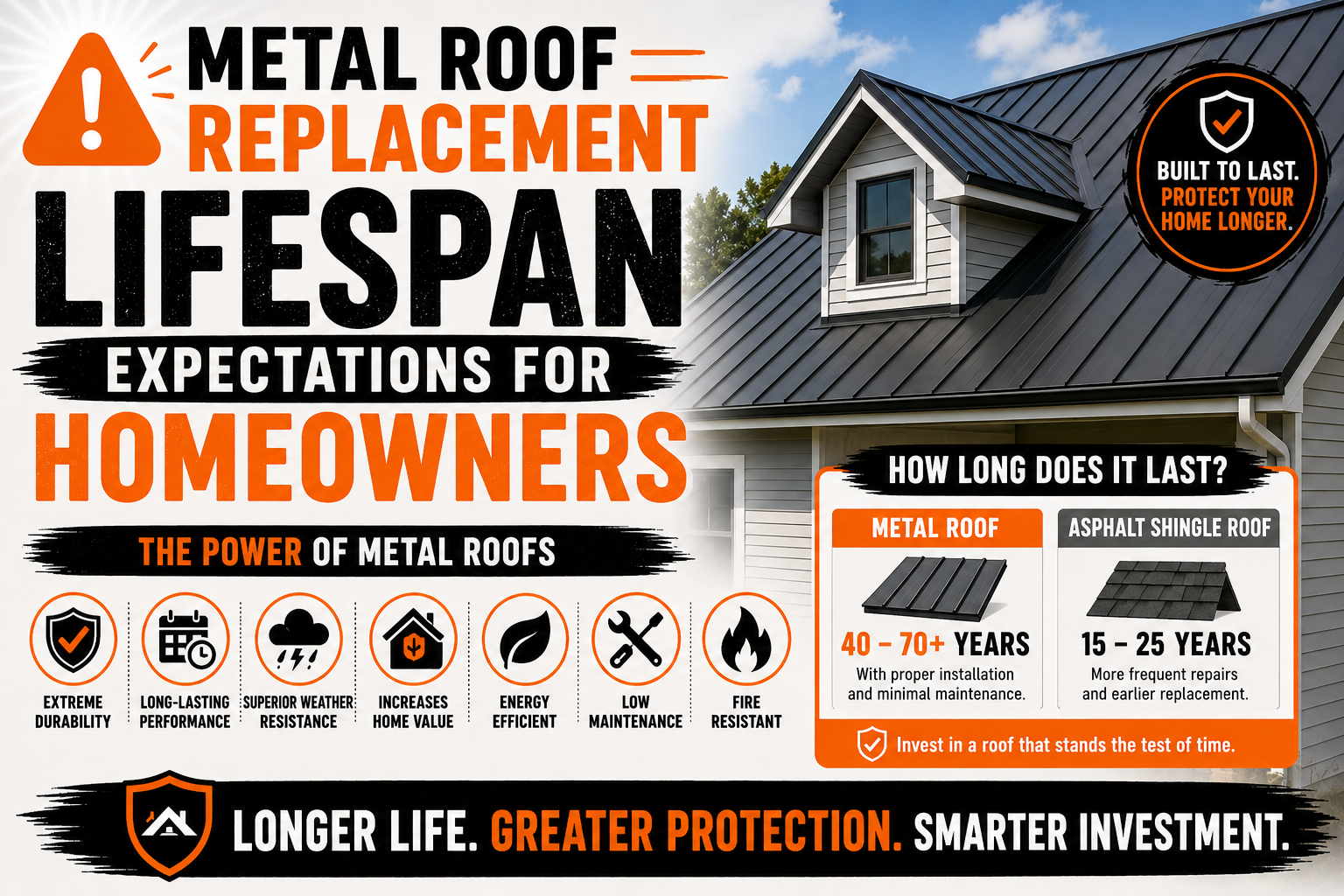
Modern metal roofing systems are among the longest-lasting roofing products available today. Depending on the material selected, many roofs remain functional for forty to seventy years or even longer when installed correctly and maintained consistently.
These lifespan estimates should be viewed as general expectations rather than guaranteed timelines. Every property experiences different weather conditions, maintenance schedules, and environmental influences that affect roof performance over time.
Steel roofing remains one of the most common residential choices because it offers an excellent balance between durability and affordability. High-quality galvanized or Galvalume steel roofs often provide dependable service for several decades before replacement becomes necessary.
Aluminum roofing typically performs exceptionally well in coastal environments because it naturally resists rust. Homeowners living near saltwater frequently choose aluminum to reduce corrosion concerns while maintaining long-term durability.
Premium materials such as copper and zinc often exceed the lifespan of many other roofing products. These materials develop natural protective surfaces over time that help preserve their structural integrity while reducing maintenance requirements.
Standing seam roofing systems frequently outlast exposed fastener designs because concealed fastening systems protect attachment points from direct weather exposure. Fewer exposed fasteners generally mean fewer opportunities for moisture infiltration and maintenance concerns as the roof ages.
It is important to remember that the entire roofing system determines longevity rather than the panels alone. Underlayment, flashing, ventilation, fasteners, roof decking, and installation quality all contribute to how long the replacement roof remains reliable.
Factors That Influence Metal Roof Replacement Lifespan
Many variables determine whether a metal roof reaches or even exceeds its expected lifespan. Understanding these factors helps homeowners appreciate why some roofs continue performing efficiently for decades while others require earlier replacement.
Material quality remains one of the most important considerations. Roofing products manufactured with thicker metal, advanced protective coatings, and higher production standards generally resist weather-related deterioration more effectively than lower-grade alternatives.
Installation quality has an equally significant impact. Even premium roofing materials cannot achieve their full lifespan if panels are installed incorrectly, flashing is poorly fitted, or fastening systems fail to accommodate normal thermal movement.
Local weather conditions also influence roof longevity. Homes located in regions experiencing heavy snowfall, strong winds, hailstorms, intense sunlight, or frequent temperature changes place greater demands on roofing materials throughout the year.
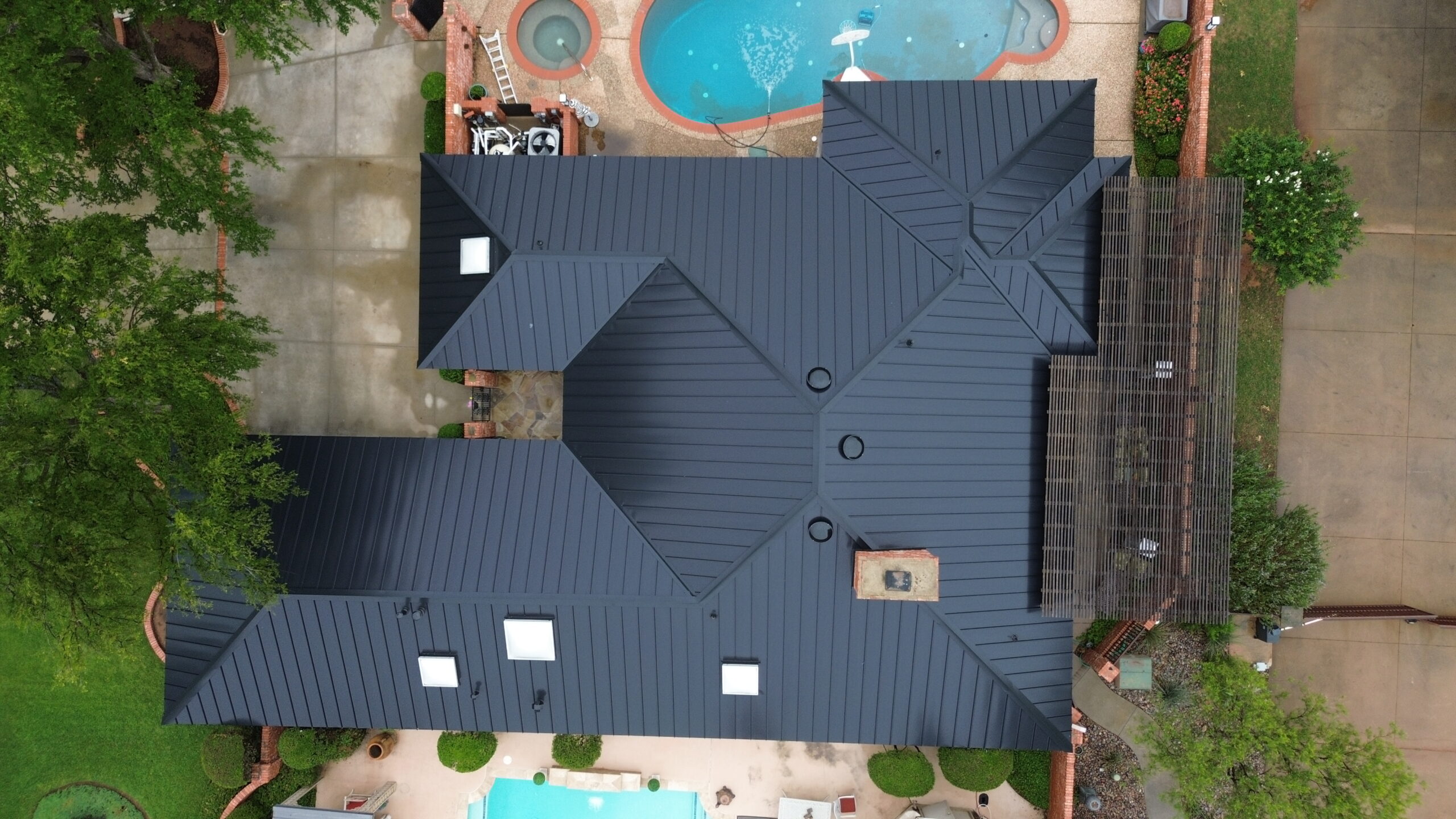
Roof design affects long-term performance as well. Complex roof layouts containing numerous valleys, dormers, skylights, chimneys, and roof penetrations require additional flashing and waterproofing details. These areas often receive greater maintenance attention because they experience concentrated water flow.
Attic ventilation contributes directly to roof health. Balanced airflow reduces heat buildup during summer while limiting condensation beneath roofing panels during colder months. Proper ventilation helps preserve both roofing materials and structural components beneath the roof.
Maintenance practices complete the picture. Routine inspections, debris removal, prompt repair of minor damage, and protection of factory-applied finishes all help slow the natural aging process and extend roof life significantly.
Because these factors work together rather than independently, homeowners should evaluate the roofing system as a whole instead of focusing solely on panel material.
How Different Metal Roofing Materials Compare
Not every metal roofing material performs the same over several decades. Each metal possesses unique characteristics influencing durability, maintenance requirements, corrosion resistance, and expected lifespan.
Galvanized steel remains one of the most widely installed residential roofing materials. A protective zinc coating shields the steel from corrosion while maintaining excellent structural strength. With proper installation and maintenance, galvanized steel roofs often provide reliable service for many decades.
Galvalume steel builds upon traditional galvanized technology by combining aluminum, zinc, and silicon within the protective coating. This advanced finish improves corrosion resistance, making Galvalume an increasingly popular replacement choice for residential properties.
Aluminum roofing naturally resists corrosion because it contains no iron. This makes aluminum particularly valuable for coastal homes where salt-laden air accelerates rust formation on many other metals.
Copper roofing represents one of the longest-lasting roofing materials available. Over time, copper develops a protective green patina that shields the underlying metal from further corrosion while creating a distinctive architectural appearance appreciated by many homeowners.
Zinc roofing offers similar long-term performance. Minor surface scratches gradually heal through natural weathering, helping maintain corrosion resistance throughout the roof’s lifespan. Although zinc requires a larger initial investment, its durability often justifies the additional cost for long-term property owners.
Stone-coated steel combines galvanized steel with a durable stone finish that enhances appearance while providing additional protection against weather exposure. This roofing system appeals to homeowners seeking the appearance of traditional roofing materials with the durability of metal.
Selecting the appropriate material depends on local climate, maintenance expectations, architectural style, and long-term ownership plans rather than lifespan alone.
The Impact of Installation Quality on Roof Longevity
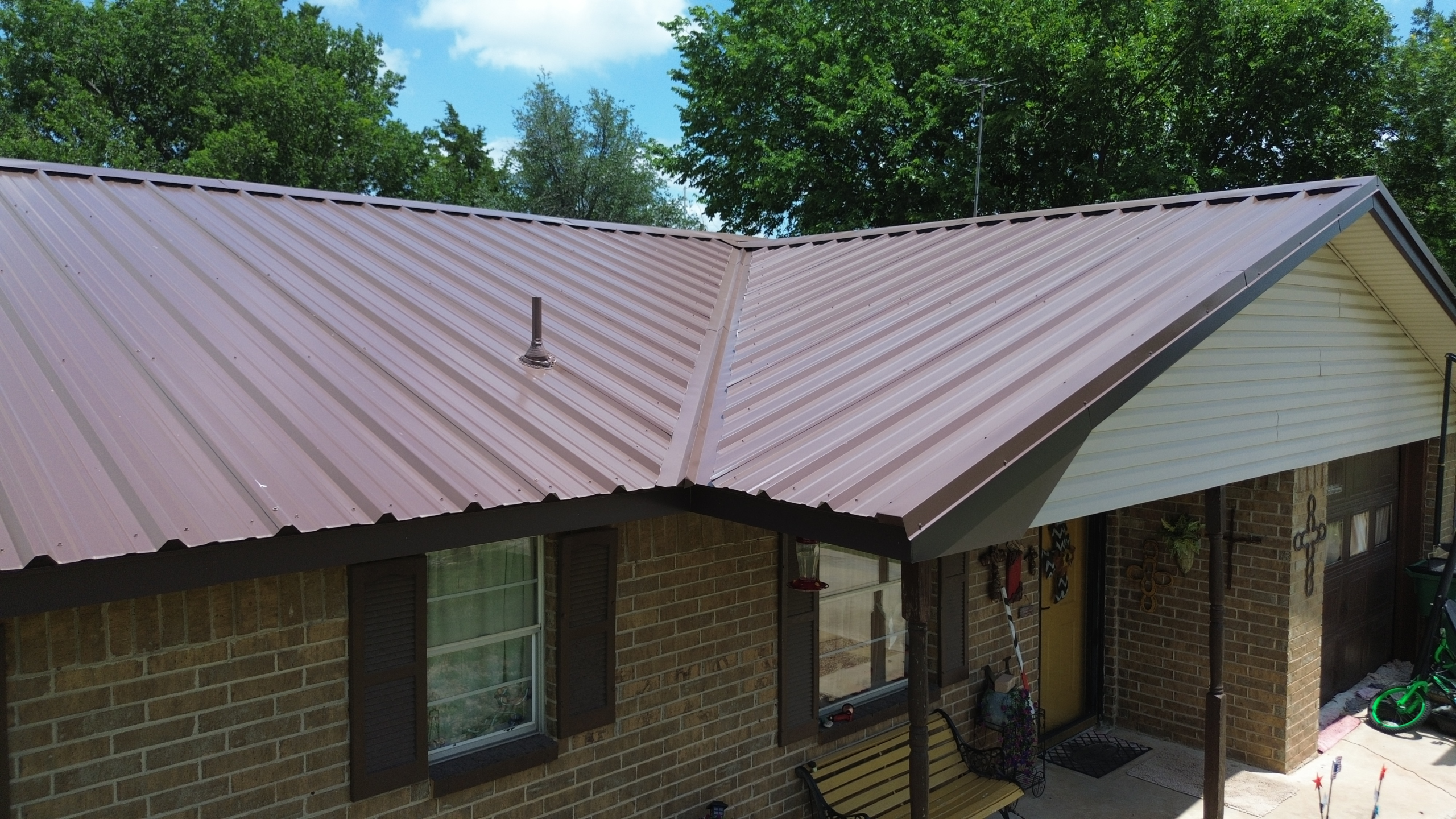
The quality of installation often influences roof lifespan as much as the roofing material itself. Proper installation allows every component to function together as a complete weather-resistant system designed for decades of reliable performance.
Accurate panel alignment represents one of the first indicators of professional workmanship. Straight, evenly spaced panels improve both appearance and water drainage while reducing stress created by thermal expansion and contraction.
Fastening systems also require careful attention. Standing seam roofs rely on concealed clips that allow controlled panel movement, while exposed fastener systems depend on correctly installed screws with weather-resistant sealing washers. Improper fastening shortens roof life regardless of material quality.
Flashing installation remains equally important. Chimneys, skylights, roof valleys, plumbing vents, dormers, and wall intersections all require precisely installed flashing to direct water away from vulnerable areas. Most roof leaks originate from flashing problems rather than roofing panels themselves.
Underlayment selection contributes additional protection beneath the visible roofing materials. High-quality synthetic underlayments and waterproof membranes provide valuable secondary moisture barriers that help protect roof decking if water penetrates the metal roof during severe weather.
Proper ventilation completes the roofing system. Intake and exhaust ventilation regulate attic temperature and moisture levels, reducing condensation that could otherwise shorten the lifespan of both roofing materials and structural components.
Professional installation also includes careful attention to manufacturer specifications. Following approved installation methods preserves warranty protection while maximizing long-term roof performance.
Climate and Environmental Conditions That Affect Lifespan
Every roof experiences continuous exposure to environmental conditions that gradually influence its lifespan. Understanding these regional factors helps homeowners establish realistic expectations for long-term roof performance.
Coastal environments create some of the most demanding conditions for metal roofing. Salt carried by ocean air accelerates corrosion on susceptible metals while increasing maintenance requirements throughout the roof’s service life. Aluminum roofing often performs particularly well under these circumstances because of its natural corrosion resistance.
Regions experiencing frequent snowfall present different challenges. Heavy snow accumulation places additional structural loads on the roof while repeated freeze-thaw cycles create continuous expansion and contraction throughout the roofing system.
Intense sunlight affects roofing materials in warmer climates. Ultraviolet radiation gradually ages protective coatings, sealants, and exposed roofing accessories over many years. Modern paint technologies greatly improve resistance to fading and coating deterioration, but regular inspections remain valuable.
Strong winds test the fastening system continuously. Properly installed metal roofs generally perform exceptionally well during windstorms, but repeated exposure over several decades gradually stresses fasteners, flashing, and trim components.
Industrial pollution may also accelerate roof aging. Airborne chemicals settling on roofing surfaces gradually affect protective finishes while increasing corrosion risk if regular cleaning and maintenance are neglected.
Even surrounding vegetation influences roof longevity. Overhanging tree branches may scratch protective coatings during storms while leaves and organic debris trap moisture against roofing panels. Maintaining adequate clearance around the roof helps preserve its protective finish.
These environmental influences cannot be eliminated completely, but understanding their effects helps homeowners plan maintenance strategies that maximize roof lifespan.
Why Regular Maintenance Extends Metal Roof Life
Routine maintenance remains one of the simplest and most cost-effective ways to extend the lifespan of a replacement metal roof. Small maintenance tasks performed consistently often prevent much larger repairs later.
Regular visual inspections allow homeowners to identify minor concerns before they become significant problems. Loose flashing, damaged trim, accumulated debris, clogged gutters, or small scratches can usually be corrected quickly if discovered early.
Cleaning roof valleys and drainage systems prevents standing water from remaining on the roof after rainfall. Efficient drainage reduces prolonged moisture exposure while protecting flashing, trim, and roof edges from unnecessary deterioration.
Tree maintenance also contributes significantly to roof longevity. Removing branches that contact the roof reduces scratches, impact damage, and debris accumulation that may affect protective coatings over time.
Prompt repair of minor issues prevents them from spreading throughout the roofing system. Replacing damaged flashing or correcting loose fasteners early often eliminates the need for more extensive structural repairs later.
Professional inspections every few years provide another valuable layer of protection. Experienced roofing contractors evaluate concealed components, fastening systems, ventilation, and structural conditions that homeowners may not recognize during routine observations.
Maintenance should always follow manufacturer recommendations. Using approved cleaning methods and compatible repair materials helps preserve warranty coverage while maintaining long-term roof performance.
Homeowners who invest consistently in preventive maintenance often enjoy significantly longer roof lifespans than those who postpone inspections until visible damage appears.
Comparing Expected Lifespans of Popular Metal Roofing Materials
| Metal Roofing Material | Typical Expected Lifespan | Main Strength | Best Application |
|---|---|---|---|
| Galvanized Steel | 40 to 60 years | Strength and affordability | Residential homes |
| Galvalume Steel | 50 to 70 years | Superior corrosion resistance | Most climates |
| Aluminum | 50 years or more | Natural rust resistance | Coastal regions |
| Stone-Coated Steel | 50 years or more | Traditional appearance with metal durability | Residential replacement projects |
| Copper | 70 years or longer | Exceptional longevity and premium appearance | Historic and luxury homes |
| Zinc | 60 to 100 years | Self-protecting surface | Long-term premium installations |
Understanding these lifespan expectations helps homeowners compare roofing materials based on long-term value rather than initial cost alone. While premium metals generally provide longer service lives, installation quality, climate, ventilation, and maintenance remain equally important in determining how long any replacement metal roof continues protecting a home.
In the next part of this guide, we will examine the warning signs that indicate a metal roof is approaching the end of its lifespan, explore common problems that shorten roof life, explain when repairs are no longer practical, compare continued maintenance with complete replacement, and identify the key questions homeowners should ask before deciding to replace an aging metal roof.
Signs Your Metal Roof Is Approaching the End of Its Lifespan
Even the highest-quality metal roof eventually begins showing signs of age. Recognizing these warning signs early allows homeowners to plan a replacement before significant structural damage develops. Waiting until major leaks appear often results in more expensive repairs affecting areas beyond the roof itself.
One of the most common indicators is recurring leaks. A single leak caused by damaged flashing or an isolated fastener can usually be repaired successfully. However, leaks appearing repeatedly in different roof sections often suggest that the roofing system has begun deteriorating as a whole.
Visible corrosion is another important warning sign. Minor surface rust may be repairable when addressed quickly, but widespread corrosion affecting numerous panels, seams, flashing components, or fasteners usually indicates that the roof has reached the later stages of its service life.
Protective coatings also reveal valuable information about roof condition. Peeling paint, excessive fading, chalking, or blistering coatings may indicate years of environmental exposure. Although coating deterioration does not always require immediate replacement, it often signals that the roofing system deserves closer professional evaluation.
Panel movement should never be ignored. Metal roofing naturally expands and contracts as temperatures change, but excessive movement, loose panels, or visible distortion may indicate fastening systems or structural components are beginning to fail.
Interior signs can be equally important. Water stains on ceilings, damp insulation, mold growth, or moisture inside the attic frequently indicate roofing problems that extend beyond what is visible from outside the building.
Professional roof inspections become increasingly valuable as the roof ages. Routine evaluations help determine whether these warning signs represent isolated maintenance issues or evidence that replacement should begin to be considered.
Common Problems That Reduce Roof Longevity
Several common issues gradually reduce the lifespan of metal roofing systems. Some develop naturally as the roof ages, while others result from environmental conditions, installation problems, or neglected maintenance.
Corrosion remains one of the leading causes of premature roof replacement. Moisture reaching exposed metal surfaces gradually weakens roofing panels, flashing, and fastening systems. Once corrosion spreads beneath protective coatings, it becomes increasingly difficult to stop without replacing affected components.
Fastener deterioration also contributes significantly to aging. Exposed screws experience continuous weather exposure that eventually affects sealing washers and attachment points. Loose fasteners allow greater panel movement, increasing the possibility of leaks and structural stress.
Flashing failure creates another common problem. Chimneys, skylights, roof valleys, dormers, plumbing vents, and wall intersections all depend on flashing to direct water away from vulnerable areas. Aging flashing may crack, separate, or corrode after decades of weather exposure.
Poor drainage shortens roof life as well. Clogged gutters, blocked valleys, and accumulated debris prevent rainwater from flowing away efficiently. Standing water increases moisture exposure while encouraging corrosion and coating deterioration.
Thermal movement affects every metal roof throughout its lifespan. Daily and seasonal temperature changes cause panels to expand and contract repeatedly. Proper installation accommodates this movement, but aging fastening systems may eventually weaken after decades of continuous stress.
Environmental contaminants also influence longevity. Salt carried by coastal air, industrial pollution, tree sap, and organic debris gradually affect protective finishes if regular maintenance is neglected.
Although these problems develop slowly, their combined effects eventually reduce the roof’s ability to provide dependable long-term protection.
How Repairs Can Extend a Metal Roof’s Service Life
Repairing minor roofing problems promptly often adds many years to a metal roof’s useful lifespan. Preventive maintenance addresses isolated concerns before they spread throughout the roofing system and become more expensive to correct.
Replacing damaged flashing remains one of the most effective repairs. Since flashing protects roof penetrations and transitions, correcting localized flashing problems often prevents water from reaching structural components beneath the roofing panels.
Loose fasteners can also be replaced when discovered during routine inspections. Installing new weather-resistant fasteners helps restore panel stability while reducing opportunities for moisture infiltration around attachment points.
Minor surface corrosion frequently responds well to professional treatment. Cleaning affected areas, applying rust inhibitors, and restoring protective coatings may prevent corrosion from spreading when the underlying metal remains structurally sound.
Protective roof coatings represent another valuable maintenance option. Modern elastomeric or specialized metal roof coatings can extend service life by improving weather resistance and protecting aging finishes. However, coatings are effective only when applied before severe structural corrosion develops.
Replacing isolated roofing panels may also extend roof lifespan if the remainder of the roofing system remains in good condition. Matching panel profiles and finishes becomes important to maintain both appearance and weather performance.
Routine professional inspections support all of these repairs by identifying concerns before homeowners notice visible symptoms. Early intervention remains one of the most effective ways to maximize roof longevity while minimizing long-term maintenance costs.
When Repairs Are No Longer Enough
Although repairs remain valuable throughout much of a roof’s lifespan, every roofing system eventually reaches a stage where replacement provides greater long-term value. Recognizing this transition helps homeowners avoid investing repeatedly in temporary solutions.
One of the clearest indicators is increasing repair frequency. A roof requiring multiple service visits each year despite recent repairs often suggests widespread deterioration rather than isolated defects.
Corrosion affecting numerous panels usually signals that repairs alone cannot restore long-term reliability. Replacing individual sections may temporarily solve one problem while leaving surrounding panels vulnerable to future failure.
Hidden structural damage also changes the repair decision. Water penetrating the roofing system may weaken roof decking, insulation, or framing without obvious exterior symptoms. Once structural components become involved, replacement often becomes the safer solution.
Roof age should also be considered alongside repair costs. Investing heavily in repairs for a roof already approaching the end of its expected lifespan may not provide sufficient long-term value compared with installing a completely new roofing system.
Matching replacement materials sometimes becomes difficult as well. Older roofing profiles, colors, or fastening systems may no longer be manufactured, making repairs increasingly expensive and less visually consistent.
Repeated coating applications have practical limits. While protective coatings extend roof life under appropriate conditions, they cannot restore metal thickness lost through corrosion or repair extensive structural deterioration.
Evaluating the roof as an entire system rather than focusing on individual defects provides a more accurate basis for deciding when repairs should give way to complete replacement.
Replacement Versus Continued Maintenance
Choosing between continued maintenance and complete replacement often becomes one of the most difficult decisions homeowners face. Both approaches involve costs, but their long-term value depends on the overall condition of the roofing system.
Continued maintenance generally makes sense when the roof remains structurally sound and problems remain isolated. Minor flashing repairs, fastener replacement, coating restoration, and localized panel repairs often provide excellent value during the middle years of the roof’s service life.
Replacement becomes more practical when maintenance costs continue increasing without providing lasting results. Multiple leaks, widespread corrosion, recurring panel movement, or structural deterioration often indicate that the roofing system has reached the end of its useful lifespan.
Financial considerations extend beyond roofing expenses alone. Delaying replacement after serious deterioration develops may lead to additional costs involving insulation, drywall, flooring, electrical systems, mold remediation, and structural framing.
Energy efficiency also influences this decision. Modern replacement roofs frequently include improved reflective coatings, upgraded ventilation, and better moisture protection compared with older roofing systems. These improvements may reduce heating and cooling costs while increasing indoor comfort.
Property value should not be overlooked either. A recently installed metal roof often enhances buyer confidence because it reduces concerns about future maintenance or unexpected repair expenses.
Ultimately, comparing future maintenance costs with the benefits of a new roofing system helps homeowners make decisions that support both financial value and long-term property protection.
Questions Homeowners Should Ask Before Replacing a Metal Roof
Before committing to a complete roof replacement, homeowners should gather detailed information about the current condition of the roofing system and the available replacement options.
- Has the roof reached the end of its expected service life?
- Are current problems isolated or affecting multiple roof areas?
- Is the roof decking still structurally sound beneath the metal panels?
- Have previous repairs provided lasting results or only temporary improvements?
- Which replacement materials offer the longest lifespan in the local climate?
- Will improved attic ventilation increase the lifespan of the new roof?
- What manufacturer and workmanship warranties are available?
- Will the replacement improve energy efficiency and overall home value?
- Are there any building code upgrades required during replacement?
- What maintenance schedule should be followed after the new roof is installed?
Discussing these questions with an experienced roofing contractor provides homeowners with the information needed to compare both immediate costs and long-term value.
Warning Signs That Should Never Be Ignored
Certain roofing conditions indicate that professional evaluation should not be delayed because they often signal advanced deterioration.
- Multiple leaks developing across different roof sections.
- Widespread rust or corrosion affecting numerous panels.
- Loose or displaced roofing panels after normal weather conditions.
- Damaged flashing around chimneys, skylights, or roof penetrations.
- Sagging roof sections or noticeable structural movement.
- Water stains, mold, or damp insulation inside the attic.
- Fasteners repeatedly loosening or failing.
- Daylight visible through the roof structure from inside the attic.
When several of these warning signs appear together, continued maintenance alone is rarely sufficient. Prompt professional evaluation helps determine whether repairs remain practical or whether complete replacement offers the most dependable long-term solution.
Understanding how metal roofs age, why certain problems shorten their lifespan, and when repairs lose their effectiveness allows homeowners to make informed replacement decisions. In the final part of this guide, we will explore what homeowners can expect from a newly replaced metal roof, how to choose materials that maximize lifespan, maintenance strategies that preserve long-term performance, warranty considerations, frequently asked questions, and the conclusion that brings the complete guide together.
What Homeowners Can Expect from a Newly Replaced Metal Roof
Installing a new metal roof marks the beginning of a roofing system designed to provide decades of dependable protection. Modern replacement roofs are engineered with advanced materials, improved fastening systems, stronger protective coatings, and better moisture management than many older roofing systems. As a result, homeowners often notice improvements in both roof performance and overall home comfort soon after installation.
One of the first expectations is enhanced weather protection. A newly installed metal roof creates a continuous barrier against rain, snow, hail, and wind while reducing the likelihood of leaks caused by aging materials or deteriorated flashing. Every component, from the underlayment to the ridge cap, works together as part of a complete roofing system.
Many homeowners also notice improvements in energy efficiency. Reflective coatings commonly used on modern metal roofs reduce solar heat absorption, helping keep attic temperatures lower during warmer months. Combined with proper insulation and balanced ventilation, these improvements may contribute to lower cooling costs and more consistent indoor temperatures.
The appearance of the home also changes significantly after replacement. Clean roof lines, fresh protective finishes, and modern panel profiles improve curb appeal while giving the property a well-maintained appearance. This visual improvement often becomes one of the most appreciated benefits of the investment.
Maintenance requirements are generally lower than those associated with an aging roof. Instead of scheduling frequent repairs for loose fasteners, recurring leaks, or corrosion, homeowners can focus on preventive maintenance designed to preserve the roof’s long-term performance.
Another important expectation is peace of mind. Knowing that the roof has been professionally installed using modern materials allows homeowners to feel more confident during severe weather while reducing concerns about unexpected repair expenses.
Choosing Materials That Maximize Lifespan
Selecting the right roofing material has a direct impact on how long the replacement roof will continue protecting the home. While every modern metal roofing system offers excellent durability, some materials perform better than others under specific environmental conditions.
Galvalume steel remains one of the most popular choices because it balances affordability, structural strength, and corrosion resistance. Its aluminum-zinc coating provides greater protection against rust than many traditional galvanized steel products, making it suitable for a wide variety of climates.
Aluminum roofing is an excellent option for coastal properties where salt exposure accelerates corrosion. Since aluminum naturally resists rust, homeowners living near oceans or bays often experience excellent long-term performance with relatively low maintenance requirements.
Copper roofing is frequently selected for premium residential properties and historic homes. Although the initial investment is higher, copper develops a natural protective patina that helps preserve the metal while creating a distinctive architectural appearance over time.
Zinc roofing offers another premium solution known for exceptional longevity. Its naturally protective surface gradually repairs small scratches through weathering, reducing the possibility of corrosion developing from minor surface damage.
Material thickness should also be considered. Heavier gauge metal generally provides greater resistance to impact, structural movement, and weather-related stress. Although thicker materials may increase initial costs, they often contribute to longer service life under demanding environmental conditions.
Protective coatings deserve equal attention during material selection. High-performance paint systems resist fading, chalking, peeling, and corrosion more effectively than older coating technologies, helping maintain both appearance and structural performance for many years.
Choosing materials based on local climate, maintenance expectations, and long-term ownership plans helps maximize the value of the replacement investment.
Maintenance Practices That Protect Long-Term Performance
Even the most durable metal roof requires regular maintenance to achieve its full expected lifespan. Consistent preventive care allows homeowners to identify minor concerns before they develop into larger structural problems while preserving manufacturer warranty coverage.
Routine inspections should be scheduled at least twice each year, preferably during spring and autumn. These inspections provide opportunities to examine roofing panels, flashing, trim, fasteners, gutters, and drainage systems for signs of wear or damage following seasonal weather changes.
Keeping gutters and downspouts clean remains one of the simplest yet most effective maintenance tasks. Proper drainage prevents water from backing up beneath roof edges while reducing prolonged moisture exposure that may shorten roof life.
Roof valleys should also remain free from leaves, branches, and other debris. Accumulated organic material traps moisture against roofing surfaces while preventing rainwater from draining efficiently during storms.
Tree branches hanging over the roof should be trimmed regularly. Contact between branches and roofing panels may scratch protective coatings, create dents, or deposit debris that encourages moisture accumulation over time.
Roof penetrations deserve careful attention during inspections. Flashing surrounding chimneys, skylights, plumbing vents, and exhaust systems should remain secure while showing no signs of corrosion, separation, or movement.
Cleaning the roof occasionally also helps preserve its appearance and protective finish. Dirt, pollen, industrial pollutants, algae, and salt deposits should be removed using manufacturer-approved cleaning methods rather than abrasive tools or harsh chemicals.
Professional inspections every few years provide additional assurance that concealed components continue performing correctly. Contractors can evaluate fastening systems, underlayment performance, ventilation, and structural conditions that may not be visible during routine homeowner inspections.
Maintaining detailed records of inspections, repairs, and cleaning activities also supports warranty claims while providing valuable documentation throughout the roof’s service life.
Understanding Warranties and Expected Service Life
Warranty coverage provides homeowners with additional confidence after replacing a metal roof, but understanding how warranties work is just as important as selecting quality materials. Knowing what is covered helps homeowners protect both their investment and their expectations for long-term performance.
Most replacement projects include two primary warranties. The manufacturer warranty covers roofing materials and factory-produced components, while the contractor’s workmanship warranty addresses installation quality. Together, these warranties provide protection against different types of issues that may arise after the project has been completed.
Material warranties often vary depending on the roofing product selected. Premium metals such as copper or zinc may include different warranty terms than galvanized or Galvalume steel. Protective coatings may also carry separate warranties covering excessive fading, peeling, chalking, or corrosion resistance.
Expected service life should not be confused with warranty length. A roof may continue performing well beyond its warranty period when installed correctly and maintained consistently. Likewise, poor maintenance or improper modifications may affect warranty eligibility even if the roof remains relatively new.
Homeowners should register manufacturer warranties whenever required. Some roofing products require registration shortly after installation to activate full warranty coverage. Keeping warranty certificates, invoices, inspection reports, and maintenance records organized also simplifies future claims if they become necessary.
Following manufacturer maintenance recommendations helps preserve warranty protection. Unauthorized alterations, incompatible repairs, or neglected maintenance may reduce available coverage even when roofing materials remain within their warranty period.
Understanding both warranty protection and realistic lifespan expectations helps homeowners evaluate the true long-term value of their roofing investment.
Frequently Asked Questions About Metal Roof Lifespan
Homeowners often have similar questions when evaluating how long a replacement metal roof should last. Addressing these common concerns helps establish realistic expectations while supporting informed maintenance decisions.
How long should a newly replaced metal roof last?
Most modern residential metal roofs provide dependable service for forty to seventy years or longer depending on material selection, installation quality, environmental conditions, and maintenance practices.
Does roof color affect lifespan?
Roof color has little effect on structural lifespan, but lighter reflective colors may reduce surface temperatures during warmer months. Lower operating temperatures may contribute to improved coating performance over time.
Can regular maintenance really extend roof life?
Yes. Routine inspections, debris removal, flashing repairs, gutter cleaning, and prompt correction of minor problems often add many years to a roof’s useful service life by preventing more serious deterioration.
Will severe weather shorten the lifespan of a metal roof?
Modern metal roofs are designed to withstand challenging weather conditions. However, repeated exposure to hail, hurricanes, heavy snowfall, or coastal salt environments may increase maintenance requirements throughout the roof’s lifespan.
Can a metal roof outlast asphalt shingles?
In most cases, yes. Modern metal roofing systems generally provide significantly longer service lives than traditional asphalt shingles when installed and maintained properly.
When should homeowners begin planning for replacement?
Planning should begin when professional inspections identify widespread deterioration, recurring repairs, significant corrosion, or structural concerns indicating that the roof is approaching the end of its practical lifespan.
Long-Term Value of Investing in Metal Roof Replacement
Replacing a metal roof represents a substantial financial investment, but its long-term value often extends far beyond the roof itself. Looking at the complete lifespan of the roofing system helps homeowners understand why metal continues to be one of the most cost-effective roofing choices available.
One of the most significant financial benefits is reduced replacement frequency. Since many metal roofs last several decades longer than conventional roofing materials, homeowners often avoid the cost and disruption of multiple replacement projects over the life of the property.
Lower maintenance expenses also contribute to long-term savings. Although regular inspections remain important, modern metal roofing generally requires fewer repairs than aging roofs or some traditional roofing systems. This predictable maintenance schedule helps homeowners budget more effectively over time.
Improved energy efficiency may reduce heating and cooling expenses throughout the roof’s service life. Reflective coatings, better ventilation, and improved insulation compatibility all contribute to more efficient home performance under a variety of climate conditions.
Property value often benefits as well. Buyers recognize the durability, longevity, and low maintenance requirements associated with professionally installed metal roofing. A relatively new roof supported by transferable warranty coverage can become a valuable selling feature when marketing the home.
Environmental value should also be considered. Many modern metal roofs contain recycled materials and remain recyclable at the end of their service life. Their exceptional longevity further reduces construction waste compared with roofing products requiring more frequent replacement.
Perhaps the greatest long-term value comes from reliability. A professionally installed metal roof allows homeowners to focus less on unexpected roofing problems and more on enjoying the protection, comfort, and security their home provides year after year.
Conclusion
Metal roofing has earned its reputation as one of the longest-lasting residential roofing systems available, but achieving its full lifespan depends on much more than selecting a durable material. Installation quality, environmental conditions, roof design, ventilation, maintenance practices, and timely repairs all work together to determine how many decades a replacement roof will continue performing reliably.
Understanding realistic lifespan expectations allows homeowners to make informed decisions before investing in a replacement roof. Comparing different metal roofing materials, recognizing the warning signs of aging, and following preventive maintenance practices help maximize both performance and long-term value.
Routine inspections remain one of the most important responsibilities after installation. Keeping gutters clean, maintaining flashing, protecting factory-applied finishes, trimming overhanging branches, and scheduling periodic professional evaluations all contribute to extending the roof’s service life while preserving warranty protection.
A professionally installed metal roof is more than a replacement for worn roofing materials. It is a long-term investment in the home’s structural protection, energy efficiency, appearance, and market value. When high-quality materials are combined with skilled installation and consistent maintenance, homeowners can confidently expect decades of dependable performance with relatively low maintenance requirements.
Ultimately, the true lifespan of a replacement metal roof is measured not only in years but also in the lasting value it provides. By understanding the factors that influence longevity and caring for the roofing system throughout its service life, homeowners can enjoy the full benefits of one of the most durable and reliable roofing solutions available today.