
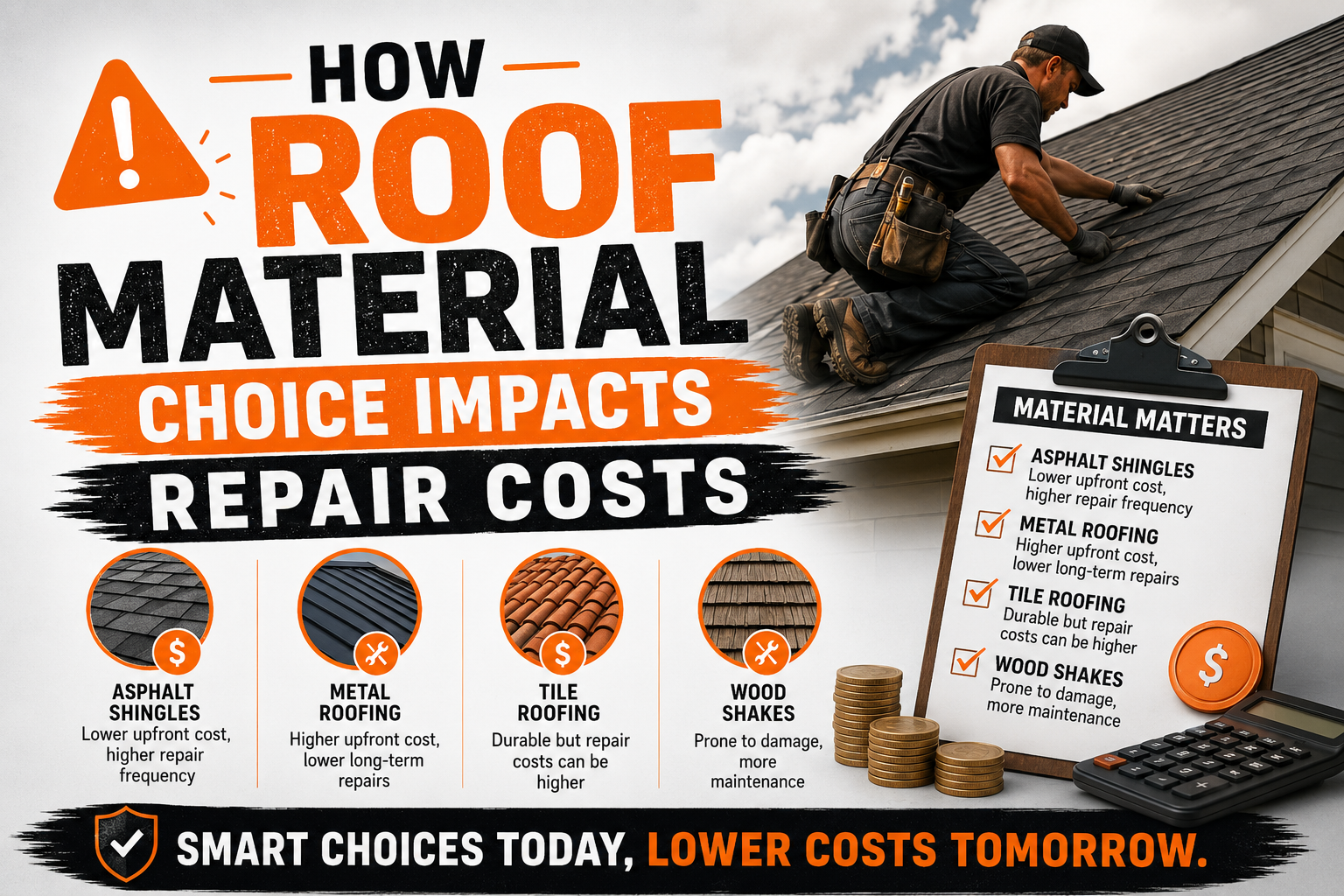
How Roof Material Choice Impacts Repair Costs
Introduction
Choosing the right roofing material is one of the most important decisions a homeowner can make because it affects not only the appearance and durability of a home but also the cost of future maintenance and repairs. While many homeowners focus on installation expenses when selecting a new roof, the long-term financial impact of repair costs is equally important. Different roofing materials respond differently to weather, aging, and everyday wear, resulting in significant variations in repair frequency and overall maintenance expenses.
A roof is exposed to constant environmental stress throughout its lifespan. Heavy rain, strong winds, hail, intense sunlight, temperature fluctuations, and falling debris gradually affect roofing materials in different ways. Some materials can withstand these conditions with minimal maintenance, while others require more frequent inspections and repairs to maintain their protective performance.
Repair costs depend on much more than the visible damage. The availability of replacement materials, the complexity of installation, labor requirements, and the experience needed to complete repairs all contribute to the final project cost. Two homes with similar roof damage may receive very different repair estimates simply because they use different roofing materials.
Understanding how roof material choice influences repair costs helps homeowners make informed decisions before installing a new roof or purchasing a property. It also provides valuable insight into budgeting for future maintenance and selecting materials that offer the best balance between durability, affordability, and long-term value.
This guide explores how different roofing materials affect repair costs by examining their maintenance requirements, expected lifespan, repair complexity, and the factors that influence long-term ownership expenses. By understanding these relationships, homeowners can make more confident decisions that protect both their homes and their financial investment.
Why Roof Material Plays a Major Role in Repair Costs
The material covering a roof determines far more than its appearance. It directly influences how often repairs become necessary, the type of maintenance required, and the overall cost of preserving the roofing system throughout its lifespan. Because each roofing material possesses unique physical characteristics, no two roofing systems experience damage in exactly the same way.
Some materials are designed to resist impacts, moisture, and temperature changes more effectively than others. Metal roofing, for example, often withstands harsh weather with relatively little damage, while wood roofing requires more frequent maintenance because natural materials are vulnerable to moisture, insects, and weathering. These differences affect both repair frequency and the complexity of restoration work.
Repair costs are also influenced by installation methods. Certain roofing materials require specialized fastening systems, waterproof barriers, or custom installation techniques that increase labor requirements during repairs. Contractors with expertise in these materials may charge higher rates because specialized skills are necessary to preserve the roof’s structural integrity.
Replacement material availability further contributes to repair pricing. Widely used roofing products are generally easier to source, making repairs more straightforward. Less common materials or discontinued products may require special orders or custom fabrication, increasing both material costs and project timelines.
Another consideration is how individual roofing materials age. Some develop gradual cosmetic wear while maintaining structural performance, whereas others become increasingly vulnerable to leaks and physical damage as they approach the end of their expected lifespan. Understanding these aging patterns allows homeowners to anticipate maintenance needs before costly failures occur.
Selecting the appropriate roofing material therefore requires evaluating not only installation expenses but also the long-term financial commitment associated with repairs, inspections, and routine maintenance throughout the life of the roof.
Understanding the Relationship Between Roofing Materials and Long Term Maintenance
Every roofing material requires maintenance, but the amount and type of care differ considerably depending on the product selected. Long-term maintenance plays a major role in determining the true cost of roof ownership because repair frequency often has a greater financial impact than the original installation itself.
Roof maintenance includes routine inspections, cleaning drainage systems, replacing damaged components, sealing vulnerable areas, and correcting minor issues before they develop into significant structural problems. Materials that require less frequent maintenance generally produce lower long-term ownership costs even if their initial installation price is higher.
Durability is closely connected to maintenance requirements. Roofing materials designed to resist ultraviolet radiation, moisture penetration, and extreme weather often retain their protective qualities for many years with relatively little intervention. Other materials require regular attention to prevent deterioration caused by environmental exposure.
Preventive maintenance also affects repair complexity. Minor issues discovered during scheduled inspections are usually easier and less expensive to correct than damage that remains unnoticed until leaks appear inside the home. This principle applies to every roofing material, although the frequency of inspections may vary according to the product’s characteristics.
Maintenance requirements are also influenced by local environmental conditions. Homes located in coastal regions, areas with frequent storms, or locations experiencing significant temperature fluctuations often require more regular inspections regardless of roofing material. However, certain materials perform better than others under these challenging conditions, reducing long-term repair demands.
Homeowners who understand the maintenance expectations associated with their roofing material can develop more accurate budgets and schedule preventive care before problems become emergencies. This proactive approach helps extend roof lifespan while reducing the likelihood of costly structural repairs.
Common Residential Roofing Materials Used Today
Modern residential construction offers homeowners a wide range of roofing materials, each providing unique advantages, maintenance requirements, and repair characteristics. Understanding these options is essential because material selection directly influences future repair costs and long-term ownership expenses.
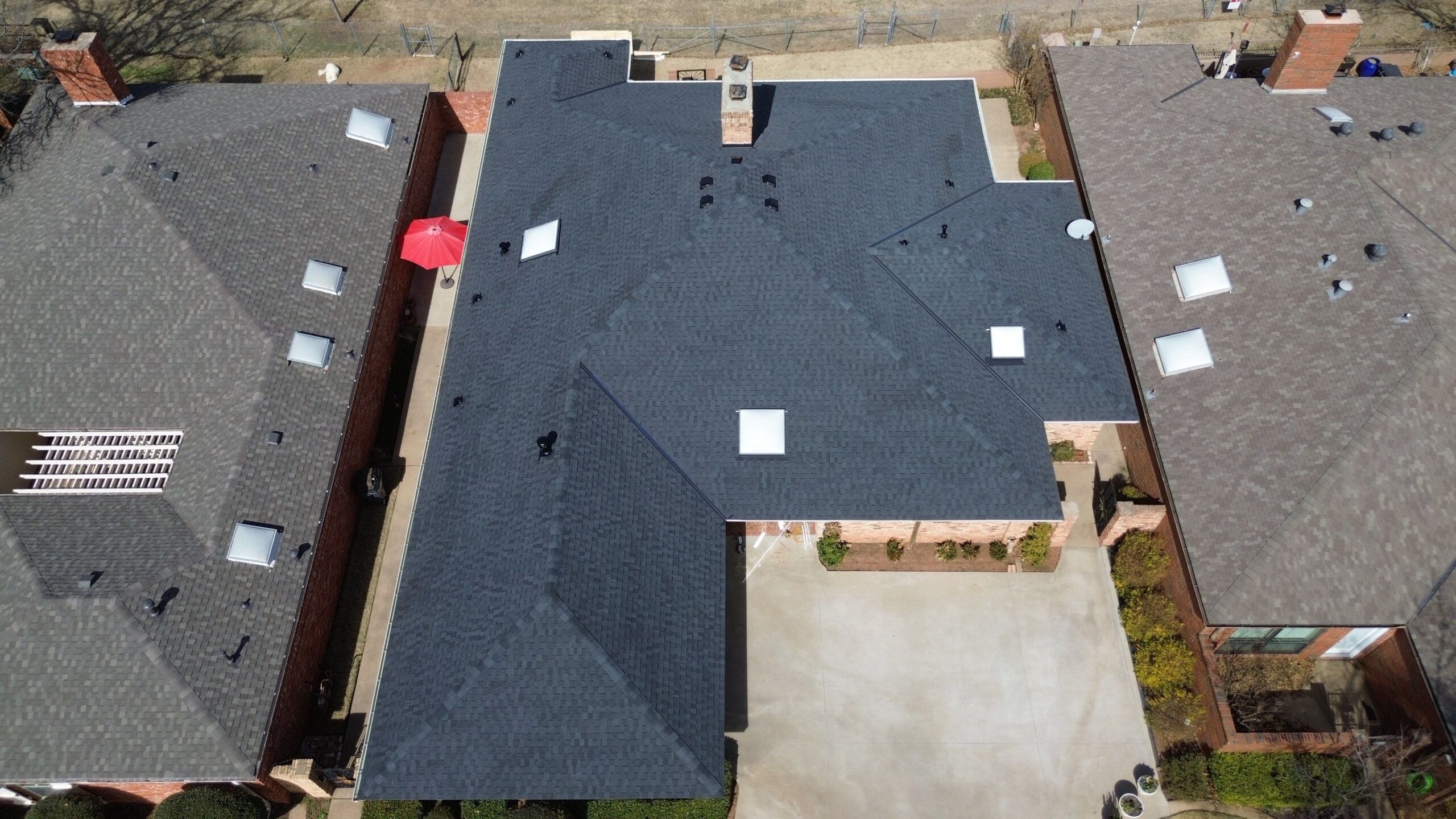
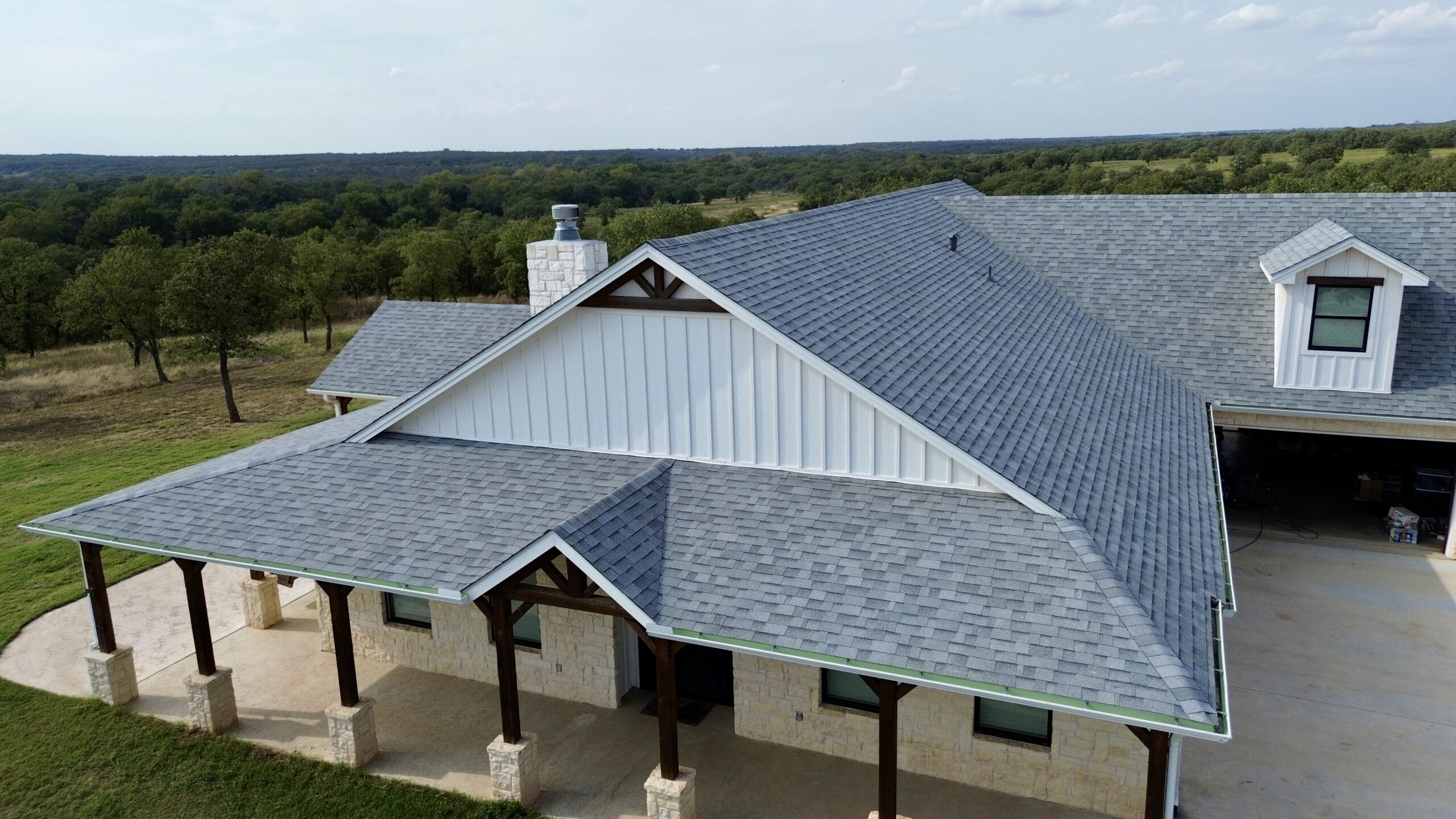
Asphalt shingles remain the most widely used residential roofing material due to their affordability, versatility, and relatively straightforward repair process. They are available in numerous styles and colors while offering dependable weather protection for many homes. Because replacement materials are readily available and installation techniques are well established, asphalt roof repairs are generally among the most economical.
Metal roofing has become increasingly popular because of its durability and resistance to many forms of weather damage. Available in steel, aluminum, copper, and other materials, metal roofs often require fewer repairs over their service life. Although repair work may involve specialized knowledge, the reduced maintenance frequency contributes to lower long-term repair needs.
Clay and concrete tiles are commonly chosen for their distinctive appearance and exceptional longevity. These roofing systems perform well in many climates but require careful handling during repairs because individual tiles can crack under impact or improper foot traffic. Professional installation remains especially important to preserve both performance and appearance.
Wood shake and wood shingle roofs offer natural beauty and traditional architectural character. However, they require consistent maintenance to protect against moisture, insects, and weather-related deterioration. Repairs often involve replacing individual shakes while maintaining proper ventilation and drainage throughout the roofing system.
Slate roofing represents one of the most durable residential roofing options available. Properly maintained slate roofs can remain functional for many decades, but repairs require experienced professionals familiar with specialized installation methods. Both labor and replacement materials contribute to higher repair costs compared with more common roofing products.
Synthetic roofing materials continue gaining popularity because they imitate the appearance of slate, wood, or tile while offering improved durability and simplified maintenance. Many synthetic products are designed to resist cracking, fading, and impact damage while reducing long-term repair frequency.
Each roofing material presents a unique combination of installation cost, durability, maintenance requirements, and repair complexity. Understanding these characteristics helps homeowners evaluate long-term value rather than focusing solely on initial purchase price.
Factors That Make Some Roofing Materials More Expensive to Repair
Not all roofing materials require the same level of expertise or resources during repairs. Several important factors determine why some roofing systems consistently generate higher repair costs than others.
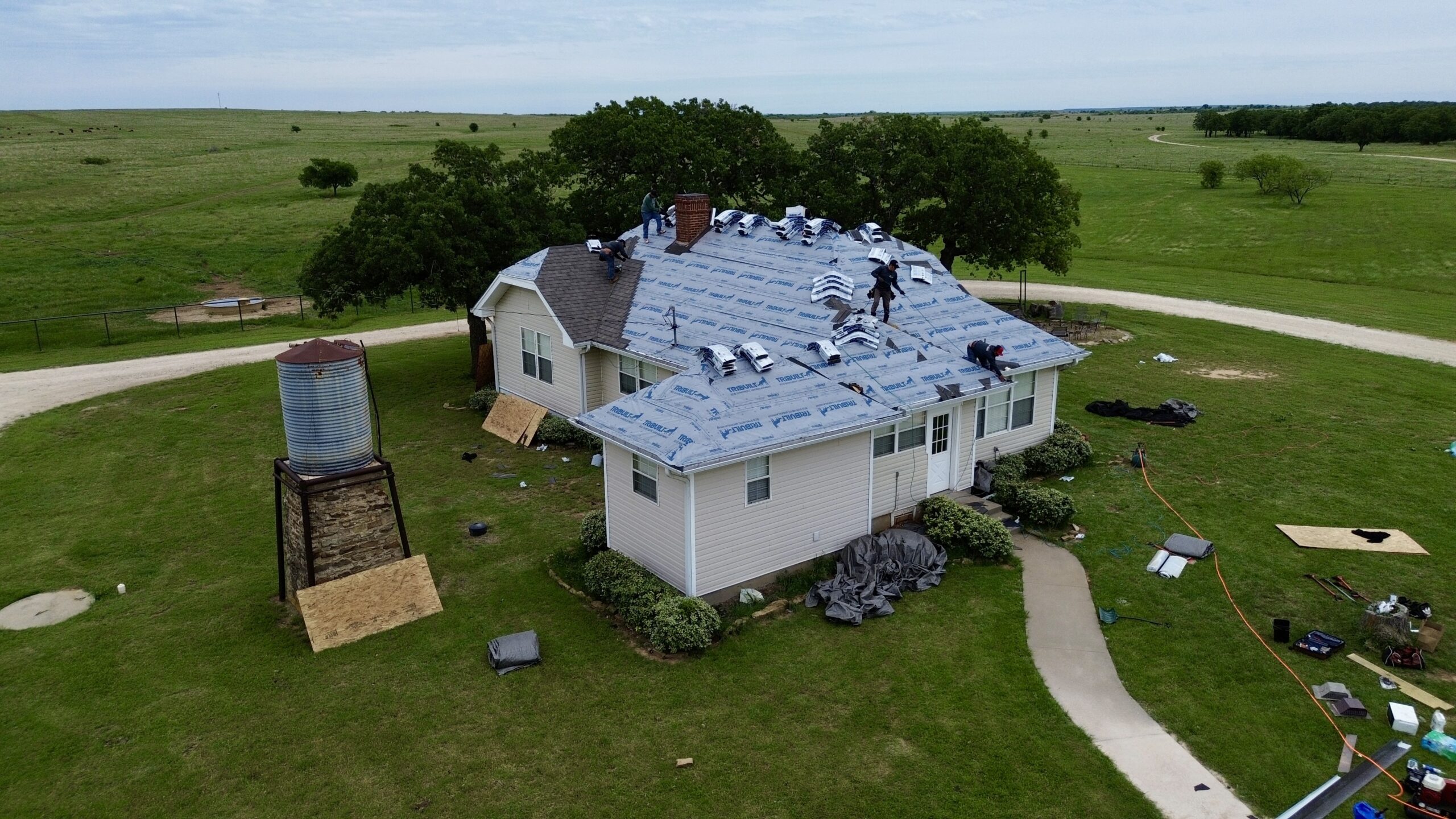
The first consideration is installation complexity. Roofing materials that require precise placement, specialized fastening systems, or custom waterproofing techniques generally involve more labor during repairs. Contractors must often remove surrounding materials carefully before replacing damaged sections, increasing both repair time and project cost.
Material weight also affects repair procedures. Heavy roofing products such as slate and concrete tiles require additional care during handling and installation. Workers must avoid damaging adjacent materials while safely transporting replacement pieces across the roof. These additional precautions contribute to higher labor expenses.
Availability of replacement materials is another important factor. Common roofing products are usually stocked by local suppliers, allowing repairs to begin quickly. Premium or discontinued materials may require special orders, extended delivery times, or custom manufacturing that increases both cost and project duration.
Specialized labor requirements further influence repair pricing. Contractors experienced with uncommon roofing systems often undergo additional training and invest in specialized equipment. Their expertise helps ensure proper repairs but may also command higher labor rates compared with standard asphalt roofing projects.
Repair accessibility should also be considered. Certain roofing materials become more difficult to repair on steep slopes or complex roof designs because maintaining alignment and waterproof integrity requires greater precision. Increased project complexity naturally affects labor costs.
Finally, the age of the existing roofing system can increase repair expenses. Older materials may have weathered differently than new replacements, making it difficult to achieve a seamless appearance or compatible performance. Contractors sometimes perform additional adjustments to maintain both functionality and visual consistency.
Together, these factors explain why similar damage can produce substantially different repair costs depending on the roofing material installed.
Material Availability and Its Effect on Repair Pricing
The availability of roofing materials has a direct impact on repair costs, project timelines, and overall maintenance planning. While homeowners often focus on labor expenses, the ability to obtain matching replacement materials can significantly influence the final repair estimate.
Asphalt shingles generally provide the greatest availability because they remain the most widely used residential roofing product. Local suppliers usually maintain extensive inventories, allowing contractors to begin repairs quickly without waiting for specialized shipments. This widespread availability helps control both material costs and labor scheduling.
Premium roofing materials often present greater challenges. Slate, clay tile, copper panels, or specialty architectural products may not be stocked locally, particularly in regions where these materials are less common. Contractors may need to order products from distant suppliers or manufacturers, increasing transportation expenses and extending project schedules.
Discontinued roofing materials create additional complications. Older homes sometimes contain roofing products that are no longer manufactured, making exact replacements difficult to obtain. Contractors may spend additional time locating salvaged materials or recommending compatible alternatives that preserve the roof’s appearance and performance.
Color matching also affects repair pricing. Roofing materials exposed to sunlight gradually change in appearance over time. Even when identical replacement products remain available, new materials may differ slightly from weathered sections of the roof. Achieving a consistent appearance sometimes requires additional work or larger replacement areas.
Supply chain conditions can further influence pricing. Seasonal demand, transportation disruptions, manufacturing delays, or shortages of raw materials occasionally affect product availability. During these periods, replacement materials may become more expensive or require extended delivery times before repairs can begin.
Homeowners planning future roofing projects should therefore consider long-term material availability alongside durability and appearance. Selecting products with dependable supply chains can simplify future repairs while helping control maintenance expenses throughout the roof’s lifespan.
How Roof Lifespan Influences Overall Repair Expenses
The expected lifespan of a roofing material has a significant effect on long-term repair costs because it influences both maintenance frequency and the likelihood of major repairs over time. While longer-lasting materials often require higher initial investments, they may reduce the cumulative cost of ownership by requiring fewer repairs throughout their service life.
Shorter-lifespan roofing materials generally require more frequent inspections and maintenance as they age. Weather exposure gradually weakens protective surfaces, making the roof increasingly susceptible to leaks, cracking, and structural deterioration. Homeowners may notice repair needs becoming more frequent during the later years of the roof’s expected lifespan.
Long-lasting roofing materials typically maintain their protective performance for extended periods with relatively modest maintenance. Although individual repairs may sometimes cost more because of specialized materials or labor, the reduced repair frequency often balances these higher costs over decades of ownership.
Roof lifespan also affects budgeting strategies. Homeowners with newer roofs may focus primarily on routine maintenance and preventive inspections, while those with aging roofs should gradually increase maintenance reserves in anticipation of more frequent repairs. Financial planning becomes easier when repair expectations align with the roof’s stage within its overall service life.
Another consideration is the relationship between repair costs and eventual replacement. As roofing materials approach the end of their expected lifespan, repeated repairs may become less economical than installing a new roofing system. Evaluating repair expenses within the context of remaining roof life helps homeowners make informed financial decisions that maximize long-term value.
Understanding roof lifespan encourages proactive maintenance rather than reactive emergency repairs. By recognizing how different materials age, homeowners can plan inspections, schedule maintenance, and prepare financially for future repair needs before significant structural damage occurs.
Asphalt Shingles and Their Repair Cost Advantages
Asphalt shingles are the most widely used residential roofing material, largely because they offer an excellent balance between affordability, durability, and ease of repair. For many homeowners, the relatively low repair costs associated with asphalt shingles make them one of the most economical roofing choices over the life of a home.
One of the biggest advantages of asphalt shingles is the widespread availability of replacement materials. Since they are manufactured by numerous companies and sold through most building supply distributors, contractors can usually obtain matching shingles quickly. This reduces project delays and helps keep repair costs under control.
Repairs involving asphalt shingles are also relatively straightforward. Damaged shingles can often be removed and replaced individually without disturbing large sections of the surrounding roof. This targeted approach reduces both labor time and material waste, making small repairs more affordable than repairs involving many premium roofing materials.
Labor costs for asphalt shingle repairs also tend to be lower because most roofing professionals have extensive experience installing and repairing this type of roofing system. Specialized equipment is rarely required, allowing contractors to complete many repairs efficiently while maintaining quality workmanship.
Despite these advantages, asphalt shingles are not maintenance free. Strong winds may loosen or remove shingles, hail can create impact damage, and prolonged exposure to sunlight gradually weakens protective granules. Routine inspections remain important because early repairs help prevent moisture from reaching the underlayment and roof decking.
The long-term affordability of asphalt shingles depends heavily on proper maintenance. Homeowners who replace damaged shingles promptly and maintain good drainage often enjoy many years of dependable performance while keeping repair costs relatively modest.
Metal Roofing Repair Costs and Maintenance Requirements
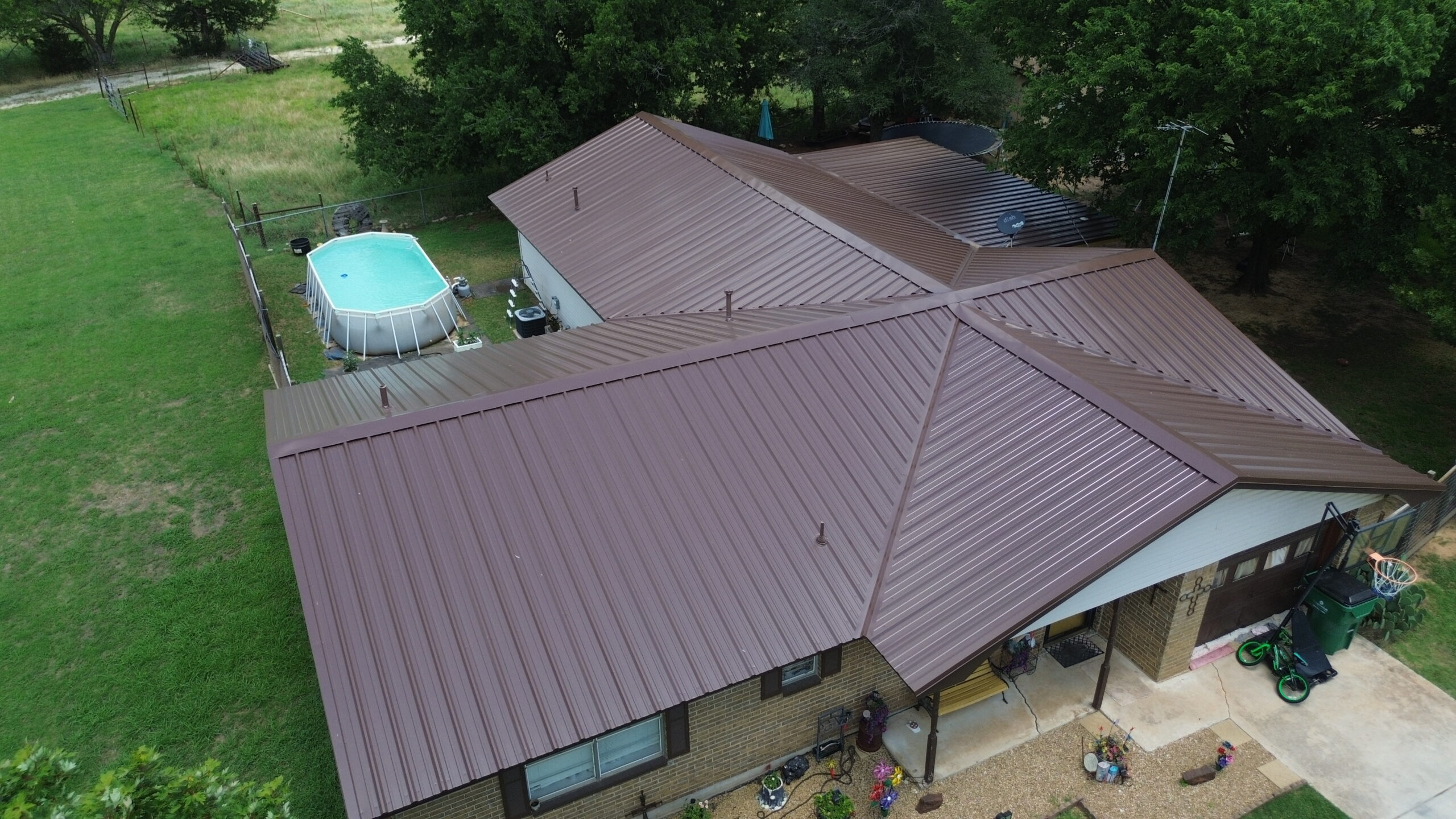
Metal roofing has become increasingly popular because of its impressive durability, energy efficiency, and resistance to many forms of weather-related damage. Although metal roofs generally require fewer repairs than many traditional roofing materials, repair projects often involve specialized techniques that influence overall costs.
One of the greatest strengths of metal roofing is its ability to withstand harsh environmental conditions. Properly installed metal panels resist wind, heavy rainfall, fire, and many forms of impact damage more effectively than several conventional roofing materials. As a result, homeowners often experience fewer repair needs throughout the roof’s lifespan.
When repairs are required, however, they may involve greater complexity. Metal panels expand and contract with changing temperatures, requiring fastening systems that accommodate movement without compromising waterproof performance. Contractors repairing metal roofs must understand these characteristics to avoid creating future problems.
Matching replacement panels can also influence repair costs. Variations in color, finish, panel profile, or manufacturing specifications may make it difficult to replace individual sections seamlessly, particularly on older roofs that have experienced years of weather exposure.
Sealants and fasteners require periodic attention as well. Although metal panels themselves often remain in excellent condition for decades, exposed fasteners, flashing, or sealants may deteriorate over time. Replacing these components during routine maintenance helps preserve the roof’s waterproof integrity while preventing more expensive repairs later.
Homeowners should also recognize that not every roofing contractor specializes in metal roofing systems. Hiring experienced professionals helps ensure proper repairs while reducing the likelihood of recurring issues caused by improper installation techniques.
Although individual repair costs may sometimes exceed those associated with asphalt shingles, the reduced repair frequency often makes metal roofing an attractive long-term investment for homeowners seeking durability and predictable maintenance expenses.
Tile, Slate, and Wood Roofing Repair Considerations
Tile, slate, and wood roofing systems are valued for their distinctive appearance and impressive lifespan, but each material presents unique repair challenges that influence long-term maintenance costs. Homeowners considering these premium roofing materials should understand both their advantages and their repair requirements before making a decision.
Clay and concrete tile roofs offer exceptional durability and excellent resistance to fire and harsh sunlight. Individual tiles, however, can crack if struck by heavy debris or walked on improperly during maintenance. Repairing damaged tiles requires careful removal and replacement without disturbing adjacent sections of the roof. Matching older tiles may also become more challenging as products age or manufacturers discontinue certain styles.
Slate roofing is widely recognized for its extraordinary longevity. A properly maintained slate roof can remain functional for generations, making it one of the longest-lasting residential roofing materials available. However, repairing slate requires specialized knowledge because individual tiles must be removed and secured using traditional installation techniques. The combination of premium materials and highly skilled labor generally results in higher repair costs.
Wood shake and wood shingle roofs provide a natural appearance that many homeowners appreciate. Their organic composition, however, requires more regular maintenance than many synthetic materials. Moisture, insects, fungal growth, and weather exposure gradually affect wood roofing, making periodic inspections particularly important. Damaged shakes must be replaced promptly to prevent water intrusion and preserve the surrounding roofing system.
Each of these roofing materials benefits significantly from preventive maintenance. Routine inspections allow contractors to identify isolated damage before it spreads, reducing repair complexity while extending the overall lifespan of the roof. Homeowners willing to invest in regular maintenance often experience better long-term value despite the higher cost of individual repairs.
Choosing among tile, slate, or wood roofing should involve evaluating not only appearance but also repair expectations, maintenance commitments, and lifetime ownership costs.
Table: Comparison of Common Roofing Materials and Repair Cost Factors
Each roofing material offers a different balance of durability, maintenance requirements, and repair complexity. Understanding these characteristics helps homeowners compare long-term ownership costs more effectively.
| Roofing Material | Repair Complexity | Maintenance Frequency | Material Availability | Long-Term Repair Outlook |
|---|---|---|---|---|
| Asphalt shingles | Low | Moderate | Excellent | Generally affordable and easy to repair |
| Metal roofing | Moderate | Low | Good | Fewer repairs but specialized labor may be required |
| Clay tile | Moderate to high | Low to moderate | Moderate | Durable but individual tile replacement requires care |
| Concrete tile | Moderate | Low to moderate | Good | Long lifespan with occasional tile repairs |
| Wood shake | Moderate | High | Moderate | Requires regular maintenance to prevent deterioration |
| Slate | High | Low | Limited in some regions | Very durable but expensive to repair |
| Synthetic roofing | Low to moderate | Low | Increasing availability | Designed to simplify maintenance while providing durability |
This comparison highlights that the least expensive roofing material to install is not always the least expensive to own over time. Maintenance frequency, repair complexity, and material availability all contribute to the overall financial commitment associated with each roofing system.
Labor Costs Associated with Different Roofing Materials
Labor is one of the largest components of any roof repair project, and the roofing material selected has a direct impact on the amount of labor required. Even when damage appears similar, different materials demand different installation techniques, safety procedures, and repair methods.
Asphalt shingles generally require the least specialized labor because installation methods are widely understood throughout the roofing industry. Contractors can usually complete repairs efficiently without extensive preparation or specialized equipment, helping keep labor costs relatively affordable.
Metal roofing requires technicians familiar with panel alignment, fastening systems, and waterproof sealing techniques. Improper repairs may interfere with thermal expansion or create future leak points, making professional expertise particularly valuable. These additional skill requirements often result in higher labor rates.
Tile roofing repairs demand careful handling because surrounding tiles can crack if excessive force is applied during removal or replacement. Contractors must move cautiously across the roof while preserving the integrity of adjacent materials. The additional time required naturally increases labor expenses.
Slate roofing involves some of the most specialized labor in residential roofing. Traditional installation methods require precision, experience, and specialized tools to preserve the roof’s structural and visual integrity. Fewer contractors possess these skills, contributing to higher repair costs.
Wood roofing repairs also involve additional craftsmanship because replacement shakes or shingles must be installed in a manner that preserves proper drainage, ventilation, and appearance. Attention to detail is particularly important to ensure that new materials integrate properly with the existing roof.
Roof design further influences labor costs regardless of material. Complex rooflines, steep slopes, multiple dormers, skylights, and chimneys increase project complexity and extend repair time. These factors combine with material-specific requirements to determine the overall labor portion of the repair estimate.
How Climate Affects Material Performance and Repair Frequency
Climate plays a major role in determining how different roofing materials perform over time. A roofing system that performs exceptionally well in one region may require more frequent repairs in another due to differences in temperature, precipitation, humidity, and storm activity.
Homes located in areas with frequent hailstorms often experience impact damage that affects shingles, metal panels, or tiles differently depending on the roofing material. Some products resist impacts more effectively, while others may crack or lose protective coatings after repeated exposure.
Strong winds present another important consideration. Asphalt shingles may loosen or detach during severe storms, while properly installed metal roofing often provides greater wind resistance. Tile roofs also perform well under many conditions but may sustain damage from flying debris carried by high winds.
Regions with heavy snowfall introduce additional maintenance challenges. Snow accumulation places weight on the roofing structure, while repeated freeze and thaw cycles stress flashing, fasteners, and sealants. Roofing materials that tolerate temperature fluctuations effectively generally require fewer cold-weather repairs.
Hot climates expose roofs to prolonged ultraviolet radiation and extreme surface temperatures. Continuous sunlight gradually weakens certain roofing materials, causing fading, brittleness, or loss of protective coatings. Materials specifically designed for intense solar exposure often retain their performance for longer periods under these conditions.
Coastal environments present unique concerns because salt-laden air accelerates corrosion of certain metal components and fasteners. Selecting corrosion-resistant materials becomes especially important in these regions to minimize long-term repair expenses.
Understanding local climate conditions allows homeowners to choose roofing materials that perform well in their specific environment, reducing maintenance frequency while improving long-term durability.
Repair Complexity Based on Roofing Material Type
Repair complexity varies significantly among roofing materials because each system is constructed differently and responds uniquely to damage. The complexity of a repair directly influences labor requirements, project duration, and the likelihood of additional maintenance in the future.
Simple roofing systems generally allow contractors to replace damaged sections without disturbing large portions of the roof. Asphalt shingles represent a good example because individual shingles can often be removed and replaced with relatively little disruption to surrounding materials.
Metal roofing repairs become more complex when panel alignment, fastening systems, or waterproof joints must be preserved. Improper repairs may compromise drainage or create stress points that affect future performance. Precision is therefore essential throughout the repair process.
Tile roofing repairs require contractors to avoid placing unnecessary pressure on surrounding tiles while accessing damaged areas. Even experienced professionals must work carefully because one cracked tile can sometimes lead to additional replacement work if adjacent materials are accidentally damaged.
Slate roofing presents one of the highest levels of repair complexity. Individual slates must be secured using specialized methods while maintaining proper overlap, waterproof protection, and structural balance. The craftsmanship involved contributes significantly to repair costs.
Wood roofing repairs involve balancing appearance with functional performance. Replacement shakes must match existing spacing, drainage patterns, and ventilation characteristics to preserve the roof’s long-term durability. Careful workmanship helps prevent moisture retention and premature deterioration.
Ultimately, repair complexity should be considered alongside installation cost when selecting a roofing material. A roof that appears economical initially may require more complicated and expensive repairs over its lifespan, while a premium material may provide greater value through reduced maintenance frequency and improved durability.
Choosing the Right Roofing Material for Your Budget
Selecting the right roofing material requires balancing immediate installation costs with future repair and maintenance expenses. Many homeowners naturally focus on the initial price because it represents the largest immediate investment. However, a roofing system should be evaluated over its entire lifespan rather than only at the time of installation.
The most affordable roofing material is not always the least expensive to own. Some materials require frequent inspections, periodic repairs, and ongoing maintenance that gradually increase ownership costs over many years. Others may have higher installation prices but require fewer repairs and offer greater durability, reducing maintenance expenses over the long term.
Homeowners should first evaluate how long they expect to remain in the property. If they plan to live in the home for several decades, investing in a durable roofing material with lower long-term repair requirements may provide better overall value. Those planning to sell sooner may prioritize a roofing system that offers dependable performance while remaining within a more modest budget.
Local climate should also influence material selection. A roof that performs exceptionally well in one region may require more frequent repairs in another because of differences in weather patterns, humidity, snowfall, or storm activity. Choosing materials suited to local environmental conditions often reduces maintenance needs throughout the roof’s lifespan.
Maintenance expectations are equally important. Some homeowners prefer roofing materials that require minimal upkeep, while others are comfortable performing regular inspections and scheduling preventive maintenance. Selecting a material that matches both financial resources and maintenance preferences leads to more satisfying long-term ownership.
Rather than making a decision based solely on purchase price, homeowners should compare expected lifespan, maintenance frequency, repair complexity, energy efficiency, and replacement costs. This broader perspective provides a more accurate understanding of the true financial commitment associated with each roofing material.
Insurance Considerations for Different Roofing Materials
Roofing material can influence insurance claims, repair procedures, and long-term financial planning. While insurance policies primarily focus on covered causes of damage rather than the roofing material itself, the type of roof installed can affect repair costs, replacement methods, and claim outcomes.
Many insurance policies cover sudden and accidental damage resulting from events such as hail, windstorms, fire, or falling trees. If a covered event damages the roof, insurance may contribute toward repair or replacement costs after deductibles and policy conditions have been applied. The amount ultimately paid often depends on both the extent of damage and the roofing material involved.
Premium roofing materials such as slate, tile, or specialty metal products generally cost more to repair because replacement materials and specialized labor increase project expenses. When covered claims involve these materials, insurance estimates often reflect the higher cost of restoring the roof using appropriate products and installation techniques.
Material availability may also affect insurance repairs. If the original roofing product has been discontinued, contractors may need to identify compatible alternatives or replace larger roof sections to maintain appearance and performance. These situations sometimes require additional coordination between homeowners, contractors, and insurance representatives.
Regular maintenance remains important regardless of roofing material. Insurance policies generally exclude damage resulting from neglect, normal wear, or aging. Homeowners who maintain inspection records, repair documentation, and photographs of the roof’s condition are often better prepared if a covered claim becomes necessary after severe weather.
Reviewing insurance coverage periodically helps homeowners understand deductibles, exclusions, and coverage limits before emergencies occur. Combining appropriate insurance protection with responsible maintenance and emergency savings creates a stronger financial strategy for managing future roof repairs.
Long Term Cost Savings Through Proper Material Selection
The choice of roofing material influences financial outcomes for decades after installation. While initial installation costs receive significant attention, long-term savings often result from selecting materials that balance durability, repair frequency, and maintenance requirements.
Durable roofing materials generally require fewer repairs over their service life because they better withstand environmental exposure. Reduced maintenance frequency means homeowners spend less on emergency repairs, contractor visits, and replacement materials while experiencing fewer disruptions caused by unexpected roof problems.
Energy efficiency can also contribute to long-term savings. Roofing materials designed to reflect heat or improve insulation performance help reduce heating and cooling demands throughout the year. Lower utility costs gradually offset part of the initial roofing investment while improving indoor comfort.
Routine maintenance further enhances long-term value. Regardless of material type, regular inspections, gutter cleaning, flashing maintenance, and prompt repairs help maximize roof lifespan. Homeowners who consistently maintain their roofs often delay major repairs and postpone full roof replacement by several years.
Selecting quality installation is equally important. Even the most durable roofing material cannot perform effectively if installed incorrectly. Investing in experienced contractors and proven installation methods reduces the likelihood of premature repairs caused by workmanship issues rather than material failure.
Long-term financial planning should therefore include more than simply comparing purchase prices. Evaluating durability, maintenance expectations, repair complexity, energy performance, and expected lifespan provides a more complete understanding of the total cost of roof ownership.
Common Mistakes Homeowners Make When Choosing Roofing Materials
Many homeowners unintentionally increase future repair costs by focusing on only one aspect of a roofing project. Understanding these common mistakes helps avoid unnecessary expenses while improving long-term roof performance.
One frequent mistake is selecting a roofing material based solely on its initial installation price. Lower-cost materials may appear attractive during construction, but they can require more frequent maintenance and repairs throughout their service life. Evaluating lifetime ownership costs provides a more accurate basis for comparison.
Ignoring local climate is another common error. Roofing materials designed for mild conditions may not perform as effectively in regions experiencing frequent storms, heavy snowfall, intense sunlight, or high humidity. Choosing products appropriate for local weather reduces repair frequency and extends roof lifespan.
Some homeowners also underestimate maintenance requirements. Natural materials such as wood shakes require regular inspections and ongoing care to preserve their condition. Selecting a roofing material without considering future maintenance responsibilities can lead to unexpected repair expenses.
Hiring contractors without verifying their experience with a specific roofing material can also create long-term problems. Premium roofing systems often require specialized installation techniques, and improper repairs may shorten the roof’s lifespan while increasing future maintenance costs.
Another mistake involves overlooking material availability. Roofing products that become discontinued or difficult to source may complicate future repairs because matching replacement materials are no longer readily available. Choosing products with reliable long-term availability simplifies maintenance over the life of the roof.
Finally, many homeowners postpone small repairs after noticing early signs of damage. Minor issues rarely resolve themselves and often become more expensive as moisture spreads beneath roofing materials. Addressing problems promptly remains one of the most effective ways to control repair costs regardless of the roofing material installed.
Practical Tips for Reducing Future Roof Repair Costs
Choosing the right roofing material is only one part of controlling long-term maintenance expenses. Consistent care and thoughtful planning help reduce repair costs regardless of the roofing system.
- Choose roofing materials that perform well in your local climate and weather conditions.
- Schedule professional roof inspections at least once each year and after major storms.
- Clean gutters and roof drainage systems regularly to prevent water accumulation.
- Repair minor damage promptly before it develops into larger structural problems.
- Trim overhanging tree branches that may damage roofing materials during severe weather.
- Maintain complete records of inspections, repairs, warranties, and contractor information.
- Hire contractors experienced with your specific roofing material rather than selecting solely based on price.
- Set aside dedicated savings for future roof maintenance and unexpected repairs.
Following these practices helps extend roof lifespan while reducing both repair frequency and long-term ownership costs.
Steps to Evaluate Roofing Materials Before Making a Decision
Selecting the most appropriate roofing material becomes easier when homeowners follow a structured evaluation process.
- Assess the local climate and identify roofing materials designed to perform well under those environmental conditions.
- Compare the expected lifespan of different roofing materials rather than focusing only on installation cost.
- Research long-term maintenance requirements and anticipated repair frequency for each material.
- Evaluate local availability of replacement materials to simplify future repairs if damage occurs.
- Consider energy efficiency benefits that may reduce household heating and cooling expenses.
- Obtain estimates from qualified contractors experienced with each roofing material being considered.
- Review warranty coverage for both materials and workmanship before making a final decision.
- Compare the total lifetime ownership cost, including installation, maintenance, repairs, and expected replacement timing.
Using a systematic evaluation process helps homeowners select roofing materials that align with their budget, maintenance preferences, and long-term financial goals.
Conclusion
Roof material choice has a lasting impact on repair costs because it influences maintenance requirements, durability, labor complexity, material availability, and overall roof performance throughout its lifespan. While installation costs often receive the greatest attention during the selection process, long-term repair expenses frequently represent a significant portion of the total cost of roof ownership. Understanding these ongoing financial considerations helps homeowners make more informed decisions before investing in a new roofing system.
Each roofing material offers a unique combination of advantages and maintenance expectations. Asphalt shingles provide affordable repairs and widespread material availability, while metal roofing delivers excellent durability with relatively low repair frequency. Tile, slate, and wood roofing systems offer distinctive appearance and long service life but often require specialized labor and more careful maintenance when repairs become necessary. Evaluating these characteristics alongside local climate conditions and personal budget goals creates a more complete picture of long-term value.
Preventive maintenance remains one of the most effective ways to reduce repair costs regardless of the roofing material selected. Regular inspections, prompt attention to minor damage, proper drainage, and quality workmanship all contribute to extending roof lifespan while minimizing expensive structural repairs. Homeowners who consistently maintain their roofs are better positioned to avoid unexpected financial burdens and preserve the integrity of their homes.
Insurance can provide valuable assistance following covered events, but it should complement rather than replace responsible financial planning. Maintaining emergency savings, understanding insurance coverage, and keeping detailed maintenance records ensure homeowners are prepared when repairs become necessary. These proactive measures improve both financial readiness and decision making during unexpected situations.
Ultimately, selecting the right roofing material requires balancing installation costs with long-term maintenance, repair frequency, durability, and overall ownership expenses. A thoughtful evaluation of these factors allows homeowners to choose a roofing system that protects their property, supports their budget, and delivers reliable performance for many years. By viewing roof material as a long-term investment instead of a one-time purchase, homeowners can reduce future repair costs while maximizing the value and longevity of their home.