
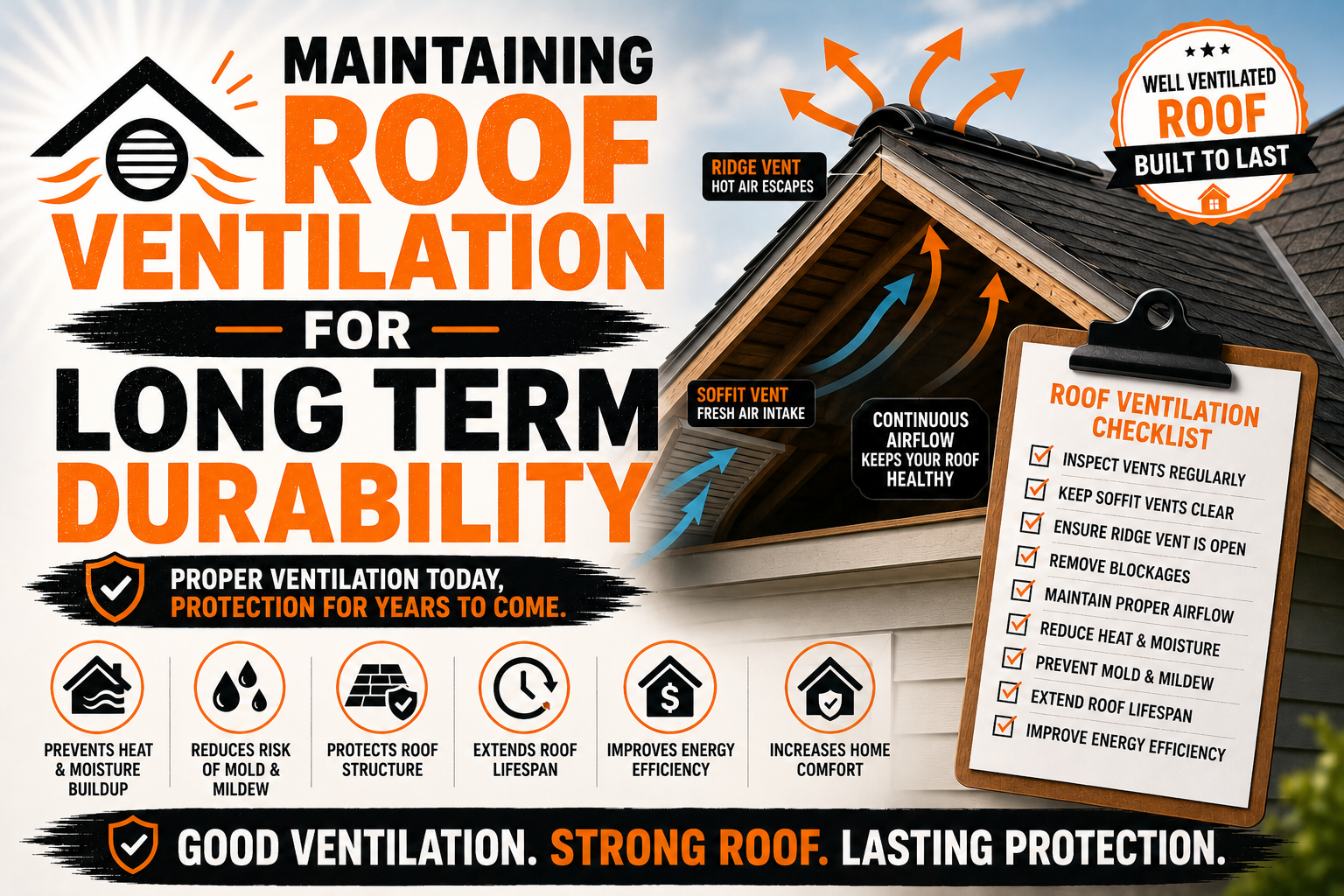
Maintaining Roof Ventilation for Long Term Durability
Introduction
A durable roof depends on much more than quality shingles and professional installation. One of the most important yet frequently overlooked factors is proper roof ventilation, which allows fresh air to circulate through the attic while removing excess heat and moisture. This continuous airflow protects roofing materials, preserves the structural integrity of the home, and supports comfortable indoor living conditions.
Many homeowners focus on visible roof maintenance such as replacing damaged shingles or cleaning gutters, but ventilation often remains out of sight and out of mind. Unfortunately, poor ventilation can quietly shorten the lifespan of a roofing system by allowing heat and humidity to build up over time. The effects may not become obvious until expensive repairs are needed.
Roof ventilation works throughout every season, adapting to changing weather conditions and helping the entire roofing system perform as intended. During hot months it reduces heat buildup beneath the roof deck, while in colder months it minimizes moisture accumulation that can lead to mold, wood rot, and insulation damage. This year round protection plays a major role in extending roof durability.
Proper ventilation is not simply about adding more vents to a roof. Instead, it requires a balanced system where fresh outside air enters through intake vents and warm, moisture laden air exits through exhaust vents. When these components work together, they create continuous airflow that supports the health of the roof and the home beneath it.
Maintaining this airflow is an ongoing responsibility rather than a one time installation task. Vents can become blocked by insulation, leaves, nests, dust, or other debris, reducing their effectiveness without homeowners even realizing it. Regular inspections and preventive maintenance help ensure the system continues working efficiently for many years.
This guide explores how roof ventilation contributes to long term durability, why balanced airflow is essential, and how homeowners can recognize early warning signs before small ventilation issues become costly structural problems. By understanding these principles, property owners can make informed decisions that protect both their investment and their family’s comfort.
Understanding Roof Ventilation
Roof ventilation refers to the controlled movement of air through the attic and roof structure. Rather than trapping hot or humid air beneath the roof, a properly ventilated system encourages continuous air exchange with the outside environment. This steady circulation helps regulate temperature and moisture levels throughout the year.
Every roofing system naturally absorbs heat from the sun. Without adequate ventilation, that heat becomes trapped inside the attic, causing temperatures to climb well above the outdoor air temperature during summer. The excessive heat gradually affects roofing materials, insulation, and even interior living spaces.
Moisture presents another challenge that is often less visible but equally damaging. Everyday household activities such as cooking, showering, laundry, and even breathing release water vapor into the indoor air. Some of this moisture naturally rises into the attic where it can condense if airflow is restricted.
A well designed ventilation system removes this warm, humid air before it causes long term problems. At the same time, fresh outside air enters through lower vents, replacing the exiting air and maintaining healthy circulation throughout the attic. This continuous exchange reduces stress on the roofing system while creating a more stable environment inside the home.
Proper ventilation should never be confused with simply cutting holes into a roof. Effective airflow depends on thoughtful design, correct vent placement, and maintaining the right balance between air entering and leaving the attic. Without this balance, ventilation efficiency decreases significantly.
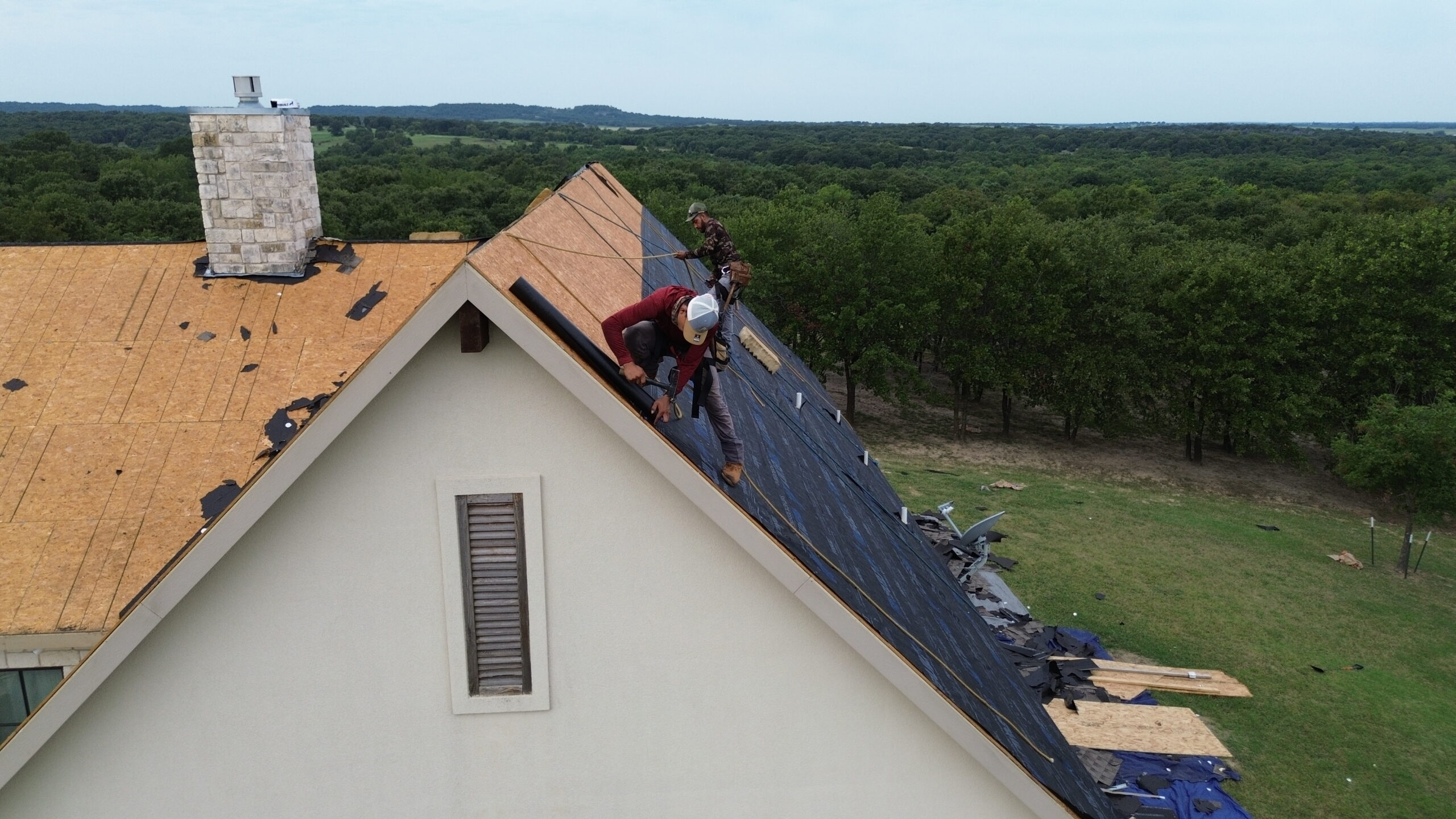
How Intake and Exhaust Ventilation Work Together
Every effective roof ventilation system relies on two primary components that perform different but equally important functions. Intake vents allow cool outside air to enter the attic, while exhaust vents release warm air and moisture that naturally rise toward the roof peak.
The process begins when cooler air enters through vents located near the lower edges of the roof. As the incoming air moves through the attic, it pushes warmer air upward until it exits through vents positioned closer to the highest point of the roof. This natural movement creates continuous airflow without requiring complex mechanical systems in many homes.
Because warm air naturally rises, exhaust vents take advantage of this principle to remove accumulated heat and humidity. Fresh replacement air entering from below prevents stagnant conditions from developing inside the attic space. Together, these two airflow paths create an efficient ventilation cycle.
If either intake or exhaust ventilation becomes restricted, the entire system suffers. Too little intake limits the amount of fresh air entering the attic, while insufficient exhaust prevents trapped heat and moisture from escaping efficiently. Balanced airflow is therefore essential for long term roof performance.
The Continuous Airflow Cycle
Air movement within a roof system follows a predictable cycle that repeats throughout every day of the year. As outdoor conditions change, the ventilation system automatically adjusts by allowing natural air movement to respond to temperature differences.
Sunlight heats roofing materials during the day, causing attic temperatures to rise. Without an escape route, this heat continues accumulating beneath the roof deck until it affects the surrounding structure. Ventilation interrupts this process by allowing heated air to exit before temperatures become excessive.
During cooler evenings and colder seasons, moisture control becomes even more important. Water vapor that reaches the attic can condense on cooler surfaces, leaving wood framing and insulation damp for extended periods. Continuous airflow reduces condensation by carrying moist air outside before it settles into the building materials.
This natural cycle protects the roof year round without requiring constant homeowner attention. However, regular maintenance ensures that vents remain clear enough to keep the airflow cycle functioning effectively.
Why Balanced Ventilation Matters
Many homeowners believe installing additional roof vents automatically improves ventilation. While increasing ventilation may sound beneficial, an unbalanced system often creates new problems instead of solving existing ones.
For example, adding several exhaust vents without sufficient intake vents can create negative pressure inside the attic. Instead of drawing cool outdoor air through intake vents, the system may begin pulling conditioned indoor air from the living space below. This increases energy costs while reducing ventilation efficiency.
Similarly, installing numerous intake openings without adequate exhaust capacity leaves warm air trapped inside the attic. Fresh air enters the system but cannot exit efficiently, resulting in stagnant airflow that limits the benefits of ventilation.
Balanced ventilation ensures incoming and outgoing air remain proportional. This allows natural airflow to circulate consistently throughout the attic, supporting both roof durability and indoor comfort over the long term.
Why Proper Roof Ventilation Matters
Roof ventilation influences nearly every component of a roofing system. From structural framing and insulation to shingles and indoor air quality, consistent airflow supports long term performance by reducing environmental stress that slowly damages building materials.
Although ventilation often remains hidden behind walls and beneath roofing materials, its impact becomes visible over time when neglected. Excessive heat, trapped humidity, and poor air circulation gradually weaken the roof from the inside out. Addressing ventilation before damage develops helps homeowners avoid premature repairs and unnecessary replacement costs.
Understanding the broad benefits of proper roof ventilation makes it easier to appreciate why this single maintenance area deserves regular attention.
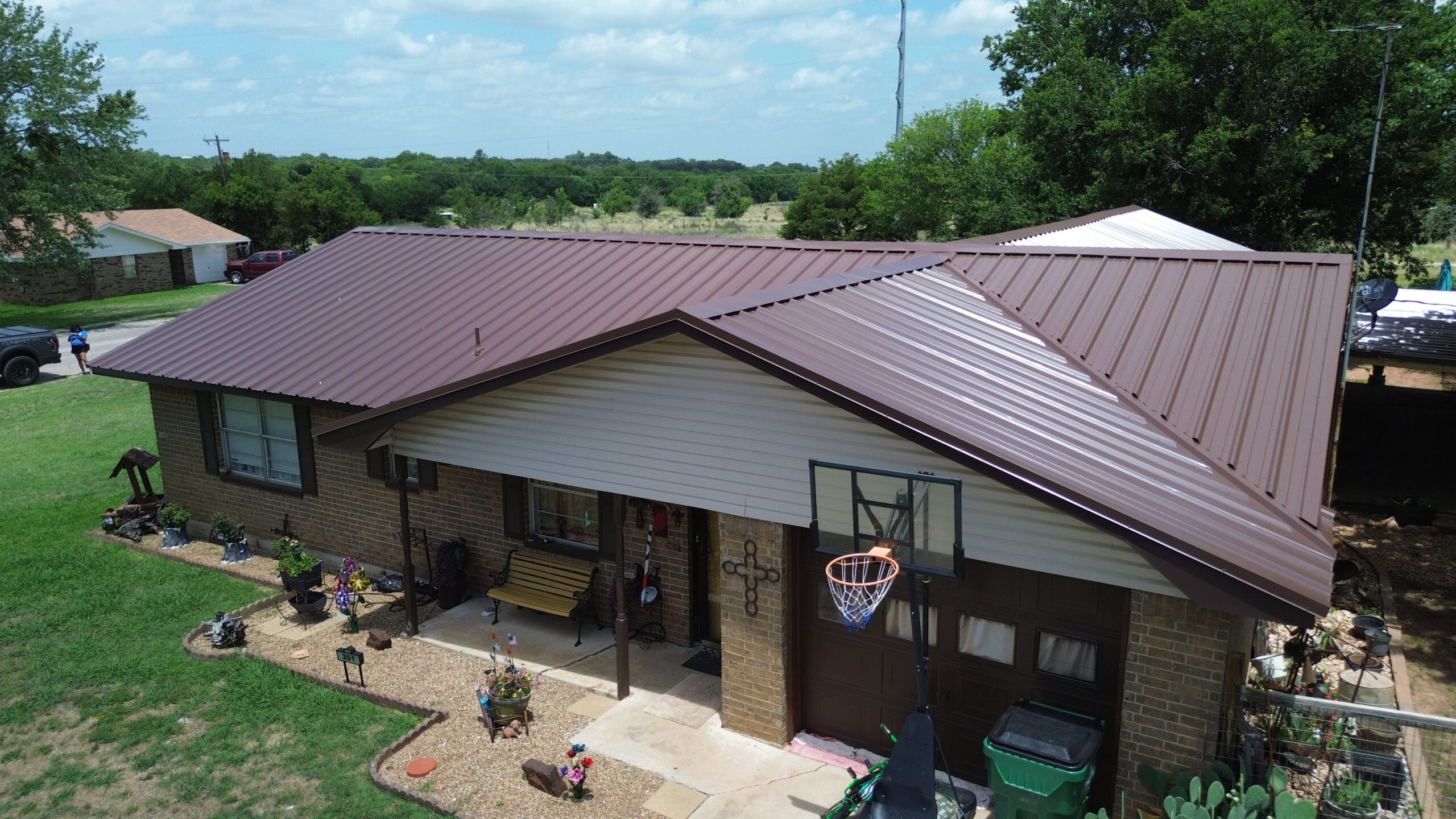
Protecting Against Moisture Accumulation
Moisture is one of the greatest threats to roof durability because it affects multiple materials simultaneously. Wood framing, insulation, roof decking, and fasteners can all suffer when excessive humidity remains trapped inside the attic for long periods.
Condensation forms when warm, moisture filled air comes into contact with cooler roof surfaces. Small water droplets gradually soak nearby materials, creating ideal conditions for mold growth and wood deterioration. Over time, even minor moisture exposure can weaken structural components.
Proper ventilation continuously removes humid air before condensation becomes severe. Fresh airflow also helps damp materials dry more quickly after seasonal humidity or minor roof leaks. Maintaining this balance significantly reduces the likelihood of hidden moisture damage.
Regulating Temperature Throughout the Year
Heat management is another essential function of roof ventilation. During summer, attic temperatures can rise dramatically when solar heat becomes trapped beneath the roof deck. These elevated temperatures place considerable stress on roofing materials while making indoor cooling systems work harder.
Excessive attic heat accelerates the aging process of shingles by exposing them to prolonged high temperatures from both above and below. Adhesives may weaken, protective granules may deteriorate faster, and roofing materials may lose flexibility sooner than expected.
Ventilation allows accumulated heat to escape continuously, reducing thermal stress across the roofing system. Cooler attic temperatures also improve indoor comfort by limiting heat transfer into living areas.
Winter presents a different challenge. Temperature differences between indoor living spaces and outdoor air encourage moisture movement into the attic. Proper airflow minimizes condensation while helping maintain a more consistent attic environment despite changing weather conditions.
Preventing Structural Deterioration
The roof structure includes rafters, trusses, roof decking, connectors, and other components that provide essential support. Many of these materials are vulnerable to prolonged exposure to moisture and excessive heat.
Wood naturally expands and contracts with changing environmental conditions. When moisture remains trapped within the attic, repeated swelling and drying cycles increase stress on structural components. Over time, wood may warp, crack, or weaken, affecting the overall stability of the roof.
Metal fasteners are also susceptible to moisture related corrosion. As corrosion develops, connections between structural elements may gradually lose strength, increasing the likelihood of future repair needs.
Maintaining proper ventilation helps stabilize attic conditions by reducing dramatic fluctuations in temperature and humidity. A more consistent environment supports the long term durability of structural materials throughout the roof.
Supporting Healthier Indoor Air Quality
Roof ventilation benefits extend beyond the roofing system itself. Moisture trapped inside the attic often contributes to mold growth, which may eventually affect indoor air quality if left unaddressed.
Mold spores can spread through air circulation systems or migrate into living spaces through small openings in ceilings and walls. Individuals with allergies, asthma, or respiratory sensitivities may experience increased discomfort when indoor mold becomes widespread.
By reducing attic humidity, proper ventilation limits the conditions that encourage mold development. Cleaner attic air contributes to a healthier indoor environment while also protecting insulation and building materials from biological growth.
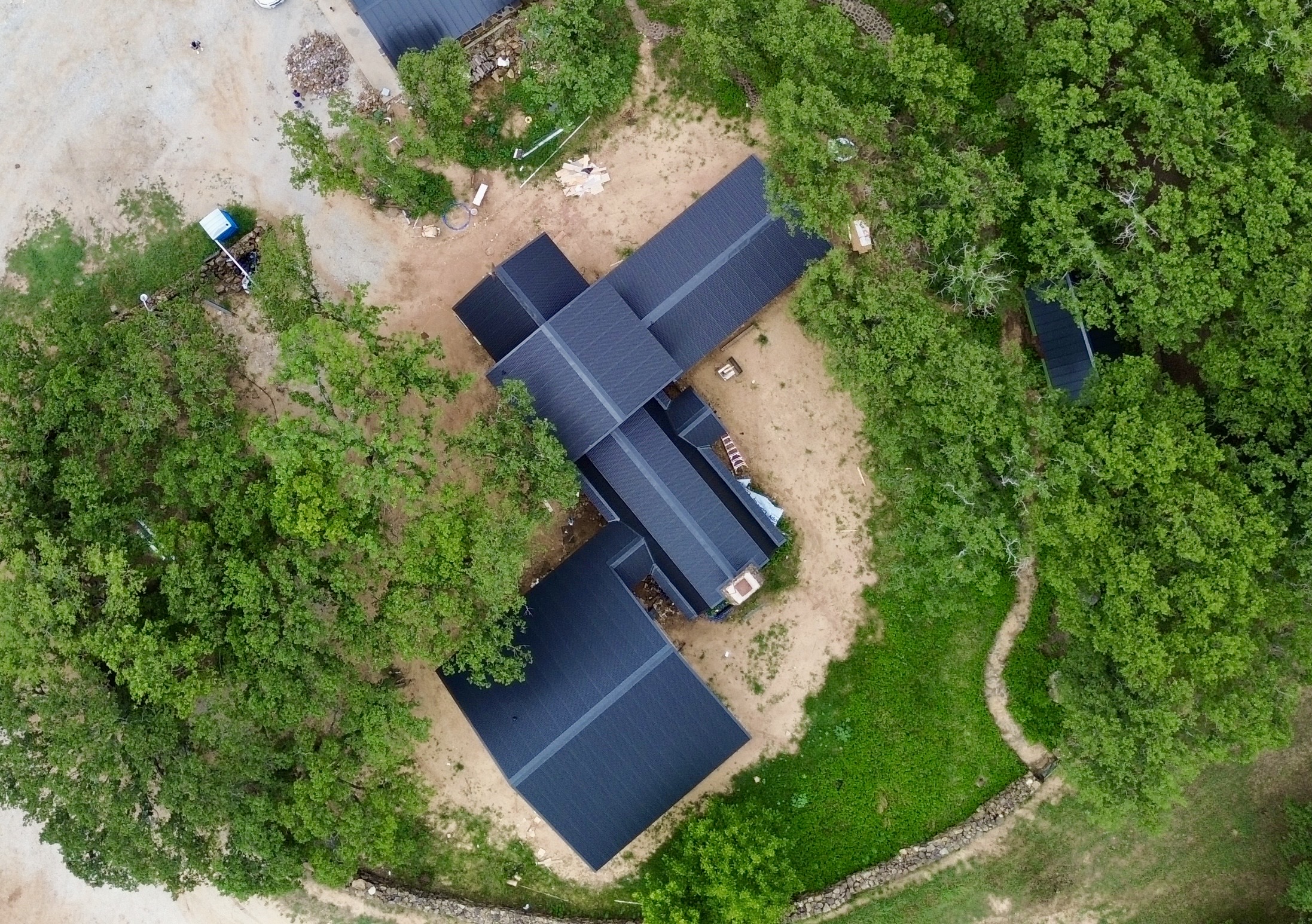
Improving Overall Roof Lifespan
Every roofing material has an expected service life based on normal operating conditions. However, prolonged exposure to excessive heat and moisture can shorten that lifespan considerably.
Ventilation reduces many of the environmental stresses responsible for premature aging. Roofing materials remain closer to their intended operating conditions, allowing them to perform more effectively throughout their designed lifespan.
Instead of requiring early replacement due to avoidable damage, a well ventilated roof has a greater opportunity to reach or even exceed its expected years of service. This translates into lower long term ownership costs and greater confidence in the home’s structural protection.
The Connection Between Ventilation and Roof Durability
Roof durability depends on the ability of every component to withstand changing weather conditions over many years. While exterior materials receive most of the attention, the environment beneath the roof plays an equally important role in determining how long the entire system lasts.
Poor ventilation gradually creates conditions that accelerate aging from within. Unlike storm damage or obvious leaks, ventilation problems often develop slowly, making them difficult to detect until noticeable deterioration has already occurred.
Understanding these hidden effects helps homeowners appreciate why ventilation deserves the same level of maintenance as visible roofing components.
How Trapped Heat Damages Roofing Materials
Roofing materials are engineered to tolerate outdoor temperatures, but prolonged exposure to excessive attic heat places additional stress on them. Instead of cooling naturally after sunset, trapped heat continues affecting shingles and roof decking long into the evening.
Repeated heat exposure accelerates chemical aging within roofing materials. Over time, shingles may become brittle, lose protective granules, and develop cracks that increase vulnerability to weather damage.
Heat also affects roofing adhesives that help maintain waterproof seals. As temperatures remain elevated for extended periods, these materials may weaken faster than expected, increasing the likelihood of future maintenance needs.
The Effects of Excess Humidity on Wood Framing
Wood is remarkably durable when kept reasonably dry. However, constant exposure to elevated humidity allows moisture to penetrate structural components, gradually reducing their strength.
Persistent dampness encourages fungal growth that slowly breaks down wood fibers. Although this deterioration often remains hidden inside the attic, it can eventually compromise structural stability if ignored.
Seasonal moisture cycles further increase stress as wood repeatedly expands and contracts. Over many years, these continuous changes contribute to warping, cracking, and other forms of structural wear.
Preventing Premature Aging of Roofing Components
A roof functions as an integrated system rather than a collection of individual materials. Underlayment, decking, flashing, fasteners, insulation, and shingles all depend on stable environmental conditions to achieve their maximum service life.
Poor ventilation exposes each of these components to unnecessary stress. Moisture accelerates corrosion, while excessive heat weakens protective materials that normally shield the home from weather exposure.
By maintaining balanced airflow, homeowners reduce these ongoing environmental pressures. Every component benefits from a healthier operating environment, allowing the roof to remain reliable for many years before major repairs become necessary.
Choosing the Right Roof Ventilation System
Maintaining roof ventilation over the long term begins with selecting a system that matches the home’s design, climate, and roofing structure. No single ventilation solution works perfectly for every property because roof shapes, attic sizes, weather conditions, and insulation levels all influence airflow requirements. Choosing the appropriate combination of intake and exhaust ventilation creates balanced air circulation that supports long lasting roof performance.
Many homeowners assume all roof vents perform the same job, but each type has a unique purpose. Some are designed primarily for air intake, while others efficiently remove warm, humid air from the attic. Understanding how each option functions helps homeowners make informed decisions when building a new roof or upgrading an existing ventilation system.
Professional roofers typically evaluate attic size, roof pitch, local climate, and ventilation balance before recommending a particular system. This approach ensures that ventilation supports the entire roofing structure instead of creating airflow imbalances that reduce efficiency.
Ridge Vents
Ridge vents are among the most widely used exhaust ventilation systems because they run along the highest point of the roof where warm air naturally accumulates. Their location allows heat and moisture to escape continuously without requiring mechanical assistance.
One of the greatest advantages of ridge vents is their ability to provide uniform airflow across the entire roof rather than concentrating ventilation in only one area. This balanced exhaust helps maintain consistent attic temperatures throughout the structure.
Because ridge vents extend across the roof peak, they are often less noticeable than other ventilation options. Many homeowners appreciate this clean appearance while still benefiting from effective year round airflow.
Proper installation remains essential for ridge vents to perform efficiently. They depend on adequate intake ventilation near the roof edges, allowing fresh outdoor air to replace the warm air leaving through the ridge.
Soffit Vents
Soffit vents serve as the primary intake component in many roofing systems. Installed beneath the roof overhang, they allow cooler outdoor air to enter the attic naturally.
Fresh air entering through soffit vents creates the foundation for effective ventilation. Without sufficient intake airflow, exhaust vents cannot remove heat and moisture efficiently because there is little replacement air entering the attic.
Keeping soffit vents unobstructed is one of the most important aspects of roof maintenance. Dust, insulation, leaves, bird nests, and insect activity can gradually reduce airflow if inspections are neglected.
Proper insulation installation is equally important. Insulation should never block soffit vents because doing so restricts fresh air entering the attic and significantly reduces overall ventilation performance.
Gable Vents
Gable vents are installed on the exterior walls located beneath the roof peak. They provide additional airflow by allowing air to move horizontally through the attic.
These vents are commonly found on older homes and can improve ventilation under certain conditions. Their effectiveness depends largely on wind direction, attic design, and compatibility with other ventilation components.
Although gable vents can contribute to attic airflow, they generally perform best when incorporated into a well planned ventilation strategy rather than serving as the only source of ventilation.
Professional evaluation is often recommended before adding or modifying gable vents because improper placement may interfere with the intended airflow created by ridge and soffit ventilation.
Roof Turbines
Roof turbines use wind energy to improve attic ventilation without consuming electricity. As wind rotates the turbine, warm air is drawn from the attic and released outdoors.
These systems can provide excellent ventilation in areas that experience consistent wind conditions. Their mechanical movement increases airflow beyond what natural ventilation alone may achieve under favorable weather conditions.
Modern roof turbines are designed for durability, although moving components require occasional inspection to ensure they continue rotating freely. Bearings, mounting hardware, and protective covers should remain in good condition for reliable performance.
While turbines can improve ventilation significantly, they still depend on sufficient intake airflow entering through lower vents to maintain balanced circulation.
Powered Attic Ventilators
Powered attic ventilators use electric motors to actively remove hot air from the attic. Thermostats or humidity sensors often control their operation, allowing the system to activate only when needed.
These systems can reduce attic temperatures quickly during periods of intense summer heat. Homes located in extremely warm climates may benefit from the additional airflow they provide.
However, powered ventilation requires careful design to prevent unintended consequences. If intake ventilation is insufficient, powered fans may draw conditioned indoor air from the living space rather than fresh outdoor air, increasing energy consumption.
Professional installation helps ensure powered systems operate efficiently without creating pressure imbalances within the home.
Solar Powered Ventilation Systems
Solar powered attic vents combine renewable energy with mechanical ventilation. Solar panels generate electricity that powers attic fans during sunny conditions when cooling demand is often highest.
Because these systems operate without increasing household electricity usage, they provide an energy efficient solution for many homeowners. Installation is generally straightforward, and operating costs remain minimal after installation.
Solar powered systems perform particularly well in regions with abundant sunshine, although their effectiveness naturally decreases during cloudy weather or nighttime hours.
Like other powered ventilation systems, they function most efficiently when paired with adequate intake ventilation that supplies replacement air throughout the attic.
Comparing Different Roof Ventilation Options
Selecting the appropriate ventilation system involves comparing multiple factors rather than focusing on airflow alone. Maintenance requirements, climate suitability, appearance, and long term reliability all influence the best choice for a particular home.
| Ventilation System | Primary Function | Best For | Maintenance Needs | Main Advantage |
|---|---|---|---|---|
| Ridge Vents | Exhaust | Most modern roofs | Low | Continuous natural airflow |
| Soffit Vents | Intake | Nearly all roof types | Moderate | Supplies fresh outdoor air |
| Gable Vents | Supplemental airflow | Older homes | Low | Improves cross ventilation |
| Roof Turbines | Wind powered exhaust | Windy regions | Moderate | Operates without electricity |
| Powered Attic Ventilators | Mechanical exhaust | Hot climates | Moderate | Rapid heat removal |
| Solar Powered Ventilators | Solar assisted exhaust | Sunny climates | Low to Moderate | Energy efficient ventilation |
The most effective roofing systems rarely depend on a single ventilation component. Instead, multiple ventilation elements work together to create balanced airflow that supports roof durability throughout changing weather conditions.
Homeowners should remember that adding more ventilation products does not automatically improve performance. Proper airflow balance remains the most important factor regardless of the specific ventilation equipment selected.
Seasonal Challenges That Affect Roof Ventilation
Roof ventilation performs continuously throughout the year, but each season presents unique challenges that influence attic airflow. Understanding these seasonal changes helps homeowners recognize why regular maintenance should never be limited to only one time of year.
Environmental conditions constantly affect roofing materials, attic temperatures, and moisture levels. A ventilation system that functions efficiently during spring may require inspection before the demands of summer or winter arrive.
Adapting maintenance routines to seasonal conditions helps preserve consistent airflow while reducing unnecessary stress on the roofing system.
Summer Heat Buildup
Summer often places the greatest demand on roof ventilation because direct sunlight continuously heats roofing materials throughout the day. Dark colored roofs absorb even more solar energy, increasing attic temperatures dramatically if ventilation is insufficient.
Without proper airflow, attic temperatures can become significantly hotter than the outdoor environment. This excessive heat accelerates aging of shingles, underlayment, and roof decking while increasing cooling costs inside the home.
Efficient ventilation continuously removes hot air before temperatures become extreme. Lower attic temperatures reduce thermal stress across roofing materials while improving indoor comfort.
Winter Condensation
Cold weather introduces different ventilation concerns that are often less obvious than summer heat. Warm indoor air naturally rises into the attic carrying moisture generated by daily household activities.
When this humid air contacts cold roof surfaces, condensation forms. Repeated moisture accumulation can soak insulation, encourage mold growth, and damage wood framing over time.
Proper ventilation allows moist air to escape before condensation becomes widespread. Maintaining airflow throughout winter helps preserve dry attic conditions despite changing outdoor temperatures.
Heavy Rainfall and Humidity
Homes located in humid climates face additional ventilation challenges throughout much of the year. High outdoor humidity increases the amount of moisture entering attic spaces, particularly when rainfall remains frequent.
Ventilation helps regulate humidity by promoting continuous air exchange. Although ventilation cannot eliminate outdoor moisture entirely, it prevents humid air from remaining trapped inside the attic for extended periods.
Routine inspections following prolonged rainy seasons help identify blocked vents, moisture stains, or biological growth before significant structural damage develops.
Snow and Ice Considerations
In colder climates, poor ventilation contributes to uneven roof temperatures that may encourage snow melting in certain areas while other sections remain frozen. Water produced by melting snow can refreeze near roof edges, increasing the likelihood of ice related problems.
Balanced attic temperatures help reduce these temperature differences by limiting unnecessary heat accumulation beneath the roof. Consistent ventilation supports more even roof conditions throughout winter.
Homeowners should also inspect roof vents after heavy snowfall to ensure accumulated snow has not restricted normal airflow.
Wind Driven Ventilation Challenges
Wind can improve natural ventilation by increasing air movement through roof vents. However, strong winds may also carry leaves, dust, pollen, and debris that gradually accumulate around ventilation openings.
Storms occasionally damage vent covers or loosen flashing surrounding roof penetrations. Even small amounts of damage may reduce ventilation efficiency while increasing the possibility of future leaks.
Regular inspections after severe weather help verify that ventilation components remain securely attached and continue operating as intended.
Roof Maintenance Practices That Support Ventilation
Roof ventilation performs best when supported by consistent maintenance rather than emergency repairs. Small maintenance tasks completed throughout the year often prevent major ventilation problems from developing later.
Many ventilation issues begin gradually as debris accumulates or minor damage goes unnoticed. Regular attention keeps airflow unrestricted while extending the lifespan of both the ventilation system and the roof itself.
Routine Roof Inspections
Visual roof inspections provide valuable opportunities to identify developing ventilation problems before they become expensive repairs. Homeowners should examine vents for physical damage, loose components, or visible obstructions whenever roof conditions allow safe observation.
Attic inspections are equally important because many ventilation issues originate inside the roof structure. Moisture stains, unusual odors, excessive heat, or mold growth often indicate airflow deficiencies requiring further evaluation.
Professional roof inspections provide additional reassurance by identifying hidden ventilation concerns that may not be obvious during routine homeowner observations.
Cleaning Intake and Exhaust Vents
Airflow depends on open ventilation pathways. Dust, leaves, spider webs, bird nests, and other debris gradually reduce airflow if cleaning is neglected.
Cleaning vents carefully helps maintain consistent air movement without damaging protective screens or vent covers. Care should be taken not to bend components or force debris deeper into ventilation openings.
Homes surrounded by mature trees often require more frequent vent cleaning because falling leaves and organic material accumulate more rapidly throughout the year.
Removing Roof Debris
Roof surfaces naturally collect leaves, branches, seed pods, and other debris during changing seasons. While these materials primarily affect drainage, they can also obstruct nearby ventilation openings.
Removing debris promptly reduces moisture retention while preventing blockages that interfere with attic airflow. Clean roof surfaces also make routine inspections easier because potential problems remain visible.
Gutter cleaning complements ventilation maintenance by reducing water accumulation that may otherwise contribute to excessive roof moisture.
Maintaining Attic Insulation
Proper insulation and ventilation work together rather than competing with one another. Insulation slows heat transfer between living spaces and the attic, while ventilation removes excess heat and moisture that still reach the attic environment.
Problems arise when insulation blocks soffit vents, preventing fresh outdoor air from entering the ventilation system. Maintaining clear airflow channels preserves ventilation efficiency while allowing insulation to perform its intended function.
Attic inspections should include verifying that insulation remains evenly distributed without covering intake ventilation openings.
Monitoring Attic Humidity
Humidity changes often reveal ventilation problems before visible roof damage develops. Homeowners who periodically check attic conditions gain valuable insight into how effectively their ventilation system controls moisture.
Signs that deserve attention include persistent dampness, condensation on framing, musty odors, or visible mold growth. Addressing these warning signs early helps prevent extensive structural deterioration later.
Professional moisture assessments may be beneficial for homes located in humid climates or properties with a history of attic moisture issues.
Mistakes Homeowners Commonly Make
Many roof ventilation problems result not from equipment failure but from well intentioned maintenance decisions that unintentionally restrict airflow. Recognizing these common mistakes helps homeowners protect their roofing investment while avoiding unnecessary repairs.
Some errors develop gradually over several years, making them difficult to associate with declining roof performance. Regular education and preventive inspections reduce the likelihood of these issues becoming serious.
Long Term Strategies for Maintaining Roof Ventilation
Maintaining roof ventilation is not a one time project that ends after installation. Every roofing system experiences years of exposure to changing weather, seasonal debris, and natural wear that can gradually reduce airflow if regular maintenance is ignored. Long term durability depends on creating a maintenance routine that keeps ventilation performing consistently throughout the life of the roof.
Homeowners who adopt preventive maintenance habits often experience fewer unexpected repairs and better overall roof performance. Small inspections completed throughout the year require far less time and money than correcting extensive moisture damage or replacing roofing materials prematurely.
A long term approach also allows homeowners to identify subtle changes before they become major structural concerns. Addressing minor airflow restrictions early helps preserve both the ventilation system and the roofing materials it protects.
Creating a Regular Maintenance Schedule
Consistency is one of the most effective ways to maintain healthy roof ventilation. Rather than waiting until problems become obvious, homeowners should inspect ventilation components according to a planned schedule.
Seasonal inspections provide opportunities to remove debris, identify damaged vent covers, and verify that airflow remains unobstructed. These routine checks also help detect changes caused by storms, wildlife activity, or aging roofing materials before they lead to expensive repairs.
A written maintenance checklist makes it easier to remember important inspection tasks throughout the year. Keeping simple records also helps track recurring issues that may indicate larger ventilation concerns.
Monitoring Attic Conditions Throughout the Year
The attic provides valuable information about how well a roof ventilation system is functioning. Changes in temperature, humidity, odors, or visible moisture often appear inside the attic before exterior roofing problems become noticeable.
Checking attic conditions during different seasons allows homeowners to understand how their ventilation system responds to changing weather. Summer inspections may reveal excessive heat, while winter inspections help identify condensation or moisture accumulation.
Routine attic observations do not require advanced equipment in many cases. Simply looking for damp insulation, mold, water stains, or unusual odors can provide early warning signs that airflow needs improvement.
Upgrading Aging Ventilation Components
Even durable ventilation systems eventually experience wear after many years of exposure to sunlight, rain, wind, and changing temperatures. Plastic components may become brittle, metal parts can corrode, and protective screens may deteriorate over time.
Replacing aging ventilation components before they fail helps maintain uninterrupted airflow while reducing the likelihood of emergency repairs. Modern ventilation products may also offer improved durability, weather resistance, and efficiency compared to older materials.
Upgrades should always maintain proper airflow balance rather than focusing only on increasing exhaust capacity. Professional evaluation helps determine whether additional intake ventilation is needed when replacing or expanding existing ventilation systems.
Integrating Ventilation Into Overall Roof Care
Roof ventilation should never be treated as a separate maintenance task disconnected from the rest of the roofing system. Gutters, flashing, insulation, drainage systems, shingles, and ventilation all work together to protect the home.
Whenever roof repairs or replacements are scheduled, ventilation should be evaluated as part of the overall project. Improving airflow during planned roofing work is often more practical and cost effective than modifying the system later.
This integrated approach ensures every roofing component supports the others, creating a stronger and more durable roofing system that performs reliably for many years.
Roof Ventilation and Energy Efficiency
Roof ventilation does far more than protect shingles and attic framing. It also contributes to the overall energy performance of a home by helping maintain more stable indoor temperatures throughout the year.
Heating and cooling systems operate more efficiently when attic conditions remain properly regulated. Reducing unnecessary heat buildup during summer and limiting moisture related insulation problems during winter creates a more comfortable indoor environment while lowering energy demands.
Although ventilation alone cannot eliminate energy costs, it plays an important supporting role within a well maintained roofing system.
Lower Cooling Costs
Attics without adequate ventilation often become extremely hot during sunny weather. As attic temperatures rise, heat transfers into the living spaces below, forcing air conditioning systems to work longer and consume more electricity.
Balanced roof ventilation removes much of this accumulated heat before it significantly affects indoor temperatures. A cooler attic reduces the workload placed on cooling equipment, allowing it to operate more efficiently.
Lower cooling demand may also reduce long term wear on HVAC systems. Equipment that runs less frequently often experiences fewer mechanical issues over its service life.
Improved HVAC Performance
Heating and cooling systems perform best when the building envelope helps maintain stable indoor conditions. Roof ventilation supports this balance by minimizing temperature extremes that place additional stress on HVAC equipment.
When insulation remains dry and effective because moisture is properly controlled, it continues providing the thermal resistance needed to reduce energy loss. Ventilation and insulation therefore complement one another rather than functioning as independent systems.
This combination creates a more consistent indoor climate throughout changing seasons. Occupants benefit from improved comfort while energy systems operate under more favorable conditions.
Better Indoor Comfort
Temperature differences between upper and lower floors often become more noticeable when attic ventilation is inadequate. Rooms located directly beneath the roof may feel significantly warmer during summer because excess attic heat transfers downward.
Proper ventilation helps reduce these temperature variations by limiting heat accumulation above the ceiling. More consistent indoor temperatures improve comfort without requiring constant thermostat adjustments.
Humidity control provides additional comfort benefits. Reduced attic moisture lowers the likelihood of damp odors, mold development, and indoor air quality concerns that may affect occupants over time.
Environmental Benefits
Extending the lifespan of roofing materials through proper ventilation also supports environmental sustainability. Roofs that last longer require fewer replacement materials, reducing waste and conserving natural resources.
Lower household energy consumption further decreases the environmental impact associated with heating and cooling. While the effect varies between homes, improved ventilation contributes to more efficient building performance over many years.
Sustainable home maintenance often begins with protecting existing materials rather than replacing them prematurely. Roof ventilation plays a meaningful role in achieving that objective.
Practical Checklist for Long Term Roof Ventilation Success
Developing simple maintenance habits makes it easier to keep roof ventilation functioning efficiently throughout the year. The following checklist provides a practical routine that homeowners can incorporate into their regular home maintenance schedule.
- Inspect roof vents at least twice each year for visible damage or obstructions.
- Check soffit vents to ensure insulation or debris is not blocking incoming airflow.
- Examine the attic for condensation, mold, moisture stains, or unusual odors.
- Remove leaves, branches, and other debris that accumulate near roof ventilation openings.
- Schedule professional roof inspections after severe storms or when major roof work is completed.
- Replace damaged vent covers, flashing, or protective screens as soon as problems are identified.
- Review attic insulation periodically to confirm ventilation pathways remain open.
- Address small ventilation concerns immediately instead of waiting for visible roof damage.
Following these maintenance practices consistently allows homeowners to identify developing issues before they affect the structural integrity of the roof. Preventive attention is almost always less expensive than repairing damage caused by years of restricted airflow.
Frequently Asked Questions About Roof Ventilation
Many homeowners have questions about how roof ventilation affects long term roof performance. Understanding the answers to these common concerns helps eliminate misconceptions while encouraging better maintenance decisions.
Can a Roof Have Too Much Ventilation?
Adding more vents does not automatically improve roof performance. A ventilation system functions most effectively when intake and exhaust airflow remain balanced.
Installing excessive exhaust ventilation without sufficient intake may create pressure imbalances that reduce efficiency. Proper design focuses on balanced airflow rather than simply increasing the number of vents.
How Often Should Roof Ventilation Be Inspected?
Most homes benefit from roof ventilation inspections at least twice each year, typically during spring and autumn. Additional inspections are recommended following severe storms or whenever roofing repairs are completed.
Routine attic observations between scheduled inspections also help identify developing problems before significant damage occurs.
Does Roof Ventilation Help Prevent Mold?
Proper ventilation significantly reduces conditions that encourage mold growth by removing excess moisture from the attic. Although ventilation alone cannot eliminate every source of moisture, it plays an important role in preventing prolonged humidity buildup.
Maintaining dry attic conditions also protects insulation, framing, and roof decking from moisture related deterioration.
Will Better Ventilation Extend Roof Life?
While no ventilation system can prevent every roofing problem, maintaining balanced airflow reduces many of the environmental conditions responsible for premature roof aging.
Limiting excessive heat and controlling attic moisture allows roofing materials to perform closer to their intended lifespan. Combined with routine inspections and timely repairs, proper ventilation contributes to greater long term durability.
Should Ventilation Be Upgraded During Roof Replacement?
Roof replacement provides an excellent opportunity to evaluate existing ventilation. Contractors can inspect airflow balance, replace aging components, and recommend improvements before new roofing materials are installed.
Upgrading ventilation during planned roofing work is often more efficient than making modifications after the new roof has already been completed.
Common Myths About Roof Ventilation
Misunderstandings about roof ventilation often lead homeowners to overlook maintenance or make decisions that reduce system performance. Separating facts from myths helps ensure the roofing system receives appropriate care throughout its lifespan.
One common misconception is that ventilation is only necessary in hot climates. In reality, winter moisture control is equally important because condensation can damage roof structures even in colder regions.
Another myth suggests that closing vents during winter helps conserve heat. Restricting airflow usually traps moisture inside the attic, increasing the risk of mold, wood rot, and insulation damage rather than improving energy efficiency.
Some homeowners also believe new roofs require no ventilation maintenance. Even newly installed ventilation systems should be inspected regularly because debris, weather, and normal aging gradually affect airflow over time.
Final Thoughts on Protecting Roof Durability
Roof ventilation is one of the few building systems that works continuously without drawing much attention. Every day it helps remove heat, control moisture, and create a healthier environment for roofing materials that protect the home from changing weather conditions.
Its effectiveness depends not only on proper installation but also on ongoing maintenance. Blocked vents, damaged components, or unbalanced airflow can slowly reduce performance, allowing hidden problems to develop long before they become visible.
Viewing ventilation as an essential part of overall roof maintenance encourages homeowners to perform regular inspections, respond quickly to minor concerns, and include ventilation evaluations whenever roofing work is planned. These habits strengthen the entire roofing system while reducing the likelihood of unexpected repairs.
A durable roof is the result of many components working together. Ventilation supports shingles, decking, insulation, framing, and indoor comfort simultaneously, making it one of the most valuable investments in long term roof performance.
Conclusion
Maintaining roof ventilation for long term durability requires consistent attention rather than occasional repairs. Balanced airflow protects the roof by reducing excessive heat, controlling moisture, preserving structural materials, and supporting efficient energy performance throughout every season.
Regular inspections, routine cleaning, timely replacement of aging ventilation components, and professional evaluations all contribute to keeping the system functioning as intended. Small preventive actions performed throughout the year can prevent costly structural damage while extending the lifespan of the entire roofing system.
Whether a home uses ridge vents, soffit vents, powered ventilation, or another carefully designed system, success ultimately depends on maintaining clear airflow and ensuring intake and exhaust ventilation remain properly balanced. Every roofing component benefits when ventilation performs efficiently.
By making roof ventilation a permanent part of home maintenance, homeowners protect one of their property’s most valuable assets. Consistent airflow not only improves roof durability but also enhances indoor comfort, supports energy efficiency, and reduces the likelihood of major repairs for years to come.