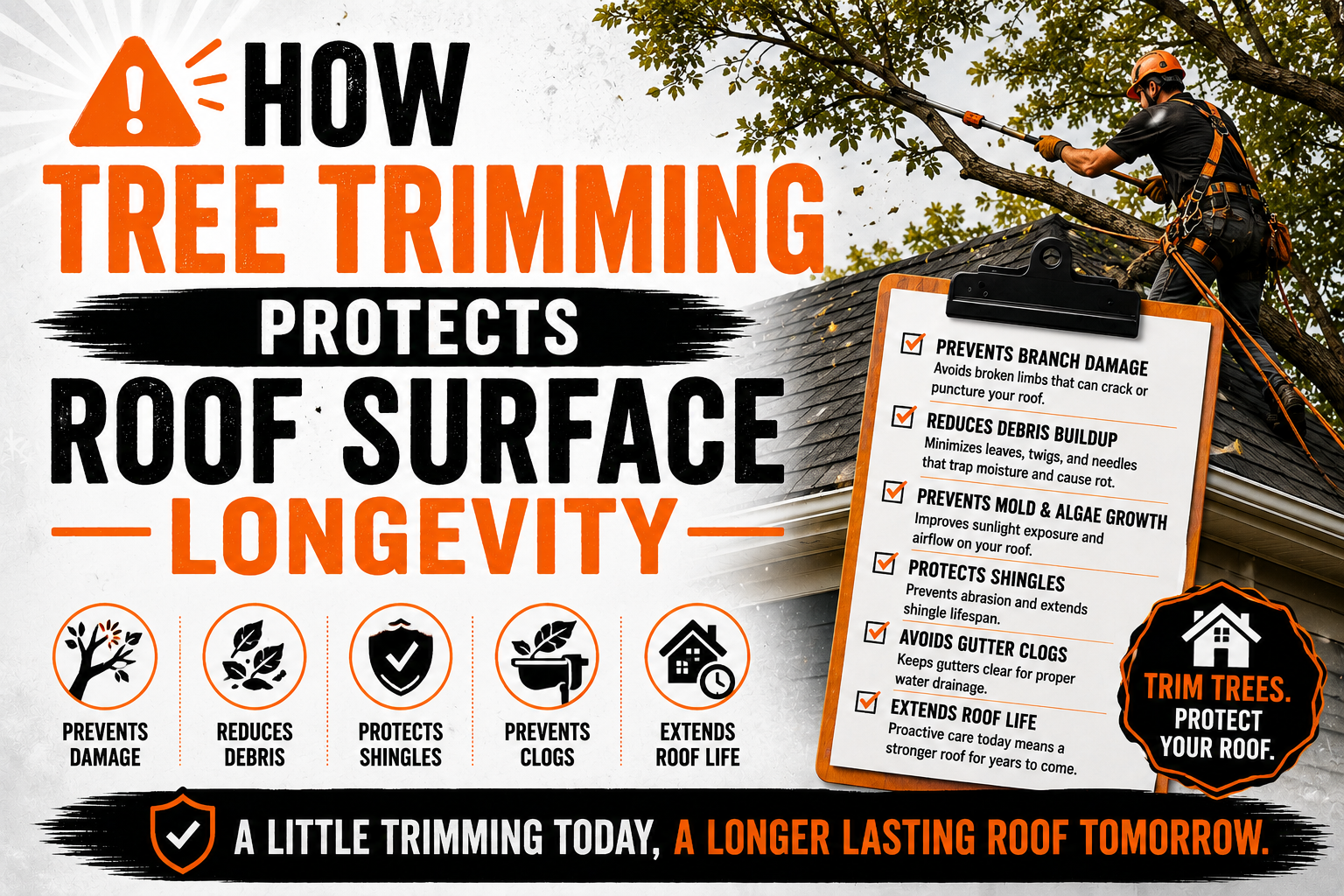
How Tree Trimming Protects Roof Surface Longevity
Introduction
Trees add beauty, shade, privacy, and environmental value to residential properties. They improve curb appeal, provide natural cooling during warmer months, and create a more attractive outdoor space. However, when trees are allowed to grow too close to a roof, they can become one of the leading causes of gradual roof deterioration.
Many homeowners focus on maintaining shingles, gutters, and flashing while overlooking the impact nearby trees have on the roofing system. Overhanging branches, falling debris, excessive shade, and accumulated moisture can shorten the lifespan of roofing materials and increase the likelihood of expensive repairs. These issues often develop slowly, making them difficult to notice until significant damage has already occurred.
Tree trimming is one of the simplest and most effective forms of preventive roof maintenance. Properly maintained trees reduce physical contact with the roof, improve drainage, increase sunlight exposure, and help keep roofing materials dry throughout the year. Regular trimming also minimizes the risk of storm related damage caused by falling branches and heavy limbs.
This guide explains how tree trimming protects roof surface longevity and why it should be an essential part of every homeowner’s maintenance routine. Understanding the relationship between trees and roofing materials allows you to make informed decisions that preserve both your landscape and your roof for many years.
Why Trees Can Be Both Beneficial and Harmful to Roofs
Trees offer several advantages for a home when they are planted and maintained correctly. Their shade helps reduce indoor temperatures during summer, lowering cooling costs and improving energy efficiency. Healthy trees also enhance property value while providing habitats for birds and other wildlife.
Despite these benefits, trees that grow too close to a roof can create ongoing maintenance challenges. Branches extending over the roof increase the amount of leaves, twigs, seeds, and other organic material that collect on roofing surfaces. This debris traps moisture and interferes with proper drainage after rain or snow.
Dense tree canopies also reduce the amount of sunlight reaching the roof. While shade can decrease heat buildup during summer, excessive shade prevents roofing materials from drying quickly after storms. Persistent moisture encourages the growth of moss, algae, and lichen, all of which gradually weaken roofing materials.
Storms introduce additional risks when nearby trees are poorly maintained. Strong winds can cause branches to scrape against shingles or break completely, resulting in immediate roof damage that often requires professional repairs.
The goal is not to remove every tree near a home but to manage tree growth responsibly. Proper trimming allows homeowners to enjoy the benefits of mature trees while minimizing the risks they pose to the roofing system.
How Overhanging Branches Affect Roof Surfaces
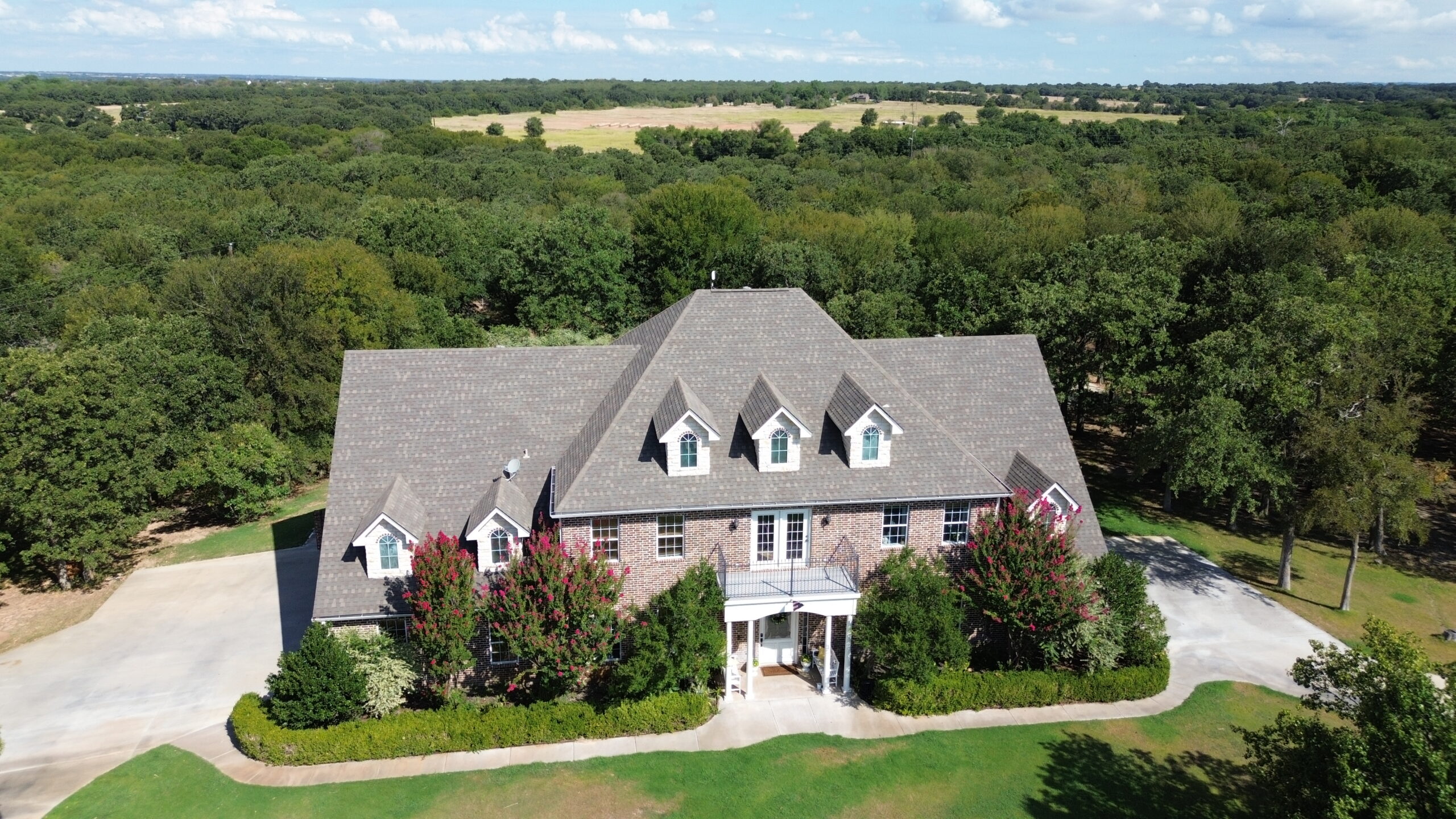
Branches hanging directly above the roof may appear harmless during calm weather, but they create several long term problems that gradually reduce roof durability.
As branches move in the wind, they repeatedly brush against roofing materials. This constant contact removes the protective granules from asphalt shingles and creates small scratches on metal, tile, or composite roofing surfaces. Although the damage may seem minor at first, repeated abrasion accelerates material wear over time.
Overhanging limbs also increase the amount of organic debris falling onto the roof throughout the year. Leaves, pine needles, seed pods, blossoms, and small twigs accumulate in roof valleys, behind chimneys, and inside gutters, restricting water flow and increasing moisture retention.
Branches can also block sunlight from reaching sections of the roof. Without adequate sunlight, moisture remains on roofing materials much longer after rain, creating conditions that encourage biological growth and premature deterioration.
During winter, overhanging branches collect snow and ice that can fall onto the roof unexpectedly. The added impact places unnecessary stress on shingles and gutters while increasing the likelihood of physical damage.
Regular trimming reduces these risks by creating safe clearance between trees and the roof, allowing both to remain healthy without interfering with one another.
Physical Damage Caused by Tree Branches
Direct contact between tree branches and roofing materials is one of the most preventable causes of roof damage. Even relatively small branches can create problems when they rub against the roof repeatedly.
Wind causes branches to sway continuously, especially during storms. Each movement creates friction that slowly wears away the protective outer surface of roofing materials. Asphalt shingles lose granules, wood shakes develop surface wear, and protective coatings on metal roofs may become scratched.
Larger branches present an even greater threat. Heavy limbs weakened by age, disease, or storm damage may break unexpectedly and fall onto the roof. Depending on their size, they can crack shingles, puncture roof decking, bend flashing, damage skylights, or even compromise structural framing.
Tree branches can also strike gutters and fascia boards during high winds. Bent gutters, loosened fasteners, and damaged drainage systems often result from repeated branch impacts rather than severe storms alone.
Damage caused by falling branches is not always immediately visible. Hidden fractures beneath shingles or subtle flashing displacement may allow water to enter the roofing system long before homeowners notice interior leaks.
Maintaining proper branch clearance significantly reduces the likelihood of both gradual wear and sudden impact damage, helping preserve the roof’s structural integrity.
How Leaves and Organic Debris Reduce Roof Lifespan
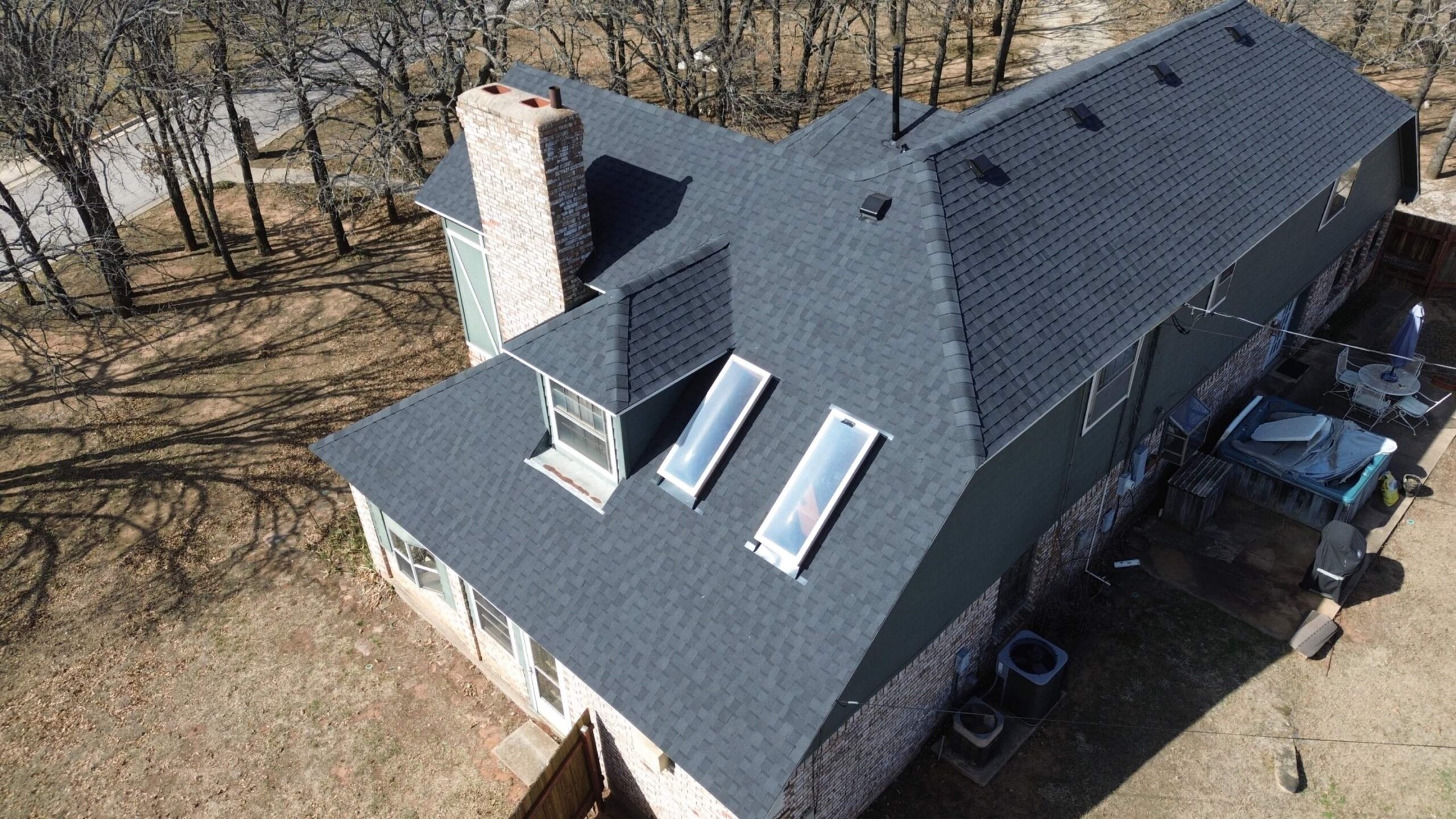
Organic debris accumulating on a roof does more than create an untidy appearance. It interferes with the roof’s ability to shed water efficiently and accelerates material deterioration through prolonged moisture exposure.
Leaves often collect in roof valleys where water naturally concentrates during rainfall. As debris builds up, water begins pooling behind the blockage instead of flowing freely toward gutters. Standing water increases the risk of leaks and encourages premature aging of roofing materials.
Pine needles create similar challenges because they form dense layers that trap moisture against shingles. Unlike loose leaves that may blow away naturally, pine needles often remain tightly packed within roof valleys and gutters.
Seed pods, flowers, and small branches contribute additional debris throughout different seasons. As this material decomposes, it creates nutrient rich organic matter that supports the growth of moss, algae, and fungi.
Clogged gutters caused by accumulated debris also affect roof performance. Water overflowing from blocked gutters can soak fascia boards, roof edges, and siding, increasing the risk of wood rot and moisture damage.
Routine tree trimming reduces the amount of debris reaching the roof while making seasonal roof cleaning more manageable. Fewer overhanging branches mean less organic material falling onto the roofing system throughout the year.
Moisture Retention and Its Impact on Roofing Materials
Moisture is one of the greatest threats to long term roof performance. While roofing materials are designed to withstand rain, they perform best when they can dry quickly after wet weather.
Trees with dense canopies create shaded areas where evaporation occurs much more slowly. Roofing materials remain damp for extended periods after rain, morning dew, or melting snow.
Continuous moisture exposure gradually weakens roofing components. Asphalt shingles may curl or lose granules more rapidly, while wood shingles become vulnerable to rot and fungal decay. Even durable roofing materials experience faster aging when they remain wet for prolonged periods.
Moisture trapped beneath accumulated leaves further increases the problem. Instead of drying naturally, water remains in direct contact with the roof surface for days, creating ideal conditions for biological growth and material deterioration.
Persistent moisture may also affect flashing, fasteners, and underlayment. Metal components become more susceptible to corrosion, while prolonged dampness can reduce the effectiveness of roofing adhesives and sealants.
Tree trimming improves airflow and sunlight penetration, helping roofing materials dry more efficiently after storms. Faster drying times significantly reduce the long term effects of moisture related deterioration.
Moss, Algae, and Lichen Growth Under Tree Cover
Roofs shaded by overgrown trees provide excellent conditions for moss, algae, and lichen to thrive. Although these organisms often begin as minor surface discoloration, they gradually contribute to roofing problems that reduce the lifespan of the entire system.
Moss is especially problematic because it retains large amounts of moisture. As moss spreads across shingles, it lifts their edges slightly, allowing water to penetrate beneath the roofing material during rainstorms.
Algae commonly appear as dark streaks running down roof surfaces. While algae themselves may not immediately damage shingles, they indicate persistent moisture conditions that can accelerate roof aging if left untreated.
Lichen combines characteristics of algae and fungi, forming tightly attached growths that are difficult to remove without damaging roofing materials. Over time, lichen can weaken the protective surface of shingles and contribute to premature deterioration.
These organisms spread more rapidly on shaded roofs because direct sunlight naturally inhibits their growth. Trees that prevent adequate sunlight from reaching the roof create an environment where biological growth flourishes throughout the year.
Proper tree trimming increases sunlight exposure and improves airflow, making the roof less hospitable to moss, algae, and lichen while reducing the need for frequent cleaning treatments.
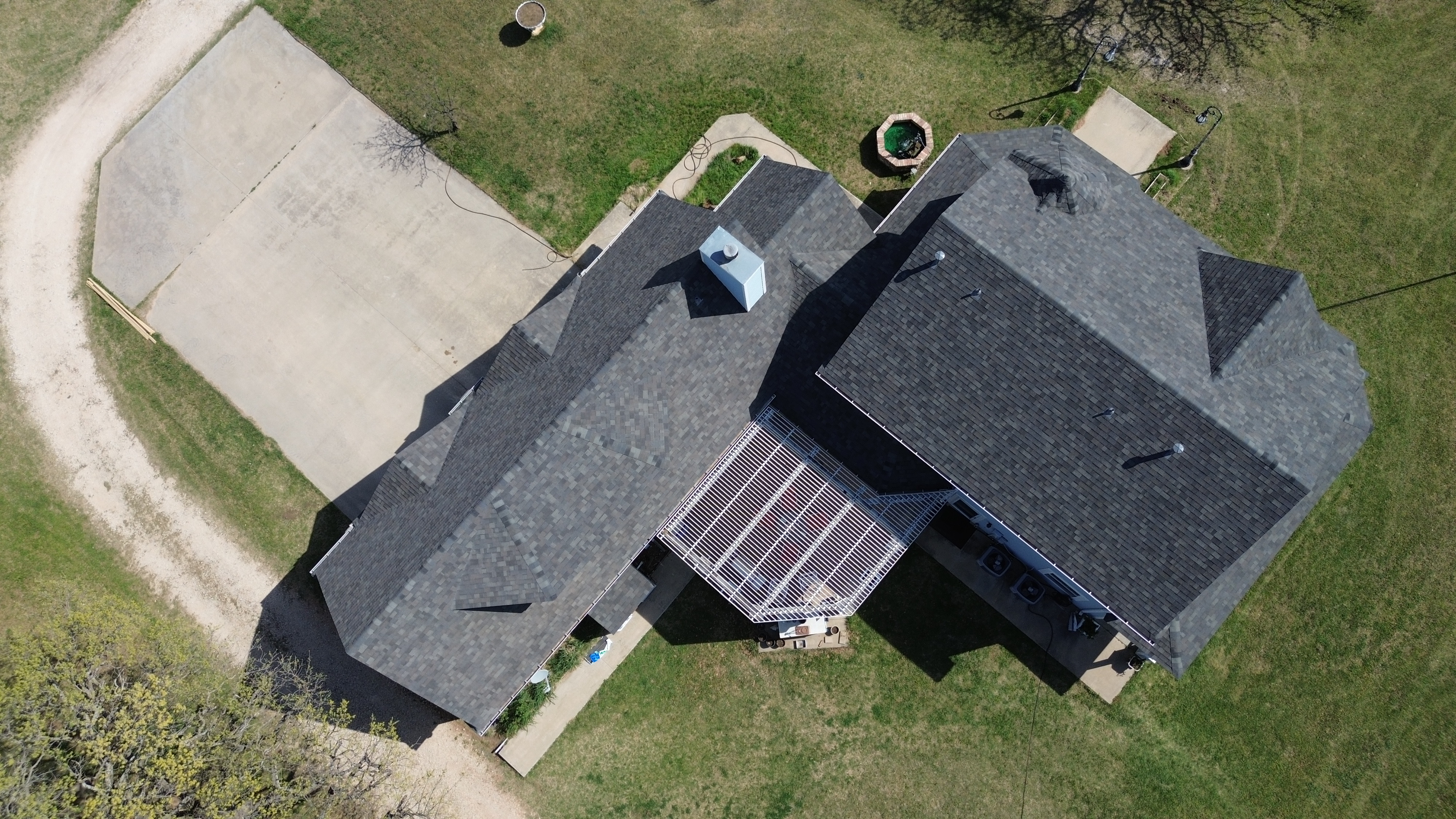
Signs Trees Are Damaging Your Roof
Tree related roof damage often develops gradually, making early recognition essential for preventing larger repair costs. Several warning signs indicate that nearby trees may already be affecting your roofing system.
Branches touching the roof during windy weather are among the most obvious indicators. Even occasional contact can create enough friction to wear away protective roofing surfaces over time.
Large amounts of leaves or pine needles collecting on the roof after mild weather suggest that tree branches extend too closely above the home. Frequent debris accumulation increases maintenance requirements while encouraging moisture retention.
Dark streaks, green patches, or visible moss growth often indicate excessive shade and poor roof drying conditions. These biological growths commonly develop beneath dense tree canopies.
Gutters that clog repeatedly despite regular cleaning may also point to nearby trees requiring maintenance. Excessive debris entering the drainage system reduces water flow and increases the likelihood of overflow during storms.
Homeowners should also watch for broken branches after storms, damaged shingles near tree limbs, unexplained roof scratches, or visible wear beneath overhanging branches. Addressing these warning signs early helps prevent more extensive roof deterioration.
Evaluating Trees Around Your Property
A thorough property inspection helps homeowners determine whether nearby trees present a risk to the roof. The goal is to identify potential hazards before they cause damage rather than reacting after problems occur.
Begin by observing the distance between tree branches and the roof surface. Branches extending directly over the roof deserve the closest attention because they contribute most to debris accumulation and physical contact.
Inspect trees for dead, diseased, or cracked limbs that could break during storms. Weak branches should be removed promptly to reduce the risk of falling onto the roof.
Consider the growth rate of each tree species as well. Fast growing trees may require more frequent trimming than slower growing varieties, especially when planted close to the home.
The overall health of the tree should also be evaluated. Leaning trunks, hollow sections, fungal growth around the base, or visible insect damage may indicate structural weakness that requires professional assessment.
Regular property evaluations allow homeowners to balance landscape preservation with roof protection. Healthy, properly maintained trees enhance the home’s appearance while reducing unnecessary stress on the roofing system.
Why Regular Tree Trimming Is a Preventive Maintenance Strategy
Preventive maintenance focuses on eliminating potential problems before they result in costly repairs, and tree trimming is an excellent example of this approach. Rather than waiting for branches to damage the roof, regular trimming minimizes the conditions that contribute to wear and deterioration.
Maintaining adequate clearance between trees and the roof reduces branch contact, improves airflow, increases sunlight exposure, and limits the amount of debris falling onto roofing materials. Together, these benefits help preserve shingles, flashing, gutters, and roof decking.
Routine trimming also makes roof inspections easier because contractors can access roofing components without interference from low hanging branches. Improved visibility allows maintenance issues to be identified and corrected more efficiently.
Another important advantage is storm preparedness. Removing weak or overextended branches before severe weather reduces the likelihood of emergency roof damage caused by falling limbs during high winds or heavy snowfall.
Tree trimming should be viewed as an investment in both landscape care and roof longevity. A balanced maintenance plan protects the health of nearby trees while helping the roofing system perform at its best throughout every season.
Now we will explore the best tree trimming practices for roof protection, discuss ideal branch clearance distances, explain seasonal trimming strategies, examine how tree maintenance improves gutters and roof ventilation, and provide practical recommendations for maintaining healthy trees without compromising the lifespan of your roof.
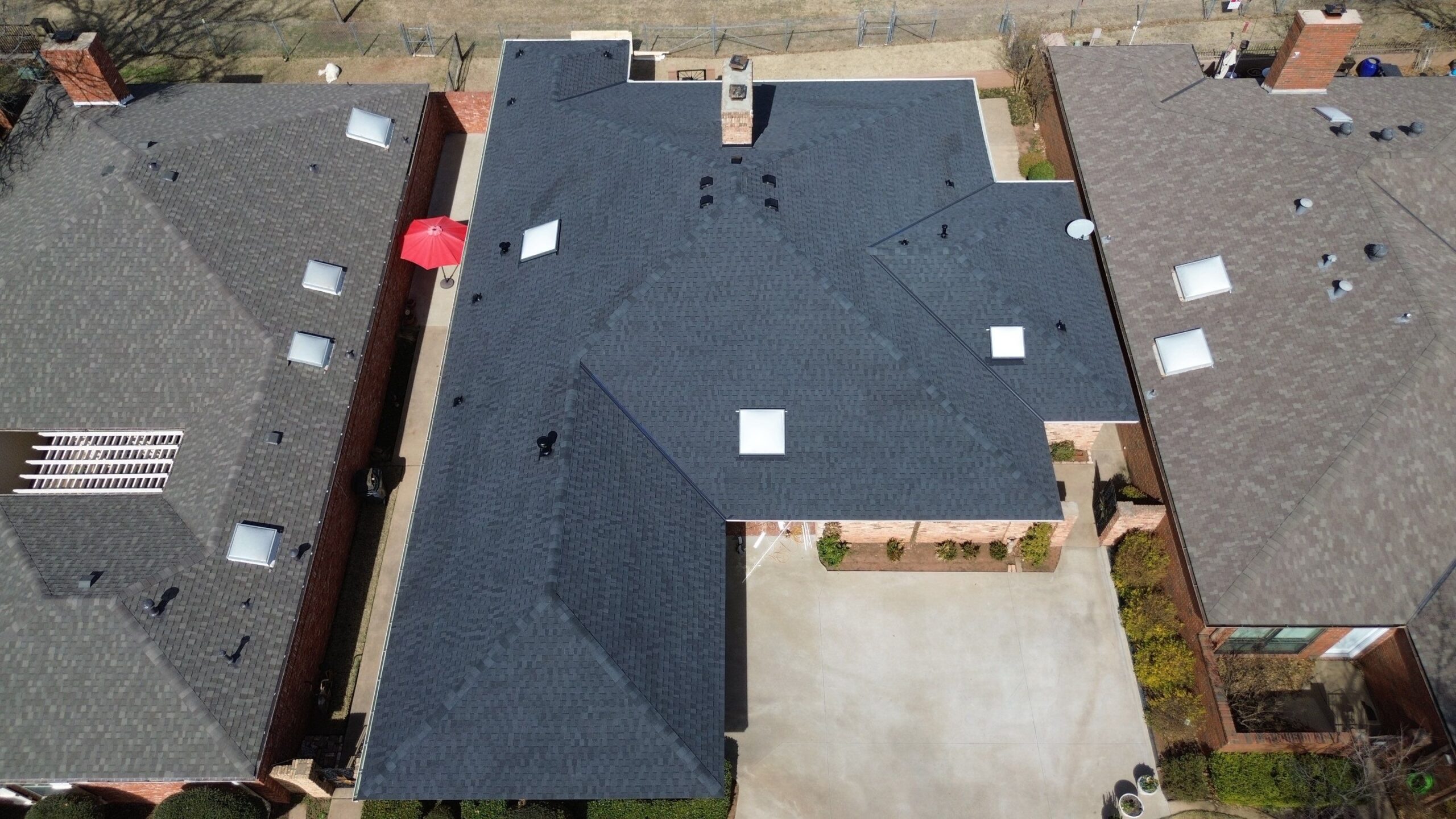
Best Tree Trimming Practices for Roof Protection
Tree trimming is most effective when it follows a planned maintenance strategy rather than occasional pruning after problems appear. Proper trimming preserves the health of the tree while reducing the risks that overgrown branches pose to the roof. The objective is to create adequate clearance, improve airflow, and minimize debris without removing more of the tree than necessary.
Every property is different, so trimming methods should consider the tree species, growth pattern, roof design, and local climate. Fast growing trees may require annual attention, while slower growing species can often be maintained with less frequent trimming. Regardless of the tree type, regular inspections help determine when pruning is needed before branches begin affecting the roofing system.
Tree trimming should also complement other roof maintenance activities. Scheduling pruning before gutter cleaning or seasonal roof inspections allows homeowners to remove debris first, making the rest of the maintenance process more efficient.
Determining Which Branches Should Be Trimmed
Not every branch near the roof needs to be removed. Strategic trimming focuses on branches that pose the greatest risk to roofing materials while preserving the tree’s natural shape and long term health.
Branches that extend directly over the roof deserve the highest priority. These limbs drop leaves, twigs, seeds, and other debris directly onto roofing surfaces, increasing moisture retention and reducing drainage efficiency.
Any branch touching or nearly touching the roof should also be trimmed. Continuous contact caused by wind movement gradually wears away roofing materials, even when the branch appears relatively small.
Dead or damaged branches require immediate attention because they are more likely to break during storms. Removing weakened limbs before severe weather greatly reduces the risk of sudden roof damage.
Branches growing toward chimneys, skylights, solar panels, or roof vents should also be monitored carefully. These roof features are especially vulnerable to impact damage and may become difficult to inspect when surrounded by dense tree growth.
Selective trimming provides better results than excessive pruning. Maintaining a balanced canopy keeps the tree healthy while protecting nearby roofing components.
Safe Clearance Between Trees and Roofs
Maintaining proper clearance between trees and the roof allows both to coexist without causing unnecessary damage. Adequate spacing reduces branch contact, improves sunlight exposure, and limits the amount of debris reaching the roof surface.
Although ideal distances vary depending on the tree species and its growth rate, homeowners should regularly monitor branch growth throughout the year. Young trees may seem harmless initially, but rapid growth can quickly reduce the space between branches and the roof.
The following table provides general guidance for recommended branch clearance.
| Tree Type | Recommended Roof Clearance | Maintenance Frequency |
|---|---|---|
| Small ornamental trees | 6 to 8 feet | Every 2 to 3 years |
| Medium shade trees | 8 to 10 feet | Every 2 years |
| Large deciduous trees | 10 to 15 feet | Annually or as needed |
| Evergreen trees | 10 to 15 feet | Annual inspection and trimming |
| Fast growing species | 12 to 15 feet | Annual maintenance |
These recommendations provide a general starting point rather than strict rules. Local weather conditions, tree health, and roof design may require additional clearance in certain situations.
Maintaining consistent clearance also improves access for roof inspections and repairs. Roofing professionals can work more safely when branches do not obstruct ladders, walking paths, or inspection areas.
Seasonal Tree Trimming for Maximum Roof Protection
Tree trimming should be planned throughout the year instead of waiting until branches become a problem. Seasonal maintenance allows homeowners to address changing growth patterns before they affect the roof.
Late winter and early spring are often ideal times for trimming many deciduous trees. During dormancy, tree structure is easier to evaluate, and pruning wounds typically heal more efficiently as growth resumes.
Summer inspections help identify branches that have grown rapidly during the active growing season. Removing excessive growth before autumn reduces the amount of leaves and debris that will eventually collect on the roof.
Fall maintenance focuses on preparing the property for winter. Trimming weak or overextended branches before snow and ice arrive lowers the risk of storm related damage while making gutter cleaning more effective.
Winter pruning may be appropriate for certain tree species, particularly when professional arborists determine that dormant season trimming benefits long term tree health. However, weather conditions should always be considered to ensure safe working conditions.
Developing a seasonal trimming routine prevents sudden overgrowth and reduces the need for aggressive pruning that may stress the tree.
Protecting Gutters Through Proper Tree Maintenance
Gutters play an essential role in directing water away from the roof, but they function properly only when debris does not obstruct the drainage system. Nearby trees are the primary source of gutter blockages on many residential properties.
Leaves, pine needles, seed pods, flowers, and small branches accumulate inside gutters throughout the year. During rainfall, this debris slows water flow and eventually creates blockages that cause overflow.
Overflowing gutters allow water to soak fascia boards, roof edges, siding, and even the home’s foundation. During winter, trapped water may freeze and contribute to the formation of damaging ice dams.
Tree trimming significantly reduces the amount of debris entering gutters. While occasional cleaning remains necessary, fewer overhanging branches result in less frequent blockages and improved drainage efficiency.
Gutter maintenance should always follow tree trimming whenever possible. Removing branches first prevents freshly cut debris from immediately filling clean gutters again.
Regular inspections also allow homeowners to identify gutter damage caused by previous branch impacts. Bent sections, loose brackets, and separated joints should be repaired before they interfere with proper drainage.
Preventing Pest Damage with Tree Trimming
Overgrown trees can provide convenient pathways for insects and wildlife to access the roof. Branches extending close to the home allow pests to move from trees onto roofing materials, creating additional maintenance concerns.
Rodents such as squirrels often use nearby branches to reach the roof, where they may damage shingles, vents, fascia boards, or attic openings while searching for shelter. Birds may build nests inside roof vents or gutters when tree cover provides easy access.
Insects also benefit from overgrown vegetation. Ants, termites, and other wood damaging pests sometimes migrate from unhealthy trees to nearby wooden roofing components if conditions become favorable.
Dense vegetation surrounding the roof creates shaded, humid conditions that attract certain insects while making routine inspections more difficult. Trimming branches improves visibility and reduces hiding places for unwanted pests.
Maintaining proper clearance between trees and the roof helps interrupt these access routes. Combined with regular roof inspections, strategic trimming reduces the likelihood of pest related roof damage.
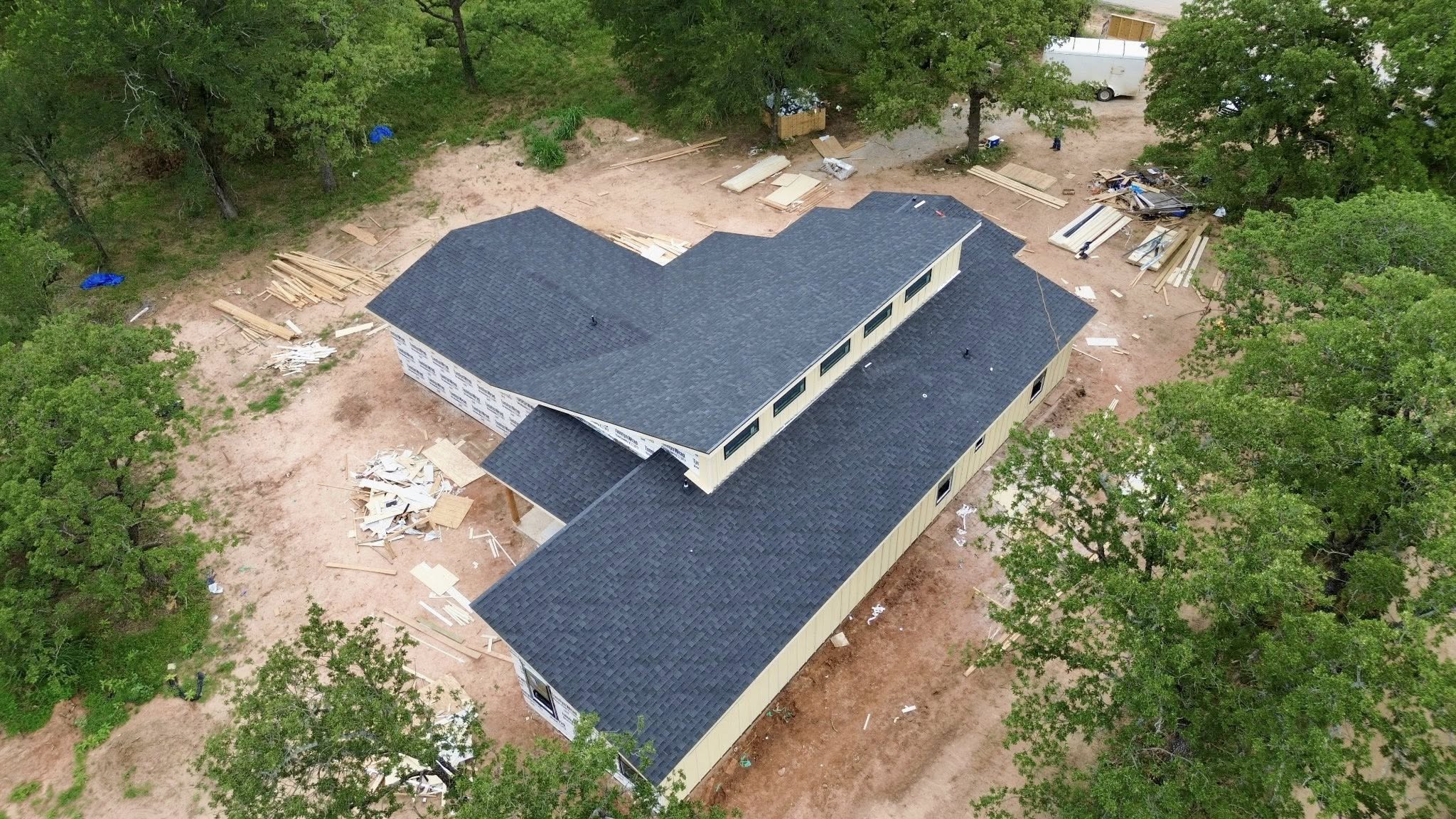
Improving Roof Ventilation and Sunlight Exposure
Healthy roofs depend on adequate airflow and regular exposure to sunlight. Overgrown tree canopies restrict both, creating conditions that encourage moisture retention and biological growth.
Sunlight naturally dries roofing materials after rainfall, morning dew, or melting snow. When branches block direct sunlight throughout the day, shingles remain damp much longer than intended.
Improved airflow also contributes to faster drying. Gentle air movement removes surface moisture while helping regulate temperatures around the roof. Reduced moisture exposure slows the development of moss, algae, and lichen.
Better sunlight exposure offers additional advantages by making roof inspections easier. Damaged shingles, flashing problems, and debris accumulation become more visible when dense tree cover no longer blocks natural light.
Tree trimming should aim to balance shade and sunlight rather than eliminating all tree cover. Proper pruning preserves the cooling benefits of trees while allowing enough sunlight to maintain healthy roofing conditions.
Common Tree Species That Require Frequent Maintenance
Some tree species naturally grow faster or shed more debris than others. Understanding these characteristics helps homeowners plan maintenance schedules more effectively.
Fast growing trees such as silver maple, willow, cottonwood, and poplar often require frequent trimming because their branches can quickly extend over the roof. Their rapid growth also increases the likelihood of storm damage if maintenance is delayed.
Pine trees continuously shed needles throughout the year. These needles collect in roof valleys and gutters, creating dense blockages that retain moisture and interfere with drainage.
Oak trees produce large volumes of leaves as well as acorns, both of which contribute to roof and gutter debris during autumn. Mature oaks may also develop heavy limbs that require periodic structural pruning.
Fruit trees growing close to the home deserve regular attention because fallen fruit attracts insects, birds, and small animals while adding organic debris to the roof.
Homeowners should become familiar with the growth habits of trees on their property. Understanding how each species develops allows maintenance to be scheduled before branches become hazardous.
Tree Trimming Do’s and Don’ts
Proper trimming techniques protect both the roof and the health of nearby trees. Poor pruning practices may weaken the tree while failing to solve roofing problems.
The following guidelines help homeowners make informed maintenance decisions.
Do:
- Inspect nearby trees at least twice each year.
- Remove dead, diseased, or damaged branches promptly.
- Maintain consistent clearance between branches and the roof.
- Trim trees before storm season whenever possible.
- Hire qualified professionals for large or hazardous trees.
Don’t:
- Allow branches to rest against roofing materials.
- Remove excessive portions of the tree at one time.
- Ignore dead limbs hanging above the roof.
- Use improper cutting techniques that damage the tree.
- Delay maintenance until storm damage occurs.
Following these practices helps preserve tree health while reducing long term roofing problems. Balanced maintenance supports the natural growth of trees without allowing them to become a threat to the home.
Proper tree trimming is only one part of a comprehensive roof maintenance strategy. Now, we will discuss when professional tree trimming services are the best option, examine common homeowner mistakes, compare the cost of preventive tree care with roof repairs, answer frequently asked questions, present an annual maintenance checklist, and conclude with the key reasons regular tree maintenance plays such an important role in extending roof surface longevity.
When to Hire a Professional Tree Trimming Service
While homeowners can safely perform minor pruning on small trees, larger trimming projects often require professional expertise. Working near a roof involves significant safety risks, especially when heavy branches, tall trees, or power lines are involved. Hiring a qualified tree care professional helps protect both the property and the people performing the work.
Professional arborists understand how different tree species respond to pruning. They remove hazardous branches while preserving the tree’s health, structural balance, and long term growth. Improper trimming can weaken a tree, making it more susceptible to disease, storm damage, or uneven growth.
Large branches hanging above the roof should always be evaluated by experienced professionals. Removing heavy limbs without proper equipment can result in serious roof damage if the branch falls unexpectedly.
Professionals also inspect trees for hidden problems such as decay, insect infestations, cracked limbs, or structural instability. These issues may not be obvious to homeowners but can significantly increase the risk of future roof damage.
Another advantage of hiring professionals is the use of specialized equipment. Bucket trucks, climbing gear, ropes, and controlled cutting techniques allow branches to be removed safely without striking the roof, gutters, or landscaping.
Mistakes Homeowners Should Avoid
Tree trimming provides excellent protection for roofing systems when performed correctly. However, several common mistakes reduce its effectiveness and may even create additional problems.
One of the biggest mistakes is waiting until branches actually touch the roof before taking action. By that stage, repeated contact may have already removed protective granules from shingles or damaged flashing.
Another mistake is trimming only the visible branches while ignoring those growing toward the roof from higher sections of the tree. As these branches continue growing, they eventually create the same problems again.
Over pruning is equally harmful. Removing too much of the tree at one time weakens its structure and may encourage rapid, uneven regrowth that requires even more maintenance in the future.
Many homeowners also overlook dead branches because they remain attached to the tree. These limbs can fall without warning during storms, causing severe roof damage despite appearing stable beforehand.
Ignoring seasonal inspections is another costly error. Trees grow continuously, and even well maintained branches can gradually move closer to the roof over time.
Integrating Tree Care Into Your Roof Maintenance Plan
Tree maintenance should never be treated as a separate landscaping task. Instead, it should become part of a complete roof maintenance program that addresses every factor affecting roof performance.
Scheduling tree inspections at the same time as roof inspections allows homeowners to identify potential problems more efficiently. Roofing contractors and tree care professionals can work together to recommend maintenance that protects both the roof and surrounding vegetation.
Gutter cleaning also benefits from coordinated tree maintenance. Trimming branches before cleaning gutters reduces the amount of new debris entering the drainage system immediately afterward.
Seasonal maintenance calendars help homeowners stay consistent throughout the year. Rather than responding only after storms or visible damage, regular inspections create opportunities to correct small issues before they become expensive repairs.
Photographs taken during annual inspections provide valuable records of both tree growth and roof condition. Comparing images over time helps homeowners recognize changing branch positions and identify areas that may require future attention.
A coordinated maintenance strategy improves efficiency while reducing long term ownership costs. Every component of the property’s exterior works together more effectively when maintenance is planned rather than reactive.
Cost of Tree Trimming Versus Roof Repairs
Some homeowners postpone tree trimming because they view it as an unnecessary expense. However, comparing the cost of preventive maintenance with potential roof repairs demonstrates why routine trimming provides excellent long term value.
Professional tree trimming generally costs far less than repairing storm damaged roofing materials, replacing gutters, or correcting water damage caused by clogged drainage systems. Preventive maintenance also reduces the likelihood of emergency service calls, which often carry higher labor costs.
When branches damage shingles or flashing, repairs may appear relatively minor at first. However, even small openings allow water to enter the roofing system, leading to insulation damage, mold growth, ceiling stains, and structural deterioration if left unresolved.
The following comparison highlights the difference between preventive tree maintenance and reactive roof repairs.
| Preventive Maintenance | Potential Roof Repair Costs |
|---|---|
| Routine tree trimming | Shingle replacement |
| Seasonal tree inspection | Flashing repairs |
| Dead branch removal | Gutter replacement |
| Canopy thinning | Roof leak repairs |
| Preventive pruning | Water damaged insulation replacement |
| Tree health assessment | Ceiling and drywall restoration |
| Branch clearance maintenance | Structural roof repairs |
Although exact costs vary depending on property size, tree species, and roof design, preventive trimming almost always costs less than repairing avoidable roof damage. Regular maintenance also protects landscaping investments while preserving the value of the home.
Frequently Asked Questions About Tree Trimming and Roof Protection
Homeowners often have similar questions about maintaining trees near their roofs. Understanding these common concerns helps support better maintenance decisions.
How often should trees near a roof be trimmed?
Most trees benefit from inspection every year, while trimming schedules depend on the tree species and growth rate. Fast growing trees may require annual pruning, whereas slower growing species often need maintenance every two to three years.
Can tree branches really damage asphalt shingles?
Yes. Branches rubbing against shingles during windy conditions gradually remove protective granules and accelerate wear. Larger branches can also crack or puncture roofing materials if they fall during storms.
Is it safe to trim large branches myself?
Large branches located above the roof should generally be handled by trained professionals. Improper cutting techniques or falling limbs can cause significant roof damage and create serious safety hazards.
Will tree trimming eliminate the need to clean gutters?
No. Trimming greatly reduces the amount of debris entering gutters, but routine cleaning is still necessary to maintain proper drainage and prevent blockages.
Does removing tree branches harm the tree?
When pruning is performed correctly using proper techniques, tree health is typically improved rather than harmed. Removing dead, diseased, or overcrowded branches allows the tree to grow more efficiently while reducing safety risks.
Annual Tree and Roof Maintenance Checklist
Creating a yearly maintenance routine helps ensure that both the roof and surrounding trees remain in excellent condition. Consistent inspections reduce the likelihood of unexpected damage and make seasonal maintenance easier to manage.
A practical annual maintenance plan should include the following steps.
- Inspect trees for dead, diseased, or damaged branches each season.
- Trim overhanging limbs before they reach the roof surface.
- Schedule a complete roof inspection before and after storm season.
- Clean gutters and roof valleys after major leaf fall.
- Check for moss, algae, and excessive moisture on shaded roof areas.
- Monitor branch clearance throughout the growing season.
- Arrange professional tree and roof inspections when significant concerns are identified.
Following this routine creates a balanced maintenance strategy that protects both the landscape and the roofing system. Small preventive actions performed consistently are far more effective than waiting until visible damage develops.
Conclusion
Trees are valuable additions to any property, providing shade, beauty, improved air quality, and increased curb appeal. However, when their growth is left unmanaged, they can gradually shorten the lifespan of a roofing system through physical contact, excessive debris, moisture retention, blocked drainage, and storm related damage. Understanding this relationship allows homeowners to protect both their trees and their roofs through thoughtful maintenance.
Regular tree trimming plays an important role in preserving roof surface longevity. Maintaining proper branch clearance reduces abrasion, improves airflow, increases sunlight exposure, minimizes gutter blockages, and lowers the risk of falling limbs during severe weather. These benefits work together to reduce moisture related deterioration while helping roofing materials perform as intended throughout their service life.
Tree maintenance should always be considered part of a complete roof care plan rather than a separate landscaping task. Combining seasonal tree inspections with roof evaluations, gutter cleaning, attic inspections, and preventive repairs creates a comprehensive approach that addresses the root causes of many common roofing problems before they become expensive.
Investing in routine tree trimming is a practical and cost effective way to extend the life of your roof while maintaining the health and appearance of your landscape. By following a consistent maintenance schedule and seeking professional assistance when needed, homeowners can enjoy the advantages of mature trees without sacrificing the long term durability, safety, and performance of their roofing system.